Every home develops a unique olfactory signature that residents eventually stop noticing due to sensory adaptation. Guests entering a new space have fresh senses that pick up on these underlying scents immediately. The condition of the air tells a story about habits and hygiene and maintenance. Identifying these subtle odors allows homeowners to create a more welcoming environment. Awareness is the first step toward achieving a truly neutral and fresh home atmosphere.
Damp Towels

Musty bathroom towels are often overlooked by homeowners accustomed to the scent. This distinctive odor clings to fabric fibers and permeates small spaces like powder rooms. Guests frequently detect this smell the moment they step into a bathroom or wash their hands. Regular washing and ensuring proper ventilation help mitigate this common household issue. It serves as a subtle indicator of air circulation and humidity levels within the home.
Pet Dander

Animal odors often become nose-blind spots for those living with furry companions. The scent settles into carpets and upholstery where it lingers long after cleaning. Visitors can usually distinguish the specific musk of dogs or cats immediately upon entry. Air purifiers and frequent vacuuming are standard methods to neutralize these persistent biological scents. High quality enzymatic cleaners attack the source of the smell rather than masking it.
Fried Food
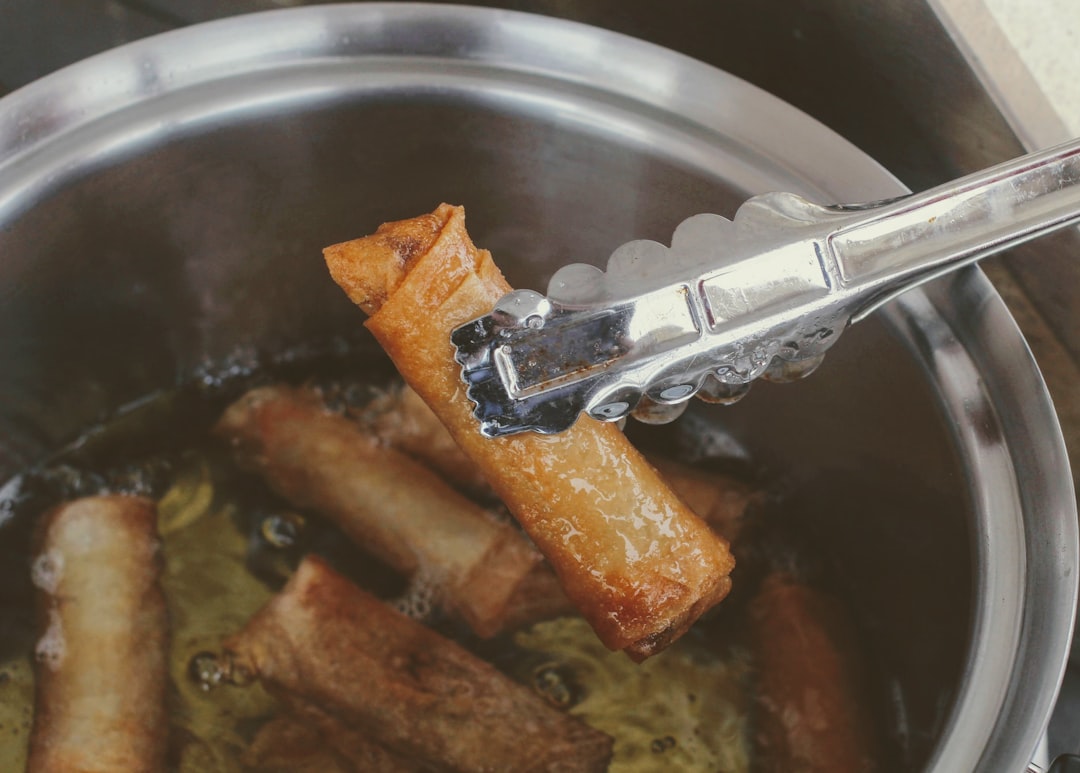
Cooking oil particles become airborne and stick to walls or fabrics throughout the living area. This heavy aroma can linger for days after a meal has been prepared and consumed. Open concept kitchens make it particularly difficult to contain these strong culinary smells. Guests notice the stale remnant of grease or fried onions instantly when walking through the door. Proper range hood usage during cooking is the most effective prevention strategy.
Garbage Disposal

Food scraps accumulating in the sink drain create a sour and rotting bacterial smell. This odor rises from the plughole and drifts into the surrounding kitchen space. Lemon peels or ice cubes are often used to clean the blades and freshen the drain. Neglecting this hidden area allows decay to fester and creates an uninviting atmosphere. Regular maintenance ensures the kitchen retains a crisp and clean aromatic profile.
Old Carpet

Synthetic fibers in flooring trap dust and moisture over many years of use. This combination produces a stale and dusty scent that is difficult to mask with candles. The padding underneath the carpet often absorbs spills that degrade and smell over time. Visitors perceive this underlying mustiness as a sign of an aged or poorly ventilated interior. Professional deep steam cleaning is usually required to truly extract these deep-seated odors.
Scented Candles

Artificial fragrances can sometimes be overwhelming rather than welcoming to a new arrival. Cheap wax blends often release a chemical undertone that irritates sensitive noses. Mixing too many different scent profiles creates a confusing and heavy olfactory experience. Guests may find strong vanilla or floral perfumes cloying if the room lacks fresh air. Subtlety is key when selecting home fragrances to ensure they enhance rather than dominate.
Mold and Mildew

High humidity areas like basements or bathrooms breed fungi that release microbial volatile organic compounds. This earthy and damp smell signals potential water damage or insufficient ventilation in the structure. It acts as an immediate red flag regarding the air quality and cleanliness of a residence. Dehumidifiers function as essential tools in combating this pervasive and health-impacting scent. Early detection prevents the odor from seeping into drywall and porous furniture.
Dirty Laundry

Hampers left open in bedrooms or hallways release the scent of sweat and body oils. This biological odor diffuses surprisingly far and compromises the feeling of freshness in a home. Accumulated gym clothes or damp socks are the primary culprits for this sharp smell. Keeping laundry in closed containers or washing frequent small loads helps manage the issue. A clean home environment relies heavily on the containment of used textiles.
Stale Smoke

Cigarette residue adheres tenaciously to curtains and walls to form a yellow film. This third-hand smoke releases toxic compounds that non-smokers detect instantly. The smell embeds itself into wood furniture and carpet fibers for years. Painting walls and replacing soft furnishings are often the only ways to fully remove the trace. It remains one of the most distinct and difficult odors to eradicate from a property.
Overripe Fruit

Bananas or apples left too long in a bowl emit ethylene gas and a sickly sweet fermentation smell. This sugary rot attracts fruit flies and creates a distinctively heavy atmosphere in the kitchen. The scent signals the breakdown of organic matter and can be surprisingly potent. Composting scraps immediately prevents this cloying odor from taking over the culinary space. Fresh produce requires regular monitoring to maintain a crisp smelling kitchen environment.
Wet Wool
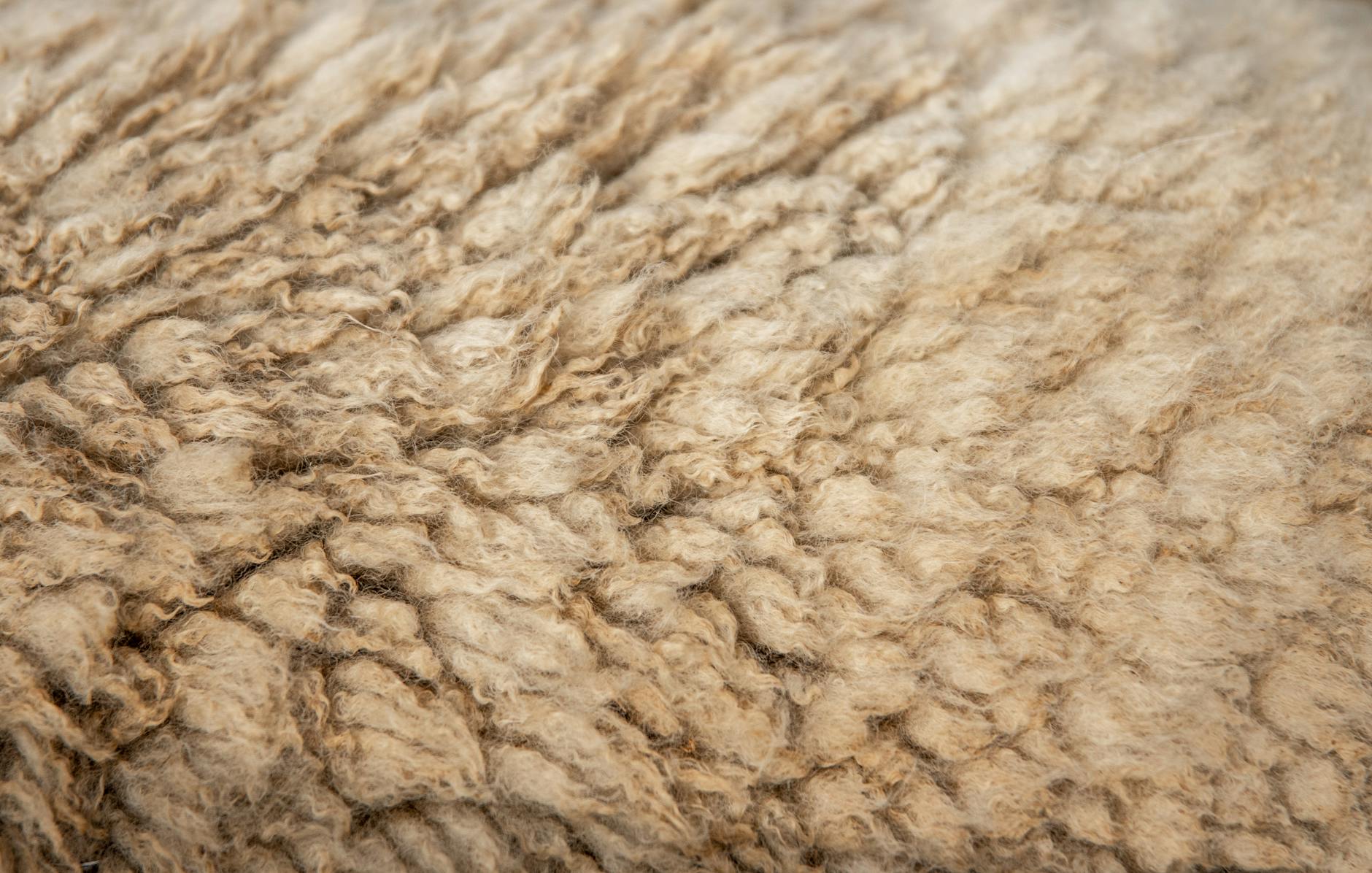
Drying woolen sweaters or rugs indoors releases a specific animalistic odor due to the lanolin. This distinctive sheep smell becomes more pronounced when the fibers are warm and damp. Guests often confuse this natural scent with that of a wet dog or general uncleanliness. Proper air drying outdoors or in well-ventilated utility rooms minimizes the impact on living areas. Understanding material properties helps homeowners manage these temporary but noticeable scents.
Burnt Toast

Carbonized bread crumbs inside a toaster produce a sharp and acrid smell when reheated. This charred scent hangs in the air and clings to fabrics like curtains or tablecloths. It suggests a recent cooking mishap and can make the kitchen feel less inviting. Emptying the crumb tray regularly is a simple maintenance task that prevents this issue. A clean toaster ensures breakfast preparation does not pollute the indoor air quality.
Cleaning Chemicals

Overuse of bleach or ammonia creates a sterile and hospital-like atmosphere in a residence. Strong chemical fumes can irritate the eyes and throat of guests upon entry. This sharp scent often indicates a recent attempt to mask other underlying odors. Natural alternatives like vinegar or baking soda offer a softer approach to sanitation. A balanced cleaning routine leaves a home smelling neutral rather than medically sterile.
Dusty Upholstery

Sofas and curtains that are rarely vacuumed accumulate layers of dead skin and particulate matter. This buildup creates a dry and sneezing-inducing smell when someone sits down. The scent is often described as old or stuffy by those visiting a home. Regular fabric care and vacuuming with HEPA filters remove these microscopic particles. Fresh air circulation helps to lift this heavy dust smell from the living room.
Fridge Odors
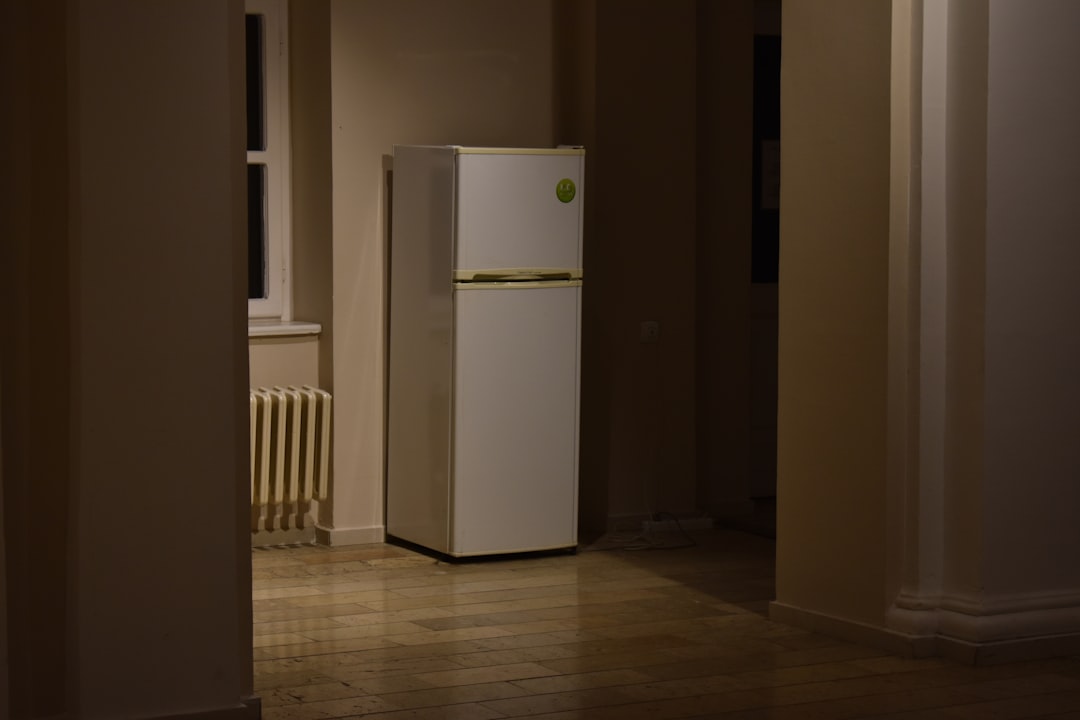
A refrigerator containing expired food allows smells to escape every time the door opens. Pungent cheeses or leftovers mix to create an unappetizing blast of cold air. This scent can drift into the kitchen and affect the perception of hygiene. An open box of baking soda absorbs these mingling odors effectively. Regular inventory checks prevent spoilage and keep the appliance smelling neutral.
Drain Pipes
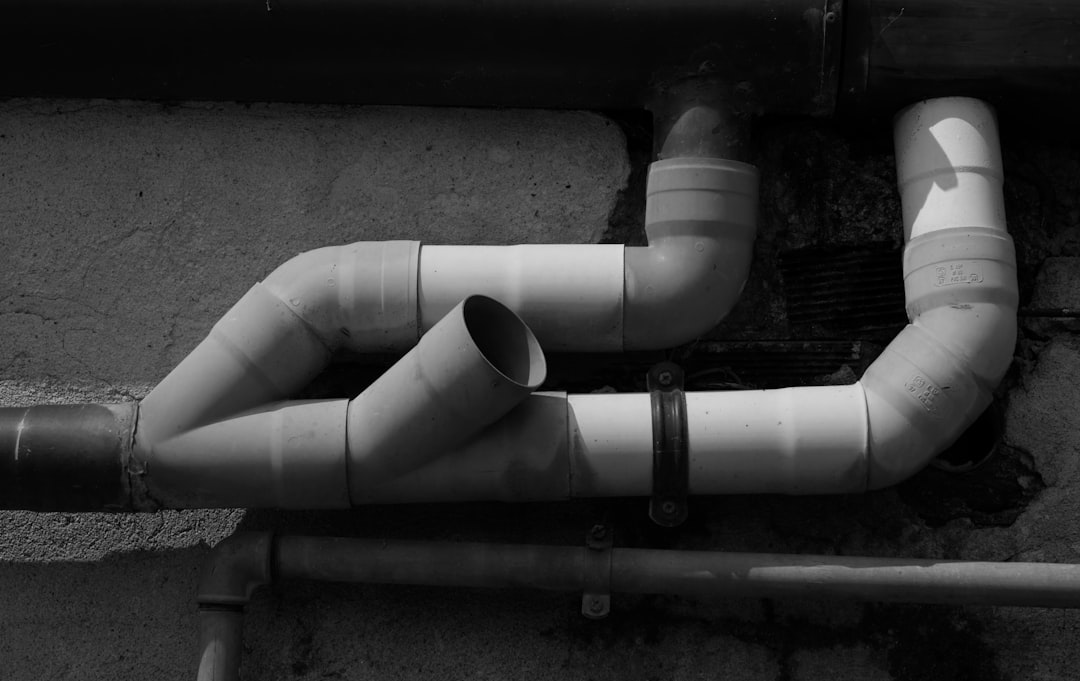
Dried out P-traps in guest bathrooms allow sewer gases to rise back up the pipe. This sulfurous smell is unmistakable and highly unpleasant for anyone using the facility. Running water through rarely used drains keeps the water barrier intact and blocks gas. It is a common issue in large homes with unoccupied guest suites. Regular plumbing maintenance ensures these pathways remain sealed against sewer odors.
Cat Litter
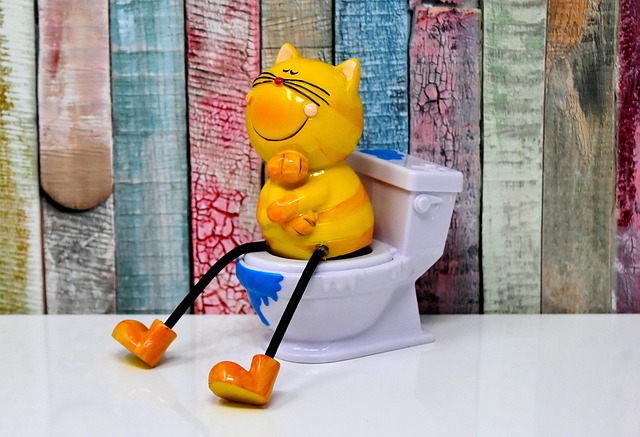
Even clean litter boxes emit a dusty clay scent mixed with ammonia traces. This specific combination is instantly recognizable to anyone who does not own a cat. The smell often travels far beyond the designated area where the box is kept. Covered boxes and high quality litter help to contain the spread of the odor. Daily scooping is the only way to keep this biological scent under control.
Mothballs

Naphthalene gas released by traditional moth repellents creates a pungent and chemical odor. This old-fashioned scent clings to winter coats and stored blankets for months. It is often associated with attics or long-term storage and feels dated to modern guests. Cedar blocks or lavender sachets provide a more pleasant natural alternative for clothing protection. The chemical smell is notoriously difficult to air out of fabrics once absorbed.
Sweat and Shoes

Entryways cluttered with worn sneakers accumulate the bacteria that cause foot odor. This greets guests immediately as they step across the threshold of the front door. The confined space of a mudroom amplifies the intensity of the bacterial scent. Shoe racks with proper ventilation allow footwear to dry out and reduce smell. Activated charcoal inserts are effective at neutralizing the moisture inside the shoes.
Indoor Plants

Overwatered soil in potted plants can develop root rot and a swampy smell. Decaying leaves left on the soil surface contribute to a general compost-like odor. This earthy scent can become overpowering in small rooms with many botanical elements. Proper drainage and removing dead plant matter keep the greenery smelling fresh. Healthy plants should contribute to air quality rather than detracting from it.
Spilled Milk

Dairy products that soak into car seats or rugs ferment quickly to produce a sour stench. This biological odor is particularly sharp and induces a gag reflex in many people. Even small droplets that are missed during cleaning can cause a lasting problem. Enzymatic cleaners are required to break down the proteins causing the smell. Quick action is essential to prevent the liquid from penetrating deep into the fibers.
Coffee Grounds

Wet coffee grounds left in the machine develop a moldy and bitter smell over time. This scent differs greatly from the pleasant aroma of fresh brewing coffee. It suggests neglect and can attract pests to the kitchen counter area. Rinsing the filter basket immediately after use prevents this damp buildup. A clean coffee maker ensures the morning ritual remains aromatic and inviting.
Fireplace Ash

Cold ashes left in the hearth emit a dusty and acrid smell of burnt wood. This scent is particularly noticeable on humid days when moisture activates the charred remains. It spreads a feeling of staleness throughout the living room rather than cozy warmth. Regular sweeping and removal of ash keeps the fireplace area fresh. Closing the flue when not in use prevents downdrafts from blowing the smell inward.
New Furniture

Factory produced items often off-gas volatile organic compounds like formaldehyde. This chemical smell is sharp and can cause headaches in sensitive individuals. It signals that the item has been recently unpacked and not yet aired out. Opening windows helps to dissipate these industrial fumes more rapidly. Time is usually the only cure for the scent of new foam and adhesives.
Vanilla Air Freshener

Heavy use of sweet sprays is often interpreted as an attempt to hide a worse smell. The cloying nature of artificial vanilla can feel thick and suffocating to visitors. It lacks the complexity of natural scents and can trigger allergies. A clean home should ideally smell neutral or lightly fresh. Reliance on heavy masking agents often draws attention to the very odors they are meant to hide.
Please share your own experiences with detecting or managing household odors in the comments.




