Modern lifestyles frequently introduce subtle behaviors that slowly degrade spinal health and compromise natural alignment over the years. Many individuals unconsciously adopt positions or routines that place unnecessary stress on vertebrae and supportive muscle groups daily. Recognizing these detrimental patterns serves as the first essential step toward preserving long-term mobility and preventing chronic back pain. This comprehensive guide highlights common actions that may seem harmless in the moment but accumulate to cause significant structural damage.
Looking Down at Smartphones

Frequent use of handheld devices forces the head into a forward position that exerts tremendous pressure on the cervical spine. This specific angle increases the effective weight of the head significantly and strains delicate neck muscles. Over time this repetitive stress creates a condition often referred to as text neck which flattens the natural curve of the spine. Users should aim to keep screens at eye level to maintain a neutral neck position and reduce the burden on the upper back.
Slouching on the Couch

Relaxing into soft furniture often leads to a rounded lower back and a complete loss of lumbar support. This C-shape curvature places uneven pressure on the intervertebral discs and overstretches the ligaments surrounding the spine. Spending hours in this collapsed position weakens the core muscles that are responsible for stabilizing the torso. Proper seating requires firm support that encourages the pelvis to remain upright rather than tucked under.
Wearing High Heels Frequently

High heels alter the center of gravity and force the pelvis to tilt forward in an unnatural manner. This anterior pelvic tilt compresses the lower back and creates excessive curvature in the lumbar region. The resulting misalignment travels up the spine and forces the thoracic area to compensate by rounding backward. Saving these shoes for special occasions allows the feet and spine to return to their natural alignment more often.
Carrying Heavy Shoulder Bags

Toting a heavy bag on one side causes the shoulder to elevate and the spine to curve laterally to compensate for the weight. This uneven load distribution creates muscle imbalances where one side of the back becomes tighter and stronger than the other. The spine eventually adopts a slight functional scoliosis to manage the asymmetrical burden during daily commutes. Alternating shoulders or using a crossbody bag helps distribute the weight more evenly across the torso.
Sitting on a Wallet
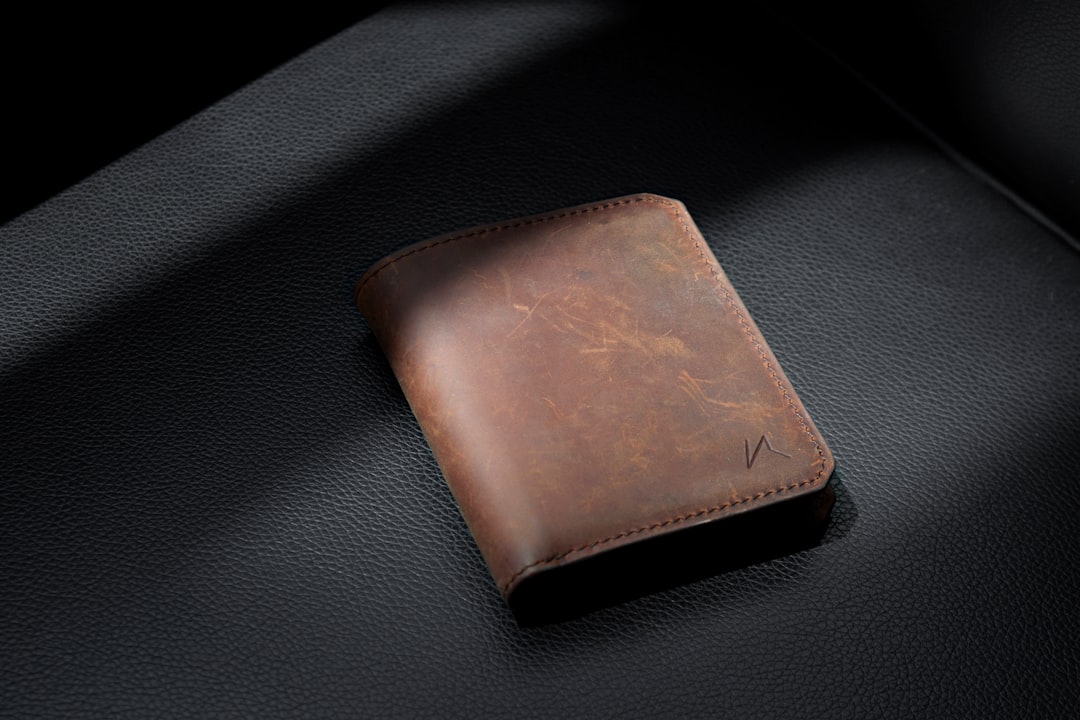
Keeping a thick wallet in a back pocket forces one hip to sit higher than the other when seated. This pelvic unleveling twists the lumbar spine and compresses the sciatic nerve running through the gluteal muscles. Long periods of sitting in this tilted position can lead to chronic lower back pain and sciatica symptoms. Removing items from back pockets before sitting ensures the pelvis remains level and the spine stays straight.
Sleeping on Your Stomach

Lying face down requires twisting the neck to the side to breathe which places significant torque on the upper cervical vertebrae. This position flattens the natural curve of the lower back and strains the muscles along the spinal column. The rotation of the neck for hours at a time restricts blood flow and often leads to morning stiffness or headaches. Sleeping on the back or side with appropriate pillow support promotes much better spinal neutrality.
Crossing Legs While Sitting
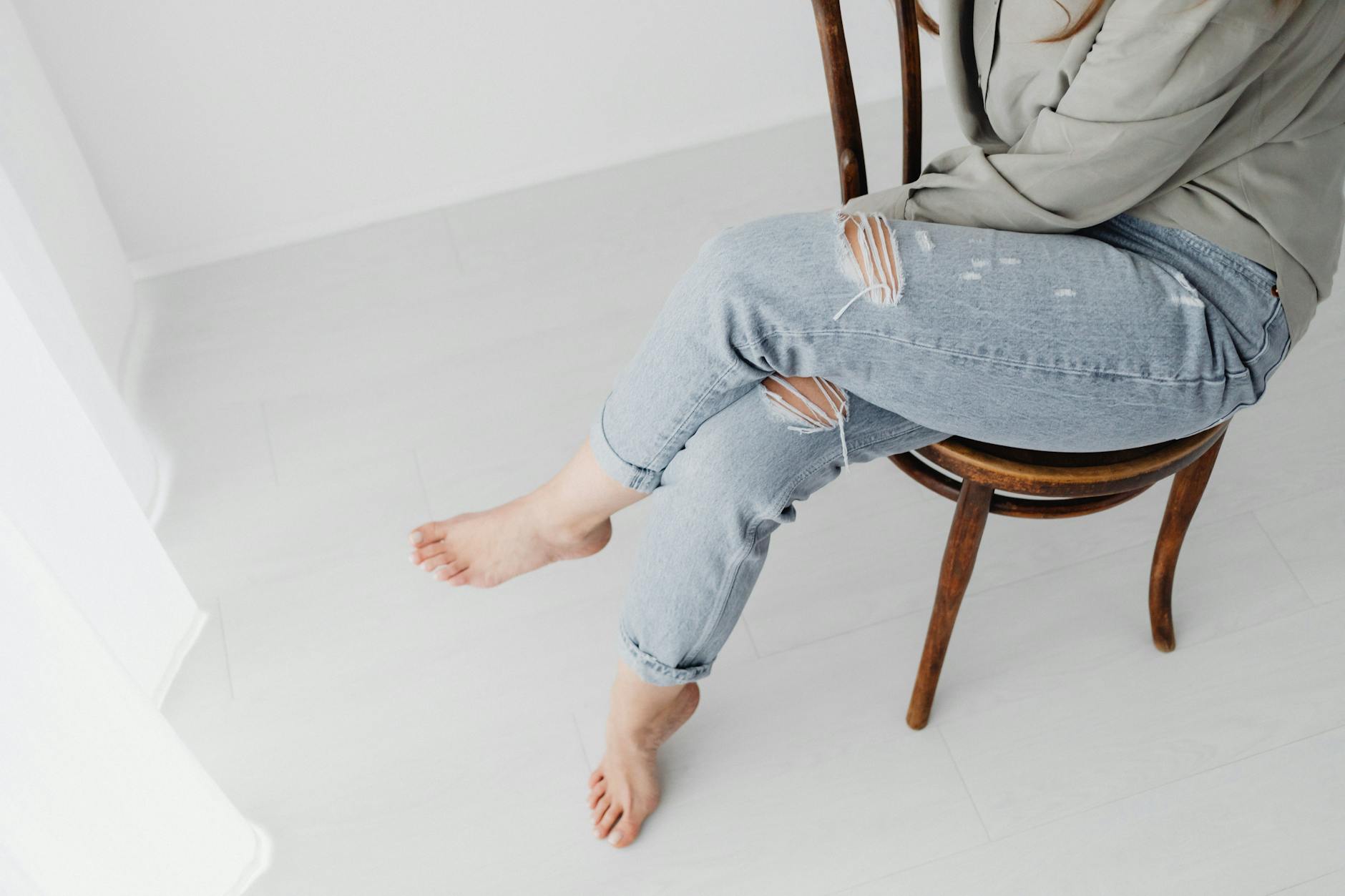
Crossing one knee over the other rotates the pelvis and puts the hips in an uneven position that affects the lower back. This habit hinders proper blood circulation and encourages a slouching posture as the body tries to stabilize itself. The twisted alignment strains the sacroiliac joint and can lead to inflammation or discomfort in the hip region. Keeping both feet flat on the floor provides a stable base that supports an upright spine.
Using a Laptop Without a Stand

Placing a laptop directly on a desk forces the user to look down and round the shoulders forward to reach the keyboard. This hunching posture tightens the chest muscles while weakening the upper back muscles over extended work sessions. The head drifts forward to focus on the screen which compounds the stress on the neck and shoulders. Elevating the screen to eye level and using an external keyboard effectively corrects this ergonomic flaw.
Lifting with the Back

Bending at the waist to pick up heavy objects shifts the entire load onto the vulnerable lumbar discs rather than the strong leg muscles. This leverage creates dangerous shear forces that can easily cause a disc herniation or severe muscle strain. The spine is designed to support compressive loads rather than the tension created by bending forward under weight. Hinging at the hips and bending the knees keeps the spine neutral and safe during lifting movements.
Driving with the Seat Reclined

Positioning the car seat too far back forces the driver to reach for the steering wheel and pull the shoulders away from the seat back. This reaching posture rounds the upper back and leaves the neck unsupported as the head pushes forward to see the road. The lack of lumbar support in a reclined position allows the lower back to collapse and fatigue quickly. Adjusting the seat so the steering wheel is within easy reach keeps the back firmly supported.
Cracking the Neck Habitually

Forcefully manipulating the neck to create a popping sound stretches the ligaments beyond their normal range of motion. This constant overstretching can create instability in the cervical spine and lead to a desire to crack it more frequently. The joints may eventually become hypermobile and prone to injury or premature arthritis due to the repeated trauma. Gentle stretching offers a safer alternative to relieve tension without compromising joint integrity.
Wearing Unsupportive Shoes

Footwear that lacks arch support or cushioning fails to absorb the shock of walking on hard surfaces. The impact forces travel up the legs and settle in the lower back which must absorb the residual vibration. Flat shoes like flip-flops alter the gait cycle and provide no stability for the foundation of the body. Investing in shoes with a supportive sole helps maintain proper alignment from the ground up.
Spending Hours in a Sedentary Position

Remaining seated for prolonged periods causes the hip flexors to shorten and tighten significantly. Tight hip flexors pull on the pelvis and increase the curve of the lower back when standing up. The spinal discs also rely on movement to circulate fluid and receive necessary nutrients to stay healthy. Taking frequent breaks to stand and walk resets the posture and nourishes the spinal structures.
Cradling the Phone

Holding a phone between the ear and shoulder requires a sharp lateral bend of the neck and elevation of the shoulder blade. This asymmetric muscle contraction creates severe tension on one side of the neck and upper back area. The nerves exiting the cervical spine can become compressed or irritated during long conversations in this position. Using a hands-free headset or speakerphone eliminates the need for this contorted posture entirely.
Smoking Cigarettes

Nicotine restricts blood flow to the spinal discs and impairs their ability to absorb the nutrients needed for repair. This reduced circulation accelerates degenerative changes in the spine and increases the risk of disc disease. Smokers also tend to heal more slowly from back injuries due to the compromised oxygen supply to the tissues. Quitting smoking improves overall vascular health and helps preserve the structural integrity of the intervertebral discs.
Ignoring Core Strength
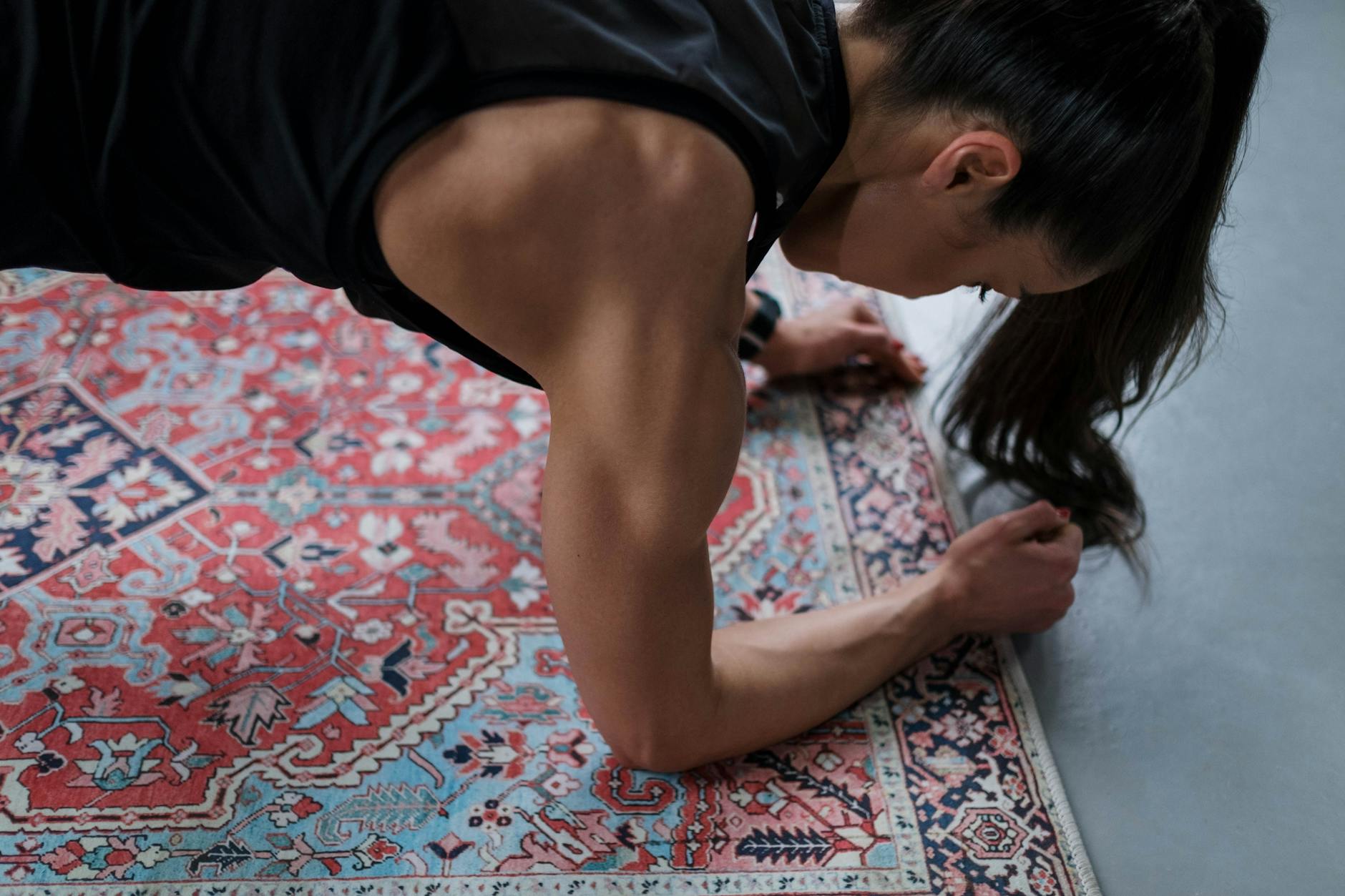
The abdominal and back muscles work together as a natural corset to support and stabilize the spinal column. Weak core muscles force the spine to bear more weight and stress than it is designed to handle alone. This lack of muscular support leads to poor posture and an increased susceptibility to back injuries during daily activities. Regular strengthening exercises for the core create a solid foundation that protects the back.
Holding Stress and Tension

Emotional stress often manifests physically as unconscious tightening of the trapezius and neck muscles. This chronic muscle contraction pulls the shoulders up toward the ears and compresses the cervical vertebrae. The resulting tension headaches and neck stiffness create a cycle of pain that reinforces poor postural habits. Mindfulness techniques and conscious relaxation help drop the shoulders and release accumulated spinal tension.
Sleeping with High Pillows
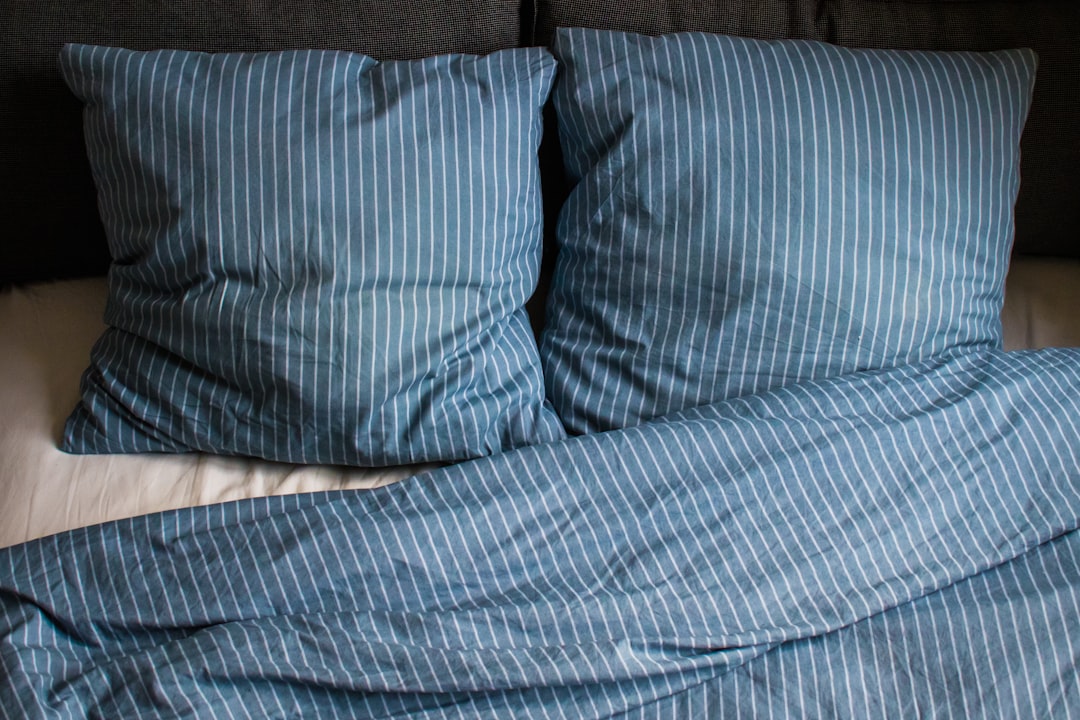
Using multiple pillows or one that is too thick pushes the head forward and strains the neck throughout the night. This flexion obstructs the airway and places the cervical spine in a precarious angle that prevents true rest. The muscles of the neck remain engaged to support the head rather than relaxing fully during sleep. A pillow that keeps the neck aligned with the rest of the spine is optimal for recovery.
Washing Dishes at a Low Sink

Leaning over a deep sink forces the back into a prolonged forward flexion that strains the lower lumbar region. This position is maintained for several minutes at a time and creates a static load on the back muscles. Opening the cabinet doors under the sink allows one foot to rest on the ledge inside for better leverage. This small adjustment shifts the weight and helps keep the spine more upright while working.
Vacuuming with Poor Form
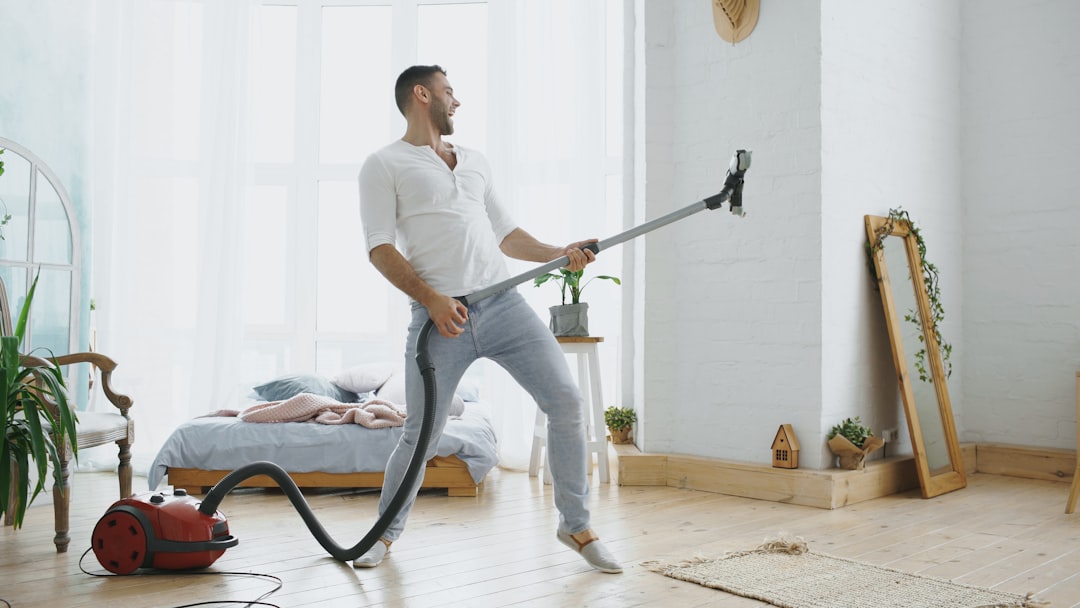
Pushing and pulling a vacuum with a rounded back and locked feet relies entirely on arm and spinal movement. The twisting motion combined with forward bending places rotational stress on the discs that is highly damaging. Stepping forward and back in a lunge motion uses the legs to drive the movement rather than the spine. Keeping the vacuum close to the body reduces the leverage that strains the lower back.
Leaning on One Leg

Shifting weight to one leg while standing causes the pelvis to drop on the opposite side and curves the spine laterally. This habit creates a pattern of muscle imbalance where the hip abductors on one side become weak. The spine must twist slightly to keep the head level which stresses the facet joints. Distributing weight evenly on both feet engages the core and maintains a straight spinal column.
Wearing Tight Clothing

Extremely tight jeans or shapewear can restrict the natural movement of the hips and pelvis during walking. This restriction forces the lumbar spine to compensate for the lack of motion in the hip joints. The pressure on the abdomen may also inhibit full diaphragm breathing which reduces internal stability for the spine. Choosing clothing that allows for a full range of motion supports natural biomechanics.
Inadequate Hydration

The intervertebral discs consist largely of water and require hydration to maintain their height and shock-absorbing properties. Dehydration causes the discs to shrink slightly which reduces the space between vertebrae and increases pressure. A lack of fluid also makes the connective tissues around the spine stiffer and more prone to injury. Drinking sufficient water throughout the day keeps the spinal discs plump and functional.
Skipping Warm-ups Before Exercise
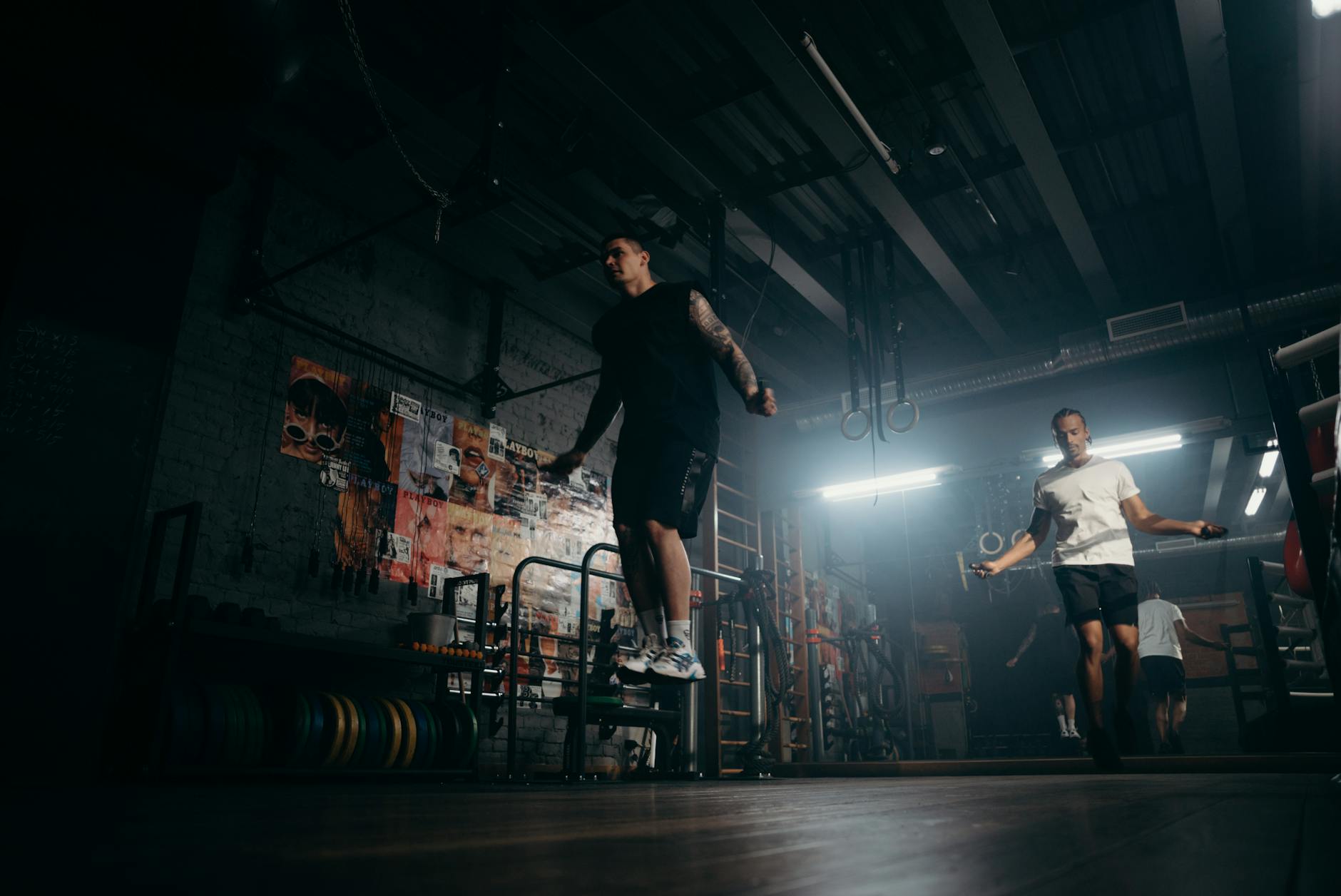
Engaging in vigorous physical activity without preparing the muscles leaves the spine vulnerable to sudden strains. Cold muscles are less elastic and cannot absorb shock or protect the joints effectively during movement. The sudden demand on the spine without increased blood flow can lead to acute injuries like sprains or disc herniations. A dynamic warm-up increases tissue temperature and prepares the spine for the load of exercise.
Hunching Over the Steering Wheel

Anxiety or intense focus while driving often causes drivers to grip the wheel tightly and lean forward. This tense posture rounds the shoulders and locks the thoracic spine in a kyphotic curve. The neck must extend sharply to keep the eyes on the road which fatigues the posterior neck muscles. Relaxing the grip and leaning back into the seat preserves the natural curve of the spine.
Reading in Bed

Sitting up in bed to read often involves propping the head forward at a sharp angle or slouching against the headboard. The soft mattress provides uneven support for the lower back which sinks down and rounds out. Holding a book or tablet on the lap forces the neck into excessive flexion for long periods. Using a wedge pillow or sitting in a chair offers far superior support for reading activities.
Carrying a Backpack on One Strap

Slinging a backpack over one shoulder is a common habit that creates immediate spinal asymmetry. The weight pulls the torso backward and to the side which forces the spine to twist to maintain balance. This uneven loading compresses the spine laterally and can lead to muscle spasms in the lower back. Using both straps distributes the weight evenly and encourages a centered and upright posture.
Working from Soft Surfaces

Typing on a laptop while sitting on a bed or sofa eliminates the stable base required for a neutral spine. The body naturally collapses into a C-curve because the soft surface absorbs the necessary resistance for sitting tall. This lack of support encourages slouching and places significant strain on the lumbar ligaments. A firm chair and desk setup is essential for maintaining spinal health during work hours.
Looking Down While Walking

Staring at the ground or feet while walking shifts the head weight forward and encourages the shoulders to roll in. This posture disengages the gluteal muscles and relies more on the quadriceps and lower back. The altered center of gravity increases the impact force on the spine with every step taken. Looking straight ahead at the horizon aligns the head over the pelvis for efficient movement.
Poorly Adjusted Office Chairs
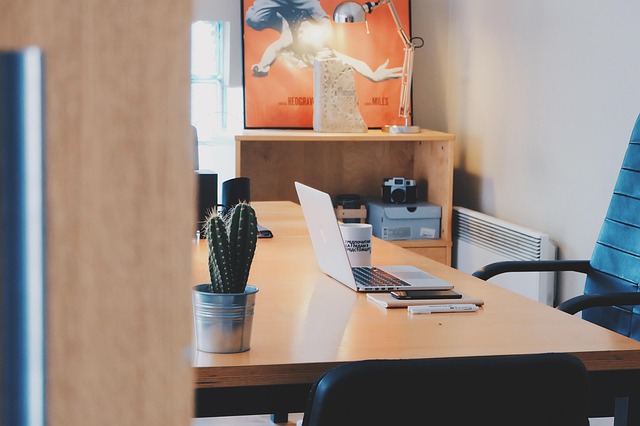
Sitting in a chair that is too high or too low compromises the alignment of the hips and knees. Feet dangling off the floor pulls on the lower back while knees positioned higher than hips flattens the lumbar curve. The lack of lumbar support in many standard chairs allows the spine to fatigue and slouch. Adjusting the chair so feet are flat and knees are at ninety degrees is crucial.
Ignoring Eye Strain

Struggling to see a screen often causes individuals to instinctively lean the head forward to reduce the visual distance. This unconscious movement creates the same neck strain as text neck and tightens the upper trapezius. Uncorrected vision problems or poor lighting are frequent culprits that ruin posture continuously throughout the day. Regular eye exams and proper monitor distance prevent this vision-related postural collapse.
Excessive Crunches Without Back Work

Focusing solely on abdominal crunches can shorten the front torso muscles and pull the shoulders forward. This imbalance creates a kyphotic posture where the upper back rounds excessively due to tight abdominals. A balanced spine requires equal strength in the back extensors to counteract the pull of the front muscles. Incorporating back extension exercises ensures the torso remains upright and balanced.
Standing with Locked Knees

Hyperextending the knees shifts the pelvis forward and increases the arch in the lower back excessively. This swayback posture compresses the lumbar facet joints and relies on passive ligament strength rather than muscle. The abdominal muscles become inactive in this position which removes vital support for the spine. Keeping a slight bend in the knees engages the leg muscles and neutralizes the pelvis.
Carrying Children on One Hip

Parents frequently carry toddlers on one hip which forces the spine to curve sideways to accommodate the weight. This posture elevates one hip and drops the shoulder on the opposite side to create a shelf. The repetitive nature of this habit creates lasting imbalances in the quadratus lumborum and spinal erectors. Alternating sides or using a carrier helps to equalize the load on the back.
Sleeping on an Old Mattress
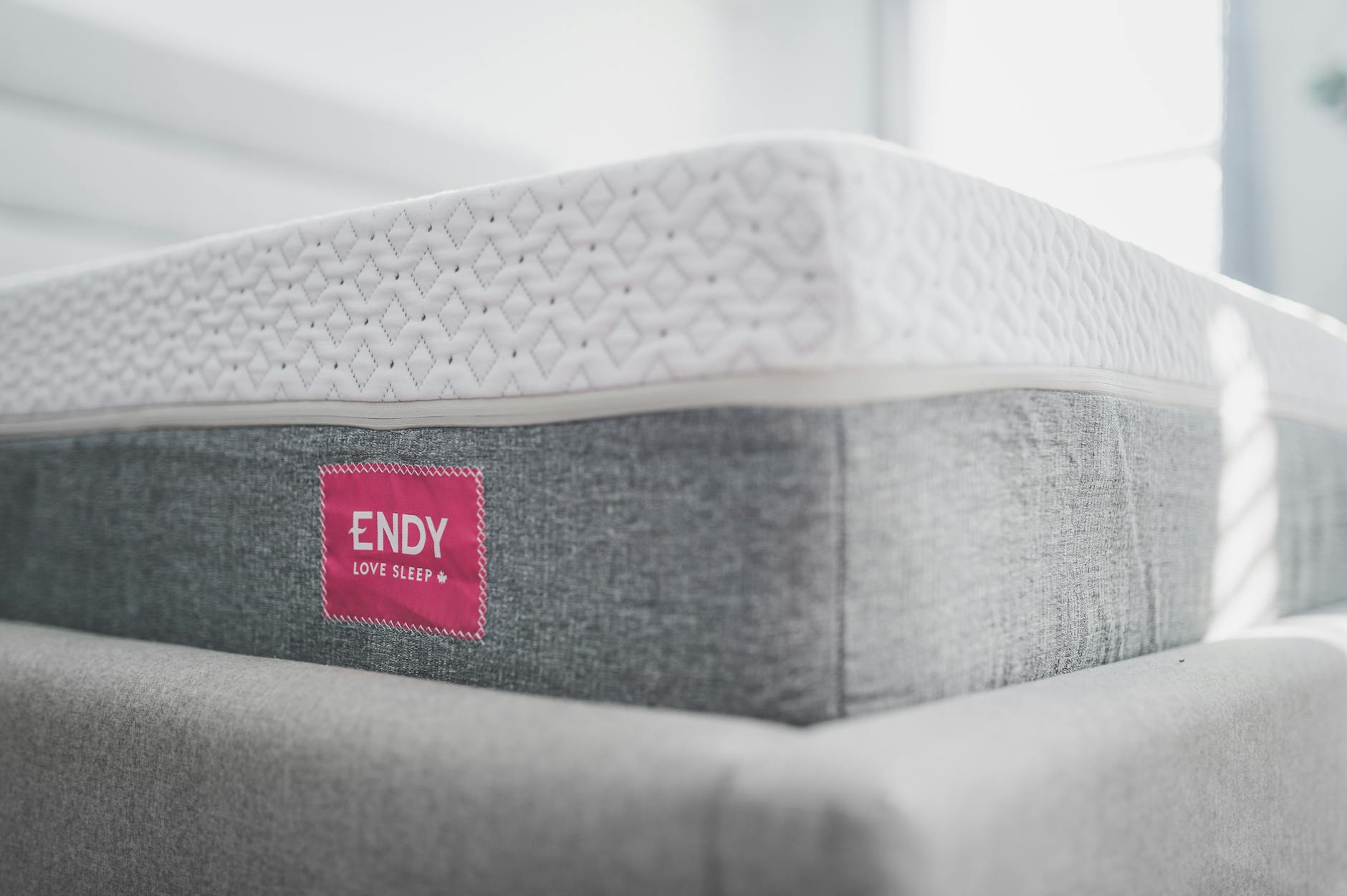
A mattress that has lost its structural integrity sags in the middle and allows the spine to bow unnaturally. This lack of support stresses the ligaments and joints throughout the night and prevents true muscle relaxation. Waking up with back pain that subsides during the day is a key indicator of a failed mattress. Replacing bedding every seven to ten years ensures the spine receives consistent support.
Gardening with a Rounded Back

Weeding or planting while bending over at the waist places a massive sustained load on the lumbar spine. The combination of flexion and reaching keeps the back muscles under constant high tension. This posture restricts blood flow to the muscles and increases the risk of spasms or disc injury. Using a garden kneeler or sitting on a stool protects the back during ground-level work.
Teeth Grinding and Jaw Clenching
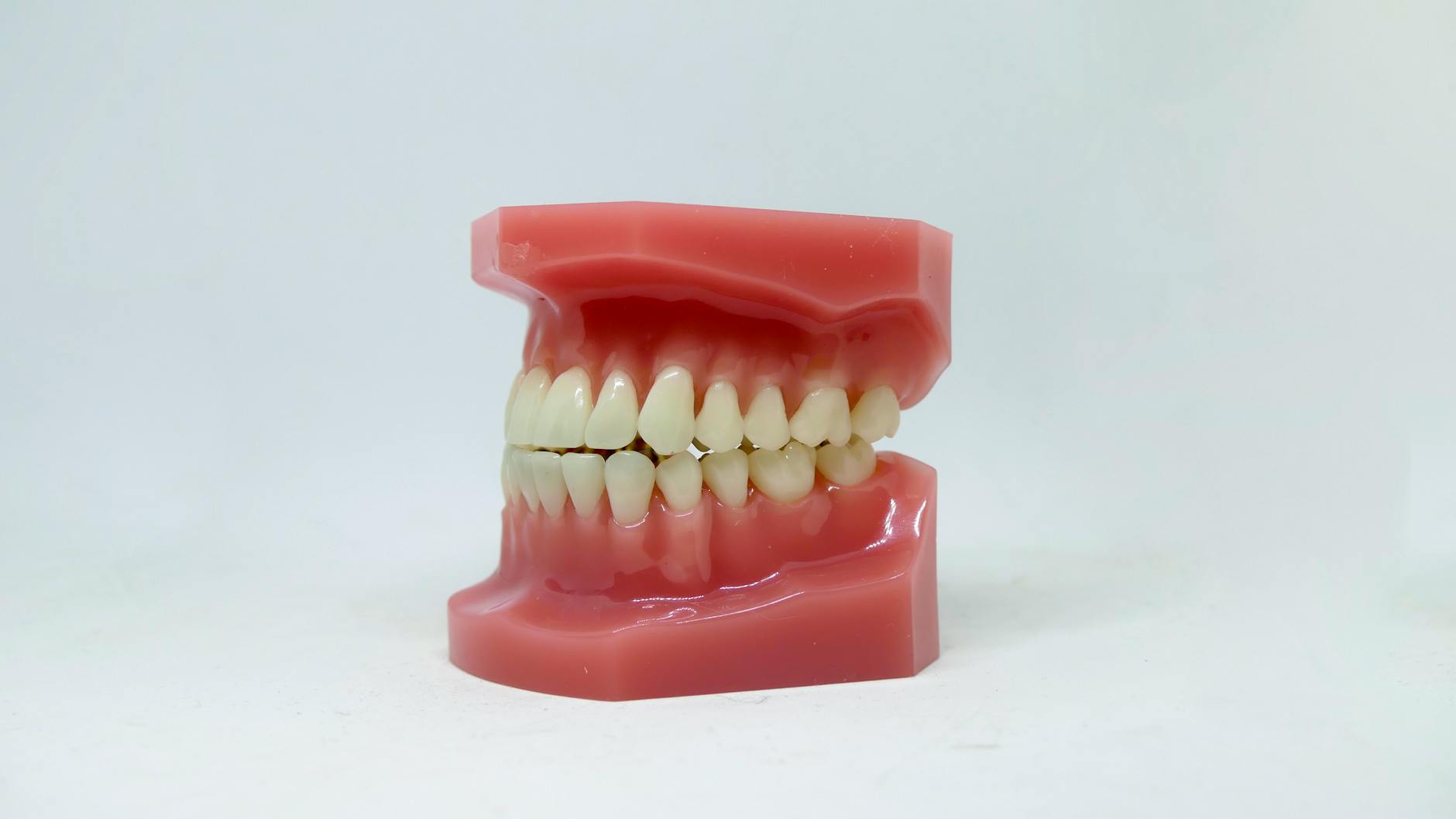
Clenching the jaw creates tension that radiates down into the neck and upper shoulders. The temporomandibular joint is closely linked mechanically to the upper cervical spine and affects its alignment. Chronic grinding often leads to headaches and a stiff neck that alters head carriage. addressing stress or using a mouthguard can relieve this hidden source of spinal tension.
Prolonged Commuting

Long daily commutes trap the body in a seated and often vibratory environment that is hostile to the spine. The vibration from the vehicle fatigues the muscles and accelerates disc compression over time. The stress of traffic adds a layer of muscle tension that further stiffens the neck and back. Using a lumbar support cushion in the car helps mitigate the physical toll of driving.
Leaning Forward to See the Monitor
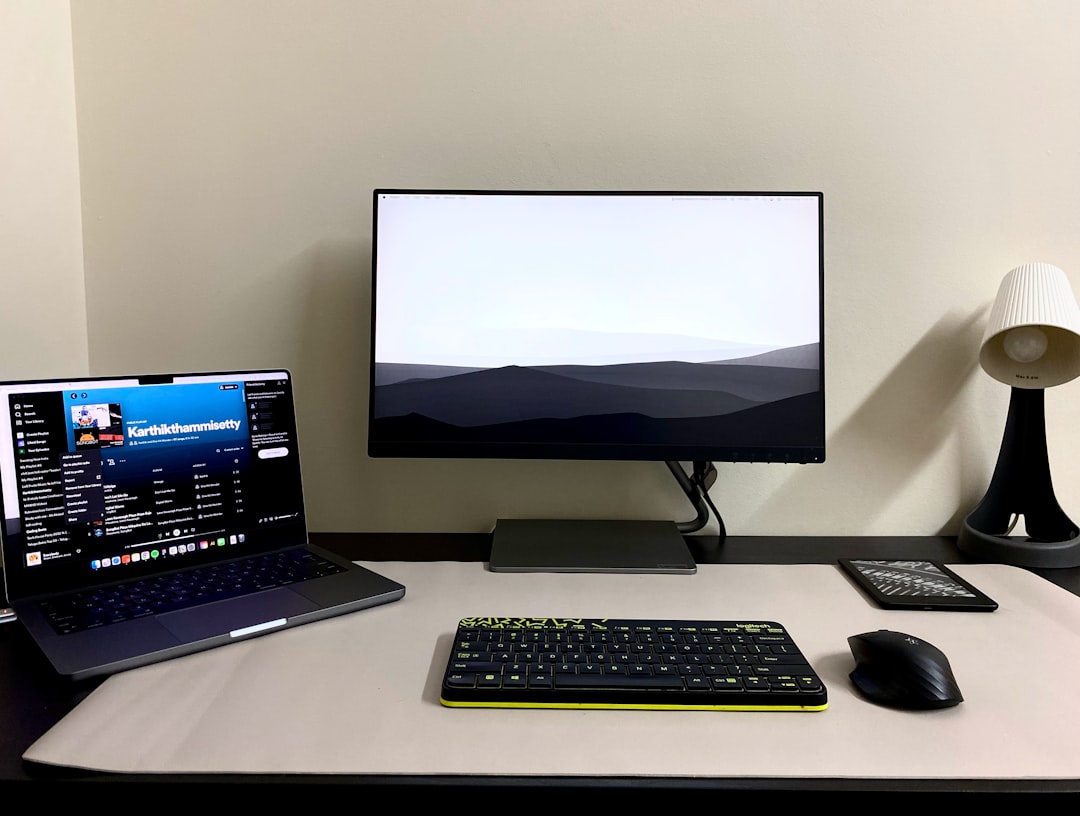
A monitor placed too far away forces the user to bridge the gap by leaning the entire torso forward. This cantilevered position requires the back muscles to work overtime to prevent the body from falling forward. The constant contraction leads to muscle exhaustion and eventual spasms in the lower back. Positioning the monitor at arm’s length allows the user to sit back against the chair support.
Ignoring Early Warning Pain

Dismissing minor back aches or stiffness allows small functional problems to develop into major structural issues. Pain is a signal from the nervous system that a movement or position is damaging the tissues. Pushing through the discomfort often results in compensation patterns that spread the strain to other areas. addressing minor pain with rest or ergonomic changes prevents chronic conditions from taking root.
Please share your own experiences with these habits and any changes you plan to make in the comments.




