Exploring the world alone offers an incredible sense of freedom but requires heightened awareness in certain regions. Some destinations present significant safety challenges due to high crime rates or civil instability and political unrest. Solo adventurers must rigorously research potential risks and plan their itineraries with extreme caution. Understanding the specific dangers of a location helps travelers make smarter decisions about their personal security. This list highlights cities where vigilance is not just recommended but absolutely essential for survival.
St. Louis, Missouri

This American city consistently records some of the highest violent crime rates in the country. Visitors should remain in well-populated tourist areas and avoid wandering into unfamiliar neighborhoods at night. Property crime and theft are common concerns for those exploring the downtown district alone. Solo travelers must stay alert and keep valuables hidden from sight while walking the streets. Renting a car is often safer than relying on public transportation or walking after dark.
Detroit, Michigan

Economic challenges have contributed to elevated crime levels in various parts of this historic city. Solo travelers need to be particularly careful when venturing outside the revitalized downtown zones. Carjackings and robberies occur with enough frequency to warrant constant attention to surroundings. Abandoned buildings and unlit streets pose significant risks to those unfamiliar with the local geography. It is advisable to stick to main thoroughfares and avoid isolated areas during evening hours.
Manila, Philippines

Petty crime targeting tourists is a frequent issue in the bustling streets of this capital city. Pickpocketing and bag snatching are common in crowded areas and on public transportation. Scams involving friendly locals or taxi drivers can lead to financial loss or dangerous situations. Travelers should use reputable ride-hailing apps rather than hailing cabs from the street. Staying in well-guarded hotels and avoiding unlit alleys reduces the likelihood of becoming a victim.
Mexico City, Mexico

This massive metropolis offers rich culture but demands constant vigilance against theft and express kidnappings. Solo travelers should avoid hailing taxis on the street and stick to authorized radio taxis or apps. Certain neighborhoods are best avoided entirely due to higher concentrations of criminal activity. Crowded metro systems provide ample opportunities for pickpockets to target unsuspecting tourists. Keeping a low profile and dressing modestly helps minimize unwanted attention from criminals.
Rio de Janeiro, Brazil
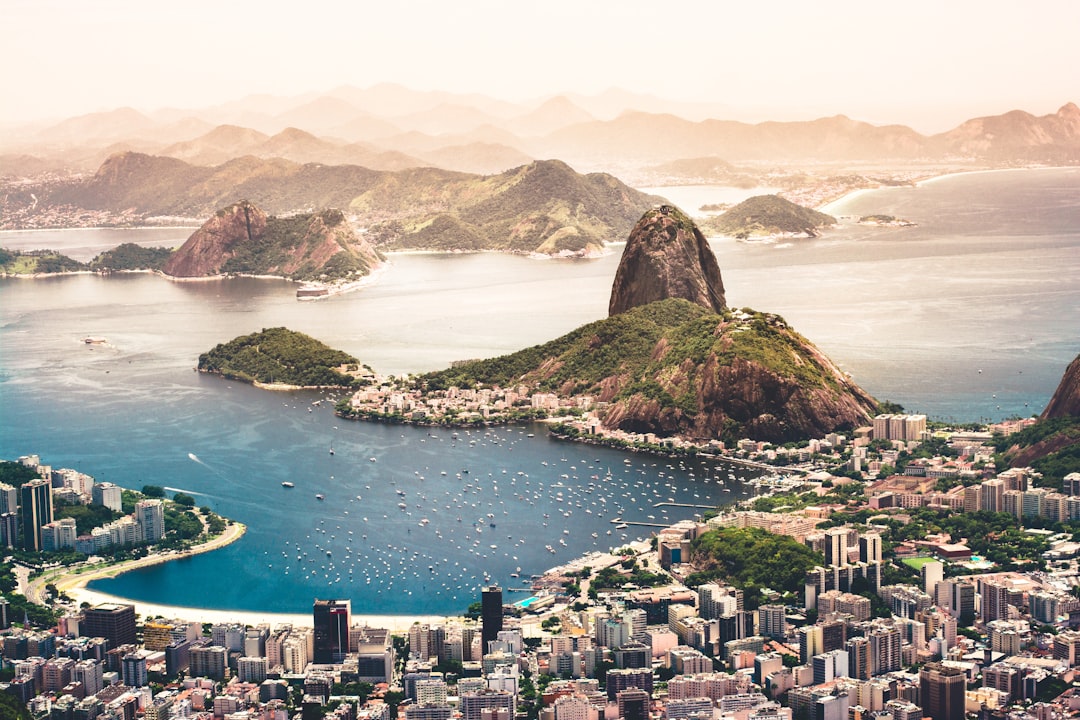
The stunning beaches and vibrant culture often mask the reality of frequent muggings and armed robberies. Tourists are frequently targeted in popular areas like Copacabana and Ipanema even during daylight hours. Hiking trails and scenic viewpoints can be hotspots for organized groups looking to rob isolated walkers. It is crucial to leave expensive jewelry and electronics in a hotel safe before going out. Visiting favelas should only be done with a reputable guide and never as a solo exploration.
Fortaleza, Brazil
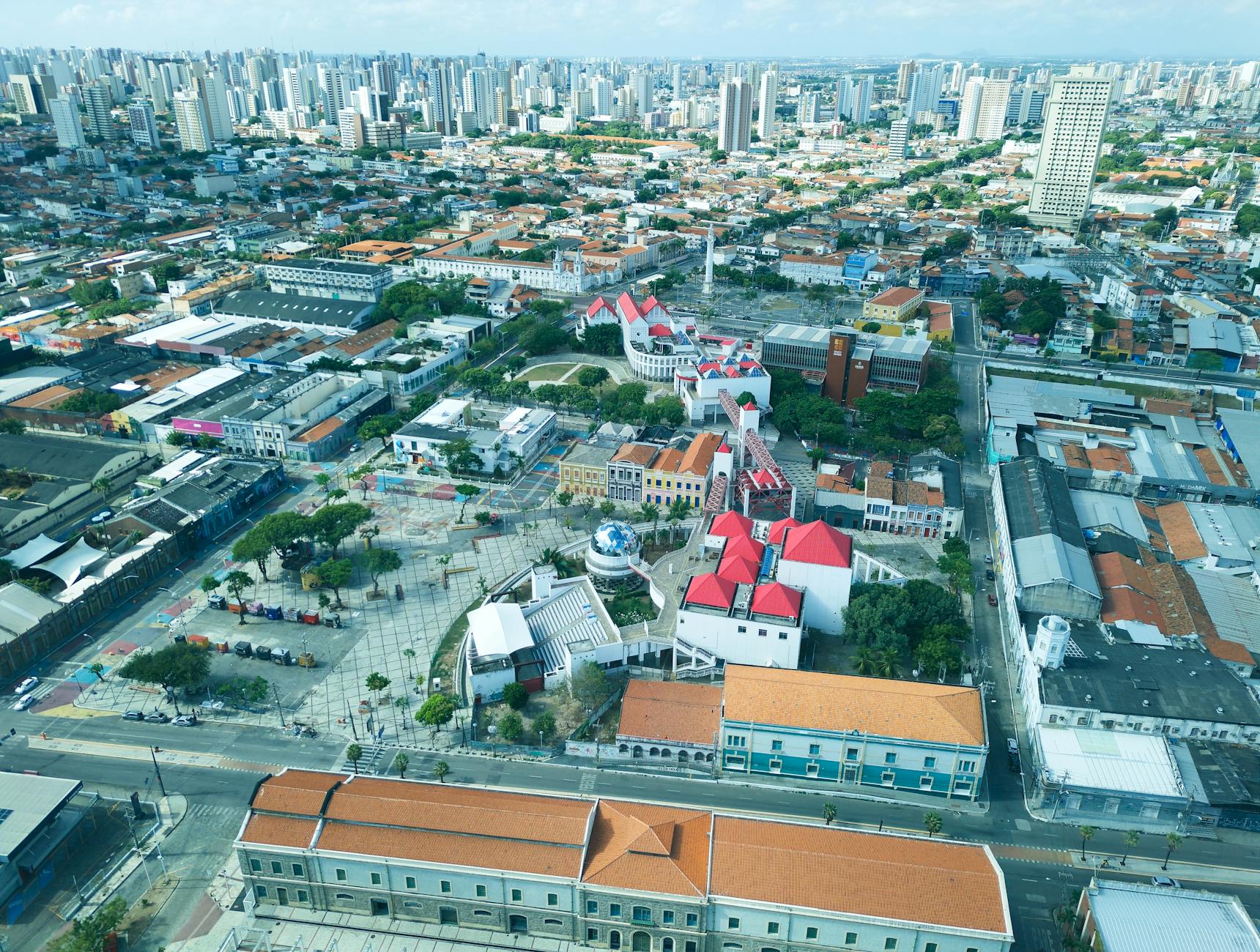
Violent crime rates in this coastal city are among the highest in the country. Solo travelers are particularly vulnerable to armed robbery on beaches and near tourist hotels. Walking alone at night is strongly discouraged regardless of the specific neighborhood. Carjackings occur frequently so keeping windows up and doors locked is standard practice. Travelers should rely on registered taxis and avoid displaying phones or cameras in public spaces.
Johannesburg, South Africa
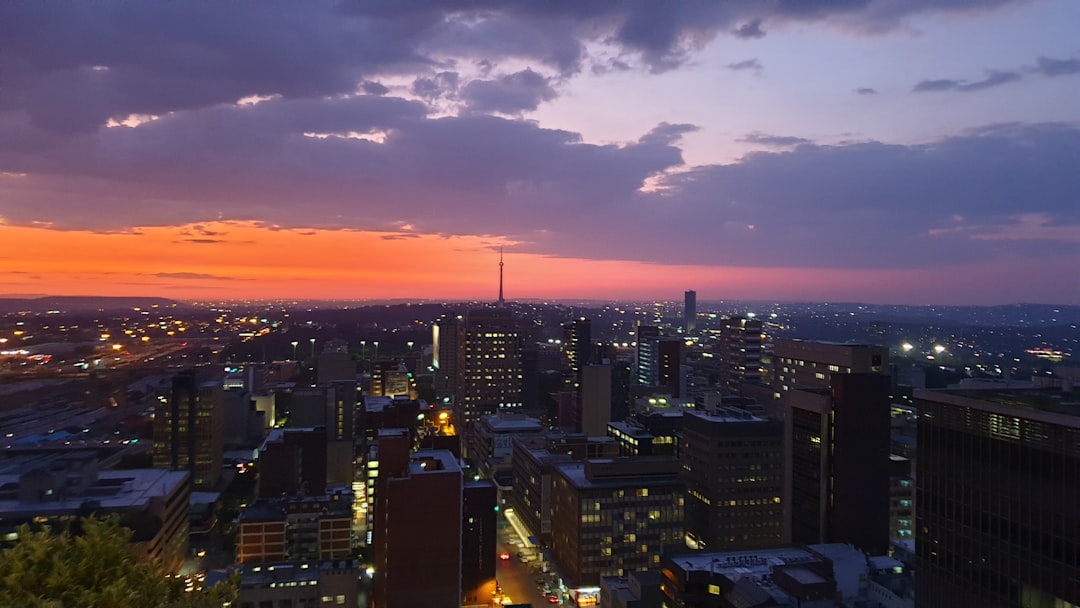
High levels of violent crime make this city a challenging destination for independent travelers. Carjackings and smash-and-grab robberies are common threats at intersections and traffic lights. The city center can be dangerous after business hours when the streets empty out. Solo visitors should use reliable transfer services rather than walking between attractions. Staying in secure accommodations within gated communities or guarded hotels is highly recommended.
Durban, South Africa
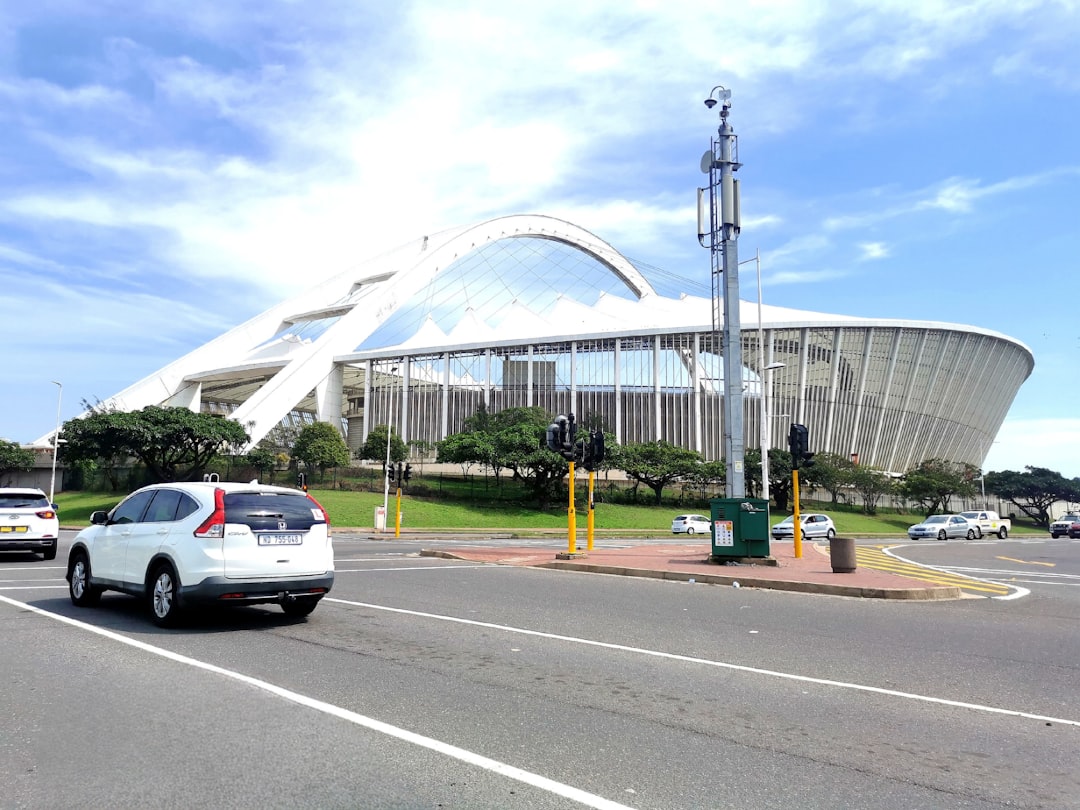
The coastal city faces significant challenges with gang violence and armed robbery affecting locals and visitors. Walking on the beachfront promenade requires alertness especially during quieter times of the day. Mugging incidents are frequent in the central business district and near transportation hubs. Solo travelers should avoid carrying large amounts of cash or wearing flashy accessories. Using trusted transportation services is safer than navigating the public bus system alone.
Cape Town, South Africa
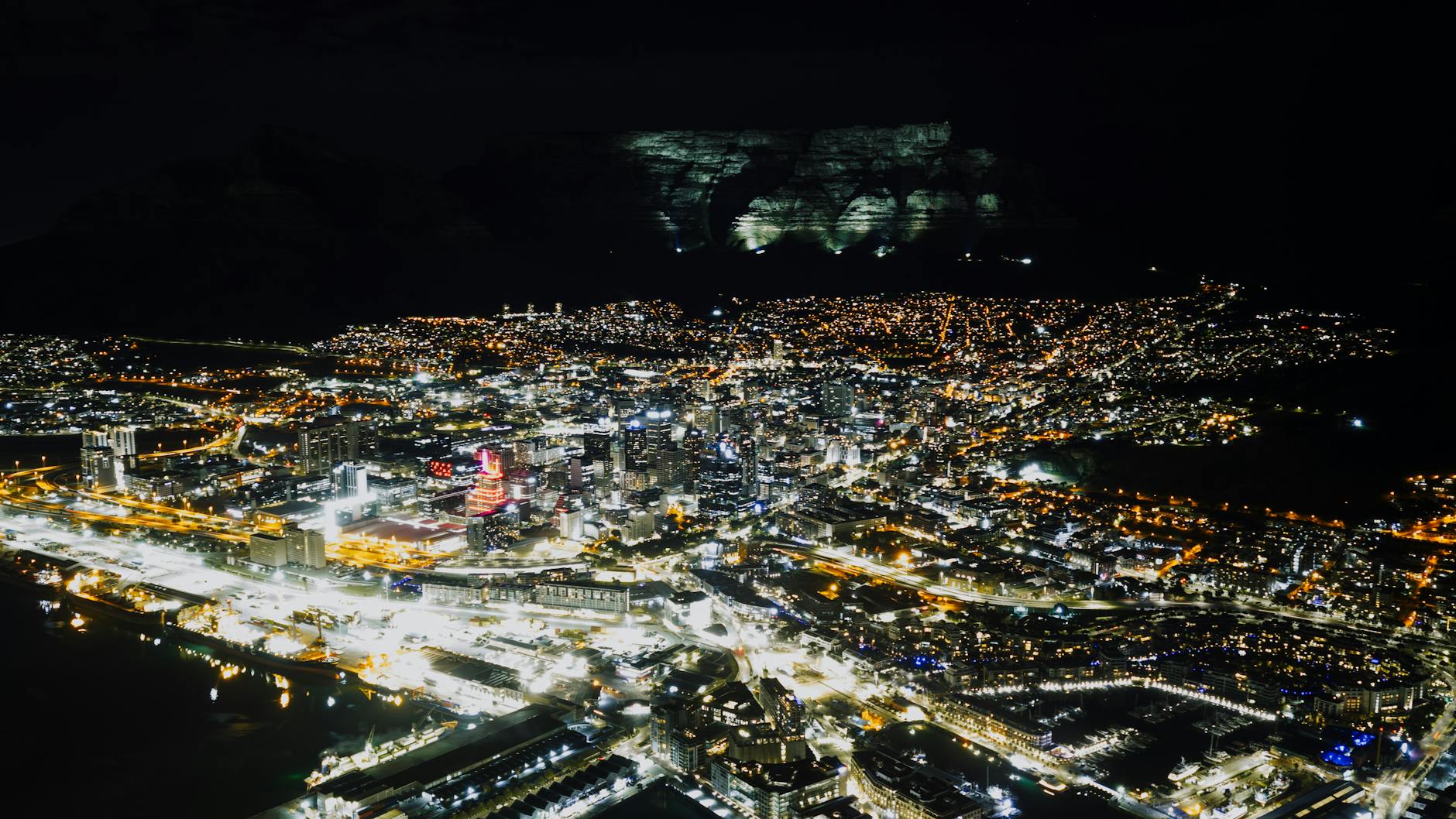
While undeniably beautiful this city struggles with a vast disparity in wealth that fuels high crime rates. Tourists hiking Table Mountain alone have been targeted by muggers lurking on quieter trails. Gang activity in the outlying areas occasionally spills over into tourist zones. Walking in the city center at night poses a serious risk to personal safety. It is safer to use ride-sharing apps and explore in groups whenever possible.
Bogota, Colombia
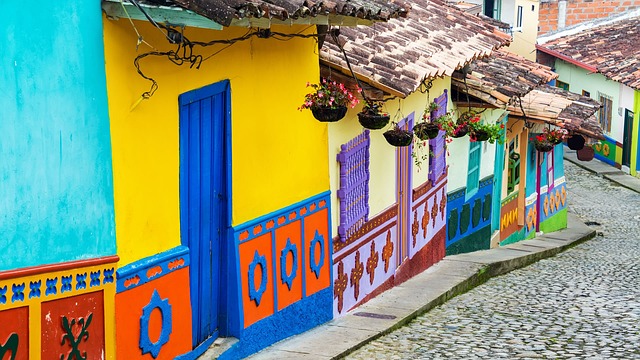
Street crime and muggings are persistent threats in the busy capital city. Travelers should be wary of leaving drinks unattended due to the risk of scopolamine drugging. Thieves often operate in pairs on motorcycles to snatch bags from pedestrians. Using smartphones on the street attracts immediate attention and increases the risk of theft. Booking taxis through hotels or apps is much safer than hailing them on the street.
Cali, Colombia
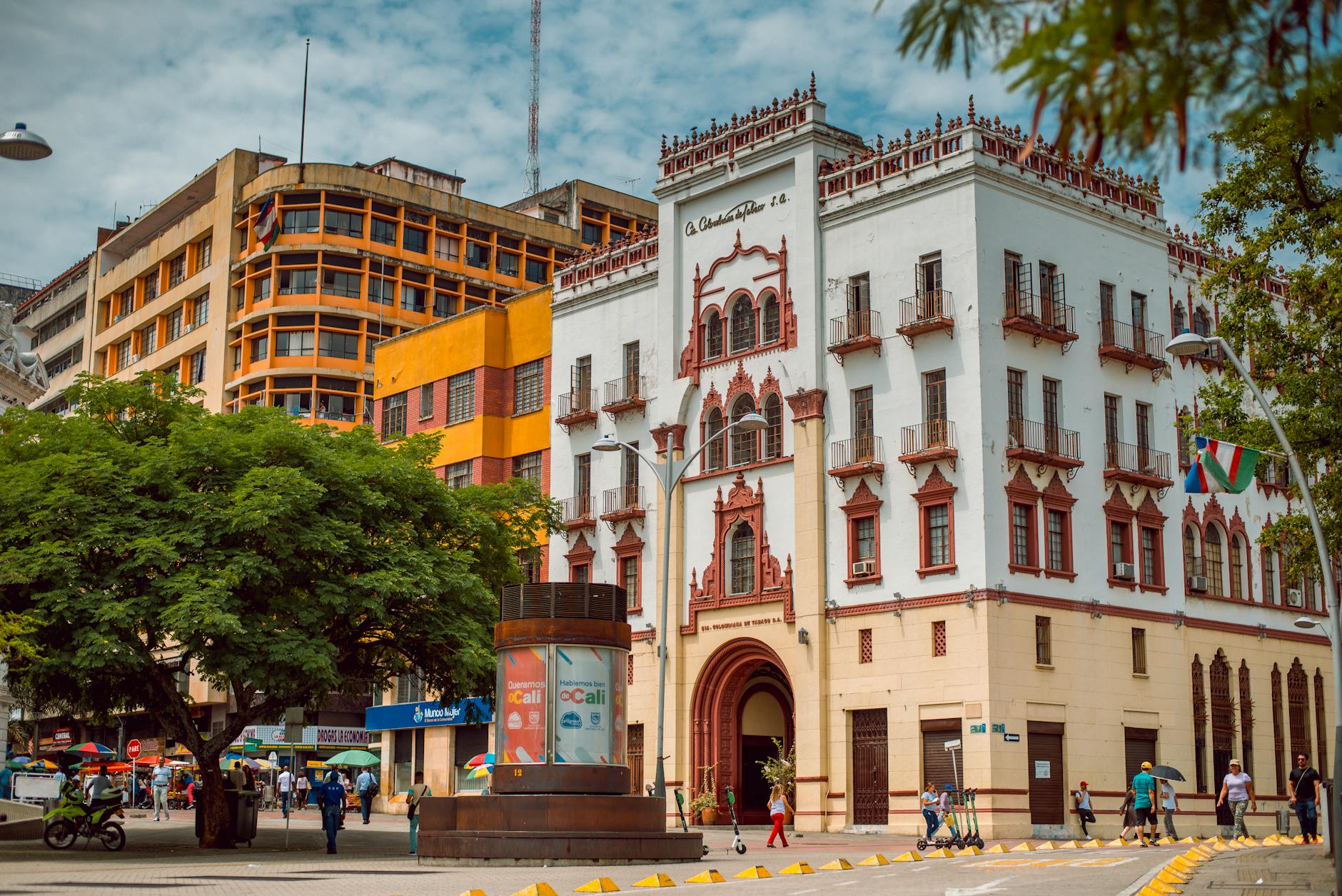
This city has a history of violence related to drug trafficking and street gangs. Solo travelers are often viewed as easy targets for robbery and extortion. Avoiding the eastern districts of the city is crucial for maintaining personal safety. Walking alone after dark is widely considered dangerous even in more affluent neighborhoods. Staying in well-reviewed hostels or hotels with good security measures is essential.
Kingston, Jamaica

Gang violence in specific neighborhoods contributes to a high homicide rate in the capital. Tourists are generally safe in resort areas but face risks when venturing into the city center alone. Armed robbery and sexual assault are serious concerns for solo travelers in isolated spots. Local advice regarding safe zones should be followed strictly to avoid dangerous territories. Private transport is the most secure way to navigate between attractions.
Tijuana, Mexico
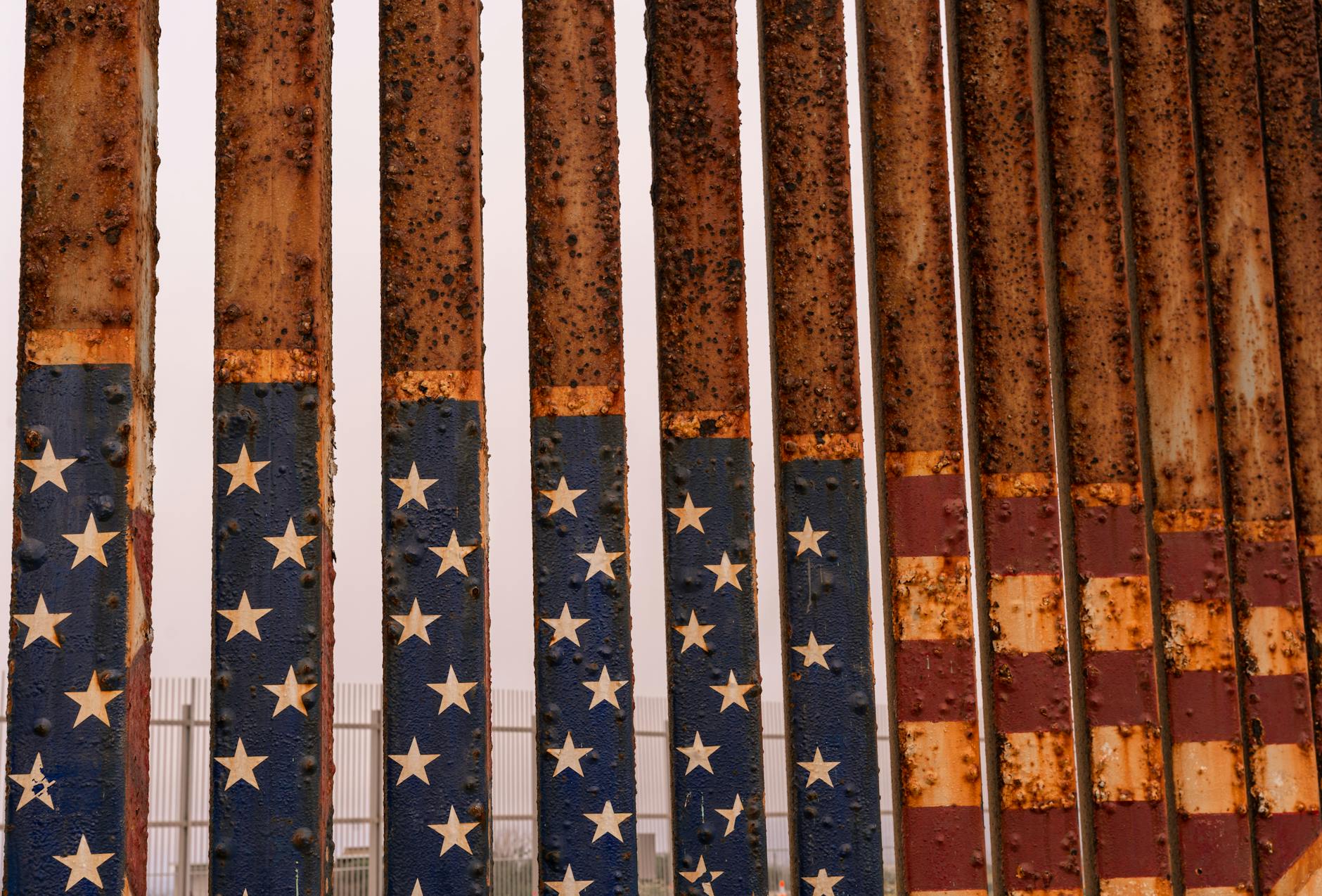
The city experiences high levels of violence driven by cartel activity and drug trade disputes. Kidnappings and crossfire incidents can occur even in areas frequented by visitors. Solo travelers crossing the border on foot should remain on main paths and avoid side streets. Nightlife districts can become volatile quickly due to the presence of organized crime elements. It is best to visit during the day and return to safer areas before nightfall.
Acapulco, Mexico
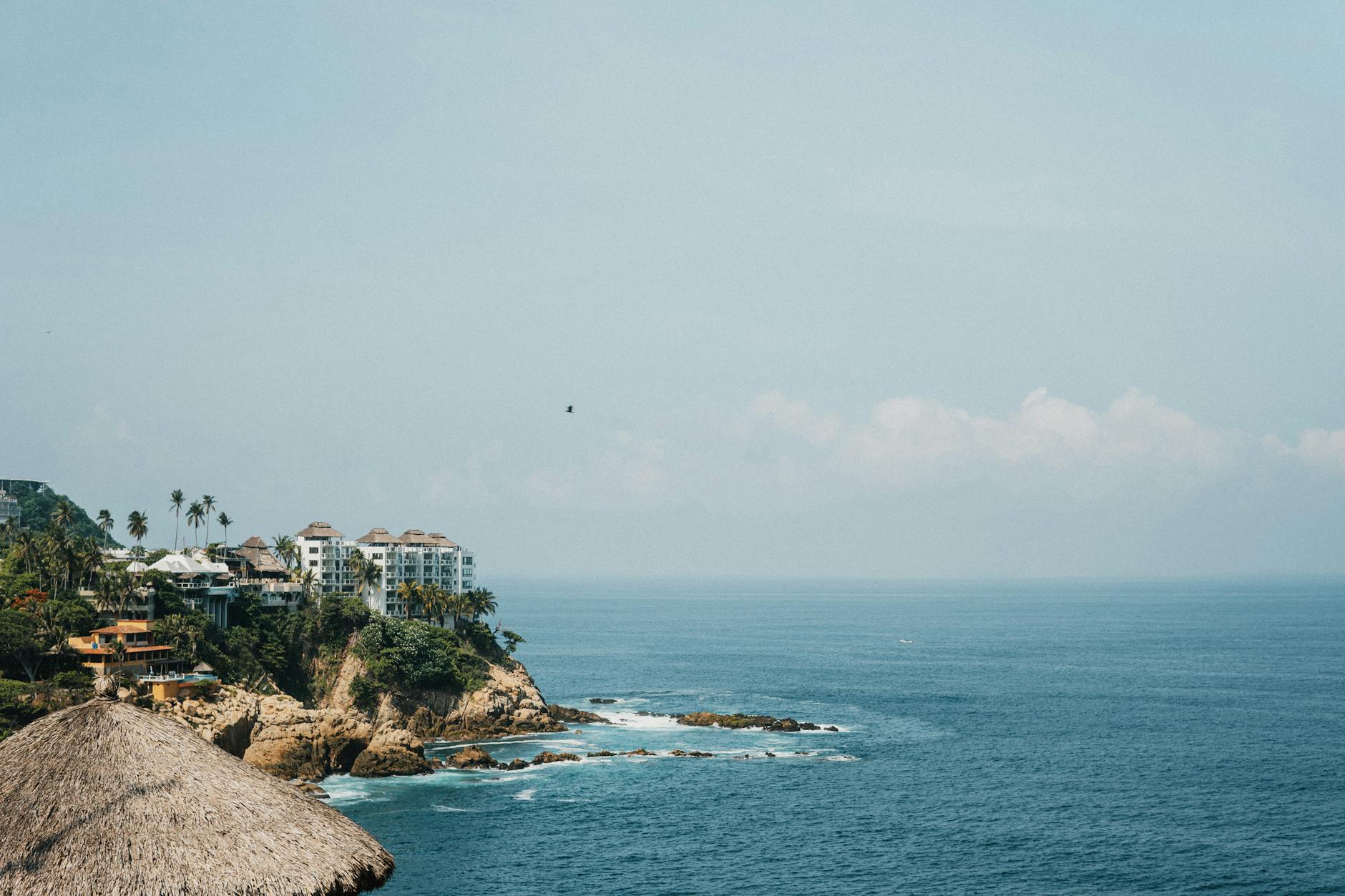
Once a glamorous resort town this city is now plagued by cartel-related violence and extortion. Homicides occur frequently and tourists can occasionally be caught in the wrong place. Beaches and tourist strips are patrolled by police but danger lurks just blocks away. Solo travelers should stay strictly within the main hotel zones and avoid exploring remotely. The risk of armed robbery is significant for those wandering alone at night.
San Pedro Sula, Honduras

This city consistently ranks among the most violent in the world due to gang activity. Travelers are at high risk of armed robbery and carjacking throughout the city. Public transportation is notoriously unsafe and often controlled by criminal groups. Walking on the streets is discouraged even during daylight hours for obvious safety reasons. Visitors typically arrange secure private transfers to move through the area quickly.
Guatemala City, Guatemala
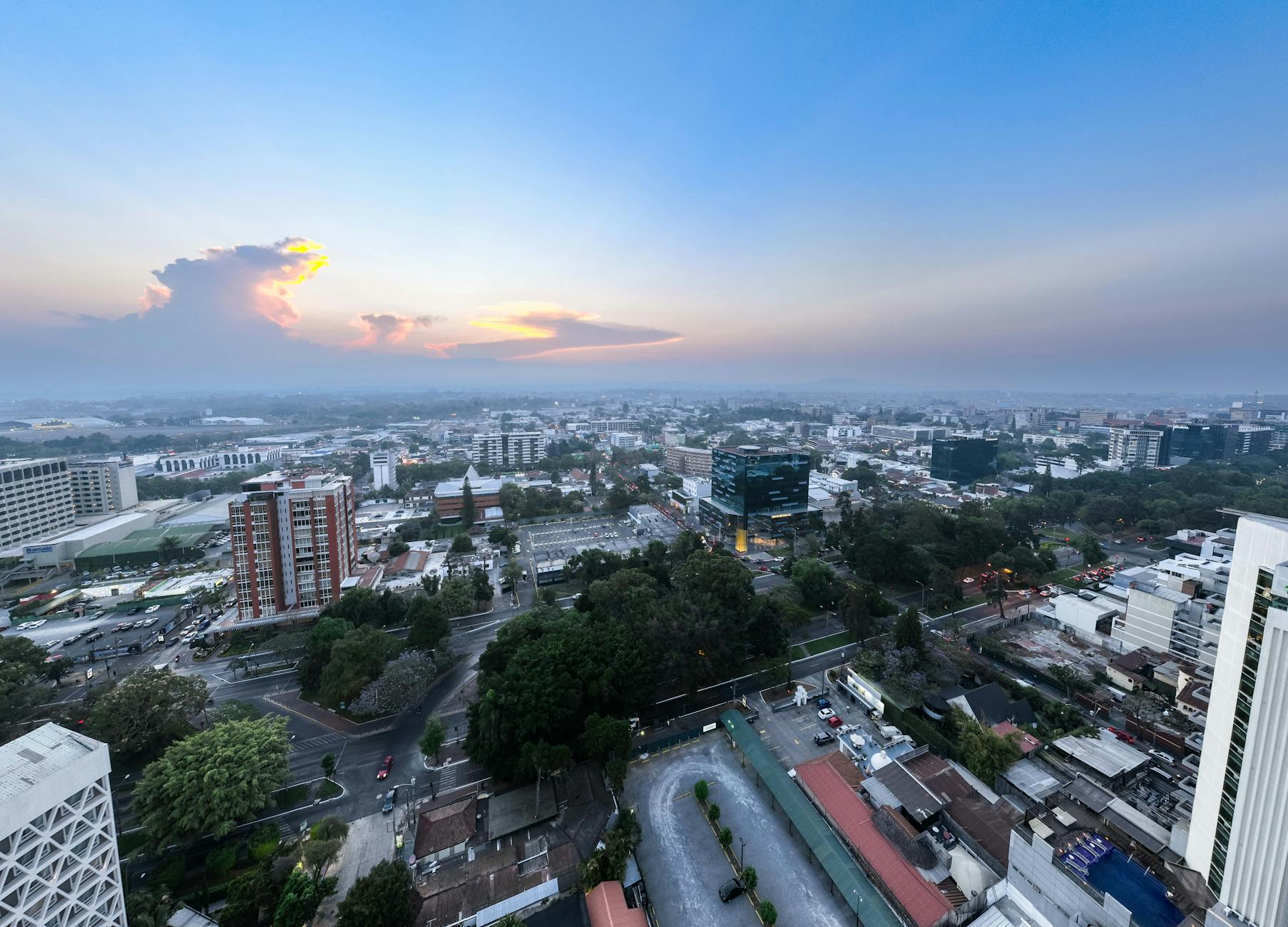
Street crime including armed robbery and carjacking is a daily reality here. Passengers on public buses are frequently targeted by armed gangs demanding valuables. Solo travelers should avoid walking in most zones and use radio-dispatched taxis exclusively. “Secuestro express” or temporary kidnapping is a known risk for perceived wealthy foreigners. Staying in secure zones like Zone 10 reduces but does not eliminate safety risks.
Dhaka, Bangladesh
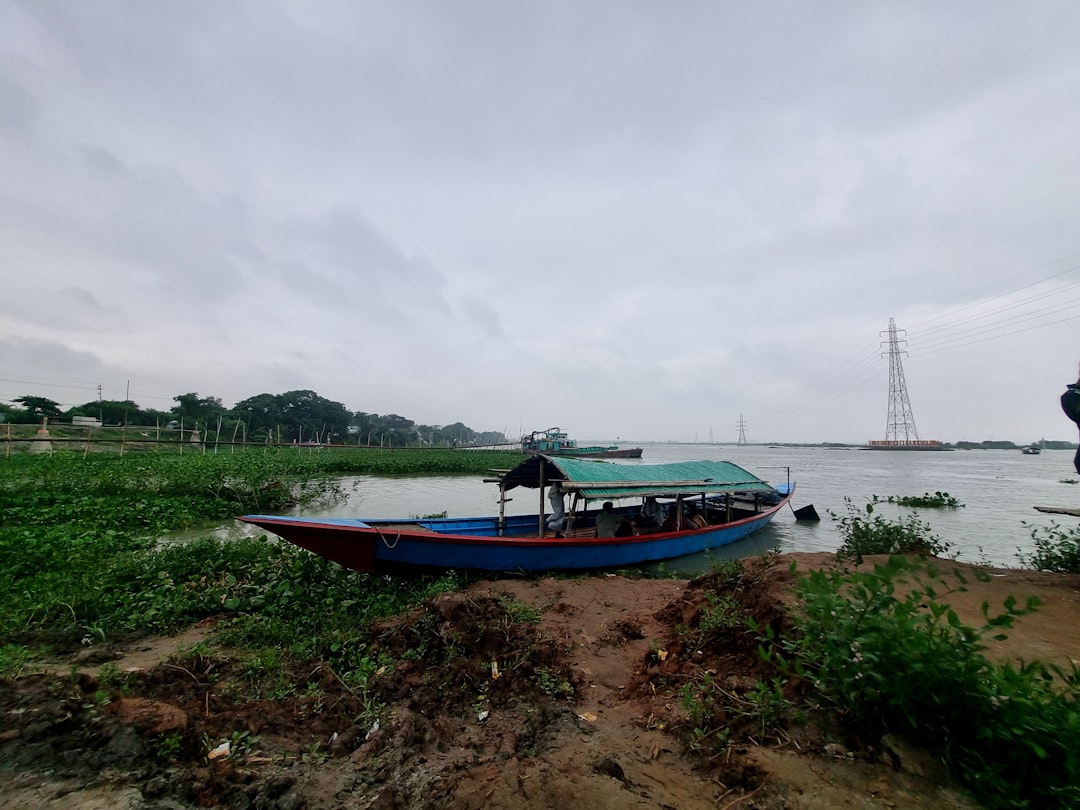
Political instability and civil unrest frequently disrupt daily life in this densely populated capital. Petty crime is rampant in crowded markets and public transport hubs. Foreigners can be targets for harassment or theft during large gatherings or protests. Traffic congestion makes emergency response times incredibly slow in critical situations. Solo travelers should monitor local news constantly to avoid demonstration areas.
Lagos, Nigeria
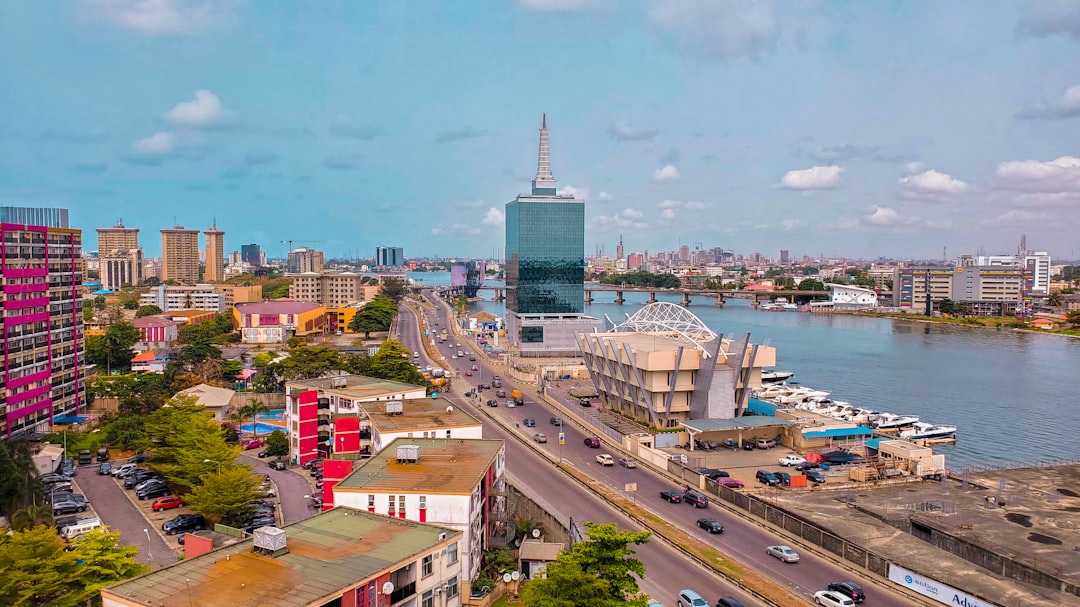
Violent crime and kidnapping for ransom pose serious threats to foreign visitors. Armed robbers often target vehicles stuck in traffic or traveling from the airport. Scams involving fake officials or police officers are common and can be intimidating. Solo travelers should arrange secure transport with a driver who knows the safe routes. Walking alone is rarely advised due to the high risk of mugging and assault.
Karachi, Pakistan
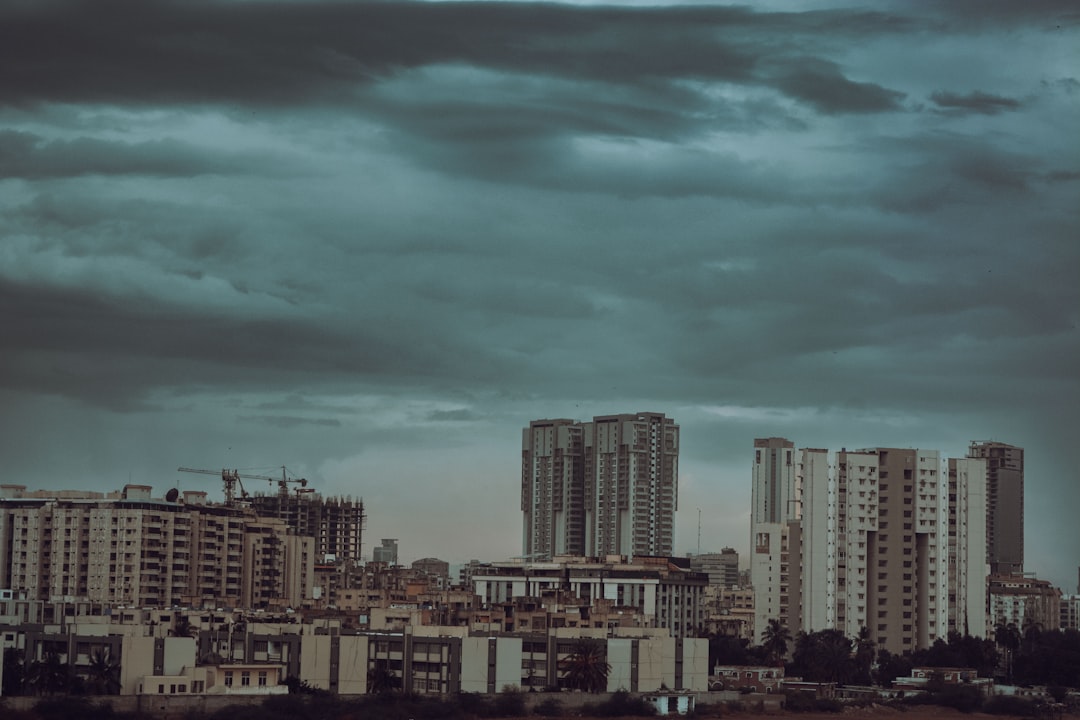
Street crime and political violence create a volatile environment for independent travelers. Motorbike-borne snatchers frequently target pedestrians for phones and jewelry. Civil unrest can erupt quickly leading to road blockages and safety hazards. Terrorism remains a concern with potential targets including hotels and government buildings. Visitors should maintain a low profile and avoid large public gatherings or protests.
Port Moresby, Papua New Guinea
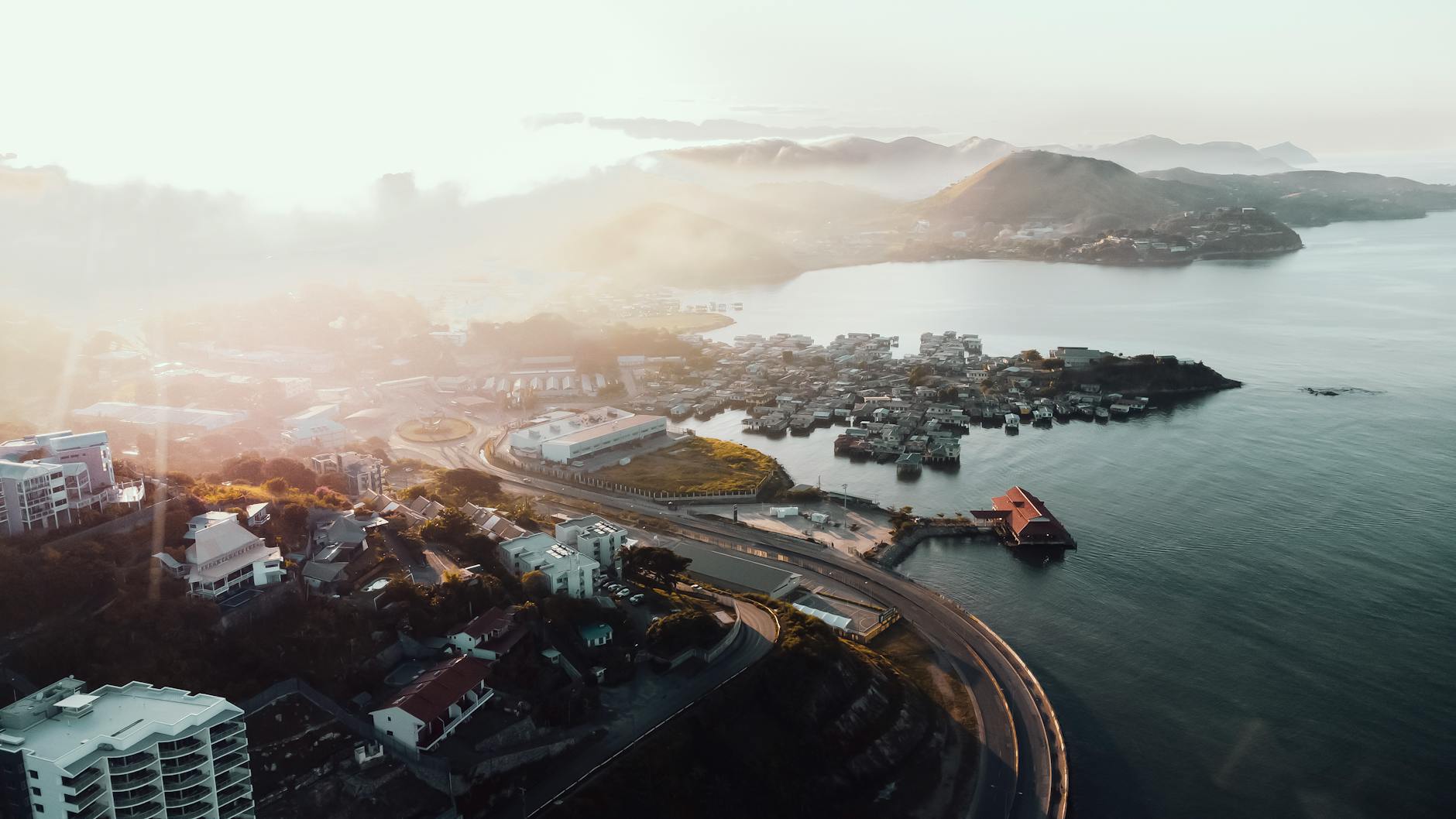
Lawlessness and violent crime are widespread issues in the capital city. Carjackings and armed hold-ups occur frequently even during the day. Walking around the city is considered extremely dangerous for foreigners and locals alike. “Raskol” gangs operate with little fear of police intervention in many districts. Secure transport and accommodation with high walls and guards are absolute necessities.
Kabul, Afghanistan
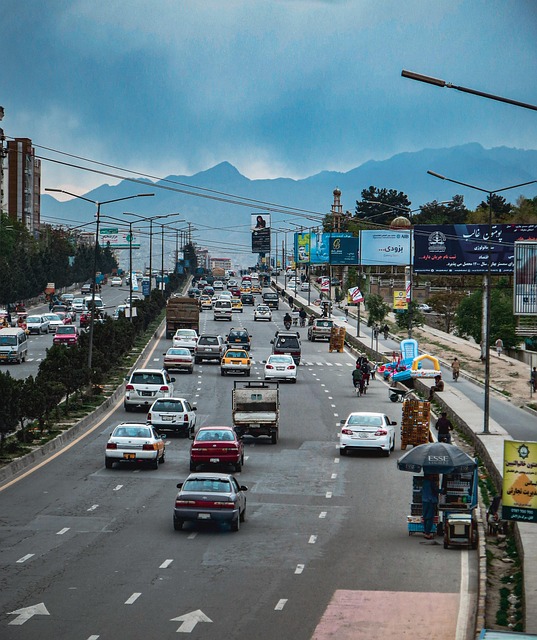
The security situation remains critically unstable with a high threat of terrorism and kidnapping. Foreign nationals are specific targets for insurgent groups operating in the city. Explosions and armed attacks can happen anywhere without warning or provocation. Solo travel is virtually impossible to conduct safely without professional security details. Most governments advise against all travel due to the unpredictable nature of the conflict.
Mogadishu, Somalia
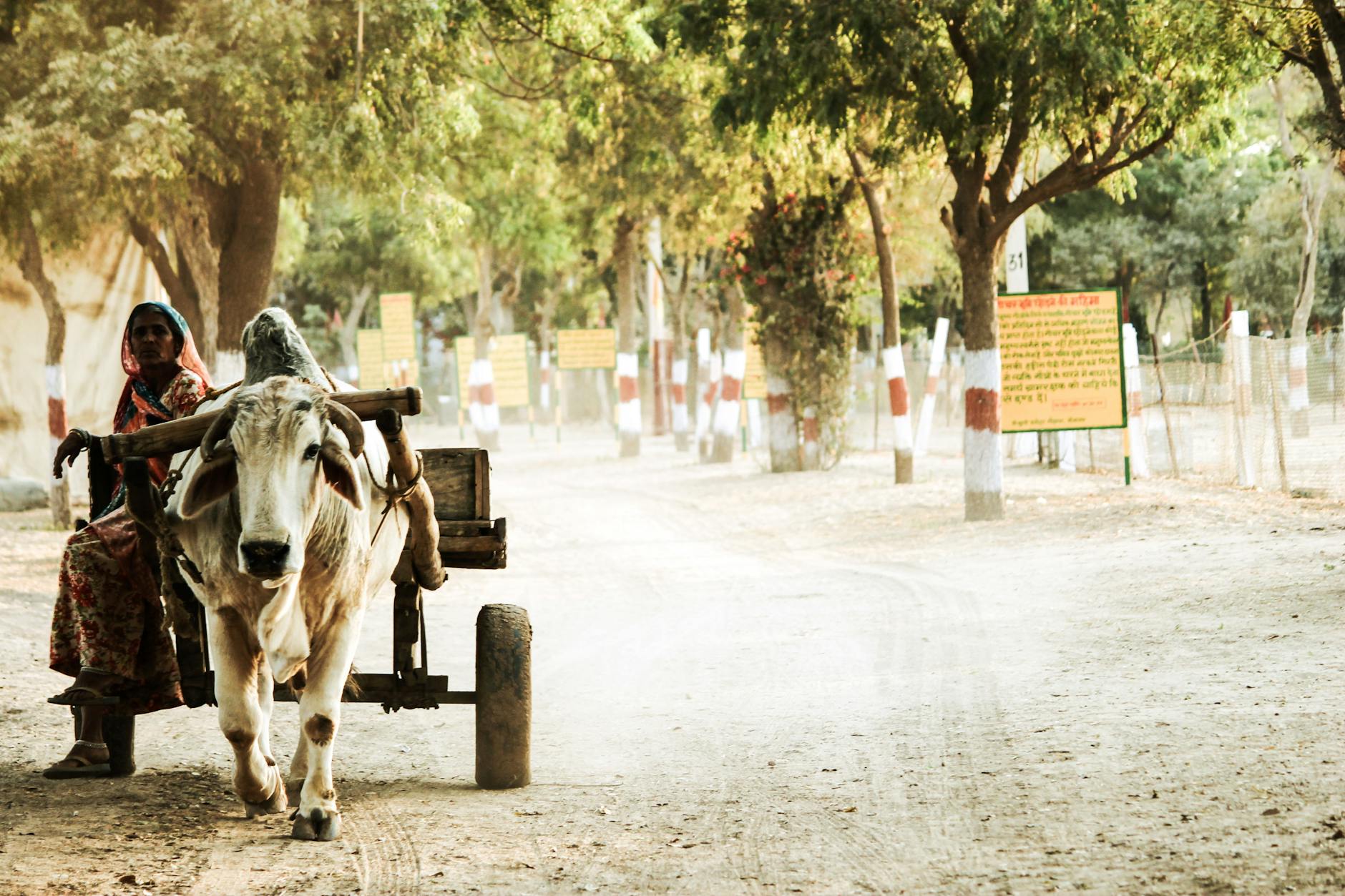
Ongoing conflict and terrorism make this one of the most dangerous cities on Earth. Bombings and gun attacks on hotels and public places occur with alarming regularity. Kidnapping is a severe threat for any foreigner spotted without armed protection. The lack of effective government control in many areas leaves travelers vulnerable. Visiting requires specialized security logistics and is not suitable for standard tourism.
Sana’a, Yemen
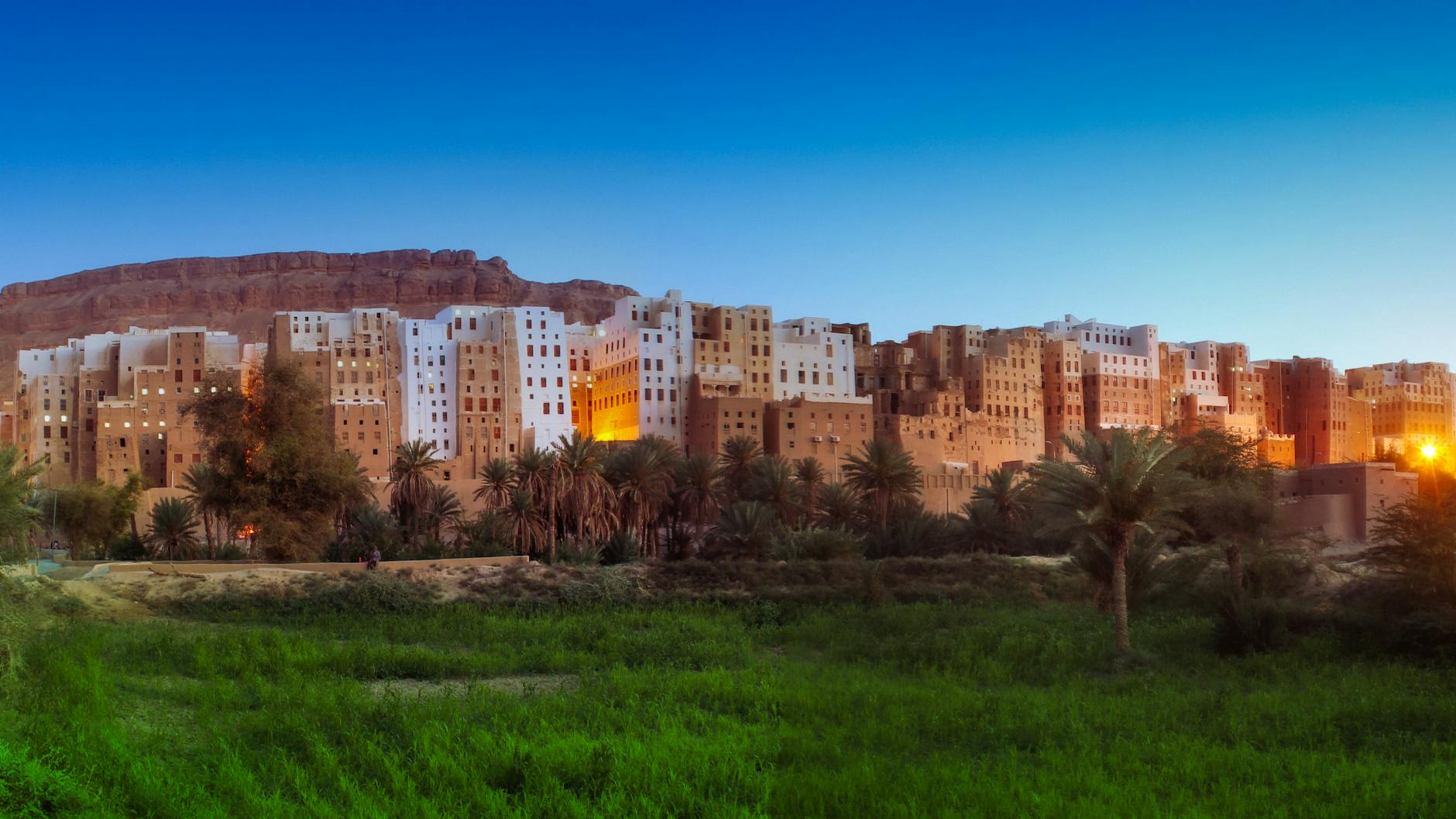
Civil war and airstrikes have devastated the infrastructure and safety of this historic city. The risk of kidnapping by militant groups is extremely high for Westerners. Basic services like electricity and water are unreliable or non-existent in many parts. Terrorism and combat operations create a constant threat of death or injury. Travel here is strictly for essential humanitarian work rather than leisure or exploration.
Tripoli, Libya
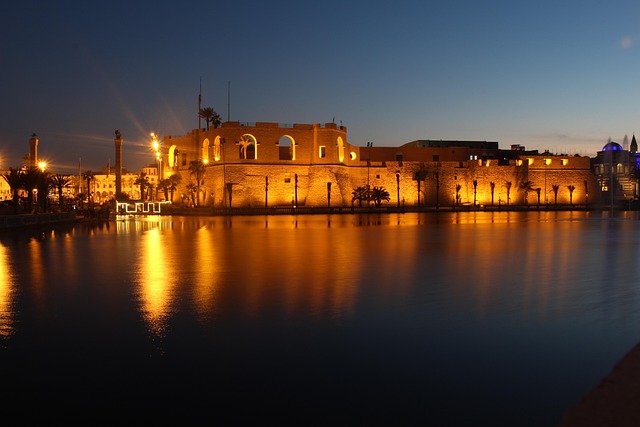
Militia violence and political fragmentation create a highly unpredictable security environment. Clashes between rival armed groups can break out in the city center with heavy weaponry. Kidnapping for ransom or political leverage is a persistent danger for foreigners. The airport is frequently closed or damaged due to fighting in the surrounding areas. Solo movement is nearly impossible without risking detention or injury.
Caracas, Venezuela
Widespread violent crime and economic collapse have made this the most dangerous capital for tourists. Armed robberies and kidnappings are daily occurrences in almost every neighborhood. Police presence is often ineffective or corrupt which leaves victims with little recourse. Visitors are often targeted immediately upon leaving the airport by spotters for criminal gangs. The extreme shortage of medical care means getting help after an incident is difficult.
Please share your own experiences or questions about safety in these destinations in the comments.




