Recognizing behavioral patterns in children early can help parents foster gratitude and resilience. Many parents struggle to differentiate between providing comfort and encouraging entitlement in their daily interactions. Addressing these signs requires consistency and a shift in how boundaries are established within the family dynamic. Correcting these behaviors ultimately leads to happier children who understand the value of hard work and empathy.
Frequent Public Tantrums

Frequent emotional outbursts often occur when a child is denied a request or hears the word no. Parents can address this by remaining calm and consistent without giving in to the demands during the meltdown. Teaching emotional regulation skills helps the child express frustration in healthier ways over time. Ignoring the negative behavior while rewarding positive communication reinforces the desired outcome.
Refusal to Perform Chores
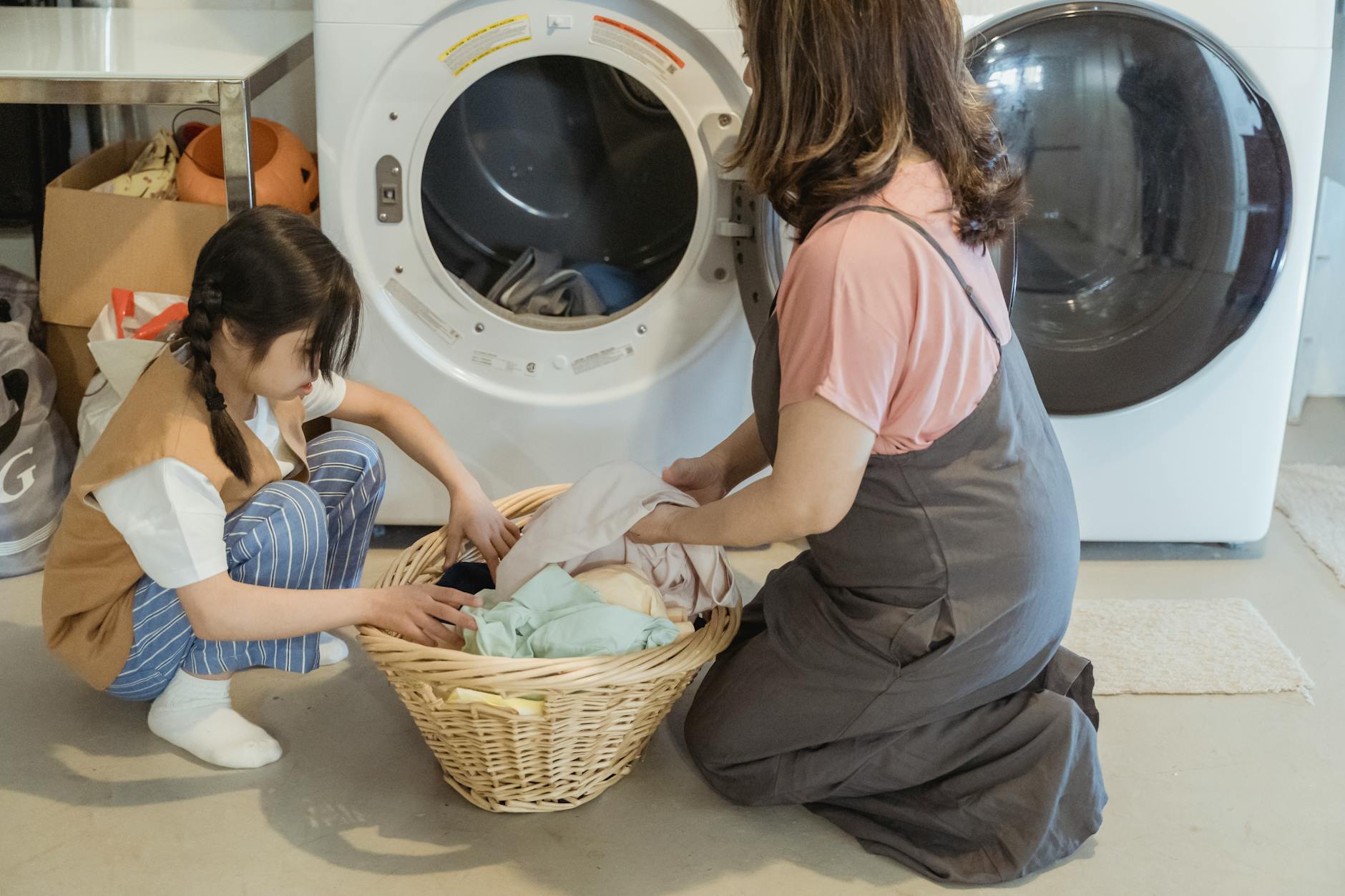
A complete unwillingness to participate in household chores suggests a lack of understanding regarding shared responsibility. Assigning age-appropriate tasks creates a sense of contribution and belonging within the family unit. Parents must ensure follow-through and consequences if the agreed duties are ignored or refused. This practice instills a work ethic and reduces the expectation that others will serve them.
Ignoring Parental Authority

Children who constantly negotiate or ignore boundaries often believe rules do not apply to them. Establishing clear limits with immediate and related consequences helps solidify parental authority. Consistency is key because intermittent enforcement teaches the child that persistence eventually pays off. Parents should explain the reasoning behind the refusal once and then move on without engaging in arguments.
Lack of Empathy for Others

An inability to consider the feelings of peers or family members indicates a self-centered perspective. Modeling compassionate behavior and discussing emotions openly helps children understand the impact of their actions. Encouraging acts of kindness or volunteering fosters a broader view of the world beyond their immediate desires. Parents can prompt reflection by asking how their behavior might make others feel in specific situations.
Inability to Entertain Themselves

Relying entirely on parents or screens for entertainment shows a lack of creativity and self-sufficiency. Encouraging unstructured play requires children to use their imagination to occupy their time. Parents should resist the urge to solve boredom immediately and instead suggest open-ended activities. Developing the ability to self-soothe and play alone is a crucial developmental milestone for independence.
Excessive Materialism

Placing excessive value on possessions or brands often stems from equating happiness with acquiring new things. Focusing family activities on experiences rather than shopping trips shifts the priority to connection. Parents can implement a gratitude practice where the child identifies non-material things they enjoy daily. Limiting exposure to advertisements and peer pressure helps reduce the constant desire for more.
Poor Manners

Failing to say please or thank you signals a lack of appreciation for the efforts of others. Consistently modeling polite interaction teaches children the social currency of respect and gratitude. Parents should gently correct these lapses in the moment without shaming the child publicly. Reinforcing positive social exchanges helps the child understand that courtesy facilitates better relationships.
Sore Loser Behavior

Extreme anger or quitting when losing a game highlights a need for control and perfectionism. Playing cooperative games or discussing the role of luck helps normalize the experience of losing. Parents should praise effort and sportsmanship rather than focusing solely on the final score or outcome. Learning to handle defeat gracefully builds resilience and emotional maturity for future challenges.
Demanding Special Meals
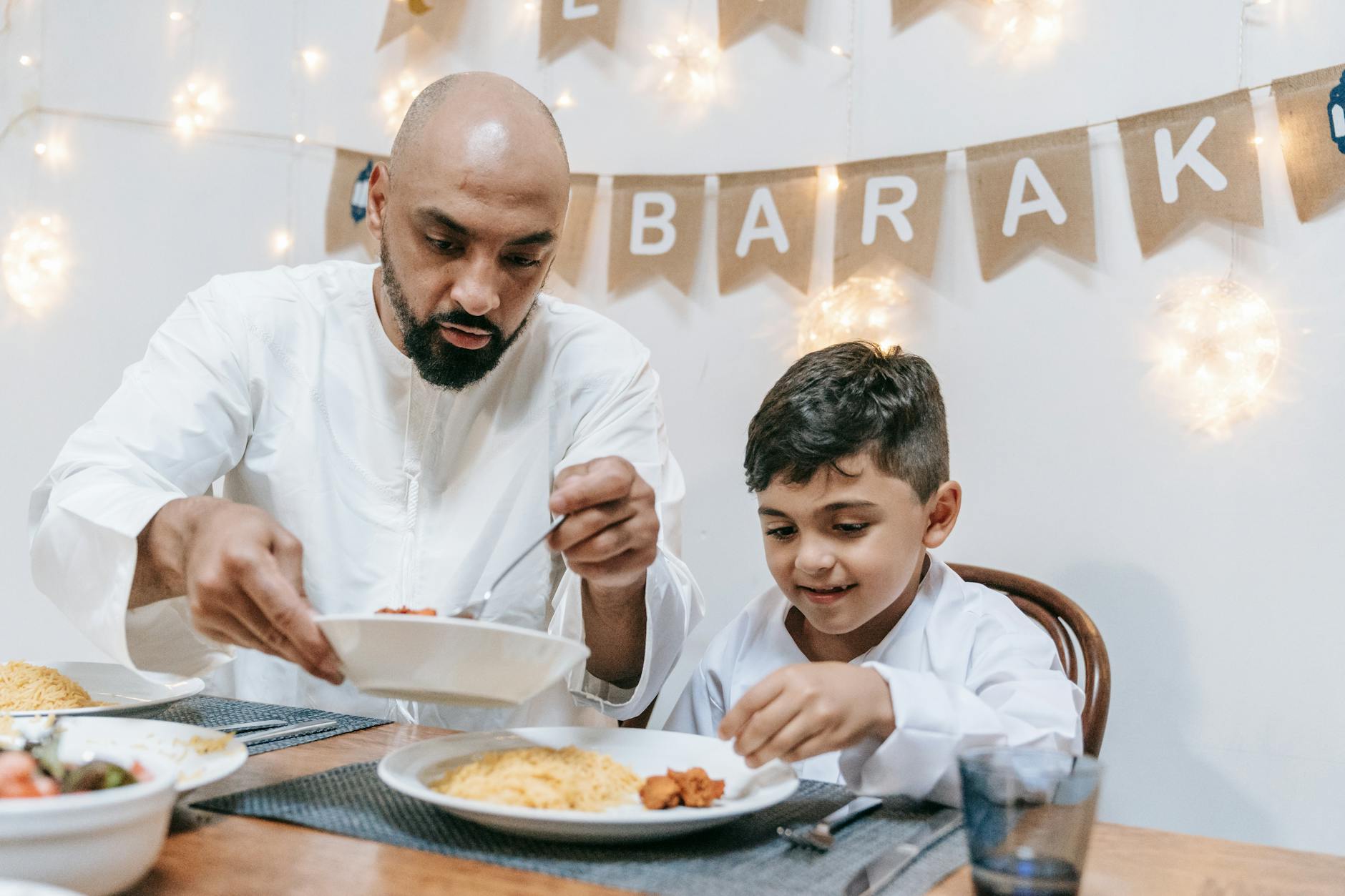
Expecting distinct meals or specific privileges unlike everyone else fosters a sense of superiority. Serving one meal for the entire family reinforces the idea that the child is part of a group. Parents must avoid catering to every whim to teach flexibility and adaptation to different circumstances. Treating all family members with equal consideration reduces the entitlement associated with being the center of attention.
Disrespecting Adults

Speaking rudely or ignoring instructions from teachers and relatives indicates a lack of deference for authority. Correcting this behavior requires immediate intervention to explain why the tone or words were inappropriate. Parents should model respectful communication with other adults to set a strong example. Consistently enforcing consequences for disrespect helps the child learn appropriate social hierarchies.
Ungratefulness for Gifts

Expressing disappointment or indifference when receiving presents shows a disconnect from the thought behind the gesture. Teaching children to write thank you notes focuses their attention on the giver rather than the object. Parents can manage expectations by limiting the volume of gifts during holidays and birthdays. Discussing the effort required to purchase or make a gift helps cultivate genuine appreciation.
Refusal to Accept Blame

Refusing to take responsibility for mistakes prevents personal growth and accountability. Parents should encourage children to own their actions without fear of excessive punishment. Discussing what could be done differently next time turns the mistake into a learning opportunity. This approach builds integrity and teaches that errors are a natural part of life.
Chronic Impatience

An inability to wait for gratification often leads to frustration and demanding behavior. Incorporating delays such as saving up for a toy teaches the value of patience and anticipation. Parents can use timers or visual aids to help younger children understand the concept of waiting. Practicing mindfulness or quiet time helps strengthen the ability to tolerate delay without distress.
Controlling Playtime

Dictating every aspect of play with peers pushes friends away and isolates the child. Encouraging turn-taking and listening to the ideas of others promotes collaborative social skills. Parents can supervise playdates to gently guide the child toward compromise and shared decision-making. Learning to follow the lead of others is essential for maintaining healthy friendships.
Dissatisfaction with Everything

Chronic complaining despite having plenty indicates a negative mindset that focuses on lack. Shifting conversation habits to highlight positive aspects of the day retrains the brain to look for good. Parents should avoid rushing to fix every complaint and instead validate feelings while maintaining perspective. Engaging in community service exposes children to different realities and fosters a sense of perspective.
Please share your own experiences with setting boundaries for children in the comments.




