Dining out offers a convenient escape from cooking and cleaning but often comes with a hefty price tag hidden in plain sight. Restaurants rely on specific high-margin items to balance their operational costs and generate profit from unsuspecting patrons. Many diners assume they pay for high-quality ingredients or expert preparation when they are actually covering overhead expenses. A closer look at menu pricing reveals that some of the most popular orders have markups exceeding thousands of percent. Understanding these financial traps can help you make smarter choices and get better value for your money during your next meal out.
Fountain Drinks
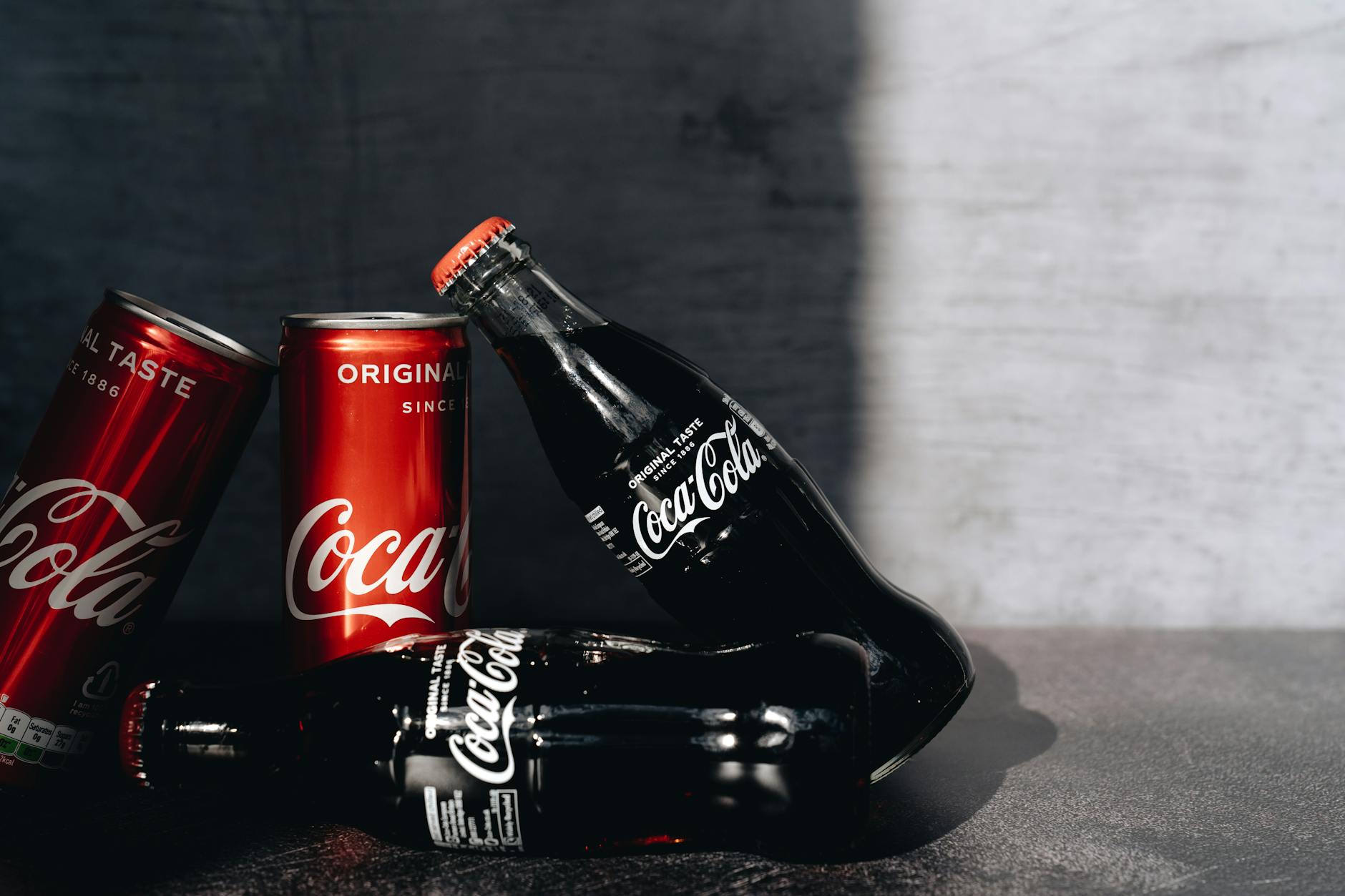
Soft drinks are notoriously the highest markup item in the entire restaurant industry. A standard glass of soda costs the establishment mere pennies in syrup and carbonated water while you pay several dollars for the privilege. The profit margin on these beverages can easily exceed one thousand percent even with free refills included. You are essentially paying for a cup full of ice and a small splash of flavored sugar water.
Bottled Water

Ordering bottled water is often a financial mistake unless you have specific concerns about tap water safety. Restaurants frequently charge exorbitant prices for brands you can buy in bulk at the grocery store for a fraction of the cost. The markup here is aggressive because the labor involved is minimal and the perceived value of hydration is high. You are paying for the bottle cap to be cracked open rather than the liquid inside.
Wine by the Glass
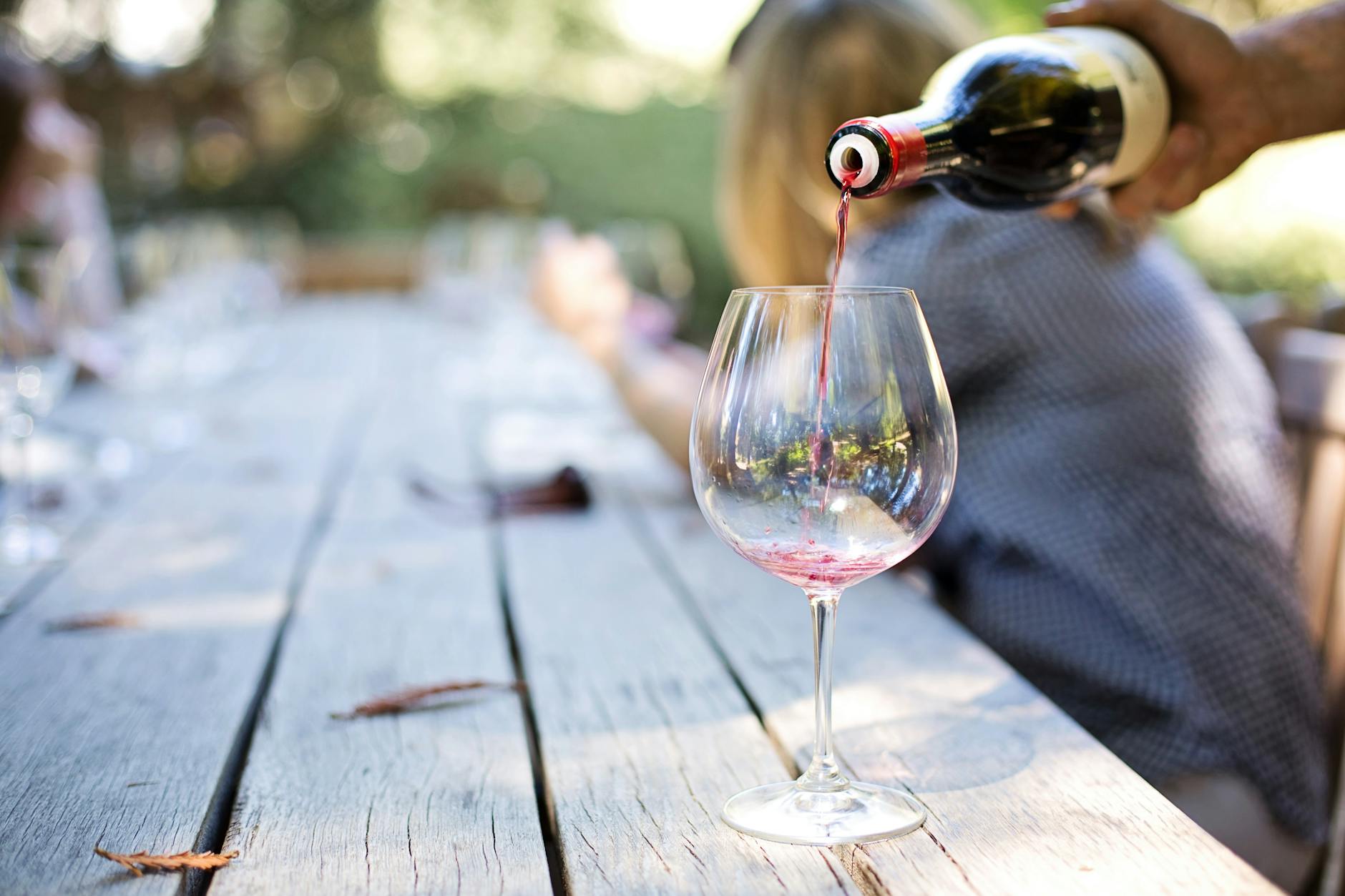
That single glass of wine often costs as much as the restaurant paid for the entire bottle at wholesale prices. Establishments price their wine list this way to cover the cost of the bottle with the first pour and everything else is pure profit. An open bottle creates a risk of waste if it does not sell quickly so the high price offsets that potential loss. You get far better value by ordering a full bottle or drinking wine at home.
Pasta Dishes
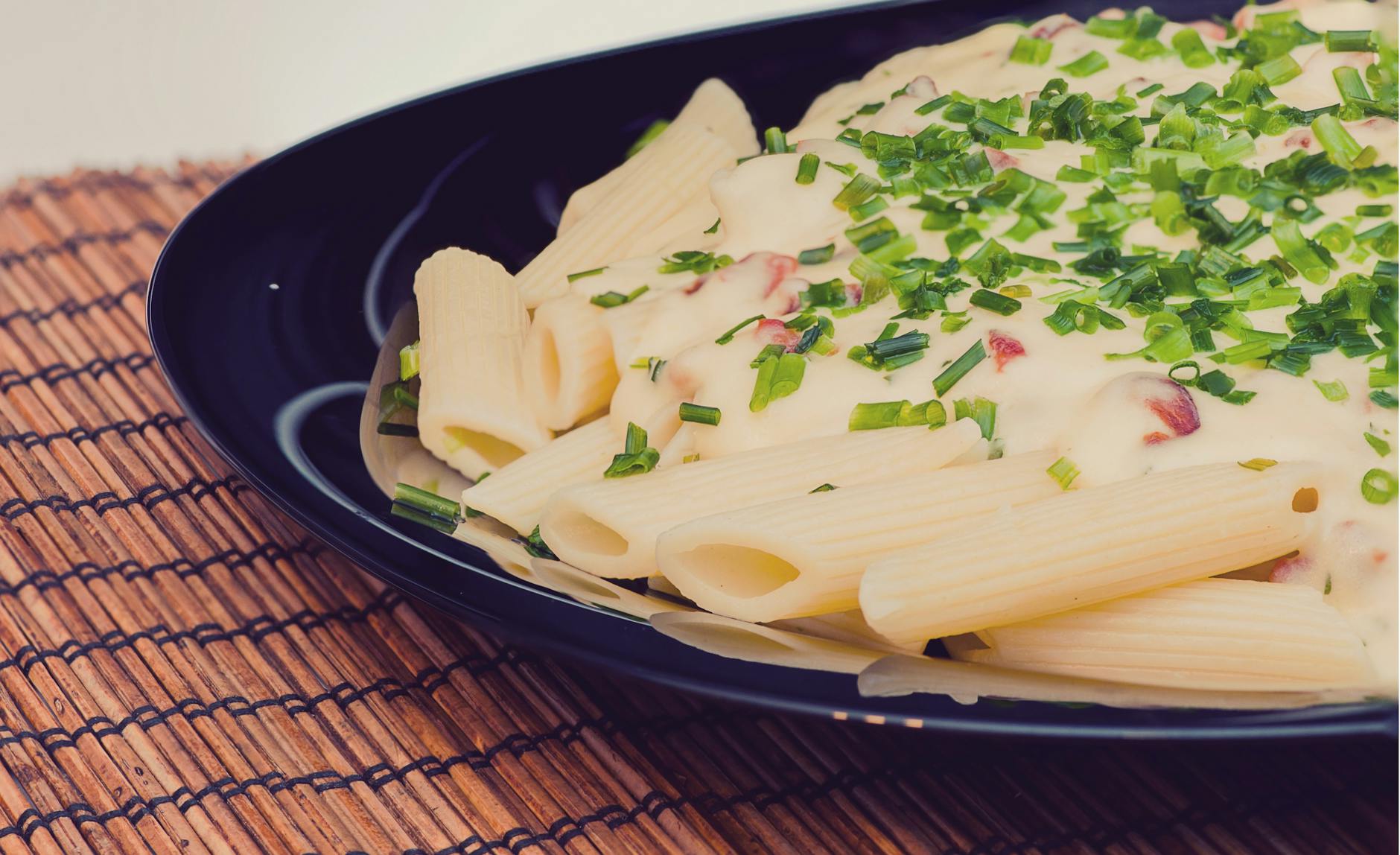
Pasta is incredibly cheap to produce since it requires only flour and water or eggs. Even when restaurants make their noodles fresh in-house the ingredient cost remains negligible compared to the final menu price. You are paying primarily for the sauce and the labor rather than the core components of the dish. The perceived value of Italian comfort food allows chefs to charge twenty dollars or more for a bowl of starch.
Pizza
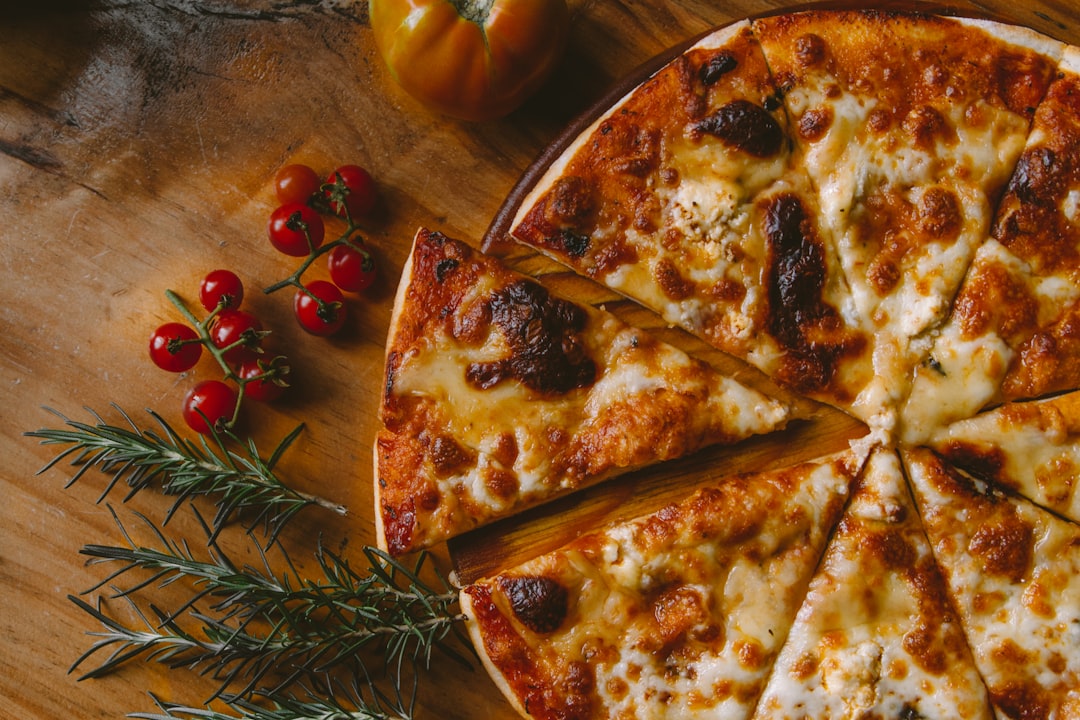
The cost of flour and yeast for pizza dough is extremely low and makes this one of the most profitable items for any kitchen. Toppings are often used sparingly and the cheese is the only ingredient with a significant cost attached to it. Restaurants can charge premium prices for “artisan” or “wood-fired” pizzas that cost them very little to assemble. The high markup explains why pizza places are so abundant and economically resilient.
Iceberg Wedge Salad
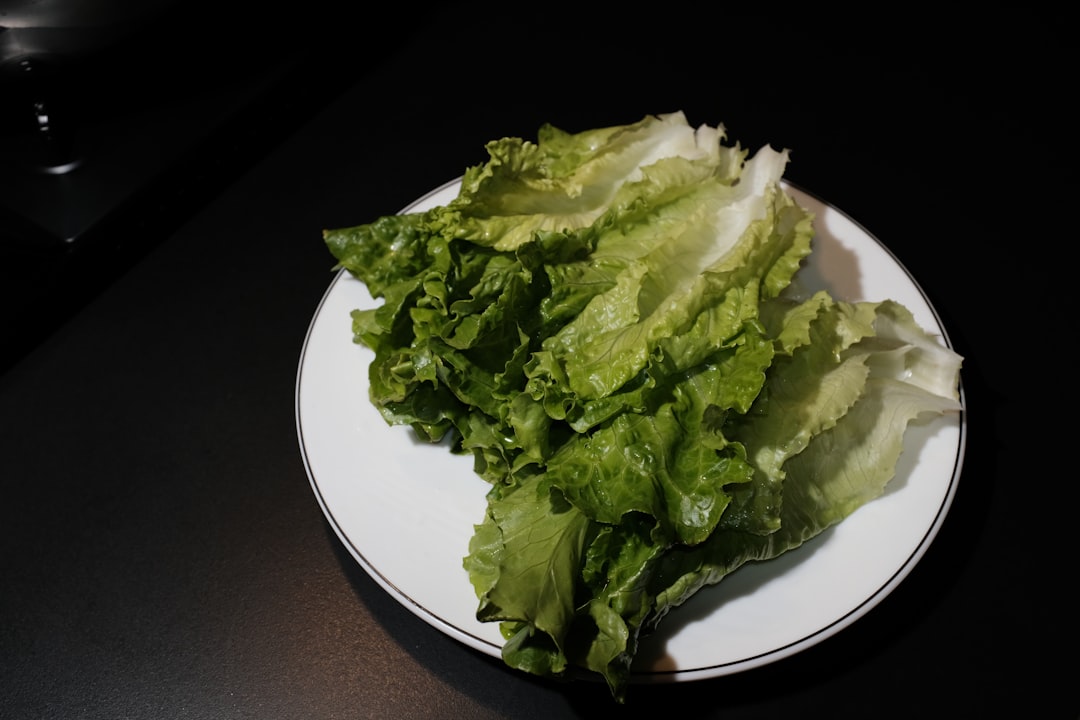
This classic appetizer consists of a fraction of a head of iceberg lettuce which is one of the cheapest vegetables available. It is typically dressed with bacon bits and blue cheese but the bulk of the plate is inexpensive crunchy water. Restaurants charge nearly as much for this simple preparation as they do for complex salads with expensive greens. The presentation tries to hide the fact that you are eating a budget ingredient sold at a premium.
Edamame
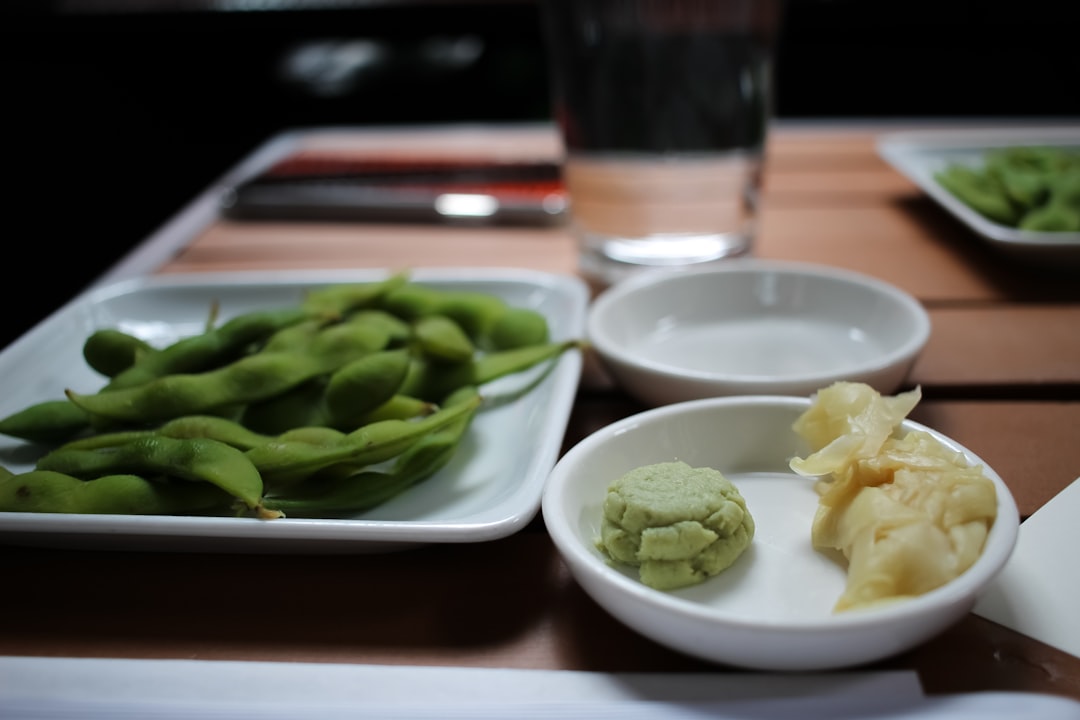
Steamed soybeans are a staple at sushi restaurants but they are also a massive profit center. Most establishments buy these frozen in bulk for a very low price and simply heat them up before serving. The labor involved is almost non-existent and the seasoning is usually just coarse salt. You are paying a restaurant premium for a snack that is cheaper and easier to make than popcorn.
Soup of the Day
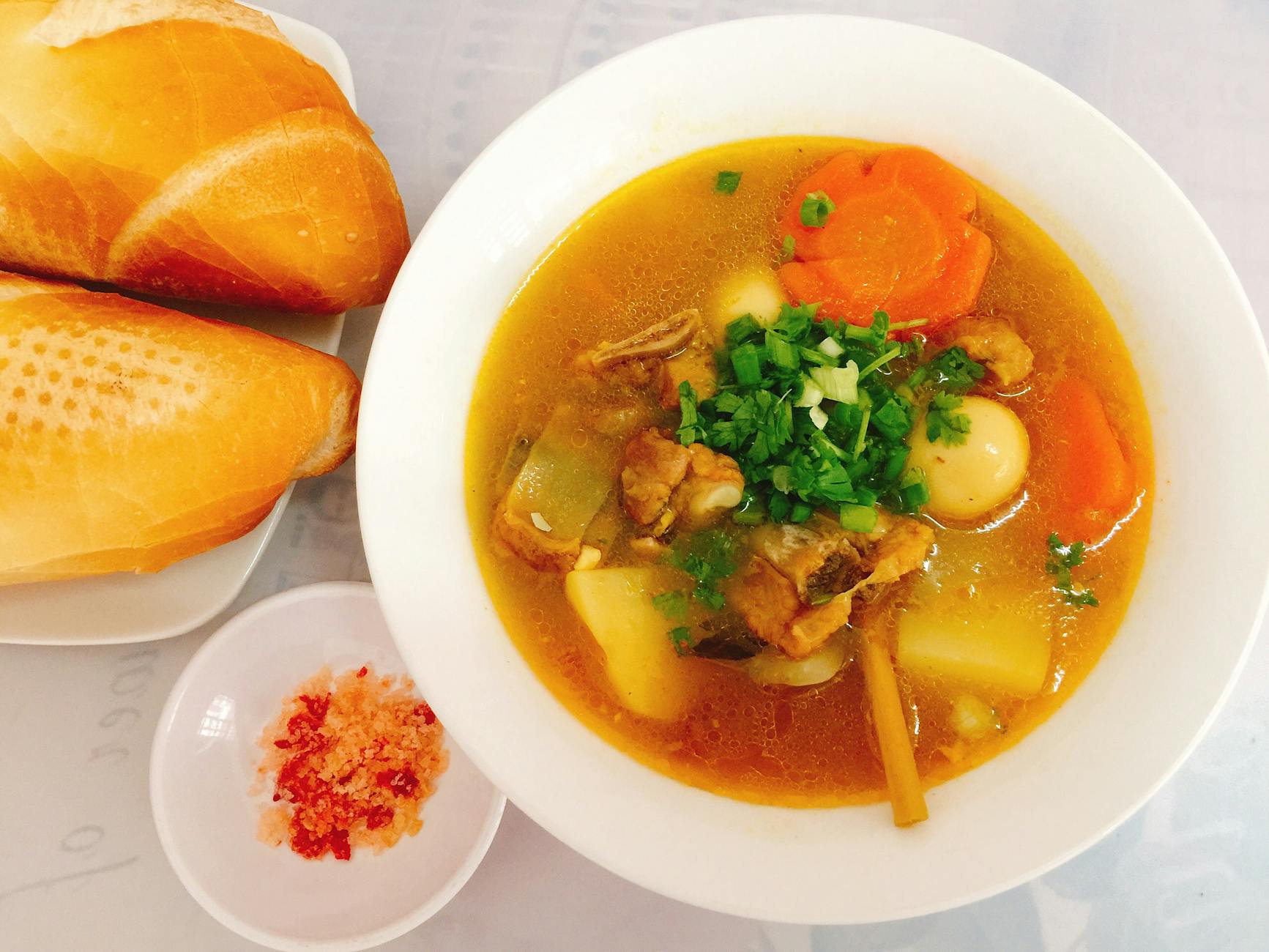
Daily soup specials are frequently a clever way for kitchens to monetize leftovers and reduce food waste. Chefs take unsold vegetables or meats from the previous day and repurpose them into a new dish to avoid throwing them away. This means the primary ingredients have effectively already been paid for by other diners. While the soup might taste delicious it represents almost pure profit for the restaurant.
Fried Calamari
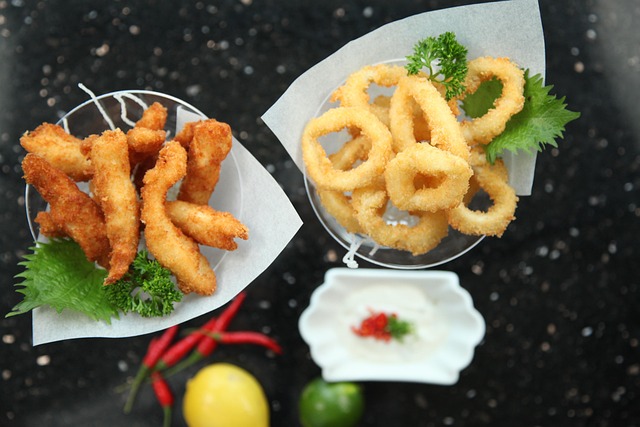
Many casual dining spots use frozen pre-breaded calamari rings rather than preparing fresh squid. The heavy batter often masks the rubbery texture of low-quality seafood and fills the plate to create the illusion of a large portion. You are mostly eating fried flour and oil with a small amount of protein hidden inside. The popularity of this appetizer allows restaurants to charge nearly entree-level prices for a freezer-to-fryer item.
Truffle Fries
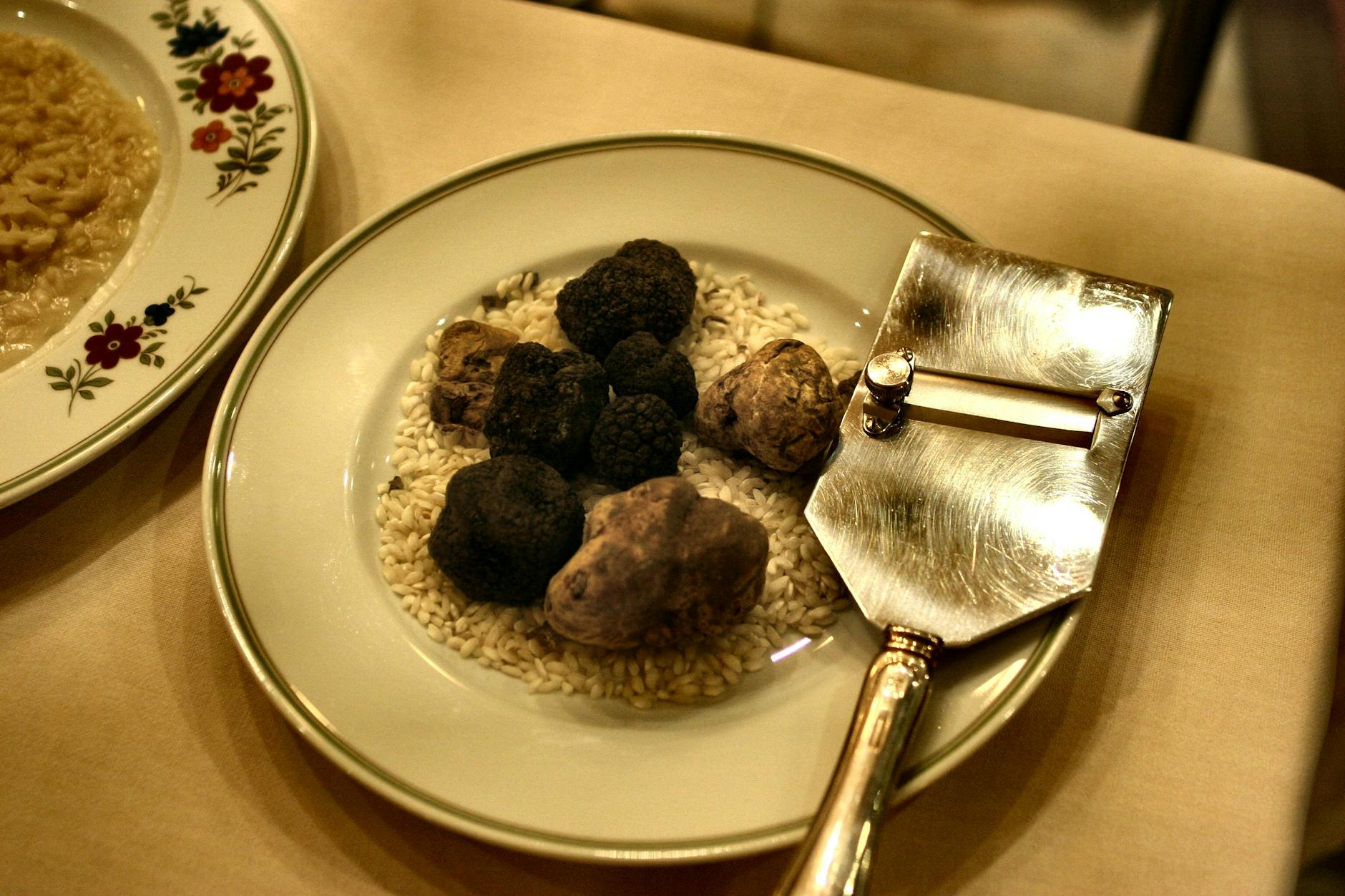
The distinctive aroma of truffle fries rarely comes from actual expensive truffles unearthed by pigs in a forest. Most restaurants use synthetic truffle oil which is a chemical compound created in a lab to mimic the scent. This oil costs very little but allows the menu to carry a luxury descriptor that justifies a higher price point. You are paying a premium for a perfume rather than a genuine gourmet ingredient.
Avocado Toast
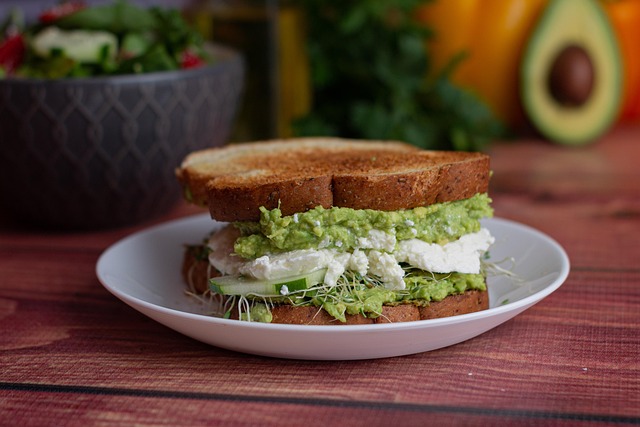
This trendy brunch staple is essentially a slice of bread with a mashed fruit spread on top. The ingredients are simple and require no cooking skill yet they command prices rivaling complex egg dishes. High demand and social media popularity drive the price up far beyond the cost of the bread and avocado. It represents one of the worst value propositions on a modern breakfast menu.
Eggs Benedict
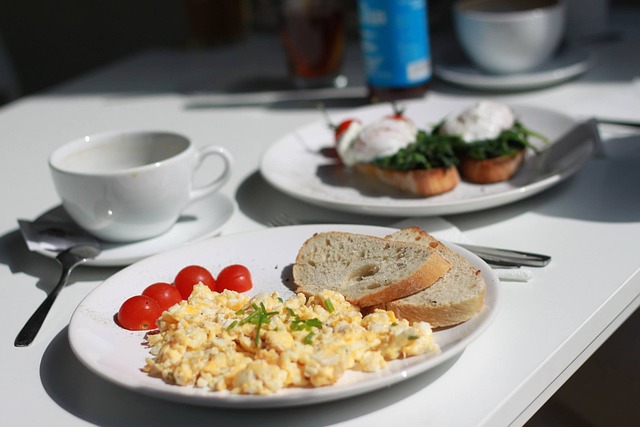
Eggs are among the cheapest protein sources available to a professional kitchen. The hollandaise sauce adds a layer of complexity but the base ingredients of bread and ham are also inexpensive. Restaurants charge a premium because poaching eggs and making sauce requires some technical skill and timing. You are paying for the chef’s expertise rather than the cost of the food on your plate.
Pancakes
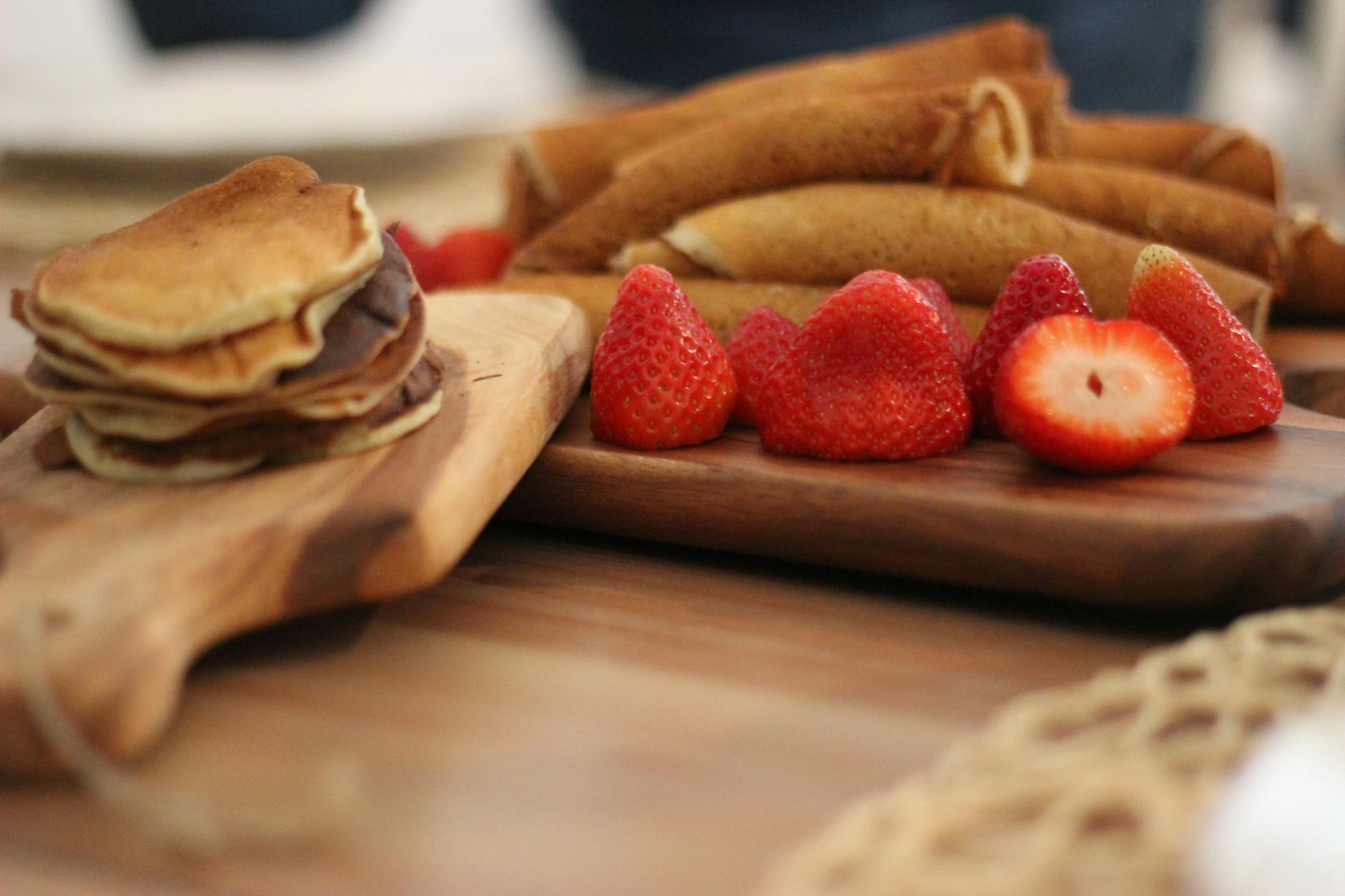
Batter for pancakes consists of flour and milk and sugar which are some of the cheapest staples in any pantry. A stack of pancakes costs pennies to produce but sells for ten dollars or more in many diners. The volume of the food fills the plate and makes you feel like you are getting a substantial meal. It is a high-margin comfort food that generates massive profits for breakfast joints.
Specialty Cocktails
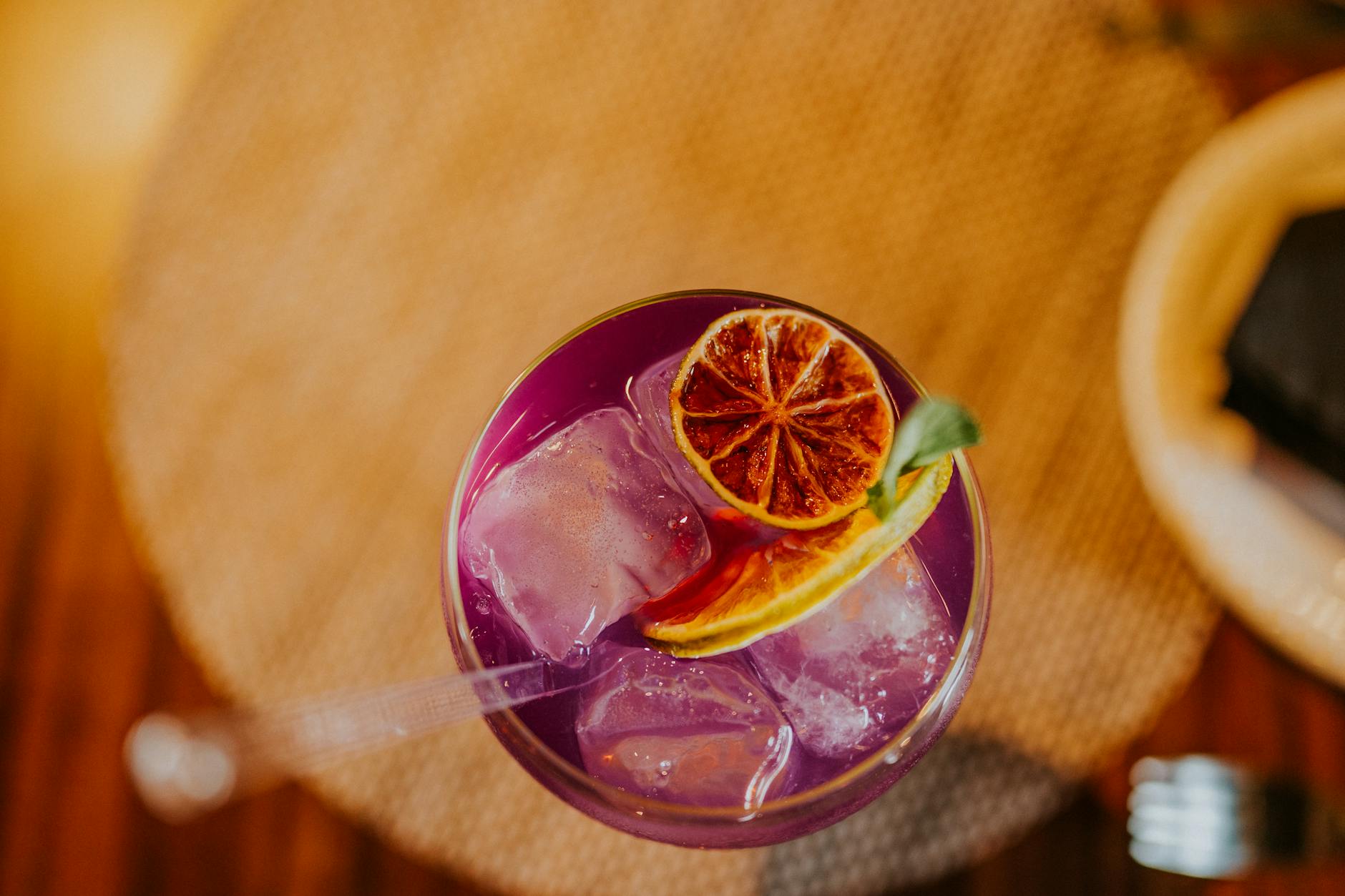
Mixed drinks are filled to the brim with ice to reduce the amount of liquid needed to fill the glass. The actual alcohol content is often a standard shot of well liquor disguised by sugary juices and syrups. You pay a premium for the atmosphere and the garnish rather than the quality of the spirits. The markup on liquor is generally high but colorful cocktails take it to another level.
Coffee
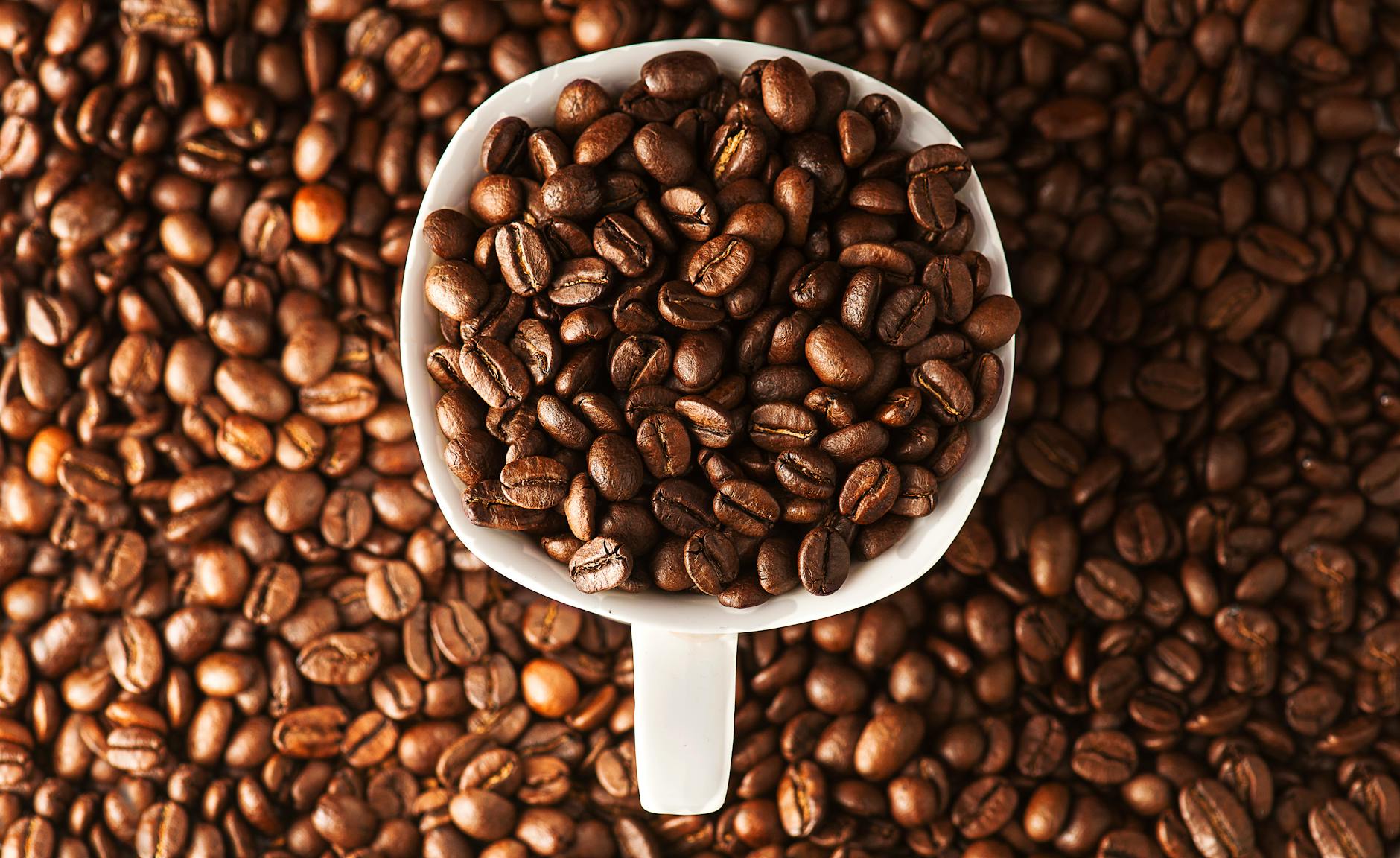
A cup of coffee is a standard finish to a meal but the markup is often several hundred percent. Restaurants buy beans in bulk at wholesale prices and brew large pots that sit for varying lengths of time. The effort to pour a cup is minimal yet the price often rivals that of a specialty coffee shop. You are effectively paying a convenience fee to avoid leaving the table for your caffeine fix.
Hot Tea
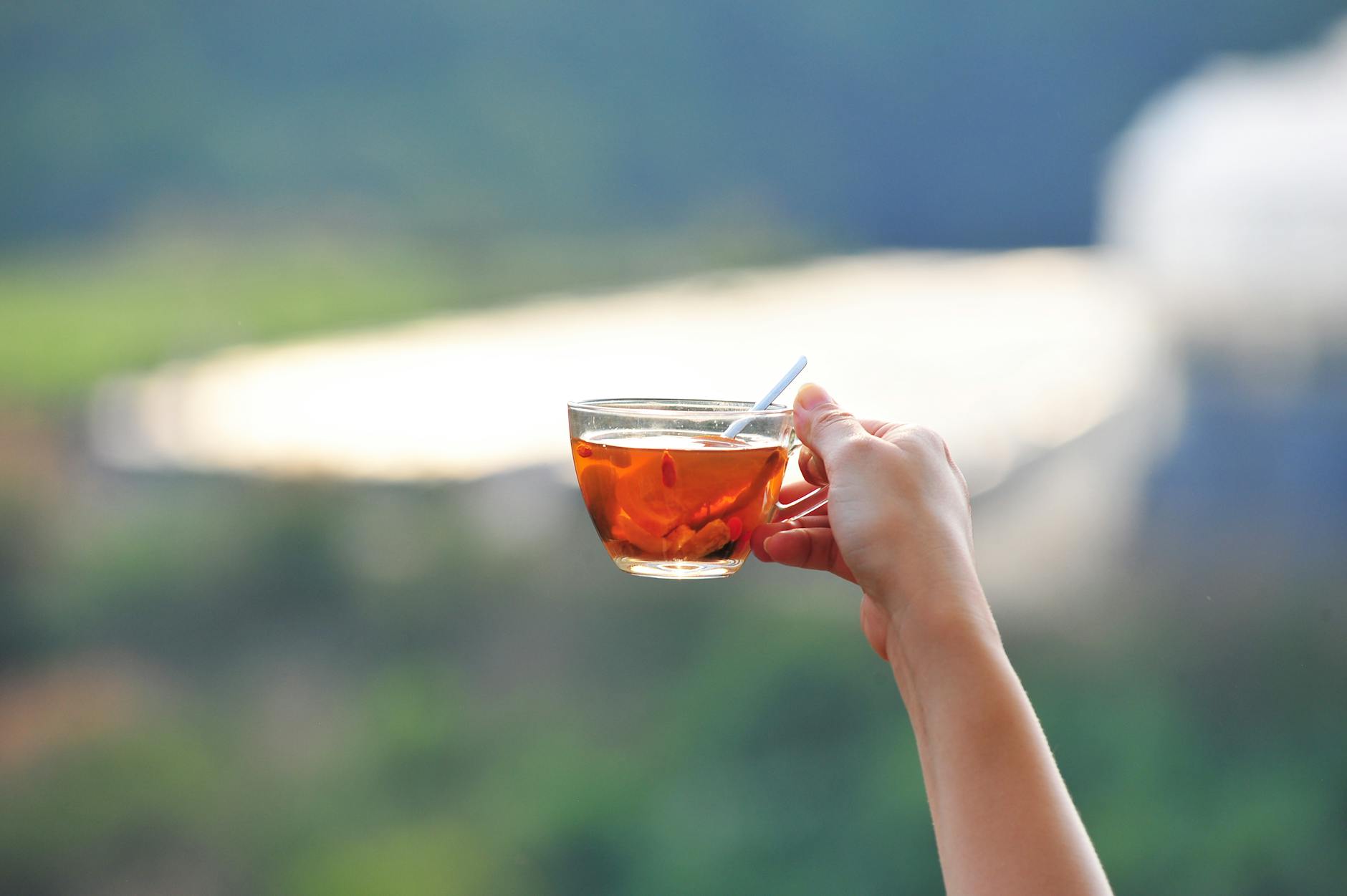
Ordering tea is financially illogical because you are essentially paying for a cup of hot water and a single tea bag. The cost to the restaurant is negligible and often amounts to less than twenty cents per serving. You could buy an entire box of tea bags at a supermarket for the price of one cup in a restaurant. It is perhaps the single worst value item in terms of raw ingredient cost versus menu price.
Chicken Wings
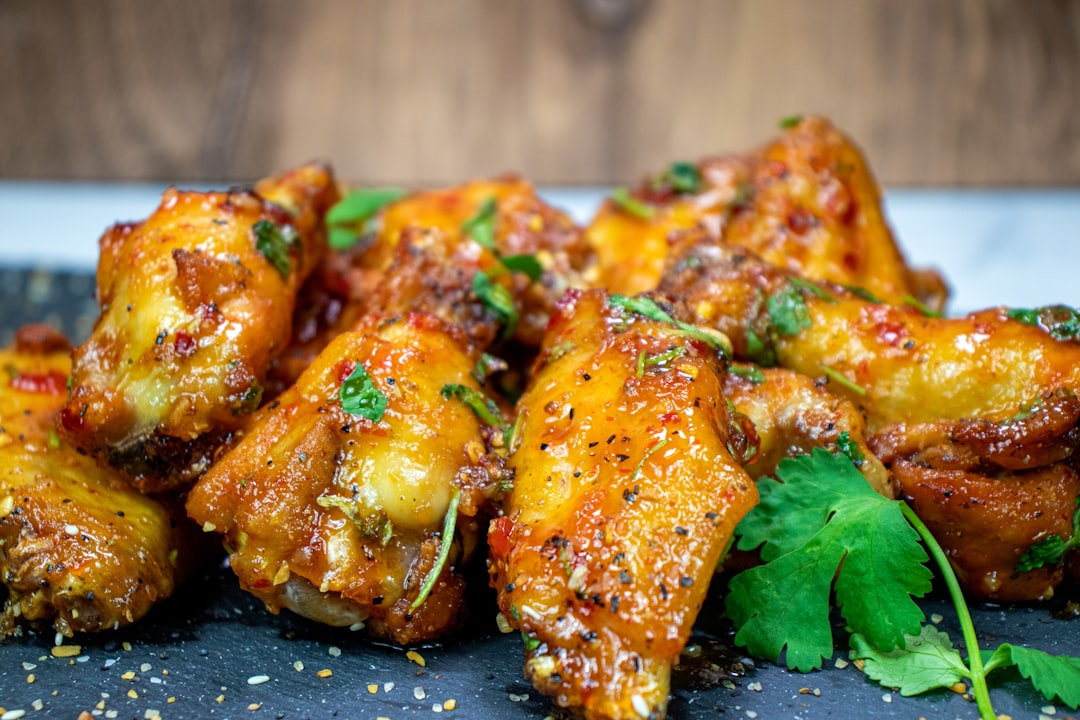
Chicken wings were once considered scrap meat and were thrown away or used for stock until they became a bar snack staple. Demand has driven wholesale prices up but they remain a relatively cheap cut of meat compared to breasts or thighs. Restaurants sell them by the piece or pound at prices that far exceed the cost of the bird. You are paying for the sauce and the mess rather than premium poultry.
Kobe Beef Burgers
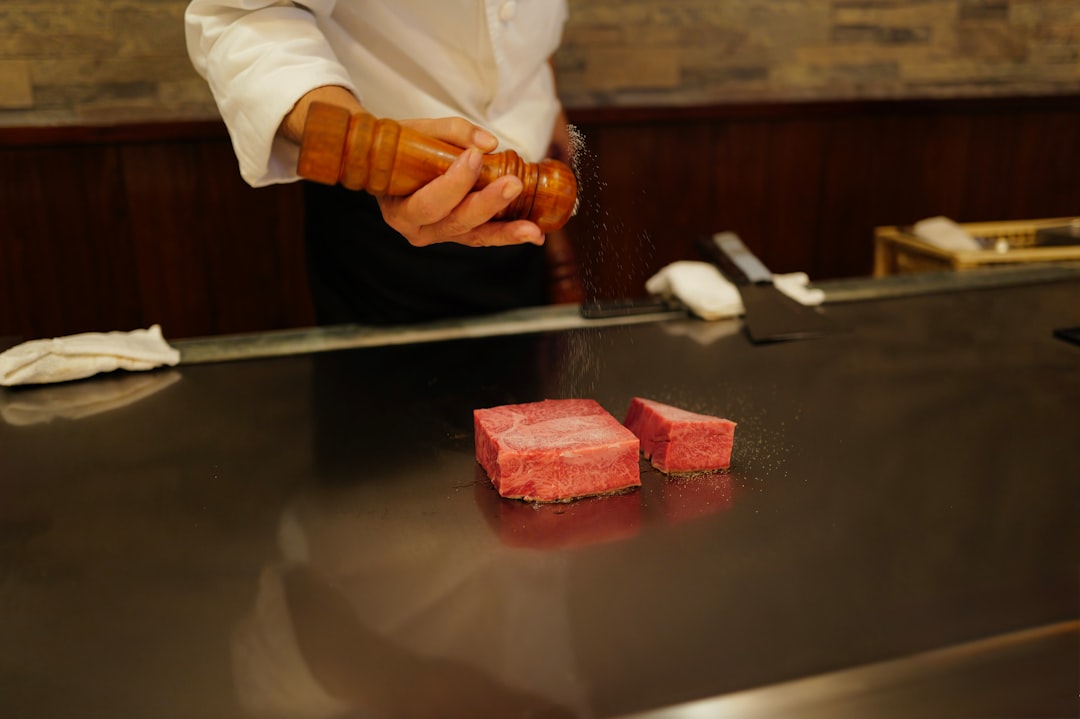
True Kobe beef is rare and incredibly expensive and it is almost never ground up into a burger patty. Most menus claiming to serve Kobe burgers are actually using American Wagyu or a blend that lacks the distinct qualities of the Japanese original. Grinding high-quality steak destroys the marbling that makes it special in the first place. You are paying a luxury price for a marketing buzzword rather than an authentic culinary experience.
Cheese and Charcuterie Boards
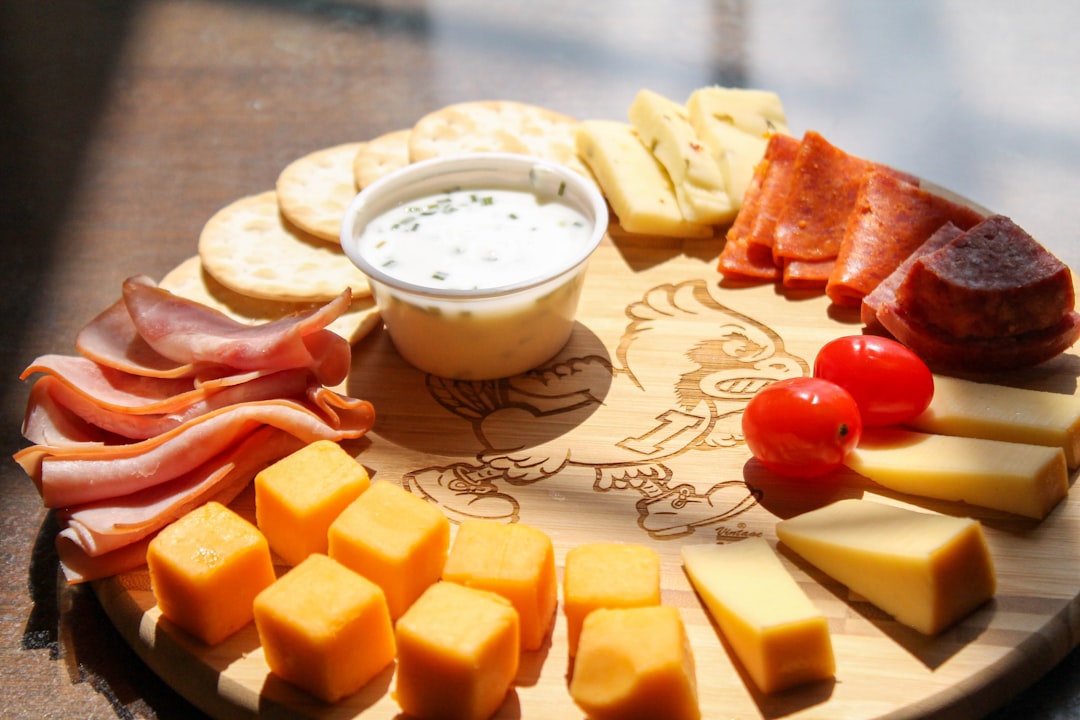
These platters require zero cooking and simply involve arranging sliced meats and cheeses on a wooden board. The portion sizes are often small and the ingredients are bought in bulk at prices far lower than what you would pay at a deli. Restaurants mark these up significantly because they are shareable and pair well with high-margin wine. You are paying for the curation and presentation rather than the culinary effort.
Side of Potatoes
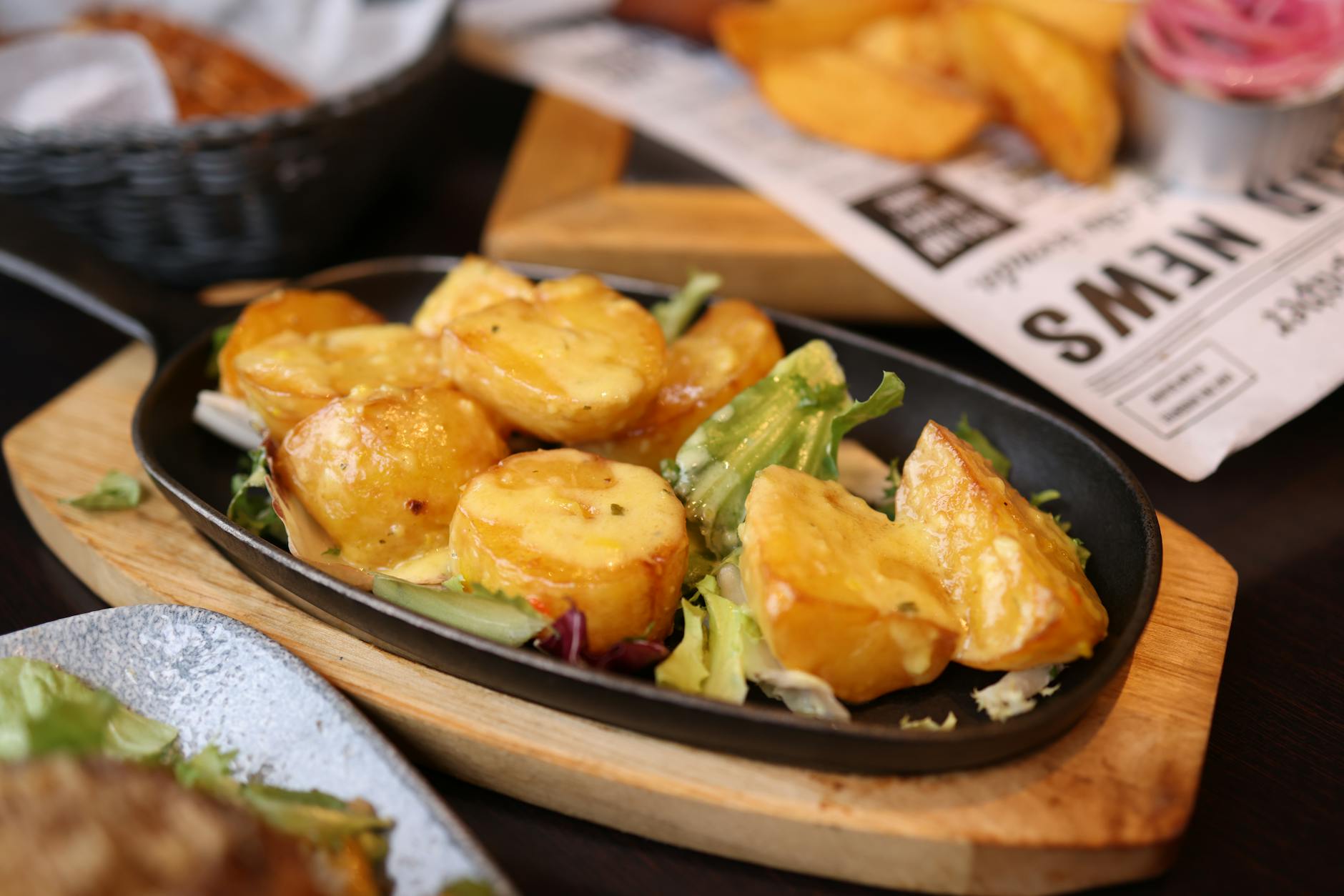
Potatoes are dirt cheap and buying them in bulk lowers the cost even further for restaurants. Whether they are mashed or fried or roasted the cost per serving is mere pennies. Charging five or six dollars for a side dish of starch is a pure profit play for the kitchen. It is a filler item that boosts the bill without adding significant cost to the restaurant’s inventory.
Have you ever felt regret after ordering one of these high-markup items or do you think the convenience is worth the extra cost? Tell us which menu items you avoid or splurge on in the comments.




