A sharp memory is an essential asset for navigating daily life with confidence and efficiency. Many people believe that cognitive decline is inevitable, but numerous natural strategies can preserve and even enhance brain function. Lifestyle adjustments regarding diet, sleep, and mental stimulation play a massive role in how well the brain processes and stores information. Implementing small changes creates a cumulative effect that boosts neural health and retention capabilities. The following methods offer practical ways to strengthen memory without relying on pharmaceutical interventions.
Prioritize Quality Sleep

Sleep plays a critical role in consolidating memories from short-term to long-term storage. Adults who consistently get between seven and nine hours of rest perform better on cognitive recall tests. Napping during the day can also boost brain power and help retain information learned earlier. Sleep deprivation negatively impacts the hippocampus and impairs the ability to form new memories. Establishing a regular sleep schedule is one of the simplest ways to support overall brain health.
Engage in Aerobic Exercise

Regular physical activity increases blood flow to the whole body including the brain. Studies show that aerobic exercise can increase the size of the hippocampus which is the brain area involved in verbal memory and learning. Engaging in moderate intensity workouts stimulates the release of growth factors that affect the health of brain cells. Even a simple brisk walk creates immediate benefits for mental clarity and focus. Consistent movement is a powerful tool for maintaining cognitive function as you age.
Practice Mindfulness Meditation

The practice of meditation helps clear the mind and reduce the noise that interferes with information retention. Regular sessions increase gray matter density in the brain and improve connectivity between different regions. Focusing on the breath trains the brain to ignore distractions and sustain attention on specific tasks. Even short daily periods of mindfulness can lead to significant improvements in working memory. This ancient technique offers a calm approach to sharpening mental acuity.
Reduce Added Sugar Intake

Consuming excessive amounts of added sugar has been linked to poor memory and reduced brain volume. High sugar intake leads to inflammation which can damage brain cells over time. Cutting back on sugary beverages and processed foods helps stabilize blood sugar levels for better cognitive focus. A diet lower in sugar supports the hippocampus and overall brain plasticity. Making this dietary adjustment benefits both physical health and mental retention.
Play Brain Training Games
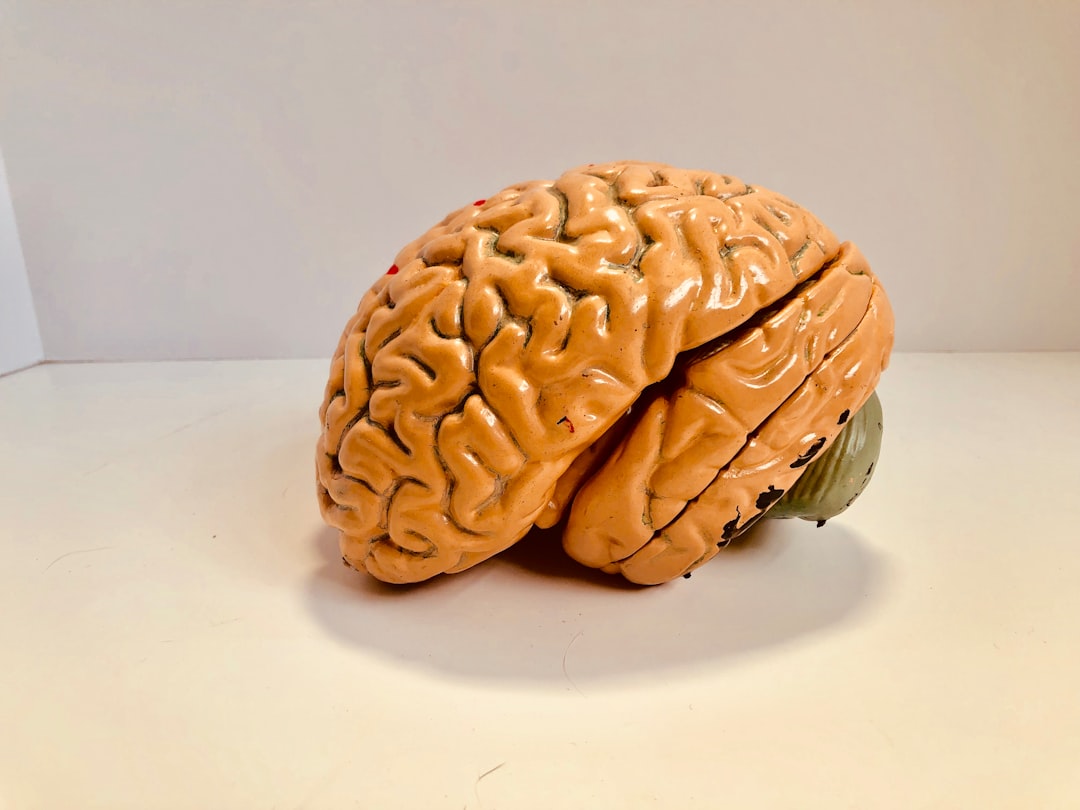
Dedicated brain games challenge working memory and problem-solving skills through targeted exercises. Engaging with puzzles like Sudoku or crosswords keeps neural pathways active and adaptable. These activities force the brain to recognize patterns and recall vocabulary under pressure. Consistent mental challenges help build a cognitive reserve that protects against age-related decline. Dedicating just fifteen minutes a day to these games can sharpen mental agility.
Consume Omega-3 Fatty Acids

Fish oil is rich in the omega-3 fatty acids EPA and DHA which are vital for overall brain health. These fats help build cell membranes in the brain and have anti-inflammatory and antioxidant effects. Regular consumption of fatty fish or high-quality supplements supports improved recall and reduced cognitive decline. Omega-3s promote better communication between brain cells by facilitating neurotransmitter function. Adding sources like salmon or walnuts to your diet is a smart nutritional move for memory.
Manage Stress Levels

Chronic stress releases cortisol which is a hormone that can damage the brain’s memory centers over time. High stress levels often lead to forgetfulness and difficulty concentrating on new information. Implementing relaxation techniques like deep breathing or yoga lowers cortisol production and protects the hippocampus. Taking time to unwind allows the brain to process information without the interference of anxiety. Managing emotional strain is crucial for maintaining a sharp and receptive mind.
Maintain a Healthy Weight

Obesity is a known risk factor for cognitive decline and is associated with insulin resistance and inflammation. Excessive body fat can negatively impact brain tissue and reduce blood flow to critical areas. Maintaining a healthy weight through diet and exercise supports better memory scores and executive function. Keeping body mass index within a normal range reduces the risk of developing conditions that impair mental clarity. A balanced weight contributes to long-term neurological resilience.
Limit Refined Carbohydrates

Diets high in refined carbohydrates like white bread and pasta can lead to rapid spikes in blood sugar. These fluctuations damage the brain over time and are linked to reduced cognitive function. Replacing refined grains with complex carbohydrates provides a steady supply of energy for the brain. Whole grains contain fiber and nutrients that support vascular health and blood flow. Choosing the right carbs is essential for sustaining mental energy throughout the day.
Check Vitamin D Levels

Vitamin D is an important nutrient that plays a significant role in cognitive function and mood regulation. Low levels of this vitamin have been associated with faster rates of memory loss in older adults. Getting adequate sunlight exposure or taking supplements can restore optimal levels for brain health. Receptors for vitamin D are found throughout the brain and support nerve growth. Ensuring sufficient intake is a proactive step for preserving mental sharpness.
Eat Anti-Inflammatory Foods

Chronic inflammation accelerates brain aging and contributes to memory loss. Consuming a diet rich in fruits, vegetables, and teas helps combat oxidative stress in the body. Berries are particularly beneficial because they contain flavonoids which are potent antioxidants that improve memory. Including diverse colorful plants in your meals provides a wide range of protective compounds. An anti-inflammatory diet creates a biological environment where the brain can thrive.
Learn a New Language

Studying a second language exercises the brain by forcing it to negotiate meaning and recognize complex patterns. Bilingual individuals often demonstrate better attention and task-switching capabilities than monolinguals. The process of learning vocabulary and grammar strengthens the connection between different brain regions. This intense cognitive workout delays the onset of dementia and keeps the mind flexible. Language learning is one of the most effective ways to challenge the brain at any age.
Drink Alcohol in Moderation

Excessive alcohol consumption has a neurotoxic effect on the brain and can damage the hippocampus. Heavy drinking impairs the ability to form new memories and retrieve stored information. Limiting alcohol intake prevents the loss of brain volume and preserves cognitive integrity. Occasional moderate consumption is less harmful but abstinence is the safest choice for memory optimization. Treating alcohol with caution protects the delicate neural structures required for recall.
Use the Chunking Technique

Chunking involves breaking down large pieces of information into smaller and more manageable groups. This method makes it easier for the brain to encode and retrieve data like phone numbers or lists. By organizing information into meaningful patterns you reduce the cognitive load on working memory. Practicing this mnemonic strategy improves the efficiency of learning new material. It is a practical tool for handling complex information in daily life.
Socialize Regularly

Meaningful social interaction stimulates the brain and wards off depression and stress. Engaging in conversation requires the brain to listen and interpret and respond in real time. People with strong social networks tend to have better memory retention as they age. Loneliness has been linked to cognitive decline so maintaining relationships is vital for brain health. Prioritizing time with friends and family serves as a protective factor for memory.
Incorporate Turmeric

Turmeric contains a compound called curcumin which has strong anti-inflammatory and antioxidant benefits. Curcumin can cross the blood-brain barrier and has been shown to clear amyloid plaques associated with Alzheimer’s disease. Adding this spice to food or taking it as a supplement boosts brain-derived neurotrophic factor. This growth hormone helps brain cells survive and promotes the formation of new connections. Turmeric is a powerful dietary addition for long-term cognitive support.
Eat Dark Chocolate

Cocoa contains flavonoids which are compounds that increase blood flow to the brain. Consuming dark chocolate with a high cocoa percentage improves brain function and verbal fluency. The caffeine and antioxidants in chocolate also provide a short-term boost in focus and alertness. Moderate consumption allows you to enjoy a treat while supporting neural health. Choosing dark chocolate over milk chocolate ensures you get the maximum cognitive benefits.
Stay Hydrated

Even mild dehydration can lead to shrinkage in brain tissue and temporary deficits in cognitive function. Water is essential for delivering nutrients to the brain and removing toxins. Staying properly hydrated helps maintain focus and reaction time and short-term memory. Drinking water throughout the day prevents the fatigue and brain fog associated with dehydration. Making water your primary beverage is a foundational habit for mental clarity.
Try the Method of Loci

The Method of Loci is a visualization technique where you associate items you want to remember with specific physical locations. This spatial memory strategy leverages the brain’s natural ability to navigate environments. By mentally placing items along a familiar route you can recall them later by retracing your steps. This ancient mnemonic device is used by memory champions to memorize vast amounts of data. It turns abstract information into concrete visual maps.
Limit Processed Foods

Processed foods are often high in trans fats and salt and sugar which harm brain health. These ingredients promote inflammation and can impair the blood-brain barrier. Diets high in processed snacks have been linked to lower scores on learning and memory tests. Focusing on whole and nutrient-dense foods provides the fuel the brain needs to function optimally. reducing reliance on convenience foods is a major step toward better cognitive performance.
Boost Magnesium Intake

Magnesium is a mineral that is essential for proper nerve transmission and synaptic plasticity. Adequate magnesium levels support learning and memory by regulating neurotransmitters. Many people are deficient in this mineral which can lead to brain fog and difficulty concentrating. Eating magnesium-rich foods like spinach and almonds and pumpkin seeds helps correct this balance. Ensuring sufficient magnesium intake supports the biological mechanisms of memory storage.
Practice Visualizing

Visualization involves creating a mental image of the information you are trying to remember. Attaching a vivid picture to a name or concept creates a stronger memory trace in the brain. This technique engages the visual cortex and adds another layer of association to the data. The more detailed and unusual the mental image the more likely you are to recall it. Visualization transforms dry facts into memorable mental scenes.
Write by Hand

Writing information down by hand creates a stronger memory trace than typing on a keyboard. The physical act of forming letters engages the brain’s motor pathways and reinforces learning. Studies show that students who take handwritten notes retain conceptual information better than those who use laptops. This slower process forces the brain to process and summarize information as it is being written. Keeping a physical journal or notebook is a simple way to boost retention.
Drink Green Tea

Green tea contains L-theanine which is an amino acid that can cross the blood-brain barrier and increase neurotransmitter activity. This compound promotes relaxation without drowsiness and improves focus and attention. The caffeine in green tea also provides a mild boost to alertness and working memory. Regular consumption is associated with protection against age-related cognitive decline. It serves as a healthy alternative to coffee for sustaining mental energy.
Spend Time in Nature

Exposure to natural environments restores attention and reduces mental fatigue. Walking in a park or forest lowers stress hormones and allows the brain’s cognitive resources to recharge. Studies suggest that interacting with nature improves performance on working memory tasks. The sensory experience of the outdoors provides a calming contrast to the overstimulation of urban life. Making time for nature is a restorative practice for a tired mind.
Read Complex Books

Reading challenging material forces the brain to construct mental narratives and track complex character arcs. This activity strengthens neural pathways related to comprehension and concentration. Unlike passive media consumption reading requires active engagement and imagination. Regular reading preserves cognitive function and expands vocabulary and knowledge bases. Dedicating time to books is a lifelong habit that keeps the mind sharp.
Check Vitamin B12 Levels

Vitamin B12 is crucial for maintaining the health of nerve cells and producing DNA. A deficiency in this vitamin can cause memory loss and confusion and even dementia-like symptoms. Vegans and the elderly are at higher risk for deficiency and may need supplementation. Consuming fortified foods or animal products ensures the brain has the resources it needs. Correcting a B12 deficiency can lead to rapid improvements in mental clarity.
Use Rosemary Essential Oil

The scent of rosemary has been traditionally associated with improved memory and concentration. Research indicates that inhaling rosemary essential oil can enhance performance on cognitive tasks. The compound 1,8-cineole found in rosemary increases the activity of neurotransmitters involved in memory. Using a diffuser while studying or working can provide a natural mental boost. This aromatherapy approach offers a non-invasive way to stimulate the brain.
Practice Intermittent Fasting

Intermittent fasting promotes a process called autophagy which removes damaged cells from the body. This dietary pattern may improve memory by reducing inflammation and regulating insulin. Studies suggest that fasting triggers the production of new nerve cells in the hippocampus. Restricting the eating window allows the body to focus energy on cellular repair. While not for everyone this approach has shown promise for cognitive longevity.
Learn a Musical Instrument

Learning to play an instrument engages multiple areas of the brain simultaneously including auditory and motor centers. This complex activity strengthens the connections between the left and right hemispheres. Musicians often demonstrate superior working memory compared to non-musicians due to the demands of reading music. The discipline required to practice reinforces attention span and cognitive control. Starting this hobby at any age provides a significant workout for neural pathways.
Share your own experiences with these memory-boosting techniques in the comments to help others discover what works best.




