Most people are taught from a young age that a tidy room starts with a perfectly made bed the moment they rise. This ingrained habit is often touted as a mark of discipline and the first accomplishment of the day. Recent insights into sleep hygiene and microbiology suggest that this common practice may actually be detrimental to your health. Leaving the covers messy for a while allows the sleeping environment to breathe and reset naturally. Understanding the biological and physical interactions within your bedding reveals why delaying this chore is a smarter choice.
Dust Mite Dehydration
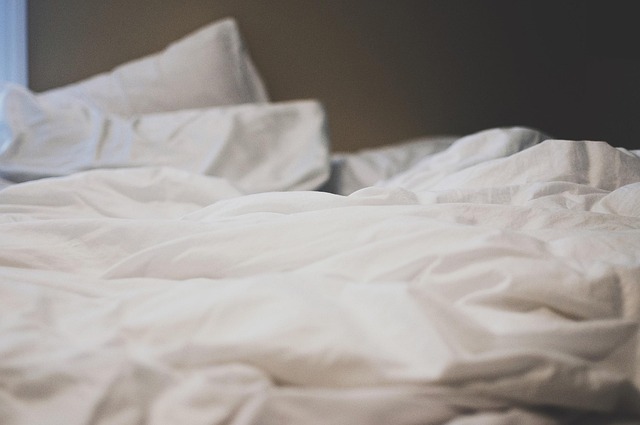
Dust mites thrive in humid environments and require moisture to survive within bedding materials. Leaving the bed unmade exposes the sheets and mattress to ambient air and reduces the trapped humidity levels significantly. This simple act causes the microscopic creatures to dehydrate and die rather than multiply in a damp environment. Scientific studies suggest that an unmade bed creates conditions hostile to these common household pests. A drier sleeping surface ultimately leads to a cleaner and more hygienic place to rest at night.
Moisture Evaporation

The average person sweats significantly during sleep and releases moisture into the sheets and mattress pad. Making the bed immediately traps this dampness tightly between the layers and prevents proper drying during the day. Allowing the bedding to breathe ensures that perspiration evaporates completely before the bed is made later. This practice prevents the formation of mold and mildew within the deeper fibers of the mattress. Proper evaporation maintains the structural integrity of the bedding materials over a long period.
UV Light Exposure

Natural sunlight contains ultraviolet properties that act as a mild disinfectant for fabrics and surfaces. Pulling the covers back allows daylight to reach the mattress and bottom sheet directly throughout the morning hours. This exposure helps sanitize the sleeping area by killing bacteria that accumulate during the night. Regular access to natural light keeps the bedding feeling fresher and reduces the need for harsh chemical sprays. Harnessing the power of the sun requires nothing more than leaving the duvet folded at the foot of the bed.
Allergen Reduction
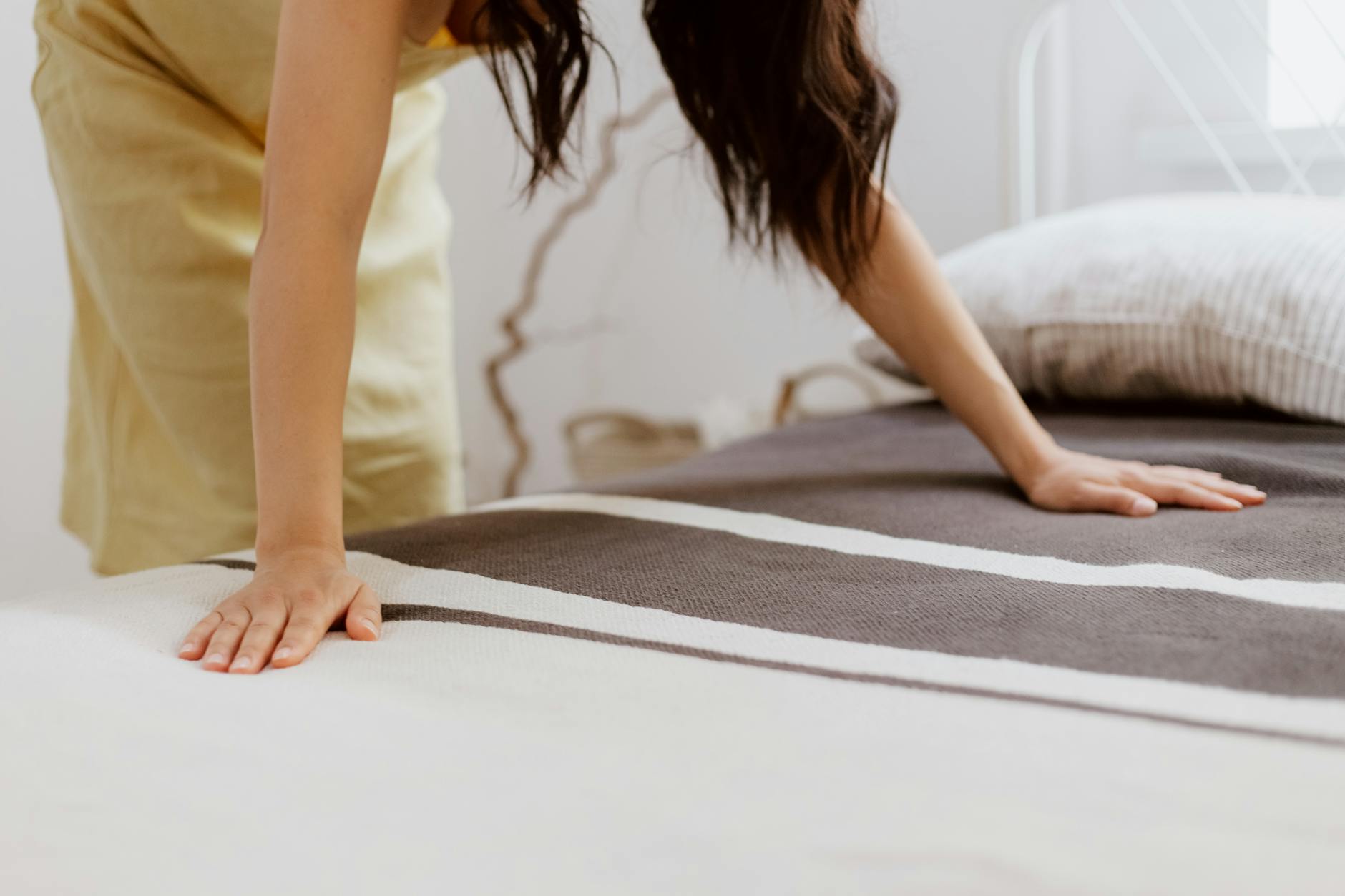
High concentrations of allergens often accumulate in warm and covered spaces where air cannot circulate freely. An unmade bed allows for better airflow which disperses potential irritants rather than sealing them in. People suffering from asthma or respiratory issues may find relief by changing this specific morning habit. Reducing the allergen load in the bedroom contributes to clearer breathing and better overall health. This small adjustment creates a safer environment for sensitive immune systems.
Heat Dissipation
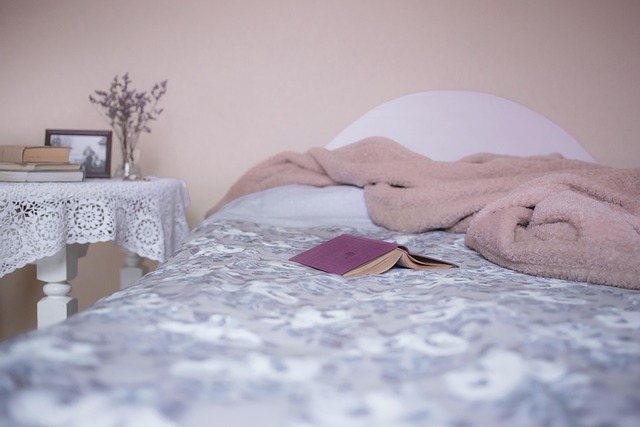
Body heat lingers in the mattress foam and heavy blankets long after a person has woken up. Covering the bed immediately insulates this residual warmth and keeps the temperature elevated for hours. Leaving the bed open allows the materials to return to room temperature and reset for the next night. A cooler mattress prevents the degradation of memory foam and latex components. Thermal regulation is essential for maintaining the supportive qualities of a high-quality bed.
Odor Prevention
Trapped moisture and dead skin cells create the perfect breeding ground for unpleasant smells to develop. Airing out the bed prevents these odors from setting into the fabric weaves and mattress tick. Fresh air circulation carries away stale scents that naturally occur during sleep. This habit reduces the frequency with which heavy comforters or duvets need professional cleaning. A bedroom retains a neutral and clean scent when the bed is allowed to breathe daily.
Pillow Loft Recovery
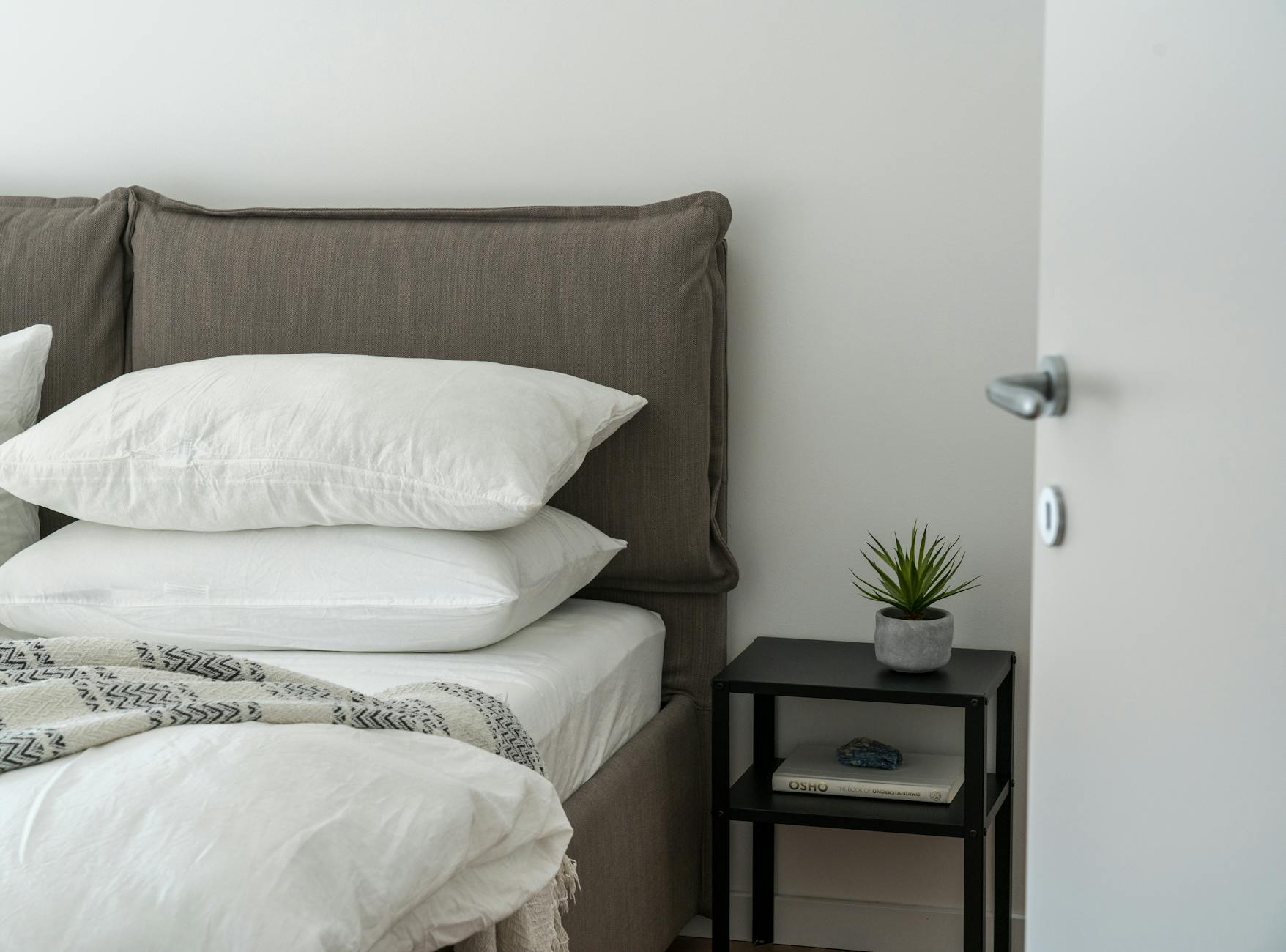
Pillows compress under the weight of the head and lose their shape during a standard night of sleep. Leaving them unstacked and exposed to air allows the fill materials to re-expand naturally. Moisture trapped inside the pillow fill evaporates more effectively when air hits the entire surface area. This daily recovery period extends the life of synthetic and down pillows alike. Fluffing becomes more effective when the internal moisture has had time to dissipate.
Sheet Fiber Preservation
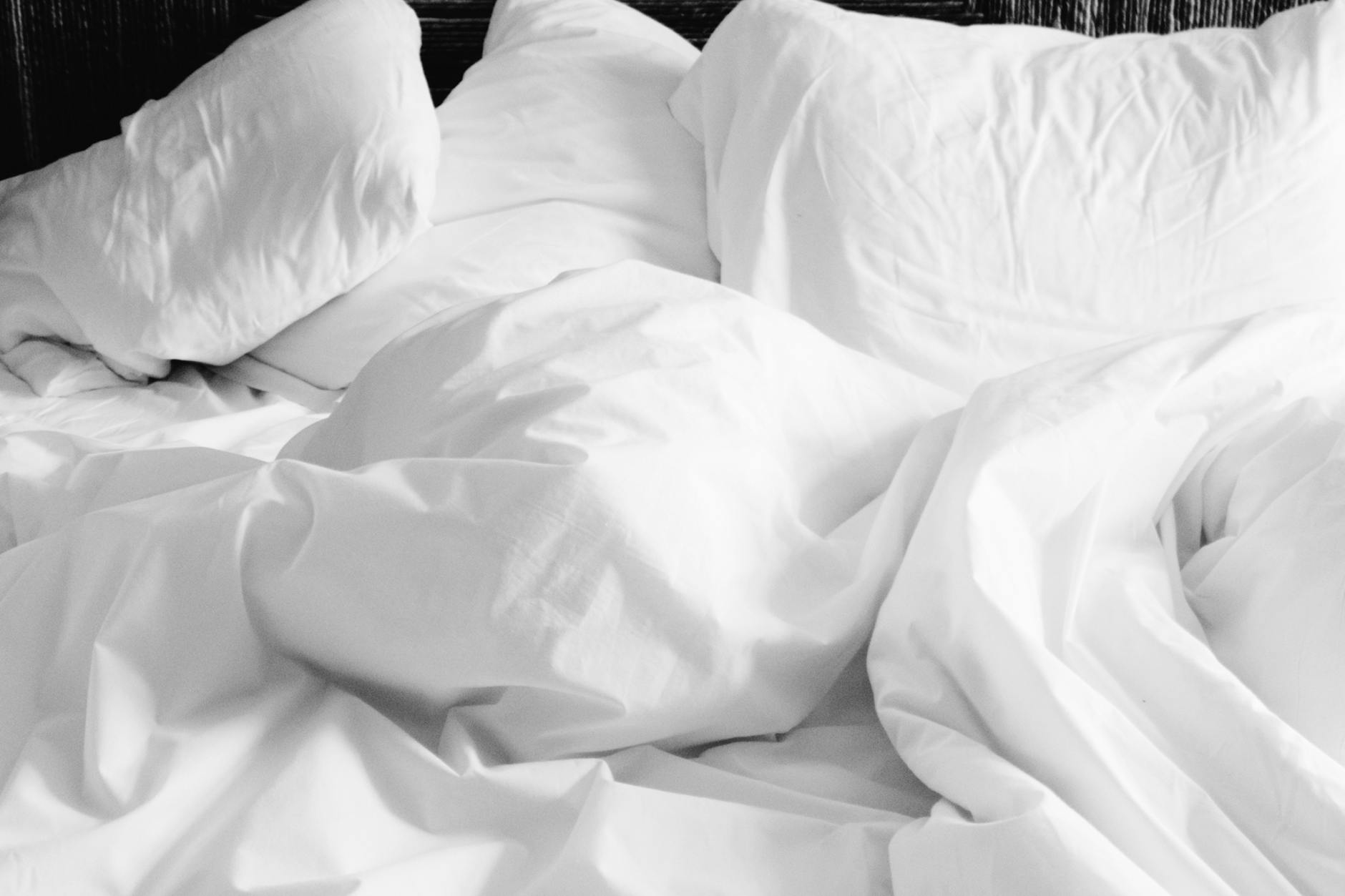
Tightly woven sheets benefit from periods of relaxation where they are not pulled taut or compressed. Constant tension combined with trapped humidity weakens the cotton or linen fibers over time. Letting the sheets sit loosely on the mattress allows the fabric to dry without stress. This practice preserves the crisp feel of percale or the softness of sateen for longer durations. Reduced fiber degradation means spending less money on replacement linens in the long run.
Reduced Bacterial Growth
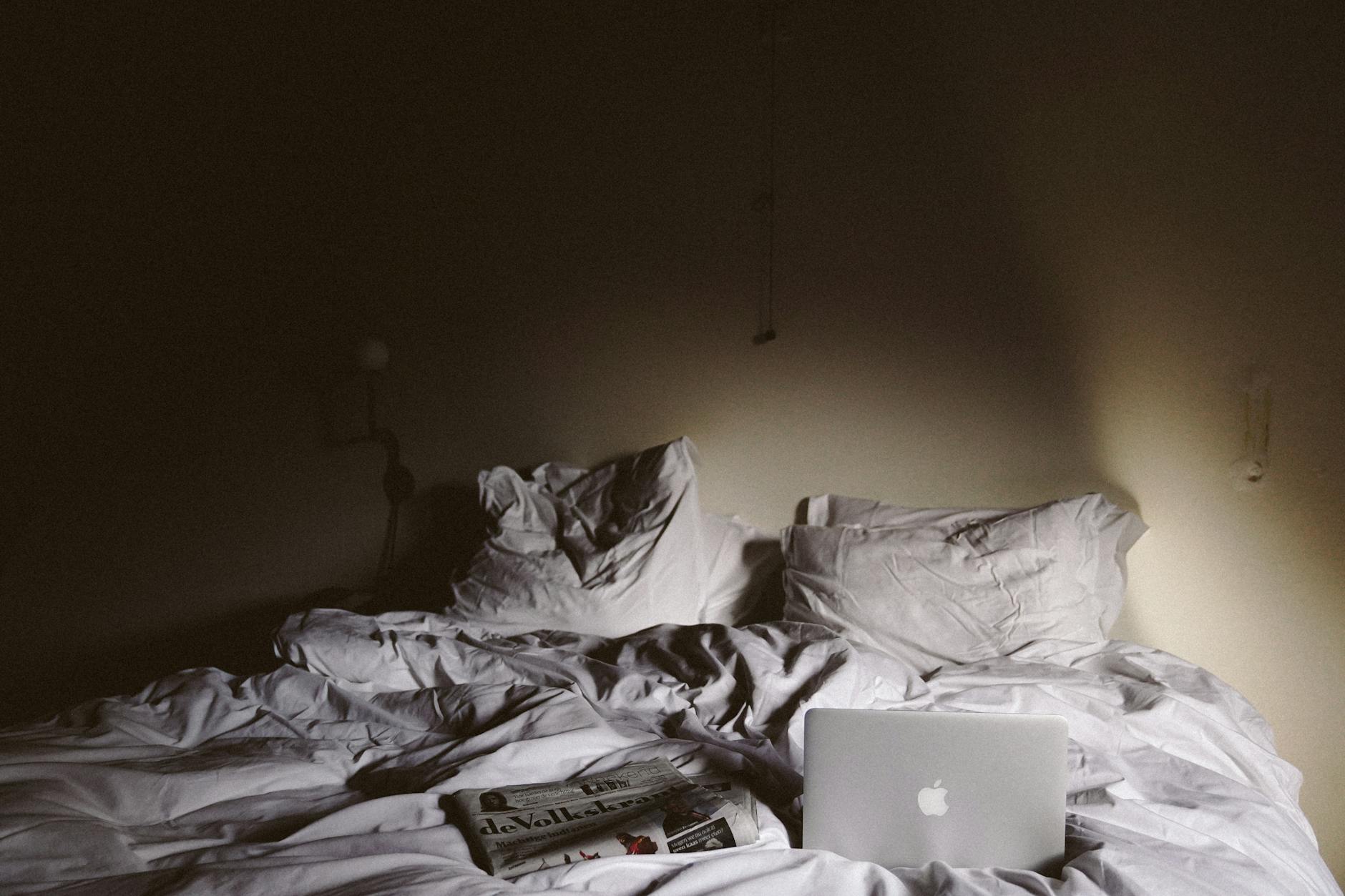
Bacteria require warmth and moisture to reproduce rapidly within porous materials like bedding. Removing the cover limits the environment necessary for bacterial colonies to thrive. An unmade bed stays drier and cooler which inhibits the exponential growth of microbes. This passive sanitation method works alongside regular washing to keep the sleeping surface hygienic. Less bacteria on the sheets correlates with fewer skin breakouts and better complexion health.
Morning Flow Efficiency

Rushing to complete chores immediately upon waking can increase cortisol levels and stress. Skipping the immediate bed-making creates a smoother transition from sleep to wakefulness. This extra time allows for stretching or hydration before diving into household maintenance. A relaxed morning routine sets a positive tone for the rest of the day. Prioritizing personal well-being over aesthetic order often leads to greater productivity later.
Mattress Hygiene
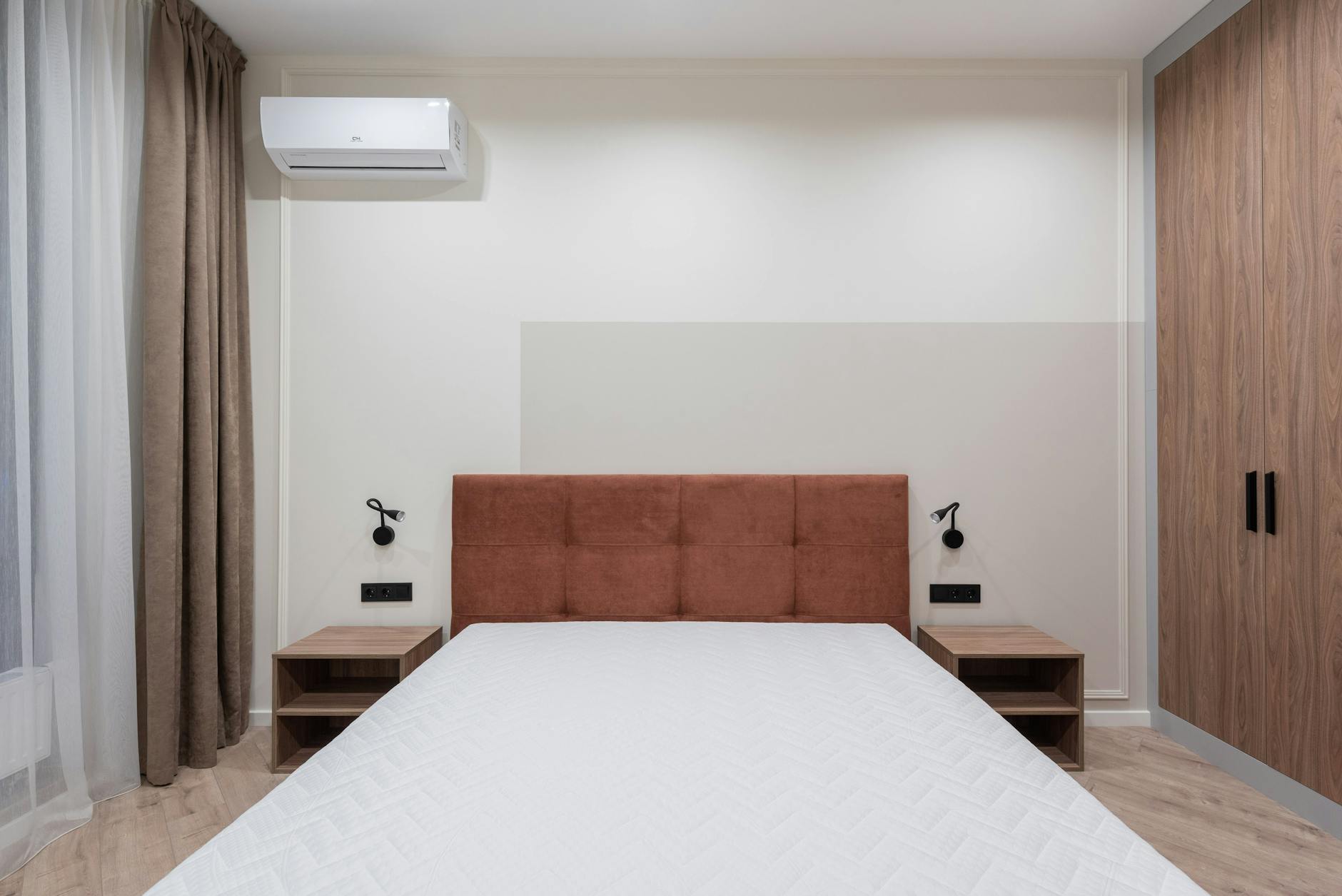
The mattress itself absorbs oils and fluids that can seep through thin sheet layers. Allowing the mattress surface to air out prevents these substances from penetrating deeper into the core. Improved airflow protects the warranty of the mattress by preventing moisture damage. Keeping the core dry is crucial for preventing internal rot or rust in coil systems. This simple step protects a significant financial investment without any cost.
Reduced Fungal Spores

Fungal spores are microscopic and exist in almost every home environment. Damp and dark conditions under a heavy duvet provide an ideal nursery for these spores to multiply. Exposing the bed to light and air makes the habitat inhospitable for fungal life. Reducing fungal presence is critical for avoiding respiratory infections and skin irritations. A dry bed remains a safe sanctuary against these ubiquitous environmental invaders.
Improved Cleaning Routine
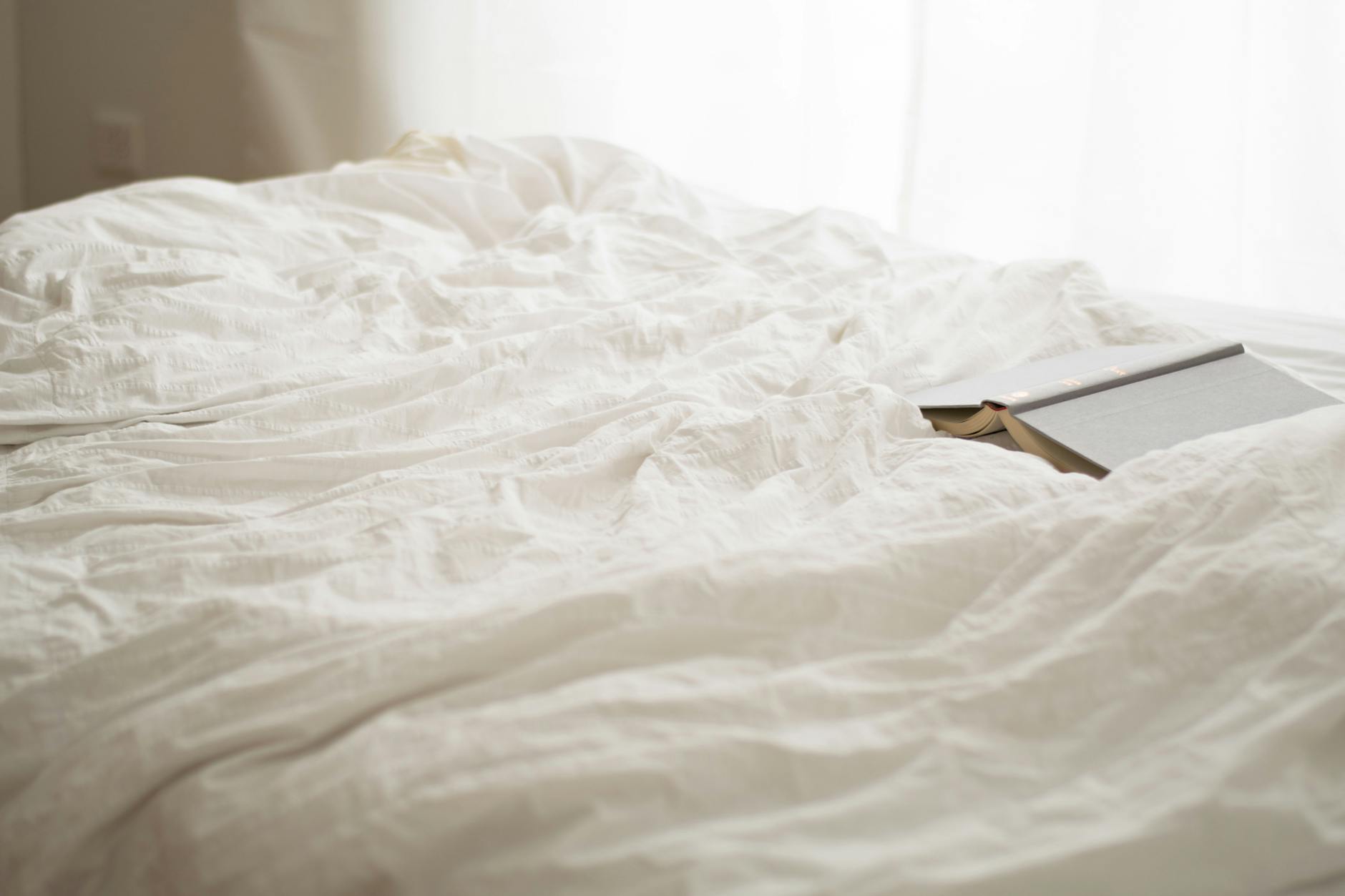
An unmade bed makes it easier to spot stains or wear patterns that need attention. Seeing the mattress surface daily prompts more timely washing of the sheets and protectors. This visibility ensures that hygiene standards are maintained rather than covered up. It encourages a proactive approach to laundry rather than a reactive one. Awareness of the bed’s condition leads to better long-term care of the bedroom.
Natural Temperature Reset
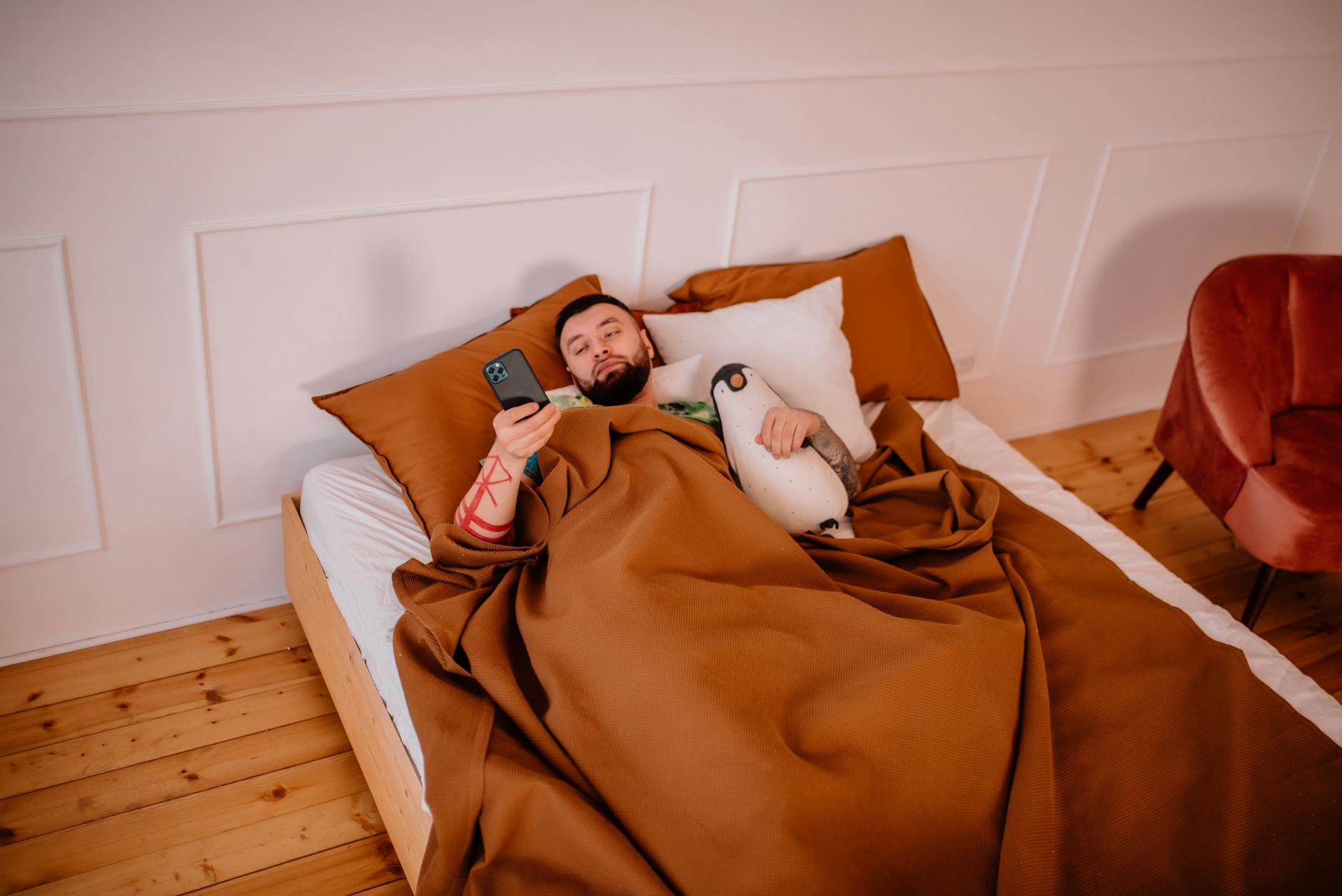
Sleeping generates a microclimate under the covers that is significantly warmer than the room. Breaking this microclimate is necessary to prevent the bed from feeling stuffy at night. A cool bed invites sleep more effectively than one that has retained heat all day. Using the morning hours to reset the thermal properties of the bed improves sleep onset latency. Consistency in bed temperature aids the body’s natural circadian rhythm.
Psychological Freedom
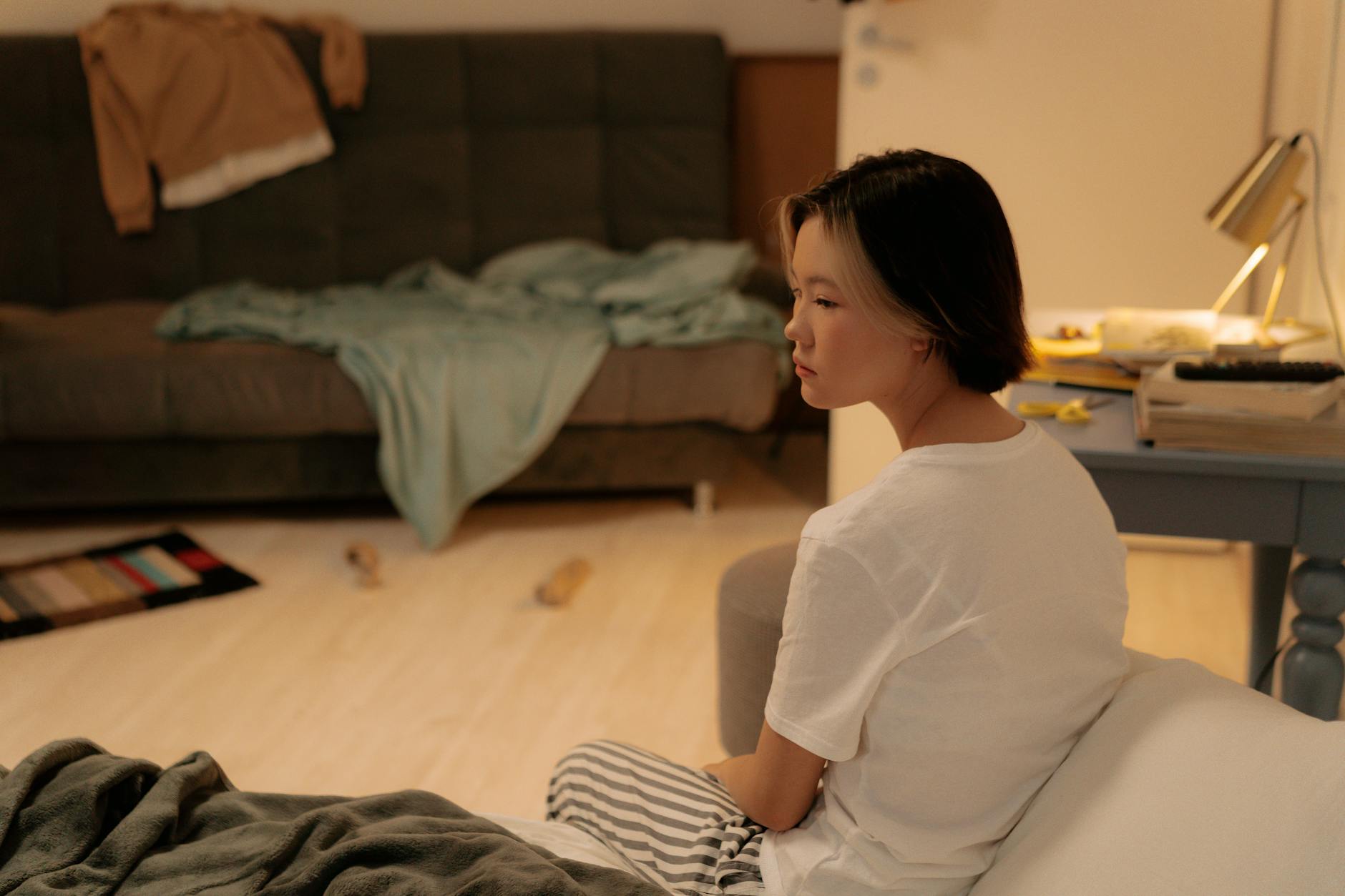
Releasing the need for immediate perfection lifts a self-imposed burden right at the start of the day. Embracing a slightly messy state for the sake of health shifts the focus to function over form. It challenges the rigid idea that a tidy room equals a tidy mind. This flexibility can lead to a more relaxed attitude toward other household chores. Acceptance of temporary disorder for a logical purpose fosters a healthy mindset.
Please share your thoughts on delaying this daily chore in the comments.




