House plants bring vibrancy and life into our homes but they also communicate distress through subtle visual changes. Paying close attention to these signals allows plant owners to intervene before permanent damage occurs. Understanding the language of your greenery transforms you from a casual owner into a skilled cultivator. Early detection of symptoms like discoloration or drooping is the key to maintaining a thriving indoor garden. This guide outlines common distress signals and actionable steps to restore plant health.
Yellowing Leaves
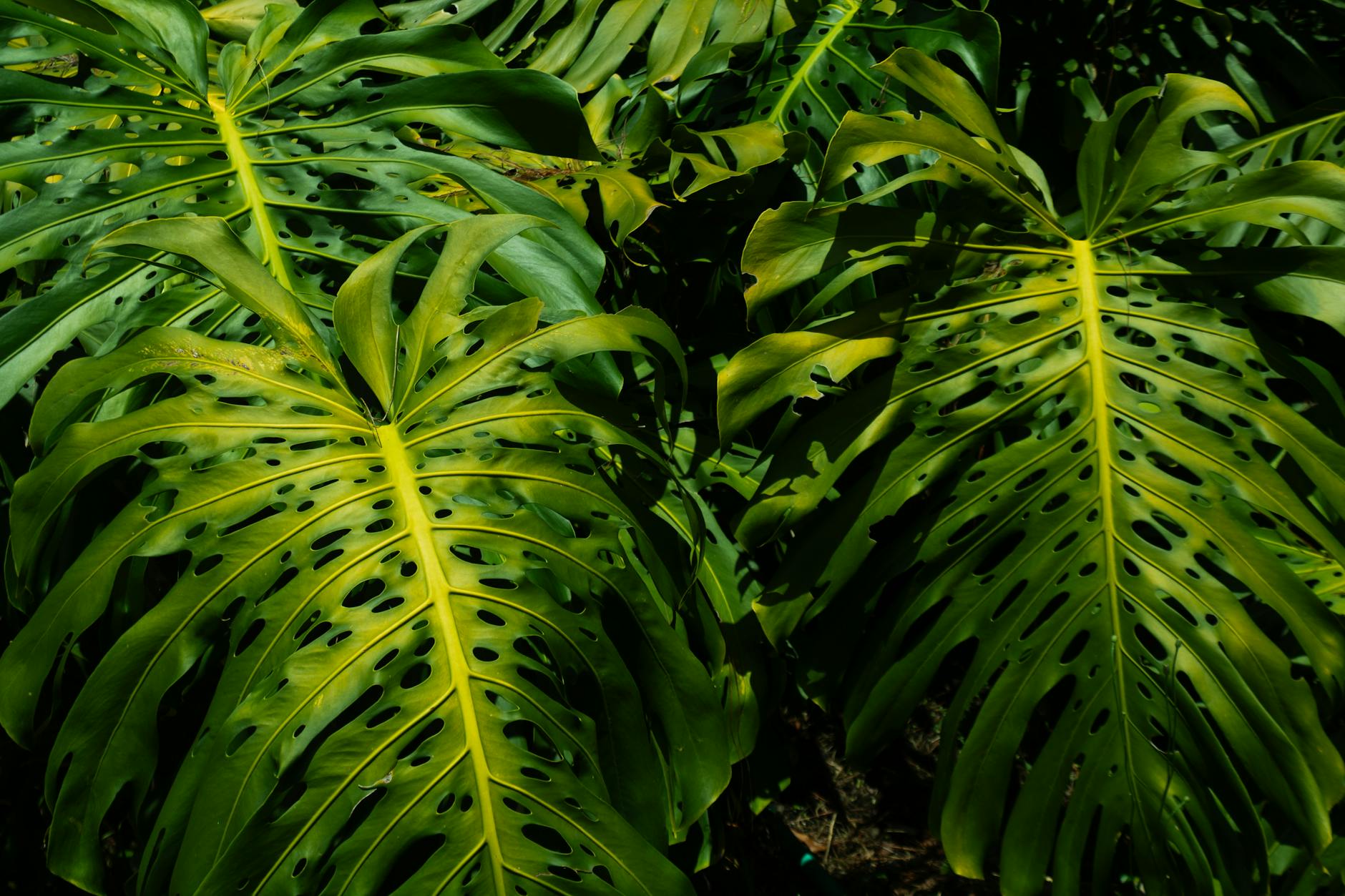
Leaves turning yellow often signal moisture stress caused by overwatering or poor drainage. You should check the soil moisture by inserting a finger an inch deep into the potting mix. Allow the soil to dry out significantly if it feels soggy or dense. Adjust your watering schedule to match the specific needs of the plant species. Pruning the affected yellow foliage directs energy back to healthy growth.
Drooping or Wilting
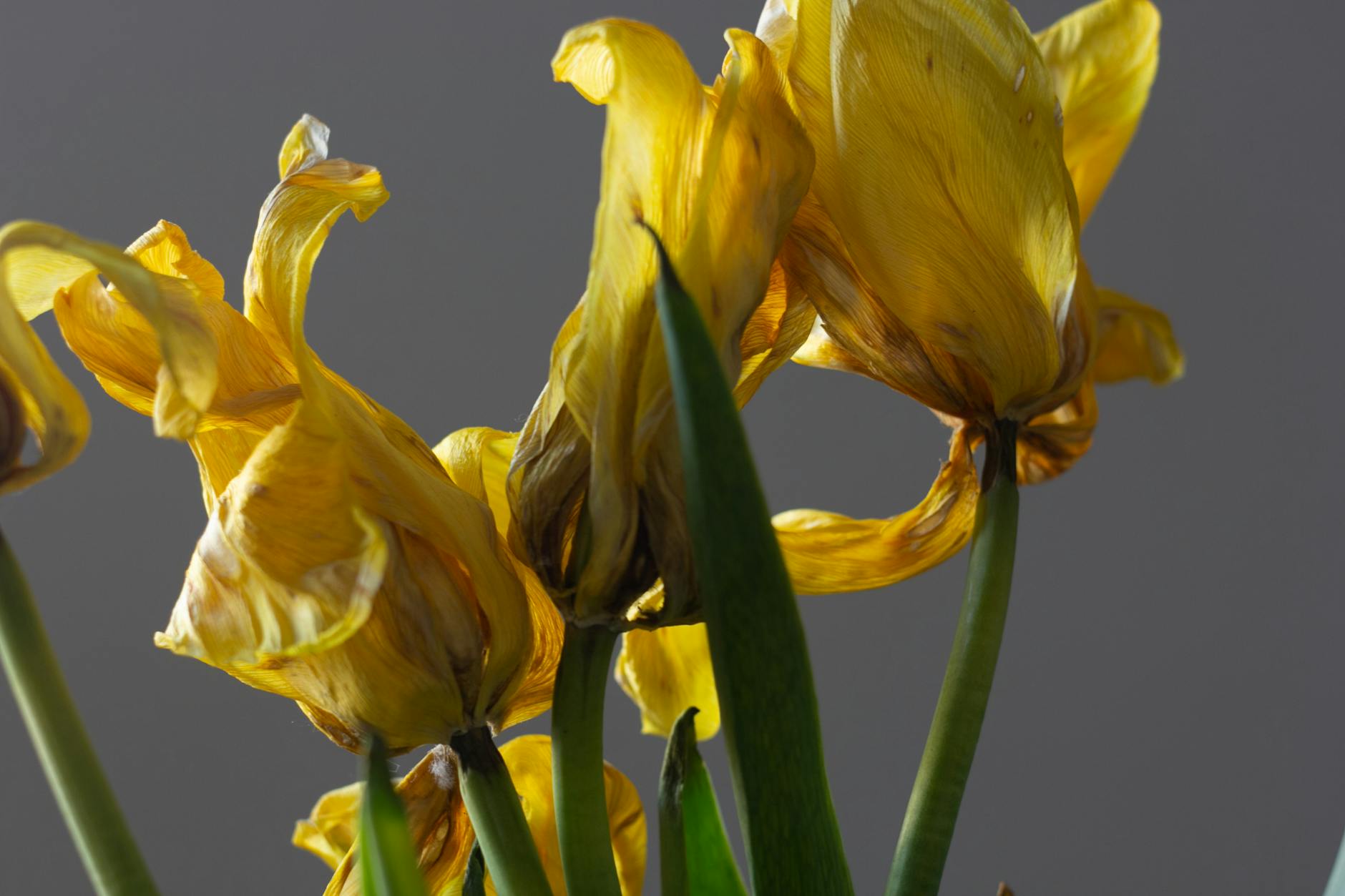
A plant that looks limp or wilted is usually reacting to extreme thirst or heat shock. Immediate hydration is necessary if the soil feels completely dry to the touch. You can revive the plant by placing the pot in a bowl of lukewarm water for an hour. Ensure the plant is not sitting in direct drafts or near intense heat sources. Consistent monitoring helps prevent this stress reaction from recurring.
Brown Crispy Tips
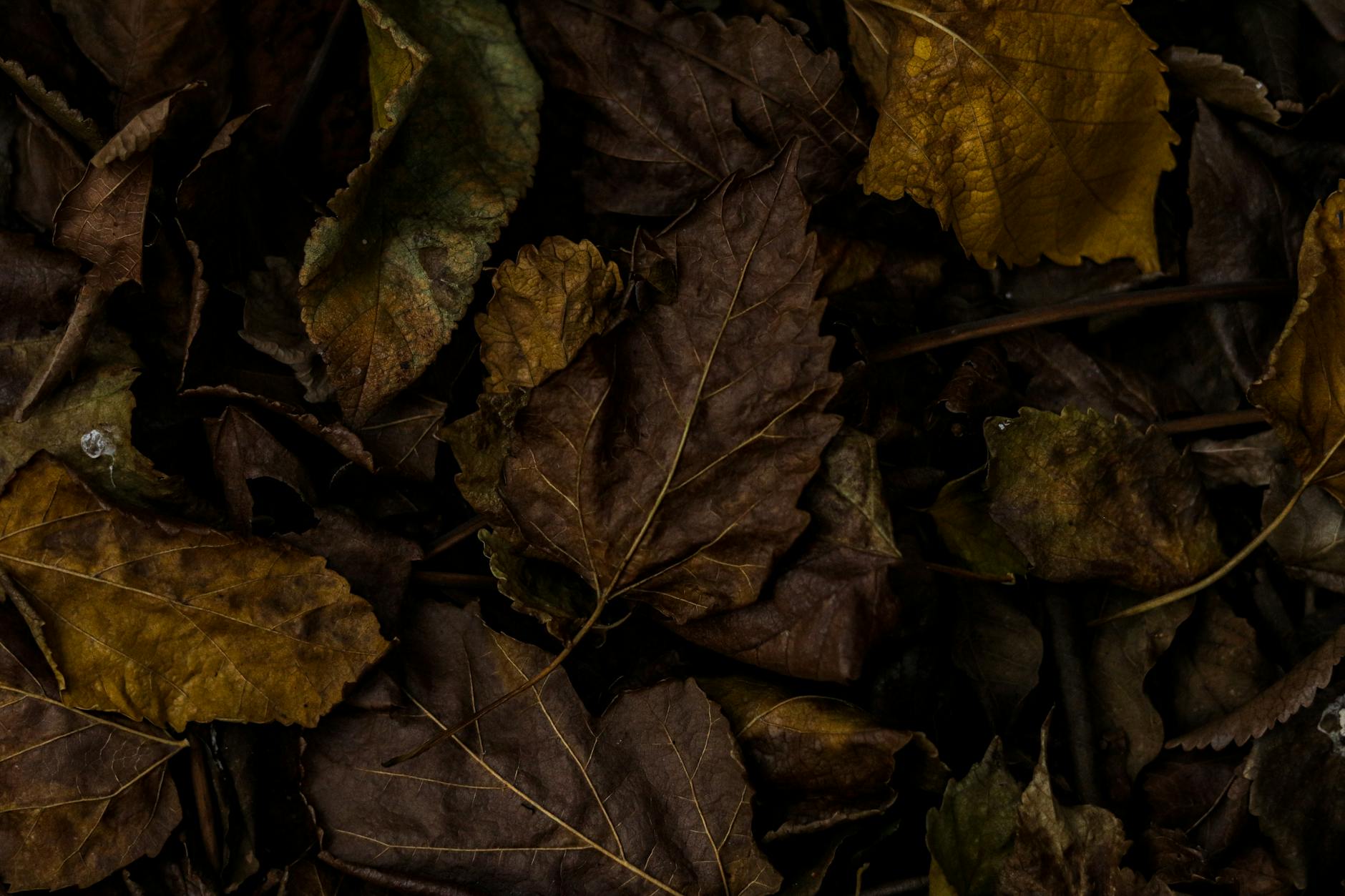
Crispy brown edges on leaves usually indicate a lack of humidity in the surrounding environment. This problem frequently affects tropical plants during dry winter months or in air-conditioned rooms. Mist the leaves regularly or place the pot on a tray filled with pebbles and water. Grouping plants together creates a localized microclimate with higher moisture levels. Moving the plant away from heating vents prevents further desiccation of the foliage.
Mushy Roots
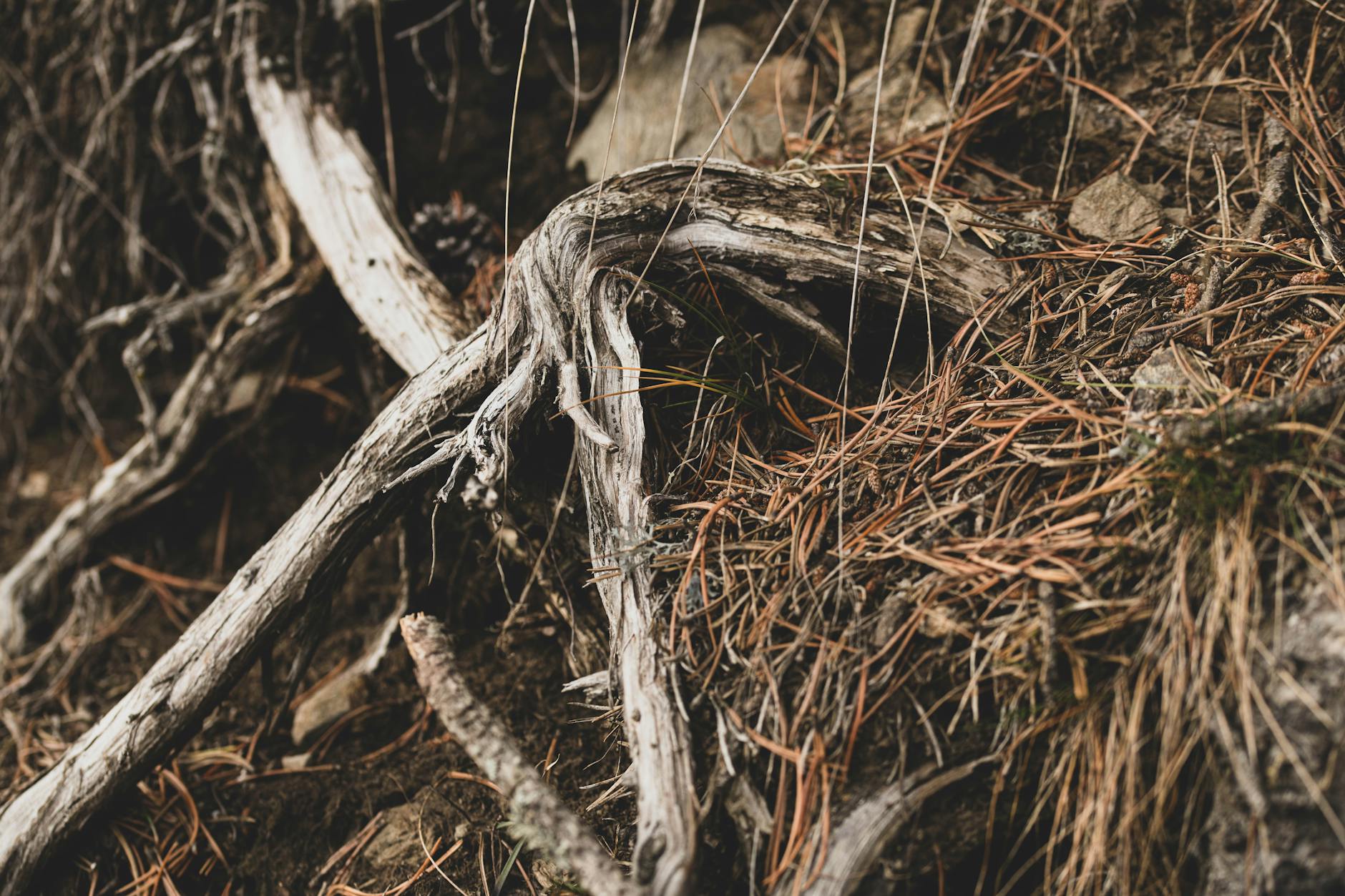
Root rot presents as dark and slimy roots accompanied by a foul smell from the soil. This condition is almost always the result of waterlogging and lack of oxygen in the root zone. You must remove the plant from its pot and gently wash away the old soil. Trim away all decaying roots with sterilized scissors before repotting in fresh well-draining soil. Future watering should only happen when the topsoil is dry.
Leggy Growth

Stems that grow long and thin with sparse leaves are reaching desperately for a light source. This etiolation weakens the structure of the plant and diminishes its aesthetic appeal. Move the plant closer to a window or provide supplemental grow lights. Pruning back the leggy stems encourages bushier and more compact regrowth. Rotating the pot weekly ensures all sides receive equal light exposure.
Sudden Leaf Drop
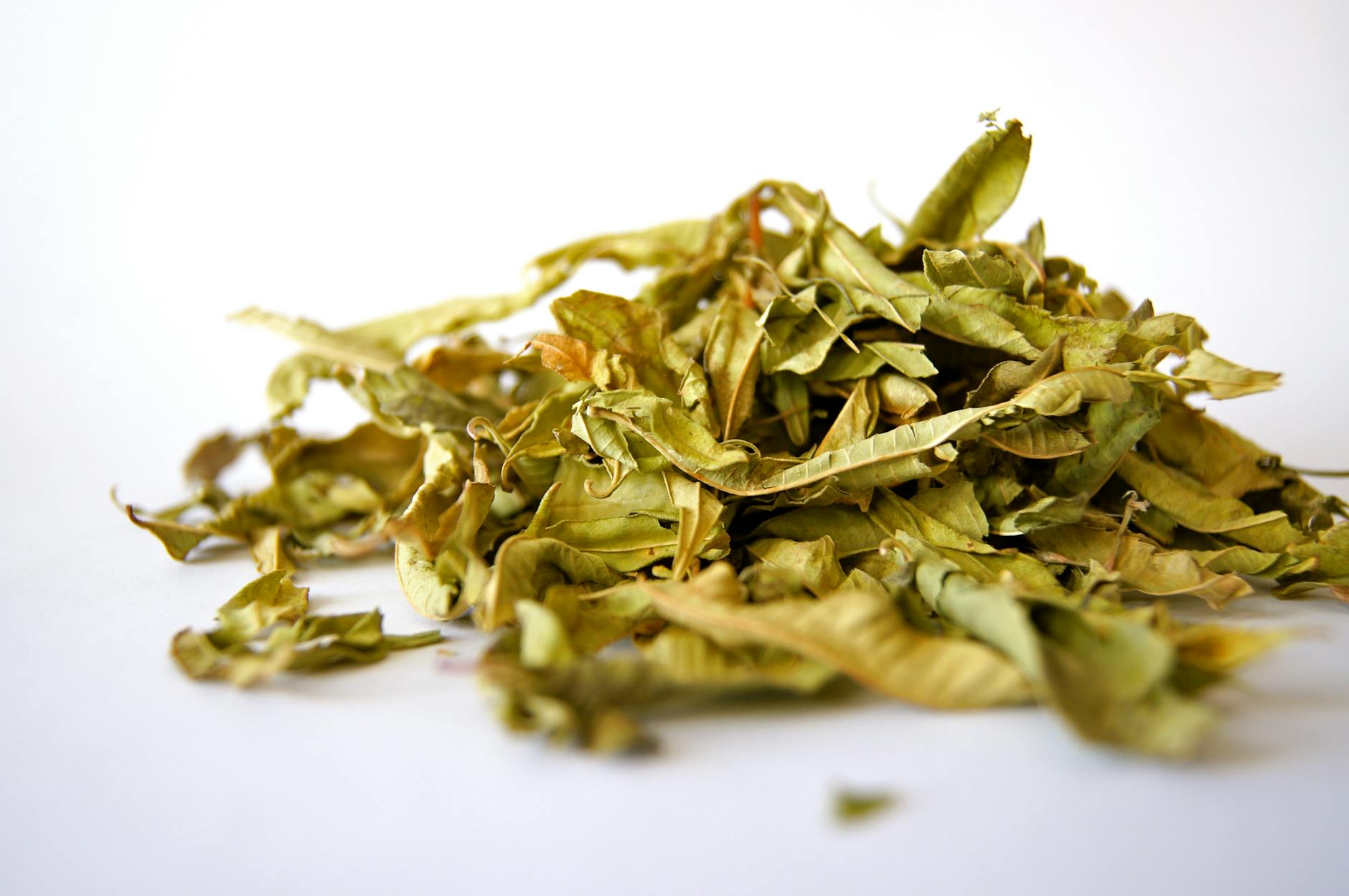
Plants shedding leaves rapidly are often reacting to a sudden shock or dramatic change in environment. This can happen after moving a plant to a new location with different light or temperature conditions. Stabilize the environment by keeping temperature and humidity levels consistent. Avoid moving the plant again while it acclimates to its new surroundings. The plant will typically recover once it adjusts to the new stable conditions.
White Powdery Residue
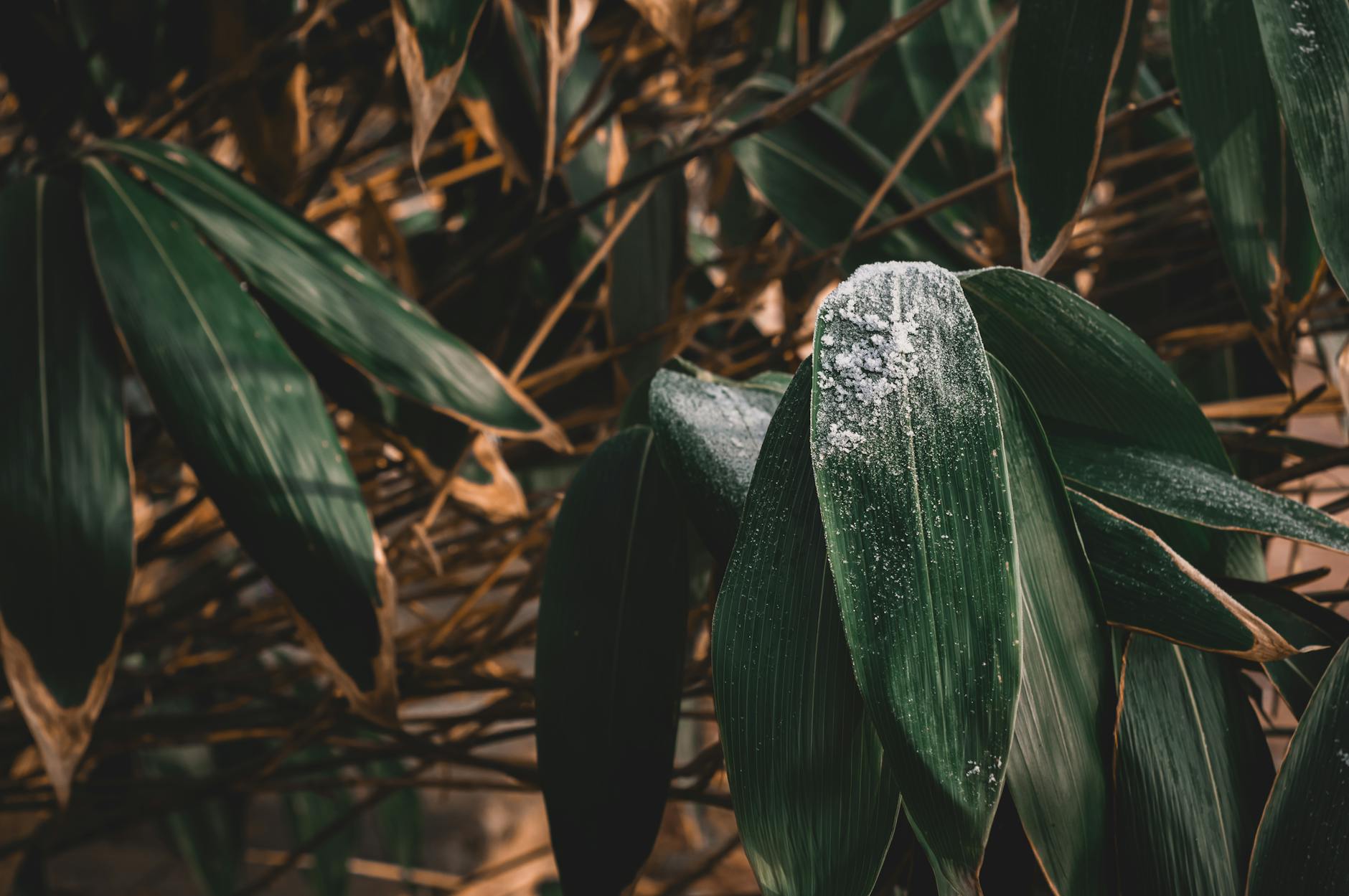
A white dusting on leaves indicates the presence of powdery mildew which is a common fungal infection. This issue thrives in stagnant air and high humidity without proper circulation. Wipe the leaves gently with a damp cloth to remove the visible fungus. Improve air circulation around the plant by spacing pots further apart. A neem oil treatment or a baking soda solution helps prevent the fungus from returning.
Webbing Between Leaves
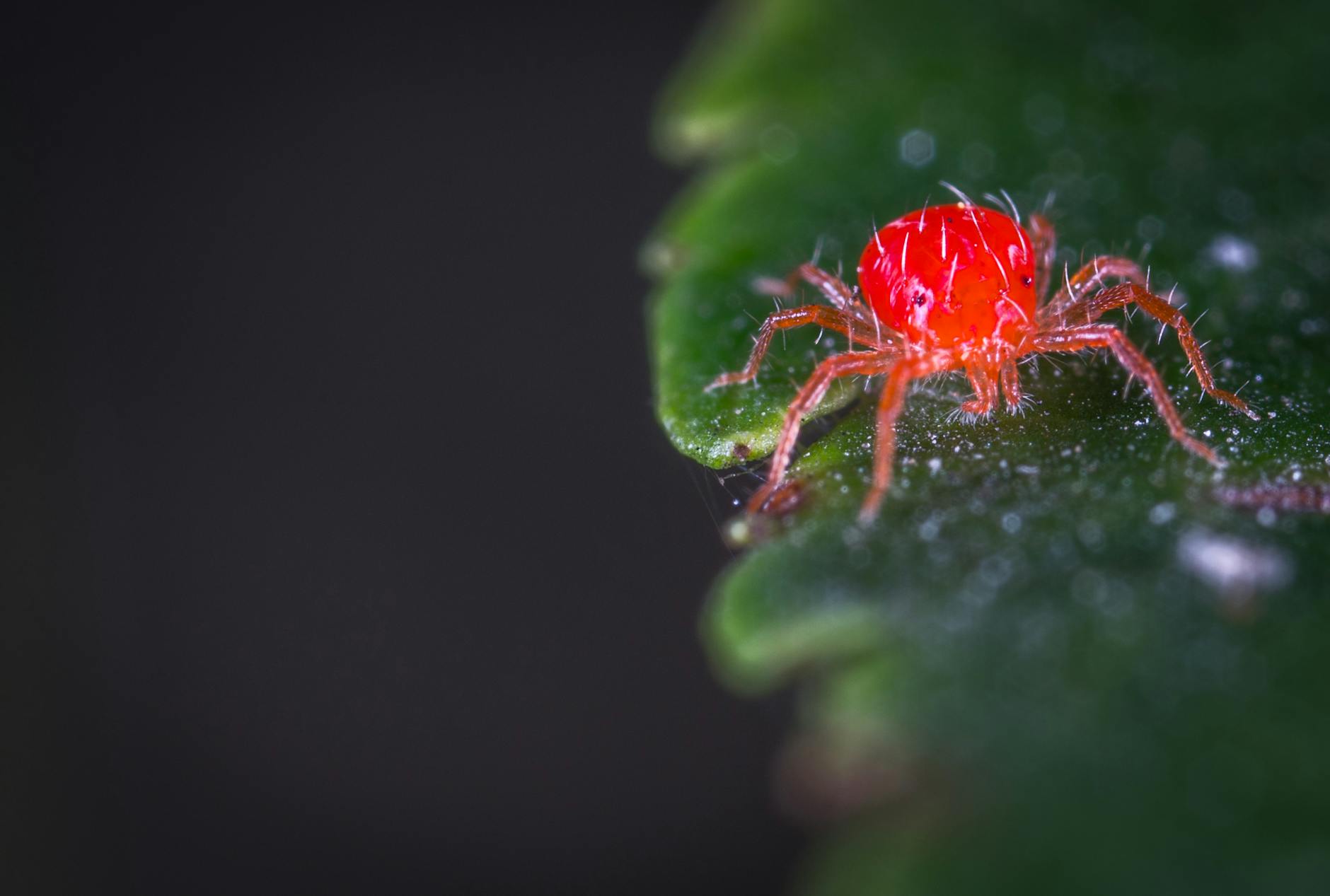
Fine silky webs appearing on the undersides of leaves signal an infestation of spider mites. These tiny pests suck sap from the plant and cause stippling or discoloration on the foliage. Isolate the affected plant immediately to prevent the mites from spreading to others. Wash the leaves thoroughly in the shower to dislodge the majority of the pests. Treat the plant with insecticidal soap or neem oil to eliminate remaining mites.
Sticky Residue on Leaves
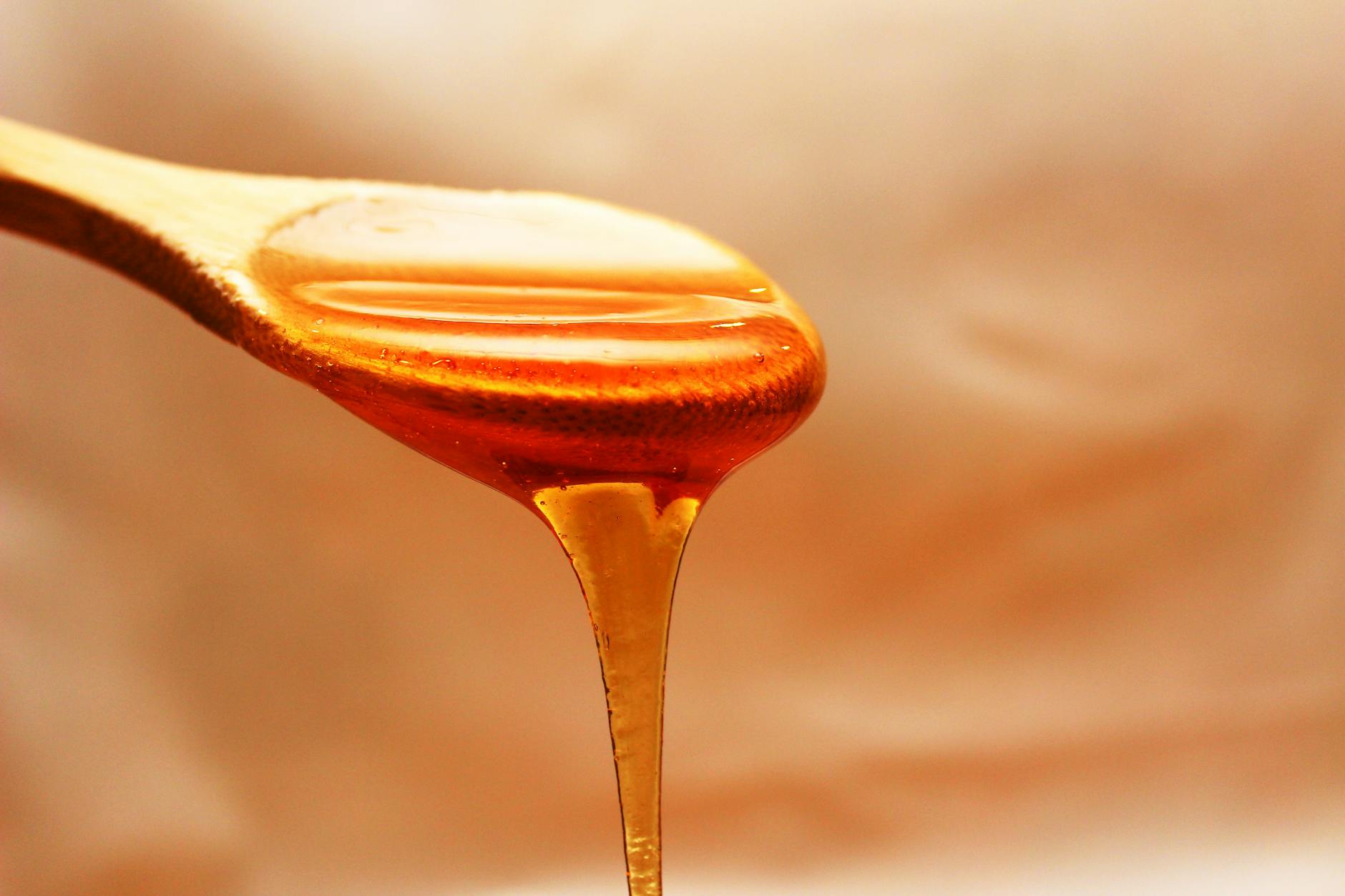
A sticky substance known as honeydew often points to the presence of scale insects or aphids. These pests excrete the sugary waste after feeding on the plant juices. Inspect the stems and undersides of leaves for small bumps or moving insects. Wipe the leaves with a cotton swab dipped in rubbing alcohol to remove the pests manually. Regular cleaning of the leaves helps prevent these infestations from establishing.
White Cottony Masses
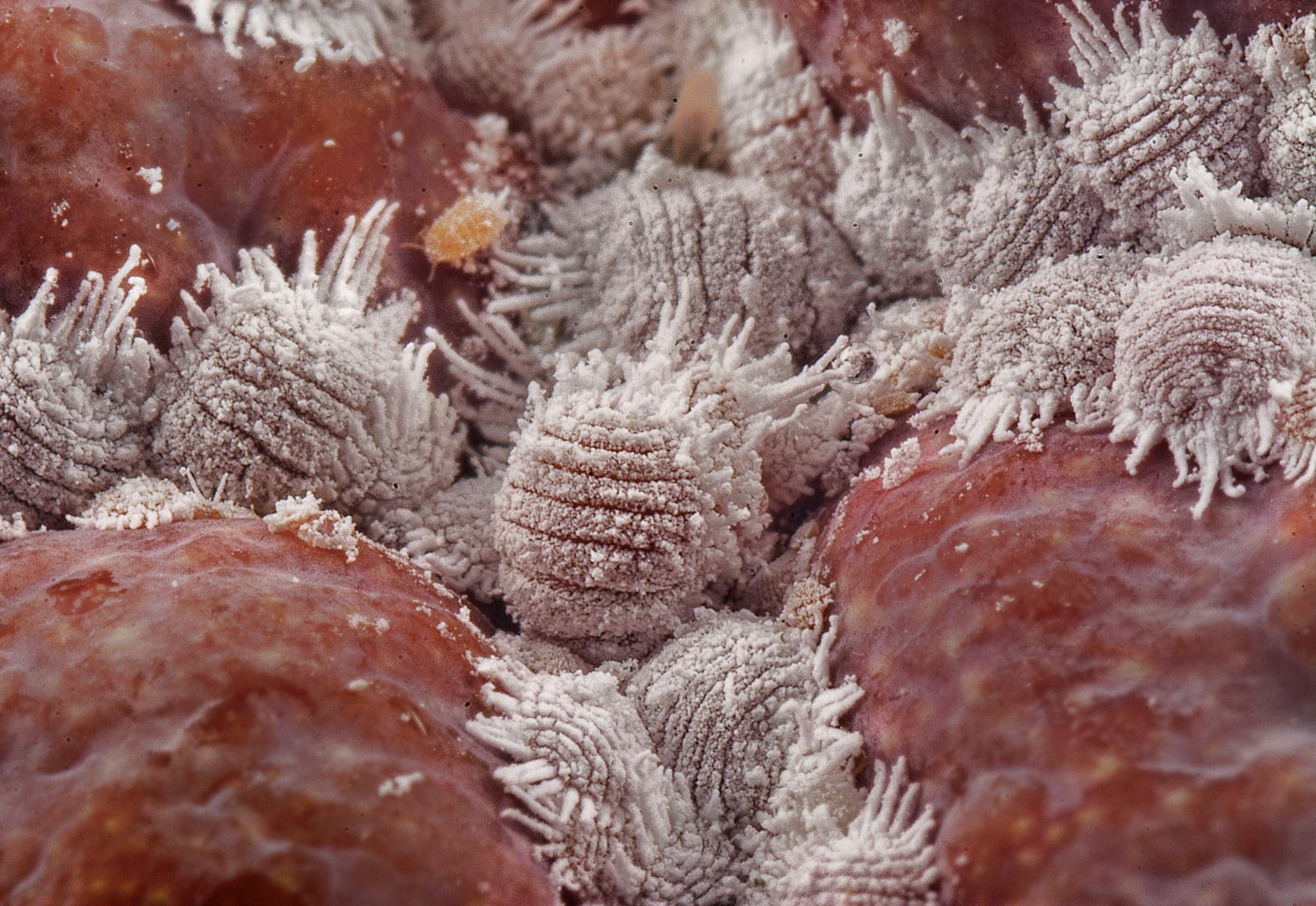
Small fluffy white clusters in leaf axils are the hallmark sign of mealybugs. These soft-bodied insects weaken the plant by feeding on sap and can cause leaf yellowing. You need to dab the individual bugs with a cotton swab soaked in alcohol. Rinsing the plant with a strong stream of water helps reduce their numbers significantly. persistent infestations may require systemic granules or repeated insecticidal soap applications.
Tiny Flying Insects
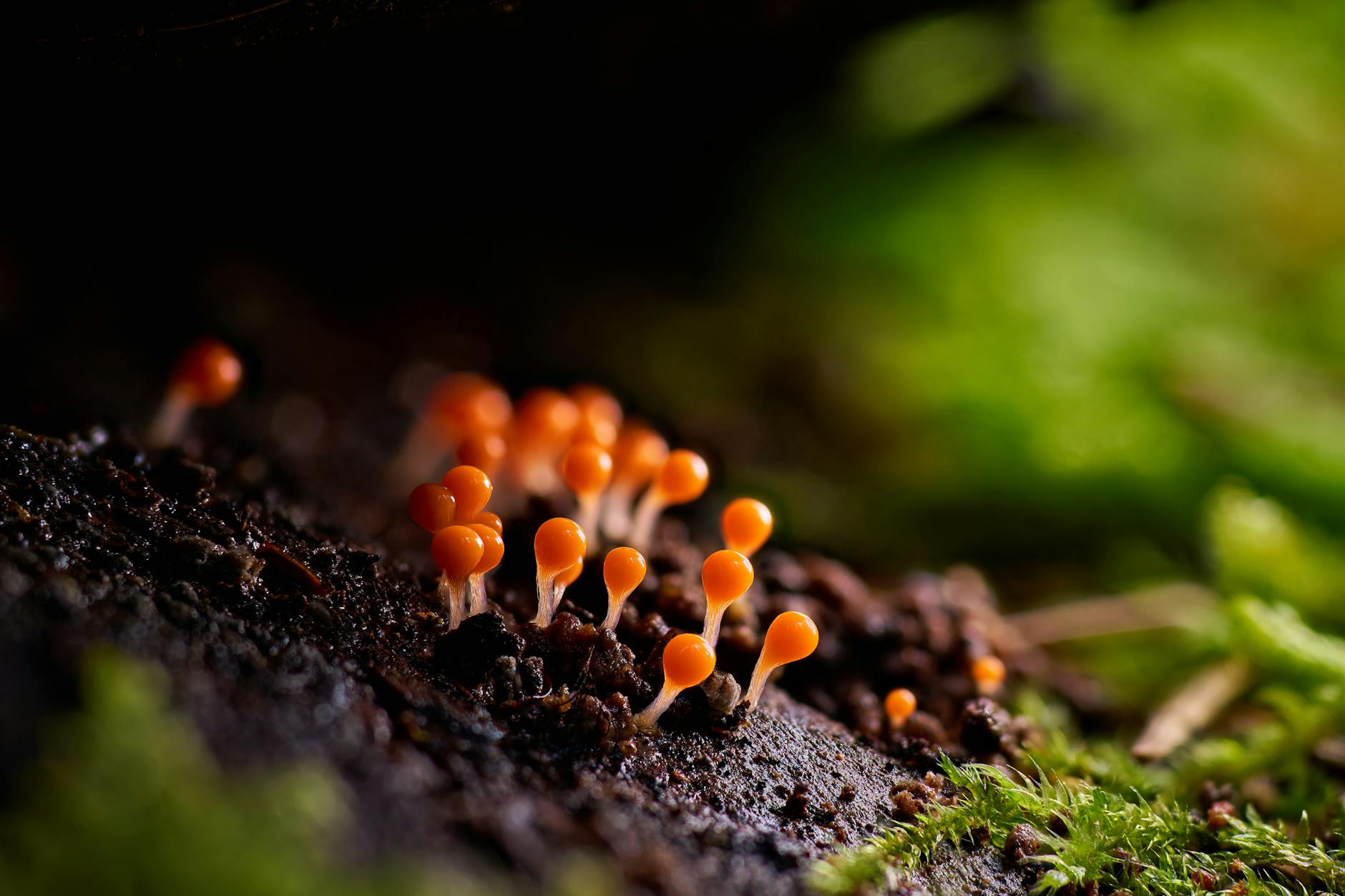
Small black flies hovering around the soil are fungus gnats that thrive in moist potting mix. Their larvae feed on organic matter in the soil and can damage young roots. Allow the soil to dry out completely between waterings to kill the larvae. Placing yellow sticky traps near the soil surface catches the adult flying insects. adding a layer of sand to the top of the soil prevents adults from laying new eggs.
Scorched or Bleached Spots
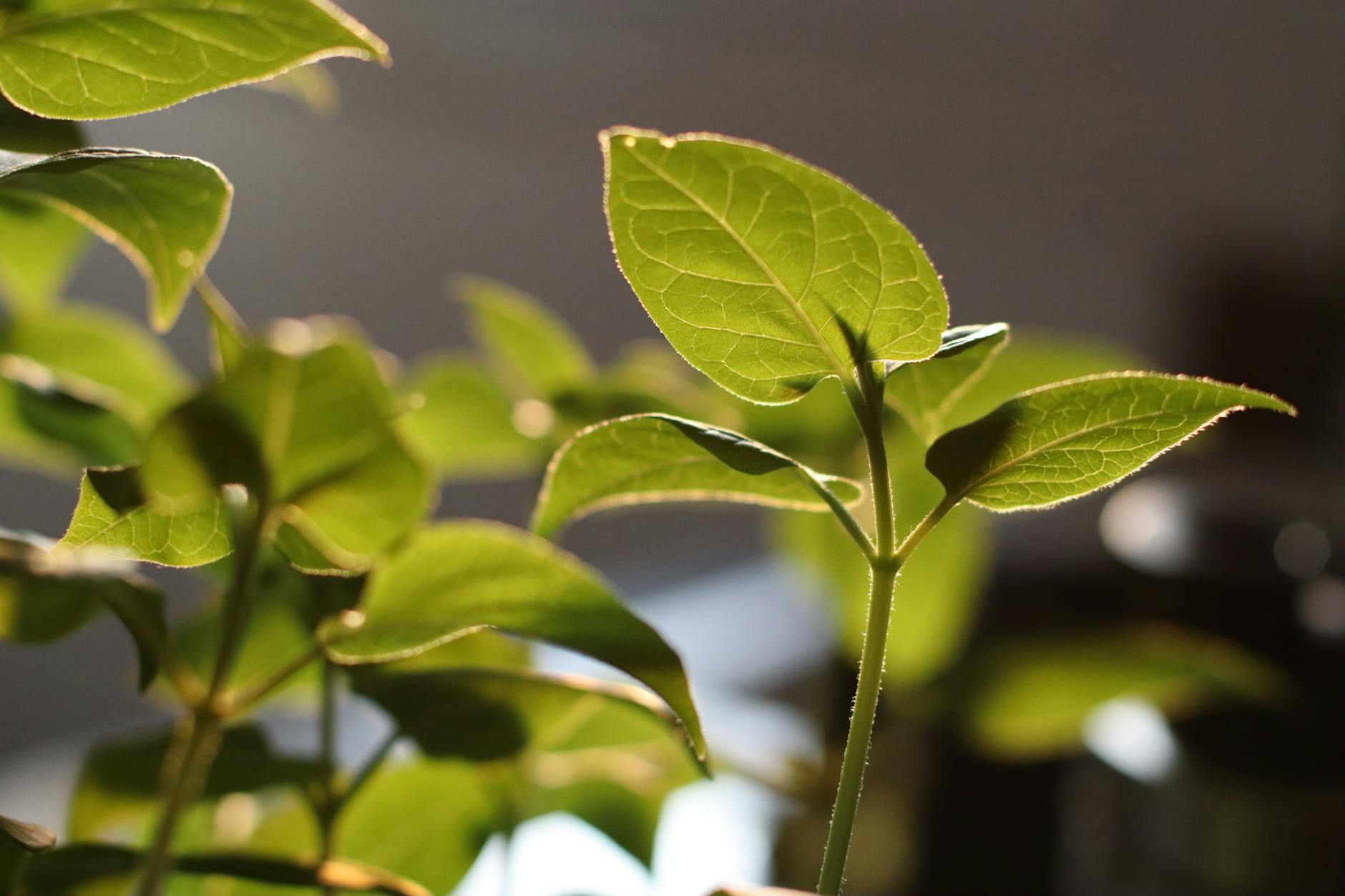
Brown or white patches on the leaves facing the light source indicate sunburn. This happens when a plant accustomed to shade is moved too quickly into direct sunlight. Move the plant further away from the window or filter the light with a sheer curtain. Trim the permanently damaged leaves to improve the appearance of the plant. Gradual acclimatization is necessary when increasing light exposure.
White Crust on Soil
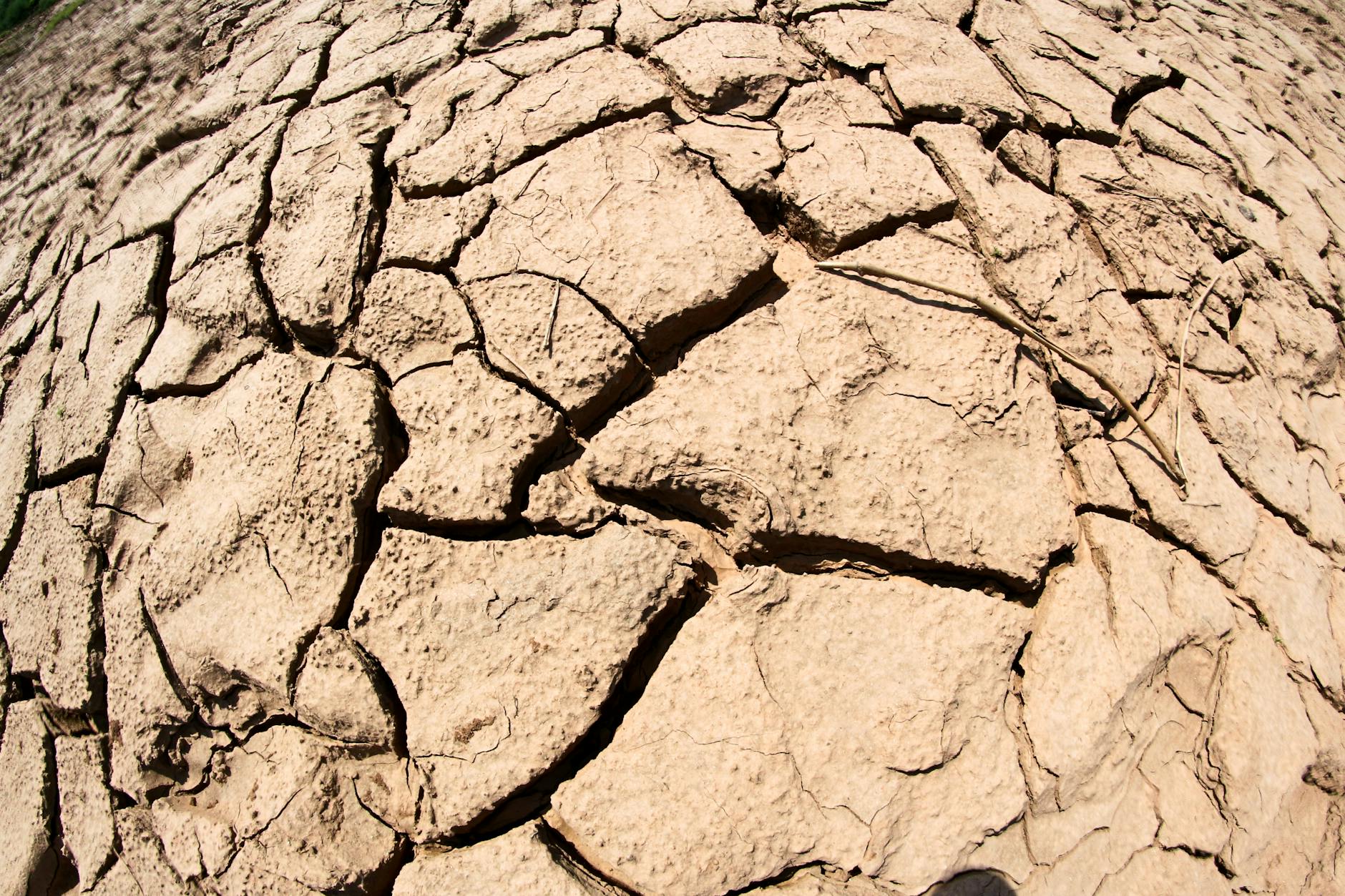
A white or yellow crusty buildup on the soil surface is a sign of mineral or salt accumulation. This occurs from using hard tap water or over-fertilizing the plant over time. Scrape off the top layer of soil and replace it with fresh potting mix. Flush the soil thoroughly with distilled or filtered water to leach out excess salts. switching to filtered water prevents this buildup from happening again.
Stunted Growth
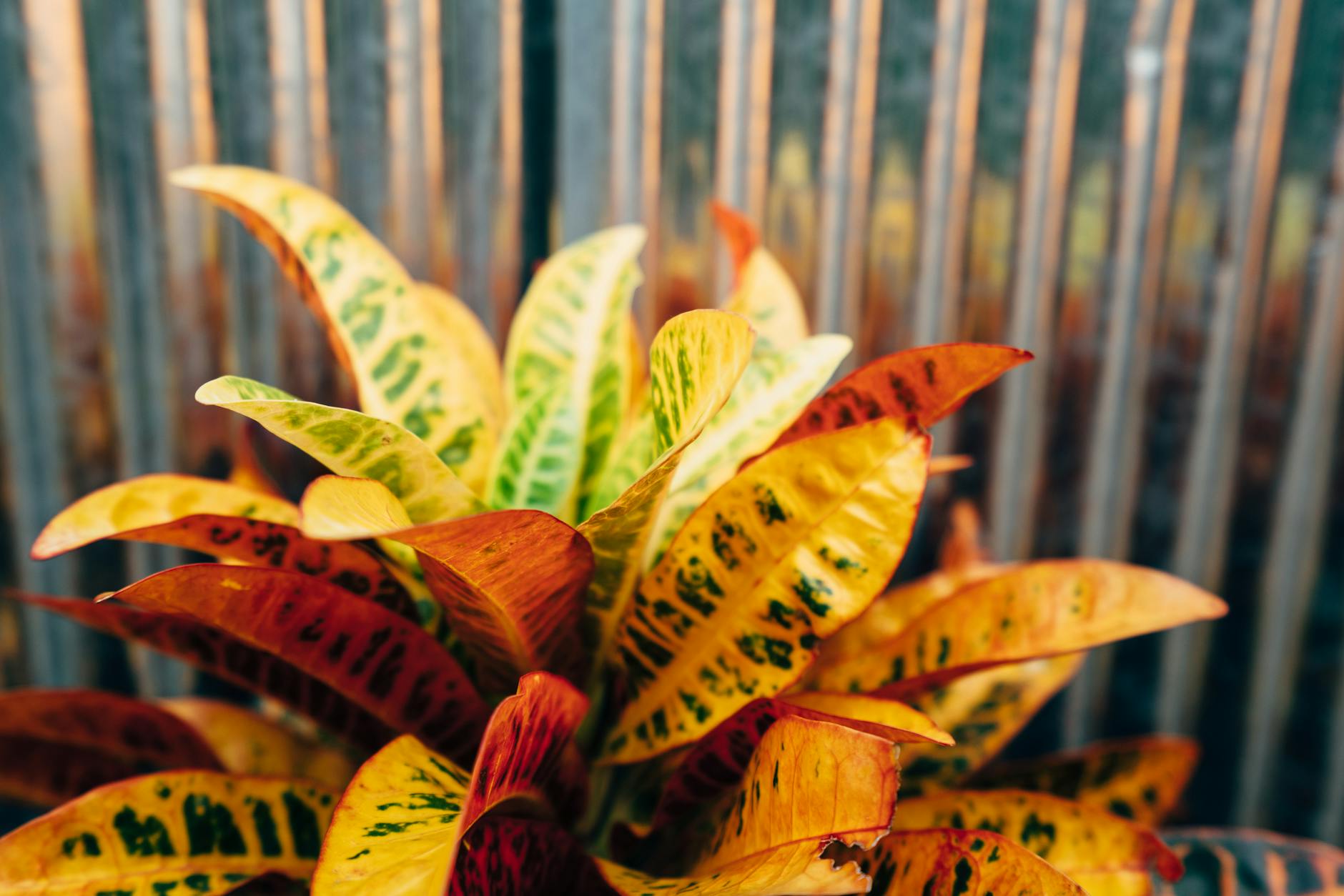
A plant that stops growing during its active season may be suffering from nutritional deficiencies. The soil may have been depleted of essential nutrients after months or years in the same pot. Apply a balanced liquid fertilizer diluted to half strength during the next watering. Repotting into fresh nutrient-rich soil is another effective solution. Ensure the pot size allows enough room for the root system to expand.
Dark Spotted Leaves
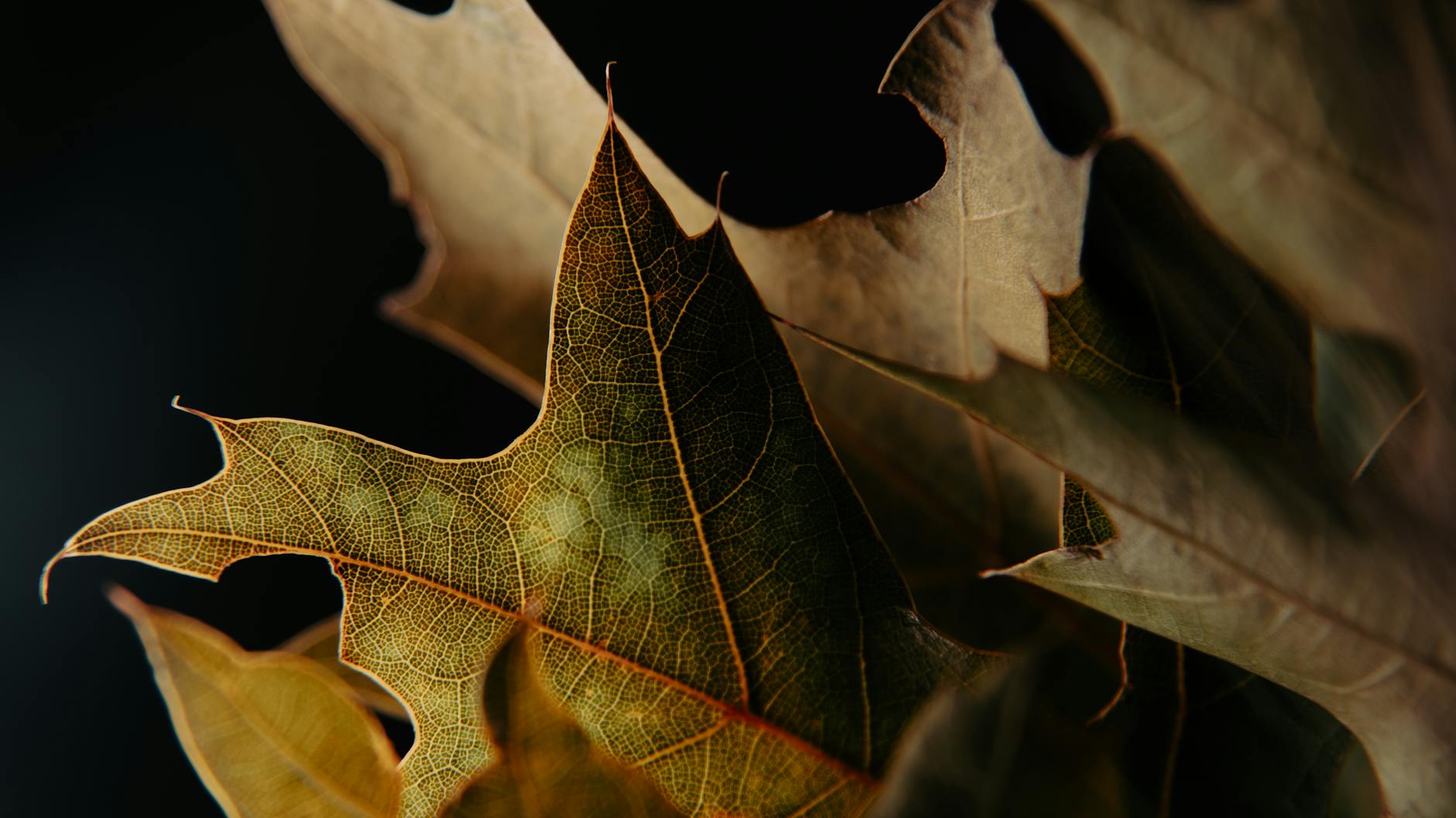
Circular dark spots with yellow halos often indicate a bacterial or fungal leaf spot disease. This spreads easily through water droplets sitting on the leaves for extended periods. Remove the infected leaves immediately with sterilized shears to stop the spread. Avoid misting the plant and ensure you water only the soil directly. Apply a copper-based fungicide if the infection persists despite cultural changes.
Curling Leaves inward
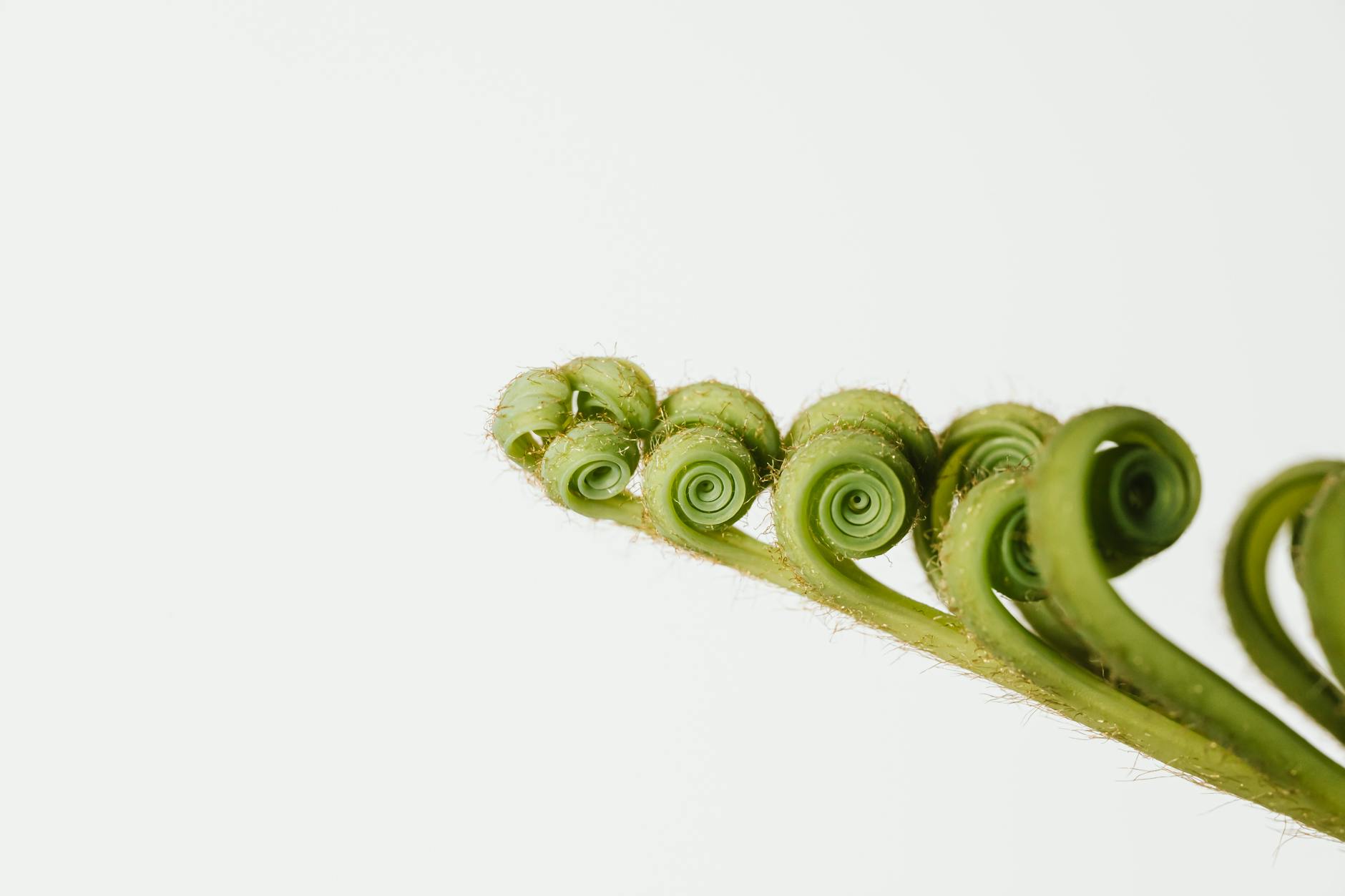
Leaves curling inward can be a defense mechanism against heat stress or severe underwatering. The plant tries to reduce its surface area to minimize moisture loss through transpiration. Check the soil moisture and water deeply if it is dry. Move the plant to a cooler location if it is sitting in direct hot sun. The leaves should unfurl within a day once the stressor is removed.
Pale or Washed Out Color
Foliage losing its vibrant green color suggests the plant is not receiving enough light to photosynthesize effectively. This chlorosis can also result from a lack of nitrogen or iron in the soil. Move the plant to a brighter location with indirect sunlight. Supplement the watering with a nitrogen-rich fertilizer to boost chlorophyll production. Dusting the leaves ensures maximum light absorption for better color.
Roots Growing Out of Drainage Holes
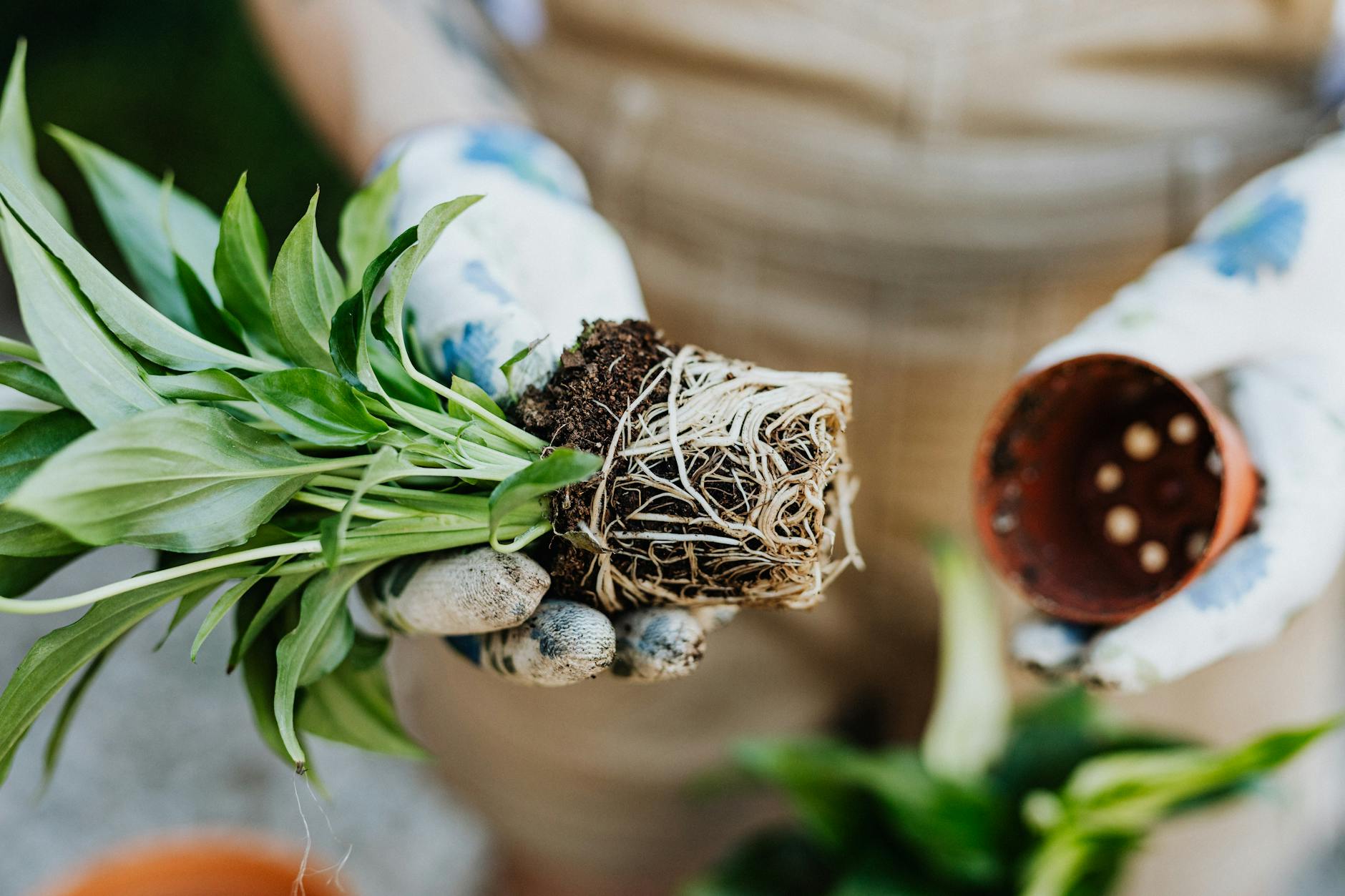
Roots poking through the bottom of the pot indicate the plant has become root-bound. The roots are circling the pot and strangling themselves due to a lack of space. Gently remove the plant and loosen the tight root ball with your fingers. Transplant it into a new pot that is one or two inches larger in diameter. Fresh soil encourages new root growth and revitalizes the plant.
Flower Buds Dropping Before Opening
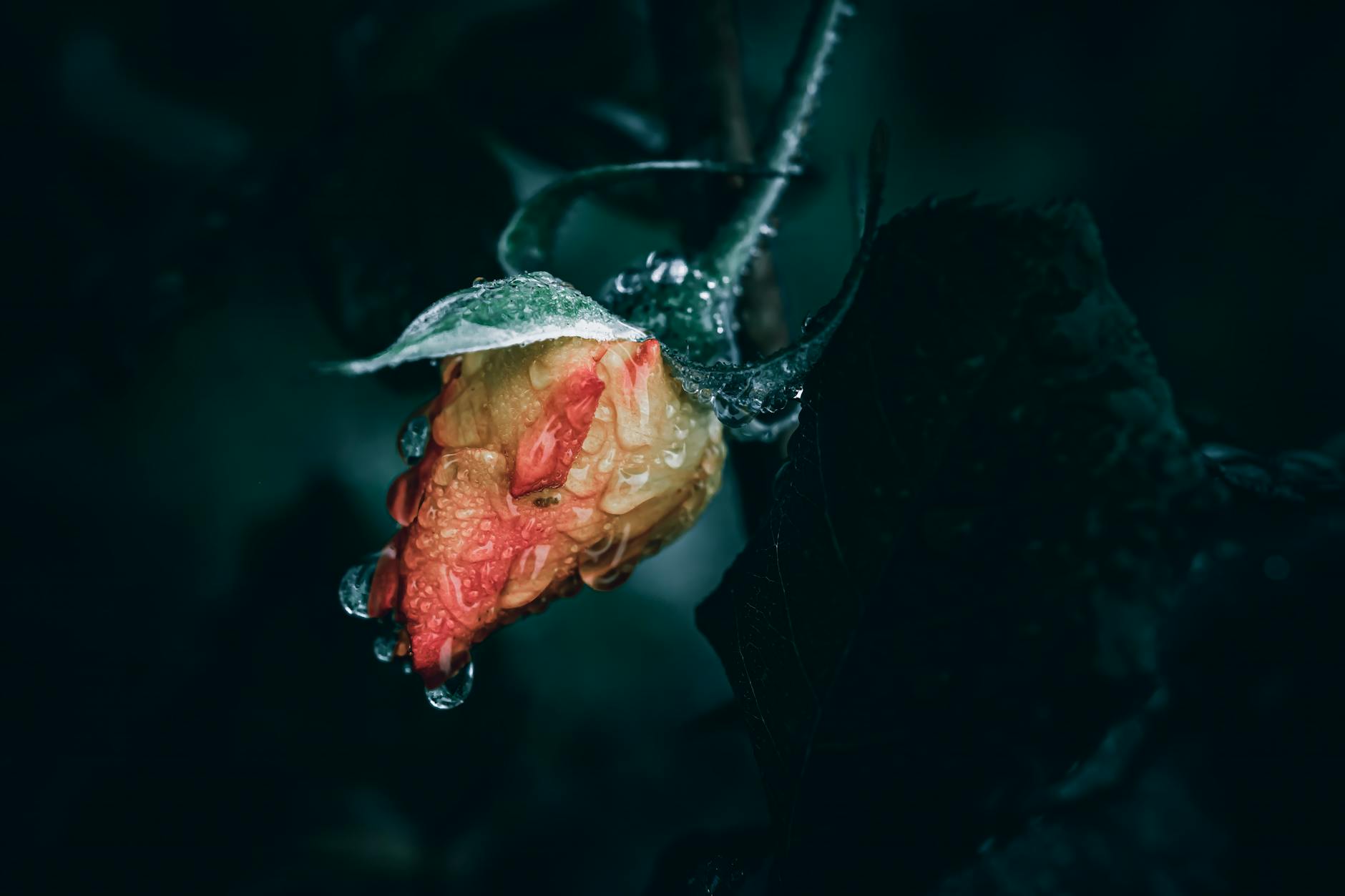
Bud blast occurs when a flowering plant sheds its blooms prematurely due to environmental stress. Sudden changes in temperature or inconsistent watering are the most common culprits. Keep the plant in a stable environment away from drafty windows or heaters. Ensure the soil remains evenly moist but not waterlogged during the flowering period. Adequate humidity is crucial for blooms to develop and open fully.
Green Algae on Soil
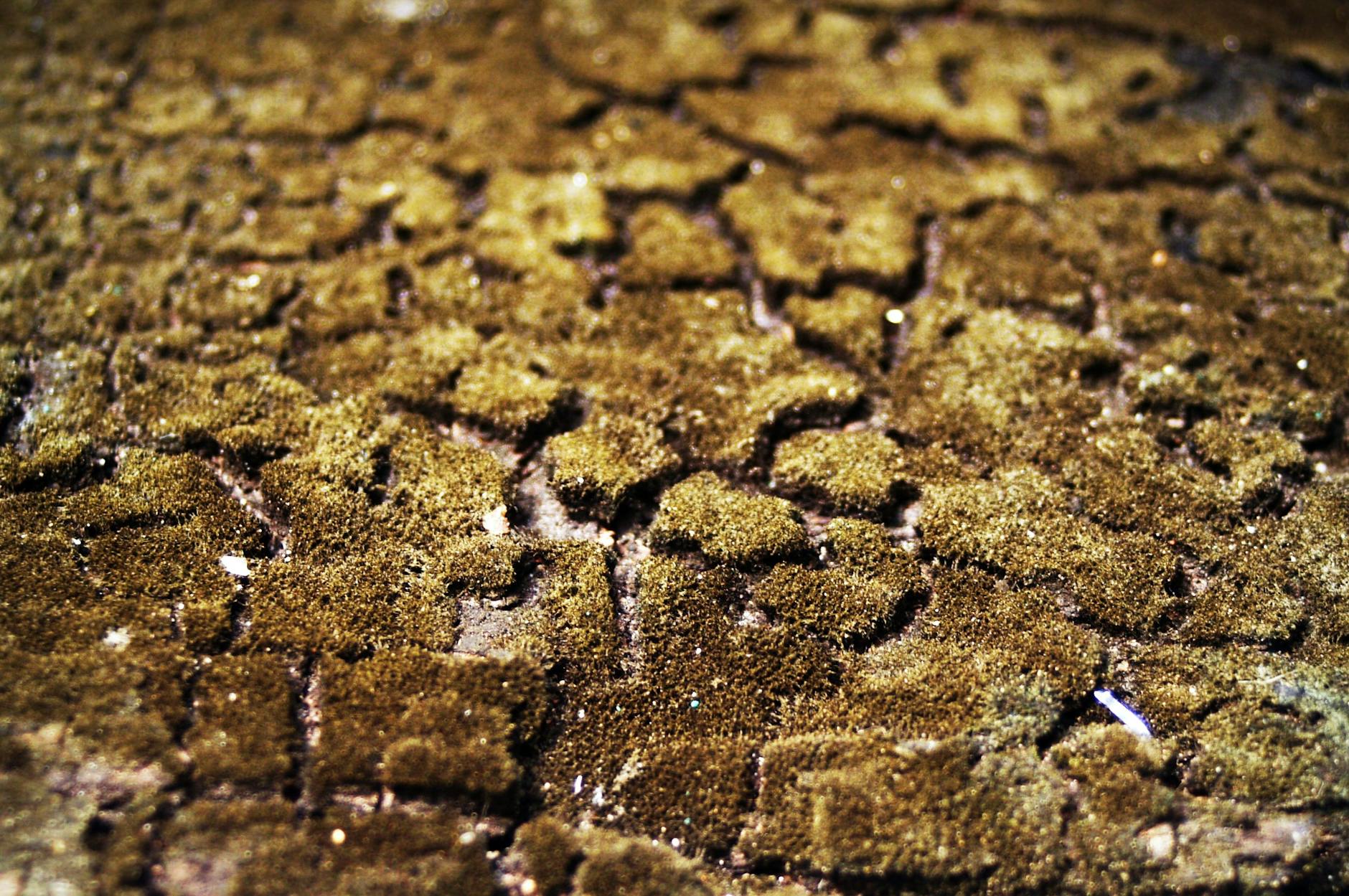
A green coating on the soil surface indicates excessive moisture and light exposure on the potting mix. This condition is harmless but suggests the soil is staying wet for too long. You should cultivate the topsoil gently with a fork to improve aeration. Reduce watering frequency to allow the top layer to dry out. adding a top dressing of gravel or bark blocks light and prevents algae growth.
Share your own experiences with reviving struggling house plants in the comments.




