Many people struggle to maintain adequate hydration levels despite drinking water throughout the day. Diet plays a significant role in fluid retention and the overall water balance within the human body. Certain foods can act as diuretics or require extra water for digestion which leaves the system depleted. High levels of sodium and sugar often trigger the kidneys to excrete more fluid than usual. Understanding which common dietary staples contribute to dehydration helps in making smarter nutritional choices.
Coffee

Caffeine is a well-known diuretic that increases urine production shortly after consumption. Drinking multiple cups without balancing them with water leads to a net loss of fluids. The diuretic effect is strongest in those who do not consume caffeine regularly. Adding sugar or artificial sweeteners to coffee can further amplify the dehydrating effects on the body. Moderate consumption is generally safe if paired with plenty of plain water.
Cured Meats
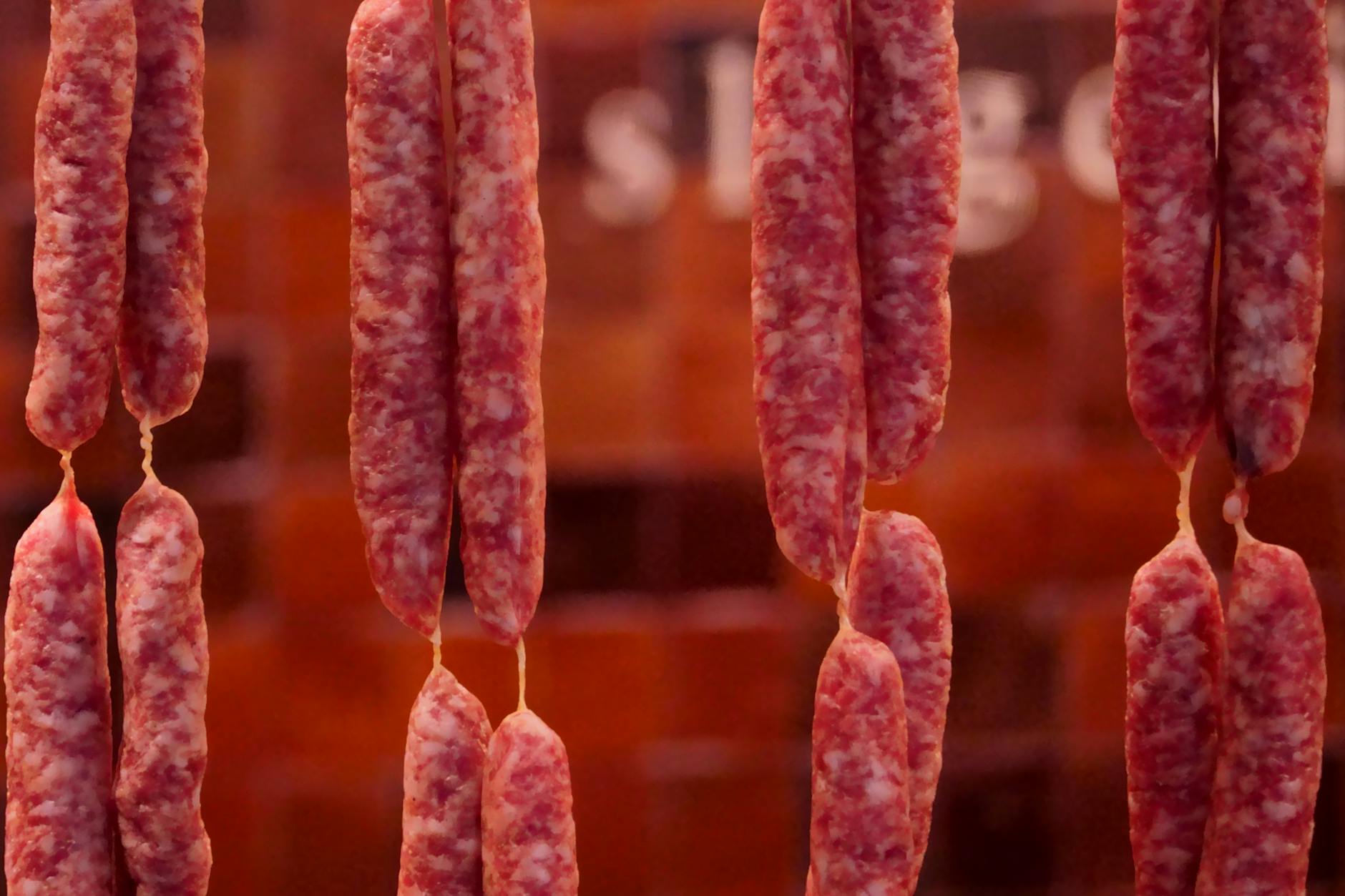
Salami and bacon are preserved using large amounts of salt to prevent bacterial growth. This high sodium content forces the kidneys to pull water from cells to dilute the salt in the bloodstream. Eating these meats frequently requires a significant increase in water intake to maintain equilibrium. The process of digesting dense animal proteins also utilizes body fluids which compounds the issue. Opting for fresh or low-sodium meat alternatives helps mitigate this hidden dehydration risk.
Soy Sauce
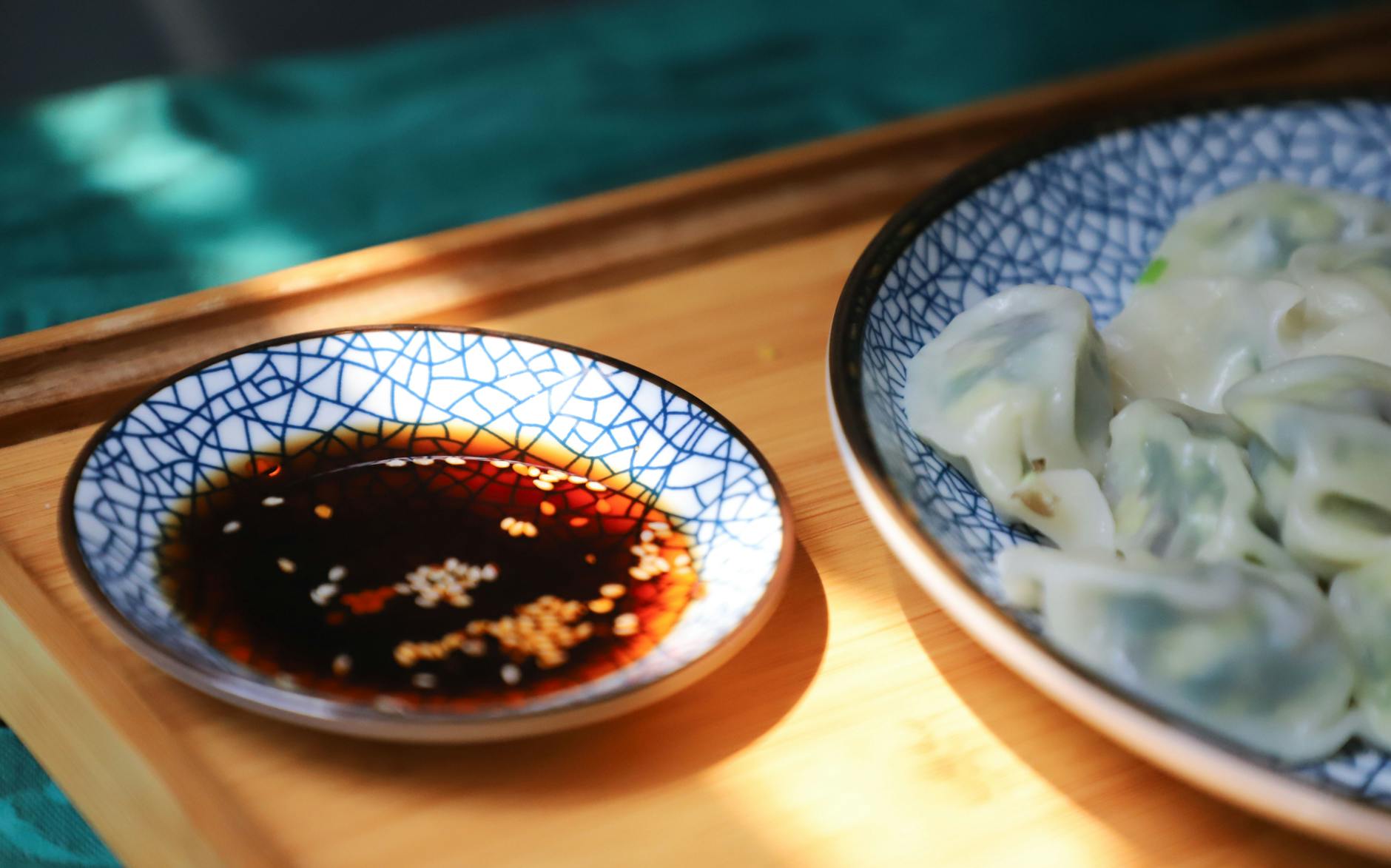
A single tablespoon of soy sauce contains a massive portion of the recommended daily sodium intake. Consuming sushi or stir-fries heavily seasoned with this condiment causes immediate water retention followed by fluid loss. The body signals thirst to flush out the excess salt but often the damage is already done. Even low-sodium varieties can still pack enough salt to disrupt internal fluid balance. Using alternative seasonings like lemon juice or vinegar provides flavor without the dehydrating side effects.
Asparagus
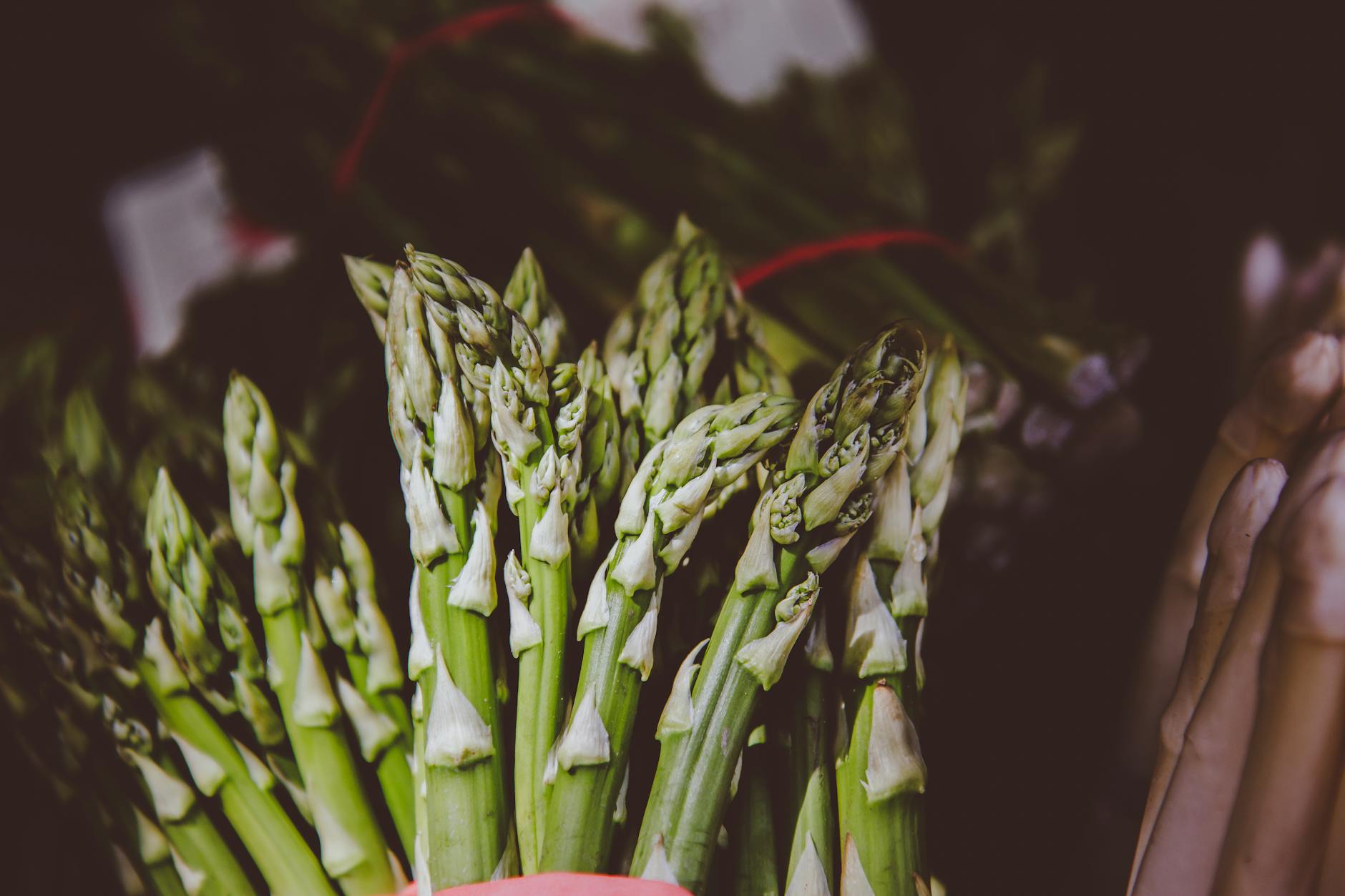
This vegetable contains an amino acid called asparagine which acts as a natural diuretic. Eating asparagus signals the body to release excess fluid and salt through urination. It also contains sulfur compounds that are released during digestion and filtered through the kidneys. While it is a healthy vegetable rich in vitamins the fluid loss can be noticeable. Pairing asparagus with hydrating vegetables like cucumbers helps counteract the diuretic properties.
Alcohol
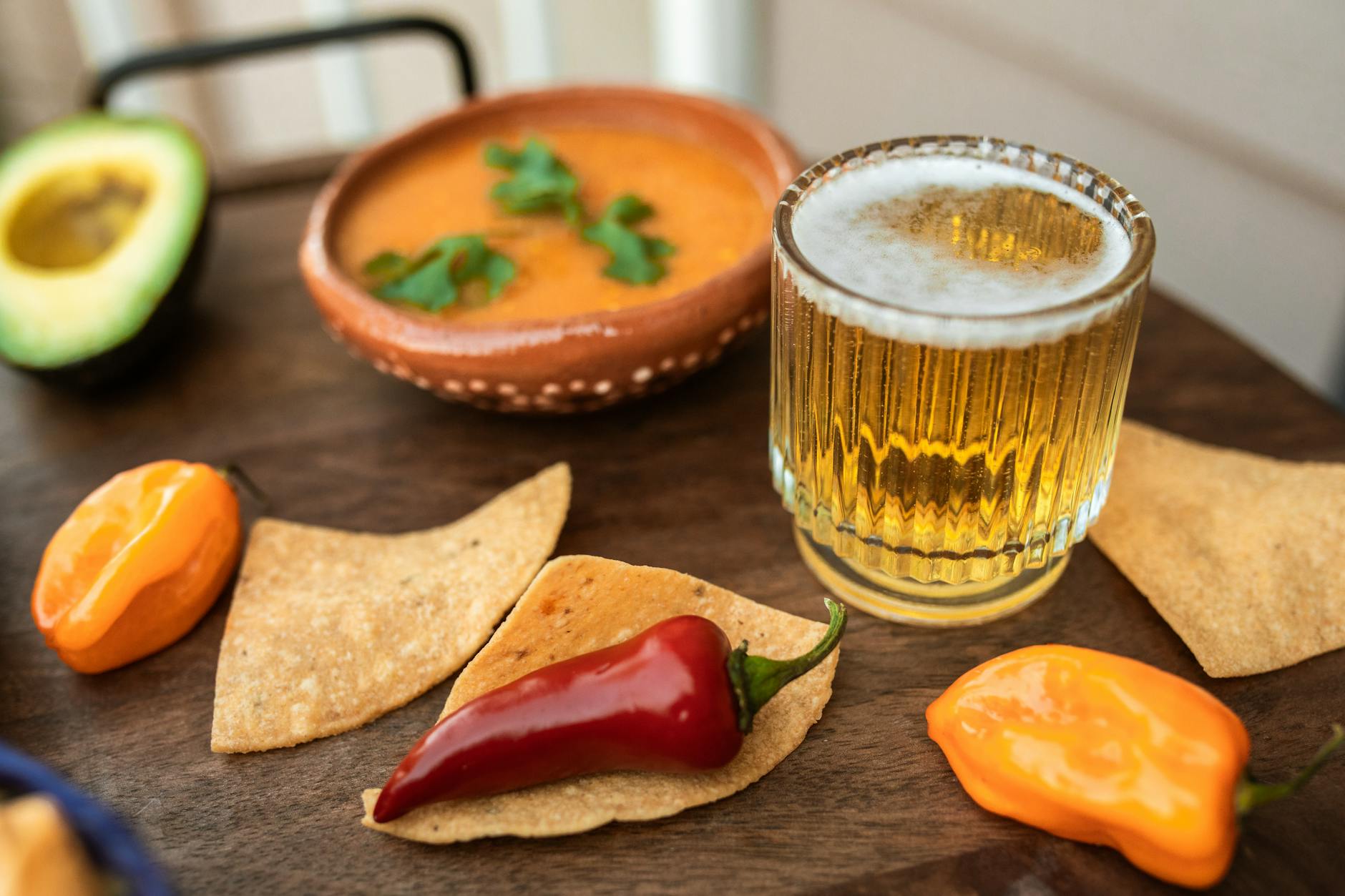
Beer and wine suppress the production of vasopressin which is the hormone responsible for water reabsorption. This suppression causes the kidneys to send water directly to the bladder instead of reabsorbing it into the body. The resulting frequent urination depletes the body of fluids much faster than non-alcoholic beverages. Higher alcohol content correlates directly with increased dehydration severity. Drinking a glass of water between alcoholic beverages is a proven strategy to reduce this impact.
Popcorn

Movie theater popcorn is loaded with salt and butter flavorings that trigger intense thirst. The sodium draws water out of the cells and leaves the body feeling parched and sluggish. Dry snacks lack the intrinsic water content found in fruits or vegetables which makes digestion more water-intensive. Eating large portions without a beverage creates a significant hydration deficit quickly. Air-popped corn with minimal salt is a much less dehydrating alternative.
Fried Foods
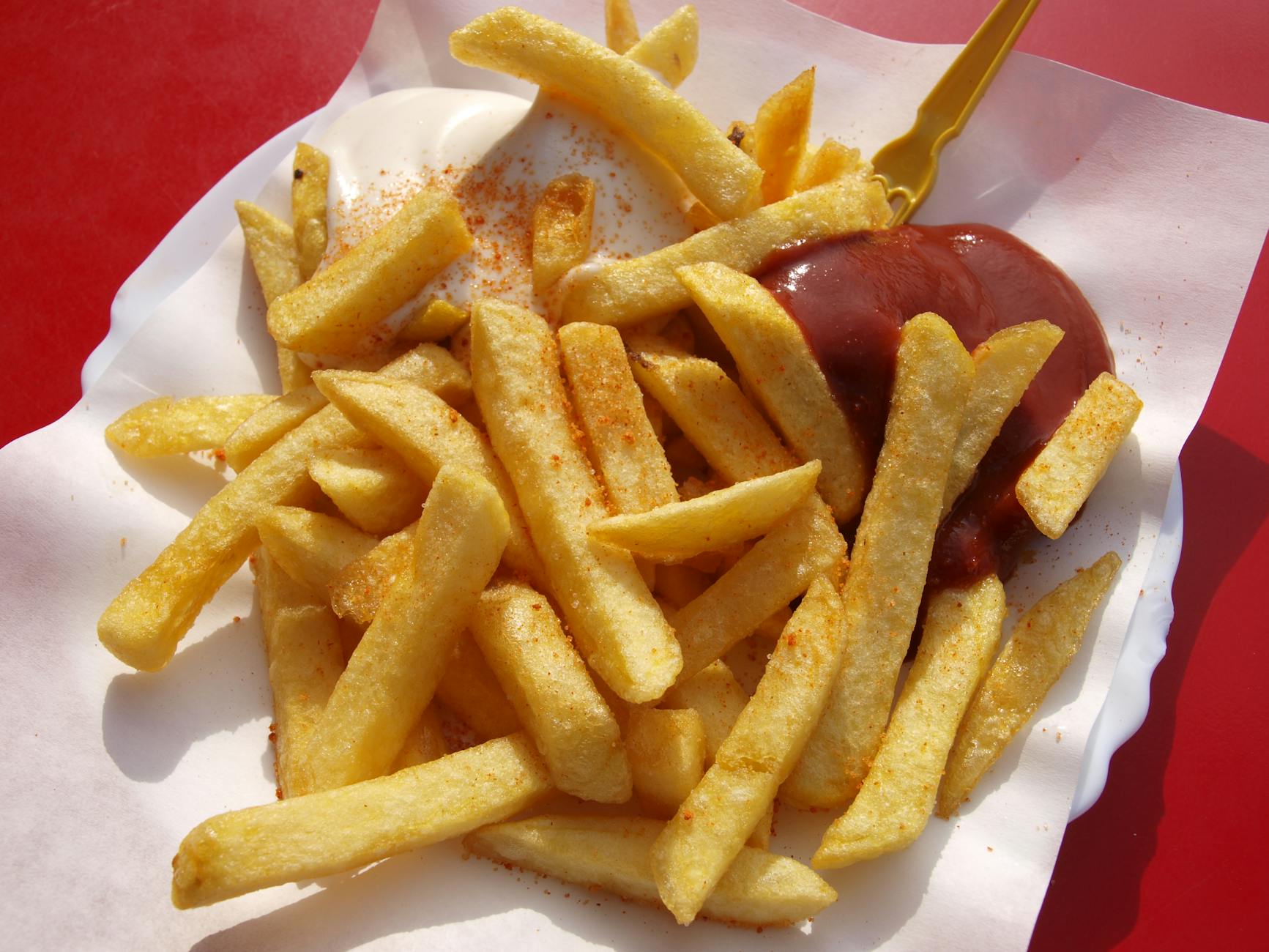
Greasy foods like french fries and onion rings usually contain high levels of hidden sodium. The heavy fat content slows down stomach emptying while the salt demands water for processing. This combination places a heavy load on the digestive system and draws fluids away from other bodily functions. The process of deep frying often involves batters that absorb oil and salt simultaneously. Choosing baked or grilled options reduces the sodium load and supports better hydration.
Sugary Sodas
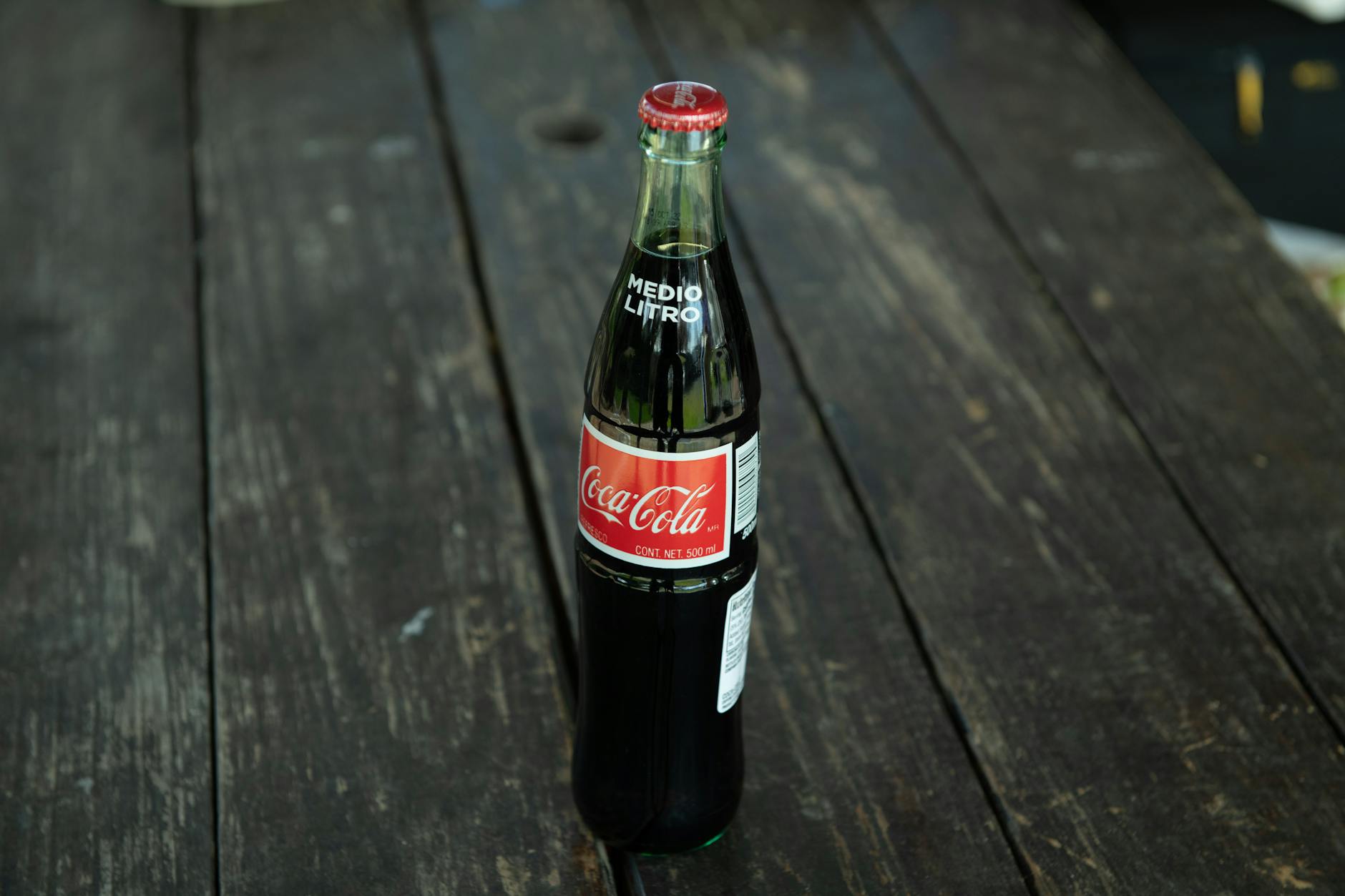
High sugar content in soda creates a hypertonic environment in the gut that draws water from the tissues. The body uses its own fluid reserves to dilute the concentrated sugar so it can be absorbed. Caffeine found in many colas adds a secondary diuretic effect that speeds up fluid loss. Drinking soda to quench thirst is counterproductive as it ultimately leaves the body drier than before. Water or herbal tea remains the superior choice for true hydration.
Dark Chocolate
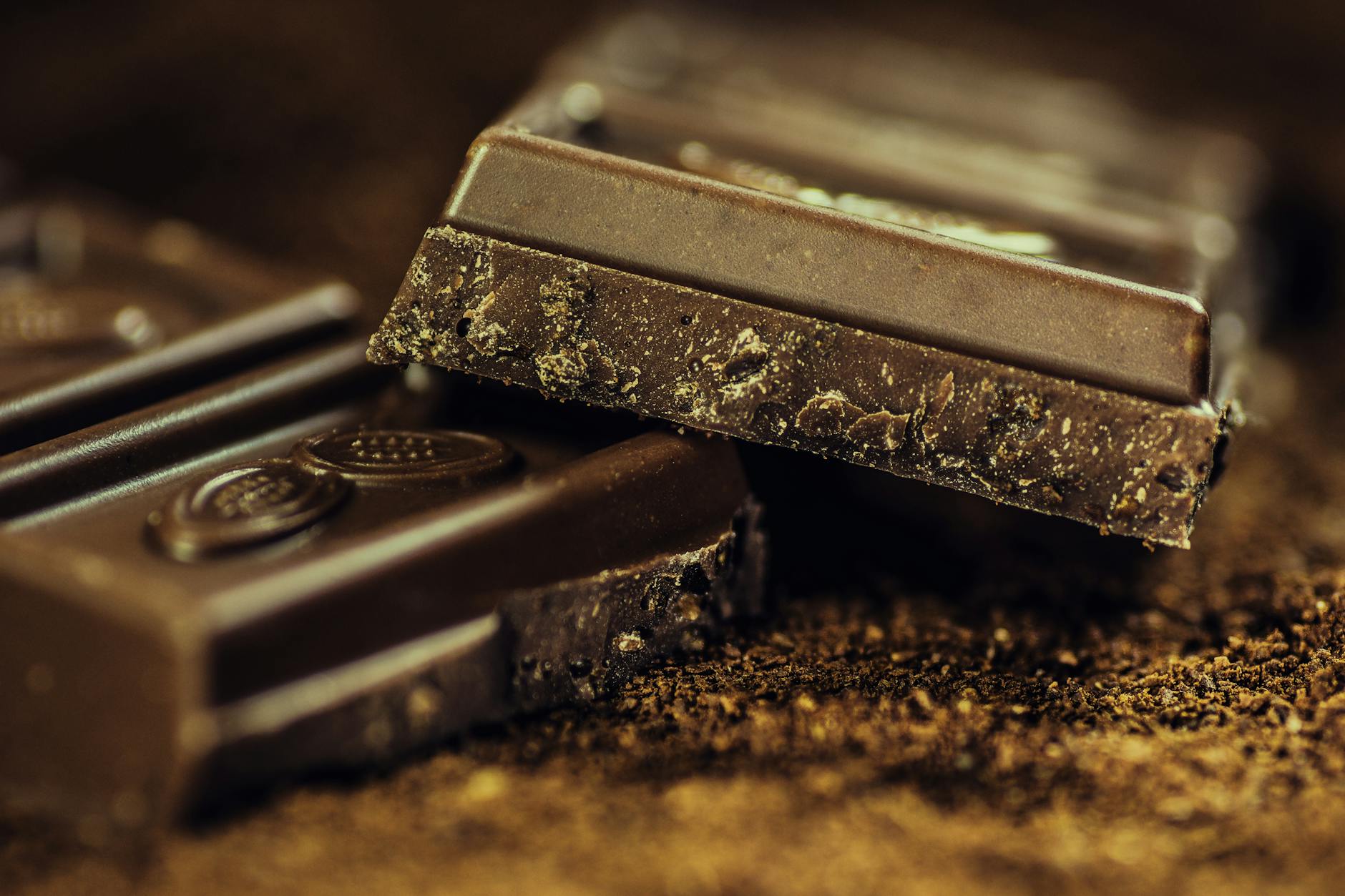
Chocolate with a high percentage of cocoa contains naturally occurring caffeine. This stimulant acts as a mild diuretic and increases the need for urination. The sugar present in chocolate also requires water for metabolism and digestion. While it is a healthier alternative to milk chocolate the cumulative effect can still impact hydration. Enjoying small pieces alongside a glass of water prevents any negative impact on fluid levels.
Energy Drinks
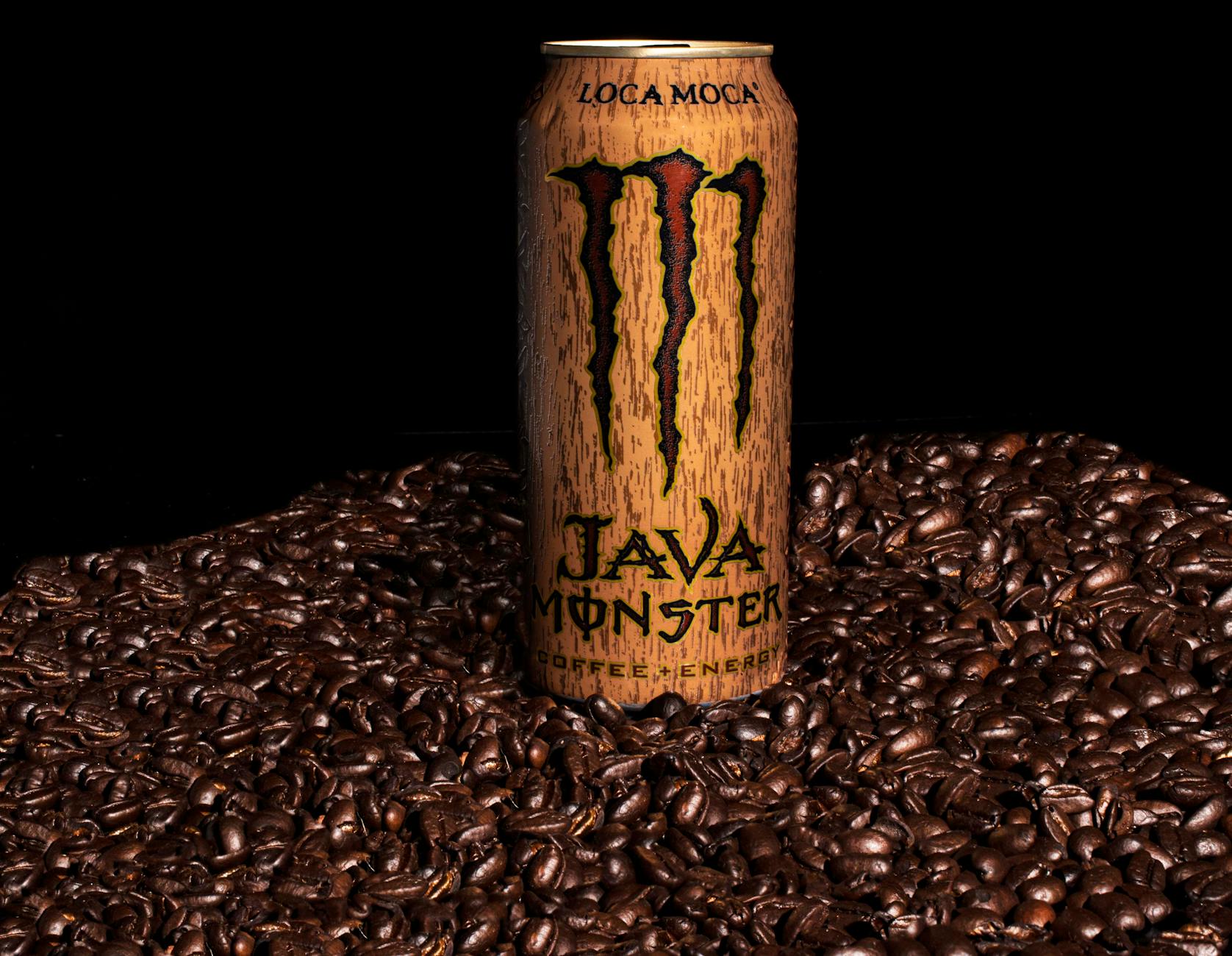
These beverages pack a potent combination of caffeine and sugar that shocks the body. The extremely high caffeine levels act as a strong diuretic while the sugar pulls water into the intestines. Many energy drinks also contain taurine and guarana which can enhance the dehydrating effects. Reliance on these drinks for fluid intake often leads to chronic dehydration and fatigue. They should never be used as a substitute for water during exercise.
Pickles
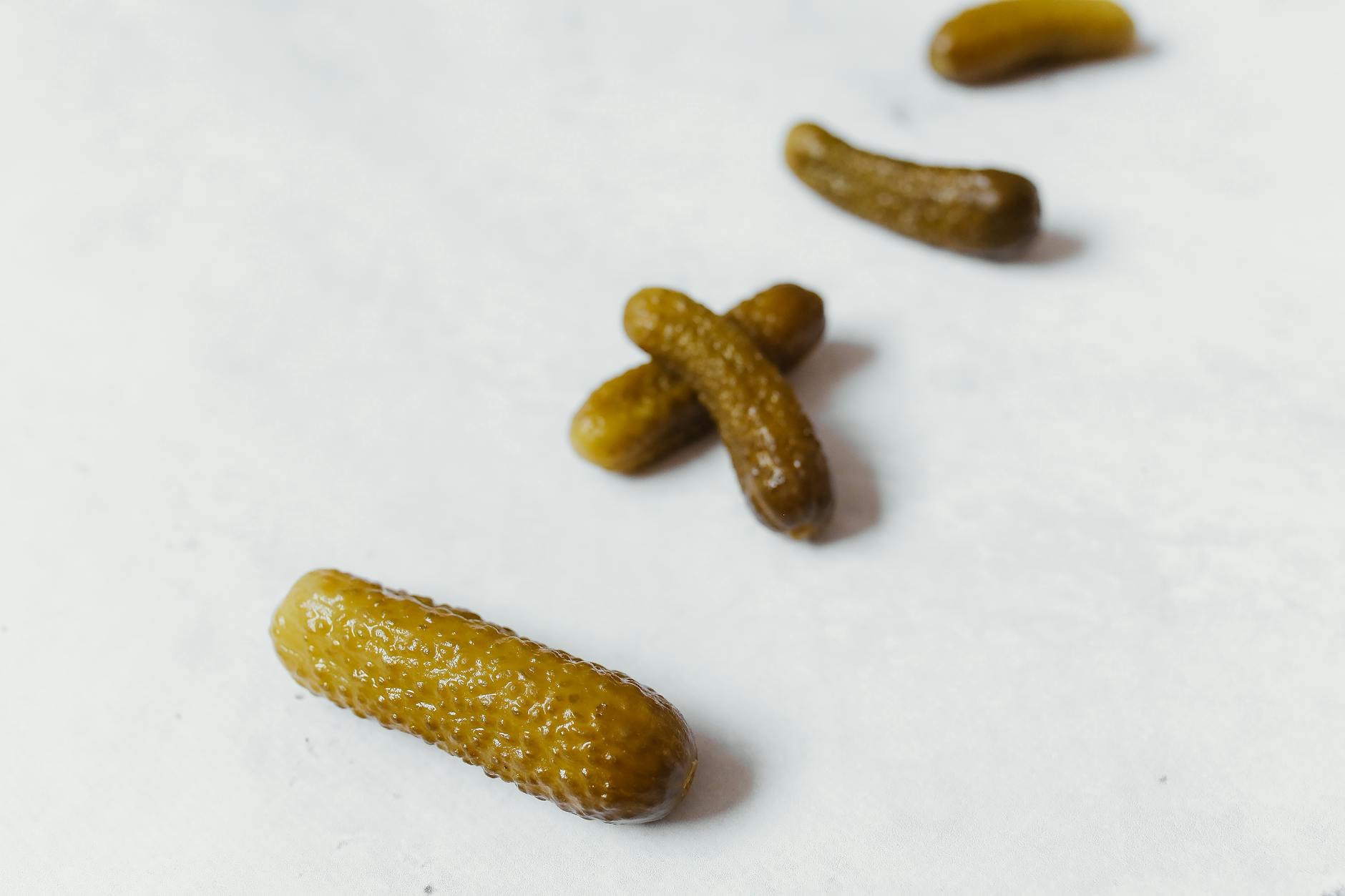
The pickling process involves soaking cucumbers in a brine solution saturated with salt. Eating just one or two pickles introduces a large amount of sodium into the system very quickly. This spike in salt forces the body to borrow water from cells to restore balance in the blood. The vinegar used in pickling can also stimulate urination in some sensitive individuals. Rinsing pickles in water before eating them can remove some surface sodium.
Parsley
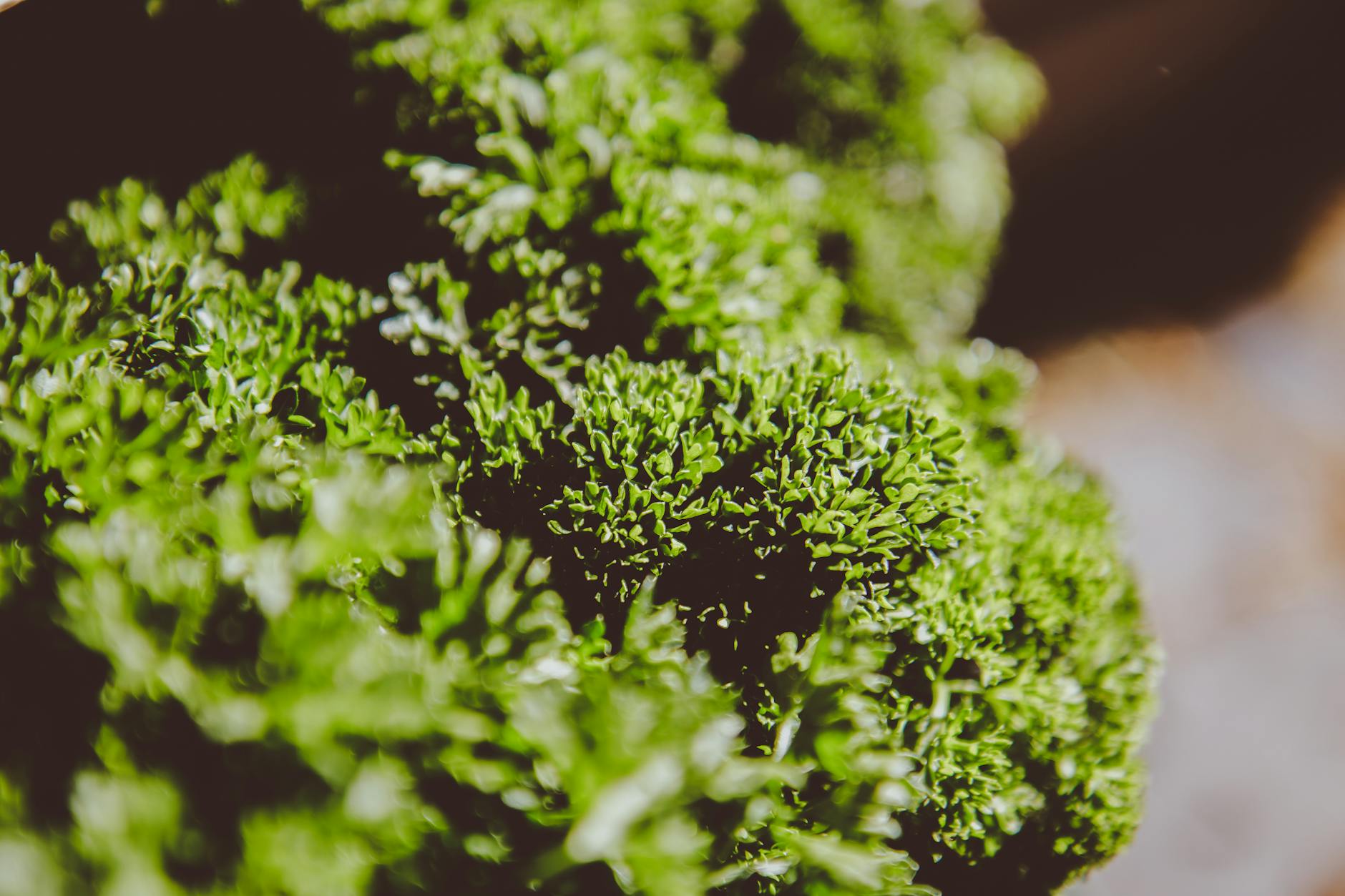
This common garnish is often used in large quantities in salads like tabbouleh. Parsley acts as a natural diuretic that encourages the kidneys to excrete more sodium and water. It has been used historically in herbal medicine specifically to reduce water retention. While it provides essential nutrients it does reduce overall body fluid levels when eaten in bulk. balancing parsley-heavy dishes with hydrating ingredients is essential.
High-Protein Diets
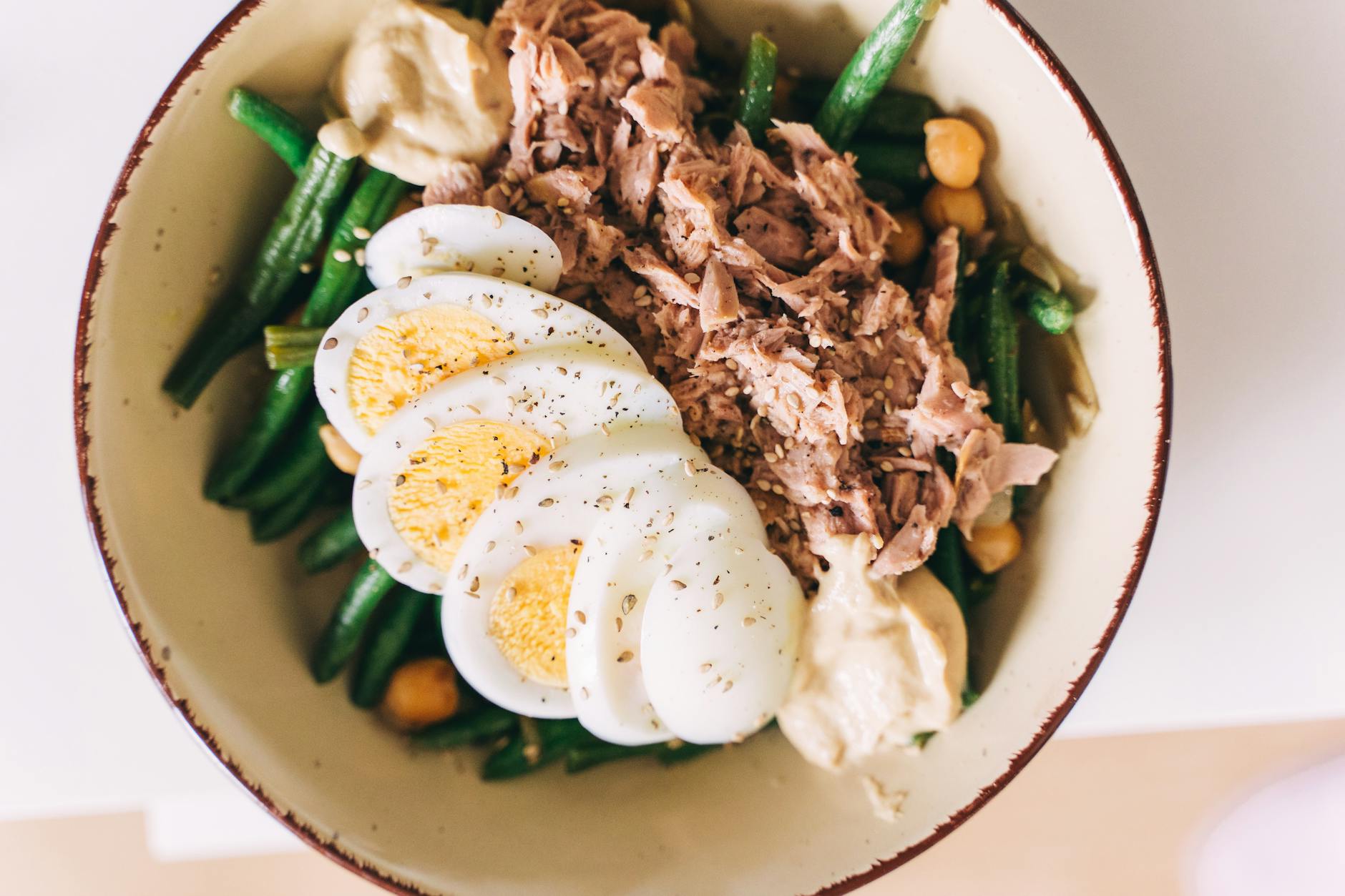
Metabolizing protein produces nitrogen waste products that the body must eliminate. The kidneys require extra water to flush these nitrogen compounds out through urine. Increasing protein intake without increasing water consumption leads to significant dehydration. This is a common issue for athletes using protein powders and shakes. Nutritionists recommend drinking significantly more water whenever protein consumption increases.
Bouillon Cubes
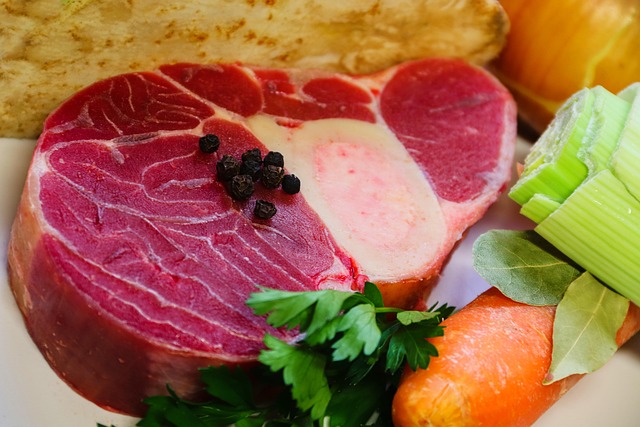
Flavor enhancers and stock cubes are essentially concentrated blocks of salt and monosodium glutamate. Adding them to soups or stews turns a hydrating meal into a sodium bomb. The intense saltiness requires the body to retain and then flush large amounts of water. Many people do not realize how much sodium is hidden in a single small cube. Making homemade broth allows for better control over salt and hydration levels.
Artichokes
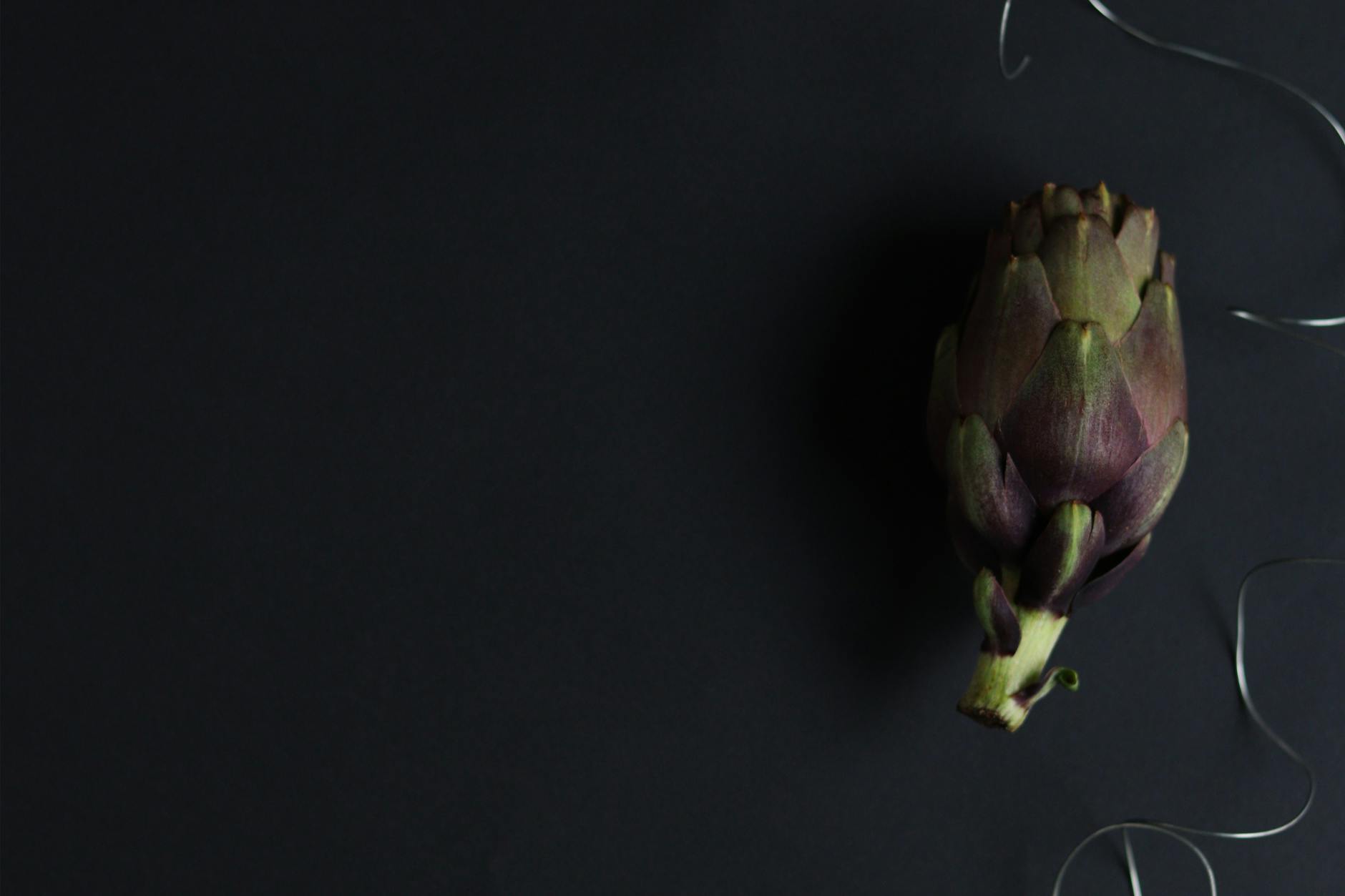
Artichokes contain specific nutrients that act similarly to diuretics in the human body. They stimulate bile production and increase the elimination of fluids through the kidneys. This effect helps with bloating but ultimately reduces total body water. Eating fresh artichokes is less dehydrating than consuming marinated ones which contain added salt. Drinking water during the meal helps mitigate the fluid loss caused by this vegetable.
Frozen Meals
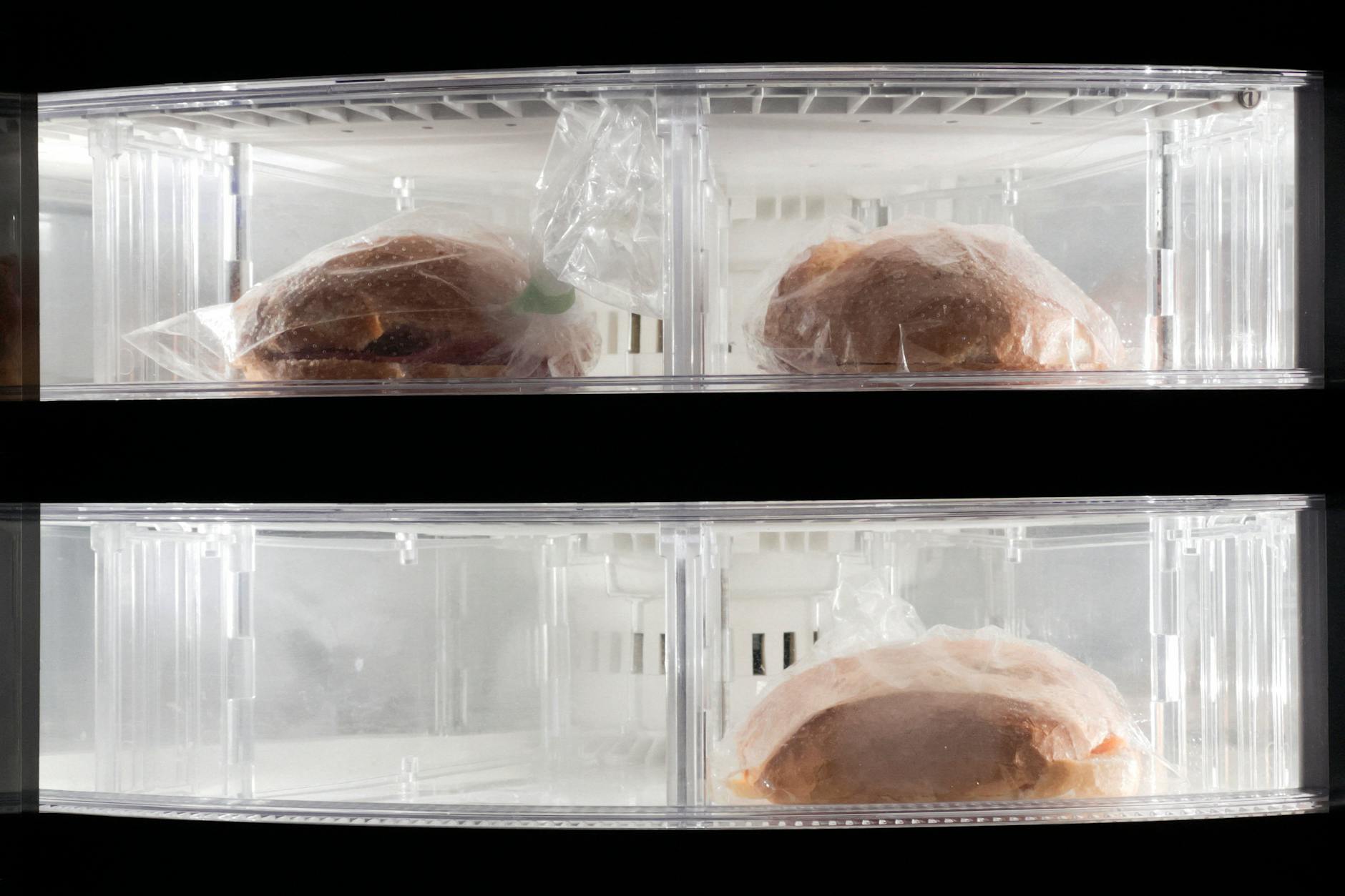
Convenience meals rely heavily on sodium as a preservative and flavor enhancer. A single frozen dinner can contain nearly an entire day’s worth of recommended salt. The body struggles to process this sudden influx of sodium without sacrificing cellular water. The lack of fresh produce in these meals means there is little natural water content to aid digestion. Reading nutritional labels is crucial to avoid these hidden salt traps.
Beets
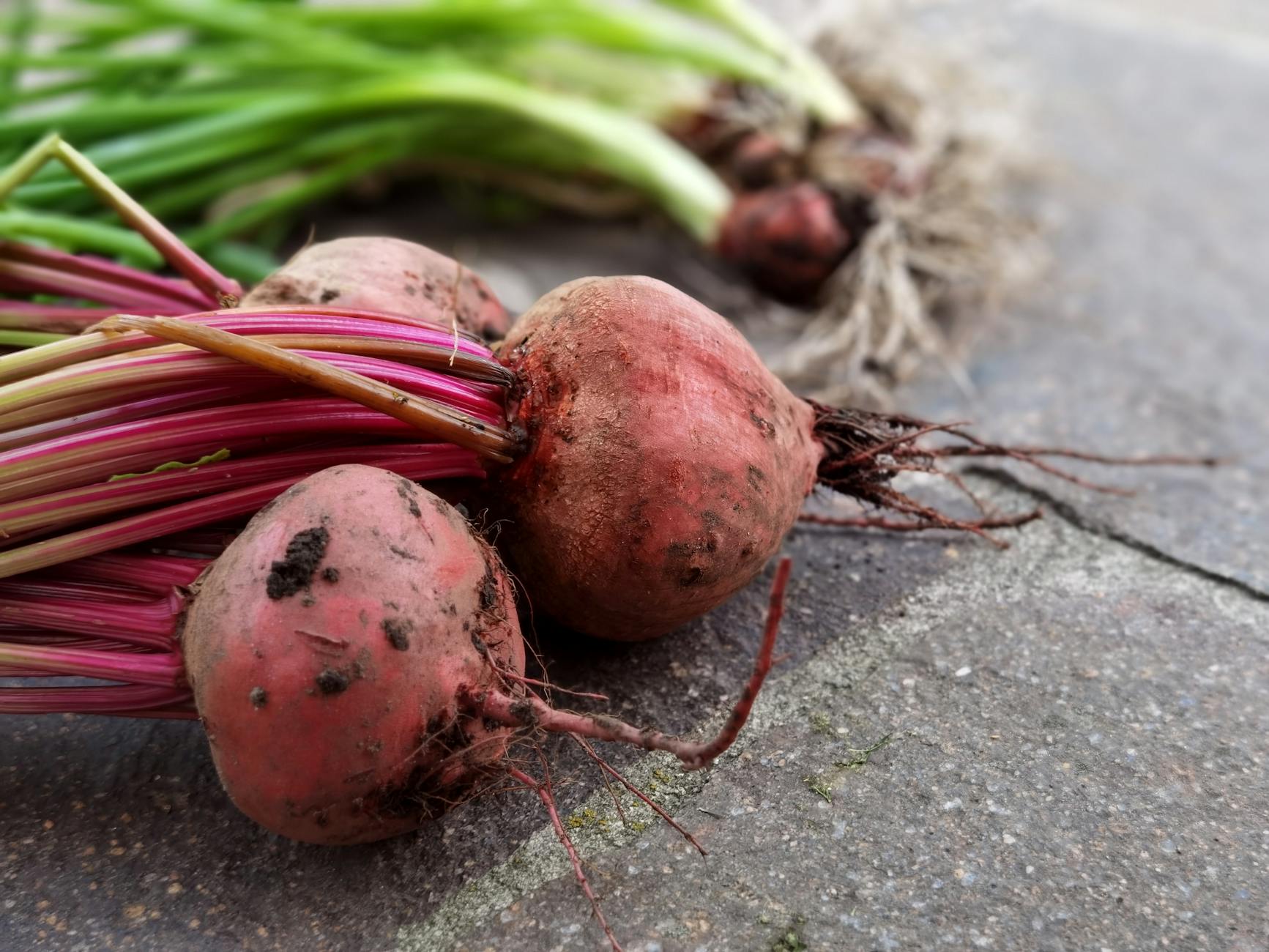
Beets are rich in potassium which helps regulate fluid balance but can act as a diuretic when levels are high. The body eliminates excess potassium through urine and takes water along with it. This colorful root vegetable forces the kidneys to work harder to maintain electrolyte balance. While they support healthy blood pressure the fluid loss should be monitored. Roasting beets concentrates their minerals more than boiling them does.
Potato Chips
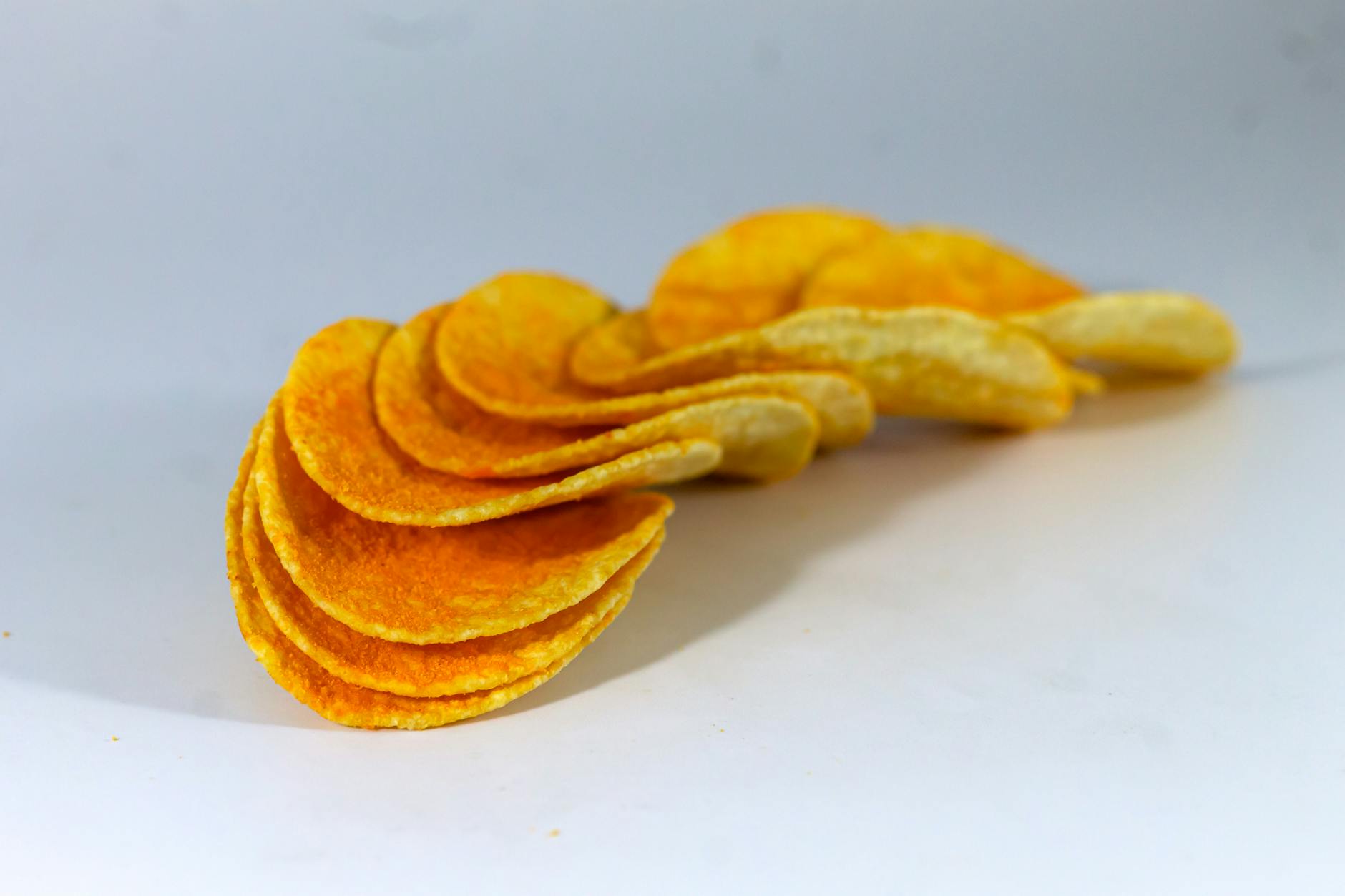
Processed chips are dry and coated in salt which creates an immediate demand for hydration. The lack of water in the food itself means the stomach must pull fluid from the body to digest it. This creates a cycle of thirst that often leads to drinking sugary beverages. Flavored chips often contain MSG and other additives that further increase thirst. Snacking on fresh fruit provides the crunch without the dehydrating consequences.
Fast Food Burgers
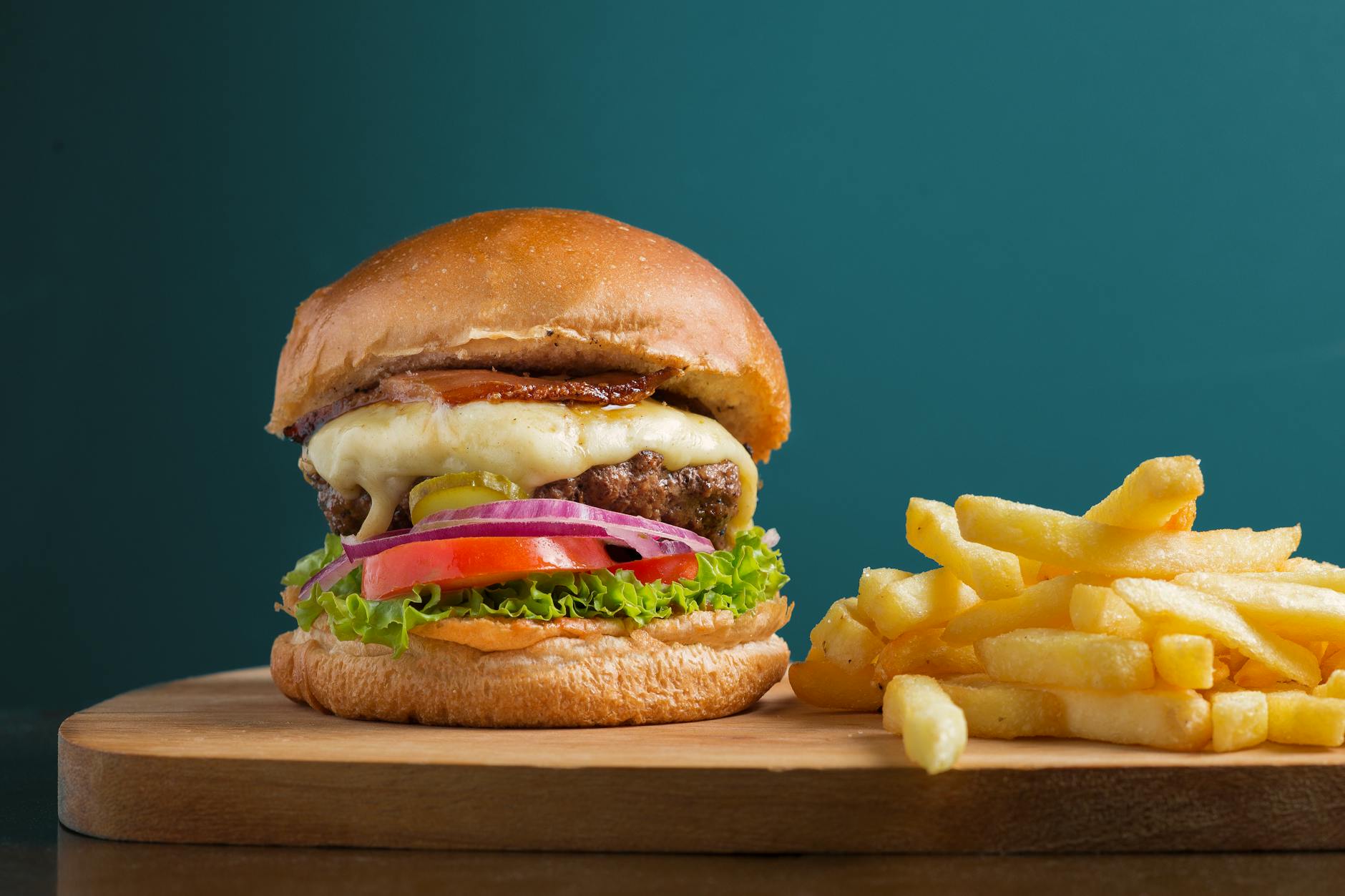
Commercial burgers are seasoned with excessive salt and topped with sodium-rich cheese and condiments. The bun adds even more sodium while the heavy fats slow digestion and fluid absorption. This combination leaves the body working overtime to process the meal and restore balance. The accompanying fries and soda only exacerbate the dehydration problem. Homemade burgers with fresh ingredients are a much more hydrating option.
Instant Noodles
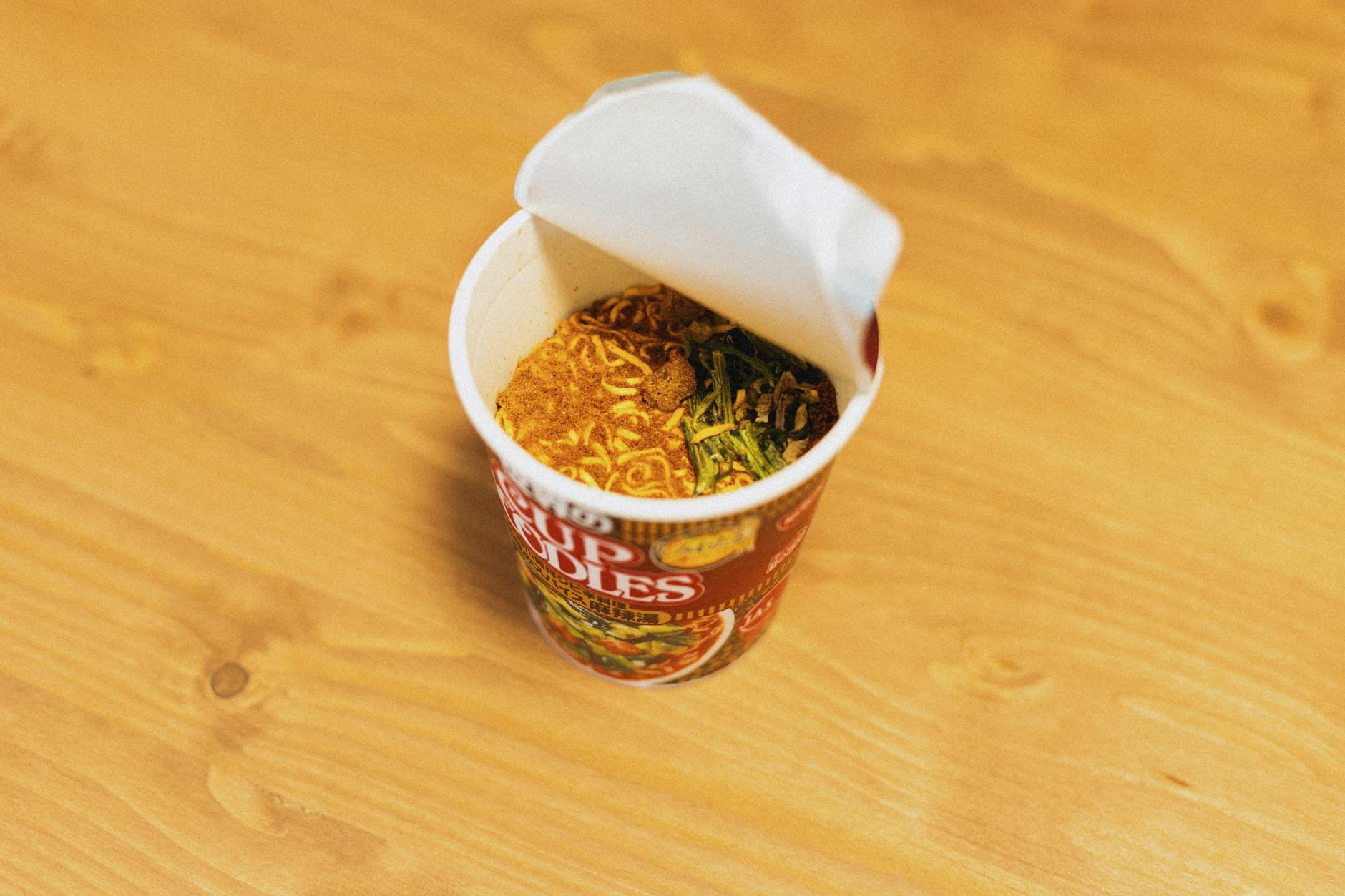
Ramen packets are infamous for their extremely high sodium content in the flavoring packets. The noodles themselves are often fried and dried which removes all moisture before cooking. Consuming the broth ensures you ingest every milligram of salt provided in the seasoning. This meal triggers an intense thirst response as the body tries to dilute the sodium. Using only half the seasoning packet significantly reduces the dehydrating impact.
Pretzels
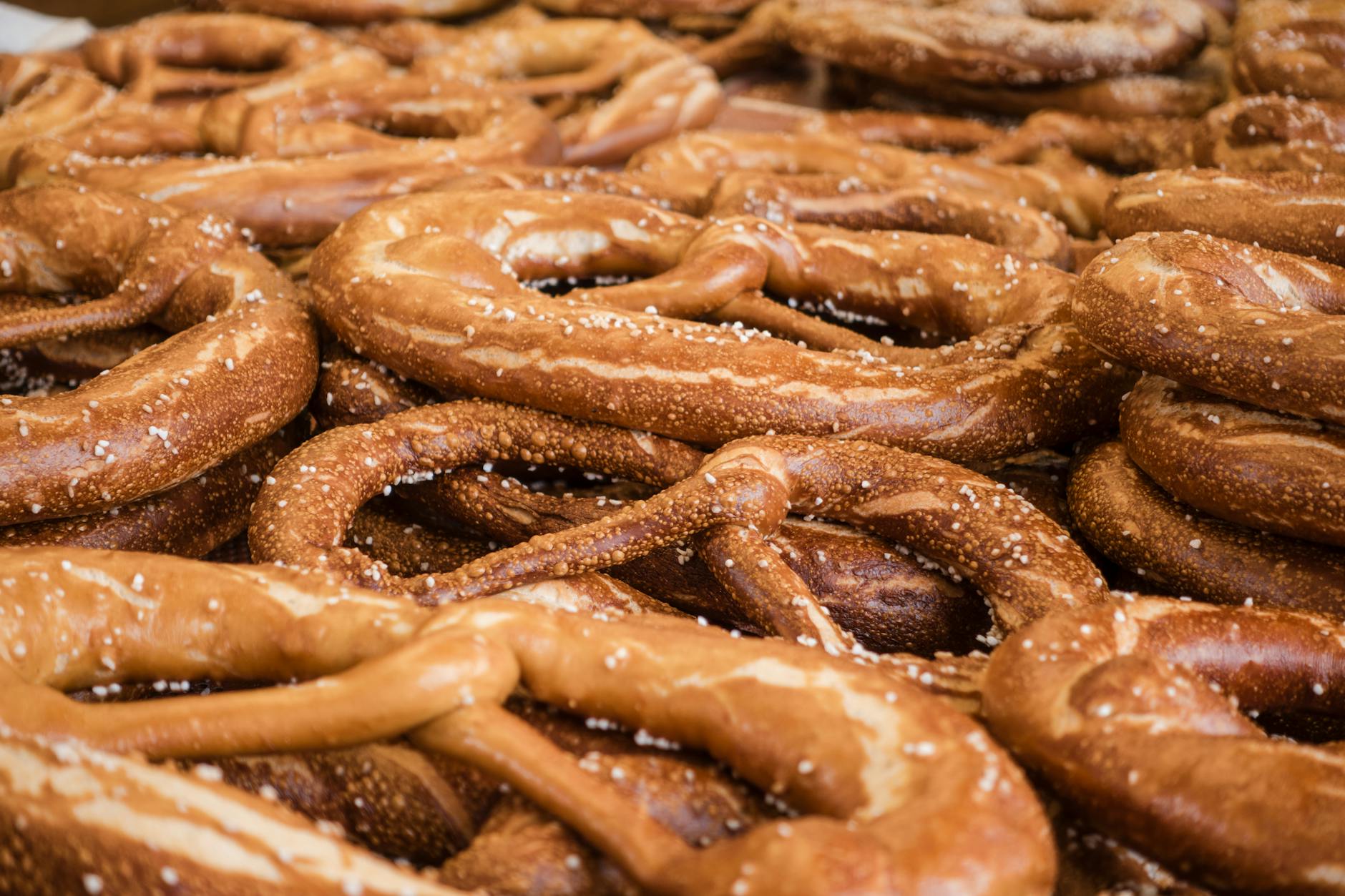
The visible salt crystals on pretzels are a clear indicator of their potential to dehydrate. The dense dough is low in water and requires significant saliva and gastric juices for digestion. Eating a bag of pretzels without water leads to a dry mouth and systemic dehydration. They are one of the thirstiest snacks available due to this salt-to-volume ratio. Hummus or a dip can add a small amount of moisture to the snack.
Canned Soup
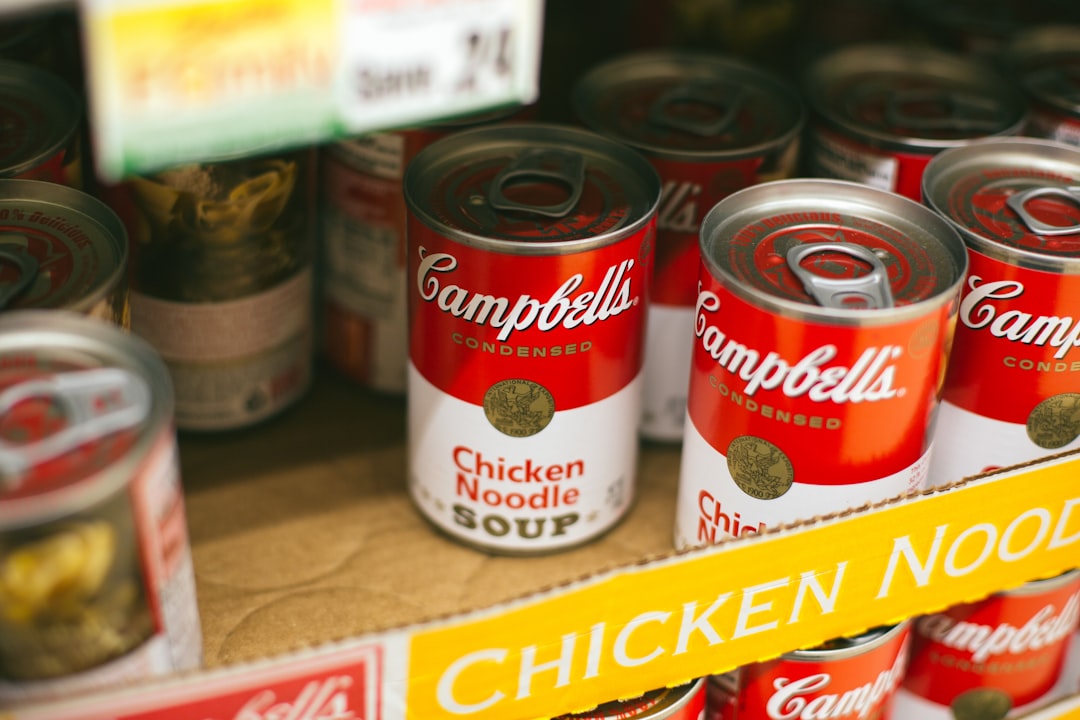
Canned soups are convenient but are notoriously high in sodium to ensure a long shelf life. Even vegetable soups can create a net loss of fluids due to the salt concentration. The broth may look hydrating but it often contains more salt than seawater. Cream-based canned soups add fat which further complicates digestion and fluid balance. Low-sodium versions are available and are much kinder to your hydration levels.
Mustard
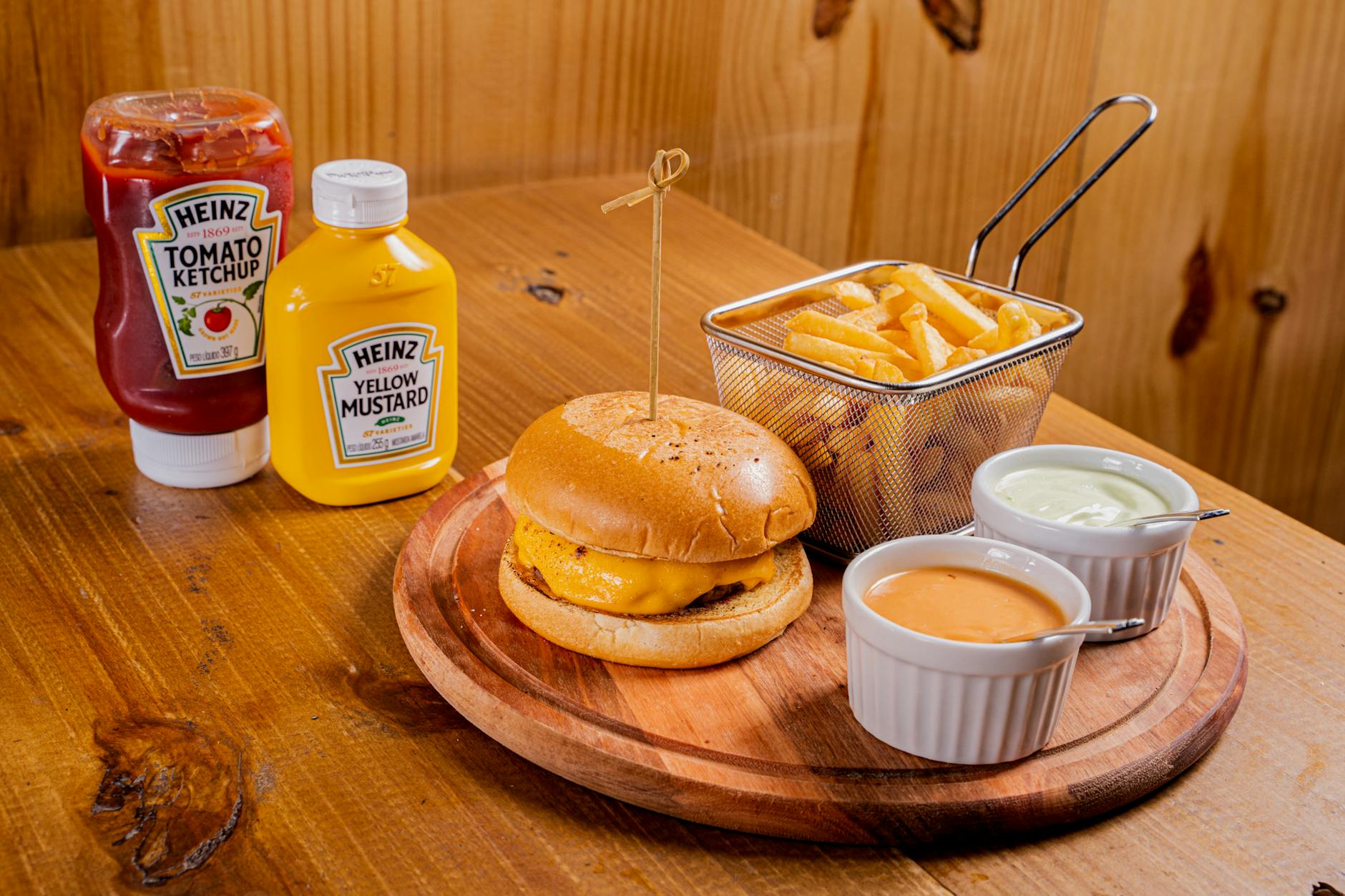
This condiment packs a surprising amount of sodium into a very small serving size. Slathering mustard on sandwiches or using it in dressings adds up quickly. The vinegar base also contributes to the acid load that the kidneys must filter. Spicy varieties can induce sweating which promotes further fluid loss. Using fresh mustard powder or reduced-sodium varieties helps maintain better fluid levels.
Pizza

The combination of cured pepperoni and salty cheese creates a dehydration double threat. The dough crust is also a significant source of hidden sodium in the meal. Pizza sauce is often concentrated and seasoned heavily to compete with the other toppings. A few slices can leave you waking up thirsty in the middle of the night. Pairing pizza with a large salad can help offset the heavy salt load.
Bagels
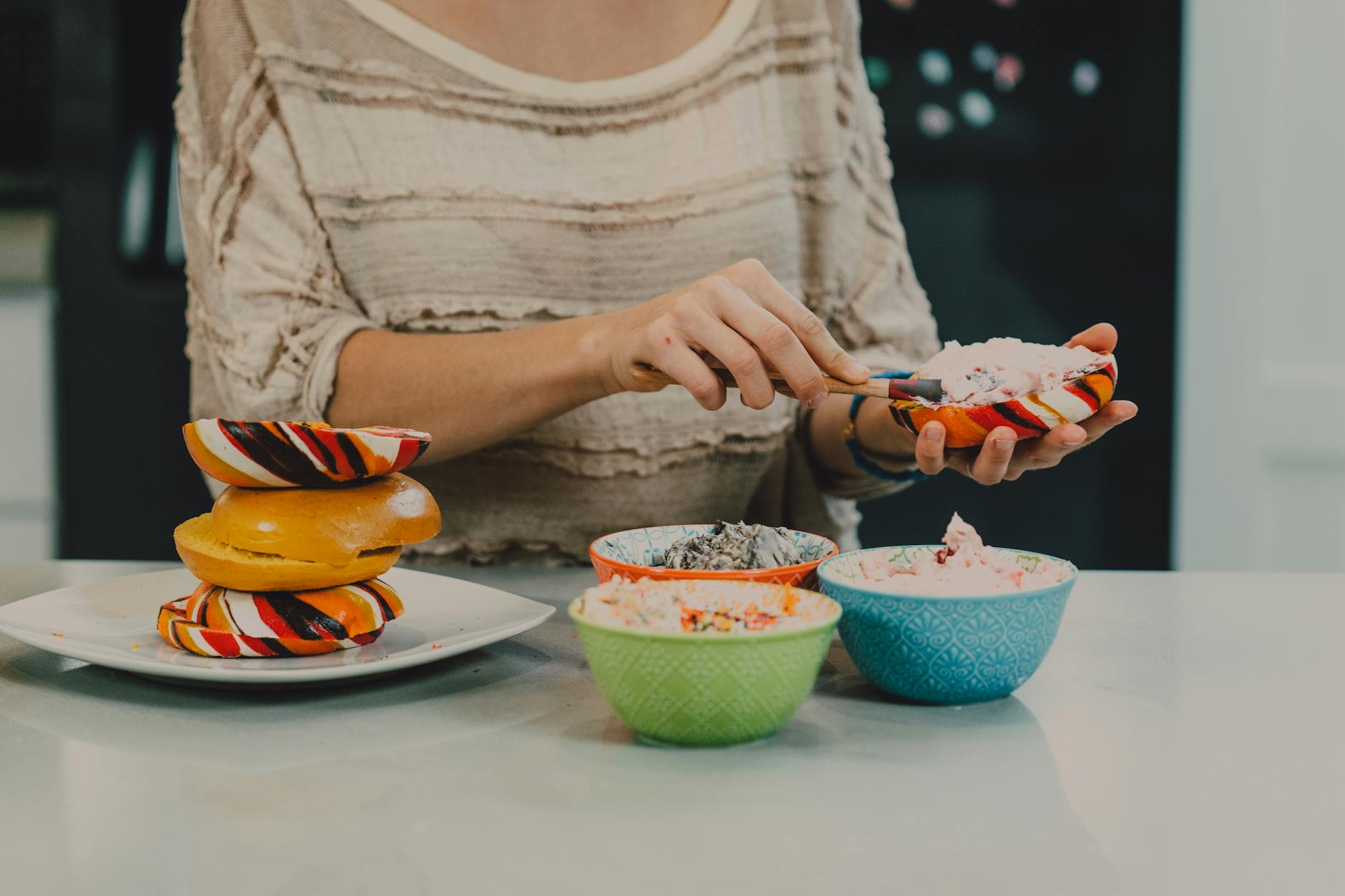
Dense bread products like bagels are deceptively high in sodium and low in water content. A plain bagel can contain as much salt as several bags of potato chips. The digestion of dense carbohydrates pulls water from the rest of the body into the gut. Toppings like cream cheese or lox add even more sodium to the meal. drinking a glass of water before eating a bagel aids in digestion.
Cheese
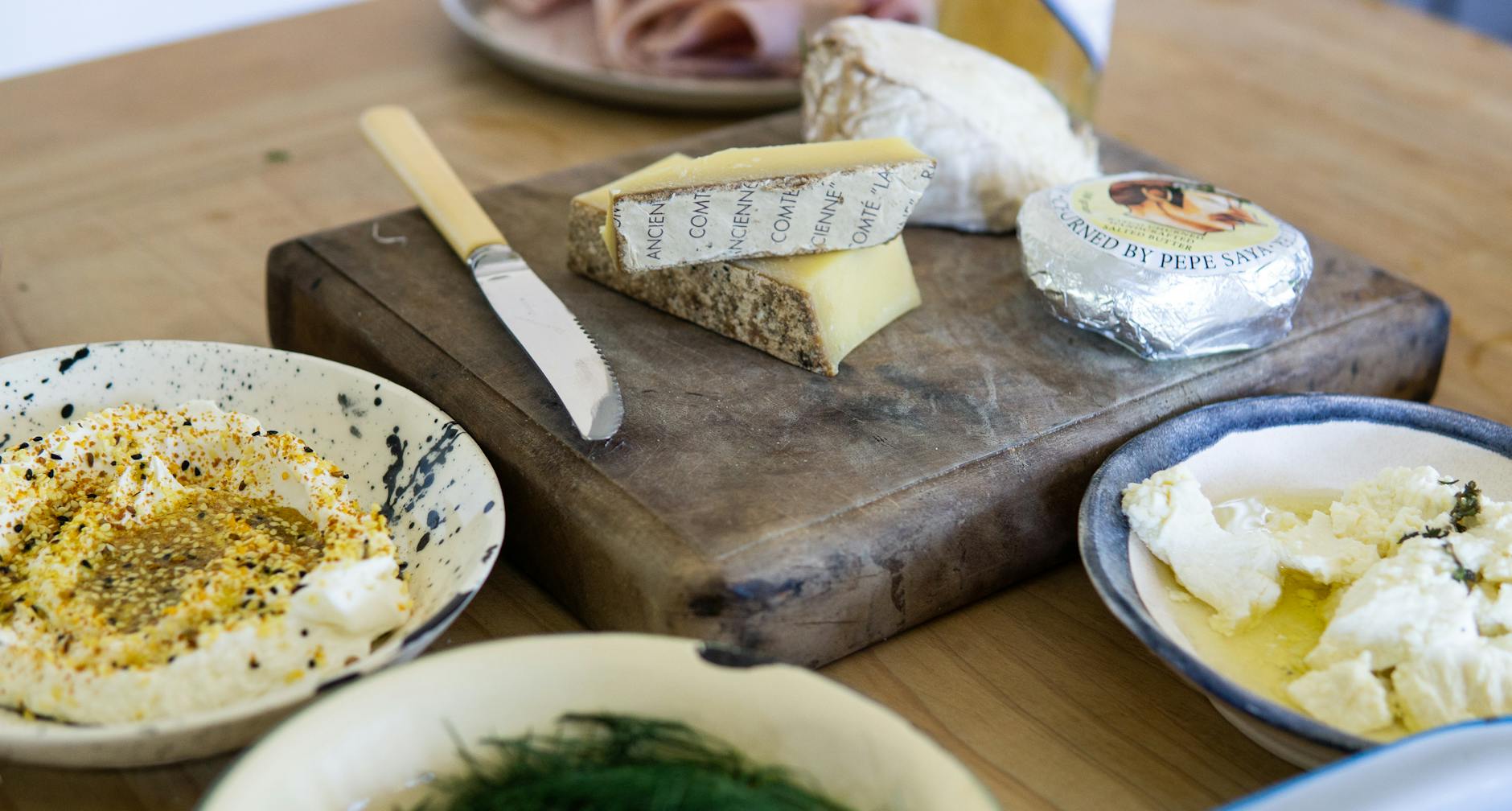
Aged cheeses like parmesan and cheddar have very low moisture content and high salt levels. The aging process removes water and concentrates the flavors and sodium. Eating these cheeses requires the body to use its own fluids to process the minerals. Softer cheeses generally contain more water and are less dehydrating than hard varieties. Moderation is key when enjoying cheese boards to prevent excessive thirst.
Ketchup
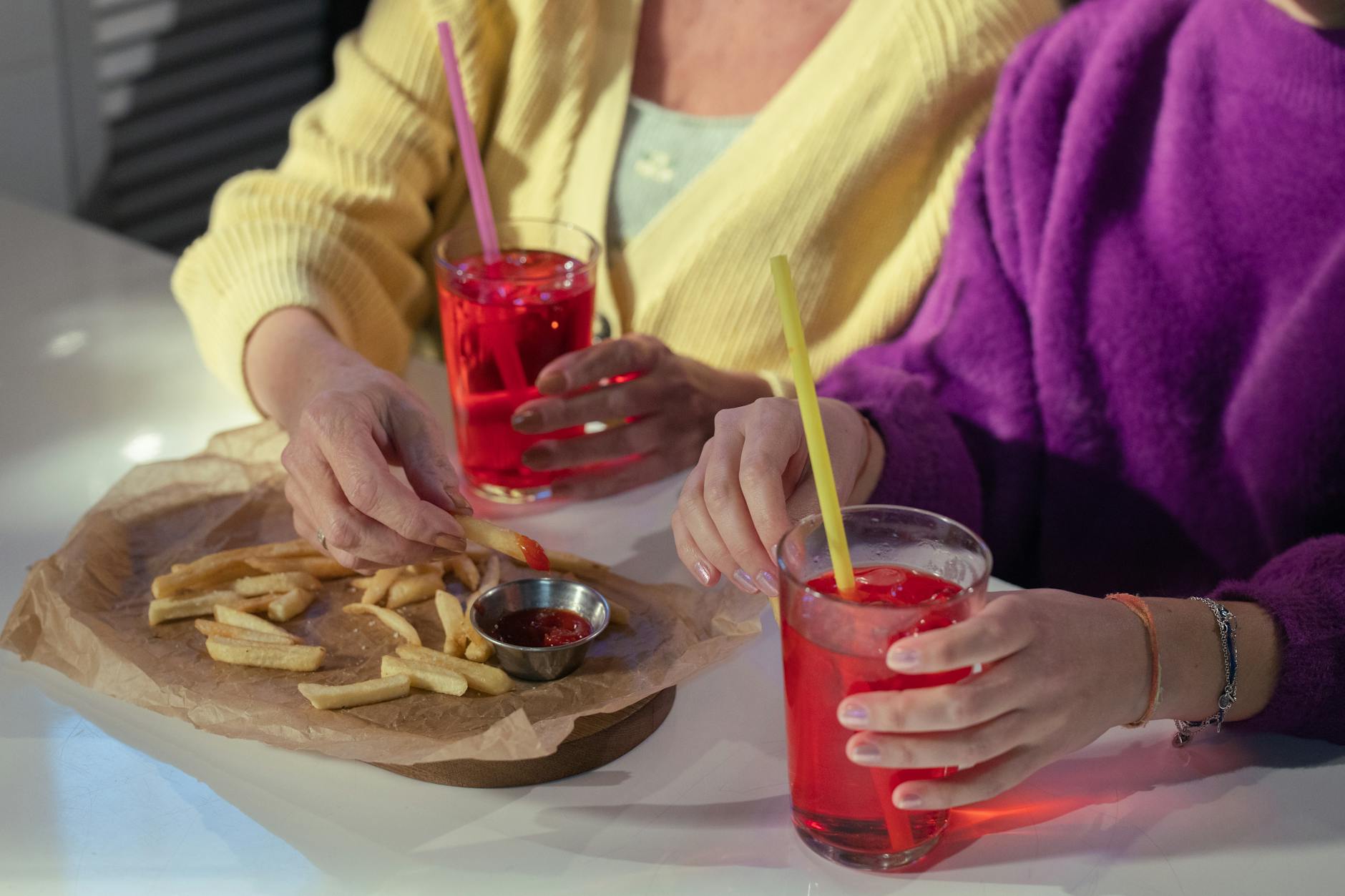
Tomato ketchup is a concentrated source of both sugar and salt. The high sugar content creates an osmotic effect that draws water into the digestive tract. Frequent use of ketchup on already salty foods compounds the dehydration risk. It is one of the most sugary condiments available on the market today. Homemade tomato salsa is a fresher and more hydrating alternative.
Dried Fruit
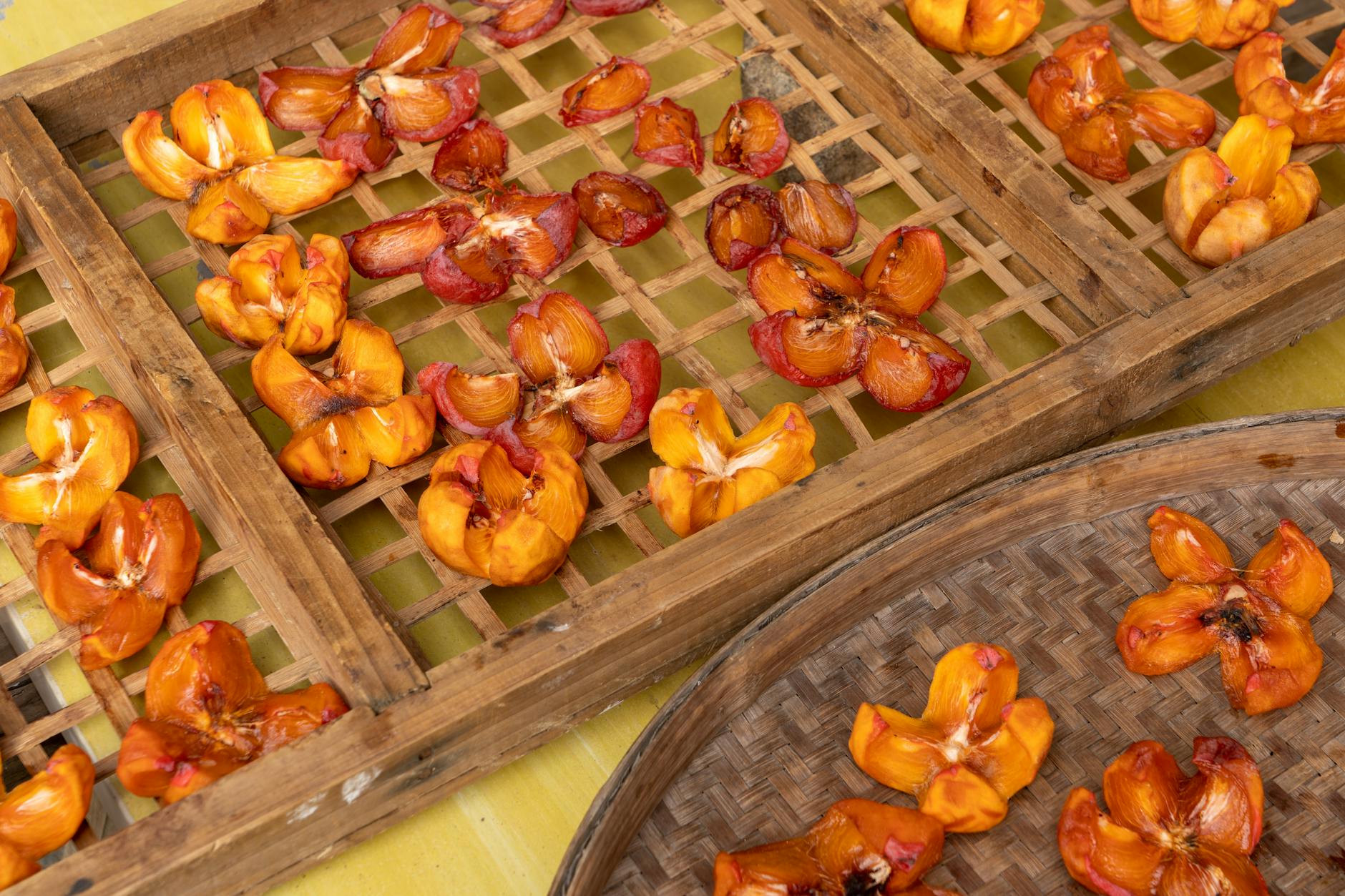
Removing water from fruit concentrates the natural sugars and fibers significantly. The dense sugar content requires extra water from the body for proper digestion. While fiber is healthy it absorbs water in the gut and can lead to dehydration if fluid intake is low. Dried apricots and raisins are particularly dense and demand accompanying fluids. Fresh fruit is always superior for maintaining hydration.
Celery
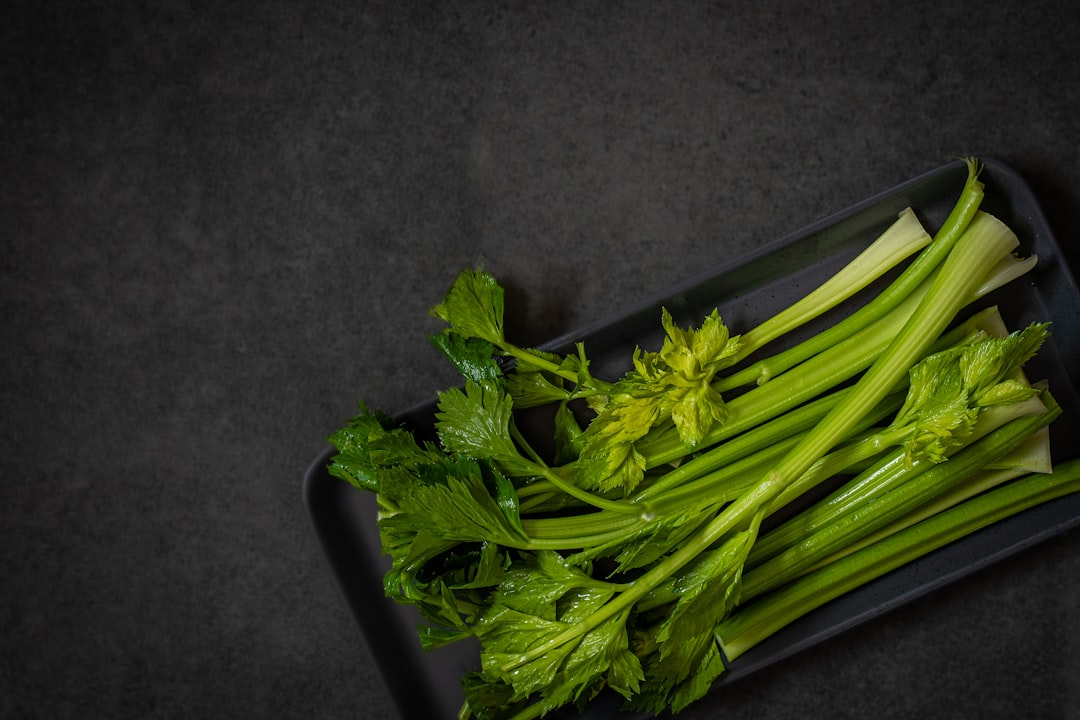
Celery is often cited as a hydrating food but it has natural diuretic properties. The seeds and the vegetable itself contain compounds that stimulate urine production. It creates a net loss of fluid for some people despite its high water content. The effect is mild but cumulative if consumed in large quantities or juiced. Balancing celery with other vegetables prevents any unwanted fluid loss.
Lemon Juice
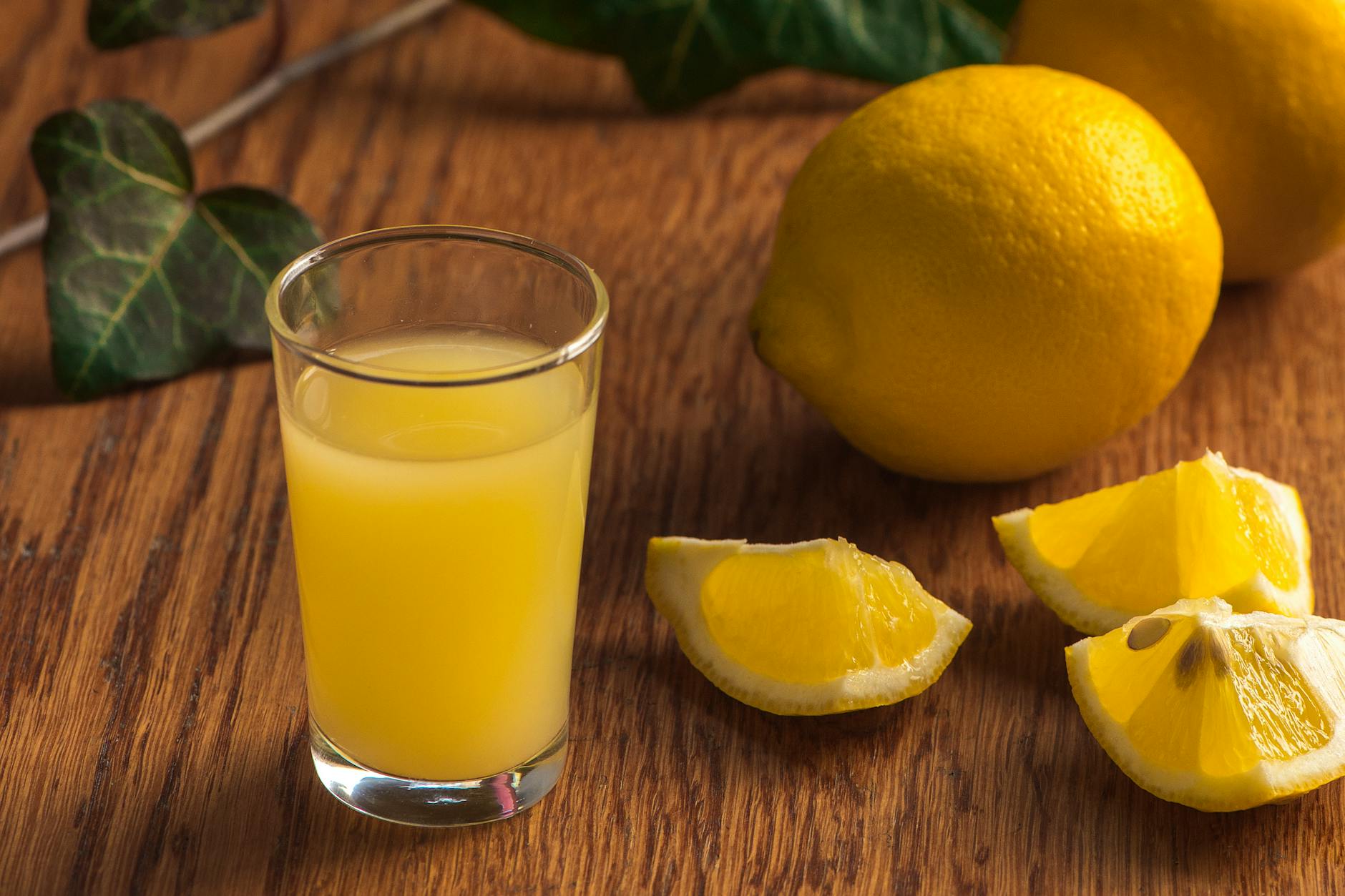
Lemon is a natural diuretic that is often added to water to reduce bloating. It irritates the bladder slightly and encourages more frequent urination. While lemon water is generally hydrating the lemon itself promotes fluid excretion. Consuming large amounts of undiluted lemon juice can accelerate this process. It is best used as a light flavoring rather than a primary beverage component.
Onion
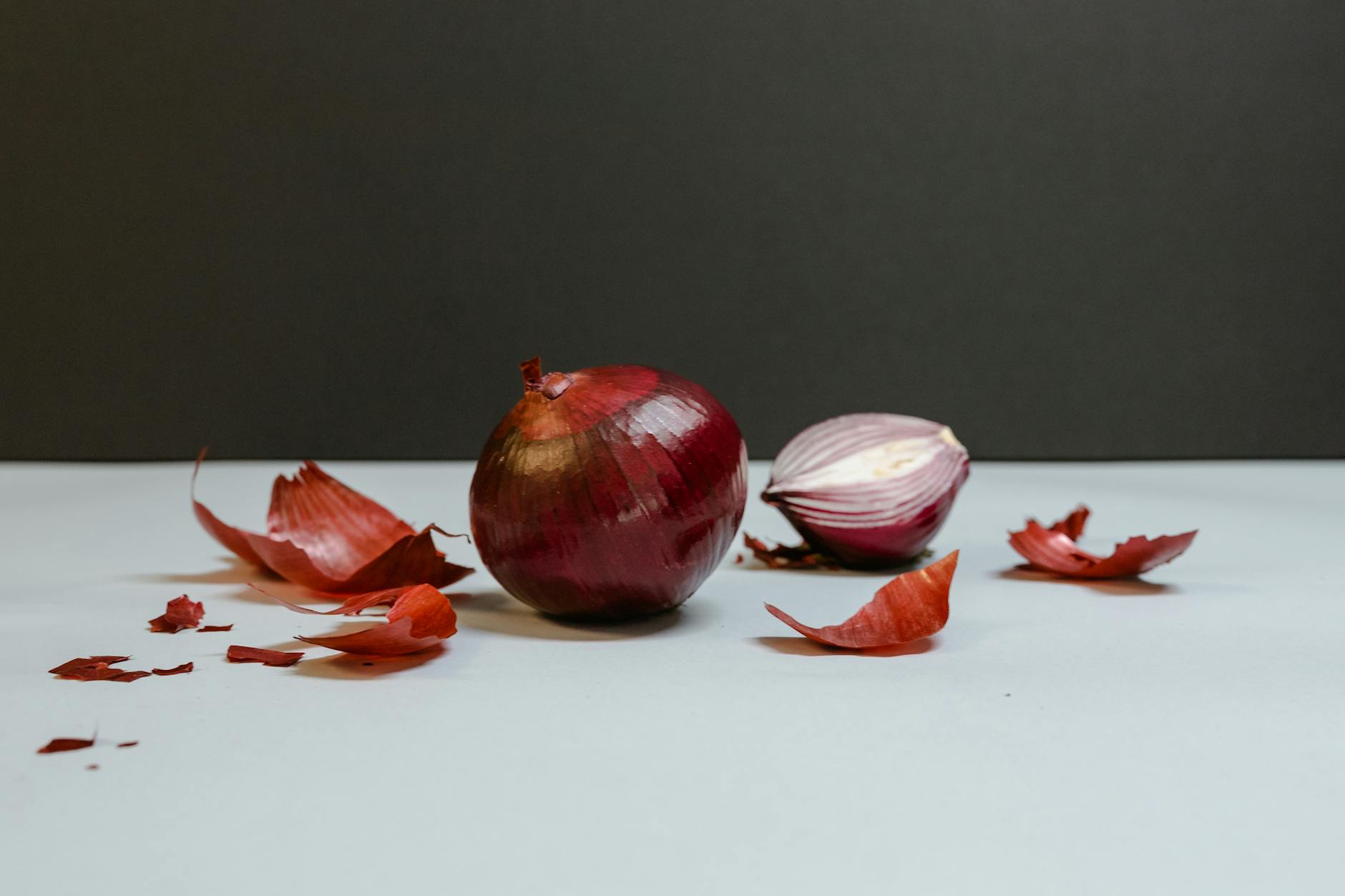
Onions contain sulfur compounds and amino acids that can act as mild diuretics. Raw onions are more potent in this regard than cooked ones. They stimulate the kidneys to release fluids which helps reduce water weight temporarily. Excessive consumption can lead to thirst and a need for water replenishment. Cooking onions reduces their potency and makes them easier on the digestive system.
Nut Butters
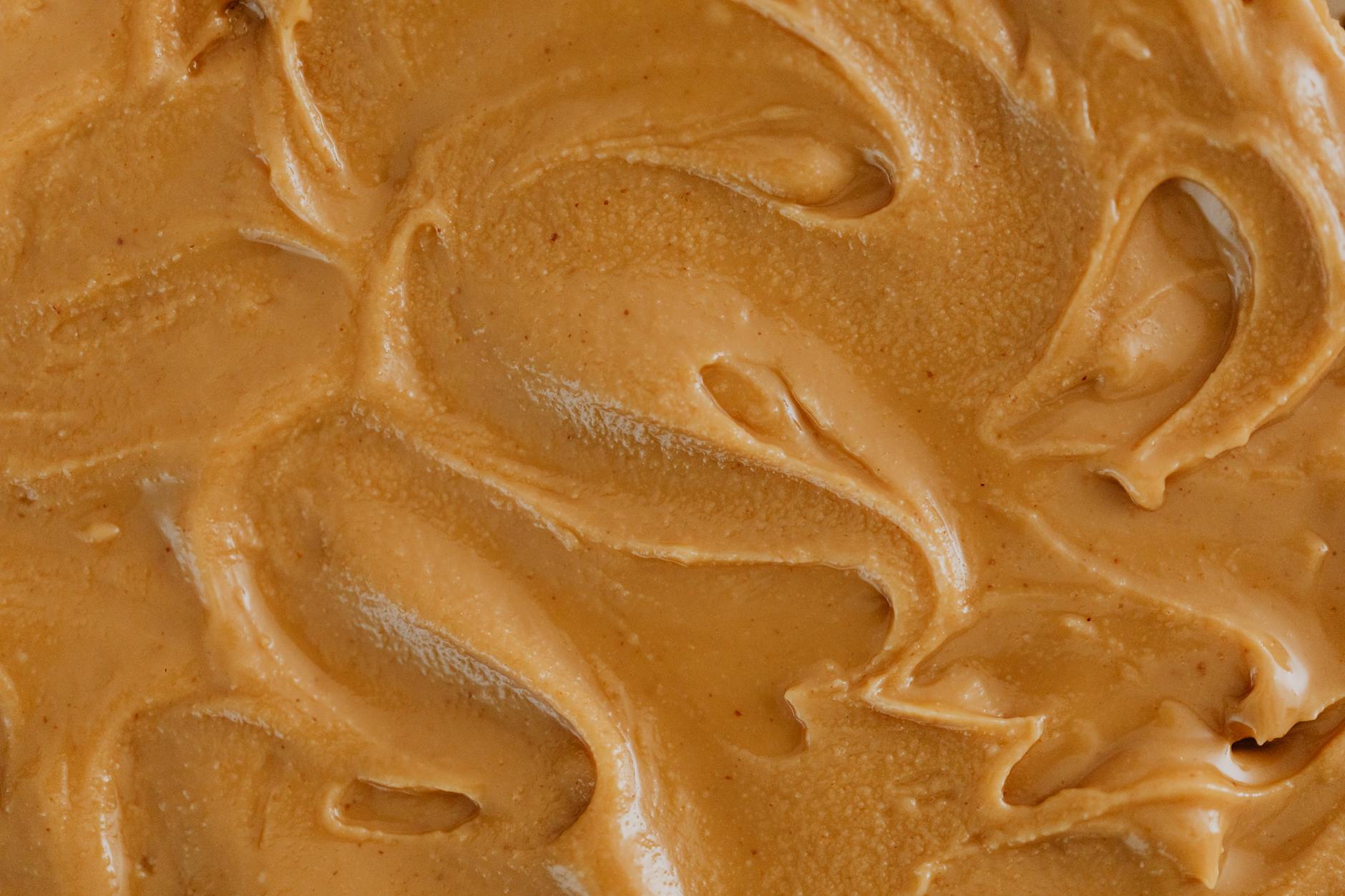
Peanut and almond butters are dense in protein and healthy fats but very low in water. Many commercial brands add salt and sugar which increases the hydration demand. The sticky texture requires significant saliva and fluid production for swallowing and digestion. Eating nut butter alone without a beverage can leave you feeling parched. Natural unsalted versions are the best choice for staying hydrated.
Granola
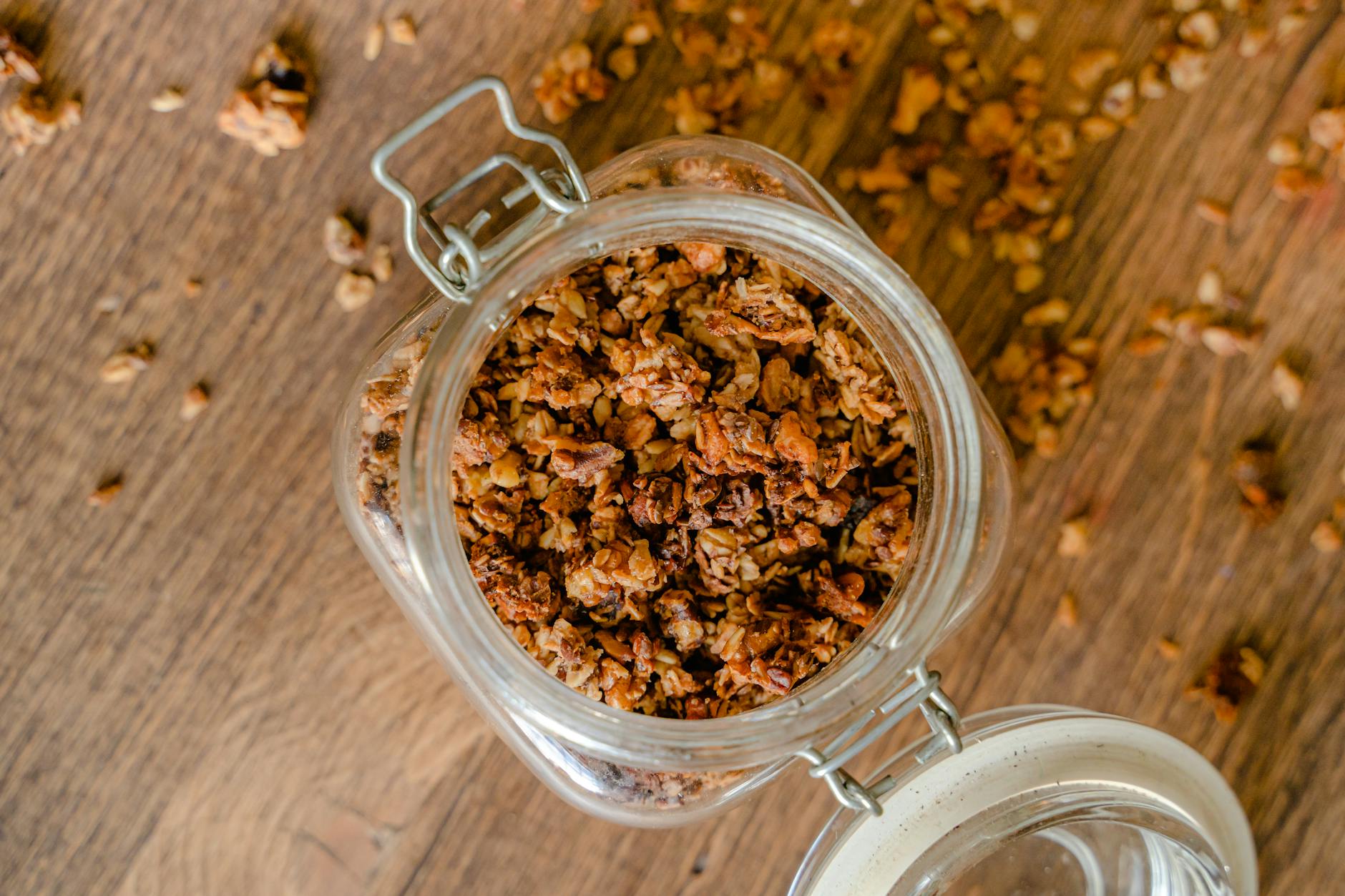
Commercial granola is often baked with oils and sweeteners until it is completely dry. The combination of dried oats and nuts requires moisture from the body to break down. High sugar content in many brands further dehydrates the system. It is often calorie-dense and saltier than most people realize. Soaking granola in milk or yogurt provides the necessary liquid for digestion.
Smoothies
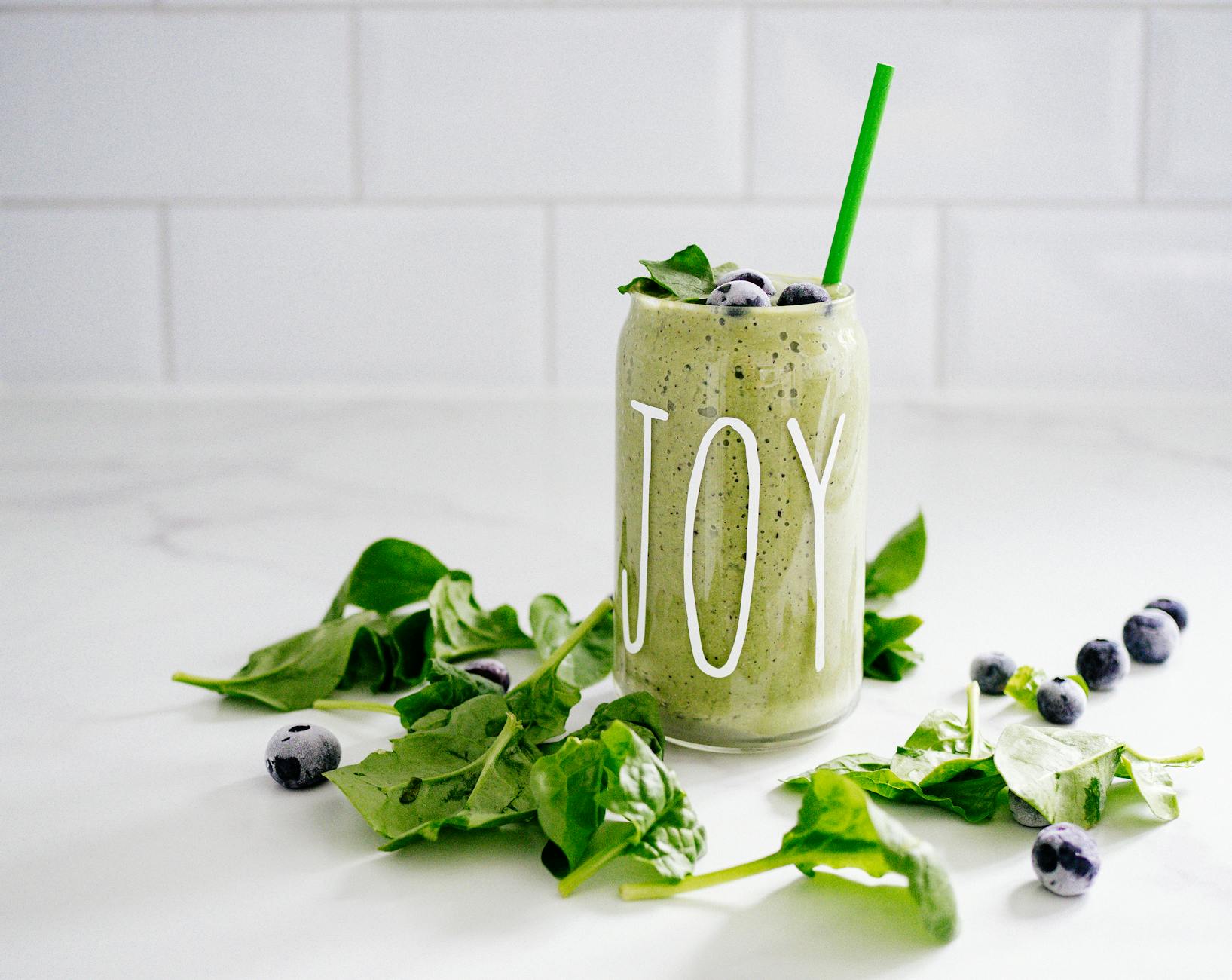
Store-bought smoothies often contain massive amounts of sugar from fruit concentrates and syrups. This sugar load spikes blood glucose and triggers the kidneys to flush water. The lack of fiber in some processed smoothies speeds up sugar absorption. Protein powders added to smoothies also increase the need for water processing. Making smoothies at home with whole fruits and water is far safer.
Burritos
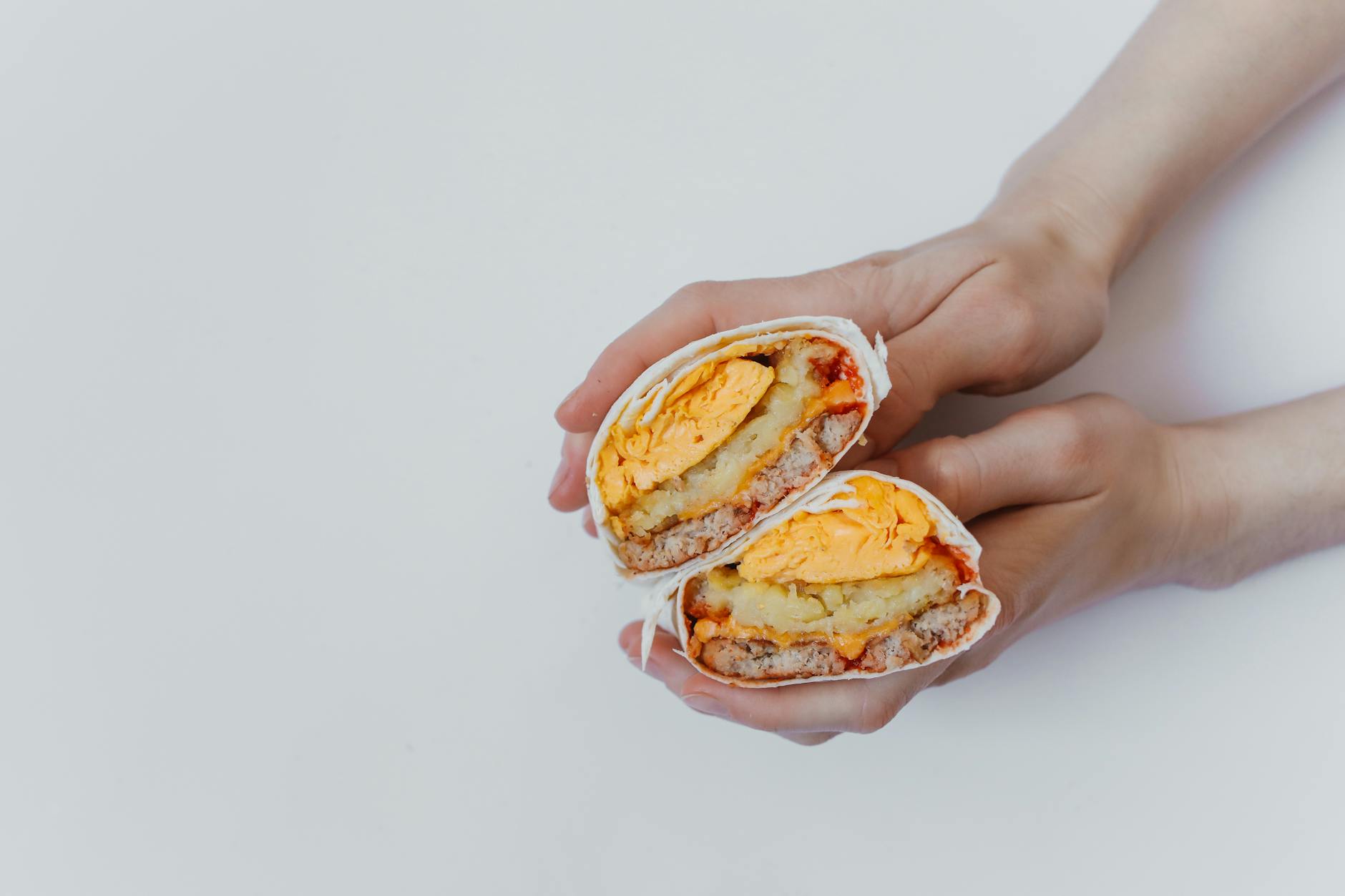
The tortilla and filling of a typical burrito are packed with sodium and carbohydrates. Beans and rice are absorbent foods that soak up fluids in the stomach. Additions like salsa and cheese push the sodium content to extremely high levels. This meal is heavy and requires significant bodily resources to digest. Drinking water is essential to help move this dense food through the digestive tract.
Let us know which of these foods surprised you the most by sharing your thoughts in the comments.




