Air travel requires a high level of cooperation and shared etiquette to ensure a pleasant journey for everyone on board. The confined space of an aircraft cabin amplifies small behaviors that might go unnoticed in other public settings. Tensions often rise when individual comfort is prioritized over the collective well-being of fellow travelers. Understanding these common grievances can help passengers navigate the skies with greater awareness and courtesy.
The Seat Kicker
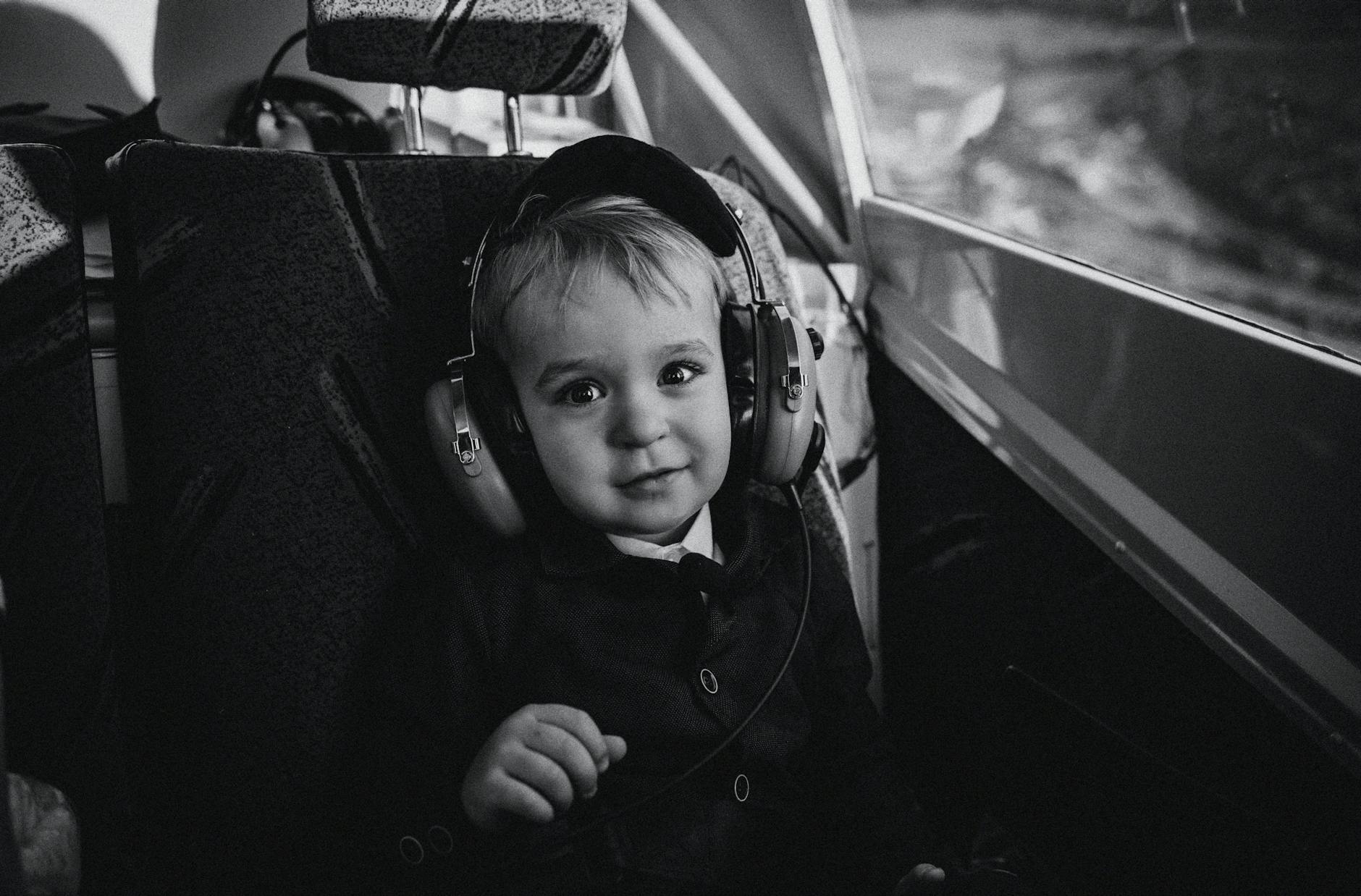
Physical disturbances from the seat behind are among the most frequent complaints reported by flyers. A constant tapping or rhythmic thumping against the seat back prevents the person in front from resting or working. This issue often involves unrestrained children or adults who aggressively reposition themselves without regard for the mechanism connecting the rows. The continuous motion creates a jarring experience that disrupts any attempt at relaxation during the flight.
Bare Feet

Removing shoes and socks in a pressurized cabin is widely considered a breach of sanitary and social norms. The circulation of air within the plane can quickly spread unpleasant odors to surrounding rows. Passengers often rest their bare feet on armrests or bulkheads and invade the personal space of others. This behavior forces neighbors to endure unsightly visuals and potential hygiene concerns in an already tight environment.
The Gate Crowder
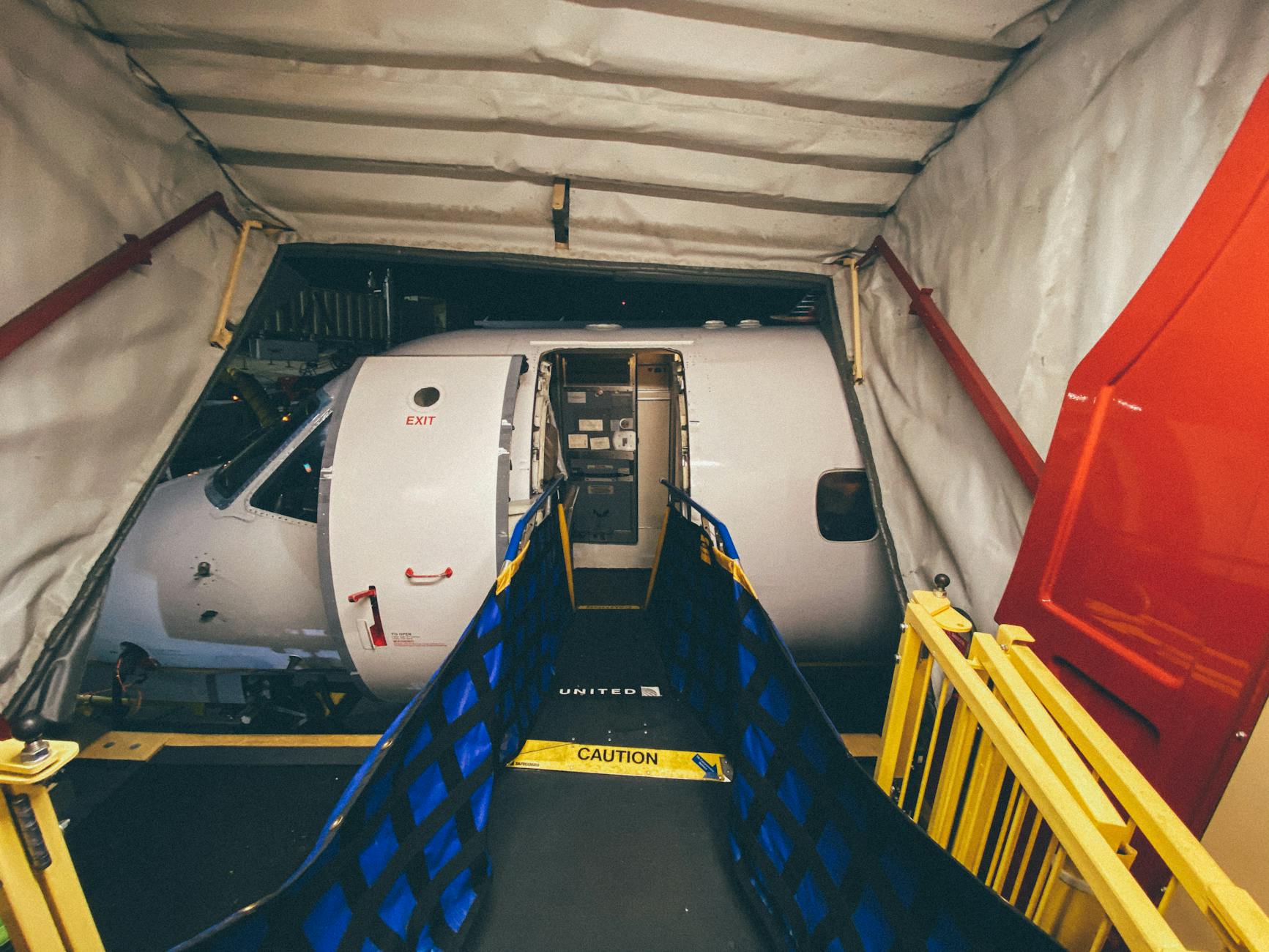
Many travelers feel the need to congregate around the boarding door long before their specific zone is called. This congestion blocks the pathway for those who are actually eligible to board and slows down the entire process. Gate agents must frequently pause to clear the area or shout instructions over the noise of the gathered crowd. The chaotic accumulation of people creates unnecessary stress and confusion before the flight even begins.
Audio Broadcasters
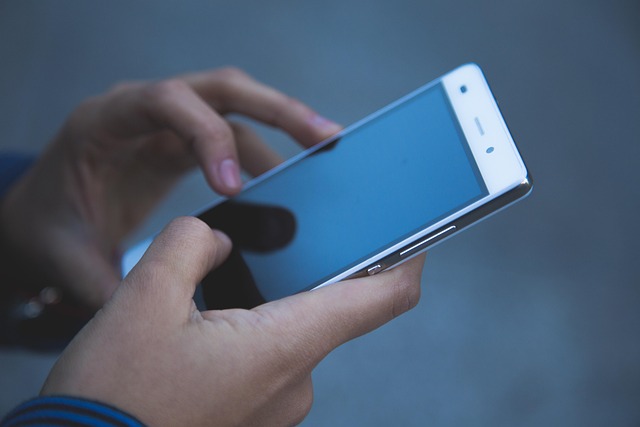
Listening to music or watching movies without headphones is a major disruption to the cabin’s ambient noise levels. The tinny sound from phone or tablet speakers carries surprisingly far and pierces through the hum of the engines. Fellow passengers are forced to listen to dialogue or sound effects they did not choose to hear. This lack of consideration for the shared auditory space makes it difficult for others to sleep or concentrate.
The Armrest Monopolizer
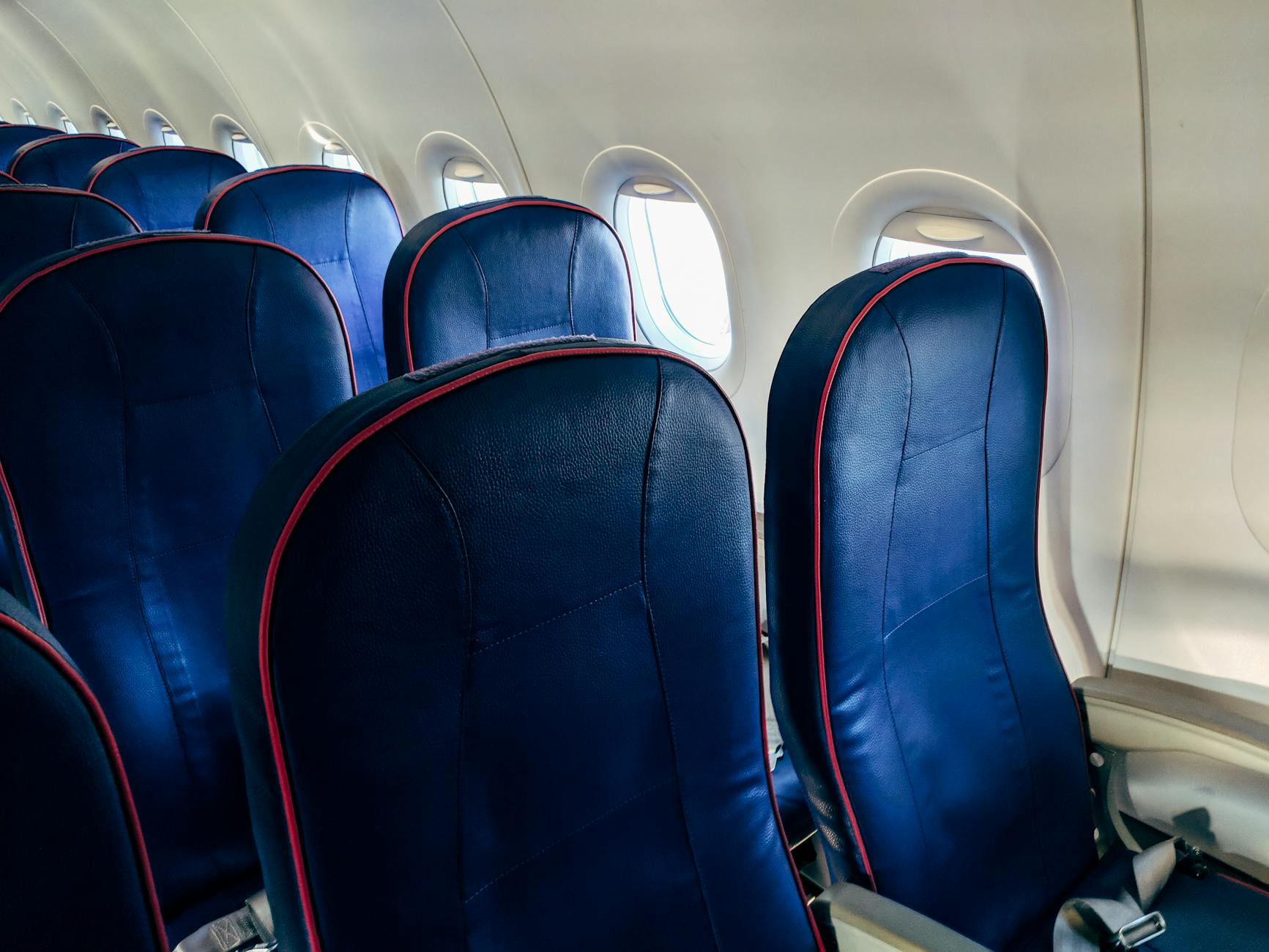
The battle for the middle armrest is a silent struggle that occurs on nearly every flight with full capacity. One passenger may aggressively claim both armrests and leave the person in the middle seat with nowhere to place their elbows. Standard etiquette suggests the middle seat passenger deserves at least one armrest due to their limited freedom of movement. Dominating this shared space creates physical discomfort and palpable tension between seatmates.
Sudden Reclining
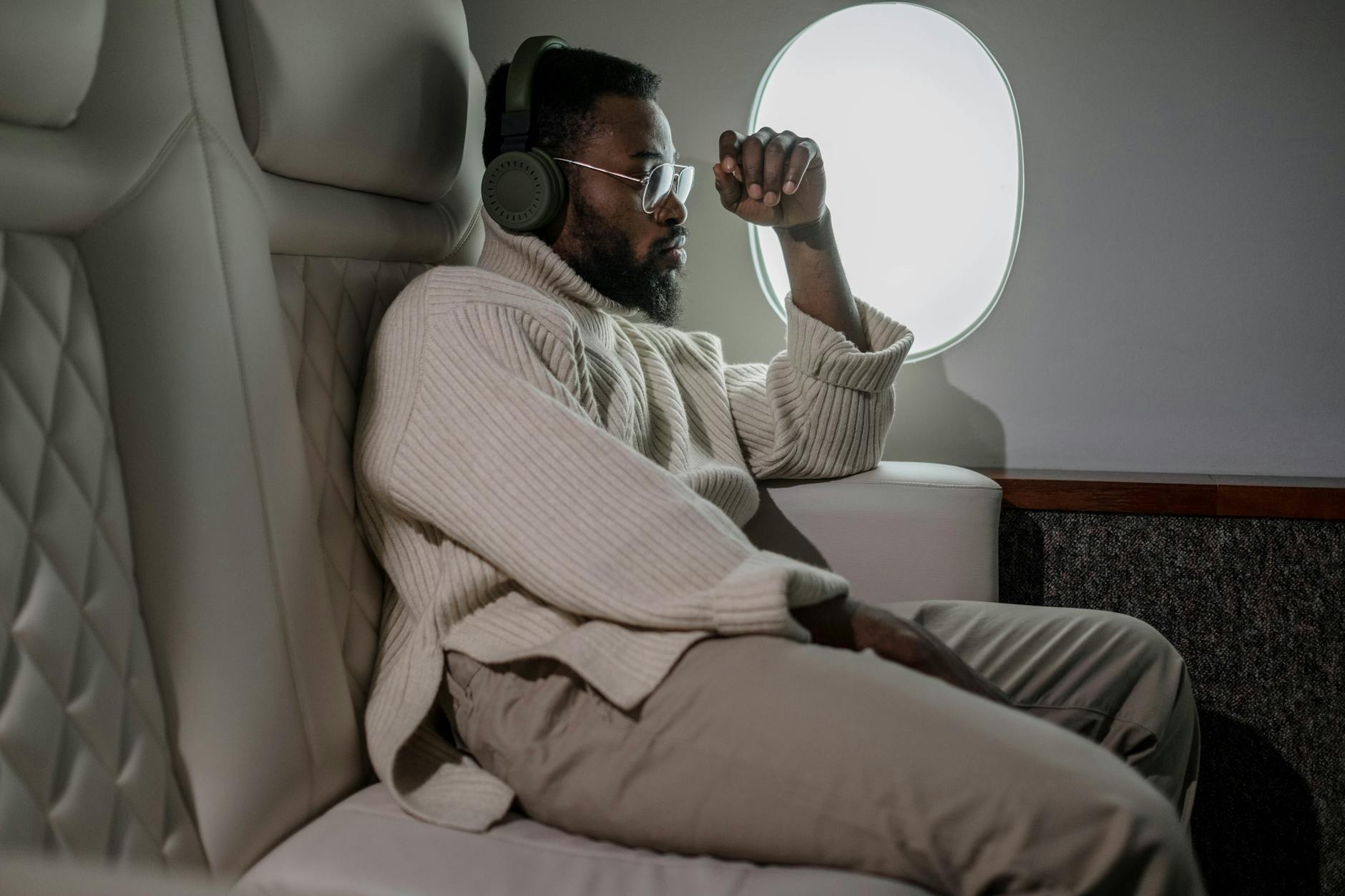
Jerking a seat back without checking the space behind can result in spilled drinks or damaged electronics. The sudden reduction of space often catches the rear passenger off guard and limits their ability to use the tray table. While reclining is a standard feature of most economy seats it functions best when done slowly and politely. A lack of warning transforms a simple comfort adjustment into a potential source of conflict.
Aisle Blockers
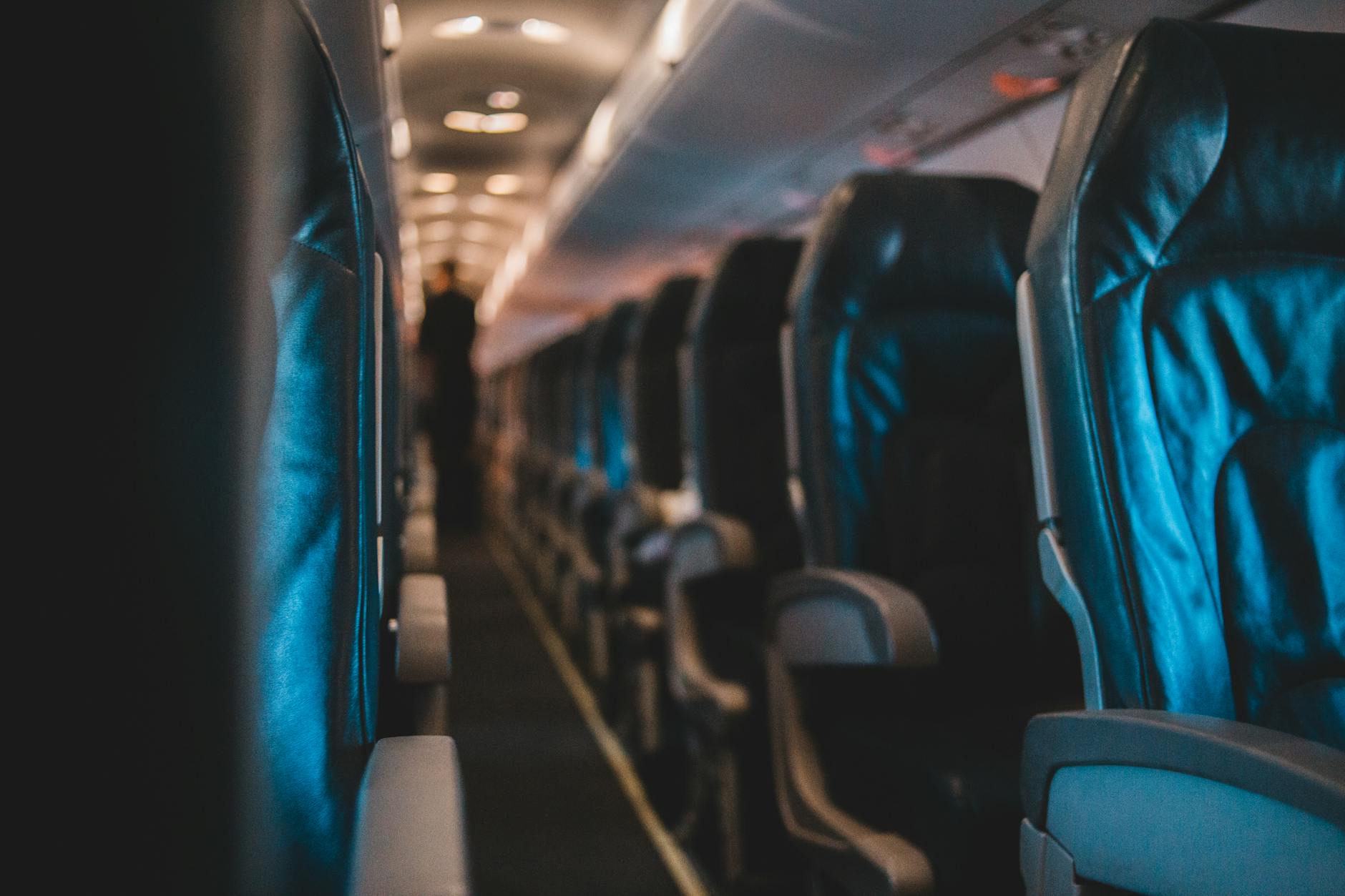
Boarding and deplaning require efficiency to ensure the aircraft remains on schedule. Passengers who stop in the aisle to rummage through their bags create a bottleneck that halts the flow of traffic. This delay ripples backward and forces everyone else to wait in the jet bridge or outside the aircraft. Preparing necessary items before entering the aisle allows for a smoother transition for the entire group.
Strong Scents
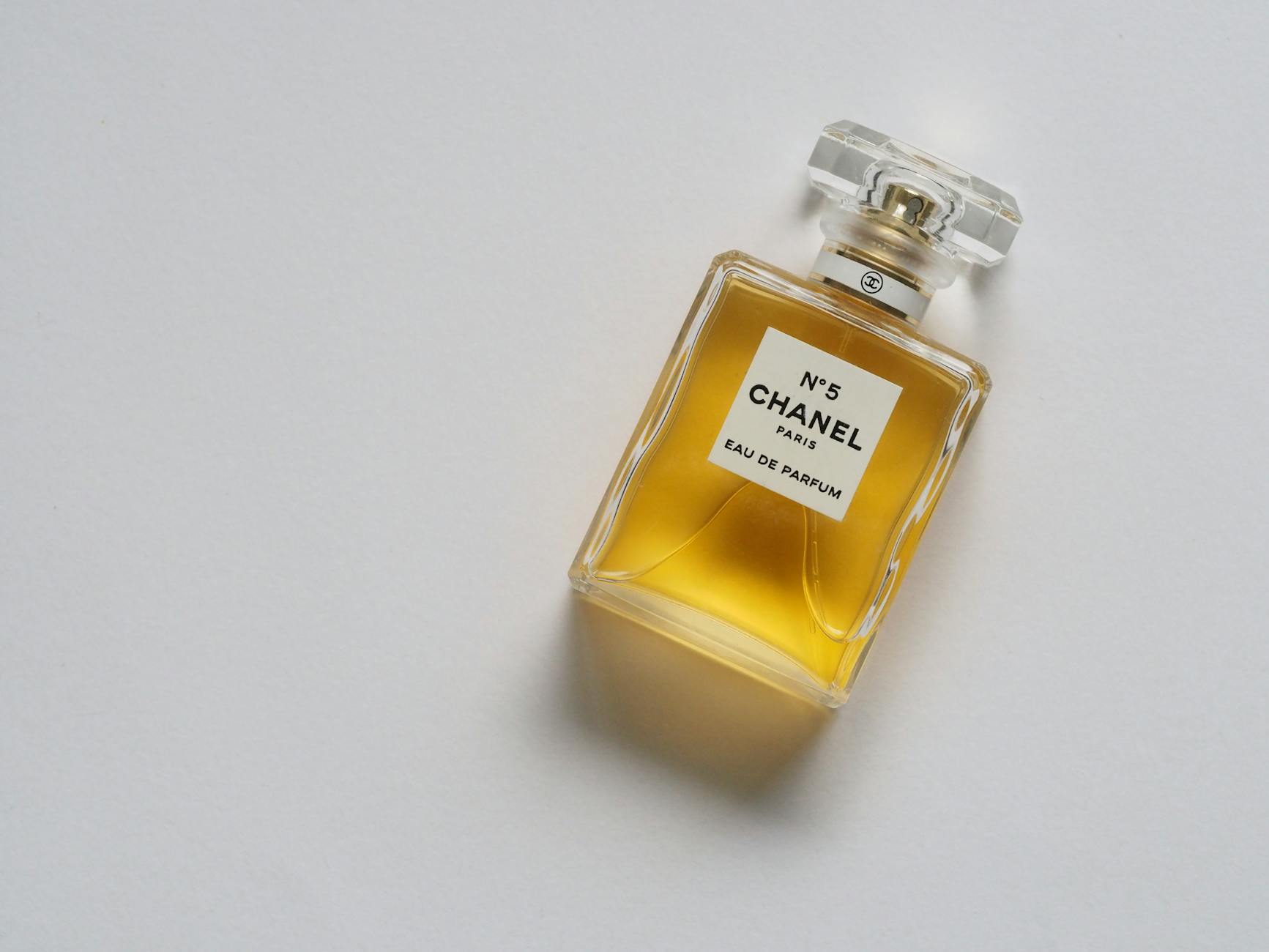
The recycled air system on an airplane intensifies perfumes and colognes to overwhelming levels. Strong fragrances can trigger allergies or headaches for passengers trapped nearby for hours. Applying heavy scents before or during a flight imposes a sensory experience on others who cannot escape the smell. Neutral hygiene is the preferred standard for close-quarter travel to maintain air quality for everyone.
The Chatty Neighbor
Some travelers view a flight as an opportunity for extended social interaction regardless of their seatmate’s interest. Ignoring clear social cues such as headphones or an open book displays a lack of awareness. The trapped nature of a window or middle seat makes it difficult for the unwilling participant to exit the conversation politely. Respecting silence allows everyone to utilize their travel time as they see fit.
Overhead Bin Hogs
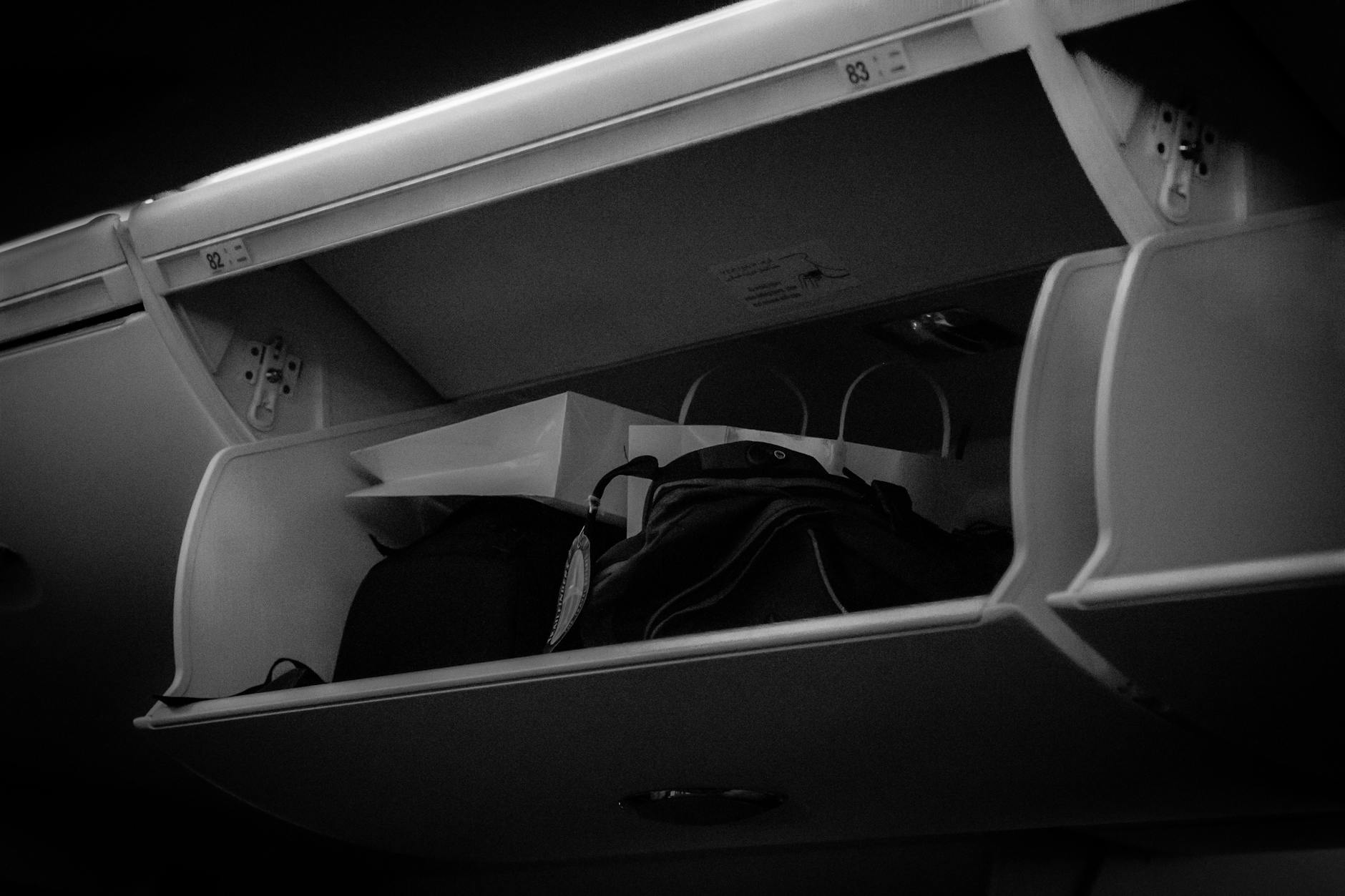
Placing small items or jackets in the overhead compartments wastes valuable space meant for rolling suitcases. This behavior forces other passengers to check their carry-on bags when the bins fill up prematurely. Efficient packing and utilizing the space under the seat for smaller personal items helps maximize storage for the entire cabin. Taking up more than one’s fair share of overhead space is a primary cause of boarding delays.
The Early Stander
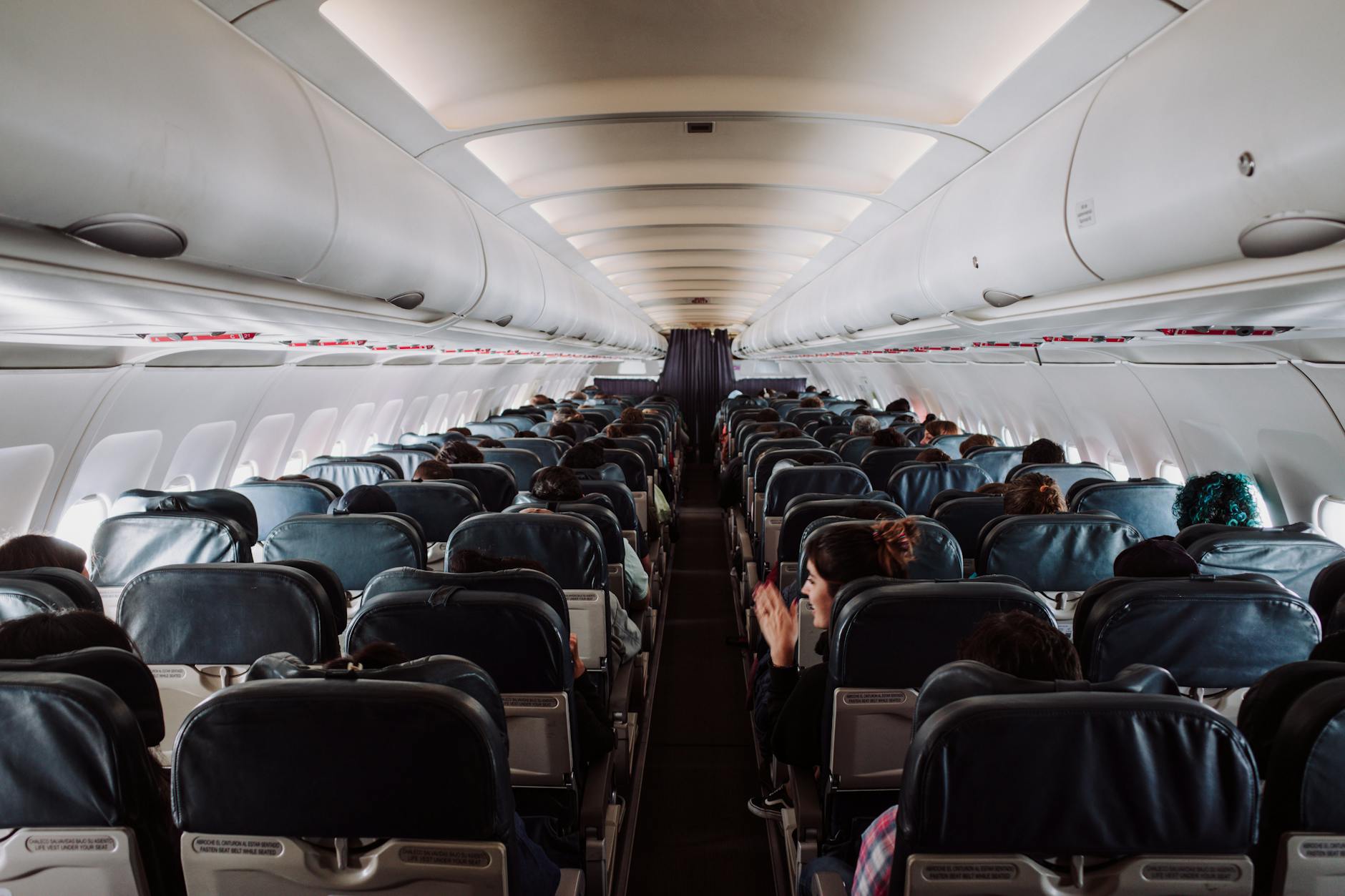
The sound of seatbelts unclicking while the aircraft is still taxiing signals a disregard for safety regulations. Standing up before the plane has come to a complete stop at the gate poses a risk of injury from sudden braking. This impatience rarely results in a faster exit since the doors remain closed until the jet bridge is attached. Flight attendants must frequently intervene to ensure passengers remain seated until the appropriate time.
Messy Eaters

Leaving a tray table covered in crumbs and trash creates an unpleasant environment for the next passenger and the cleaning crew. Dropping food on the floor or wiping hands on the upholstery degrades the cleanliness of the cabin. Flight attendants pass through the aisle with trash bags specifically to collect refuse and maintain order. Failing to clean up after a meal shows a lack of respect for the shared property and staff.
Bathroom Loiterers

Taking excessive time in the lavatory becomes a significant issue when there are limited facilities for a large number of people. Passengers waiting in the aisle may experience discomfort or block the path of flight attendants conducting service. Applying elaborate makeup or reading while occupying the restroom prevents others from using the amenities. A mindful approach to bathroom usage ensures that facilities remain available for those with urgent needs.
The Unsolicited Seat Swapper
Demanding a seat exchange with another passenger puts them in an awkward position to refuse. These requests often involve trading a less desirable middle seat for a premium aisle or window location. Planning ahead and selecting seats during booking is the responsible way to ensure groups sit together. Pressuring strangers to move disrupts the boarding process and creates immediate friction.
Intoxicated Travelers
Consuming excessive amounts of alcohol prior to or during a flight can lead to loud and unpredictable behavior. Intoxicated passengers may become aggressive or fail to follow crew instructions regarding safety procedures. This state often results in refused service or even the diversion of the flight in extreme cases. maintaining sobriety ensures a safer and more peaceful journey for all souls on board.
Please share your own experiences with difficult flight behaviors in the comments.




