Maintaining proper oral hygiene requires more than just a quick daily scrub. Many individuals unknowingly practice habits that compromise their dental health over time. Correcting these widespread errors can significantly improve enamel strength and gum vitality. Understanding the optimal techniques ensures a brighter smile and fewer dental complications.
Using the Wrong Bristle Firmness
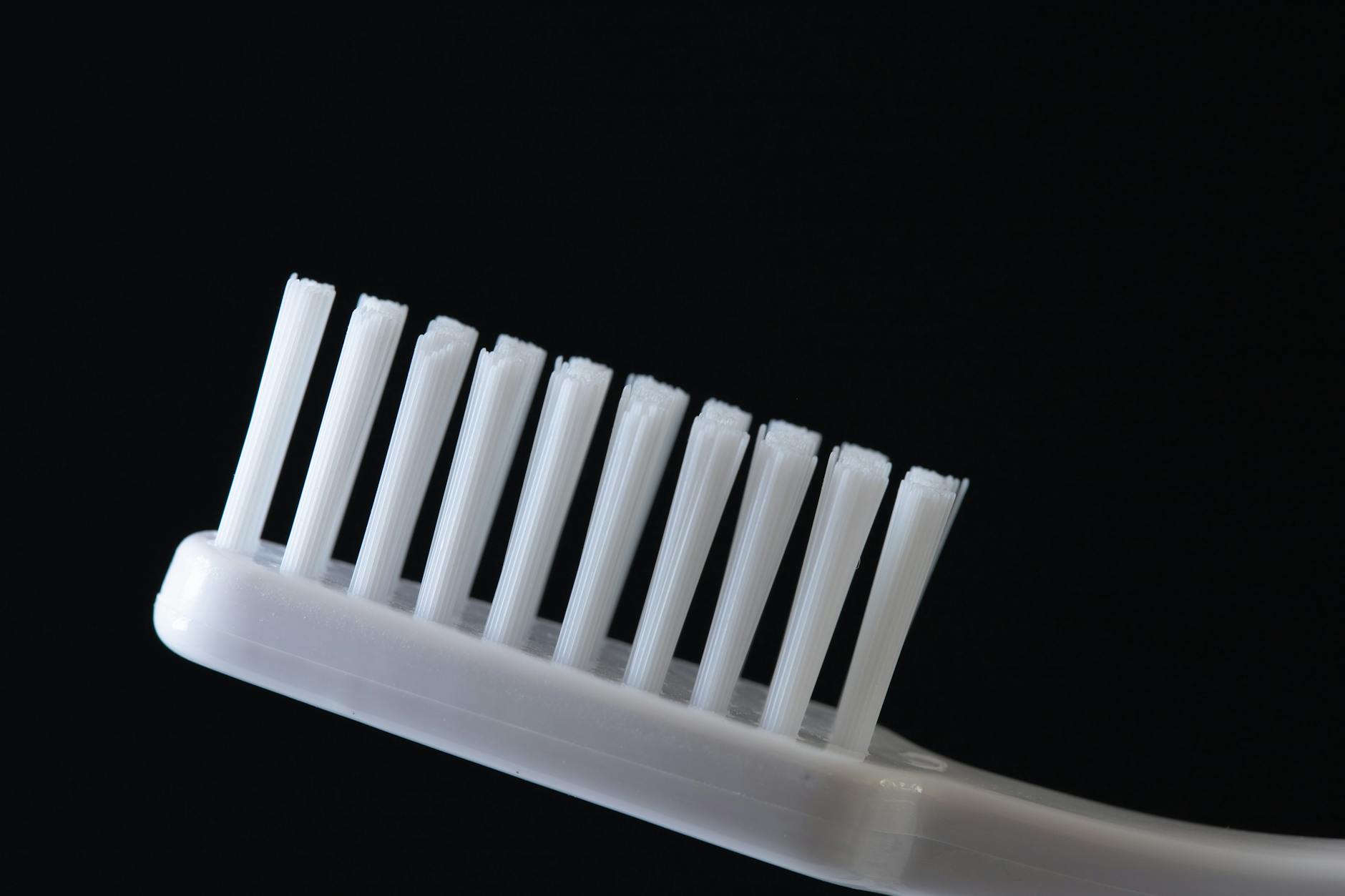
Many consumers automatically purchase medium or hard toothbrushes thinking they clean more effectively. Dental professionals actually recommend soft bristles to prevent unintended damage to sensitive areas. Hard brushing gradually wears down the protective enamel layer and causes receding gums. A gentle touch with a soft brush removes plaque just as efficiently without the associated risks.
Brushing Immediately After Eating

Consuming acidic foods and beverages temporarily softens tooth enamel. Scrubbing the teeth right after a meal can inadvertently brush away this vulnerable outer layer. Experts advise waiting at least thirty minutes before reaching for the toothbrush. Rinsing with plain water in the meantime helps neutralize harmful acids safely.
Ignoring the Two Minute Rule
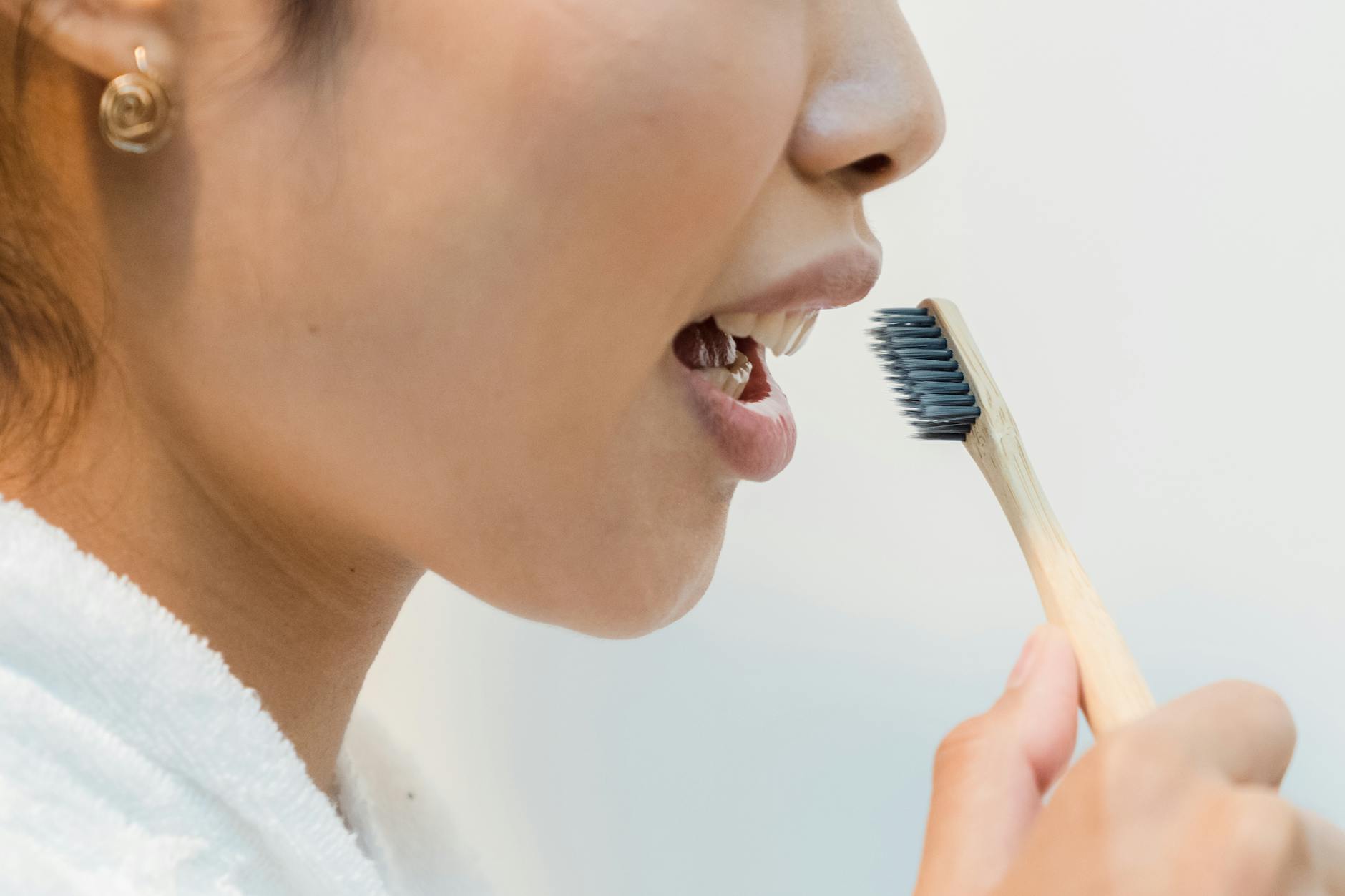
The average person spends less than forty seconds brushing their teeth during a busy morning. This brief window fails to remove the plaque buildup that accumulates overnight. Achieving a thorough clean requires dedicating a full two minutes to the process. Setting a timer or using an electric brush with an integrated pacer guarantees adequate attention to all quadrants.
Neglecting the Gumline
Plaque primarily accumulates where the teeth meet the soft gum tissue. Focusing solely on the broad surfaces leaves these crucial junction points vulnerable to decay and gingivitis. Holding the brush at a forty five degree angle allows the bristles to sweep effectively along the gumline. This targeted technique disrupts bacteria before they harden into permanent tartar.
Keeping an Old Toothbrush Too Long
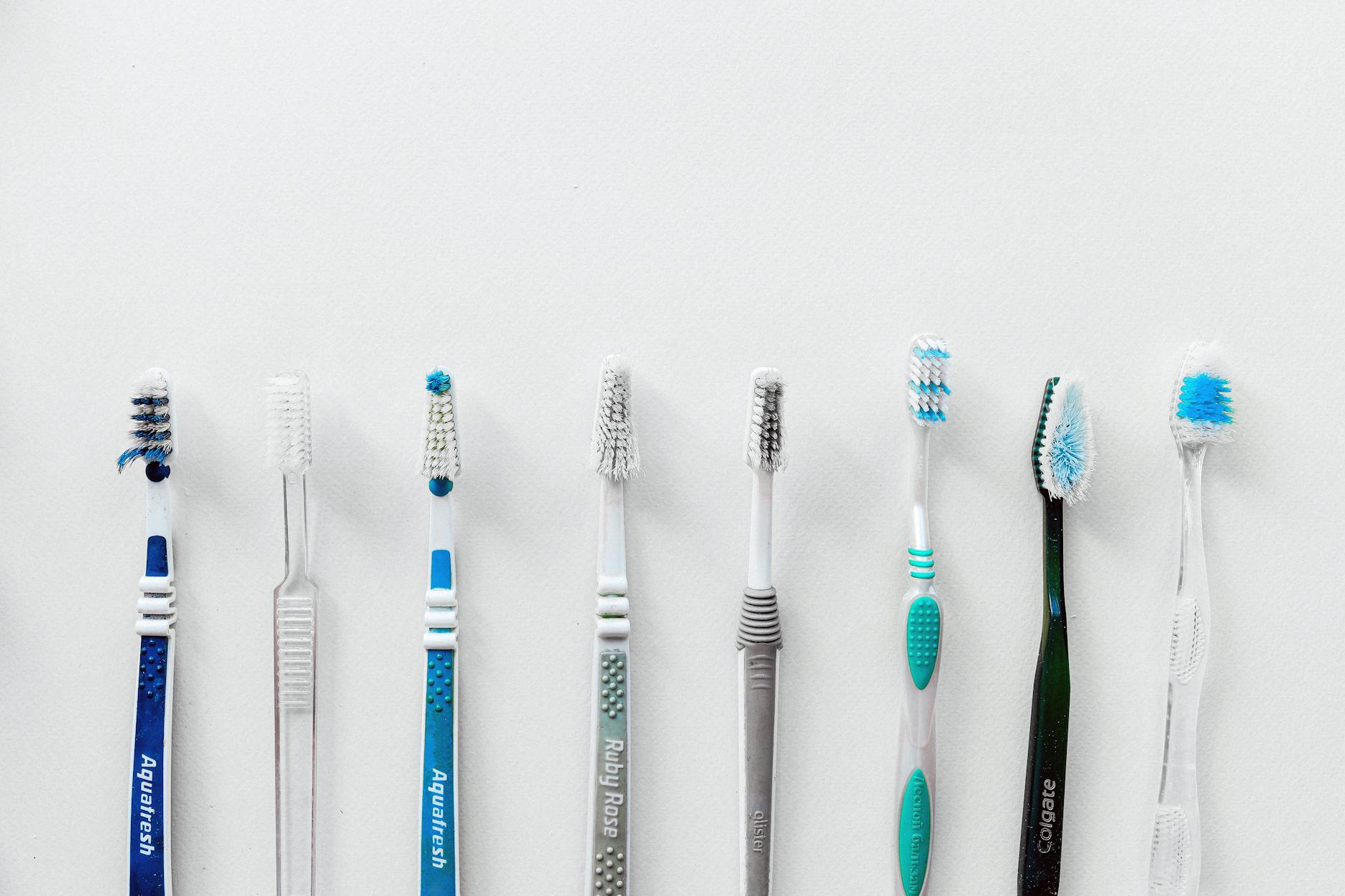
Frayed and bent bristles lose their structural integrity and cleaning power over time. Bacteria and fungi also multiply rapidly within the damp environment of an aging brush head. Replacing the toothbrush or electric brush head every three to four months remains a critical hygiene standard. Prompt replacement after recovering from an illness prevents unwanted reinfection.
Forgetting to Clean the Tongue
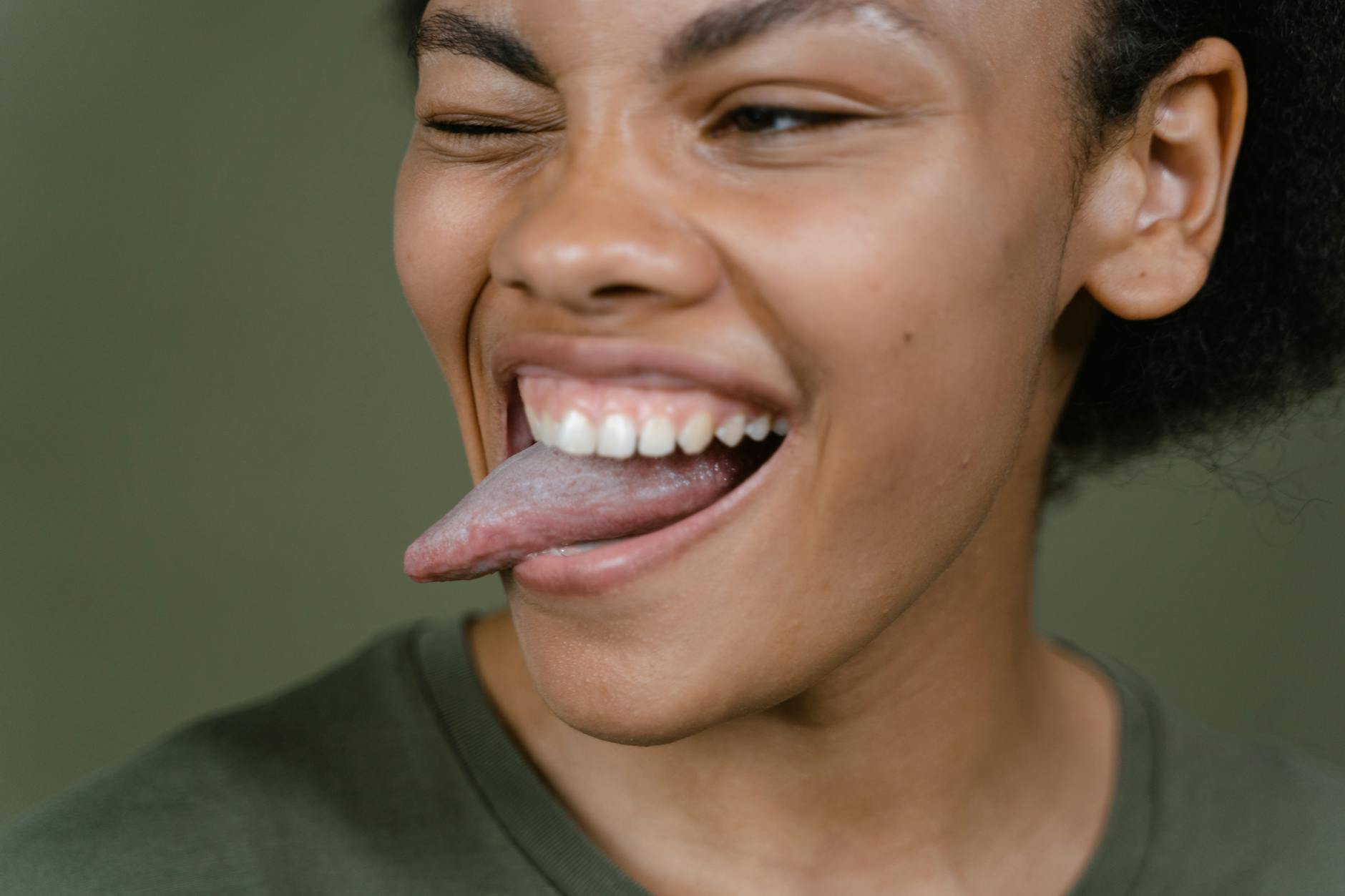
The textured surface of the tongue harbors a massive population of sulfur producing bacteria. Skipping this step allows these microbes to transfer back onto freshly cleaned teeth and cause persistent bad breath. Incorporating a tongue scraper or gently brushing the tongue eliminates this hidden bacterial reservoir. This simple addition elevates the overall freshness and cleanliness of the mouth.
Using Inadequate Brushing Motions

Vigorous back and forth sawing motions represent a very common mechanical error. This aggressive approach traumatizes the gums and exposes sensitive tooth roots. Employing short circular strokes gently lifts debris away from the enamel surface. This mindful movement cleans effectively while preserving the delicate oral anatomy.
Rinsing with Water Immediately
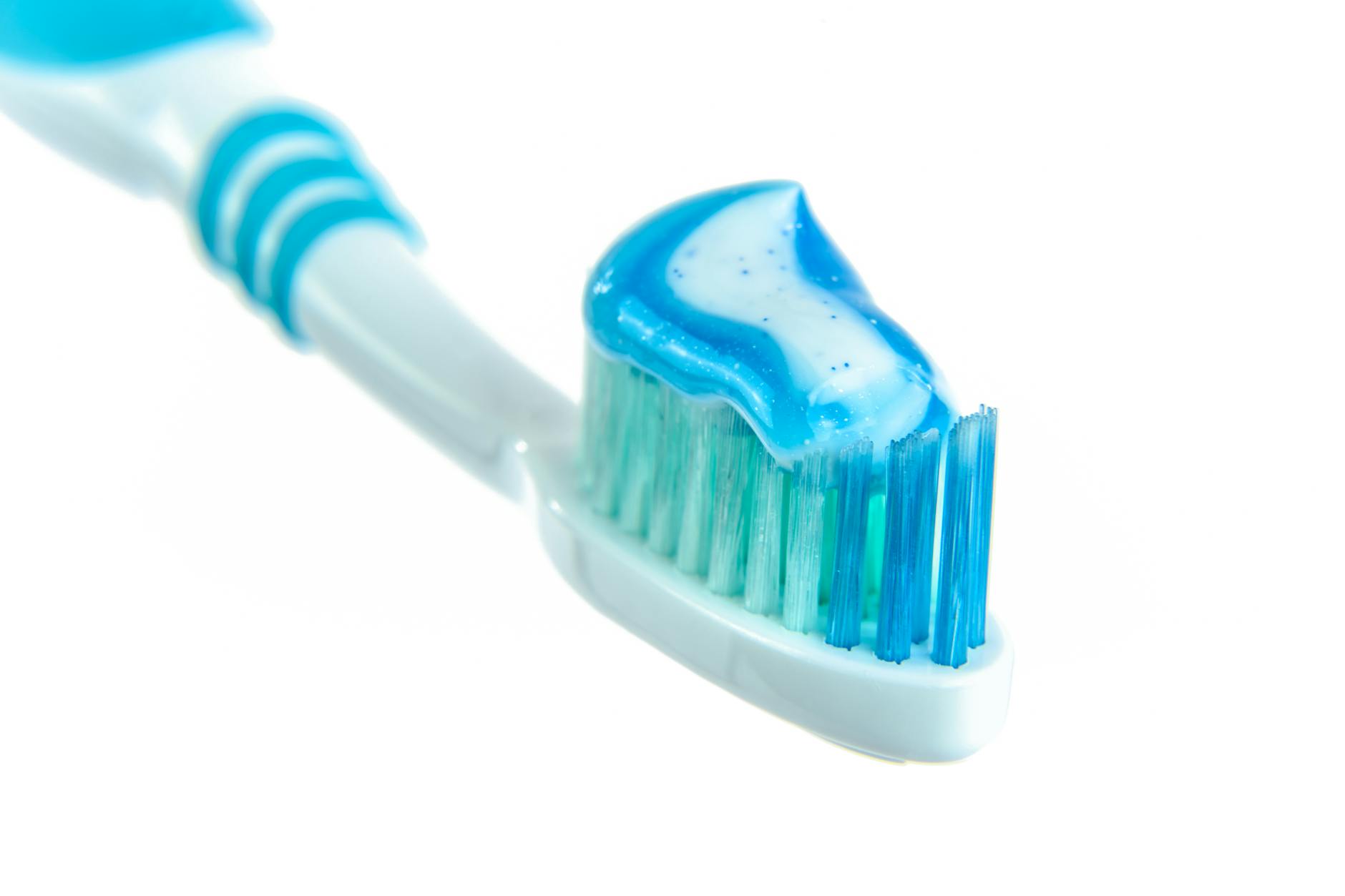
Fluoride toothpaste requires physical contact time with the teeth to provide maximum remineralization benefits. Vigorously rinsing the mouth with water right after brushing washes away this protective compound prematurely. Spitting out the excess foam without rinsing allows the active ingredients to linger and strengthen the enamel. Those who prefer a cleaner feeling can wait a few minutes before using a dedicated mouthwash.
Storing the Brush Improperly

Tossing a wet toothbrush into a dark cabinet encourages rapid mold and bacterial growth. Leaving it too close to the toilet exposes the bristles to airborne contaminants during flushing. Storing the brush upright in an open space allows for proper air drying between uses. Keeping individual brushes separated prevents cross contamination among family members.
Skipping the Evening Routine

Exhaustion often tempts people to skip their nighttime brushing session before bed. Saliva production decreases significantly during sleep which eliminates the natural rinsing mechanism of the mouth. Food particles and bacteria left overnight feast on sugars and create a highly acidic environment. Maintaining a strict evening brushing habit protects the teeth during this vulnerable resting period.
Please share your thoughts in the comments about which of these brushing habits you plan to correct first.




