Drinking coffee first thing in the morning is a common ritual for millions of people worldwide. This popular habit might deliver an immediate jolt of energy but it also hides several physiological drawbacks. Consuming caffeine before eating any food forces the body to react in ways that compromise long term health. Understanding the biological impact of this practice is essential for maintaining sustained wellness. The following points explore the specific physical reactions that occur when coffee hits an empty stomach.
Cortisol Production

Consuming coffee immediately after waking interferes with the natural hormonal rhythms of the body. Your adrenal glands release peak amounts of cortisol during the early morning hours to naturally wake you up. Adding caffeine to this mix creates a stressful internal environment rather than a productive energy boost. Over time this practice can lead to a blunted cortisol response and chronic fatigue. Eating a balanced breakfast before your brew ensures your hormones function exactly as nature intended.
Stomach Acid Stimulation

Coffee naturally stimulates the production of hydrochloric acid within the digestive tract. When your stomach is empty this highly acidic fluid has no food to break down or absorb. The excess acid can easily irritate the delicate lining of your stomach and esophagus. This constant irritation frequently leads to heartburn and severe acid reflux over extended periods. Protecting your digestive lining requires a buffer of solid food before any caffeine ingestion.
Blood Sugar Fluctuation

Drinking black coffee before eating significantly impairs your body and its ability to manage glucose levels throughout the day. Studies indicate that early caffeine exposure reduces insulin sensitivity right from the start of your morning. This metabolic disruption causes sudden spikes and crashes in your energy levels after subsequent meals. You might experience intense sugar cravings and an afternoon slump as a direct result. A nutritious meal beforehand stabilizes your metabolic response and provides steady energy.
Mineral Depletion

Caffeine acts as a mild diuretic that accelerates the excretion of essential minerals through urine. Consuming it without food speeds up the loss of calcium and magnesium and potassium from your system. These minerals are vital for nerve function and bone health and muscular contraction. An empty stomach exacerbates this rapid flush because the liquid passes through your digestive system much faster. Having food in your stomach slows the absorption and allows your body to retain these crucial nutrients.
Anxiety Amplification

The central nervous system absorbs caffeine at an incredibly rapid pace when no food is present to slow digestion. This sudden jolt of stimulation often manifests as physical tremors and a racing heartbeat. Individuals prone to anxiety often experience a significant worsening of their symptoms under these conditions. The psychological effects shift from increased alertness to scattered panic very quickly. A satisfying meal acts as a sponge to moderate how fast the caffeine enters your bloodstream.
Dehydration Risk
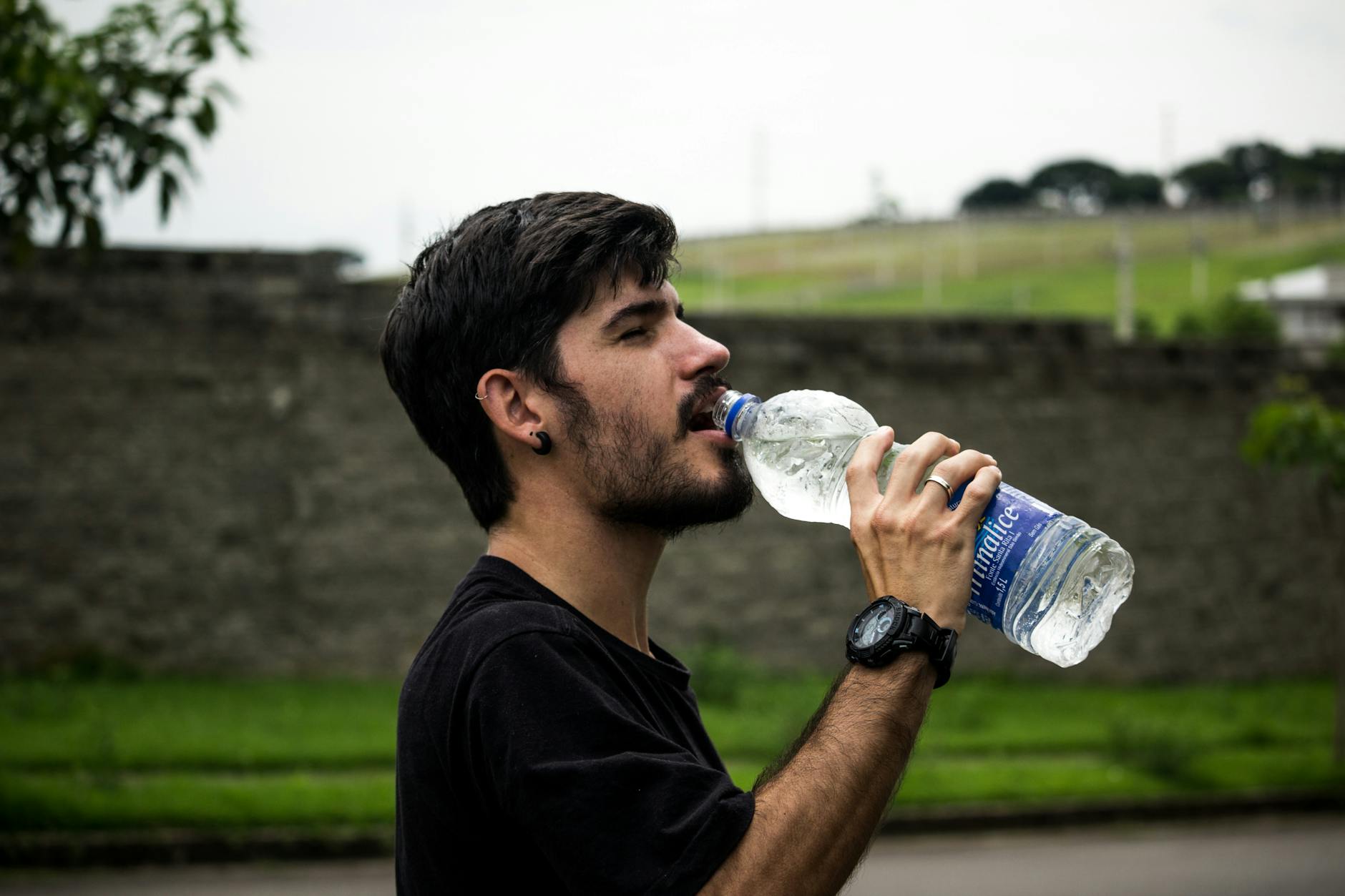
The human body naturally wakes up in a state of mild dehydration after hours of sleep. Reaching for a caffeinated beverage first thing in the morning only compounds this lack of moisture. Coffee prompts the kidneys to release more water and leaves your cells struggling for proper hydration. Optimal cellular function requires adequate water intake to perform basic metabolic processes effectively. Drinking pure water and eating a hydrating meal should always precede your first cup of coffee.
Microbiome Disruption

A healthy gut relies on a delicate balance of beneficial bacteria to manage digestion and overall immunity. Introducing strong coffee acids to an empty digestive tract can negatively alter this microscopic ecosystem. The sudden acidic flush creates an inhospitable environment for the good bacteria that keep you healthy. Poor gut health is closely linked to inflammation and a weakened immune system over time. Consuming fiber and nutrients first ensures your microbiome remains protected and thoroughly nourished.
Mood Instability

Your brain chemistry is highly sensitive to sudden changes in stimulation and nutrient availability. The rapid absorption of caffeine on an empty stomach triggers a massive release of dopamine and adrenaline. This artificial high is inevitably followed by a sharp drop in neurotransmitter activity a few hours later. People frequently report feeling irritable and moody and completely unmotivated during this inevitable crash. Providing your brain with sustained energy from whole foods prevents these drastic emotional fluctuations entirely.
Digestive Motility

Coffee stimulates muscle contractions in the lower digestive tract very effectively. Drinking it without any food forces the digestive system to work aggressively on an empty bowel. This accelerated motility frequently causes discomfort and urgency and painful cramping for many people. The lack of bulk from actual food makes these internal contractions feel much more severe. A proper breakfast gives your digestive tract something substantial to process smoothly and comfortably.
Nutrient Malabsorption

The chemical compounds in coffee actively interfere with how your body absorbs vital vitamins and minerals. Tannins found in the brew bind to iron and prevent your body from using it effectively. Having this beverage on an empty stomach maximizes this negative interference with whatever supplements you might take. Your body subsequently misses out on crucial building blocks needed for physical energy and cellular repair. Separating your coffee intake from your main meals ensures optimal nutrient uptake throughout the morning.
Please share your thoughts and morning beverage habits with us in the comments.




