A sunburn represents visible skin damage requiring careful attention and gentle treatment to promote healing. Many common remedies and instinctive reactions actually worsen the inflammation and delay the recovery process. Understanding what actions to avoid protects vulnerable skin from further irritation or potential infection. Avoiding these ten common mistakes ensures a safer and more comfortable healing experience.
Applying Petroleum Jelly
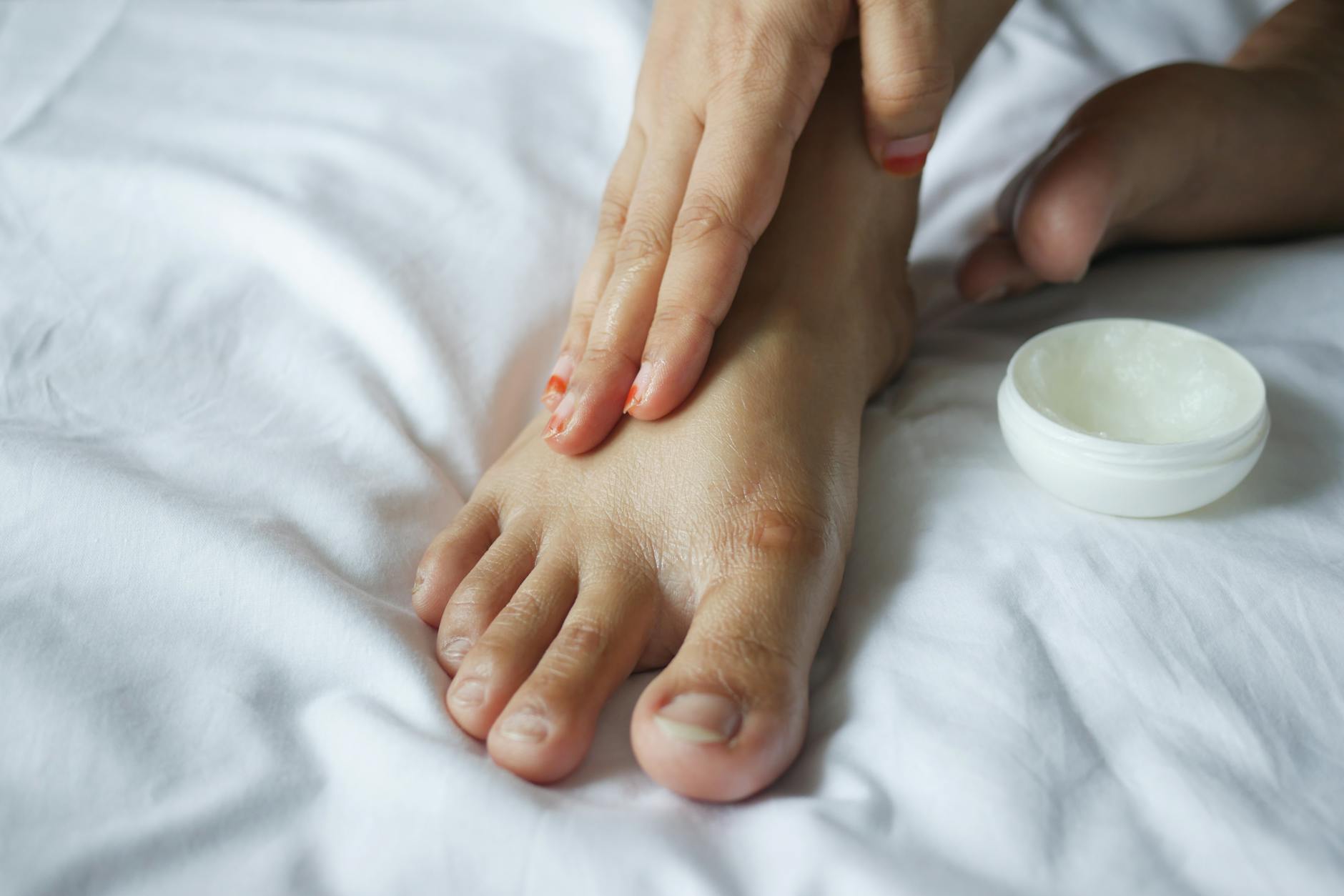
Petroleum jelly creates an impermeable seal over the skin that traps body heat inside the affected area. This trapped heat intensifies the burning sensation and prevents the skin from cooling down naturally. Dermatologists recommend avoiding all heavy ointments during the initial stages of a sunburn. Light lotions formulated with aloe vera provide a much safer alternative for moisturizing damaged skin.
Popping Blisters
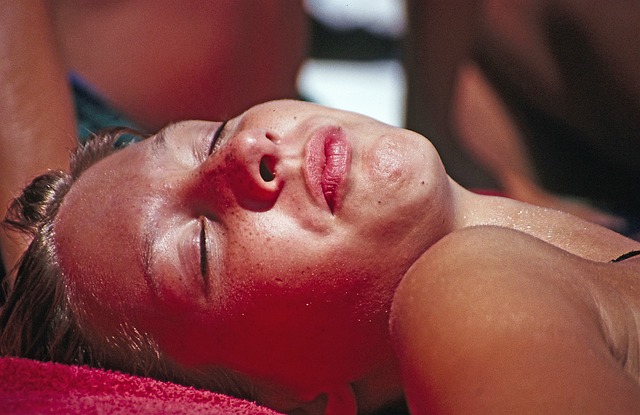
Blisters form as a natural protective barrier over severely damaged and sensitive skin tissue. Breaking these fluid bubbles exposes raw nerve endings to the air and significantly increases the pain level. An open blister also creates a direct pathway for bacteria to enter and cause a secondary skin infection. Leaving the blisters completely intact allows the skin underneath to heal safely in a sterile environment.
Wearing Tight Clothing

Fitted garments constantly rub against tender skin and create painful friction with every movement. This continuous mechanical irritation can prematurely scrape off peeling skin before the new layer underneath is ready. The pressure from tight fabrics also restricts blood flow and traps additional body heat against the burn. Selecting loose cotton clothing allows the skin to breathe and recover without unnecessary physical stress.
Using Chemical Exfoliants
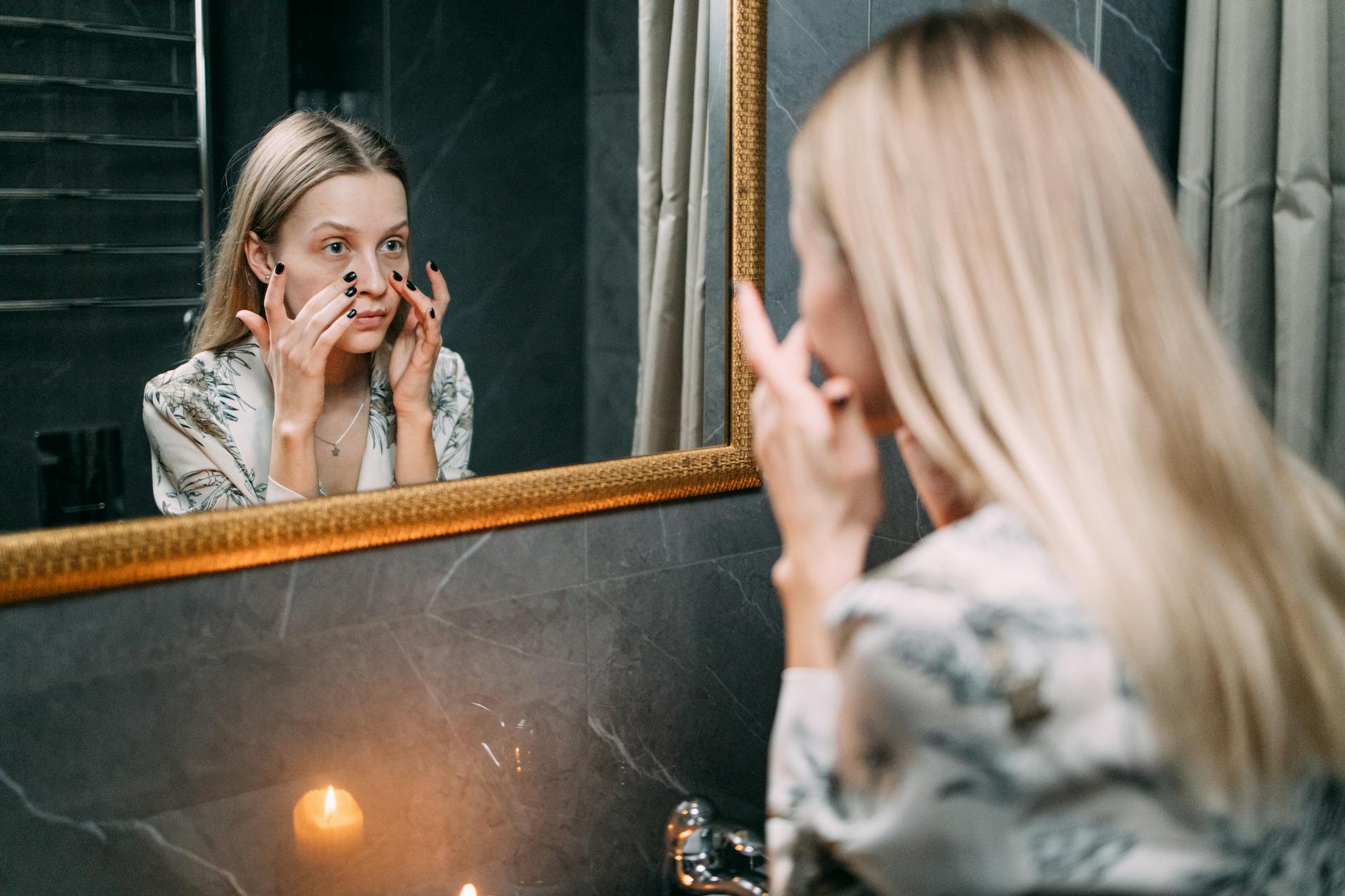
Products containing salicylic acid or glycolic acid strip away protective layers from already compromised skin. Applying these harsh ingredients to a sunburn causes severe stinging and exacerbates the underlying inflammation. The damaged epidermis lacks the barrier function required to handle active skincare acids safely. Pausing all chemical exfoliation routines prevents deep tissue irritation and supports the natural cellular repair process.
Taking Hot Showers

Hot water strips essential natural oils from the skin and drastically increases topical dehydration. The high temperature dilates blood vessels near the surface and intensifies the throbbing pain of a fresh sunburn. Damaged nerve endings react aggressively to thermal shock and trigger immediate discomfort upon contact. Opting for cool or lukewarm water provides immediate relief while preserving the delicate moisture barrier.
Applying Ice Directly

Placing raw ice right against a sunburn causes extreme temperature shifts that traumatize delicate skin cells. This sudden freezing contact can lead to a localized cold burn on top of the existing ultraviolet damage. Constricting the blood vessels too rapidly impedes the natural flow of healing nutrients to the affected area. Wrapping a cold compress in a soft towel offers a much safer method for cooling inflamed tissue.
Ignoring Hydration Needs
Sunburns draw a massive amount of fluid to the skin surface to assist with the healing process. Failing to increase water intake leaves the rest of the body dehydrated and slows down overall recovery. The damaged skin barrier also allows internal moisture to evaporate into the environment at an accelerated rate. Drinking extra water replenishes these lost reserves and supports optimal cellular regeneration from the inside out.
Using Scented Lotions
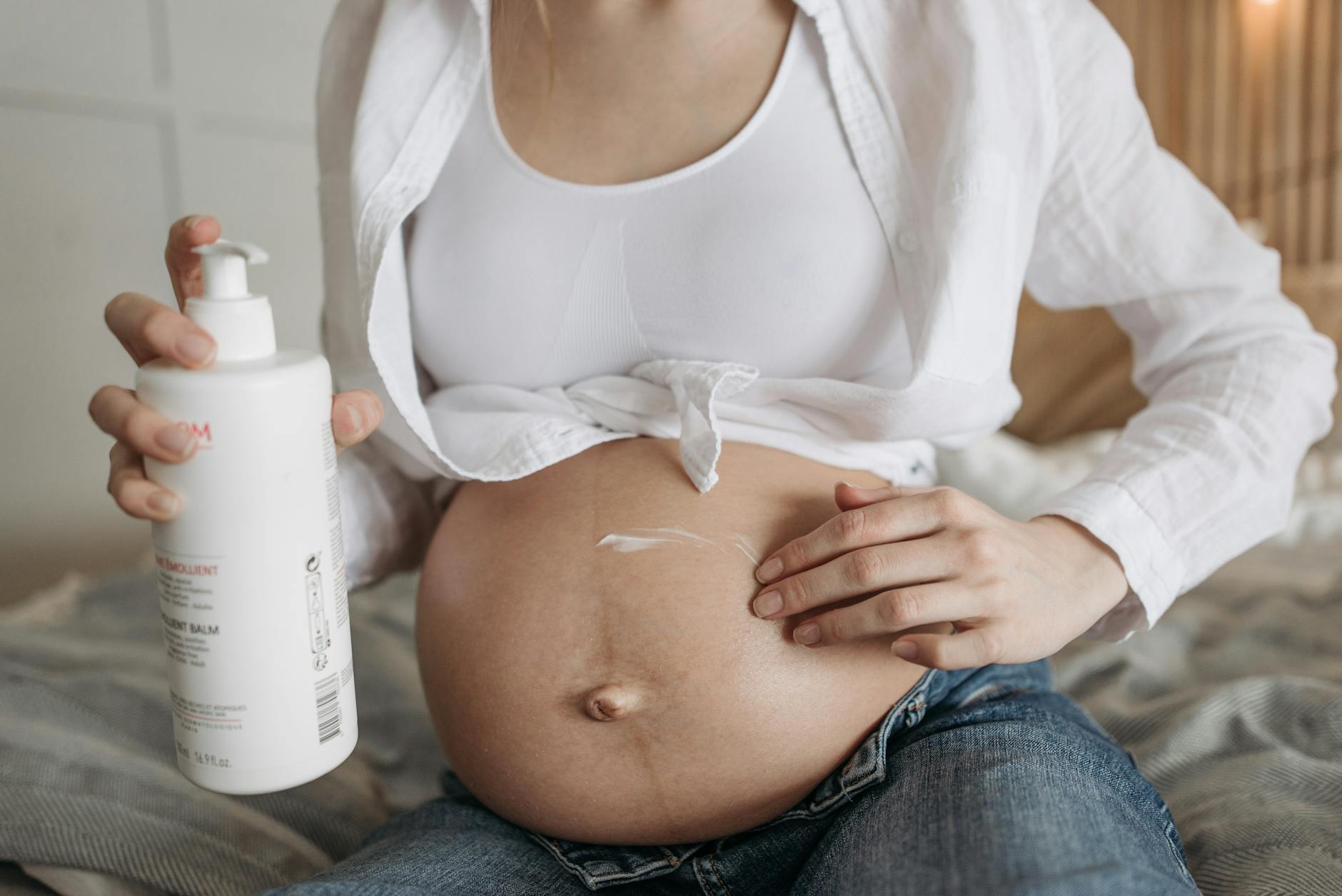
Artificial fragrances contain various synthetic chemicals known to irritate compromised or sensitive skin layers. Applying perfumed products to a fresh sunburn often triggers allergic contact dermatitis and prolongs the healing timeline. The alcohol content frequently found in scented lotions further dries out the peeling epidermis. Choosing fragrance free and hypoallergenic moisturizers prevents unnecessary chemical reactions on vulnerable areas.
Scratching Peeling Skin

Fingernails introduce countless microscopic bacteria into the vulnerable areas where old skin is shedding. Forcefully removing peeling flakes often tears away healthy tissue that is not yet ready to be exposed. This aggressive action frequently results in permanent scarring or hyperpigmentation across the affected zone. Allowing the dead skin to slough off naturally ensures the new epidermis remains perfectly intact.
Reentering the Sun Unprotected
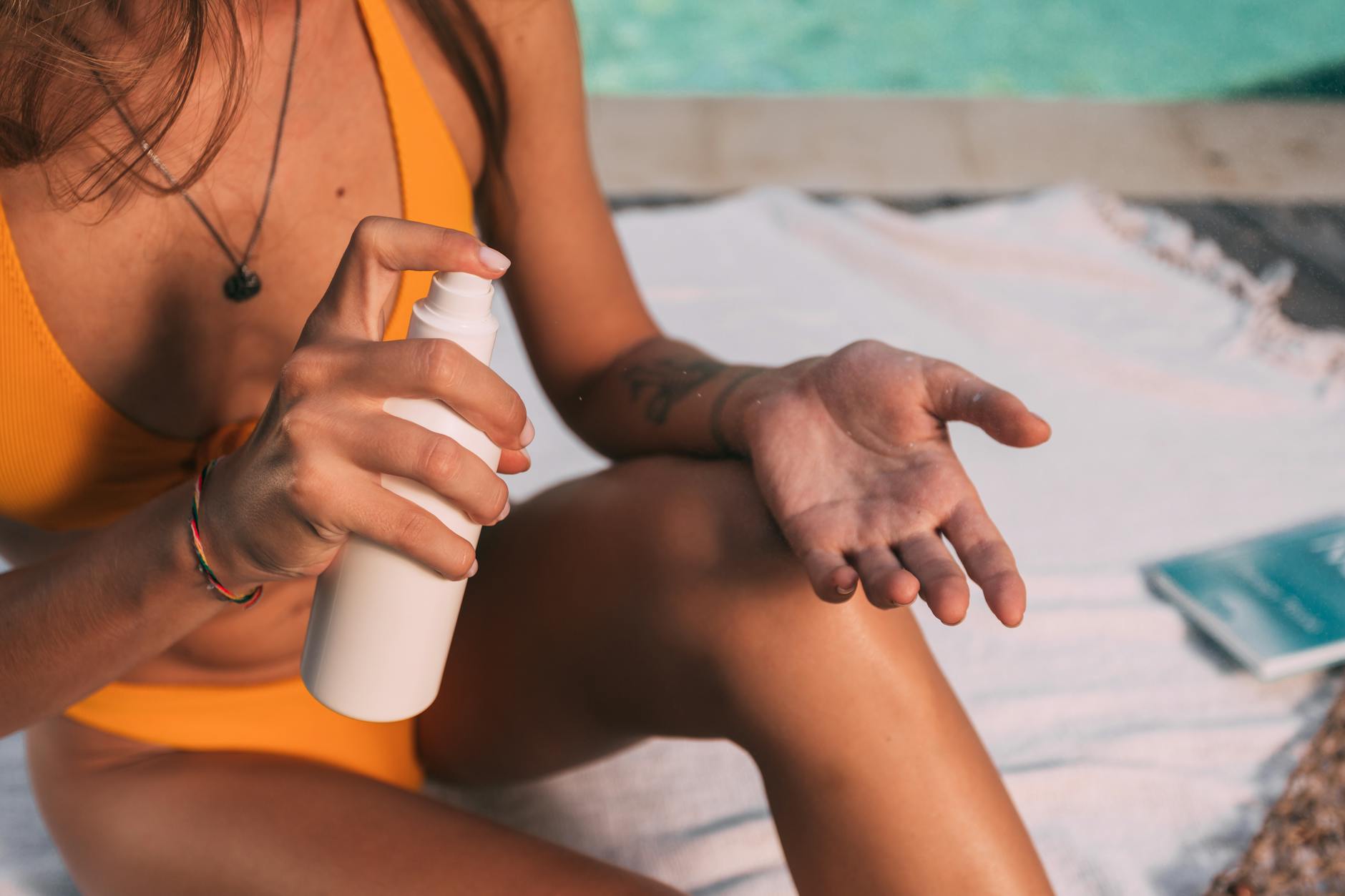
Exposing a healing sunburn to additional ultraviolet radiation causes profound damage to the mutating cellular DNA. The burned area completely lacks its natural melanin defense mechanism and burns significantly faster than normal skin. Further exposure deepens the structural damage and vastly increases the long term risk of developing skin cancer. Seeking complete shade and wearing protective clothing remains essential until the initial burn has entirely resolved.
Please share your own sunburn recovery experiences and healing tips in the comments.




