Many conventional cleaning products contain harsh chemicals that compromise indoor air quality and pose health risks. These everyday items often rely on synthetic fragrances and corrosive compounds to achieve their desired results. Switching to natural alternatives provides a safer environment while maintaining a clean household. Understanding which items carry the highest toxic load is the first step toward a healthier living space.
Air Fresheners
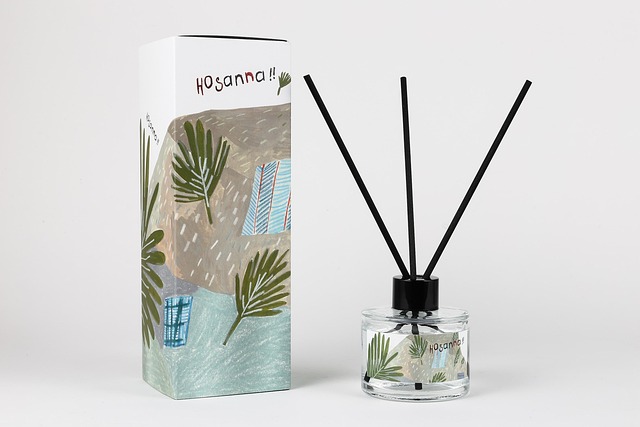
Traditional room sprays and plug in scents release volatile organic compounds into the home environment. These synthetic fragrances often contain phthalates that prolong the scent but can irritate the respiratory system. Masking odors with these aerosol products only reduces indoor air quality instead of eliminating the root cause of the smell. A safer alternative involves using an essential oil diffuser or simply opening windows to allow fresh air circulation. Bringing indoor plants into living spaces also helps purify the air naturally without introducing harmful synthetic chemicals.
Chlorine Bleach
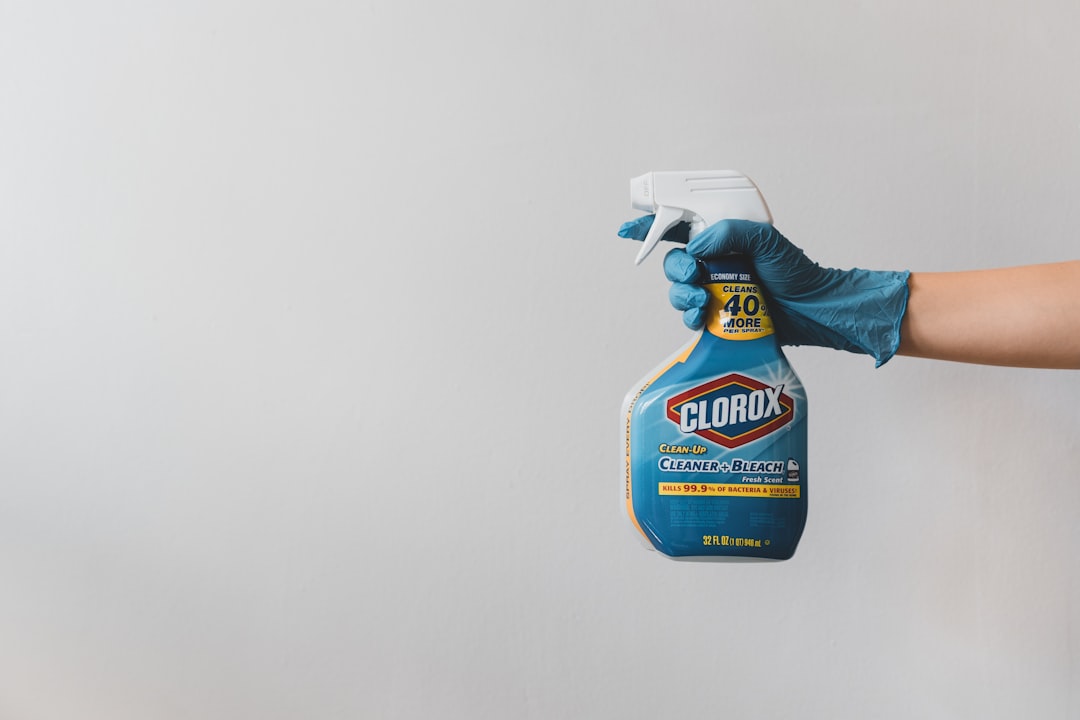
This powerful disinfectant is highly corrosive and can cause severe skin burns or respiratory irritation when inhaled. Mixing this common household cleaner with other products like vinegar creates dangerous toxic gases. The strong chemical nature of the formula often damages surfaces and fabrics over time. Hydrogen peroxide serves as an effective and safe substitute for whitening laundry and removing stubborn stains. Oxygen based powders also provide excellent brightening power without the harmful respiratory effects associated with traditional bleach.
Fabric Softeners
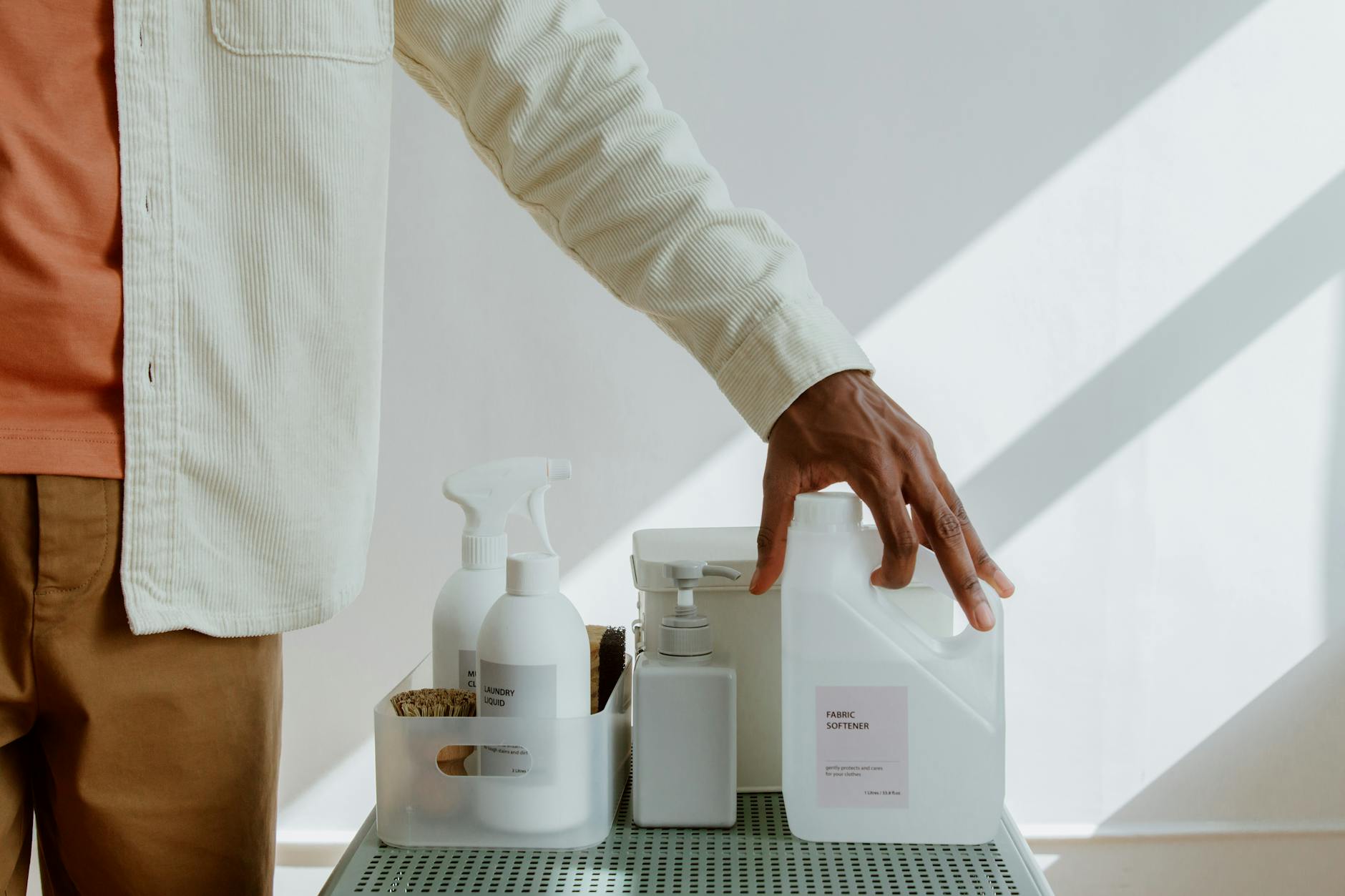
Liquid softeners and dryer sheets coat clothing in a hidden layer of chemical compounds known as quats. These substances are designed to linger on fabrics but often trigger skin irritation and allergic reactions. The artificial fragrances embedded in these laundry products further contribute to indoor air pollution as they off gas in the home. Wool dryer balls offer a completely natural way to soften clothes and reduce static cling in the laundry. Adding a few drops of natural lavender oil to the wool balls provides a pleasant scent without any synthetic additives.
Oven Cleaners
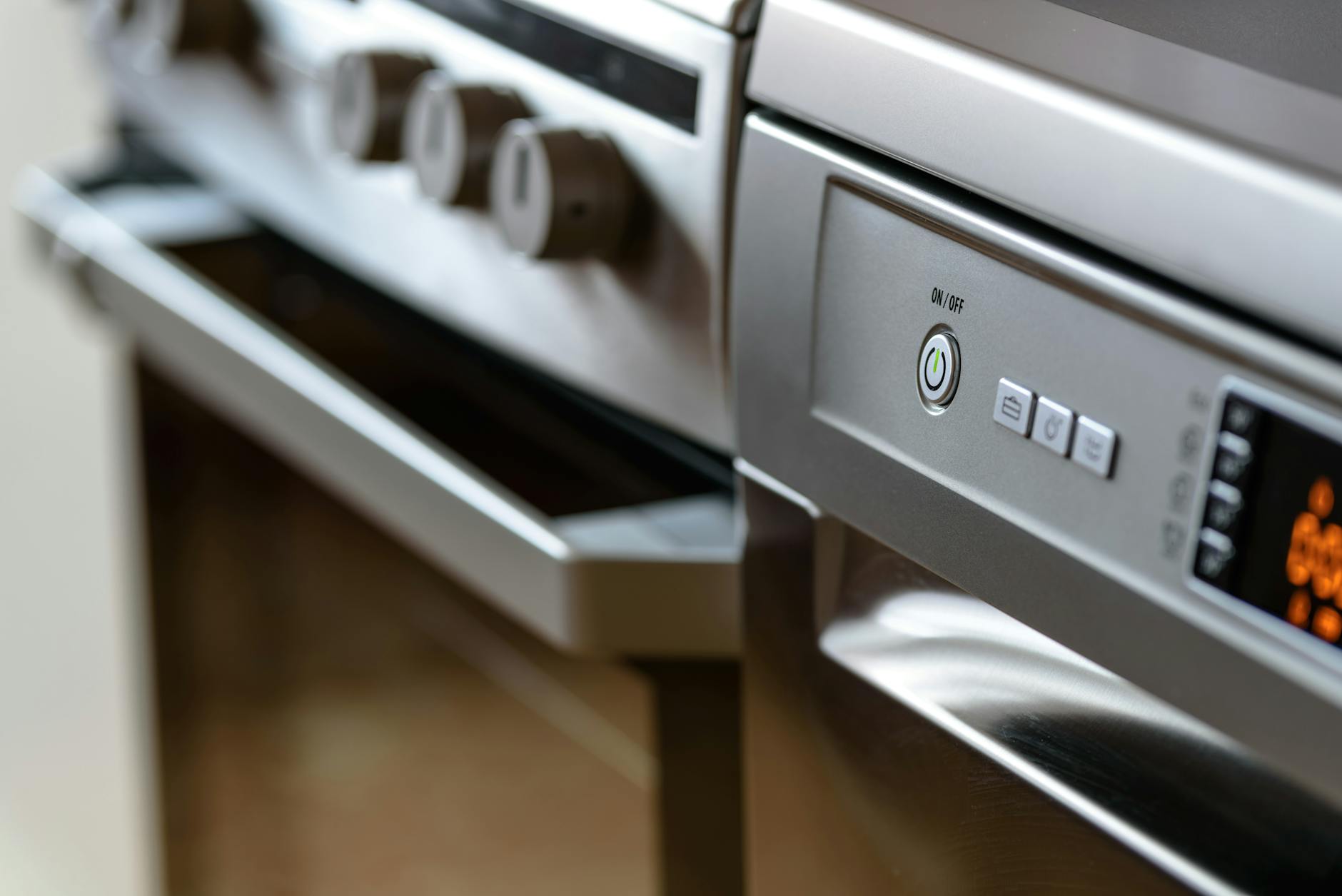
Commercial oven sprays utilize highly corrosive ingredients like lye to dissolve baked on grease and food particles. The intense fumes released during application can cause immediate respiratory distress and lingering indoor air contamination. Residue from these toxic sprays often remains inside the appliance and vaporizes into food during the next cooking cycle. A simple paste made from baking soda and white vinegar cuts through tough grease safely and effectively. Leaving the natural paste overnight makes scrubbing away baked on food easy without requiring any hazardous chemicals.
Antibacterial Soaps
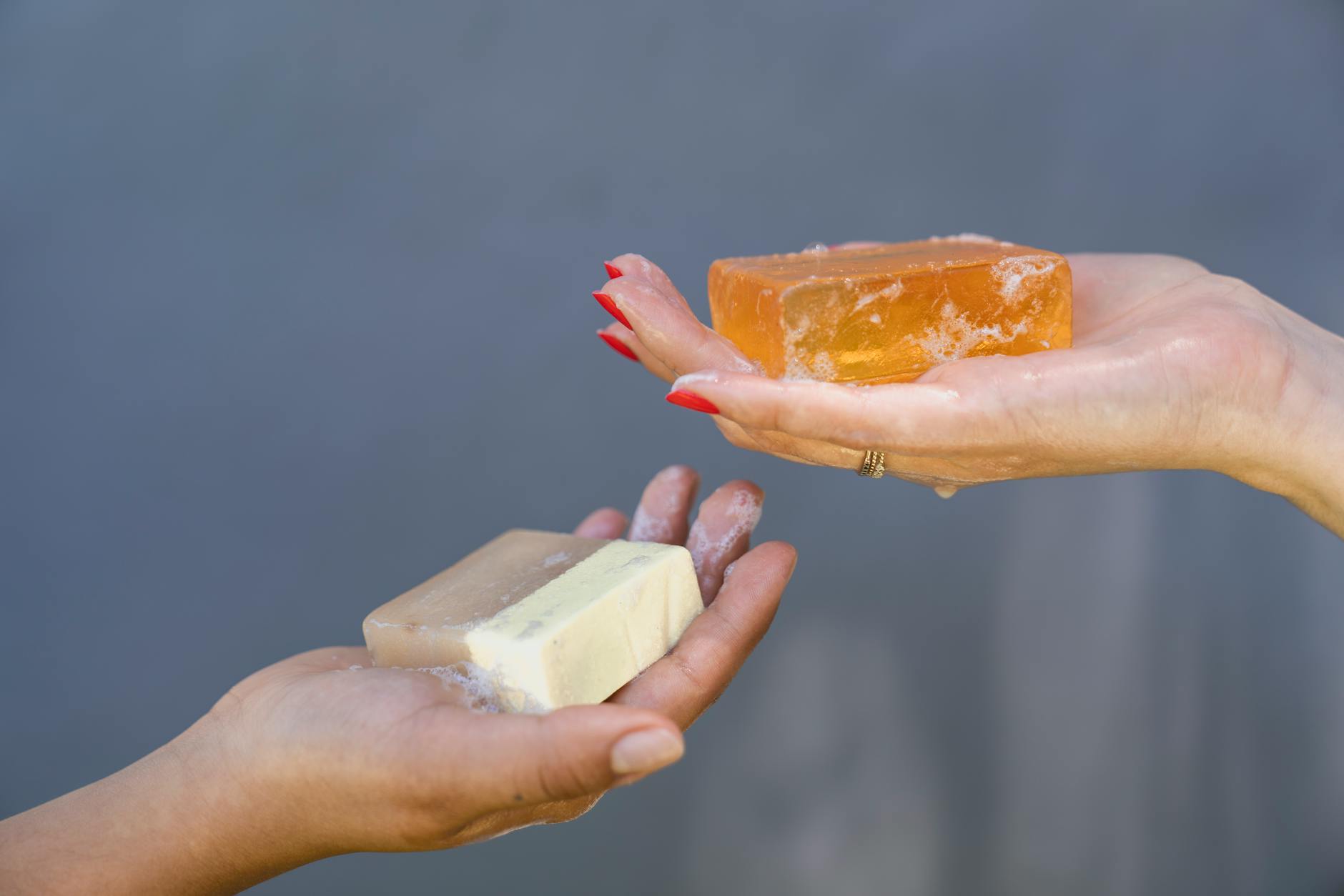
Many germ killing hand soaps contain aggressive chemical agents that strip the skin of its natural protective barrier. The widespread use of these harsh ingredients actively contributes to the development of resistant bacterial strains in the environment. Studies indicate that these specialty soaps provide no greater health benefits than washing with standard soap and water. Switching to a simple castile soap ensures thorough cleaning without exposing the body to unnecessary chemical additives. Thorough hand washing with warm water and natural soap effectively removes dirt and germs while keeping skin healthy.
Drain Cleaners
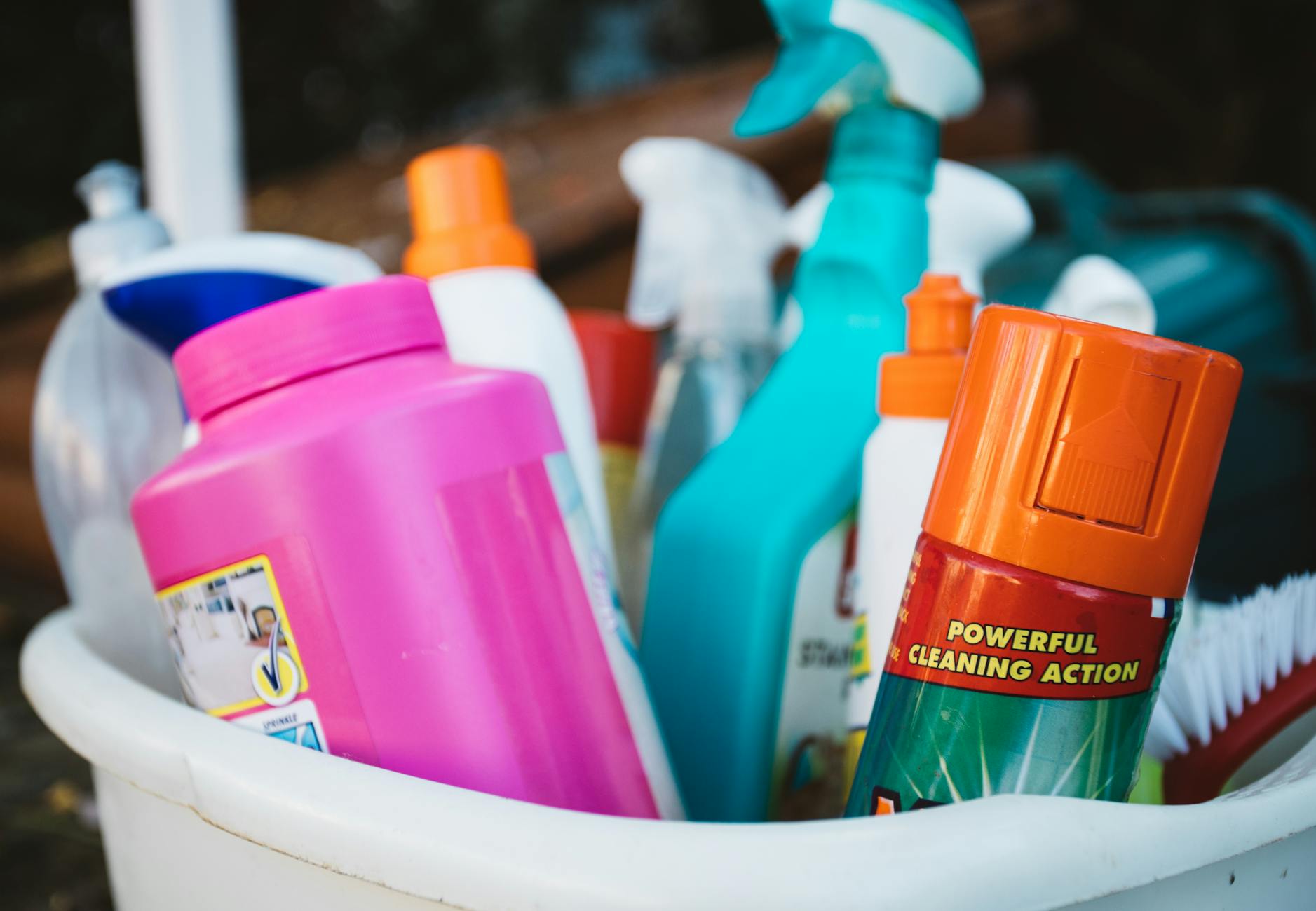
Chemical drain clearing products rely on extremely caustic ingredients like sodium hydroxide to burn through plumbing clogs. These potent formulas can cause severe chemical burns upon contact with skin and permanently damage older pipes. The toxic fumes emitted during the chemical reaction are highly irritating to the eyes and lungs. Pouring a mixture of baking soda and hot water down the drain provides a safer way to clear minor blockages. Using a physical plumbing snake removes stubborn hair and debris instantly without dumping dangerous chemicals into the water supply.
Carpet Cleaners
Stain removing foams and carpet shampoos frequently contain heavy solvents that linger in fabric fibers for weeks. Children and pets crawling on recently treated carpets absorb these harmful residues directly through their skin. The synthetic deodorizers mixed into these formulas only mask underlying odors while reducing the overall air quality of the room. A dedicated steam cleaning machine uses only heated water to lift deep stains and sanitize carpet fibers naturally. Spot treating spills with club soda or diluted vinegar prevents permanent stains without introducing harsh solvents into the home.
Window Cleaners

Standard glass cleaning sprays depend heavily on ammonia to achieve a clear and streak free shine on surfaces. Inhaling ammonia vapor causes immediate irritation to the throat and eyes while triggering complications for sensitive individuals. The distinct chemical odor often lingers in enclosed rooms long after the windows have been wiped clean. A simple solution of equal parts distilled water and white vinegar cuts through glass grime perfectly. Wiping the damp glass with a microfiber cloth leaves a spotless finish without any toxic fumes.
Multipurpose Sprays
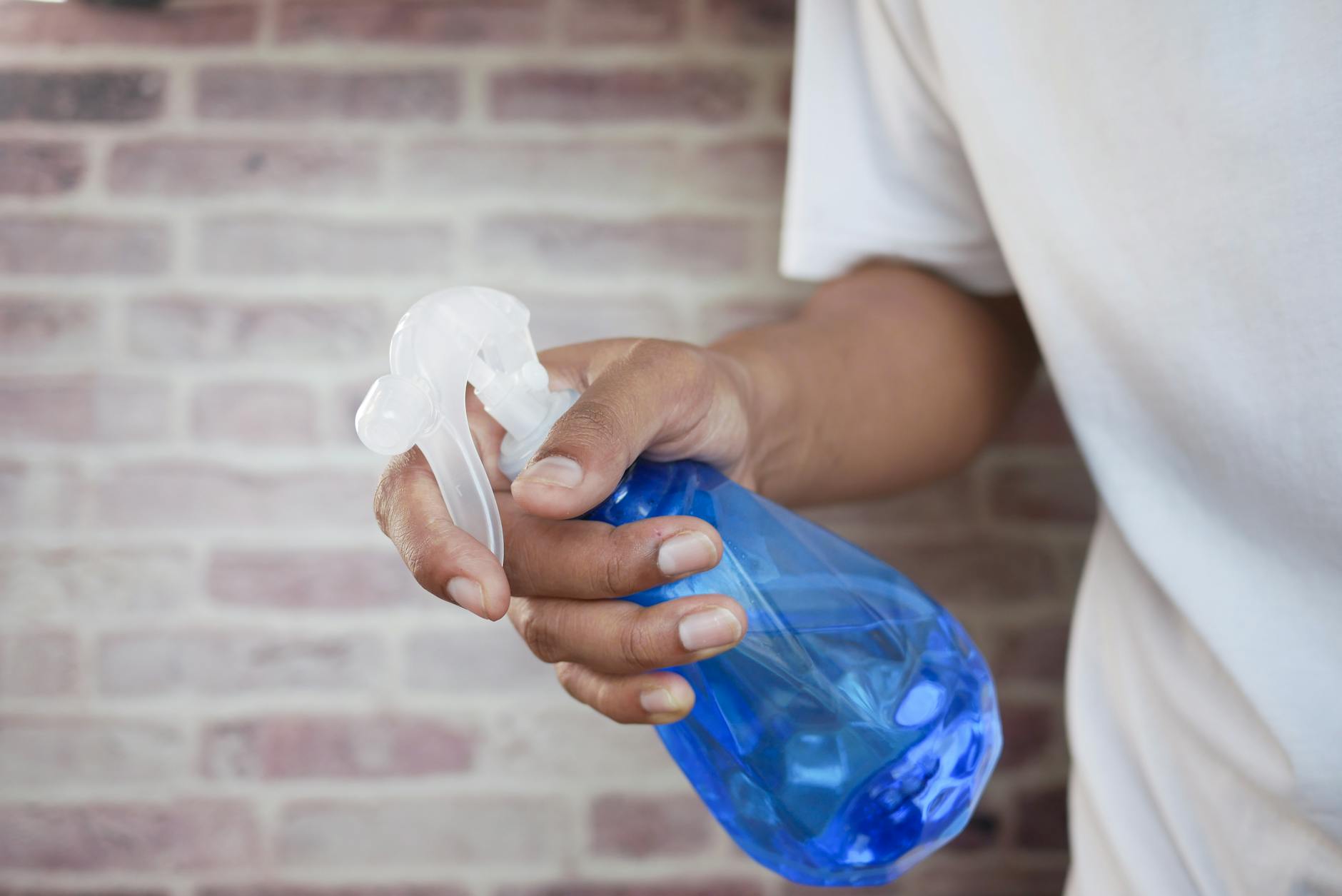
Everyday surface cleaners often contain artificial dyes and undisclosed fragrance blends that offer no actual cleaning power. The chemical solvents in these brightly colored liquids leave an invisible film on kitchen counters and dining tables. Food prepared on these surfaces can easily absorb the residual chemicals left behind after a quick wipe down. Choosing a plant derived all purpose cleaner ensures that food preparation areas remain truly safe and hygienic. Warm soapy water serves as a highly effective and inexpensive alternative for daily wiping and surface maintenance.
Toilet Bowl Cleaners
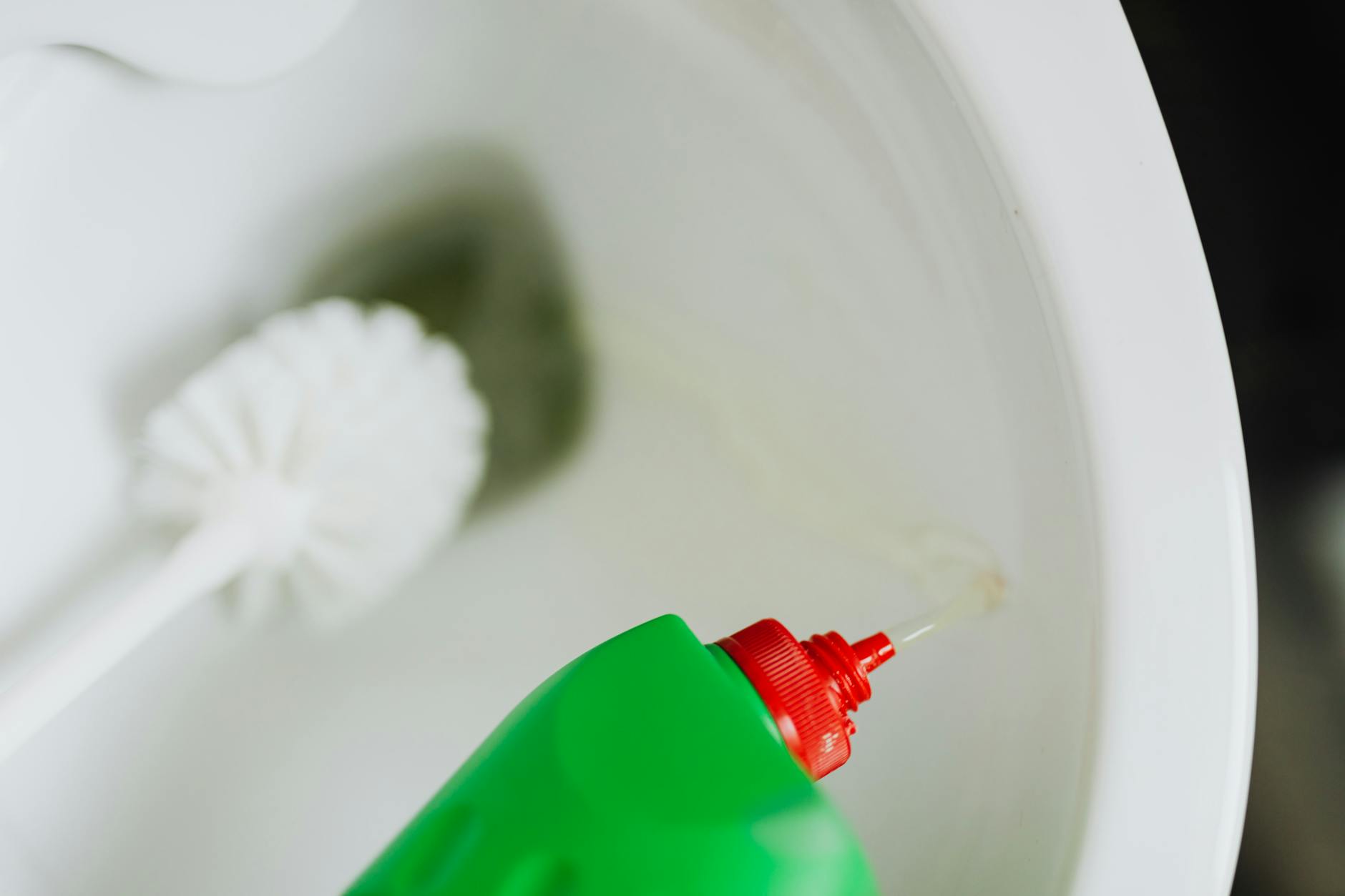
Heavy duty toilet liquids utilize powerful acids to dissolve hard water rings and mineral deposits quickly. The toxic nature of these acidic formulas poses a significant hazard to household pets who might drink from the bowl. Accidental splashes during scrubbing can cause severe skin irritation and localized chemical burns. Sprinkling plain baking soda into the bowl and following with white vinegar creates a natural bubbling action that lifts stains. Scrubbing this simple combination with a standard brush leaves the porcelain sparkling clean and completely free of dangerous toxins.
Scented Laundry Detergents
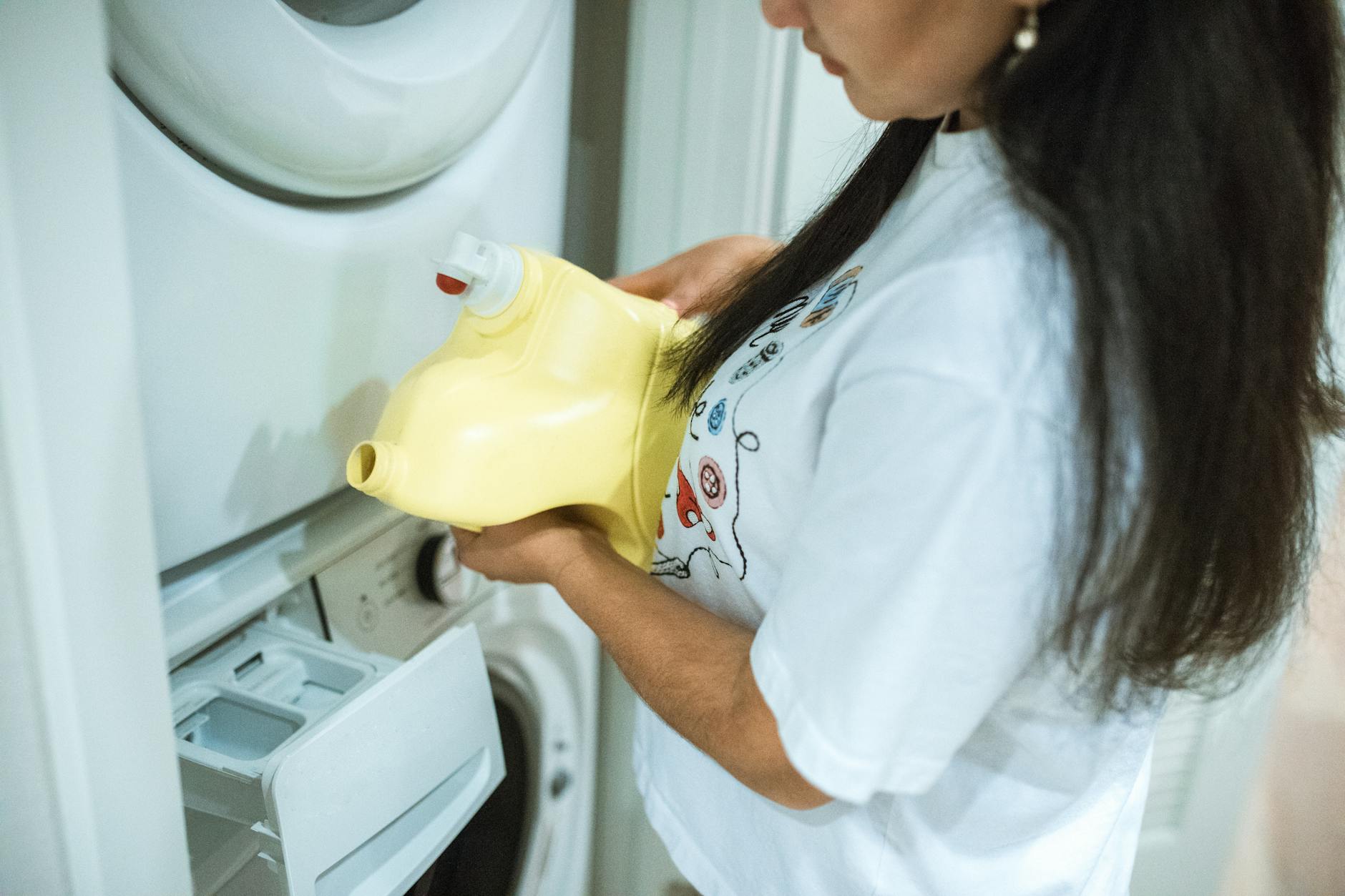
Mainstream washing detergents are heavily saturated with artificial perfumes that aggressively cling to clothing fibers. These persistent synthetic scents mask chemical odors but frequently cause contact dermatitis and chronic skin irritation. The harsh cleansing agents inside the formula run directly into municipal water systems and harm local aquatic environments. Switching to an unscented liquid soap protects sensitive skin while cleaning garments just as thoroughly. Adding baking soda to the wash cycle naturally neutralizes bad odors without relying on chemical perfumes.
Furniture Polish

Aerosol dusting sprays and wood polishes release volatile organic compounds directly into the breathing zone during application. The silicone and petroleum distillates found in these cans build up over time to create a dull residue on wood finishes. Repeated exposure to the aerosol propellants creates long term respiratory stress for everyone living in the household. Mixing a small amount of olive oil with fresh lemon juice creates a nourishing natural polish for wooden surfaces. Applying this homemade mixture with a soft cotton rag beautifully restores shine while conditioning the wood naturally.
Mold Removers
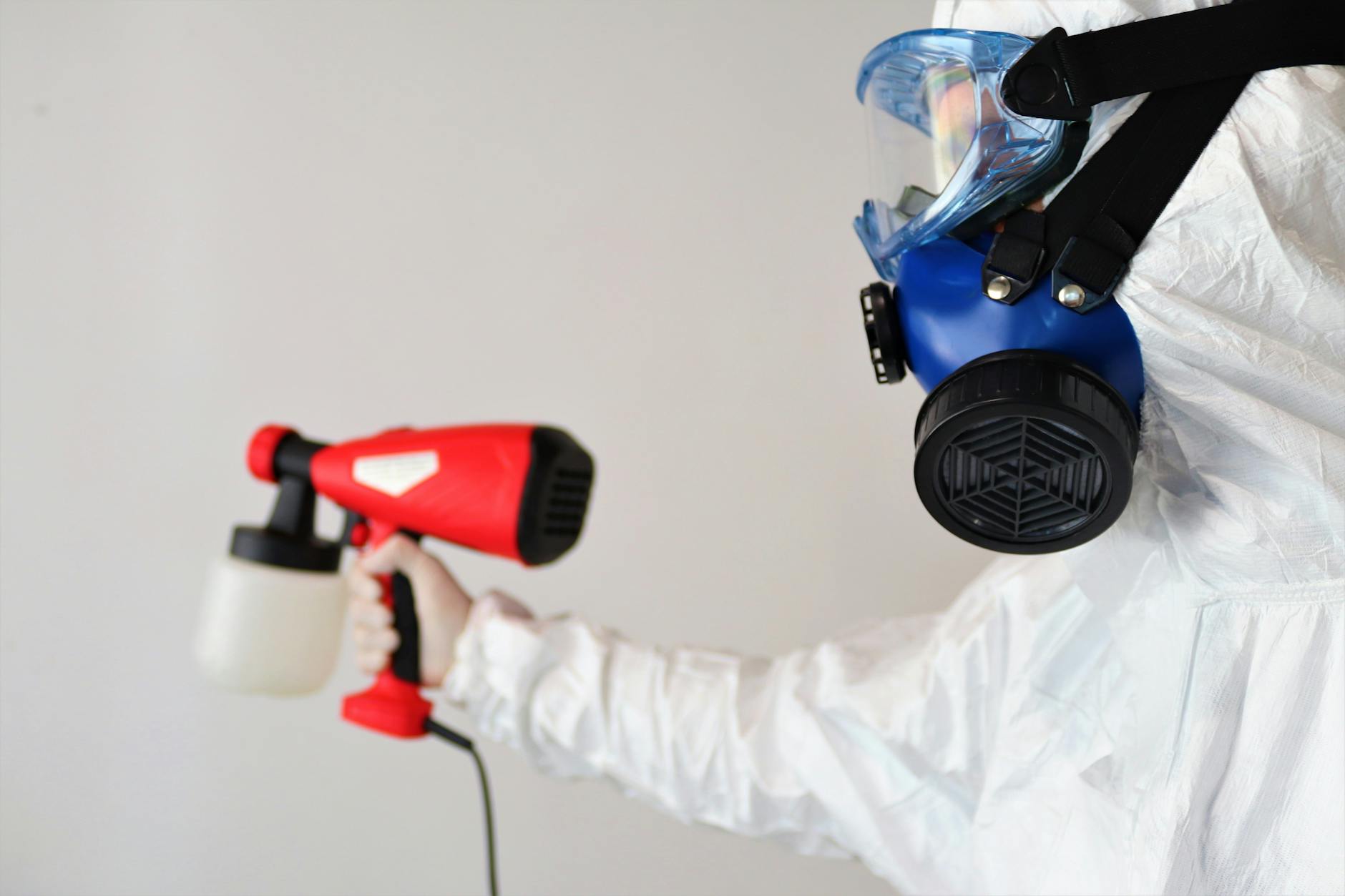
Commercial mildew sprays rely heavily on strong fungicides and bleach to visually erase dark bathroom stains. These aggressive chemicals simply bleach the surface mold without actually killing the underlying spores hidden in the grout. The toxic fumes generated in small poorly ventilated bathrooms create an immediate inhalation hazard during the cleaning process. Undiluted cleaning vinegar effectively penetrates porous surfaces to eliminate mold spores at their absolute root. Spraying problem areas with vinegar and letting it sit prevents future fungal growth without poisoning the indoor air.
Floor Cleaners

Liquid floor concentrated solutions contain powerful surfactants and synthetic fragrances that coat entire rooms in a chemical film. Pets walking across recently mopped floors ingest these toxic compounds when they later groom their paws. The artificial shiny finish left behind often attracts more dirt and requires increasingly frequent chemical applications to maintain. Mopping with plain warm water and a single drop of natural dish soap removes everyday dirt perfectly. A steam mop offers another chemical free solution that sanitizes hard floors using nothing but the power of boiling water.
Dishwashing Detergents
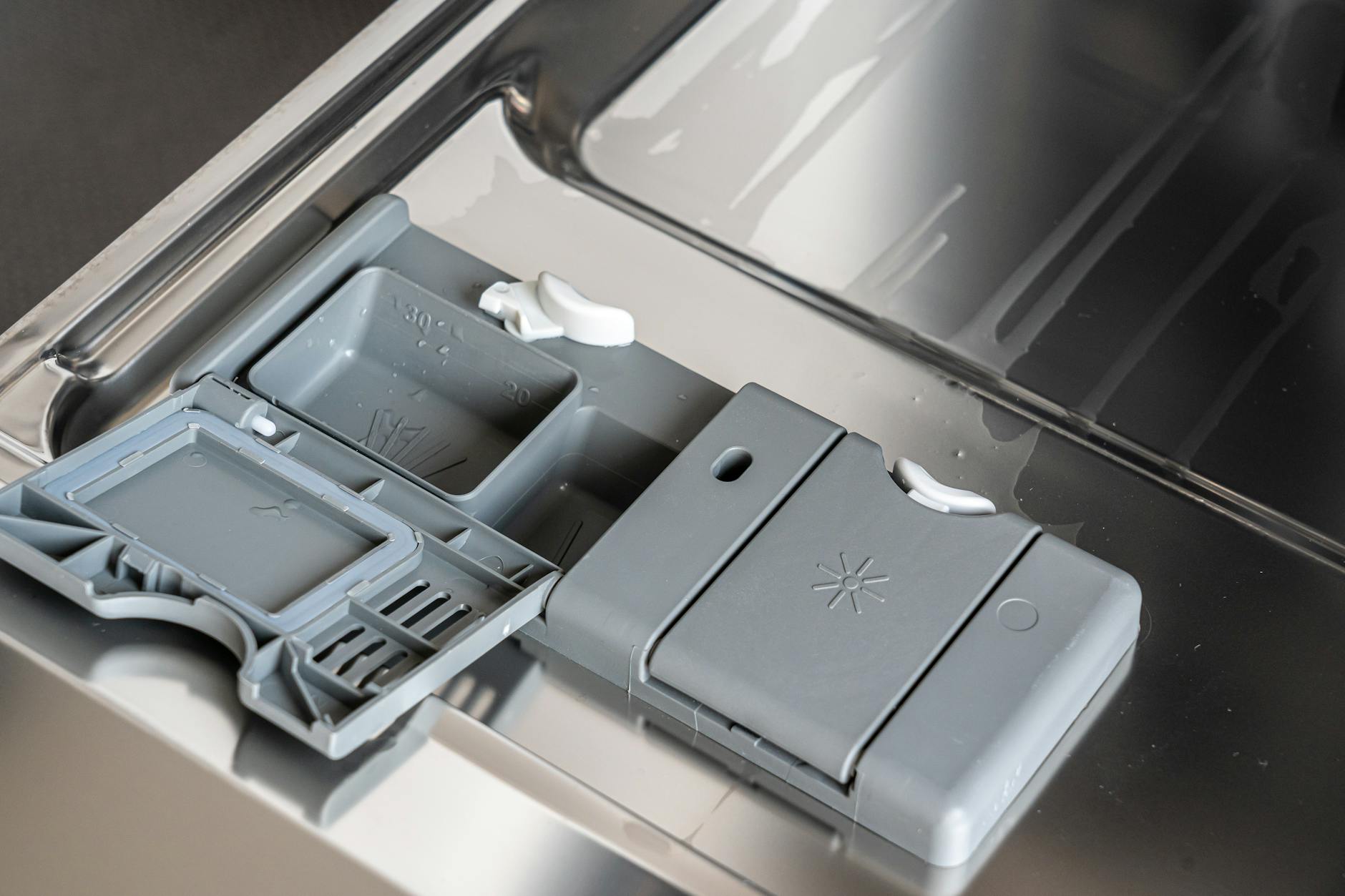
Brightly colored detergent pods and liquid dish gels frequently contain trace amounts of formaldehyde and harsh foaming agents. These chemical residues can remain on plates and utensils long after the dishwasher completes its final rinse cycle. Ingesting these hidden compounds over time places unnecessary stress on the digestive system and overall bodily health. Selecting a natural powder detergent derived from plant enzymes thoroughly removes stuck food without leaving dangerous residues. Rinsing dishes with a splash of white vinegar in the machine creates sparkling glassware without any toxic rinse aids.
Please share your thoughts on these household chemical swaps and your favorite natural cleaning methods in the comments.




