Foot health plays a foundational role in overall bodily alignment and joint comfort throughout daily life. Podiatrists frequently observe that prioritizing fashion over structural support leads to chronic pain and preventable orthopedic issues. Many popular footwear styles silently contribute to conditions ranging from plantar fasciitis to severe nerve inflammation. Understanding the structural flaws of these common shoe designs can help individuals make healthier choices for their feet.
High Heels
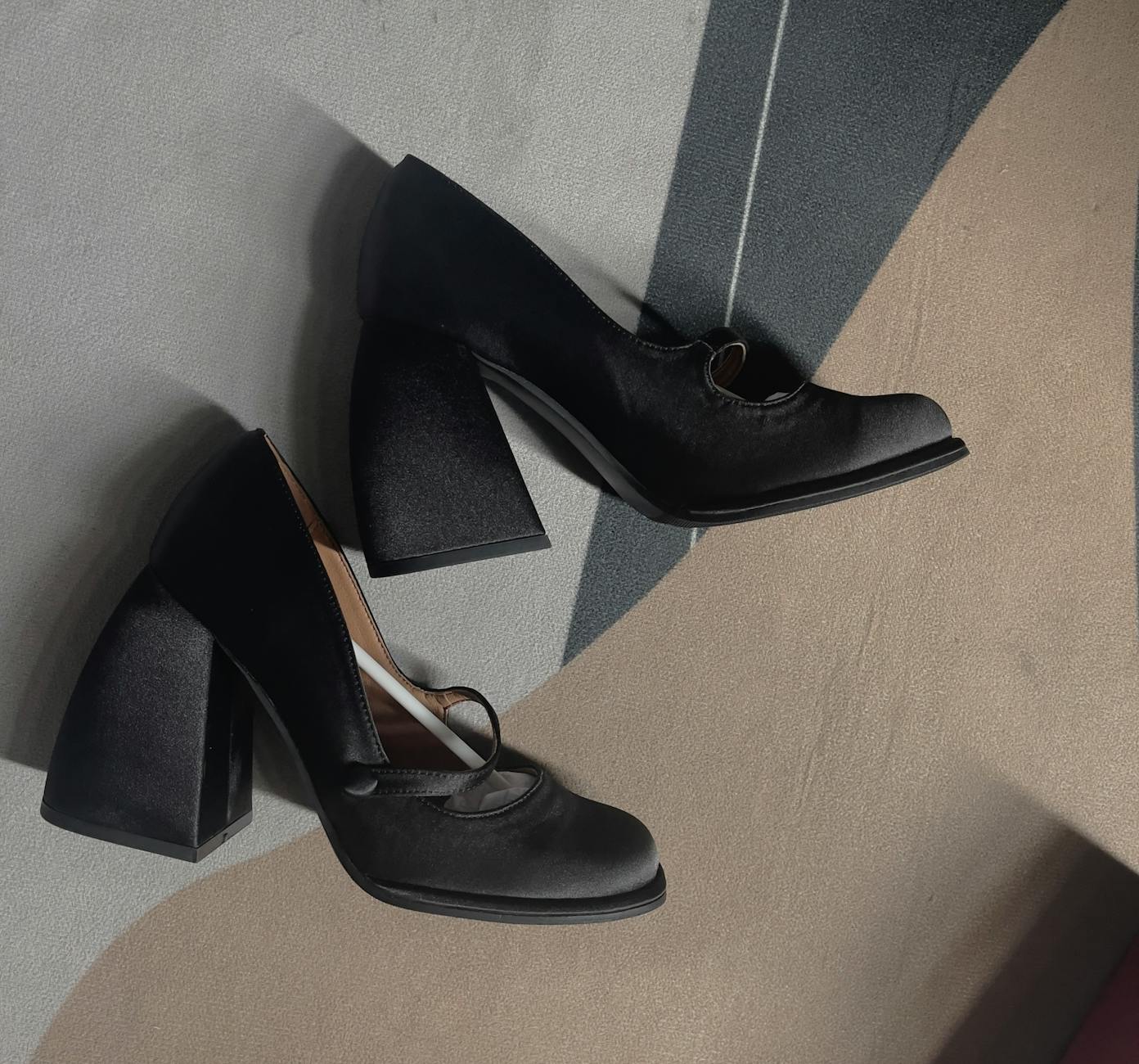
Elevating the heel forces the entire body weight forward onto the delicate bones of the forefoot. This unnatural angle drastically increases pressure on the toes and alters the natural alignment of the spine. Prolonged use frequently leads to the shortening of the Achilles tendon and the development of painful bone protrusions. The lack of proper weight distribution also increases the risk of stress fractures and severe ankle sprains. Avoiding this style for daily wear prevents irreversible damage to the lower extremities.
Flip Flops
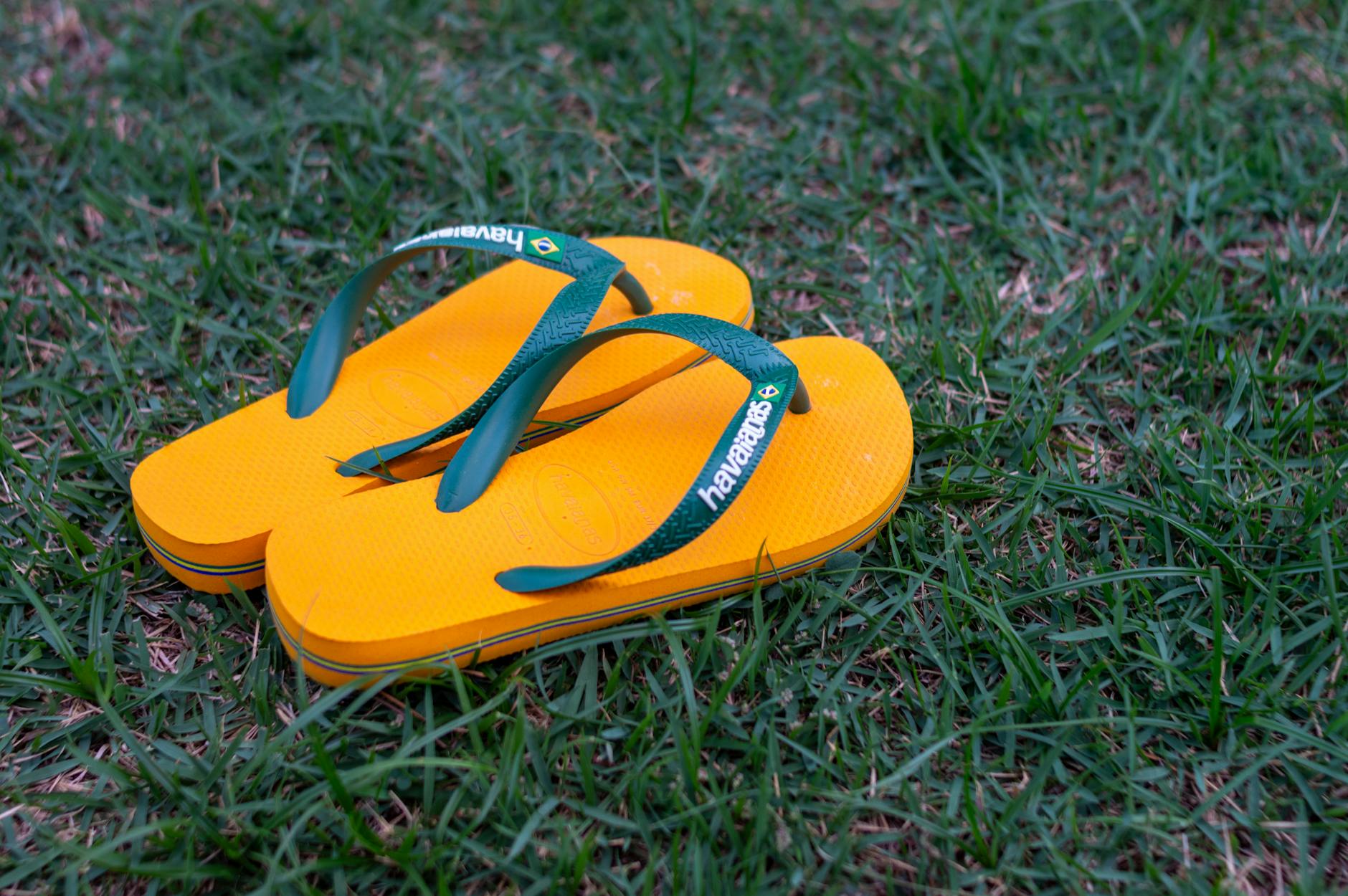
These casual summer staples provide absolutely no arch support or structural stability for the foot. The open design forces the toes to constantly grip the thin sole just to keep the shoe attached during movement. This repetitive gripping action severely strains the tendons and frequently causes painful inflammation along the bottom of the foot. The complete lack of shock absorption means every step sends a jarring impact directly into the heel and lower back. Opting for sandals with secure ankle straps offers a much safer alternative for warm weather.
Ballet Flats
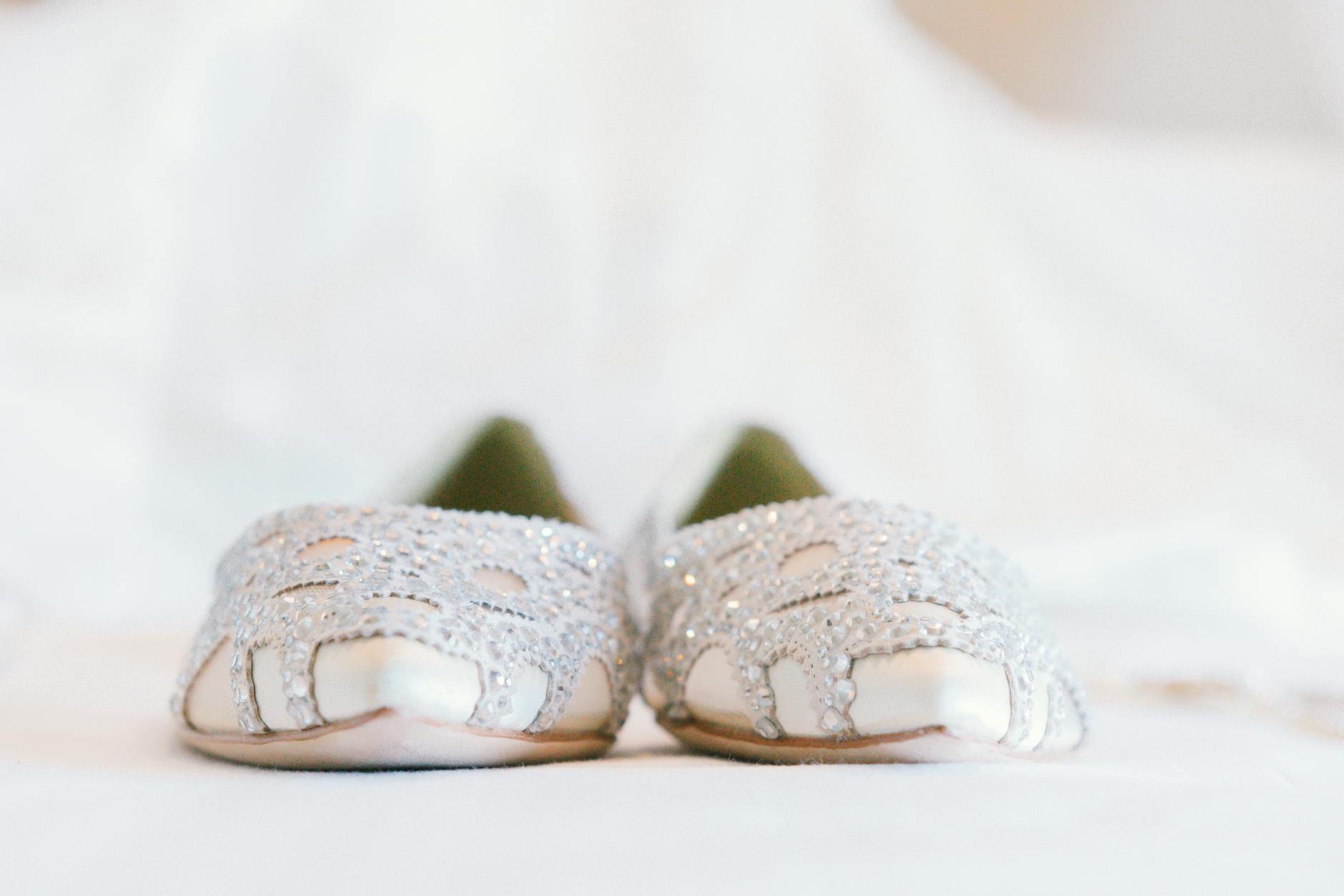
Despite their reputation as a comfortable alternative to heels these thin shoes completely fail to absorb the impact of walking. The entirely flat soles offer zero arch support and leave the foot vulnerable to collapsing inward with every step. The extremely thin material provides zero protection against hard surfaces and increases the likelihood of bone bruising. Continuous wear regularly contributes to severe heel pain and places excessive stress on the knee joints. Podiatrists strongly recommend inserting custom orthotics if these shoes must be worn for professional reasons.
Pointed Toe Shoes
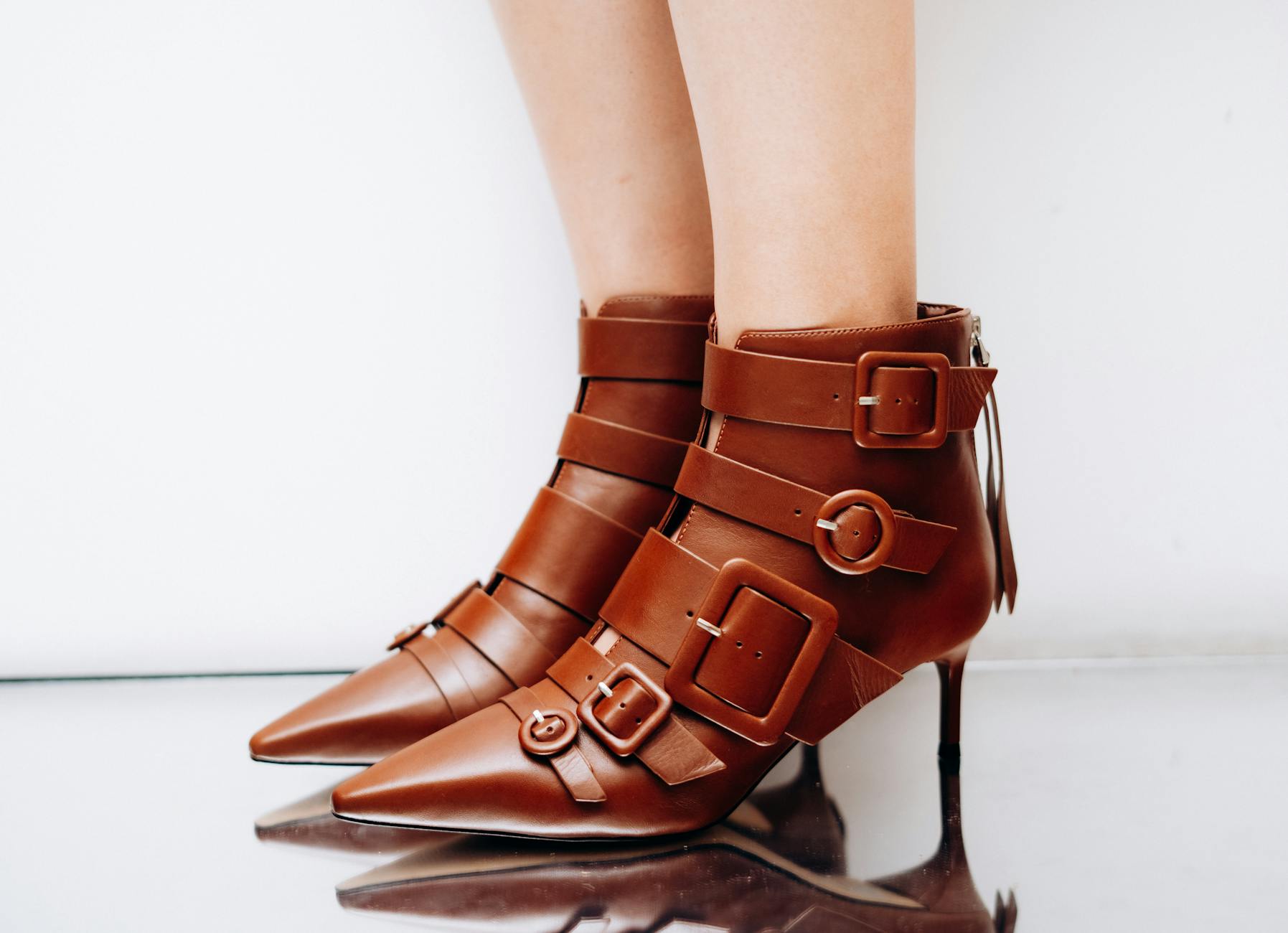
Footwear featuring a narrow front section aggressively squeezes the toes into an unnatural triangular shape. This constant compression restricts blood flow and forces the big toe to bend inward toward the lesser toes. The sustained friction against the inner lining of the shoe quickly creates painful corns and thick calluses. Over time this restrictive environment accelerates the development of permanent bone deformities that may require surgical correction. Selecting footwear with a naturally rounded toe box allows the foot to splay comfortably during movement.
Canvas Sneakers
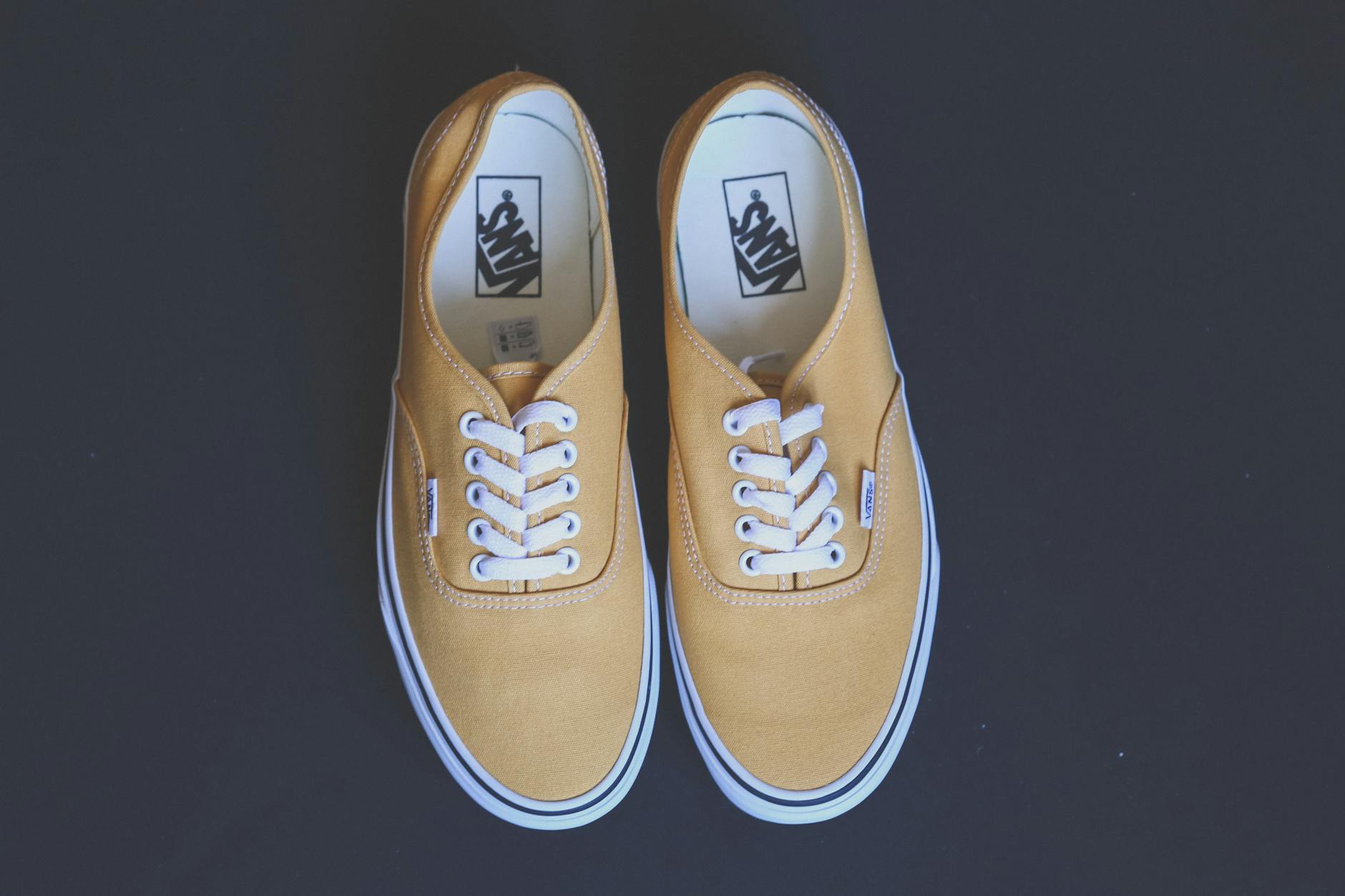
These casual shoes often feature completely flat rubber soles that lack any internal contouring or cushioning. The rigid canvas material provides minimal structural support for the ankle and offers no shock absorption for the heel. Walking on hard pavements in these shoes transfers the entire force of impact directly into the lower back and hips. The flat interior promotes poor foot mechanics and frequently exacerbates existing arch pain in active individuals. Adding supportive inserts can slightly improve their functionality but they remain inappropriate for long walks.
Platform Shoes
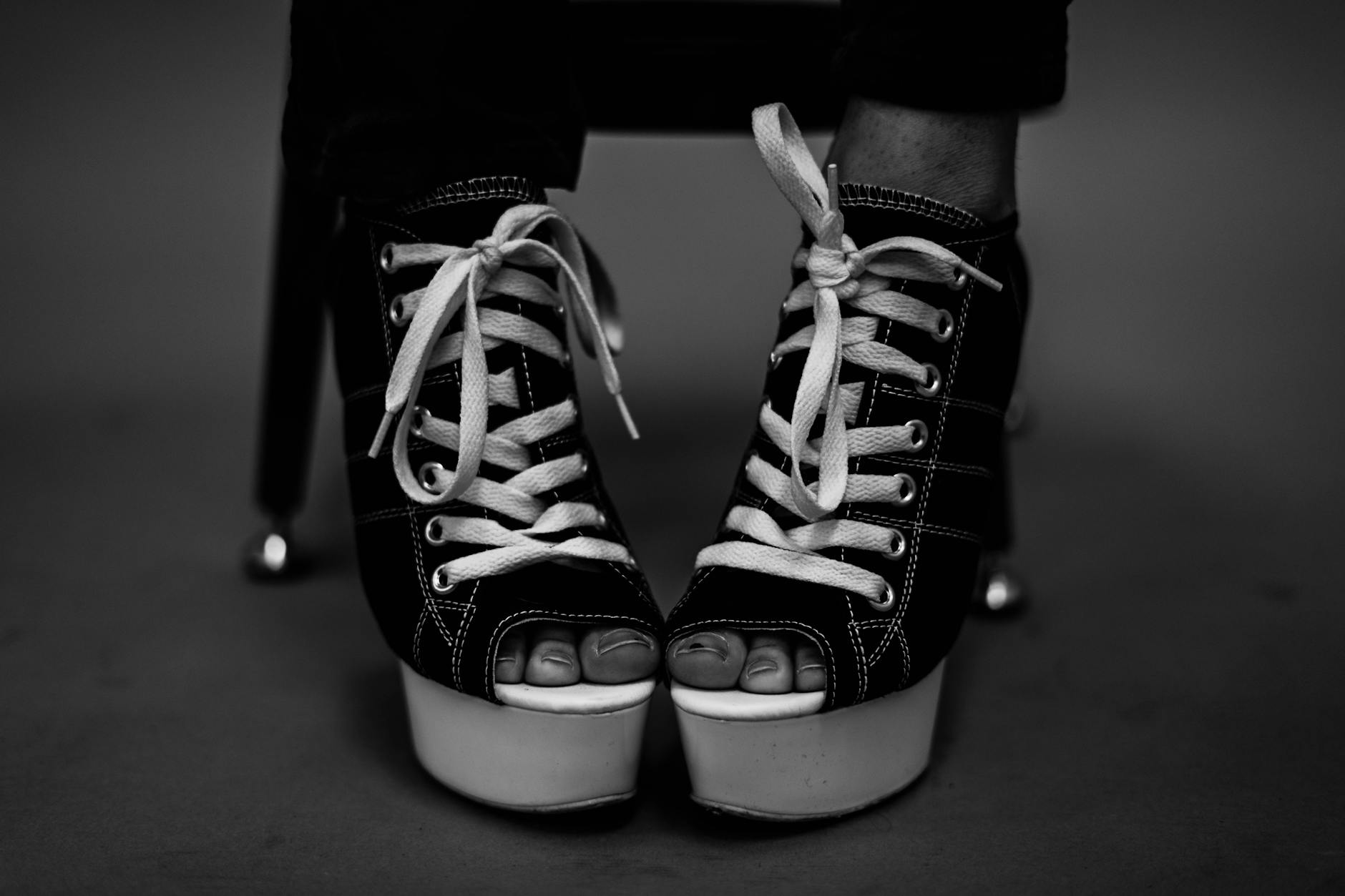
The extreme thickness of the sole completely eliminates the natural flexibility required for a healthy walking gait. This rigid construction prevents the foot from rolling naturally from the heel to the toe during forward movement. The unnatural elevation severely compromises balance and creates a significant risk of traumatic ankle sprains on uneven surfaces. Attempting to walk in these heavy shoes places unnecessary strain on the calf muscles and the shin bones. Reserving these shoes for stationary events minimizes the risk of sudden falls and joint injuries.
Rain Boots
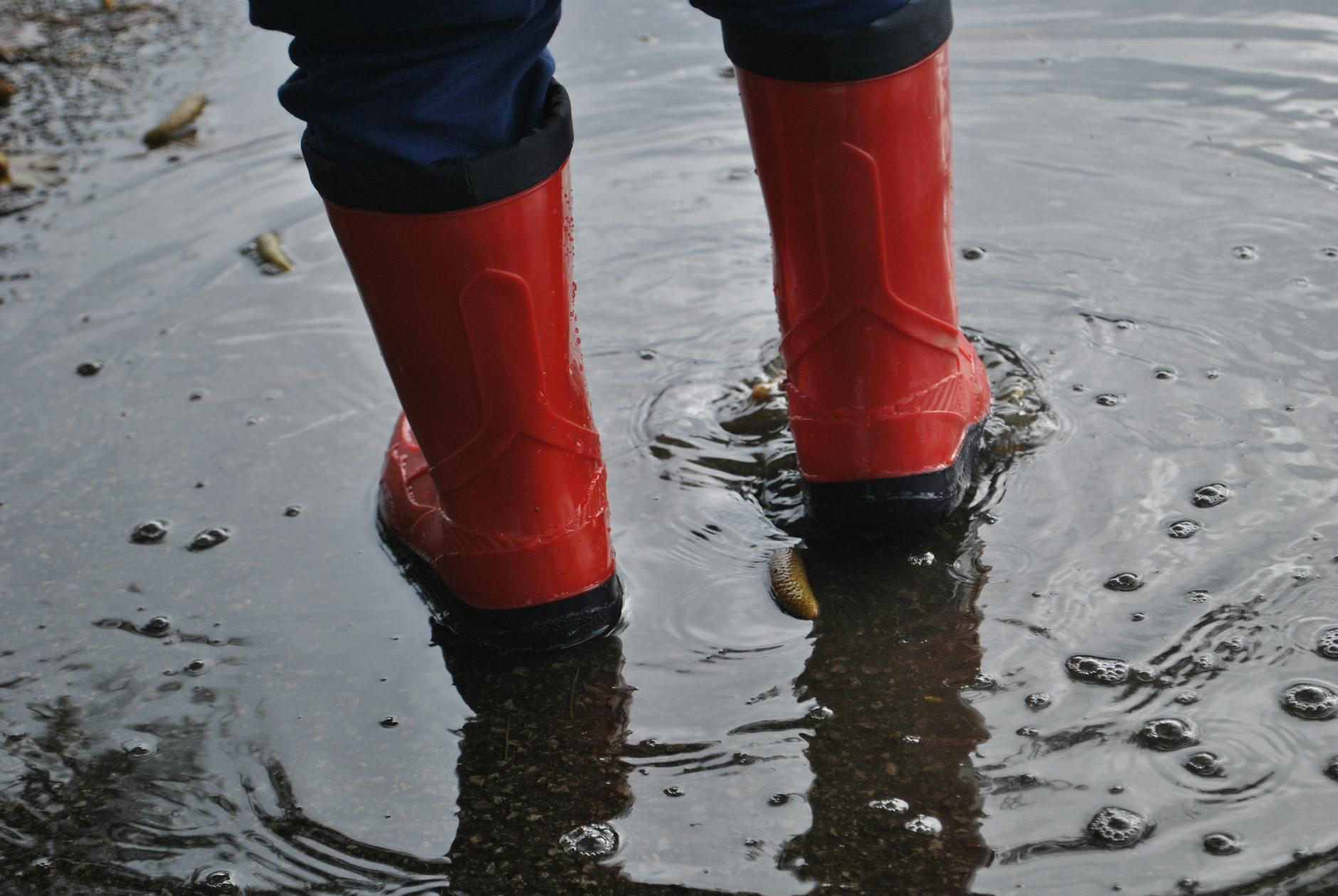
Thick rubber construction makes these boots incredibly heavy and completely inflexible during normal walking motions. The loose fit around the heel and ankle causes the foot to slide around internally with every single step. This constant sliding creates painful friction blisters and forces the wearer to adopt an unnatural stomping gait. The nonporous rubber material traps moisture inside the boot and creates a perfect breeding ground for fungal infections. Limiting their use to brief periods of severe weather protects the feet from excessive strain and bacterial growth.
Mules
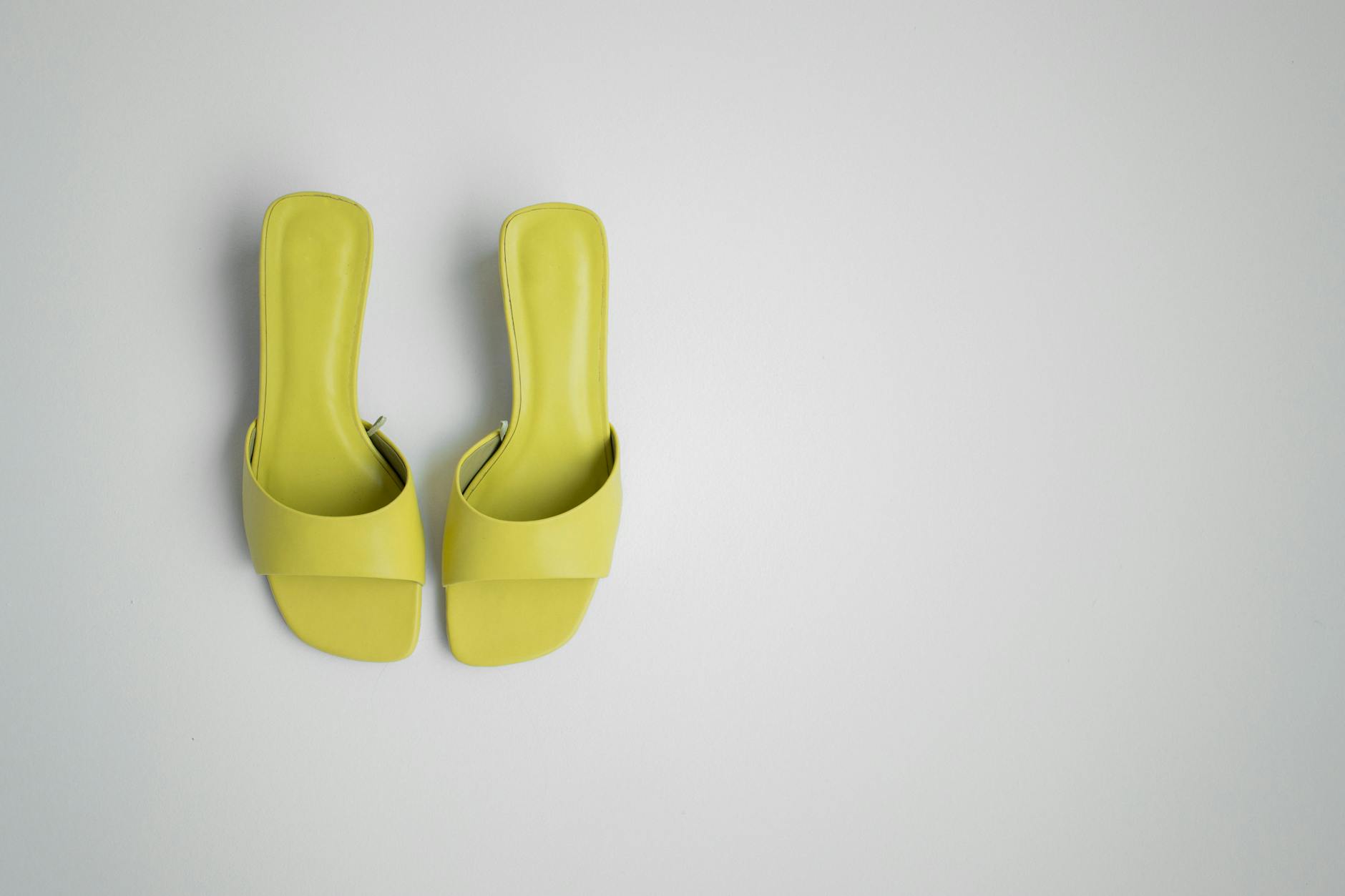
The backless design of this footwear removes all stability from the heel and forces the foot to work harder. Without a supportive heel counter the foot constantly slides backward and requires the toes to tense up for grip. This unnatural muscle tension quickly leads to painful cramping in the arches and severe fatigue in the lower legs. The repeated slapping of the hard sole against the heel can also trigger localized skin thickening and painful cracking. Choosing a similar style with an adjustable back strap easily resolves these structural deficiencies.
Minimalist Running Shoes
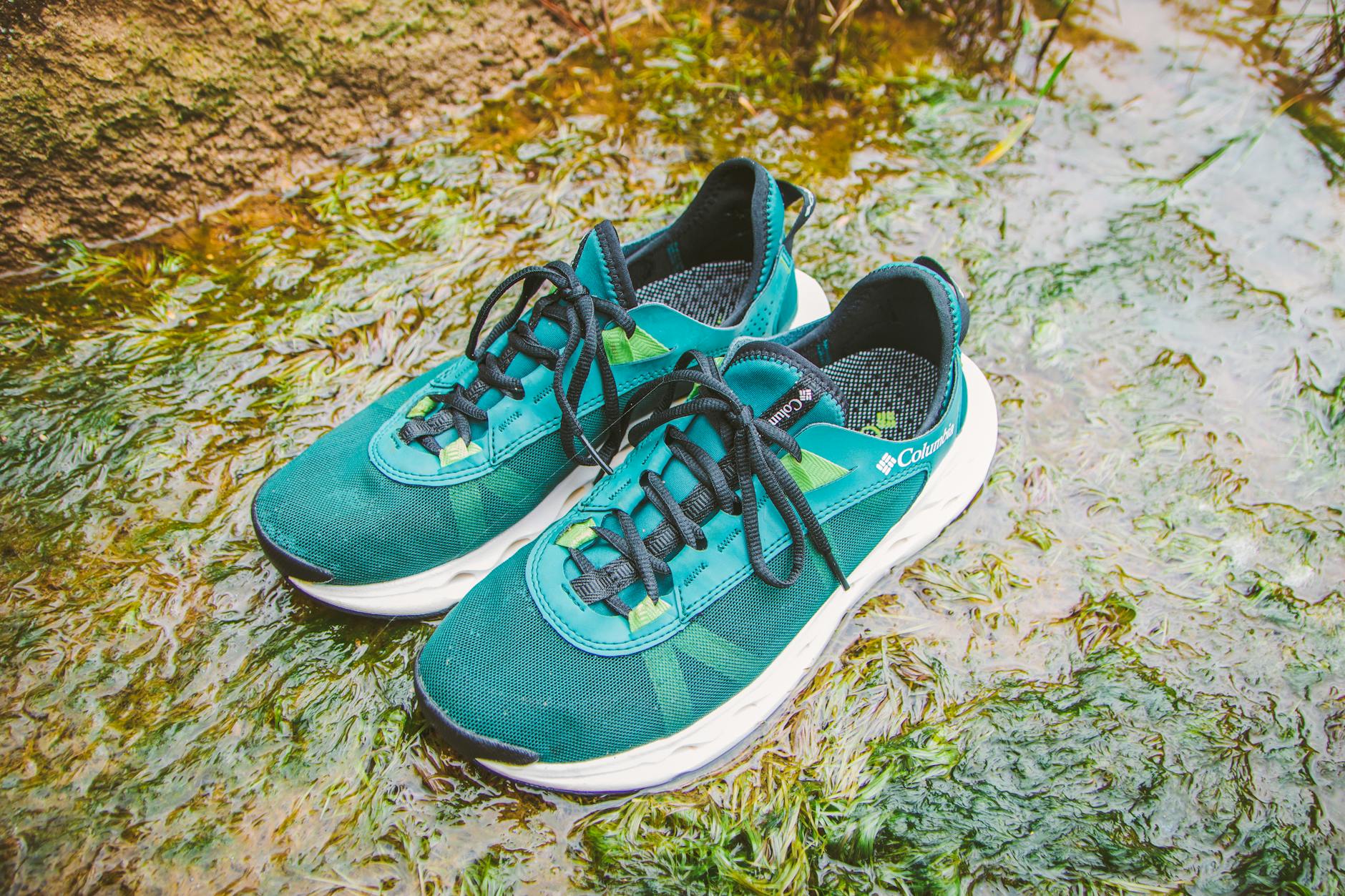
Footwear designed to simulate barefoot running completely removes the plush cushioning found in traditional athletic sneakers. This deliberate lack of shock absorption demands pristine running mechanics that most casual athletes simply do not possess. Striking the pavement without adequate padding places intense stress on the delicate metatarsal bones and the ankle joints. Podiatrists frequently treat stress fractures in runners who transition to this footwear without proper conditioning. Traditional running sneakers with robust foam midsoles remain the safest choice for daily cardiovascular exercise.
Sheepskin Boots
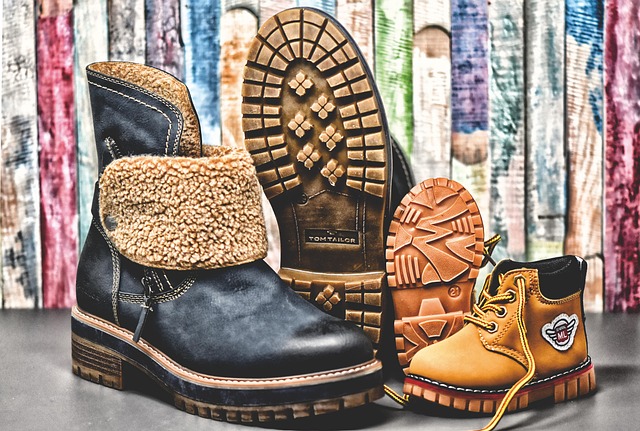
These plush winter boots prioritize warmth over anatomical support and feature completely flat structural bottoms. The soft suede material quickly stretches out of shape and allows the foot to slide off the edge of the sole. This lateral instability drastically alters walking mechanics and forces the knees to compensate for the lack of foot control. The incredibly warm interior also promotes excessive sweating which easily leads to stubborn fungal issues when socks are ignored. Upgrading to structured winter boots with contoured footbeds ensures proper alignment during the colder months.
Please share which of these problematic shoe styles you are ready to replace in the comments.




