Staying in a hotel offers a relaxing escape but the bathroom requires careful navigation to maintain hygiene and safety. Many common habits can lead to unexpected exposure to bacteria or result in unnecessary charges on the final bill. Housekeeping staff work diligently but certain areas and items harbor more germs than others due to quick turnover times. Understanding what to avoid ensures a healthier and more comfortable stay during any trip.
Drinking from the Glassware
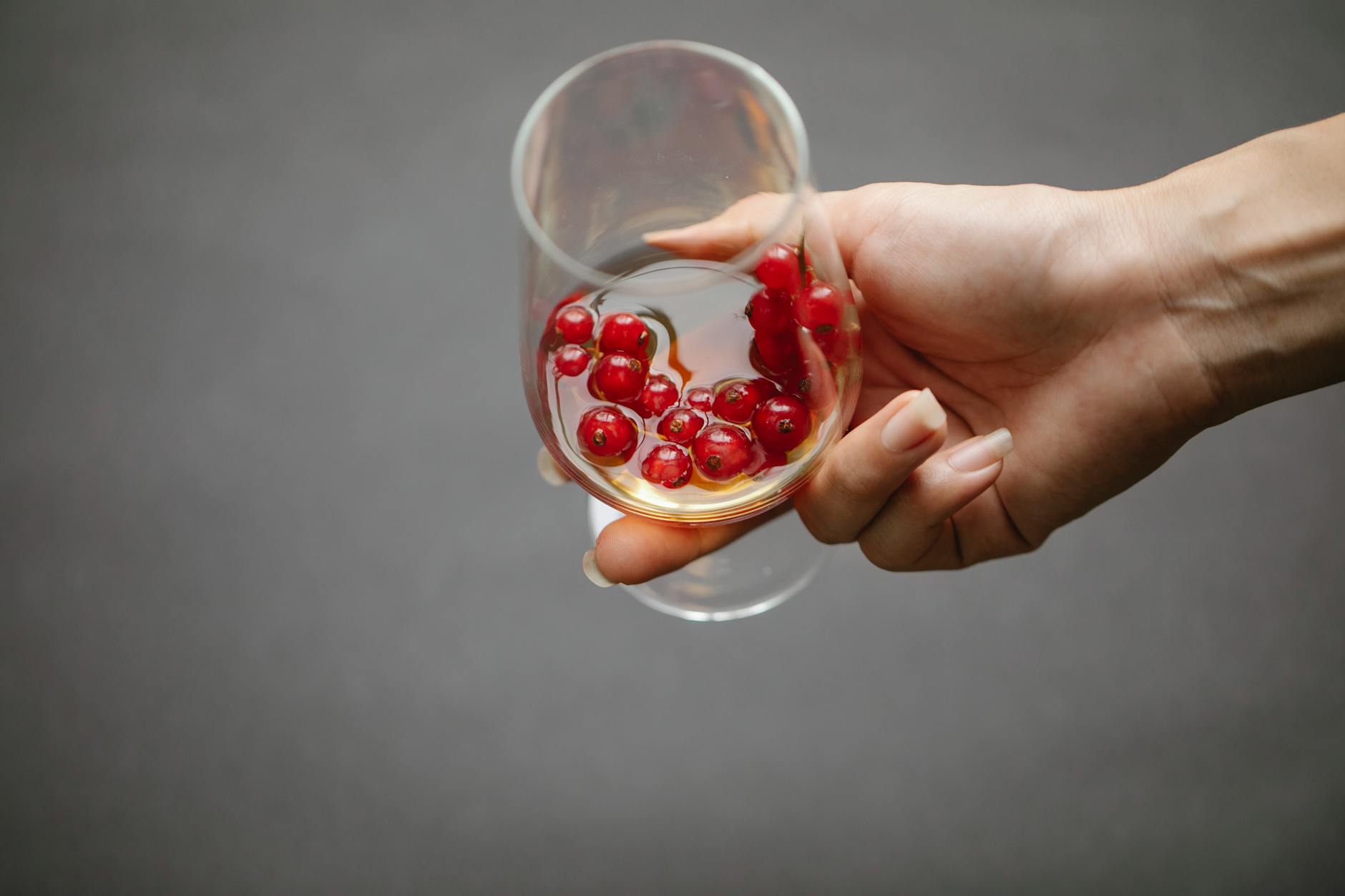
Hotel bathroom glasses often undergo a quick rinse in the sink rather than a thorough sanitization in a dishwasher. Some cleaning staff use the same sponges for drinking glasses that they use on bathroom surfaces. Lingering chemicals from heavy cleaning products can easily remain on the rim of the glass. Opting for sealed plastic cups or washing the glassware thoroughly with hot water and soap provides a safer alternative.
Walking Barefoot on the Floor

The bathroom floor accumulates moisture and bacteria from countless previous guests despite regular mopping. Grout lines are particularly notorious for trapping microscopic dirt and fungal spores that thrive in humid environments. Stepping onto these surfaces without protection increases the risk of picking up foot infections like athletes foot. Wearing dedicated travel slippers or flip flops provides an essential barrier between clean feet and potentially unsanitary floors.
Using the Hairdryer
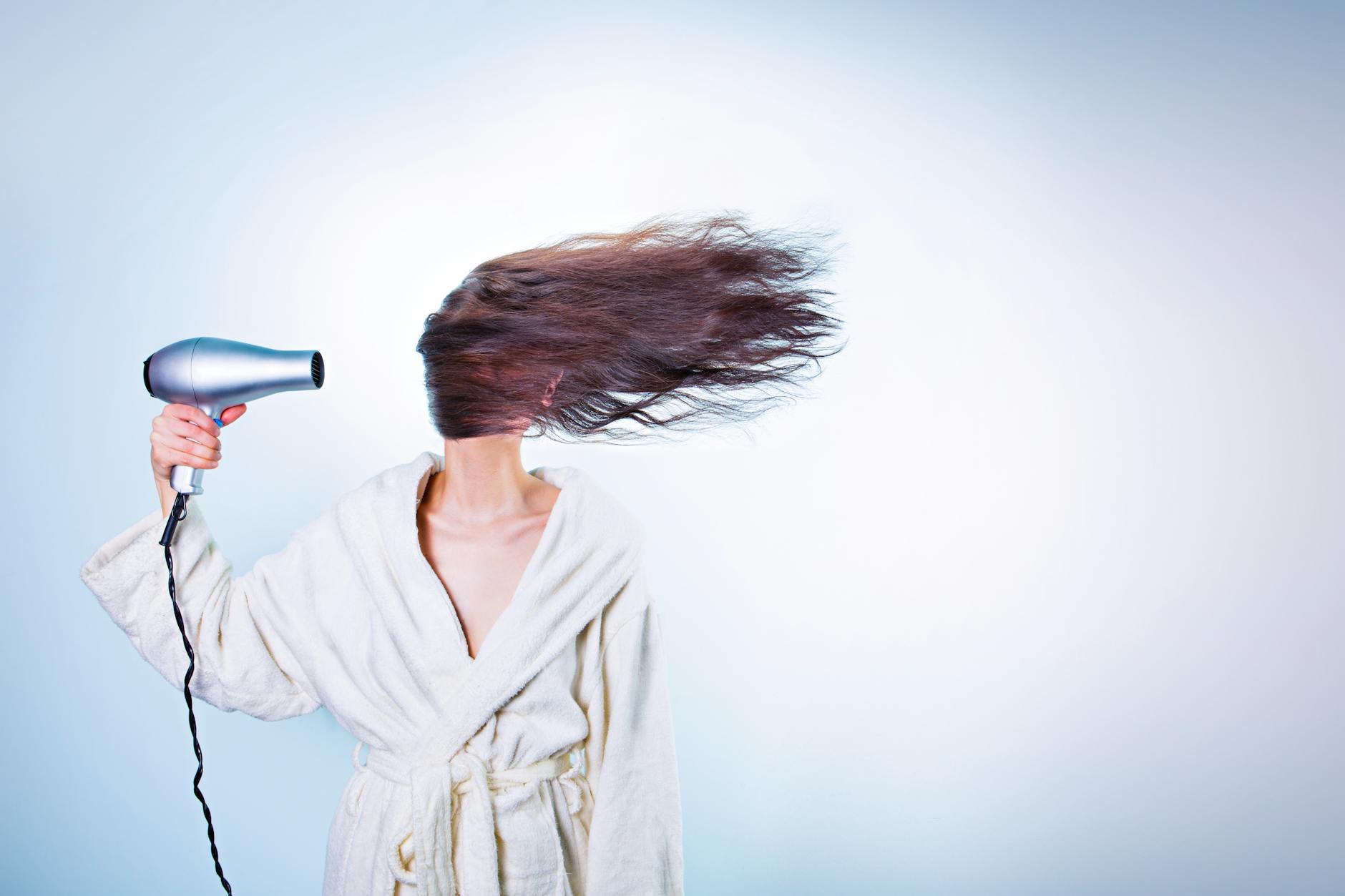
The provided hairdryer is rarely sanitized and ranks as one of the most contaminated items in any hotel room. Guests grab the handle with unwashed hands and housekeeping staff often overlook it during their rapid cleaning routines. Bacteria can easily transfer from the handle directly to your hands and face while styling your hair. Bringing a travel hairdryer or wiping down the hotel device with an antibacterial wipe prevents this unwanted germ transfer.
Using the Ice Bucket
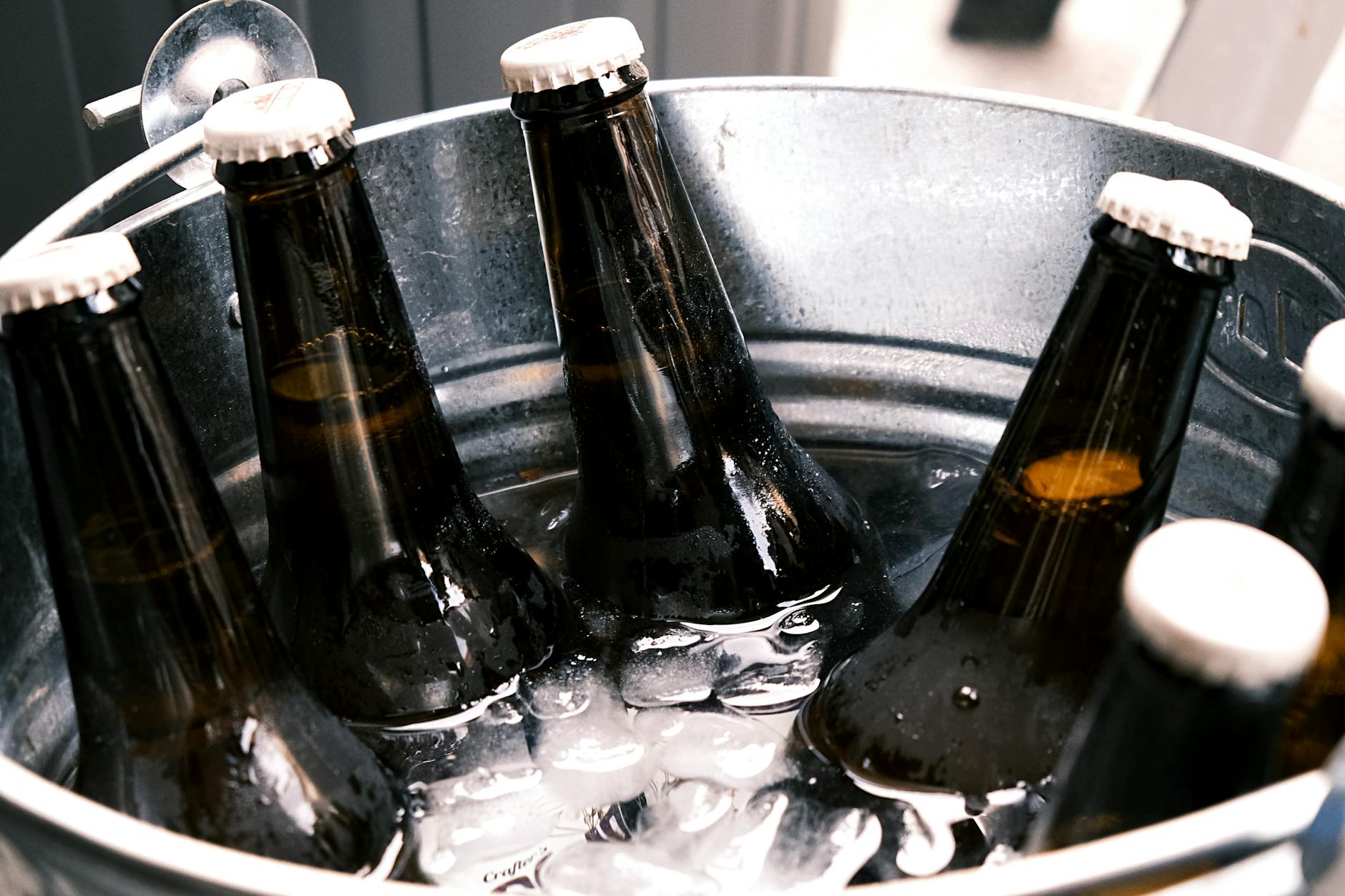
Guests frequently misuse ice buckets as makeshift sick bowls or storage containers for unsanitary items during their stay. Plastic liners provided by the hotel do not completely negate the risk of lingering bacteria from previous unconventional uses. Cleaning crews generally wipe these buckets down quickly instead of applying deep disinfecting agents. Fetching ice in a personal travel container or a fresh plastic bag offers a much more hygienic solution.
Leaving Valuables on the Counter
The high humidity generated during hot showers can damage sensitive electronics or tarnish delicate jewelry left exposed on the counter. Items left near the sink are also at risk of accidentally falling down the drain or getting splashed with water. Cleaning staff wiping down surfaces might unintentionally knock small valuables into the trash can or onto the wet floor. Storing important items in the room safe or a designated travel pouch prevents accidental loss or water damage.
Trusting the Coffee Maker
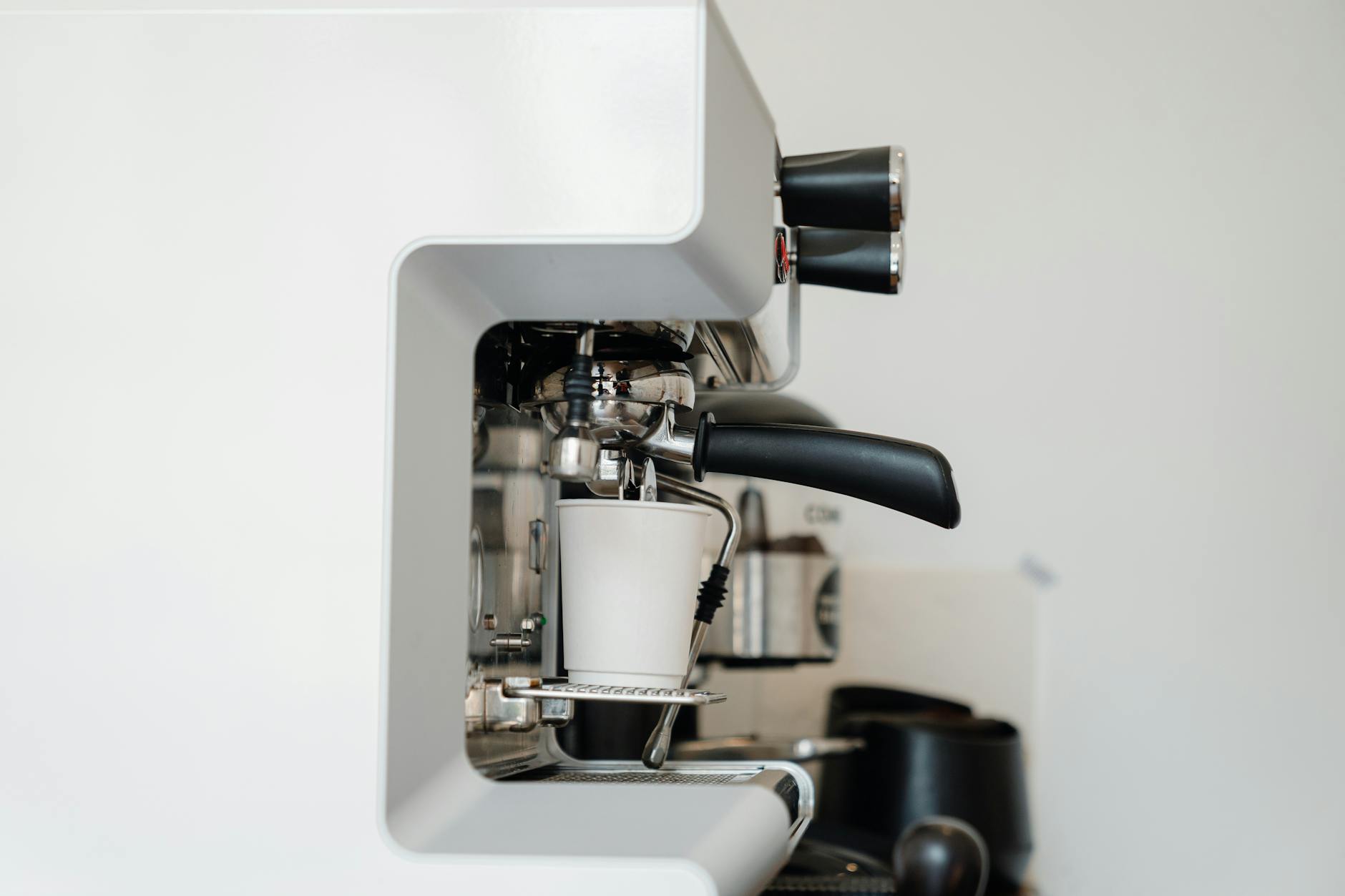
Many hotel bathrooms house the room coffee maker right next to the toilet where aerosolized bacteria land after flushing. The internal water reservoirs are rarely descaled or deeply cleaned between guest stays. Stagnant moisture inside the machine creates an ideal breeding ground for mold and mildew to develop unnoticed. Purchasing coffee from the lobby or a nearby cafe guarantees a much cleaner and safer morning beverage.
Using Washcloths for Makeup Removal
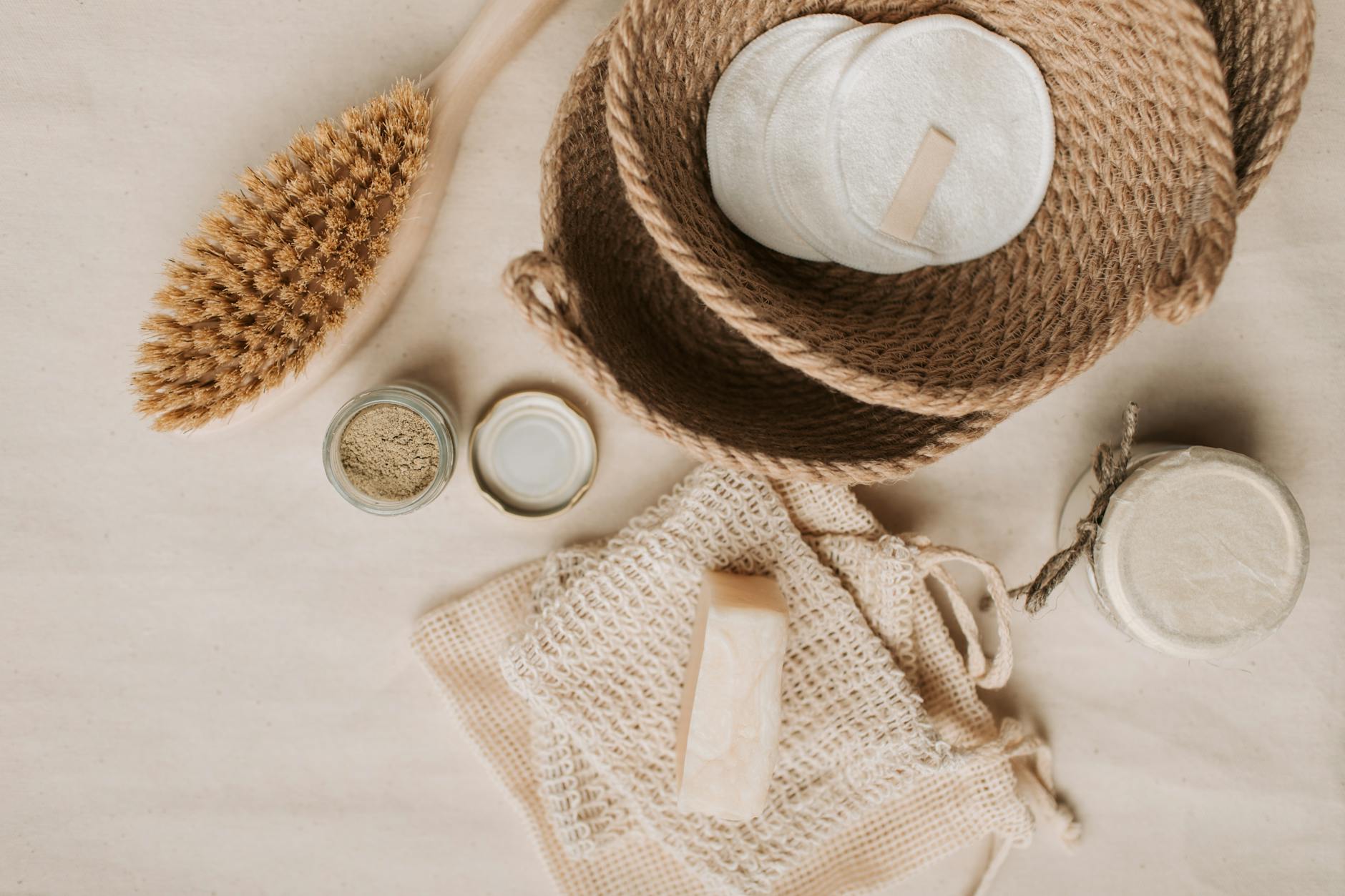
Hotel washcloths undergo harsh chemical bleaching processes that can irritate sensitive facial skin when used for scrubbing. Heavy makeup stains often permanently ruin the bright white fabric and lead to damage fees charged to your room. Hotels specifically provide disposable makeup wipes or dark colored towels for this exact purpose in many modern establishments. Packing personal makeup removal pads protects both your skin and your final hotel bill.
Sitting in the Bathtub
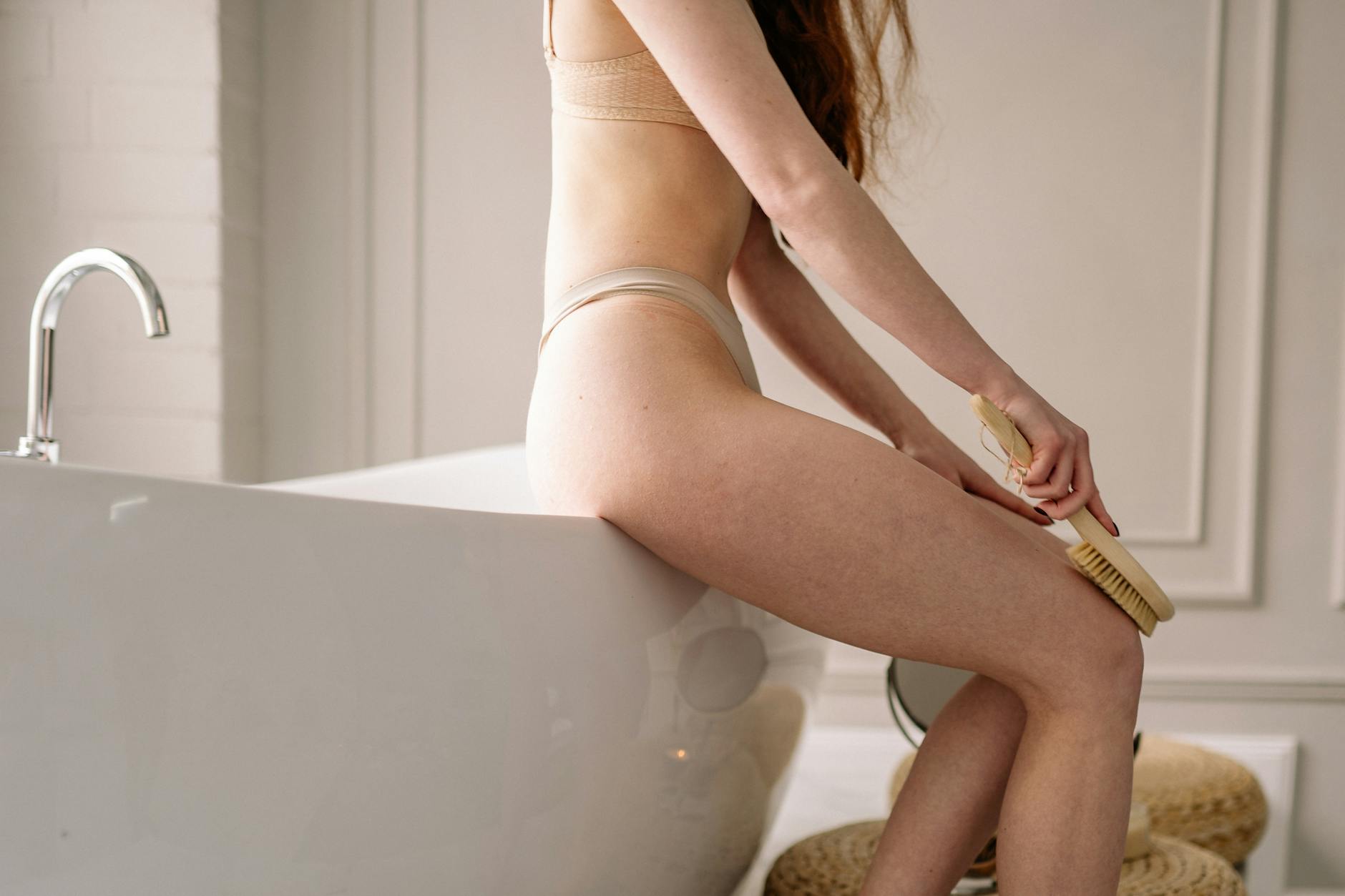
Bathtubs require significant scrubbing to remove the invisible biofilm left behind by previous bathers and their bathing products. Quick turnover times mean housekeeping might only spray and wipe the tub surface without thoroughly disinfecting it. Microorganisms and fungal spores can easily survive this superficial cleaning process and transfer to bare skin. Taking a shower instead of a bath significantly reduces prolonged contact with potentially contaminated surfaces.
Touching the Light Switches
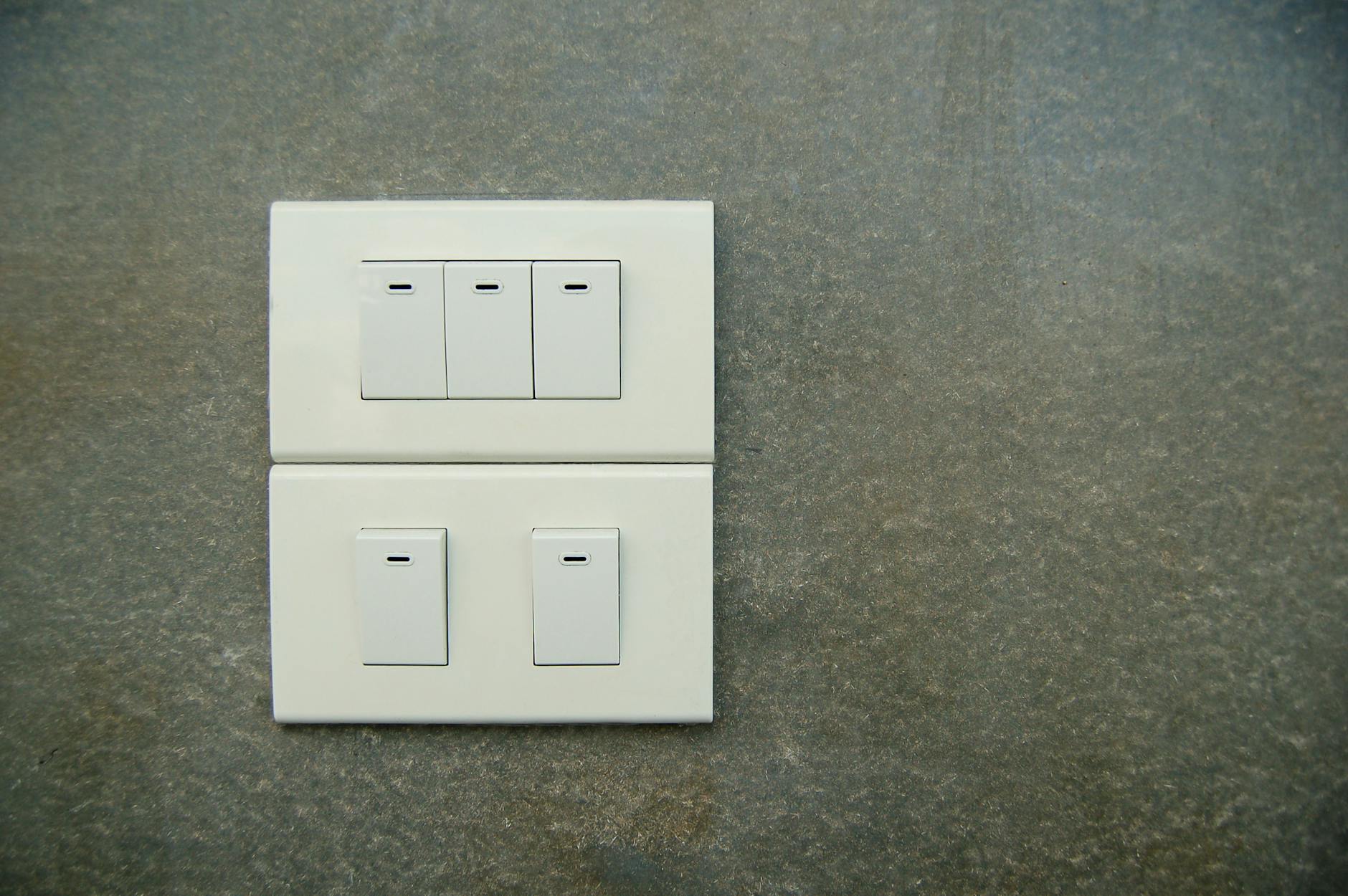
Bathroom light switches receive constant contact from unwashed hands immediately after guests use the toilet facilities. These small plastic plates are frequently missed during routine room cleanings in favor of larger surfaces like mirrors and counters. Germs can survive on these hard surfaces for several days and easily transfer to your clean hands. Giving the switch a quick swipe with a sanitizing wipe upon arrival establishes a much cleaner environment.
Flushing Inappropriate Items
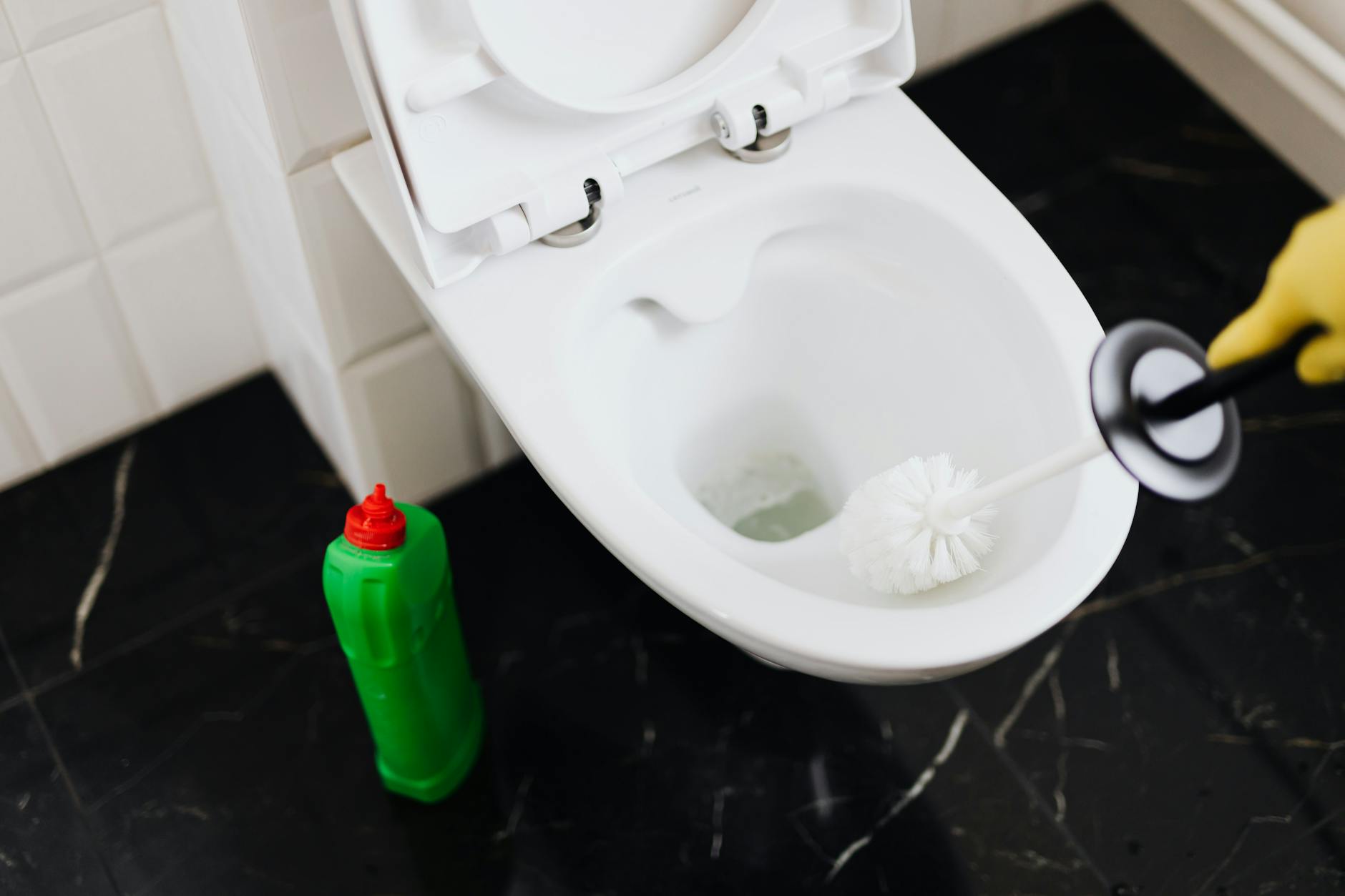
Hotel plumbing systems often connect through complex networks that are highly sensitive to blockages from non flushable items. Discarding paper towels or feminine hygiene products into the toilet frequently causes severe clogs and potential overflows. Maintenance teams must then enter the room to resolve the plumbing emergency and disrupt your peaceful stay. Placing all bulky waste directly into the provided trash receptacle keeps the plumbing functioning properly.
Hanging Clothes on the Sprinkler
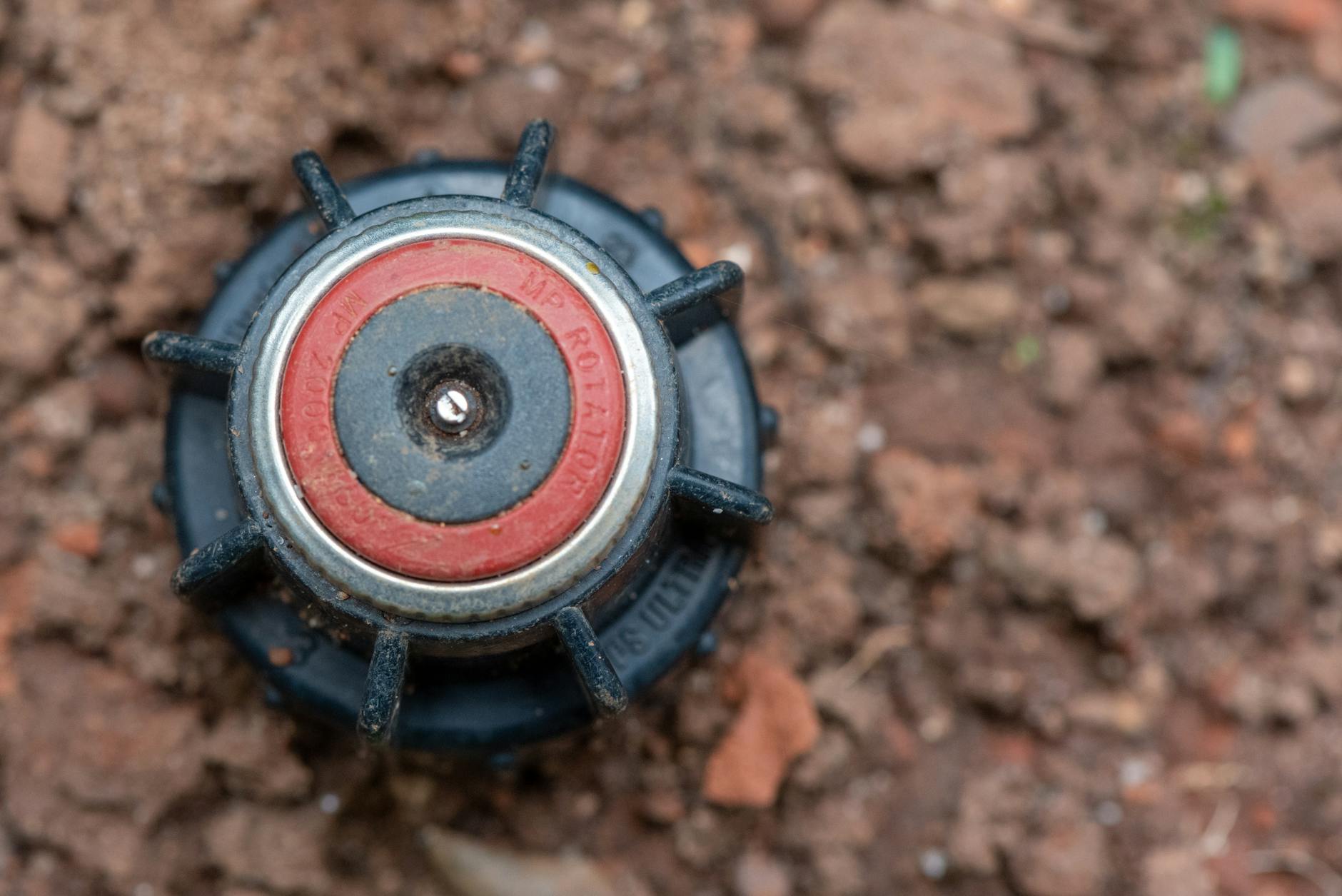
Fire sprinklers protrude from the ceiling and might look like convenient spots to hang damp clothes or travel bags. These devices are extremely sensitive to weight and can trigger a massive release of rusty water if slightly disturbed. Flooding the room ruins personal belongings and incurs massive liability charges for the guest responsible for the damage. Utilizing the retractable clothesline found in most hotel showers provides a safe and intended drying solution.
Leaving the Door Unlocked
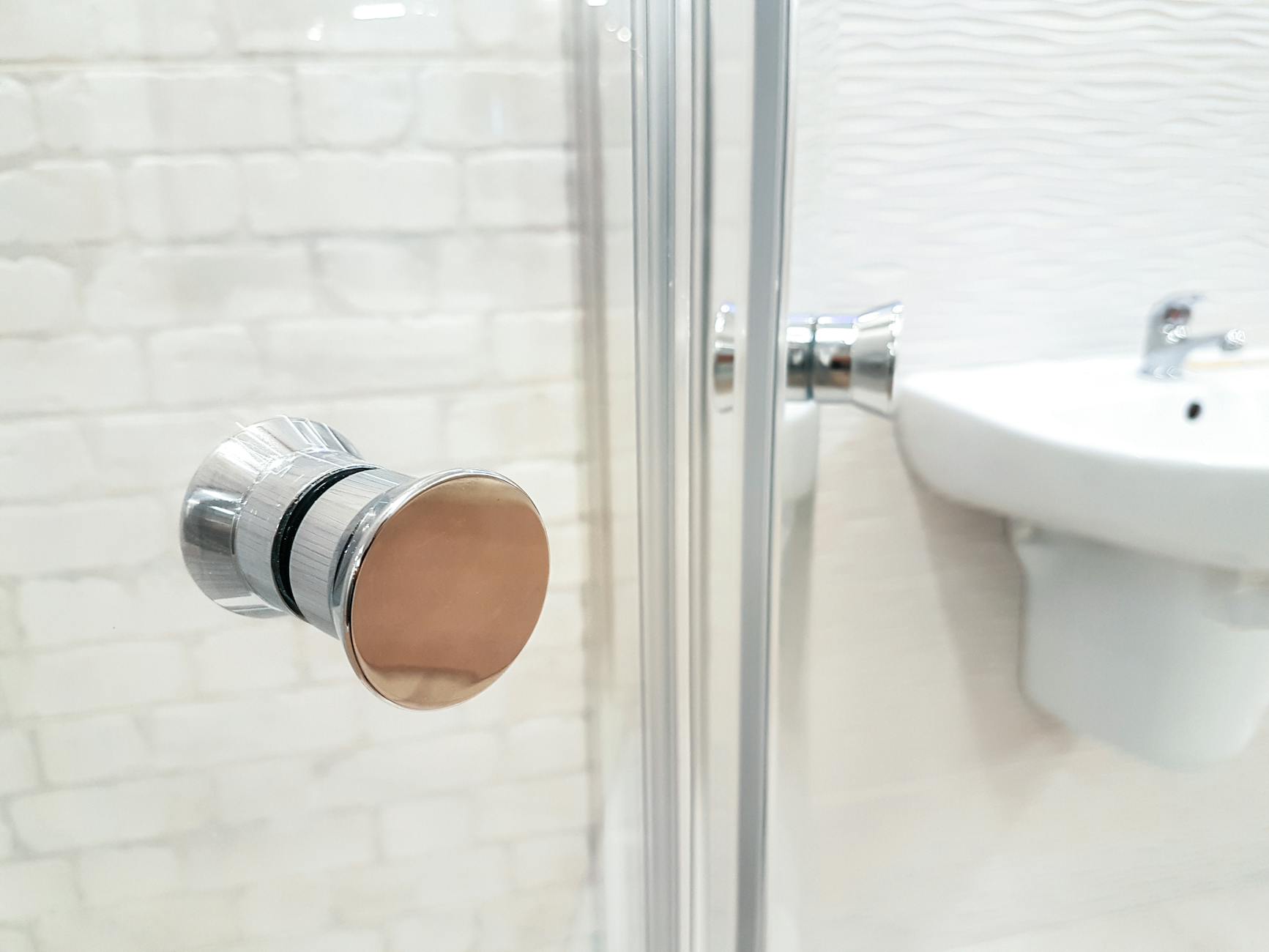
An unlocked bathroom door compromises privacy especially when traveling with companions or staying in rooms with connecting doors. Hotel staff occasionally enter rooms accidentally if they believe the space is vacant or if a Do Not Disturb sign falls. A closed and locked door establishes a clear boundary and prevents awkward unexpected encounters during personal routines. Securing the lock guarantees peace of mind while showering or getting ready for the day.
Using the Bathrobe

Plush hotel bathrobes feel luxurious but they are not always washed after a guest tries them on and hangs them back up. Some properties only launder the robes if they appear visibly soiled or if they are found tossed on the floor. Skin cells and body oils from the previous occupant can easily linger on the fabric fibers. Inspecting the robe carefully or simply avoiding it altogether eliminates the risk of sharing worn garments.
Leaving the Water Running
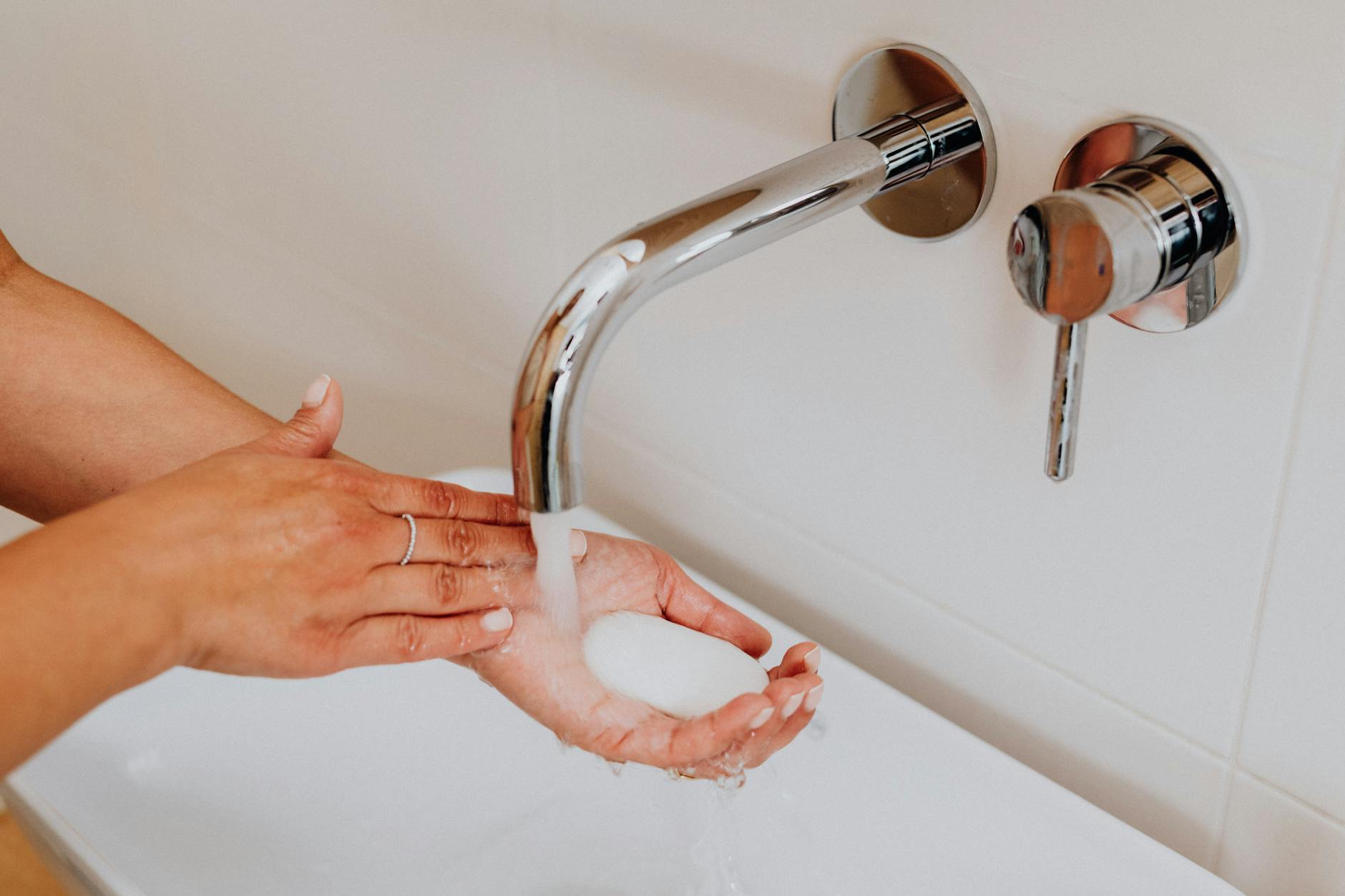
Letting the tap run while brushing teeth or shaving wastes gallons of water and contributes to unnecessary environmental strain. Hotels accommodate hundreds of guests daily and excessive water usage significantly impacts local utility resources. Some older sinks drain slowly and an unattended running faucet can quickly lead to an overflowing basin. Turning off the water between active uses promotes sustainability and prevents accidental bathroom flooding.
Ignoring the Bath Mat
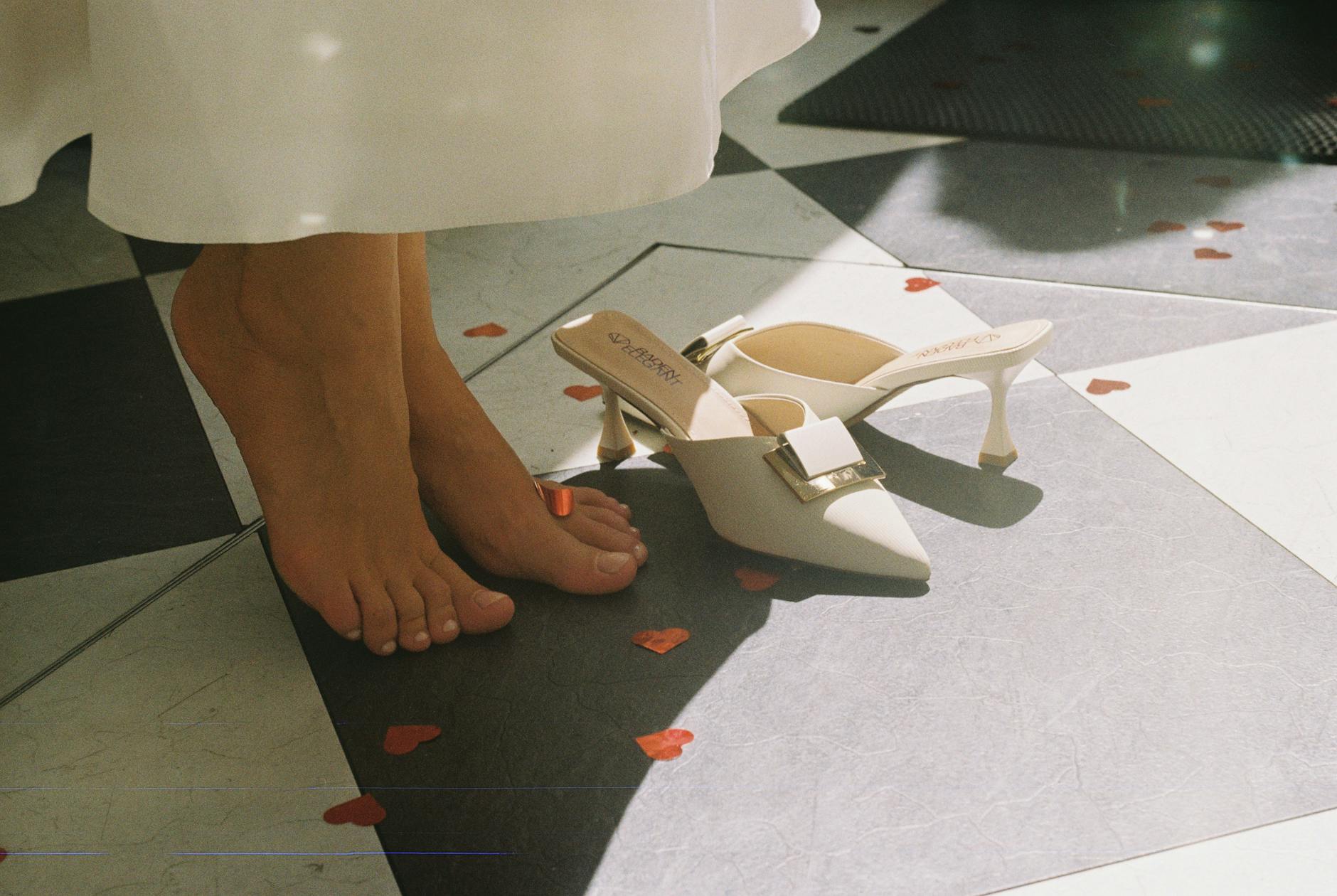
Stepping out of the shower directly onto the tile floor creates a severe slipping hazard due to pooled water. Hotel tiles become incredibly slick when wet and lead to dangerous falls and serious injuries every year. The provided fabric bath mat absorbs excess moisture and provides essential traction for wet feet. Placing the mat securely outside the tub before turning on the water ensures a safe exit from the shower.
Drinking Tap Water
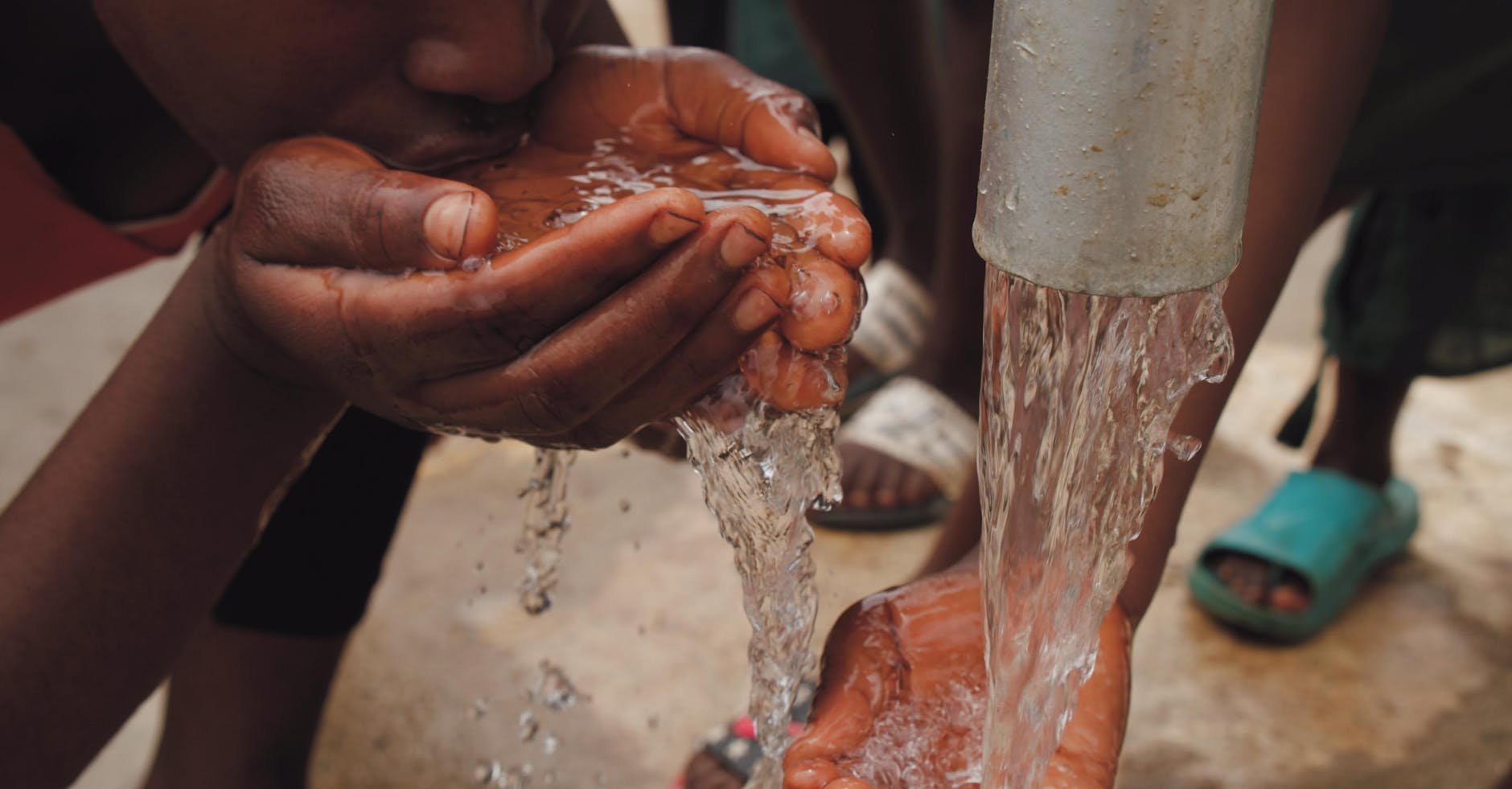
Tap water quality varies drastically depending on the age of the hotel plumbing and the local municipal water supply. Older buildings may have pipes that leach trace metals or impart an unpleasant metallic taste to the water. Some destinations actively advise against consuming tap water due to different local microbial environments that upset foreign stomachs. Sticking to bottled water for drinking and brushing teeth prevents potential digestive issues during the trip.
Packing Wet Towels
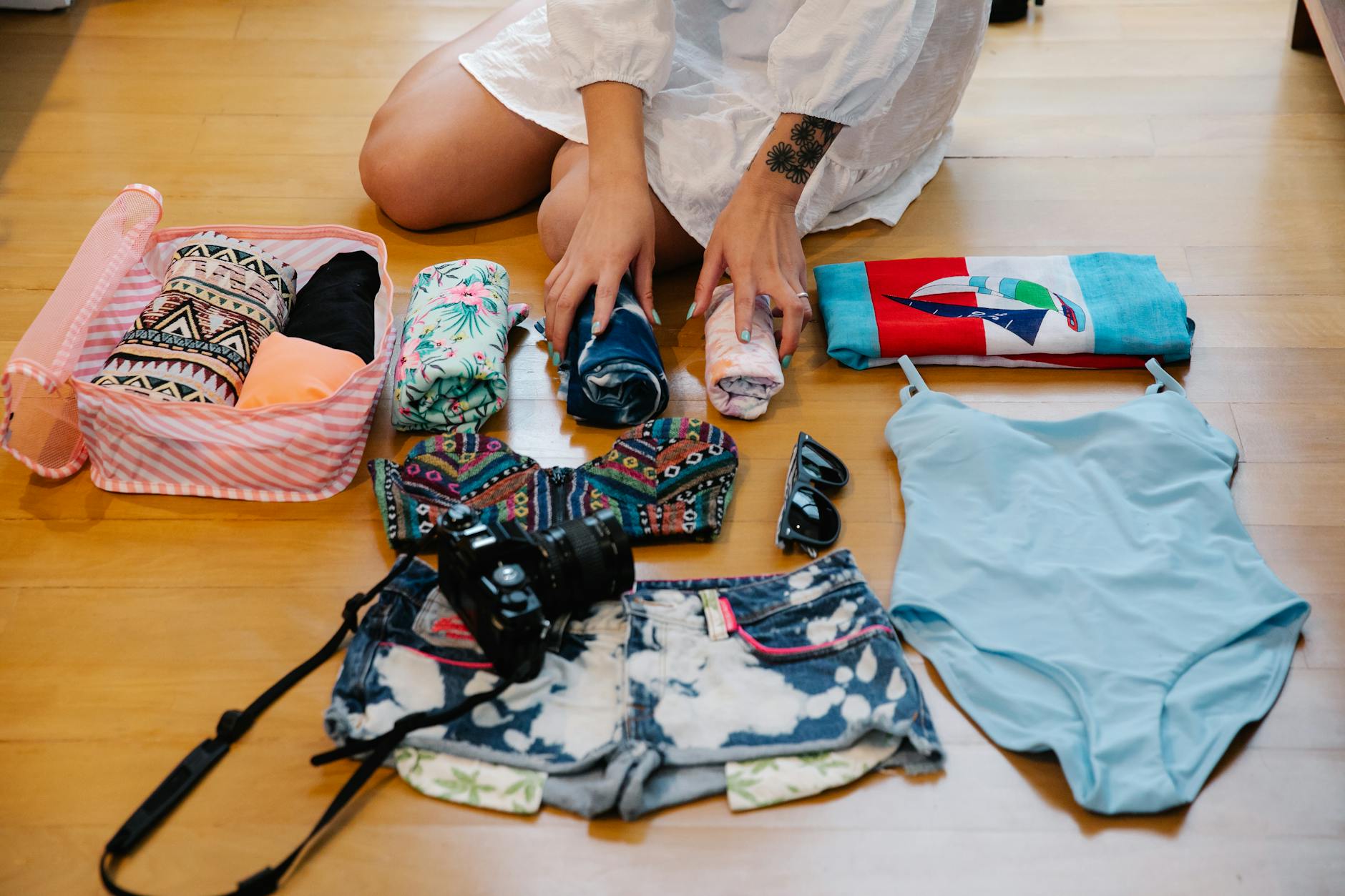
Stuffing a damp hotel towel into a suitcase promotes rapid mold growth and creates a terrible odor in your luggage. The moisture transfers to clean clothes and ruins the fabric of surrounding packed items. Hotels maintain vast inventories of linens and prefer guests to leave used towels in the bathroom for professional laundering. Leaving damp items hanging on the shower rod allows them to dry and prevents damage to your personal belongings.
Trusting the Shower Dispenser
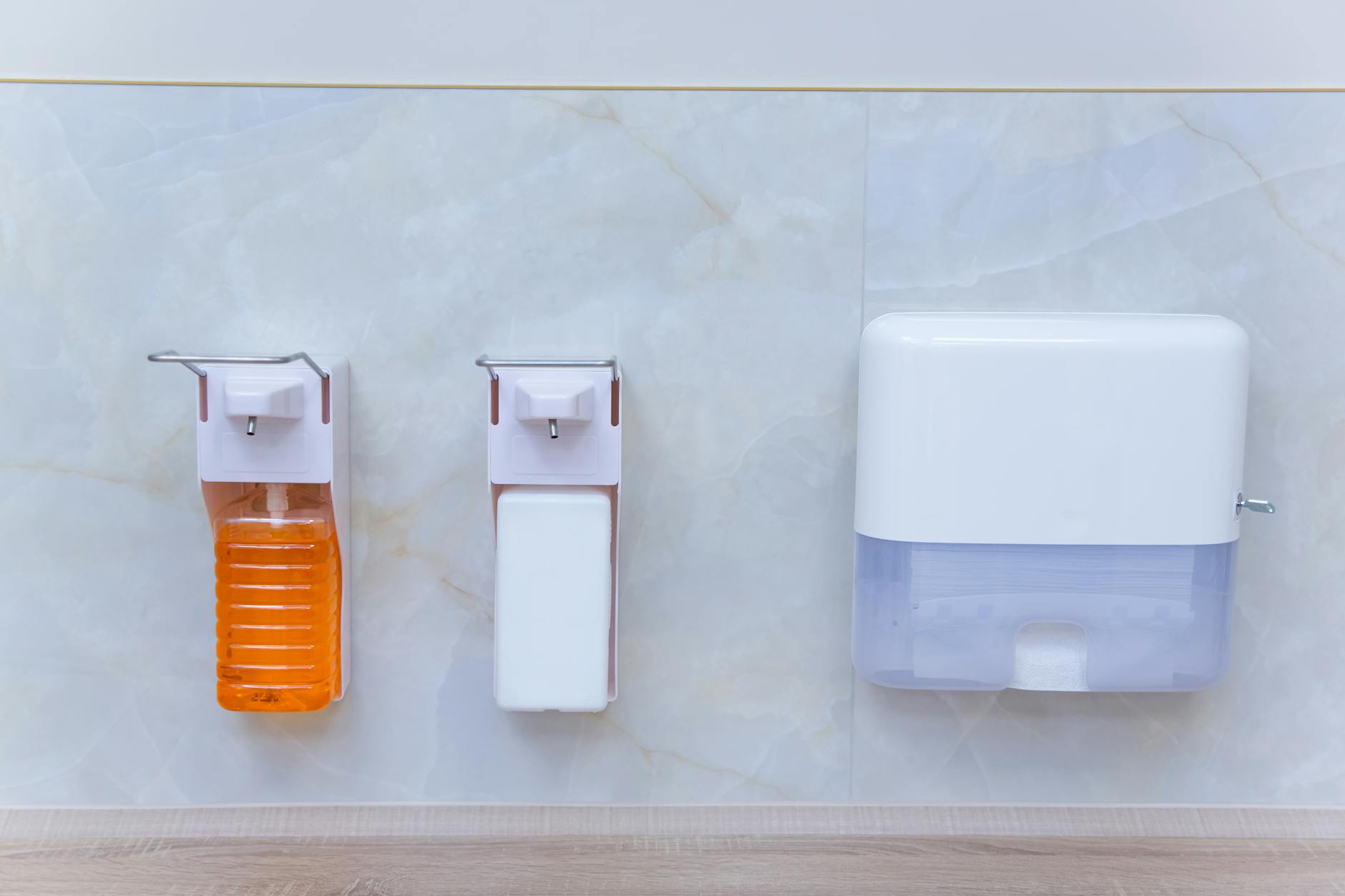
Wall mounted shampoo and soap dispensers are incredibly convenient but their refill mechanisms are vulnerable to tampering. Pranksters or malicious guests have been known to add foreign liquids or hair removal products to unlocked dispensers. Cleaning staff rarely empty and sanitize the interior chambers between refills. Sticking to sealed travel size toiletries guarantees the purity and safety of the products applied to your skin.
Leaving Toiletries Behind
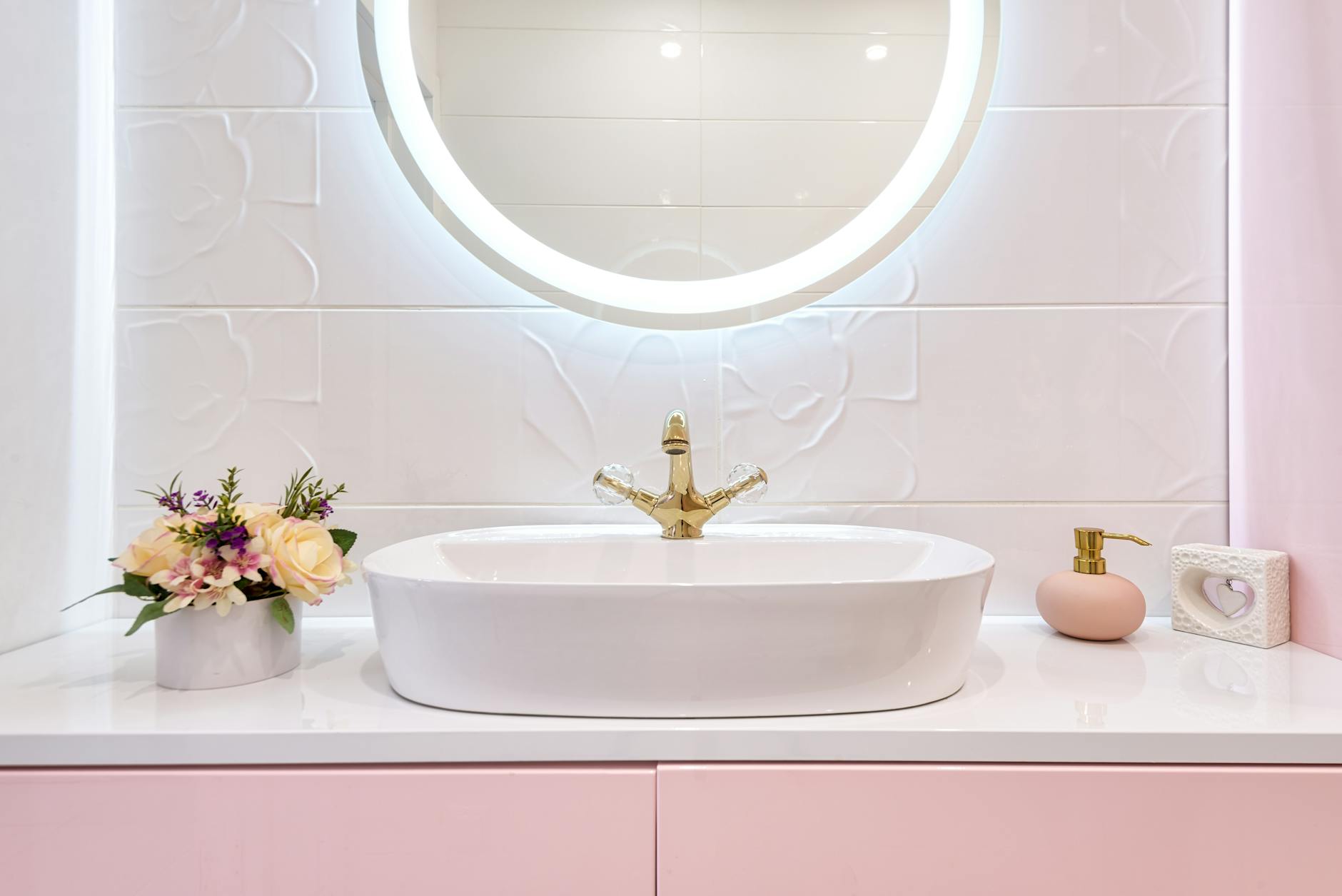
Expensive face creams and specialty hair products are easily forgotten on the vanity edge during the rush of checkout. Housekeeping discards any left behind items immediately upon cleaning the room for the next arriving guest. Replacing these specific personal care items is costly and often difficult while traveling in an unfamiliar city. Taking a final thorough glance over the shower shelves and counter prevents the loss of valuable toiletries.
Overloading the Trash Can
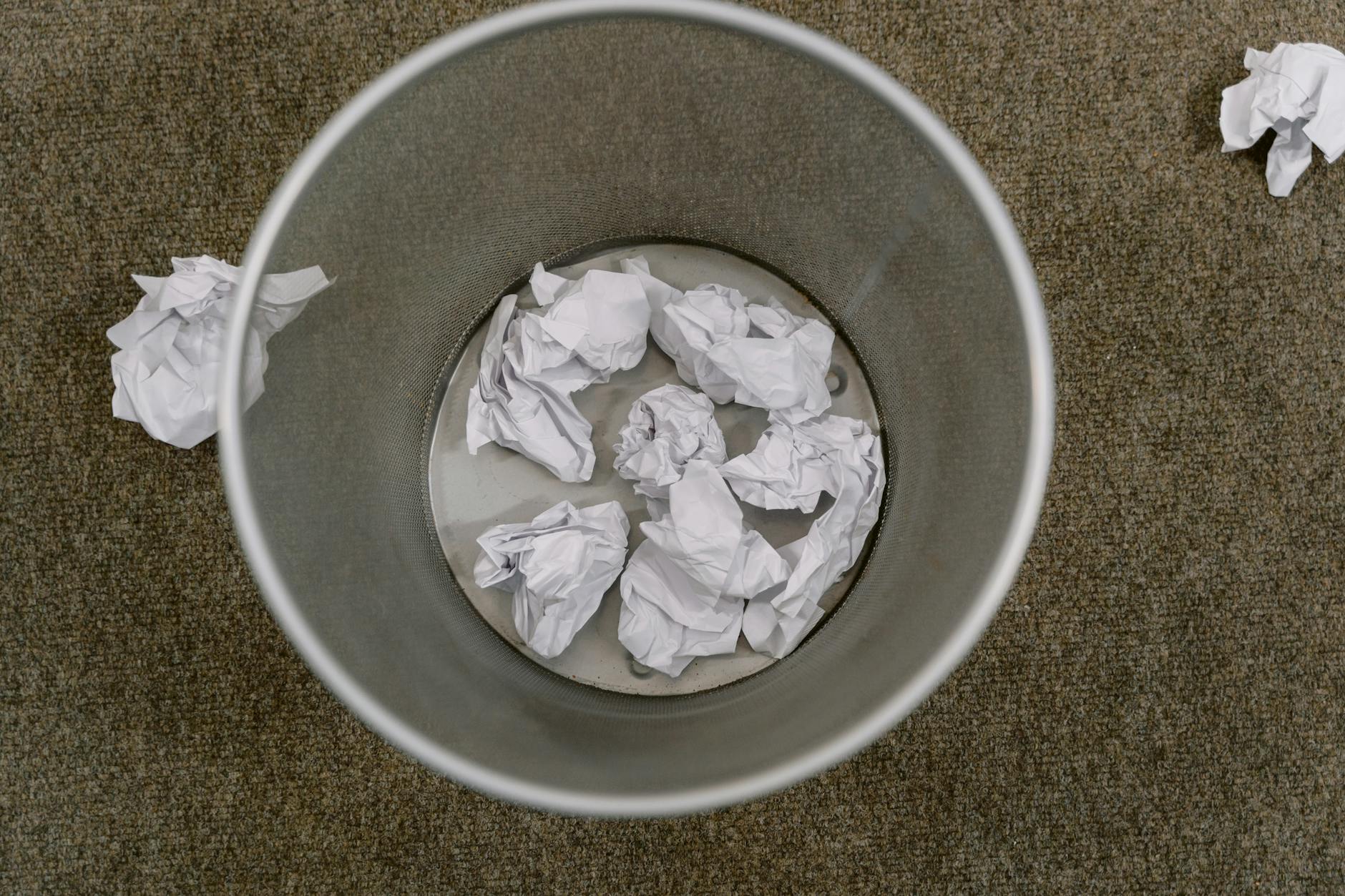
Hotel bathroom trash cans are notably small and fill up quickly with empty toiletry bottles and tissues. Piling garbage above the rim results in items spilling onto the floor and creating an unsanitary environment. Housekeeping staff appreciate guests who request a larger bag for significant waste rather than building a precarious tower of trash. Keeping the bathroom tidy ensures a pleasant space and shows respect for the cleaning personnel.
Ignoring Exhaust Fans
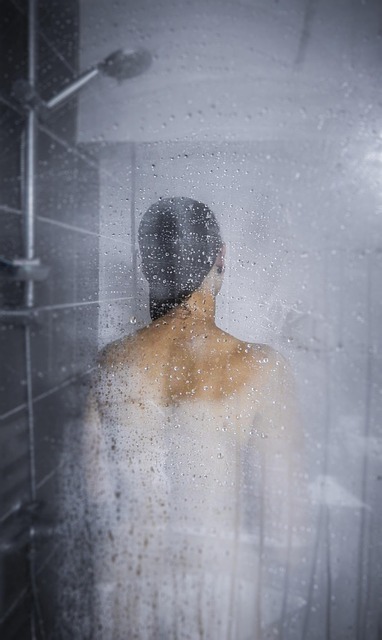
Failing to use the exhaust fan during a hot shower allows dense steam to coat every surface in the bathroom. This excessive condensation peels wallpaper and encourages rapid mold growth in corners and along the ceiling. Fogged mirrors also require aggressive wiping which often leaves streaks and lint behind. Turning on the fan or cracking the bathroom door lets moisture escape and keeps the room fresh.
Taking Unusually Long Showers
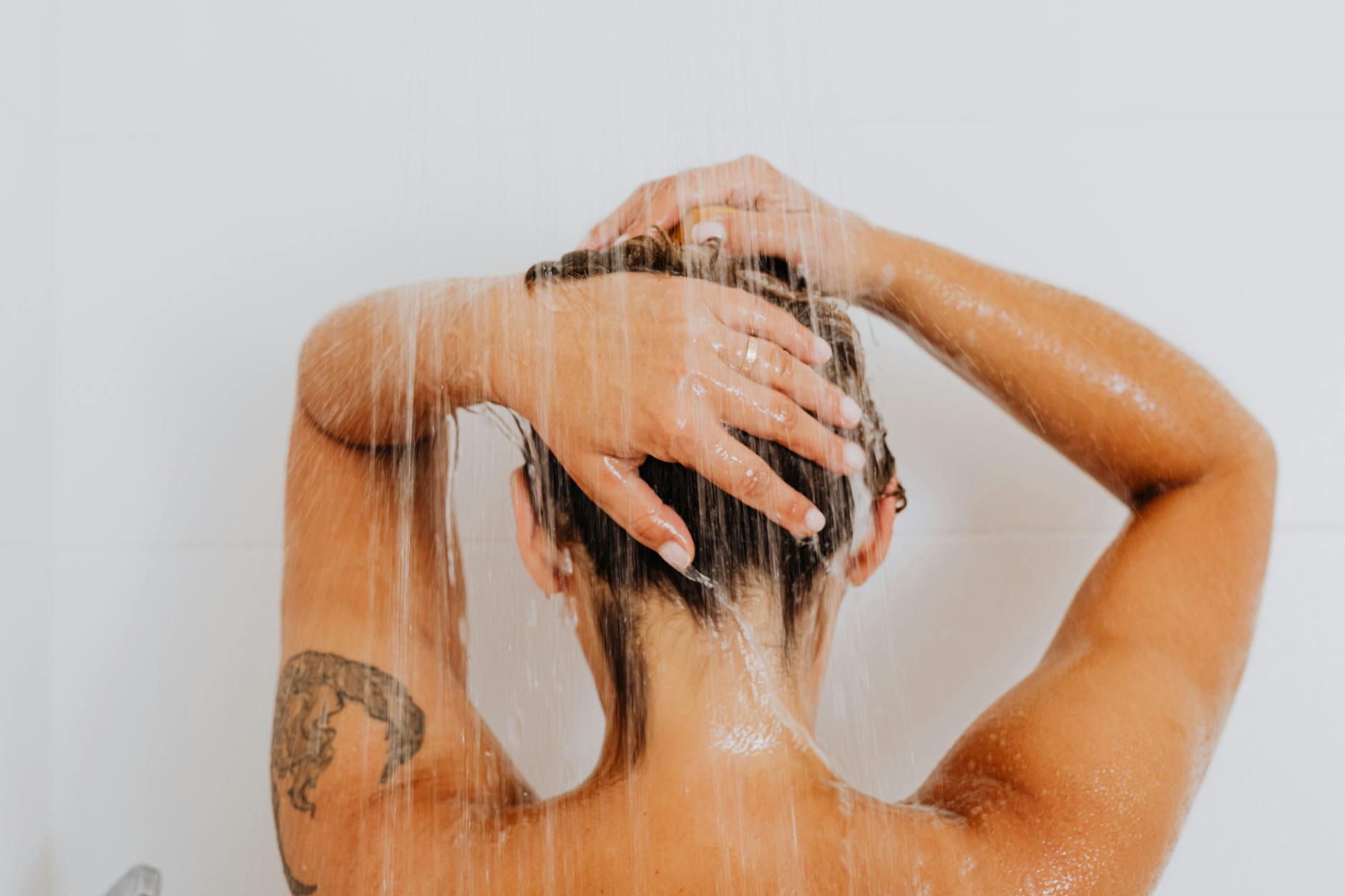
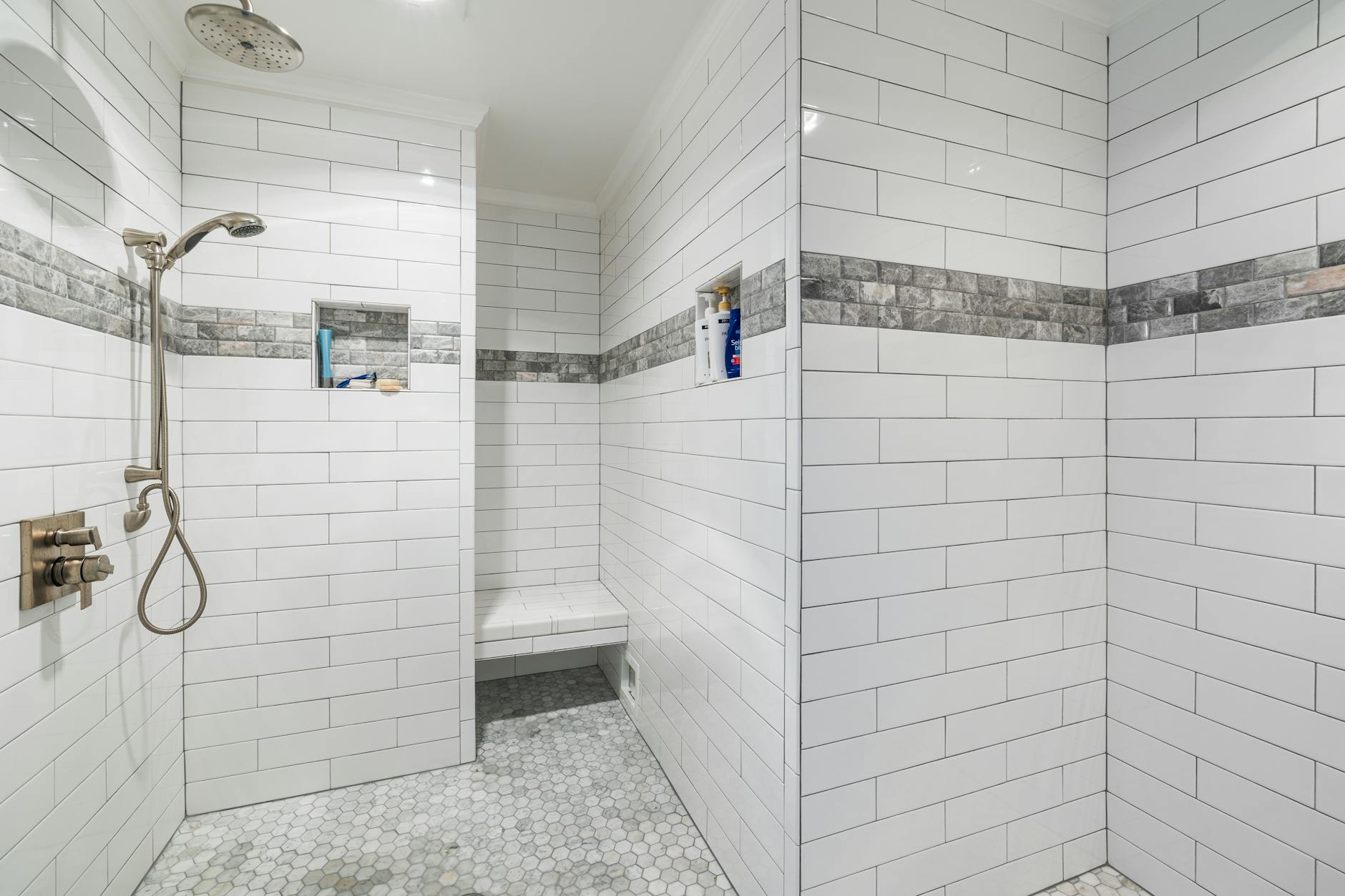
Hotel hot water heaters work constantly to supply multiple rooms simultaneously especially during peak morning hours. Taking an excessively long shower drains the shared hot water supply and leaves neighboring guests with freezing temperatures. The resulting steam also triggers sensitive smoke detectors placed just outside the bathroom door in many modern rooms. Keeping showers to a reasonable length shows consideration for others and avoids accidental fire alarms.
Bringing Phones into the Shower
The bathroom becomes extremely humid during a shower and this airborne moisture easily penetrates smartphone charging ports. Dropping the device on hard tile floors or accidentally submerging it in the sink causes irreversible water damage. Audio acoustics in a tiled room also distort music making the listening experience less than ideal anyway. Leaving electronics in the main bedroom protects them from condensation and expensive accidental drops.
Ignoring the Drain
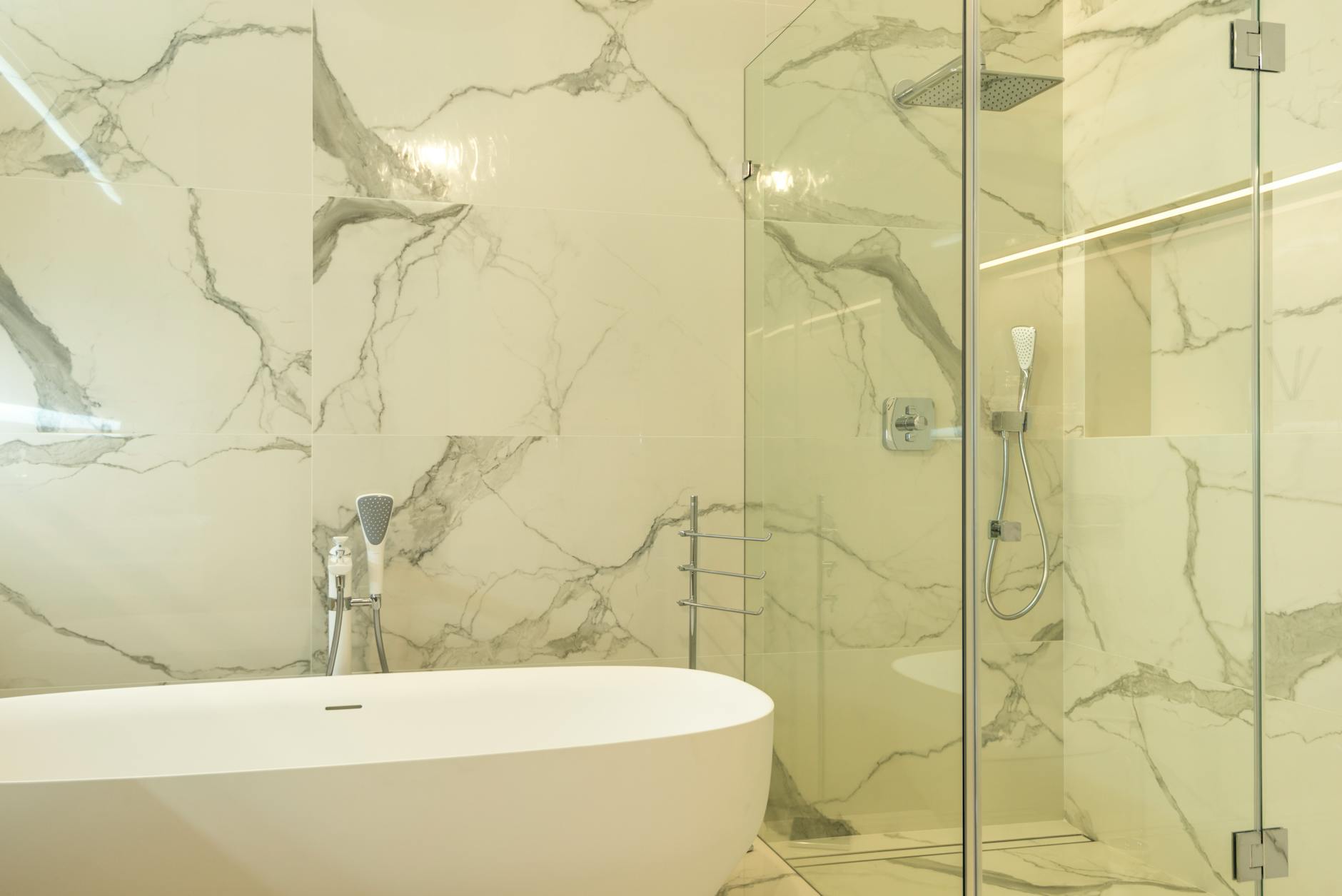
Hotel shower drains frequently accumulate hair and soap scum from previous guests which severely slows water drainage. Standing in a growing puddle of dirty soapy water is unhygienic and ruins the relaxing shower experience. Ignoring a slow drain often leads to minor flooding over the shower threshold and onto the bathroom floor. Alerting the front desk about drainage issues allows maintenance to fix the problem promptly.
Stealing Towels
Taking plush towels from the bathroom is considered theft and hotels actively track their linen inventory to prevent losses. Many properties embed washable tracking chips directly into the fabric to monitor the location of their expensive linens. Missing items are quickly noticed by housekeeping and the replacement cost is automatically charged to the credit card on file. Leaving the towels behind ensures you avoid awkward phone calls and unexpected penalty fees on your final bill.
Please share your craziest hotel bathroom experiences and travel tips with us in the comments.




