Conserving water protects vital natural resources and significantly reduces monthly utility expenses for households. Simple adjustments in daily habits combined with modern plumbing technologies create massive drops in overall water consumption. Homeowners and renters alike can implement practical strategies across every room to maximize their efficiency. The following methods outline effective approaches to minimizing water waste without sacrificing comfort or cleanliness.
Low Flow Showerhead
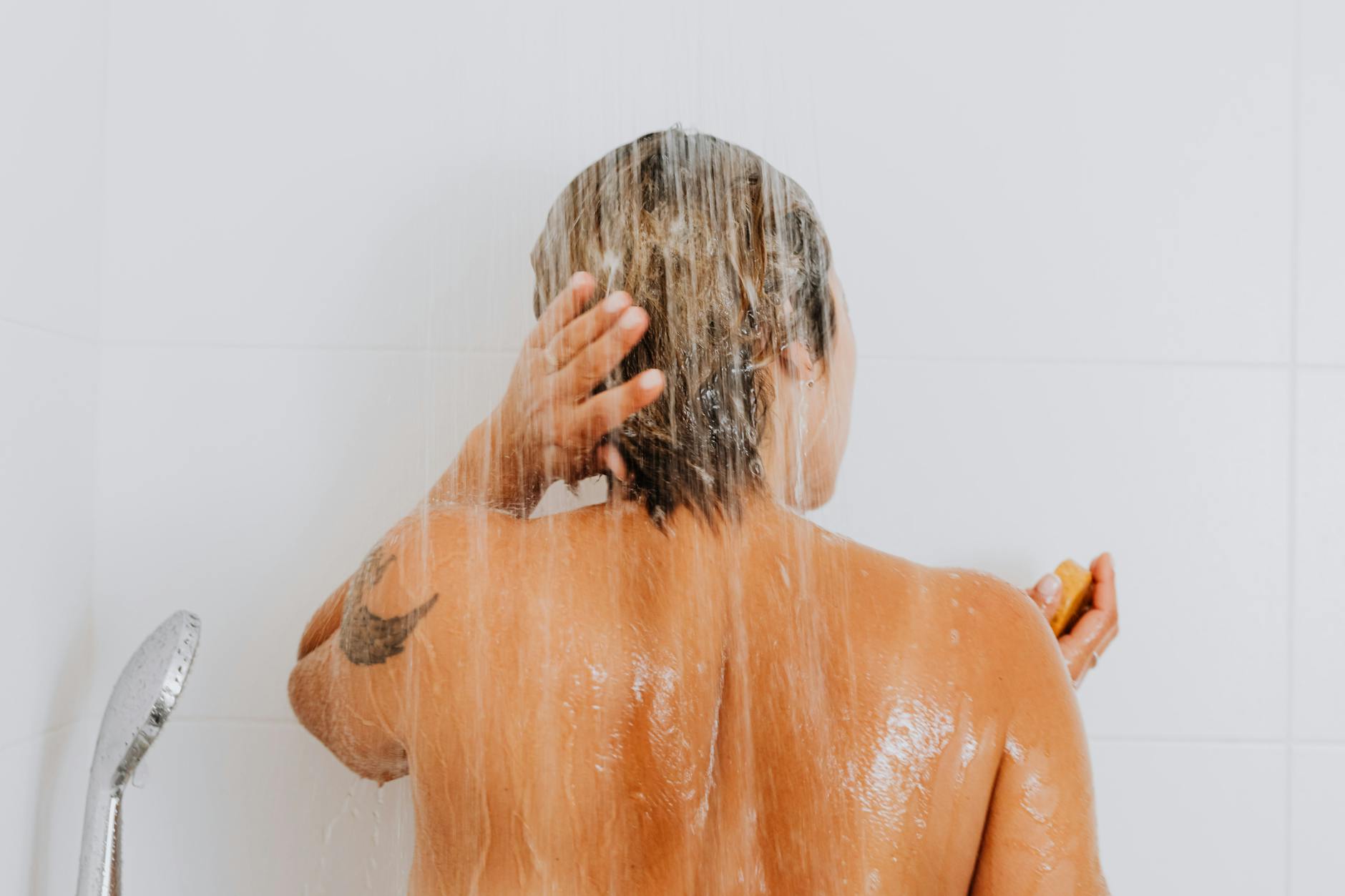
Installing a modern low flow showerhead drastically reduces the amount of water used during daily bathing. These innovative devices restrict the water volume while maintaining comfortable pressure through specialized aeration techniques. Standard models use significantly more water per minute compared to these environmentally friendly alternatives. Upgrading to this fixture represents one of the most effective methods for lowering household utility bills over time.
Tap Aerator
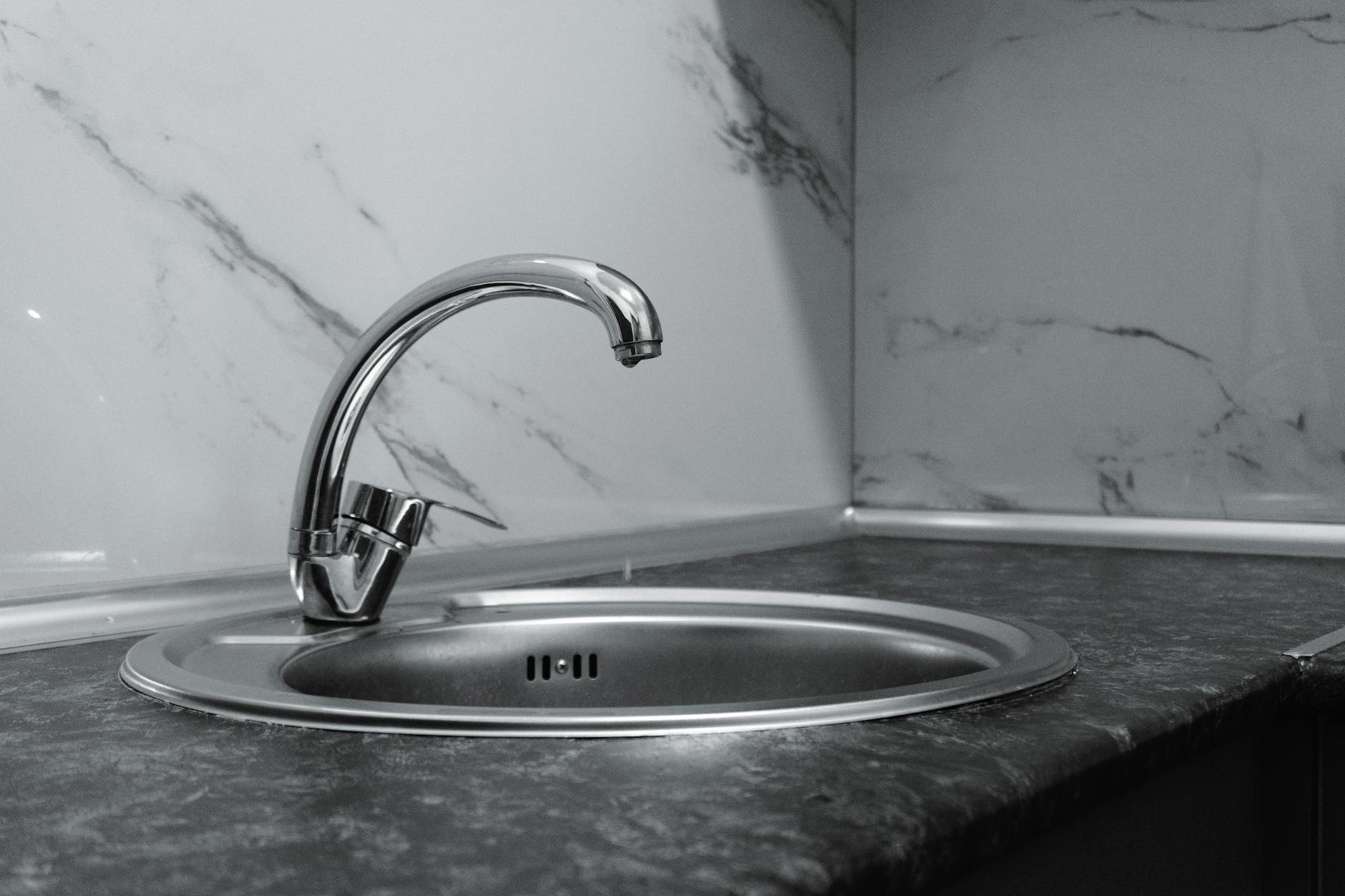
Kitchen and bathroom sinks benefit immensely from the addition of a simple tap aerator. This small metal attachment mixes air into the water stream to maintain steady pressure while reducing total volume. The installation process requires only a few seconds and requires absolutely no specialized plumbing tools. Everyday tasks like washing hands and rinsing dishes become highly efficient with this affordable hardware upgrade.
Dishwasher Full Load Routine
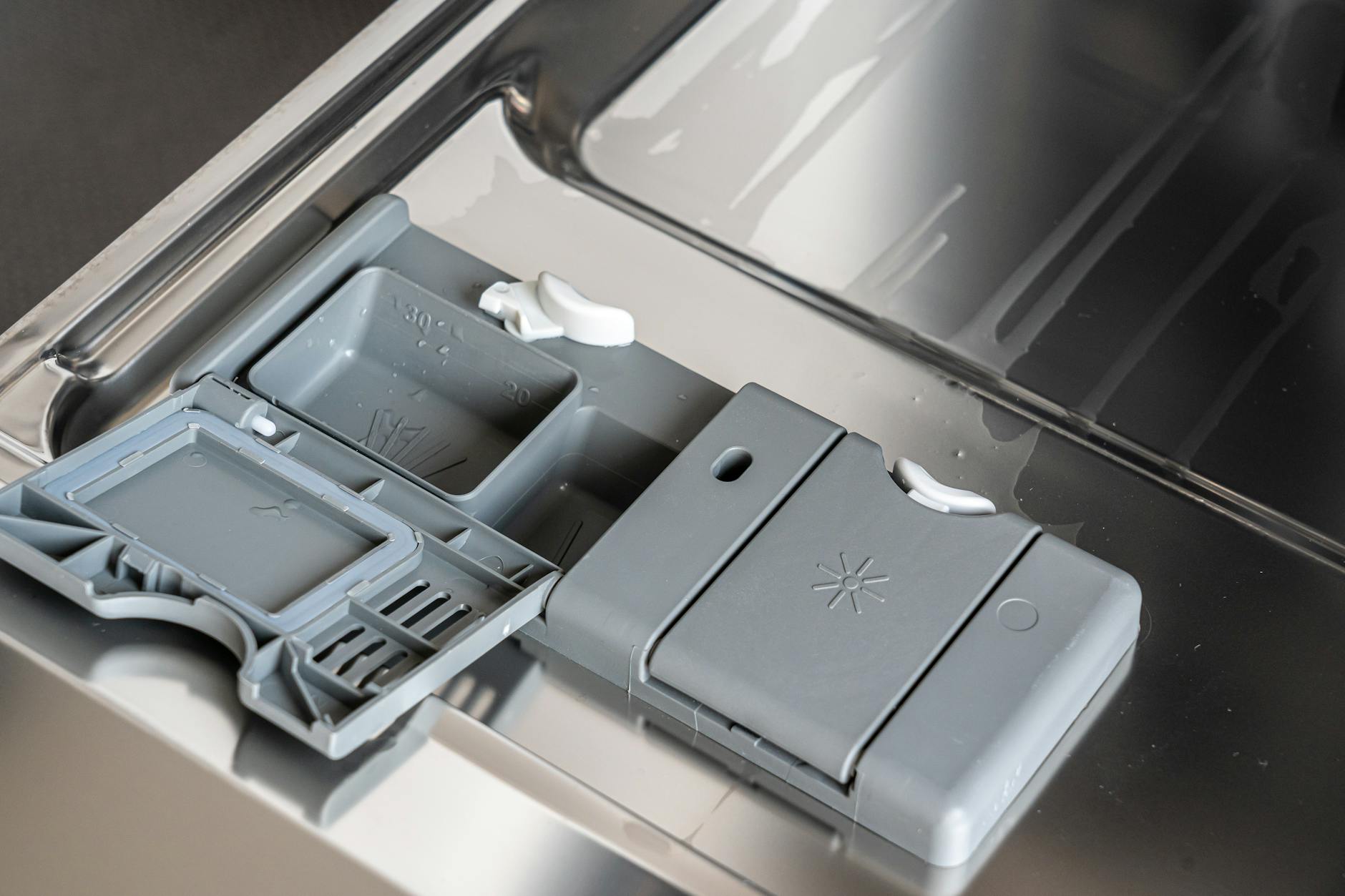
Running the dishwasher only when completely full maximizes the cleaning power per drop of water used. Modern machines clean plates efficiently but use the exact same amount of water regardless of how many dishes sit inside. Waiting until the racks are packed tightly ensures that no water is wasted on empty space. This mindful household habit saves countless gallons of fresh water throughout the course of a single year.
Rainwater Harvesting Barrel
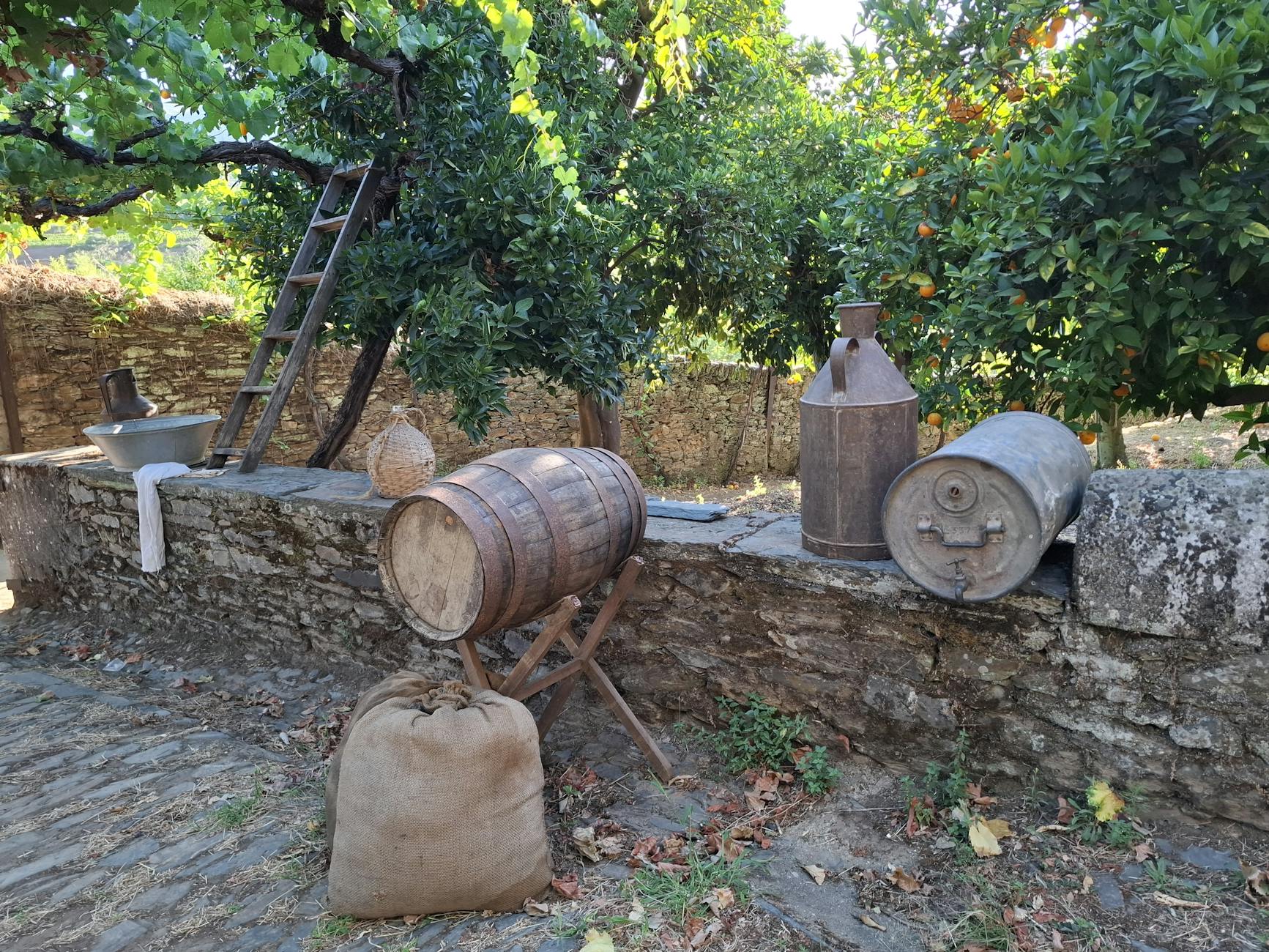
Placing a collection barrel beneath rain gutters provides an excellent source of free water for outdoor gardening needs. Plants thrive on untreated rainwater since it lacks the chemical additives often found in municipal water supplies. A basic mesh screen over the barrel prevents debris buildup and stops mosquitoes from breeding in the standing water. Utilizing this natural resource keeps gardens vibrant during dry spells while completely eliminating reliance on the outdoor hose.
Toilet Displacement Bag
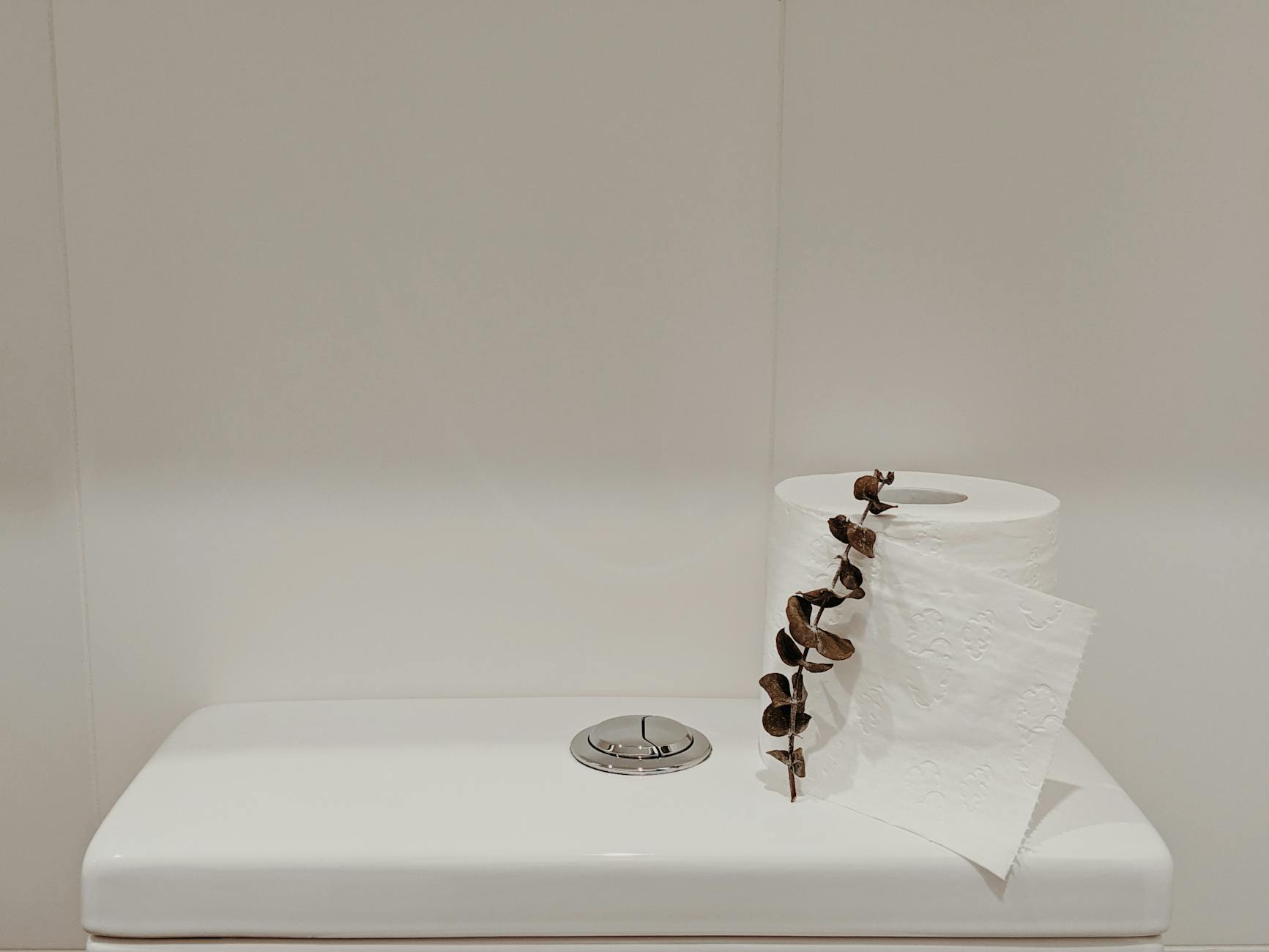
Older toilets often use excessive amounts of water during every single flush cycle. Placing a water displacement bag inside the toilet tank tricks the mechanism into using less volume to refill the basin. Heavy plastic bottles filled with pebbles serve as a free alternative to commercial displacement bags. This hidden modification quietly saves massive amounts of water without requiring any permanent alterations to the bathroom plumbing.
Shorter Shower Routine
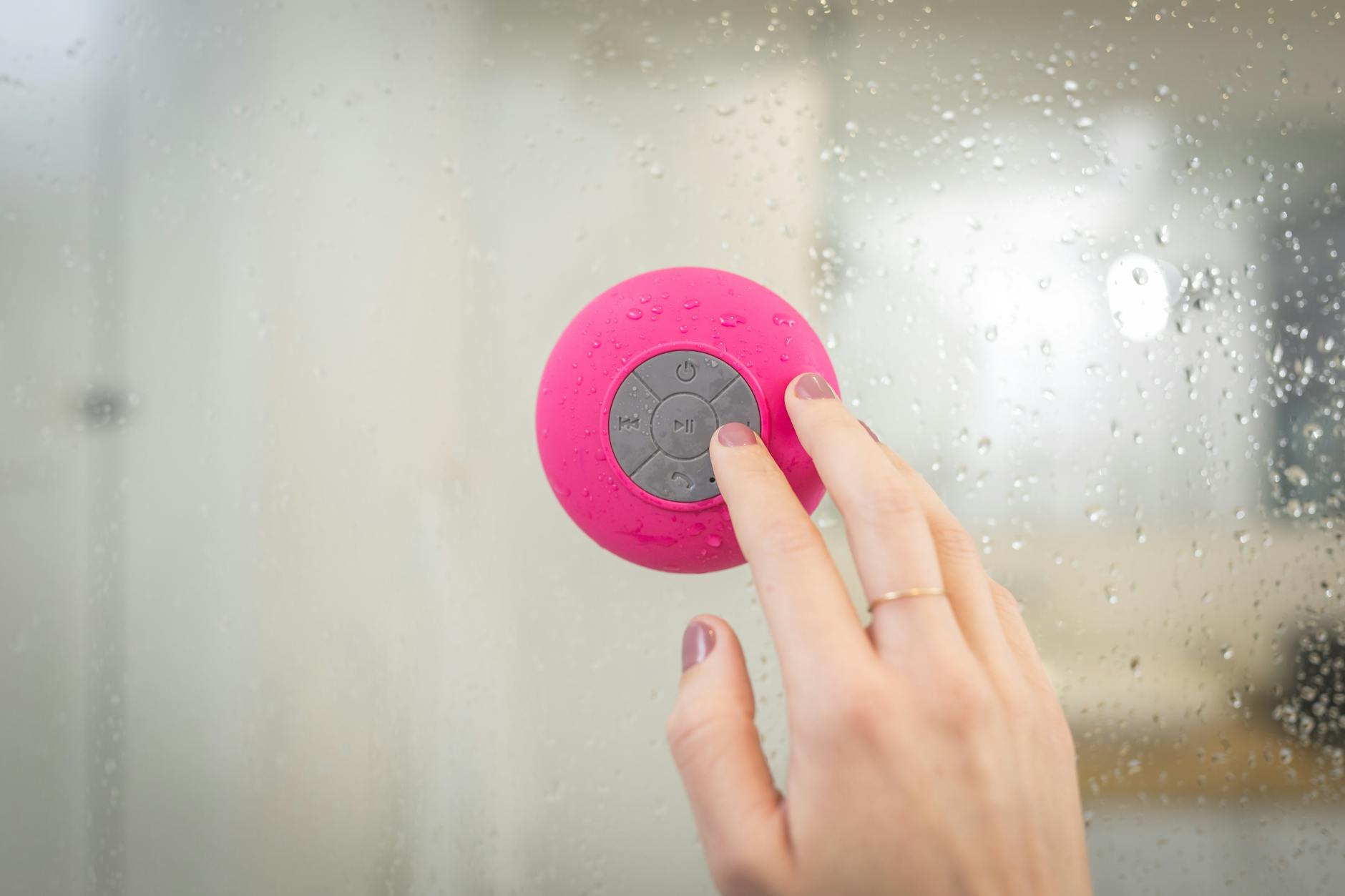
Reducing time spent in the shower by just a few minutes yields impressive utility savings. Setting a waterproof timer in the bathroom helps individuals keep track of their bathing duration. Less time under the water stream directly translates to a lower water bill and reduced water heating costs. This fast adjustment to a morning routine creates a positive environmental impact every single day.
Leak Detection Dye
Silent toilet leaks waste substantial amounts of water completely unnoticed by the average homeowner. Placing a few drops of food coloring into the upper toilet tank reveals if water is secretly escaping into the bowl. The dye will appear in the main bowl within thirty minutes if the internal flapper valve needs replacement. Fixing these invisible leaks protects the household budget from unnecessary surcharges on the monthly utility statement.
Garden Mulch Layer
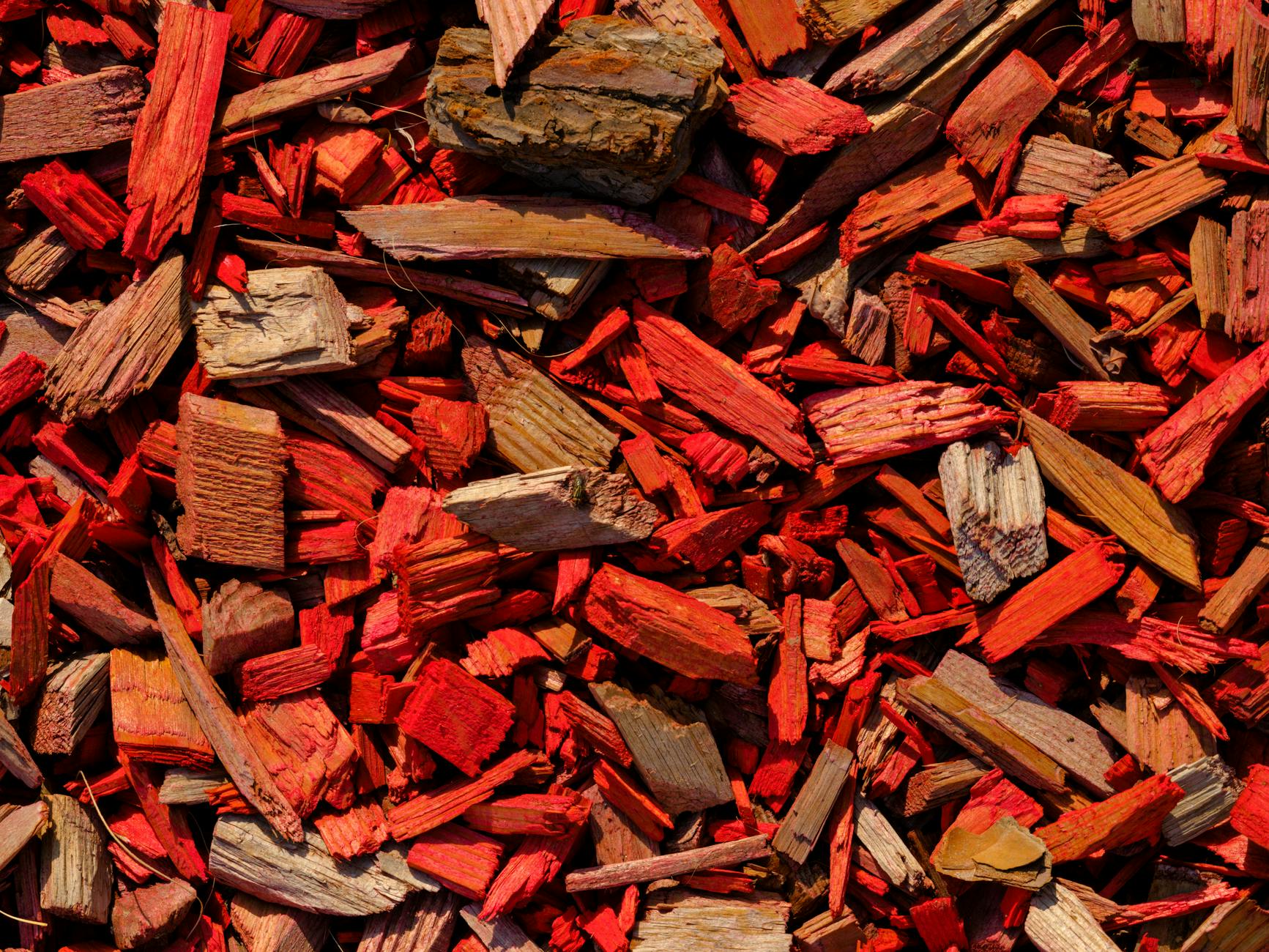
Applying a thick layer of organic mulch around outdoor plants traps moisture deep within the soil. This protective barrier shields the damp earth from the evaporating effects of direct sunlight and strong winds. Gardeners can significantly extend the time between watering sessions by utilizing bark or straw effectively. The decomposing mulch also enriches the underlying dirt while simultaneously keeping the overall water consumption extremely low.
Reusable Water Pitcher
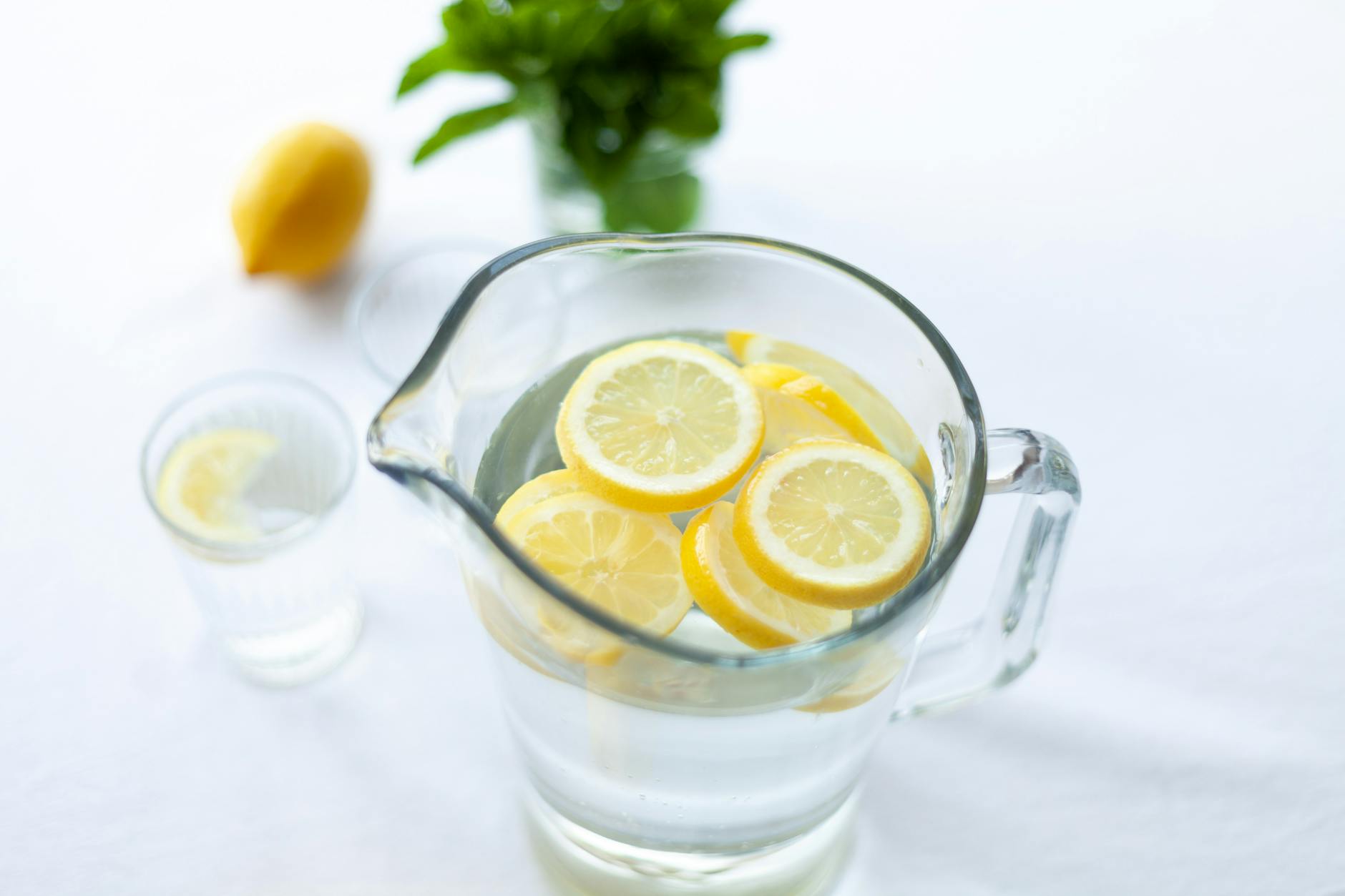
Keeping a pitcher of drinking water in the refrigerator prevents the wasteful habit of letting the tap run. Waiting for the kitchen faucet to turn cold sends perfectly clean water straight down the drain unused. A chilled pitcher guarantees immediate access to refreshing water whenever thirst strikes during the day. This simple storage solution completely eliminates the runoff waste associated with achieving the perfect drinking temperature.
Smart Irrigation Controller
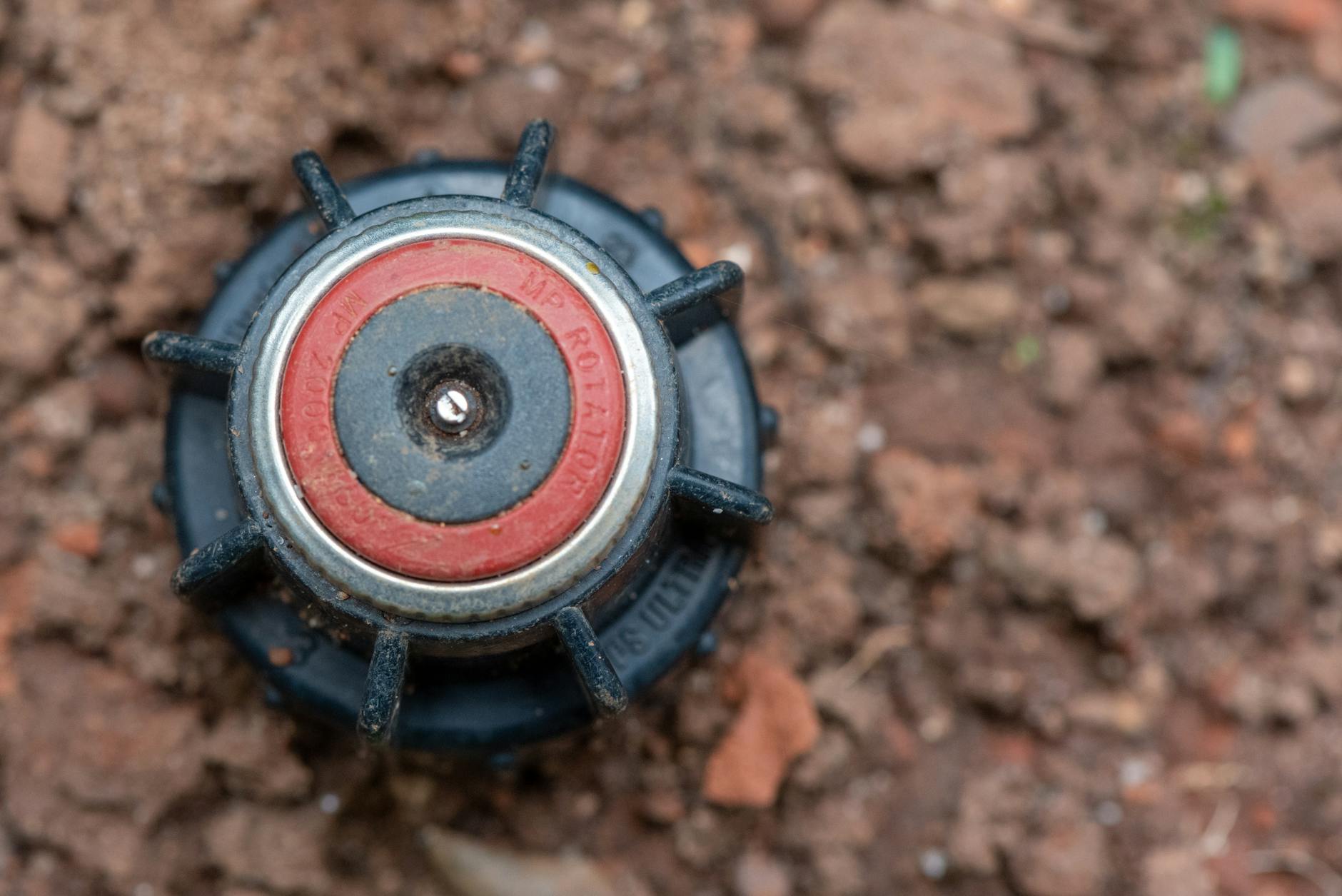
Advanced sprinkler controllers adjust watering schedules based on localized weather forecasts and current soil conditions. These devices connect to household internet networks to delay irrigation completely when heavy rain is predicted. Traditional timers often water lawns unnecessarily during thunderstorms because they follow a strict unchangeable schedule. Investing in smart outdoor technology optimizes landscape health while eliminating redundant watering sessions.
Drip Irrigation System
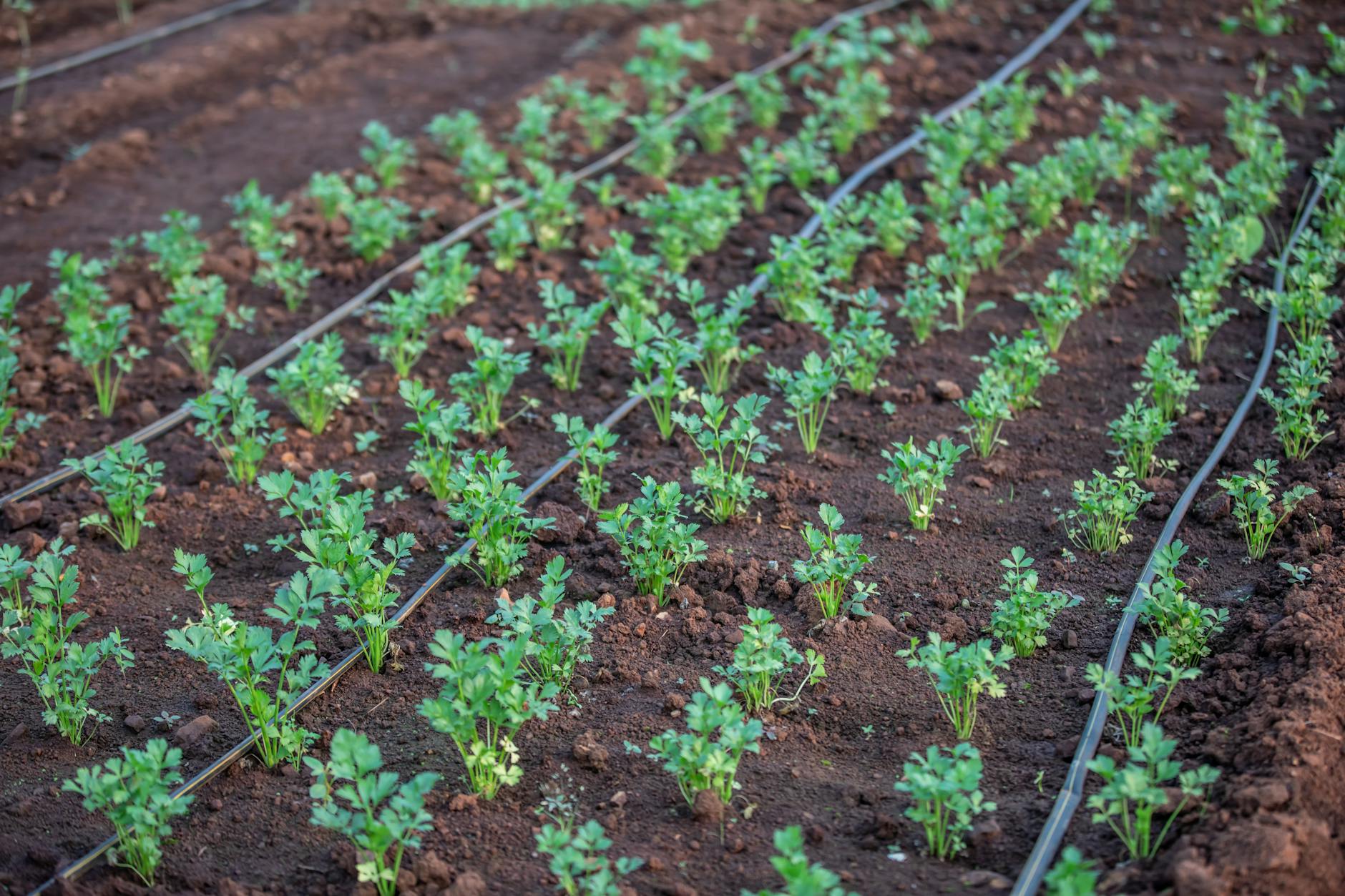
Traditional overhead sprinklers lose massive amounts of water to wind drift and rapid surface evaporation. Drip irrigation tubing delivers moisture directly to the base of plants where the root systems can easily absorb it. This targeted watering method prevents muddy runoff and reduces the growth of unwanted weeds in the garden beds. Slower water application ensures deeper soil penetration for healthier plants and lower municipal water bills.
Efficient Laundry Routine

Washing clothes in full batches ensures optimal efficiency for both top loading and front loading washing machines. Small loads consume almost identical amounts of water compared to machines filled to their maximum recommended capacity. Organizing garments throughout the week helps households consolidate their laundry tasks into fewer washing cycles. This strategic approach to household chores protects clothing fabrics while drastically cutting down on aquatic waste.
Faucet Repair Kit
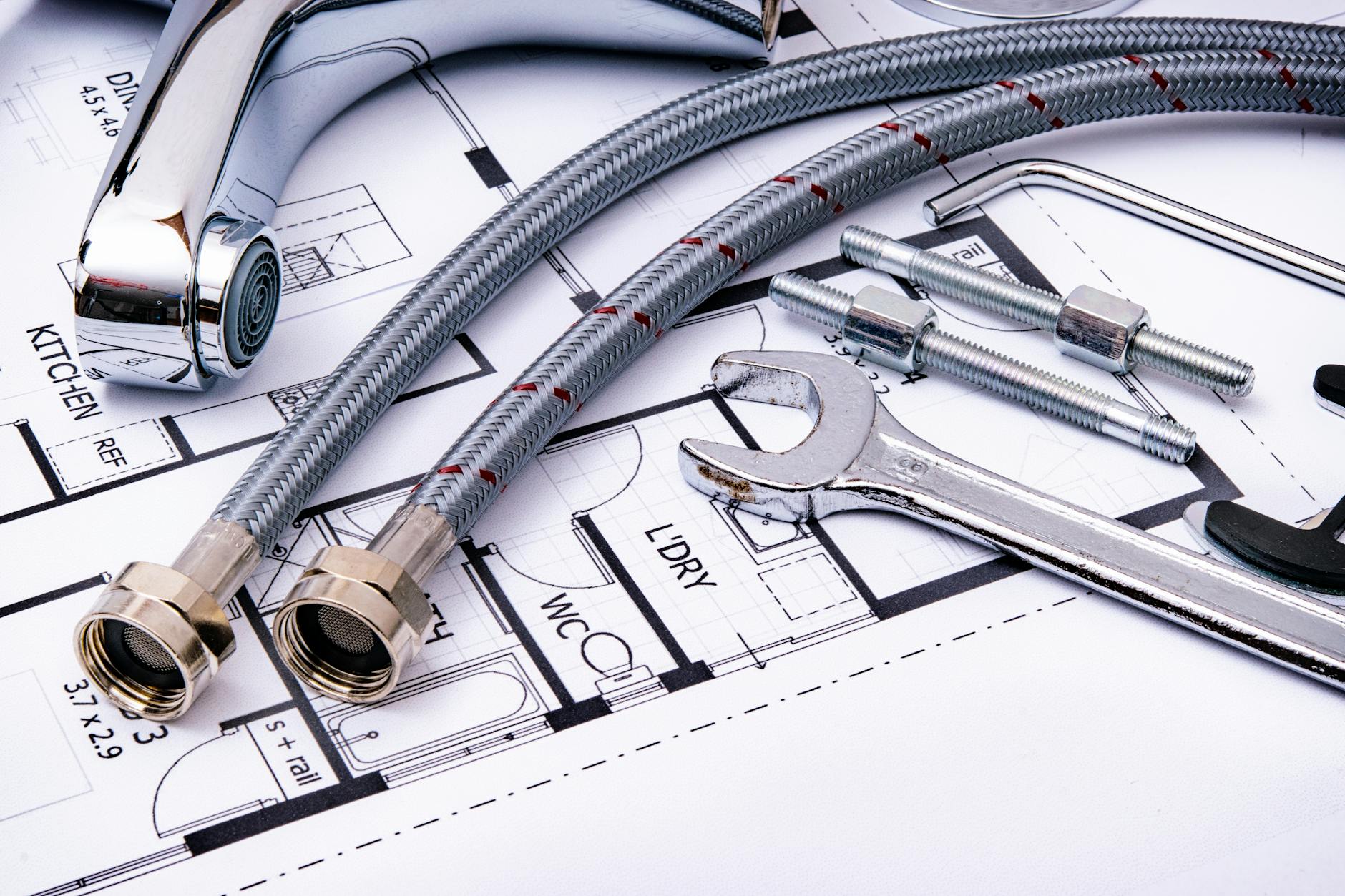
A dripping sink faucet can waste hundreds of gallons over a single month if left completely ignored. Standard repair kits contain the exact rubber washers and O rings needed to stop annoying drips permanently. Most modern sink handles can be disassembled with basic household tools to access the faulty internal components. Promptly fixing these minor plumbing issues immediately stops the financial drain on the household utility budget.
Vegetable Rinsing Bowl
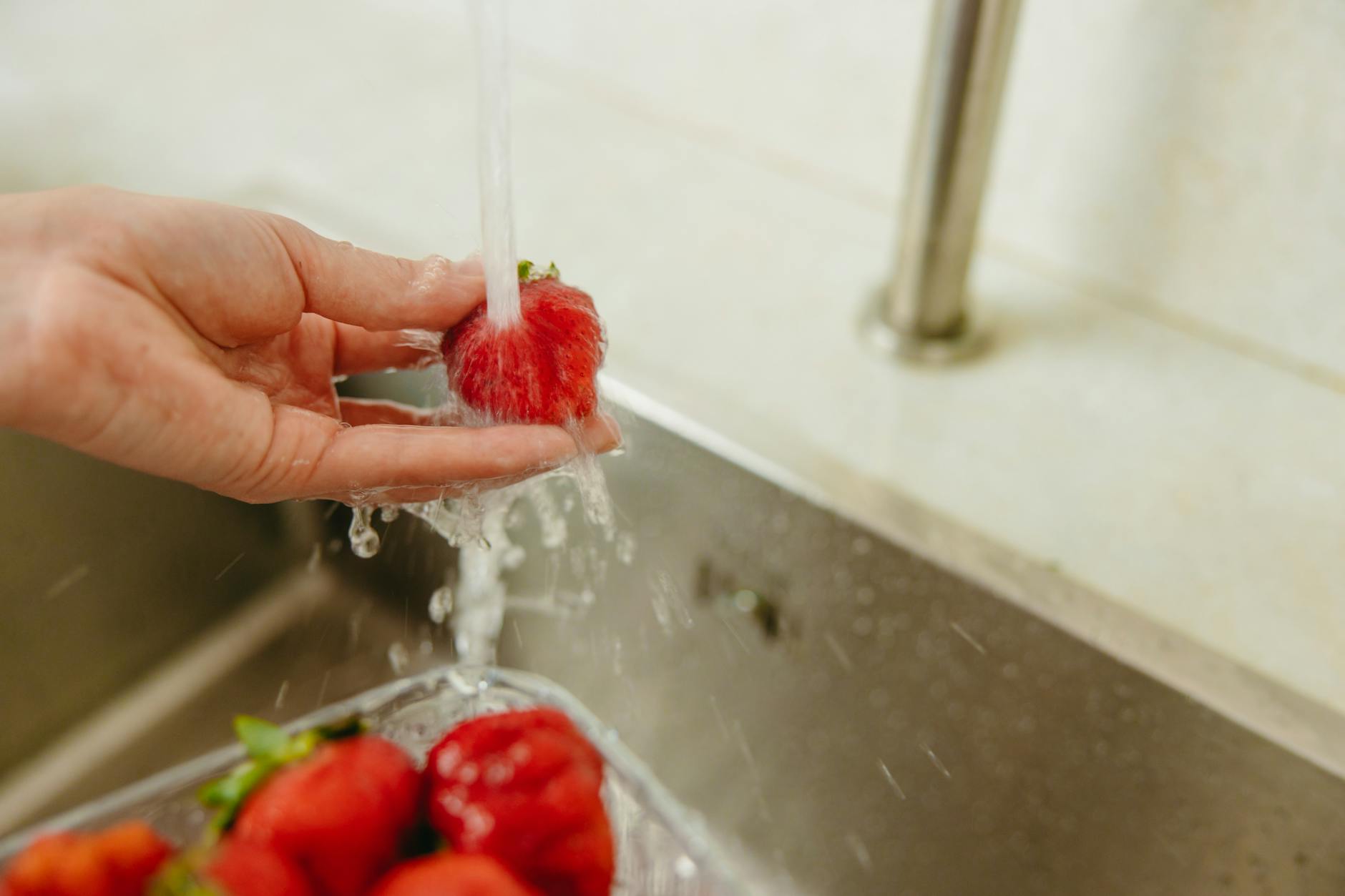
Washing fresh produce under a continuously running tap wastes an alarming amount of clean water. Submerging fruits and vegetables in a large bowl filled with water effectively removes dirt and pesticide residue. The collected water can then be carried outside to hydrate household potted plants or small garden beds. This clever dual purpose method maximizes utility and leaves kitchen sinks completely dry after meal preparation.
Pool Cover
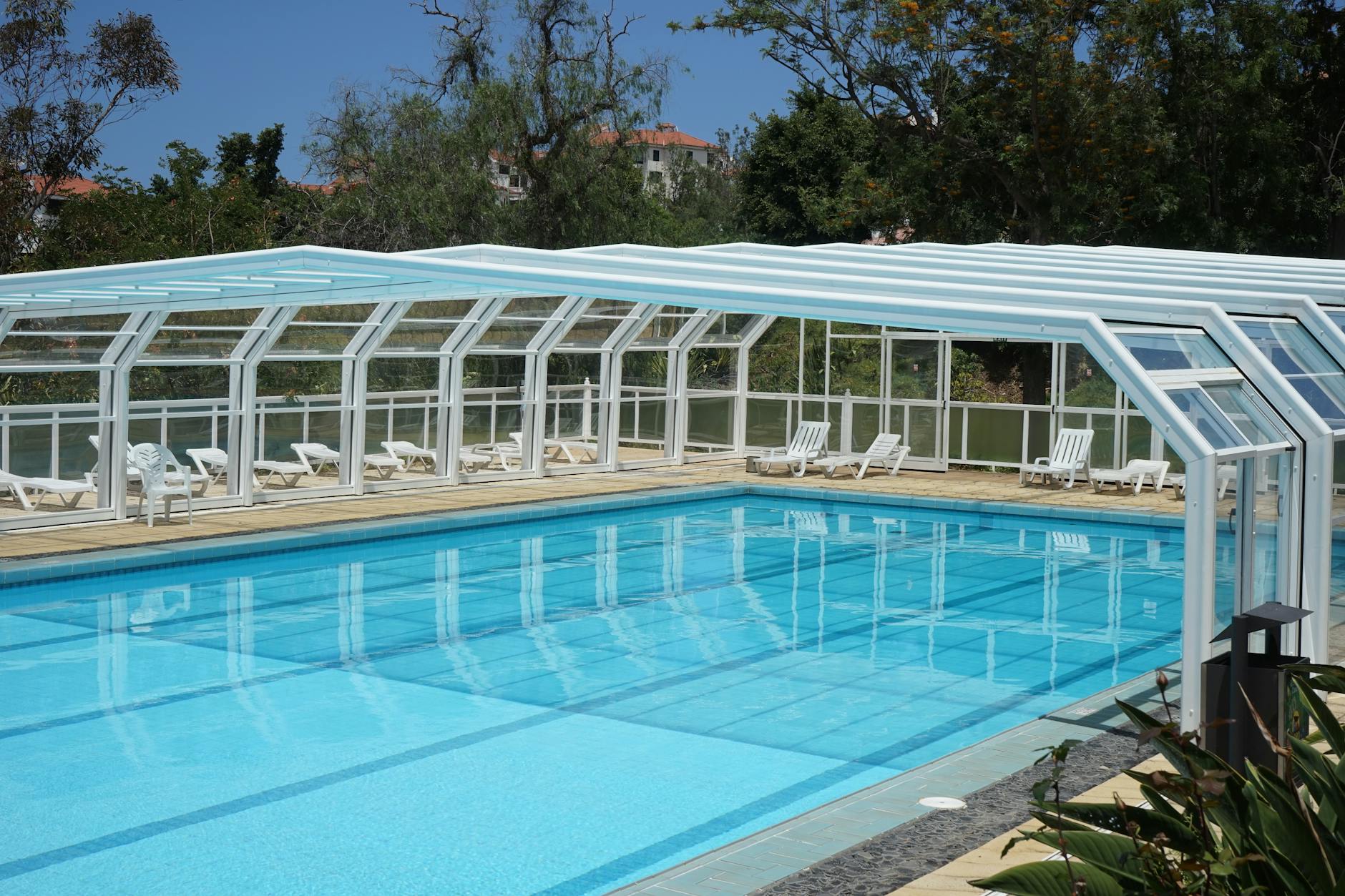
Uncovered swimming pools lose immense volumes of water strictly through daily solar evaporation. A durable pool cover physically blocks the sun and traps the essential moisture inside the swimming basin. This protective layer also prevents leaves and insects from contaminating the water when the pool is unoccupied. Owners spend far less time refilling their pools and maintaining chemical balances when a proper cover is deployed.
Native Plant Garden
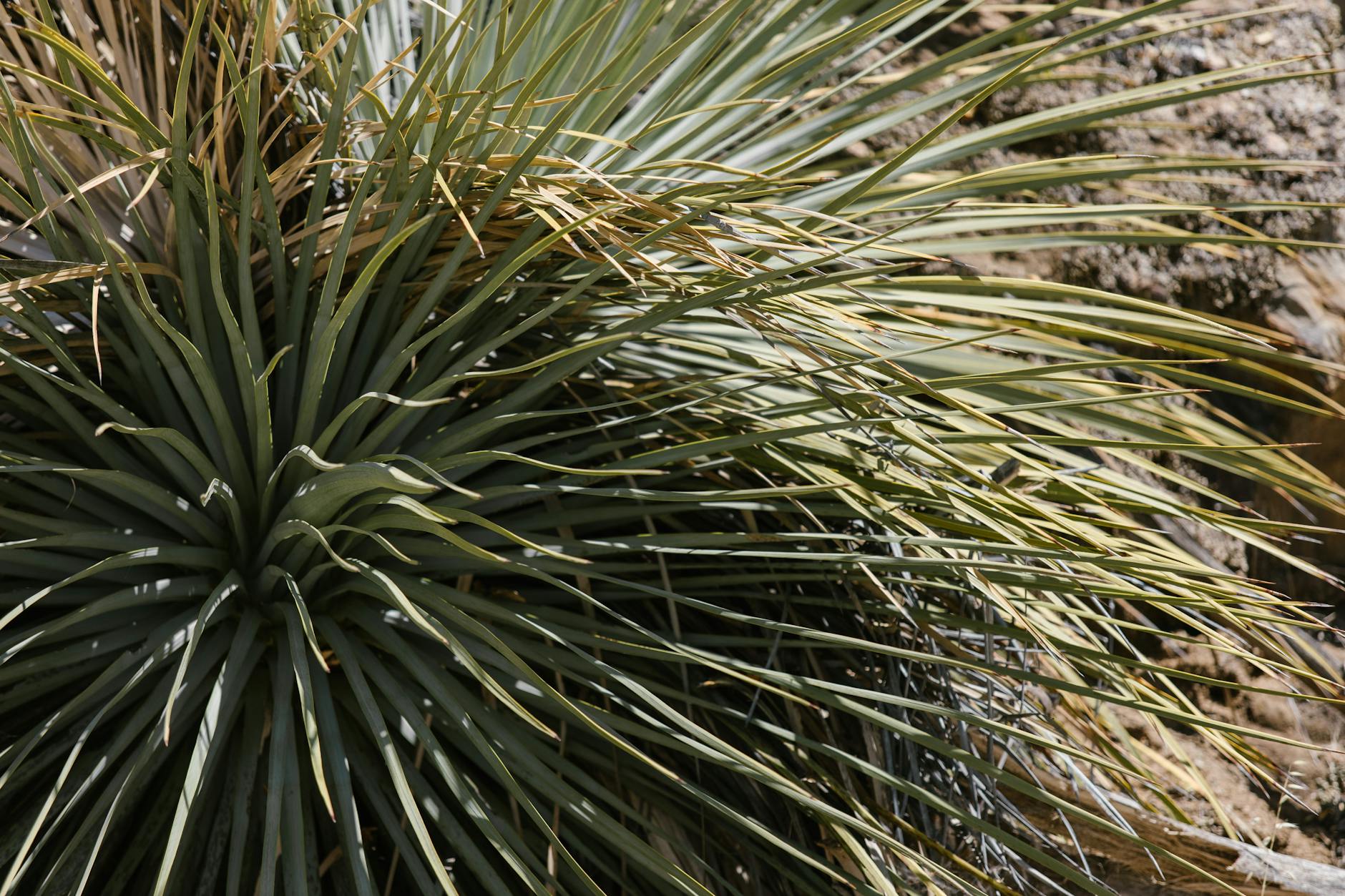
Landscaping with native plant species drastically reduces the need for supplemental outdoor watering. These specialized plants have evolved naturally to thrive in the specific local climate and natural rainfall patterns. Exotic grass species and imported flowers typically demand constant hydration to survive in unfamiliar regional environments. Embracing natural flora creates a beautiful exterior aesthetic that practically sustains itself without human intervention.
Shower Bucket Method
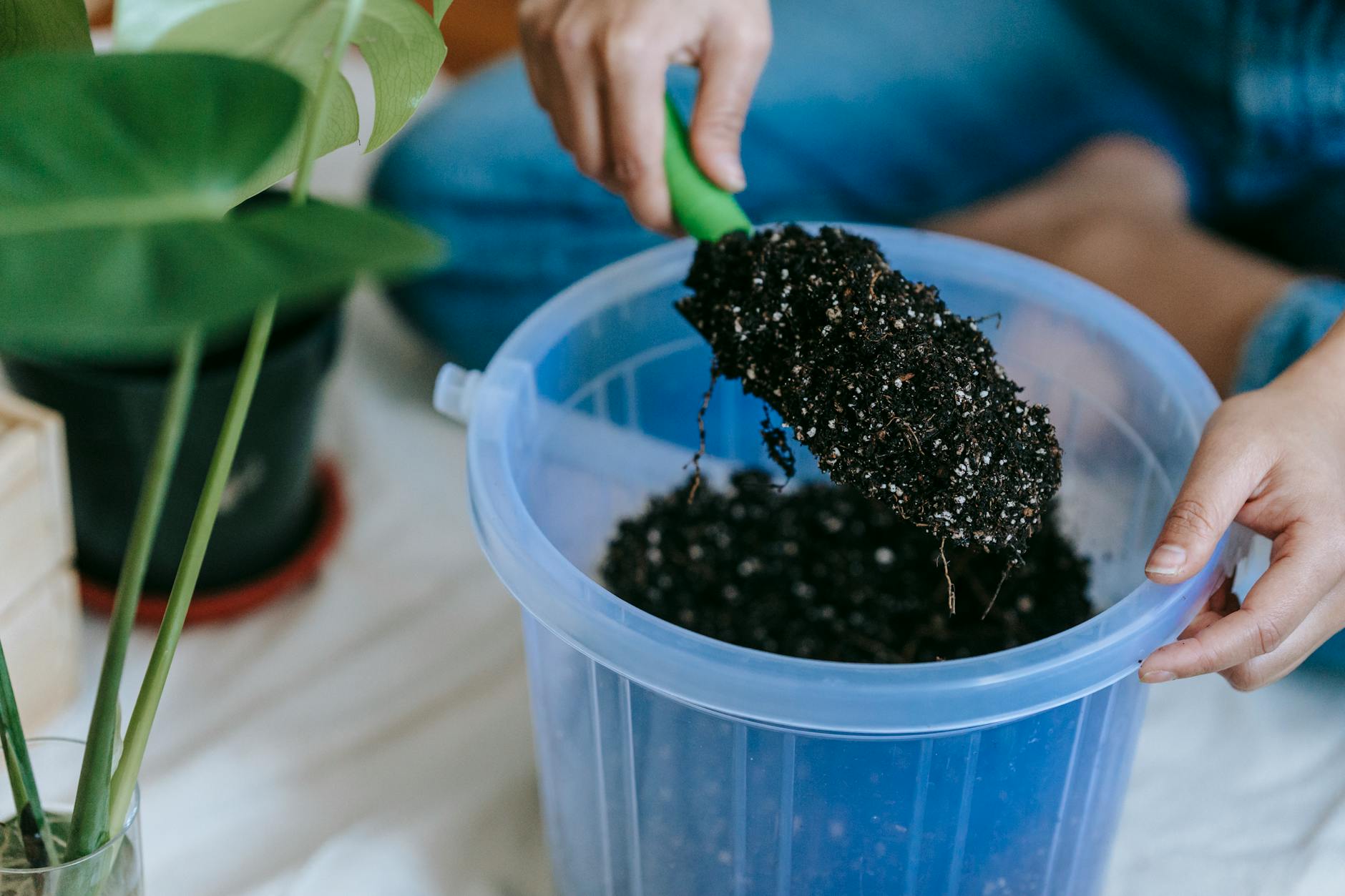
The initial burst of cold water from a shower head usually flows directly down the drain. Placing a simple plastic bucket on the shower floor catches this perfectly clean water while the temperature warms up. Homeowners can repurpose this captured water for flushing toilets or mopping interior floors. This effortless collection habit rescues a valuable resource from being entirely squandered before the bathing even begins.
Defrosting Routine
Thawing frozen meats under warm running water consumes a massive amount of liquid very rapidly. Planning meals in advance allows food to defrost safely inside the refrigerator overnight without using any water whatsoever. This gradual thawing method is highly recommended by food safety experts to prevent dangerous bacterial growth. Shifting away from rapid aquatic defrosting preserves resources and ensures healthier meal preparations for the family.
Insulated Hot Water Pipe
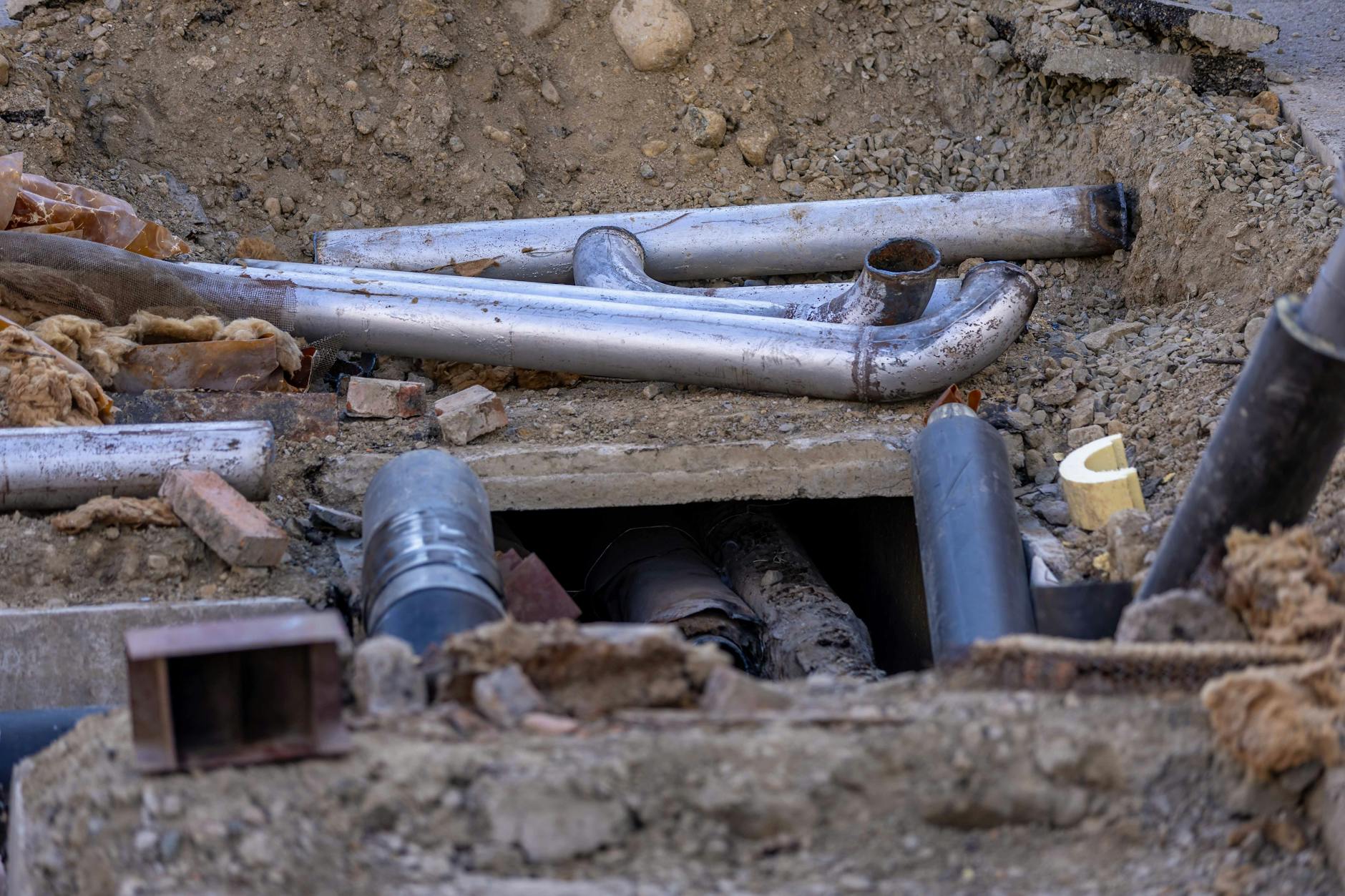
Exposed water pipes in basements and crawl spaces lose heat quickly as the water travels from the heater. Wrapping these pipes in specialized foam insulation helps the water retain its temperature during transit to the faucet. Hot water arrives at the sink much faster and eliminates the need to run the tap indefinitely. This inexpensive hardware modification saves both water and the energy required to heat it.
Broom Sweeping Routine
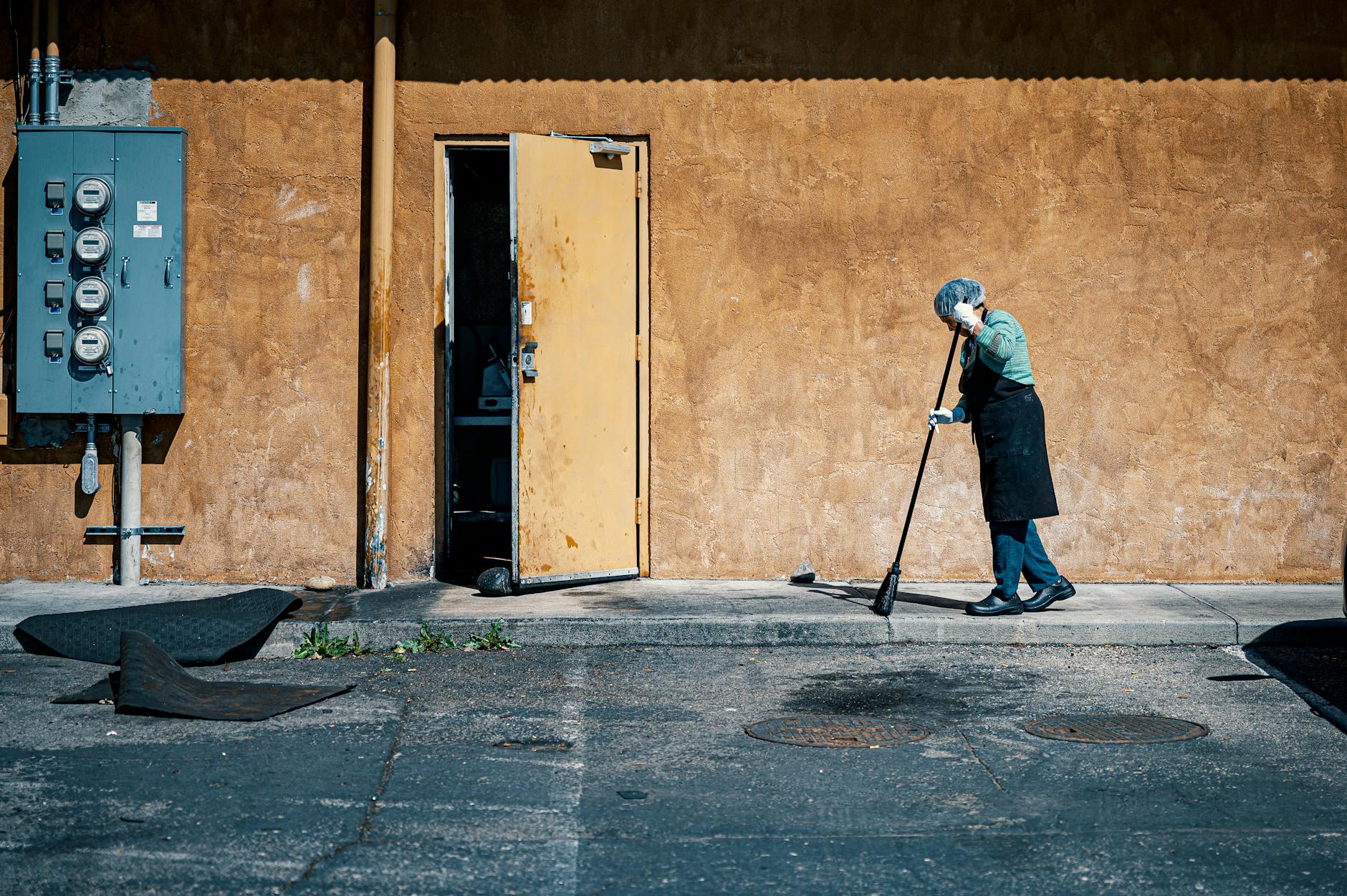
Cleaning outdoor driveways and patios with a garden hose wastes enormous amounts of pressurized water. A stiff bristled outdoor broom achieves the exact same level of cleanliness with just a bit of physical effort. Sweeping away dirt and fallen leaves protects local storm drains from becoming clogged with heavy organic debris. This manual cleaning method keeps exterior concrete surfaces immaculate while keeping the garden hose firmly coiled.
Dual Flush Toilet
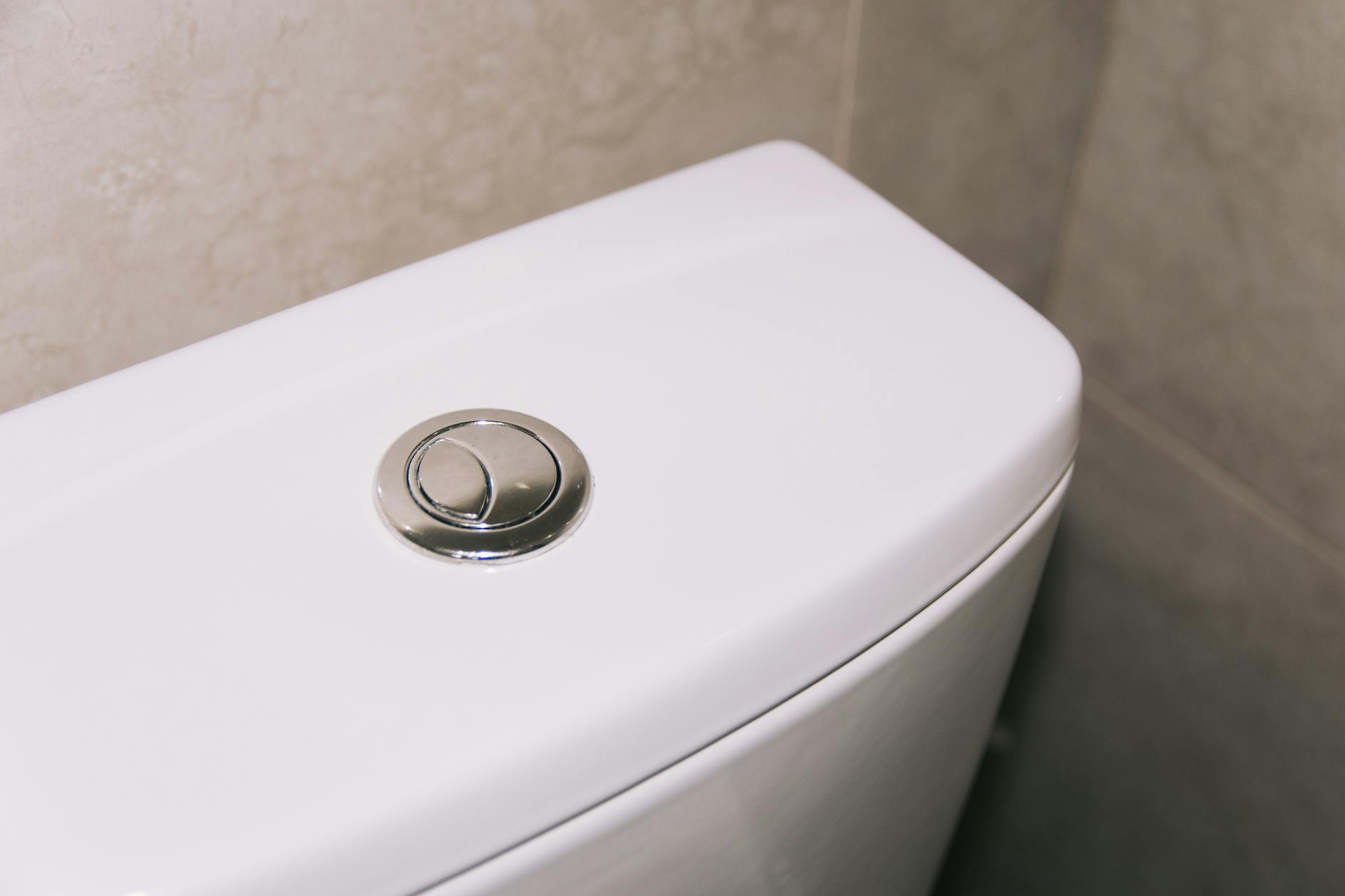
Modern toilet designs feature two distinct flushing options to match the specific waste removal requirements. The lighter flush utilizes a fraction of the tank volume for liquid waste disposal. Pressing the heavier flush button engages the full tank capacity only when solid waste needs to be cleared. Upgrading older bathroom fixtures to this intelligent system permanently lowers a major source of indoor water consumption.
Grass Length Strategy
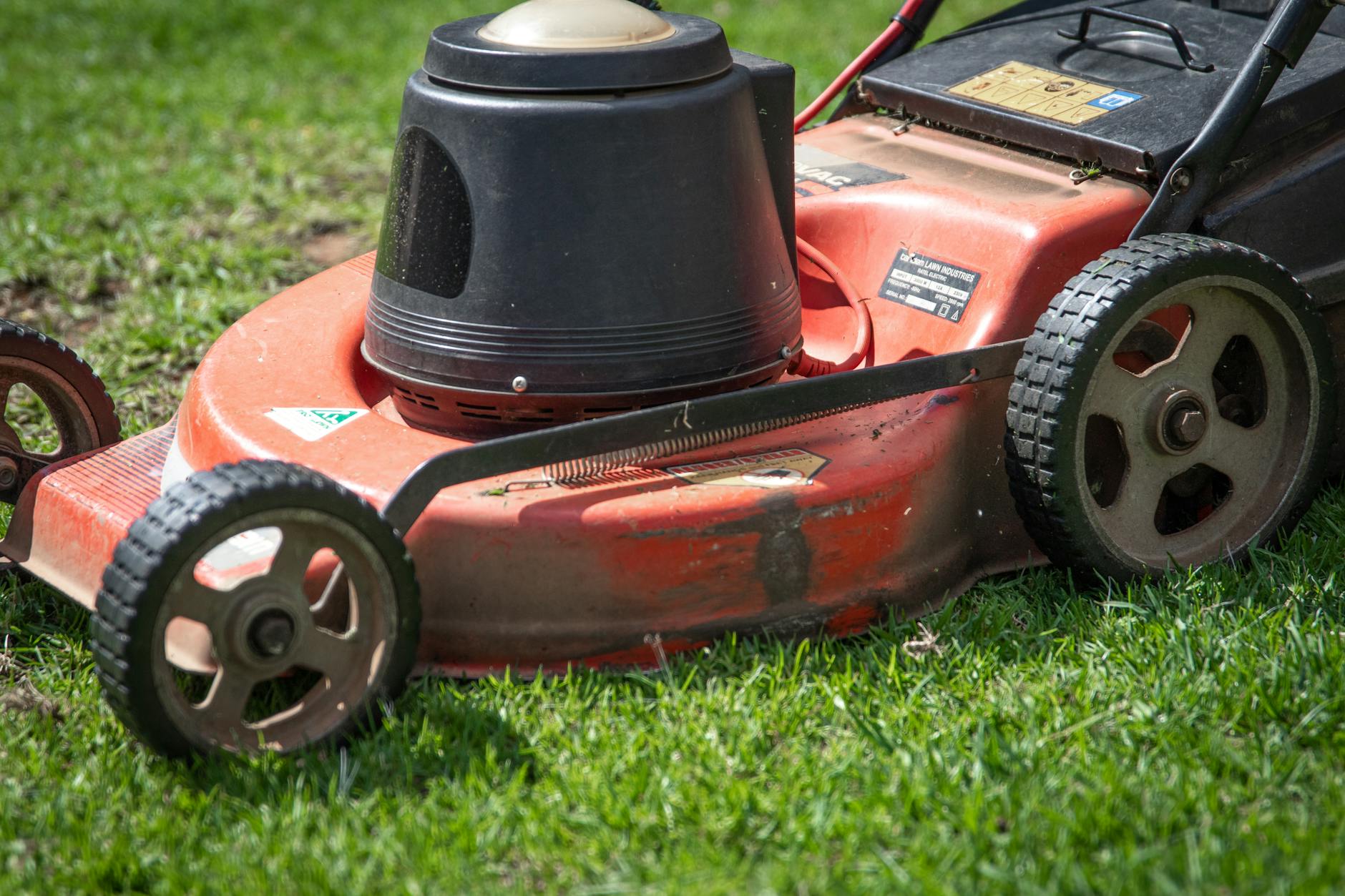
Raising the lawnmower blade allows grass to grow slightly taller and develop much deeper root systems. Taller grass blades cast small shadows on the ground below which prevents the sun from drying out the soil. This natural moisture retention strategy means homeowners can water their lawns far less frequently during hot summer months. A slightly longer lawn remains lush and green while operating on a highly restricted watering schedule.
Cooking Water Reuse
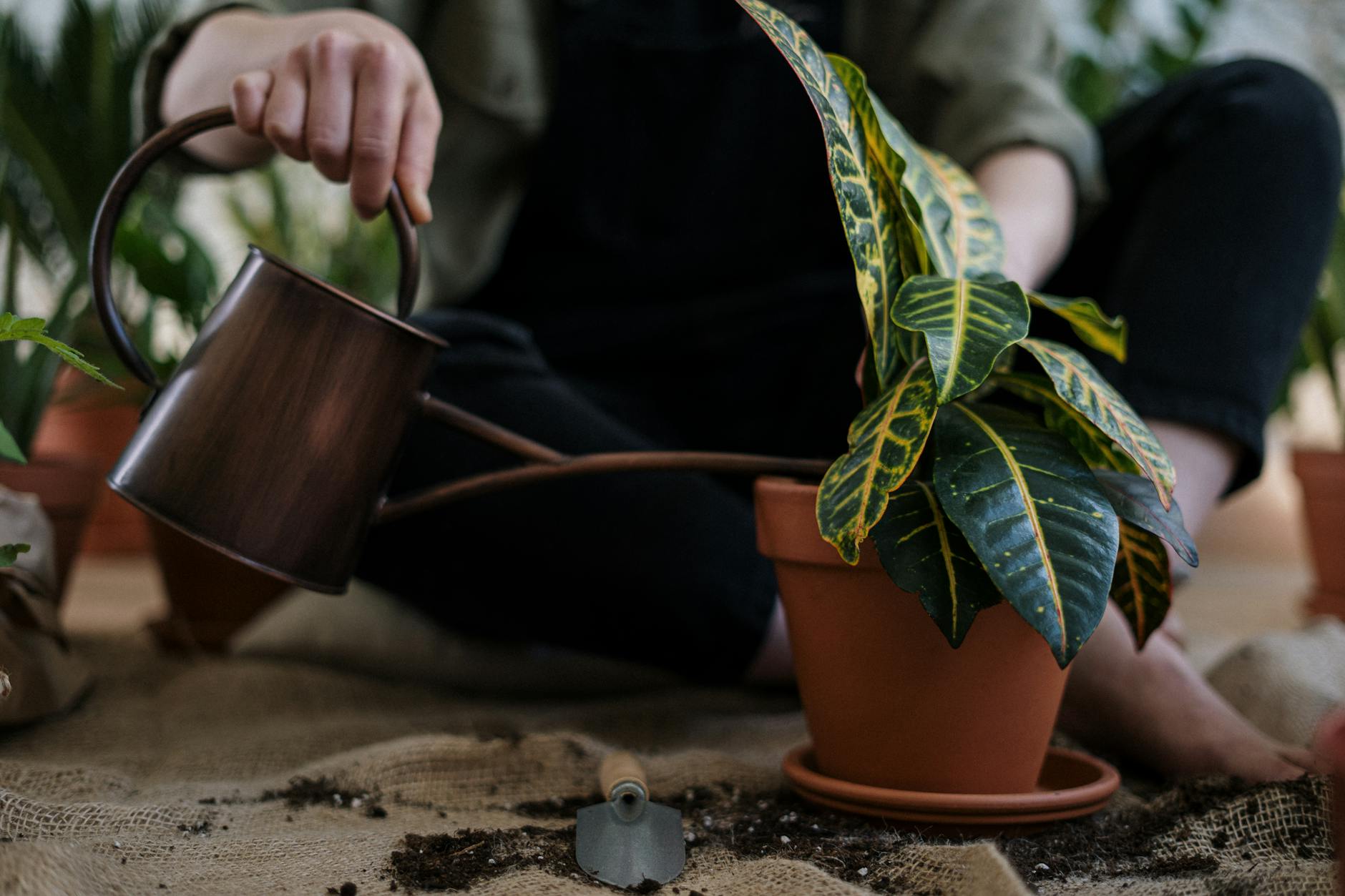
The leftover water from boiling pasta or steaming vegetables holds valuable nutrients that plants absolutely love. Allowing this starchy liquid to cool completely transforms it into a fantastic fertilizer for indoor houseplants. Dumping hot cooking water down the sink drain represents a missed opportunity for sustainable indoor gardening. Recycling this nutrient dense byproduct nourishes household greenery and gives the tap water a highly productive second life.
Garbage Disposal Alternative
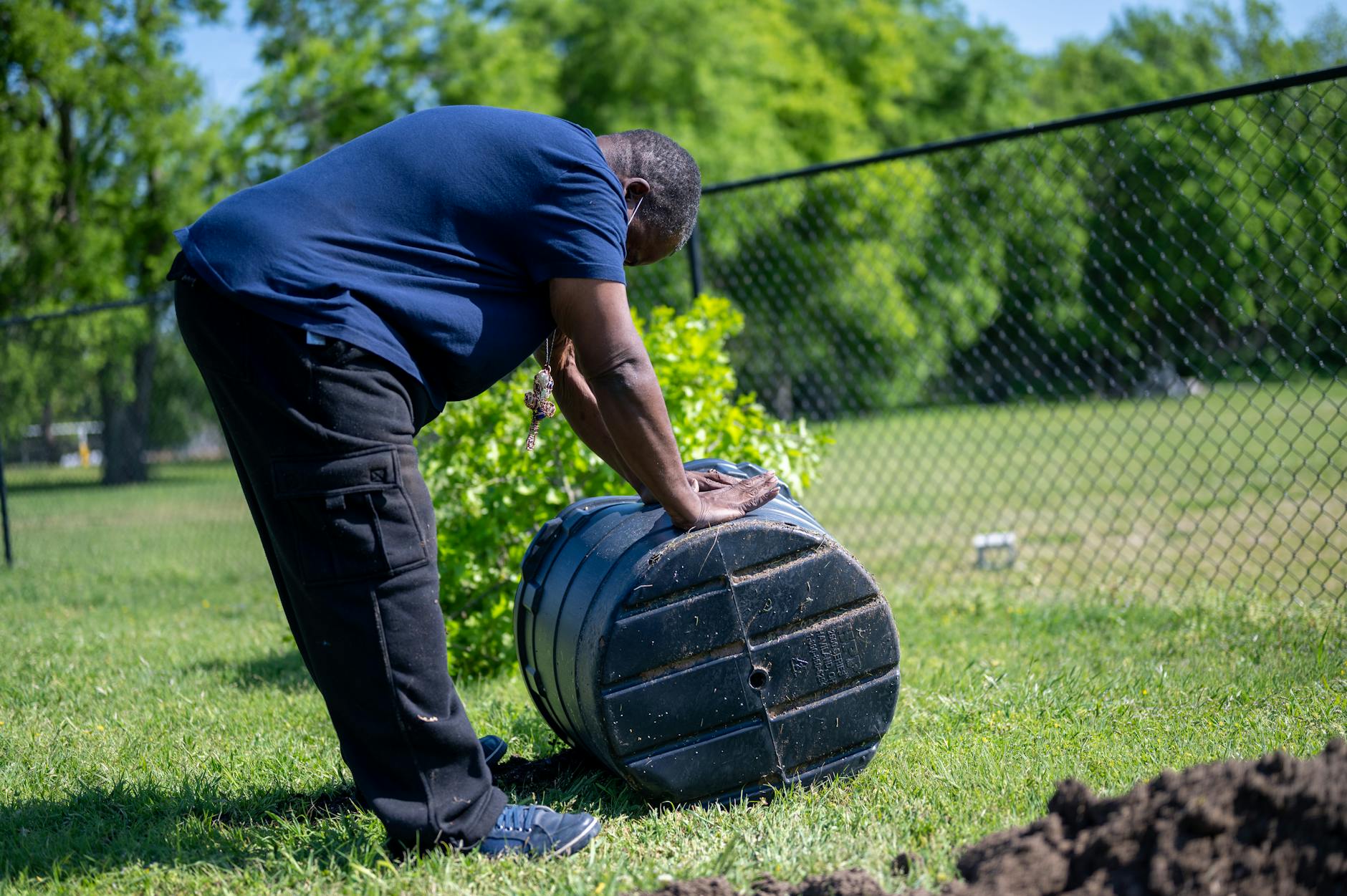
Electric garbage disposals require a heavy stream of running tap water to effectively flush food scraps away. Creating a backyard compost bin offers a totally waterless solution for organic kitchen waste management. Fruit peels and vegetable clippings decompose naturally outdoors and eventually transform into incredibly rich garden soil. Skipping the mechanical disposal unit entirely protects local sewer systems and dramatically reduces kitchen water usage.
Car Wash Bucket
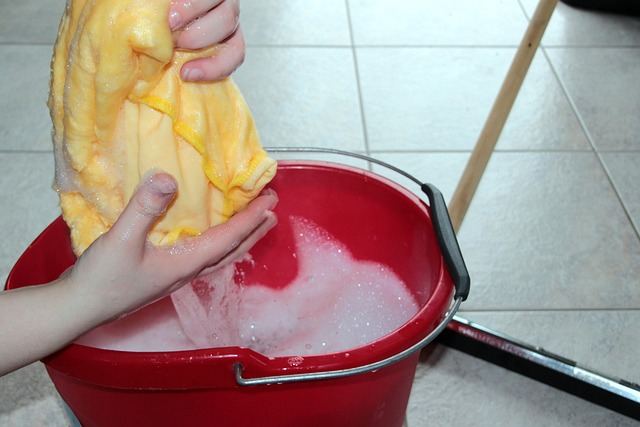
Washing a vehicle at home with a continuously running hose floods the driveway with expensive treated water. Filling a single large bucket with soapy water provides plenty of cleaning power for the entire automobile exterior. The hose should only be activated for a brief final rinse once the sponge work is completely finished. Commercial car washes often recycle their water making them another great alternative to wasteful driveway cleaning sessions.
Pet Water Bowl Routine
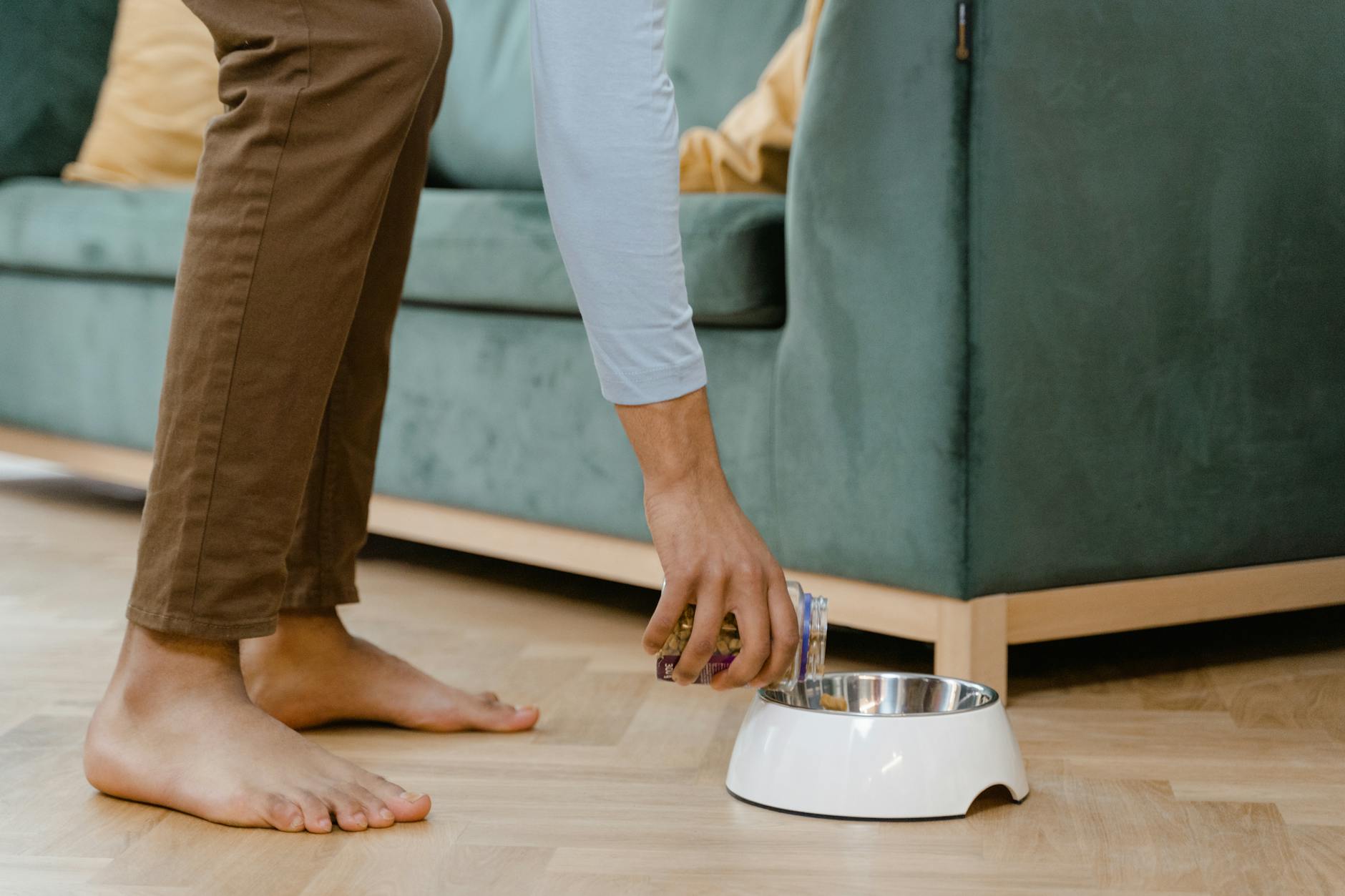
Stagnant water in pet bowls needs to be refreshed daily to maintain proper animal health and hygiene. Instead of dumping the old water down the kitchen sink owners can pour it onto thirsty household plants. This simple redirection of resources ensures nothing goes to waste during regular pet care activities. Animals receive clean fresh water while the indoor flora benefits from the recycled leftovers.
Water Efficient Washing Machine
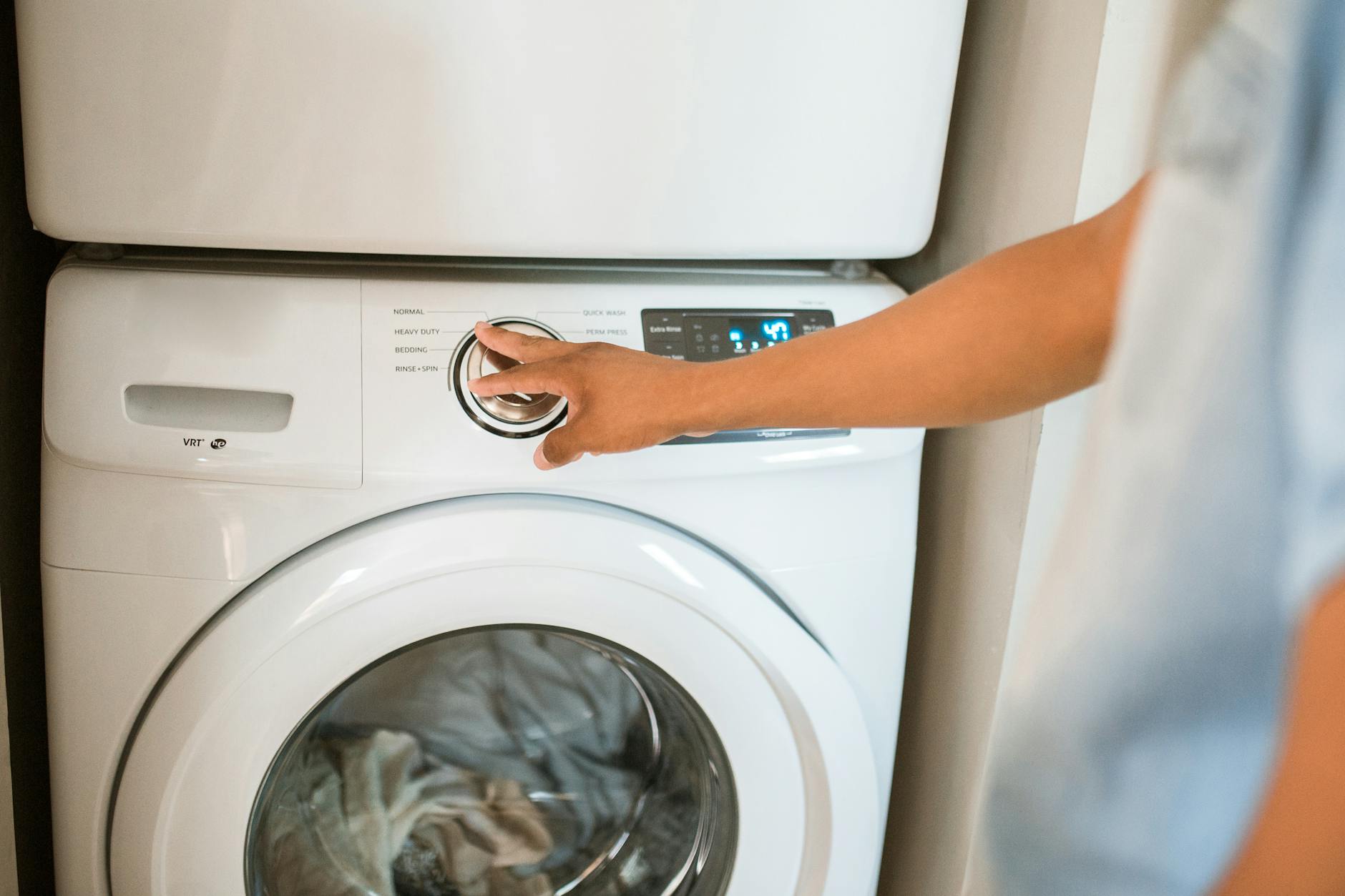
Front loading washing machines tumble clothes through a small pool of water rather than filling a massive central tub. These advanced appliances use significantly fewer gallons per cycle than traditional top loading agitator models. The horizontal drum design also spins faster to extract more moisture and reduce subsequent electrical drying times. Investing in an energy star certified laundry machine provides massive long term reductions to household utility statements.
Toothbrushing Routine

Leaving the bathroom tap running while actively scrubbing teeth is an incredibly common but highly wasteful habit. Wetting the bristles briefly and immediately shutting off the faucet saves several gallons every single morning and evening. The water is only truly needed for a quick rinse once the brushing process is entirely complete. This small behavioral shift requires zero financial investment but creates a permanent reduction in daily water consumption.
Evening Watering Schedule
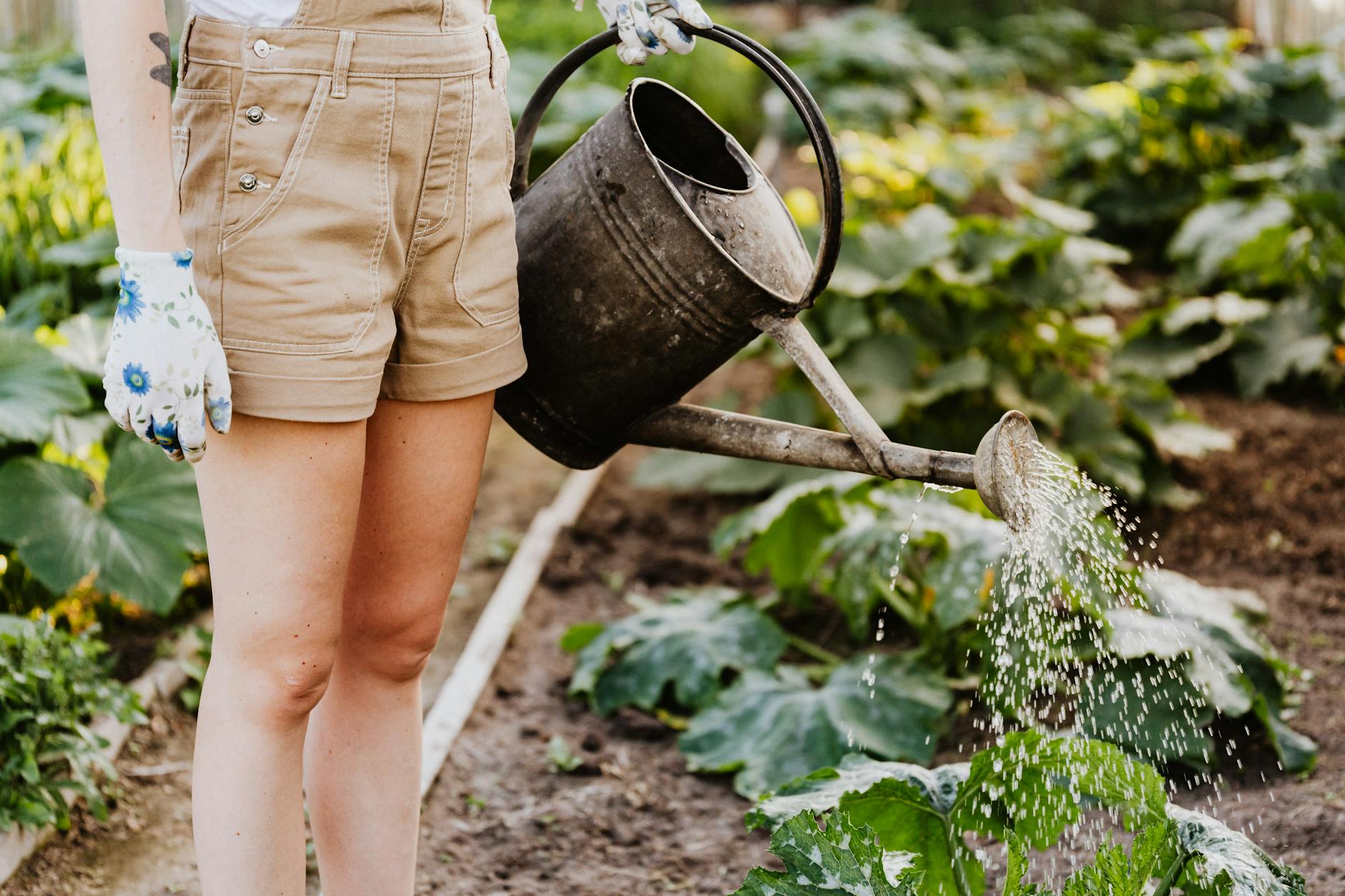
Watering outdoor gardens during the peak heat of the afternoon results in massive evaporation losses. Shifting the irrigation schedule to the late evening hours allows the moisture to fully seep into the cool dirt. Plants have the entire night to absorb the water before the morning sun begins the evaporation cycle again. This strategic timing ensures maximum hydration efficiency and keeps botanical displays healthy throughout challenging summer droughts.
Ice Cube Drop
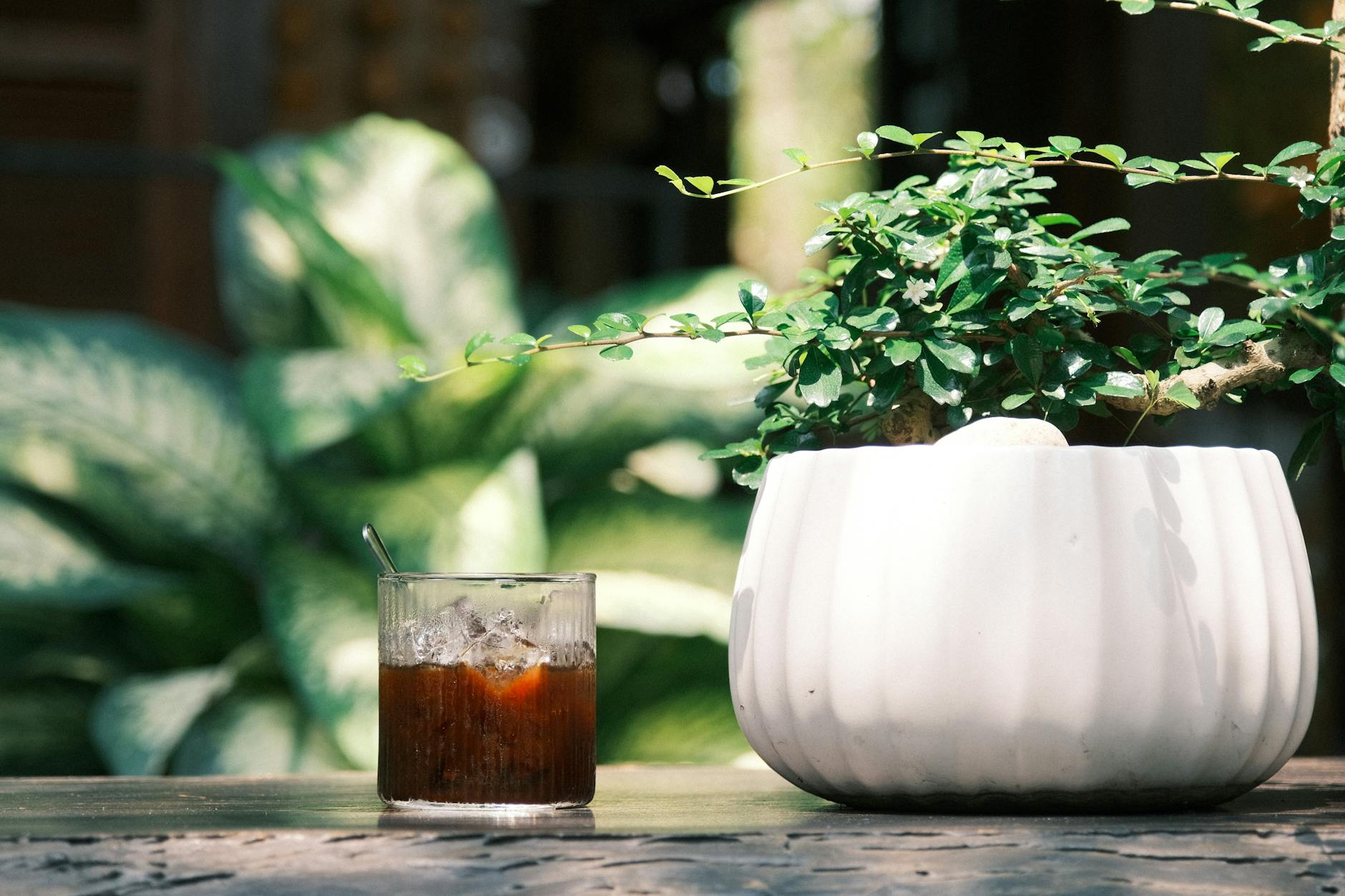
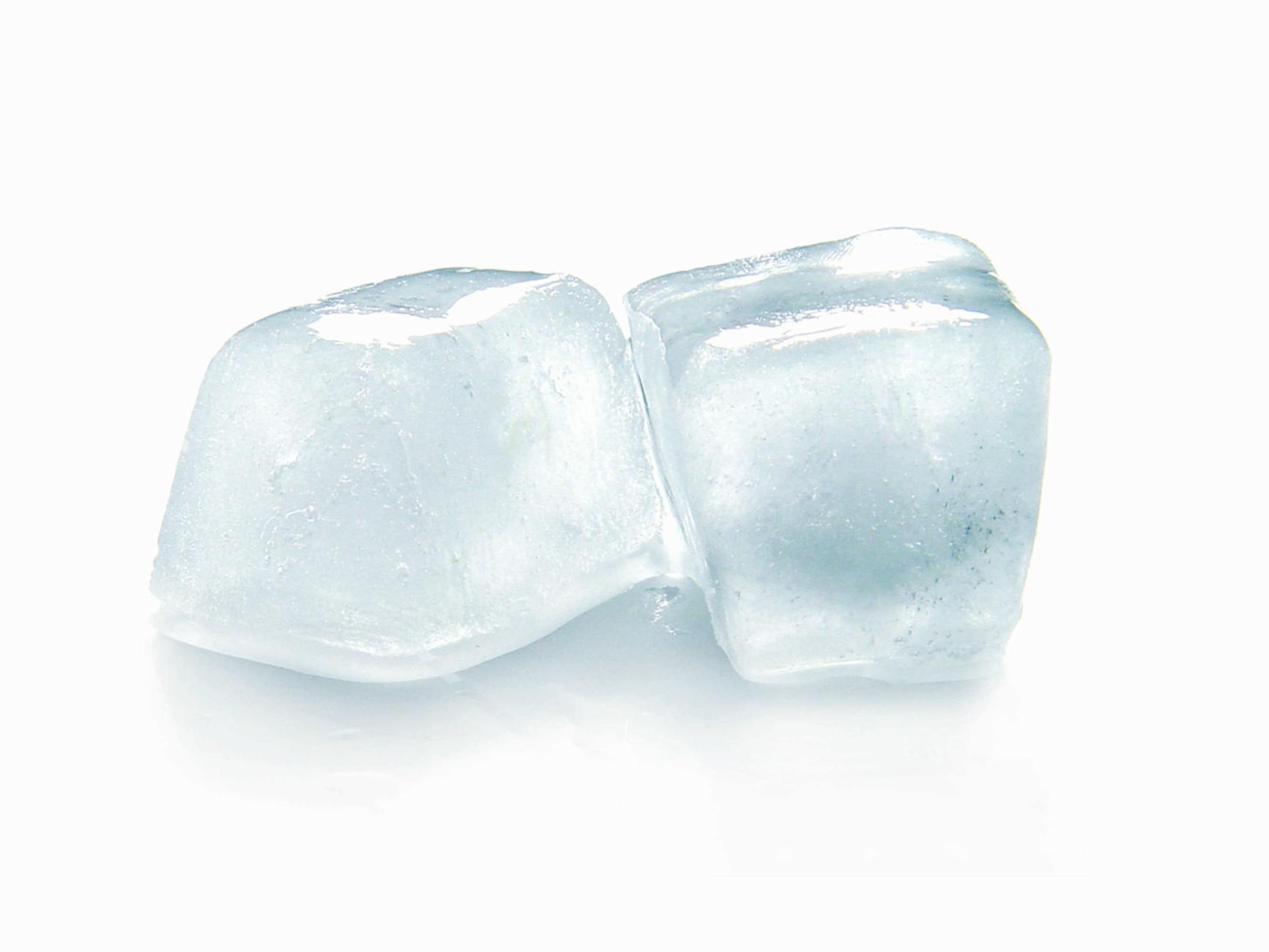
Dropping accidentally dropped ice cubes into a houseplant pot gives them a highly useful purpose. Kicking ice under the refrigerator or tossing it into the sink provides absolutely no benefit to the household. The frozen cubes will melt slowly into the potting soil and provide a gentle watering over several hours. This micro conservation tactic ensures that even the smallest amounts of frozen water are utilized effectively.
Fish Tank Water Recycling
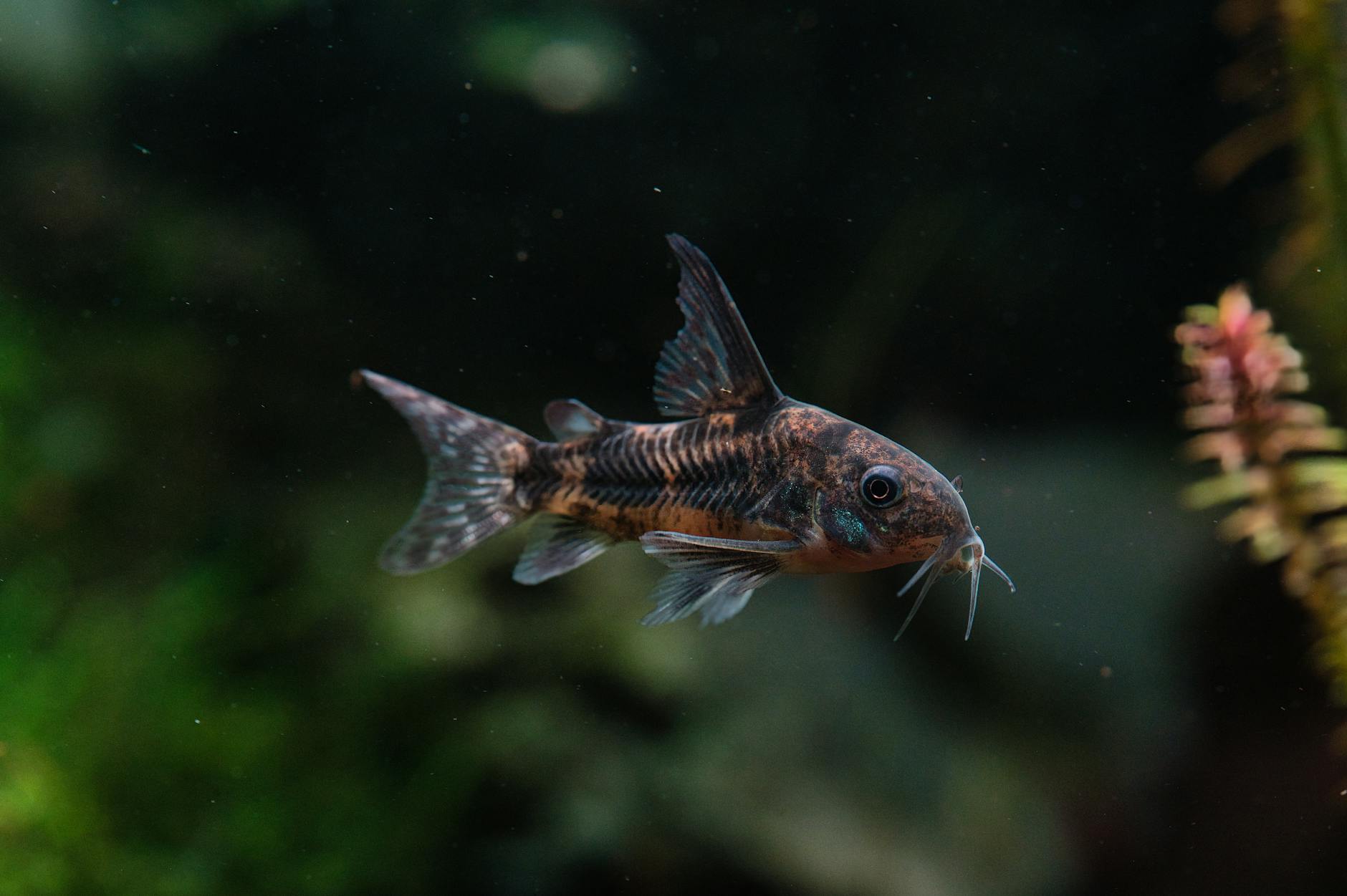
Changing the water in an indoor aquarium generates gallons of nutrient rich liquid that is perfect for plants. The discarded fish water contains nitrogen and phosphorus which act as incredible natural fertilizers for outdoor gardens. Pouring this cloudy water onto flower beds eliminates the need for chemical plant foods and fresh hose water. Aquarium enthusiasts can maintain healthy fish environments while simultaneously boosting their landscape vitality for free.
Hand Sanitizer Usage
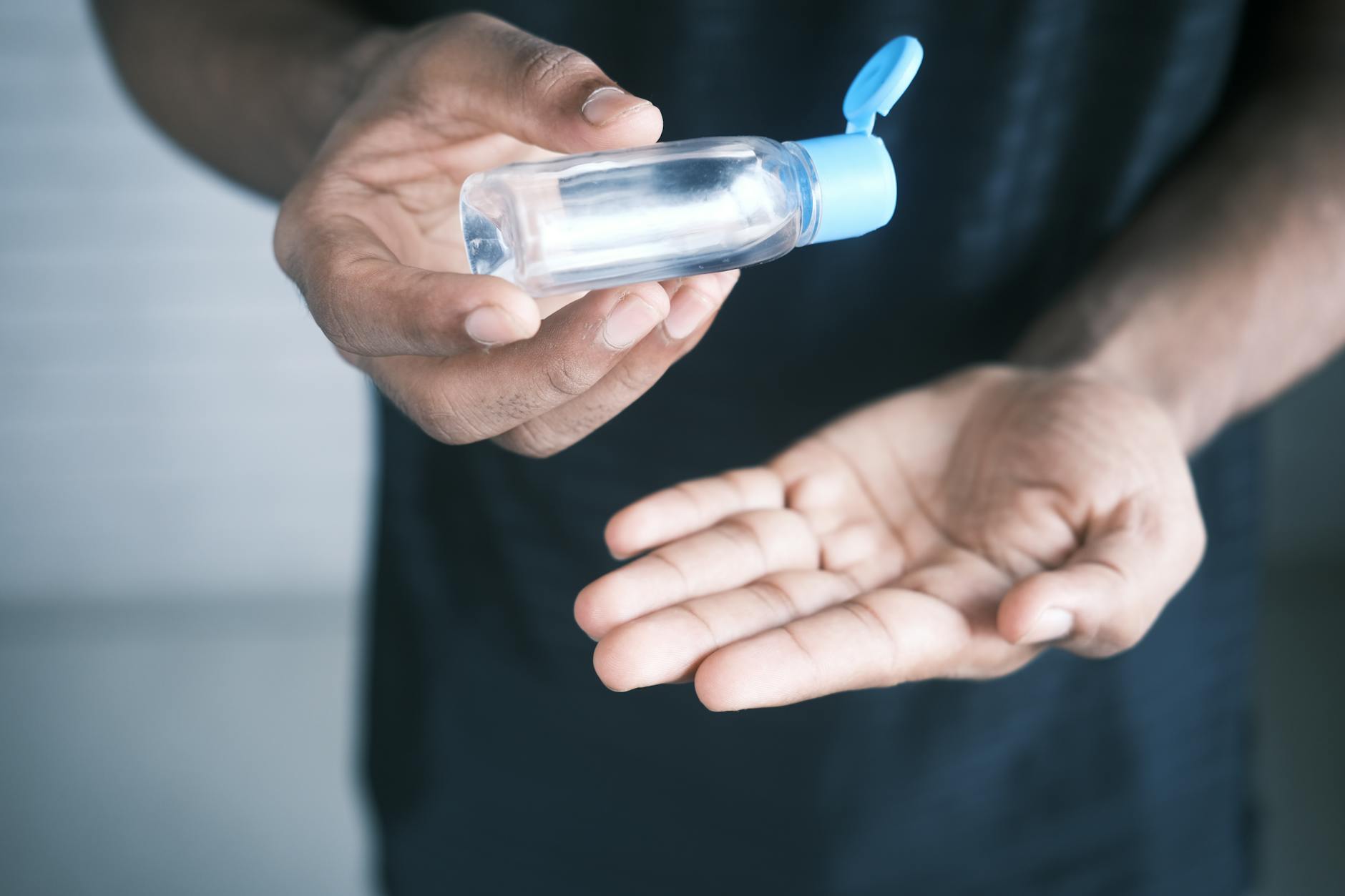
Washing hands with soap and hot water is essential for food preparation but not always necessary for light soil. High quality hand sanitizers effectively neutralize germs after handling mail or interacting with household pets. Substituting a pump of sanitizer for a full sink wash saves significant amounts of warm water throughout the day. This hygiene alternative works perfectly for quick cleanups when visible dirt is not present on the skin.
Soil Moisture Meter
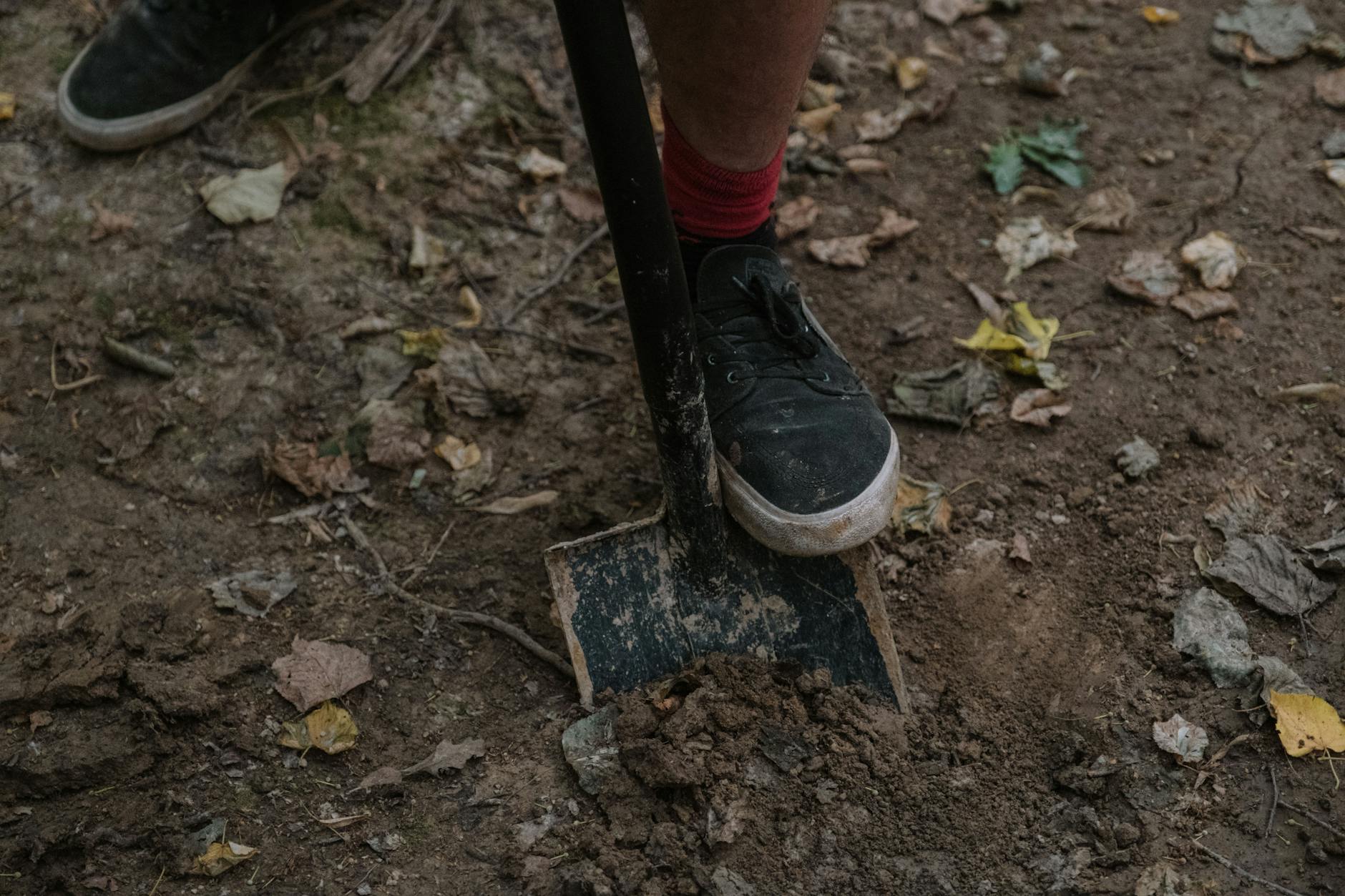
Guessing when indoor and outdoor plants need hydration often leads to severe and wasteful overwatering. Pushing a metal moisture meter into the dirt gives an instant and accurate reading of the subsurface dampness. These inexpensive analog tools prevent gardeners from watering soil that is already perfectly saturated beneath the top layer. Relying on precise measurements rather than visual estimates keeps botanical collections healthy while severely restricting water usage.
Water Heater Maintenance
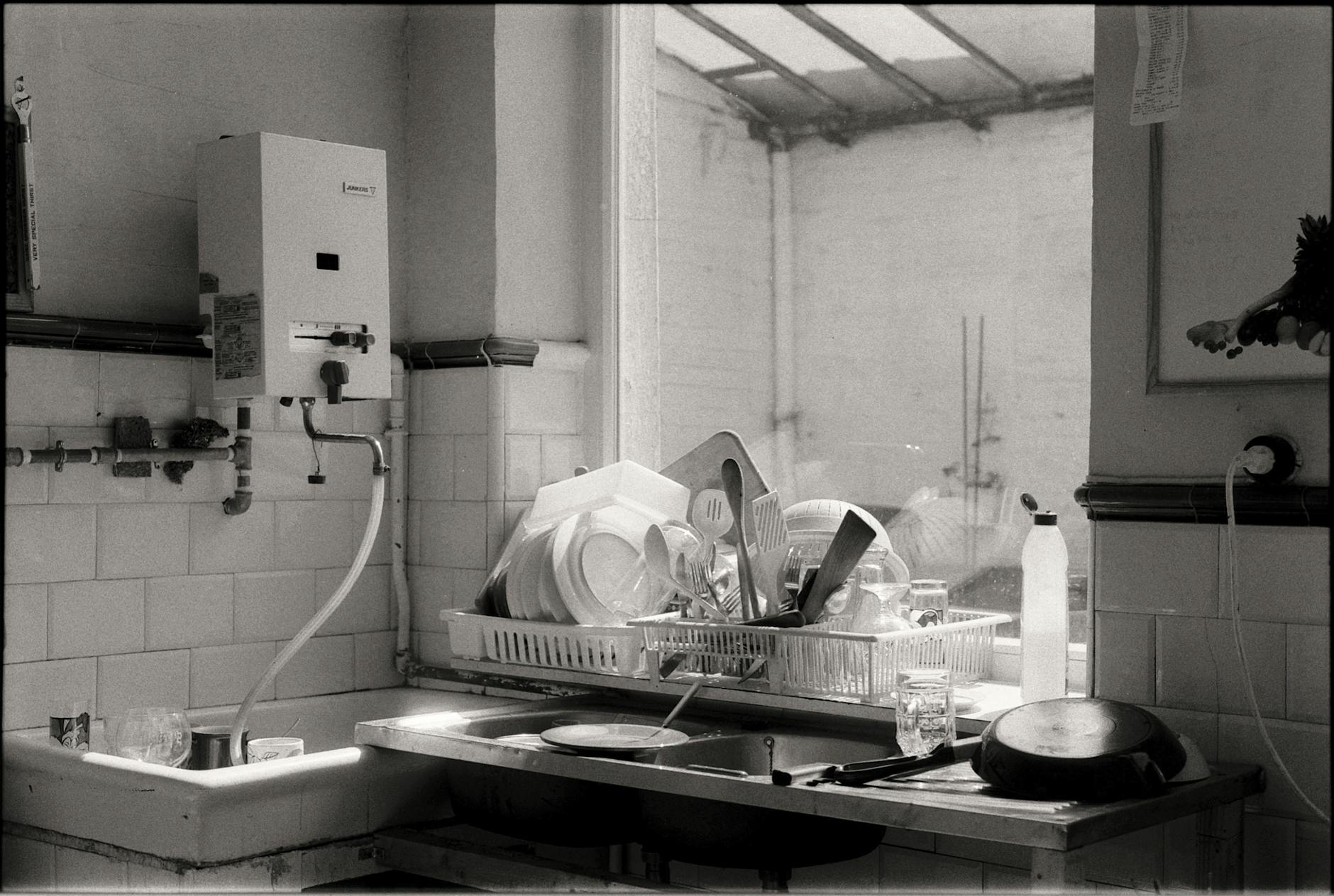
Sediment buildup at the bottom of a hot water heater forces the appliance to run inefficiently over time. Draining a few gallons from the bottom valve annually removes this debris and restores optimal heating performance. A well maintained heater delivers hot water to the fixtures faster and reduces the wait time at the tap. This routine preventative maintenance extends the life of the appliance while minimizing the daily water warmup waste.
Reusable Mop Pad
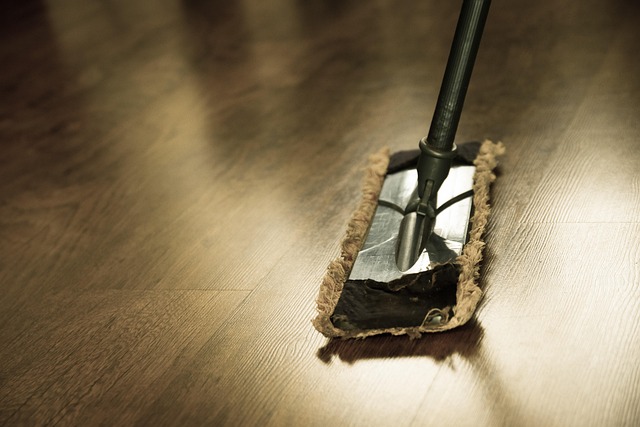
Traditional string mops require a large bucket filled with gallons of hot soapy water to clean hard floors effectively. Modern spray mops use washable microfiber pads and a small onboard reservoir of concentrated cleaning solution. These sleek devices utilize only a few ounces of liquid to sanitize an entire kitchen or bathroom floor. Switching to this updated cleaning technology drastically cuts down on the water required for routine household chores.
Please share your favorite water conservation tips and utility saving strategies in the comments.




