Many seemingly healthy foods contain surprising amounts of added sweeteners that can disrupt a balanced diet. Manufacturers often incorporate various forms of syrup to enhance flavor and extend shelf life in processed goods. Checking ingredient labels carefully remains the most effective way to identify these concealed additives. Understanding which everyday groceries pack the most unexpected sweetness can help you make more informed nutritional choices.
Flavored Yogurt
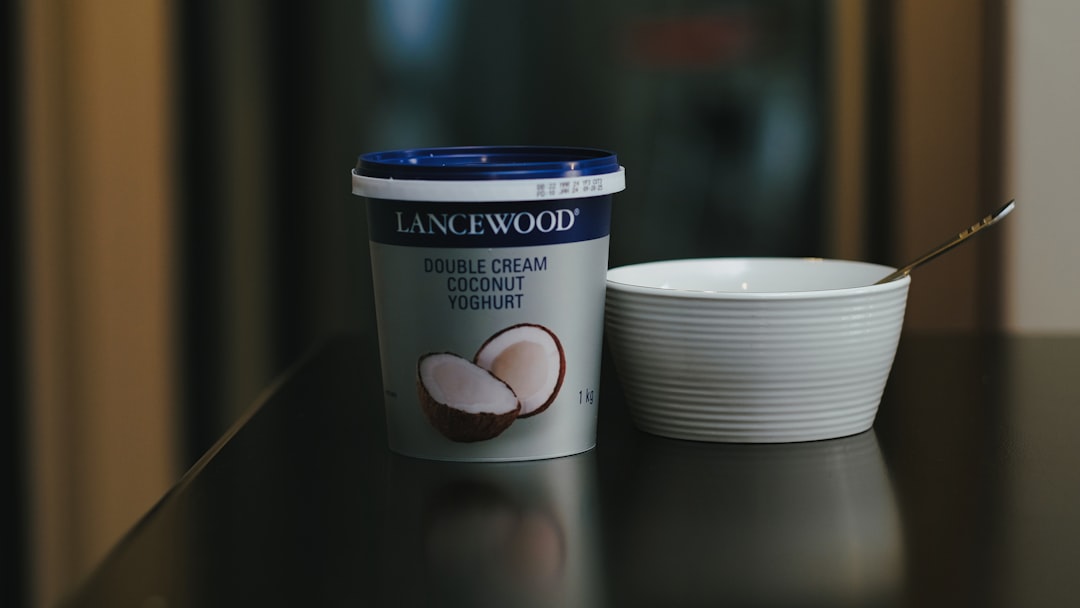
This popular breakfast item often contains more sweet additives than a typical dessert. The fruit on the bottom varieties are particularly notorious for their heavy syrup content. Manufacturers use these sweeteners to mask the natural tartness of the dairy culture. Choosing plain varieties and adding fresh fruit provides a simple way to control the overall sweetness.
Granola Bars
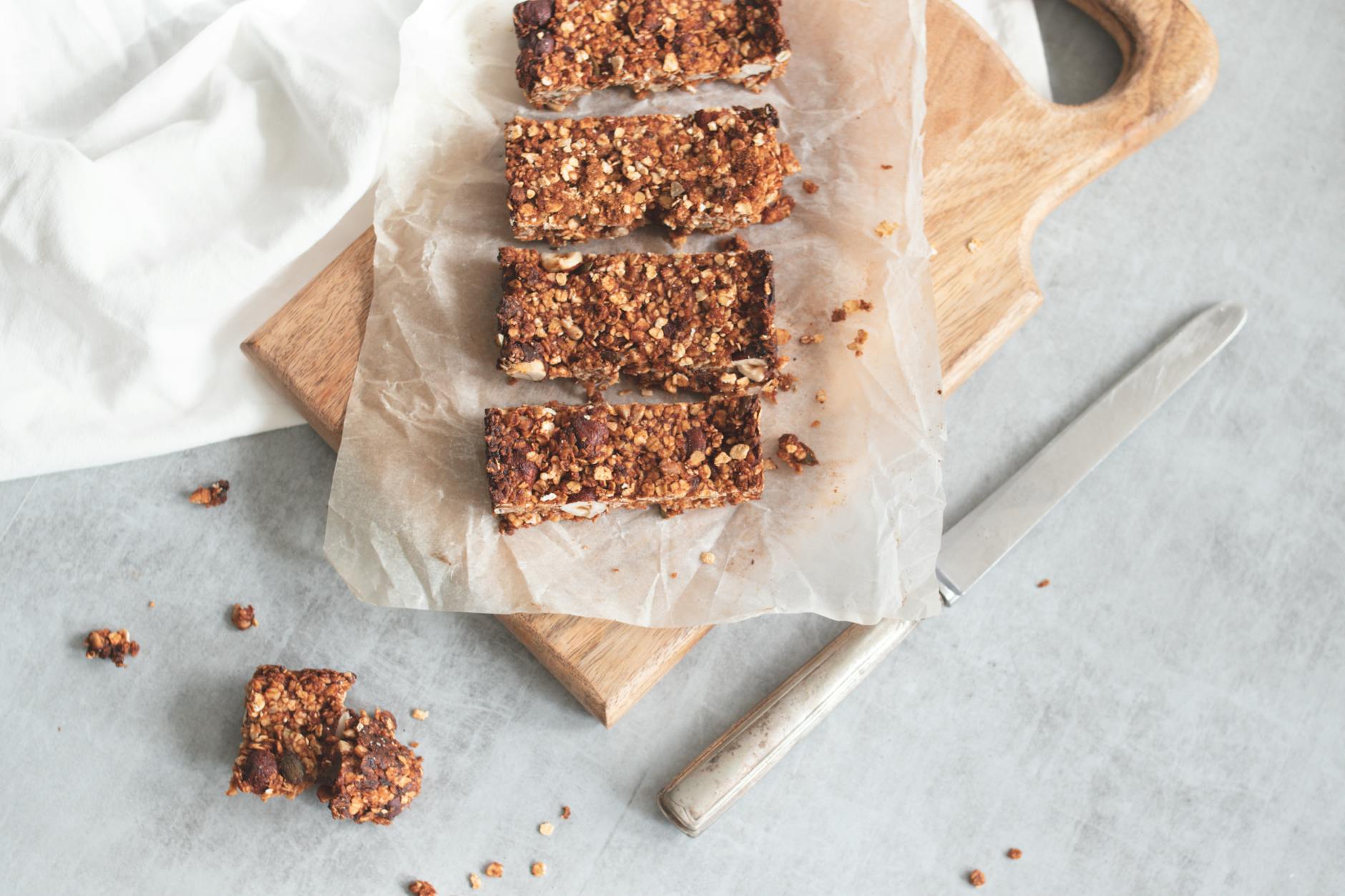
Many commercial oat bars are held together by generous amounts of sticky syrups. These convenient snacks are frequently marketed as wholesome health foods despite their sugary profiles. The added coatings and chocolate chips introduce even more empty calories to the nutritional footprint. Opting for homemade versions allows for complete control over the binding ingredients.
Barbecue Sauce

This staple condiment relies heavily on sweeteners to achieve its signature sticky texture and caramelized flavor. A mere two tablespoons can easily contain the equivalent of several teaspoons of pure sucrose. The sweet flavor profile is carefully designed to balance the smoky and acidic components. Diluting the sauce or making a homemade batch can significantly reduce the overall dietary impact.
Ketchup

Tomato paste alone does not provide the highly palatable taste that consumers expect from this classic topping. Generous amounts of corn syrup are typically added to counter the natural acidity of the tomatoes. A single squeeze over fries can quietly add a significant amount of empty calories to a meal. Seeking out unsweetened alternatives or reduced sugar varieties offers a healthier way to enjoy the classic flavor.
Spaghetti Sauce

Store bought pasta sauces frequently utilize sweet additives to recreate the taste of slow roasted tomatoes. This shortcut balances the acidic bite of cheaper tomato varieties used in mass production. A half cup serving can harbor more sweet additives than a couple of chocolate chip cookies. Preparing marinara sauce from scratch using fresh ingredients completely eliminates this unnecessary addition.
Sports Drinks

These colorful beverages are designed to quickly replenish carbohydrates lost during intense physical exertion. The primary mechanism for this rapid energy delivery is a heavy concentration of liquid sucrose. Casual consumption of these drinks outside of rigorous athletic activity simply introduces excess liquid calories. Water infused with electrolytes provides a much healthier hydration option for moderate workouts.
Chocolate Milk
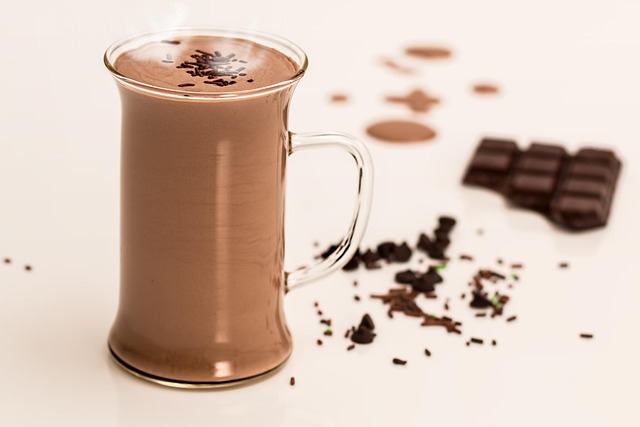
The comforting appeal of this childhood favorite hides a substantial amount of added sweeteners. Dairy naturally contains lactose but the chocolate flavoring requires significant sweetening to be palatable. A standard glass can easily double the caloric intake compared to its unflavored counterpart. Enjoying this beverage as an occasional treat rather than a daily staple is a wise dietary adjustment.
Protein Bars
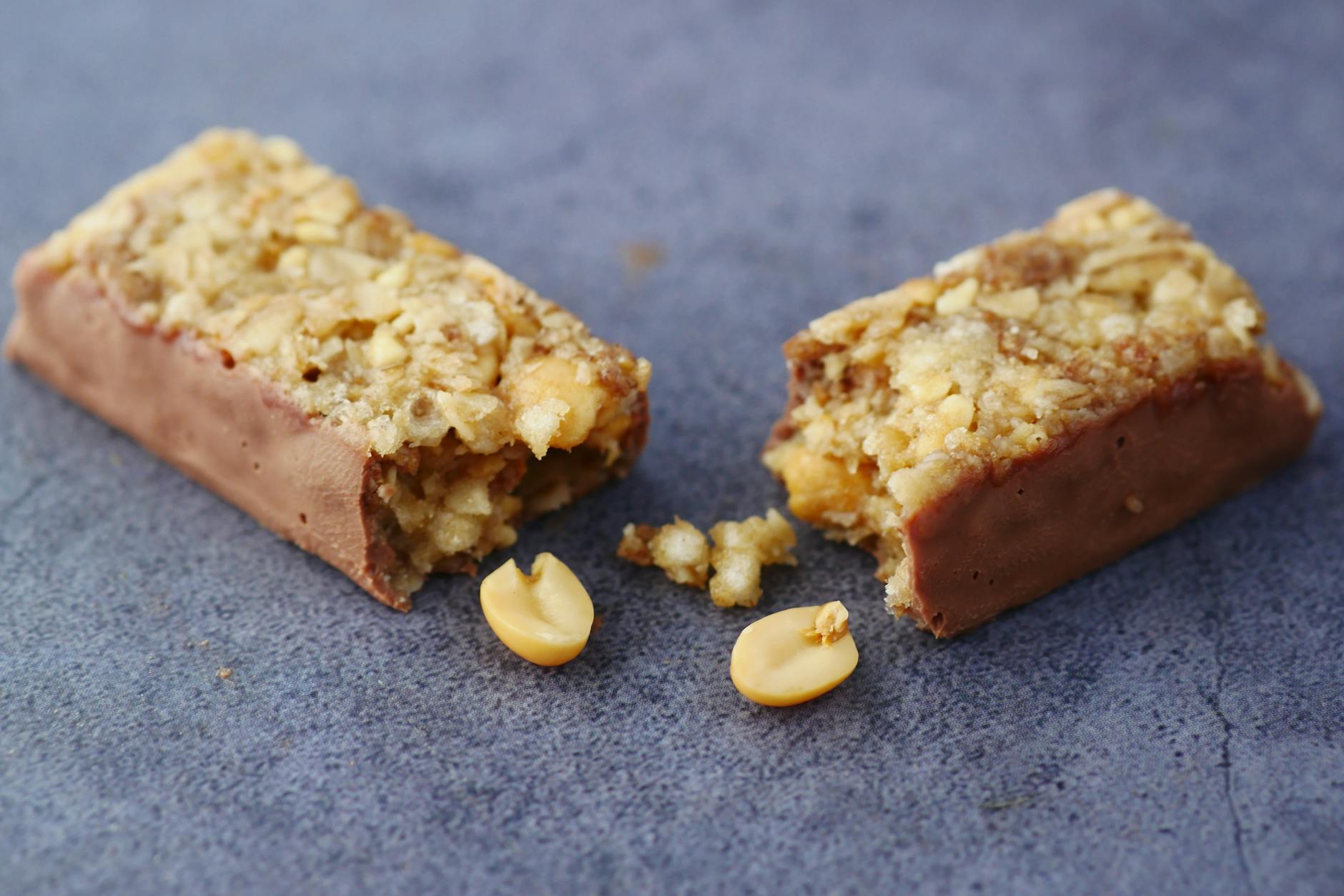
Many fitness oriented snacks mask their chalky textures with thick layers of caramel and chocolate. The nutritional benefits of the protein are often compromised by the dessert level sweetening agents. These convenient meal replacements can sometimes rival candy bars in their overall carbohydrate content. Carefully reading the nutritional panel is essential to finding options sweetened with natural alternatives.
Premade Soup

Canned and boxed soups frequently hide sweet additives behind savory flavor profiles. Manufacturers use these ingredients to round out harsh metallic notes from the canning process. Tomato and squash based soups are especially prone to having their natural flavors artificially boosted. Opting for low sodium broths and adding fresh vegetables ensures a much cleaner nutritional profile.
Breakfast Cereal
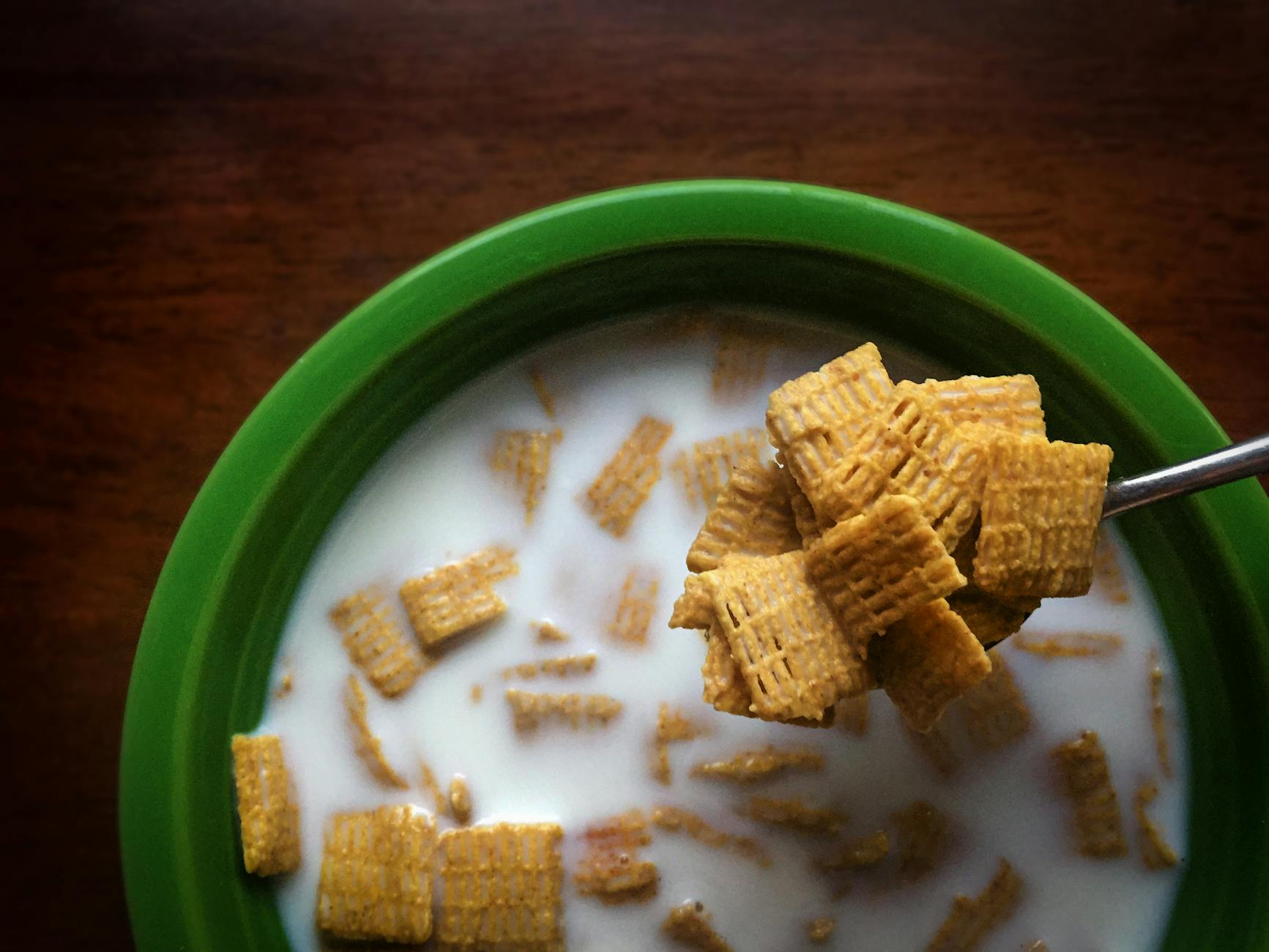
Even the varieties marketed toward adults can harbor surprising amounts of frosted coatings and sweet clusters. The marketing often highlights whole grains while downplaying the heavy carbohydrate load per serving. A single bowl can easily consume a large portion of the recommended daily allowance for sweet additives. Sticking to plain oats or puffed rice provides a blank canvas for naturally sweet fresh fruit.
Canned Baked Beans
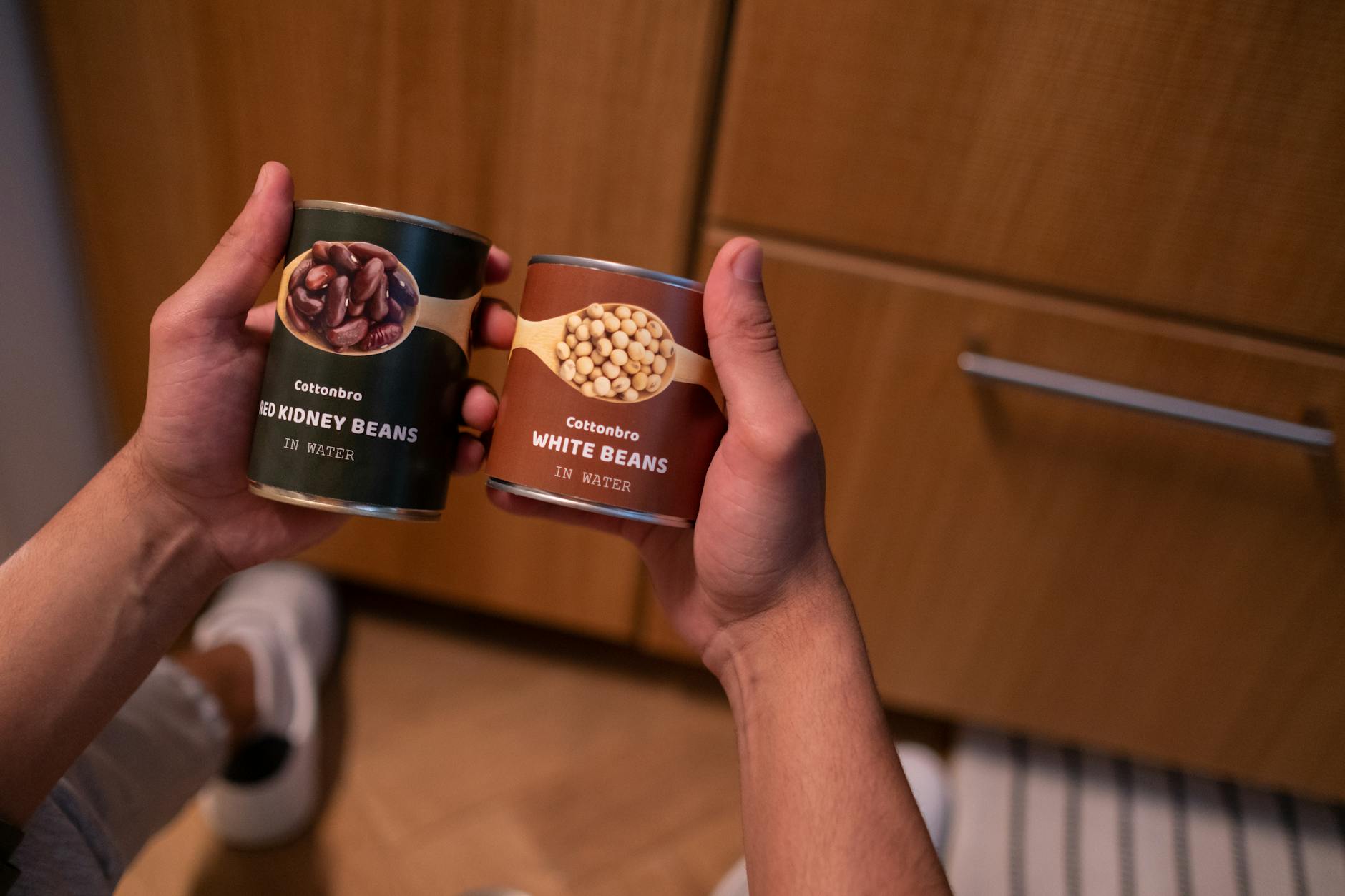
The rich molasses flavor that defines this barbecue staple is achieved through massive amounts of added sweeteners. A small side serving often contains more sweet syrup than a serving of ice cream. The savory pork and spices completely mask the overwhelming presence of the sticky additives. Rinsing the beans or preparing them from dried legumes allows for a drastically reduced sweetening profile.
Bottled Smoothies
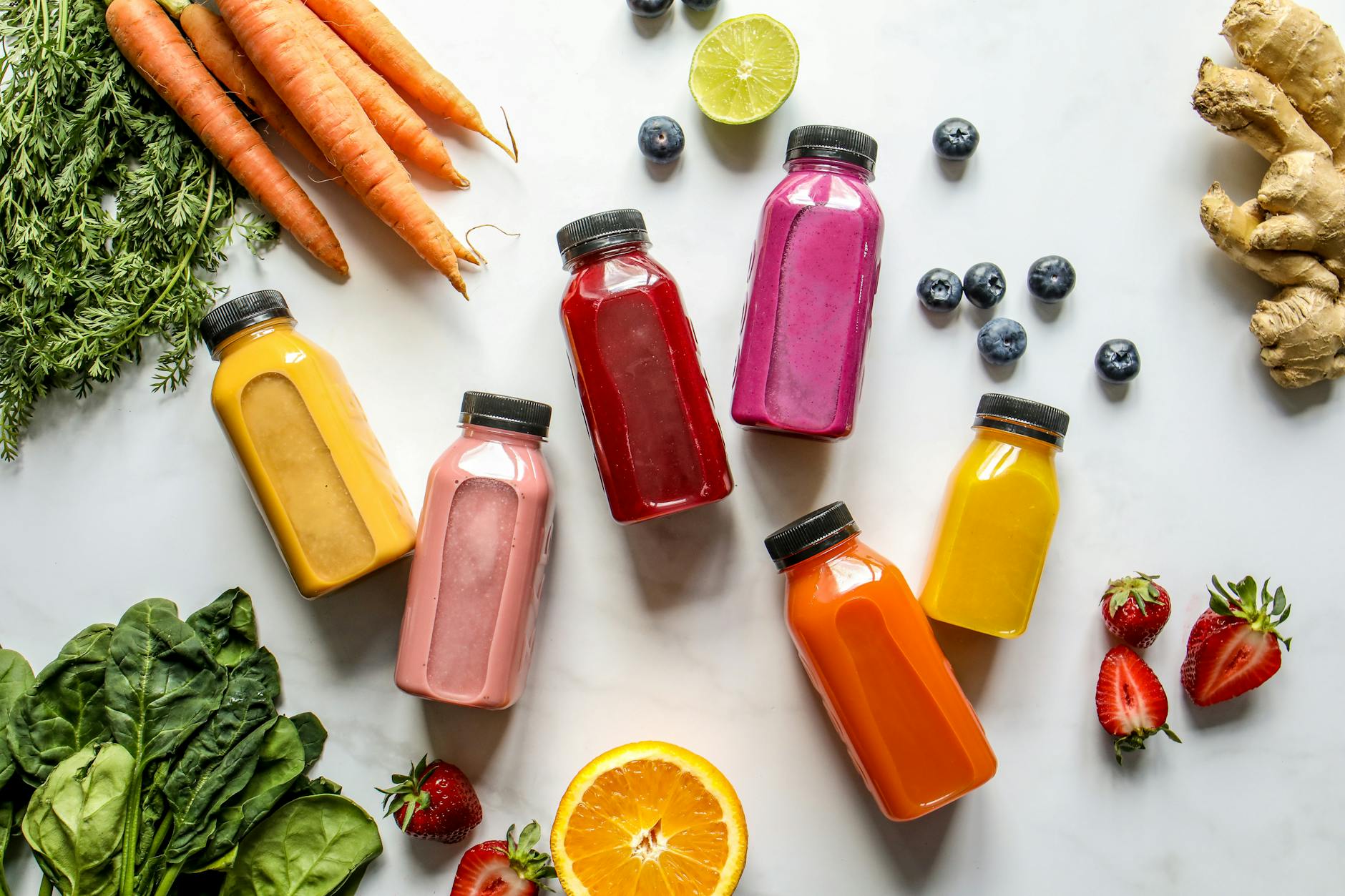
Commercial fruit blends often utilize cheap juices as a base instead of whole blended fruits. These concentrated liquids strip away the beneficial fiber while leaving behind all the natural fructose. Manufacturers sometimes add additional syrups to ensure a uniform taste across every single batch. Blending whole fruits and vegetables at home guarantees a much more fibrous and nutritious beverage.
Salad Dressing
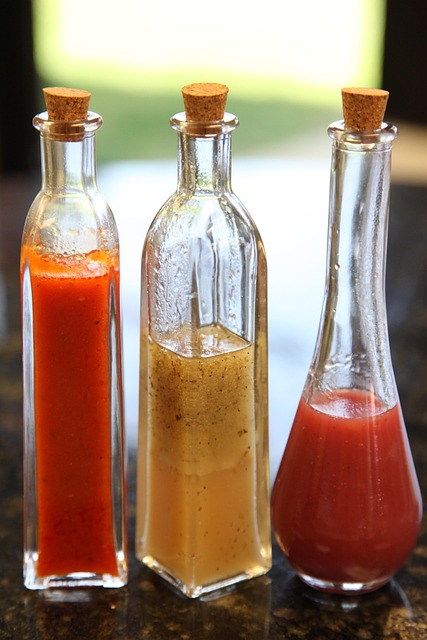
Fat free and low calorie dressings frequently overcompensate for missing fats by adding heavy amounts of syrup. Balsamic vinaigrettes and sweet onion flavors are particularly offensive culprits in the condiment aisle. Pouring these liquids over fresh vegetables can quickly negate the health benefits of the salad. Mixing simple olive oil with vinegar and herbs creates a perfectly healthy and flavorful alternative.
Instant Oatmeal

The convenience of these microwavable packets comes at the cost of excessive sweet flavoring powders. Flavors like maple brown sugar and apples cinnamon are essentially breakfast desserts masquerading as healthy grains. The quick cooking oats themselves digest rapidly and spike blood glucose levels even faster. Using rolled oats and sweetening them lightly with mashed bananas provides a much steadier energy release.
Almond Milk
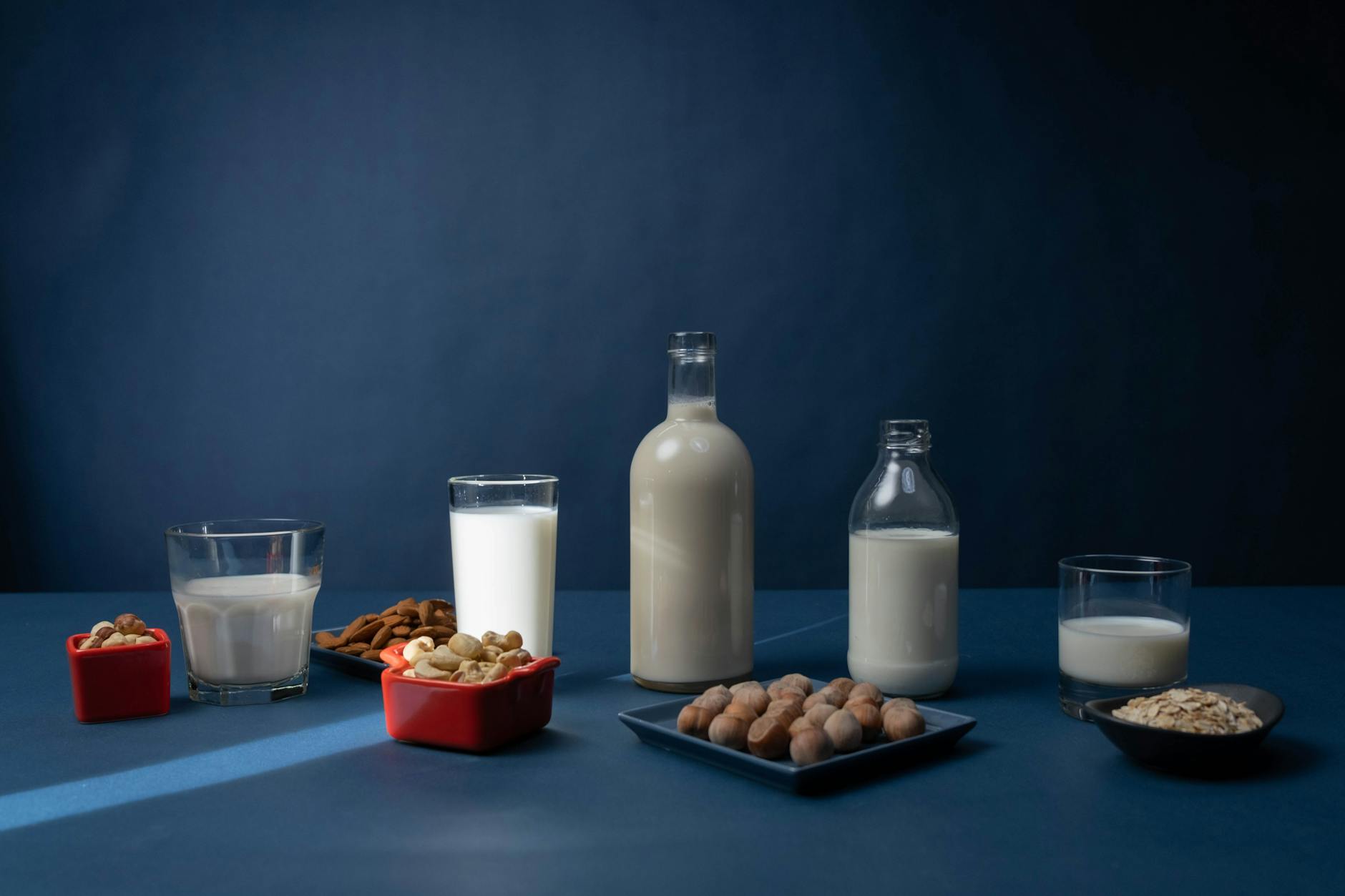
Many original and vanilla flavored dairy alternatives are heavily sweetened to appeal to the mass market. The sweet taste helps mask the naturally watery and sometimes chalky texture of the processed nuts. A single cup can add completely unnecessary empty calories to morning coffee or cereal bowls. Selecting the strictly unsweetened versions is the only way to ensure a clean nutritional profile.
Wheat Bread

Commercial bakeries consistently add various syrups to their dough to feed the yeast and speed up rising times. The sweeteners also contribute to the soft texture and appealing brown crust that consumers prefer. Even loaves marketed as hearty whole grains are not immune to these dough conditioning additives. Checking the local bakery for traditional sourdough can yield loaves made purely from flour and water.
Peanut Butter
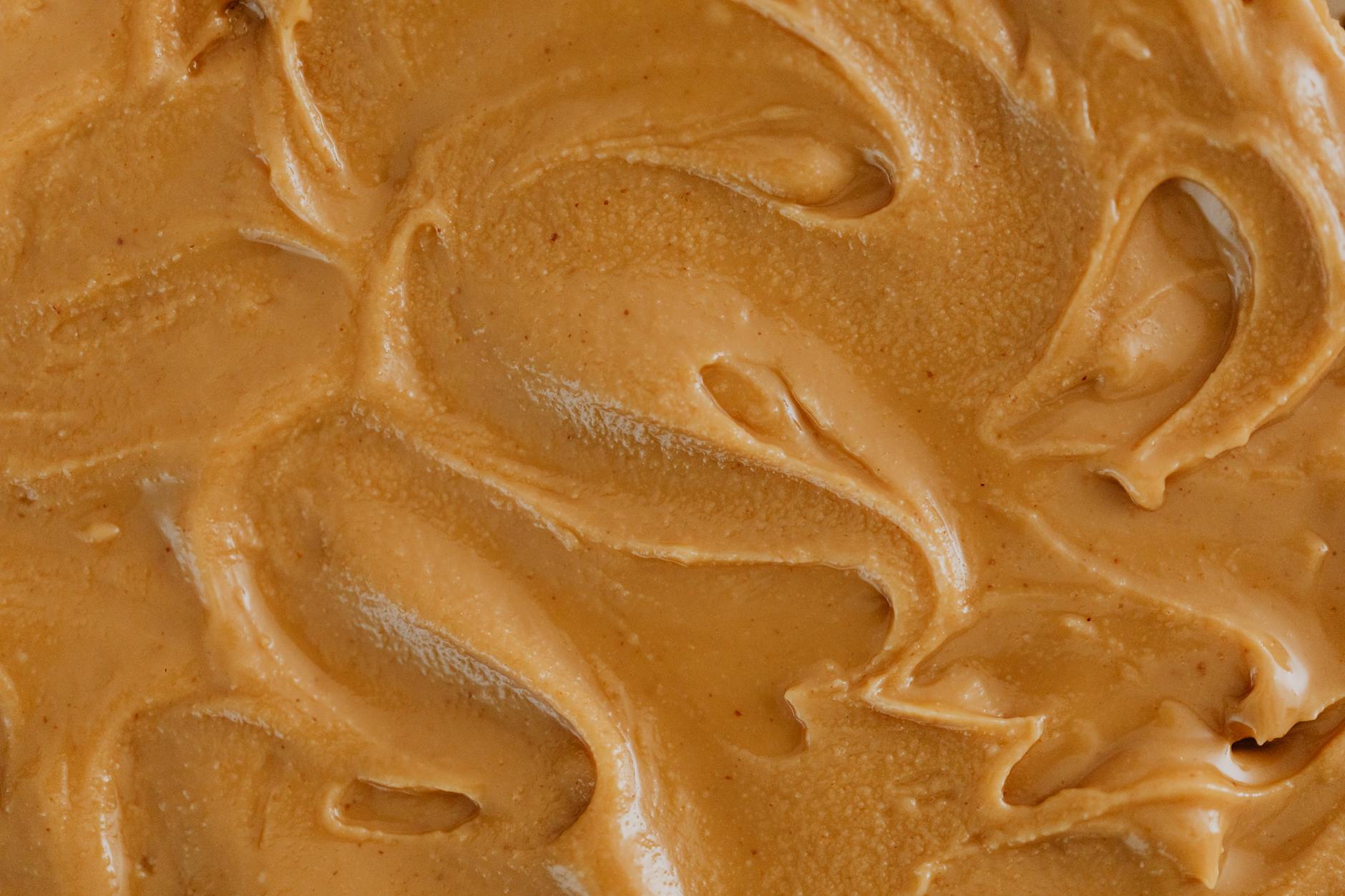
Many mainstream nut spreads incorporate hydrogenated oils and powdered sweeteners to prevent separation and boost flavor. The natural earthy taste of roasted peanuts is completely overshadowed by the artificial sweetness. These additions transform a healthy source of fats and proteins into a questionable daily staple. True natural peanut butter should only list peanuts and perhaps a touch of salt on the label.
Canned Fruit
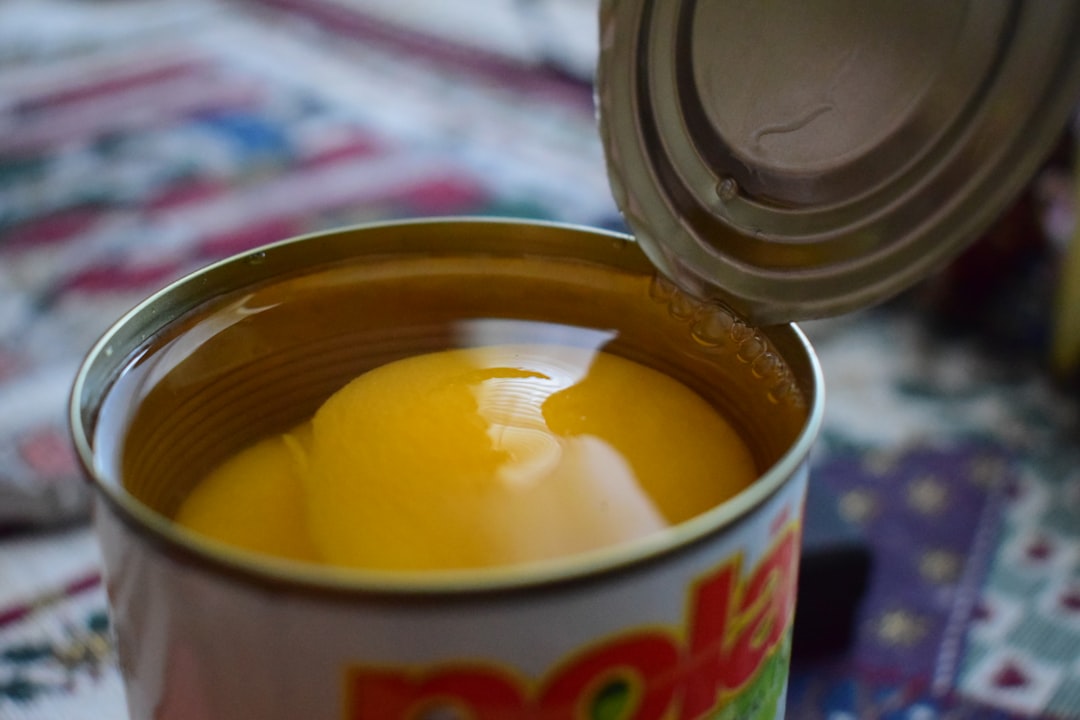
Peaches and pears are frequently submerged in heavy syrups to preserve their color and structural integrity. This process permeates the fruit tissue with excess fructose that cannot be fully rinsed away. The natural sweetness of the fruit is completely overwhelmed by the thick preserving liquid. Choosing fruits packed in their own natural juices or simply buying fresh is vastly superior.
Energy Drinks
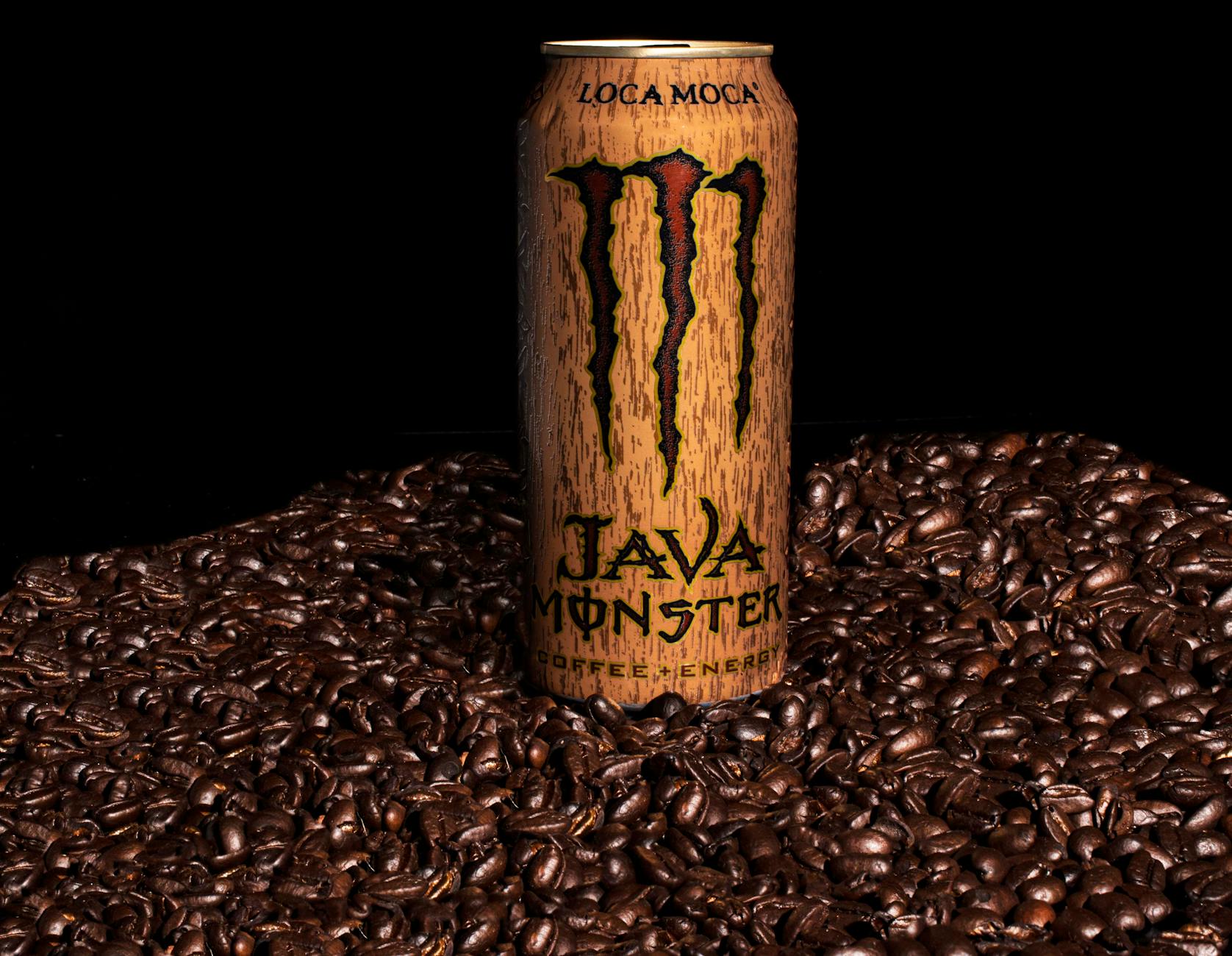
These stimulating beverages rely on massive amounts of sweet syrups to cover the bitter taste of caffeine and taurine. The resulting liquid provides a rapid energy spike followed by an inevitable and severe crash. The excessive carbohydrate load offers zero nutritional value beyond the immediate and fleeting rush. Black coffee or green tea provides the same stimulation without any of the detrimental additives.
Iced Tea
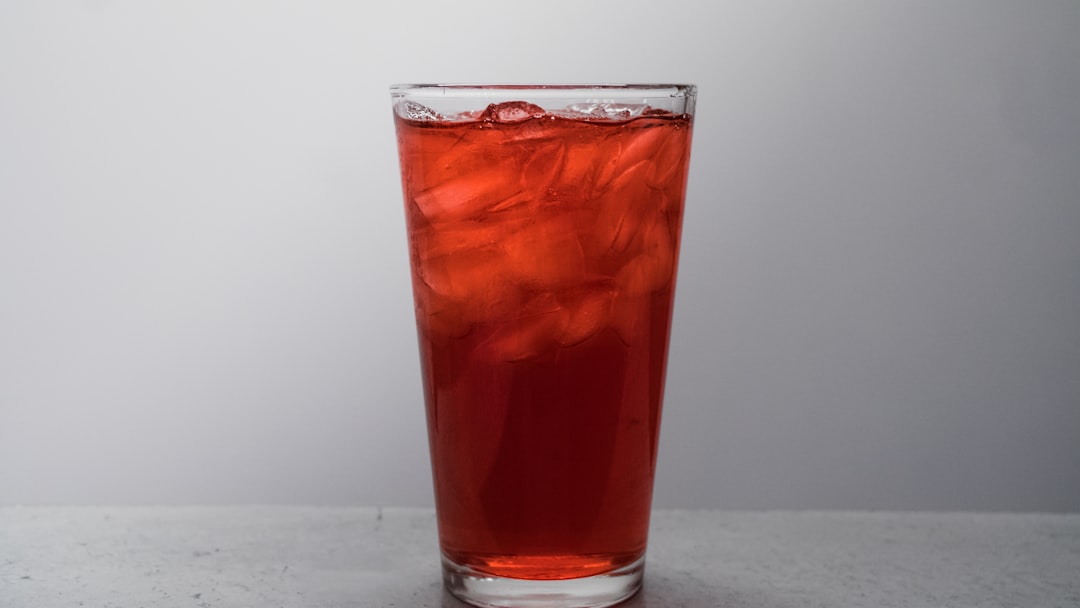
Bottled and fountain tea beverages are typically brewed with staggering amounts of liquid sucrose. The traditional southern sweet tea style has influenced commercial products to prioritize extreme sweetness over actual tea flavor. A large serving from a convenience store can contain more sweet additives than a large soda. Brewing tea at home and serving it over ice is the only way to guarantee a pure beverage.
Vitamin Water

The healthy sounding name of this beverage category masks a fundamentally flawed nutritional profile. These drinks are essentially just flavored water packed with crystalline additives to mimic fruit tastes. The added vitamins do not justify the massive intake of liquid calories per bottle. Pure water paired with a balanced diet provides all the necessary nutrients without the drawbacks.
Fruit Snacks
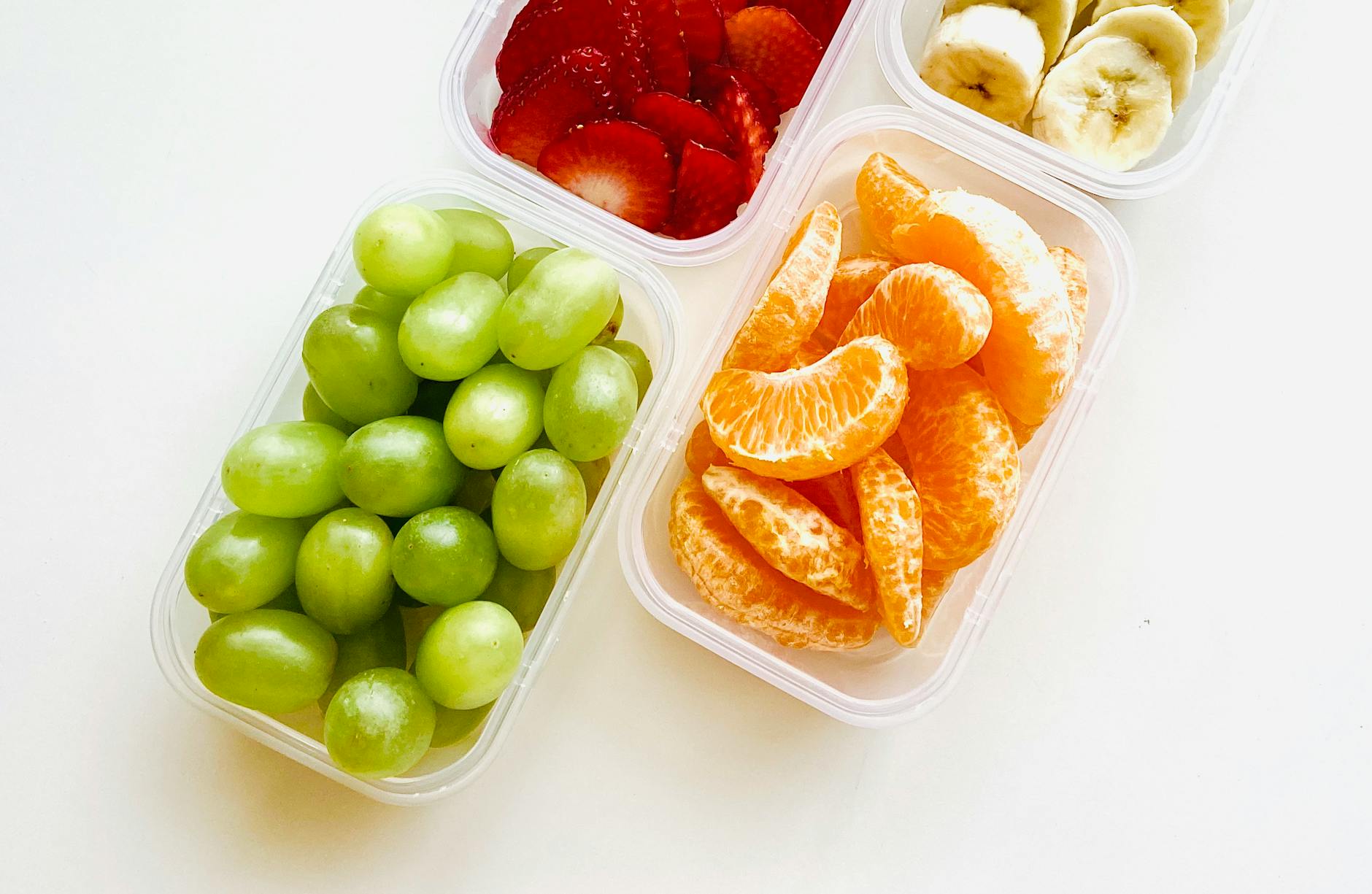
These gummy treats are consistently marketed to parents as a healthy lunchbox addition for children. They are essentially just fruit flavored candies formulated with concentrated juices and sticky syrups. The complete lack of dietary fiber means they digest exactly like traditional confectionery products. Fresh grapes or berries offer actual nutritional value and the same convenient snacking experience.
Teriyaki Sauce

This popular Asian inspired marinade gets its thick glossy coating entirely from heavy syrup reductions. The sweet element is crucial for creating the caramelized crust on grilled meats and vegetables. A small amount of this sauce can dramatically increase the caloric density of an otherwise lean meal. Using a light hand or making a ginger and soy based alternative is highly recommended.
Coleslaw
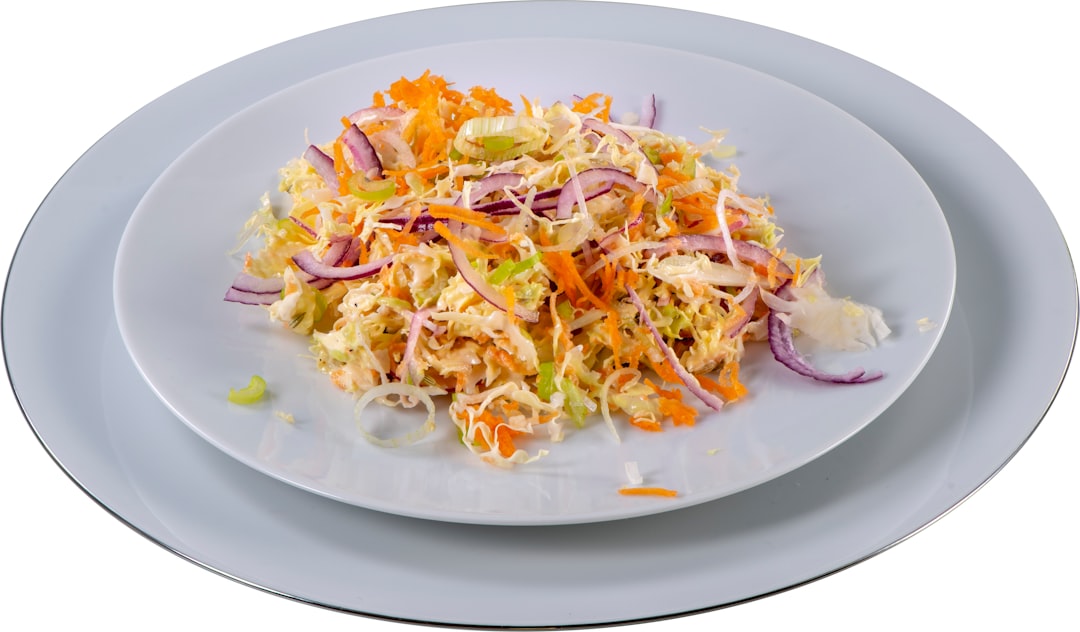
The creamy dressing that coats this popular shredded cabbage side dish is surprisingly packed with sweet additives. Restaurants and deli counters use these ingredients to balance the sharp bite of the raw onions and vinegar. A modest scoop can easily introduce a dessert level amount of empty calories to a barbecue plate. Making a homemade dressing with Greek yogurt and lemon juice offers a much lighter alternative.
Applesauce
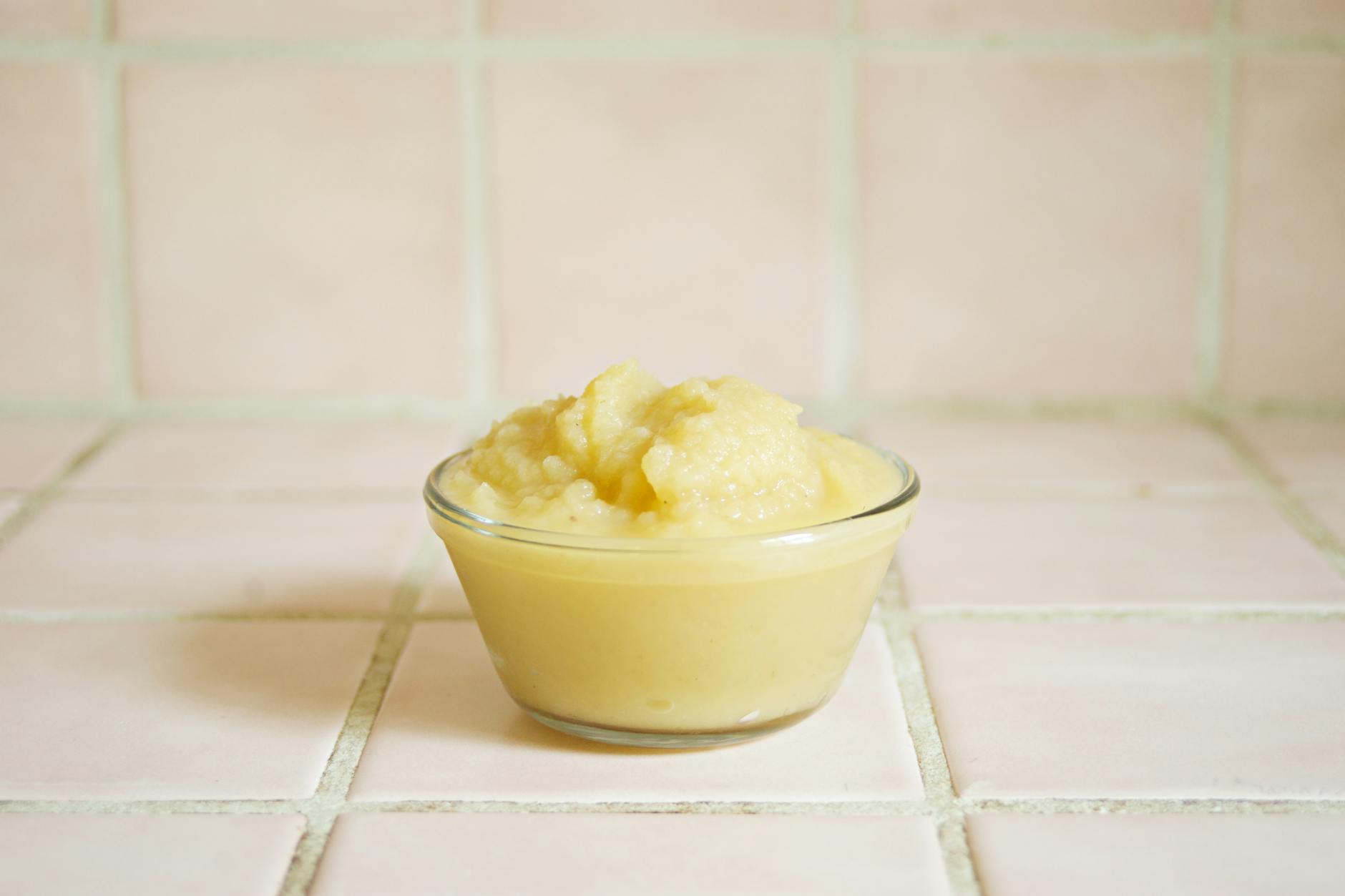
Many commercial varieties of this childhood staple are heavily spiked with additional sweeteners. The natural fructose present in the apples is apparently deemed insufficient for the modern palate. These sweetened versions are essentially just fruit purees acting as a delivery system for excess calories. Seeking out jars explicitly labeled as unsweetened ensures you are only eating pure blended apples.
Beef Jerky
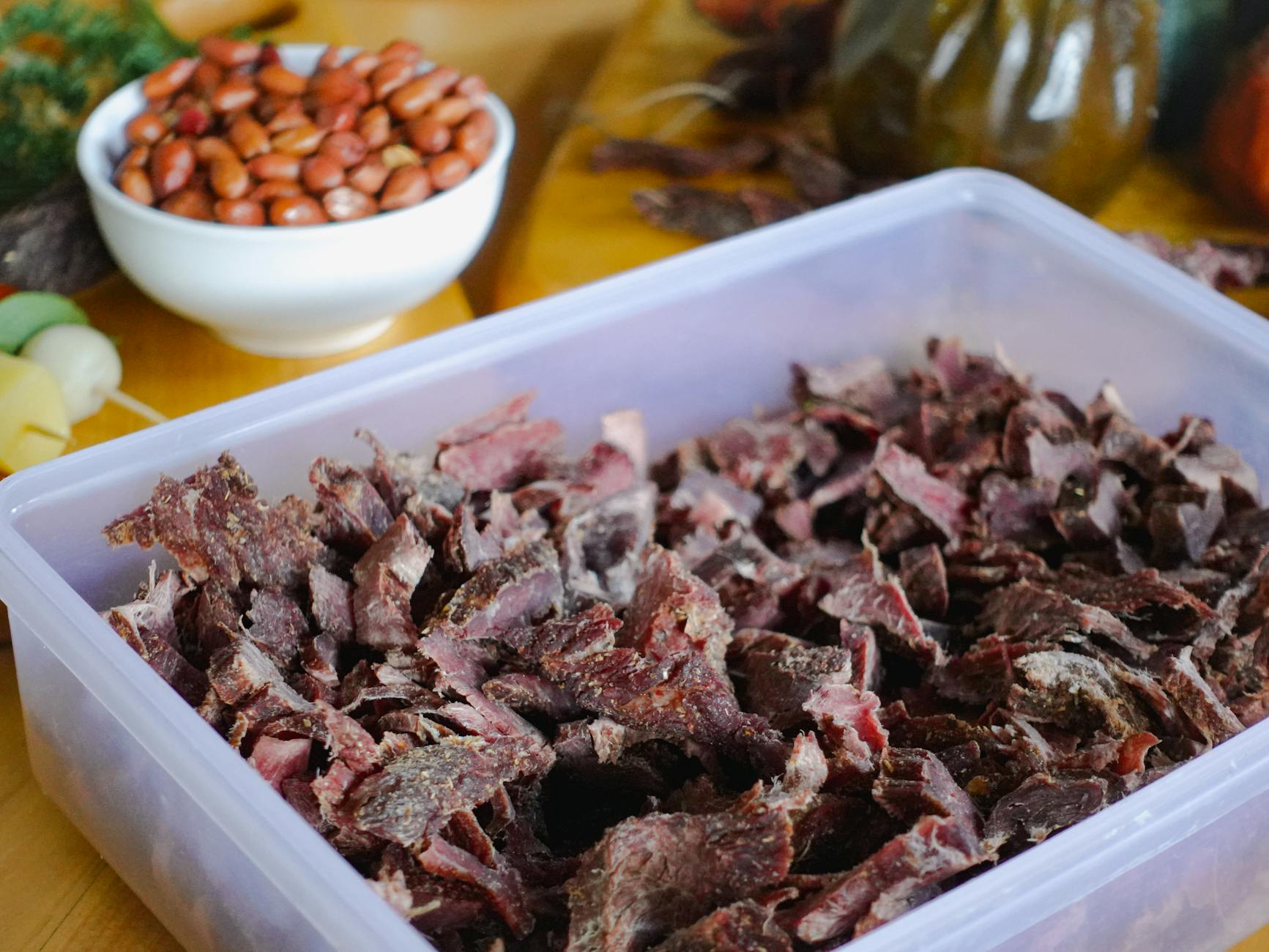
Traditional dried meats have evolved into highly processed snacks coated in sticky glazes and sweet marinades. Flavors like teriyaki and sweet barbecue are the worst offenders in this savory snack category. The sweet additives help preserve the meat while appealing to a broader consumer flavor preference. Carefully sourcing traditional smoked jerky without added glazes is the best way to enjoy this protein.
Crackers
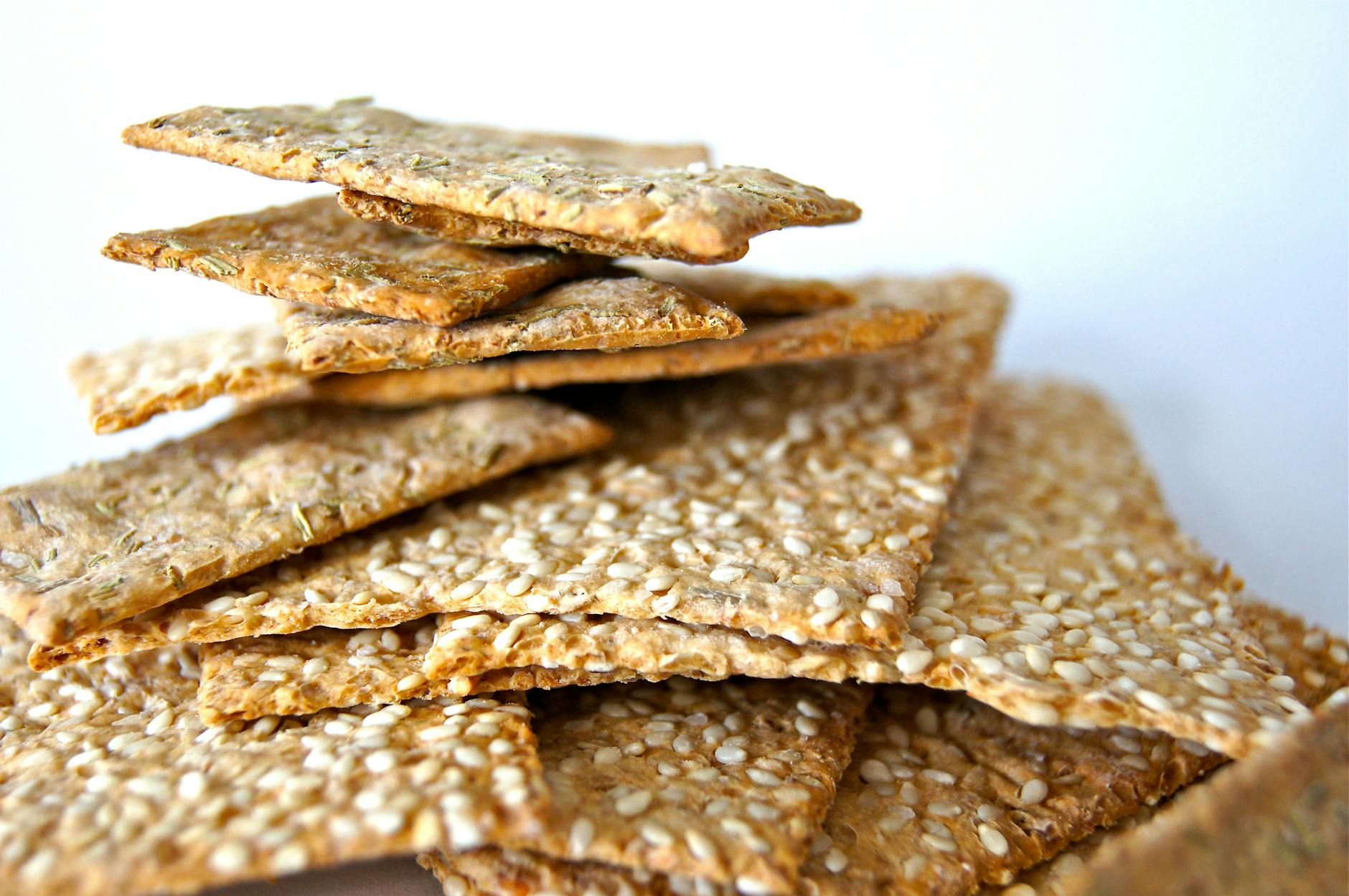
Even savory baked goods require sweet additives to achieve the perfect golden crispness during the baking process. These ingredients feed the yeast and interact with the flours to create a highly palatable and addictive texture. The subtle sweetness makes it incredibly easy to consume multiple servings without feeling satisfied. Switching to simple water crackers or raw vegetable sticks provides a much healthier crunch.
Flavored Coffee

The syrups pumped into popular café beverages transform a zero calorie drink into a massive dessert. Vanilla and caramel additions consist almost entirely of artificial flavors suspended in thick liquid sucrose. A large specialty coffee can easily contain the entire daily recommended limit for sweet additives. Learning to appreciate the complex natural notes of black coffee entirely eliminates this issue.
Margarita Mix
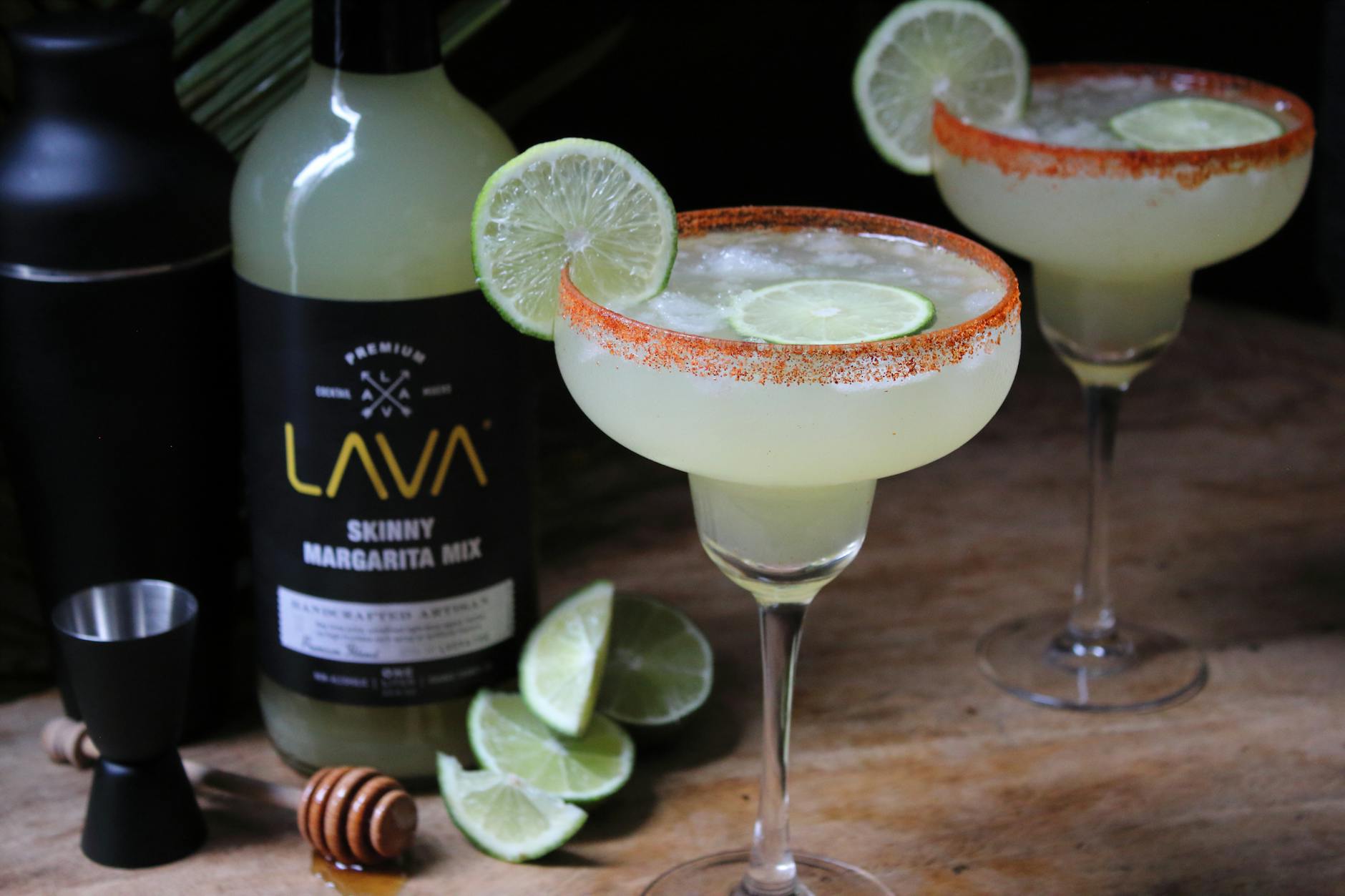
These convenient cocktail starters are essentially neon colored syrups waiting to be mixed with alcohol. The overpowering sweetness is designed to completely mask the harsh bite of cheap tequila. Drinking these concoctions leads to rapid intoxication and notoriously difficult mornings the next day. Shaking fresh lime juice with premium tequila creates a vastly superior and authentic cocktail.
Balsamic Glaze

The thick syrupy texture of this popular finishing sauce is rarely achieved through patient reduction alone. Manufacturers frequently take shortcuts by adding heavy amounts of sweet syrups to thicken the vinegar quickly. Drizzling this over a healthy caprese salad instantly adds a significant amount of empty calories. Investing in a high quality aged balsamic vinegar provides incredible flavor without the artificial thickening agents.
Canned Tomatoes
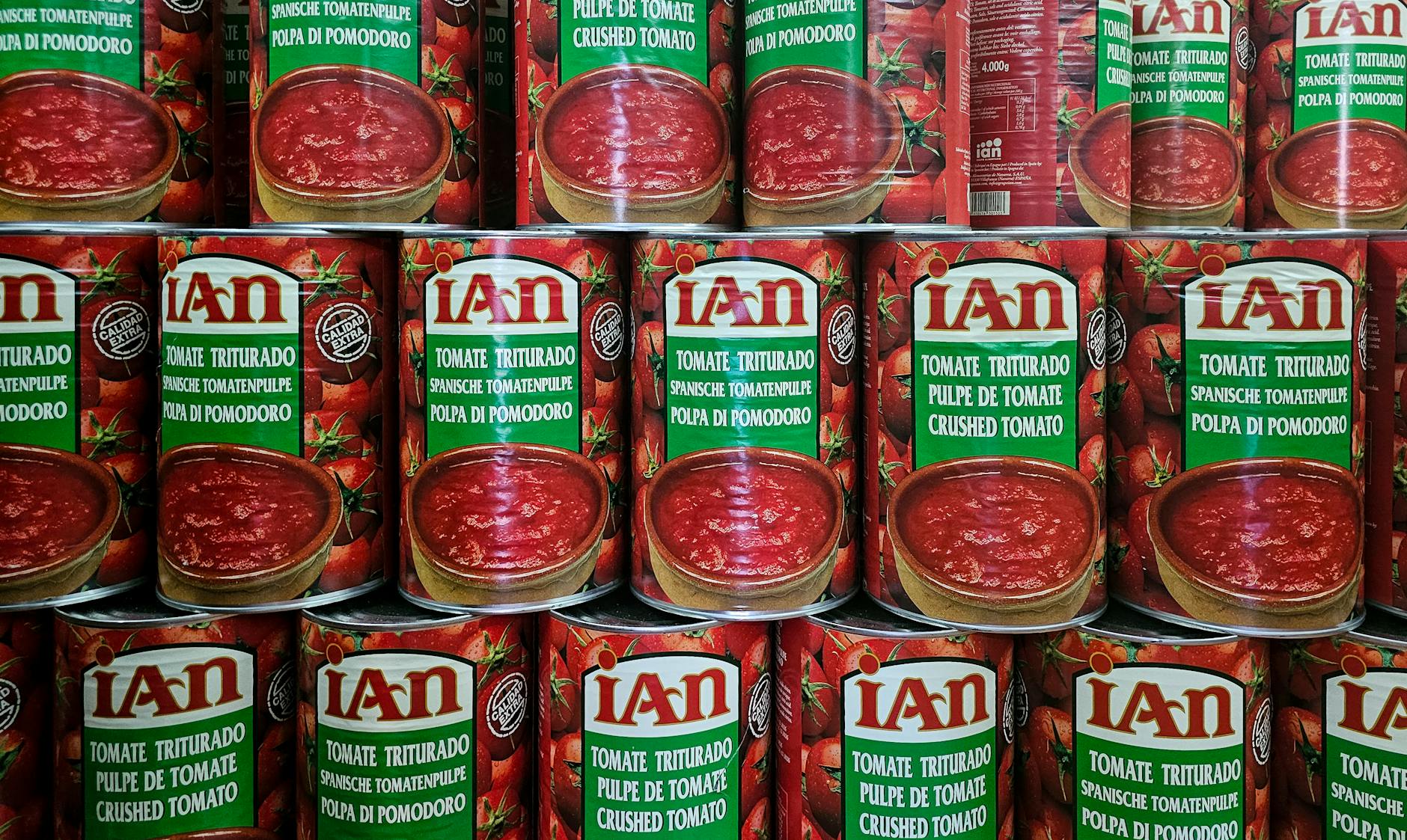
Many brands add sweet crystals to their diced tomatoes to neutralize the intense natural acidity. This practice is especially common in cheaper products where the tomatoes are picked before reaching full ripeness. The resulting product has an artificially mellow flavor profile that compromises savory recipes. Spending slightly more for premium imported tomatoes usually guarantees a product without these unnecessary additions.
Sushi Rice

The sticky texture and distinct flavor of authentic sushi rice requires a specific vinegar seasoning blend. This traditional seasoning liquid is heavily fortified with sweet additives to balance the sharp rice vinegar. Consuming multiple sushi rolls introduces a surprisingly high amount of these hidden calories into the diet. Being mindful of portion sizes when eating out is the best strategy for managing this intake.
Frozen Sweet Potato Fries
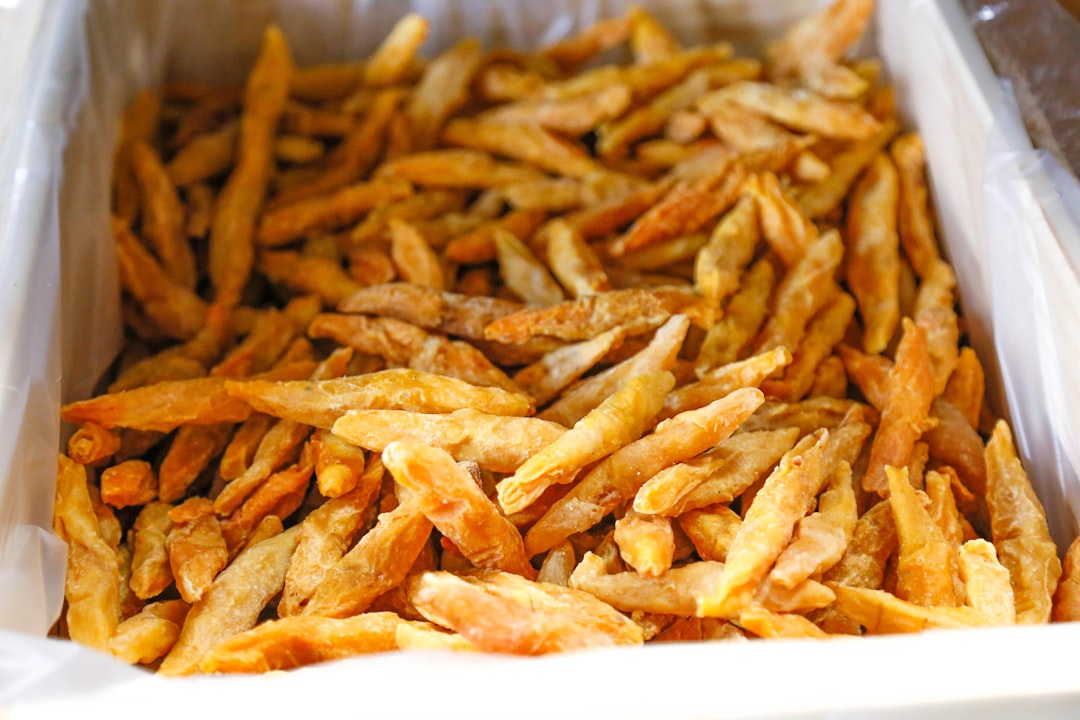
These seemingly healthy side dishes are often coated in a sweet batter to enhance their crispiness. The natural sweetness of the potato is artificially amplified by these unnecessary crusts. Baking them releases even more of the natural sugars while the outer coating adds empty calories. Checking the ingredient list for simple pure potatoes and oil is essential when shopping the freezer aisle.
Hazelnut Spread

This popular European breakfast topping is frequently perceived as a relatively healthy nut based option. The reality is that the primary ingredient in most commercial jars is pure crystalline sweetener followed by palm oil. The actual hazelnuts and cocoa powder make up a surprisingly small percentage of the total volume. Treating this spread as a rare dessert rather than a daily toast topping is highly advisable.
Marinades
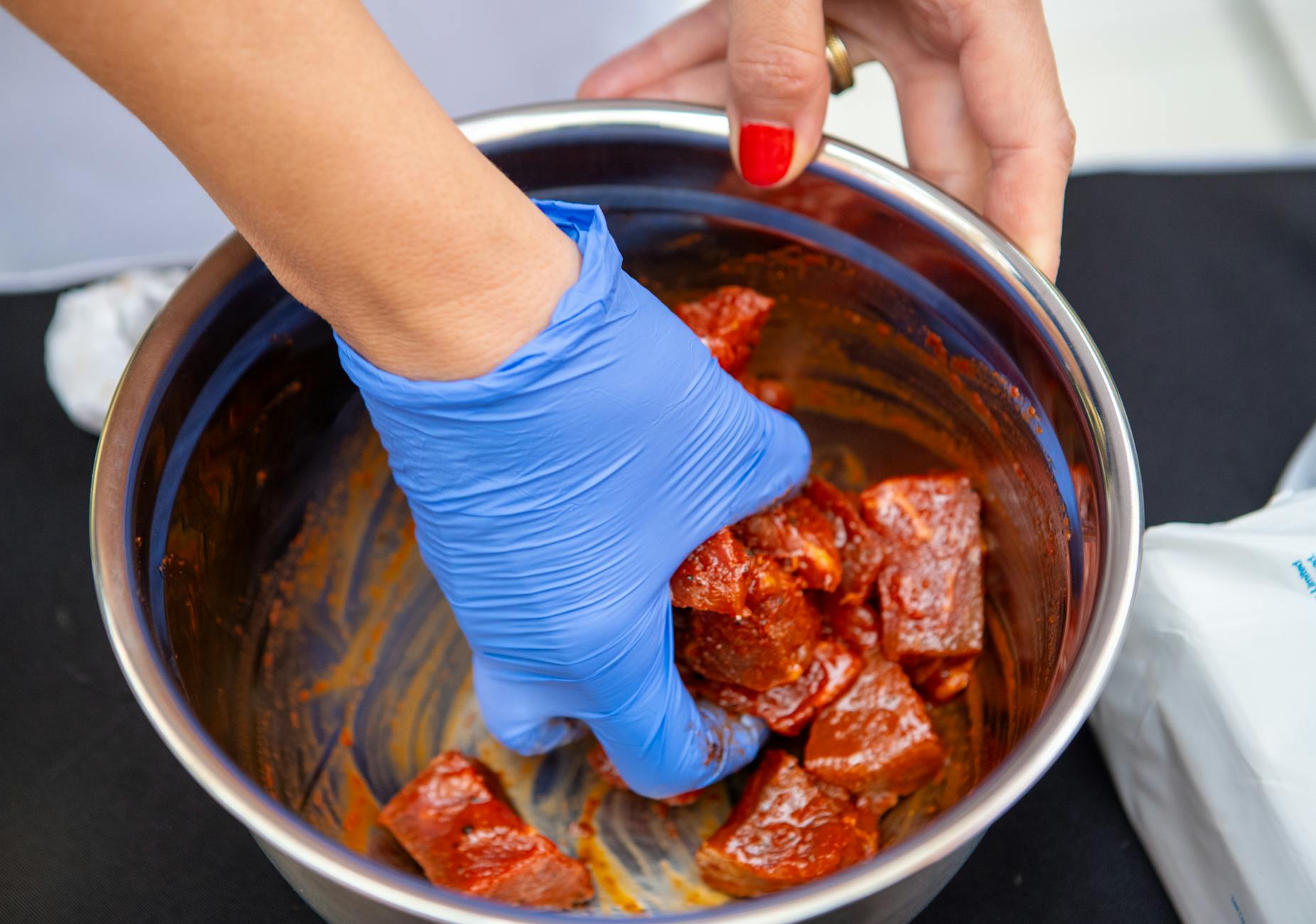
Bottled meat tenderizers and flavor enhancers rely on sweet syrups to help caramelize the exterior of proteins. These sticky liquids burn easily on the grill and leave behind a heavy coating of empty calories. The sweet profile completely masks the natural flavors of high quality beef and chicken. Creating simple marinades with citrus juice and fresh herbs provides superior flavor without the heavy syrups.
Agave Nectar

This highly processed liquid is frequently marketed as a natural and healthy alternative to traditional sweeteners. The refinement process strips away all the beneficial plant compounds leaving behind a highly concentrated fructose syrup. The liquid absorbs rapidly into the bloodstream and processes through the liver exactly like artificial syrups. Using this product requires the exact same moderation as any other highly refined sweetening agent.
Trail Mix
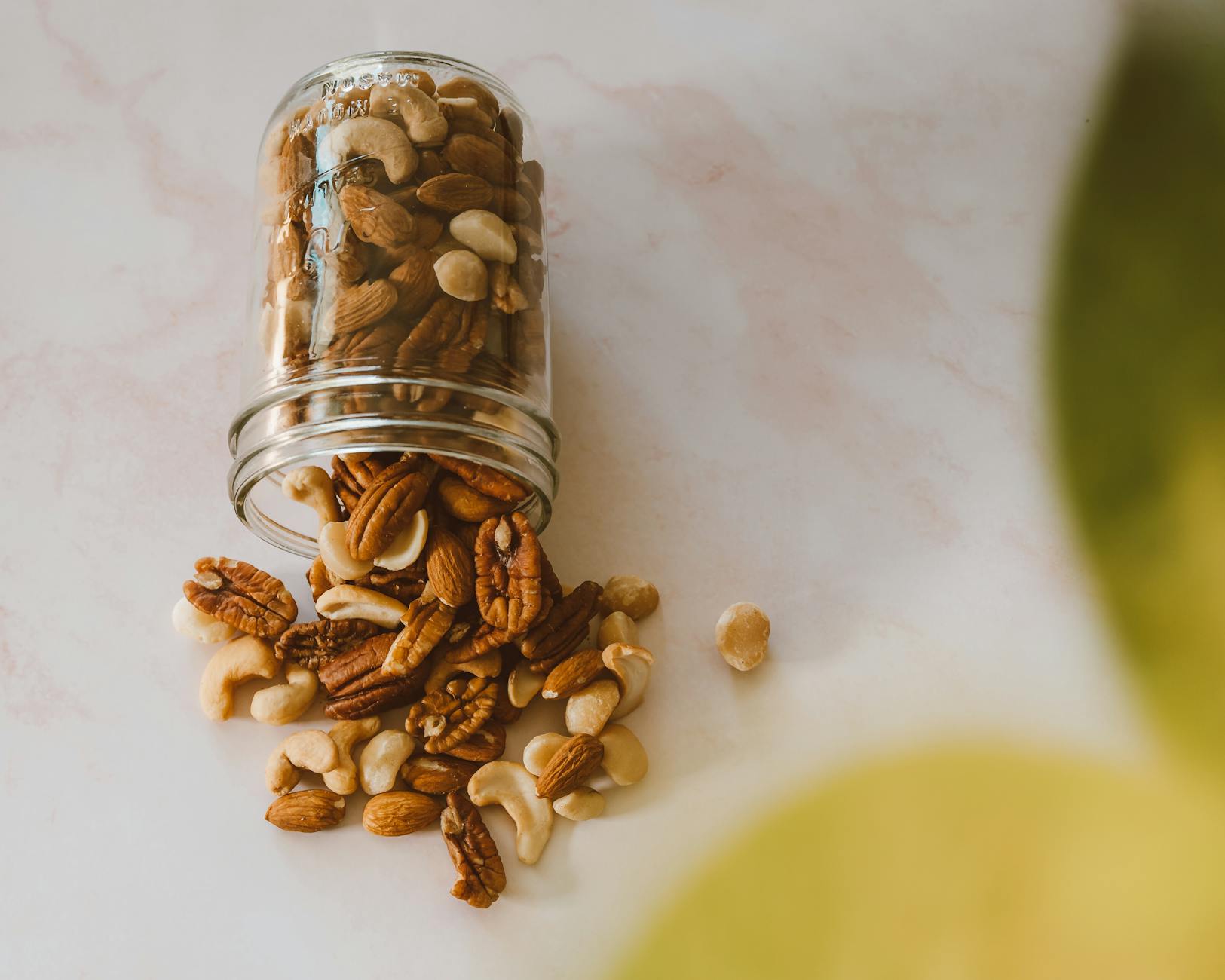
Commercial bags of mixed nuts are frequently bulked up with chocolate candies and yogurt covered raisins. Even the dried fruit components are often coated in additional sweet powders to prevent them from clumping. These additions turn a healthy handful of nuts into a highly caloric and heavily sweetened snack. Mixing raw almonds and walnuts at home is the only way to ensure a truly healthy trail mix.
Veggie Chips

The vibrant colors of these processed snacks trick consumers into believing they are eating whole vegetables. They are primarily composed of potato starch and vegetable powders bound together with oils and sweet additives. The resulting chips offer virtually zero nutritional value and a surprising amount of hidden carbohydrates. Simply roasting actual sliced root vegetables in the oven provides the exact experience they try to mimic.
Frozen Waffles

These convenient breakfast items contain sweet additives built directly into the batter to ensure a golden toast. The sweetness is then compounded when the warm waffles are inevitably drenched in artificial maple syrups. The refined flours and sweet batters digest rapidly and leave you feeling hungry shortly after eating. Taking the time to prepare whole grain batters from scratch offers a much more sustaining morning meal.
Plant Based Burgers
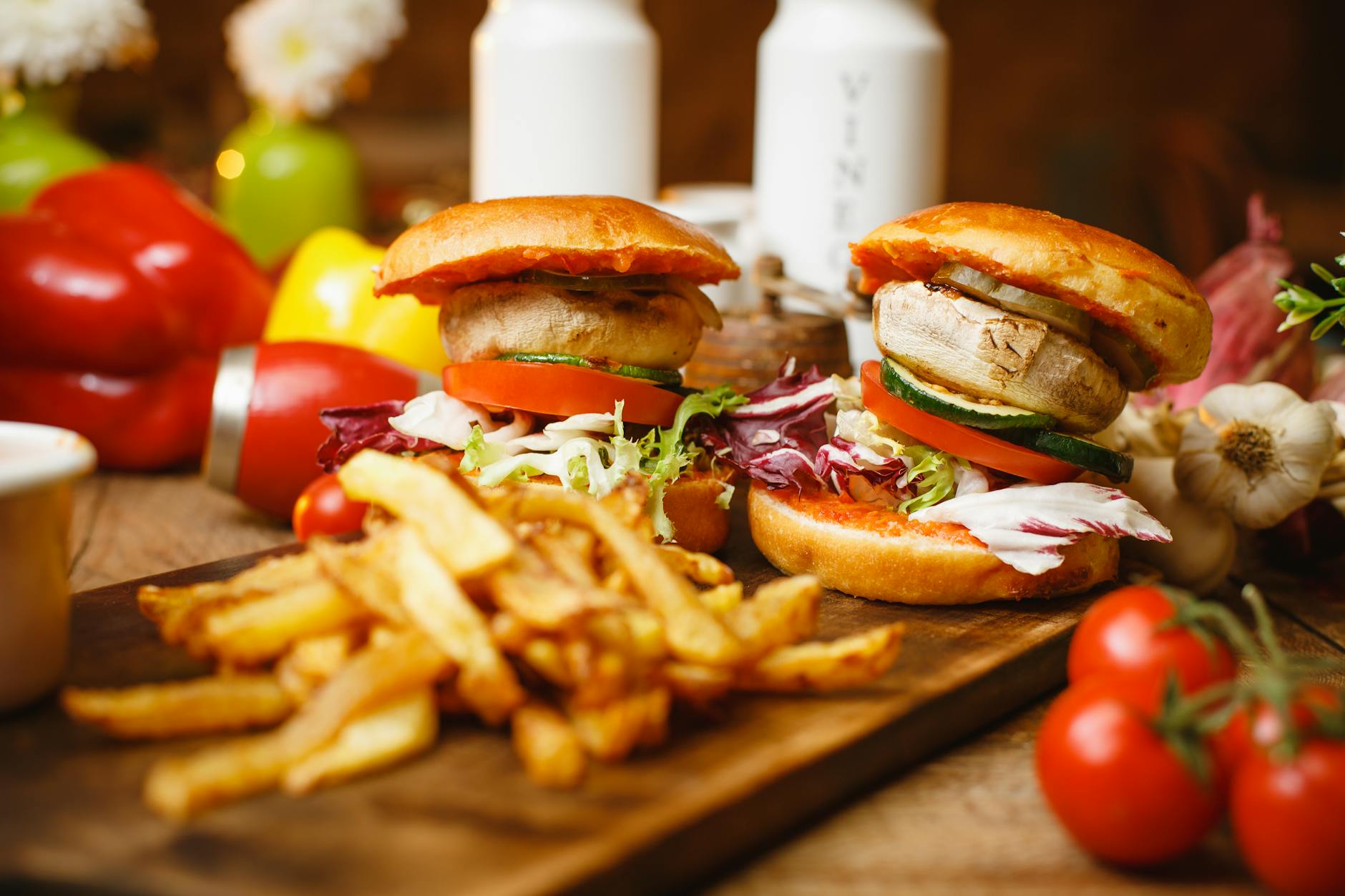
Many highly processed meat alternatives utilize sweet additives to replicate the savory caramelization of real beef. These ingredients help the patties brown in the pan and mask the earthy flavors of the vegetable proteins. The lengthy ingredient lists often resemble a chemistry experiment rather than a simple wholesome meal. Opting for simple black bean patties made with recognizable whole ingredients is a much safer choice.
Share your thoughts in the comments and let me know if you would like me to generate a personalized low sugar grocery list for your next shopping trip.




