Many people struggle to capture their true essence in photographs despite looking wonderful in real life. Becoming more photogenic involves understanding how the camera interacts with light and human posture. Mastering a few simple physical adjustments completely transforms the way you appear in still images. These techniques help anyone present their best self to the camera lens.
Soft Natural Lighting
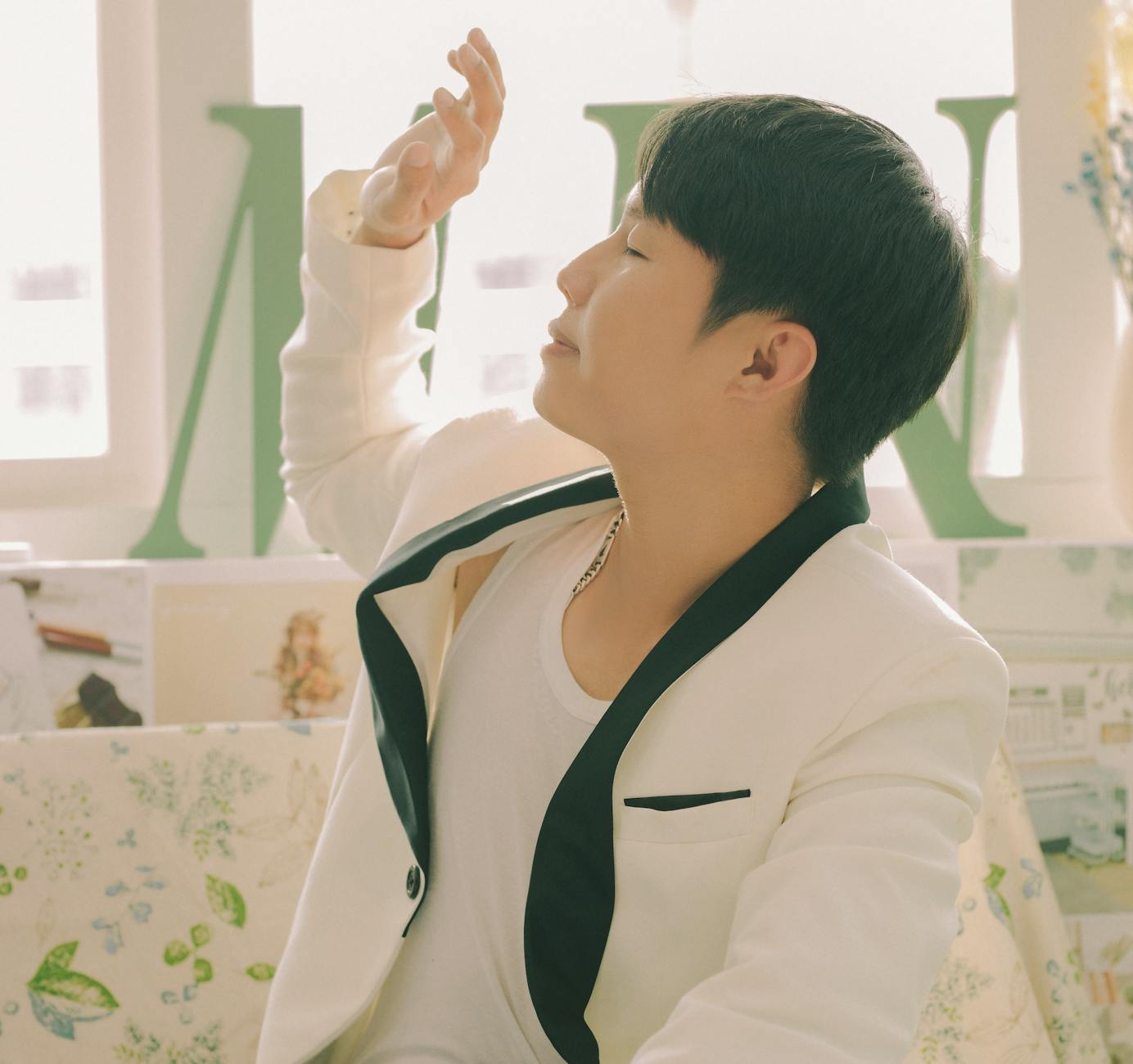
Soft light from a nearby window creates the most flattering environment for portrait photography. The diffuse glow smooths out skin imperfections and reduces harsh shadows across the face. Golden hour sunlight offers a similar effect while adding a warm tone to your complexion. Facing the light source directly ensures your features receive even illumination for a vibrant result.
The Jawline Extension
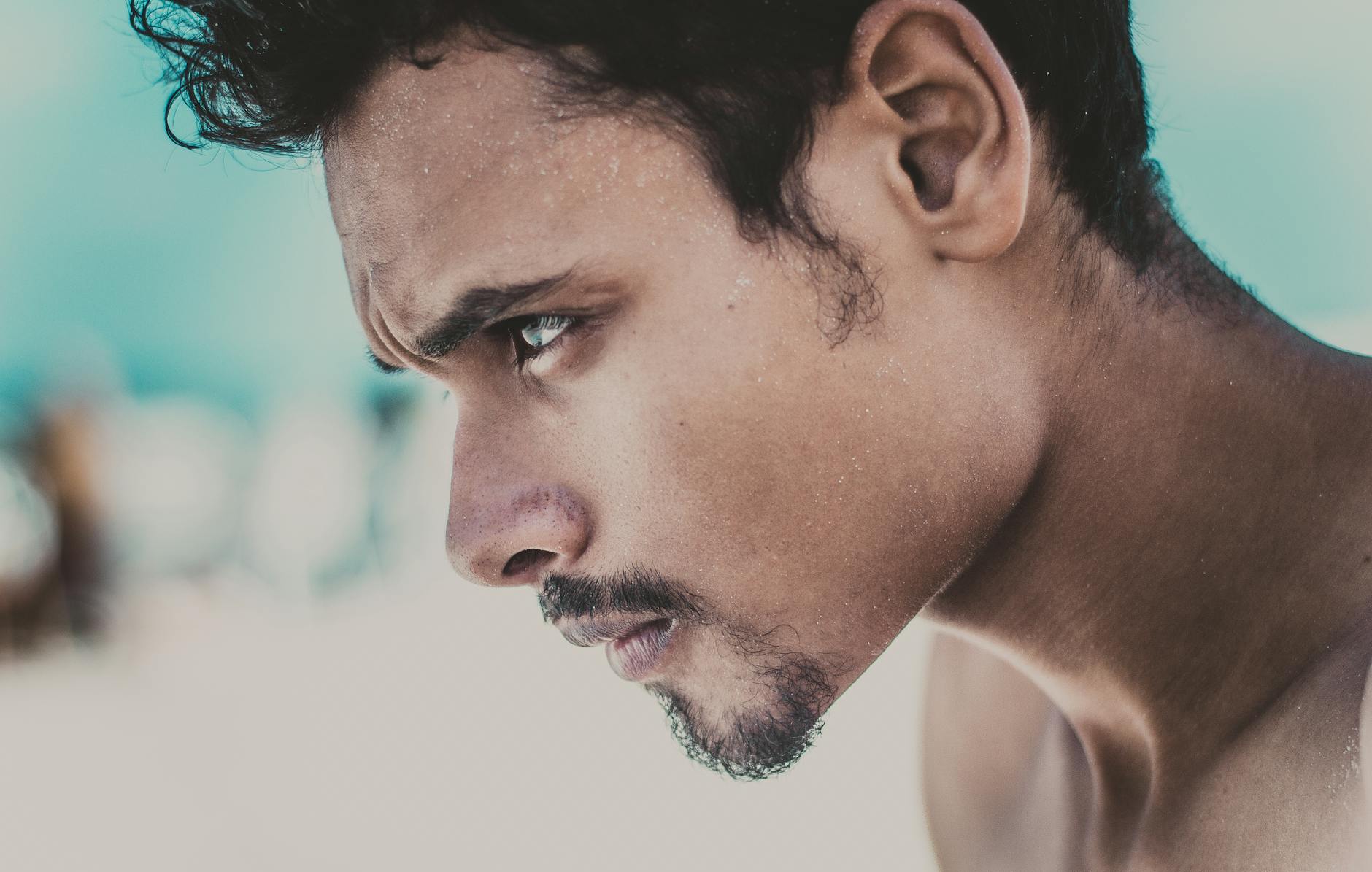
Pushing your forehead slightly forward and tipping your chin down creates a strong jawline. This subtle movement tightens the skin around your neck and eliminates double chin illusions. The camera only captures a two dimensional plane so this extension adds necessary depth. Practicing this motion in front of a mirror helps it feel natural instead of forced.
The Squinch Technique
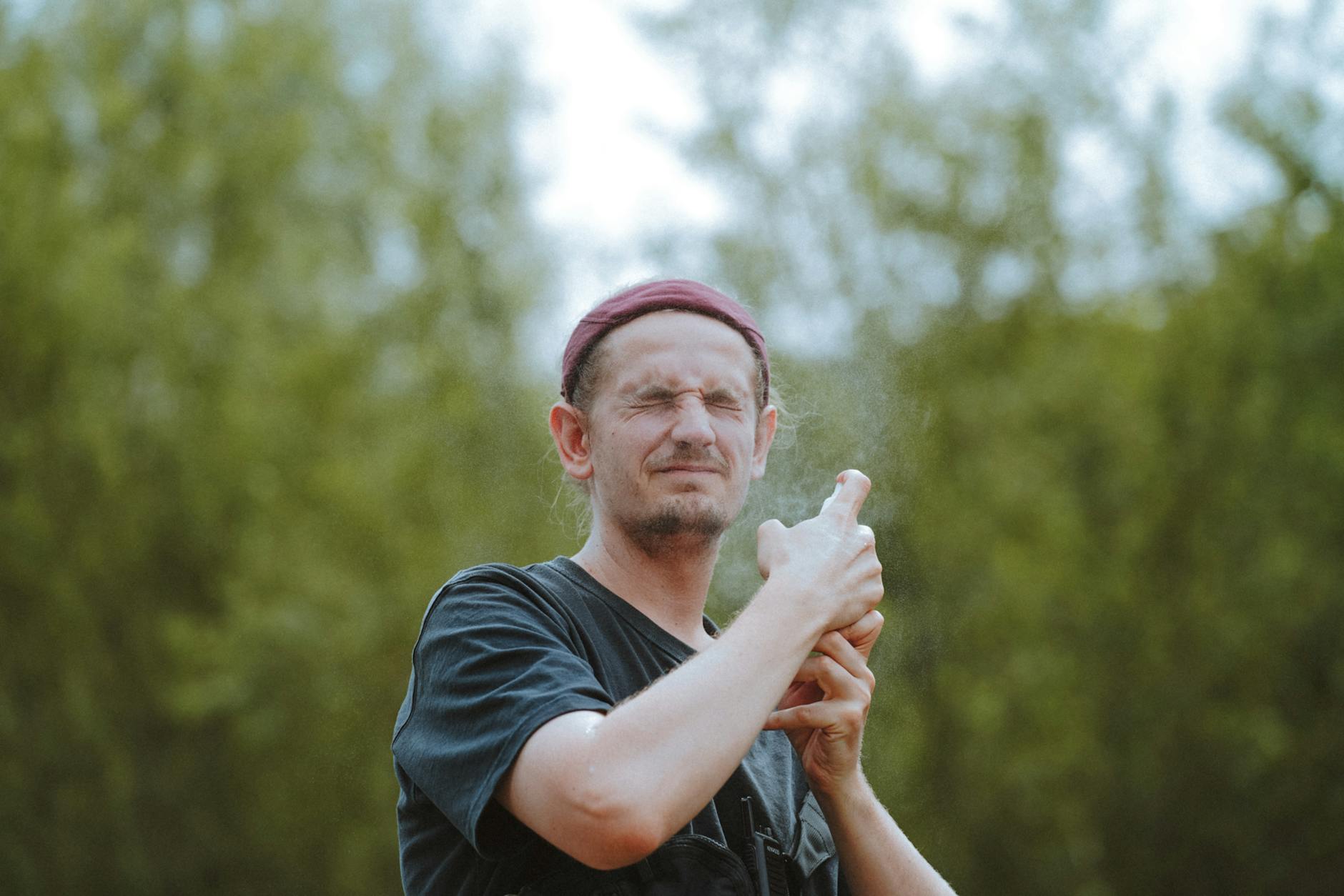
Narrowing your eyes slightly communicates confidence and prevents a fearful expression. Lifting the lower eyelids while keeping the upper lids relatively still creates this engaging look. It conveys a sense of mystery and warmth that translates beautifully through the camera lens. Celebrities use this specific facial adjustment constantly to ensure they always look alert and captivating.
Smiling With Your Eyes
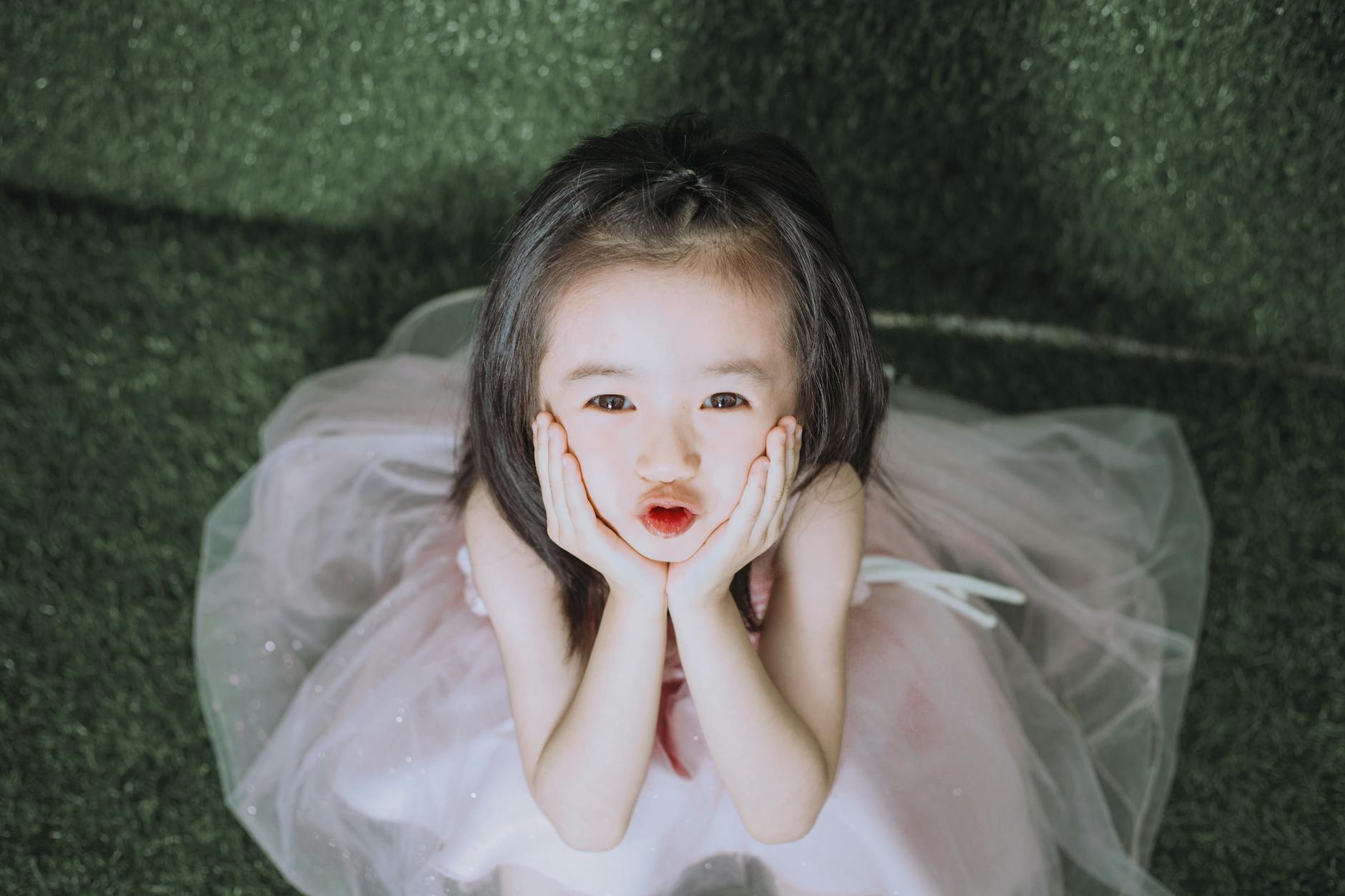
An authentic expression requires the muscles around your eyes to engage along with your mouth. Thinking about a genuinely funny moment brings a natural sparkle to your gaze. This technique prevents the smile from looking strained or entirely artificial in the final image. A relaxed and happy thought process naturally softens the entire face for a superior photograph.
Upright Posture
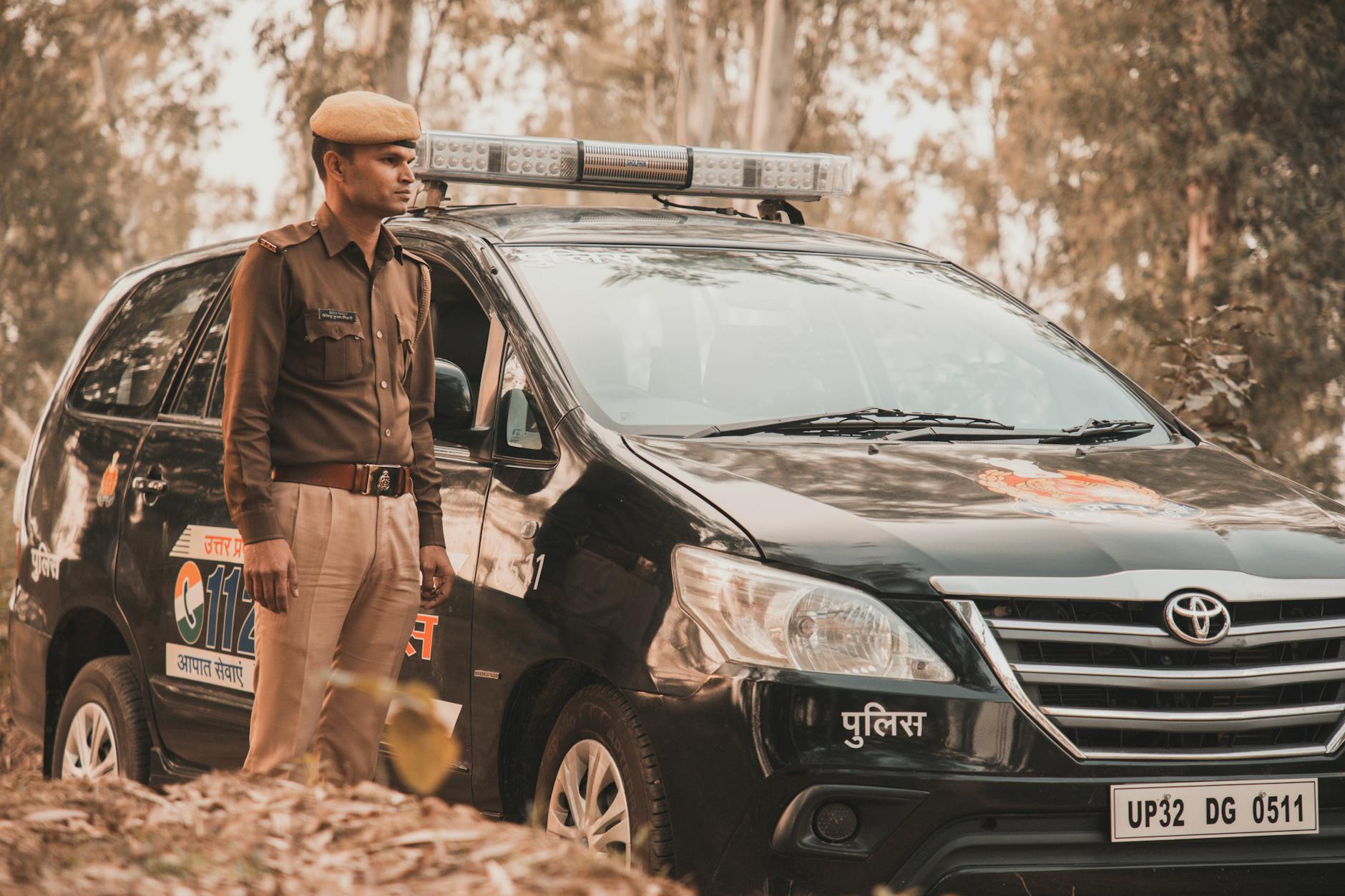
Pulling your shoulders back and down instantly projects confidence and improves the fit of your clothes. Slouching causes the body to appear wider and creates an overall unenthusiastic presence. Elongating the spine makes you look taller and more elegant in any setting. Good posture remains the foundation of a striking and photogenic physical appearance.
Tongue Placement
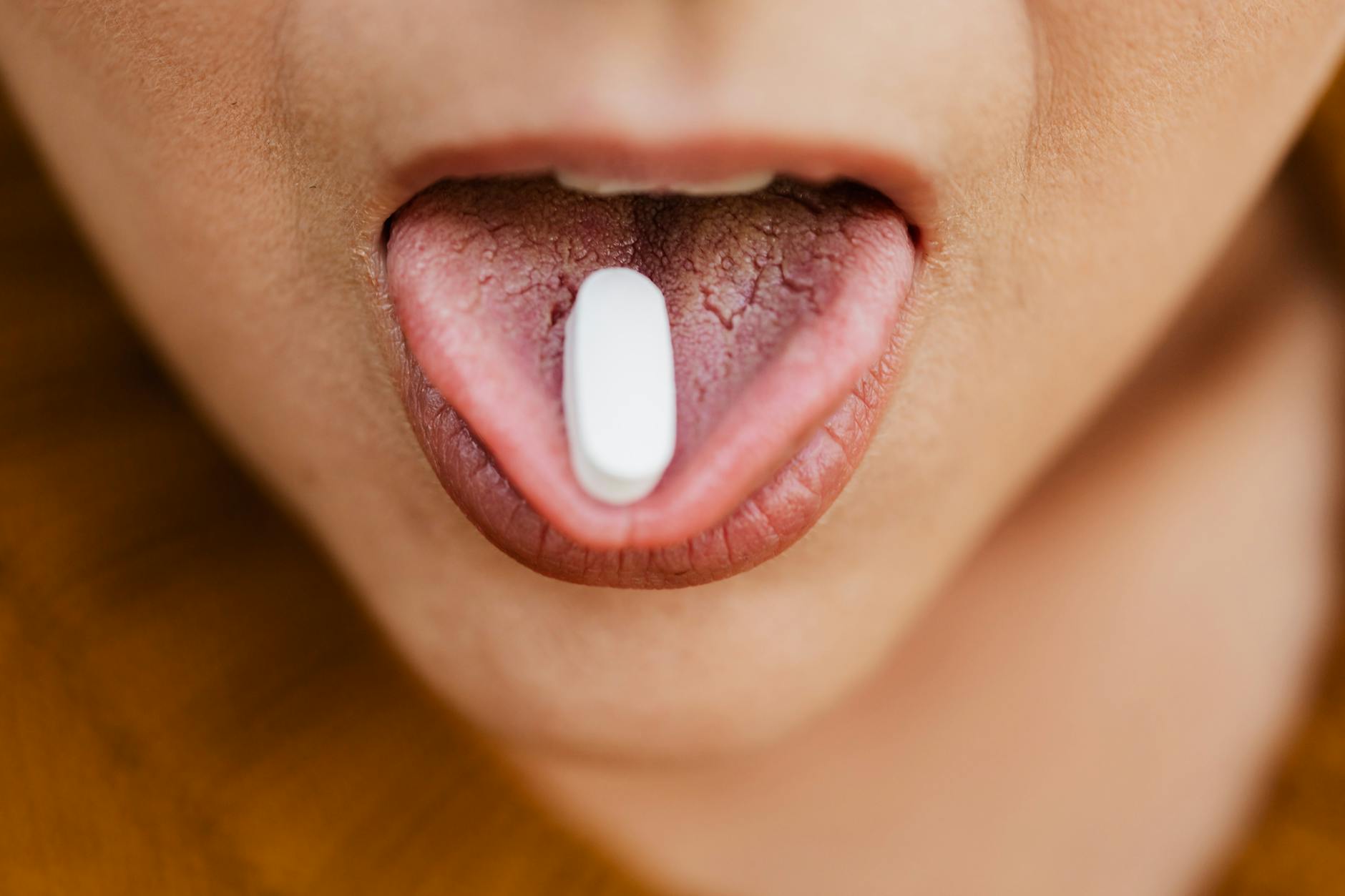
Resting your tongue firmly against the roof of your mouth just behind your teeth yields remarkable results. This internal adjustment tightens the muscles beneath your chin and visually sharpens your lower face. It serves as an invisible contouring trick that requires zero makeup or special lighting. Many professional models rely on this subtle habit to maintain a consistently chiseled profile.
Relaxed Hands
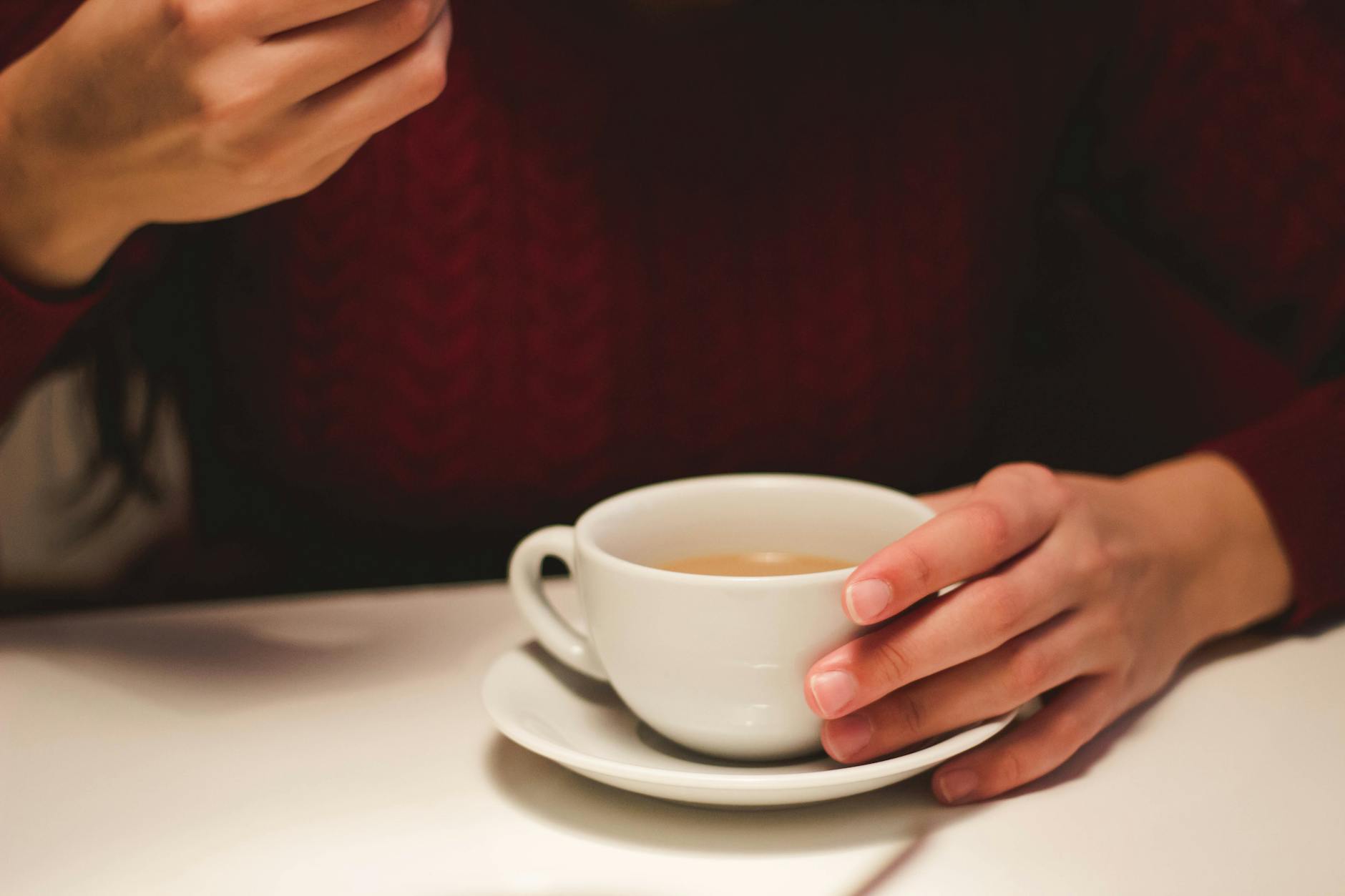
Stiff or clenched hands distract the viewer and ruin the overall composition of a portrait. Keeping your fingers gently curved makes your appendages look natural and entirely at ease. Giving your hands a task like lightly touching a collar or holding a cup solves awkward placement issues. Soft hand positioning adds a touch of grace to both casual and formal pictures.
Finding Your Preferred Side
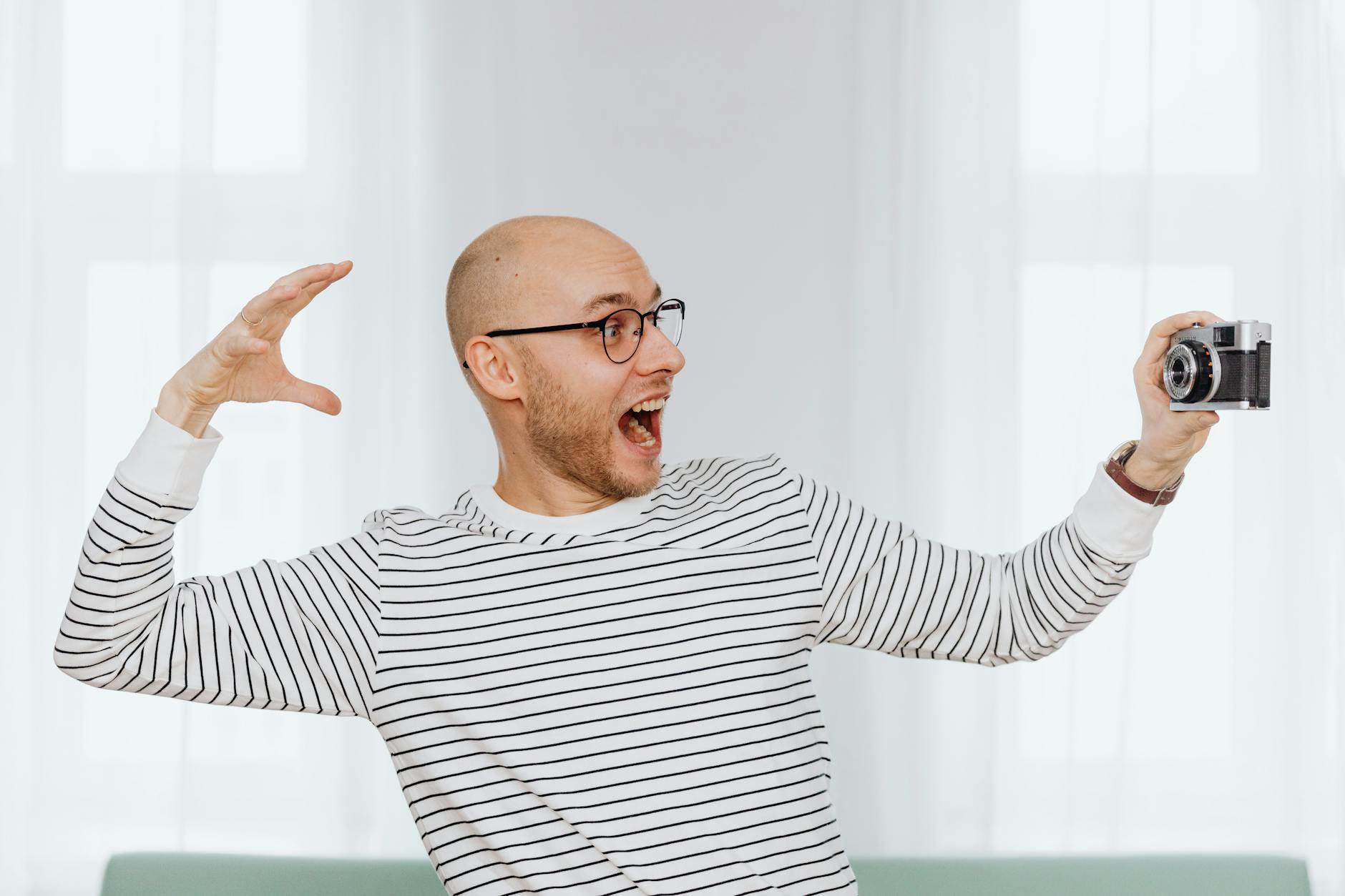
Human faces possess natural asymmetry that makes one side photograph slightly better than the other. Taking a few test shots from different angles quickly reveals your most flattering profile. Tilting this preferred side toward the lens highlights your best features and improves facial proportions. Knowing your optimal angle saves time and guarantees more consistent photographic success.
Creating Distance From The Torso
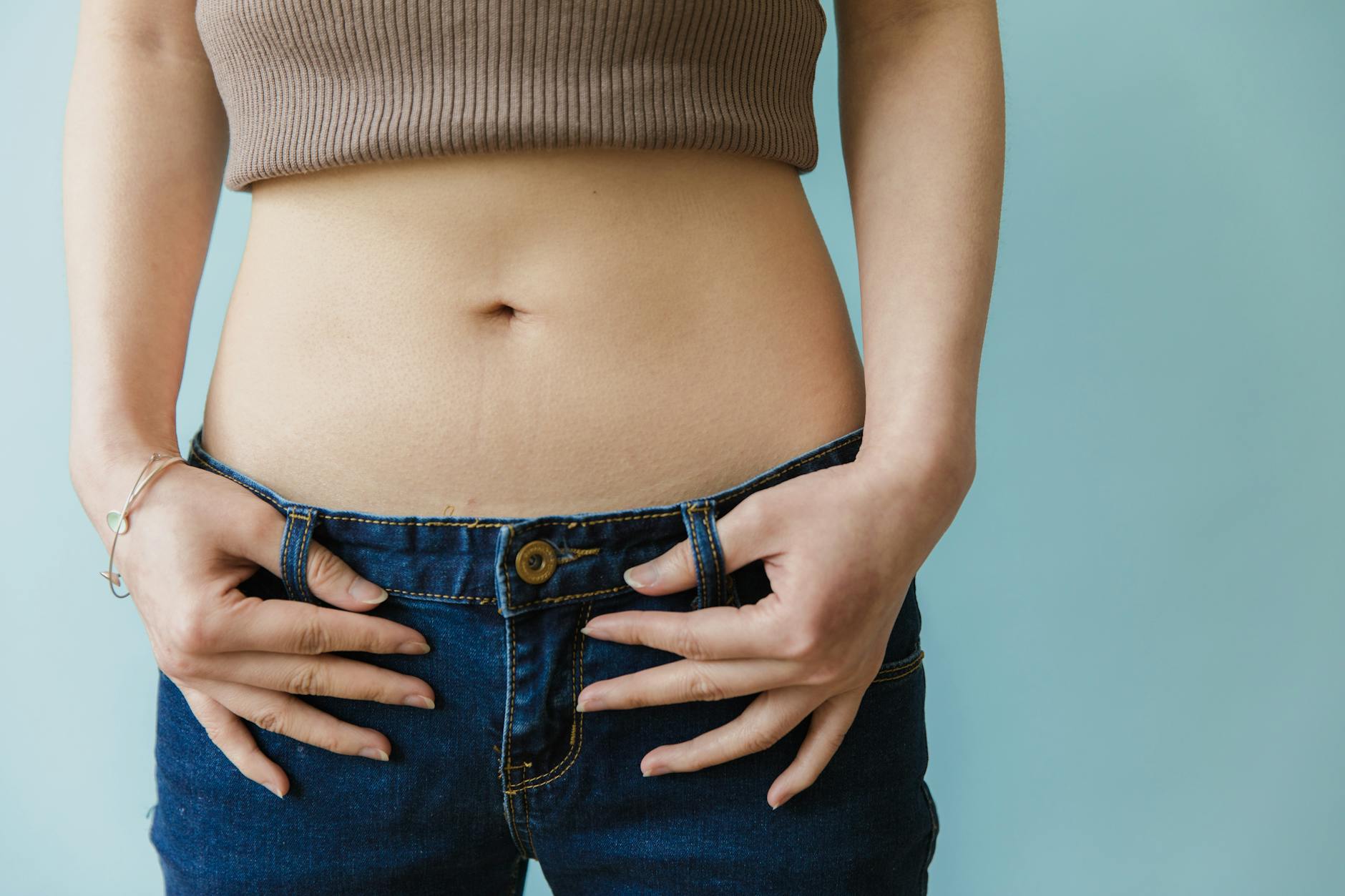
Pressing your arms flat against your sides flattens the muscles and makes them appear wider. Creating a small gap between your arms and your body slims your silhouette significantly. Placing a hand on your hip or putting your hands in your pockets easily achieves this separation. This simple spatial adjustment adds structure and form to your entire body.
Angling The Body
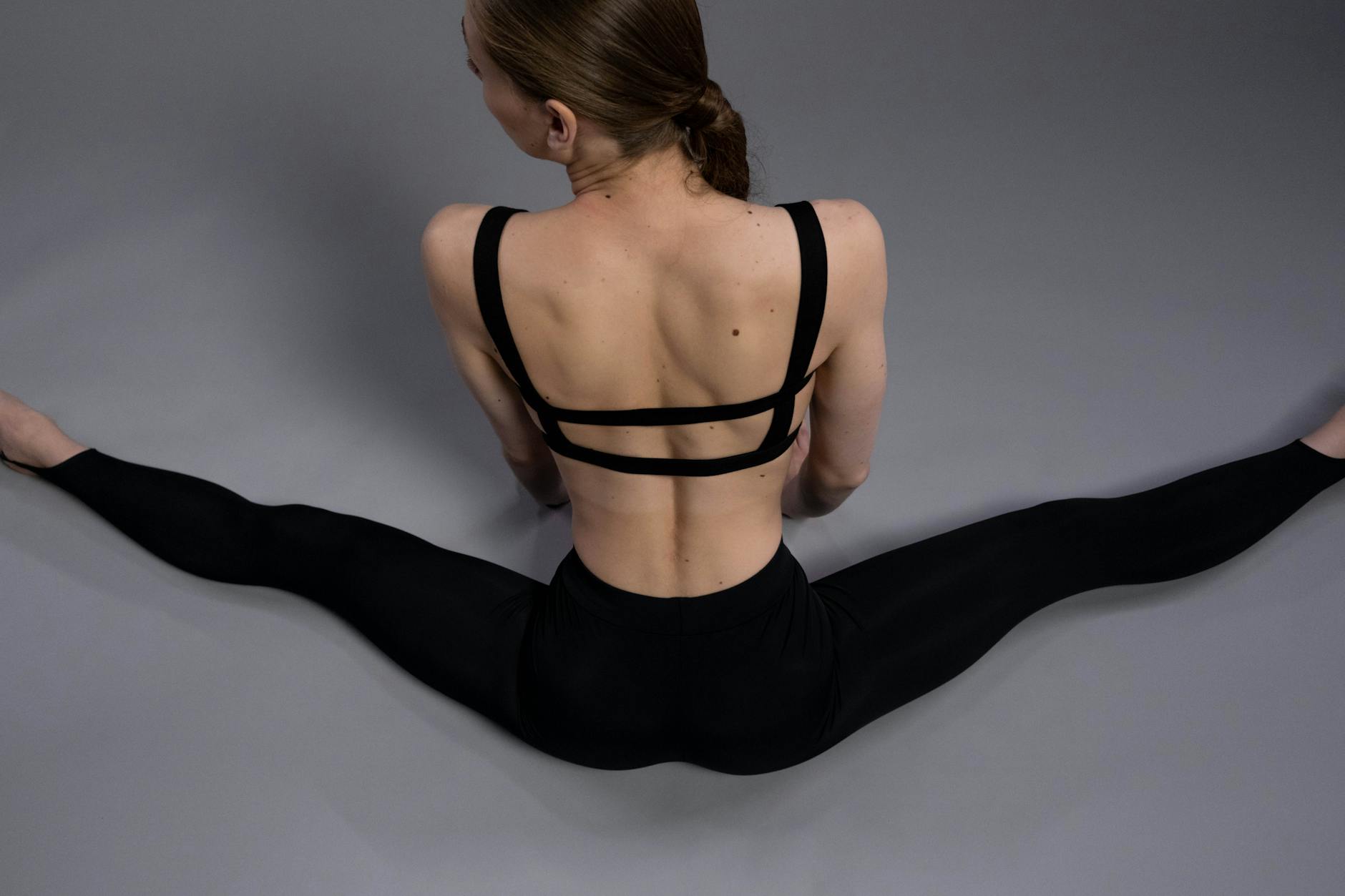
Standing squarely facing the camera often produces a wide and completely flat appearance. Turning your body slightly away from the lens creates a slimming three dimensional effect. Shifting your weight onto your back leg adds a flattering curve to your overall posture. This angled stance invites the viewer into the frame and looks incredibly dynamic.
Hydrated Skin Foundation
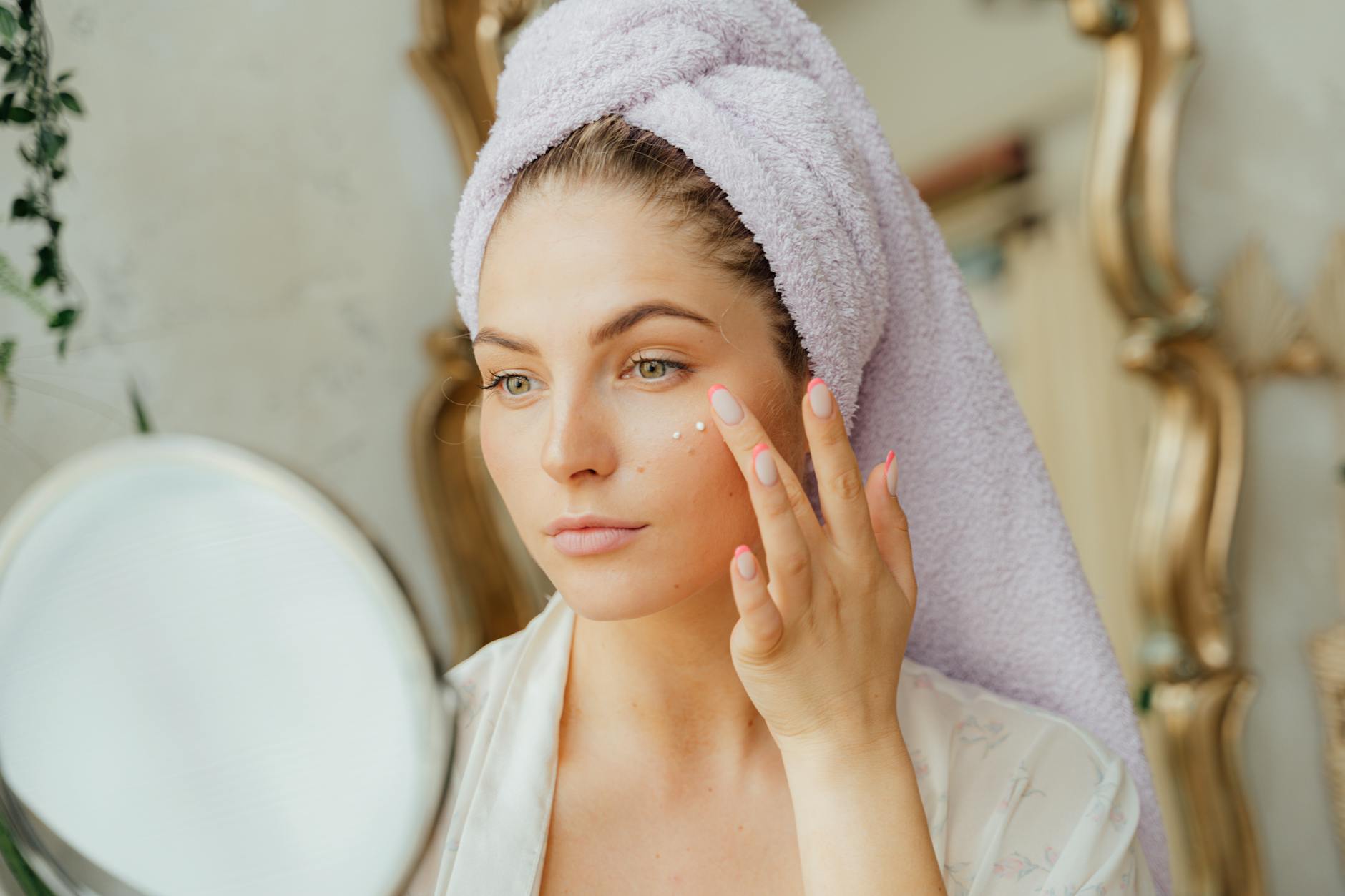
Healthy skin reflects light beautifully and creates a natural glow in all types of photography. Drinking plenty of water and applying a rich moisturizer prepares your face for the camera. Flaky or dry patches catch light poorly and require heavy editing to conceal later. A well hydrated complexion requires less makeup and exudes genuine vitality in pictures.
Mattifying Oily Areas
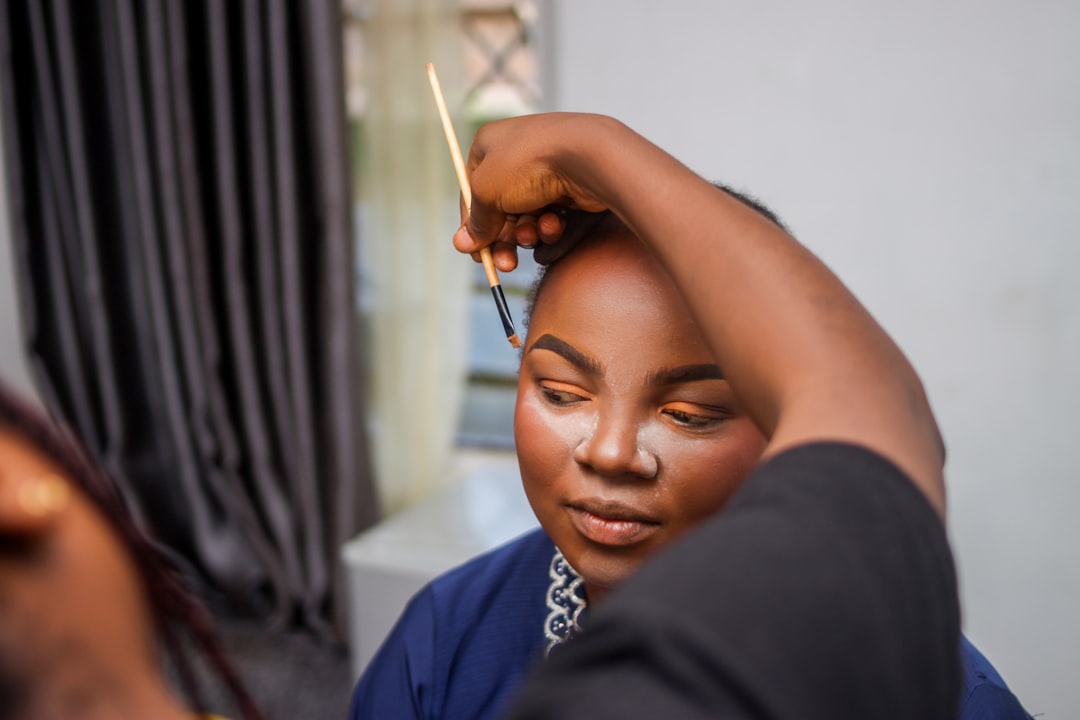
Excess shine on the forehead and nose creates distracting bright spots in flash photography. Applying a light dusting of translucent powder absorbs this oil without adding heavy color. Blotting papers offer a quick fix right before the shutter clicks to ensure a matte finish. Controlling targeted facial shine keeps the focus on your eyes and your beautiful smile.
Wearing Flattering Colors
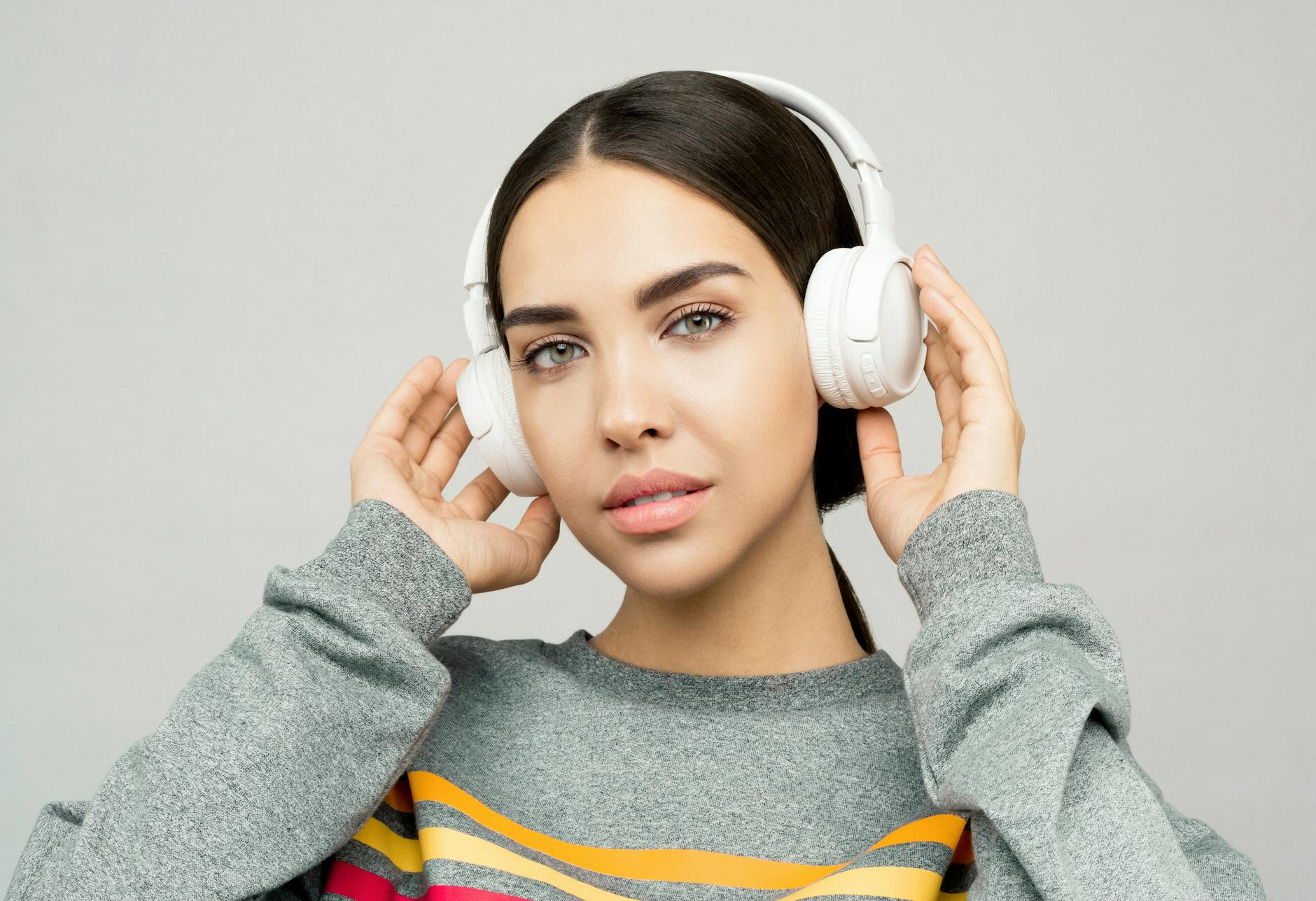
Solid colors often photograph much better than busy patterns that confuse the camera sensor. Jewel tones like emerald green and sapphire blue complement almost every skin tone perfectly. Extremely bright neon shades frequently cast undesirable color reflections onto your chin and neck. Choosing garments that highlight your natural coloring ensures you remain the star of the image.
Camera Height Awareness
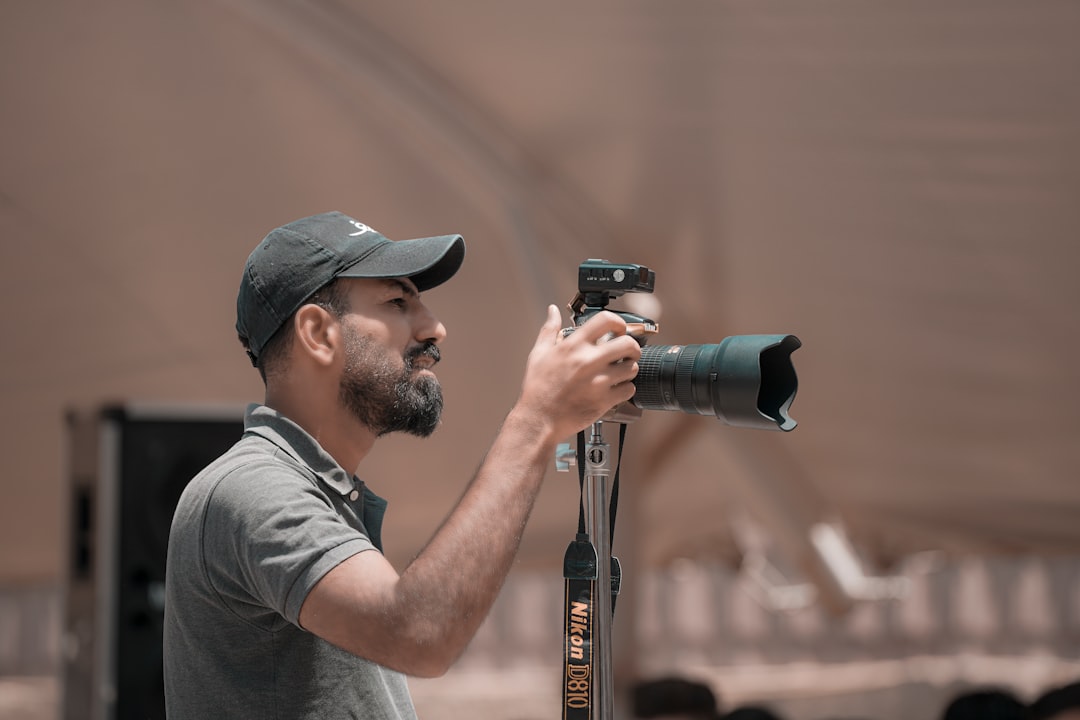
Shooting from a very low angle distorts facial proportions and emphasizes the chin area. Positioning the lens slightly above eye level produces the most universally flattering perspective. This elevated angle encourages you to look slightly up which opens your eyes and smooths your neck. Requesting the photographer to adjust their height makes a massive difference in the final product.
Crossing Your Ankles

Standing straight with legs apart feels comfortable but looks quite rigid in a photograph. Crossing one ankle over the other creates a beautiful line and slims the lower half of your body. This pose works exceptionally well when wearing dresses or tailored trousers in full length shots. It adds an element of relaxed elegance to any standing portrait session.
Utilizing Props
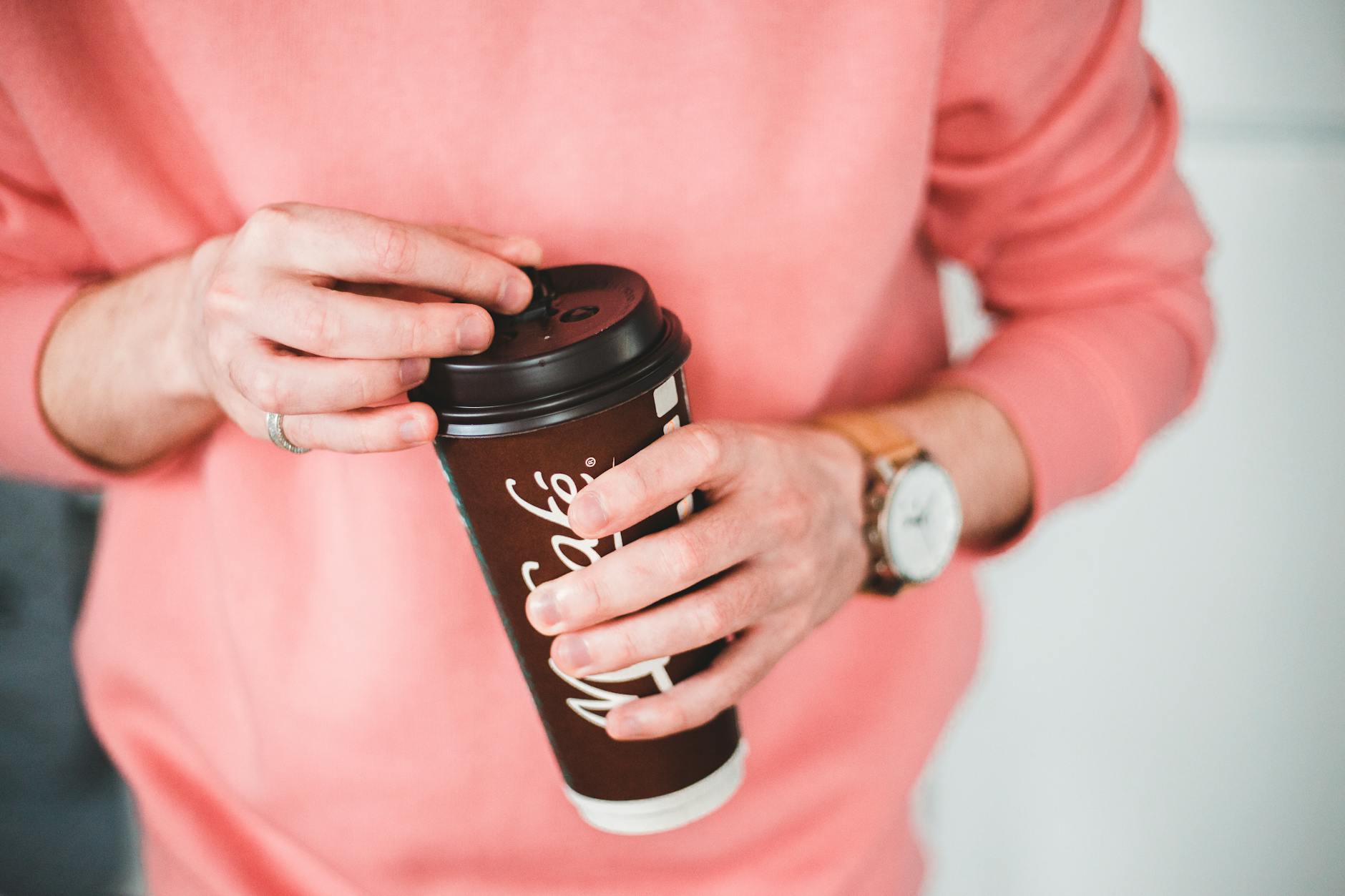
Holding an object gives you something to interact with and instantly eliminates awkward stiffness. A coffee cup or a fashionable bag provides a natural anchor for your hands and arms. Props also help tell a story about your personality and the specific environment around you. This physical engagement makes the entire photograph feel more candid and authentic.
Deep Breathing Techniques
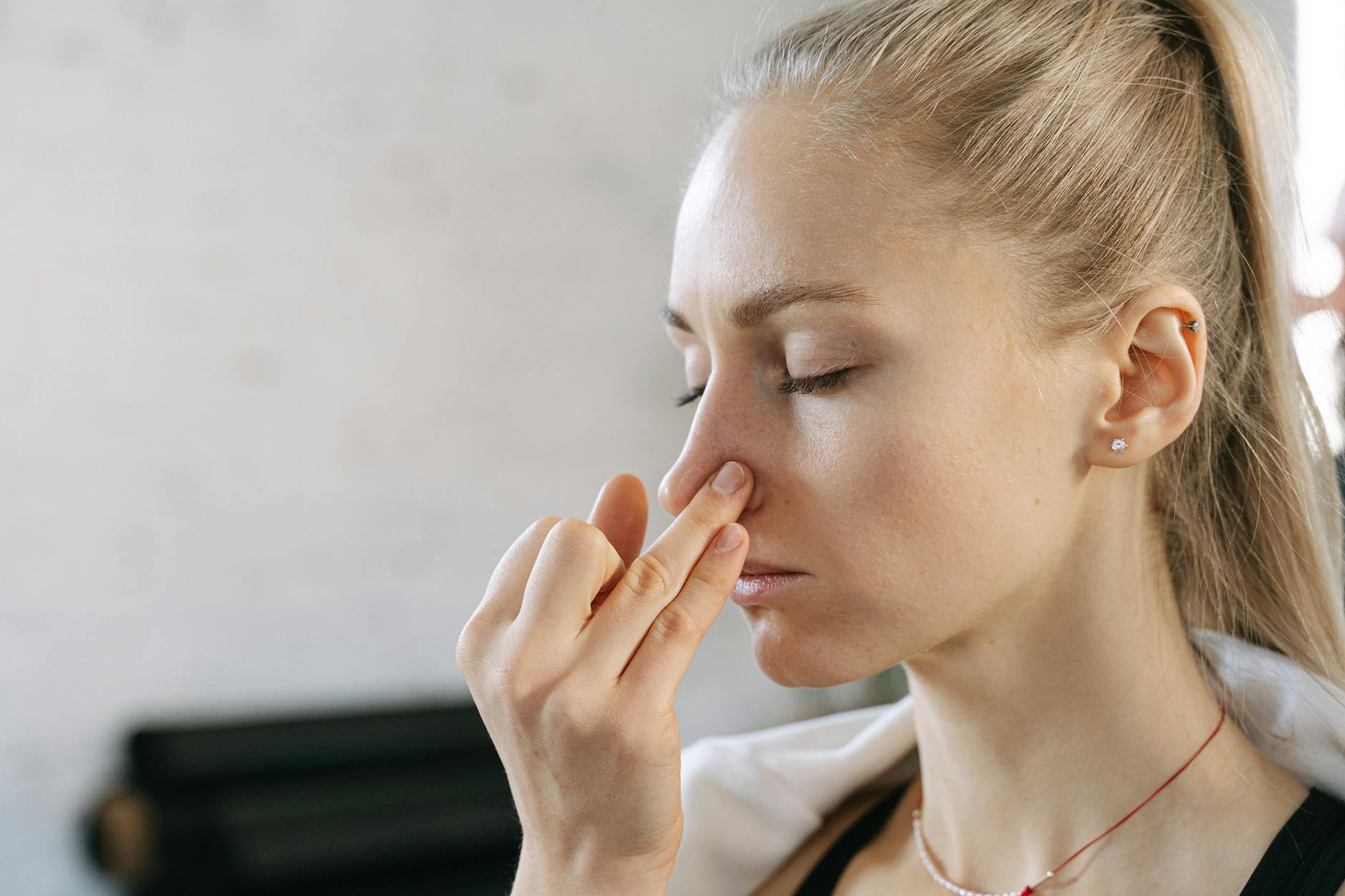
Holding your breath causes your chest to puff out and introduces visible tension in your neck. Taking a deep breath and exhaling right as the photo is taken relaxes your shoulders completely. This physical release softens your facial expression and prevents a rigid posture. The simple act of breathing ensures you look comfortable and present in the moment.
Looking Slightly Past The Lens
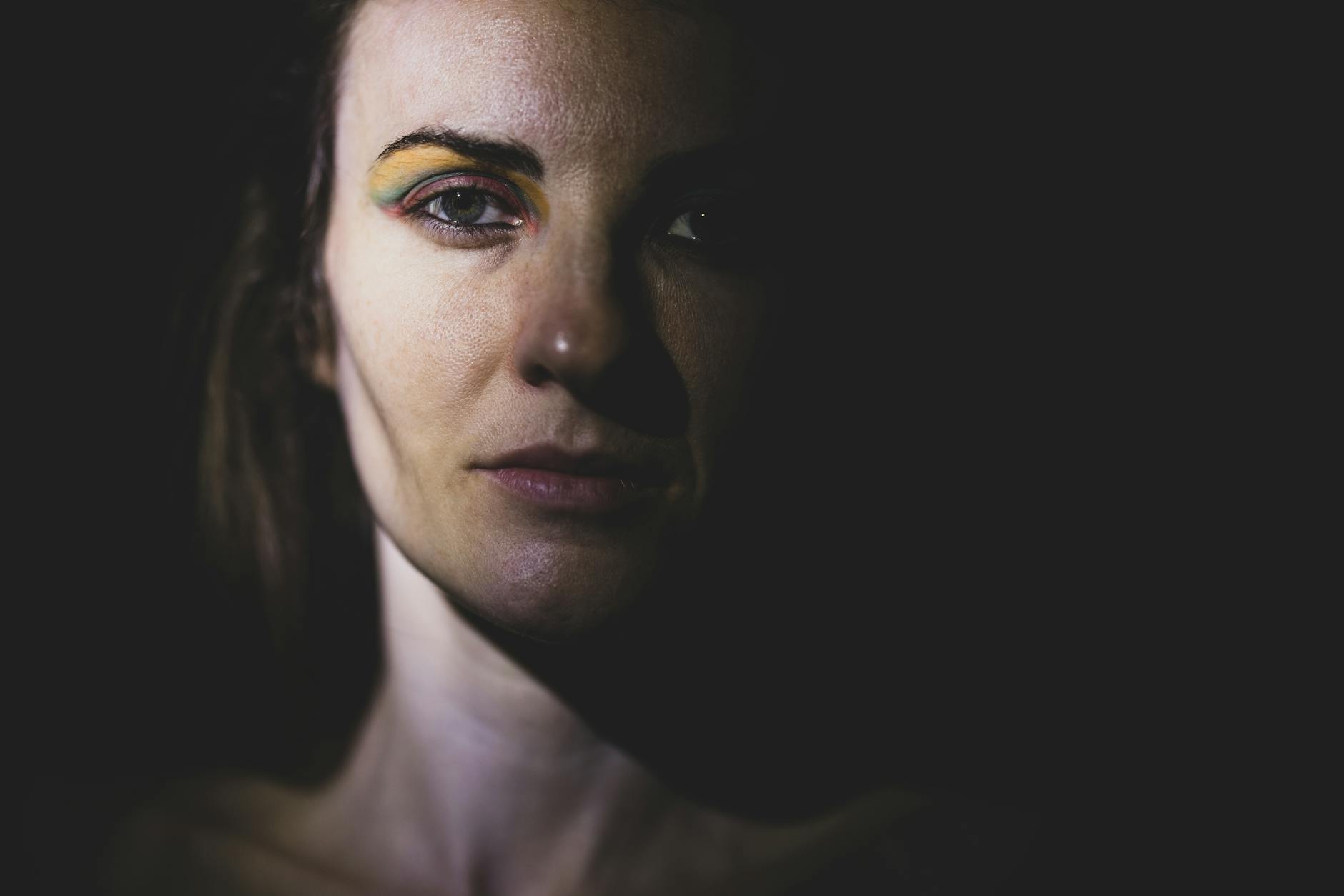
Staring dead into the center of the lens sometimes creates an intense or intimidating glare. Directing your gaze just an inch above the camera softens your expression beautifully. This technique makes the portrait feel a bit more thoughtful and less confrontational. It works incredibly well for professional headshots and gentle lifestyle portraits.
Managing Hair Volume
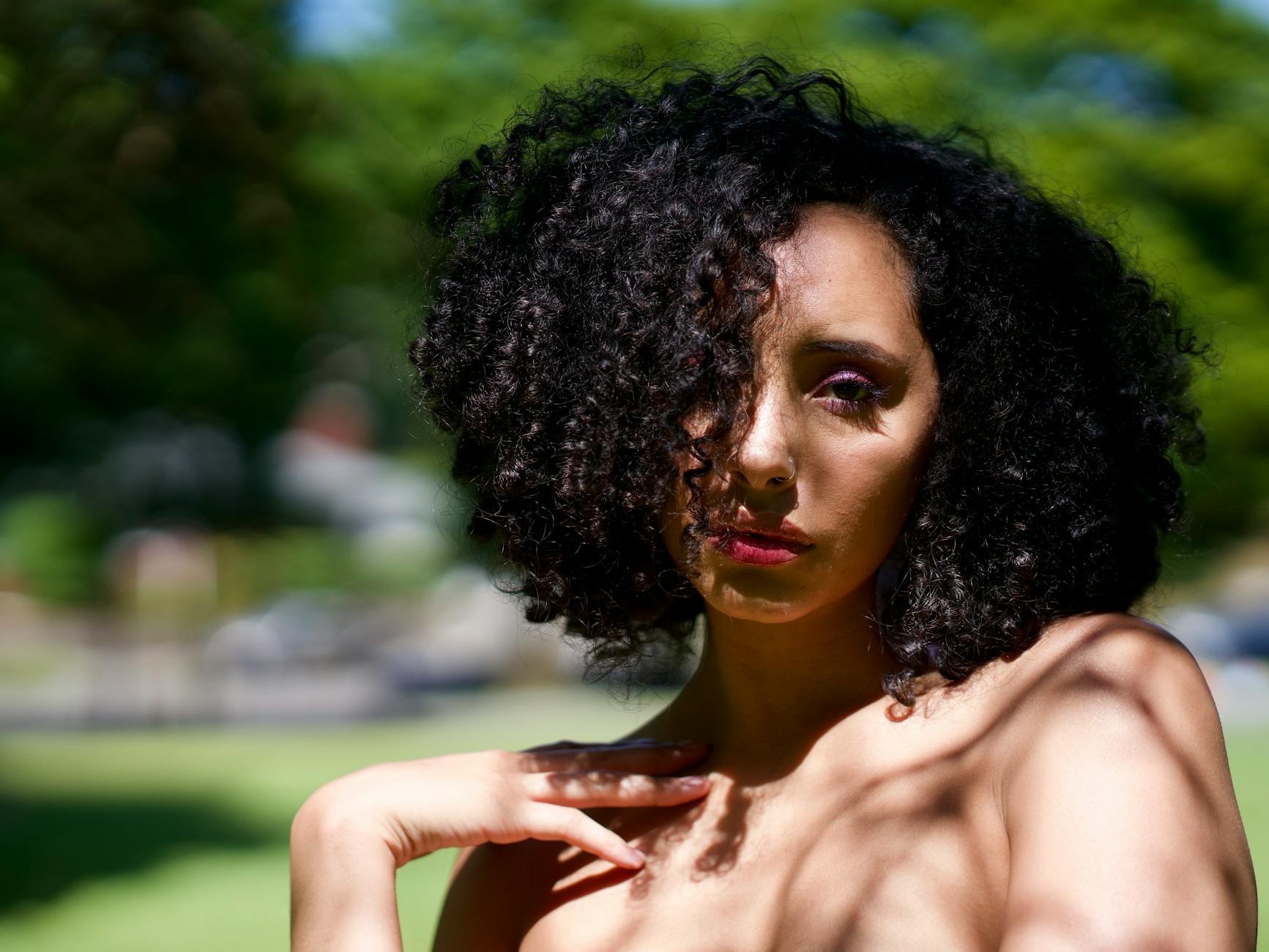
Flat hair stuck closely to the scalp makes the face appear rounder and disproportionately large. Adding a little volume at the roots balances your facial features and frames your face nicely. Flipping your hair upside down before the shot introduces instant bounce and natural texture. Healthy movement in your hair adds incredible energy to an otherwise static photograph.
Incorporating Subtle Movement
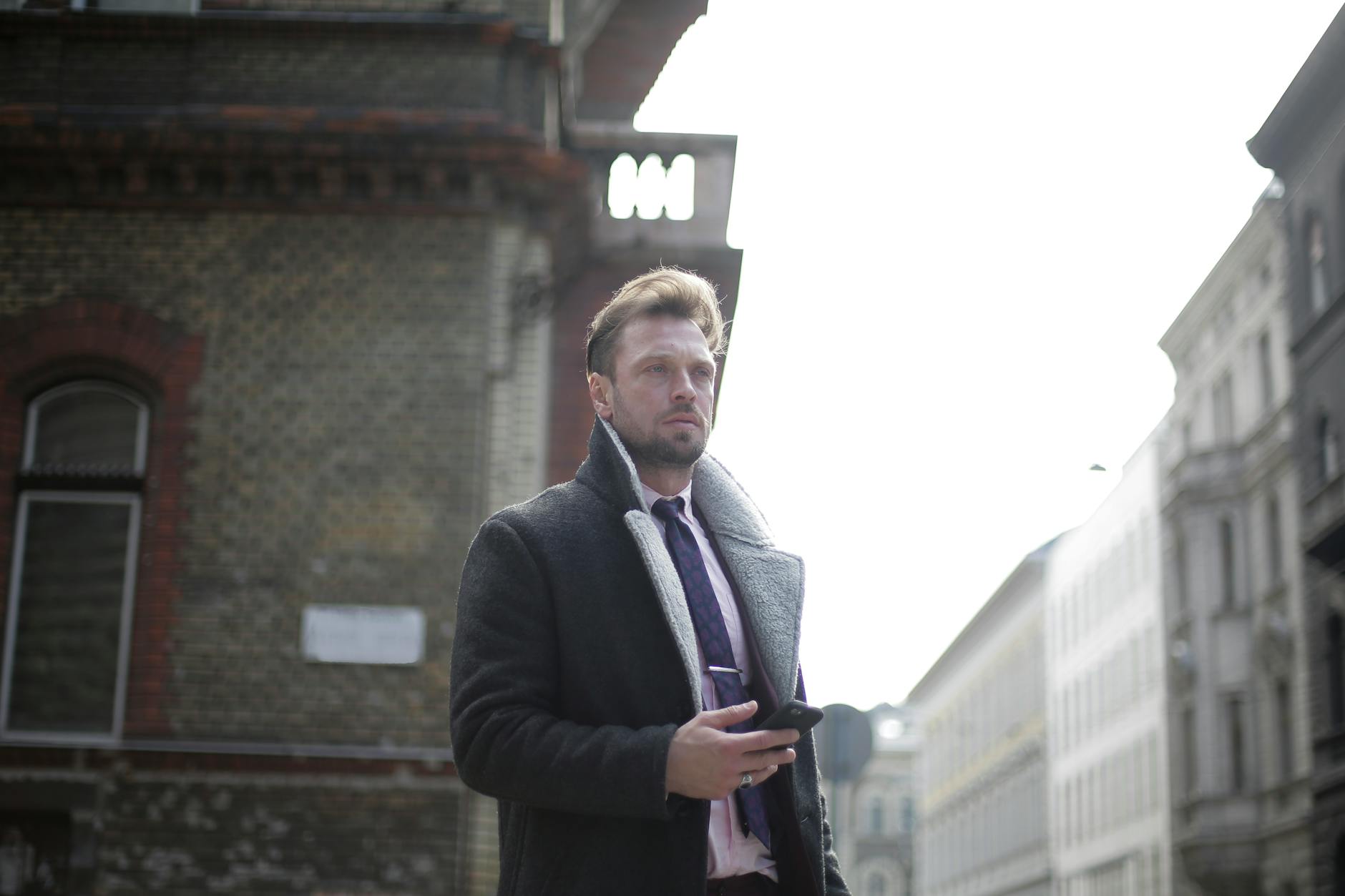
Completely freezing in place often results in a lifeless and highly artificial image. Walking slowly toward the camera or gently tossing your hair introduces kinetic energy. Photographers love capturing these in between moments because they feel incredibly genuine. Continuous gentle motion allows the camera to catch your most natural and unposed expressions.
The Closed Eye Trick
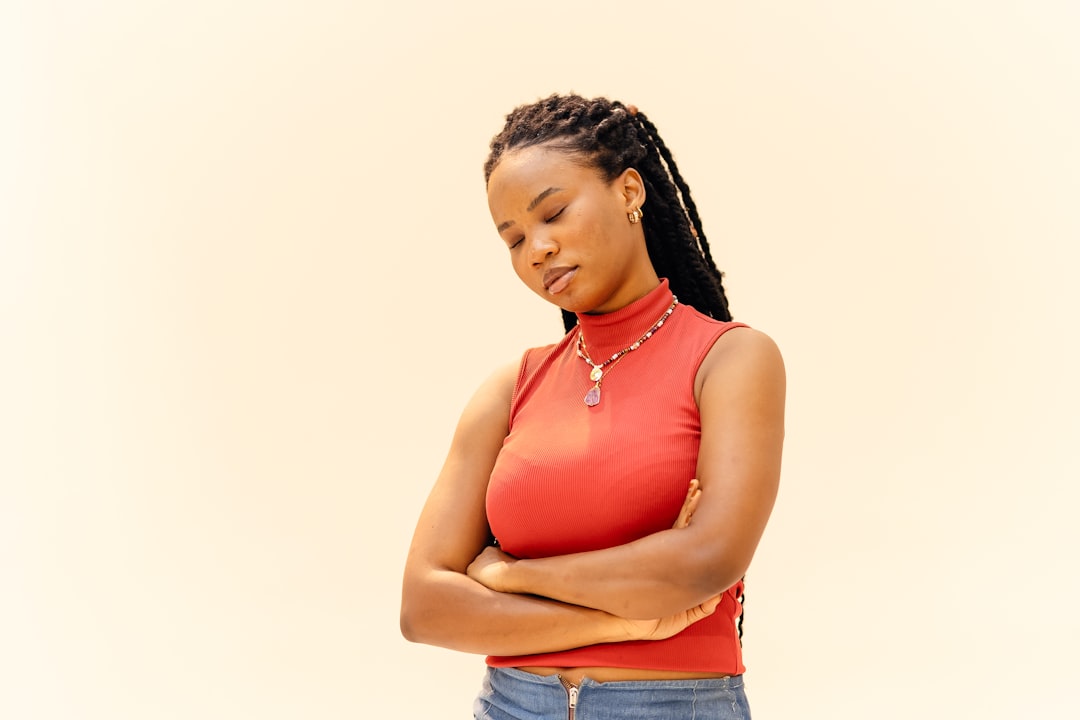
People who blink frequently during photos find group shots particularly frustrating and stressful. Closing your eyes completely and opening them slowly on the count of three solves this issue entirely. This method guarantees your eyes are fully open and looking fresh when the shutter clicks. It also prevents the strained look that comes from holding your eyes open too long.
Avoiding Direct Overhead Sunlight
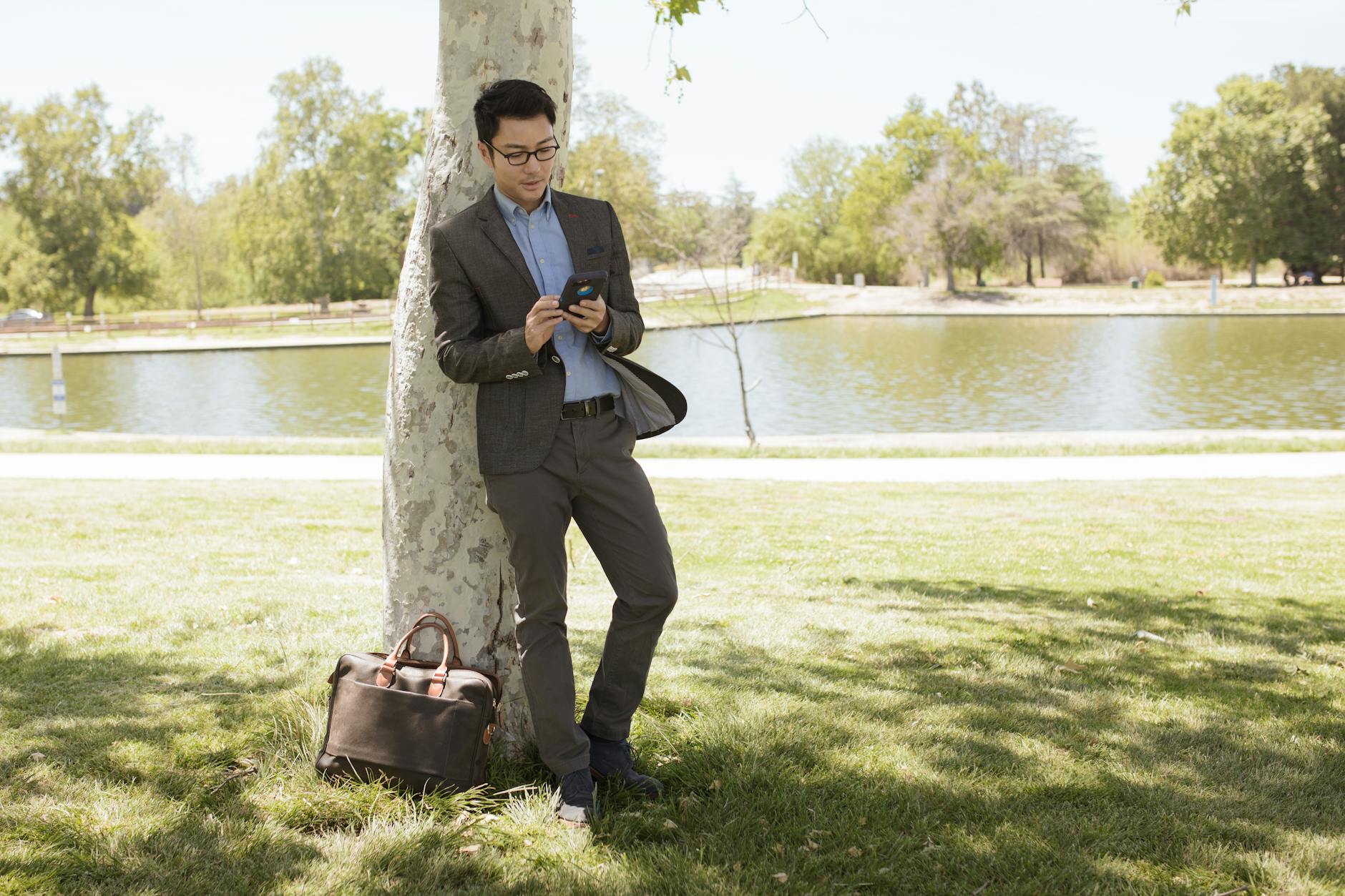
Midday sun positioned directly above casts dark shadows under your eyes and your nose. Seeking out a shaded area like a tree canopy provides much softer and more even lighting. If shade is unavailable you can turn your back to the sun to create a nice rim light effect. Proper light management remains the most crucial element of looking fantastic outdoors.
Strategic Makeup Enhancement
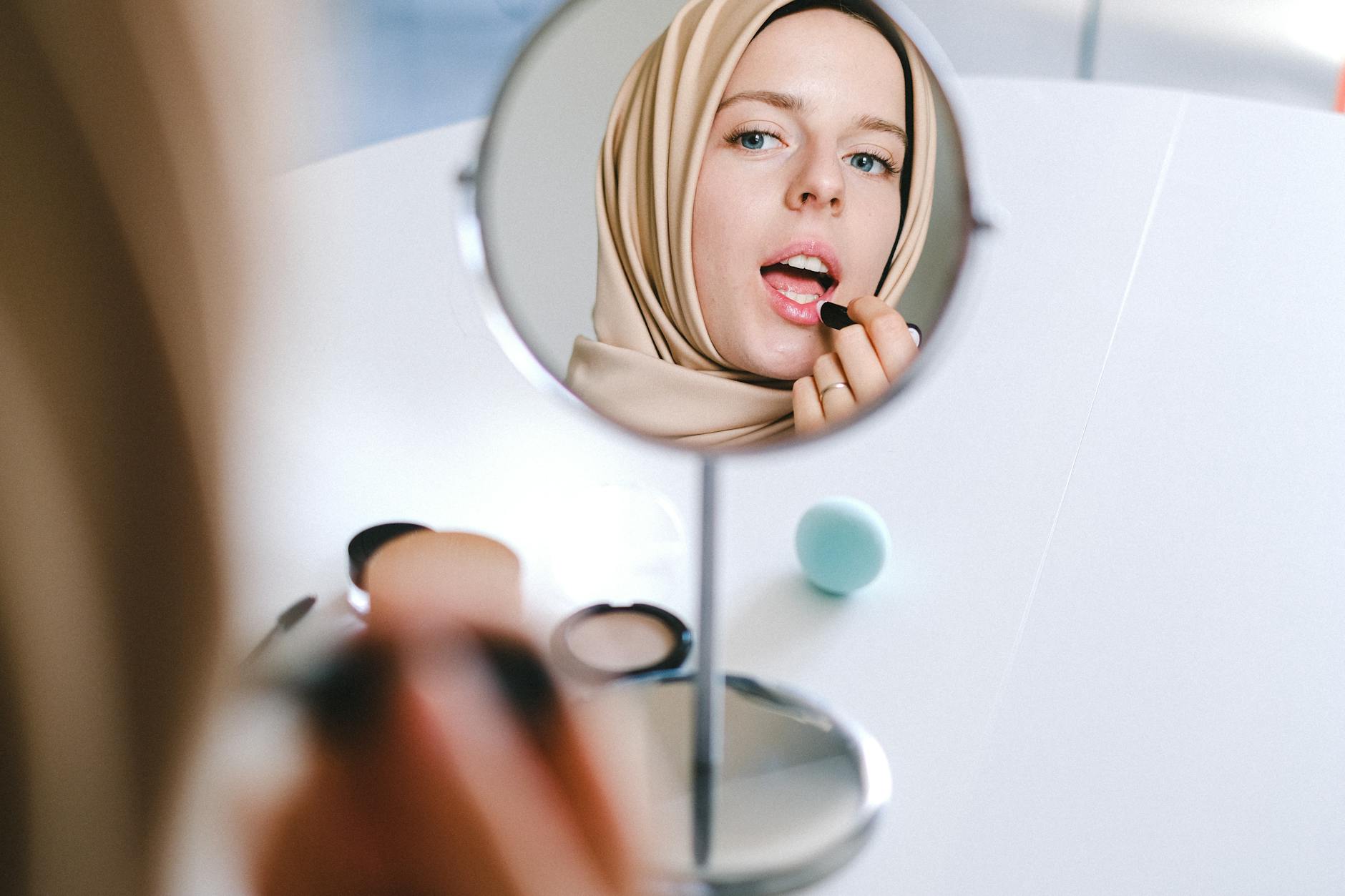
Cameras tend to wash out facial features so applying slightly more contrast helps immensely. Adding a touch of extra blush or defining your brows prevents your face from looking flat. Using a slightly darker lip color ensures your mouth stands out against your skin tone. A little extra definition translates into a balanced and striking look on camera.
Appropriate Clothing Fit
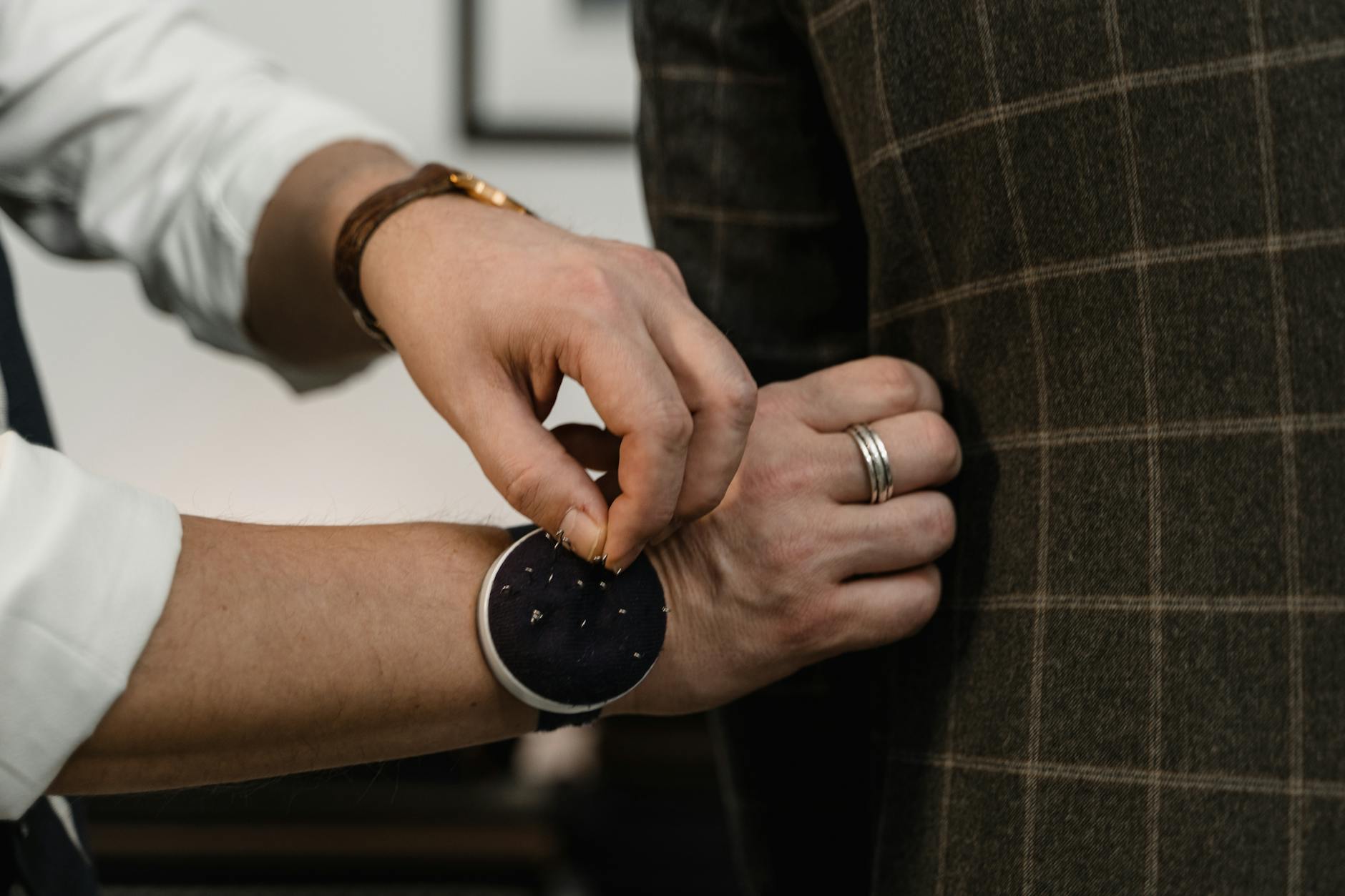
Overly baggy clothes swallow your figure completely and make you look much larger than reality. Garments that gently skim your body provide the necessary structure for a flattering photograph. Tailored pieces define your shoulders and your waist to create a pleasing visual silhouette. Choosing the right fit elevates your style and dramatically improves your photographic presence.
Creating Triangles With Your Body
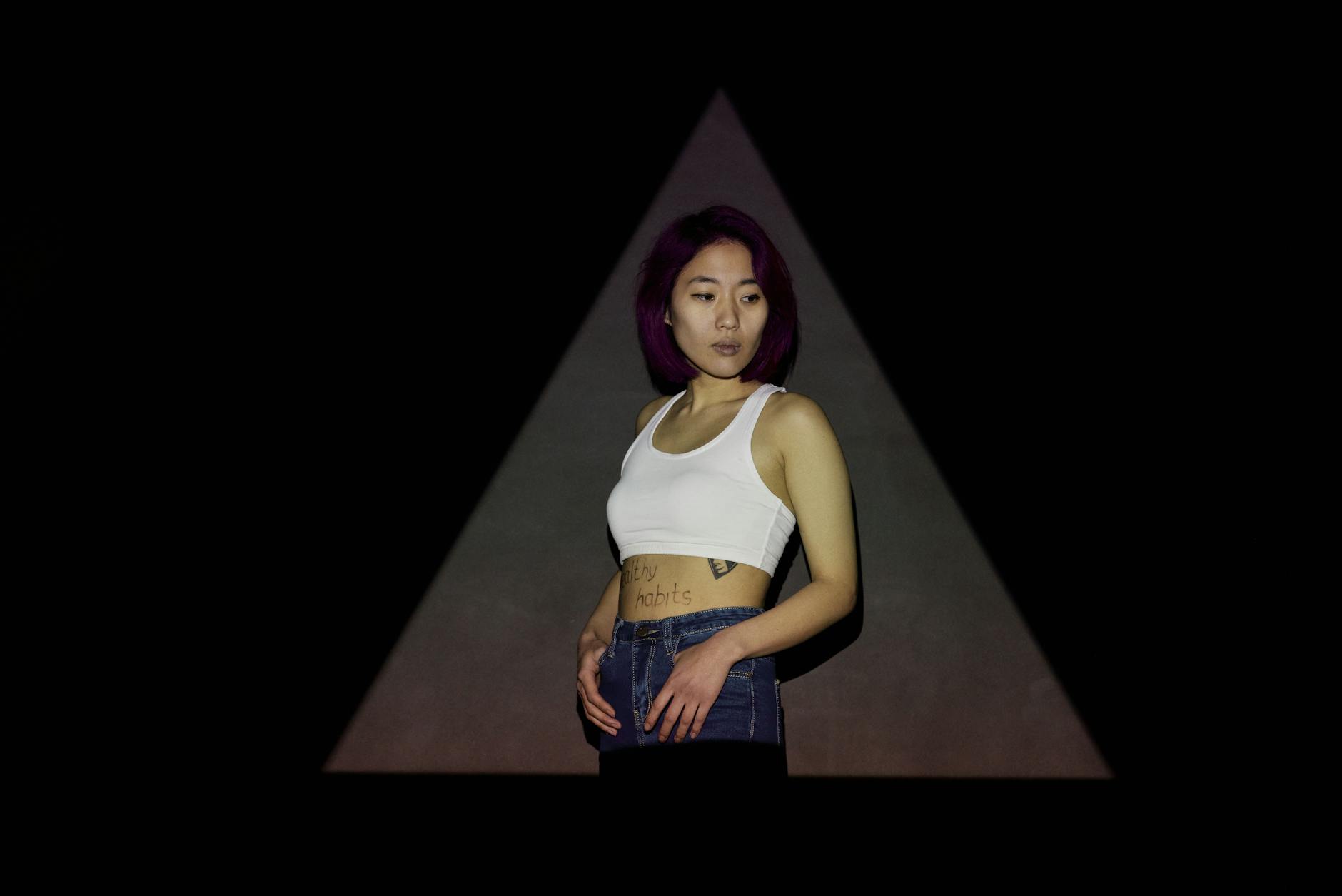
Straight lines in photography feel very rigid and lack visual interest for the viewer. Bending your elbows and your knees creates geometric triangles that make the composition engaging. Resting a hand on your hip or bending one leg immediately introduces these appealing shapes. Professional models utilize this geometric concept to make simple poses look incredibly editorial.
Relaxing Facial Muscles
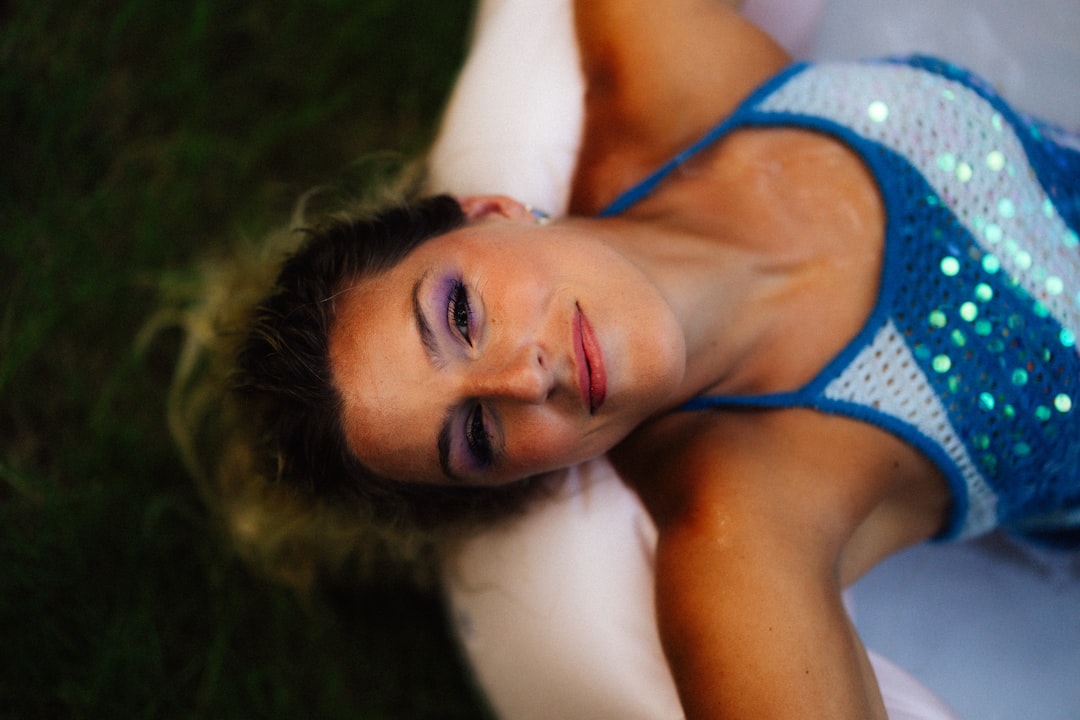
Clenching your jaw makes your face look wide and translates as anger or supreme discomfort. Gently parting your lips slightly releases this tension and creates a very relaxed aesthetic. Wiggling your face muscles between shots prevents your smile from becoming frozen and unnatural. A relaxed face always photographs better than a tense or overly posed expression.
Stepping Back From The Lens
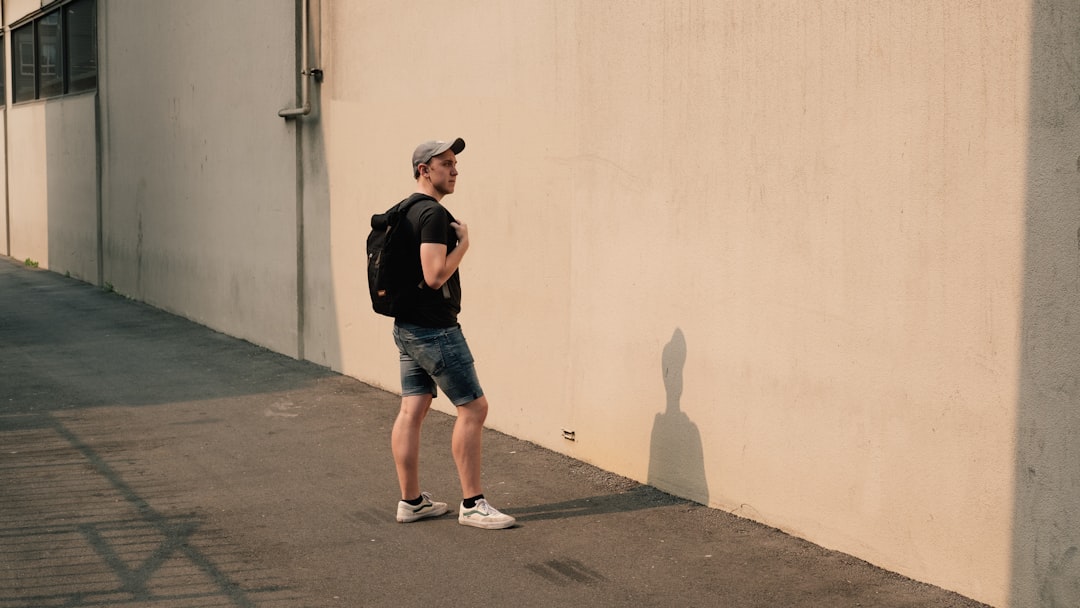
Standing extremely close to a wide angle phone lens distorts your facial features terribly. Taking a step backward allows the lens to capture your proportions with far greater accuracy. The photographer can always crop the image later to achieve a tighter and closer framing. Maintaining a respectful distance from the camera preserves your natural beauty and shape.
Engaging With The Environment
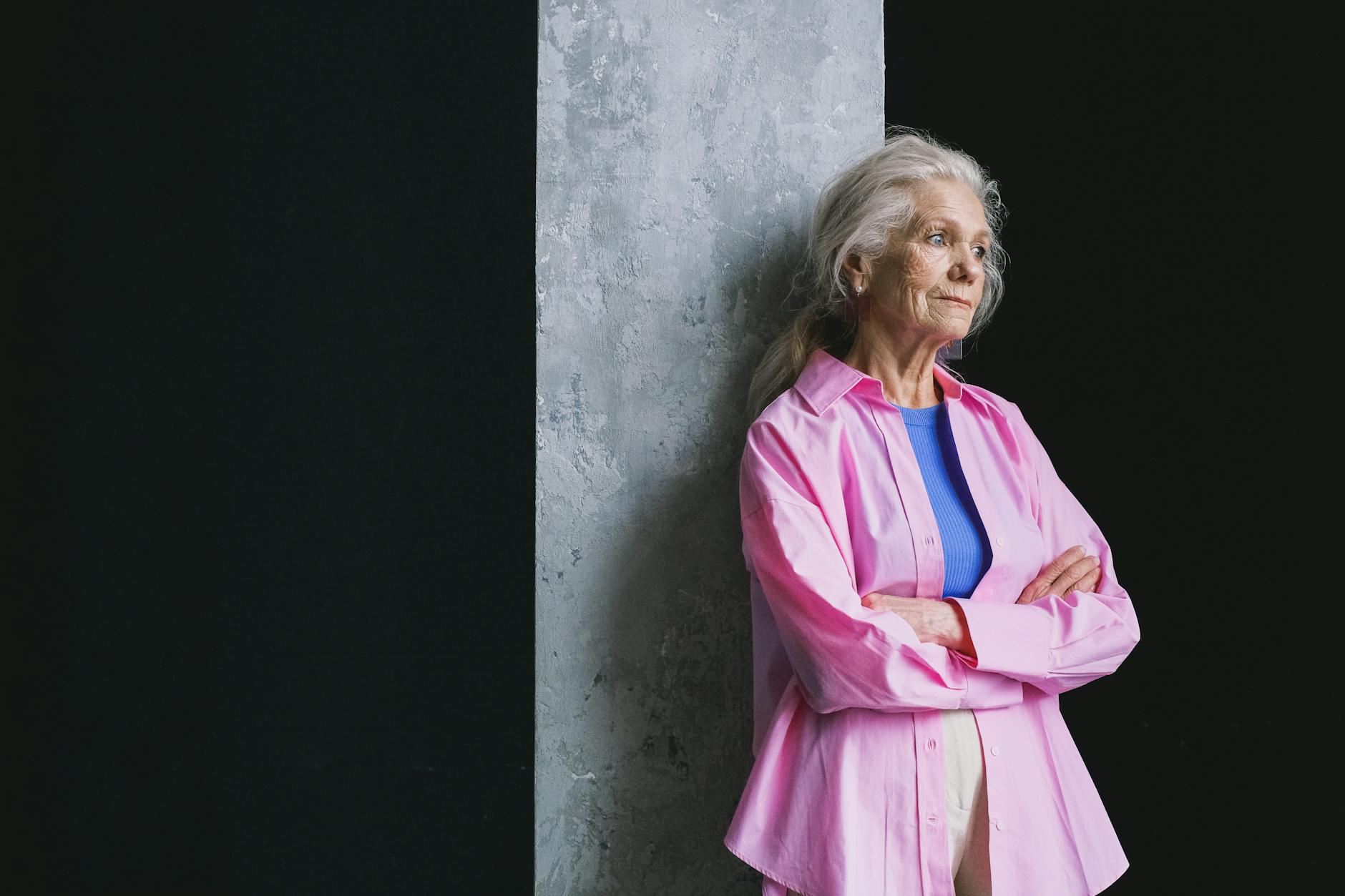
Standing like a statue in a beautiful location wastes the potential of the entire scene. Leaning casually against a wall or sitting on a nearby bench integrates you into the setting. This physical connection makes the photograph feel like a captured memory rather than a forced setup. Environmental interaction adds rich context and lovely depth to your personal portraits.
The Chin Down Approach
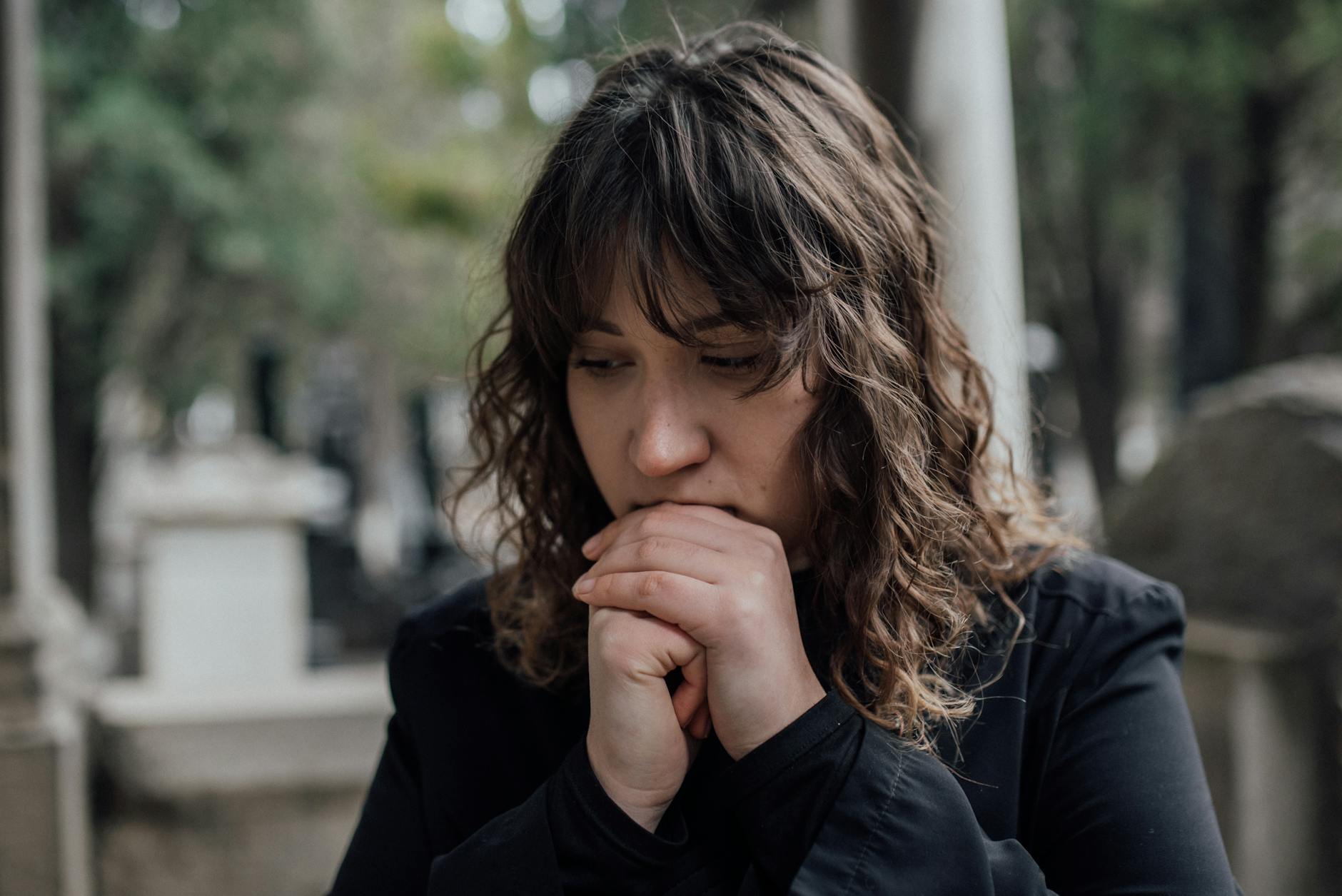
Lifting your chin too high in an attempt to look confident often backfires completely. This upward angle exposes the nostrils and creates an unflattering perspective of your lower face. Tipping your chin down just a fraction emphasizes your eyes and creates a much sweeter look. Finding the perfect neutral balance takes practice but yields magnificent photographic results.
Mirror Practice
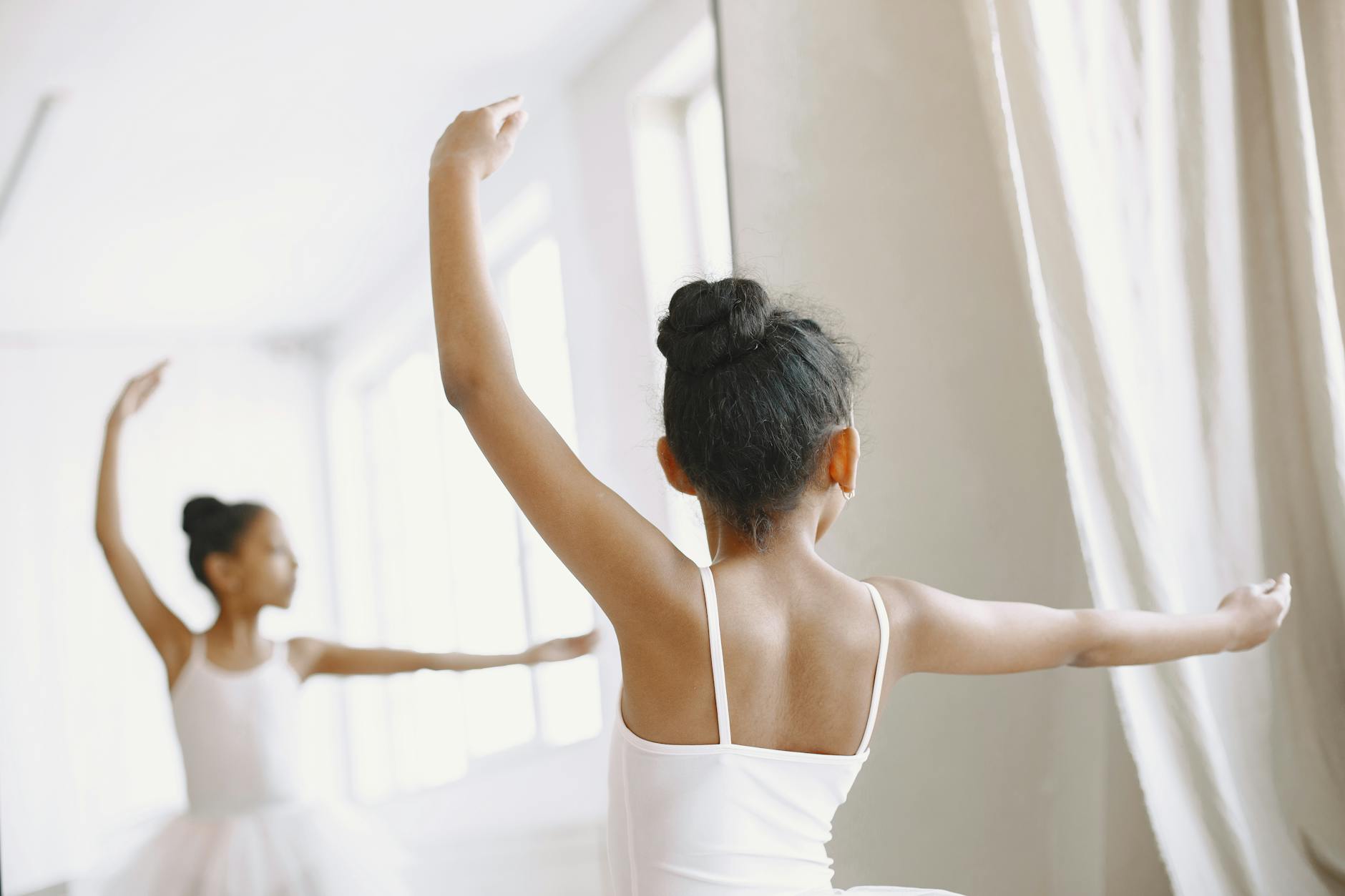
Understanding how your body moves and looks from different angles requires actual observation. Spending time in front of a mirror helps you discover your most flattering expressions and poses. You build muscle memory that allows you to hit these great angles naturally when a camera appears. Consistent practice transforms photogenic anxiety into quiet confidence during any photoshoot.
Please share your thoughts on these photography techniques and tell us your personal favorite in the comments.




