Creating a vibrant garden that supports local pollinators is a rewarding endeavor for any homeowner. Selecting the right blooms ensures a steady supply of nectar and pollen throughout the growing season. Planting diverse varieties attracts an array of beautiful winged visitors while strengthening the local ecosystem. The following selections thrive in many regions and offer exceptional nourishment for beneficial insects.
Lavender
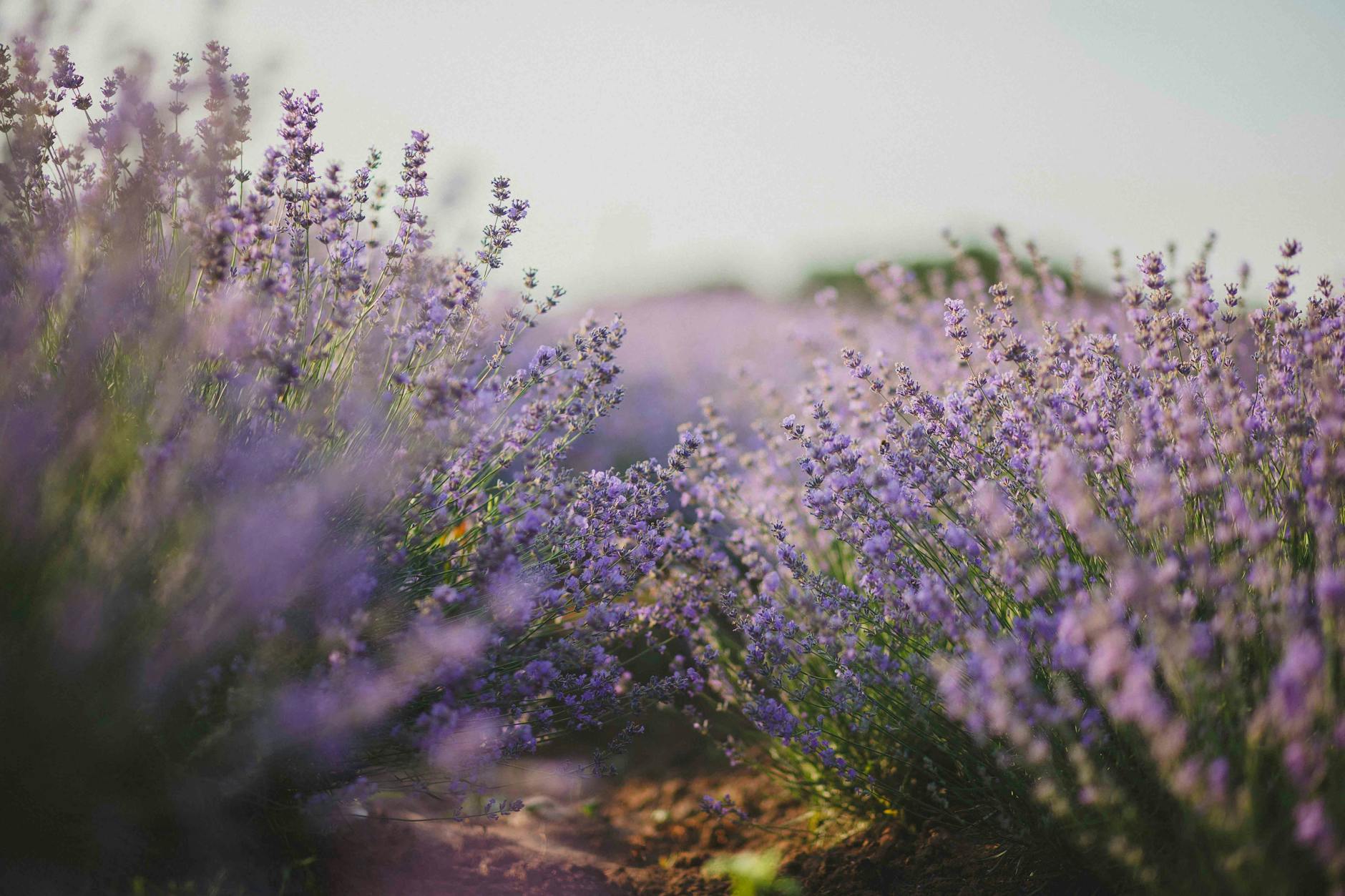
Lavender provides a rich source of nectar that attracts bumblebees and various butterfly species during the summer months. The purple spikes bloom continuously and offer a fragrant addition to sunny garden spots. This hardy perennial requires minimal watering once established and thrives in well draining soil. Pollinators frequent the tubular blossoms from dawn until dusk seeking high quality sustenance.
Sunflower
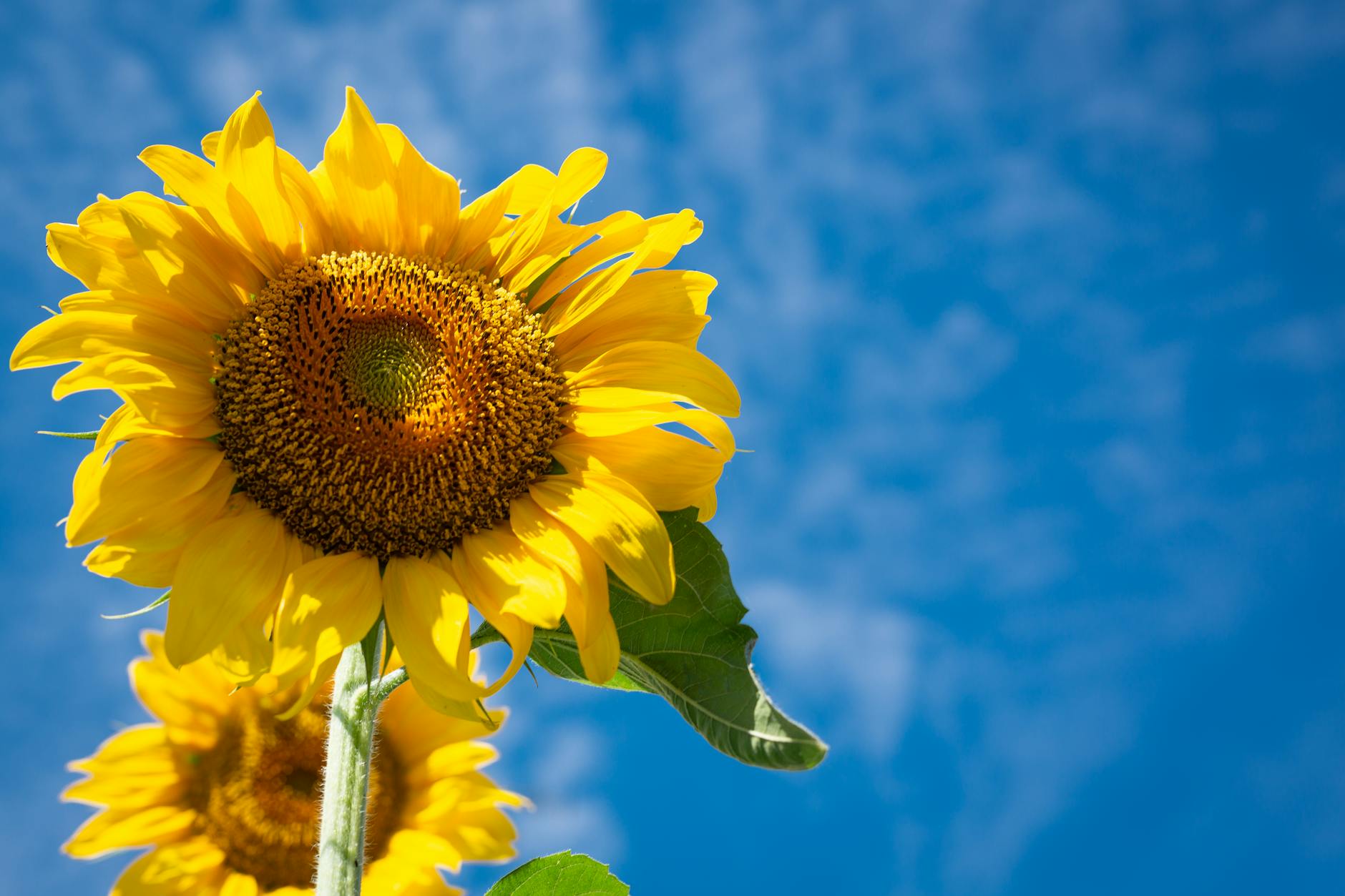
Sunflowers act as a towering beacon for countless pollinating insects seeking abundant pollen resources. The large central disks allow bees to land easily and forage for extended periods. Birds and butterflies also appreciate the massive blooms that track the sun across the sky. These cheerful annuals grow rapidly from seed and require full sunlight to reach their maximum potential.
Coneflower
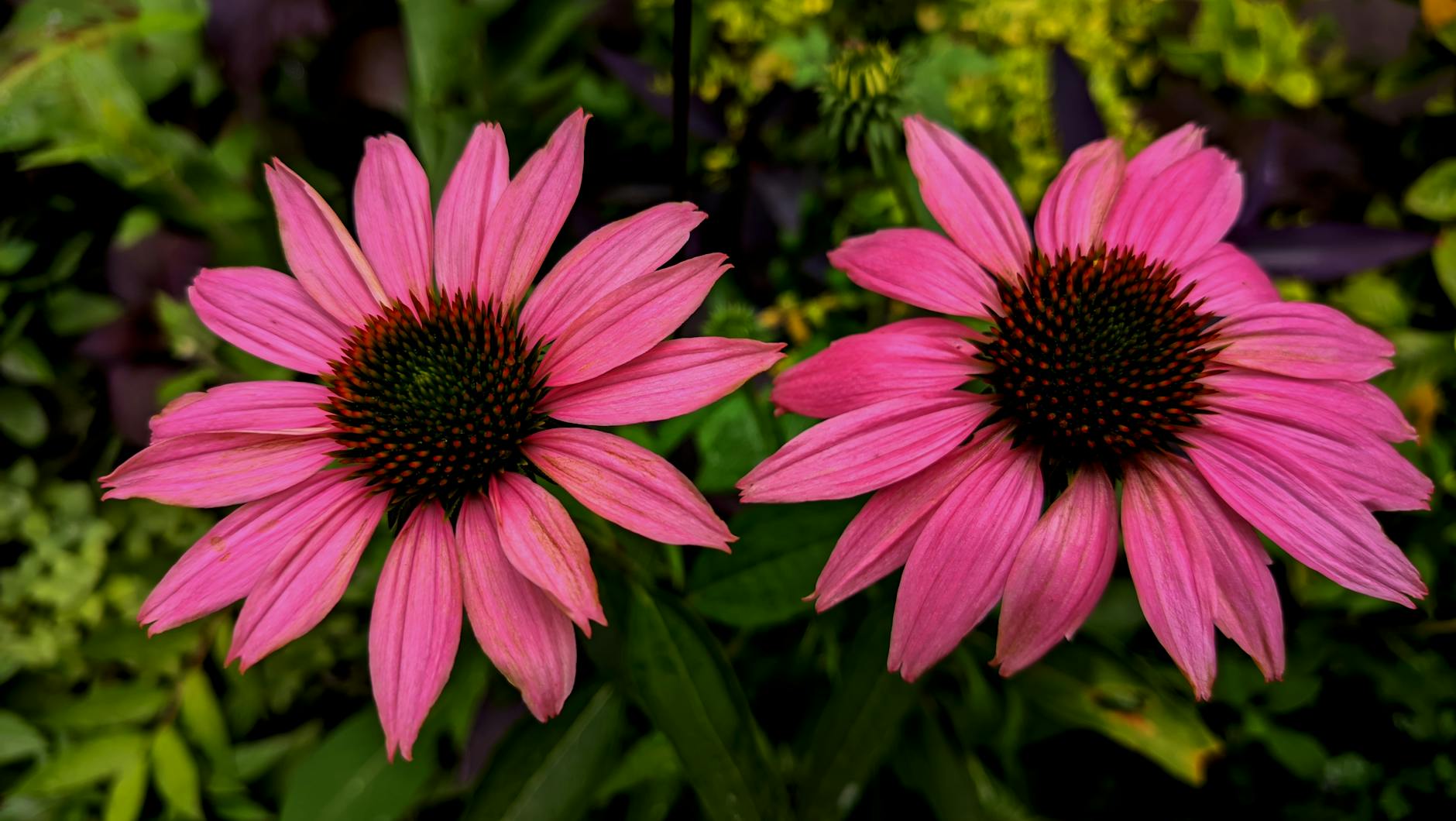
Coneflowers present a sturdy landing pad for butterflies and provide essential nectar during the late summer heat. The raised central cones contain hundreds of tiny individual flowers that bees meticulously explore. These drought tolerant perennials return reliably each spring with vibrant petals pointing downward. Gardeners appreciate their resilience and the bright colors that enliven the landscape.
Zinnia
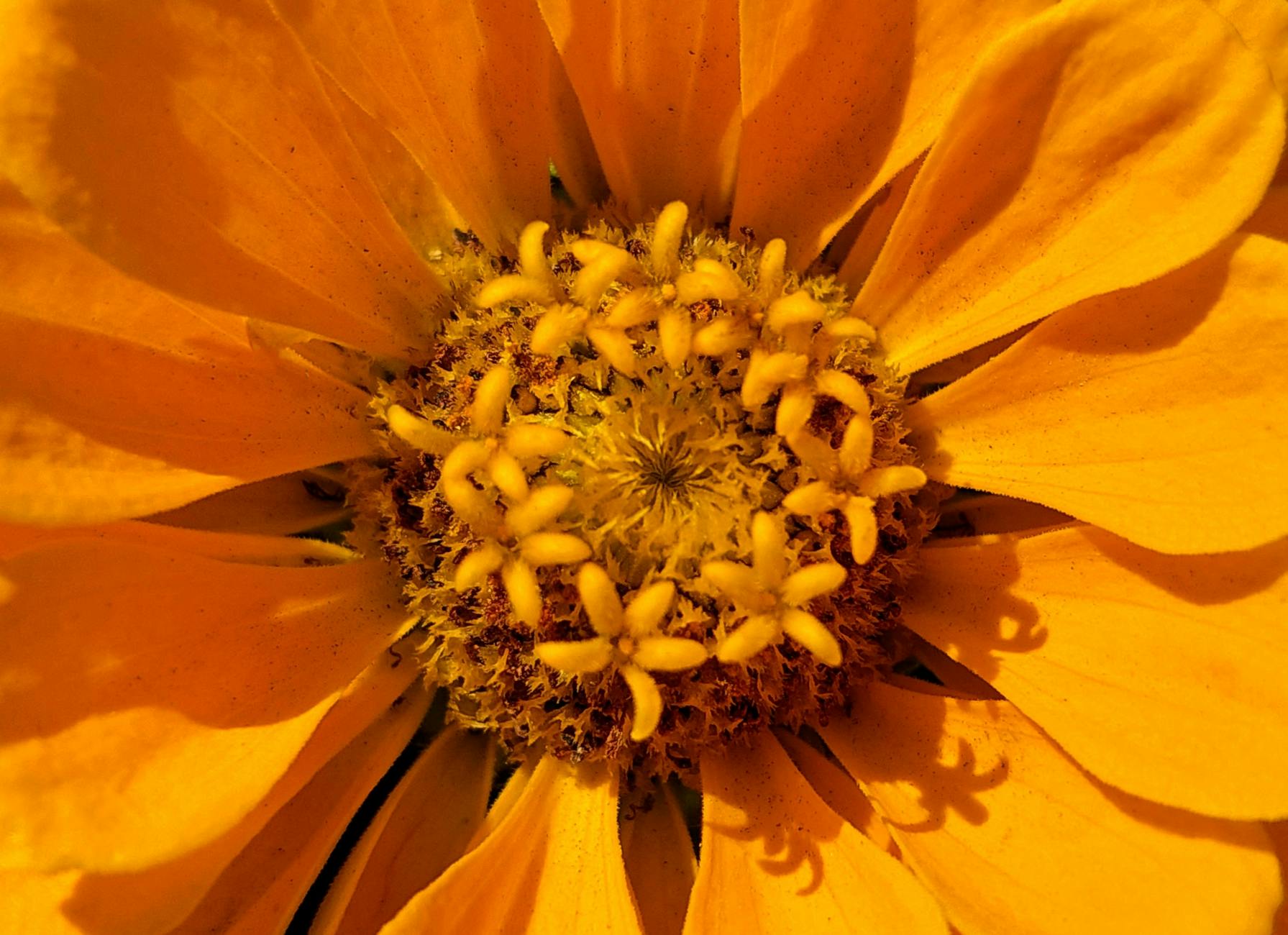
Zinnias burst into bright arrays of color that easily capture the attention of passing monarch butterflies. These popular annuals bloom profusely from early summer until the first frost arrives. Planting them in clusters creates a highly visible target for hungry pollinators searching for sweet nectar. Regular deadheading encourages continuous blooming and keeps the garden looking exceptionally tidy.
Milkweed
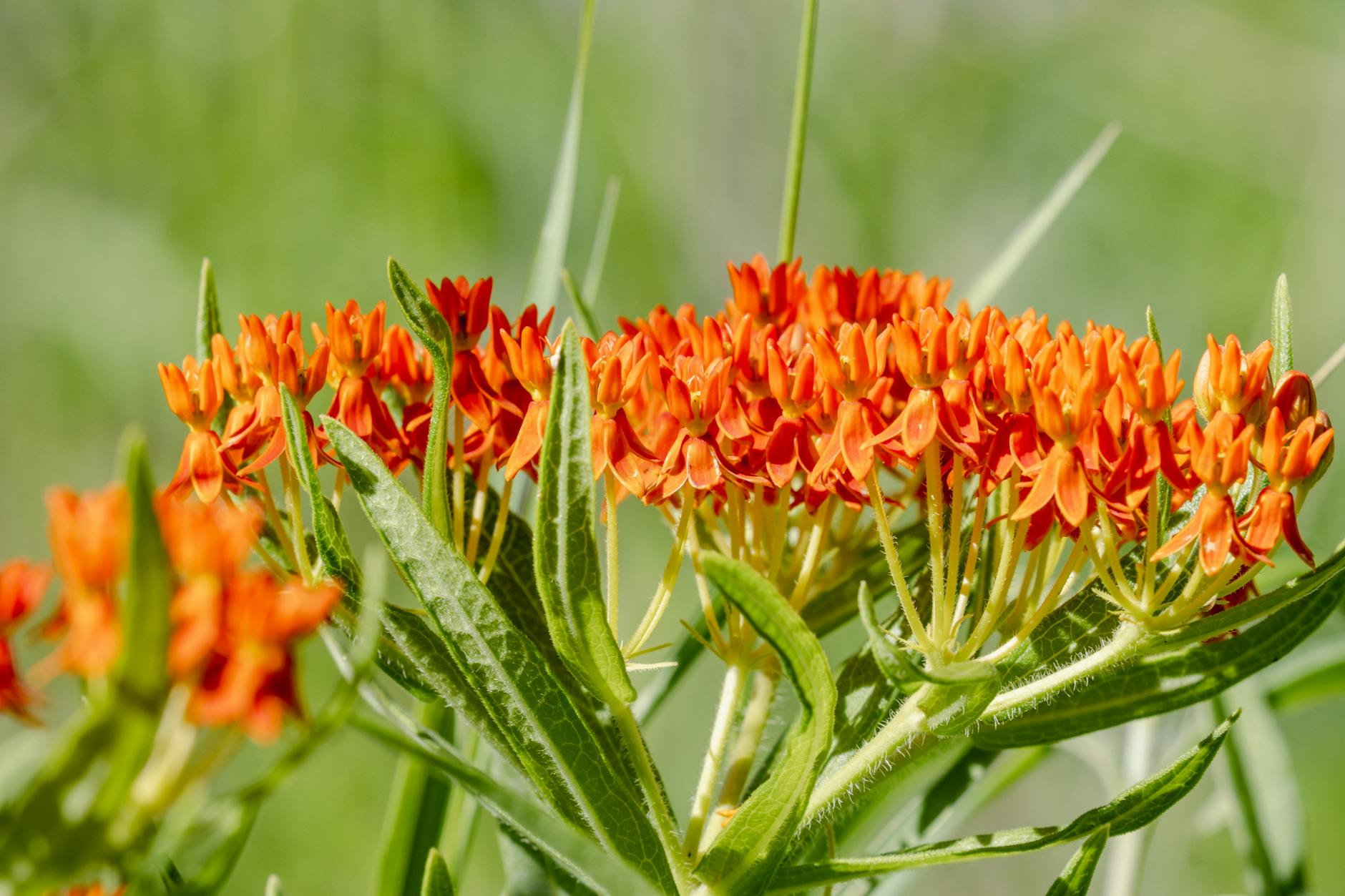
Milkweed serves as the exclusive host plant for monarch caterpillars and guarantees the survival of this iconic species. The intricate star shaped flowers produce copious amounts of nectar that bees and other insects devour enthusiastically. This native perennial requires very little maintenance and adapts well to various soil conditions. Cultivating these plants directly supports vulnerable pollinator populations while adding unique visual interest to the yard.
Salvia
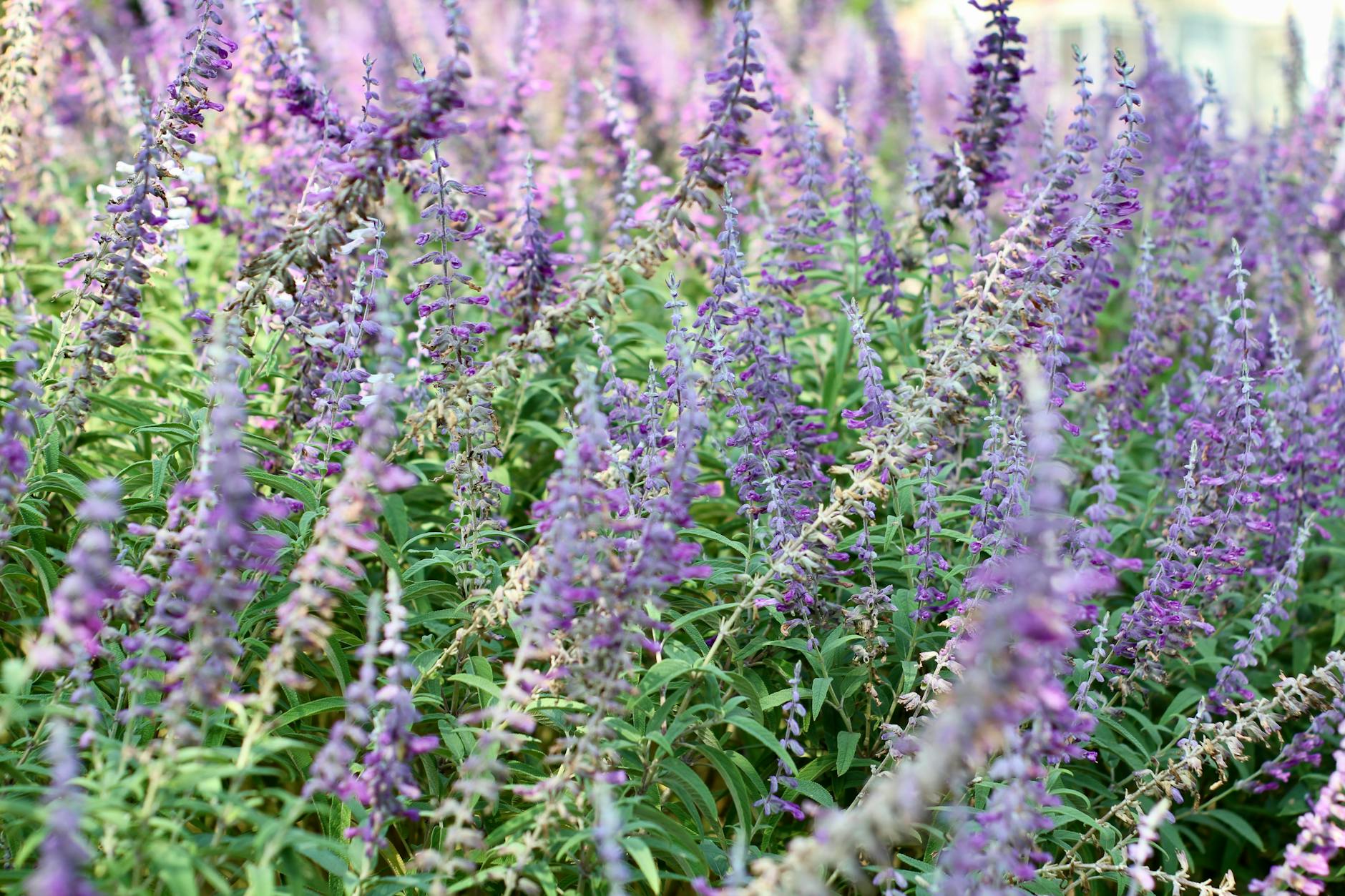
Salvia features tall slender spikes covered in brightly colored tubular flowers that hummingbirds and bees simply adore. The continuous blooming cycle provides a dependable food source when other plants begin to fade. These hardy plants resist deer and rabbits while welcoming beneficial insects with open arms. They perform beautifully in sunny borders and container gardens alike.
Borage
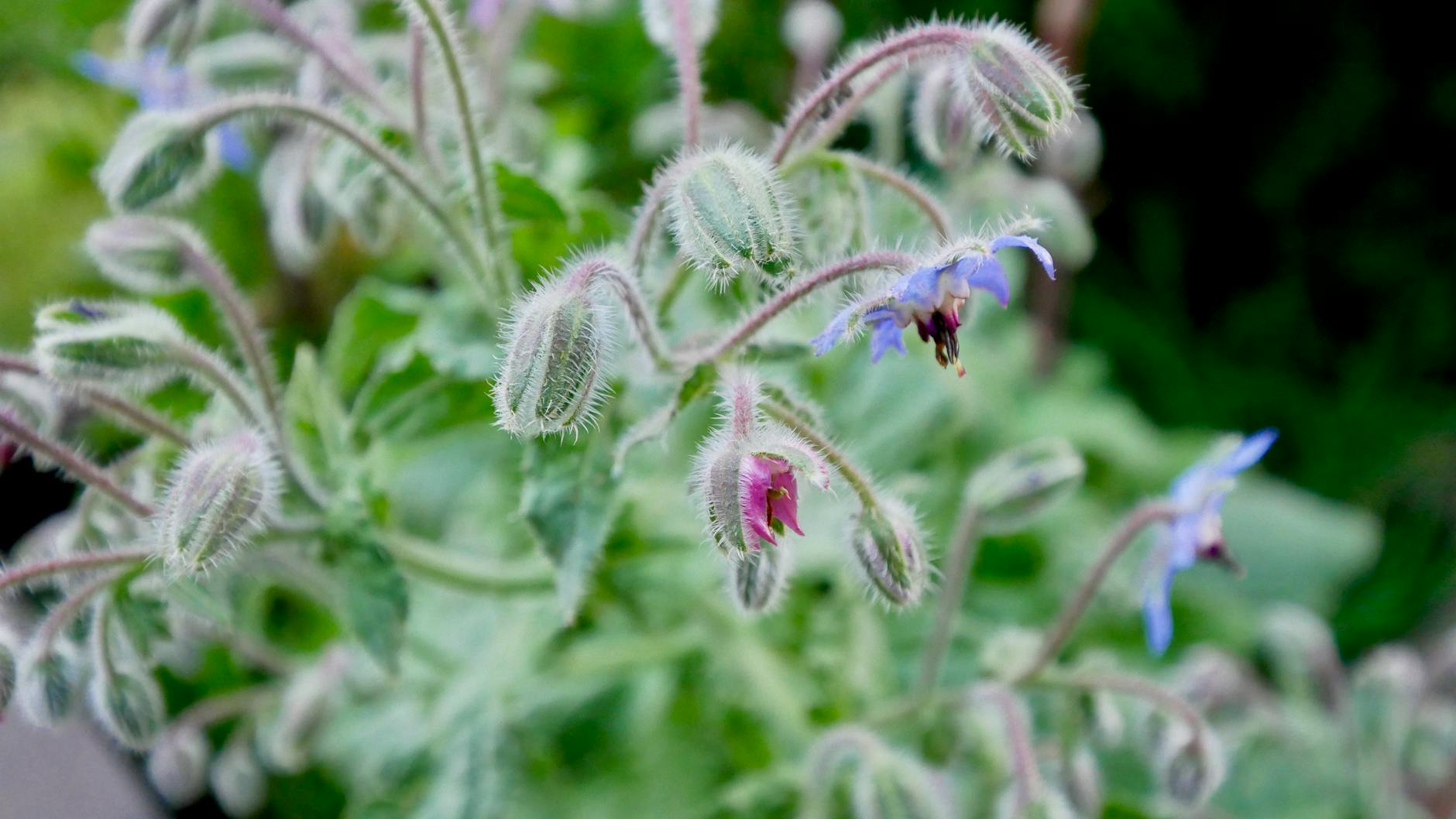
Borage produces brilliant blue star shaped blossoms that replenish their nectar rapidly throughout the day. Honeybees flock to this fuzzy herb in incredible numbers to collect the sweet reward. The plant self seeds readily and often returns in subsequent years to fill empty garden spaces. Gardeners sometimes use the edible flowers to garnish summer beverages and fresh salads.
Catmint
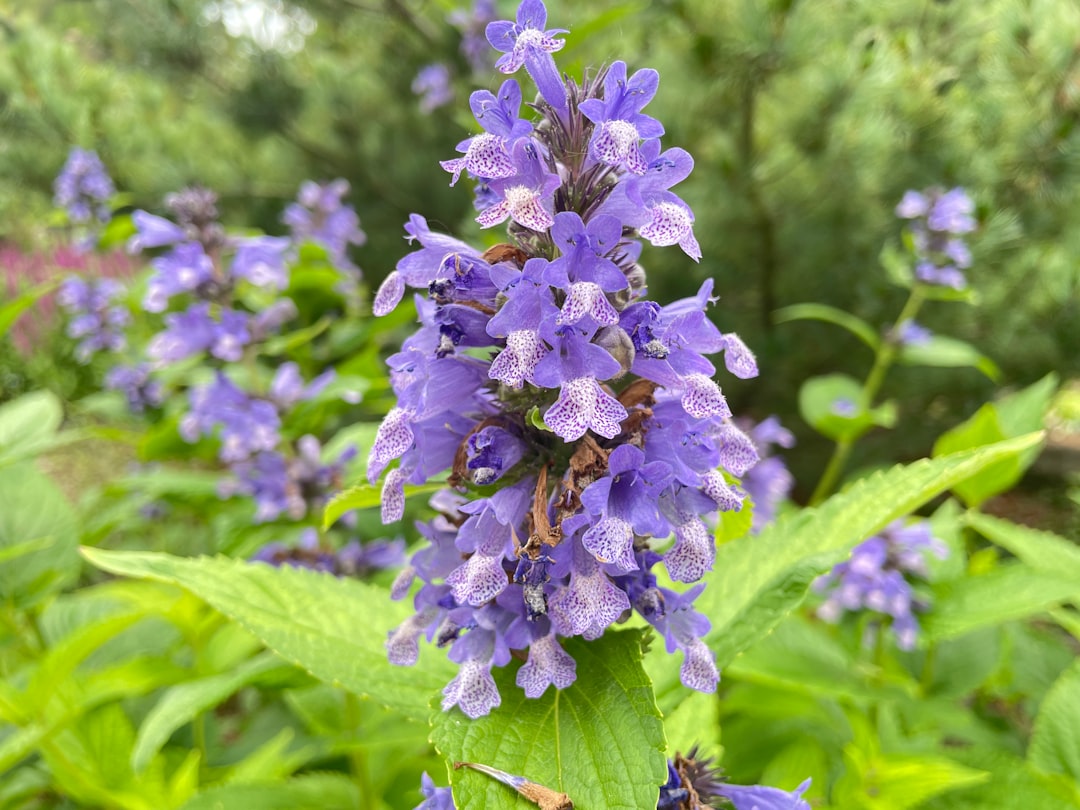
Catmint forms sprawling mounds of silvery green foliage topped with delicate purple blossoms that bees constantly buzz around. This robust perennial starts blooming early in the season and continues for many weeks. Shearing the plant back after the first wave of flowers encourages a second colorful flush later in the summer. It makes an excellent edging plant along pathways where the gentle fragrance can be appreciated.
Lantana
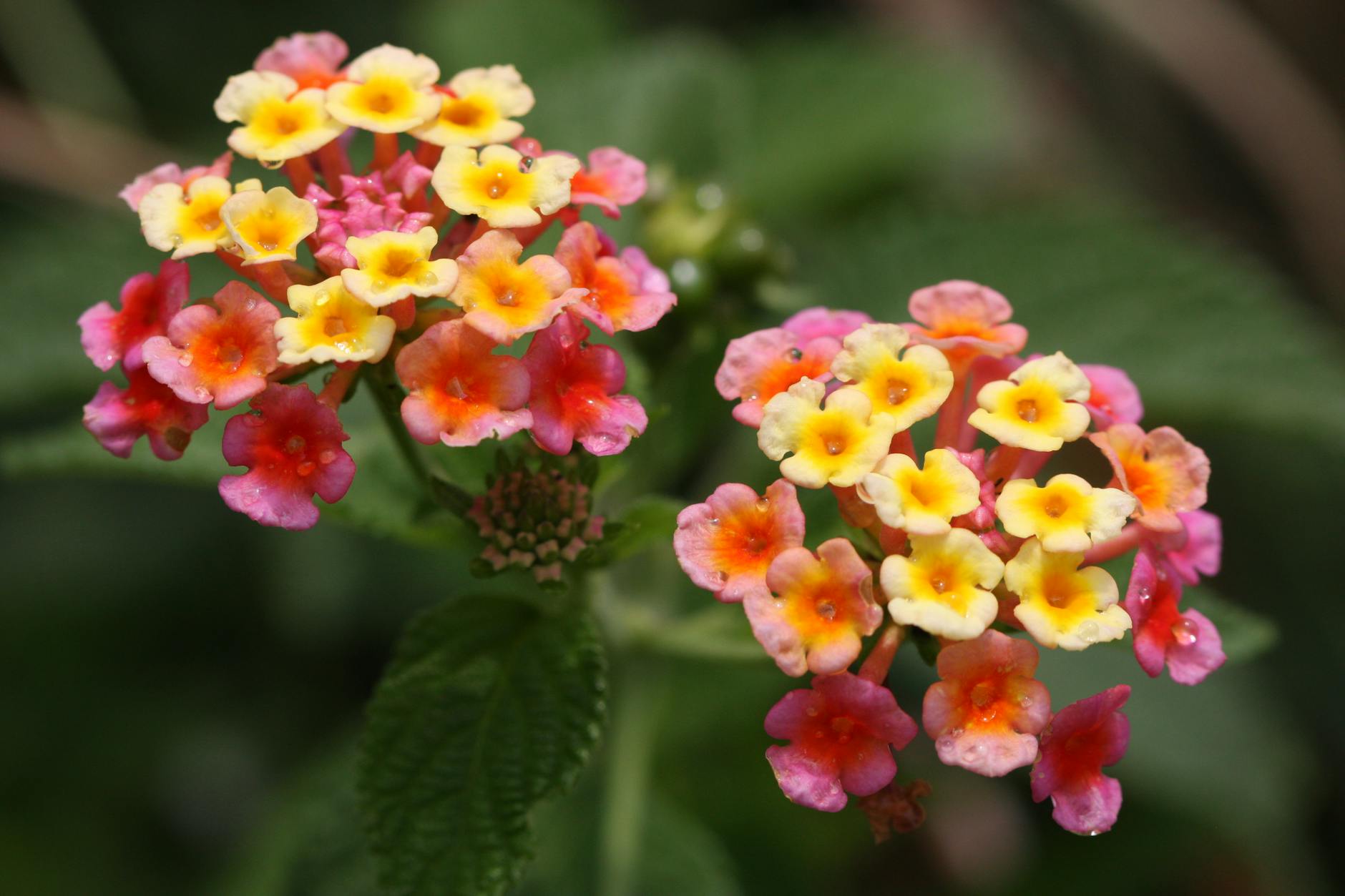
Lantana displays vibrant clusters of tiny flowers that frequently change color as they mature. Butterflies land on the flat blossom heads to sip nectar through their long proboscises. This heat loving plant thrives in sweltering summer temperatures that cause other flowers to wilt. It works exceptionally well in hanging baskets or as a trailing feature over retaining walls.
Aster
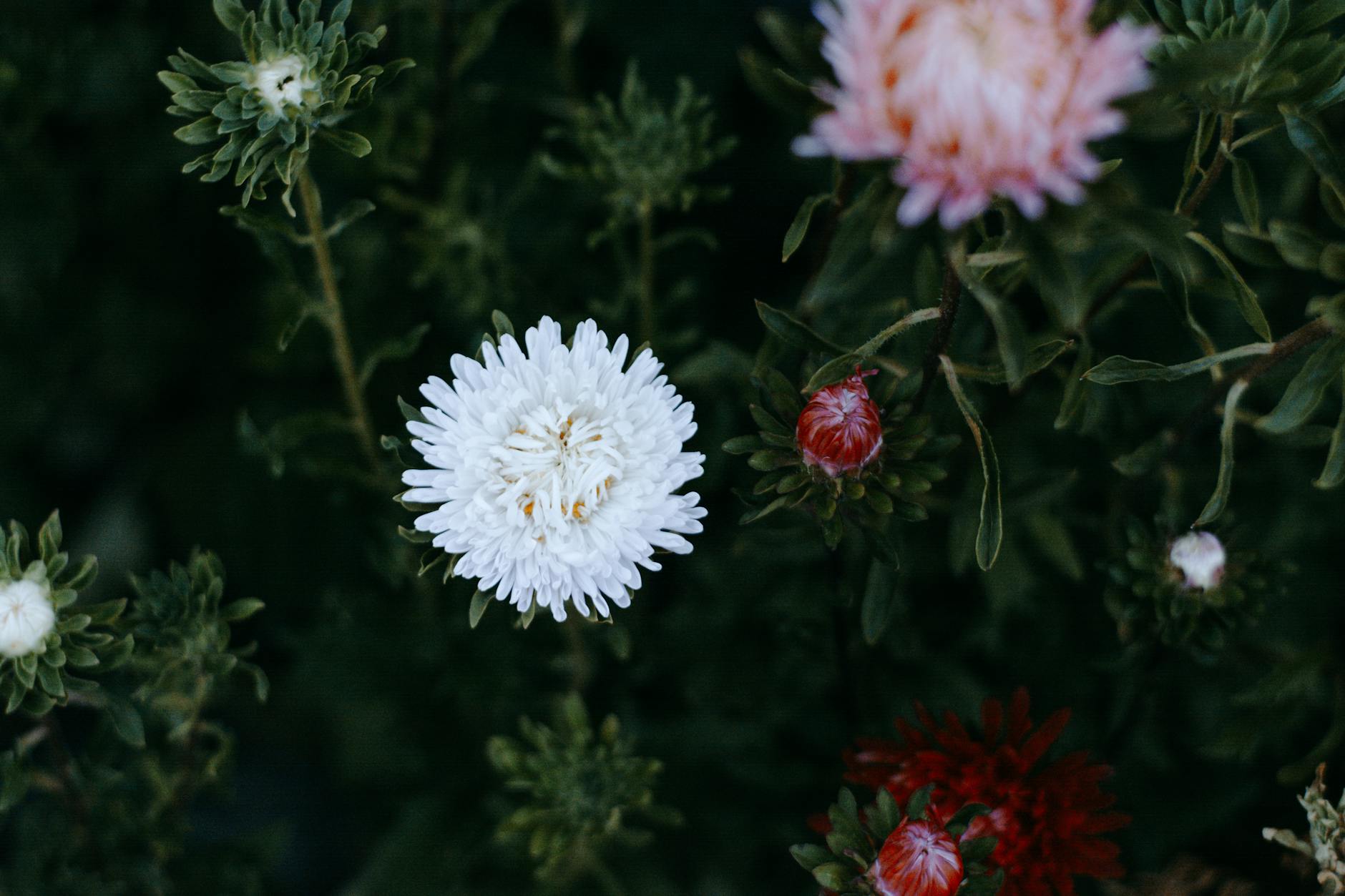
Asters erupt in cool purple and pink hues just as summer transitions into autumn. This late season blooming period offers a critical food source for migrating butterflies and winter prepping bees. The daisy like flowers cover the entire plant and create a spectacular dense floral display. They pair perfectly with other late blooming perennials to extend the garden season significantly.
Cosmos
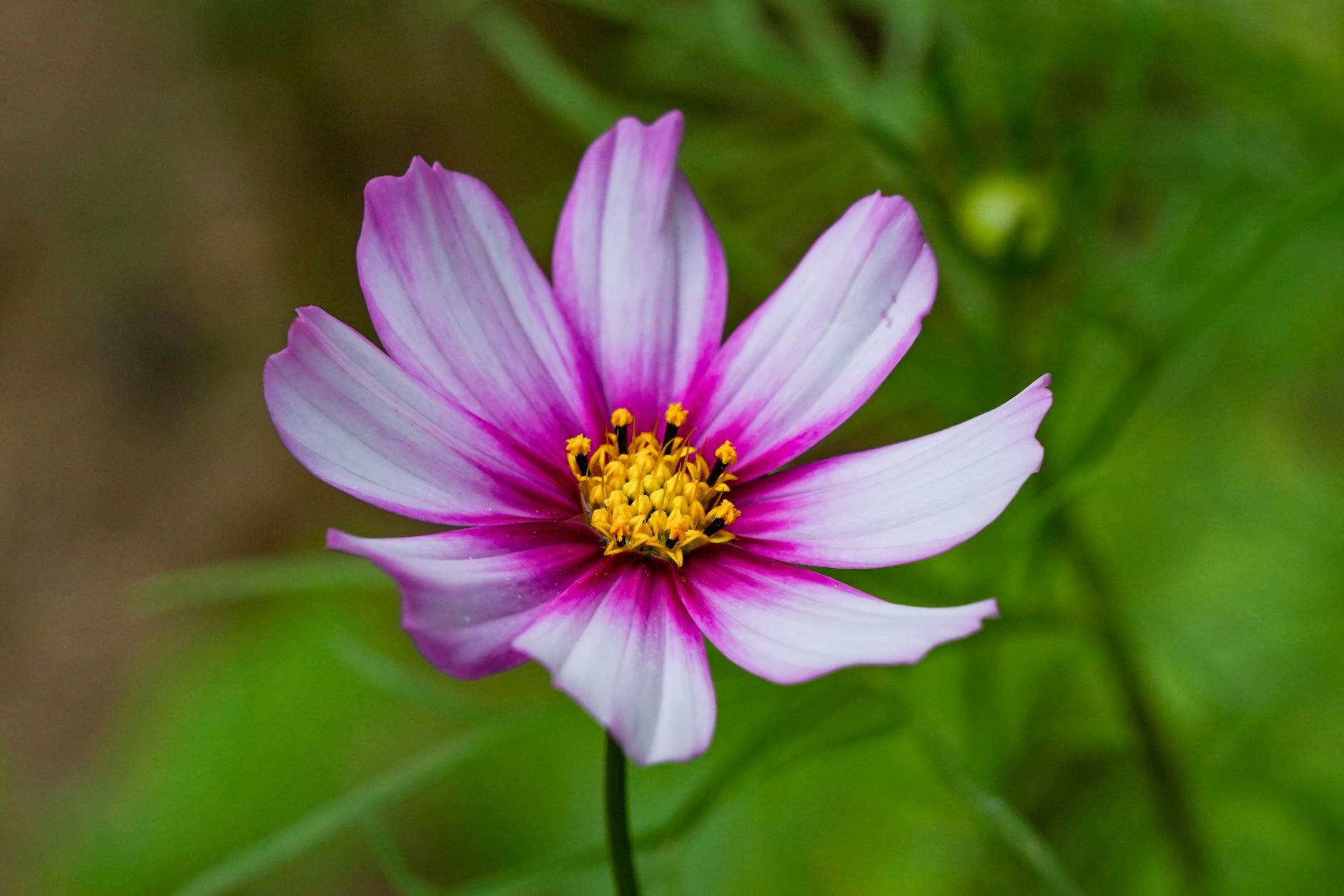
Cosmos feature delicate feathery foliage and simple bowl shaped flowers that sway gracefully in the lightest breeze. Bees and butterflies navigate easily to the prominent yellow centers to gather pollen and nectar. These resilient annuals tolerate poor soil and actually produce more blooms when they are not over fertilized. Sowing the seeds directly into the garden yields an effortless meadow aesthetic.
Verbena
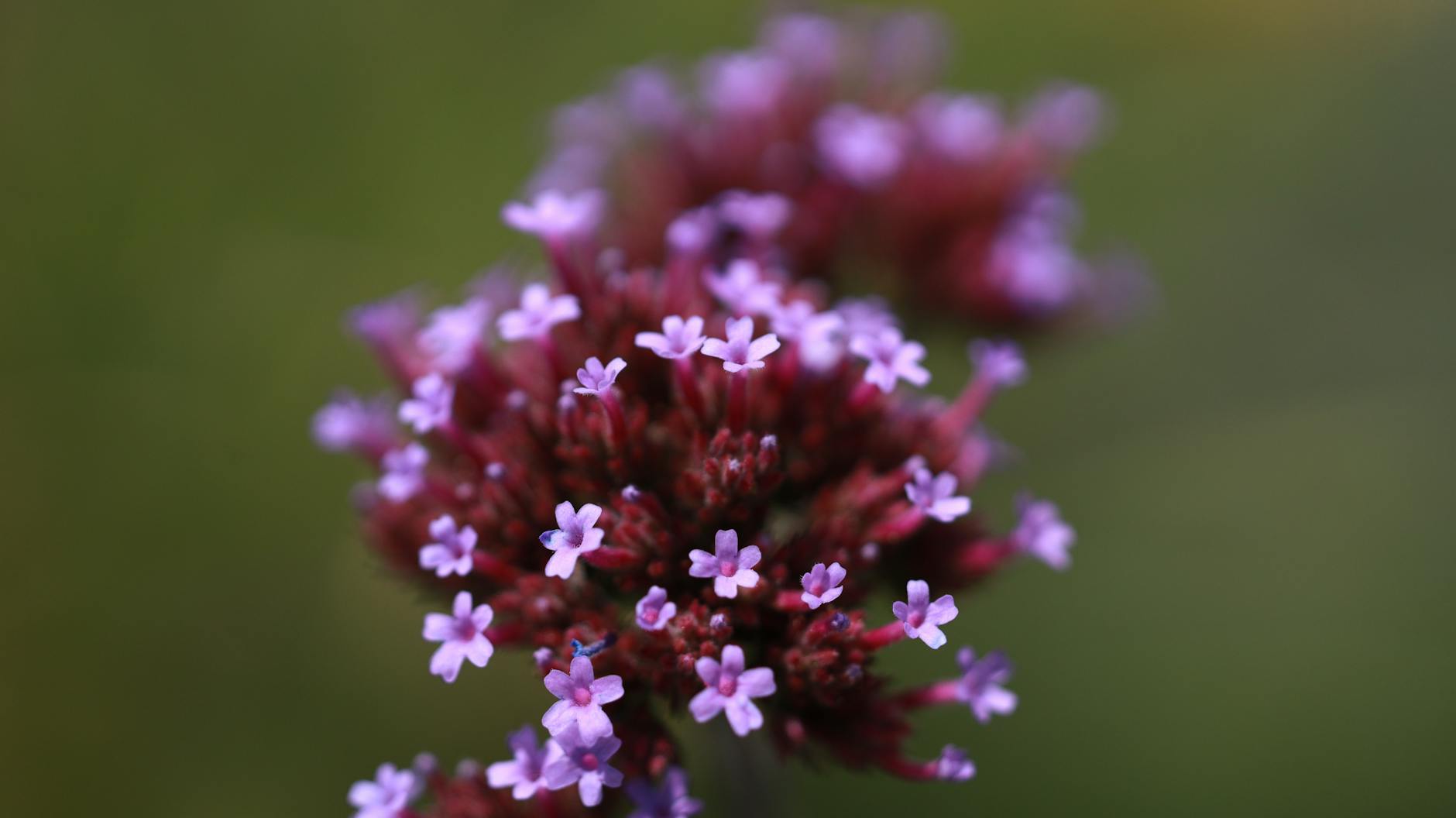
Verbena produces dense clusters of small colorful flowers on branching stems that attract a wide variety of flying visitors. The continuous nectar production keeps butterflies returning to the same plant day after day. This versatile option thrives in intense sunlight and handles dry spells with impressive grace. It serves beautifully as a sprawling ground cover or an energetic container plant.
Marigold
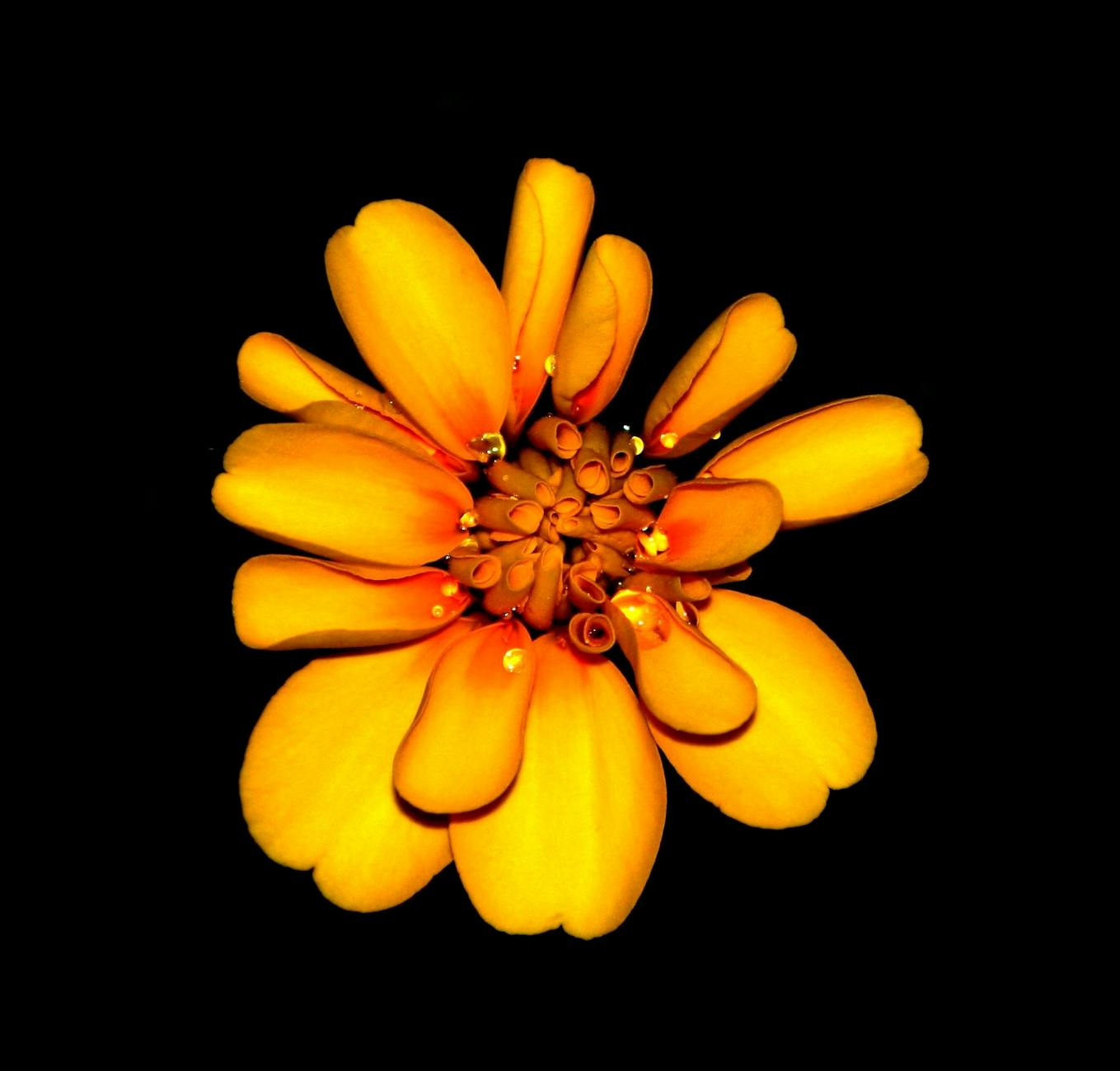
Marigolds emit a distinct fragrance that deters common garden pests while simultaneously inviting beneficial pollinators to visit. The tightly ruffled blooms provide a sturdy surface for bees to rest upon as they forage. These cheerful orange and yellow flowers grow quickly and reliably from inexpensive seeds. They look particularly striking when planted in large groups alongside vegetable patches.
Phlox
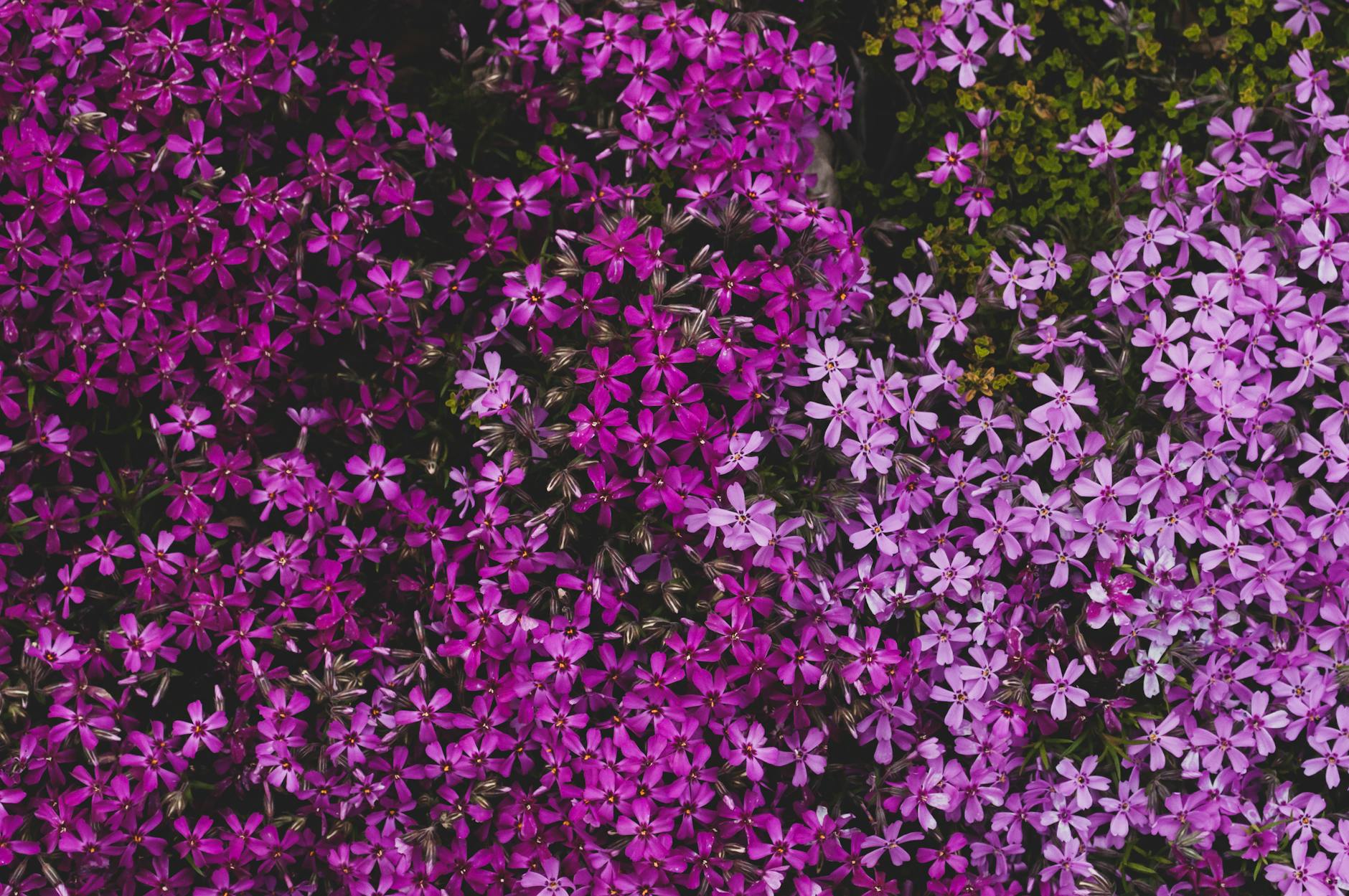
Phlox creates massive billowy flower heads that release a sweet intoxicating scent into the summer air. Butterflies flock to the vibrant pink and purple blossoms to feast on the abundant nectar stores. This traditional cottage garden favorite requires good air circulation to maintain healthy green foliage. The impressive vertical growth adds wonderful structure and dramatic height to the back of a flower border.
Yarrow
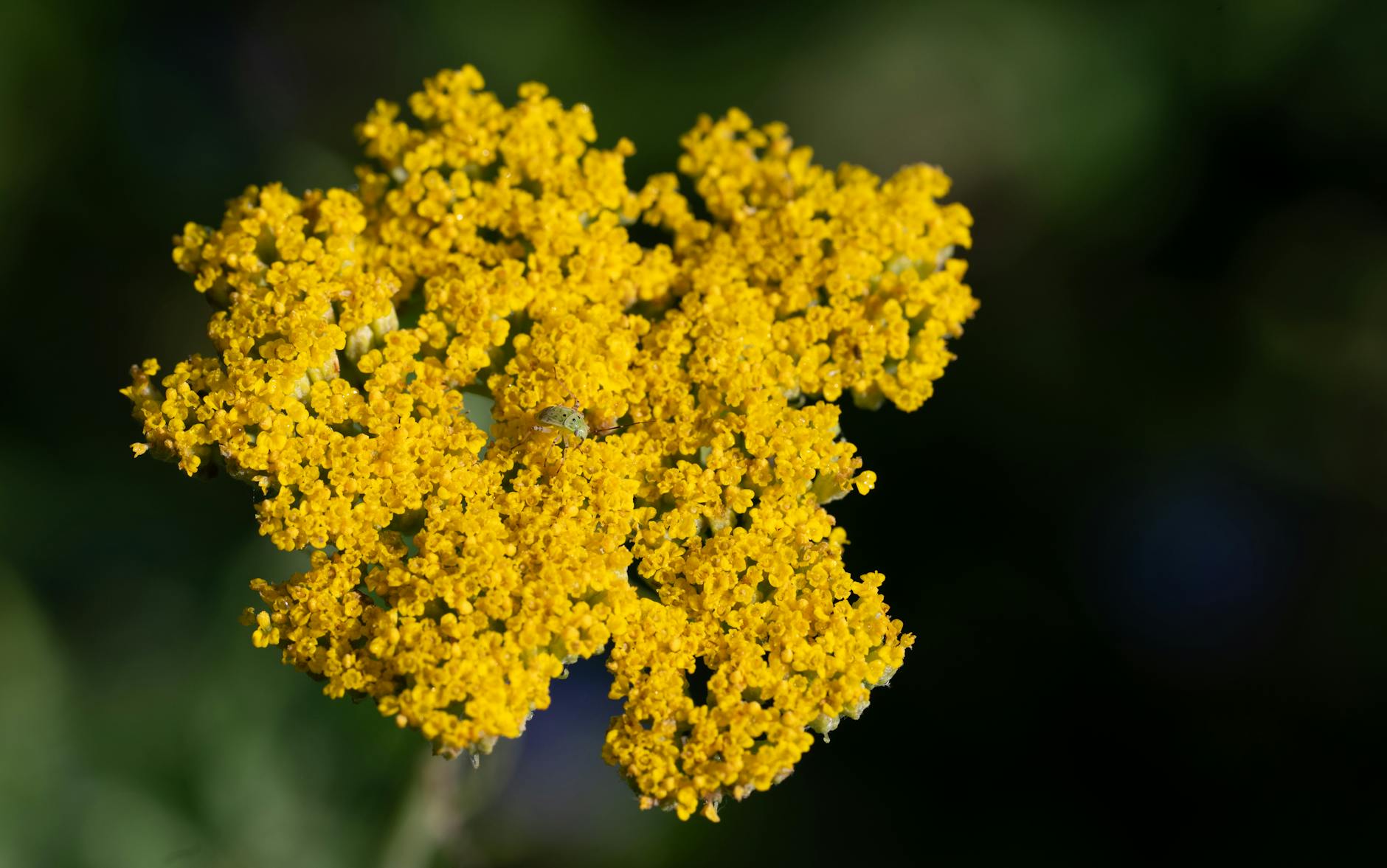
Yarrow features flat clustered flower heads that function perfectly as landing pads for weary winged insects. The tiny individual blooms hold easily accessible nectar for small bees and delicate butterflies. This rugged perennial withstands severe drought and thrives in notoriously poor soil conditions. The fern like foliage adds wonderful textural contrast to the garden even when the plant is not actively blooming.
Goldenrod
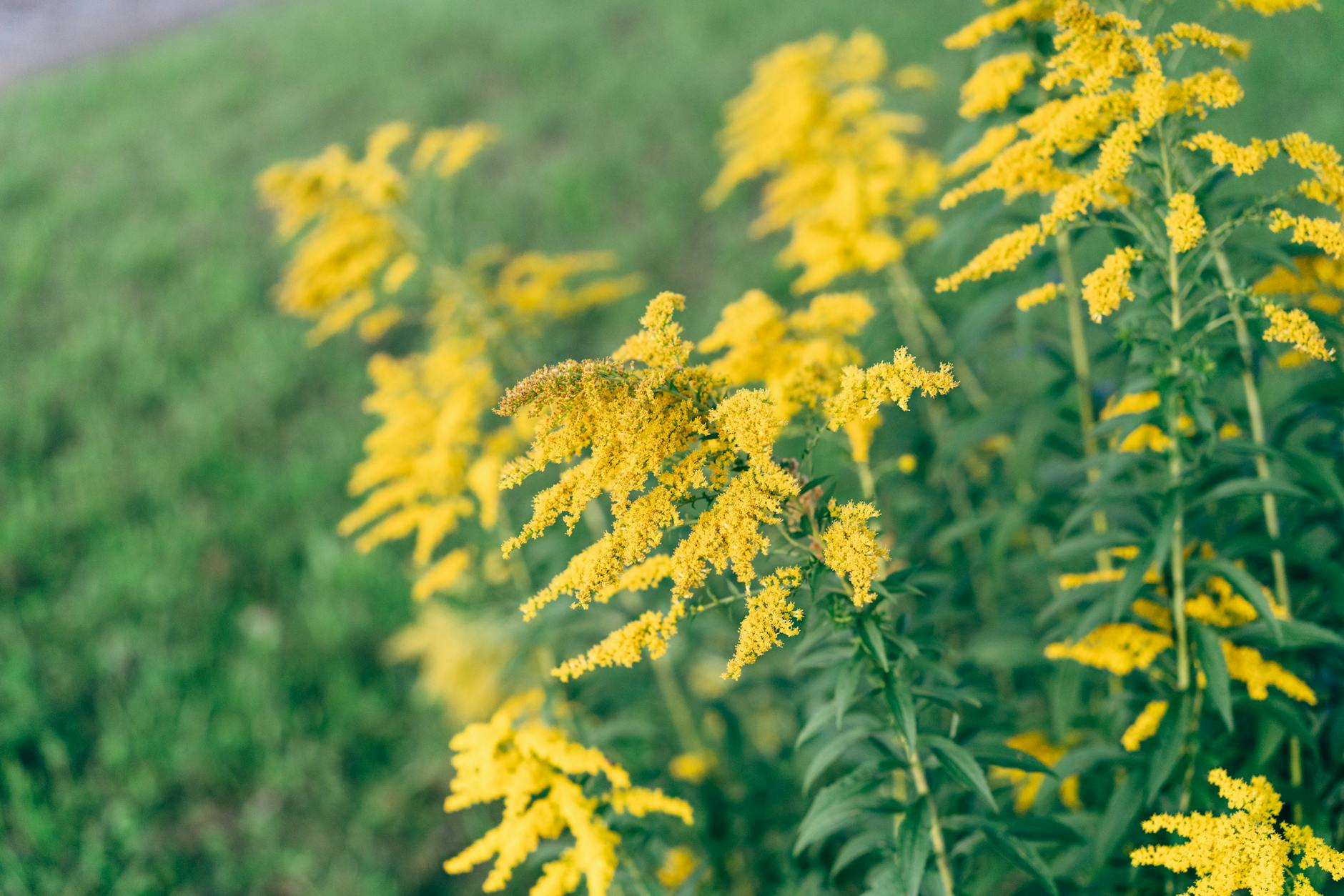
Goldenrod erupts in spectacular plumes of brilliant yellow right when migrating pollinators need energy the most. Many people mistakenly blame this native plant for seasonal allergies despite its heavy sticky pollen that relies entirely on insects for transport. Bees absolutely swarm the late season blossoms to stockpile food for the approaching winter months. It grows vigorously and spreads quickly to fill large sunny areas with vibrant autumn color.
Sedum
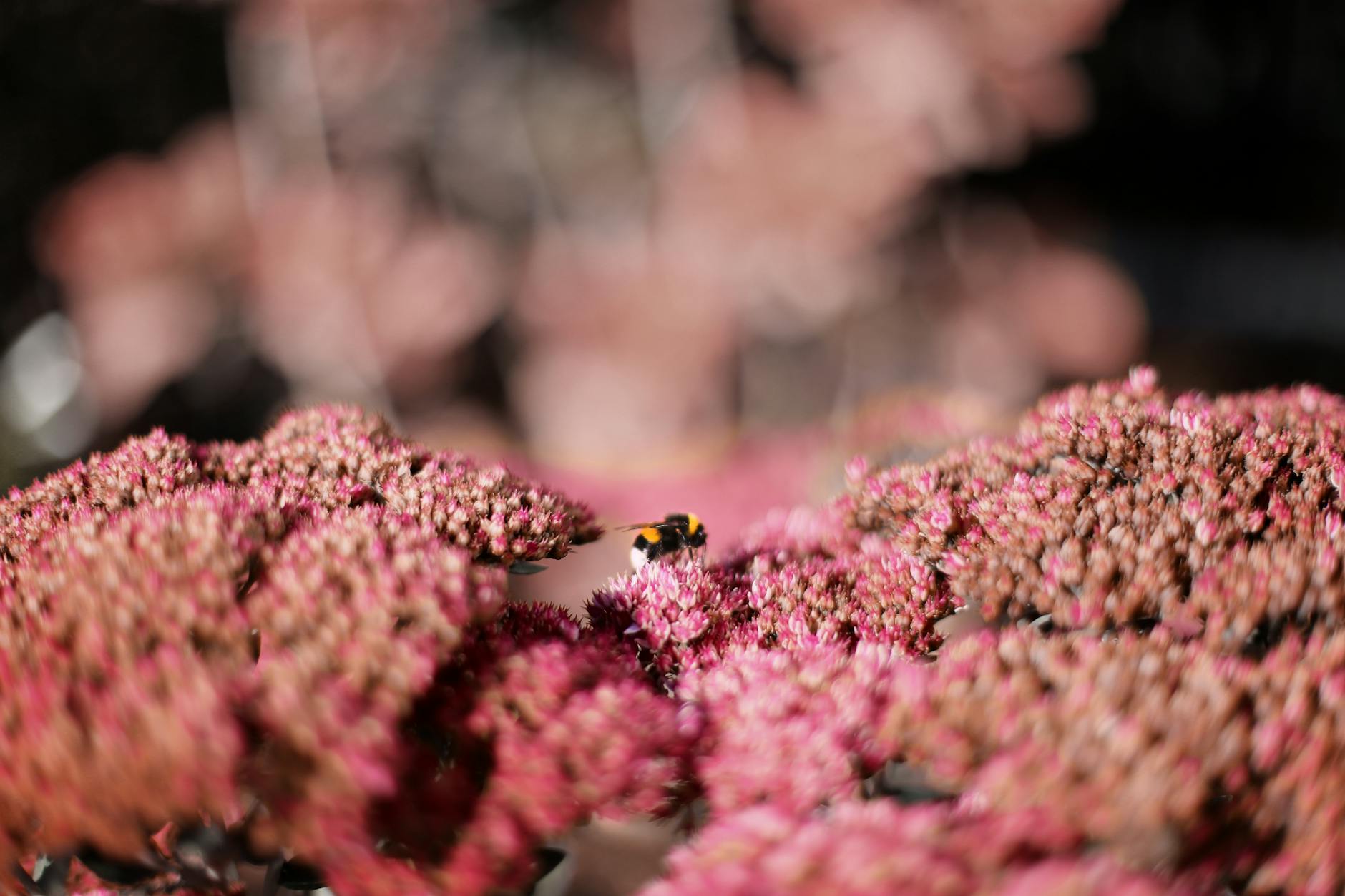
Sedum boasts thick succulent leaves that store precious water during prolonged periods of summer drought. The large broccoli shaped flower heads slowly turn from pale green to deep rosy pink as autumn approaches. Butterflies often cover the flat blooming surfaces entirely on warm sunny September afternoons. This structural plant requires almost zero maintenance and stands strong throughout the entire winter season.
Cleome
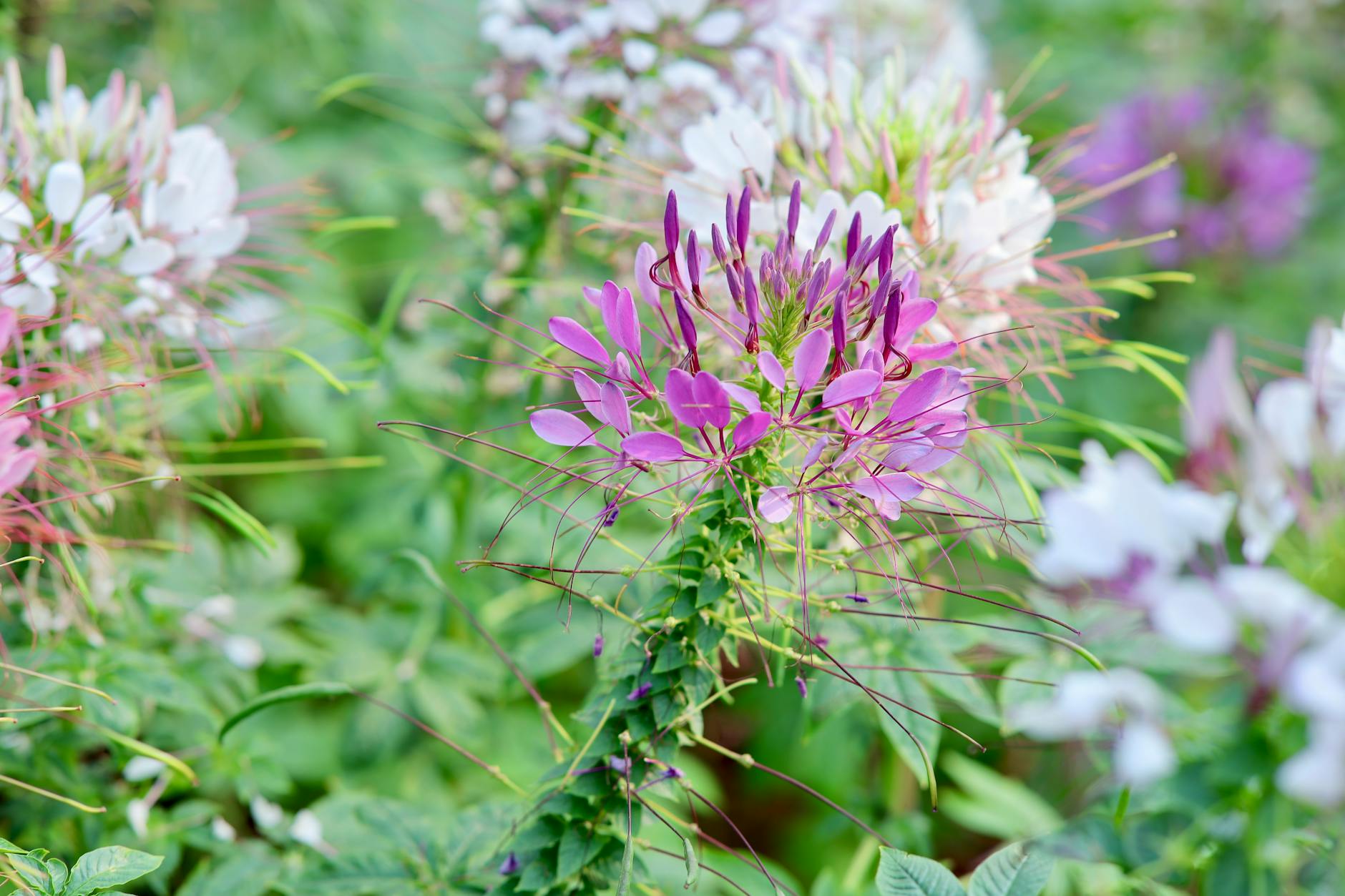
Cleome produces fascinating spidery flowers that open slowly from the bottom of the stalk upward. The unique floral structure provides an entertaining challenge for visiting bees and nectar seeking butterflies. This tall annual often reaches impressive heights and adds a striking architectural element to the landscape. It self sows quite enthusiastically and guarantees a fresh generation of fascinating blooms the following year.
Snapdragon
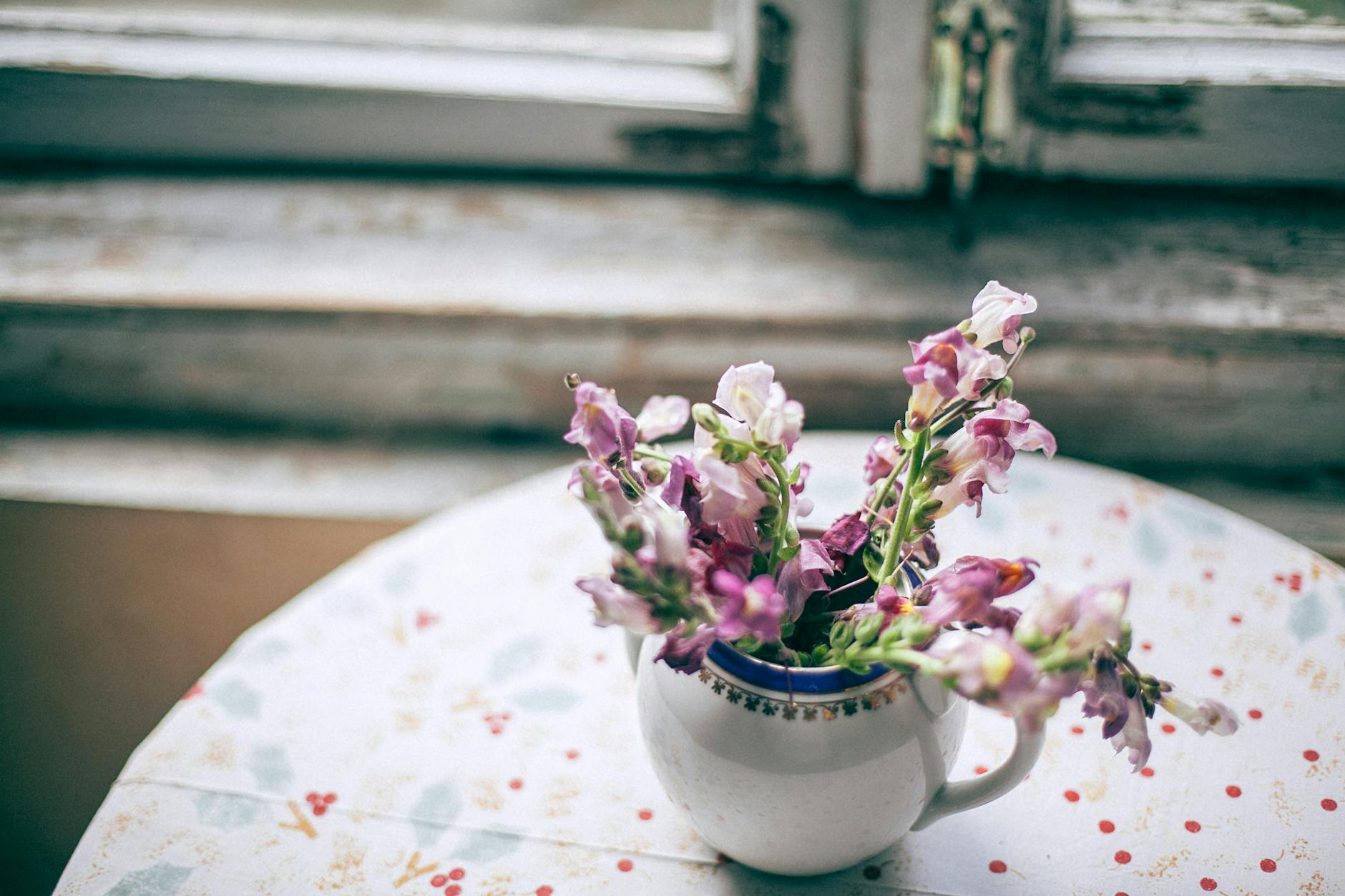
Snapdragons feature intricate jaws that only heavy bumblebees can pry open to access the hidden nectar inside. This exclusive relationship ensures that the pollen transfers efficiently between specific compatible plants. They prefer cooler weather and often bloom most profusely in the mild days of spring and early autumn. The bright vertical spikes come in nearly every color imaginable and make excellent cut flowers for indoor arrangements.
Foxglove
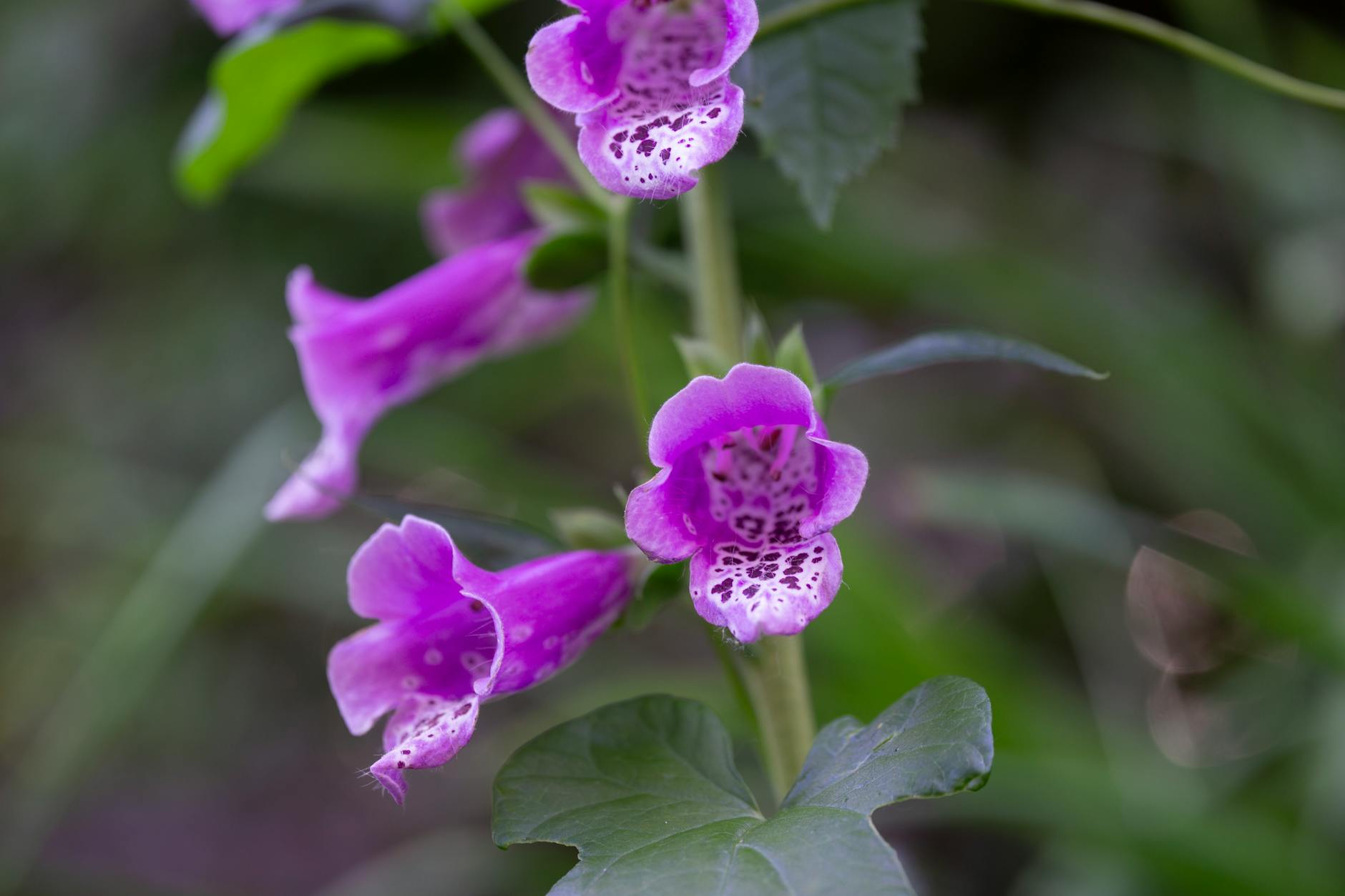
Foxgloves grow tall dramatic spires lined with beautifully speckled bell shaped flowers that nod gracefully toward the ground. Large bumblebees crawl entirely inside the tubular blossoms to gather rich pollen and nectar deposits. These biennial plants spend their first year growing a low rosette of leaves before sending up spectacular flower stalks the second year. They thrive in dappled shade and bring vibrant color to woodland garden edges.
Allium
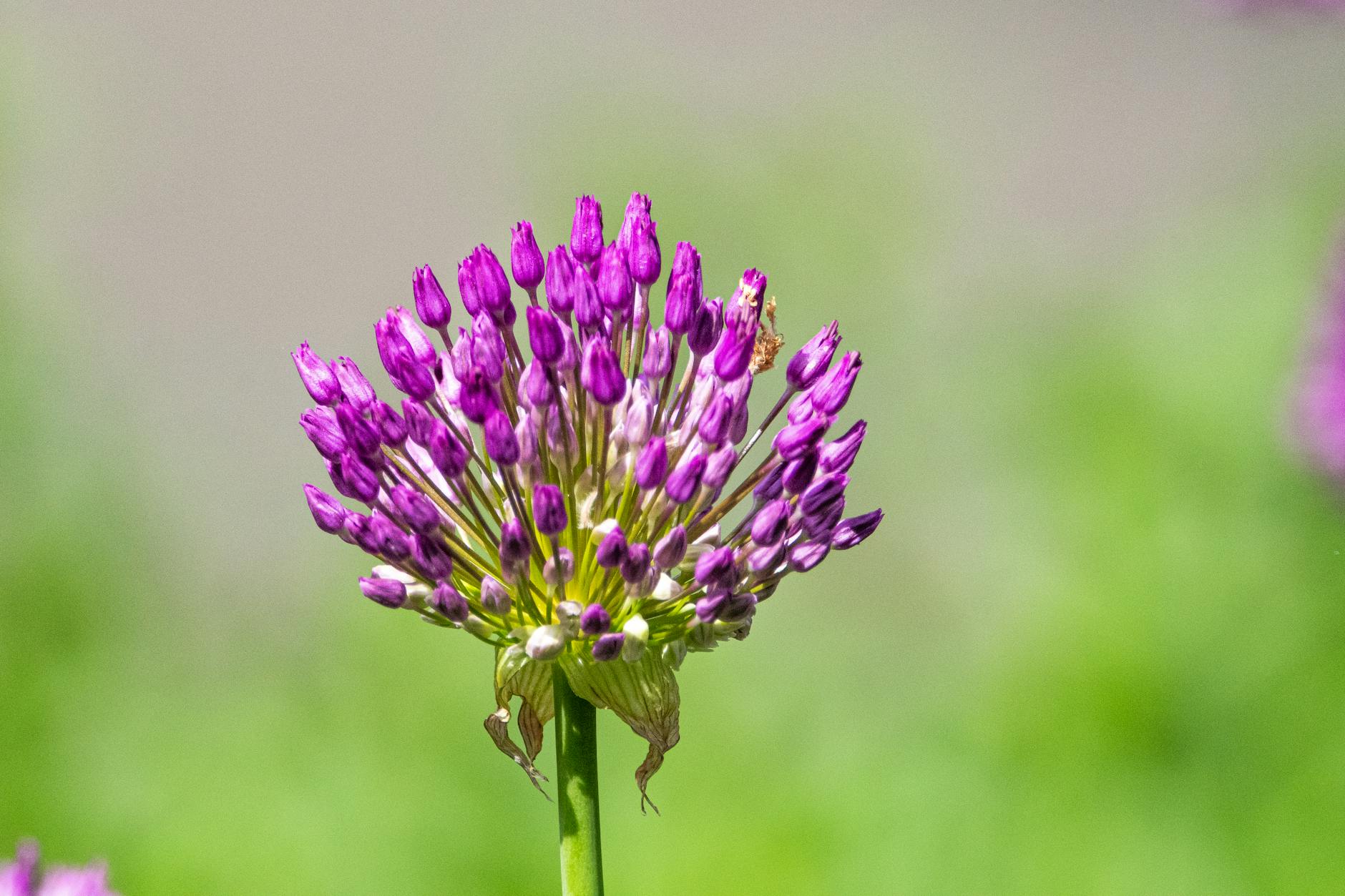
Allium bulbs produce perfectly spherical flower heads that look like magical floating orbs in the late spring garden. The tiny star shaped florets making up the globe attract diverse bee species and small colorful butterflies. Rodents and deer completely ignore these ornamental onions due to their slightly pungent foliage. They look incredibly striking when planted in large numbers emerging through low growing ground covers.
Calendula
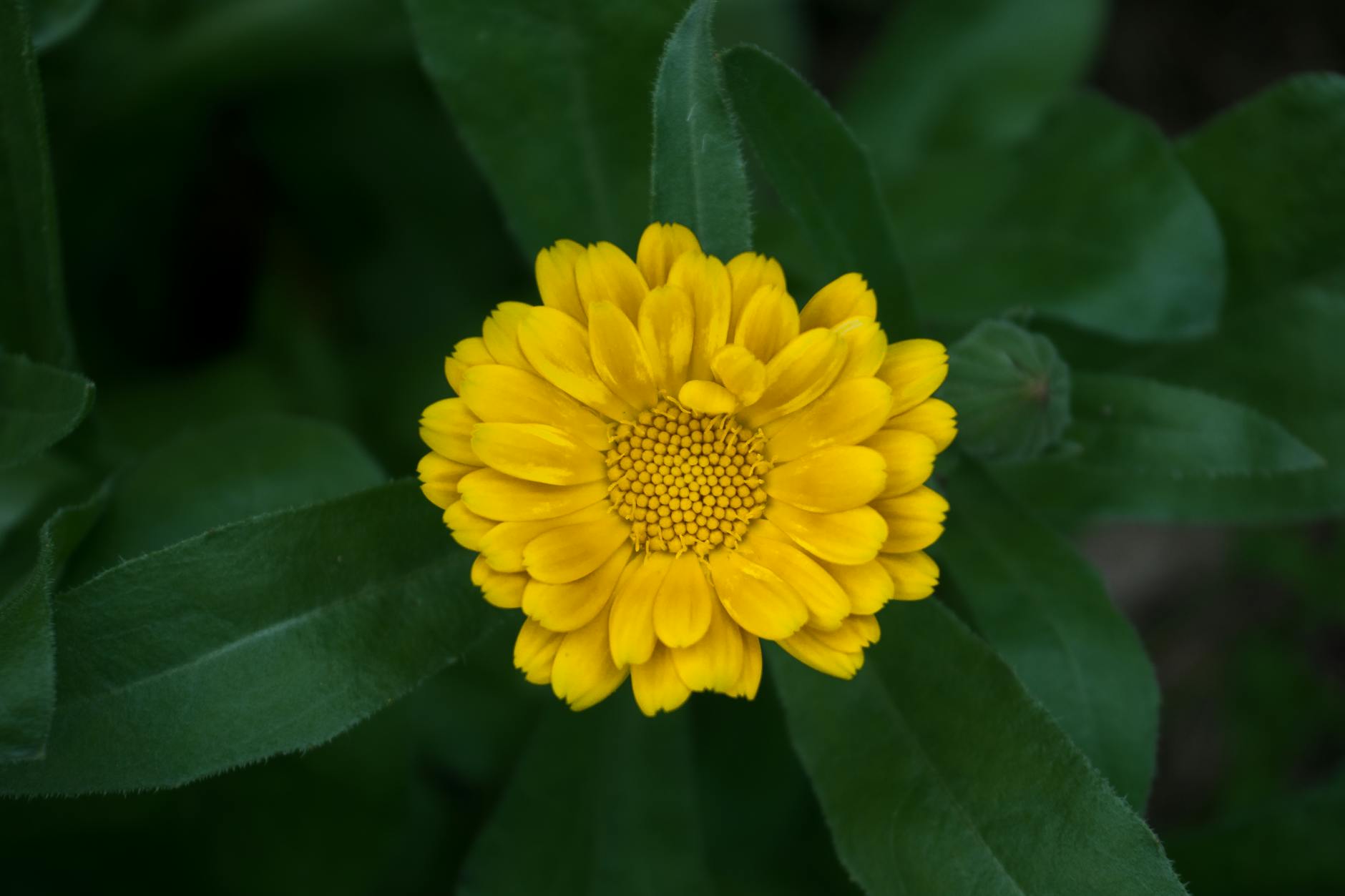
Calendula offers bright cheerful daisy like flowers that open wide to greet the morning sun. Bees deeply appreciate the easily accessible pollen situated perfectly in the bold dark centers of each bloom. These hardy annuals tolerate light frosts and often continue flowering well into the late autumn months. The edible petals can also be dried and used to add vibrant natural color to homemade soaps and soothing skin salves.
Penstemon
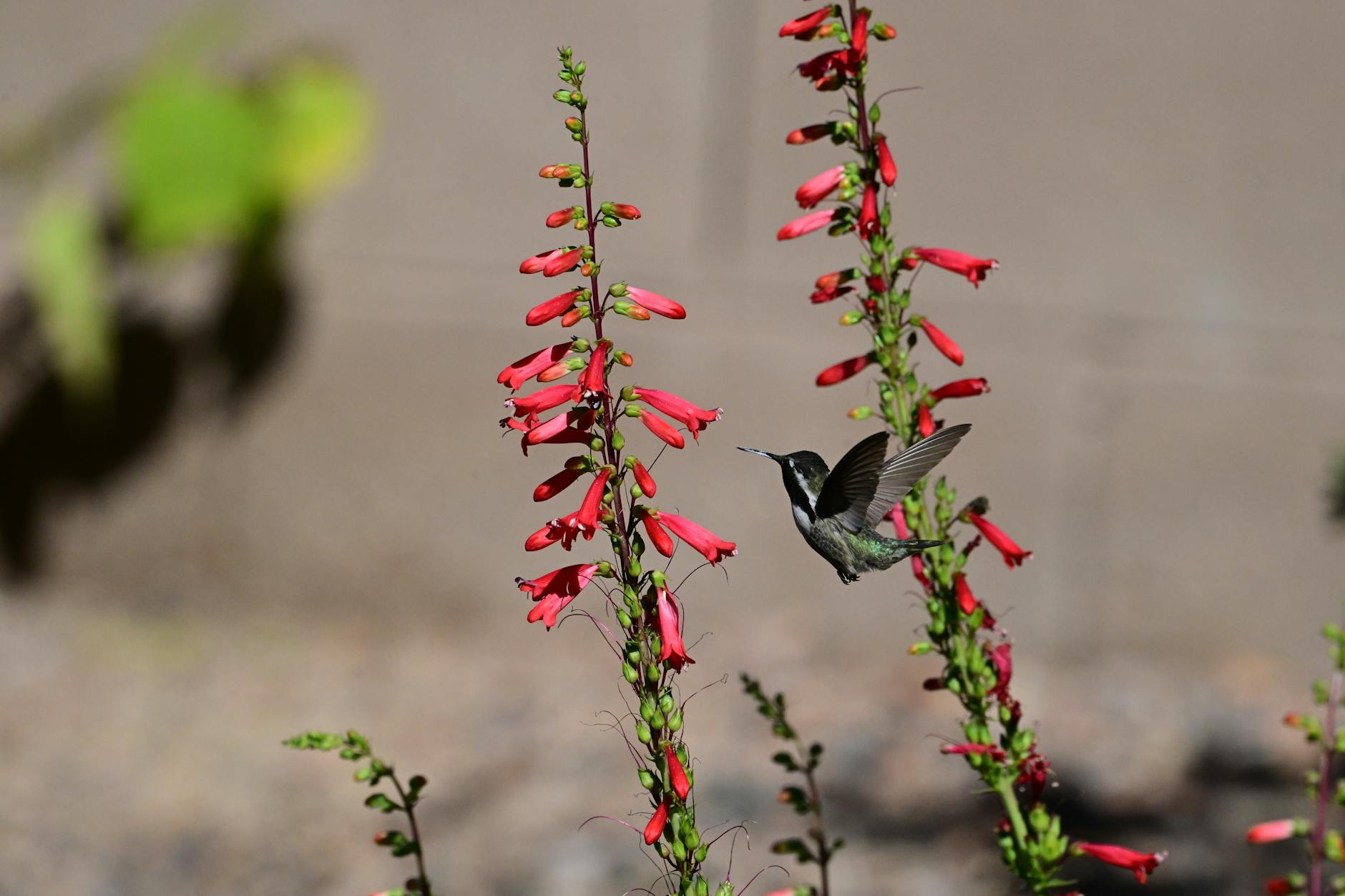
Penstemon showcases elegant tubular flowers that are custom made for the long tongues of visiting butterflies and hummingbirds. Native bees also squeeze into the colorful bells to harvest the sweet liquid hidden deep inside. This tough perennial handles extreme heat beautifully and requires very little supplemental watering once properly established. The plant maintains an attractive upright posture and rarely needs staking or artificial support.
Coreopsis
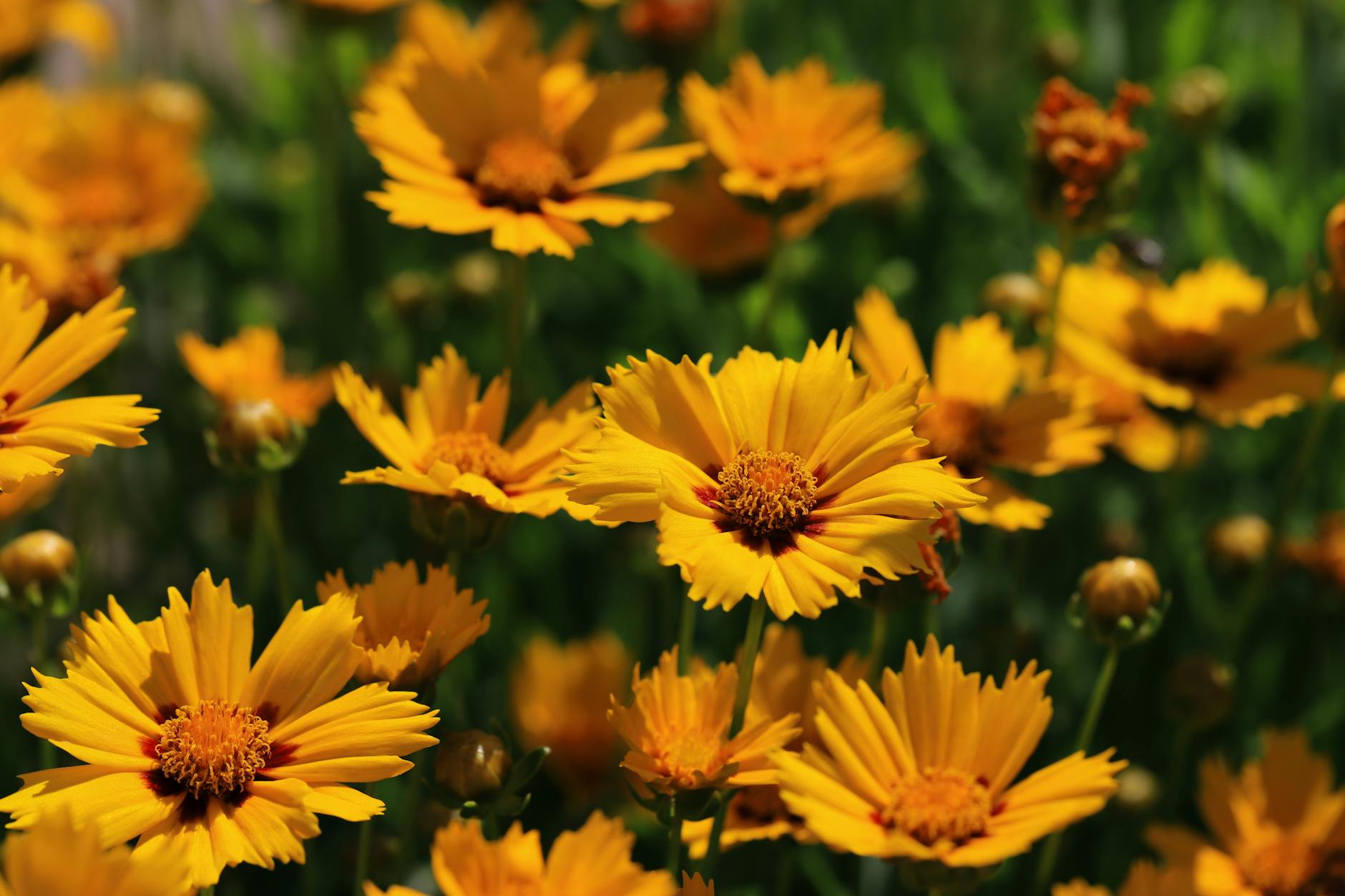
Coreopsis covers itself in hundreds of sunny yellow blossoms that practically glow in the summer landscape. Butterflies and small solitary bees visit the delicate flowers constantly throughout the long blooming season. Regular deadheading extends the floral display and keeps the plant looking fresh and incredibly vigorous. It spreads steadily over time to form a cheerful carpet of golden color that suppresses aggressive garden weeds.
Lupine
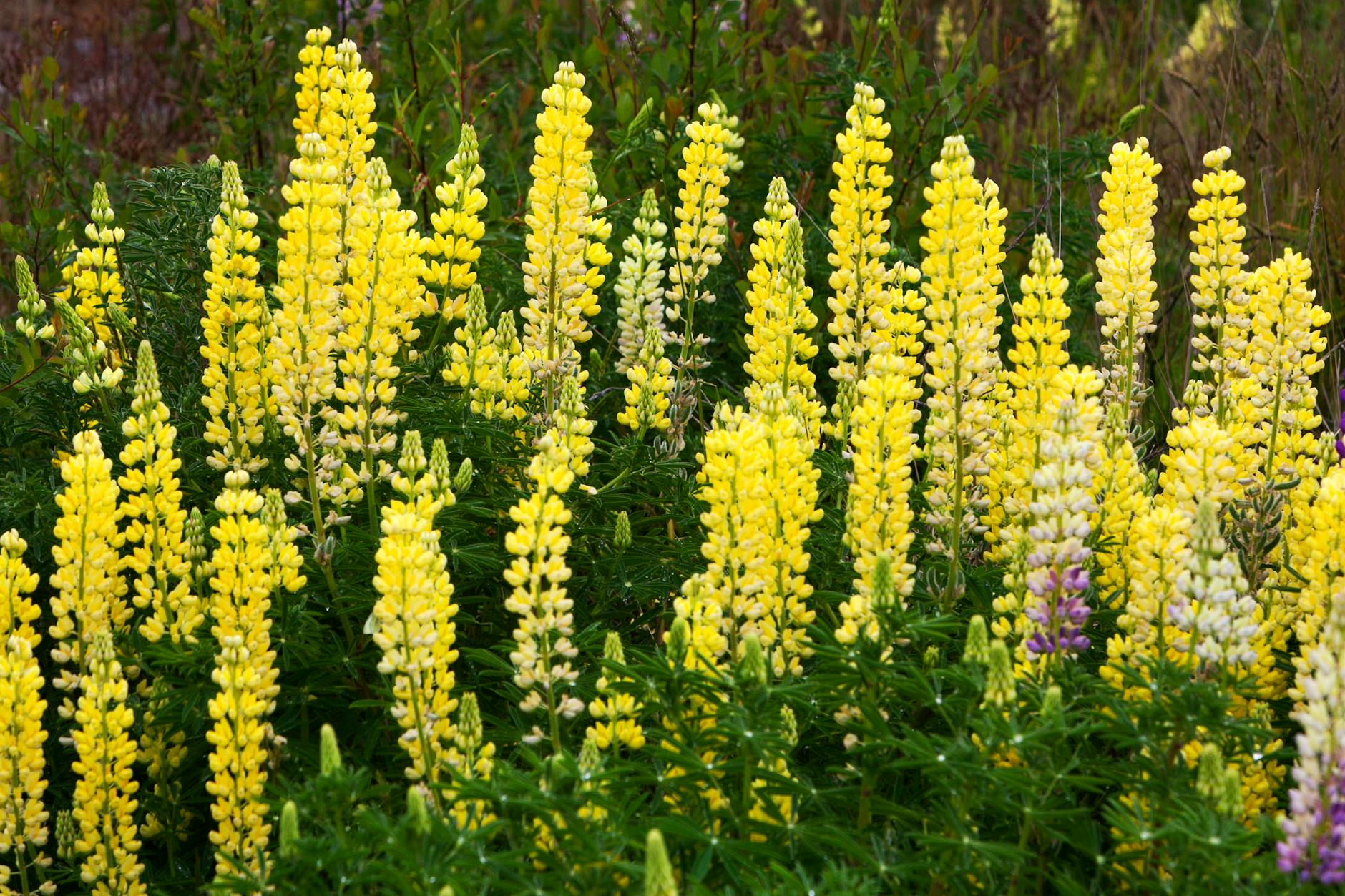
Lupines produce towering thick flower spikes that dominate the early summer garden with their breathtaking architectural presence. The pea like blossoms open sequentially from the bottom up and provide a long lasting food source for heavy bumblebees. These plants actually improve poor soil by fixing atmospheric nitrogen directly into the surrounding earth. The fascinating palmate leaves catch morning dew drops and look stunning long before the actual flowers appear.
Please share your favorite pollinator friendly garden additions with us in the comments.




