Habits after a meal play a crucial role in overall digestive health and physical comfort. Many common activities actually interfere with the natural processes required to break down food efficiently. Understanding which behaviors to avoid can prevent indigestion and ensure optimal nutrient absorption. The following fifteen activities require a dedicated waiting period after finishing a substantial meal.
Taking a Nap

Lying down horizontally right after a meal encourages stomach acid to travel upward into the esophagus. This unnatural position often leads to uncomfortable heartburn and disrupts the early stages of digestion. Gravity needs to work with your body to keep food moving downward through the digestive tract. Medical experts recommend waiting at least two hours before heading to bed for a nap or nighttime sleep. Staying upright ensures that the stomach empties properly without causing painful acid reflux.
Taking a Hot Shower

Bathing in warm water raises your body temperature and redirects blood flow toward your skin. This sudden shift in circulation pulls valuable blood away from the stomach where it is needed for digestion. The digestive process slows down significantly when the stomach lacks adequate blood supply. Delaying your hot shower or bath by about forty minutes allows your body to digest food efficiently. Maintaining proper internal blood flow prevents the stomach cramps often associated with bathing right after eating.
Engaging in Vigorous Exercise
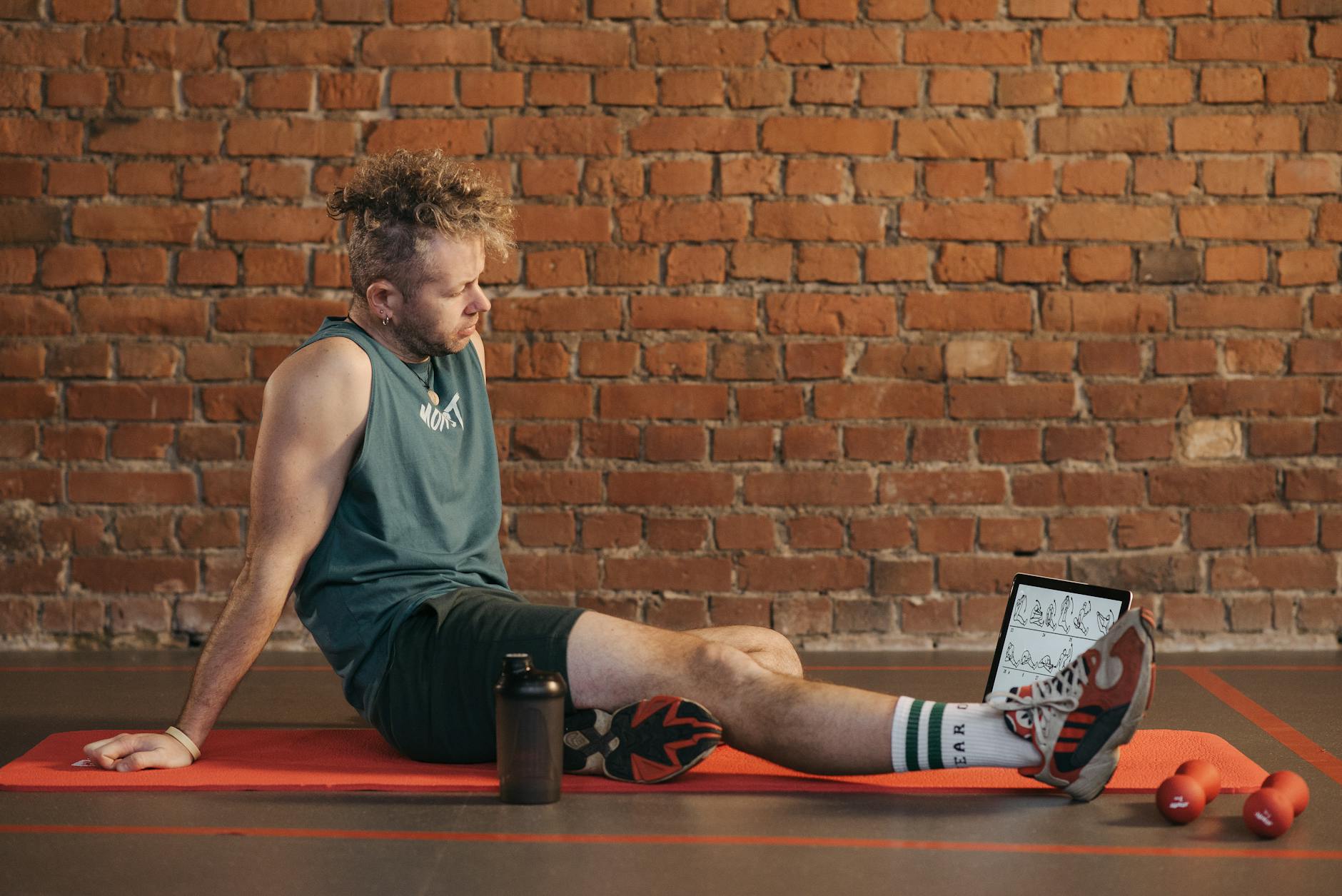
Physical exertion immediately following food intake places immense stress on the digestive system. Blood meant for breaking down nutrients gets diverted to your moving muscles instead. This biological conflict frequently results in severe nausea and sluggish digestion. A light stroll is acceptable but heavy lifting or running requires an empty stomach. Waiting an hour or two before hitting the gym protects against unwanted digestive distress.
Drinking Caffeinated Tea
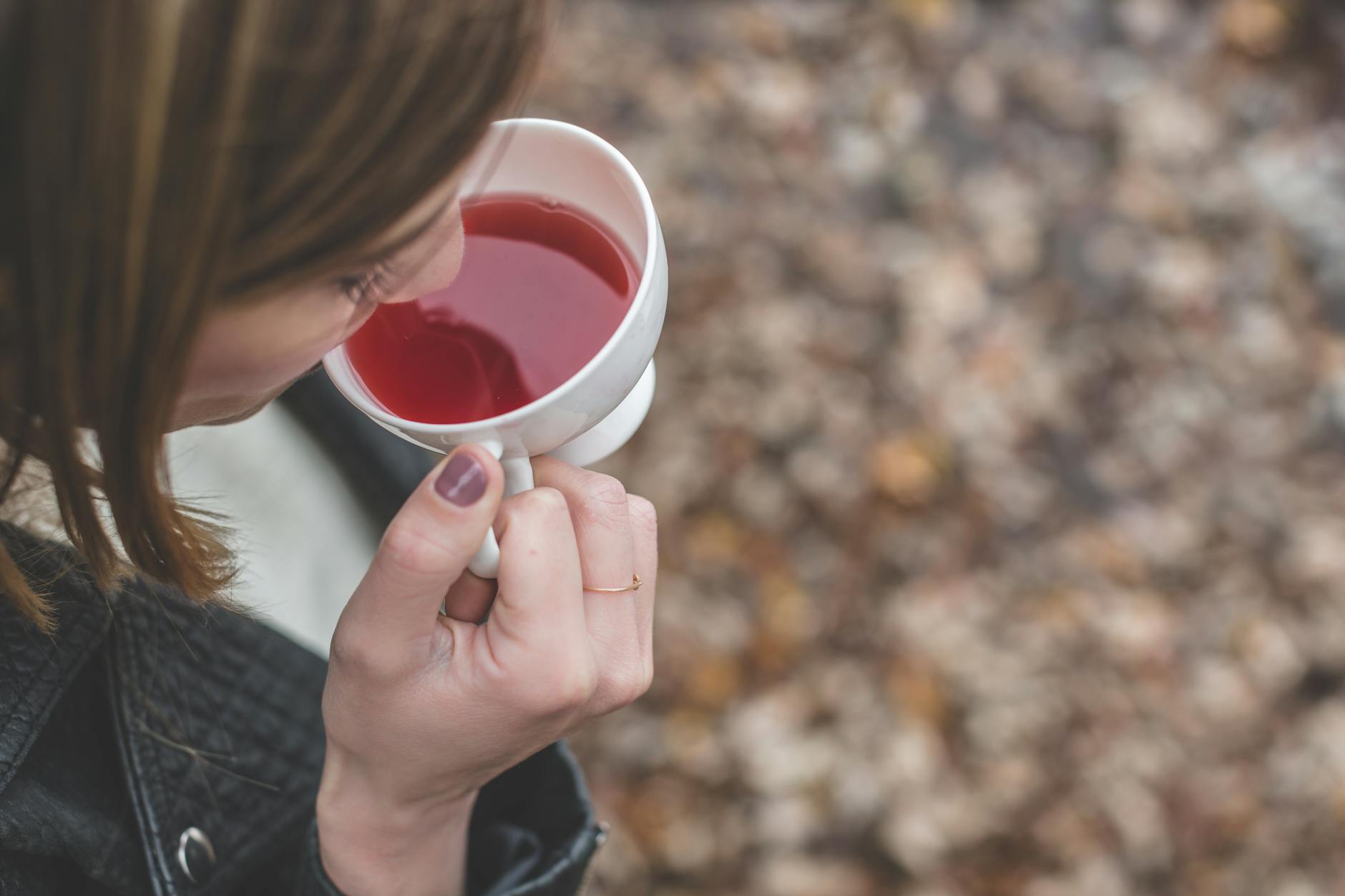
Consuming tea right after a heavy meal interferes with the absorption of essential minerals. Tea leaves contain specific compounds called tannins that bind to iron and protein in the digestive tract. This chemical reaction prevents the body from fully utilizing the nutrients from your recent meal. Individuals with iron deficiencies must pay special attention to this beverage habit after eating. Enjoying your favorite brew an hour after dining prevents this unwanted nutritional interference.
Smoking Cigarettes

Inhaling tobacco smoke is inherently harmful but doing so right after eating magnifies the damage. The digestive system is highly active and rapidly absorbs everything introduced into the body. Nicotine binds to oxygen in the blood and severely hinders the digestive process. Scientific studies suggest that the effects of a single cigarette after eating equal smoking multiple cigarettes at once. Waiting several hours or avoiding smoking entirely protects the delicate stomach lining from excessive irritation.
Consuming Fresh Fruit
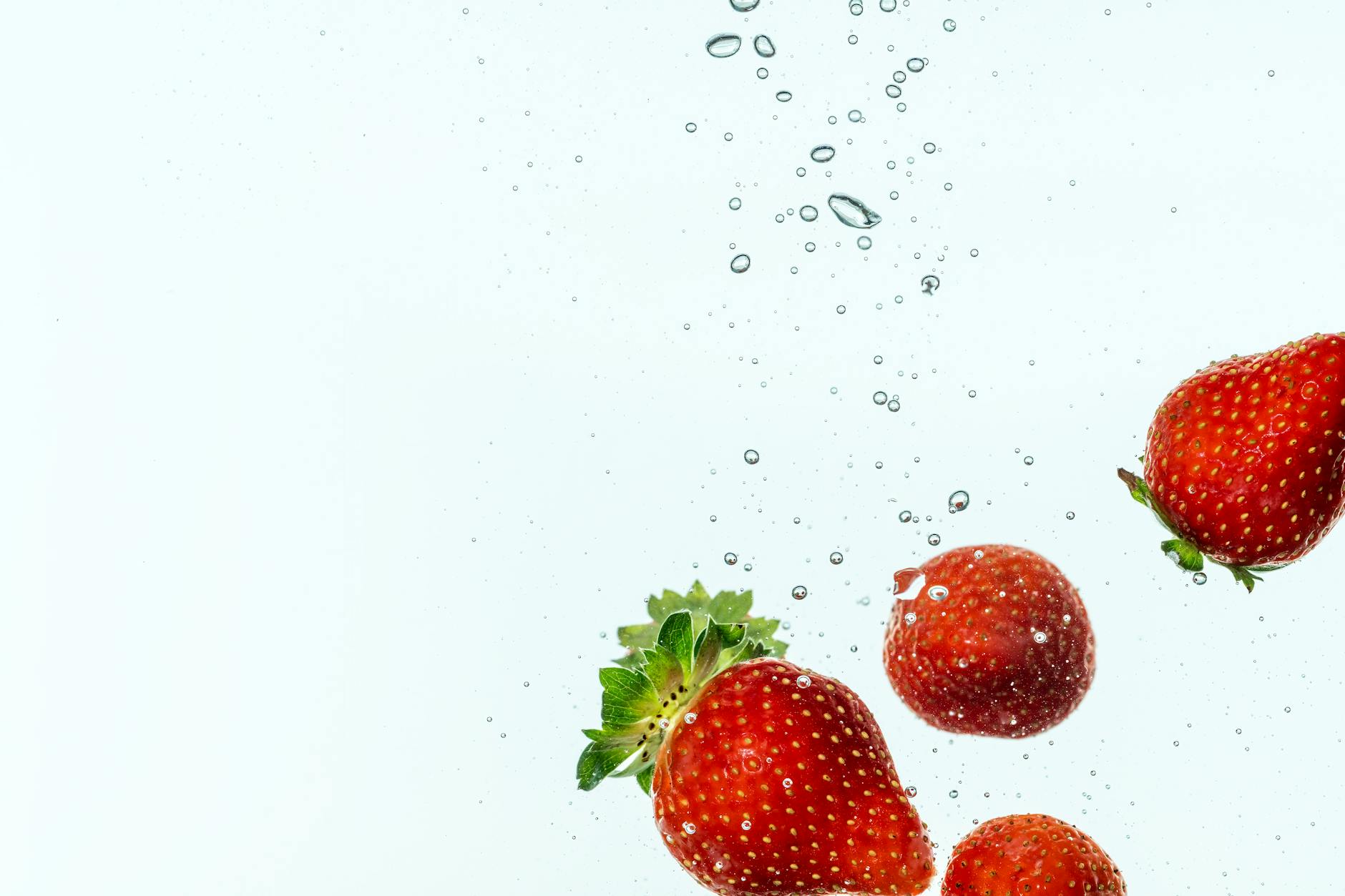
Eating fresh fruit directly after a heavy meal disrupts the entire digestive timeline. Fruits decompose much faster than complex proteins and carbohydrates found in typical main courses. When fruit sits on top of heavier foods in the stomach it begins to ferment and produce excess gas. This fermentation process causes uncomfortable bloating and sharp stomach pains. Enjoying fruit as an appetizer or a standalone snack prevents these digestive complications entirely.
Chugging Ice Water
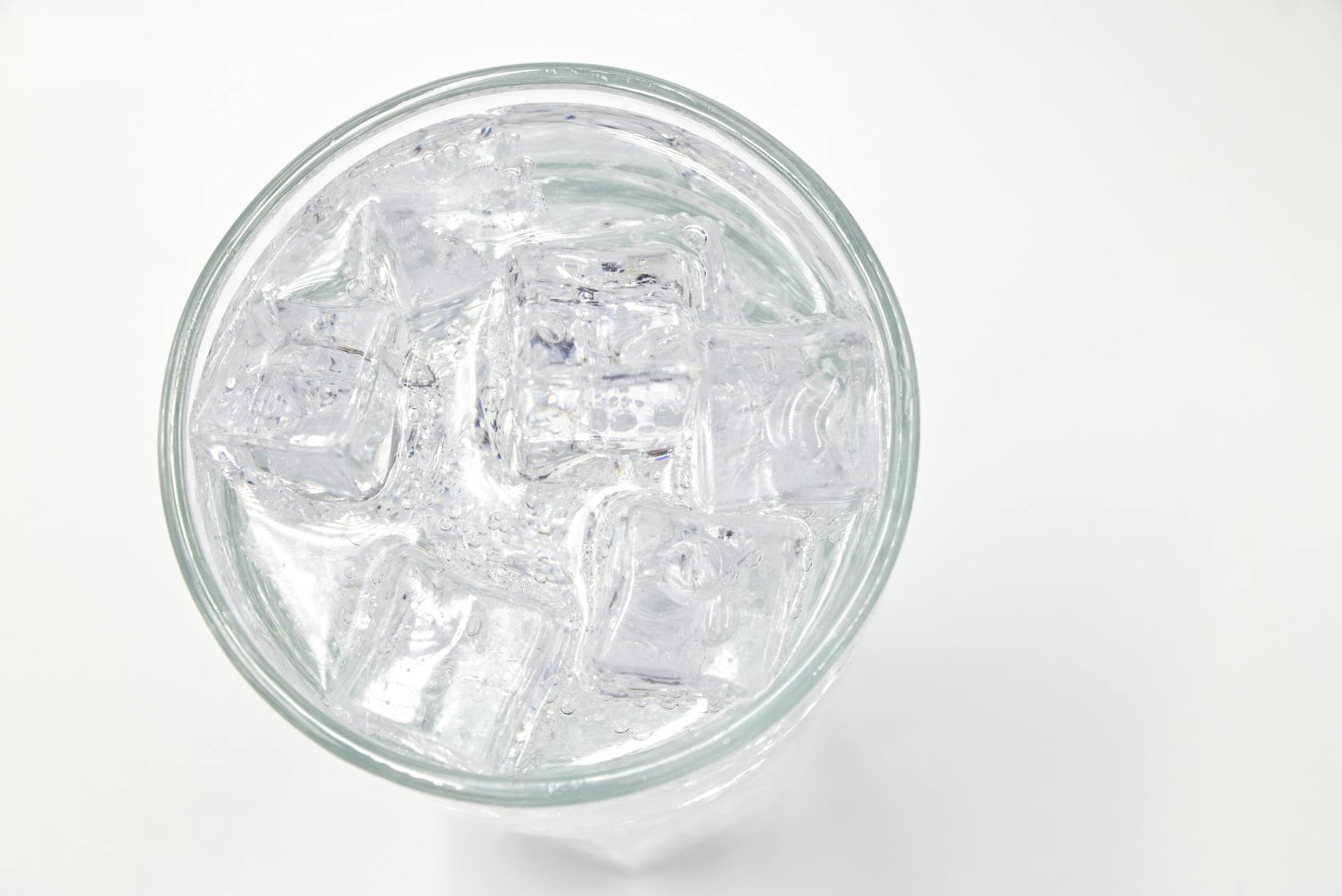
Pouring freezing water into a full stomach creates an unfavorable environment for breaking down food. The extreme cold solidifies fats from the meal and turns them into heavy sludges. This physical transformation makes it incredibly difficult for the intestines to process and absorb the fats properly. Room temperature water in small sips provides hydration without shocking the digestive system. A delay of thirty minutes before consuming large amounts of liquid keeps the stomach operating smoothly.
Brushing Your Teeth

Scrubbing your teeth immediately after consuming acidic foods pushes the acid deeper into the enamel. Meals often contain natural acids that temporarily soften the protective outer layer of your teeth. The physical friction from a toothbrush easily strips away this weakened enamel before it can harden again. Saliva needs time to naturally neutralize the harmful acids and remineralize the tooth surface. Waiting thirty minutes before brushing protects your dental health while maintaining a bright smile.
Loosening Your Belt
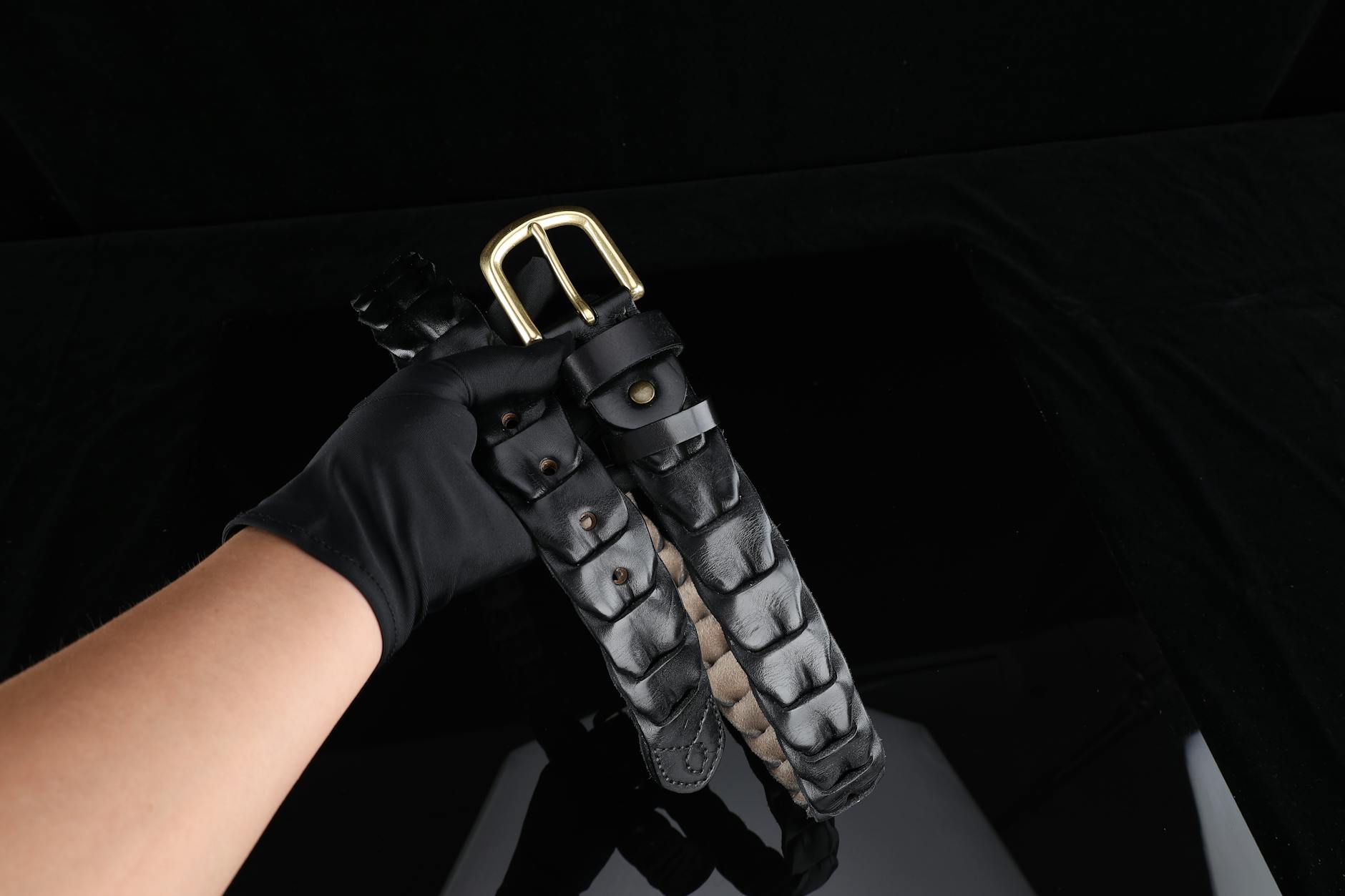
Unbuckling a tight belt halfway through a massive meal signals a harmful shift in portion control. This action typically means you have already consumed more food than your stomach can comfortably handle. The sudden release of pressure allows the stomach to expand artificially and encourages further overeating. Consistent overindulgence leads to long term weight gain and persistent digestive discomfort. Wearing comfortable clothing from the start promotes mindful eating and proper portion management.
Swimming in Deep Water

Jumping into a pool shortly after eating creates a dangerous conflict in blood circulation. The body naturally sends blood to the extremities for swimming while the stomach demands blood for digestion. This dual demand often leaves the digestive organs underpowered and prone to painful cramping. Severe cramps in deep water pose a significant drowning risk for swimmers of all skill levels. Waiting at least one hour ensures the stomach has finished its heaviest work before you enter the water.
Driving Long Distances
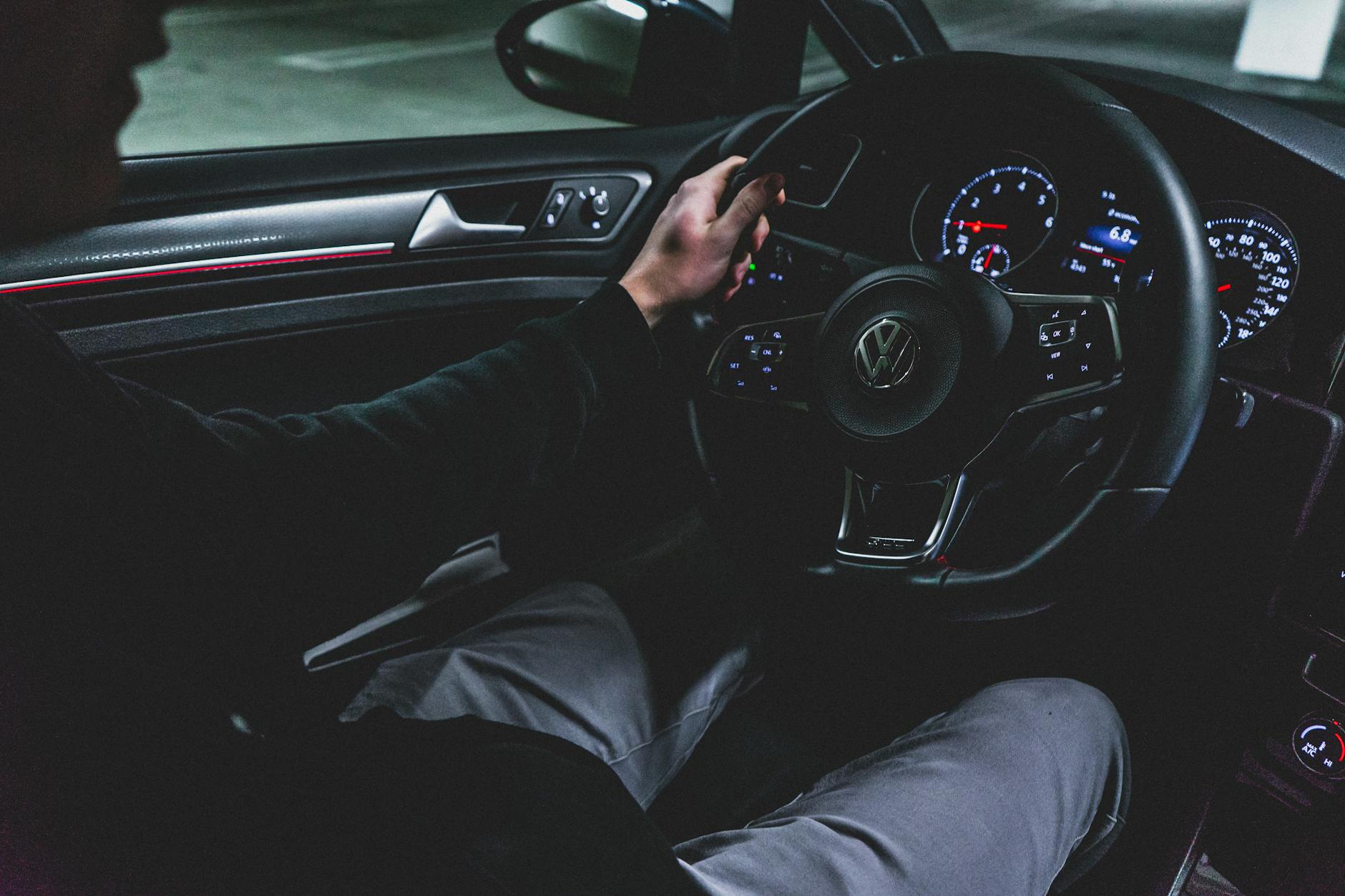
Operating a vehicle for an extended period right after a heavy meal increases the risk of drowsiness. The digestive process demands immense energy and naturally makes the body feel tired and lethargic. This physical exhaustion severely impairs a driver and slows down necessary reaction times on the road. A heavy combination of carbohydrates and proteins exacerbates this sluggish feeling during long trips. Taking a short walk before getting behind the wheel helps dissipate this dangerous fatigue after a meal.
Bending Over Frequently

Completing chores that require constant bending creates intense mechanical pressure on a full stomach. This physical squeezing forces gastric juices upward into the sensitive esophageal lining. The resulting acid reflux causes severe burning sensations and damages delicate internal tissues over time. Activities like gardening or picking up heavy objects should wait until the stomach has partially emptied. Keeping the torso upright allows gravity to pull food safely through the digestive tract.
Eating Heavy Desserts

Adding sugary desserts to an already full stomach leads to rapid spikes in blood glucose levels. The body struggles to process the sudden influx of refined sugars on top of complex carbohydrates. This overload triggers excess insulin production and subsequent energy crashes later in the day. The digestive system prioritizes the simple sugars and leaves the heavier food to ferment and cause bloating. Waiting a few hours before indulging in sweets gives your metabolism a chance to catch up.
Consuming Hard Liquor
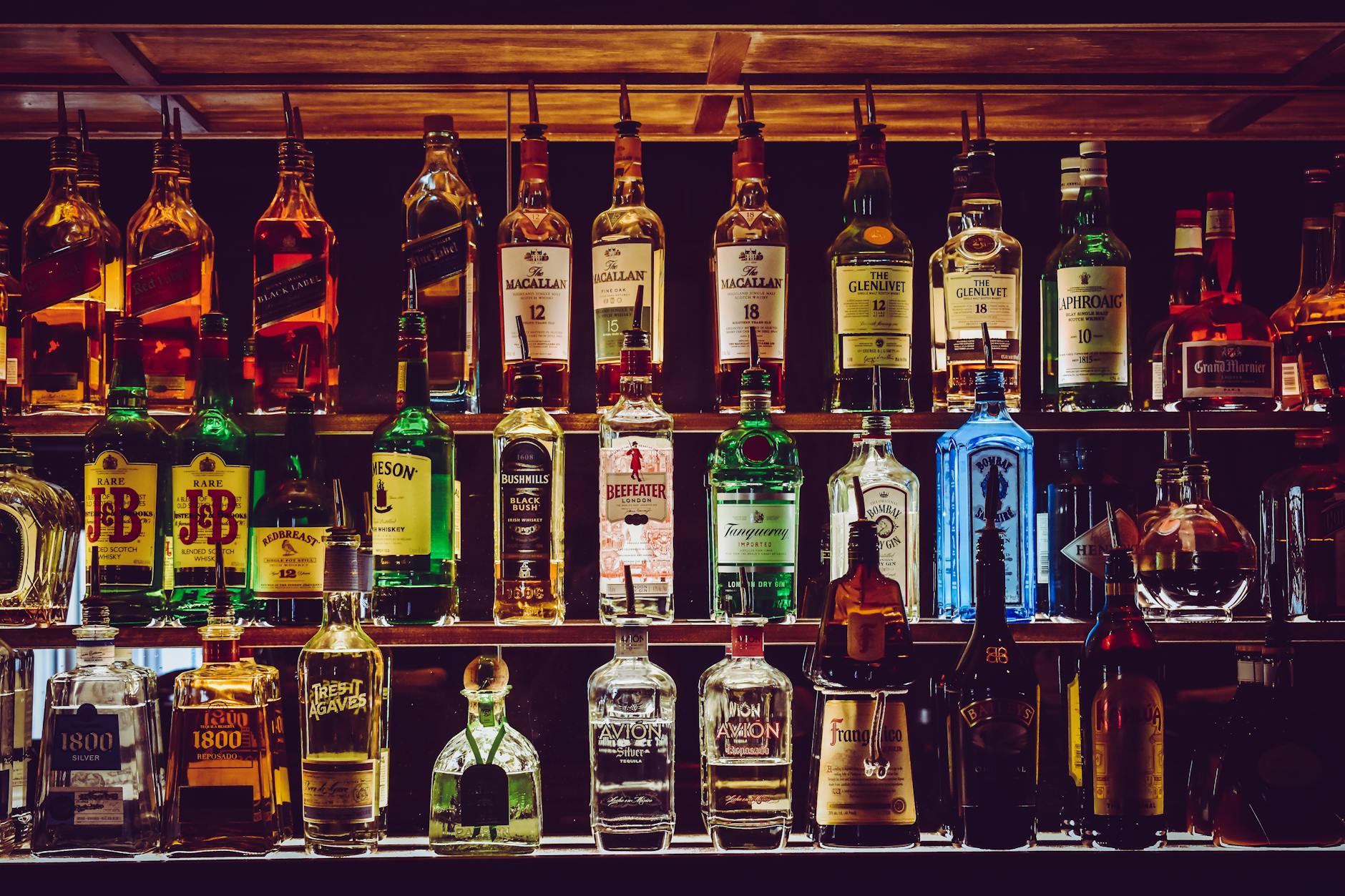
Drinking strong alcoholic beverages directly after eating slows the emptying of the stomach considerably. Alcohol competes with food for processing in the liver and delays the absorption of crucial nutrients. This delayed digestion leaves food sitting in the stomach longer and causes a sensation of excessive fullness. The intoxicating effects of the alcohol also mask the natural signals of satiety and lead to overeating. Enjoying beverages before the meal or waiting patiently afterward supports much healthier digestion.
Receiving Deep Tissue Massages

Lying face down on a massage table places tremendous pressure directly on a bloated stomach. The deep physical manipulation of back and abdominal muscles disrupts the gentle contractions required for digestion. This external force frequently causes nausea and forces food back up toward the esophagus. The relaxing benefits of the massage are completely lost when the body is fighting to digest a large meal. Scheduling massage appointments before meals or waiting two hours afterward guarantees a much more comfortable experience.
Please let us know which of these common habits you plan to modify by sharing your thoughts in the comments.




