The world contains breathtaking coastlines that conceal incredibly lethal threats beneath their inviting waves. While pristine sands and turquoise waters often suggest a relaxing paradise the oceanic reality can prove vastly different. Some shores harbor aggressive apex predators and microscopic toxins while others feature chaotic currents that overpower the strongest swimmers. Navigating these perilous aquatic environments requires absolute respect for the untamed and unpredictable forces of nature.
New Smyrna Beach
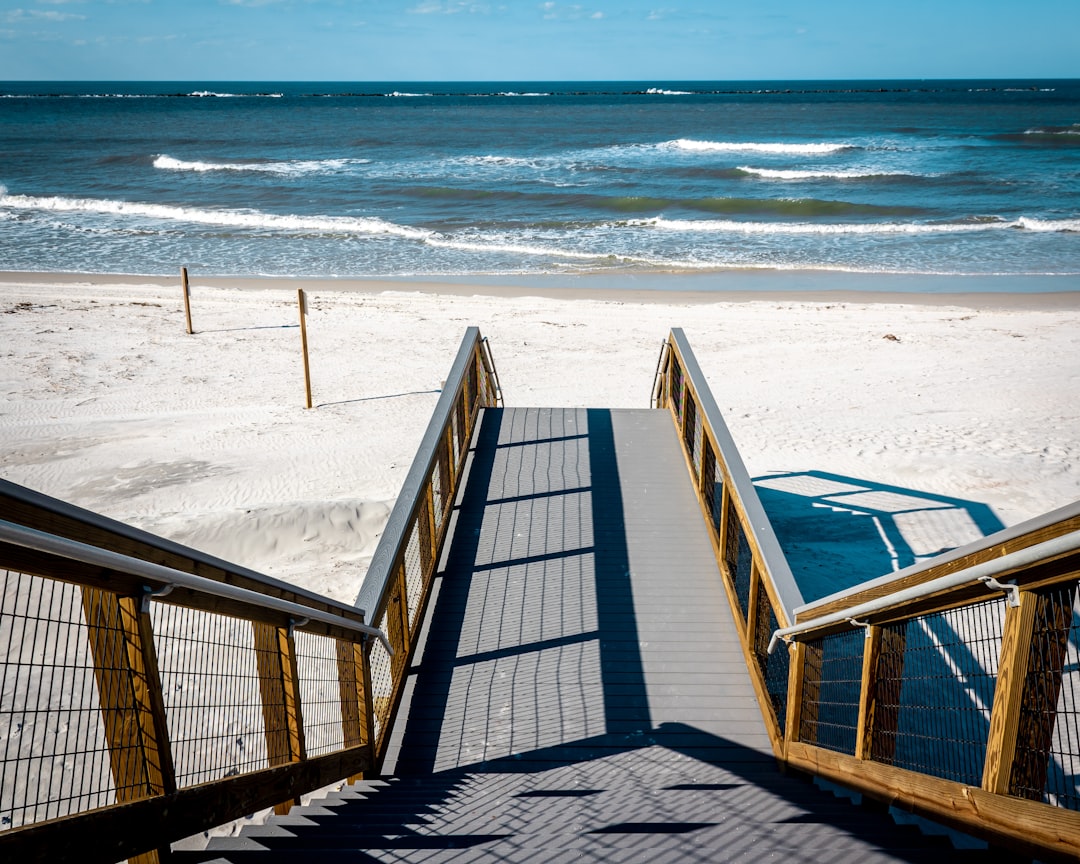
This Florida destination holds the global record for the highest number of recorded shark encounters. The murky coastal waters attract massive baitfish schools that bring numerous predators close to the shoreline. Surfers and swimmers frequently share the waves with sharks hunting in the shallow depths. Local authorities maintain strict monitoring protocols to alert visitors when predatory activity peaks.
Hanakapiai Beach
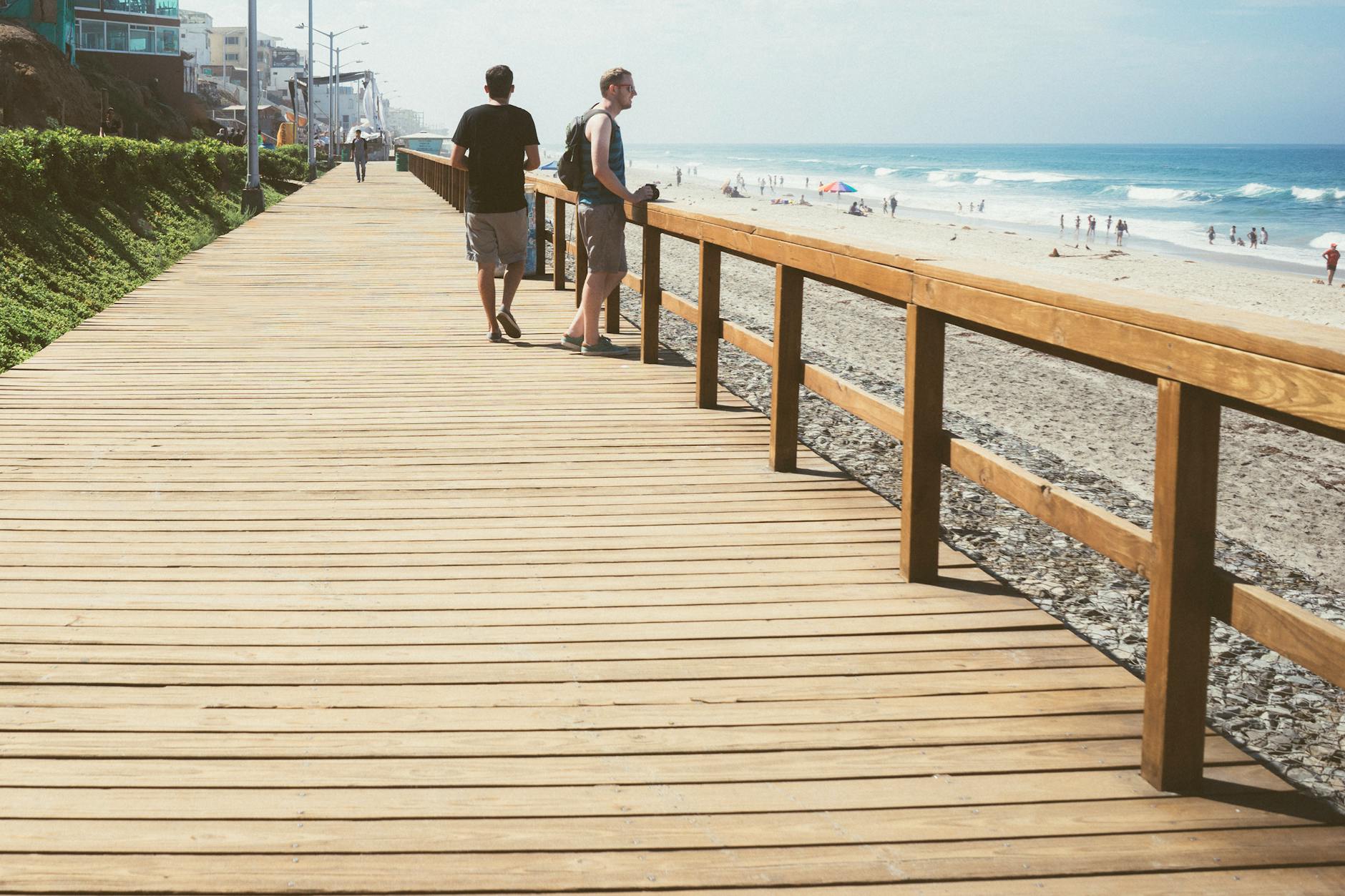
This remote Hawaiian shore features exceptionally powerful ocean currents without any protective coral reef barriers. The steep underwater drop combined with crashing surf creates relentless outgoing pulls that overwhelm even Olympic swimmers. Extensive warning signs at the trailhead document the numerous lives lost to the unpredictable oceanic forces here. The hazardous conditions remain constant throughout all seasons regardless of surface weather.
Gansbaai
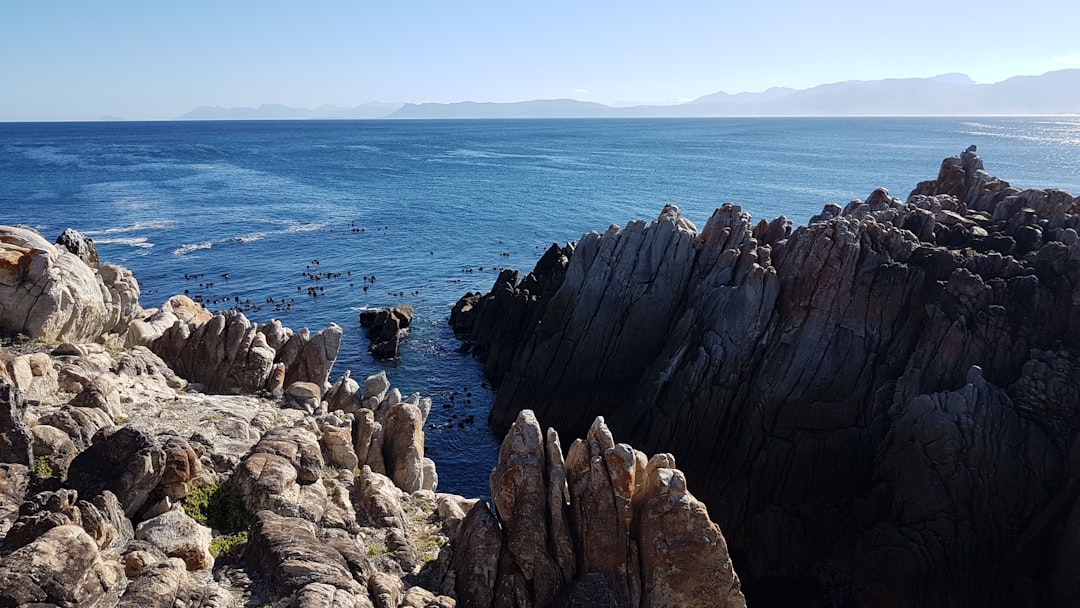
This South African coastal area serves as a primary hunting ground for massive marine predators. The underwater geography funnels seals and prey into specific corridors where great white sharks constantly patrol. Swimmers face immense risks entering the water without the protection of specialized diving cages. The raw power of the local marine ecosystem makes casual water recreation highly dangerous.
Skeleton Coast
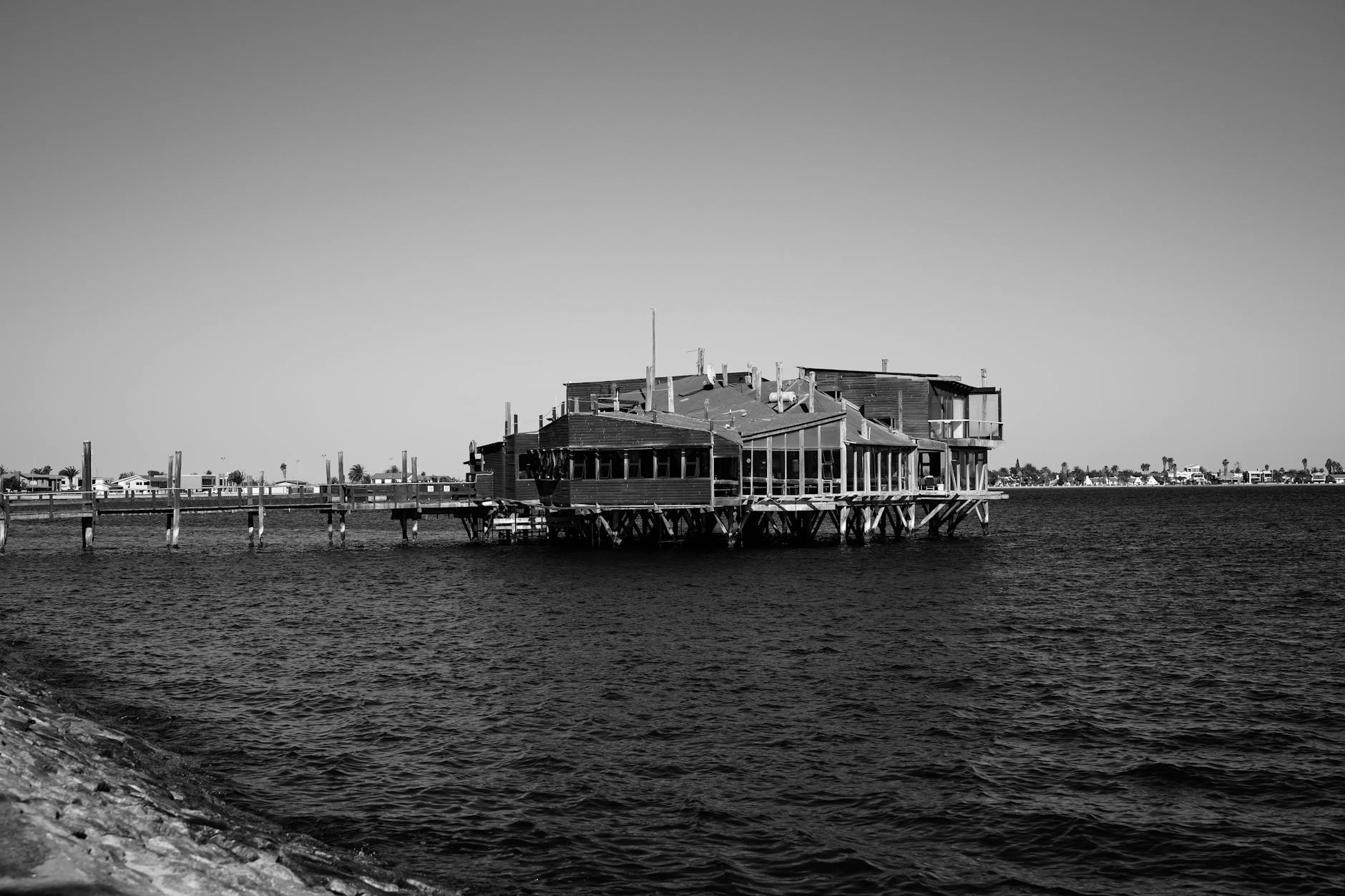
This desolate Namibian shoreline experiences brutal oceanic conditions where the icy Benguela current meets the turbulent Atlantic. The waters possess violent localized weather systems that have wrecked hundreds of ships over the centuries. Swimming here exposes individuals to freezing temperatures alongside powerful predatory marine life. The complete isolation of the region ensures that emergency rescue operations remain practically impossible.
Cape Tribulation
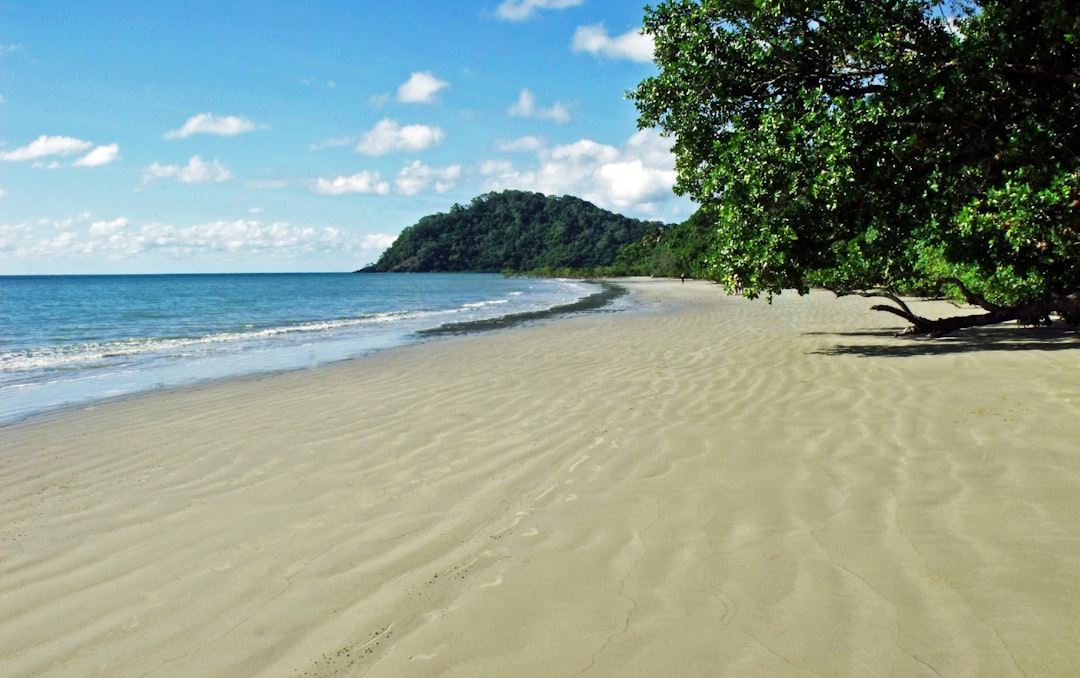
This Australian tropical paradise conceals multiple lethal threats beneath its inviting turquoise waters. The shoreline is heavily populated by highly venomous marine stingers that drift invisibly through the shallows. Saltwater crocodiles frequently transit through the coastal waters hunting for unwary prey. The combination of microscopic toxins and massive reptilian predators makes water entry exceptionally perilous.
Fraser Island
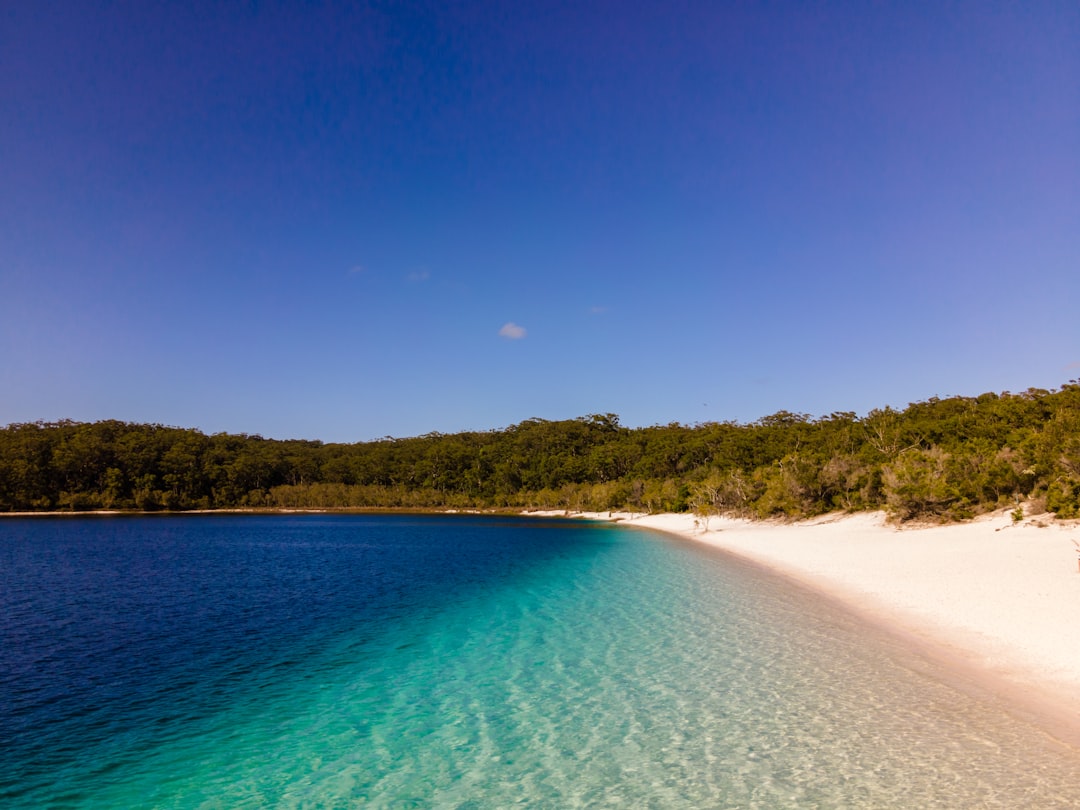
This Australian sand island presents severe hazards both in the water and along the immediate shoreline. The ocean generates aggressive rips that sweep directly off the steep sand banks into deep water. Microscopic venomous jellyfish swarm the coastal areas during warmer months causing severe medical emergencies upon contact. The surrounding ocean depths also host aggressive shark populations attracted by abundant local fish.
Praia do Norte
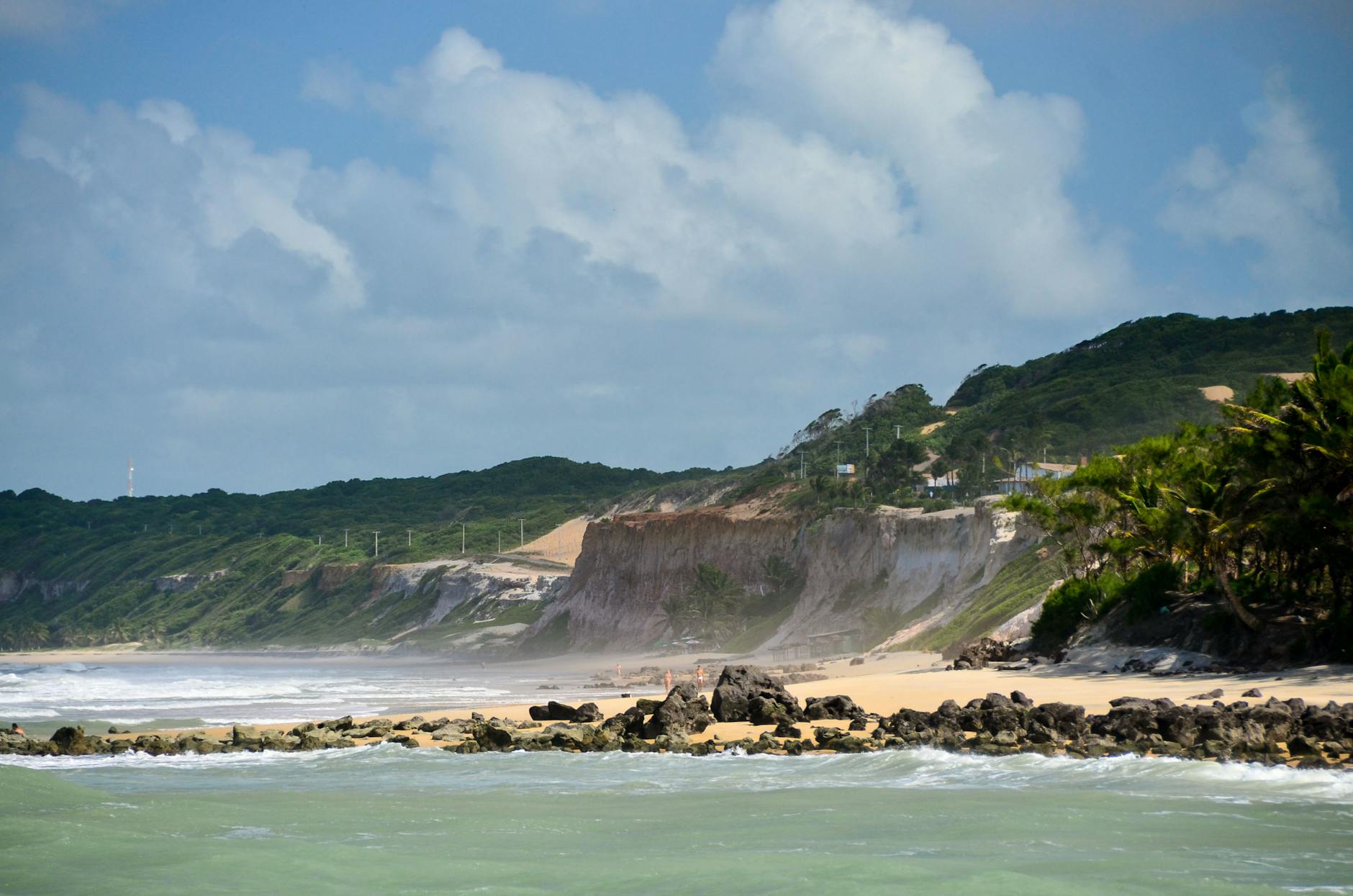
This Portuguese surfing destination features an enormous underwater canyon that amplifies oceanic swells into mountainous waves. The crushing weight of the breaking water creates violent underwater turbulence that traps individuals near the ocean floor. The shoreline currents violently drag water back toward the canyon depths with inescapable force. Only elite watermen with specialized rescue teams attempt to enter this volatile marine environment.
Bikini Atoll
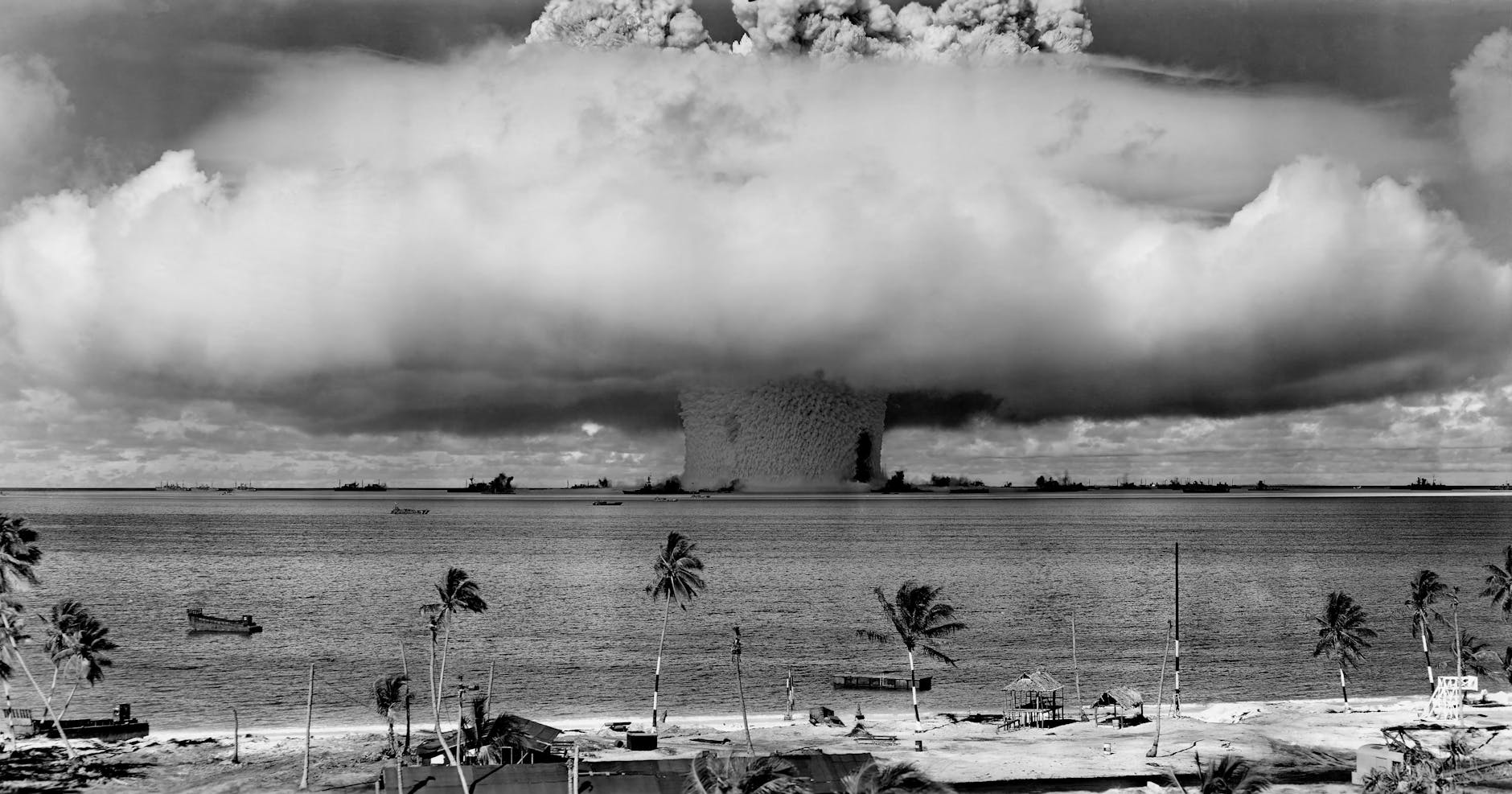
This remote Pacific paradise harbors invisible threats resulting from historic midcentury nuclear weapons testing. The surrounding ocean and lagoon still contain residual radioactive elements within the sediment and local marine life. While the immediate radiation levels have decreased over decades the consumption of local seafood remains strictly forbidden. The area also hosts an unusually dense population of sharks that reclaimed the pristine reef ecosystem.
Playa Zipolite
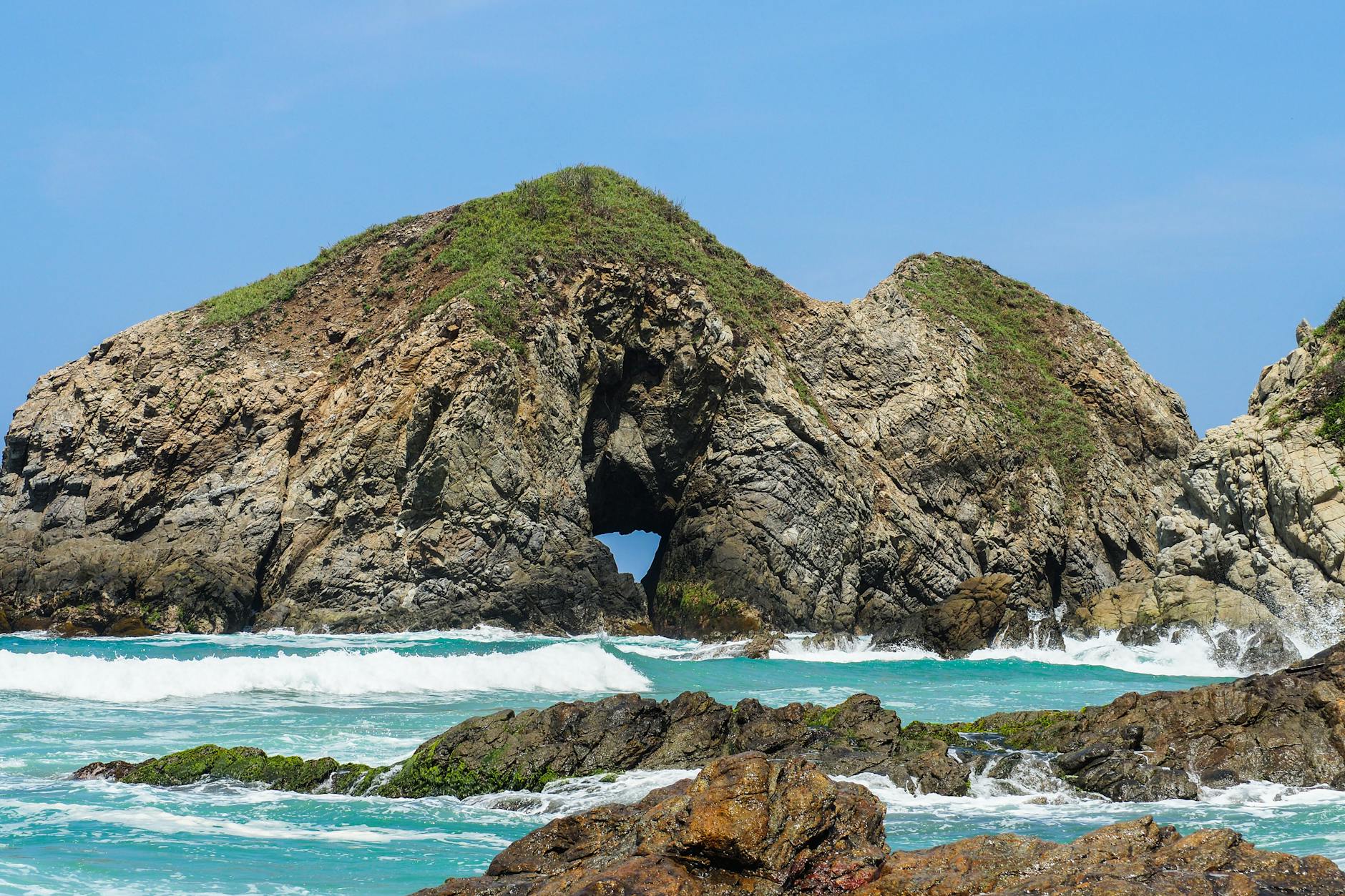
This Mexican shoreline earned a notorious reputation due to its incredibly deceptive and violent underwater currents. The bay geometry creates chaotic overlapping waves that generate spontaneous pulling forces across the entire beach. Swimmers often find themselves dragged out to sea almost immediately upon stepping into waist deep water. Volunteer lifeguard teams maintain constant vigilance but the ocean conditions remain perpetually hazardous.
Boa Viagem Beach
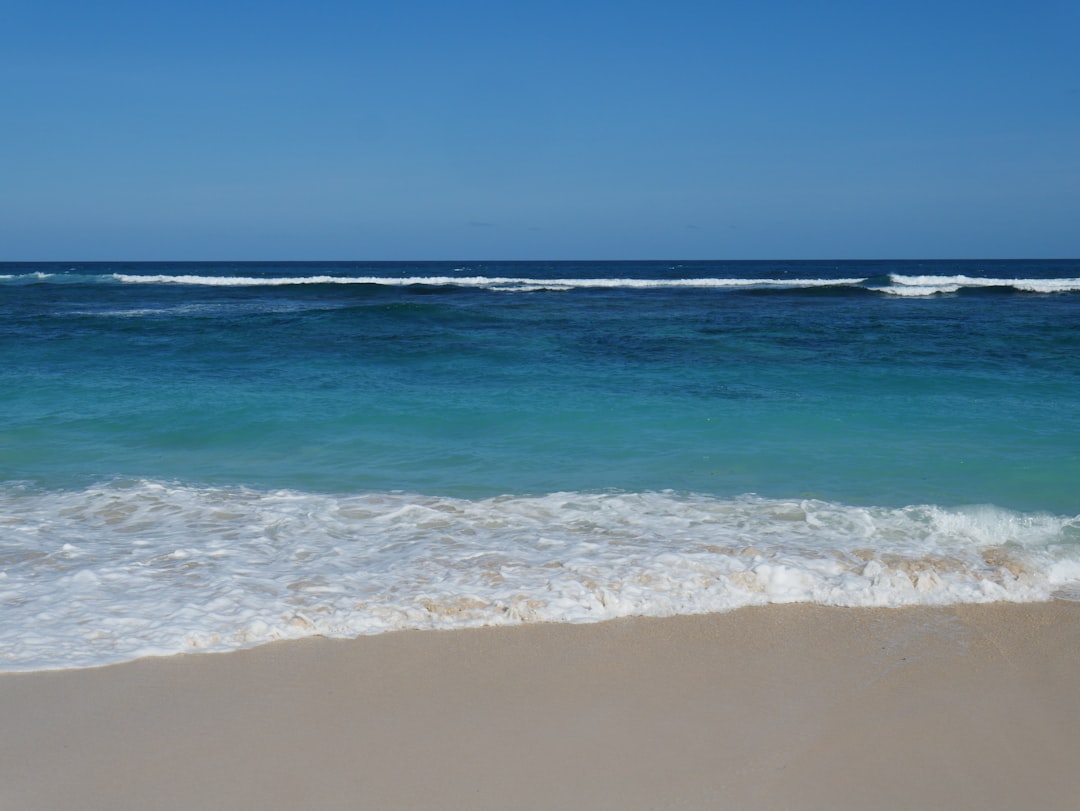
This Brazilian urban beach transformed into a highly dangerous swimming zone due to environmental changes. The destruction of nearby coastal mangroves forced bull sharks to relocate their feeding grounds directly adjacent to the shore. A massive underwater trench parallels the sandy beach giving predators immediate access to shallow wading areas. Strict regulations now prohibit swimming past knee deep water to prevent further encounters.
Chowpatty Beach
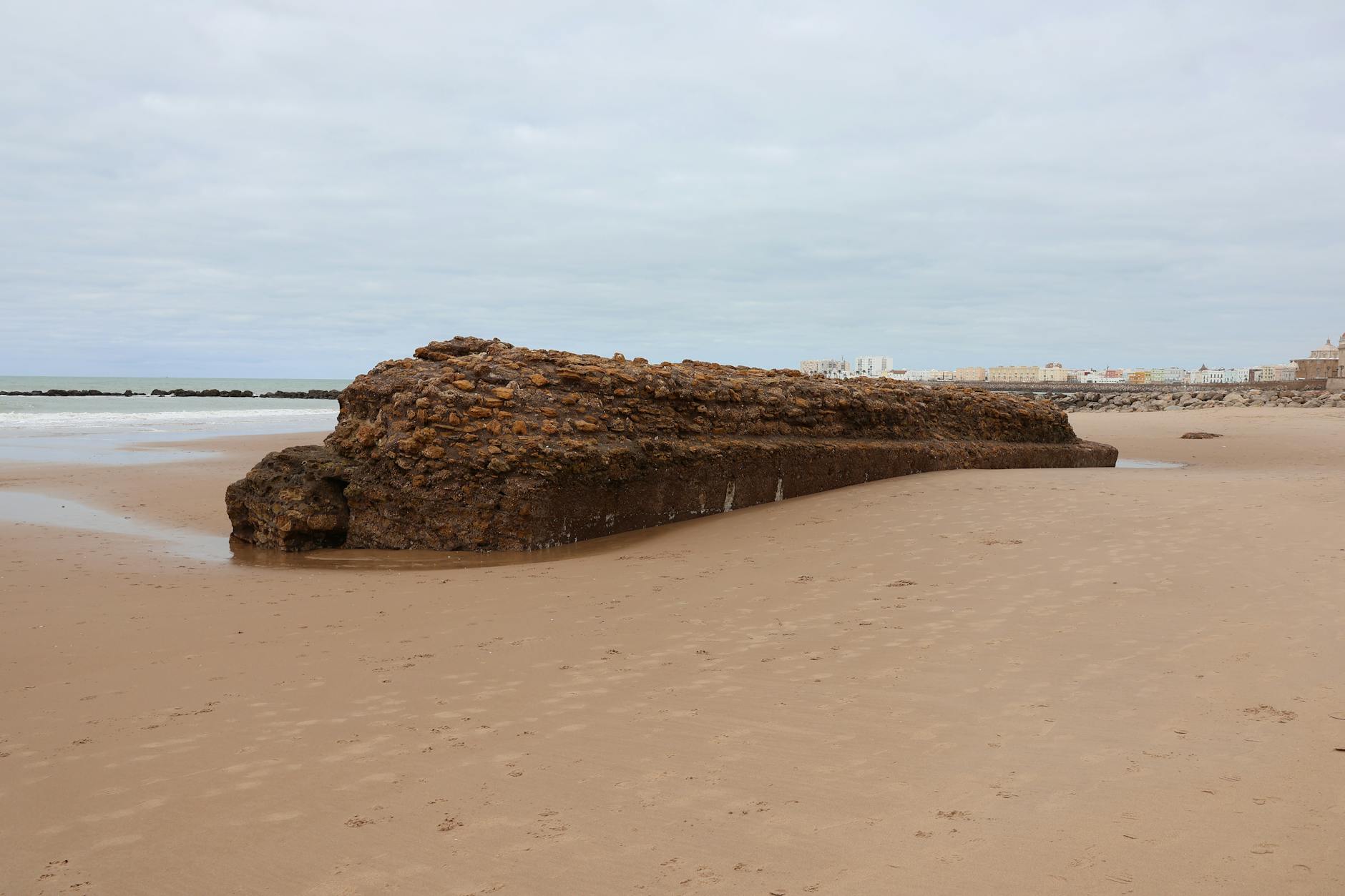
This Indian coastline faces severe environmental degradation that makes water exposure highly dangerous for human health. The ocean here absorbs immense quantities of untreated runoff and industrial waste from the surrounding metropolis. Swimming in these waters exposes individuals to dangerous bacterial levels and hazardous chemical compounds. The toxic marine environment represents a significant biological threat completely independent of waves or currents.
Red Triangle
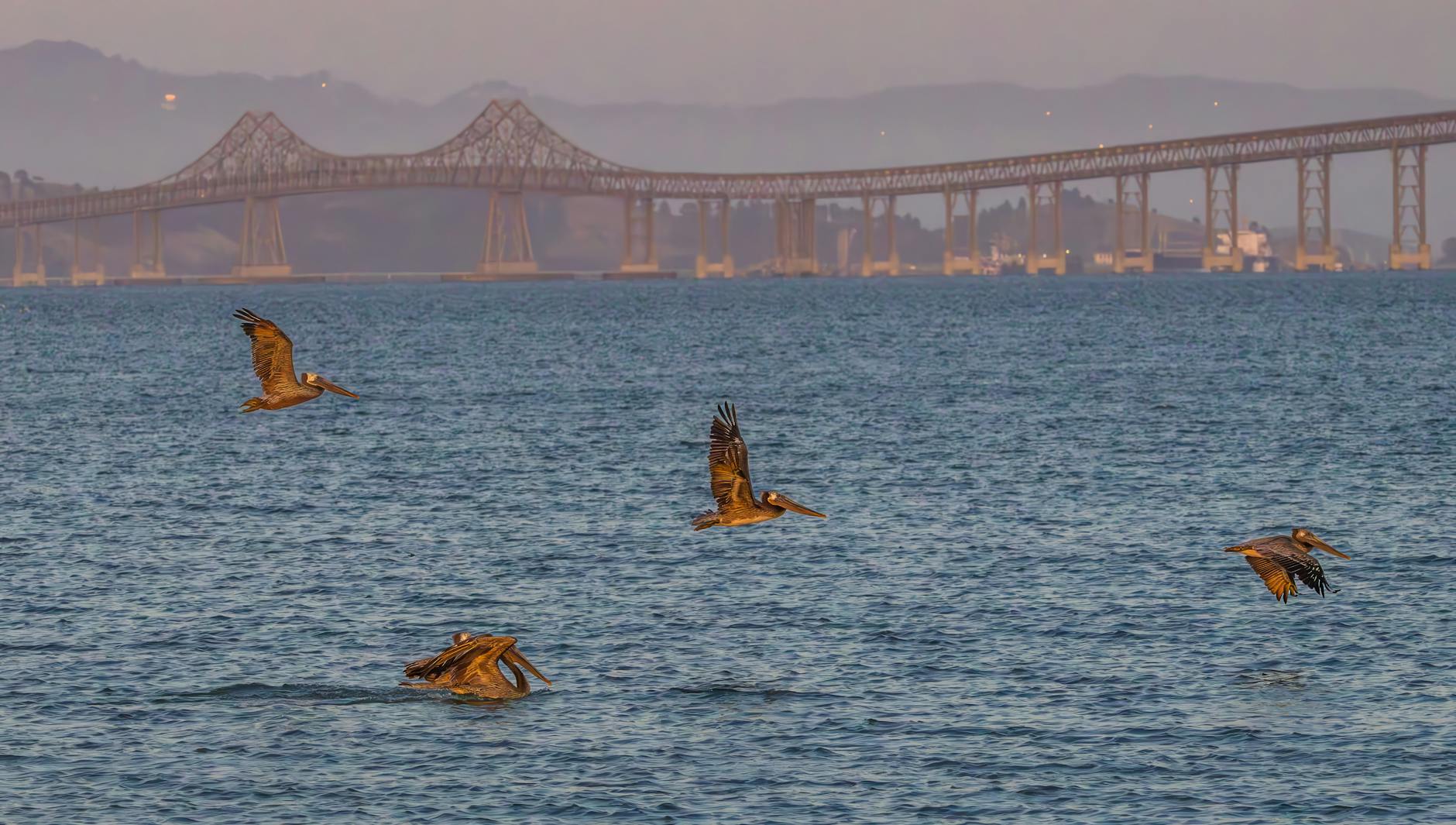
This Californian coastal region serves as a primary feeding ground for enormous apex marine predators. The abundance of elephant seals and sea lions draws massive numbers of white sharks to the immediate coastal waters. The steep underwater topography allows these predators to ambush prey from the dark depths near the surface. The freezing water temperatures add another layer of danger for anyone caught unprotected in the ocean.
Reunion Island
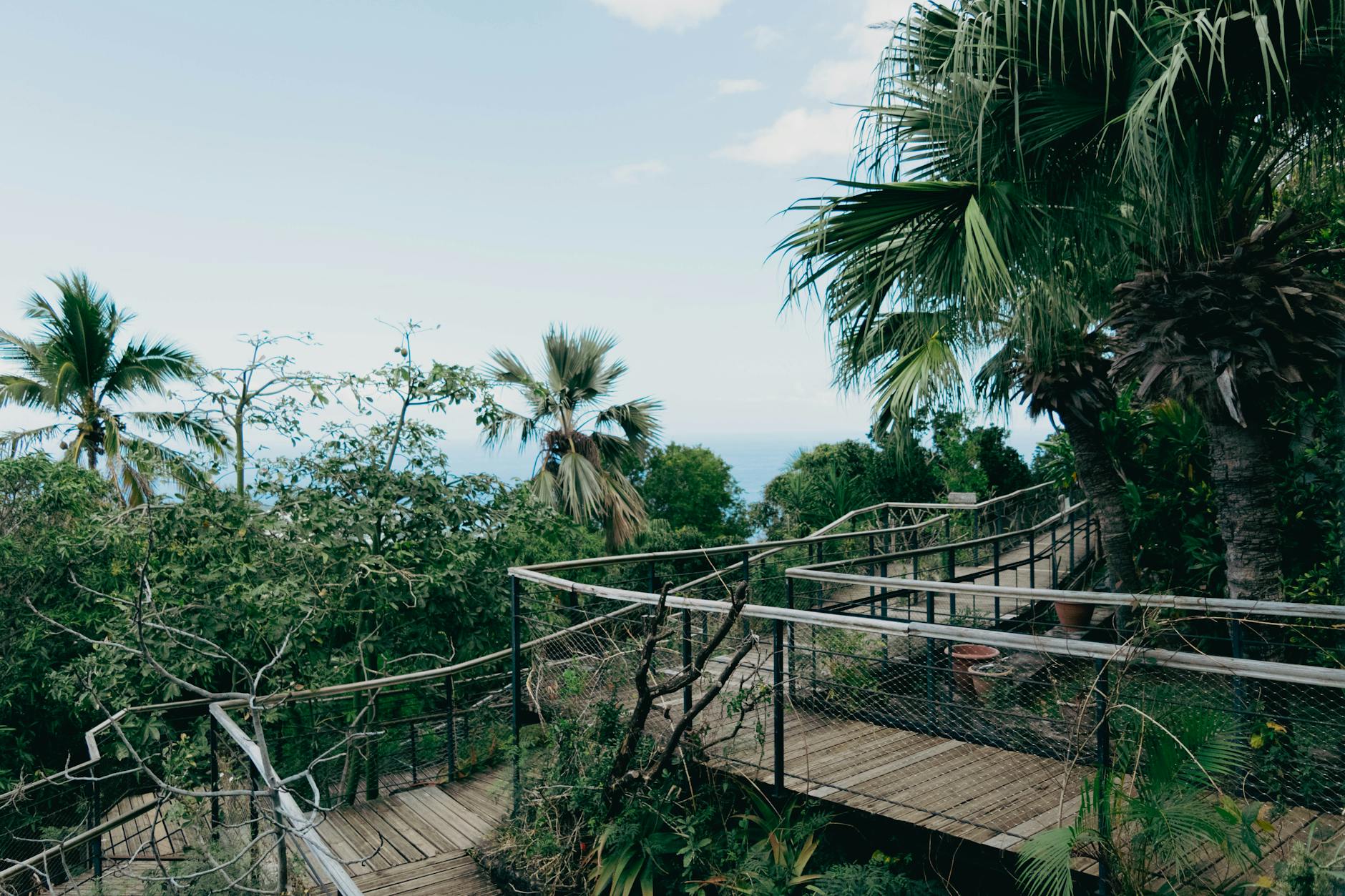
This Indian Ocean territory experienced a dramatic surge in aggressive encounters between humans and marine predators. The volcanic coastal geography creates perfect hunting conditions for bull sharks in murky river mouths. Protective nets and advanced acoustic warning systems struggle to secure the volatile shoreline from these determined predators. Strict water bans regularly prohibit all oceanic activities to prevent further tragic encounters.
Great Blue Hole
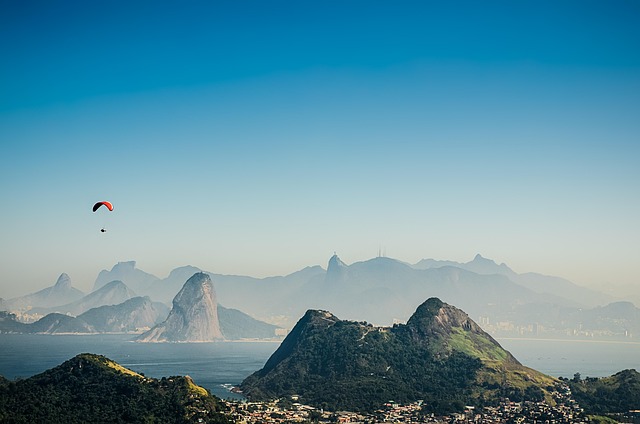
This massive Belizean marine sinkhole plunges vertically into the ocean floor creating a deceptive aquatic trap. The extreme depth induces nitrogen narcosis which severely impairs the judgment of underwater explorers. Powerful swirling vortexes occasionally form within the submerged cavern systems pulling water downward with intense force. The remote location ensures that emergency medical assistance remains hours away from anyone in distress.
Juhu Beach
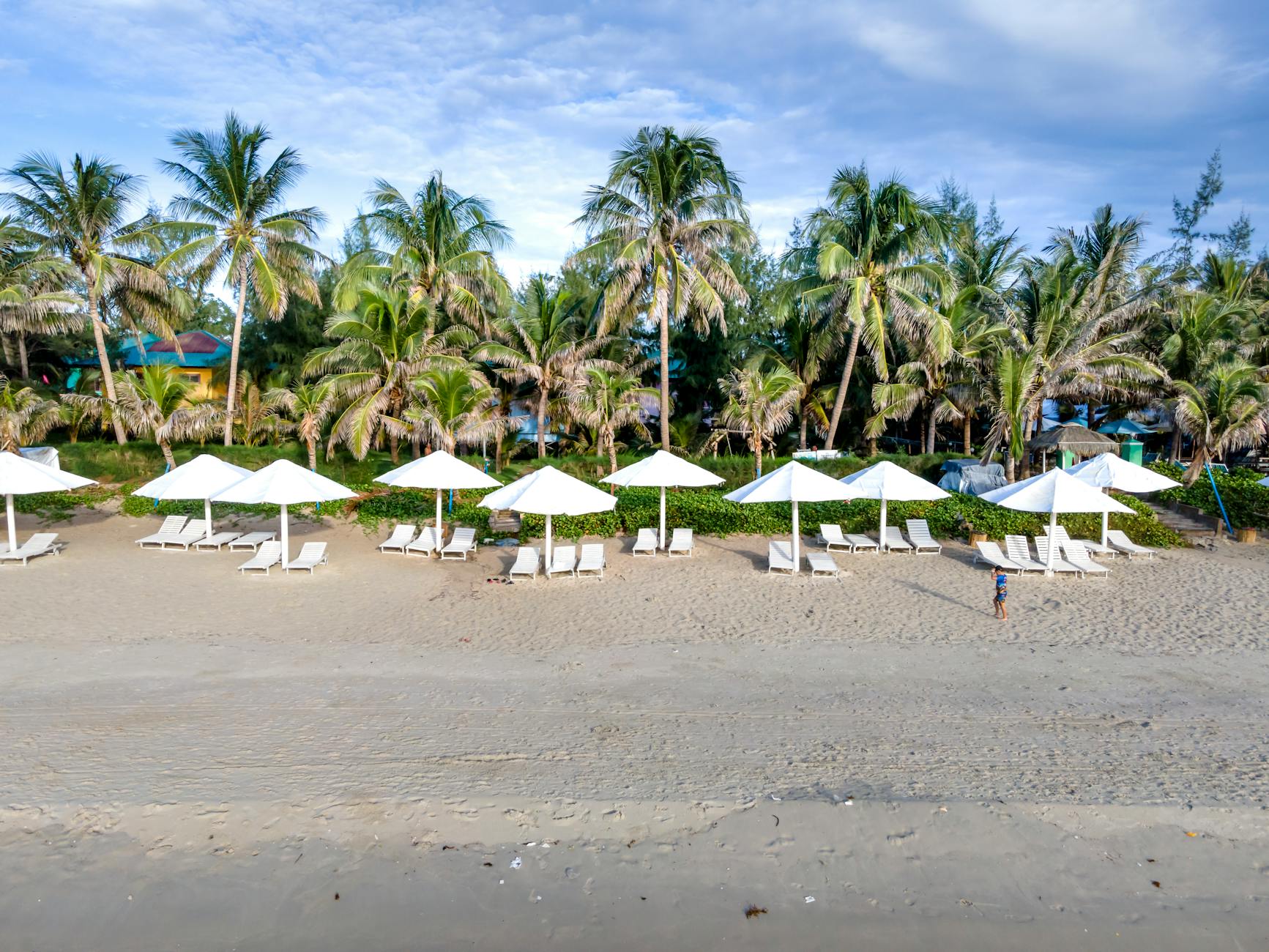
This popular Mumbai destination suffers from extreme aquatic pollution that severely compromises water safety. The coastal currents constantly push garbage and toxic effluent back onto the shoreline and into the swimming zones. Entering the ocean here carries severe risks of contracting serious waterborne diseases and skin infections. The biological hazards present a continuous threat that makes recreational swimming highly inadvisable.
Cable Beach
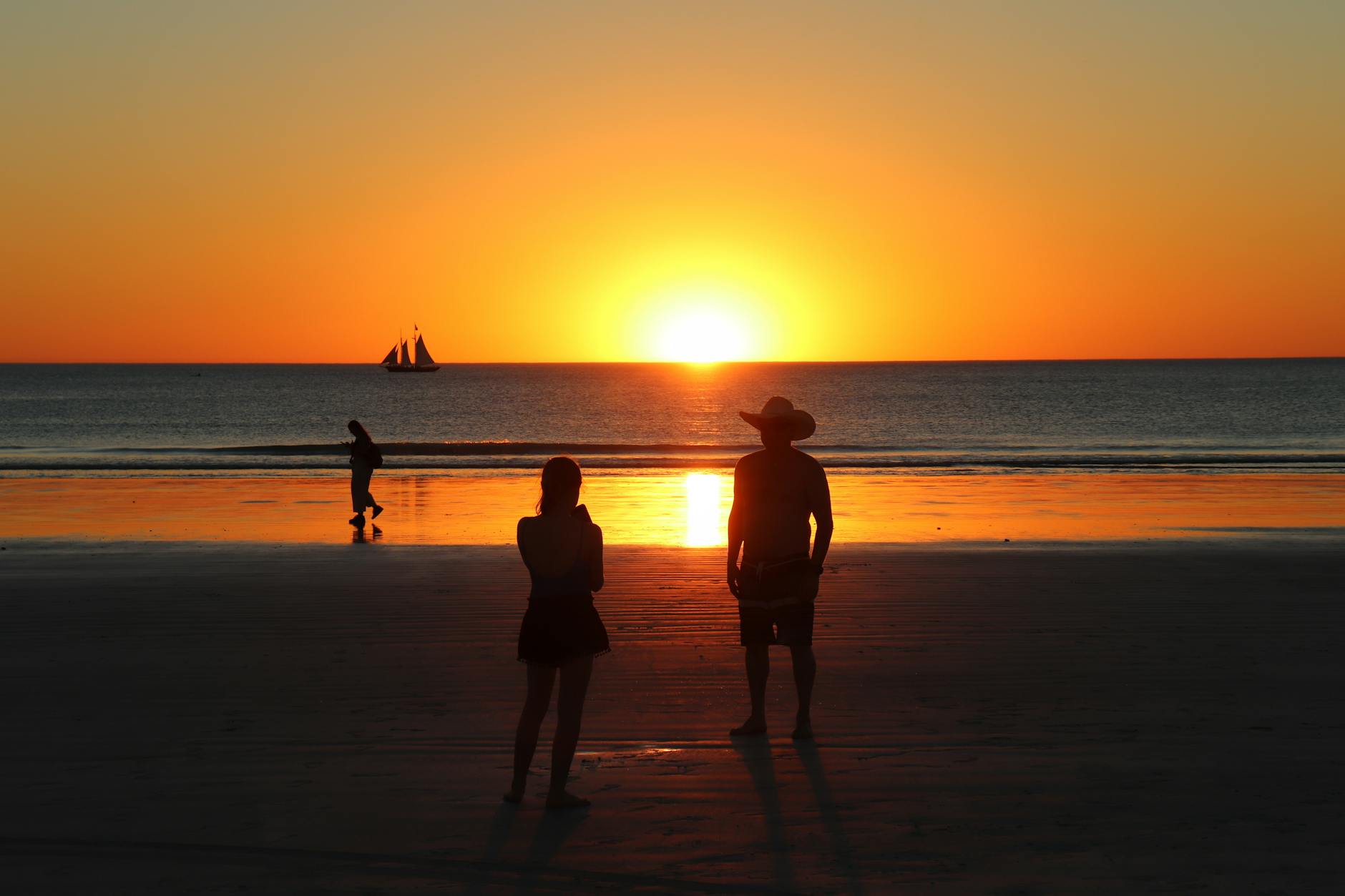
This Western Australian coastline boasts beautiful white sands alongside an array of lethal tropical marine creatures. The warm ocean temperatures create a perfect breeding ground for microscopic and highly venomous box jellyfish. Massive saltwater crocodiles also use the coastal waters to transit between different river systems. Swimmers must maintain extreme vigilance as both invisible and massive threats share the same shallow waters.
Lamai Beach
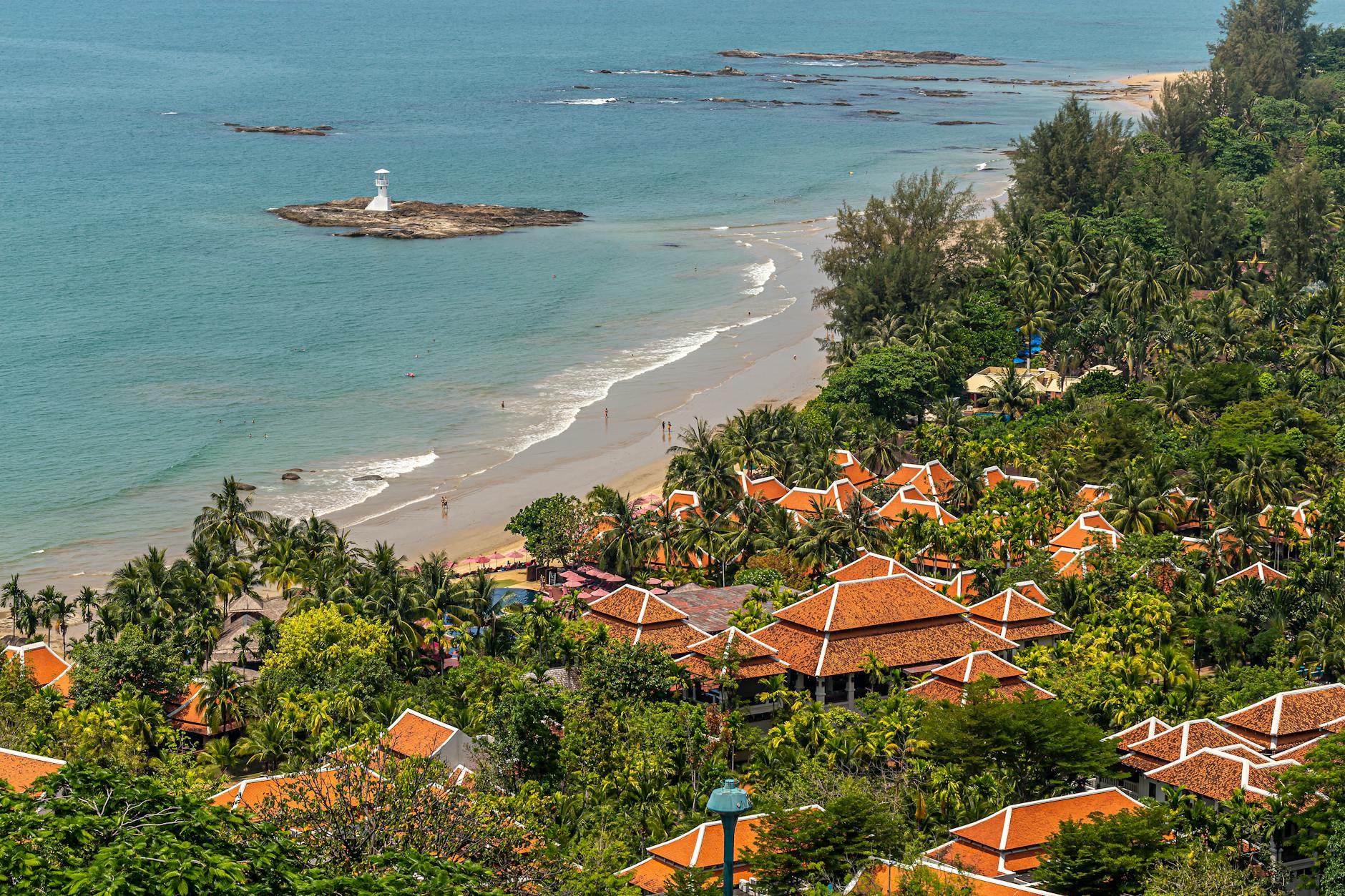
This Thai destination experiences seasonal influxes of incredibly dangerous venomous marine life that threaten beachgoers. The coastal waters become infested with tiny box jellyfish that possess enough toxin to cause severe cardiac distress. The translucent nature of these creatures makes them virtually invisible against the white sandy ocean floor. Local authorities frequently deploy protective nets but the microscopic threats easily bypass standard safety measures.
Hot Water Beach
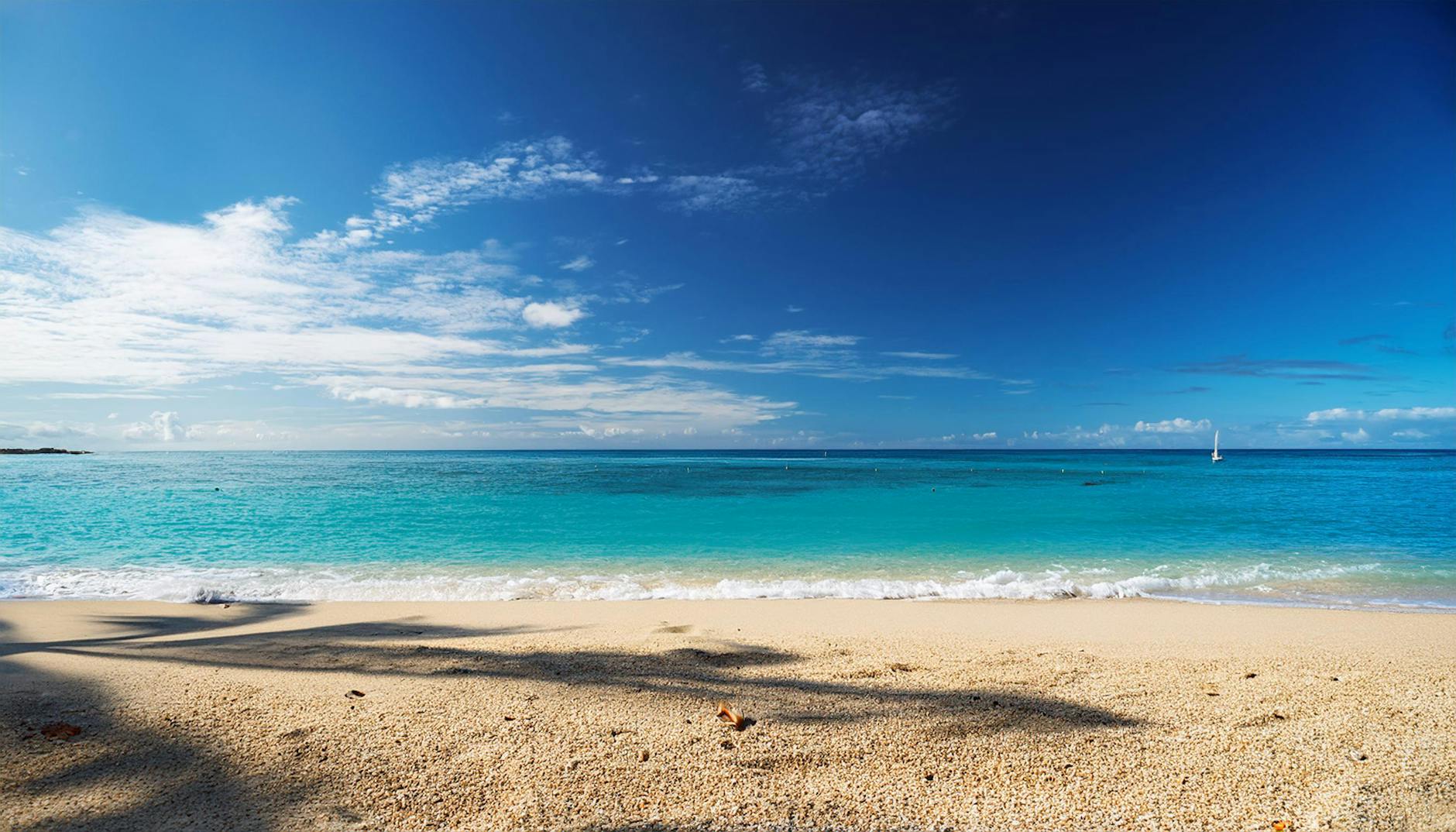
This New Zealand attraction draws visitors to its geothermally heated sands while masking a treacherous ocean. The surf zone produces sudden and incredibly powerful return currents that quickly sweep bathers out to sea. The steeply shelving beach face creates heavy dumping waves that can cause severe physical trauma. The contrast between the relaxing shoreline hot springs and the violent ocean creates a deceptive sense of security.
Gulf of the Farallones
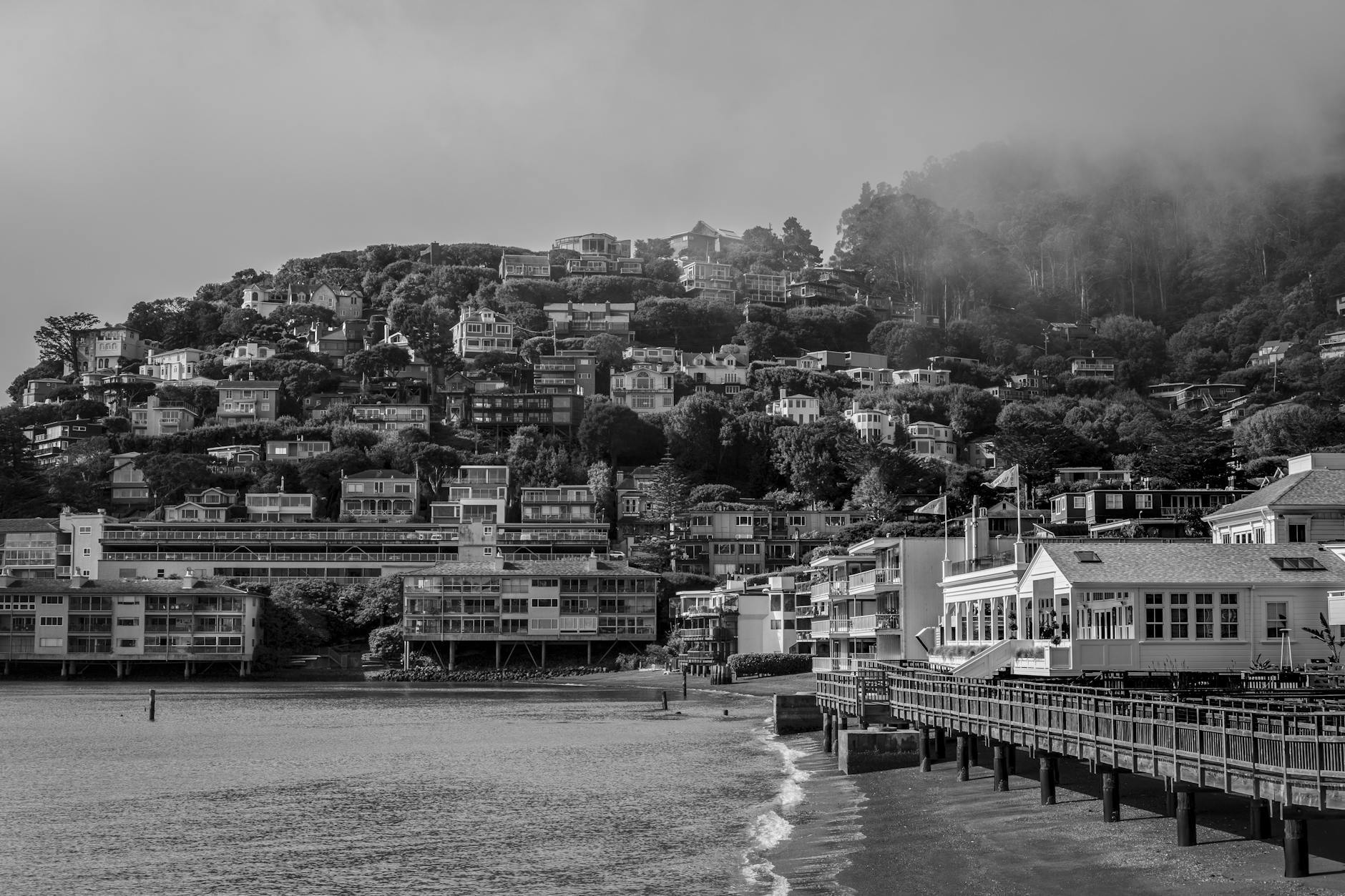
This rugged marine sanctuary off the California coast hosts one of the densest populations of predatory sharks. The rocky islands provide breeding grounds for marine mammals which naturally attract massive oceanic hunters. The brutal ocean swells and freezing temperatures combine to create an unforgiving environment for human survival. The sheer concentration of apex predators makes any unprotected entry into these waters extremely hazardous.
Black Sand Beaches of Kilauea
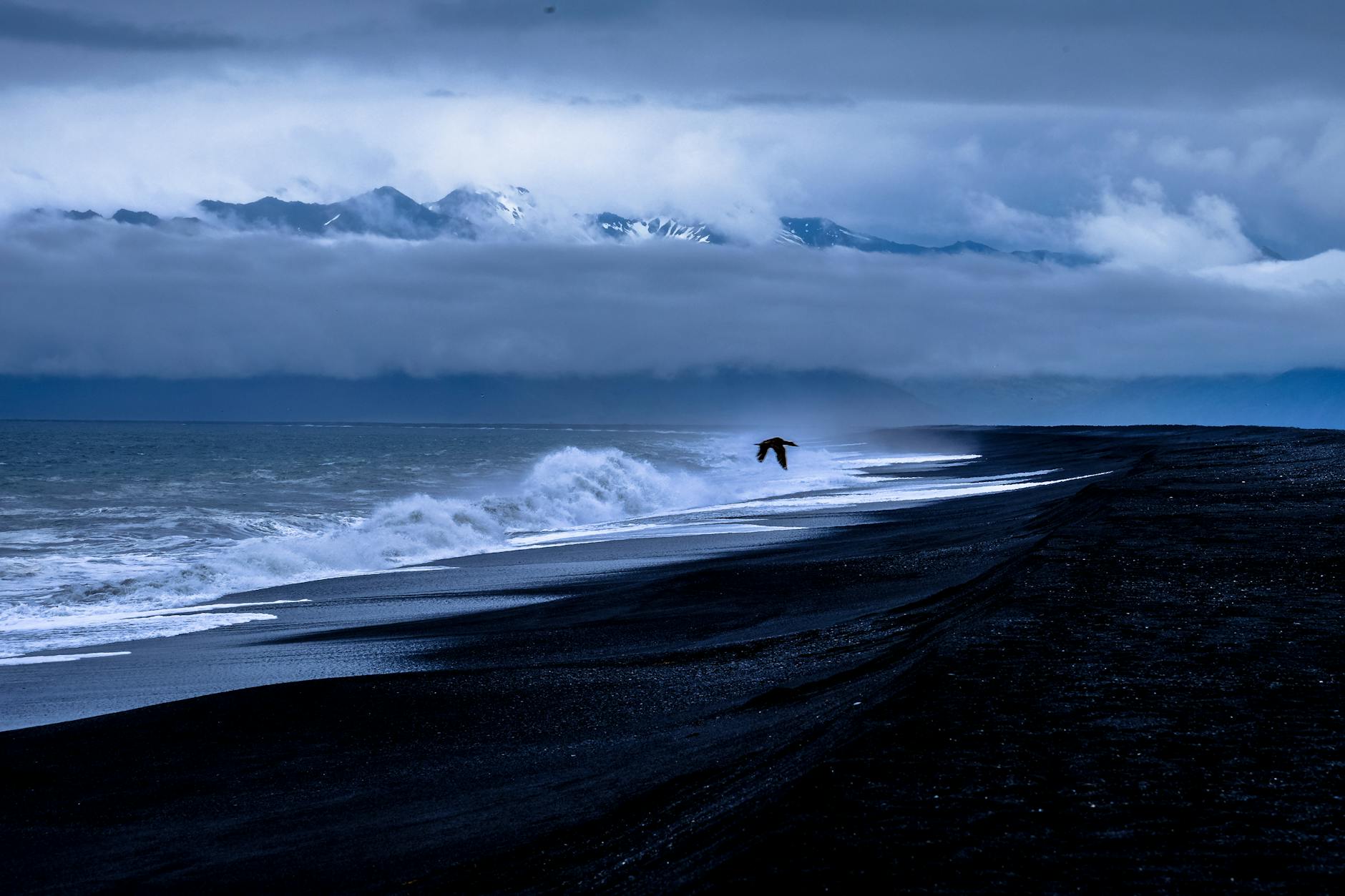
This Hawaiian coastline borders active volcanic zones where molten earth directly interacts with the Pacific Ocean. The sudden cooling of lava creates microscopic shards of volcanic glass that suspend in the coastal waters. Superheated ocean patches can instantly boil generating toxic steam plumes full of hydrochloric acid. The unstable new landmasses frequently collapse into the sea creating unpredictable and violent localized waves.
Dumas Beach

This Indian coastal area features unique black sands and a reputation for severe environmental hazards. The Arabian Sea waters here are known for sudden tidal shifts that trap people on isolated sandbars. The coastal environment also hosts populations of venomous snakes that frequent the shoreline and shallow waters. The combination of rapid tides and local wildlife makes casual swimming a precarious activity.
Second Beach
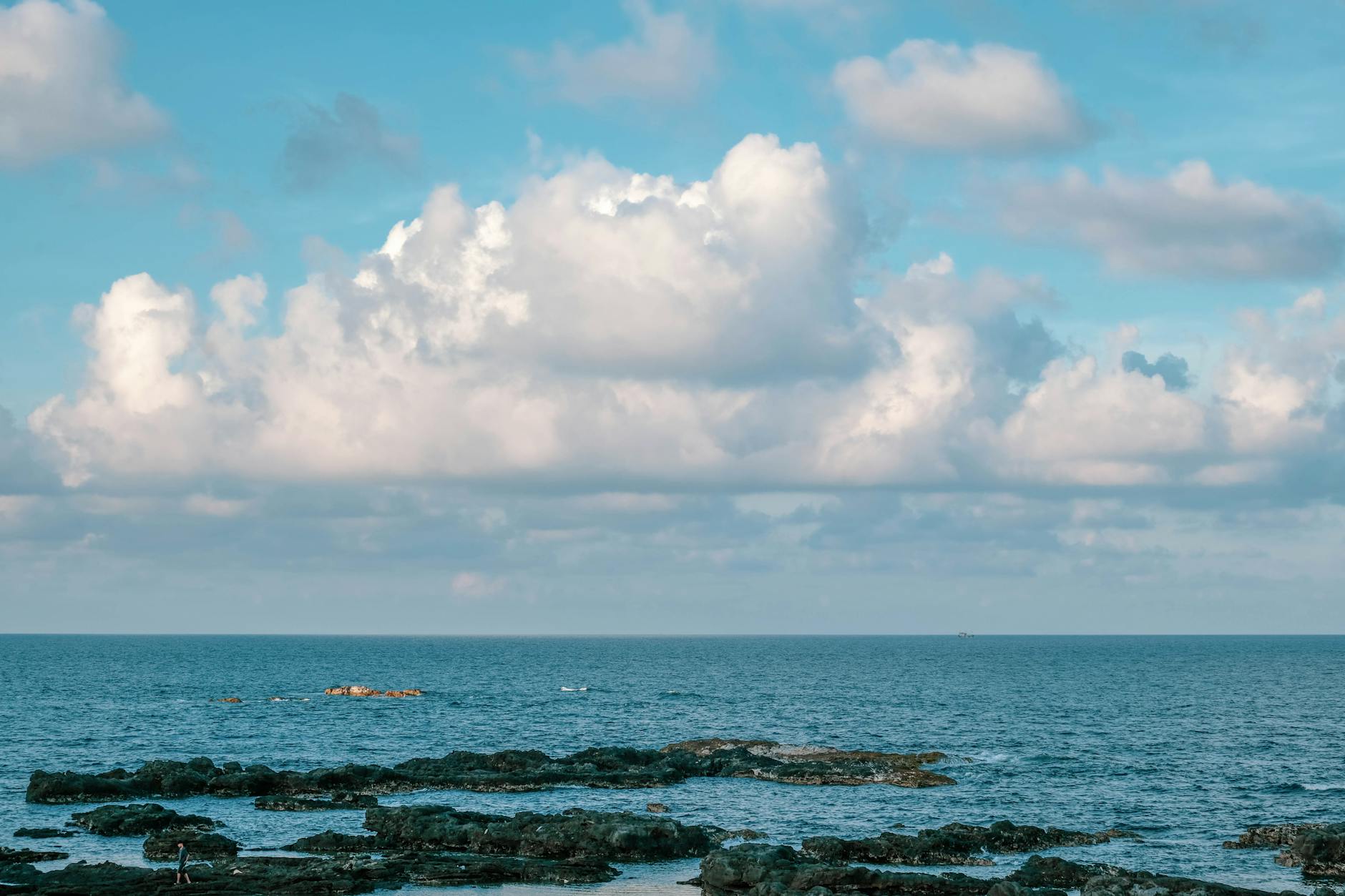
This South African shore gained international notoriety following a concentrated series of aggressive marine predator encounters. The river mouth empties murky water directly into the surf zone creating ideal camouflage for hunting bull sharks. The unpredictable coastal currents further complicate the safety of the shallow wading areas. Traditional protective measures proved ineffective against the persistent and aggressive nature of the local marine life.
Galveston Beach
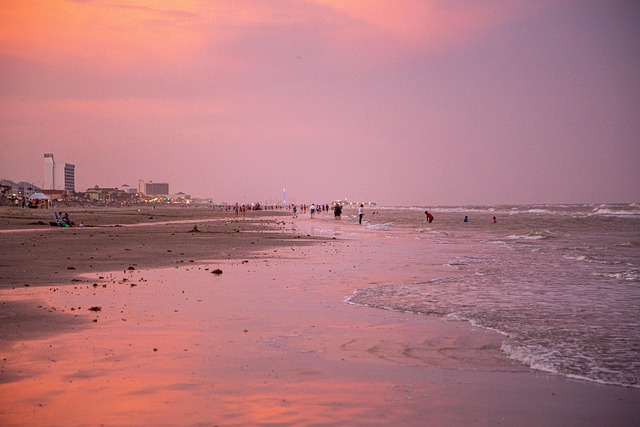
This Texan coastal destination experiences unique hazards stemming from both natural and artificial oceanic conditions. The Gulf waters frequently harbor elevated levels of dangerous flesh eating bacteria during the hot summer months. The offshore sandbars create complex hidden currents that drag unsuspecting swimmers into deep channels. The murky water visibility completely obscures both strong undertows and submerged hazardous debris.
Myrtle Beach
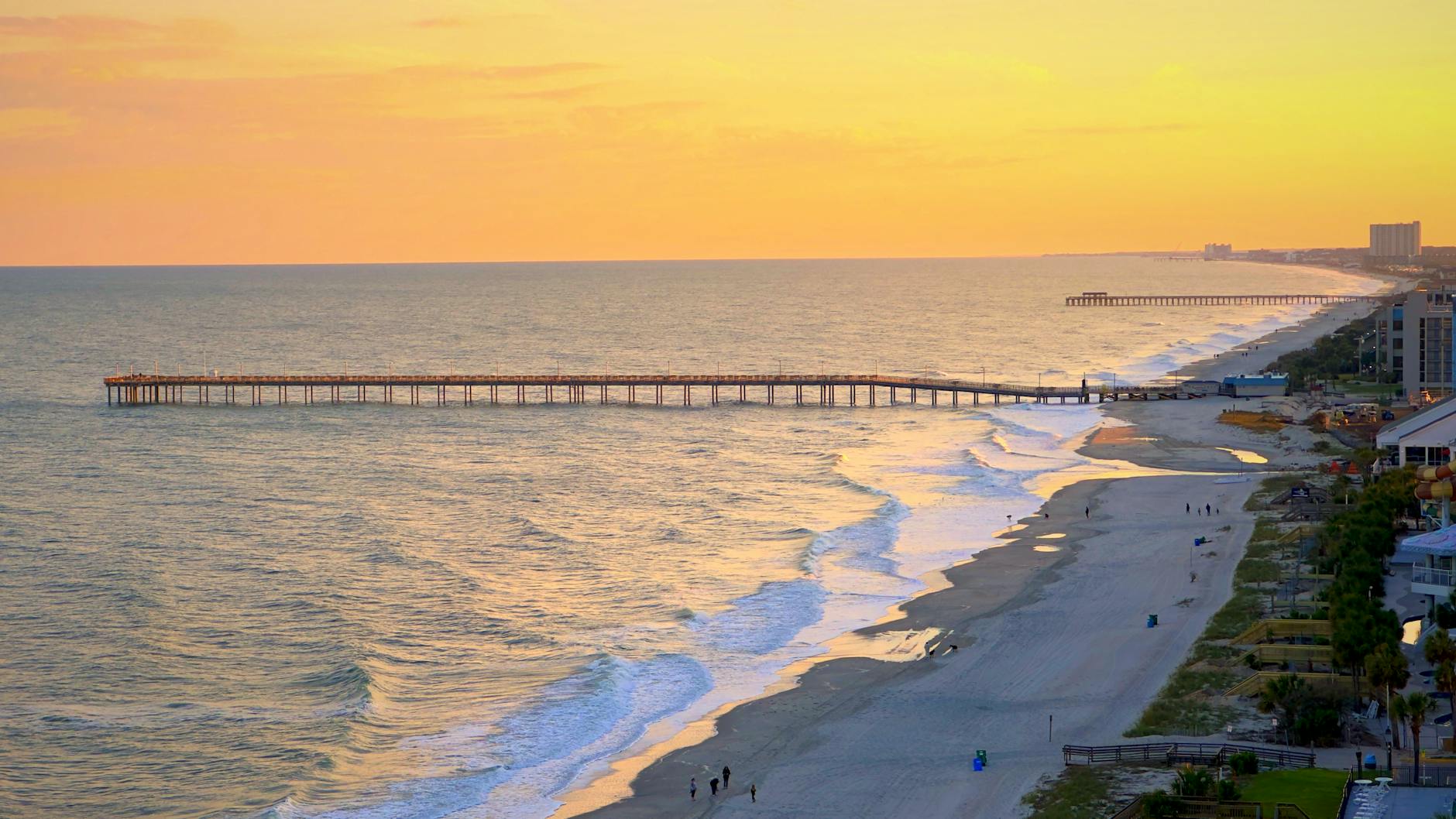
This popular Carolina coastline features surprising underwater dangers beneath its highly developed tourist exterior. The ocean currents are notorious for sudden lateral pulls that quickly exhaust panicked swimmers. The region also experiences regular interactions between beachgoers and aggressive coastal shark species feeding in the shallows. Frequent storm systems dramatically alter the underwater sandbars creating new and unpredictable drowning hazards every season.
North Sentinel Island
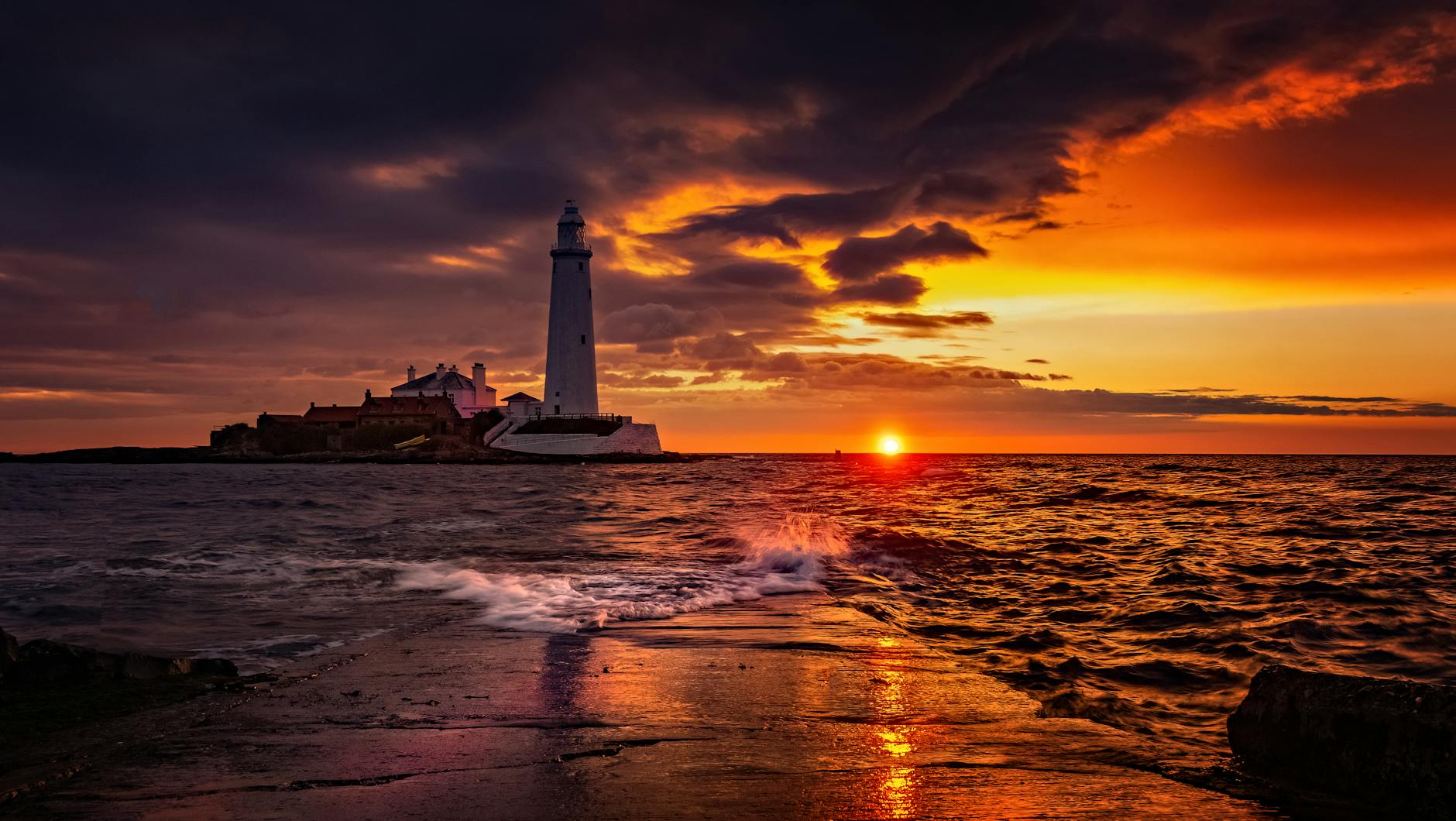
This isolated Indian Ocean landmass features pristine reefs protected by an fiercely territorial indigenous population. The surrounding waters are heavily guarded by locals who actively repel all outside contact with lethal force. The shallow coral formations also create treacherous navigational hazards that easily shipwreck intruding vessels. The absolute lack of any external medical or rescue infrastructure makes any incident in these waters potentially fatal.
Please let me know which of these perilous oceanic destinations surprised you the most by sharing your thoughts in the comments.




