A washing machine works tirelessly to keep clothes fresh and spotless every week. Over time detergent residue and hard water minerals can build up inside the drum and hidden pipes. Recognizing the early indicators of a dirty appliance prevents potential damage to your favorite garments. Regular maintenance extends the lifespan of the machine while ensuring optimal performance during every wash cycle. Paying attention to these fifteen specific warning signs will help you know exactly when a deep clean is necessary.
Musty Odors
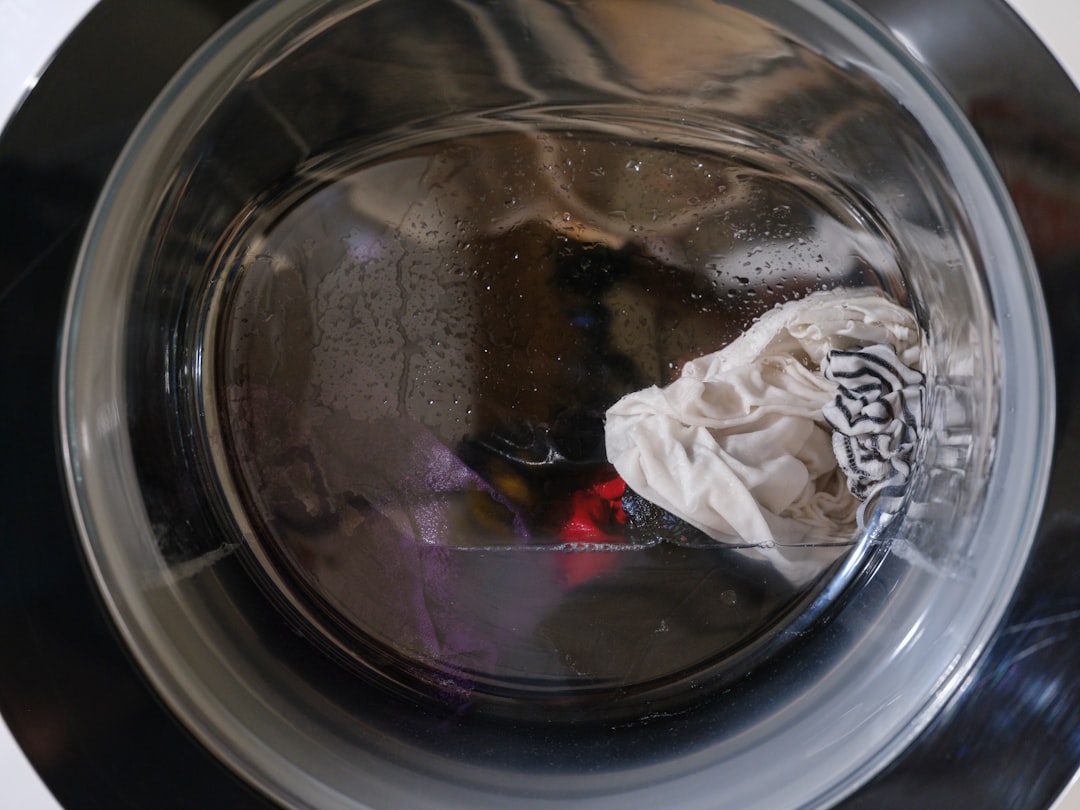
A distinct damp smell coming from the drum is the most common indicator of a dirty washing machine. Moisture left behind after a cycle creates the perfect environment for mold and mildew to thrive in dark corners. This unpleasant scent easily transfers onto freshly washed clothes and lingers even after they dry completely. Running a hot water cycle with specialized cleaning tablets effectively eliminates these fungal growths and restores freshness. Leaving the door open between washes allows proper air circulation to prevent the odors from returning.
Visible Mold
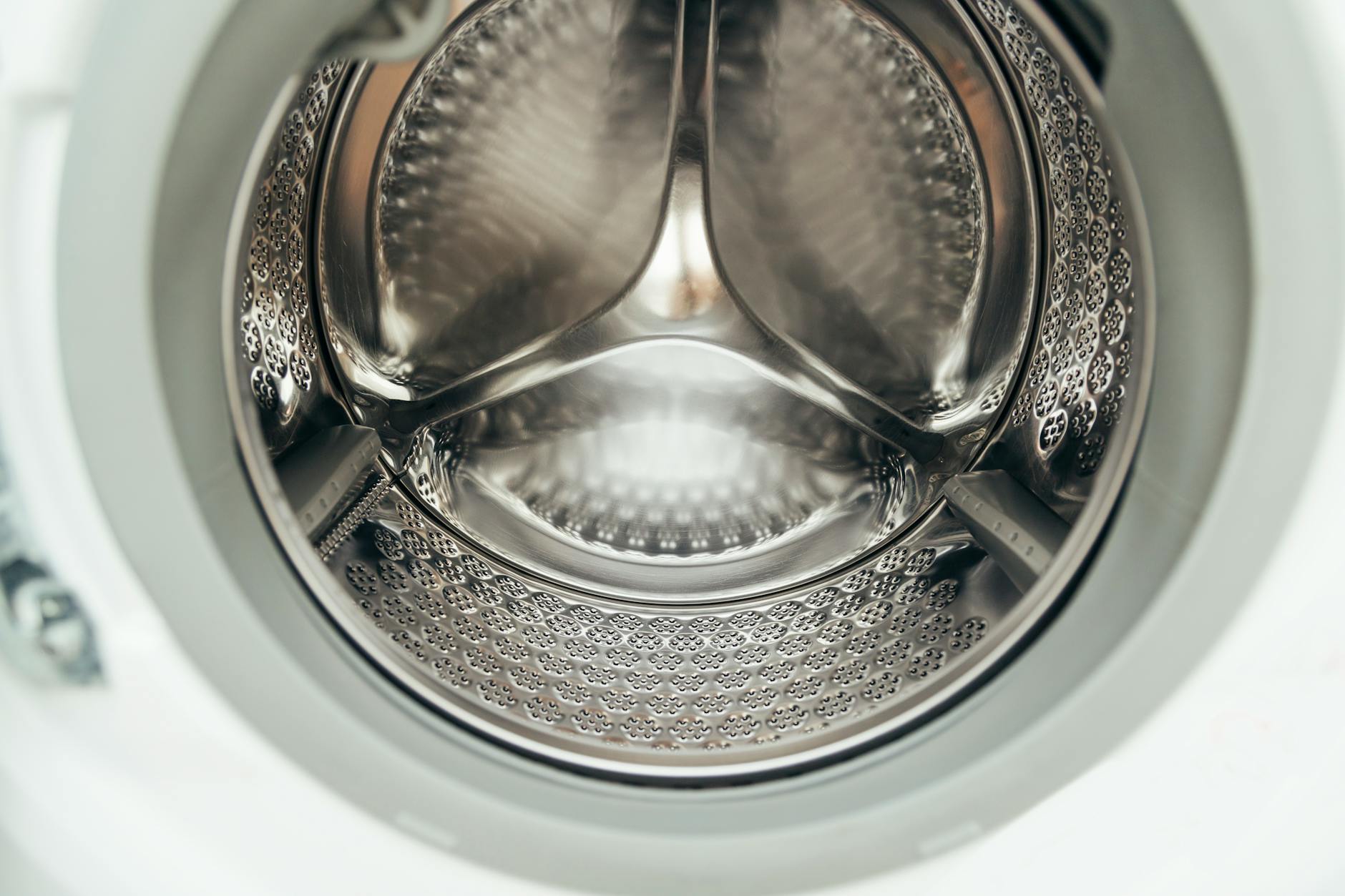
Dark spots appearing along the rubber door gasket are clear evidence of advanced fungal growth. The folds in the seal trap water and detergent debris perfectly to feed these microscopic organisms over time. Wiping the gasket dry after laundry day prevents this unsightly buildup from accumulating in the crevices. A thorough scrubbing with a bleach solution removes existing spots and sanitizes the rubber material completely. Replacing the gasket becomes necessary if the mold penetrates deeply into the porous rubber structure.
Black Flakes on Clothes

Discovering small dark specks on freshly laundered garments points directly to a neglected appliance interior. These mysterious flakes are actually pieces of accumulated grime and mold detaching from the outer drum. Agitation during the wash cycle loosens this hardened buildup and mixes it with your clean laundry. Deep cleaning the machine breaks down these mineral and detergent deposits before they ruin delicate fabrics. Routine maintenance completely prevents this debris from forming and contaminating future wash loads.
Soap Dispenser Grime
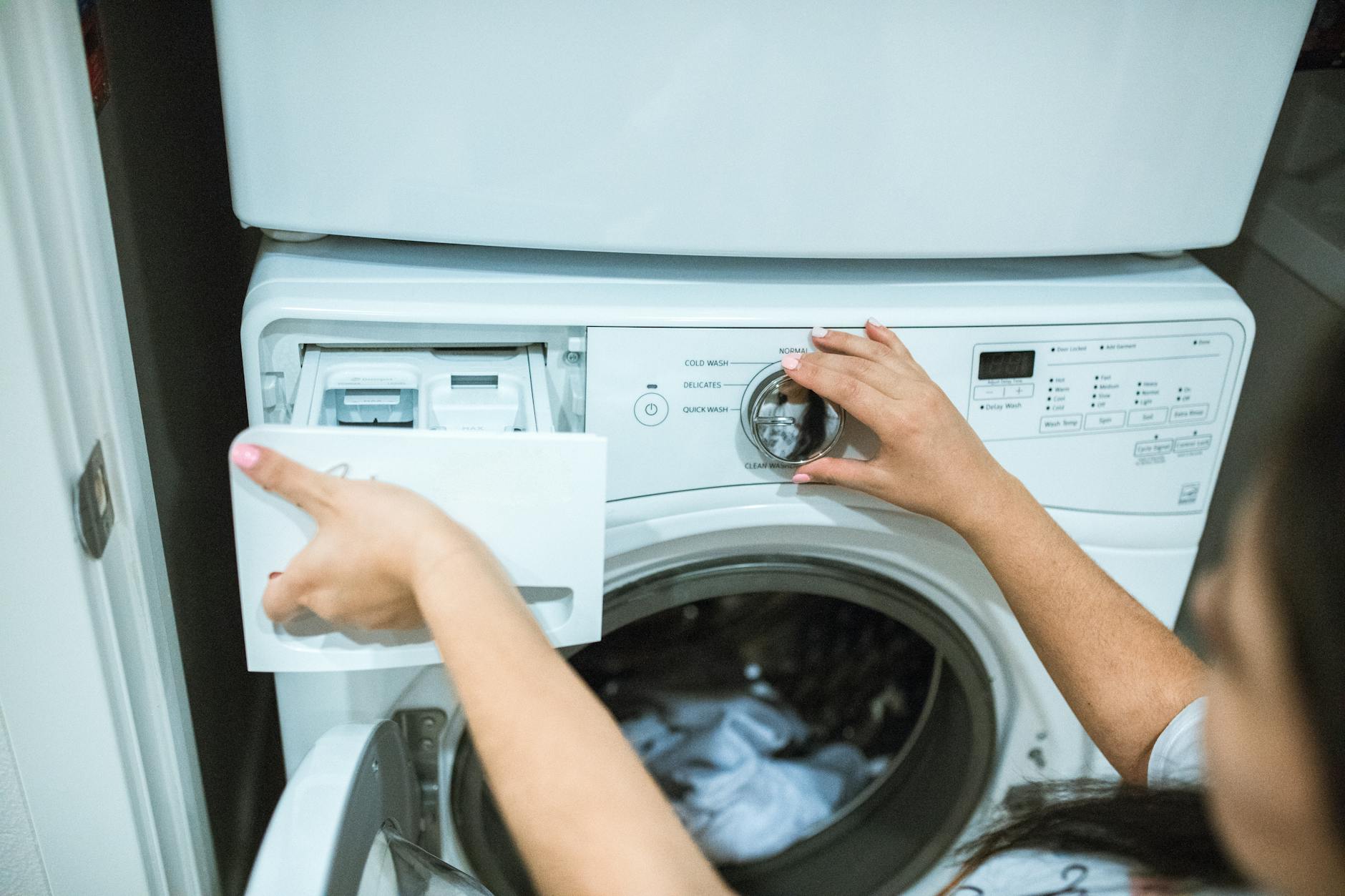
The detergent drawer frequently accumulates a thick layer of slimy residue from liquid soaps and fabric softeners. This sticky buildup clogs the dispenser pathways and prevents cleaning products from reaching the drum properly. Pulling the drawer out completely allows for a thorough scrubbing under warm running water. Using an old toothbrush helps remove the hardened crust from tight corners and complex plastic compartments. Keeping this section pristine ensures the machine dispenses the correct amount of detergent for every single load.
Chalky White Residue
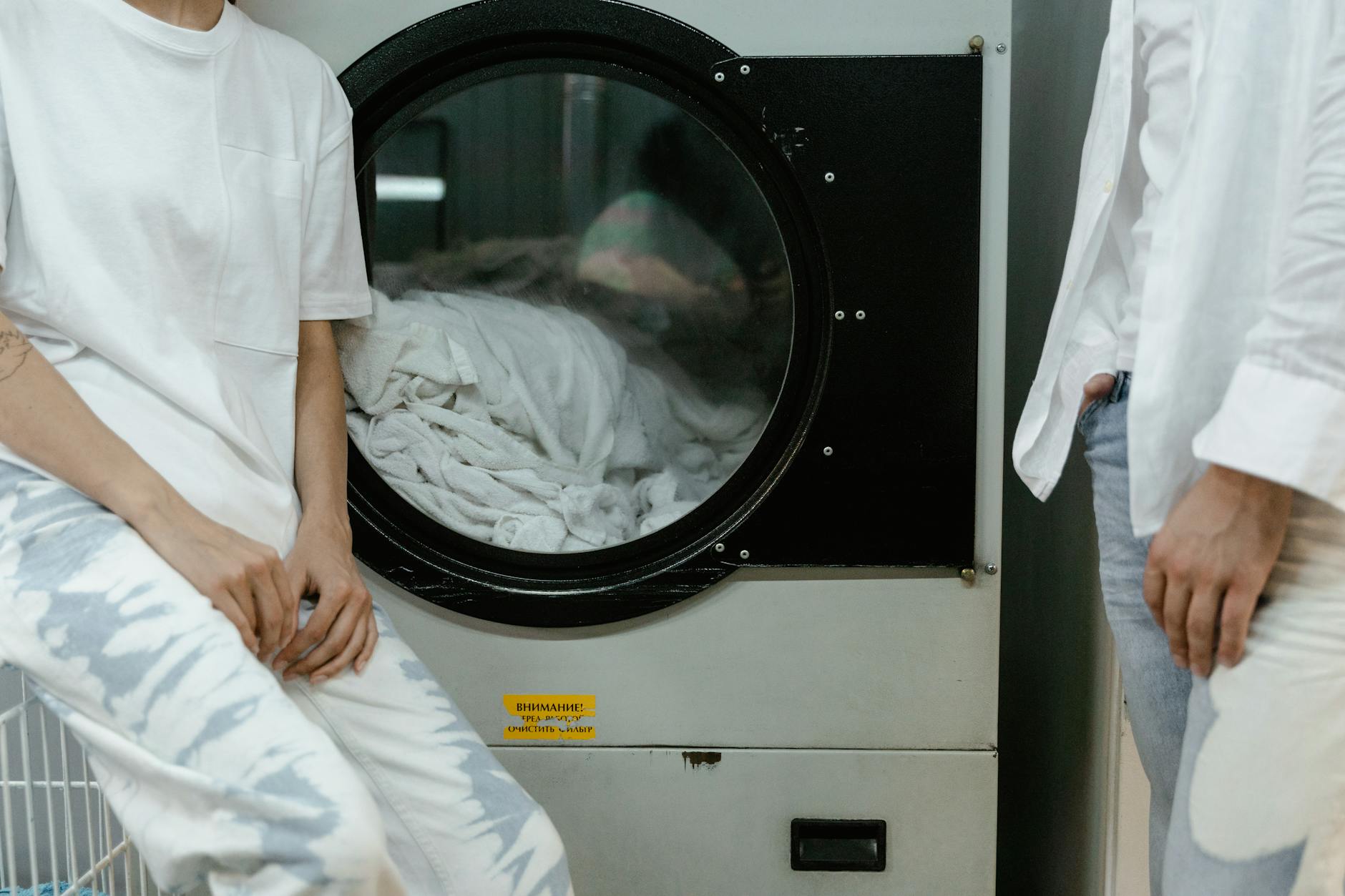
White streaks on dark clothing after a wash cycle often indicate excess detergent buildup inside the machine. Hard water minerals combine with unrinsed soap scum to create this persistent chalky film on fabrics. The machine struggles to dissolve new detergent properly when previous layers coat the internal heating elements. Running an empty hot cycle with white vinegar naturally dissolves these alkaline deposits from all internal components. Your dark clothes will emerge perfectly clean once the appliance interior is free from this chemical coating.
Slow Drainage
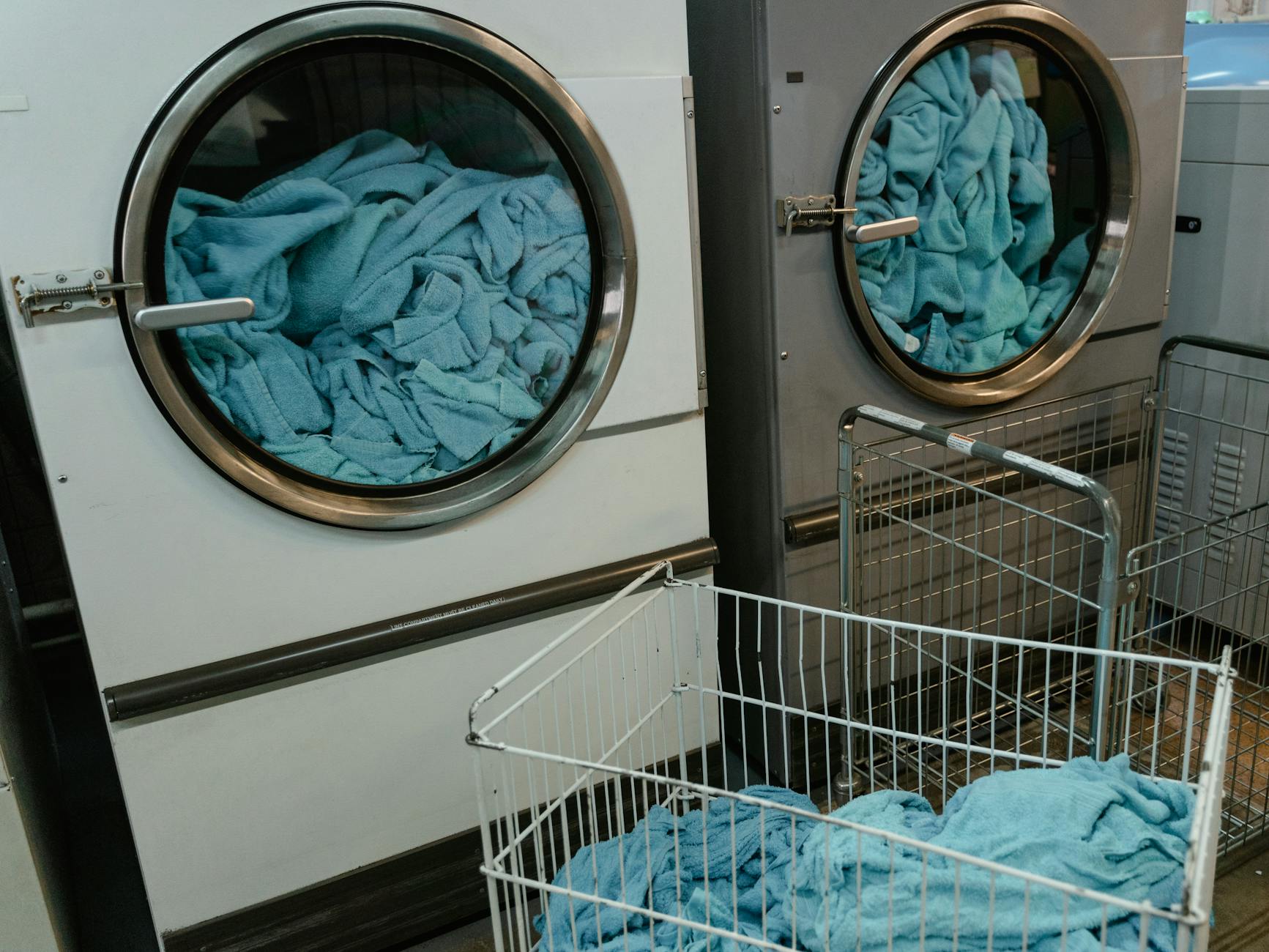
Water pooling at the bottom of the drum after a cycle finishes signals a potential blockage in the drainage system. Lint and hair accumulate in the pump filter over months of regular use. A clogged filter forces the drain pump to work harder and leaves clothes dripping wet at the end of the spin cycle. Emptying the filter catch compartment regularly restores proper water flow and prevents mechanical strain on the pump. This simple maintenance step instantly resolves drainage issues and keeps the appliance running smoothly.
Excessive Vibrations
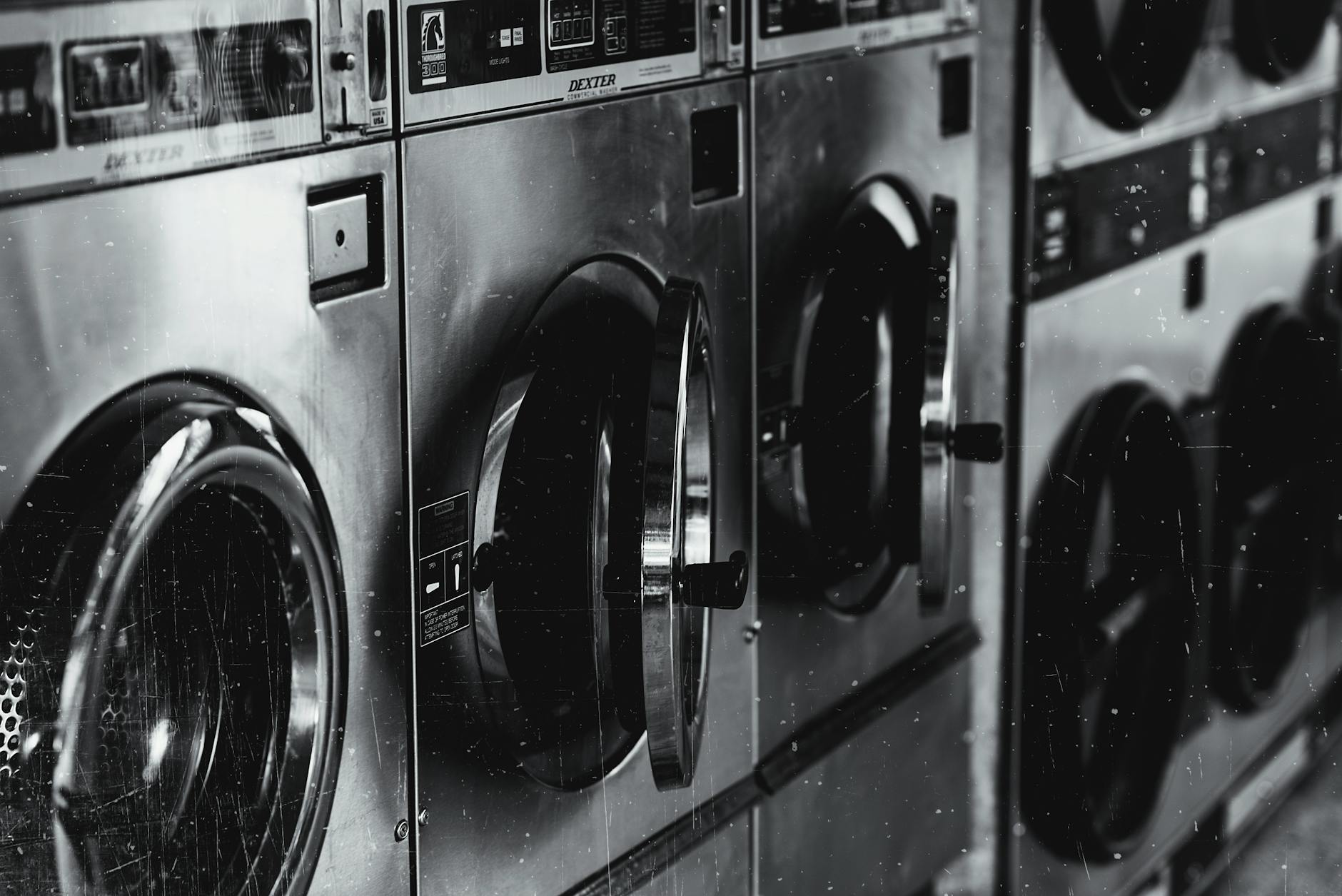
A washing machine that shakes violently during the spin cycle might have uneven buildup inside the drum. Heavy deposits of grime on one side of the outer tub throw the entire spinning mechanism out of balance. This unnatural movement causes loud banging noises and can gradually damage the internal suspension springs. Removing the accumulated debris through a chemical cleaning cycle restores the original weight distribution of the drum. A perfectly balanced machine operates quietly and avoids unnecessary wear on expensive internal components.
Longer Cycle Times
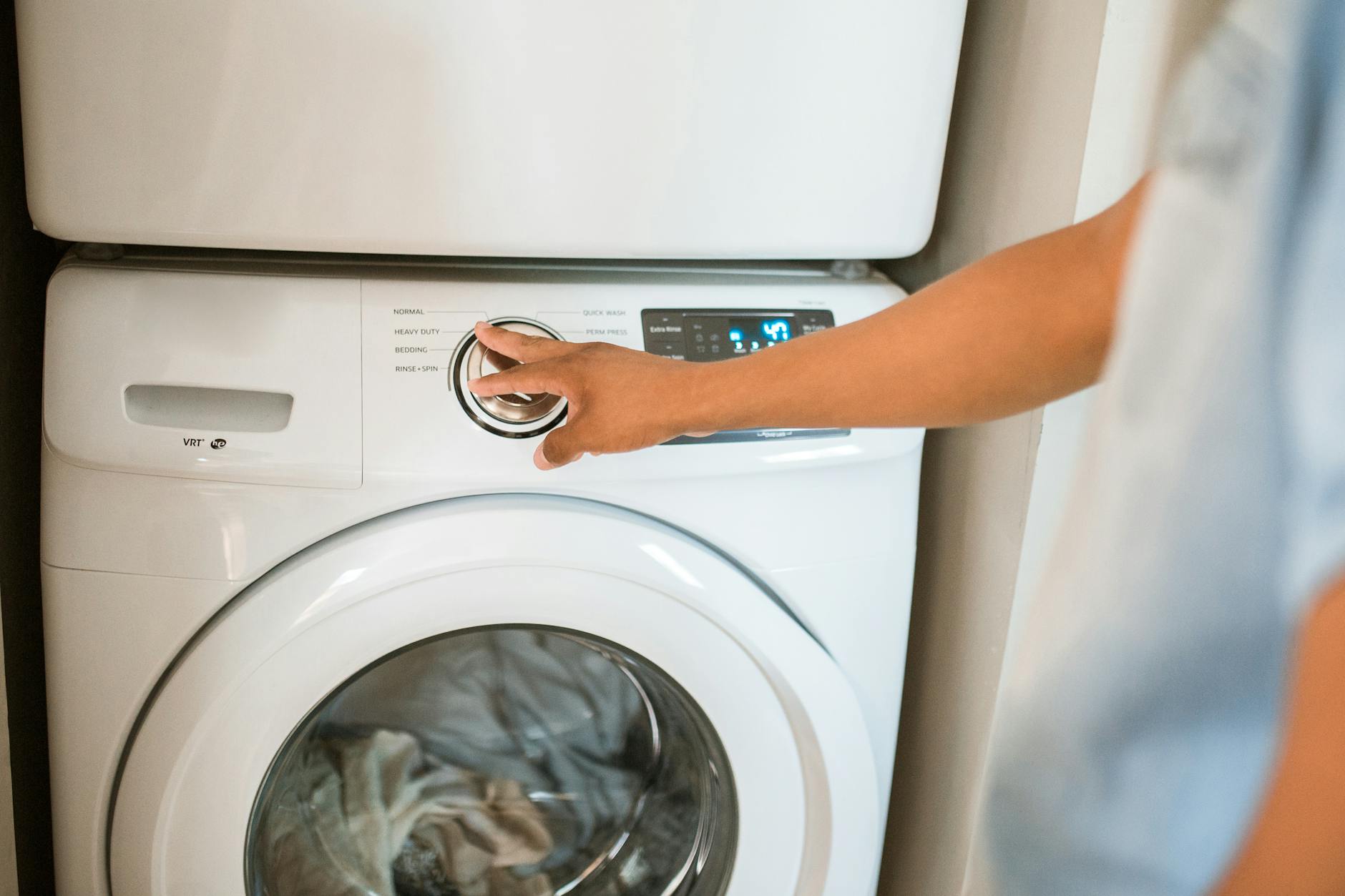
Modern washing machines use sensors to adjust wash times based on water clarity and drainage speed. Internal sensors covered in soap scum struggle to read the water condition accurately during the rinse phase. This confusion forces the appliance to extend the cycle indefinitely to achieve the programmed results. Cleaning the machine clears these delicate sensors and allows the computer board to function perfectly. Returning to standard cycle durations saves significant amounts of electricity and water over the course of a year.
Greasy Stains

Finding unexplained oily marks on clean clothes suggests a severe accumulation of fabric softener inside the agitator or drum. Liquid softeners contain animal fats and synthetic oils that coagulate into a greasy sludge when used excessively. This dark sludge hides behind the drum and randomly detaches to smear across your garments during agitation. A very hot wash with heavy duty appliance cleaner breaks down these stubborn lipid deposits effectively. Switching to powdered detergent for a few weeks helps flush any remaining oily residue from the system.
Rough Clothing Texture
Towels and shirts coming out of the wash feeling stiff indicate a problem with the rinse cycle effectiveness. A dirty washing machine recirculates old soap scum and hard water minerals back into the fabric fibers. These trapped particles dry into a rigid microscopic crust that makes soft materials feel incredibly scratchy. Purifying the washing machine removes the source of this mineral contamination completely. Your fabrics will instantly regain their natural softness once they are washed in a genuinely clean appliance.
Allergic Reactions
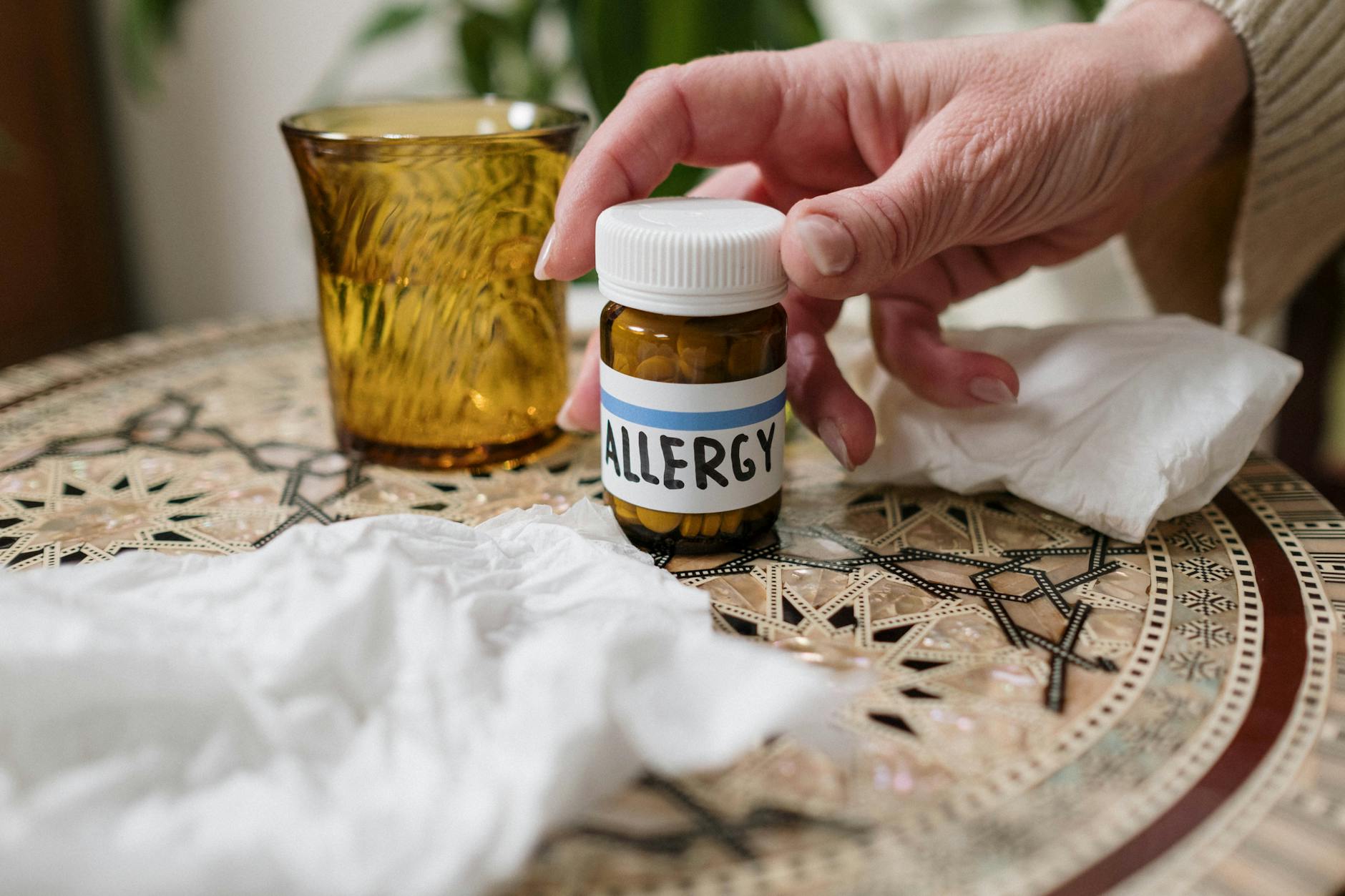
Sudden skin irritation or mysterious rashes after wearing freshly washed clothes demand immediate attention to appliance hygiene. Bacteria thriving in a dirty drum transfer directly to fabrics and survive the standard wash temperatures easily. These microscopic organisms trigger contact dermatitis and exacerbate respiratory allergies when inhaled from bedding. Sanitizing the entire appliance neutralizes these biological threats and protects sensitive skin. Maintaining a sterile washing environment is crucial for households managing severe allergies or skin conditions.
Frequent Error Codes
Digital displays flashing random error codes often point to neglected maintenance rather than actual mechanical failure. Grime buildup confuses the internal water level pressure switches and temperature sensors. A deep clean removes the debris causing these false readings and resets the system naturally. Professional technicians always recommend running a cleaning cycle before paying for an expensive diagnostic visit. This simple troubleshooting step frequently clears the error codes and restores normal functionality completely.
Dull Clothing Colors
Vibrant garments losing their brightness prematurely often suffer from redeposited soil during the wash cycle. A filthy drum lacks the capacity to suspend dirt in the water and flush it away effectively. The loose soil simply settles back onto the fabrics and creates a permanent dingy appearance over time. Restoring the machine to a pristine state ensures dirt goes down the drain instead of into your clothes. Your colorful wardrobe will maintain its original brilliance much longer when washed in a clean environment.
Squeaking Noises
High pitched sounds emanating from the machine usually indicate friction around the door seal or drum gasket. Soap scum hardens on these rubber components and creates a sticky surface that catches against the spinning metal. Wiping down the rubber seal with a damp cloth removes this abrasive layer of dried detergent. This simple cleaning eliminates the annoying noise and prevents premature tearing of the expensive rubber gasket. A quiet wash cycle confirms the physical components are gliding smoothly without any sticky interference.
Pet Hair Accumulation
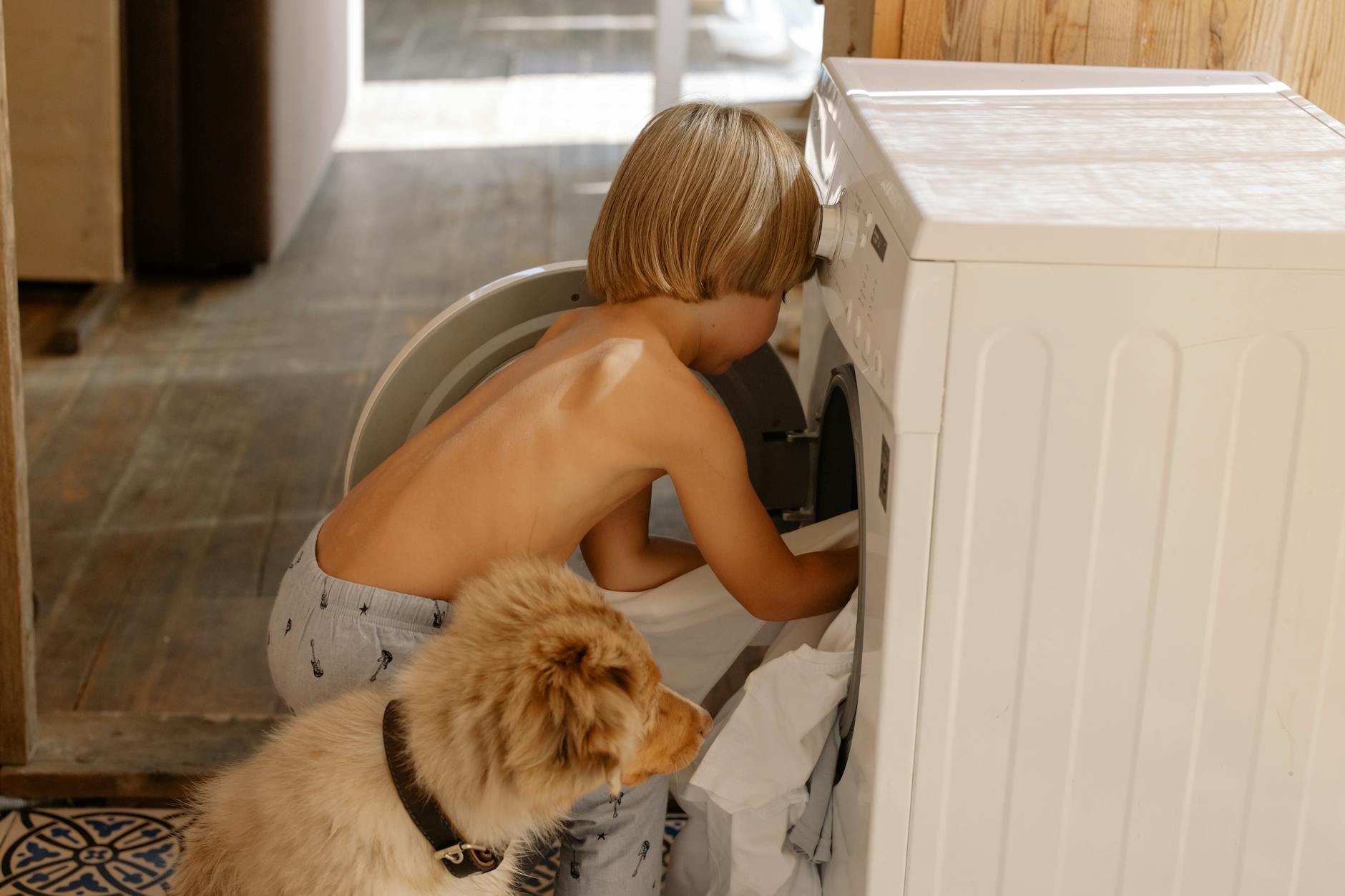
Clumps of wet animal fur clinging to the drum walls show that the machine can no longer flush debris properly. Excess pet hair combines with detergent to create massive blockages in the internal plumbing channels. Wiping the drum interior with a dry sponge before running a load helps manage this hairy situation. Running a dedicated cleaning cycle dissolves the sticky binders that hold the fur against the metal surface. Keeping the machine free of extreme fur buildup prevents major plumbing catastrophes down the road.
Tell us which of these warning signs you have noticed in your own laundry room by sharing your thoughts in the comments.




