Many everyday foods challenge the human digestive system due to their complex molecular structures or high fat content. The stomach and intestines must work overtime to break down certain proteins and complex carbohydrates into usable energy. Identifying these difficult foods helps individuals make informed dietary choices for better digestive health. Readers often find that modifying their intake of these specific items leads to improved overall comfort and energy levels throughout the day.
Fried Chicken

This popular comfort food absorbs massive amounts of cooking oil during the deep frying process. The human digestive tract struggles to process such heavy lipid concentrations efficiently. Consuming excessive dietary fat significantly slows down the entire gastric emptying process. The stomach must secrete additional digestive enzymes to break down the dense greasy exterior layer.
Raw Cabbage
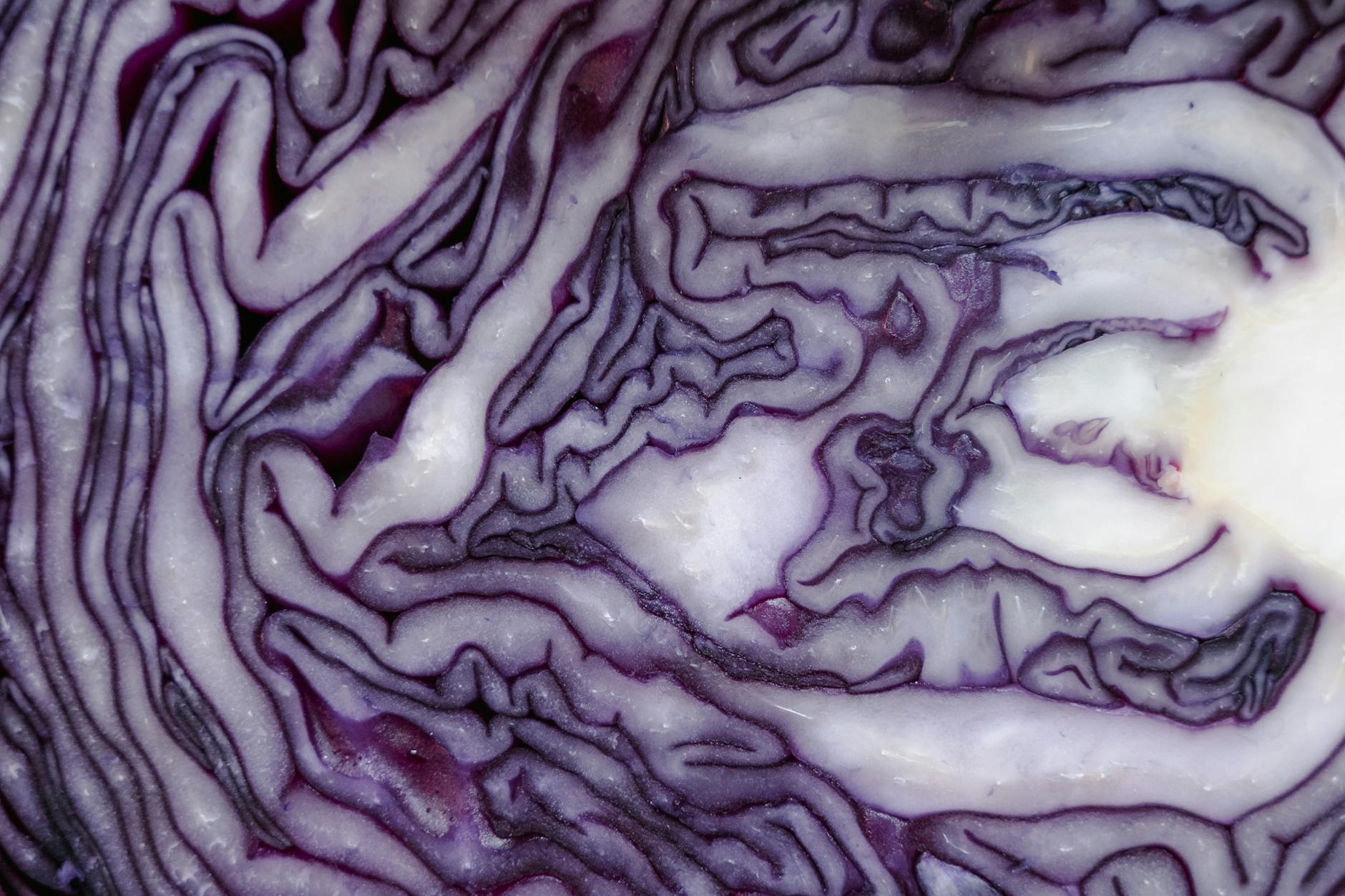
Cruciferous vegetables contain complex sugars called raffinose that humans cannot naturally digest. These specific carbohydrates pass completely intact through the stomach and into the large intestine. Gut bacteria eventually ferment these undigested sugars while producing significant amounts of gas. Eating this vegetable without cooking it first maximizes the concentration of these challenging compounds.
Processed Cheese

Artificial dairy products undergo heavy industrial modifications that alter their natural protein structures. Manufacturers add various synthetic emulsifiers to create a smooth melting texture. The human body lacks the specific enzymes required to efficiently dismantle these artificial chemical bonds. People lacking sufficient lactase face additional severe difficulties processing the residual milk sugars present.
Spicy Curry
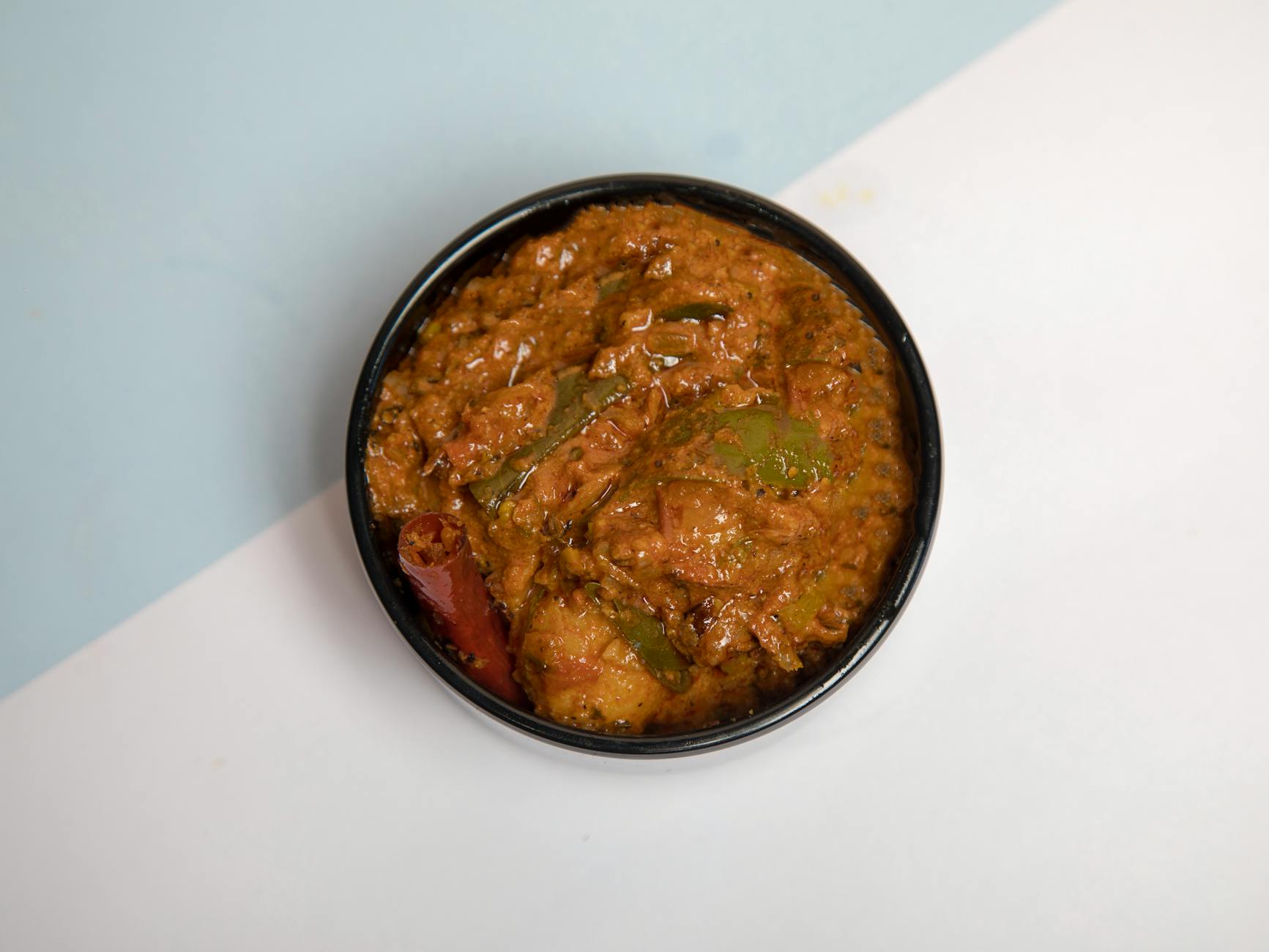
Intensely heated dishes utilize concentrated capsaicin to create their signature burning sensation. This chemical compound directly irritates the sensitive mucous lining of the human stomach. The digestive system attempts to quickly flush the irritant by accelerating the passage of food. This rapid movement prevents the proper absorption of vital nutrients along the intestinal tract.
Artificial Sweeteners
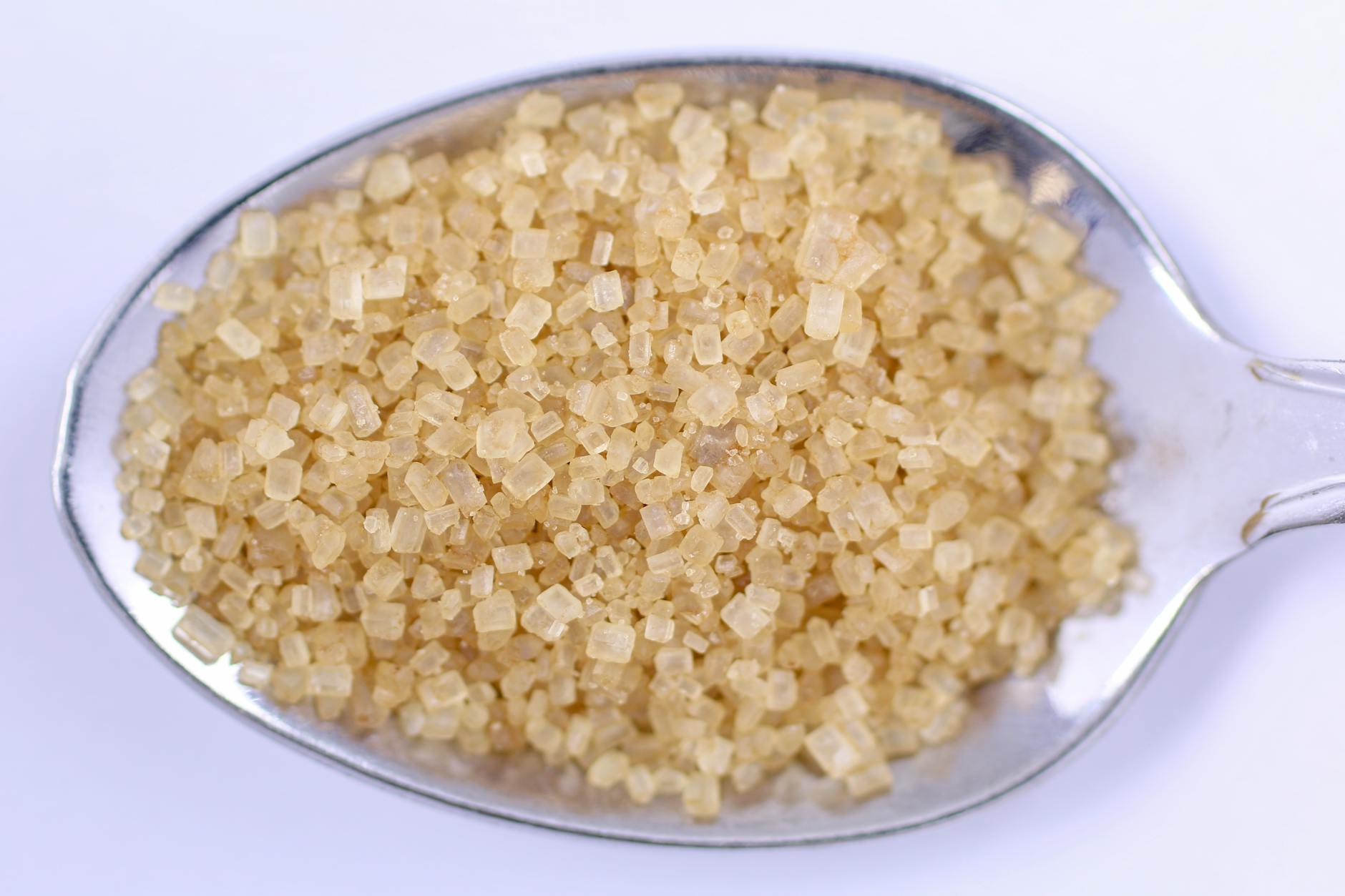
Synthetic sugar substitutes provide sweet flavors without contributing any usable caloric energy. The human digestive system cannot recognize or metabolize these artificial chemical structures. These compounds travel directly into the lower intestine where they disrupt the delicate bacterial microbiome. Certain varieties aggressively draw excess water into the bowel through osmosis causing immediate distress.
Ice Cream

This frozen treat combines high amounts of dairy fat with heavily concentrated processed sugars. The extreme cold temperature physically shocks the digestive tract upon initial consumption. The stomach must expend additional thermal energy to warm the food before digestion can properly begin. Many adults naturally produce less lactase enzyme making the heavy cream components difficult to metabolize.
Raw Onions
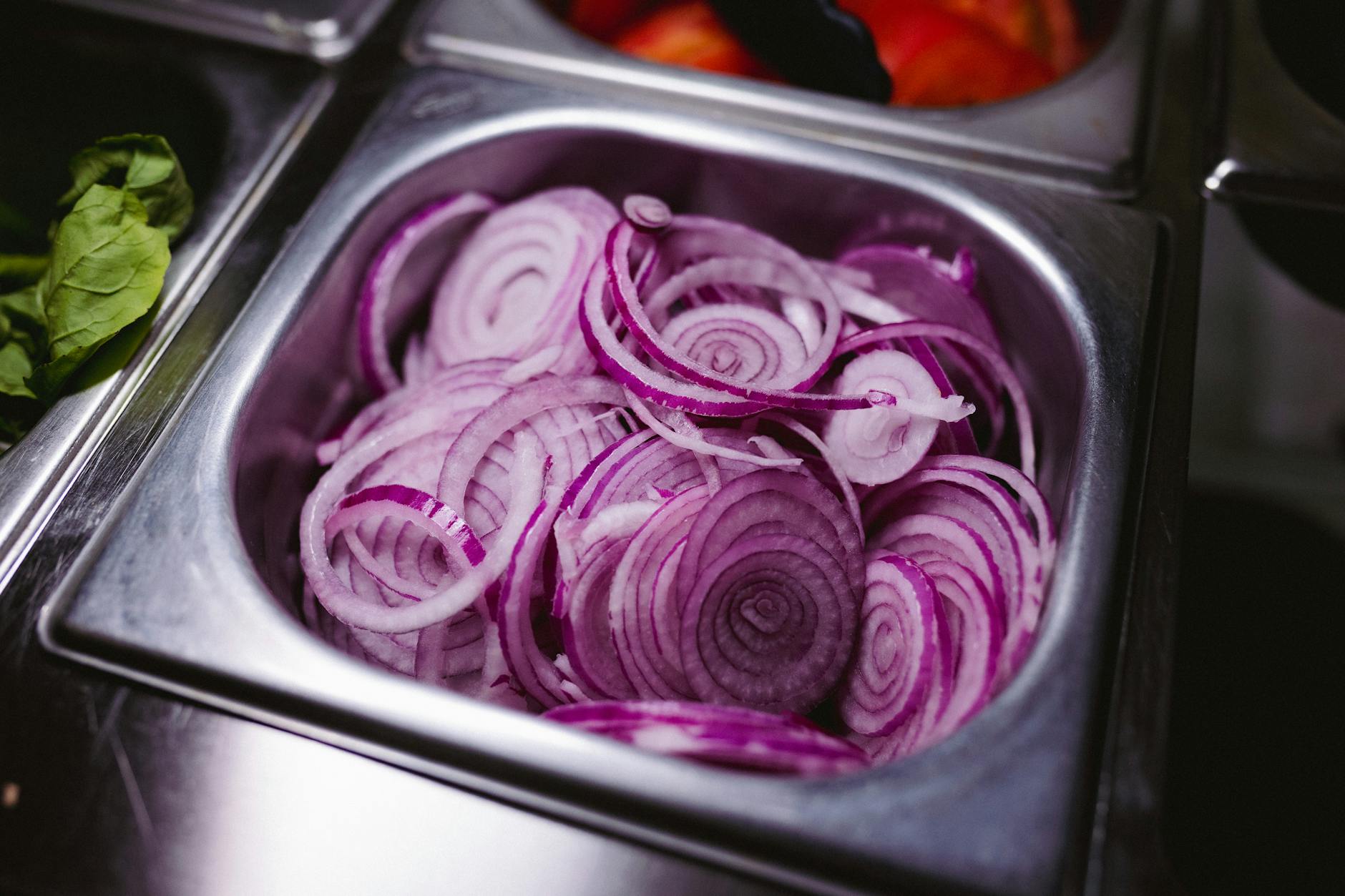
These pungent root vegetables store high levels of fermentable fibers known as fructans. The human digestive tract lacks the specific biological tools necessary to break down these complex carbohydrates. These intact fibers travel directly into the large intestine where resident bacteria consume them. This bacterial fermentation process creates substantial amounts of trapped intestinal gas.
Baked Beans

Legumes contain extraordinarily high amounts of complex oligosaccharides that resist early digestion. The small intestine simply cannot process these complex fiber chains effectively. The unabsorbed nutrients eventually reach the colon where natural fermentation begins. This biological process generates excess hydrogen and methane gases within the lower intestinal tract.
Potato Chips
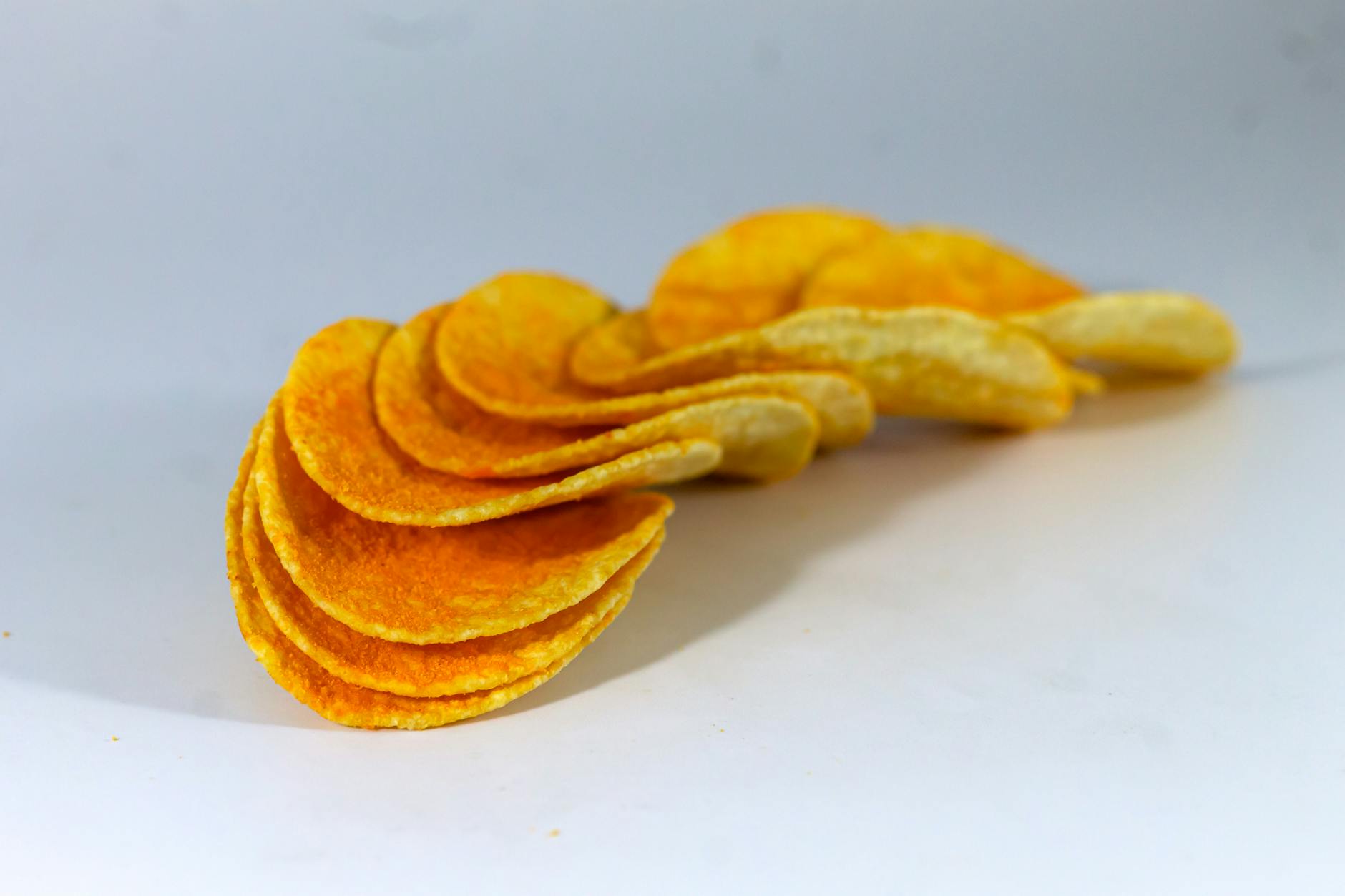
Commercial snack foods undergo intense frying processes that saturate them with unhealthy industrial oils. The human stomach digests these heavy fats at an incredibly slow and laborious pace. The lack of natural dietary fiber prevents the smooth transit of these snacks through the bowel. High sodium levels further complicate digestion by drawing crucial hydration away from the gastrointestinal tract.
Milk Chocolate

This sweet confection contains high levels of dairy fat alongside massive amounts of refined sugar. The specific combination of cocoa and milk proteins creates a complex digestive barrier. Caffeine present in the cocoa beans can overly stimulate the intestinal muscles. This artificial stimulation frequently leads to unpredictable bowel movements and stomach discomfort.
Hot Dogs

Processed meats contain various chemical preservatives required to maintain their unnatural shelf life. The high concentration of saturated animal fats requires maximum effort from the human gallbladder. Nitrates used during the curing process disrupt the natural acidic balance of the stomach. The dense protein structures take many hours to fully break down into usable amino acids.
Raw Garlic
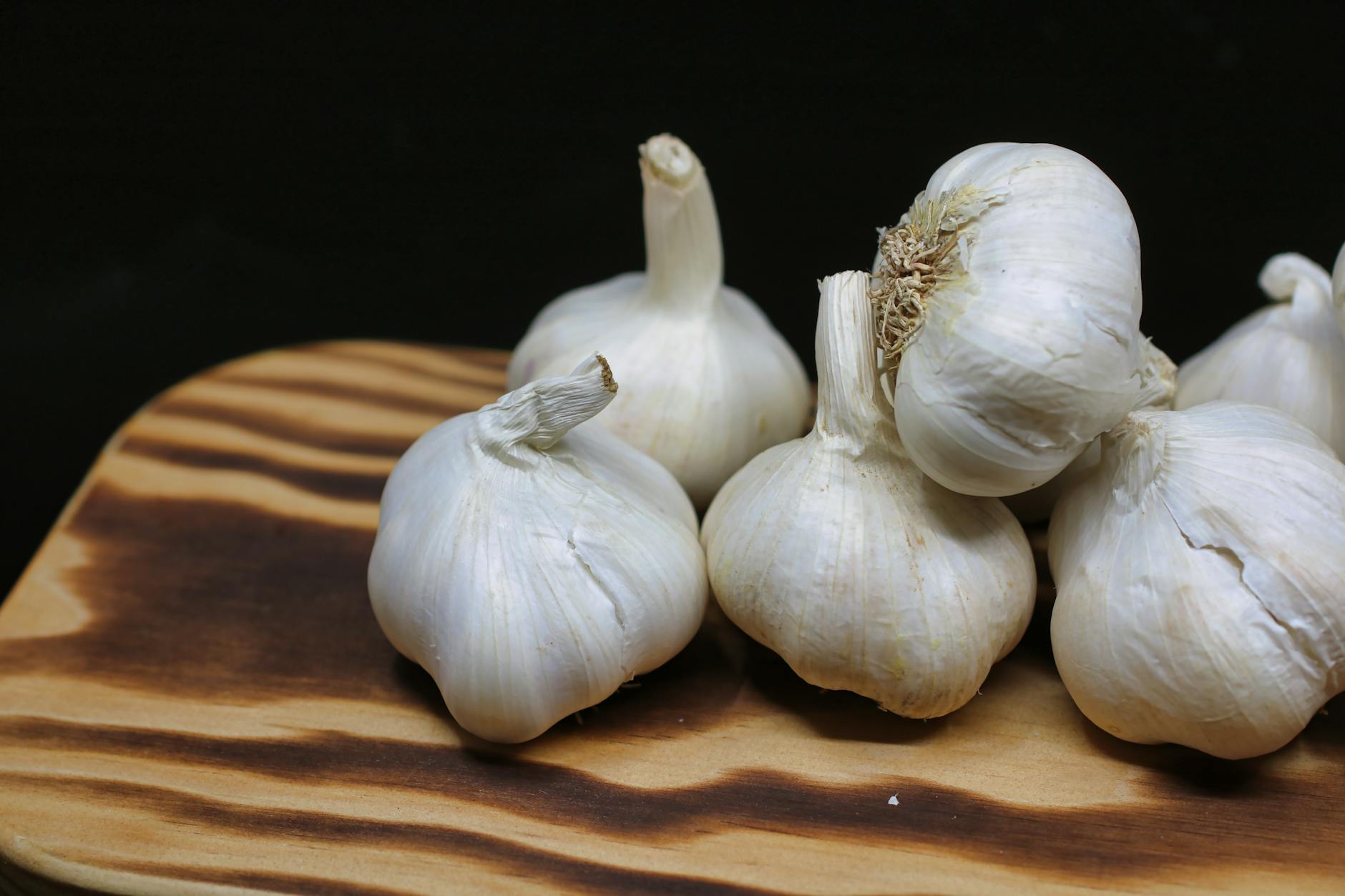
This flavorful bulb contains powerful sulfur compounds that irritate sensitive digestive tissues. The raw cellular walls are exceptionally tough for human stomach acid to completely dissolve. Eating this ingredient uncooked maximizes the release of harsh volatile oils into the gut. These oils frequently trigger severe acid reflux by relaxing the esophageal sphincter muscle.
Brussels Sprouts
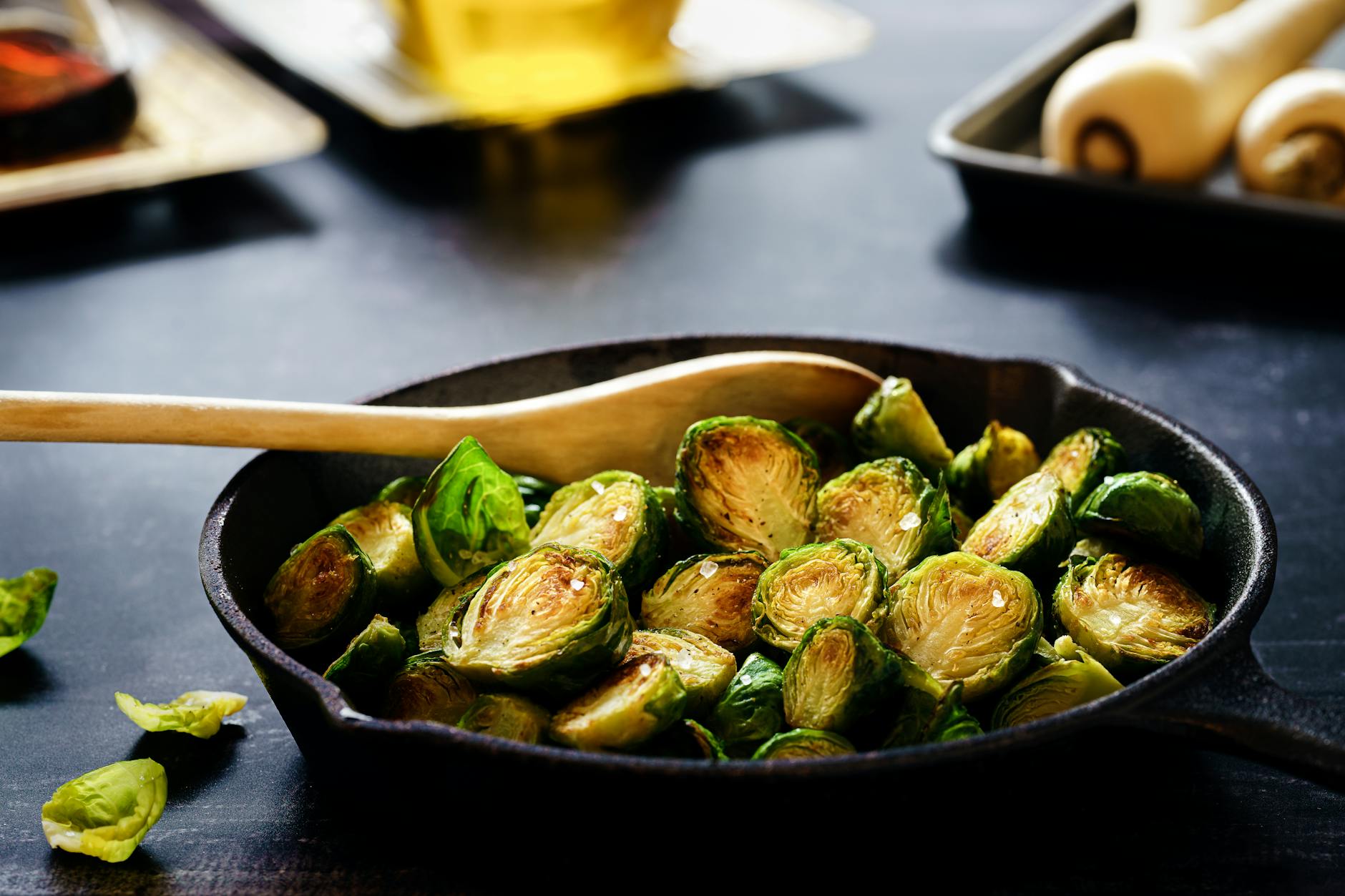
These small green vegetables pack dense concentrations of indigestible complex carbohydrates. The intricate cellular structure requires extensive physical breakdown before any nutrient absorption occurs. Fermenting bacteria in the large intestine must complete the digestive work that the stomach cannot. This necessary biological decomposition inevitably produces uncomfortable bloating and trapped gas.
Whole Milk
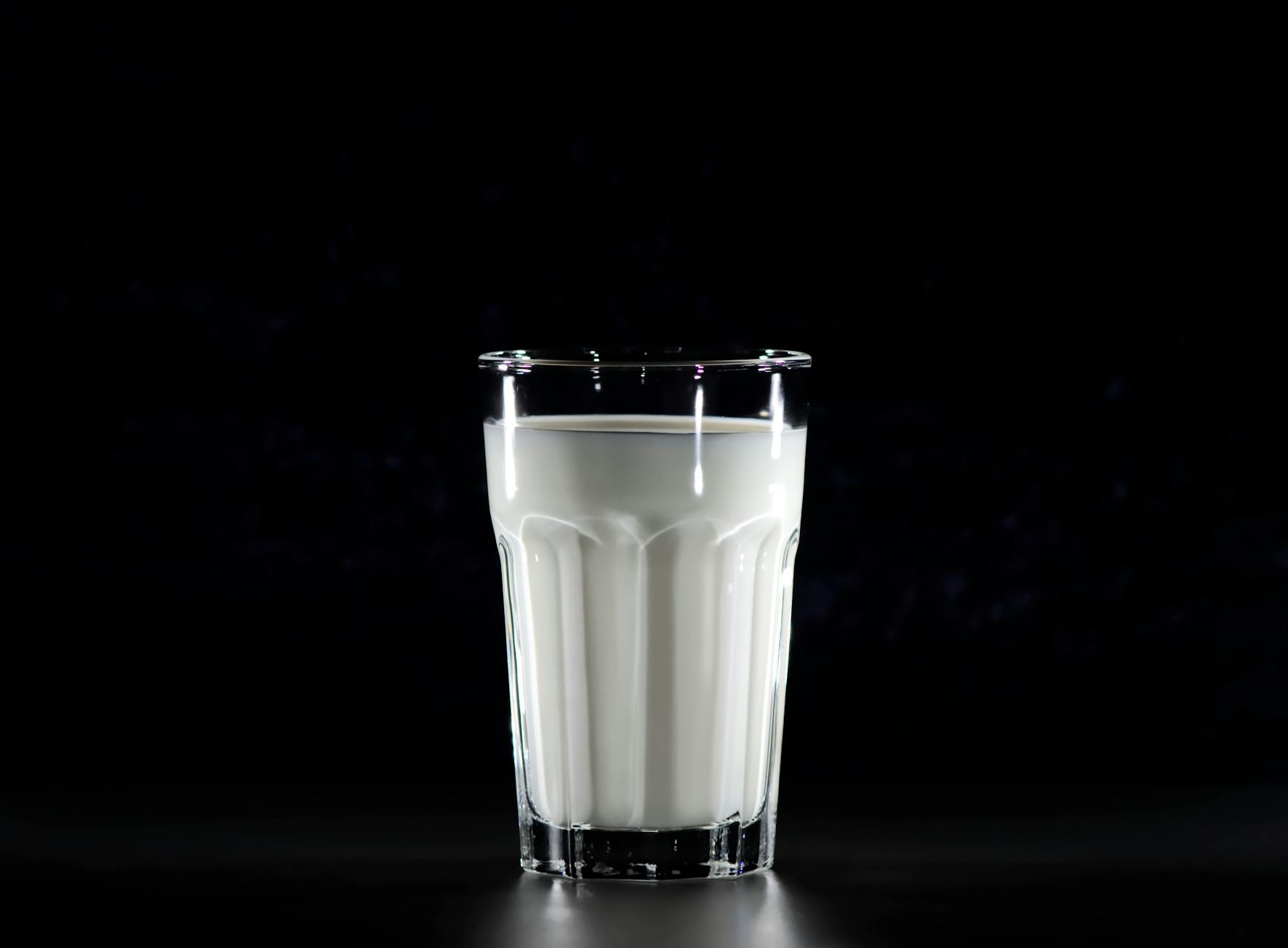
Natural dairy liquids contain lactose molecules that require a specific enzyme for proper breakdown. A large percentage of the global population stops producing this crucial enzyme during adulthood. The undigested milk sugars travel into the colon where they attract excess fluid. This process usually results in uncomfortable swelling and rapid digestive evacuation.
Bacon

Cured pork strips consist almost entirely of tough animal protein and heavily concentrated saturated fat. The human digestive system processes fat much slower than any other dietary macronutrient. Smoked meats contain complex chemical compounds that heavily tax the liver during metabolism. The extremely high sodium content negatively alters the fluid balance within the digestive tract.
Lentils
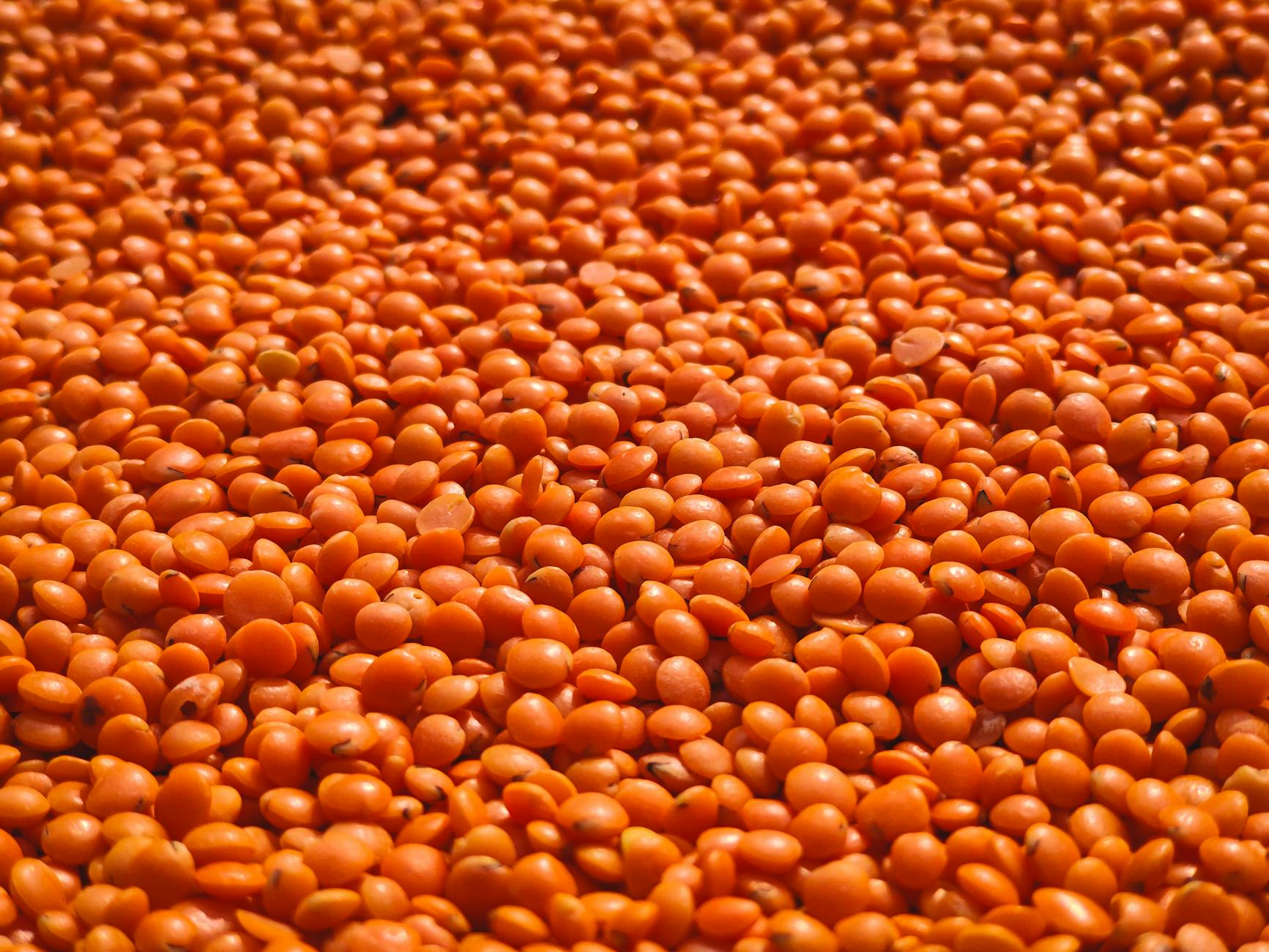
These tiny legumes boast an incredibly high fiber content alongside complex phytic acid. The human digestive tract struggles to process such concentrated amounts of raw plant fiber simultaneously. Phytic acid acts as an antinutrient that binds to essential minerals during the digestive process. Thorough soaking and cooking are absolutely necessary to weaken these restrictive biological barriers.
Apple Peels
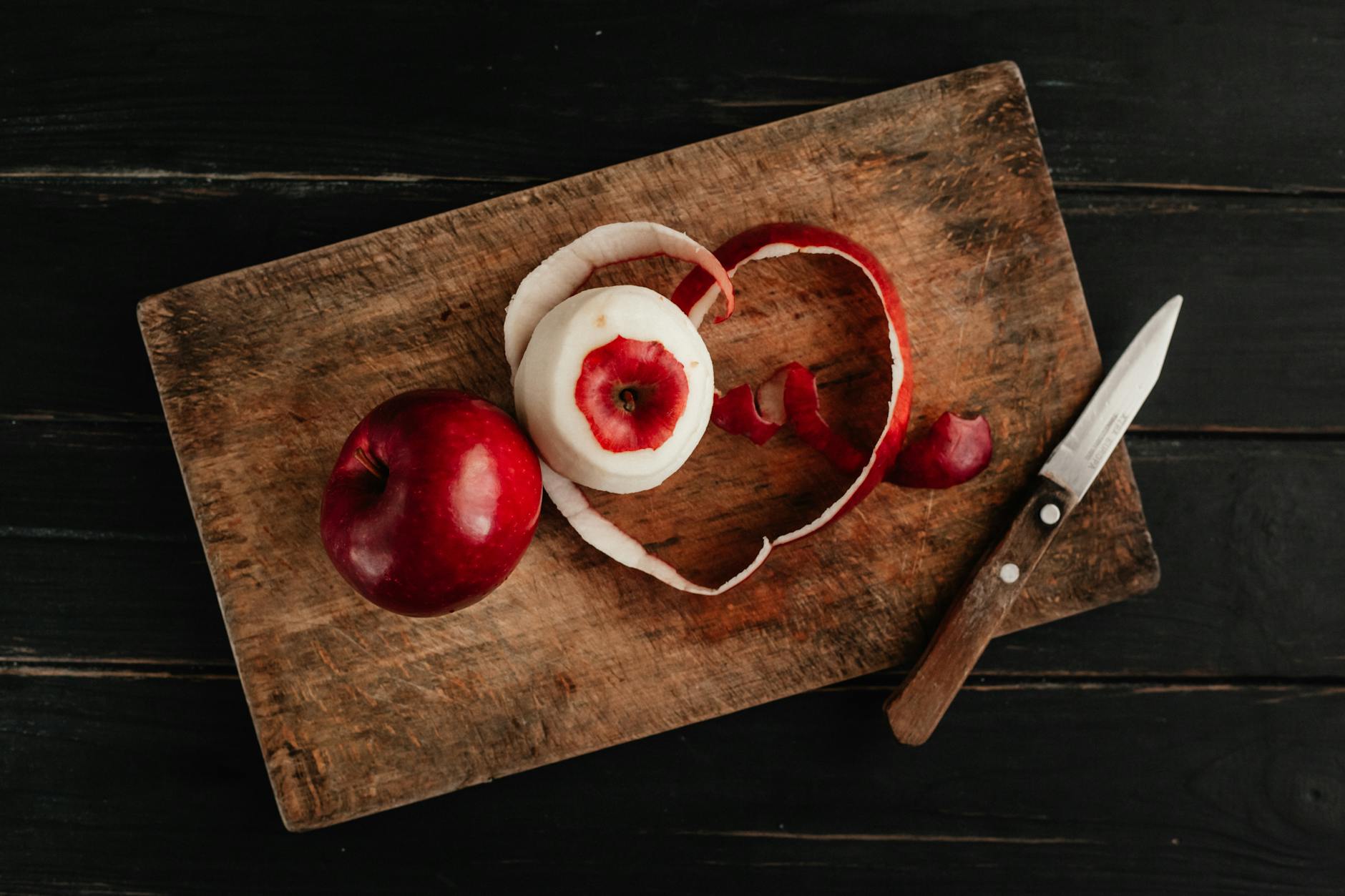
The outer skin of this common fruit consists primarily of tough insoluble cellulose. Human stomach acid lacks the chemical strength to dissolve this protective botanical layer. The intact skins scrape against the sensitive lining of the intestinal tract during transit. Removing the peel eliminates this specific digestive friction while sacrificing some nutritional value.
Corn on the Cob

Whole kernel corn features a highly protective outer shell made entirely of tough cellulose. The human body does not produce the specific enzymes required to break down this fibrous casing. Swallowing kernels without extensive chewing guarantees they will pass through the body completely intact. This undigested matter provides no nutritional benefit and creates unnecessary bulk in the digestive tract.
Sausage
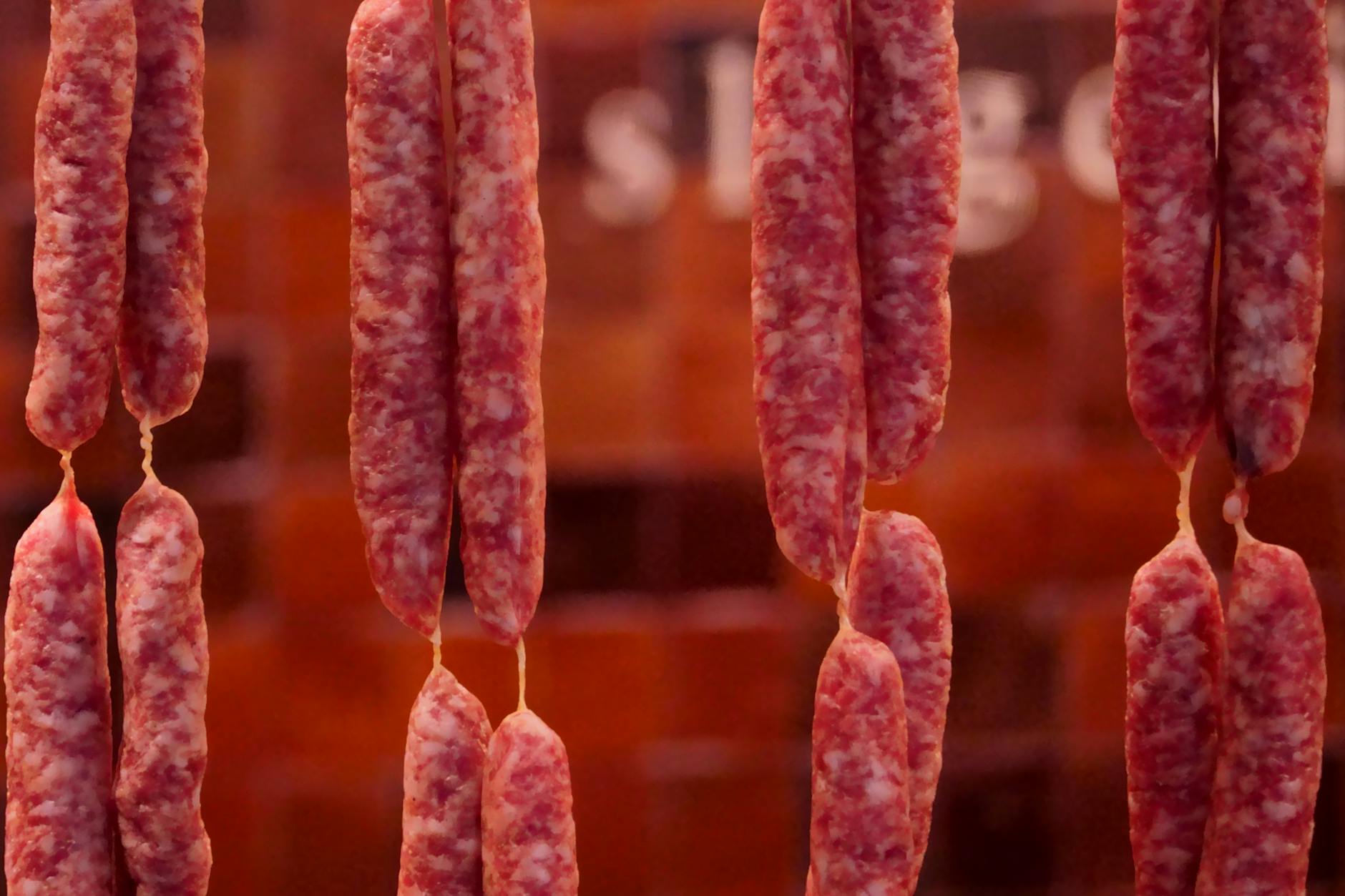
Ground meat products heavily blend tough animal casings with high concentrations of dense fat. The dense mixture of assorted animal proteins requires maximum acid production from the stomach. Various spicy additives frequently irritate the delicate mucosal lining of the gastrointestinal tract. This heavy combination slows gastric emptying to an absolute crawl.
Cauliflower
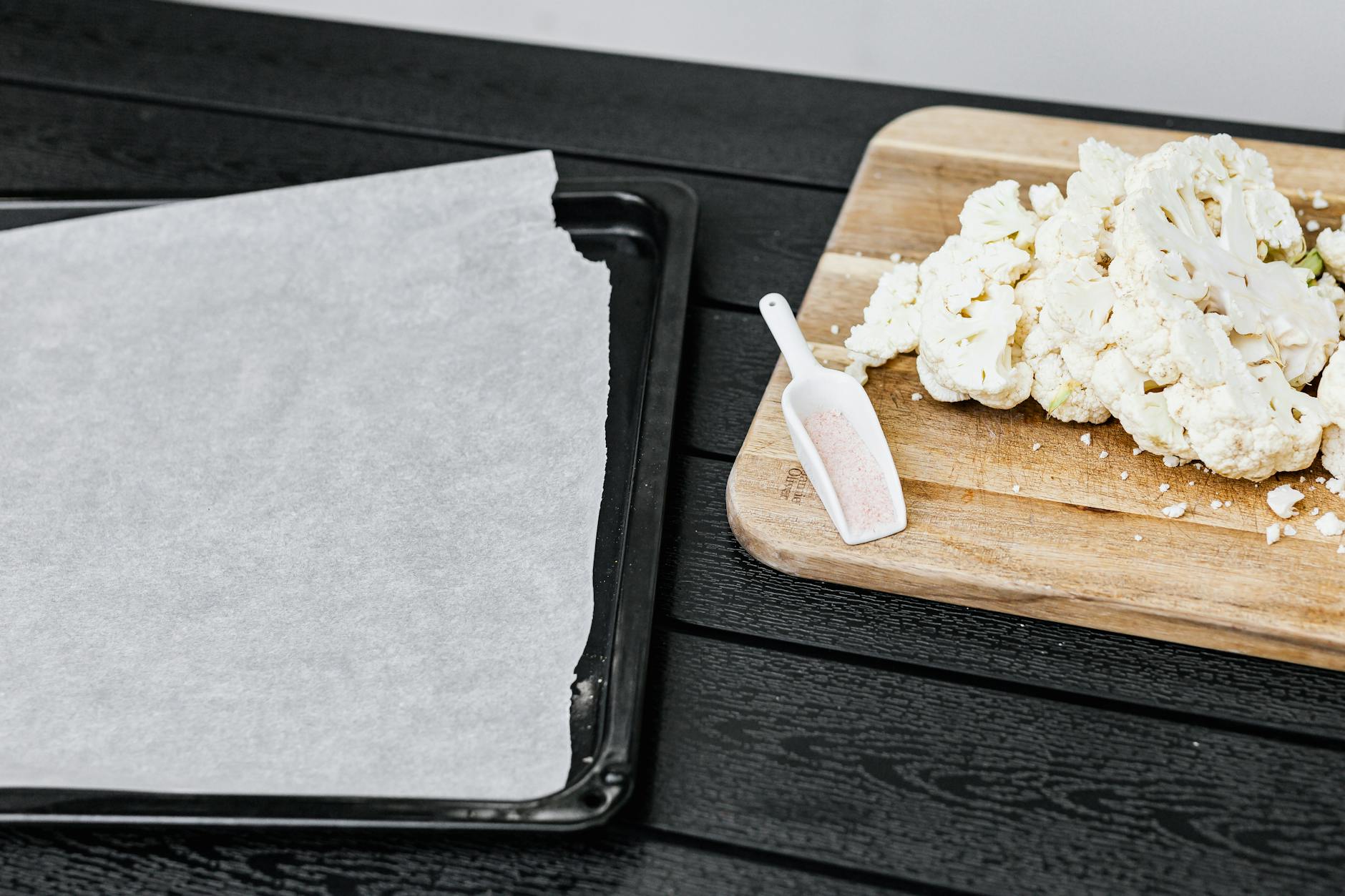
This popular white vegetable shares the same gas producing characteristics as its cruciferous relatives. The dense florets contain high amounts of complex sugars that bypass initial digestion. The large intestine becomes a fermentation chamber when these sugars finally arrive. Roasting the vegetable helps partially degrade these complicated molecular structures beforehand.
Macadamia Nuts
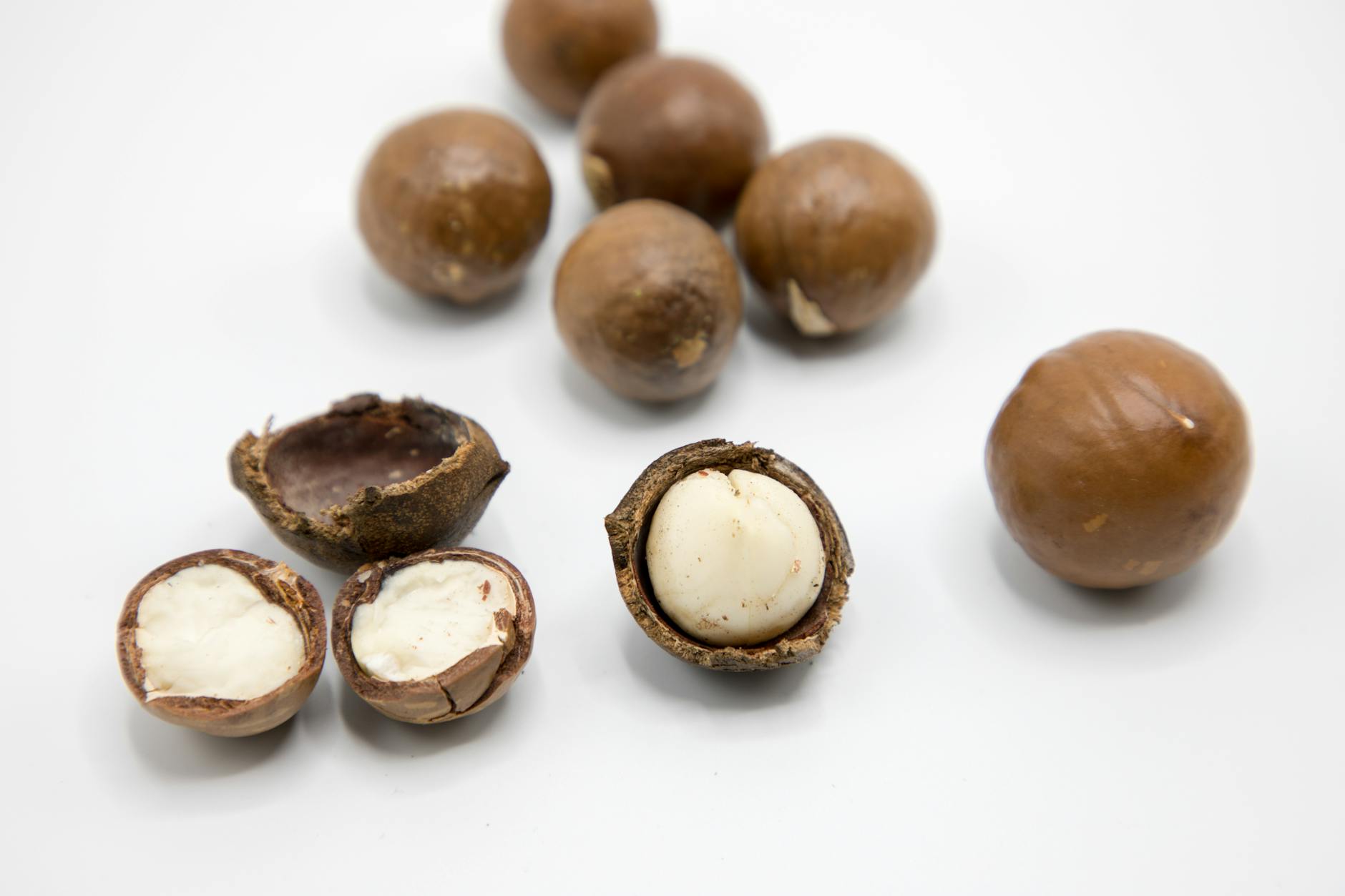
These popular tree nuts contain the highest fat content of any commonly consumed nut variety. The incredibly dense lipid profile demands massive amounts of bile for proper emulsification. Consuming a large handful overwhelms the digestive capacity of a normal human stomach. The unabsorbed fats can accelerate intestinal transit and cause significant gastric distress.
Raw Broccoli
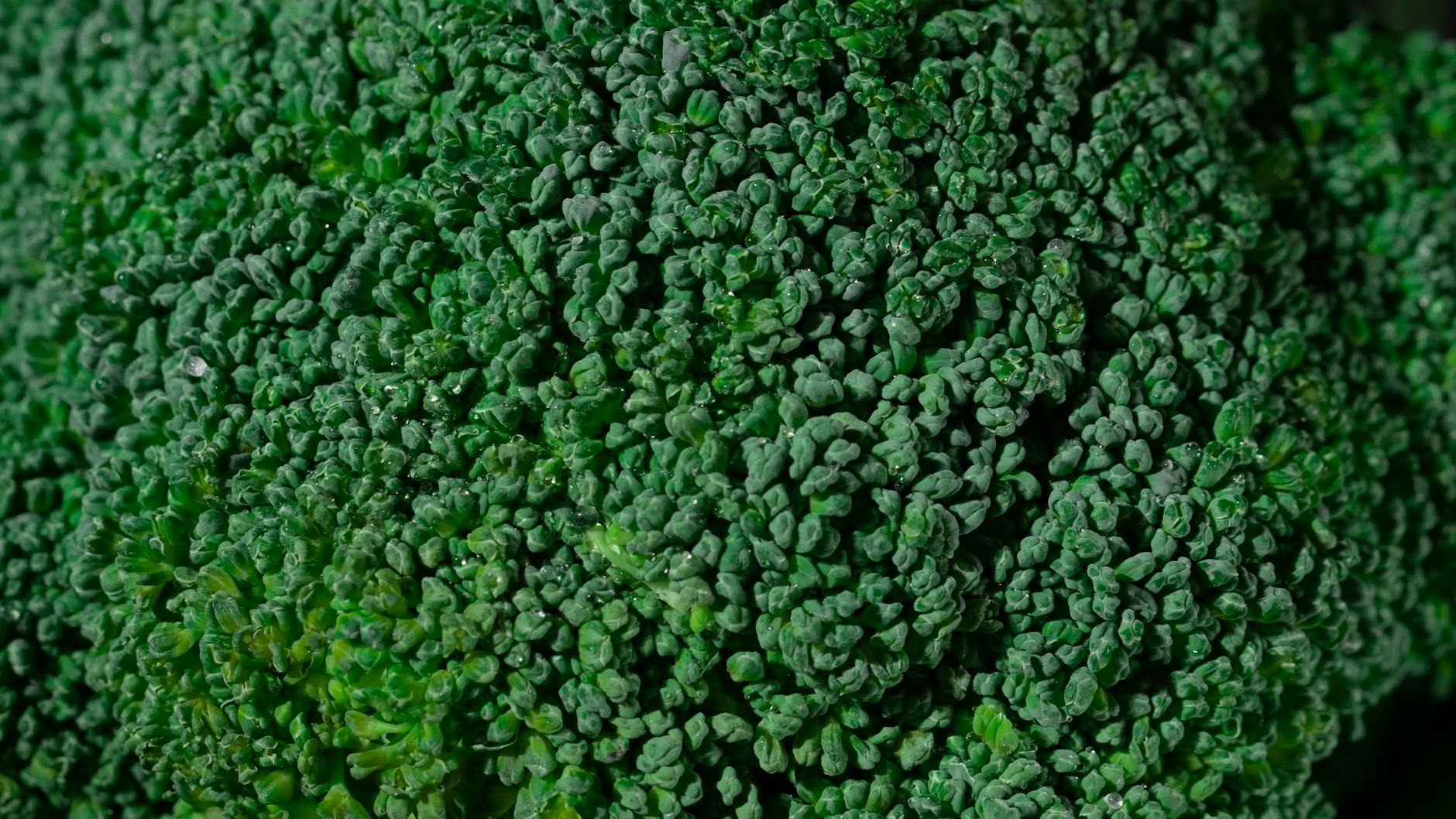
The sturdy stalks of this green vegetable contain massive amounts of tough insoluble fiber. Chewing alone cannot sufficiently break down the rigid cellular walls for proper nutrient extraction. The intact plant matter eventually ferments within the lower digestive tract. Steaming the florets softens the tough fibers and significantly improves overall digestibility.
Margarine
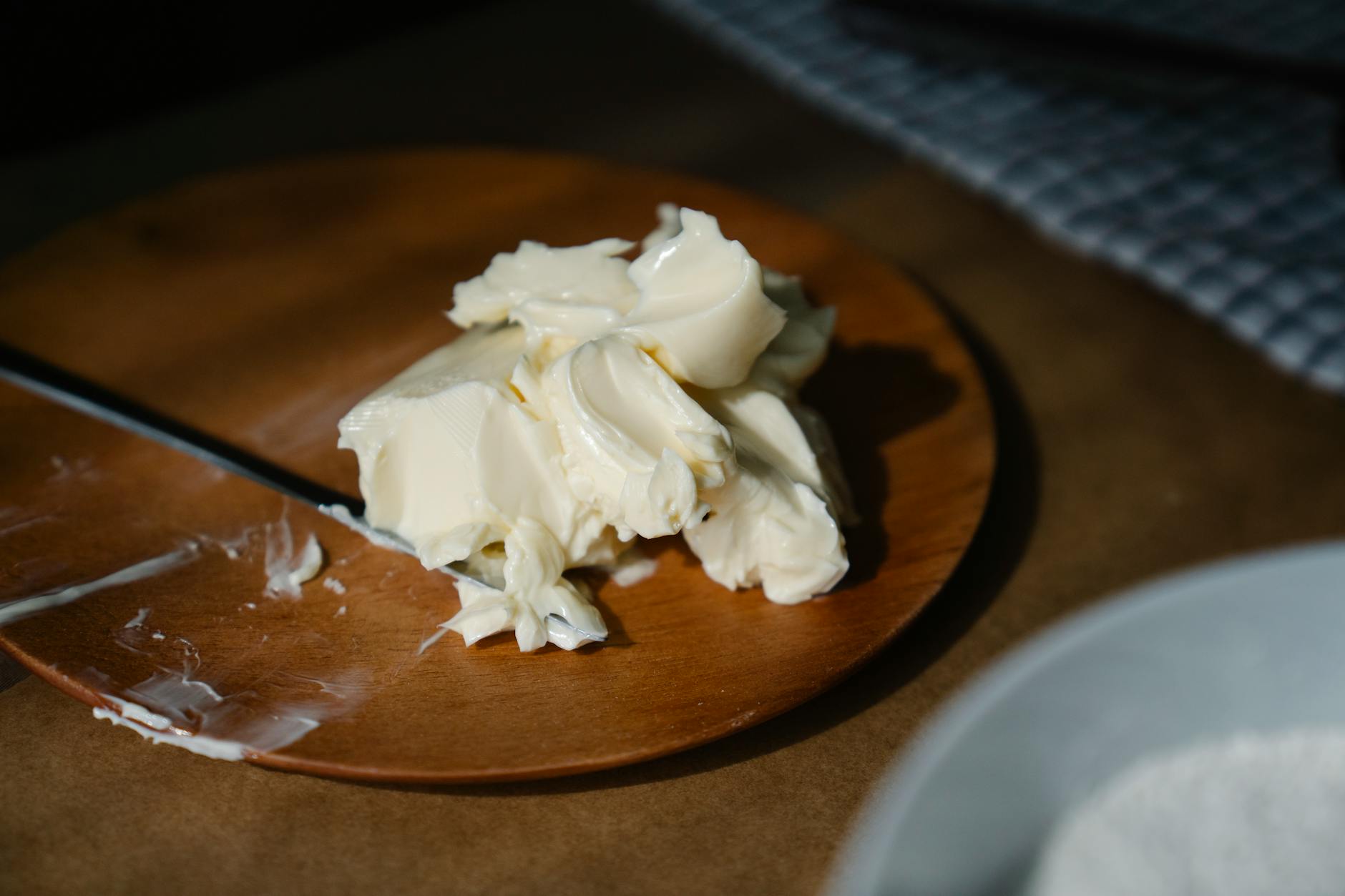
Artificial butter substitutes utilize heavily processed vegetable oils to mimic natural dairy fat. The chemical hydrogenation process creates synthetic fat molecules that the body cannot easily recognize. The liver must work exceptionally hard to process these unnatural chemical structures. These artificial fats slow down overall digestion while providing zero structural benefits to the body.
French Fries
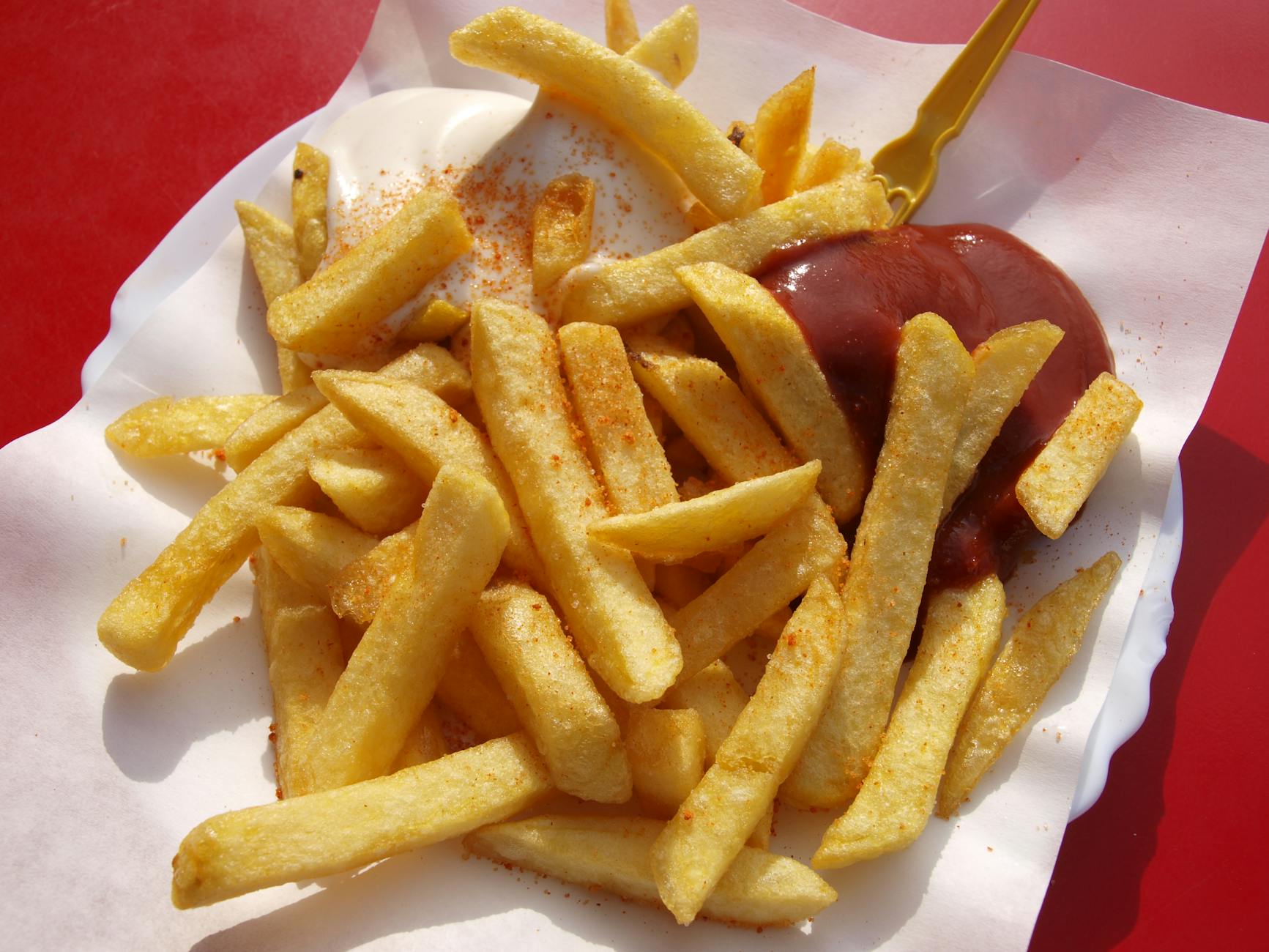
Deep fried potatoes absorb huge amounts of trans fats and heavily oxidized cooking oils. The soft interior starch combined with the greasy exterior creates a complicated digestive puzzle. The stomach aggressively retains these heavy foods to ensure complete breakdown of the saturated fats. This prolonged gastric retention directly causes uncomfortable feelings of extreme fullness.
Sugar Free Gum

Chewing gum sweetened with sugar alcohols tricks the stomach into preparing for actual food. The body begins producing unnecessary digestive acids that have nothing to process. Accidentally swallowing the gum introduces unnatural elastic polymers into the digestive tract. The artificial sweeteners also draw excess water into the bowels and create severe cramping.
Salami

Aged meats undergo lengthy fermentation processes that create complex histamine compounds. Some digestive systems lack the specific enzymes necessary to safely process these accumulated histamines. The dense fat marbling requires immense effort from the human gallbladder to properly digest. Nitrite preservatives further complicate the chemical environment within the stomach.
Dried Apricots
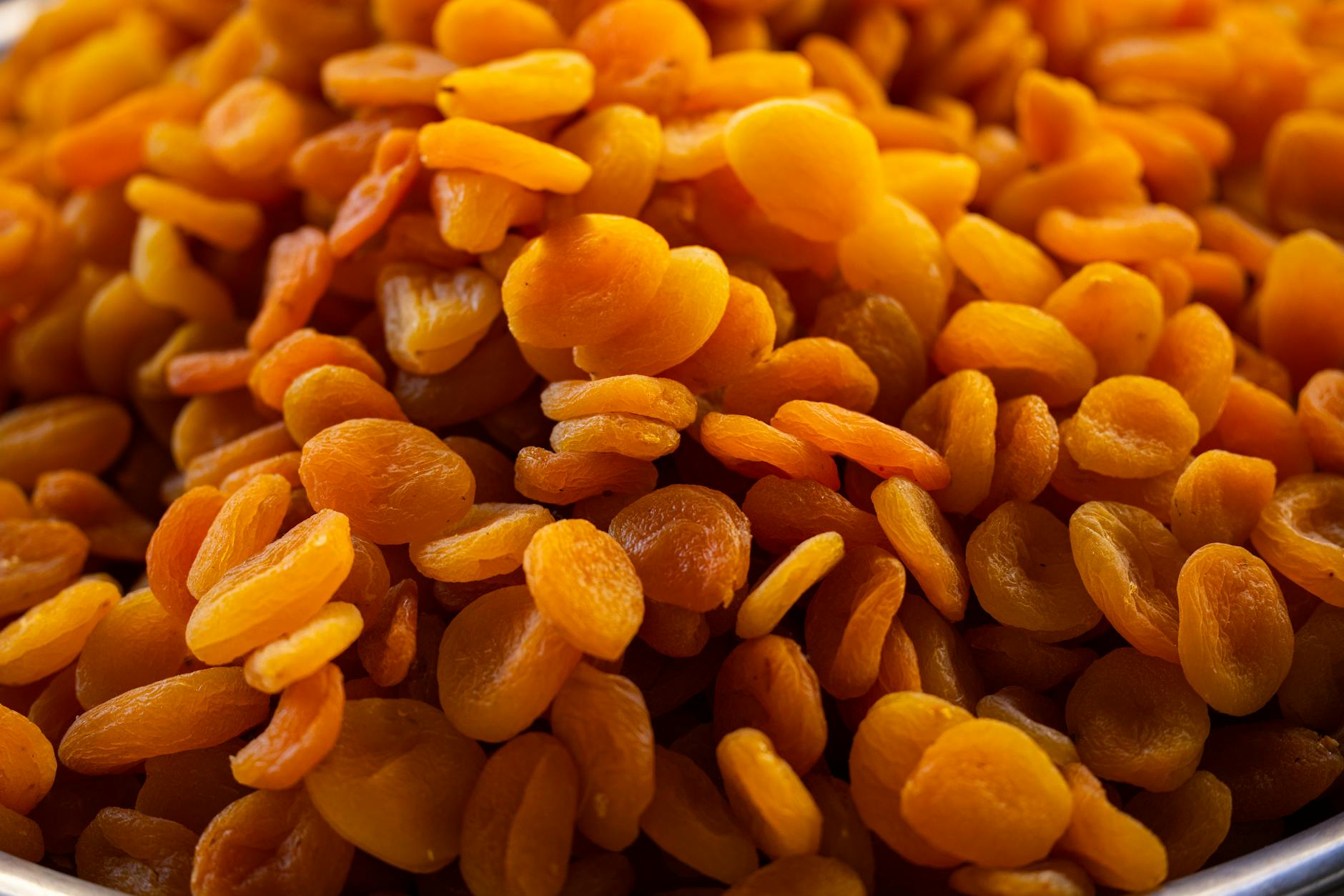
Dehydrated fruits concentrate massive amounts of natural fructose into very small packages. The complete lack of water makes these chewy snacks difficult for the stomach to break apart. Preservatives like sulfur dioxide are frequently added to maintain the bright orange color. These specific chemical additives commonly irritate the delicate lining of the lower intestines.
Chili Peppers
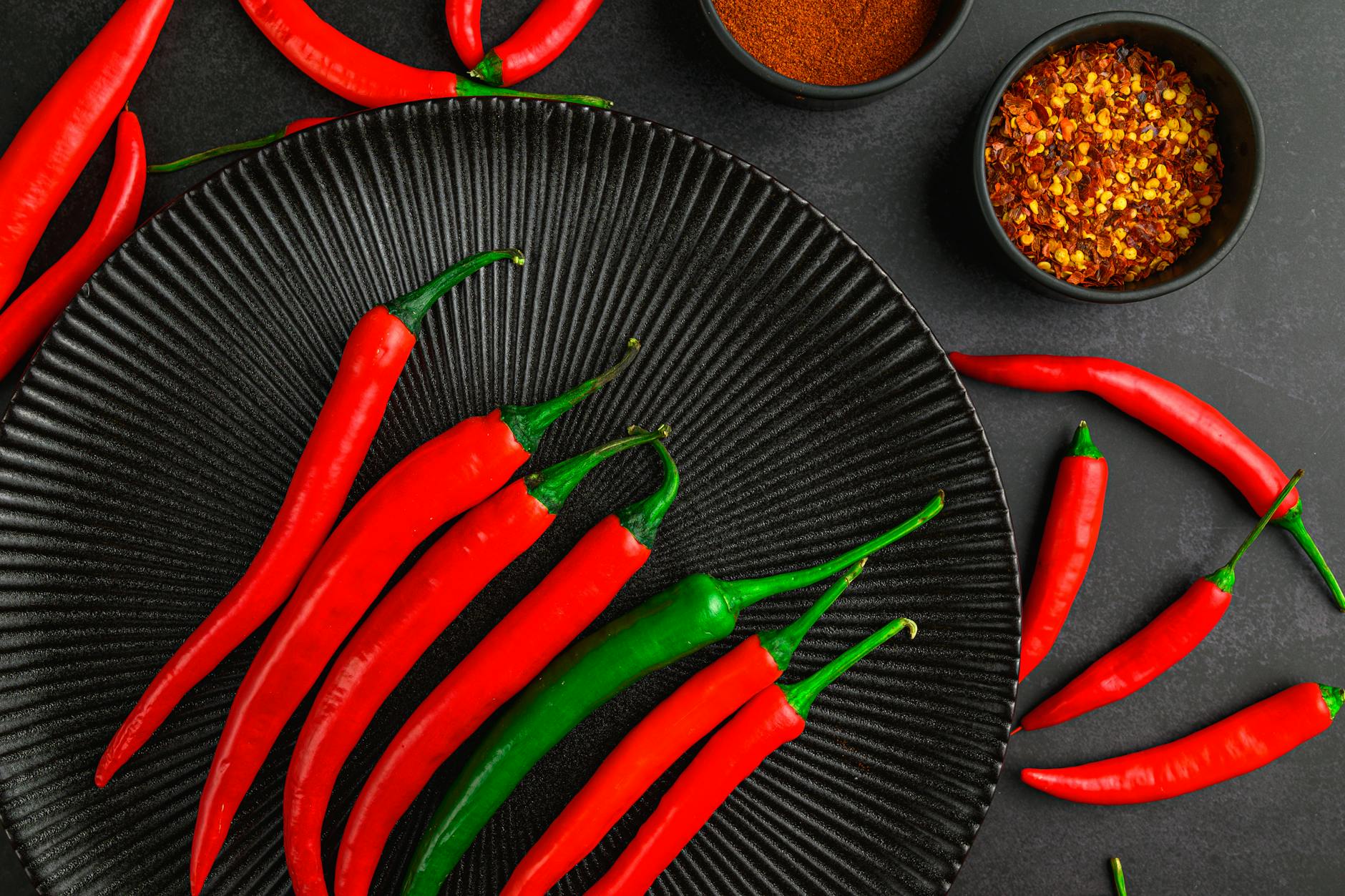
The active heat compounds in these fiery vegetables act as intense chemical irritants. The stomach lining becomes immediately inflamed upon direct contact with raw capsaicin. The body naturally attempts to expel the painful substance by rapidly accelerating bowel movements. This panicked digestive response completely disrupts the normal extraction of vital nutrients.
Doughnuts

These breakfast pastries combine highly refined white flour with excessive amounts of processed sugar. Deep frying the dough introduces heavy fats that completely coat the delicate stomach lining. The complete lack of natural dietary fiber allows the sugars to hit the bloodstream rapidly. The remaining heavy fat mass sits stagnant in the stomach for several hours.
Fettuccine Alfredo

This rich pasta dish buries processed simple carbohydrates under a heavy blanket of dense dairy fat. The thick cream sauce demands immense amounts of bile to properly separate the heavy lipids. The refined pasta noodles turn into a gluey mass within the human stomach. This combination of simple starch and heavy fat represents a worst case scenario for rapid digestion.
Chickpeas
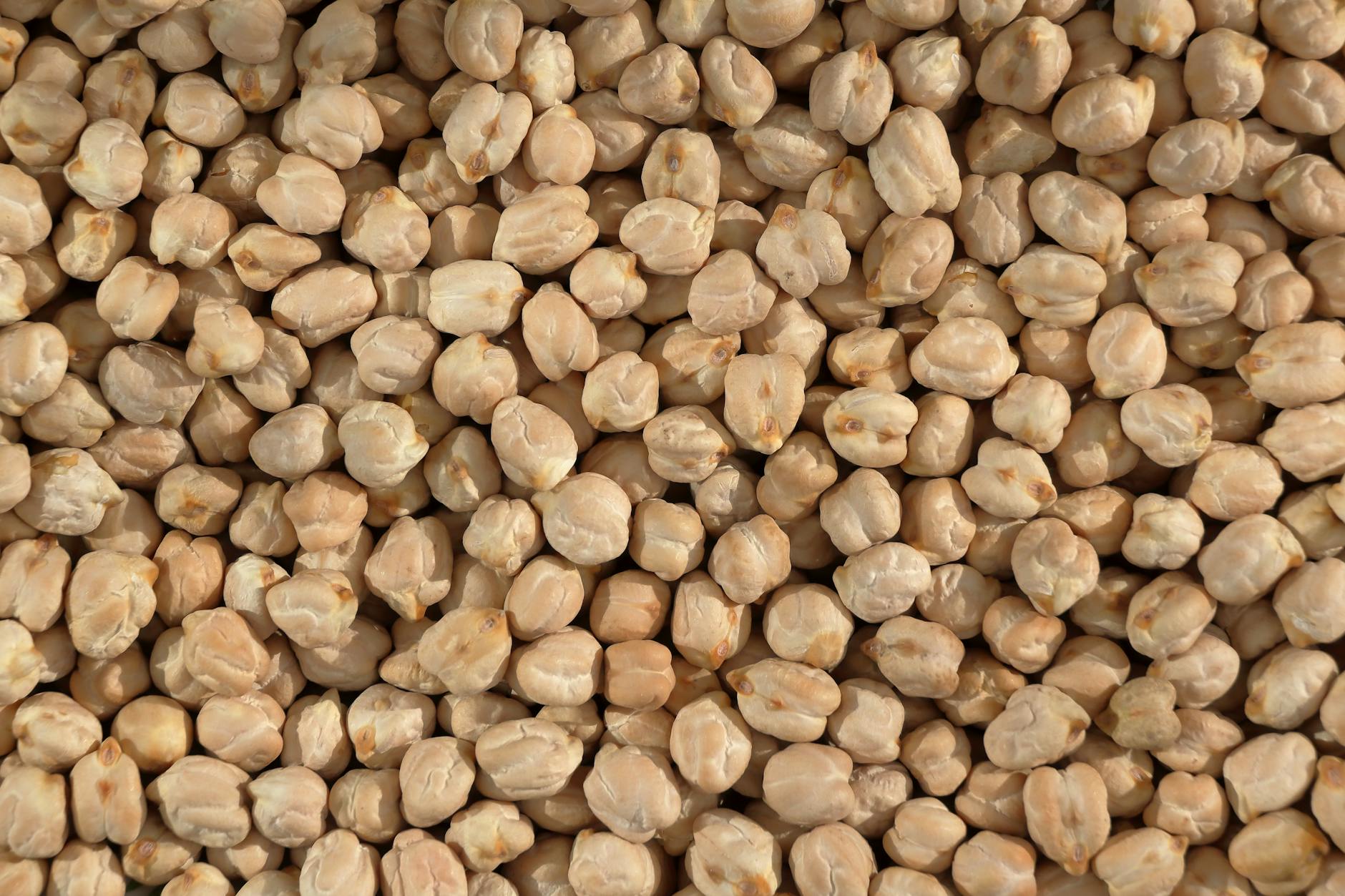
These dense legumes feature a thick outer skin that fiercely resists human stomach acid. The interior contains massive amounts of complex carbohydrates that require extensive bacterial fermentation. Eating them raw or undercooked practically guarantees severe gastrointestinal distress. Careful soaking and prolonged boiling are absolutely mandatory to soften their protective biological armor.
Raw Kale
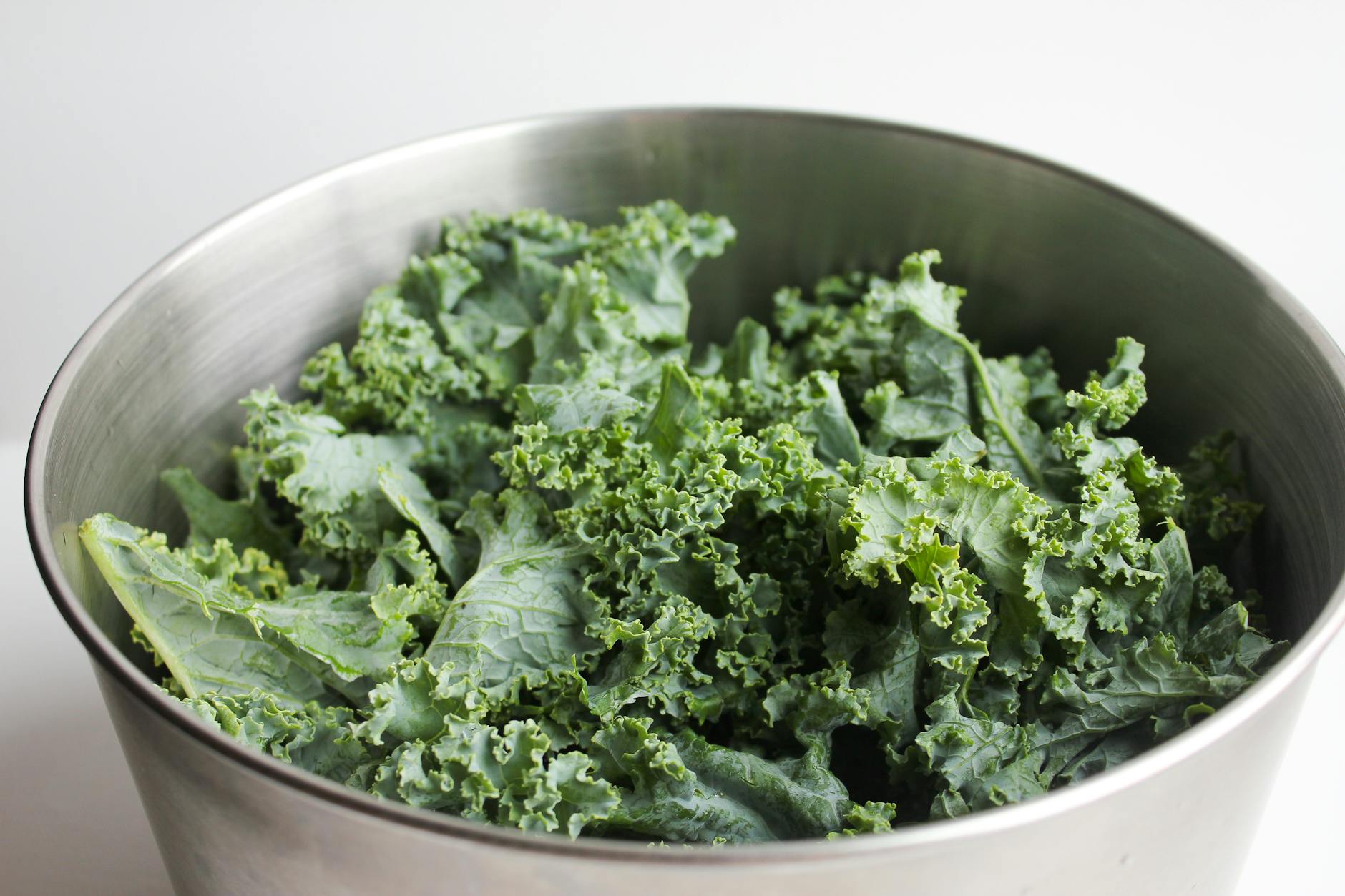
This trendy leafy green features incredibly tough fibers that demand aggressive physical chewing. The human stomach cannot fully dissolve the rigid cellular structure of the raw leaves. These intact fibrous pieces can cause significant physical irritation as they move through the bowel. Massaging the raw leaves with acidic lemon juice helps artificially break down the tough exterior.
Energy Drinks
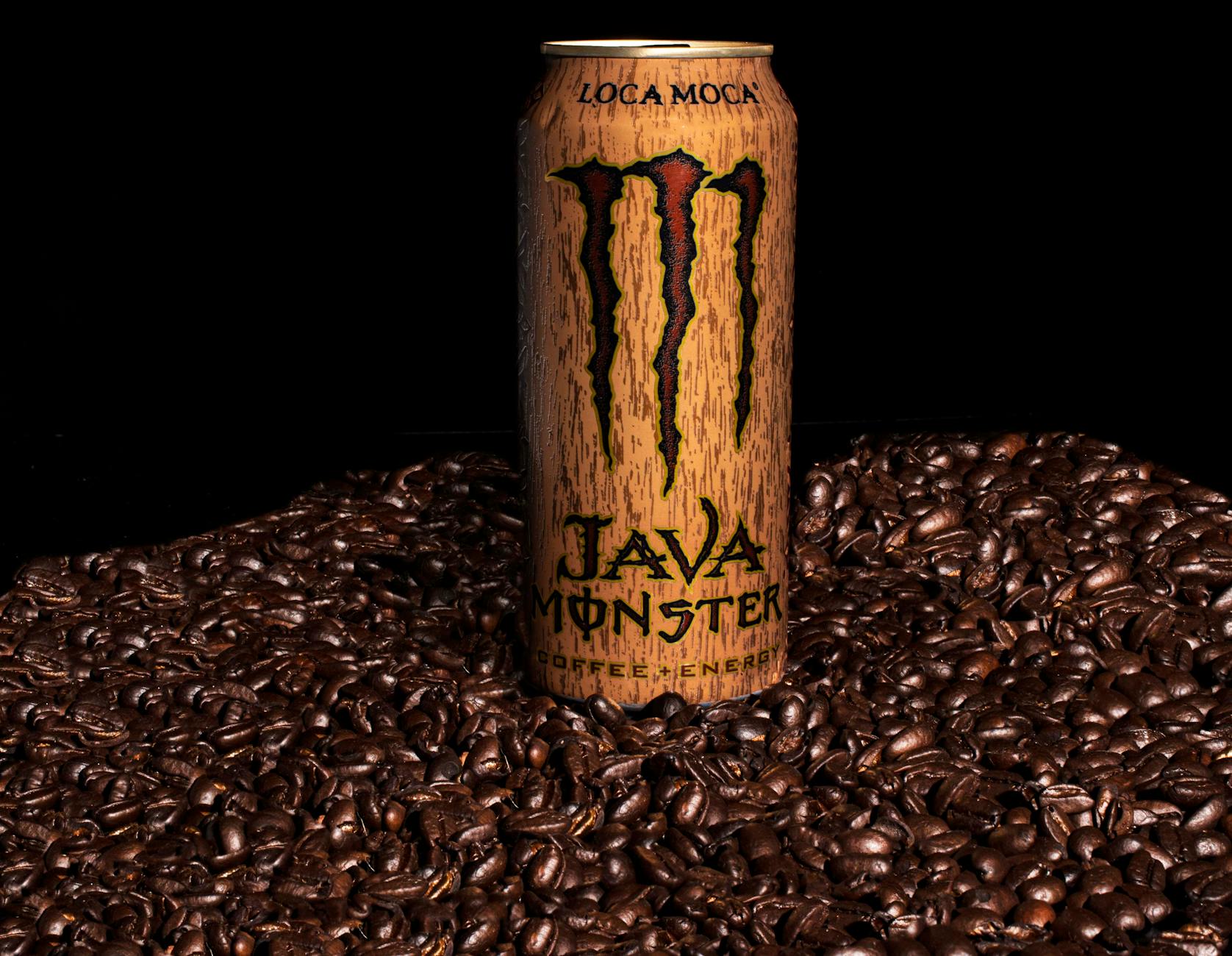
These artificial beverages flood the digestive system with extreme concentrations of synthetic caffeine. The harsh chemical stimulants force the intestinal muscles into unnatural and rapid contractions. Massive amounts of refined sugar create an immediate osmotic imbalance within the lower gut. The highly acidic nature of the liquid frequently damages the protective mucosal lining of the stomach.
Hard Candy
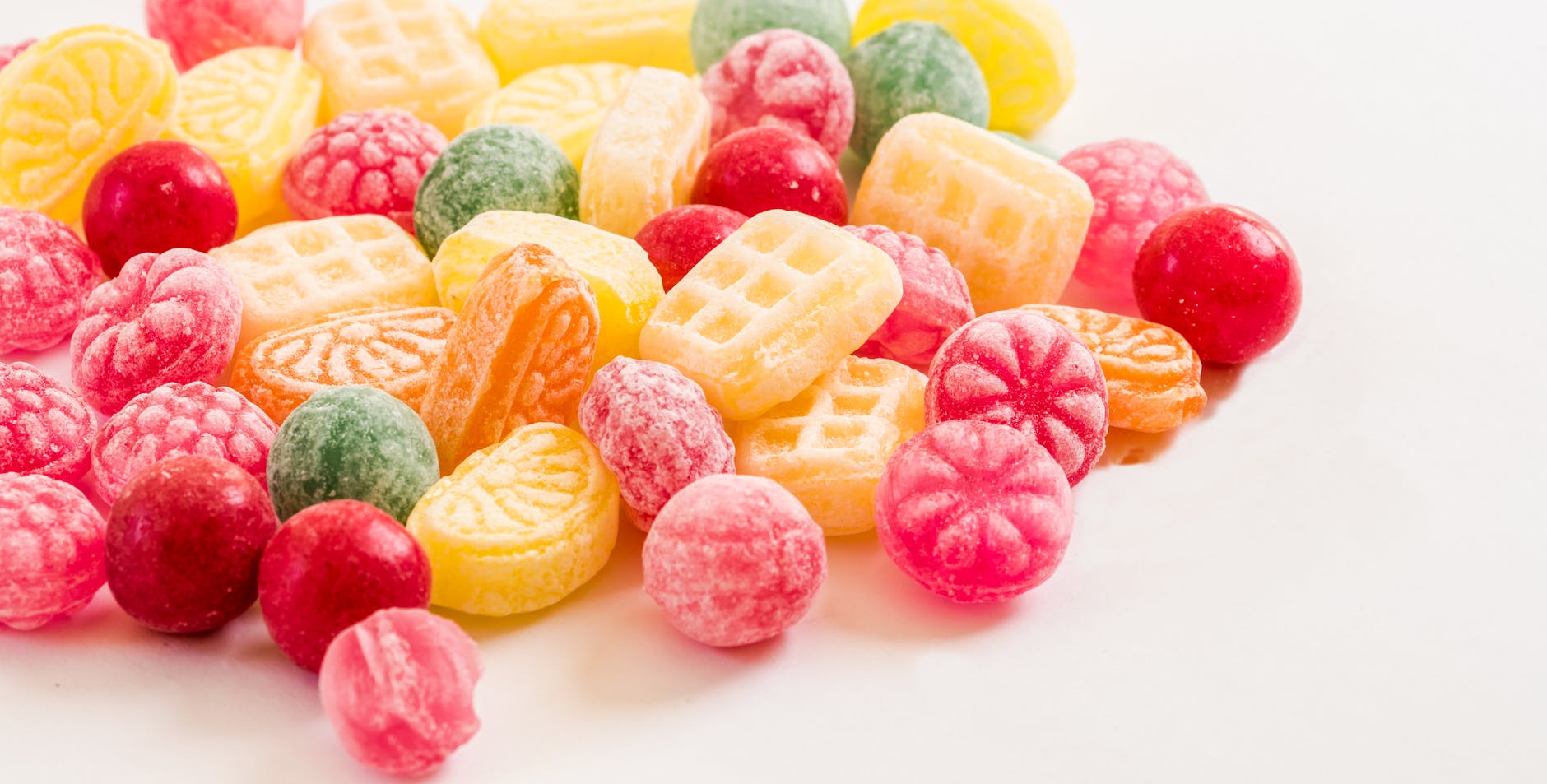
Solid sugar blocks require constant swallowing of sweetened saliva over an extended period. The intense concentration of pure sucrose feeds harmful bacteria living within the digestive tract. Swallowing large pieces introduces sharp edges that can scratch the delicate esophageal lining. The lack of any nutritional substance makes processing these sweets a completely wasted digestive effort.
Pizza
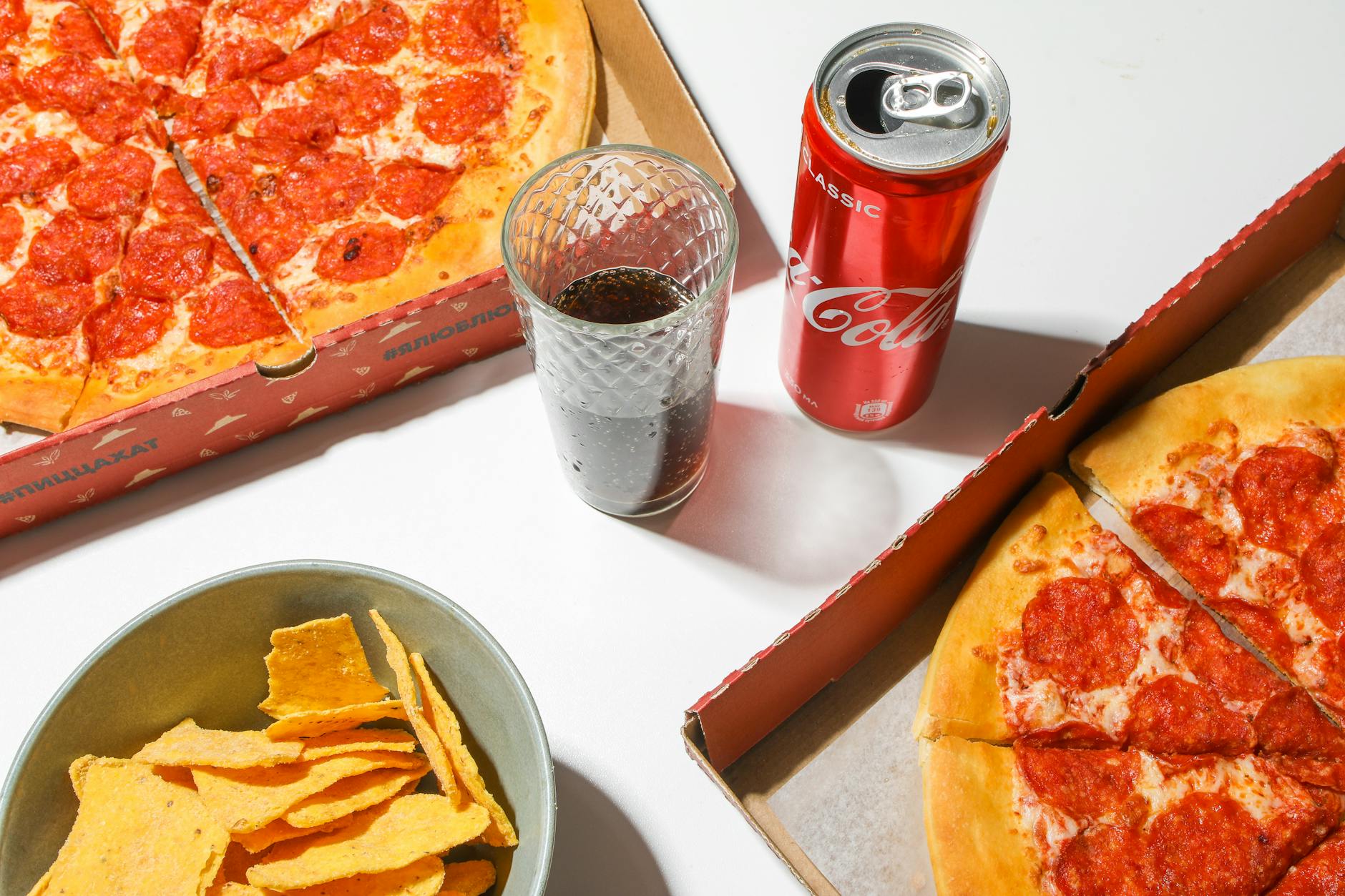
This popular fast food stacks heavy dairy fat directly on top of highly refined carbohydrate dough. The thick layer of melted cheese acts like a heavy blanket over the digesting starch. Added greasy meats like pepperoni introduce further saturated fats into the already complicated mix. The stomach must work for hours just to empty this dense combination into the small intestine.
Raw Radishes
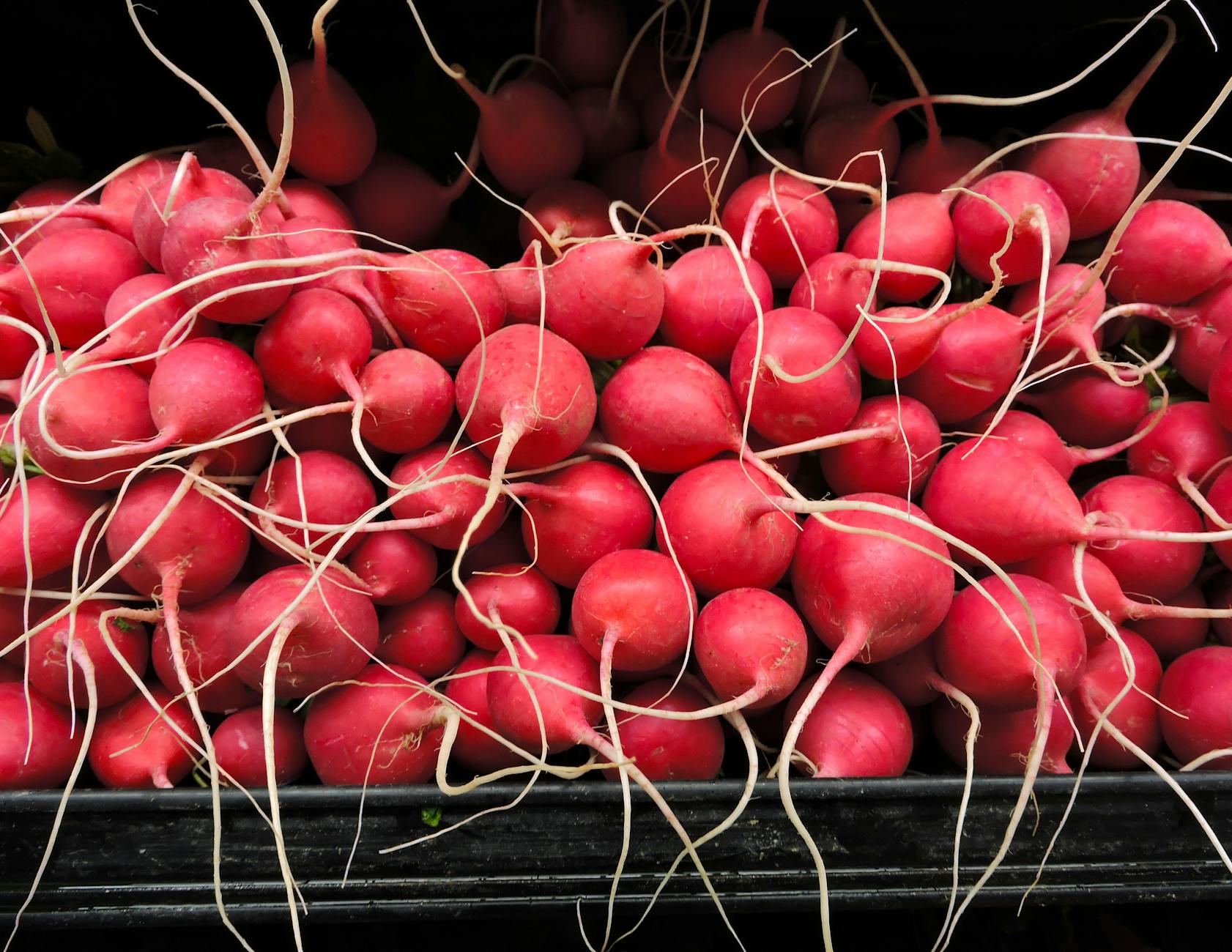
These crunchy root vegetables contain powerful volatile oils that give them their signature spicy bite. The raw plant fibers are notoriously difficult for standard human digestive enzymes to penetrate. The spicy compounds frequently trigger acid reflux in individuals with sensitive stomach linings. Pickling or roasting the vegetables neutralizes the harsh chemicals and softens the tough interior.
Beef Jerky
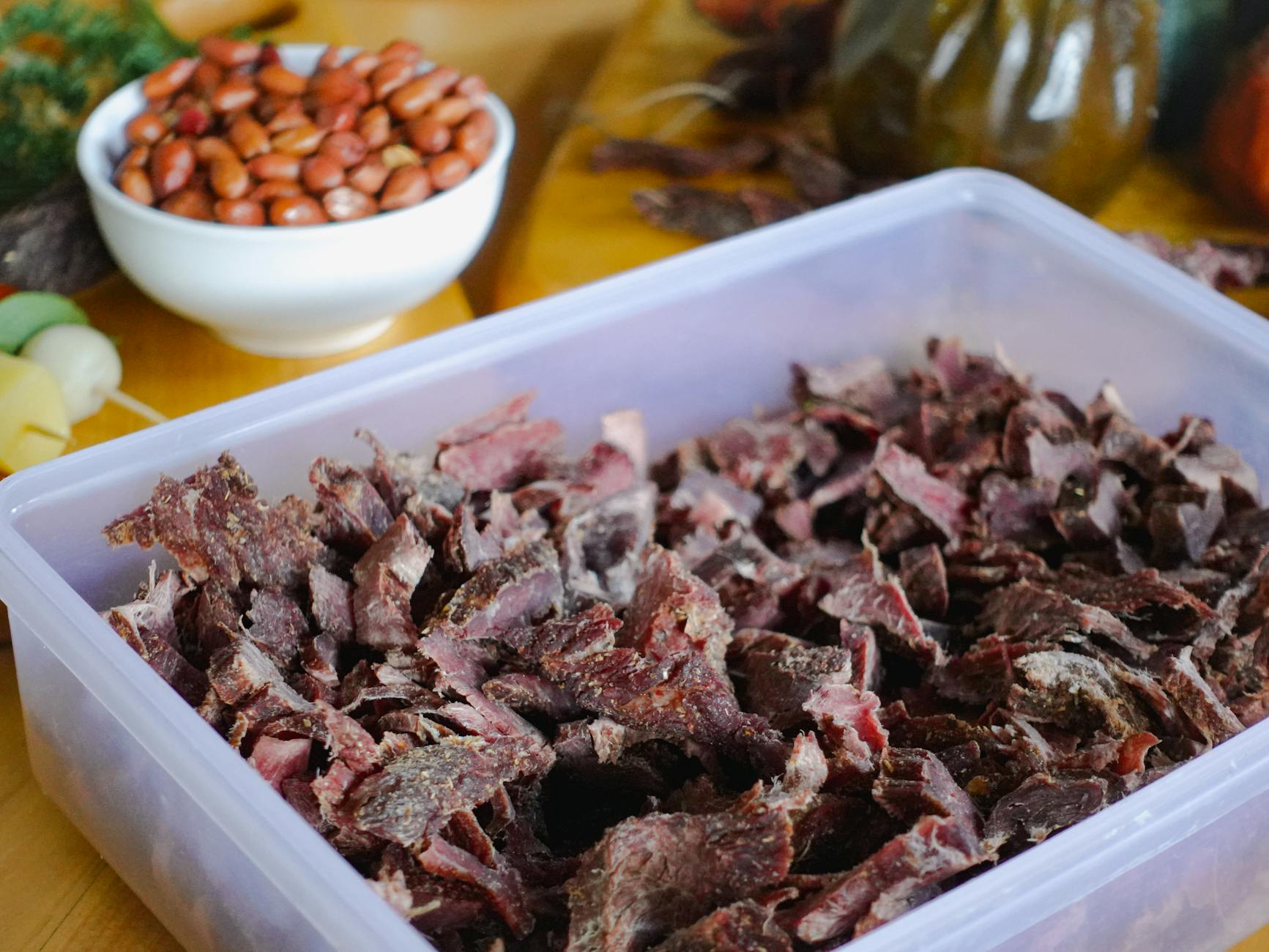
Dehydrated animal muscle requires intense mechanical chewing to even begin the digestive process. The complete absence of moisture forces the stomach to supply massive amounts of digestive fluid. Heavy salt concentrations draw critical hydration away from other important bodily functions. The tough protein strands take significantly longer to unravel than fresh cooked meat.
Soda

Carbonated beverages forcefully introduce massive amounts of trapped gas directly into the human stomach. The extreme sugar content feeds negative gut bacteria and creates dangerous osmotic imbalances. Phosphoric acid present in dark colas alters the natural pH levels of the digestive tract. The artificial caramel coloring offers no nutritional value and requires liver filtration.
Soybeans
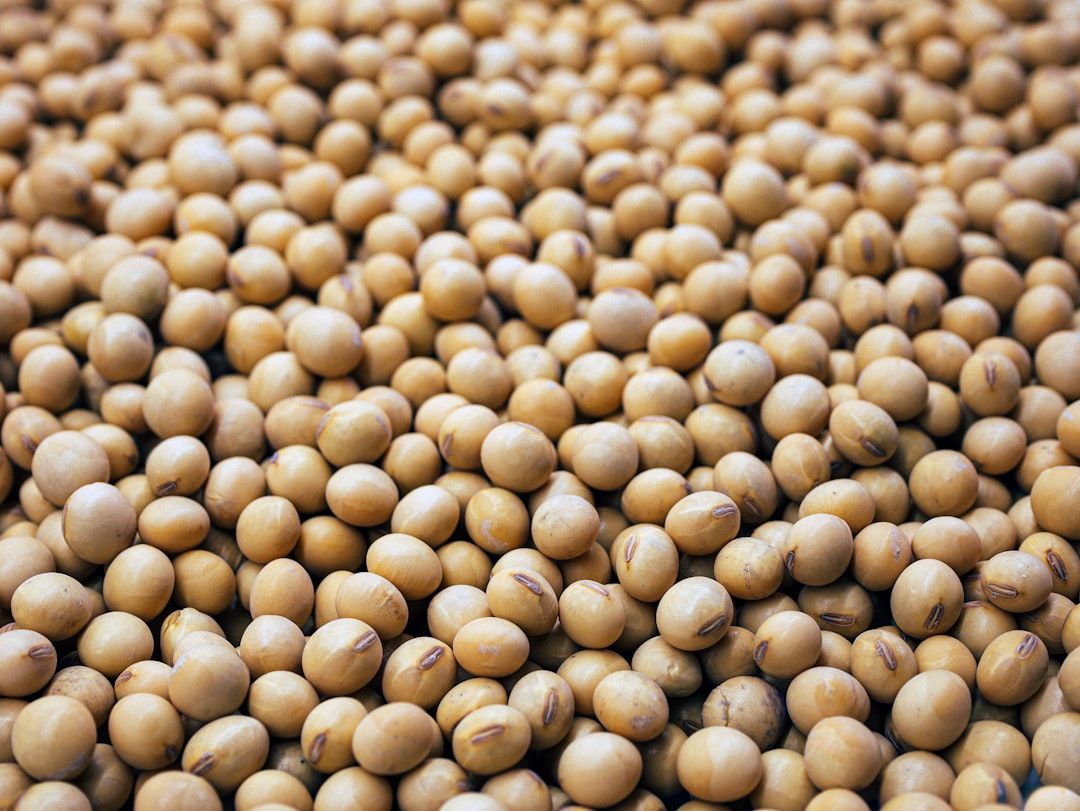
These complex legumes contain strong natural enzyme inhibitors that block protein digestion. The unfermented beans harbor massive amounts of indigestible complex carbohydrates. The human body struggles immensely to break down the dense phytic acid present in the hull. Extensive fermentation is the only reliable method to make these beans easily digestible for humans.
Popcorn

This popular movie snack features tiny fibrous hulls that constantly evade complete chewing. These sharp little fragments frequently become trapped in the small pockets of the intestinal wall. The insoluble fiber provides absolutely no nutritional value to the human body. Cooking the kernels in heavy butter simply adds a complicated layer of difficult dietary fat.
Granola Bars
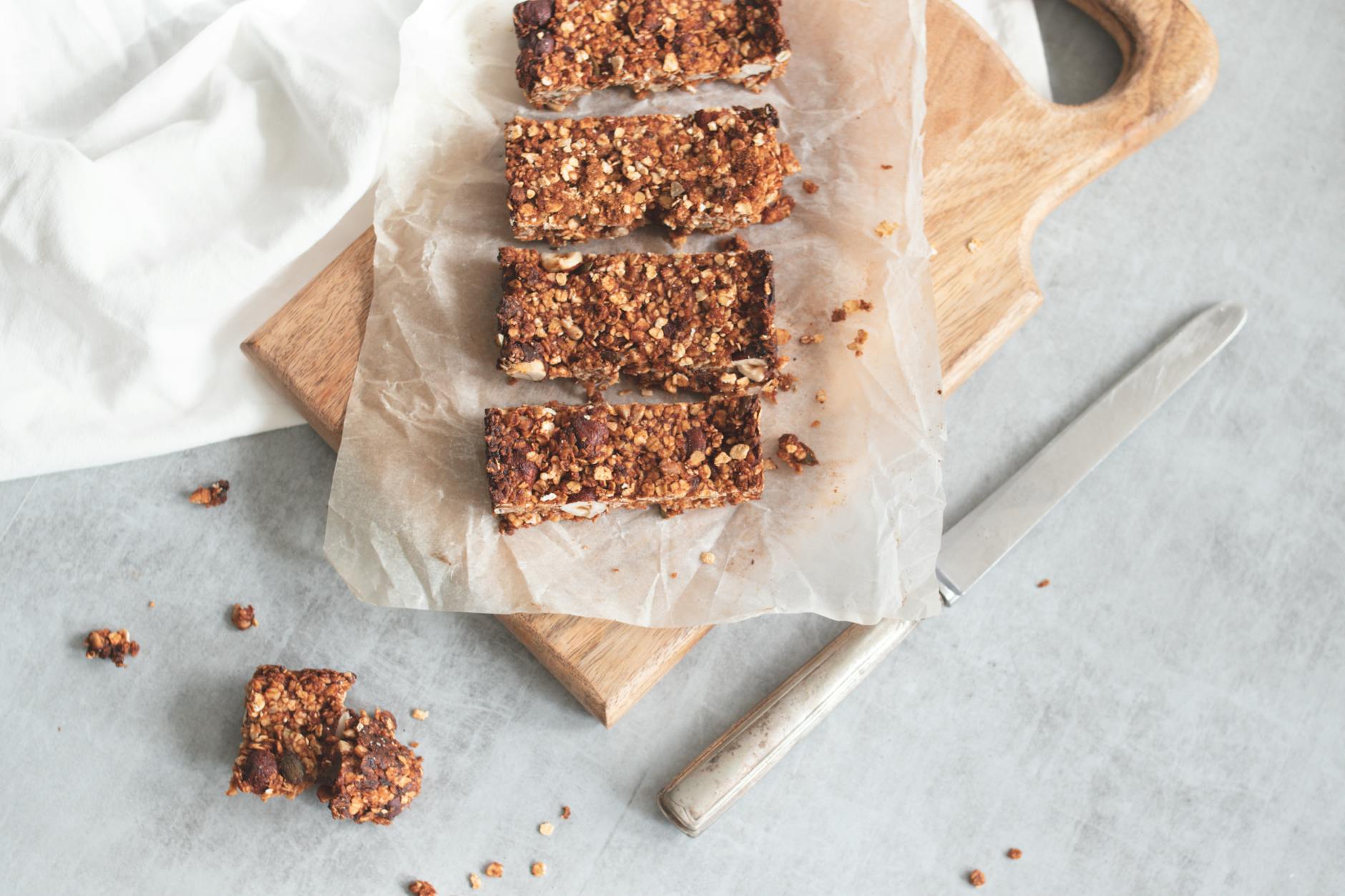
Commercial energy bars tightly bind processed grains together using sticky sugary syrups. The extremely dense texture forces the stomach to work overtime breaking the solid mass apart. Many brands add artificial fiber isolates that aggressively pull water into the lower intestine. This sudden influx of artificial fiber frequently causes painful bloating and severe cramping.
Butter

Pure dairy fat contains absolutely no fiber to help push it through the digestive system. The heavy concentration of saturated lipids requires an immense release of bile from the gallbladder. Consuming large amounts coats the stomach lining and severely delays overall gastric emptying. The sluggish movement of this heavy fat often leads to feelings of intense nausea.
Blackberries
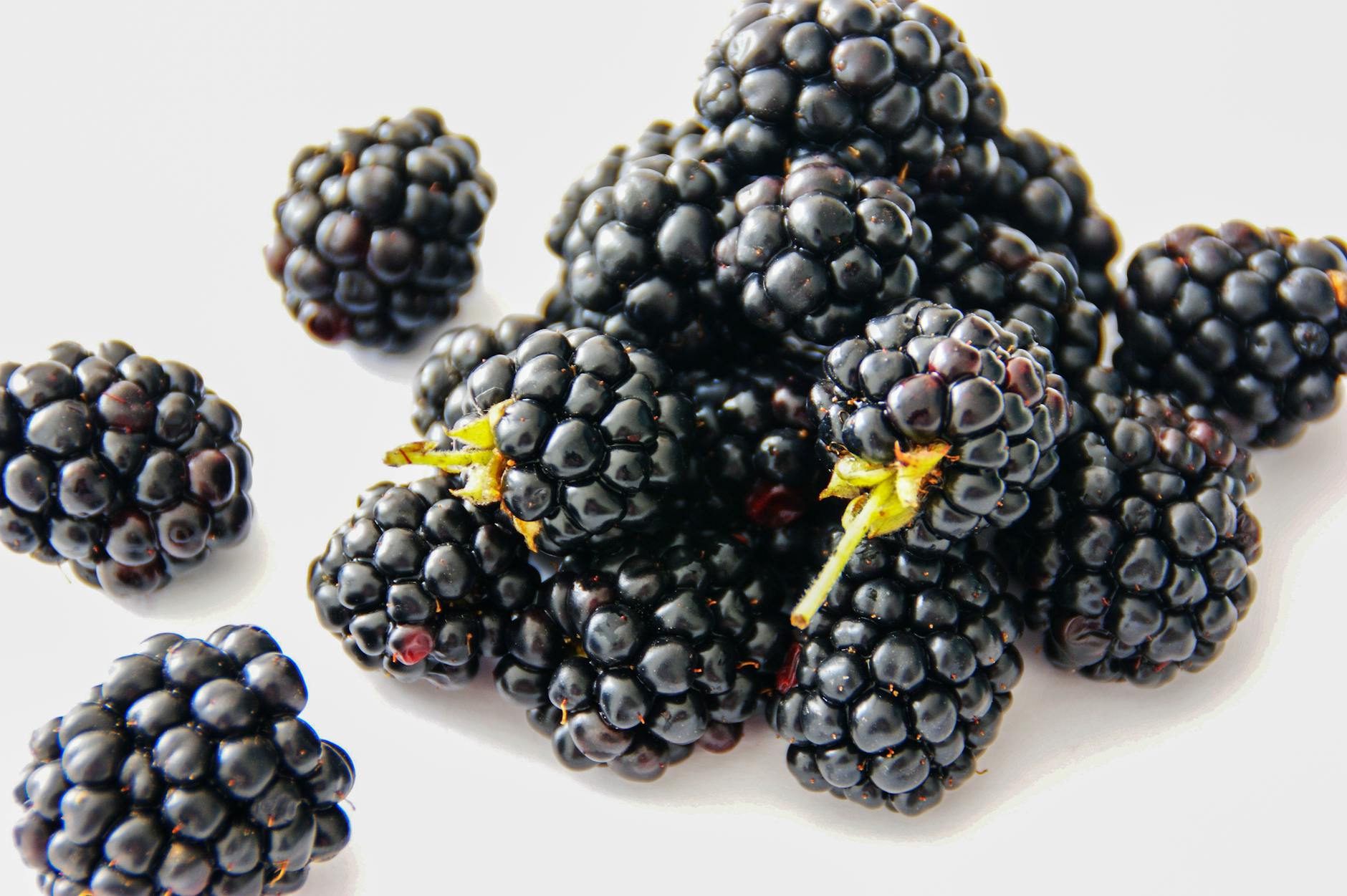
These dark fruits contain hundreds of tiny rigid seeds that humans cannot naturally digest. The sharp little seeds pass completely unaltered through the entire gastrointestinal tract. Sensitive digestive systems often become irritated by the physical friction of these seeds. The high fructose content also creates gas when fermented by natural colon bacteria.
Grapefruit
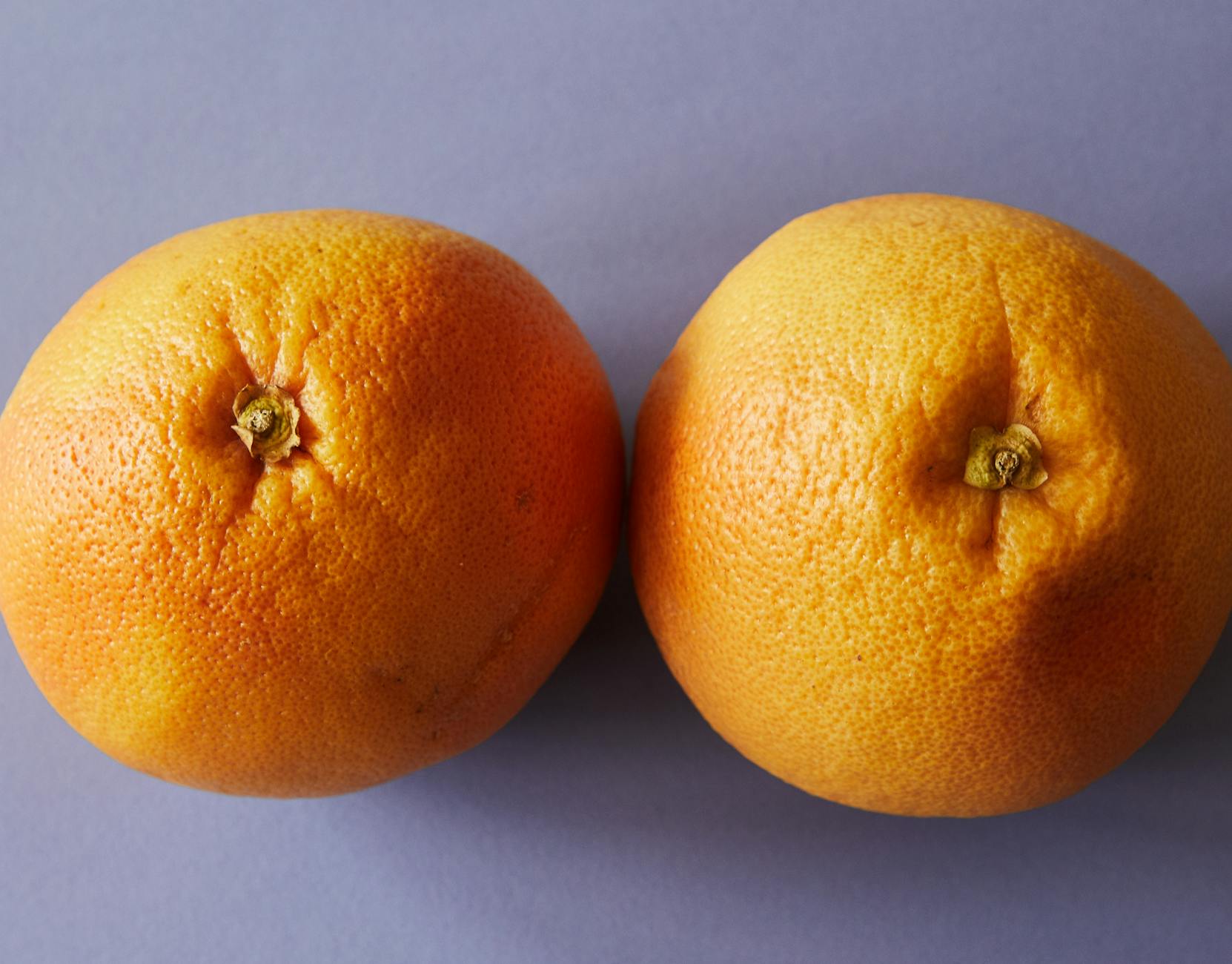
This highly acidic citrus fruit dramatically alters the natural chemical balance of the human stomach. The strong enzymes present in the juice can interfere with the proper absorption of various medications. The tough fibrous membranes separating the fruit segments strongly resist physical breakdown. Consuming the fruit on an empty stomach frequently triggers painful episodes of severe heartburn.
Onion Rings
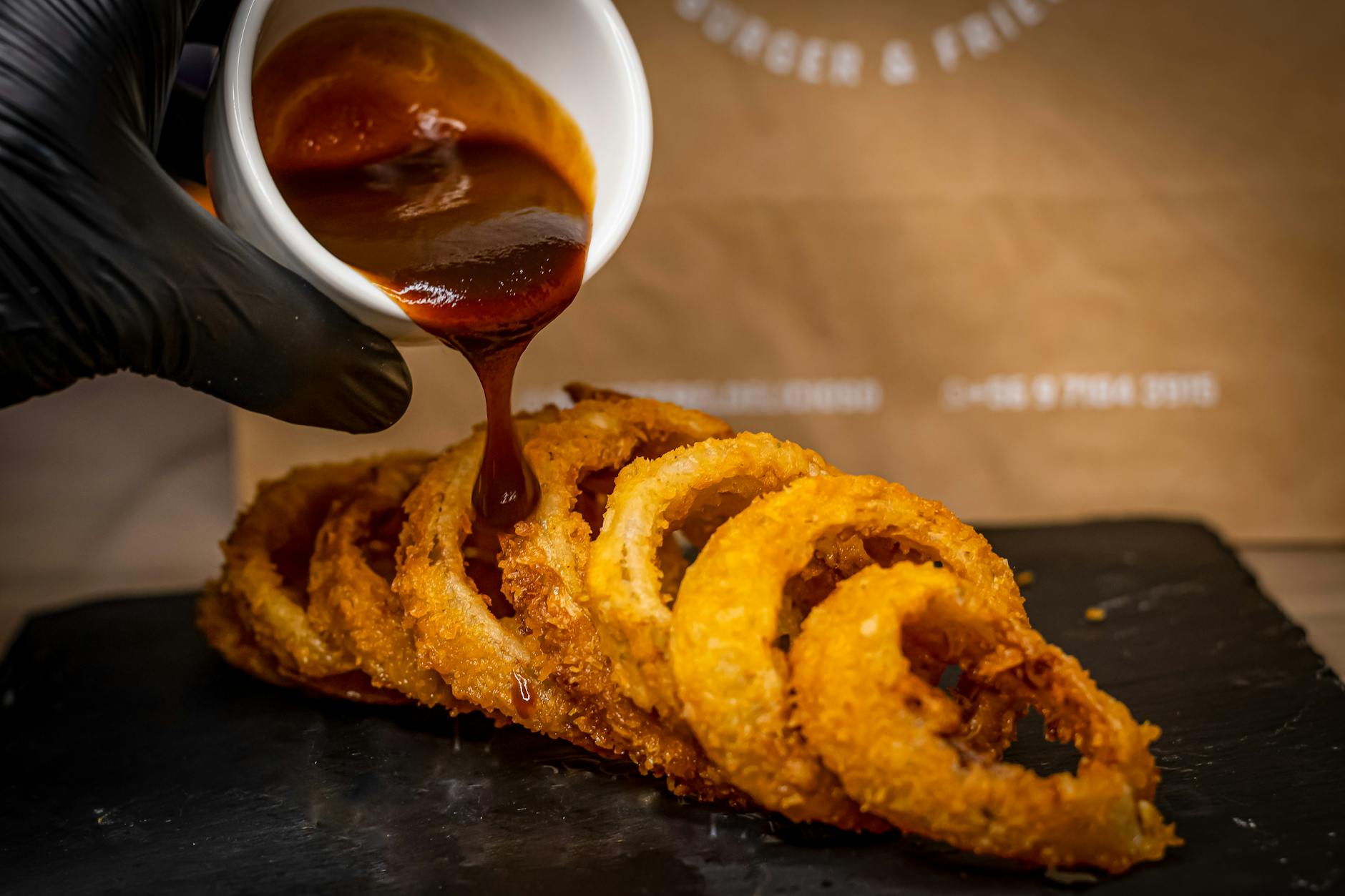
This fried appetizer coats a gas producing vegetable in heavy refined wheat batter. The deep frying process completely saturates the thick breading with heavy industrial cooking oils. The stomach must deal with complex fructans and heavy trans fats at the exact same time. This terrible combination guarantees a drastically slowed digestion and significant trapped gas.
Please share your thoughts and personal experiences with digesting these difficult foods in the comments.




