Elevating your morning cup of coffee requires attention to detail and a few strategic adjustments. Small changes in equipment or ingredients can transform an average brew into a premium beverage. Understanding the science behind extraction and flavor preservation empowers home brewers to achieve better results. The following methods explore various techniques and additions that enhance the coffee drinking experience.
Fresh Whole Beans

Purchasing whole beans instead of preground coffee preserves essential aromatic compounds. These volatile oils begin dissipating immediately after the grinding process occurs. Keeping the beans whole until right before brewing ensures maximum flavor transfer to the cup. This simple change yields a noticeably richer and more complex tasting beverage.
Burr Grinder
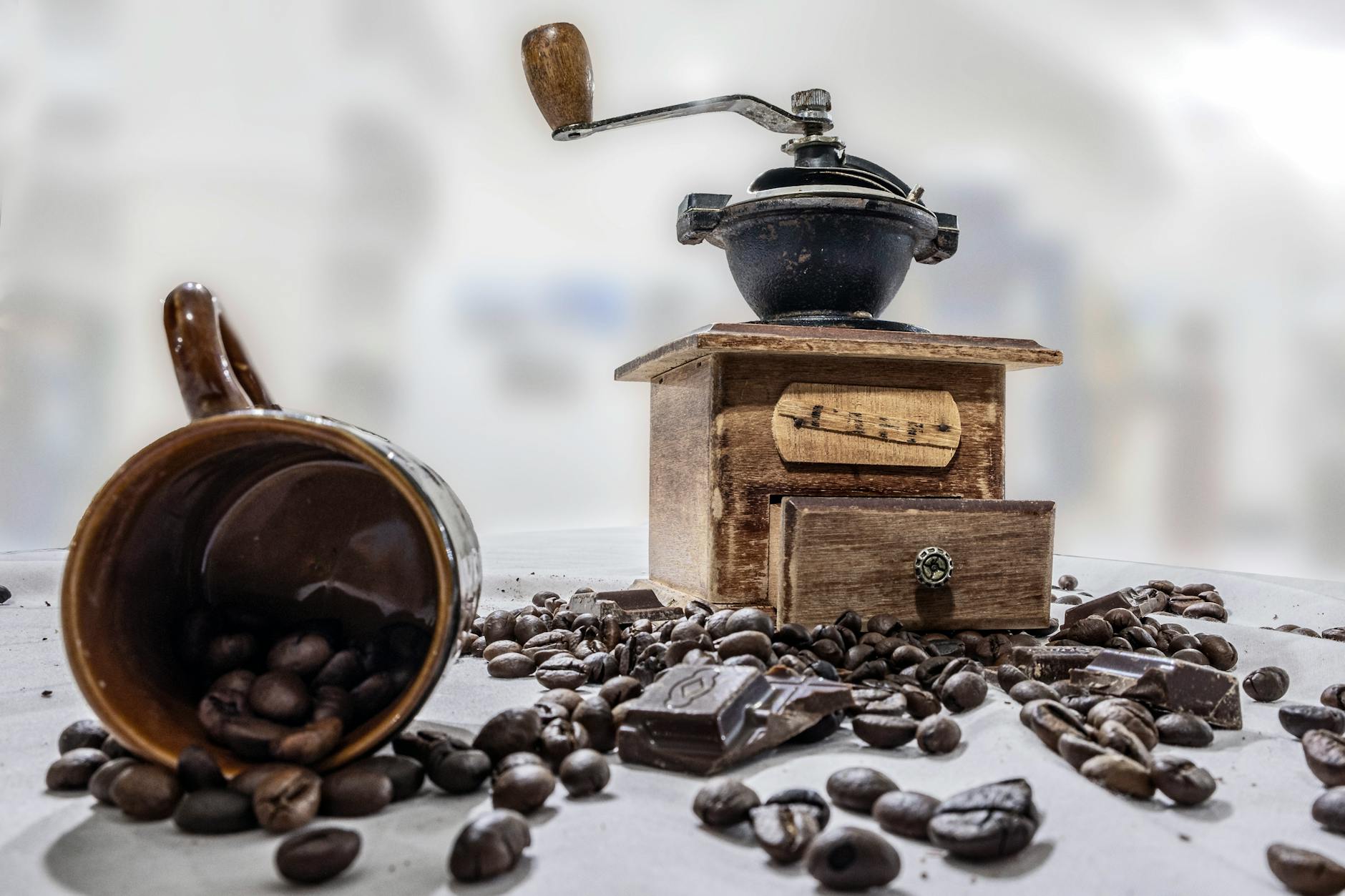
A quality burr grinder crushes coffee beans into uniformly sized particles. Blade grinders chop beans unevenly and create a mix of boulders and fine dust. Consistent particle size allows water to extract flavors evenly during the brewing process. This uniformity prevents bitter overextracted notes and sour underextracted flavors in the final cup.
Filtered Water

Tap water often contains chlorine and heavy minerals that alter the taste of coffee. Using filtered water removes these impurities while retaining the beneficial compounds needed for proper extraction. Coffee consists mostly of water so the quality of the liquid base directly dictates the final flavor. Investing in a simple pitcher filter drastically improves clarity and sweetness in the brew.
Proper Water Temperature
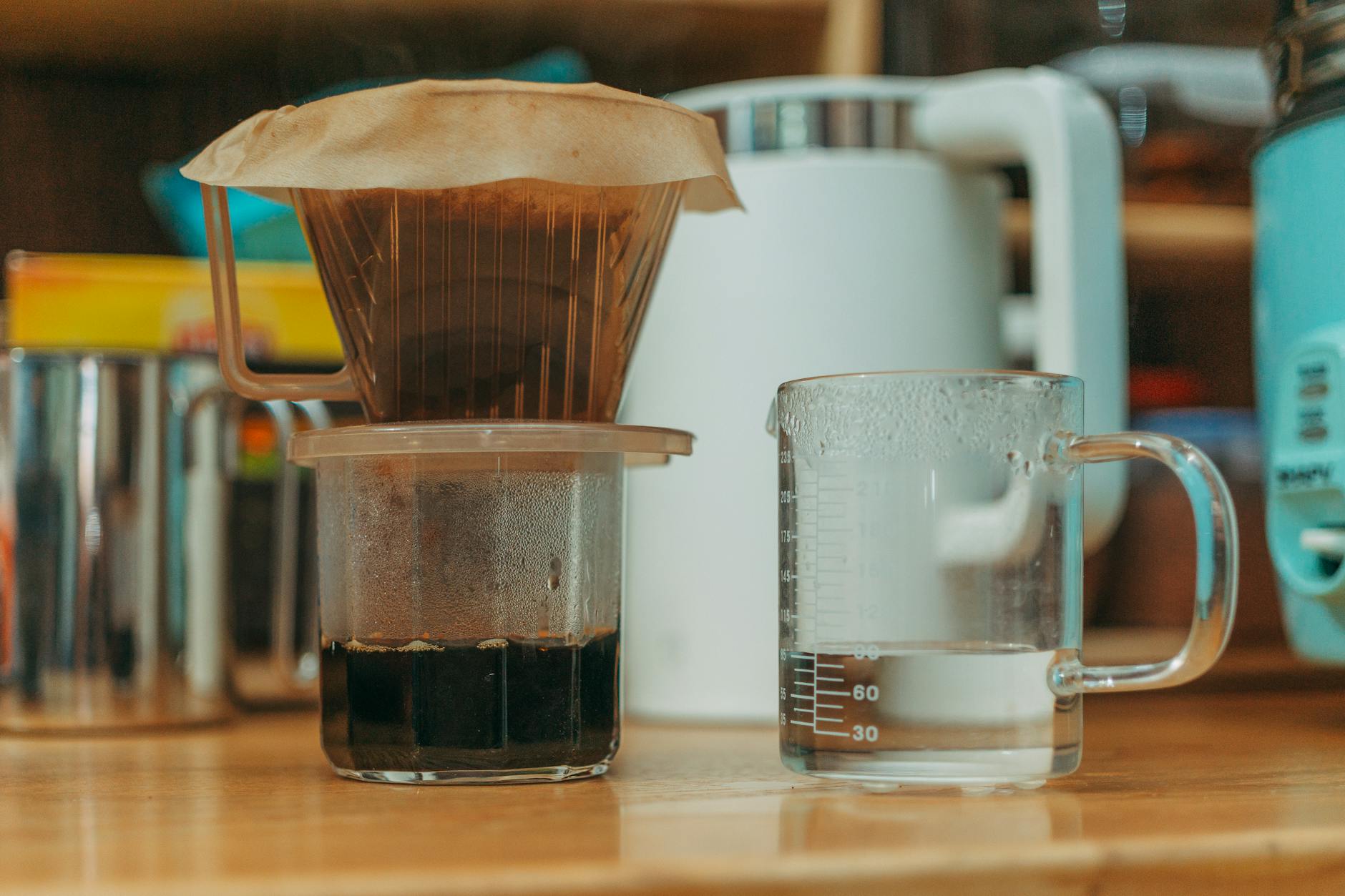
Boiling water scorches coffee grounds and produces extremely bitter and astringent flavors. Allowing the kettle to rest for thirty seconds after boiling brings the temperature down to the ideal range. The optimal extraction temperature sits near two hundred degrees Fahrenheit. This precise heat level extracts the desirable sugars and oils without pulling out the harsh tannins.
Digital Scale
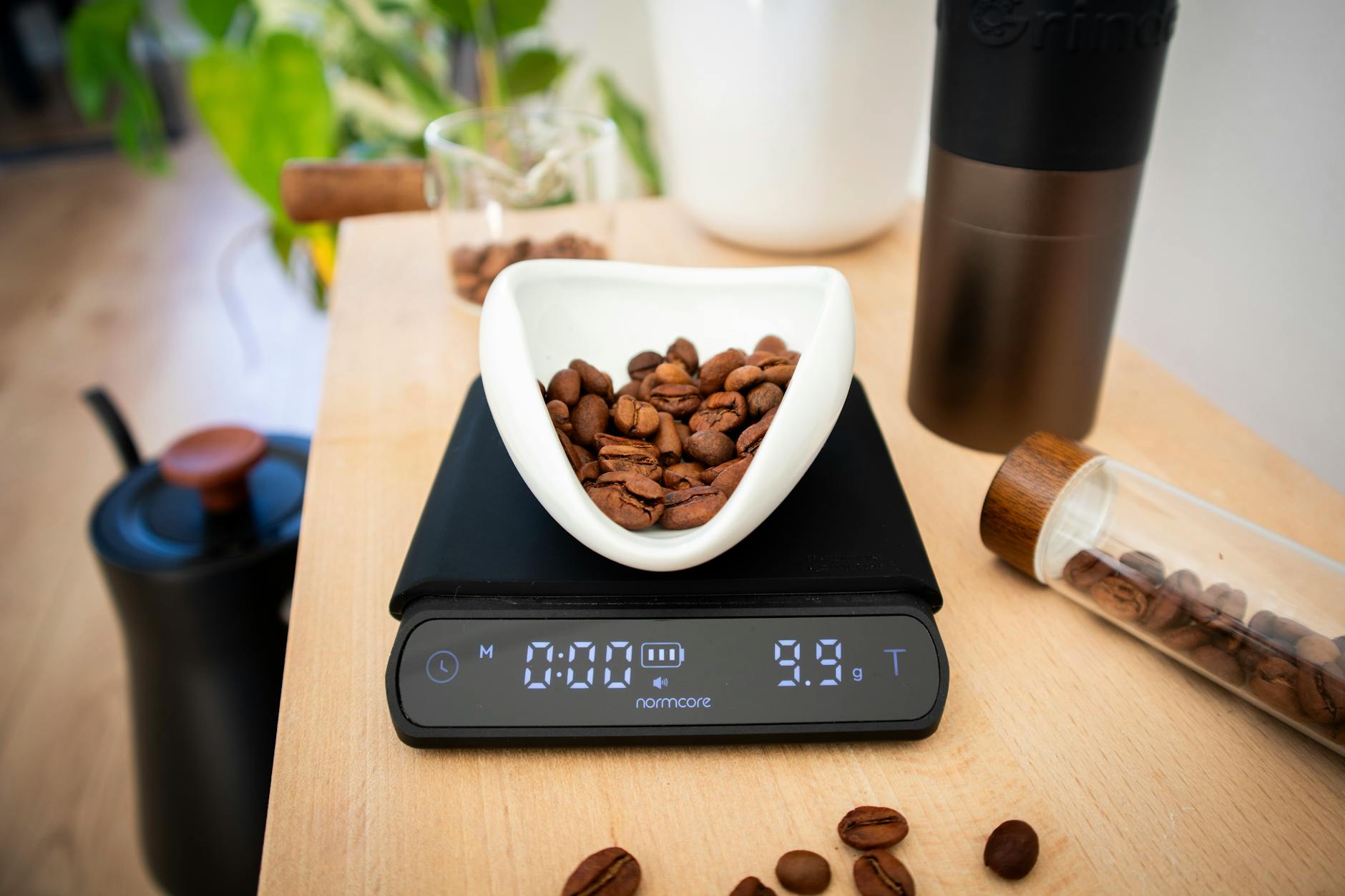
Measuring coffee by volume using scoops leads to wildly inconsistent brewing results. Different roasts possess varying densities and bean sizes that affect how much fits into a spoon. A digital scale provides exact gram measurements for both the coffee and the water. This precision allows brewers to replicate their favorite recipes perfectly every single time.
Rinsing Paper Filters

Dry paper filters impart a noticeable papery and dusty taste to the finished coffee. Pouring hot water through the empty filter before brewing washes away these unwanted residual flavors. This preliminary wetting step also warms the brewing vessel to prevent premature temperature loss during extraction. Discarding the rinse water before adding the coffee grounds ensures a pure and untainted flavor profile.
Blooming The Grounds
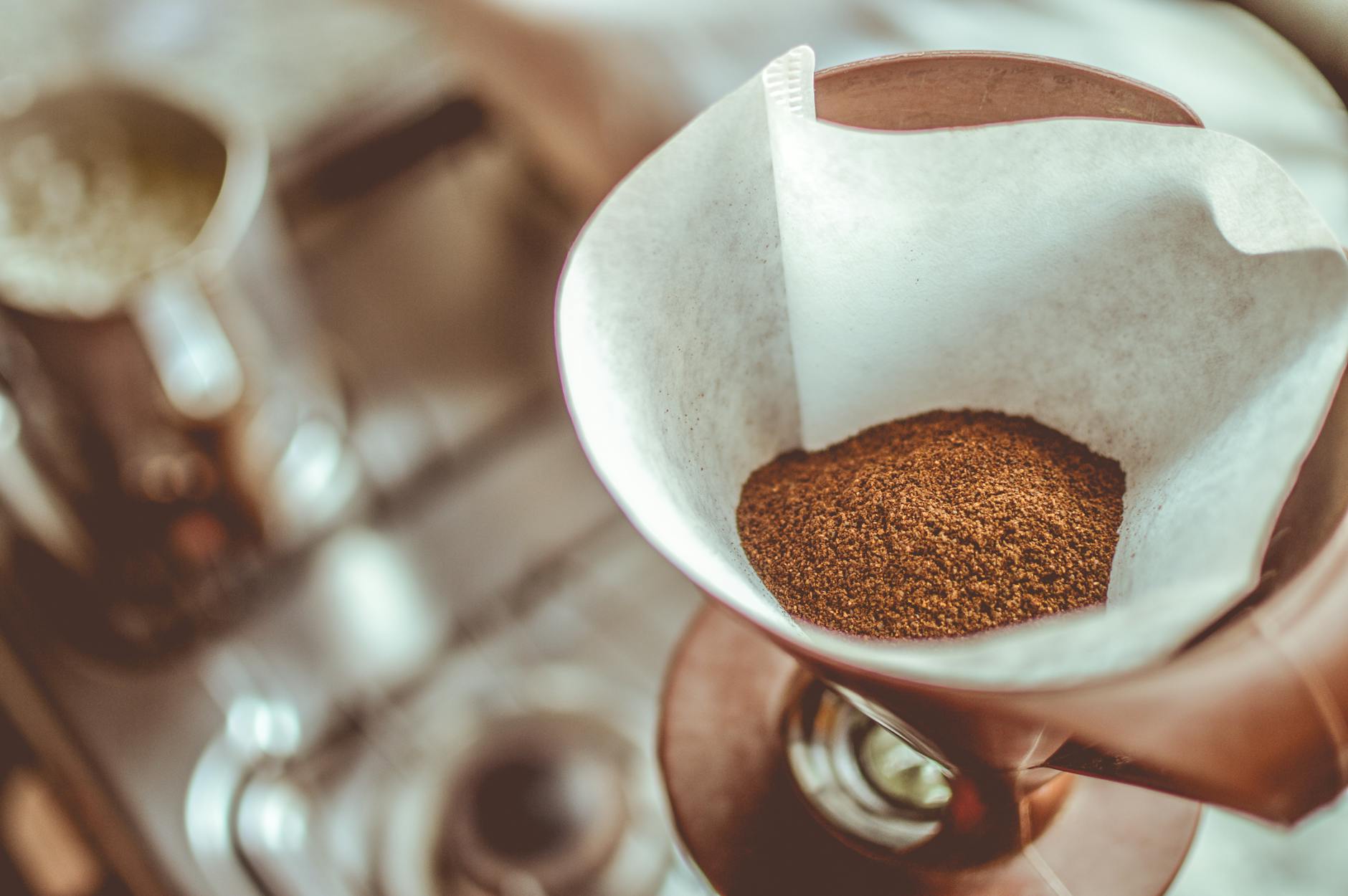
Freshly roasted coffee contains trapped carbon dioxide gas that hinders water absorption. Pouring a small amount of water over the grounds allows this gas to escape rapidly. This bubbling phase prepares the coffee bed for an even and efficient extraction process. Skipping this step often results in weak and watery coffee due to poor water contact.
Airtight Storage Containers
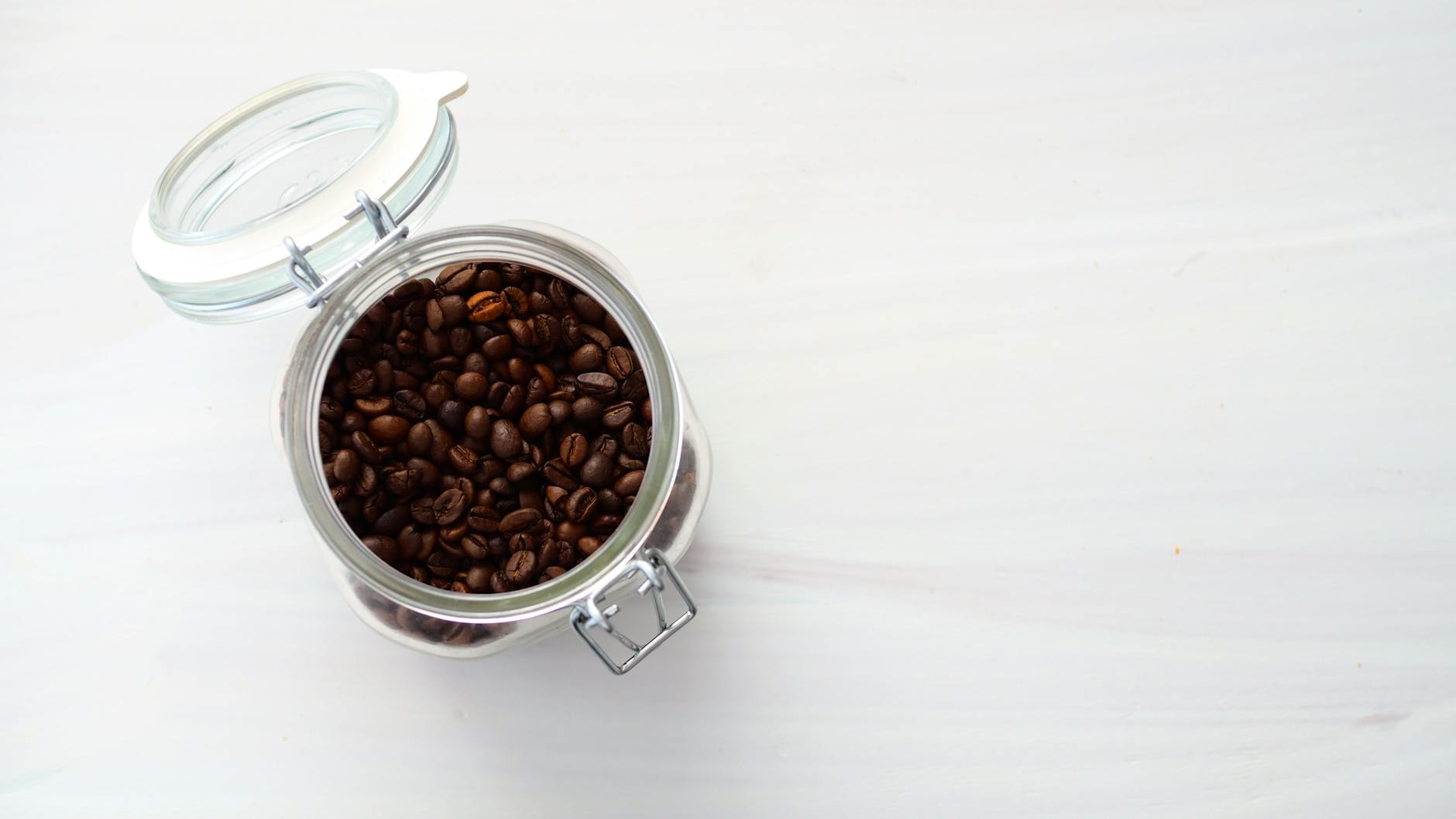
Oxygen acts as the primary enemy of roasted coffee beans and accelerates the staling process. Storing beans in an opaque and airtight container protects them from air and light exposure. Keeping the container in a cool pantry away from the stove extends the freshness period significantly. Proper storage maintains the delicate origin flavors and prevents the oils from turning rancid.
Preheating The Mug

Pouring hot coffee into a cold ceramic mug drops the beverage temperature instantly. Filling the mug with hot water for a minute prior to serving prevents this sudden heat loss. A warm mug maintains the optimal drinking temperature for a much longer period of time. This simple practice preserves the volatile aromatics that disappear when coffee cools too quickly.
Cleaning The Equipment

Coffee oils accumulate inside grinders and brewing devices over repeated daily uses. These stale oils eventually turn rancid and impart a harsh bitterness to fresh batches of coffee. Disassembling and washing equipment with specialized coffee detergent removes this stubborn residue completely. A clean brewing setup guarantees that only the fresh coffee flavors make it into the cup.
Sea Salt Addition
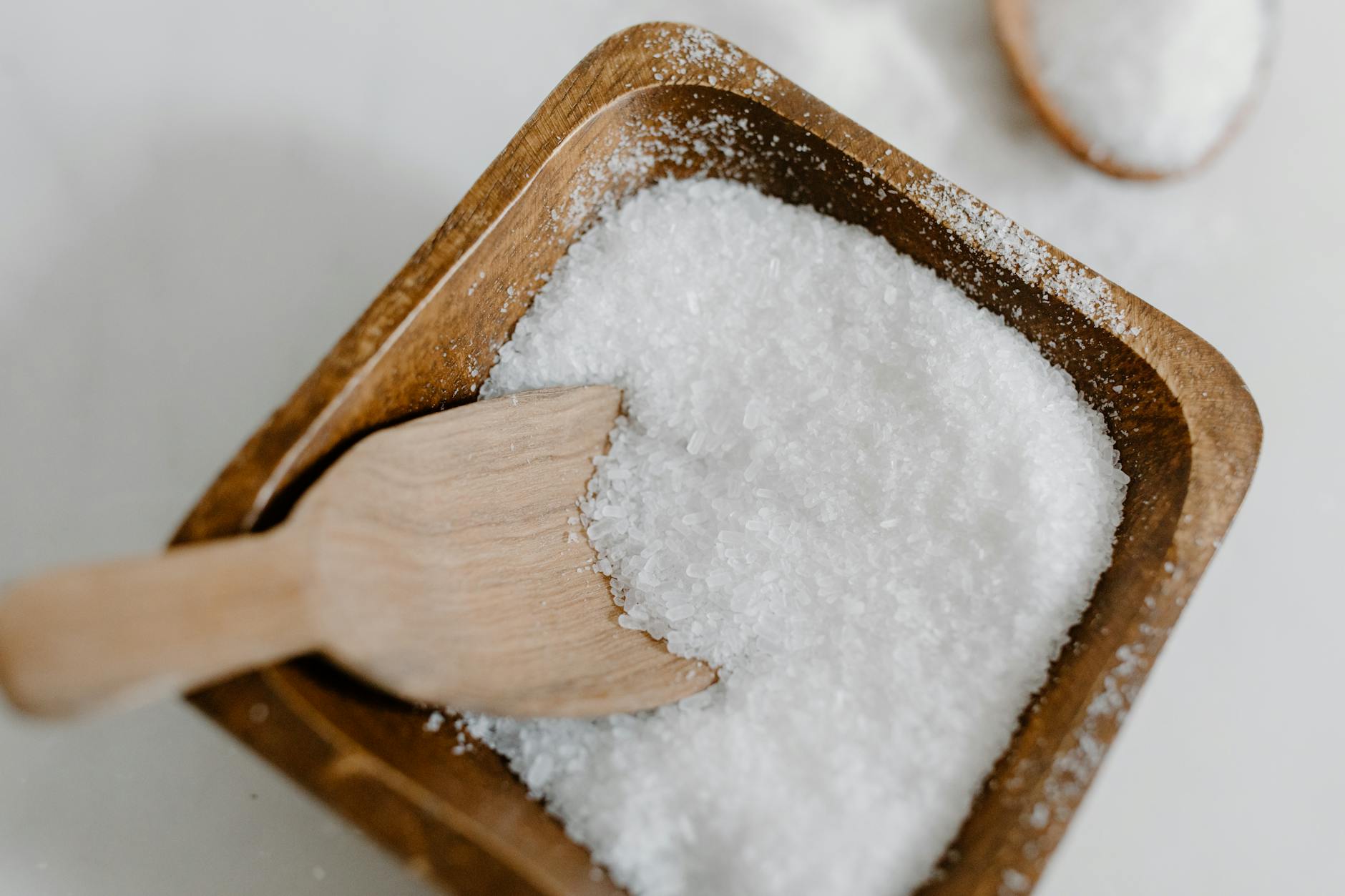
A tiny pinch of salt neutralizes excessive bitterness in overly extracted or dark roasted coffee. Sodium ions bind to the taste receptors on the tongue and block the perception of bitter compounds. This chemical reaction naturally enhances the inherent sweetness and body of the brewed beverage. Many enthusiasts use a saline solution drop to achieve this effect without making the coffee taste salty.
Cinnamon Powder

Sprinkling cinnamon directly onto the coffee grounds before brewing infuses the pot with warm spices. This method extracts the sweet and woody notes of the spice without leaving a sludgy residue in the cup. Cinnamon naturally enhances the perception of sweetness without requiring any additional caloric sweeteners. This addition pairs exceptionally well with medium roasts that feature chocolate or nutty flavor profiles.
Vanilla Extract

A single drop of pure vanilla extract transforms a standard cup of coffee into a gourmet treat. The natural vanillin compounds complement the caramelized sugars developed during the coffee roasting process. This liquid flavoring blends seamlessly into the beverage without altering the texture or mouthfeel. Using high quality extract instead of artificial syrups provides a complex aroma without overwhelming sweetness.
Quality Milk

Whole milk adds a luxurious creamy texture and natural sweetness that balances bold coffee flavors. The fat content in whole milk creates a richer mouthfeel than skim alternatives. Heating the milk gently enhances its inherent sugars and prevents a scorched or boiled taste. Selecting milk from local dairies often yields a fresher and more vibrant addition to the morning routine.
Oat Milk Alternative

Oat milk stands out as the most popular vegan alternative for coffee beverages. The natural oat sweetness and creamy consistency closely mimic the properties of traditional dairy milk. Many brands formulate special barista editions that steam beautifully and resist curdling in acidic coffee. This alternative provides a pleasant nutty flavor that complements both light and dark roasted beans.
Milk Frother

A handheld mechanical frother introduces tiny air bubbles into cold or warm milk. This aeration process expands the milk volume and creates a soft and velvety microfoam texture. Adding frothed milk to regular drip coffee mimics the luxurious experience of a cafe latte. This inexpensive tool dramatically improves the visual appeal and textural sensation of home prepared coffee.
Local Roasters
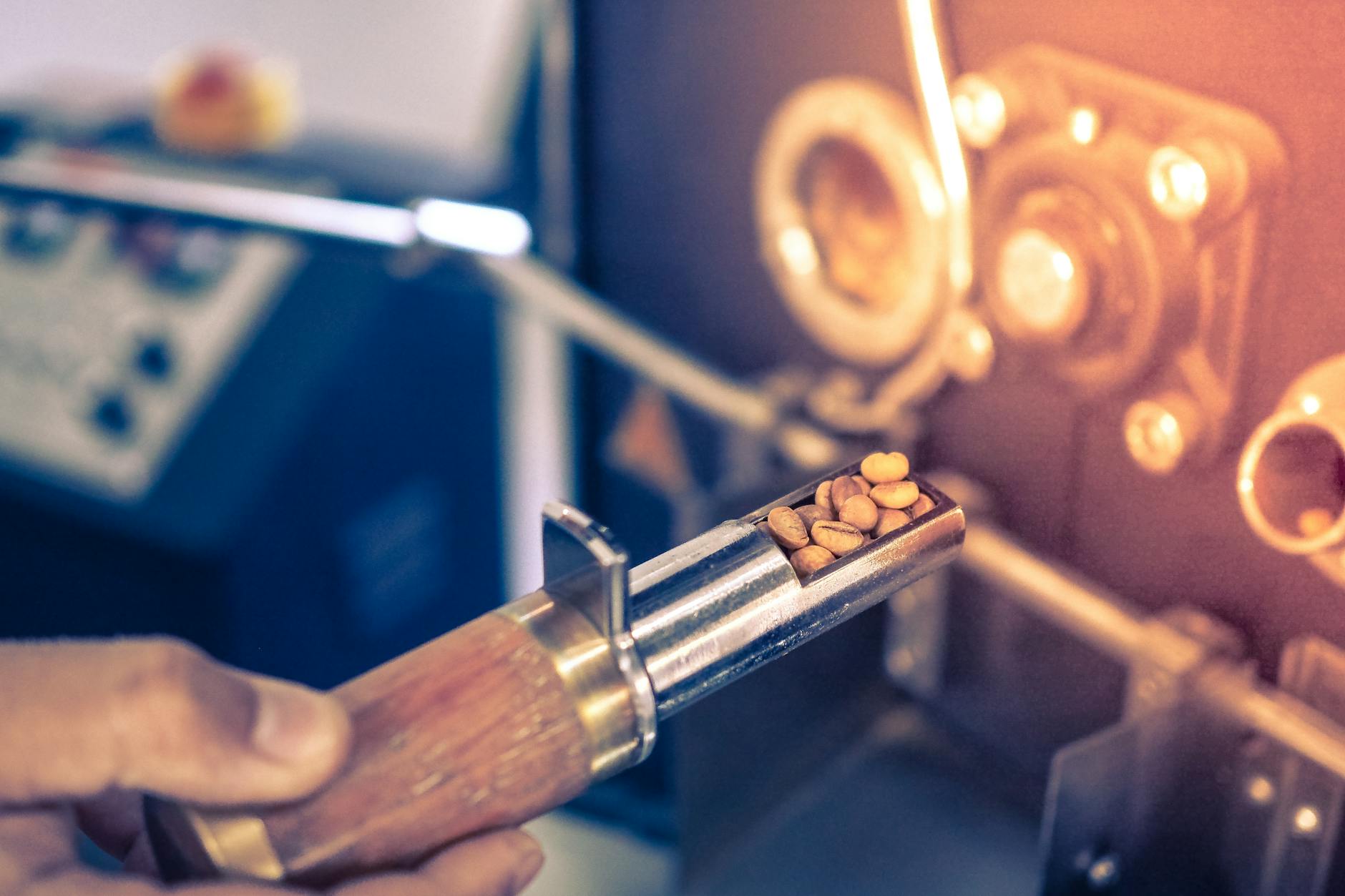
Purchasing beans from a local roasting company guarantees a much fresher product than supermarket alternatives. Supermarket coffees often sit on shelves for months and lose their most delicate flavor notes. Local roasters typically label their bags with the exact date the roasting process occurred. This transparency allows consumers to brew the coffee during its peak flavor window.
Golden Ratio
The golden ratio refers to the optimal proportion of coffee grounds to brewing water. Most specialty coffee professionals recommend using one part coffee to fifteen parts water. Weighing both elements out ensures a perfectly balanced cup that is neither too strong nor too weak. Adjusting this ratio slightly allows individual drinkers to customize the intensity to their personal preference.
Lighter Roasts
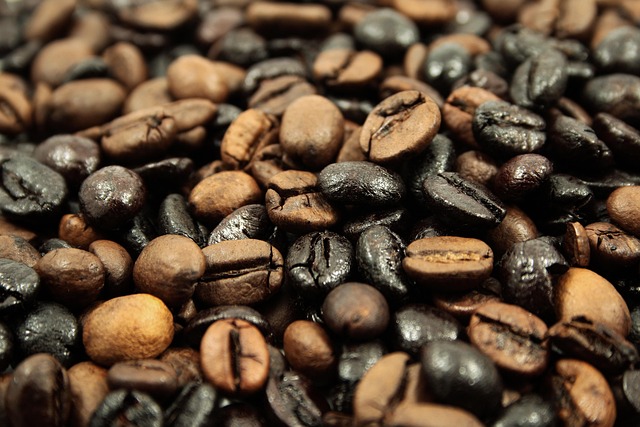
Lightly roasted coffees retain more of the original characteristics from the agricultural cherry. These beans often exhibit bright fruit acidity and delicate floral aromas that darker roasts lack. Brewing light roasts requires slightly hotter water to fully extract these dense and complex flavors. Exploring light roasts opens up a completely new world of tasting notes for traditional coffee drinkers.
Darker Roasts
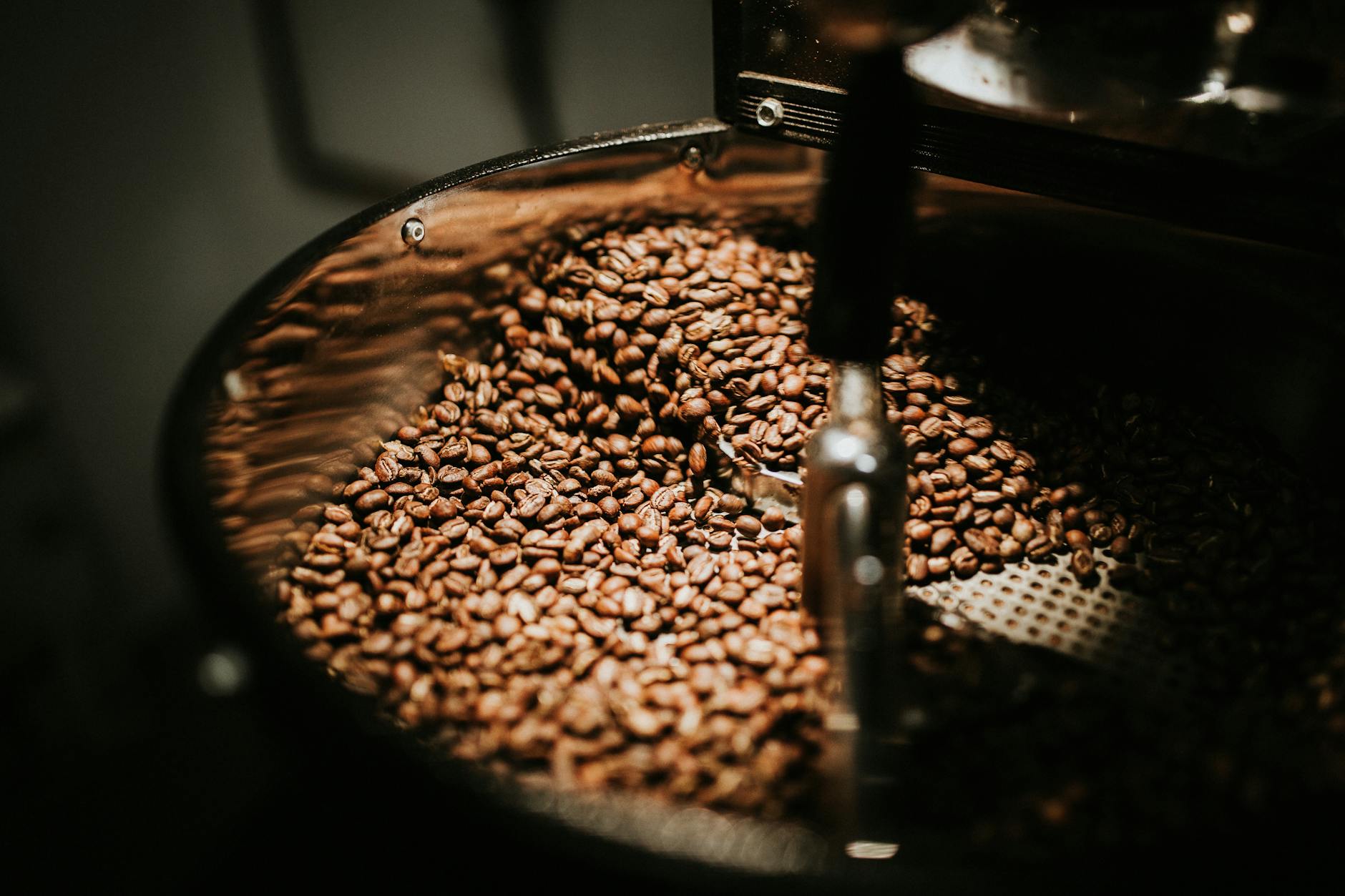
Dark roasting transforms the chemical structure of the bean and creates rich chocolate and caramel flavors. The extended heat exposure reduces acidity and brings out a heavy and syrupy body. These robust coffees pair incredibly well with milk and sugar due to their intense base flavors. Lowering the water temperature slightly prevents the extraction of harsh and smoky ash flavors from the dark surface.
Agitation Technique

Stirring the coffee grounds during the blooming phase ensures that every particle touches water. This gentle agitation breaks up dry clumps that might otherwise cause uneven extraction channeling. A simple swirl of the brewing device or a quick stir with a spoon accomplishes this goal. This technique maximizes the flavor yield and creates a much more consistent daily brew.
Aeropress Method
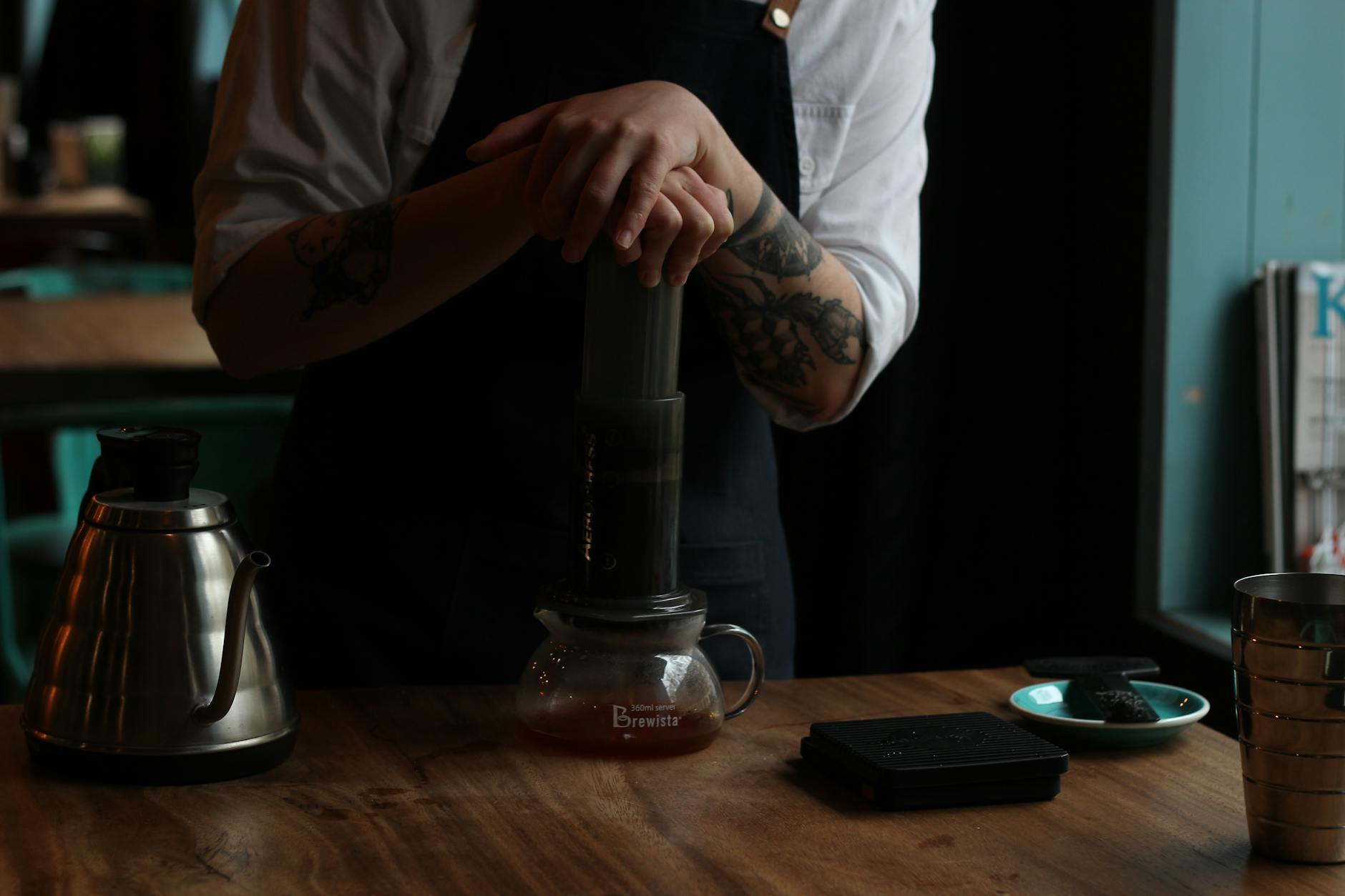
The Aeropress utilizes gentle air pressure to push water quickly through a bed of coffee grounds. This rapid extraction method produces a smooth and highly concentrated beverage with very low acidity. The durable plastic construction makes it an ideal brewing tool for travel and outdoor camping. Its versatile nature allows users to experiment with countless variables to find their perfect recipe.
French Press Timing

A traditional French press requires exactly four minutes of steeping time for optimal flavor extraction. Pushing the plunger down too early results in a sour and underdeveloped cup of coffee. Leaving the coffee to sit longer than four minutes draws out unpleasant bitter tannins from the grounds. Pouring the brewed coffee into a separate carafe immediately after plunging stops the extraction process entirely.
Cold Brew Process

Steeping coarsely ground coffee in cold water for sixteen hours creates a uniquely smooth beverage. The absence of hot water prevents the extraction of harsh bitter acids and oils. This extended immersion technique yields a naturally sweet concentrate that lasts for weeks in the refrigerator. Diluting this concentrate with water or milk provides a refreshing and highly caffeinated summer drink.
Coffee Ice Cubes

Regular ice cubes melt rapidly and dilute the flavor of carefully crafted iced coffee drinks. Freezing leftover morning brew into ice cube trays solves this common warm weather problem. As these specialized cubes melt they release more coffee into the glass instead of watery runoff. This trick ensures that the last sip of an iced beverage remains just as potent as the first.
Brown Sugar

Replacing standard white sugar with brown sugar adds a deep molasses note to the cup. The caramel undertones of the brown sugar perfectly complement the roasted profile of dark coffee beans. This natural sweetener dissolves easily into hot liquids and provides a more complex flavor dimension. Many specialty cafes use brown sugar syrups to craft their signature autumn and winter seasonal drinks.
Maple Syrup

Pure maple syrup offers a distinct earthy sweetness that refined sugars simply cannot replicate. The liquid nature of the syrup allows it to blend seamlessly into both hot and iced coffees. This natural alternative contains beneficial antioxidants and minerals absent in heavily processed sweeteners. A small drizzle transforms an ordinary cup into a cozy and comforting morning ritual.
Cocoa Powder

A dusting of unsweetened cocoa powder over the coffee grounds introduces a rich mocha element. The hot water extracts the chocolate essence during the brewing process without adding any thick syrups. This method highlights the natural chocolate tasting notes already present in many South American coffee varieties. It provides a luxurious and decadent aroma that makes the morning routine feel much more special.
Cardamom Pods
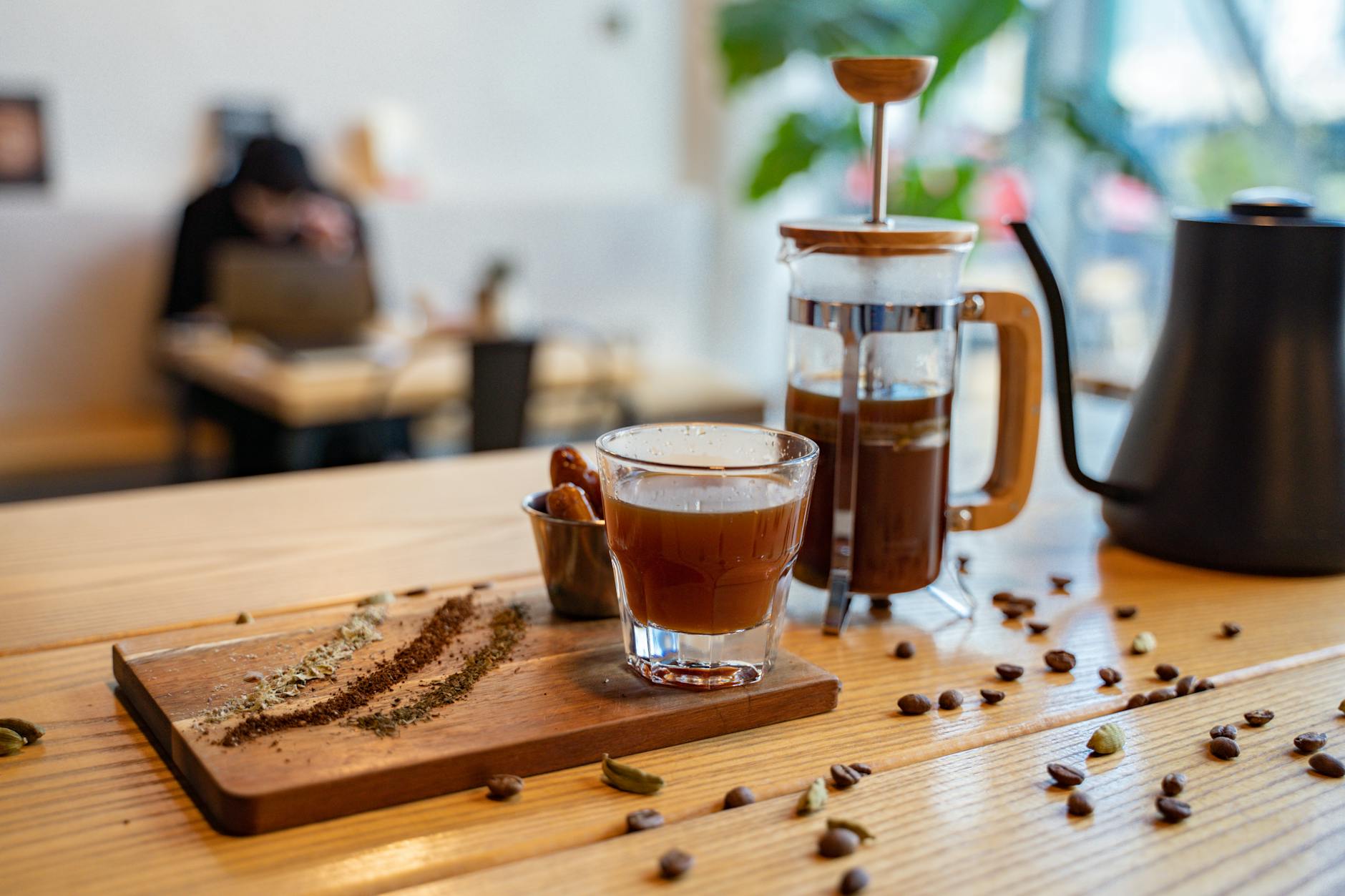
Crushing a green cardamom pod and adding it to the brewing vessel creates a traditional Middle Eastern flavor. The intensely fragrant spice imparts a bright and slightly minty eucalyptus note to the dark coffee. This ancient pairing aids in digestion and provides a highly aromatic sensory experience. Using whole pods rather than ground powder prevents the spice from becoming overpowering or gritty.
Mineral Water Additives

Distilled water produces flat and lifeless coffee because it lacks the minerals needed for flavor extraction. Adding specific mineral drops to distilled water creates the perfect chemical environment for brewing. Magnesium and calcium ions actively pull sweet and complex flavor compounds out of the roasted beans. Controlling the exact mineral content guarantees cafe quality results regardless of local tap water conditions.
Thermal Carafes

Glass carafes on electric hot plates continue to cook the coffee long after the brewing finishes. This continuous applied heat quickly degrades the delicate organic compounds and creates a burnt flavor. Transferring the fresh brew into an insulated thermal carafe immediately stops this destructive cooking process. The vacuum insulation keeps the coffee piping hot for hours while preserving its original pristine taste.
Moka Pot Brewing

The classic Italian Moka pot forces pressurized steam through a small puck of finely ground coffee. This stovetop method produces a dense and syrupy concentrate that closely resembles authentic espresso. Starting with hot water in the bottom chamber prevents the metal device from baking the dry grounds. This simple trick eliminates the harsh metallic bitterness often associated with this traditional brewing style.
Gooseneck Kettle

A specialized kettle with a long and slender spout provides absolute control over the water flow. This precise pouring ability is absolutely essential for creating an even extraction in manual drip coffee. The controlled stream allows the brewer to target dark dry patches and maintain a consistent water level. Upgrading to a gooseneck kettle instantly improves the consistency and flavor clarity of manual brews.
Sifting Coffee Grounds
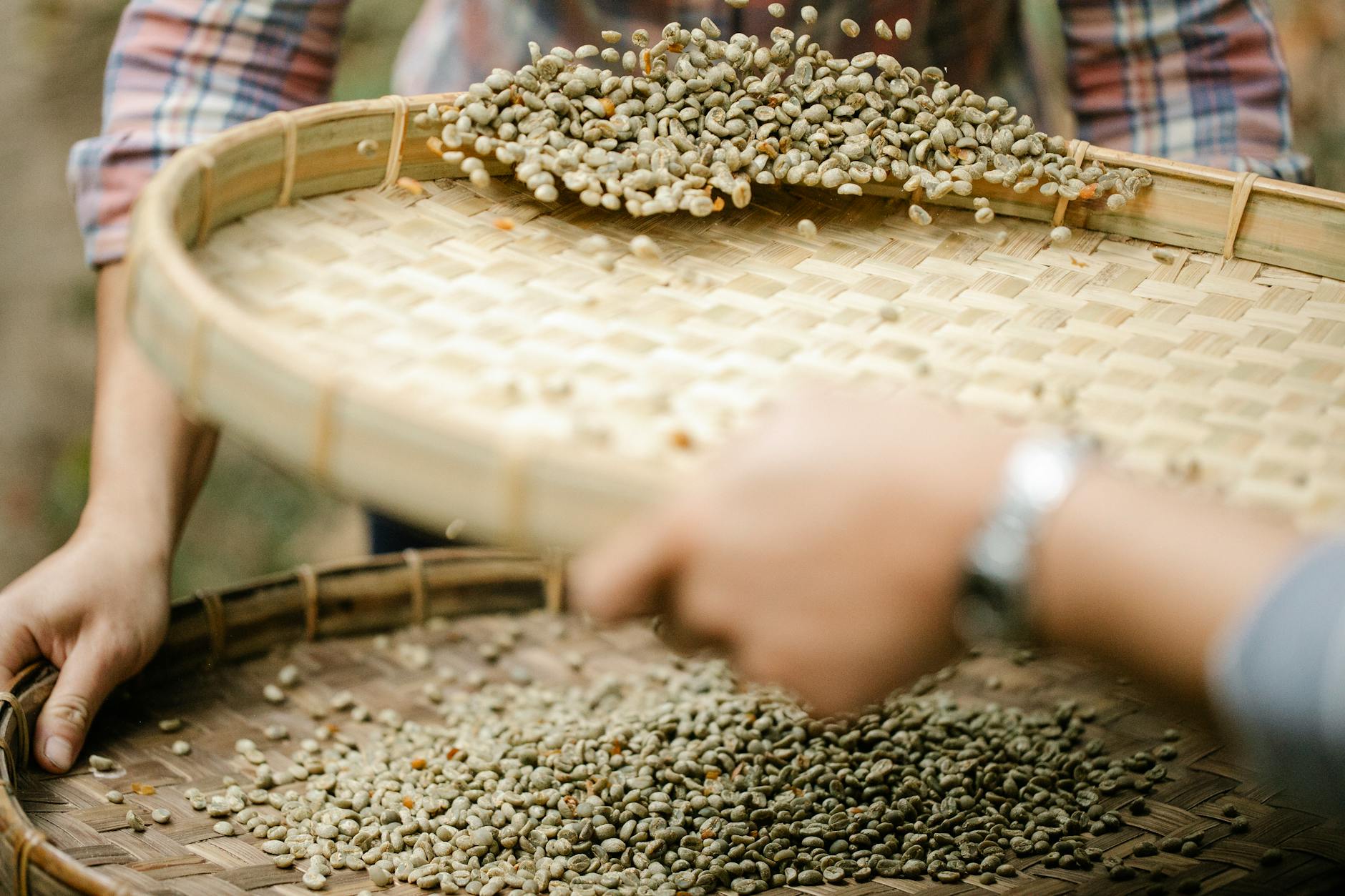
Even the highest quality burr grinders produce a small amount of microscopic coffee dust. These extremely small particles extract rapidly and introduce a harsh bitterness to the final cup. Passing the dry grounds through a specialized sieve removes these fines before the brewing begins. This meticulous step yields a remarkably clean and vibrant coffee with unparalleled flavor separation.
Resting Roasted Beans

Brewing coffee immediately after it leaves the roasting machine results in a harsh and grassy flavor. The beans need an adequate resting period to release the volatile carbon dioxide gas trapped inside. Most specialty coffees reach their peak flavor potential between seven and fourteen days after roasting. Patience during this degassing phase allows the sweet and complex origin characteristics to fully develop.
Please share your favorite home brewing techniques and flavor additions in the comments.




