Maintaining healthy nails requires consistent care and a keen understanding of daily habits. Many common routines unknowingly cause severe damage to the delicate keratin structures of the nail bed. Recognizing these harmful practices is the first step toward achieving stronger and more resilient fingertips. Simple adjustments to daily grooming can significantly improve overall nail health and appearance.
Biting Your Nails
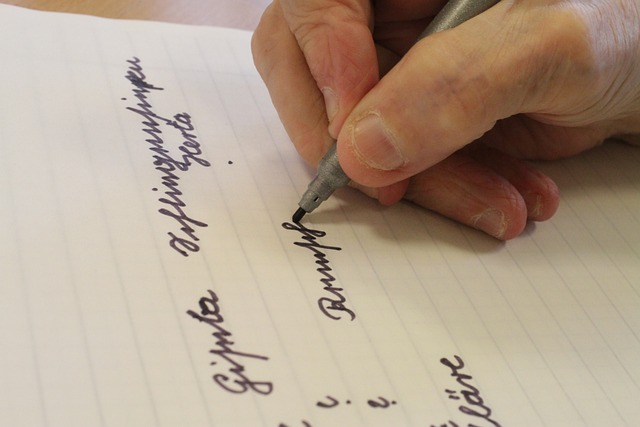
This pervasive habit introduces harmful bacteria from the mouth directly into the nail bed. Constant chewing physically weakens the nail plate and creates uneven edges prone to further tearing. The surrounding skin also suffers from continuous moisture and repeated trauma. Breaking this cycle often requires dedicated behavioral changes or bitter tasting deterrent polishes.
Using Nails As Tools

Opening soda cans or scraping off stickers puts excessive mechanical stress on the nail tip. This concentrated pressure causes microtears in the keratin layers and leads to immediate peeling. The natural arch of the nail is not designed to withstand such localized force. Reaching for a proper tool instead of relying on your fingertips prevents this structural damage entirely.
Peeling Off Gel Polish
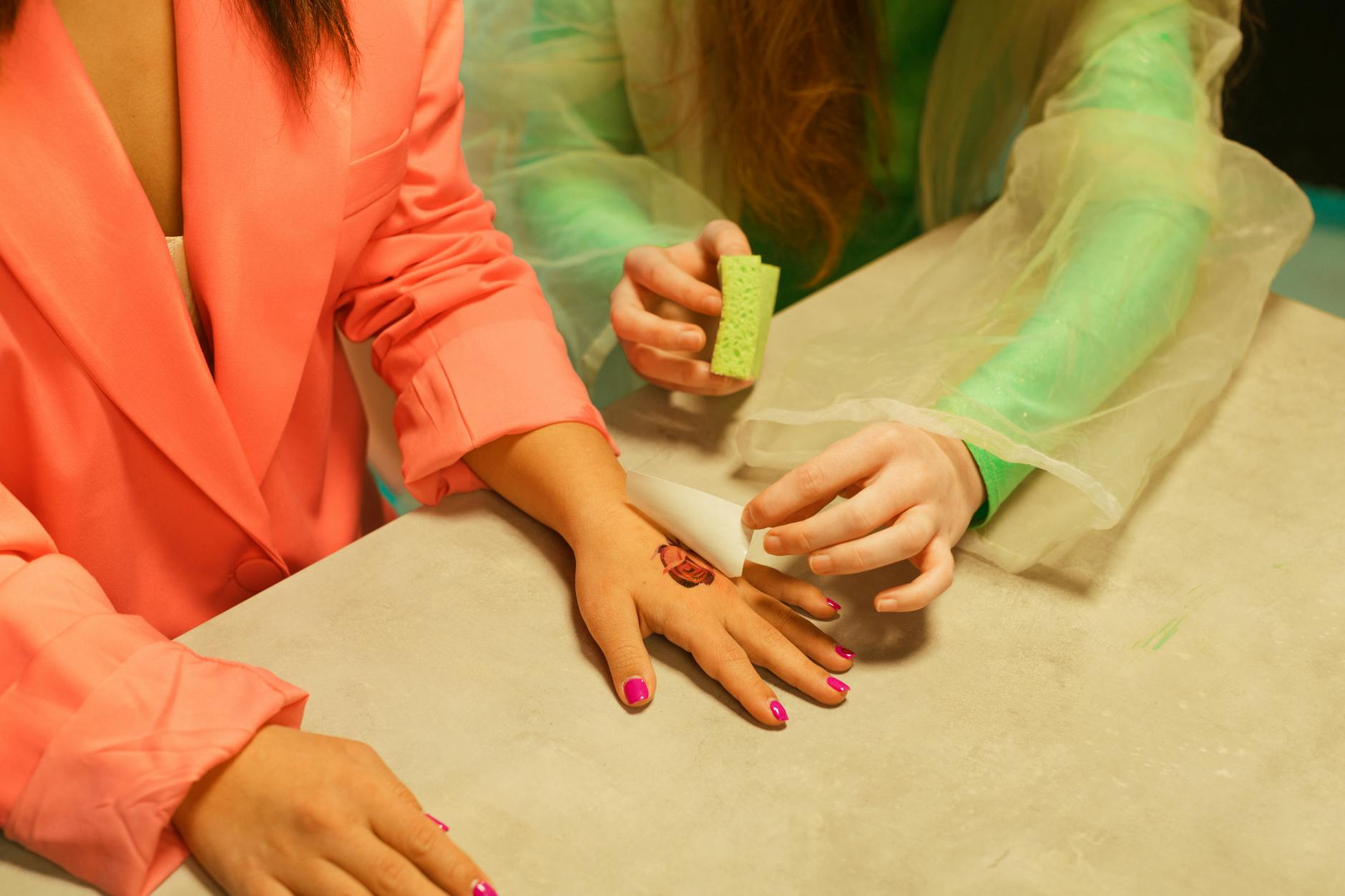
Forcibly removing stubborn gel polish tears away the topmost protective layers of the natural nail. This aggressive action leaves the surface visibly rough and highly vulnerable to environmental damage. The resulting thinness makes the nail incredibly sensitive to temperature changes and daily wear. Proper removal requires soaking the polish in specific solvents to dissolve the bonds safely.
Skipping Base Coat
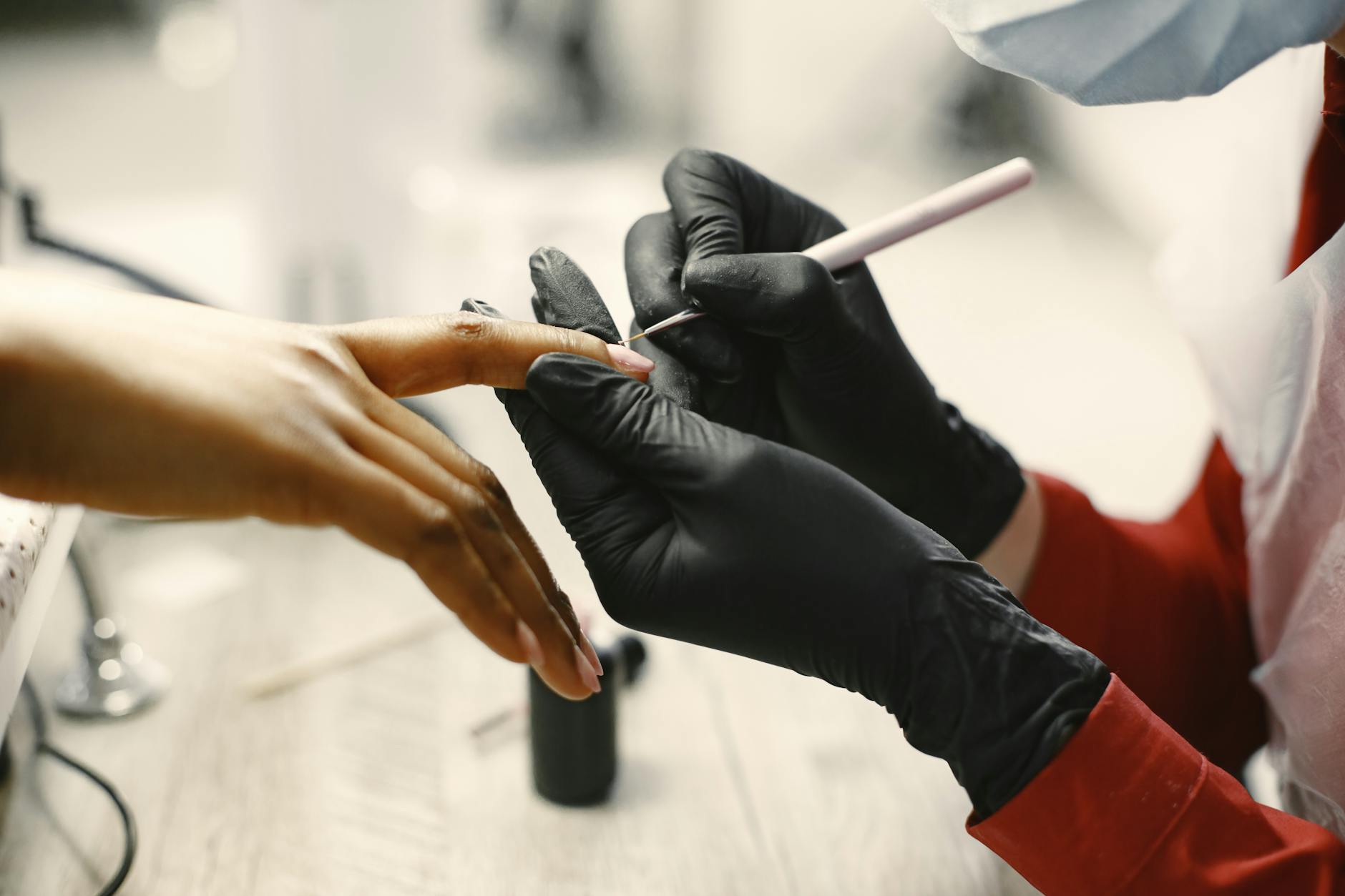
Applying colored polish directly to bare nails often leads to deep and persistent staining. The base coat acts as a crucial barrier that prevents dark pigments from seeping into the porous nail plate. This protective layer also creates a smooth surface for the color to adhere evenly. Foregoing this preparatory step compromises both the aesthetic result and the underlying health of the nail.
Overwashing Hands
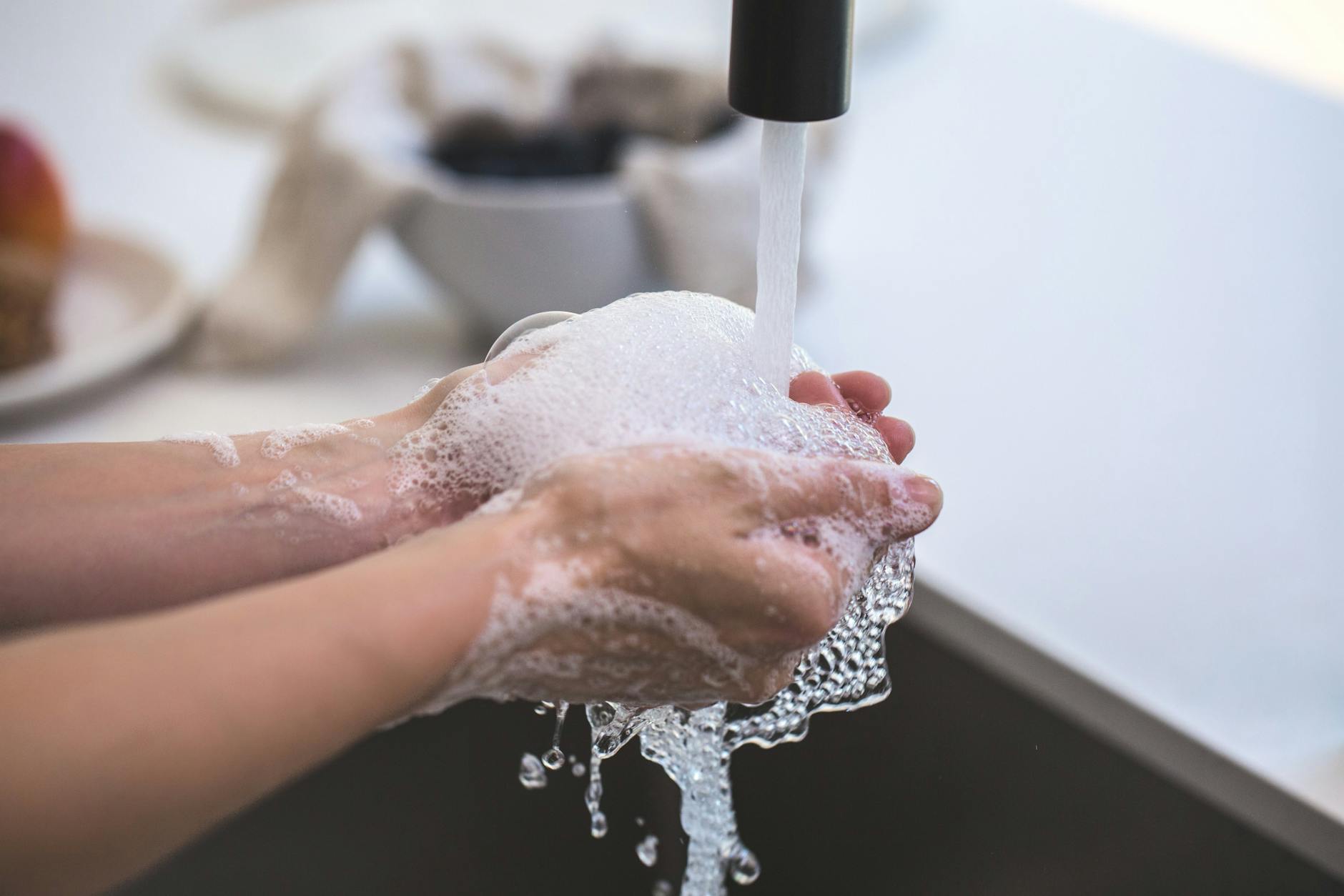
Frequent hand washing strips away natural oils that keep the nails and surrounding skin flexible. The constant cycle of absorbing water and drying out causes the nail plate to expand and contract repeatedly. This movement inevitably leads to brittleness and severe vertical splitting over time. Applying a thick moisturizer immediately after washing helps lock in hydration and prevents this rapid moisture loss.
Ignoring Cuticle Oil
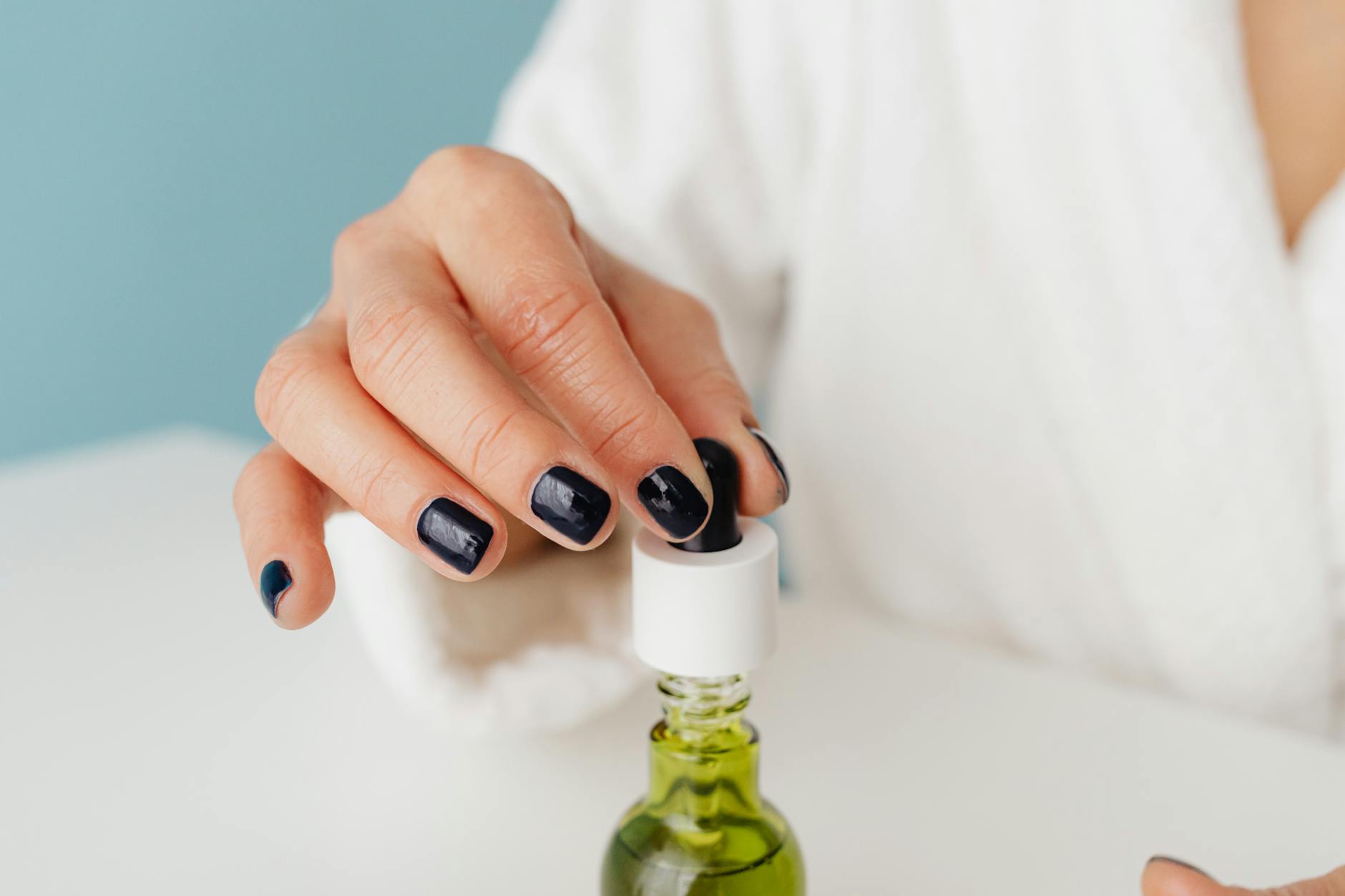
Dry cuticles inhibit healthy nail growth by restricting the specialized tissue at the base of the nail. Daily application of nutrient rich oils maintains the essential flexibility of the entire nail apparatus. Hydrated tissue acts as a strong seal against intrusive dirt and harmful pathogens. Consistently neglecting this simple step guarantees rigid nails that snap easily under minor pressure.
Filing Back And Forth
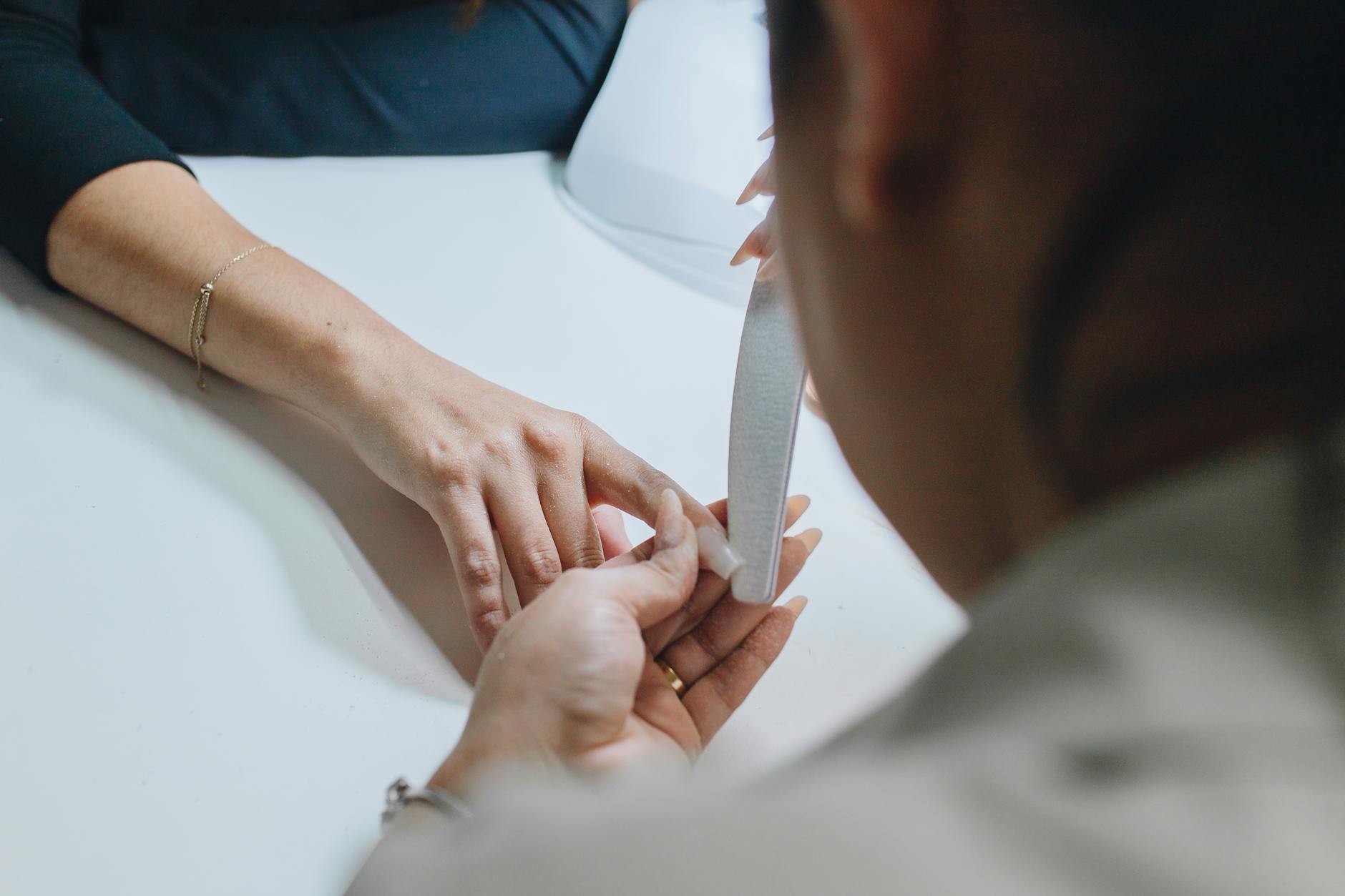
Sawing a file back and forth across the nail tip frays the delicate keratin fibers. This aggressive technique causes microscopic splits that eventually develop into large and painful snags. Moving the file gently in one single direction from the outside edge toward the center creates a smooth and secure seal. Adopting this proper filing method prevents unnecessary breakage and preserves the desired shape.
Cutting Cuticles
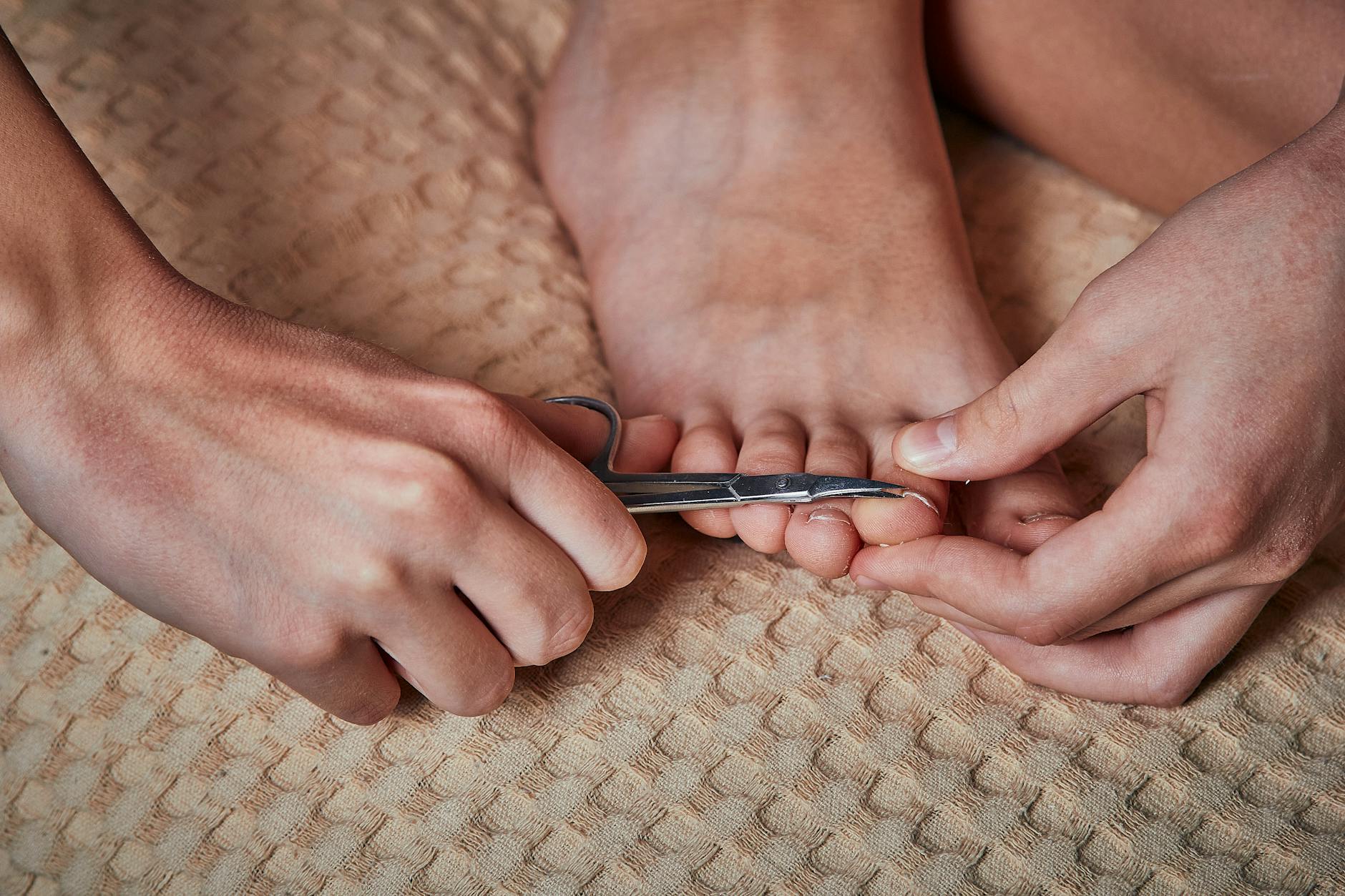
Trimming the living skin at the base of the nail removes the body’s primary defense against infection. This exposed area becomes highly susceptible to painful swelling and bacterial invasions. The skin often regrows thicker and more unevenly after being cut with sharp nippers. Gently pushing the cuticles back with a wooden stick after a warm shower offers a much safer alternative.
Applying Thick Polish Layers
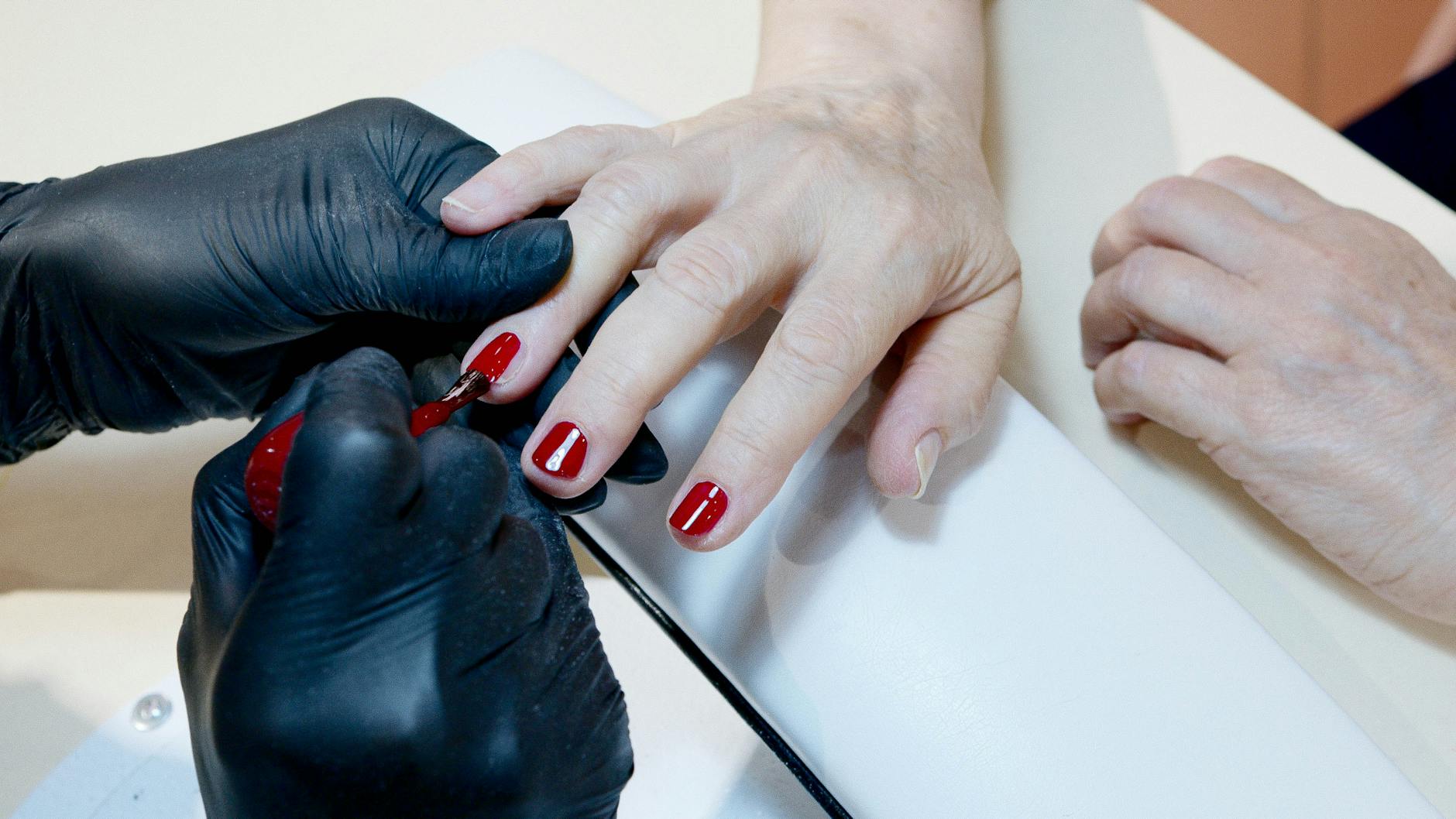
Slathering on heavy coats of nail polish prevents the underlying layers from drying completely. This trapped moisture often leads to smudging and significantly reduces the lifespan of the manicure. Thick applications also bubble easily and create an uneven texture across the nail surface. Painting multiple thin layers ensures proper curing and a much more durable finish.
Exposing Nails To Cleaning Chemicals
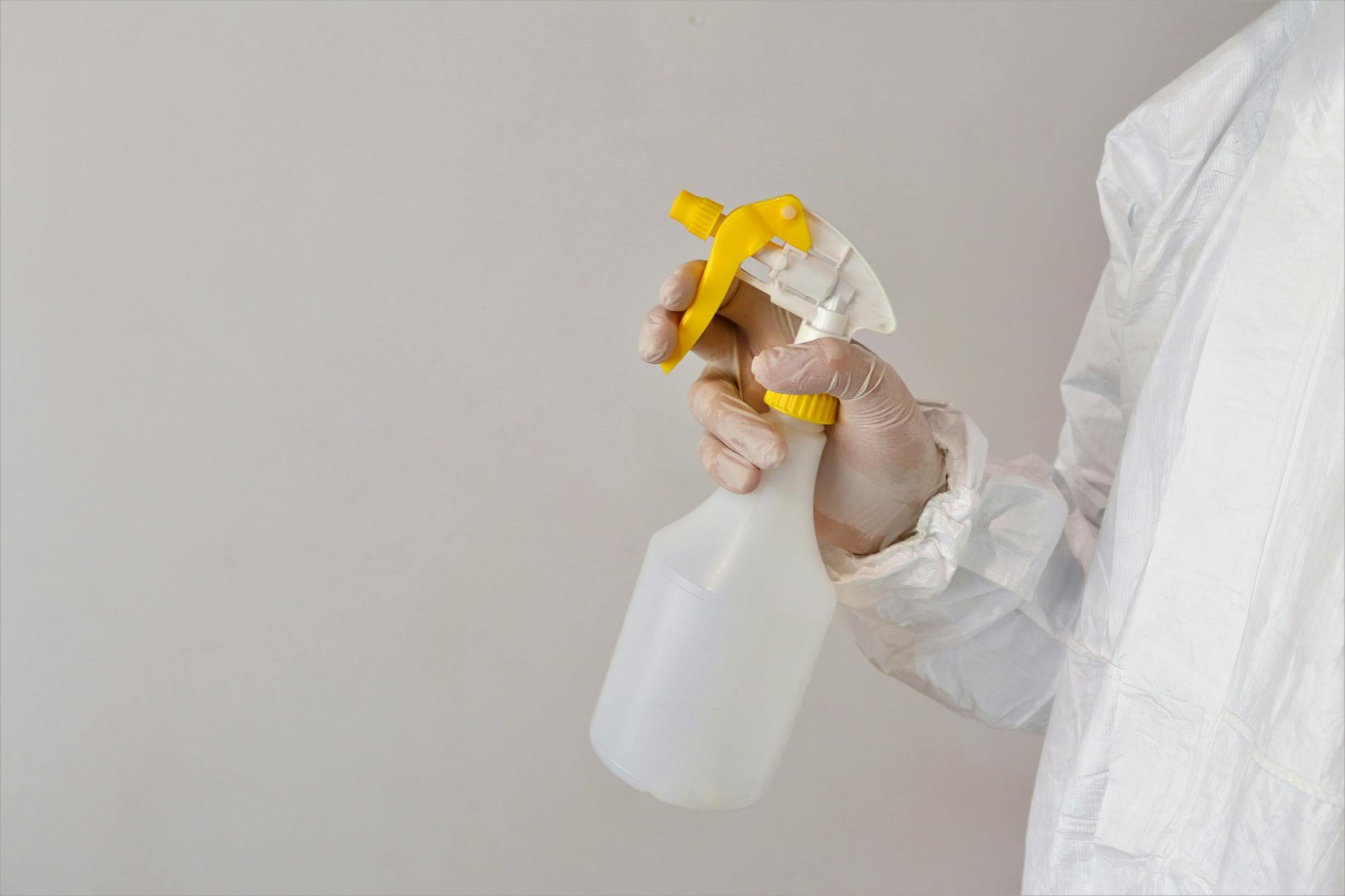
Harsh household cleaners contain potent ingredients that rapidly degrade the structural integrity of human nails. Bleach and ammonia strip away vital lipids and leave the nail plate dangerously dehydrated. The chemical exposure also irritates the surrounding cuticles and causes painful inflammation. Wearing protective rubber gloves during household chores completely eliminates this preventable source of chemical damage.
Soaking Nails Before Manicures
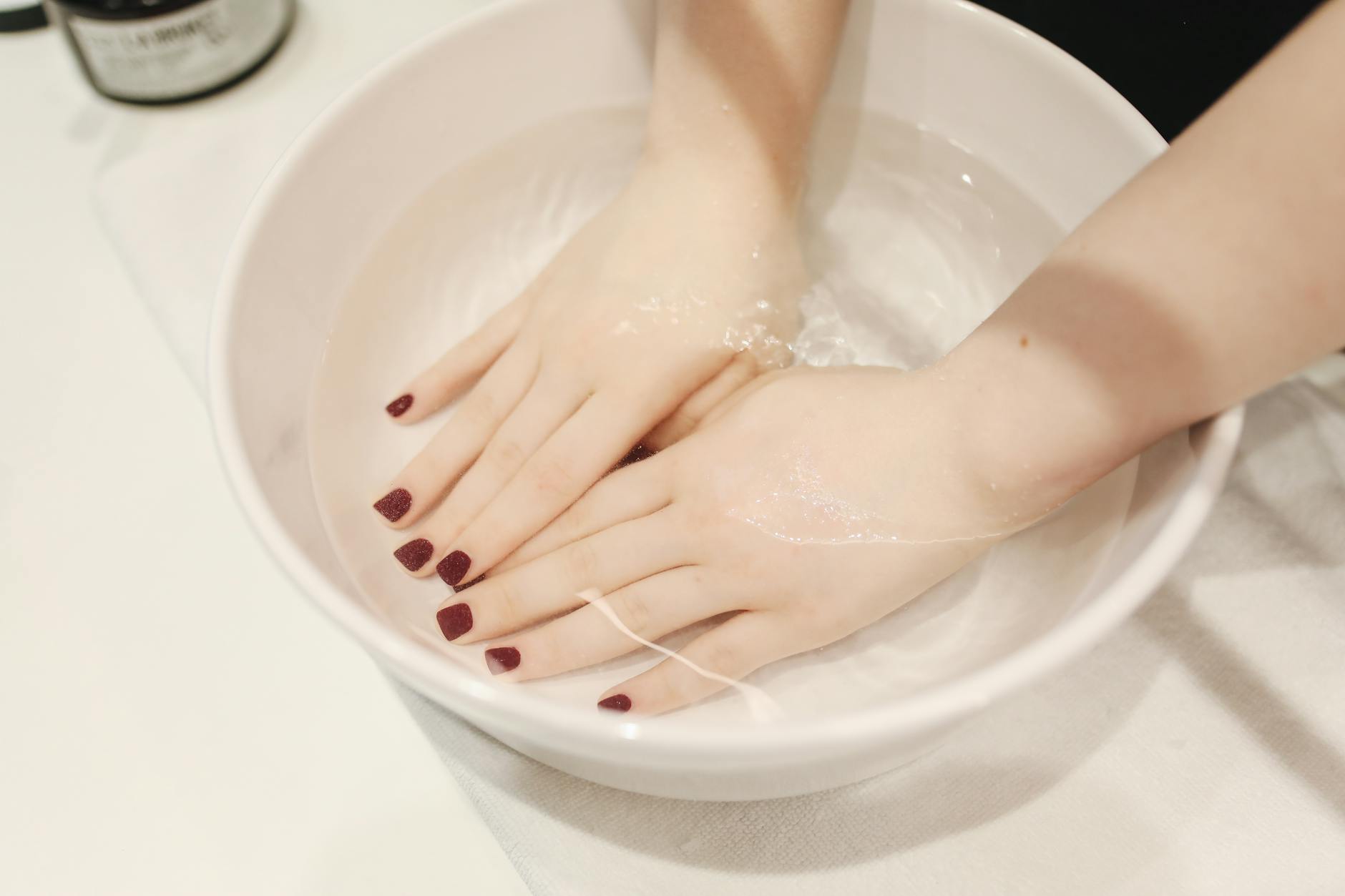
Submerging fingers in water causes the porous nail plate to swell and alter its natural shape. Applying polish to these expanded nails guarantees premature chipping once the water evaporates and the nail shrinks. Dry manicures offer a superior alternative by preserving the true curve of the nail. This waterless approach ensures that the polish adheres firmly and lasts significantly longer.
Leaving Polish On Too Long
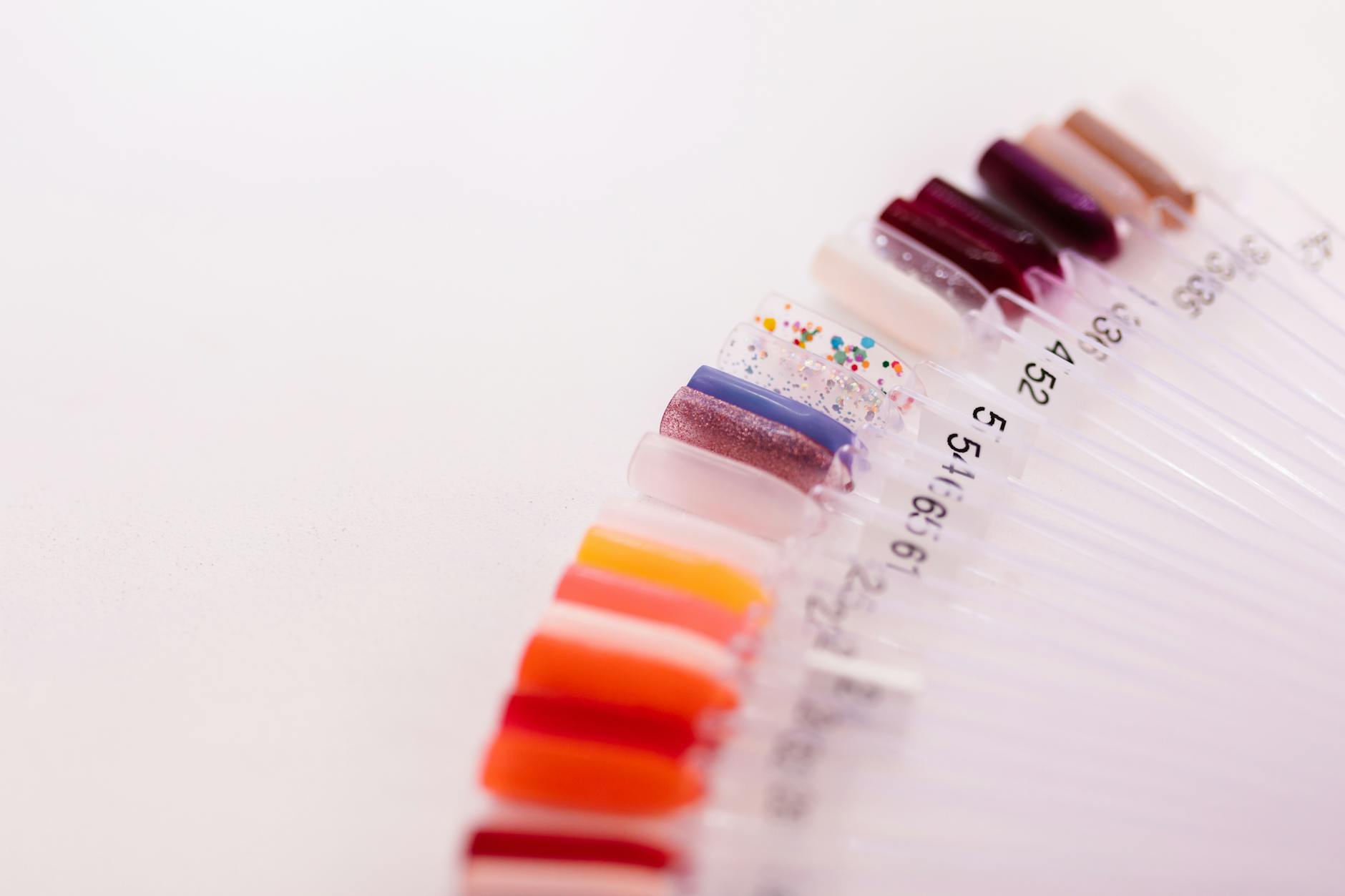
Keeping the same nail polish on for several weeks dries out the underlying nail bed severely. The chemical components in the polish degrade over time and bind too tightly to the top layer of keratin. This prolonged contact often results in white patches known as keratin granulations when the polish is finally removed. Taking regular breaks between manicures allows the nails to recover their natural moisture balance.
Using Acetone Removers Frequently
Pure acetone effectively dissolves stubborn polishes but aggressively dehydrates the entire fingertip in the process. Repeated use of this strong solvent turns healthy nails brittle and highly prone to snapping. Non acetone removers provide a gentler alternative for regular polish changes. Limiting acetone exposure exclusively to necessary gel removals greatly preserves the structural strength of the nail.
Tapping Nails On Hard Surfaces
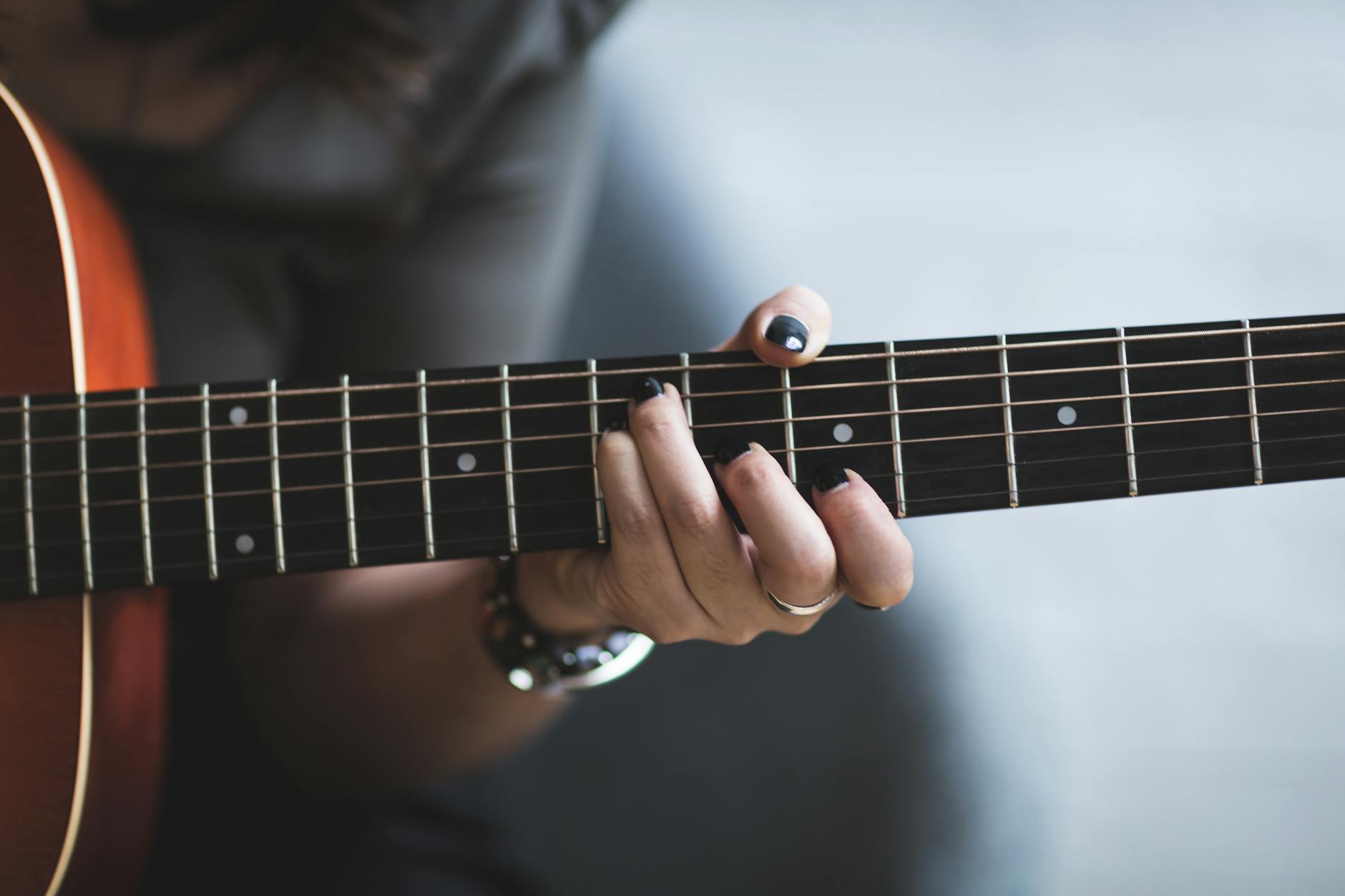
Mindless drumming on desks or keyboards subjects the nail tips to constant and repetitive blunt force trauma. This ongoing impact slowly degrades the free edge and initiates microscopic fractures in the keratin. The continuous shock waves traveling through the nail bed can also disrupt healthy growth patterns. Paying attention to these unconscious habits helps eliminate unnecessary physical stress on the fingertips.
Ignoring Dietary Deficiencies
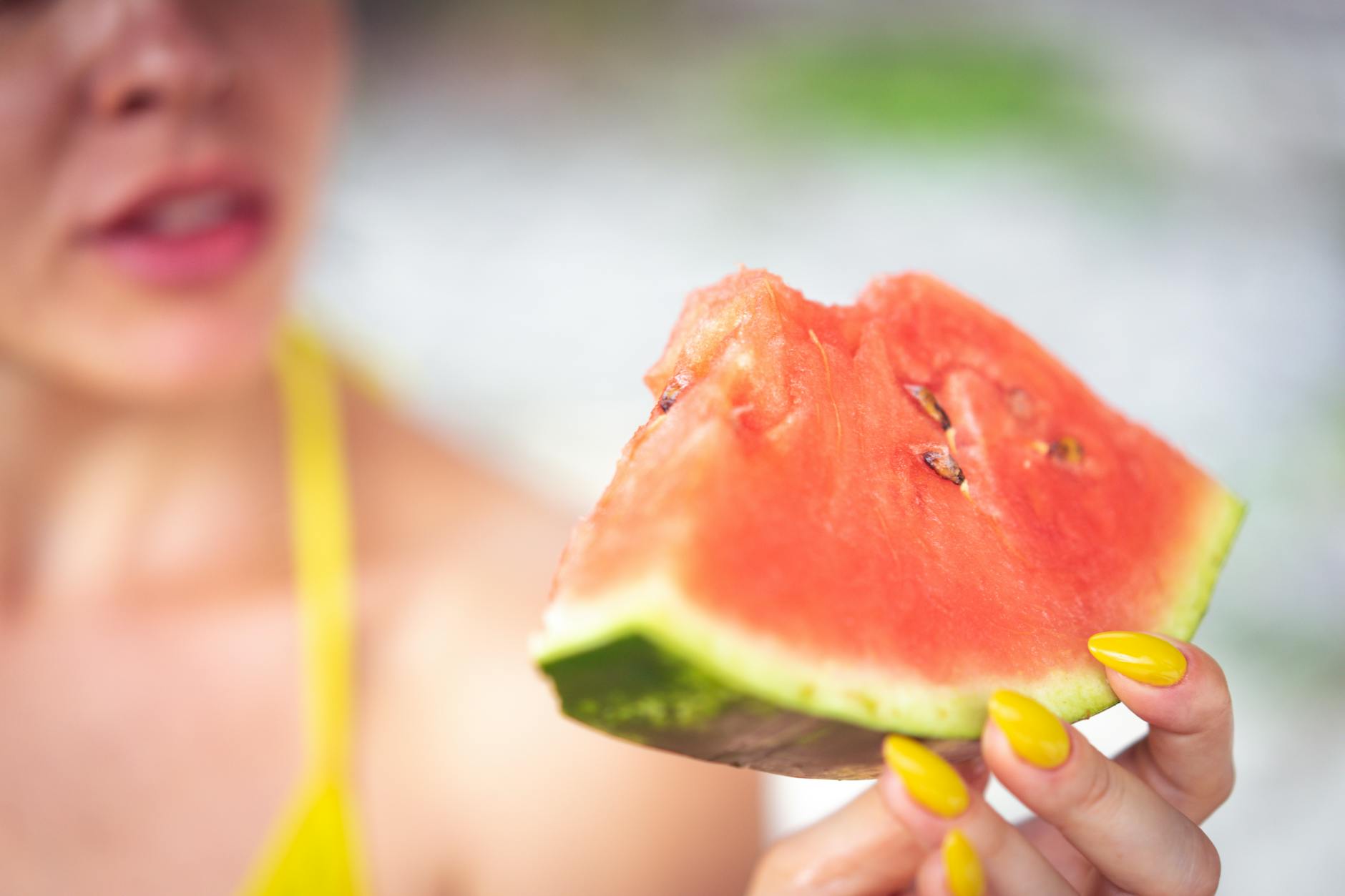
A diet lacking in essential vitamins directly manifests as weak and ridged fingernails. Insufficient iron or biotin intake severely compromises the body’s ability to produce strong keratin structures. The nails require a steady supply of nutrients to maintain their daily growth cycle. Eating a balanced diet rich in proteins and healthy fats builds resilience from the inside out.
Please share your personal strategies for maintaining strong and healthy nails in the comments.




