Storing your daily prescriptions and vitamins in the wrong environment can rapidly degrade their active ingredients and reduce their effectiveness. Many common household storage spots expose sensitive pills and liquids to extreme temperature fluctuations and high humidity. Heat and moisture can alter the chemical composition of your medicine before the official expiration date even arrives. Finding a consistently cool and dry location is essential for maintaining the safety and potency of your health products. This guide highlights the most problematic places you might be keeping your medicine and explains why they compromise your health.
Bathroom Medicine Cabinet
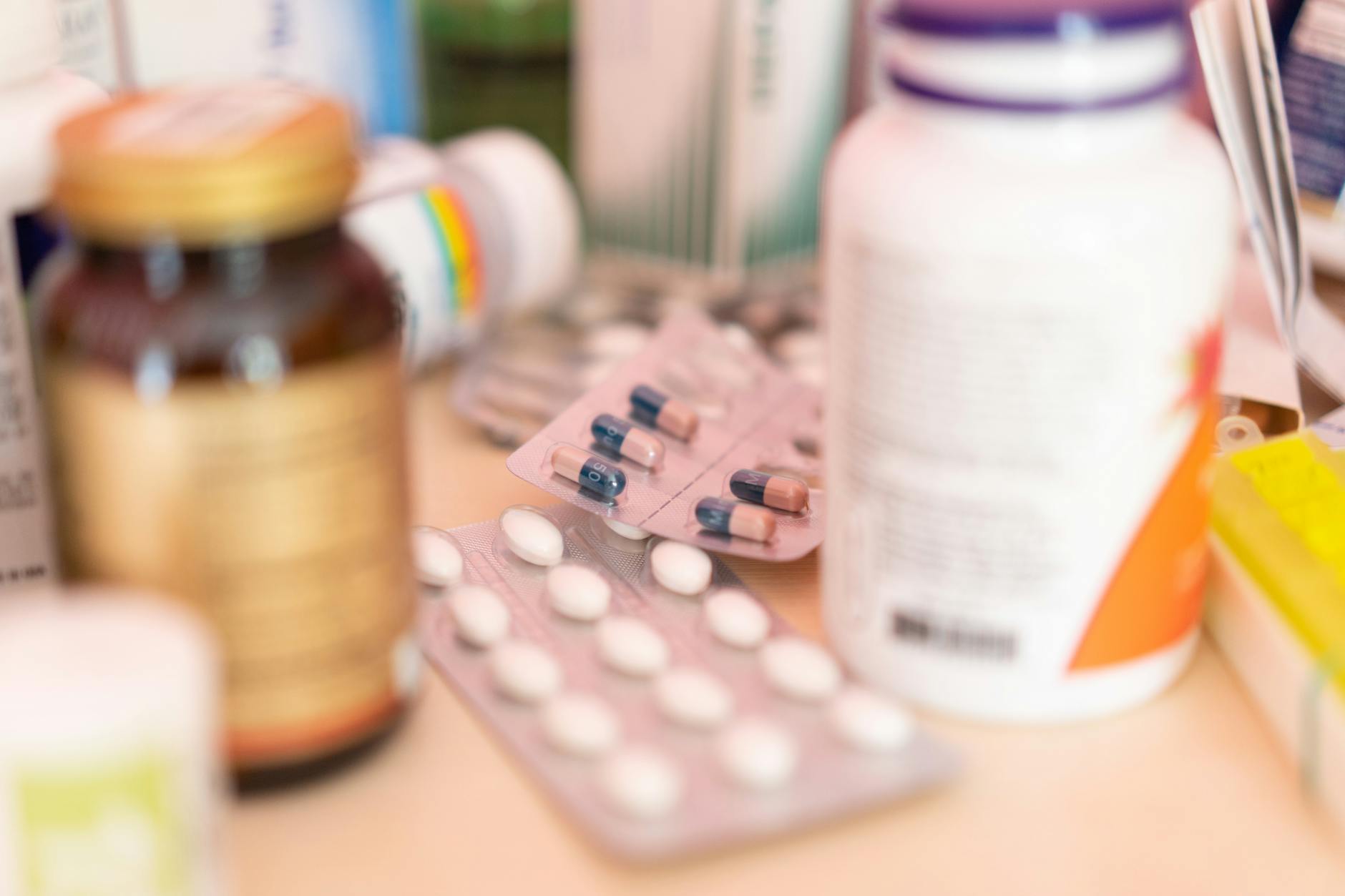
This popular storage spot is actually one of the most damaging environments for any type of prescription or over the counter pill. Every time you take a hot shower or bath the room fills with thick steam and heavy moisture. The trapped humidity seeps into pill bottles and causes solid capsules to soften or dissolve prematurely. Temperature spikes also accelerate the chemical breakdown of active medicinal ingredients. Moving your supplies to a dry hallway closet will preserve their intended strength and safety.
Car Glove Compartment

Leaving your pharmacy bags in a vehicle exposes them to some of the most extreme temperature shifts imaginable. During the summer months the interior of a parked vehicle can easily reach temperatures high enough to melt gel capsules and alter liquid formulas. Winter weather brings freezing conditions that can permanently destroy insulin and other sensitive injectable treatments. The constant physical shaking from driving over rough roads can also damage fragile medical devices like emergency allergy pens. It is always best to carry your treatments indoors with you as soon as you arrive at your destination.
Kitchen Cabinet Above the Stove
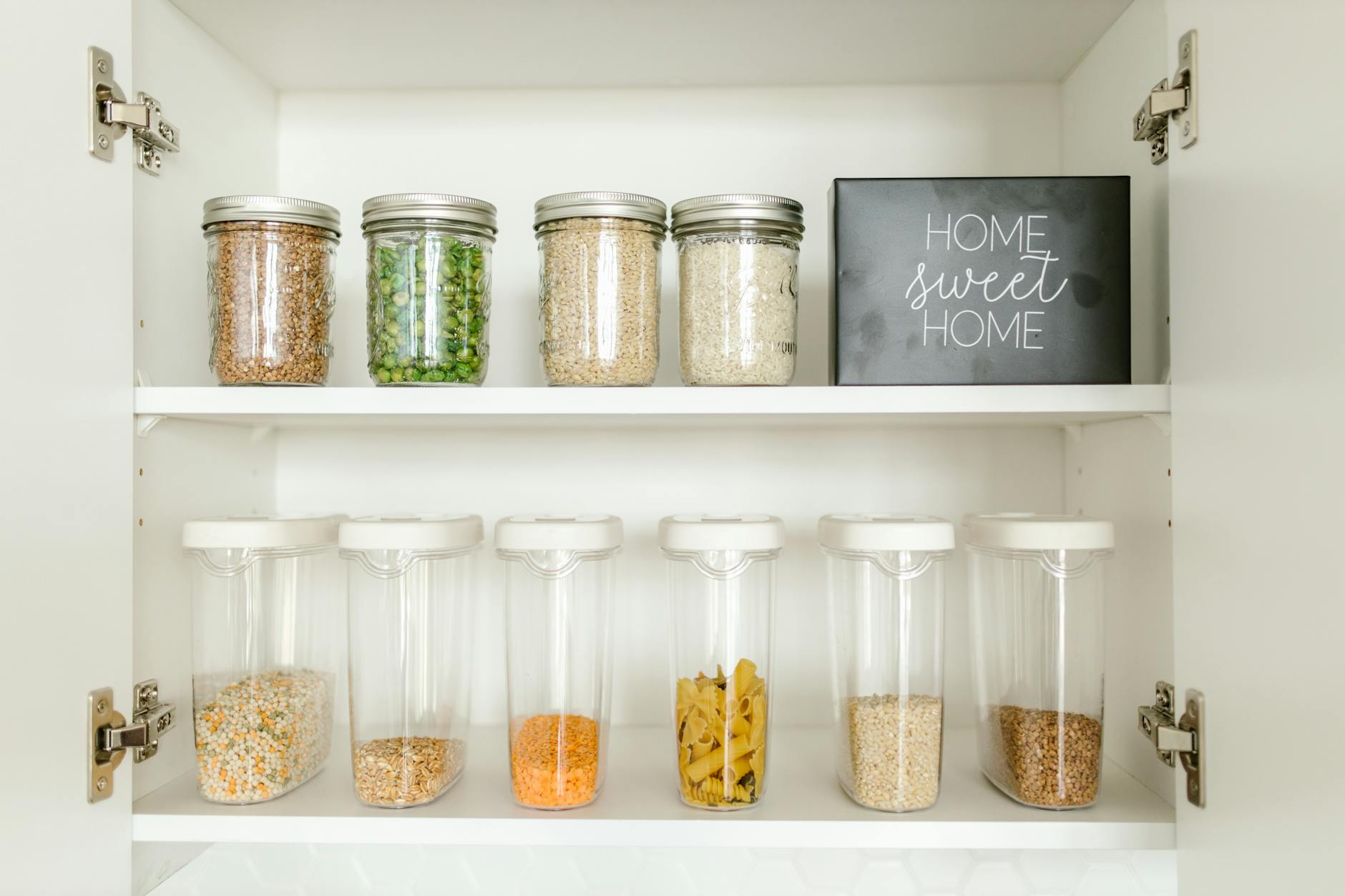
Storing health supplies directly over your cooking area subjects them to repeated blasts of intense heat. Boiling water and simmering pots generate rising steam that creates a localized pocket of high humidity right around the upper cabinets. This repetitive warming and cooling cycle destabilizes the chemical structure of sensitive antibiotics and pain relievers. Over time the active compounds degrade and render the product completely useless or potentially harmful to your stomach. You should relocate these items to a distant pantry shelf far away from any active cooking appliances.
Bright Window Sill
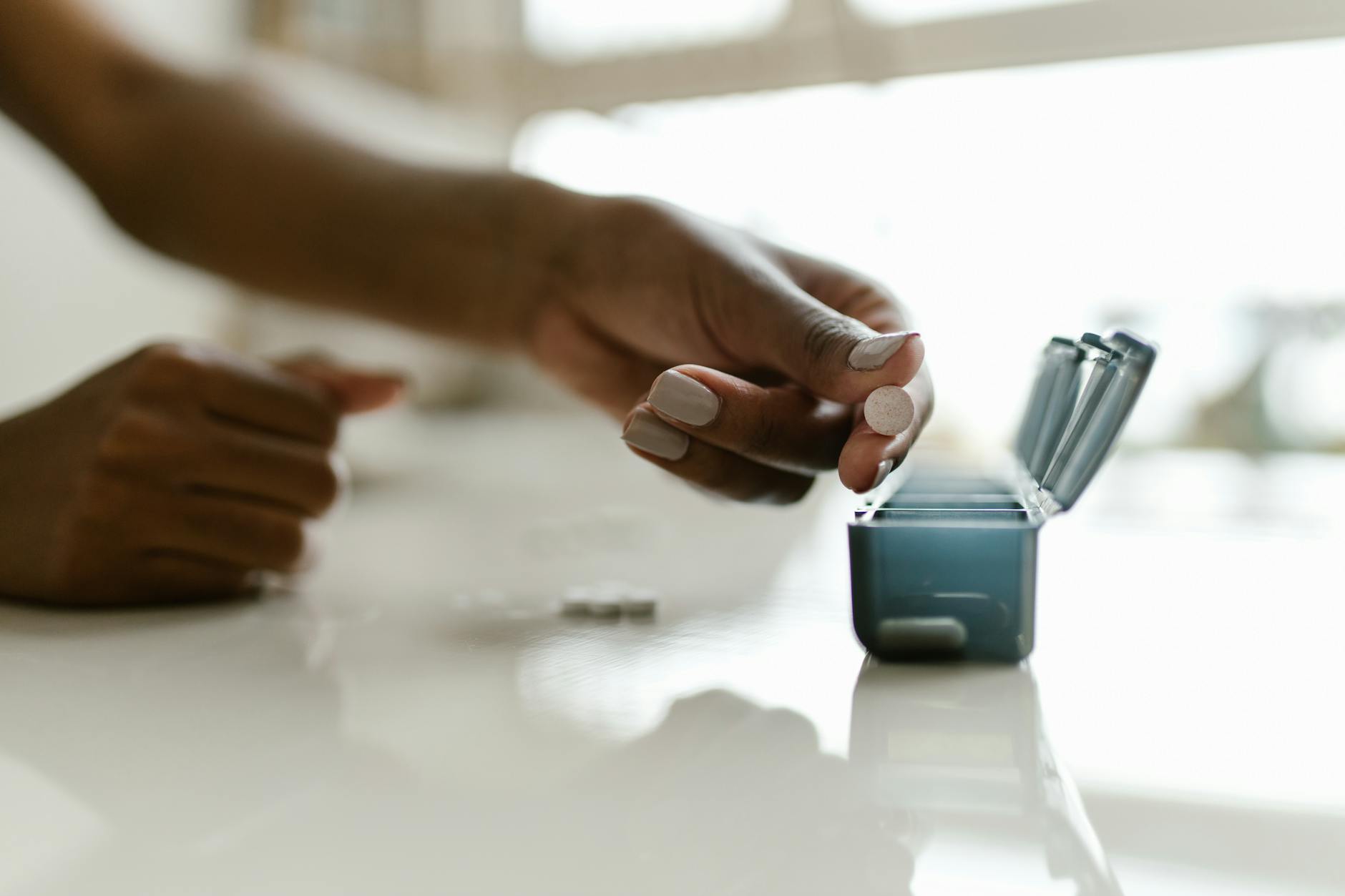
Placing your daily pill organizers on a sunny ledge might serve as a visual reminder but it ruins the contents. Direct ultraviolet radiation from sunlight penetrates clear plastic bottles and breaks down delicate medicinal compounds very rapidly. Manufacturers specifically package many products in dark brown bottles to prevent this exact type of light degradation. A few hours of intense afternoon sun can literally bake the medication and destroy its therapeutic value. A dark drawer offers a much safer alternative while still keeping your items easily accessible.
Refrigerator Door Shelf
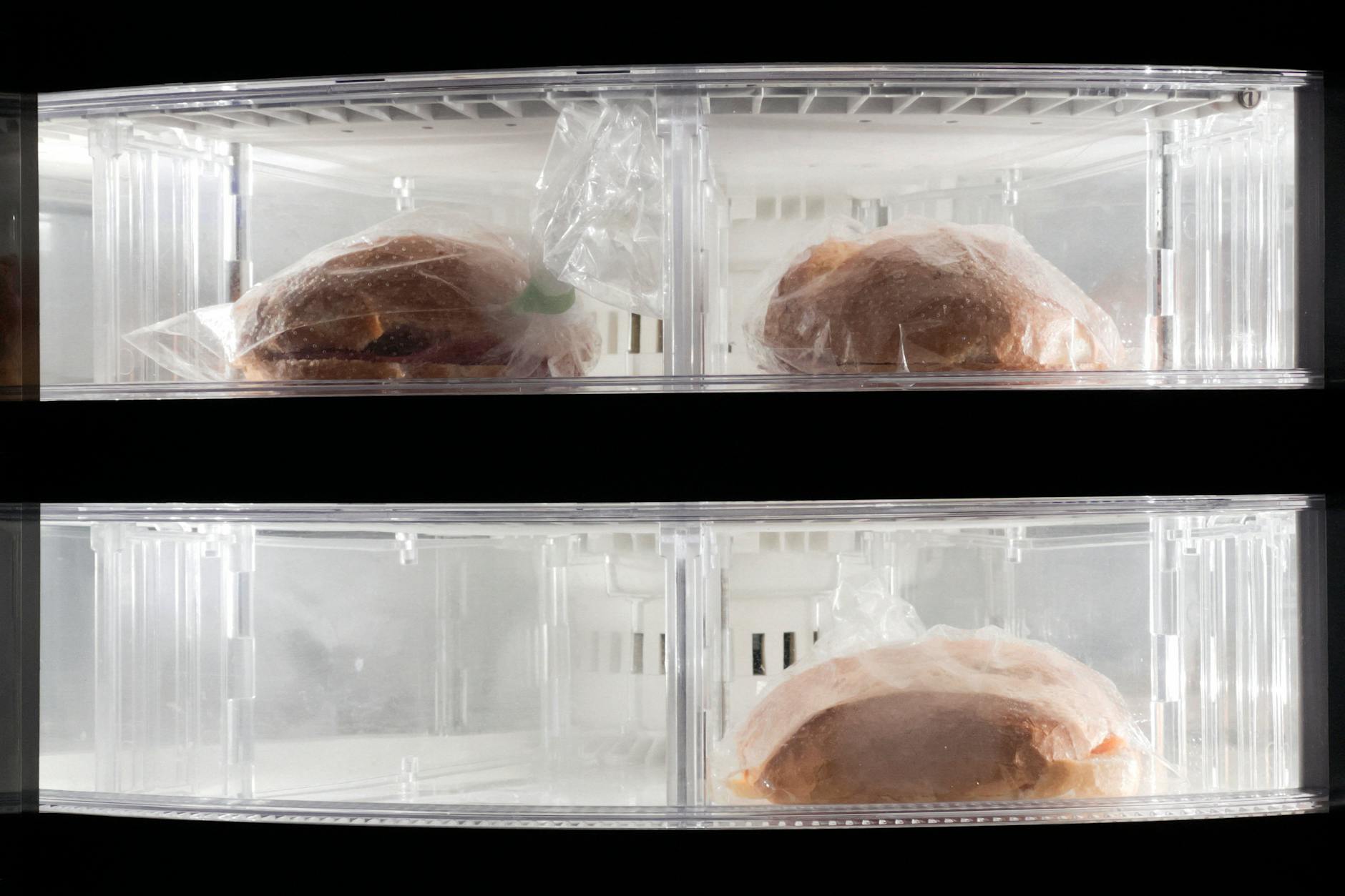
The door compartments of your fridge experience the most drastic temperature changes of any area inside the appliance. Every time someone opens the fridge to grab a snack the items in the door are blasted with warm room air. This constant fluctuation can cause liquid medications to separate or crystalize unexpectedly. Some treatments require strict cooling but placing them in the door risks accidental freezing if the appliance runs too cold. You must keep refrigerated medicines pushed toward the middle shelves where the climate remains highly consistent.
Kitchen Counter Beside the Sink
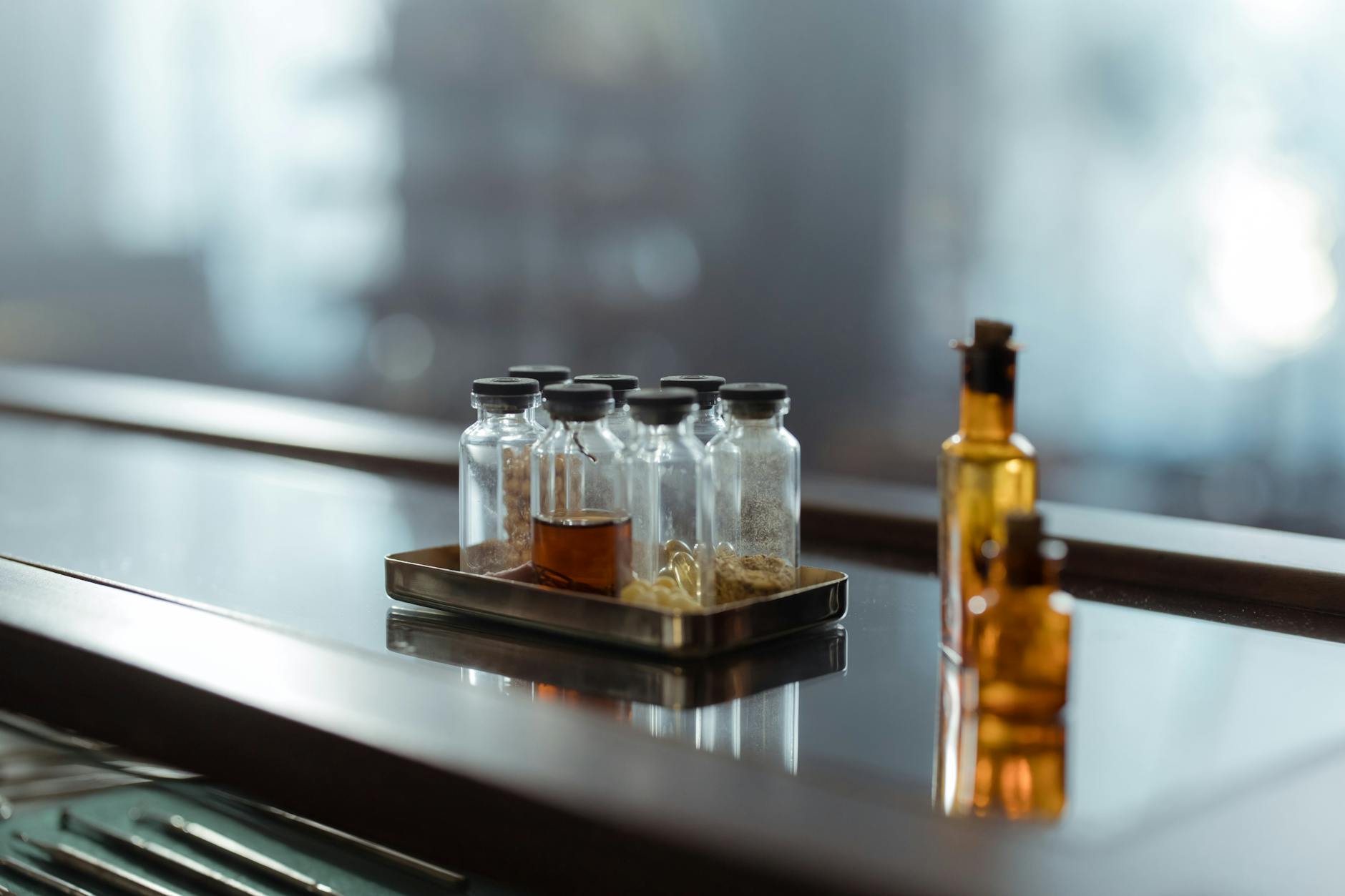
Keeping your bottles right next to the kitchen sink puts them at constant risk of water exposure and accidental spills. Splashing soapy water from washing dishes can easily seep under loose childproof caps and contaminate your pills. The immediate area around a sink also experiences higher local humidity than the rest of the room. A knocked over bottle could send your entire monthly prescription straight down the open drain. Choosing a dry and elevated shelf ensures your health products remain pristine and completely dry.
Unlocked Bedside Table

A low nightstand drawer provides incredibly easy access for curious toddlers or visiting young children. Colorful pills and chewable vitamins often look exactly like candy to a small child exploring the bedroom. This easily reachable spot is responsible for countless accidental pediatric poisonings every single year. Childproof caps provide a helpful barrier but they are never completely foolproof against a determined toddler. All medicinal products require storage in a highly elevated and securely locked location to guarantee family safety.
Checked Airplane Luggage
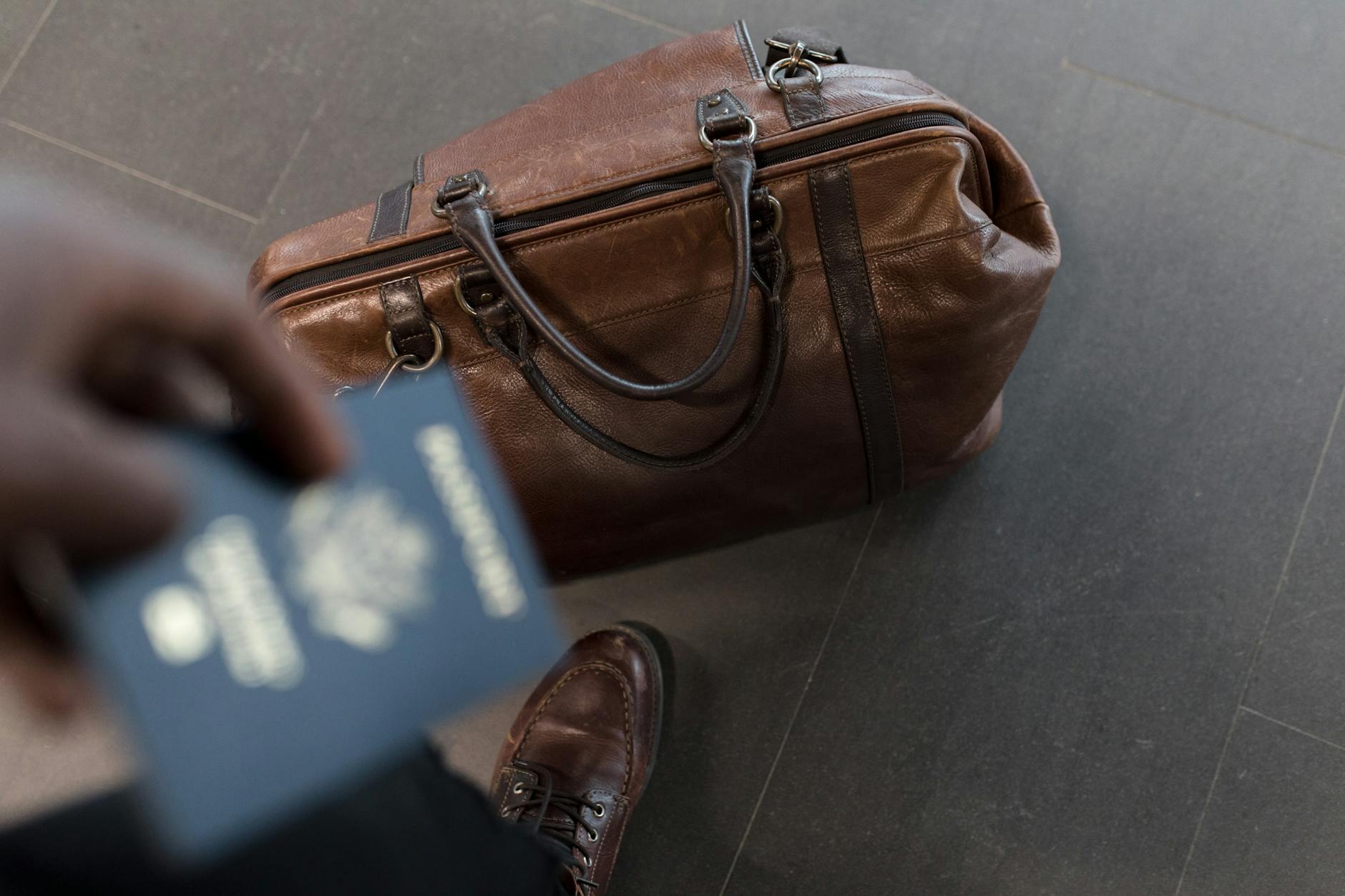
Packing your essential treatments in a checked suitcase is a massive gamble that frequent travelers should completely avoid. The cargo hold of a commercial airplane is rarely temperature controlled and can experience freezing conditions at high altitudes. Baggage handlers occasionally lose or delay suitcases which could leave you stranded without your necessary daily health support. Changes in cabin pressure might also cause liquid bottles to burst and ruin your packed clothing. You must always pack critical health supplies securely in your personal carry on bag.
Child School Backpack
Sending an emergency treatment like an allergy pen loose in a school bag exposes it to extreme physical abuse. Backpacks are frequently tossed onto hard playground concrete or left sitting in the baking sun during outdoor recess. A leaky water bottle or a crushed juice box can easily soak the fabric and ruin the medical packaging inside. The severe temperature swings of a school environment will quickly degrade the life saving adrenaline contained within the pen. Parents should entrust these vital items directly to the school nurse for proper climate controlled storage.
Everyday Handbag
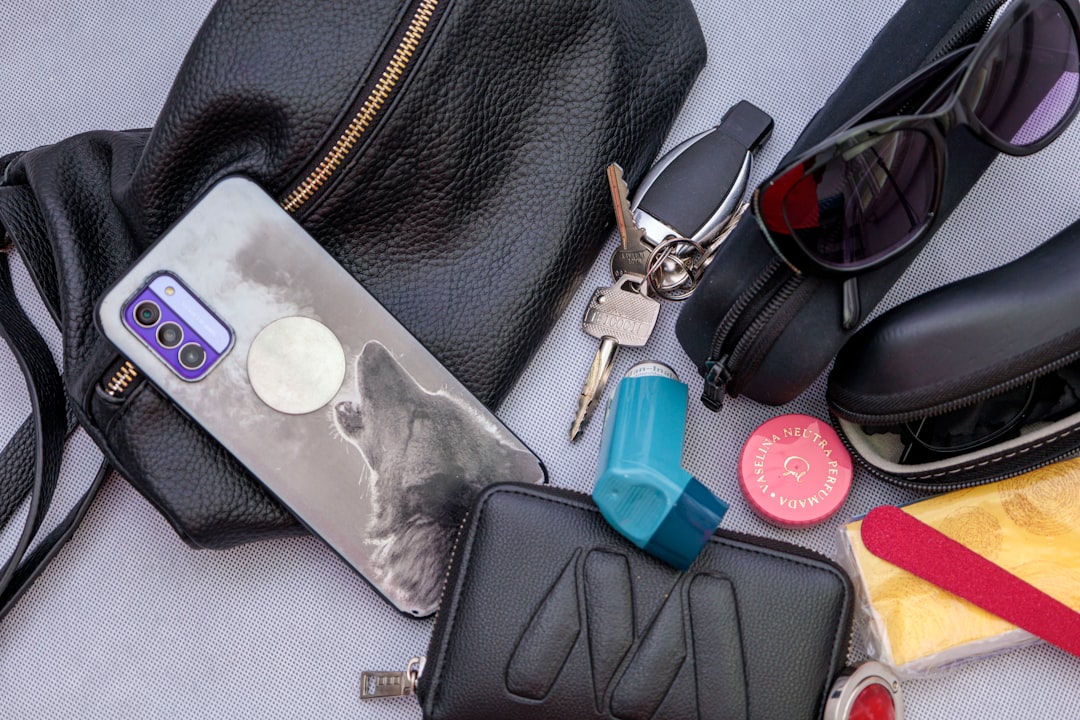
Tossing a loose bottle into your daily purse seems highly convenient but it presents several hidden dangers. The bottom of a busy handbag accumulates dirt and bacteria that can easily contaminate an improperly sealed container. Leaving the bag in a hot office or a freezing vehicle subjects the contents to severe weather extremes. Small children often dig through purses looking for mints and might accidentally consume dangerous adult prescriptions. A secure travel case kept at a stable room temperature provides a much better solution for taking items on the go.
Outdoor Mailbox
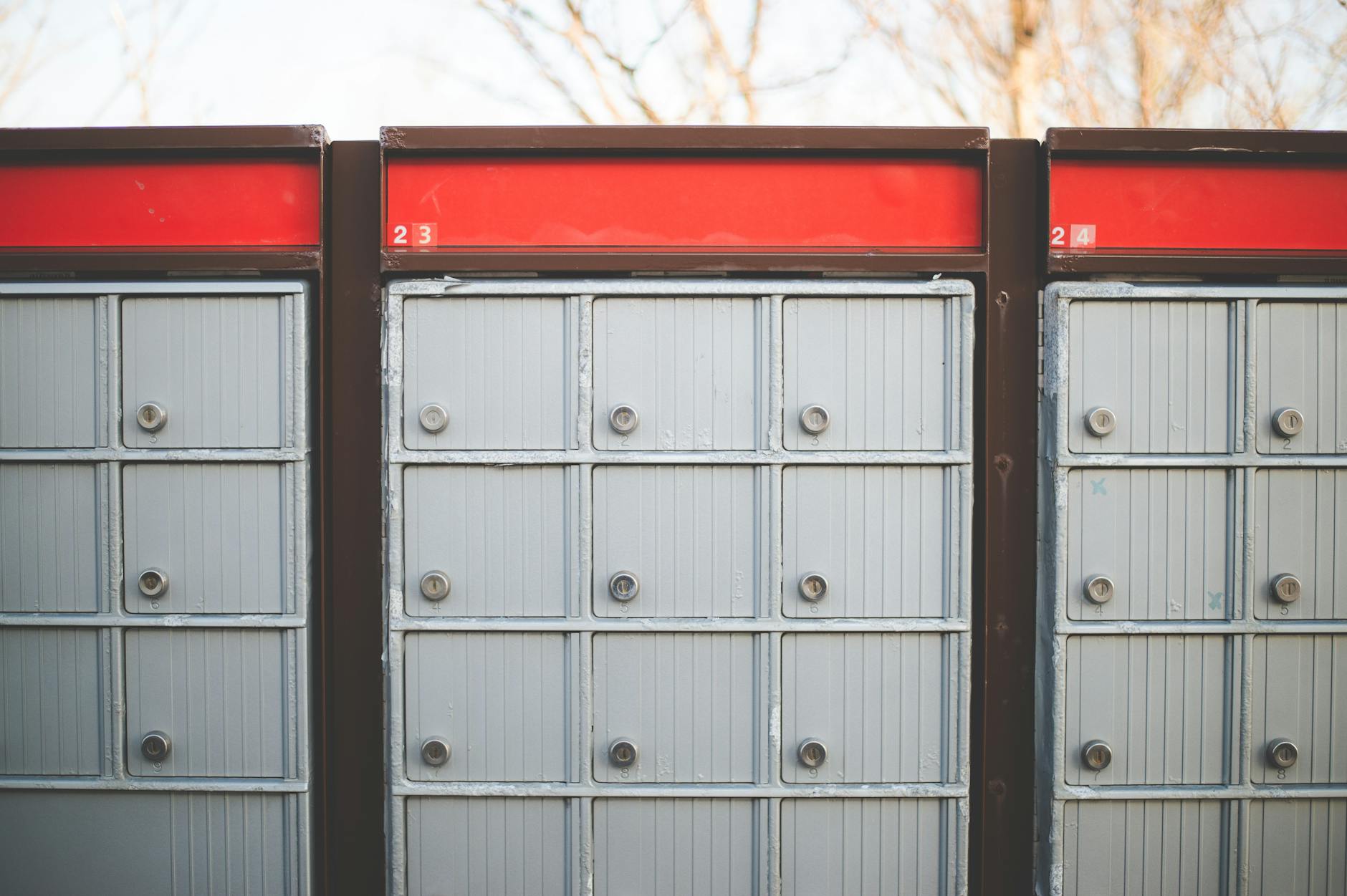
Leaving a mail order prescription sitting in your exterior mailbox all day is incredibly risky during extreme weather seasons. A metal mailbox sitting in the direct summer sun acts like a miniature oven and bakes the packages inside. Winter deliveries face the opposite problem as freezing overnight temperatures can destroy sensitive insulin and liquid antibiotics. These harsh outdoor elements can ruin a three month supply of expensive treatments before you even open the box. You should always arrange for an office delivery or a secure pickup location if you cannot grab the package immediately.
Top of the Refrigerator

The exterior top surface of a kitchen fridge is surprisingly warm due to the heat exhausted by the cooling compressor. This constant gentle heating slowly degrades the chemical stability of capsules and tablets stored in decorative baskets up there. The elevated height also encourages dust accumulation that can settle around the lids of your liquid health products. Reaching blindly for a bottle on top of a tall appliance also increases the risk of dropping and shattering the container. A cool pantry shelf completely away from major kitchen appliances is a far superior choice.
Unlocked Lower Pantry Shelf
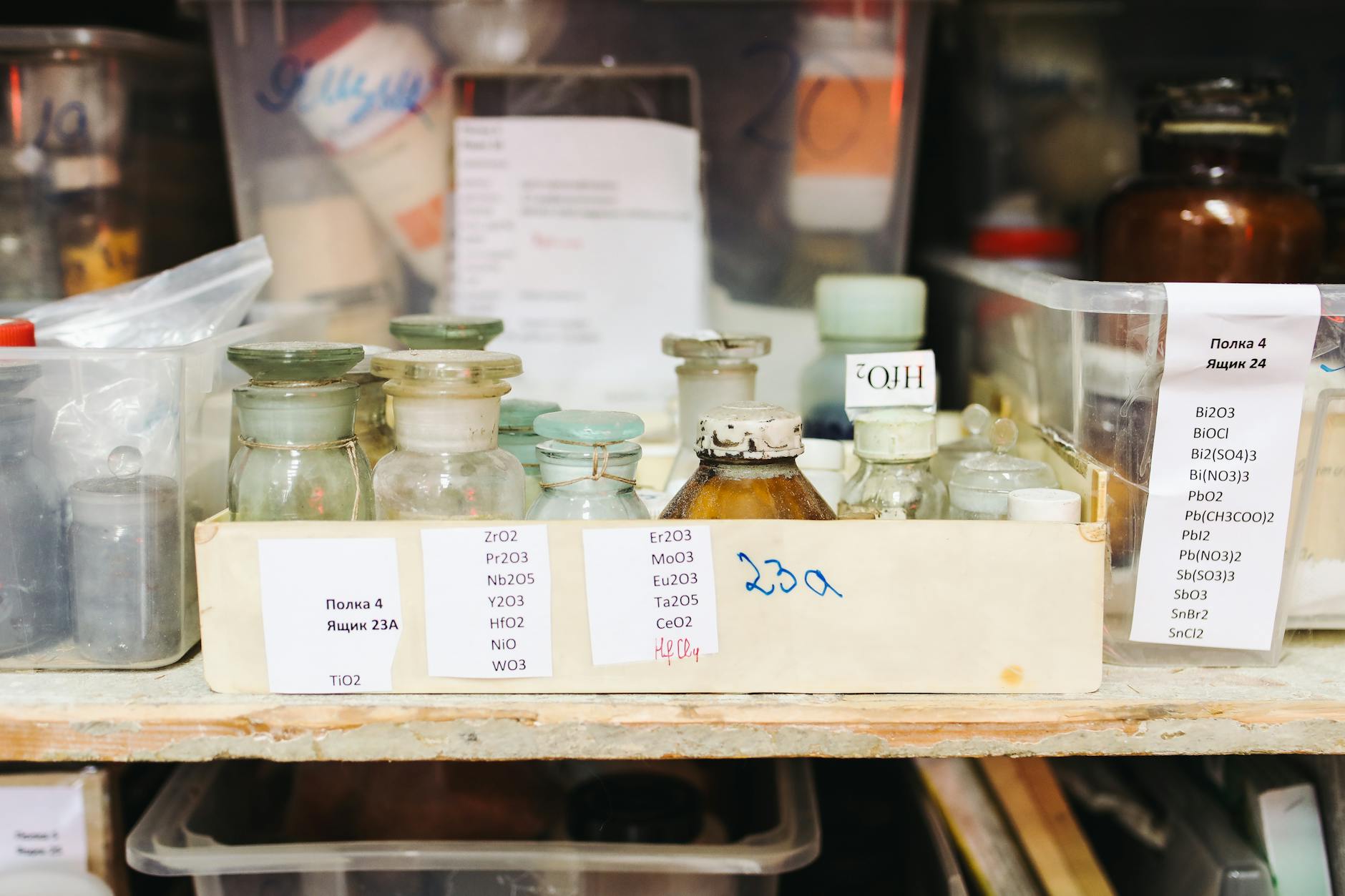
Storing health supplies on the bottom shelves of a food pantry mixes dangerous chemicals with daily grocery items. This extremely low placement puts toxic adult products directly at the eye level of crawling infants and family pets. A hungry dog can easily chew through a plastic bottle in seconds and ingest a lethal dose of human pain relievers. Mixing pill bottles with baking supplies also increases the chance of a distracted adult making a severe cooking mistake. Your pantry can work for storage only if you utilize the absolute highest shelf available.
Humid Laundry Room
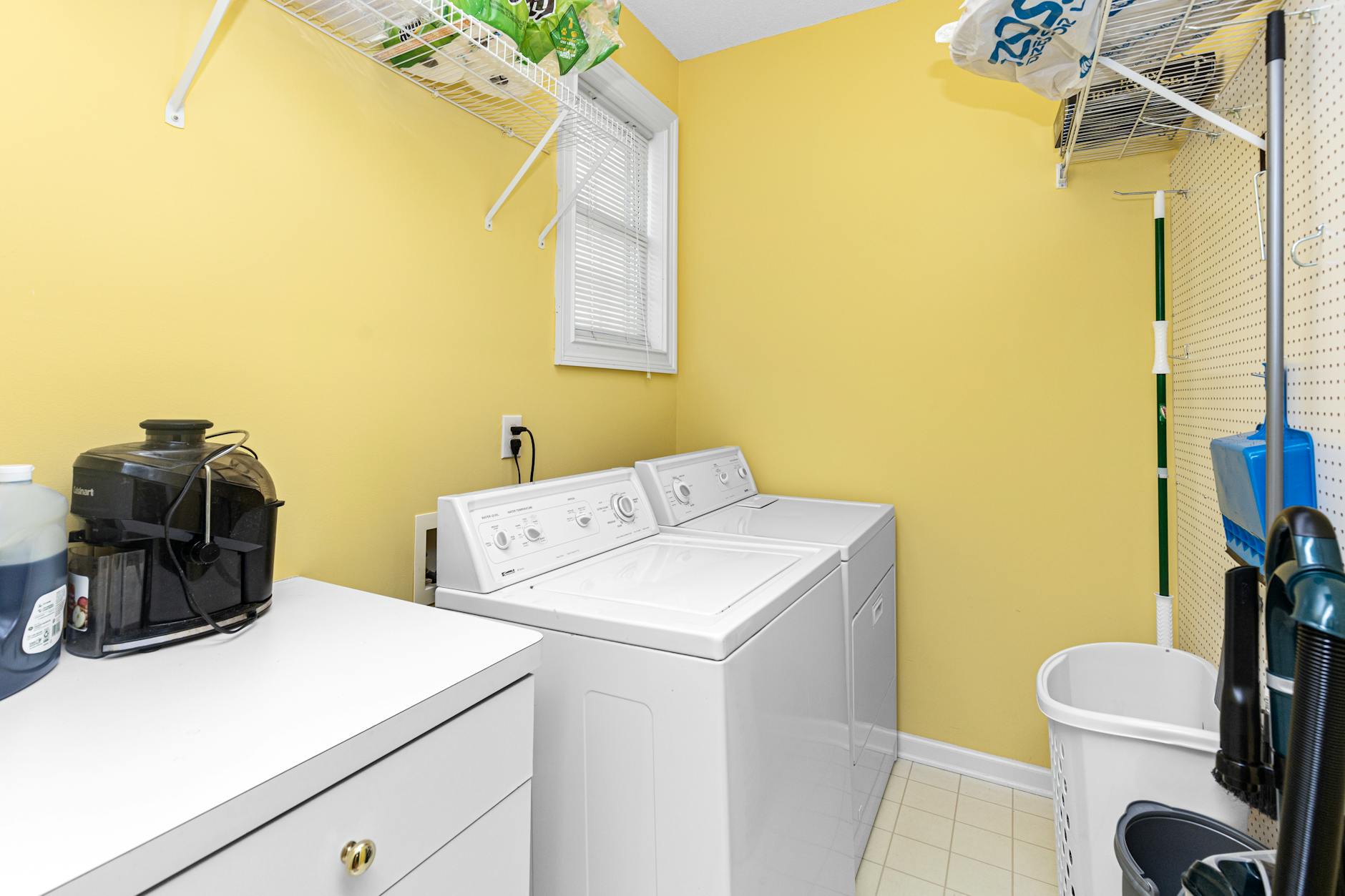
The laundry area generates massive amounts of heat and steam every time the washing machine and dryer are running. This heavy moisture permeates the air and can penetrate loosely closed bottles sitting on nearby utility shelves. The constant vibrations from spinning appliances can also cause bottles to rattle off the edge and crack on the hard floor. Airborne chemicals from strong detergents and bleach sprays might also contaminate the exterior of your health containers. You should reserve this utility space strictly for cleaning supplies and keep your personal health items elsewhere.
Sweaty Gym Bag
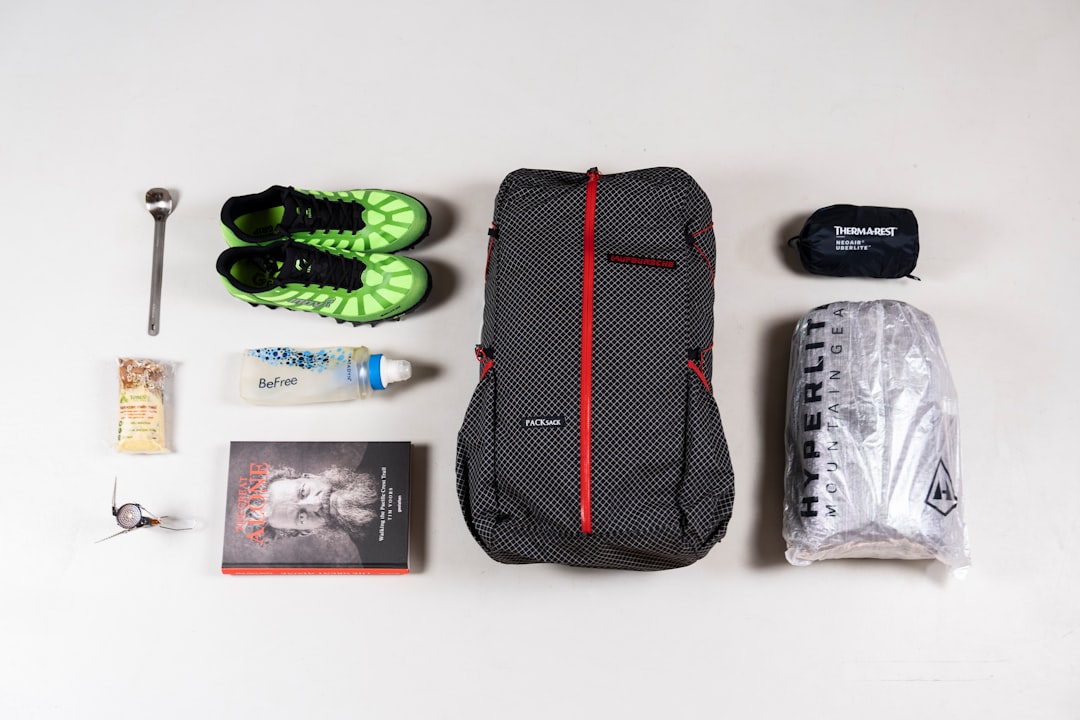
Keeping emergency inhalers or pain relievers permanently stashed in your workout bag exposes them to a very gross environment. Damp towels and sweaty athletic clothes create a breeding ground for bacteria and localized humidity inside the dark pocket. The bag often sits in a freezing car trunk or a sweltering locker room for hours before you finally exercise. These terrible conditions will quickly compromise the effectiveness of an inhaler right when you desperately need it to breathe. You should only pack these items immediately before your workout and remove them as soon as you get home.
Office Desk Near a Heater
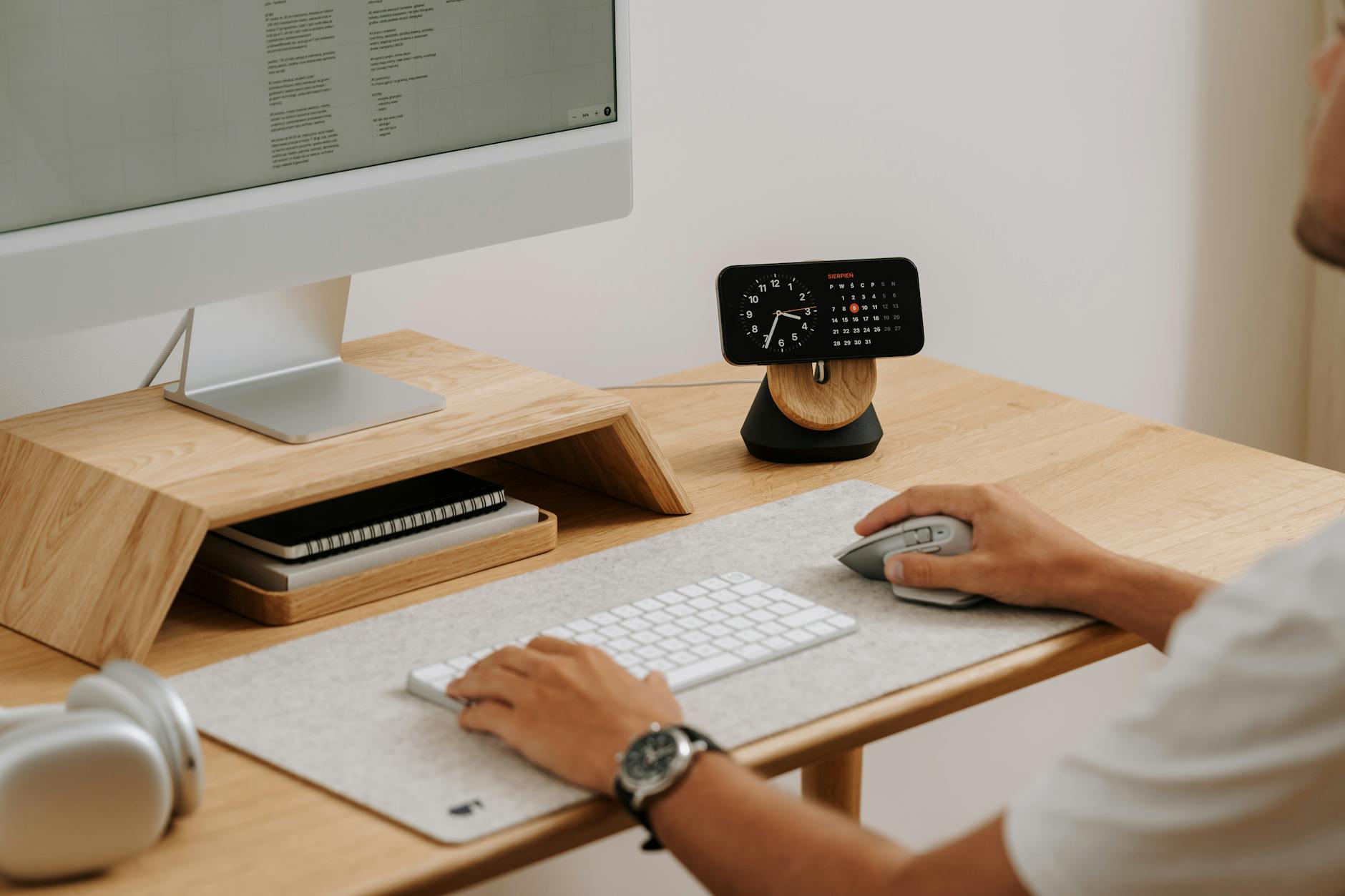
Stashing your daily vitamins in a work desk might help you remember them but the location requires careful evaluation. Desks situated right next to a sunny window or a clanking heating radiator will slowly cook the contents of your drawers. Office buildings also turn off their climate control systems over long weekends which allows the interior temperatures to spike drastically. The cleaning staff might also accidentally knock over loose bottles left sitting out on the desktop overnight. A cool and shaded drawer away from all external heat sources is the only acceptable office storage solution.
Bathroom Countertop
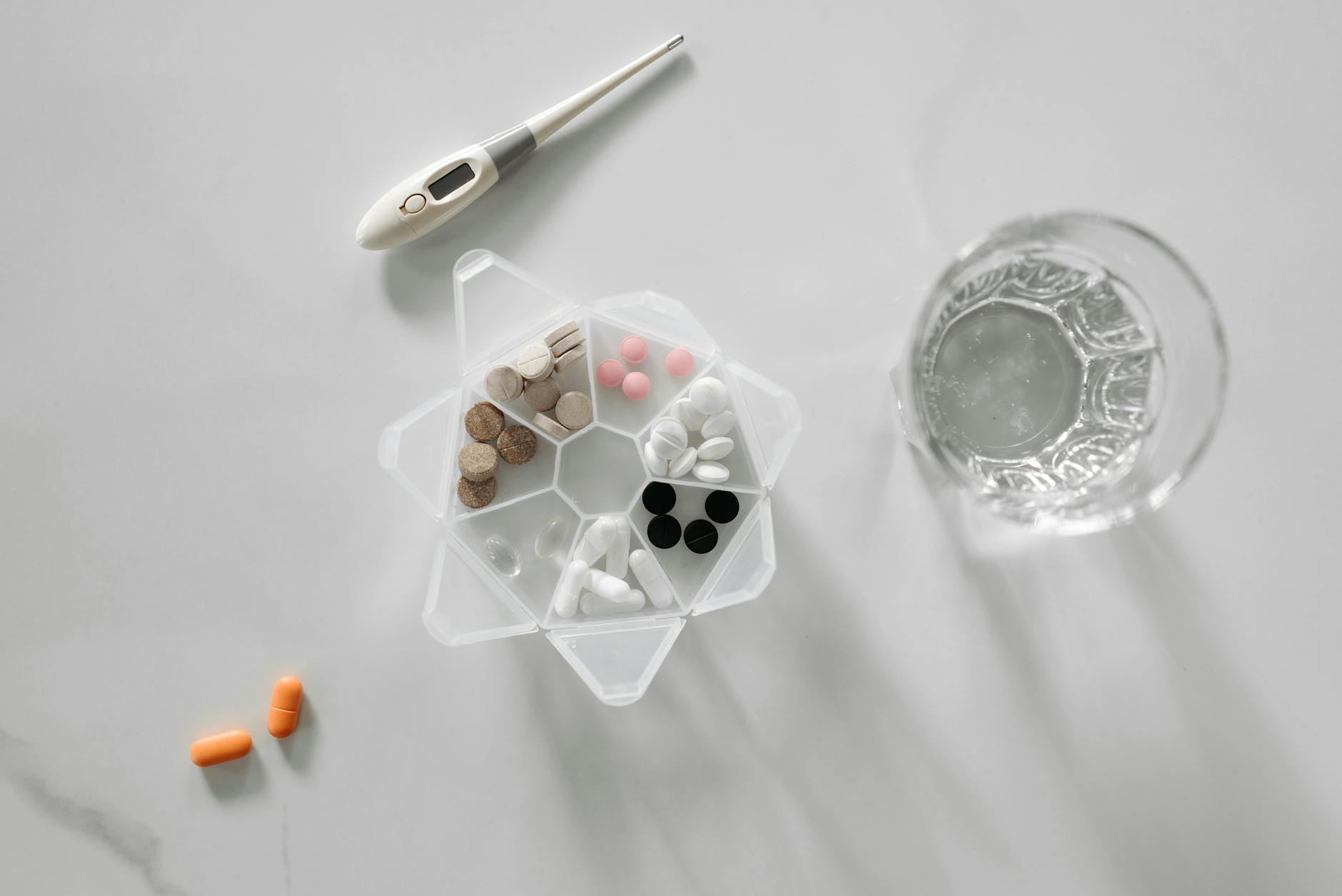
Leaving your pill organizers sitting out on the open bathroom vanity is a very common yet dangerous organizational habit. The proximity to the shower guarantees that the pills will be enveloped in thick clouds of warm steam every single morning. The open display also removes any privacy regarding your personal health conditions when guests ask to use your restroom. Aerosol hairsprays and sticky perfumes sprayed near the mirror will eventually coat your bottles in a nasty chemical residue. A simple plastic storage bin kept in your dry bedroom closet will solve all of these environmental issues instantly.
Garage Storage Rack
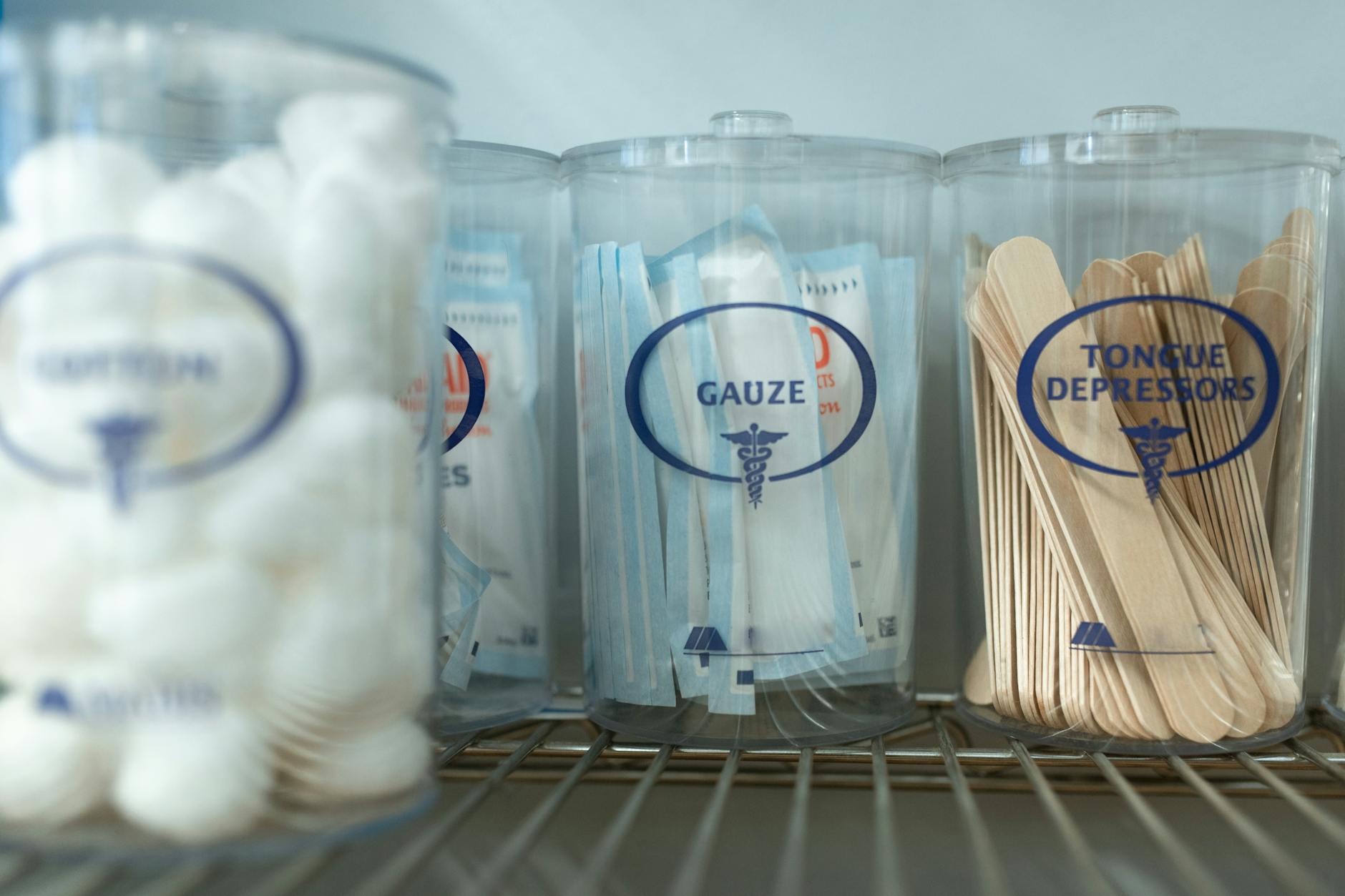
Moving your overflow bulk medical supplies into the garage exposes them to completely unmanaged outdoor weather conditions. Most residential garages lack proper insulation and mirror the exact extreme temperatures occurring outside. Summer heat waves will melt gelatin capsules together into an unusable solid brick of ruined medicine. Winter freezes will crack glass vials and destroy the chemical matrix of liquid cough syrups and suspension fluids. You must always keep your backup medical inventory inside the main insulated living area of your home.
Back Corner of the Refrigerator
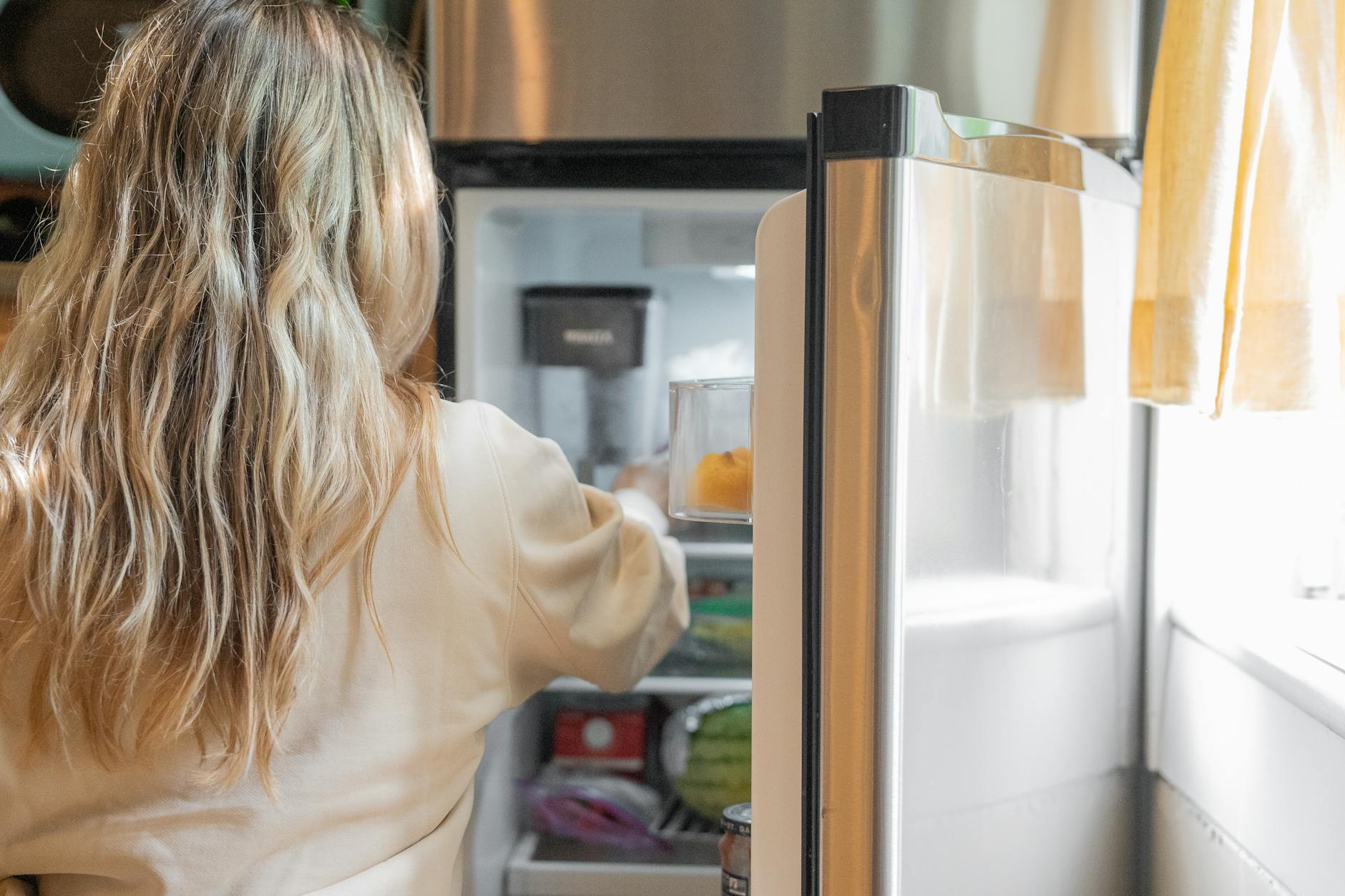
Pushing your refrigerated items all the way to the deepest back wall of the fridge creates a massive freezing hazard. The cooling vents located at the very back of the appliance often blast icy air directly onto anything touching the plastic wall. A delicate biologic treatment or expensive insulin vial will become completely useless if the liquid inside freezes solid. It is also incredibly easy to forget about important health products when they are hidden behind tall milk jugs and leftover containers. A dedicated plastic bin placed in the center of the middle shelf provides the safest and most visible cooling zone.
Open Coffee Table
Keeping your daily doses scattered across the living room coffee table creates a massive safety hazard for the entire household. This central gathering space guarantees that toddlers and pets will eventually investigate the brightly colored objects sitting right at their eye level. Sunlight pouring through large living room windows will also heat up the bottles and degrade the chemical compounds through light exposure. A stray elbow or a wagging dog tail can easily send a dozen tiny pills scattering directly into the deep carpet fibers. Purchasing a secure locked box for a high bedroom shelf ensures your treatments remain safe and fully potent.
Please let us know in the comments where you currently store your health supplies and if you plan on moving them after reading this guide.




