Fine dining establishments maintain specific codes of conduct designed to enhance the experience for all guests. Many diners unknowingly violate these unspoken rules through habits they developed in casual dining environments. Understanding these dining etiquette standards helps patrons project confidence and respect in upscale settings. This guide explores the frequent missteps guests make during formal dining experiences.
Napkin Misplacement
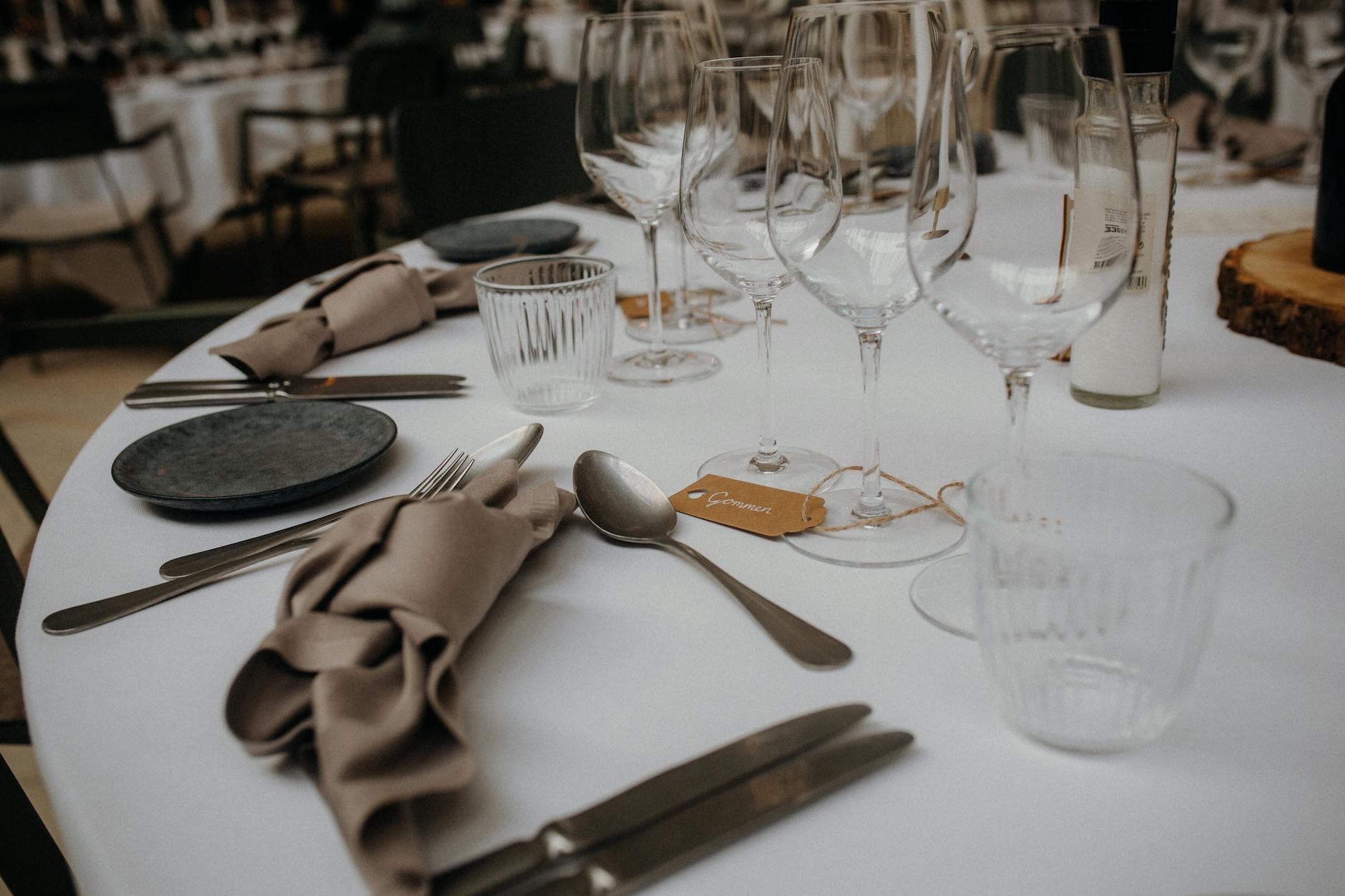
Guests frequently leave their napkins on their chairs or plates when briefly excusing themselves from the table. The correct etiquette requires diners to pinch the center of the napkin and place it loosely folded to the left of the plate. Placing a soiled napkin on the seat transfers stains to the upholstery and signals a lack of refinement. Leaving it on the plate interferes with the clearing process and disturbs the visual presentation of the table.
Cutlery Confusion
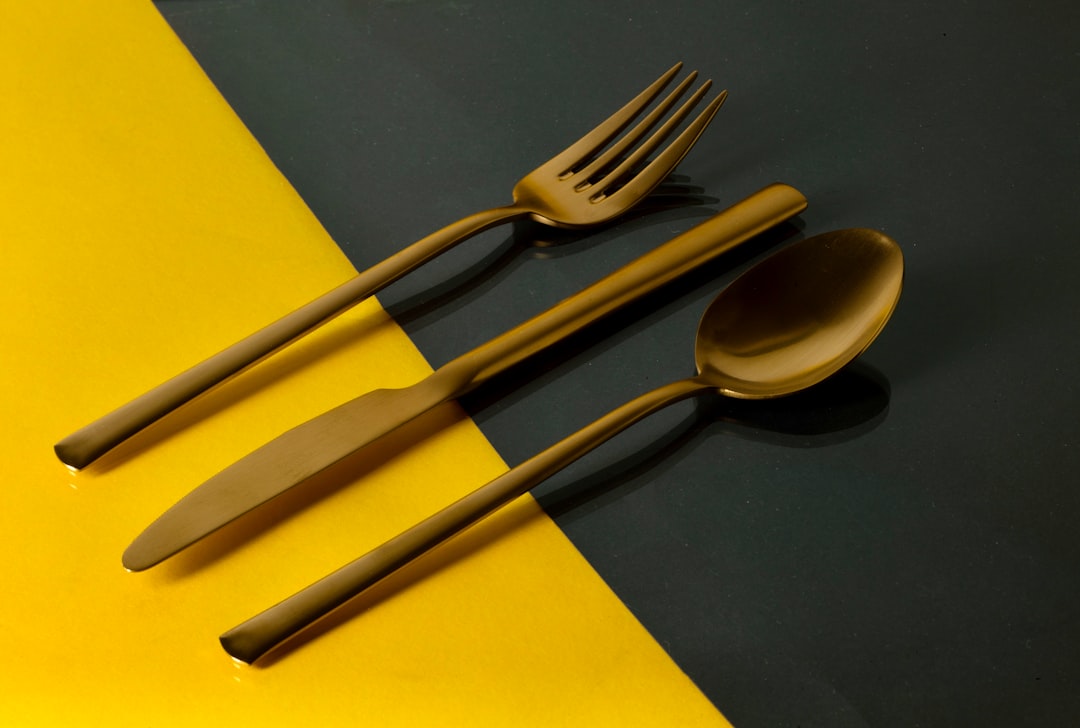
Diners often become overwhelmed by the multiple utensils provided and use the wrong implements for their courses. The universal rule dictates starting with the outermost utensils and working inward toward the plate with each new course. Using the wrong fork disrupts the progression of the meal and requires the waitstaff to bring replacement silverware. Knowledge of this outside in principle prevents awkward moments and allows guests to focus entirely on the culinary experience.
Waving for Attention

Patrons accustomed to casual eateries frequently raise their hands or snap their fingers to summon their server. Formal restaurants train their staff to monitor tables closely through subtle visual cues. Diners should simply make eye contact with their server or subtly nod to indicate they need assistance. This understated approach maintains the elegant atmosphere and demonstrates respect for the hospitality professionals.
Bread Buttering Techniques
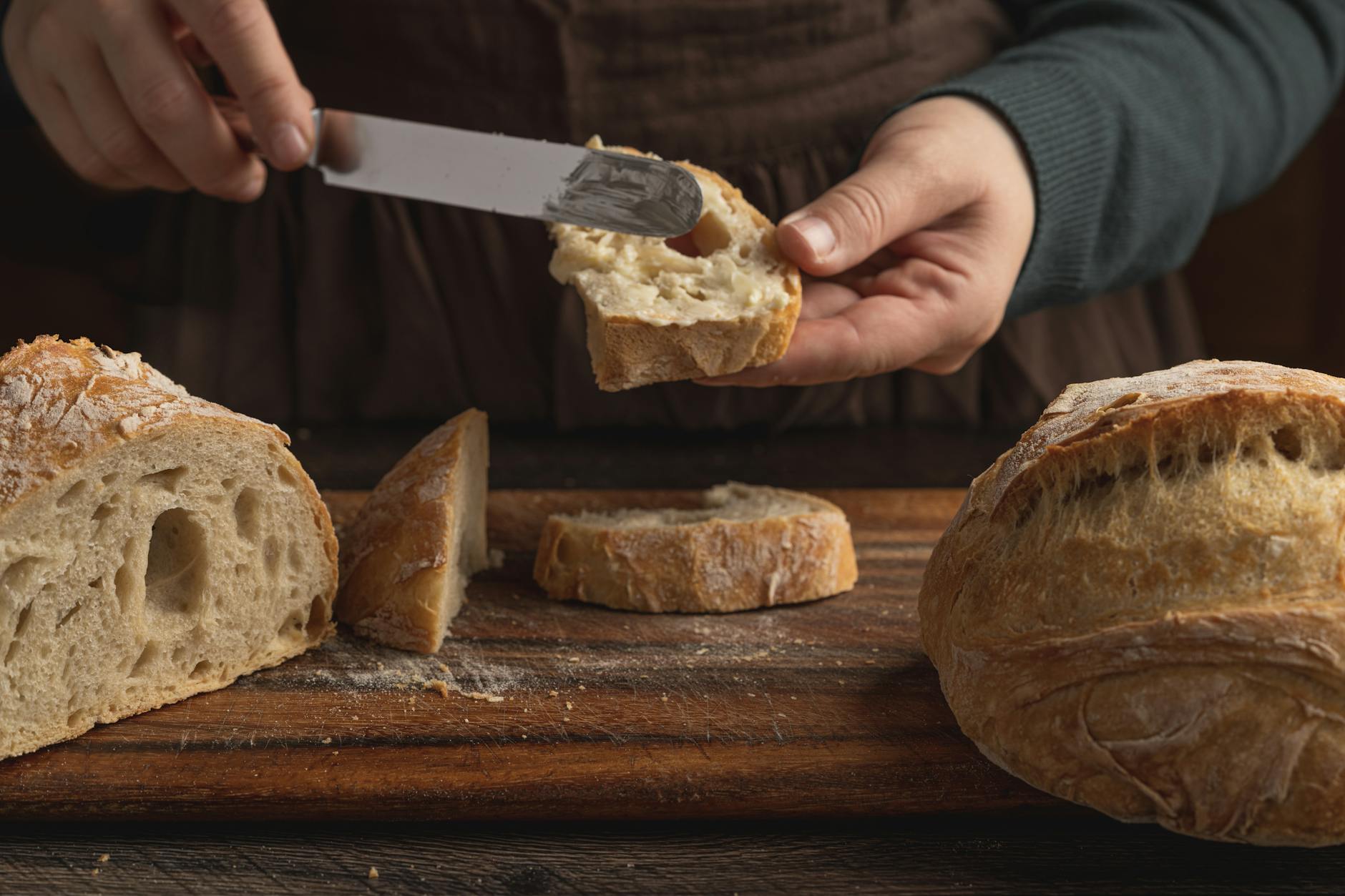
Many individuals slice their bread roll entirely in half and butter the two sides at once. Proper dining protocol requires guests to tear off a single bite sized piece of bread at a time. The diner then applies butter directly to that small piece immediately before eating it. This method prevents crumbs from scattering across the tablecloth and keeps hands clean throughout the course. Mastering this bread technique immediately elevates the overall dining presentation of the guest.
Phone Placement
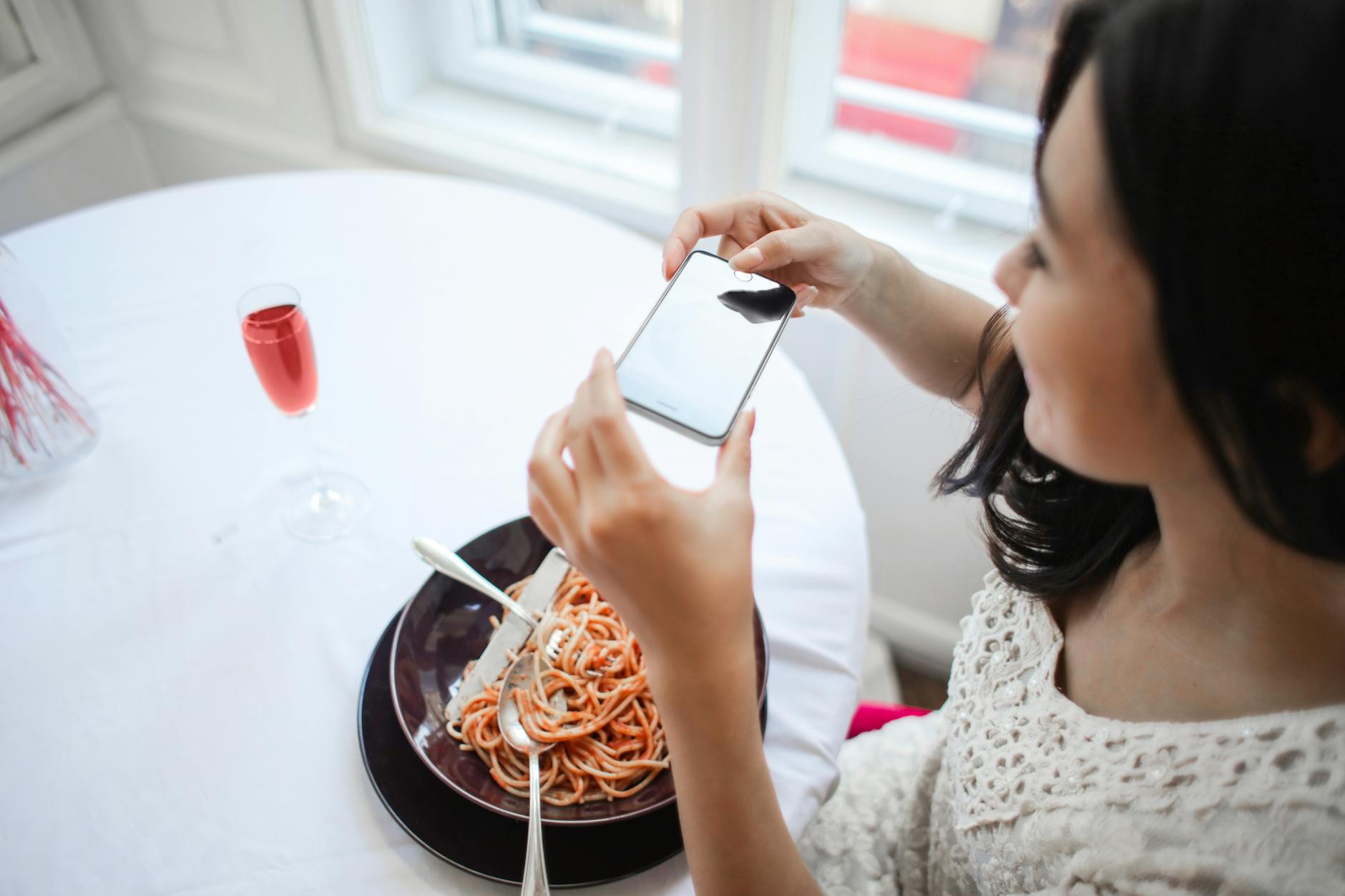
Placing a cellular device on the dining table creates a physical barrier between guests and disrupts the social atmosphere. Fine dining etiquette mandates keeping all personal electronics stored in pockets or small bags out of sight. The glowing screens and notifications distract other patrons and detract from the carefully curated ambiance of the dining room. Removing devices from the table shows absolute respect for dining companions and the culinary team.
Holding the Wine Glass
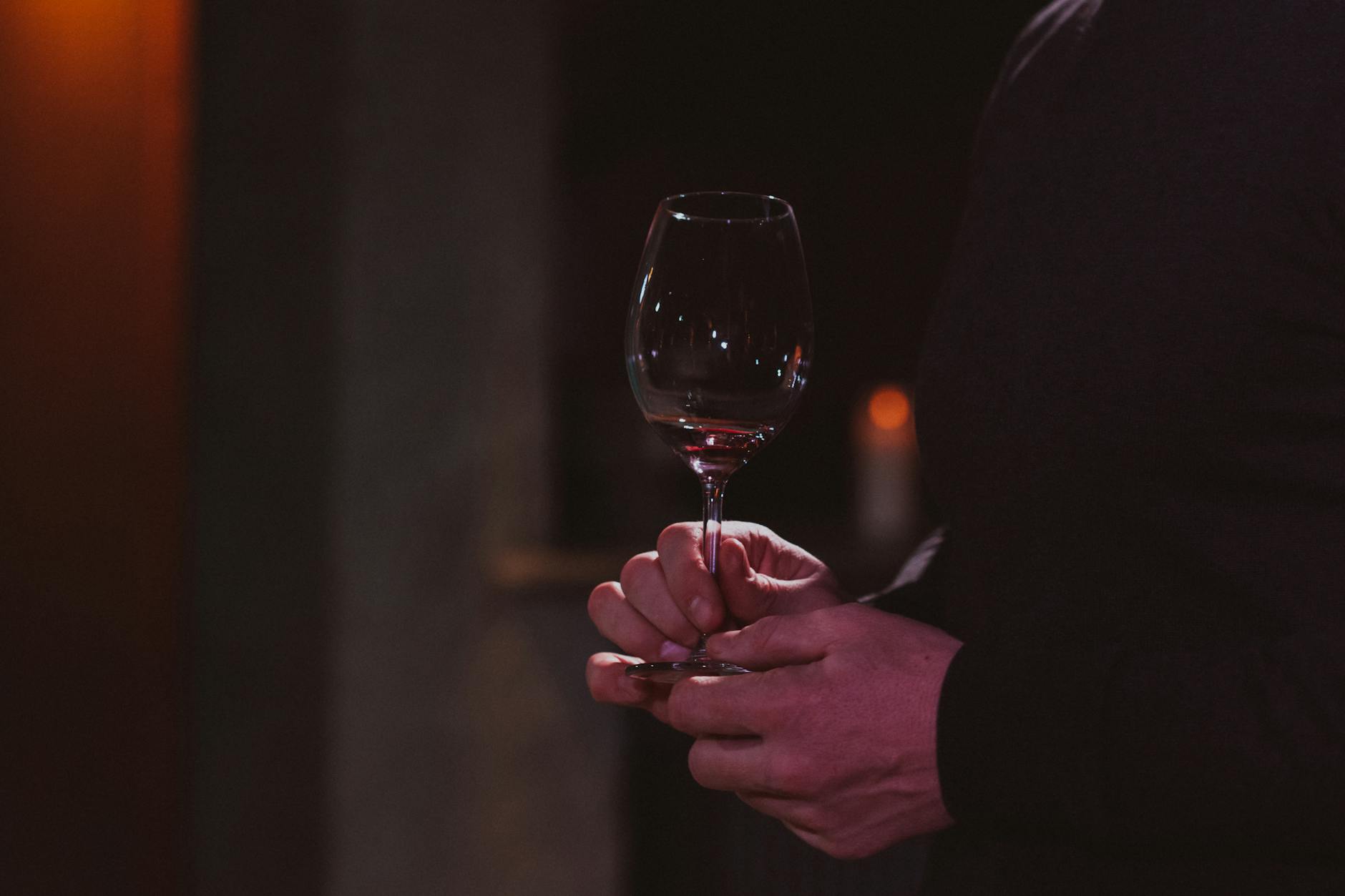
Casual drinkers often grasp their wine glasses by the bowl instead of holding the stem. This improper grip transfers body heat to the beverage and rapidly alters the carefully controlled serving temperature. Gripping the bowl also leaves unsightly fingerprints on the pristine crystal glassware. Holding the glass by the stem preserves both the optimal temperature and the visual elegance of the drink. Sommeliers particularly appreciate guests who demonstrate this fundamental understanding of wine appreciation.
Passing Items Incorrectly
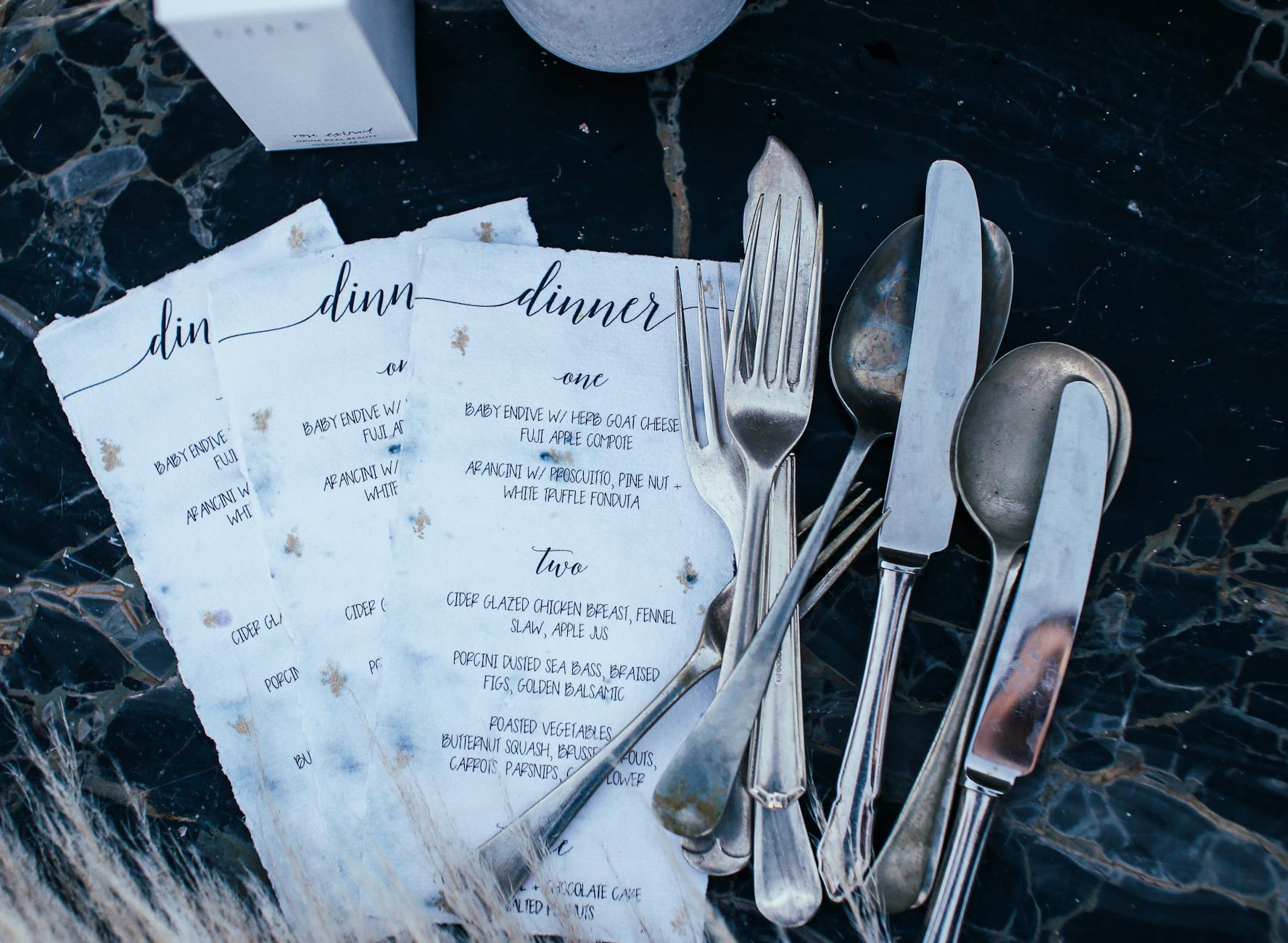
Guests sometimes reach across the table to grab the salt or pass items directly across the center space. The traditional rule requires patrons to pass all items to the right in a counterclockwise direction around the table. Diners must also pass the salt and pepper together as a pair even if someone requests only one. Following these passing protocols prevents spills and maintains orderly movement during complex meals.
Resting Elbows on the Table

Diners frequently lean forward and plant their elbows heavily onto the table during conversations. This posture appears excessively casual and risks knocking over delicate glassware or shifting the table arrangement. Patrons should keep their hands resting gently in their laps or keep only their wrists lightly on the table edge. Maintaining proper upright posture conveys attentiveness and respect for the formal dining setting.
Discussing Dietary Restrictions Late

Many guests wait until they are seated and ordering to mention severe allergies or complex dietary preferences. High end kitchens prepare their complex components well in advance and struggle to accommodate sudden major menu alterations. Diners must communicate any specific dietary requirements when making the initial reservation. This advance notice allows the culinary team to prepare exceptional alternatives without delaying the service for the entire table.
Tasting Another Guests Food

Patrons often reach across the table with their forks to try a bite of their companions dish. Proper etiquette demands that any sharing of food occurs before anyone begins eating the course. The person sharing must use a clean utensil to transfer a small portion onto a separate bread plate. This sanitary approach prevents awkward reaching and maintains the pristine appearance of the main dining plates.
Chewing with an Open Mouth

Some diners allow their excitement about the meal to override basic chewing etiquette and speak with full mouths. Formal environments require guests to take small bites that allow for comfortable and silent chewing. Diners must completely swallow their food before attempting to engage in the table conversation. This fundamental habit ensures a pleasant visual and auditory experience for all surrounding patrons.
Leaving Utensils Askew
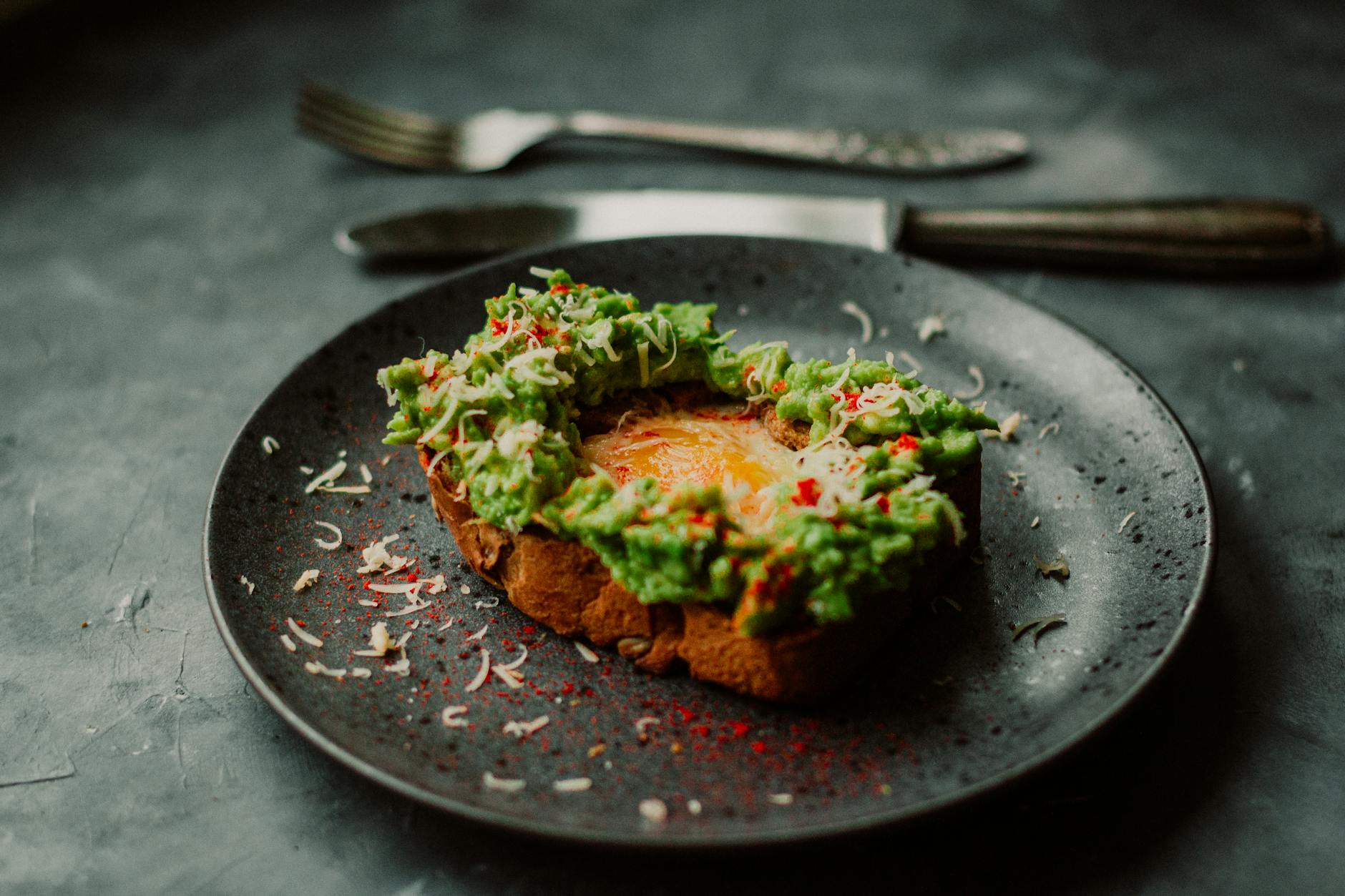
Guests frequently leave their used silverware scattered randomly across their plates when they finish eating. The waitstaff relies on specific utensil placements to understand whether a diner has finished the course. Patrons should place their knife and fork parallel to each other diagonally across the plate. The handles should rest at the bottom right corner to signal the staff to clear the setting. This silent communication method prevents unwanted interruptions during intimate dinner conversations.
Clinking Glasses Forcefully

Enthusiastic toasters often smash their glasses together with excessive force during celebrations. Upscale restaurants utilize delicate and expensive crystal that shatters easily upon forceful impact. Guests should simply raise their glasses toward the center of the table and make eye contact with their companions. A gentle touch of the glass bowls suffices when physical contact feels absolutely necessary for the toast.
Overstaying the Welcome

Diners sometimes linger for hours after settling the bill while other guests wait for their reservations. Fine dining establishments operate on carefully calculated seating schedules to ensure financial viability. Patrons should move their prolonged conversations to the restaurant bar or a nearby lounge after paying. Departing within a reasonable timeframe demonstrates consideration for both the management and future guests.
Disrespecting the Staff
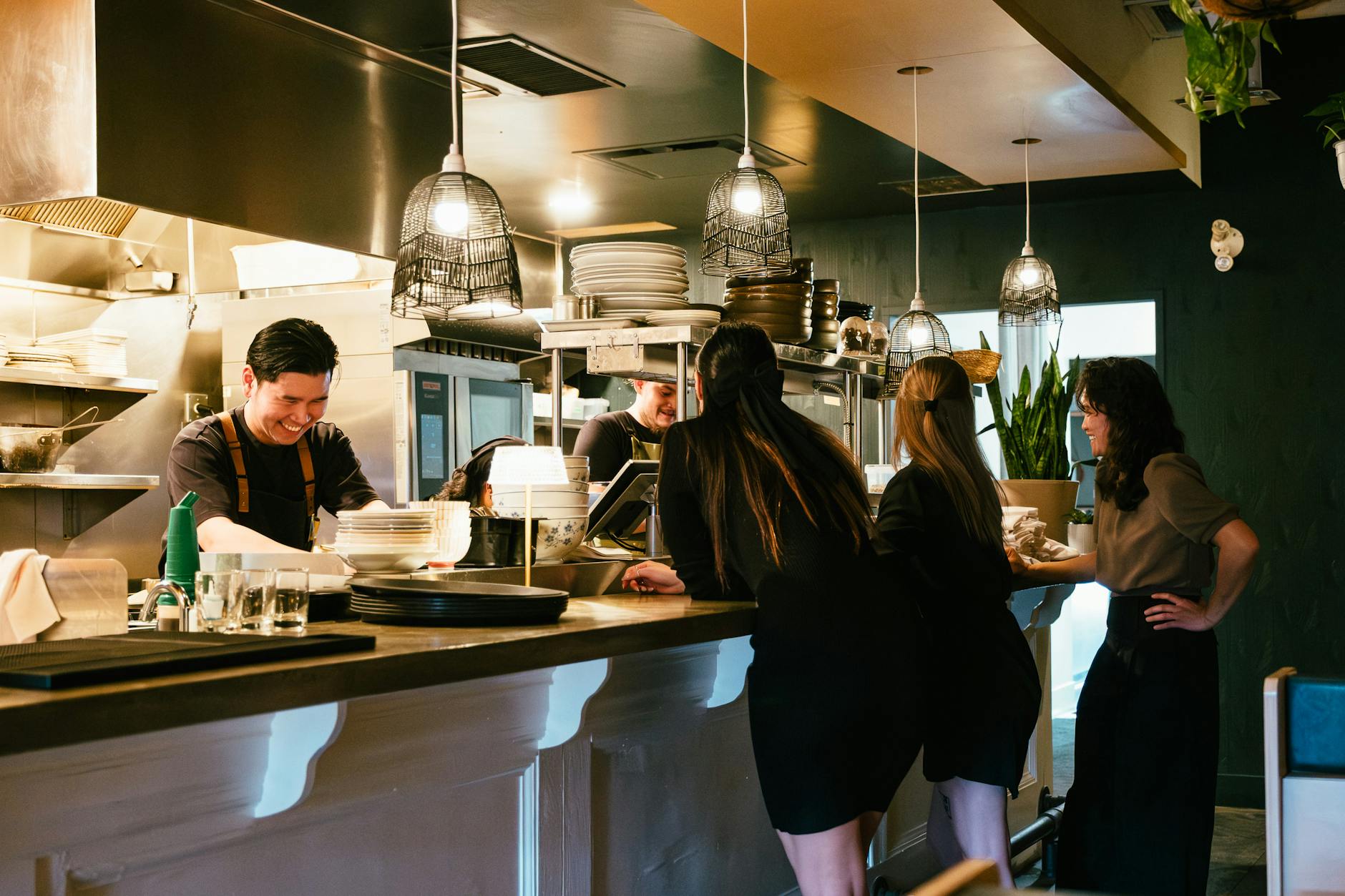
Some individuals adopt a condescending tone when addressing servers or sommeliers in upscale establishments. True sophistication involves treating every member of the hospitality team with utmost courtesy and professional respect. Guests should use polite language and acknowledge the expertise of the staff guiding their experience. Gracious behavior toward restaurant employees serves as a primary indicator of genuine dining etiquette.
Applying Makeup at the Table
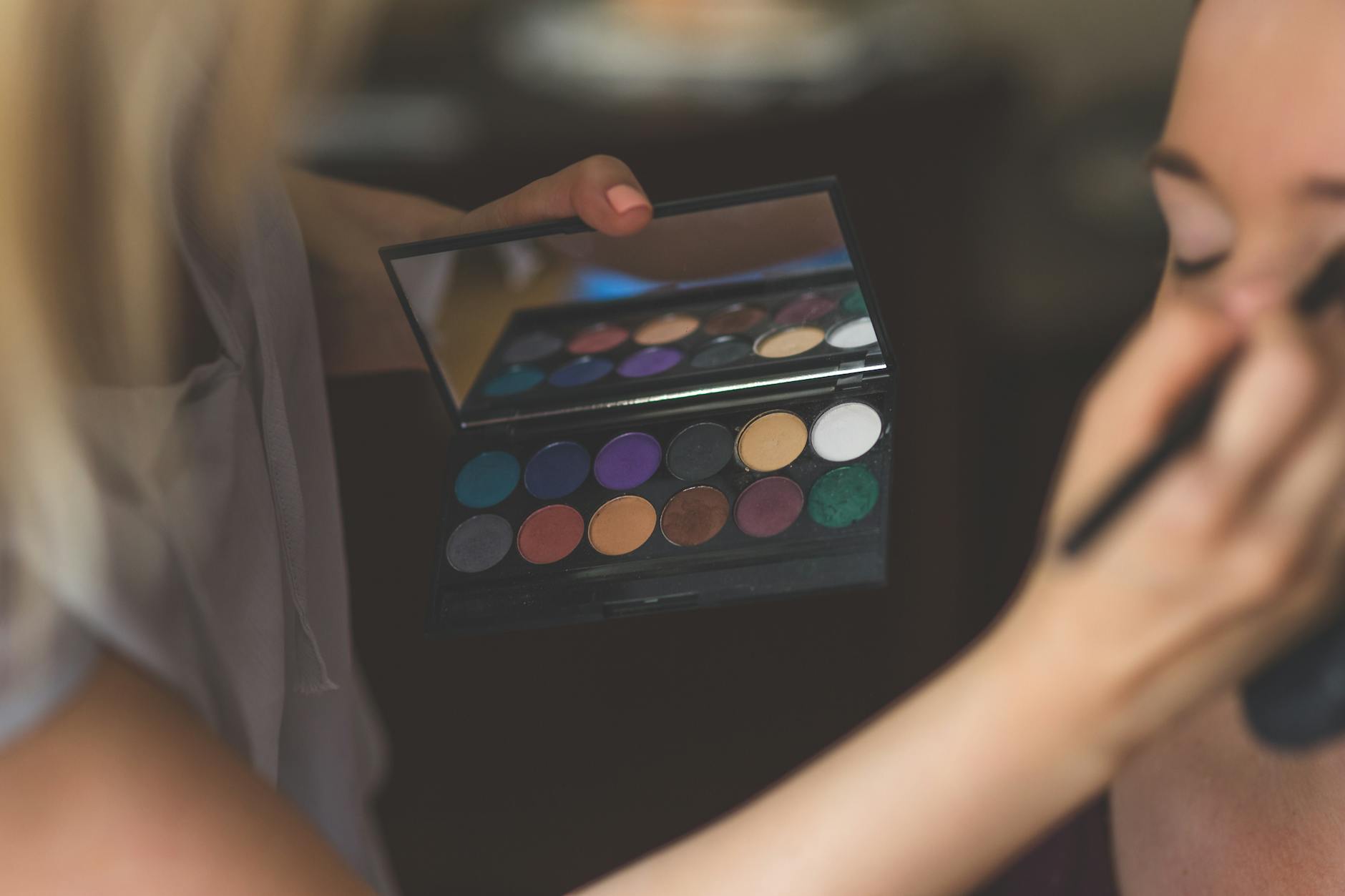
Patrons occasionally retrieve mirrors and lipsticks from their bags to touch up their appearance after dessert. Grooming activities of any kind are strictly prohibited at dining tables in formal restaurants. Guests must excuse themselves and visit the restroom to handle any personal maintenance or cosmetic adjustments. Keeping grooming out of sight preserves the sanitary and elegant nature of the dining room.
Pushing the Plate Away
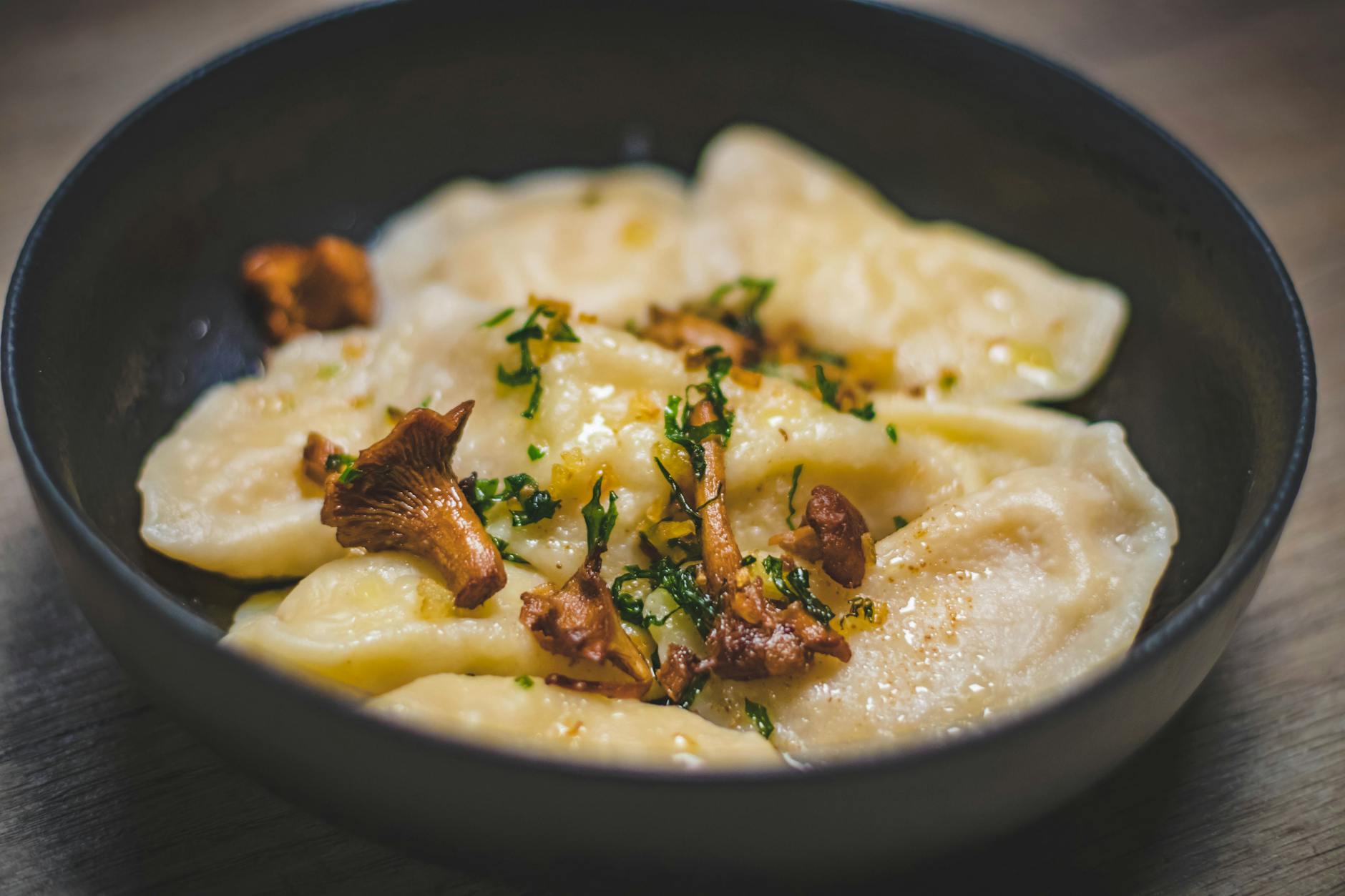
Diners often push their heavy plates toward the center of the table upon finishing their meals. This aggressive gesture disrupts the tablecloth and creates an unappealing visual arrangement for remaining diners. Guests should simply leave their plates exactly where they are and utilize the proper utensil resting signals. The professional service team will promptly remove the dishes without requiring any assistance from the patrons.
Improper Soup Consumption
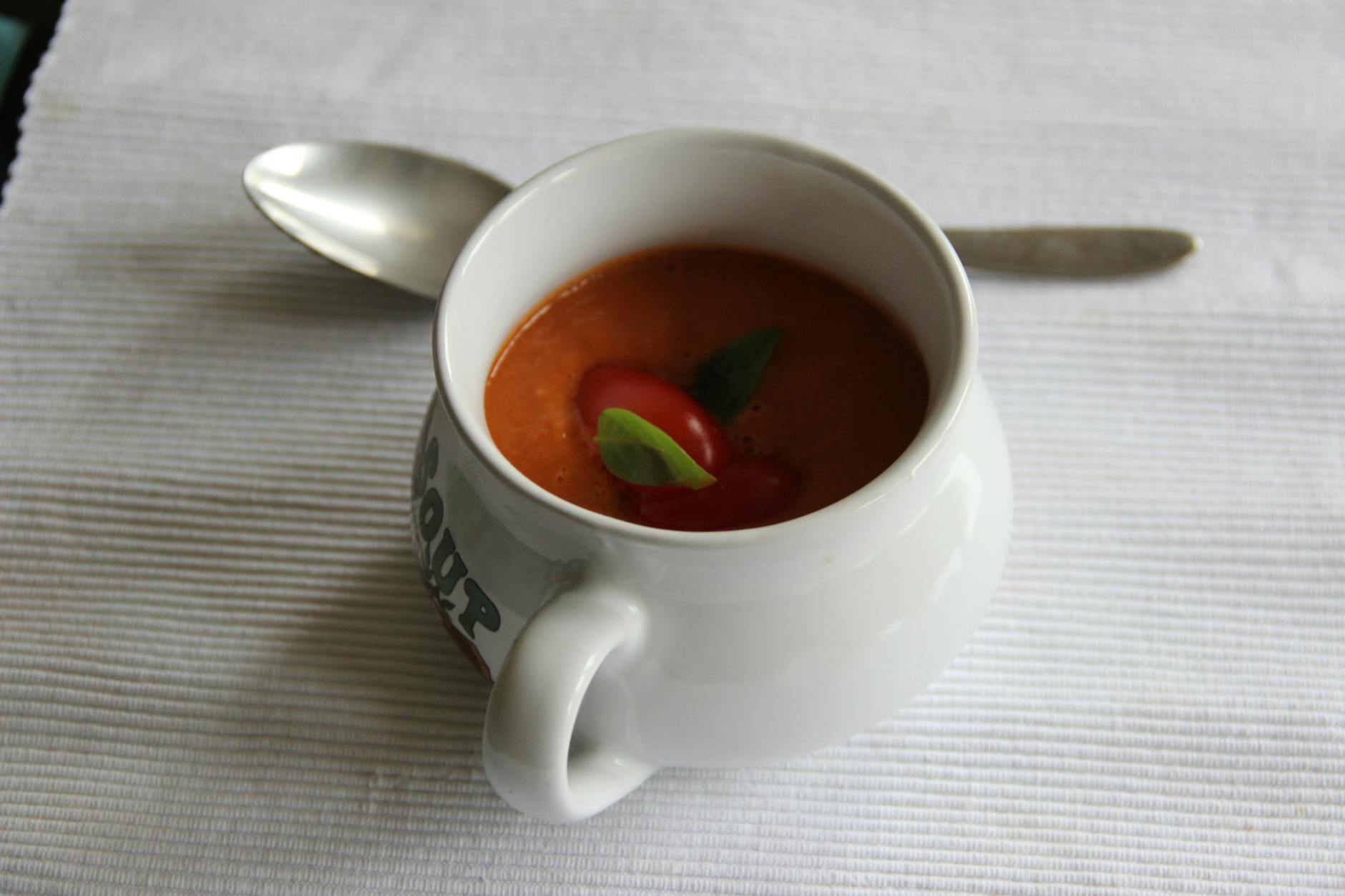
Many people dip their spoons toward themselves and slurp loudly when eating soup courses. Formal dining rules state that the spoon must be scooped away from the diner toward the back of the bowl. The guest should then sip the liquid silently from the side of the spoon rather than inserting the whole utensil. Diners may gently tilt the bowl away from themselves to gather the final few drops. This refined technique prevents spills on formal attire and eliminates disruptive eating noises.
Handling the Check Awkwardly
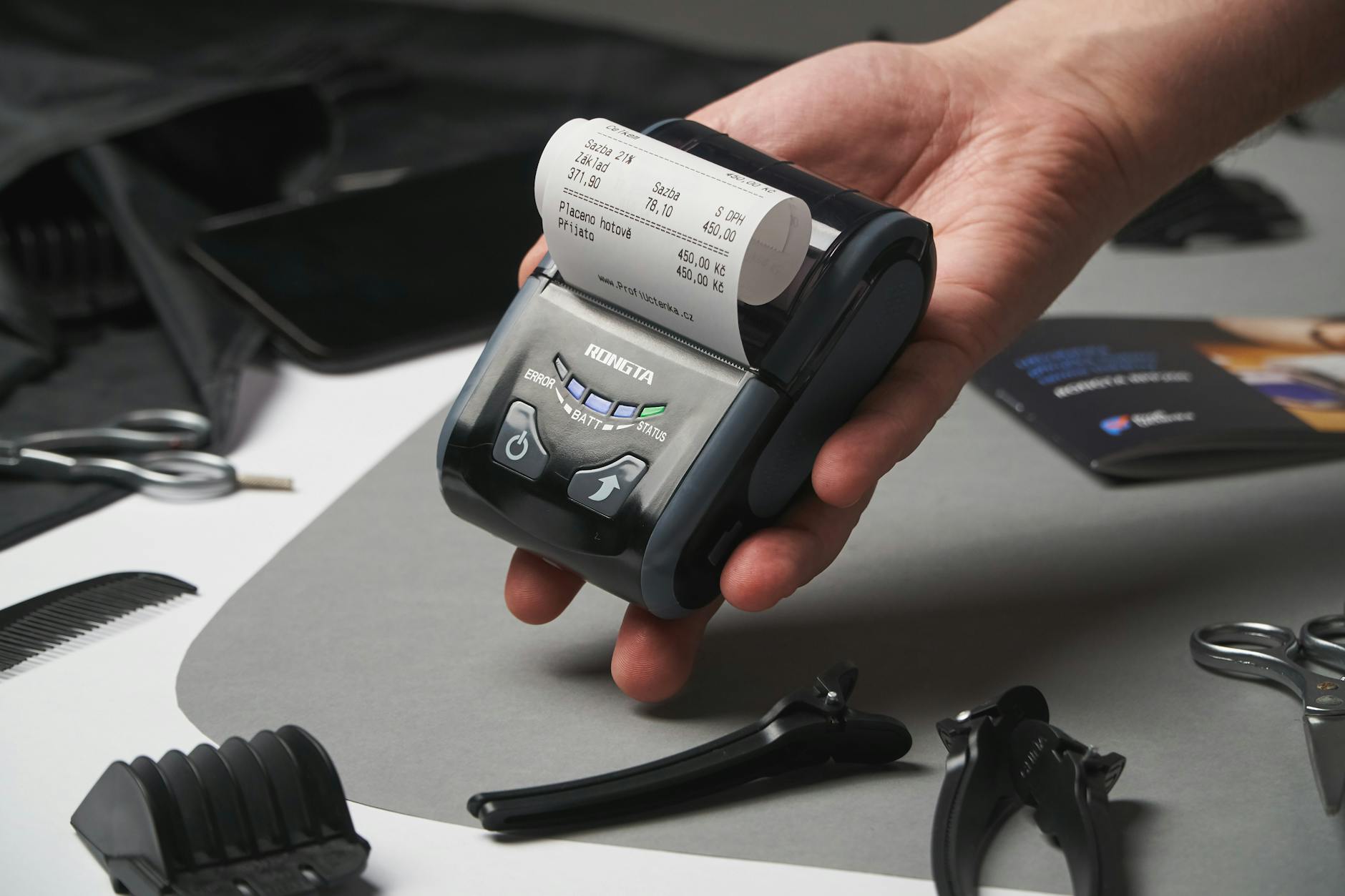
Groups frequently argue loudly over the bill or attempt to split the cost across multiple credit cards at the table. Seamless dining requires the host to arrange payment details with the host stand before sitting down. Alternatively guests can discreetly hand their card to the server when excusing themselves near the end of the meal. Handling financial matters quietly prevents awkward social friction and concludes the elegant evening smoothly.
Using the Napkin as a Tissue
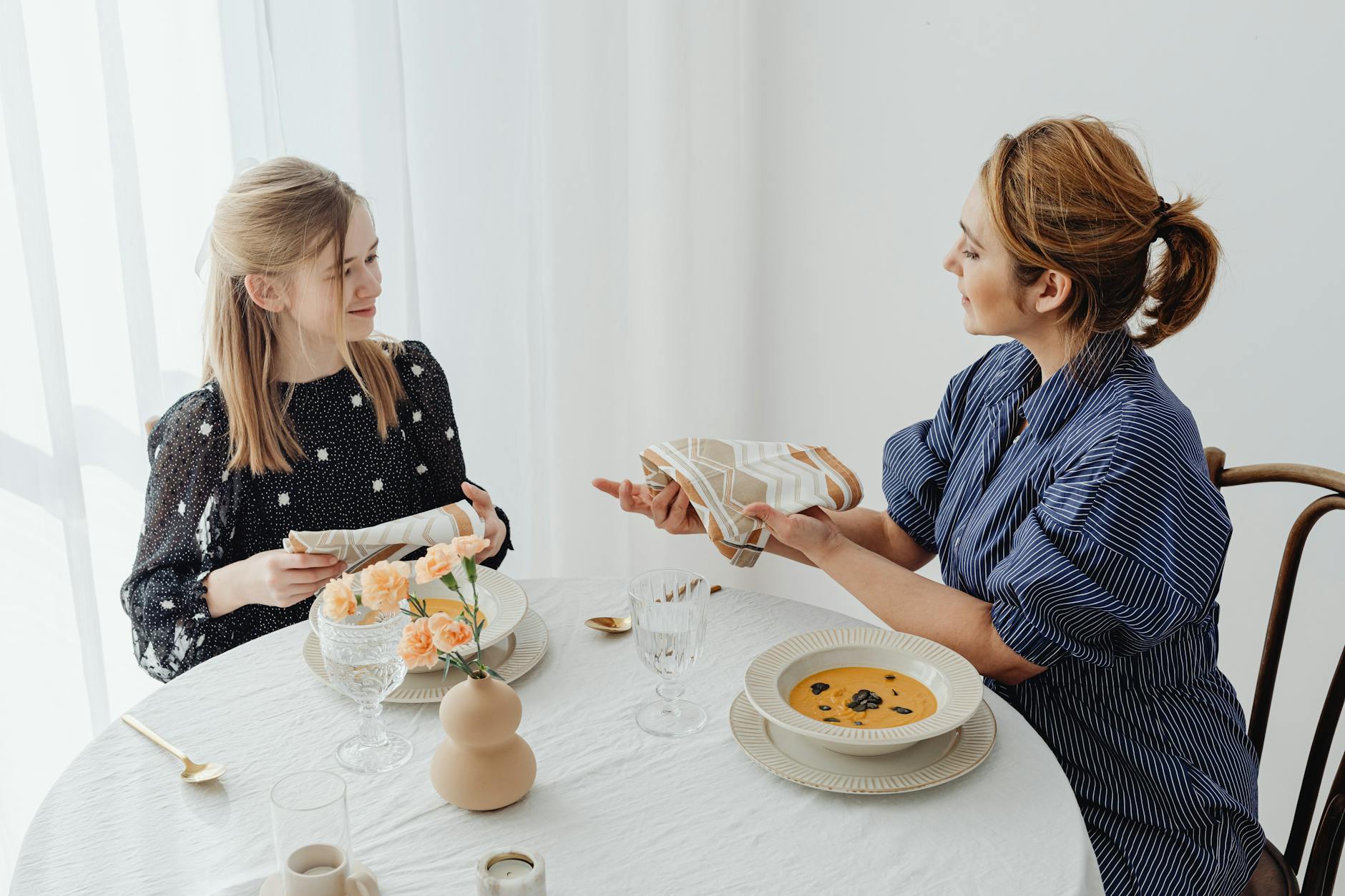
Guests sometimes use cloth table napkins to wipe their noses or clean heavy spills. Fine linen napkins serve exclusively for gently dabbing the mouth during the meal. Diners experiencing a sudden sneeze or spill must excuse themselves to use the restroom facilities. Respecting the purpose of the table linens maintains basic hygiene standards in the dining environment.
Please share your thoughts on these fine dining etiquette rules and tell us about any other restaurant manners you think everyone should practice in the comments.




