Many people unknowingly engage in daily practices that weaken their hair follicles and lead to noticeable thinning over time. Understanding how certain styling choices and environmental exposures affect the scalp is crucial for maintaining a healthy mane. Small adjustments to your daily routine can prevent unnecessary breakage and encourage robust hair growth. Discovering these hidden culprits allows you to take proactive steps to protect your strands and preserve your natural volume.
Tight Hairstyles
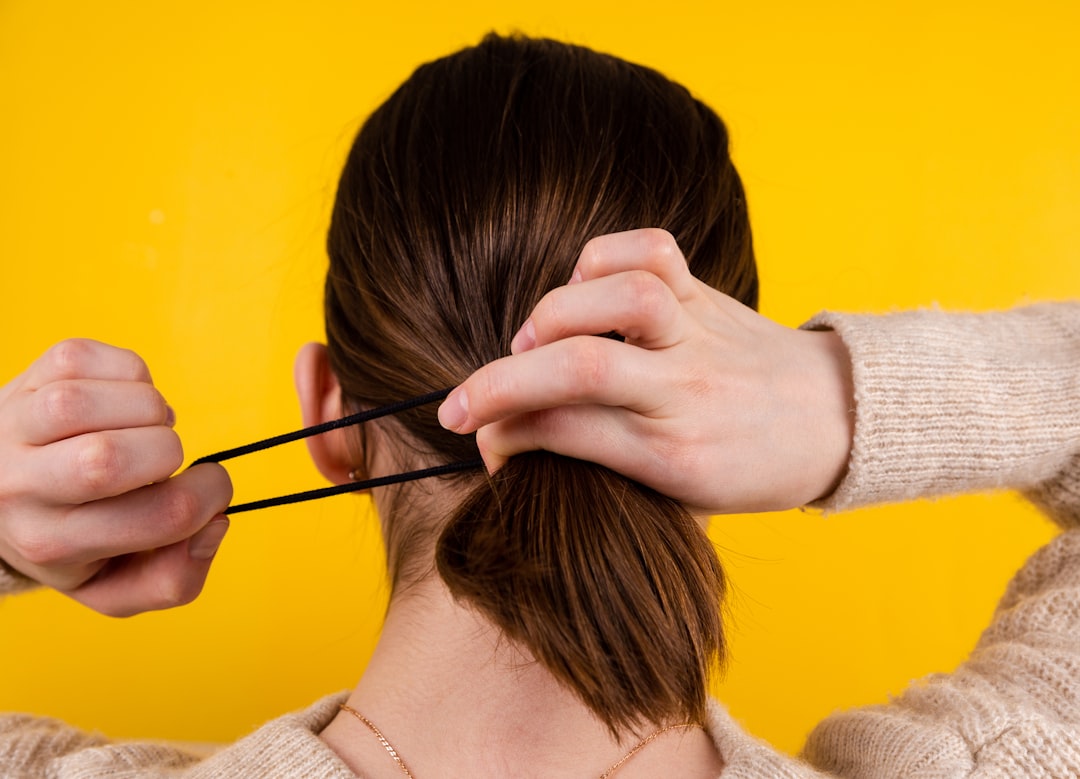
Consistently wearing tight ponytails and braids creates constant tension on the hair follicles near the scalp. This continuous pulling leads to a condition known as traction alopecia where the hair root becomes permanently damaged. Giving your hair regular breaks by wearing it down helps relieve this harmful stress. Opting for loose styles with soft scrunchies instead of tight elastic bands preserves the integrity of your strands. Switching up your hairstyle frequently prevents concentrated pressure on any single area of the scalp.
Hot Tool Overuse
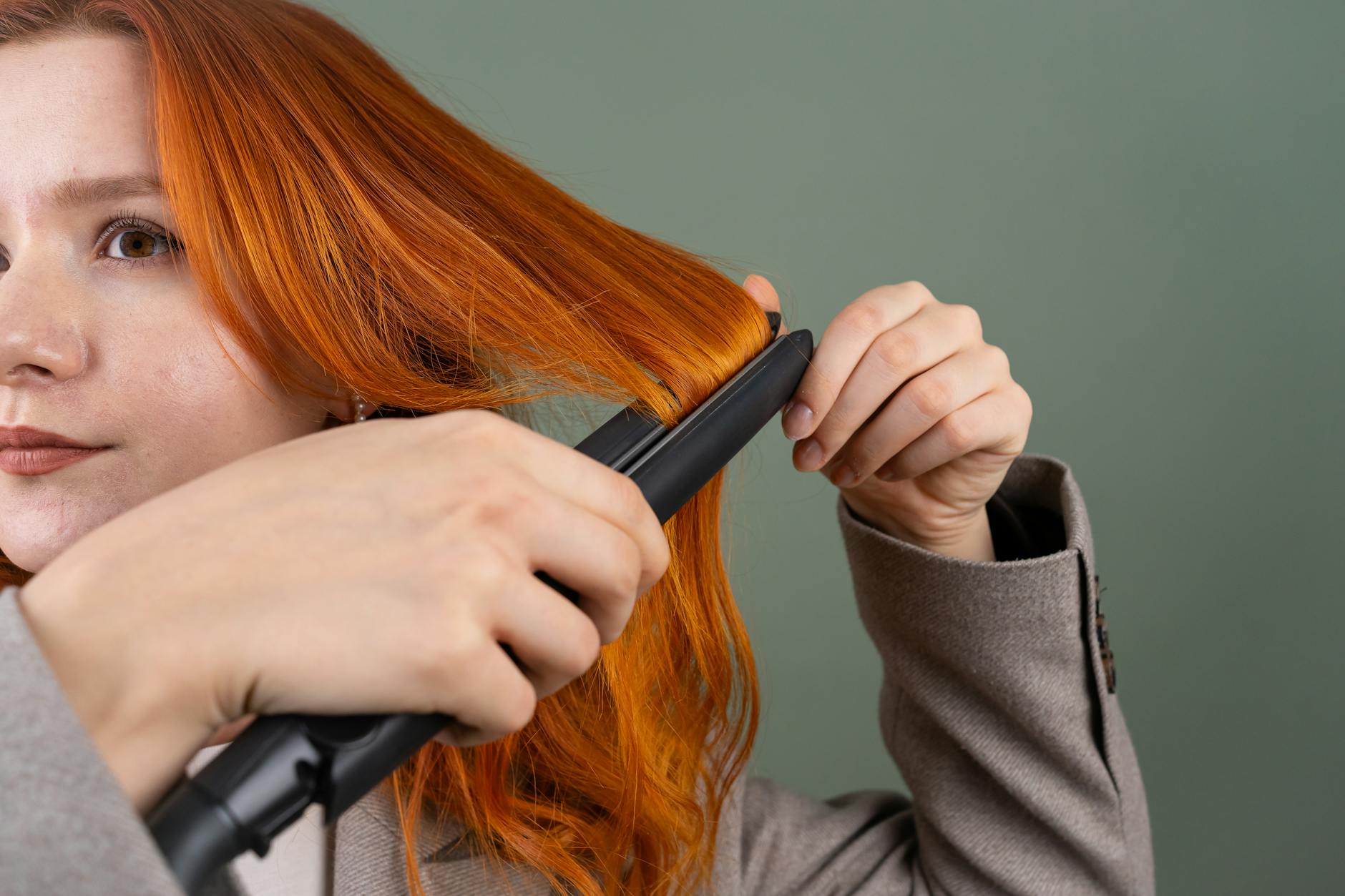
Applying excessive heat from curling irons and straighteners strips the hair shaft of its natural moisture. The high temperatures cause the cuticle to crack and the inner protein structure to degrade over time. Using hot tools on damp hair is particularly damaging because the rapid moisture evaporation literally boils the water inside the strand. Applying a thermal protectant spray before styling provides a crucial barrier against severe heat damage. Limiting the use of these styling devices to once or twice a week significantly reduces the risk of long term thinning.
Aggressive Towel Drying

Vigorously rubbing wet hair with a standard cotton towel causes immense friction and leads to immediate breakage. Hair is in its most fragile state when wet because the protective cuticle is slightly raised and vulnerable. Gently squeezing the excess water out with a soft microfiber towel is a much safer alternative for your strands. Using an old cotton t shirt is another excellent option for absorbing moisture without roughening the hair texture. Treating wet hair with delicate care prevents the snapping and shedding that contributes to overall thinning.
Skipping Heat Protectant
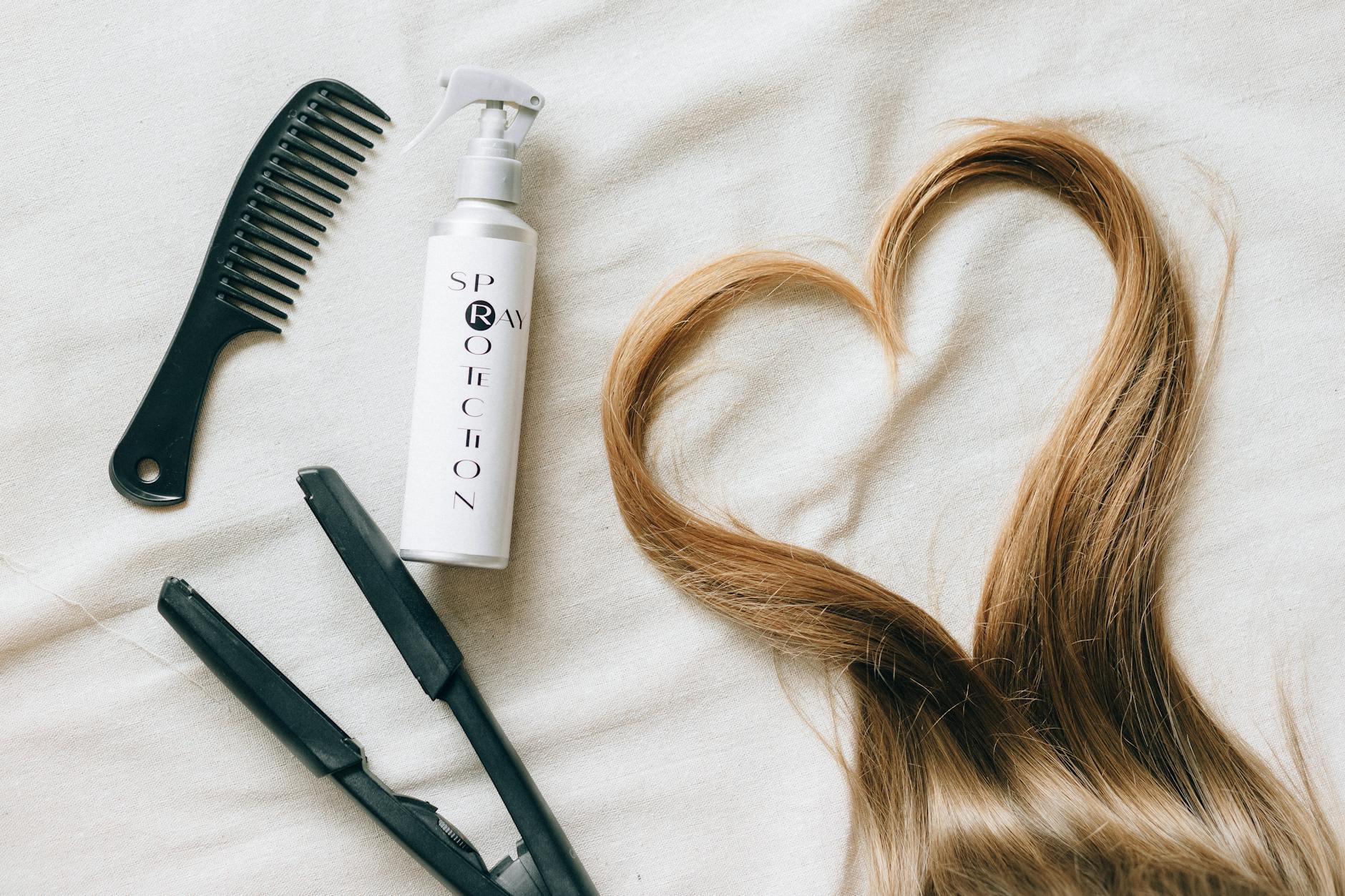
Failing to shield your hair before blow drying exposes the fragile strands to intense thermal stress. The high heat rapidly depletes the natural oils that keep the hair cuticle smooth and resilient. A quality protectant forms a microscopic barrier that distributes heat evenly across the surface of the hair. This essential step locks in moisture and prevents the structural proteins from melting and snapping. Making this product a non negotiable part of your styling routine preserves your natural volume and prevents premature breakage.
Infrequent Washing
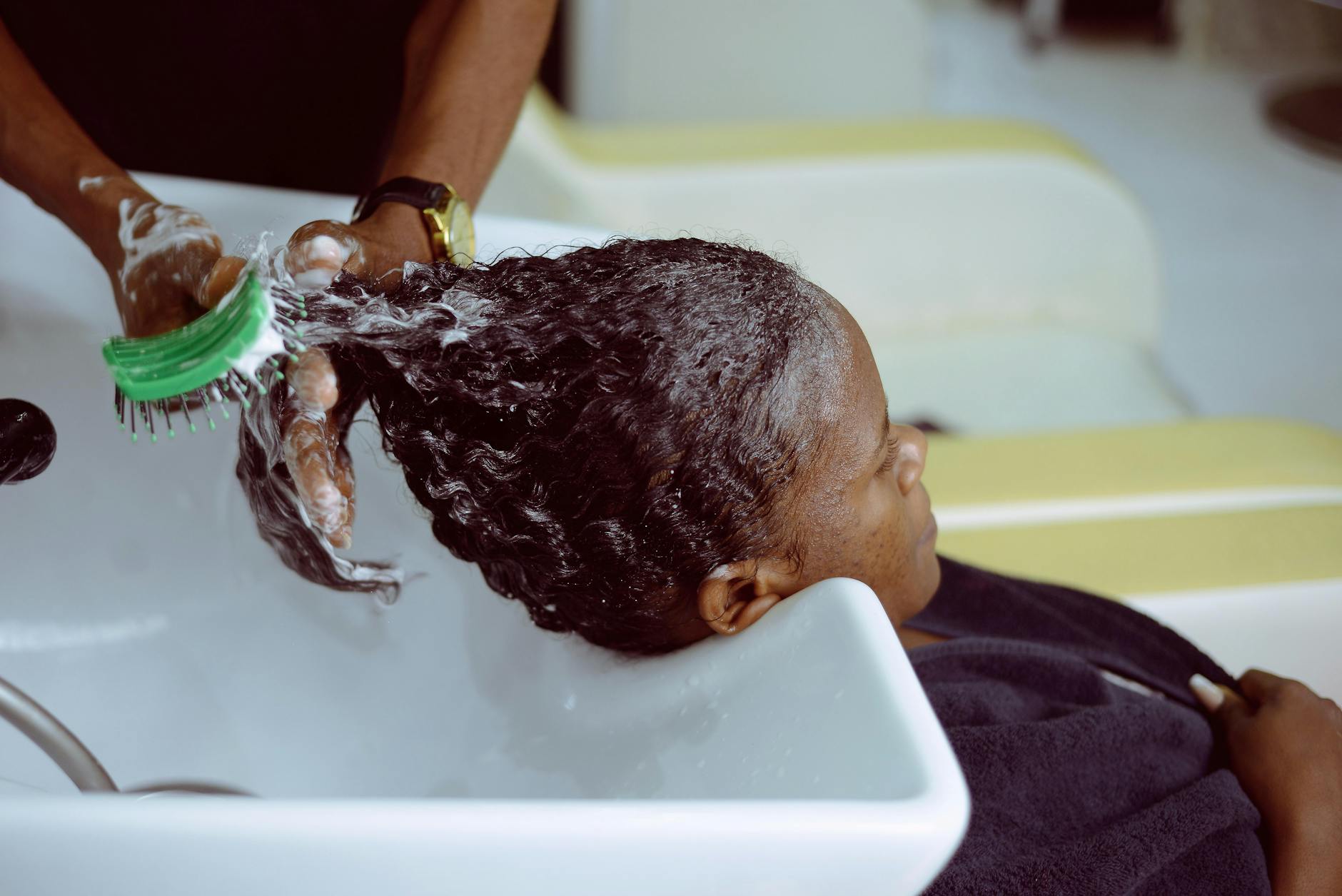
Allowing natural oils and styling products to accumulate on the scalp creates a harsh environment for hair growth. This buildup blocks the hair follicles and can lead to painful inflammation and subsequent shedding. Washing your hair too infrequently allows dead skin cells and environmental debris to suffocate the roots. Finding the right washing frequency for your specific hair type ensures a clean and balanced scalp microbiome. A thoroughly cleansed scalp provides the optimal foundation for maintaining a thick and healthy head of hair.
Overwashing
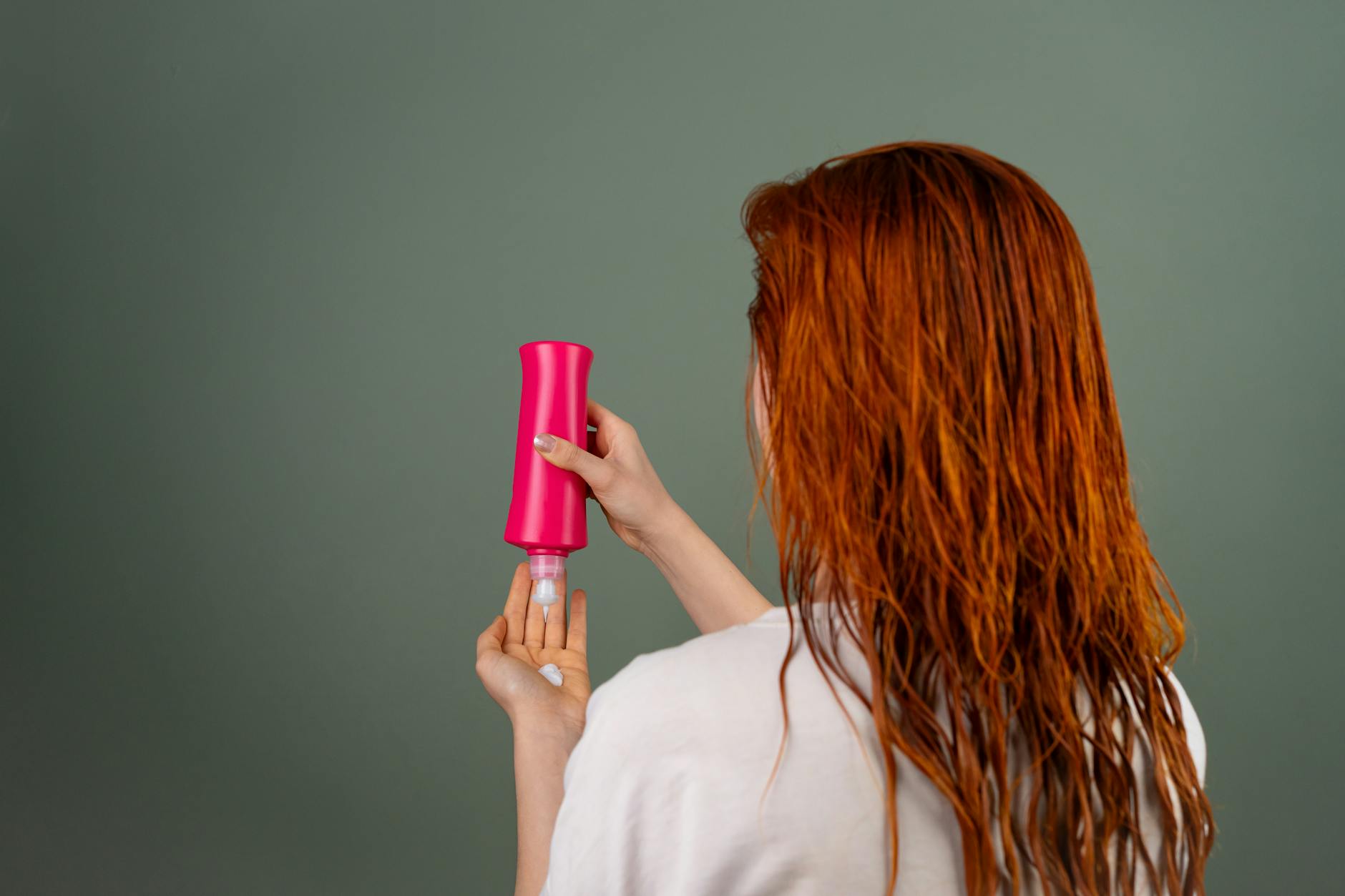
Cleansing your hair every single day can strip the scalp of its protective natural sebum. The sebaceous glands may overcompensate by producing even more oil which disrupts the natural balance of the scalp. This constant stripping leaves the hair strands dry and highly susceptible to snapping under minor tension. Extending the time between washes allows the natural oils to travel down the hair shaft and nourish the ends. Utilizing a gentle sulfate free shampoo helps maintain moisture levels when frequent washing is absolutely necessary.
Dry Shampoo Dependency
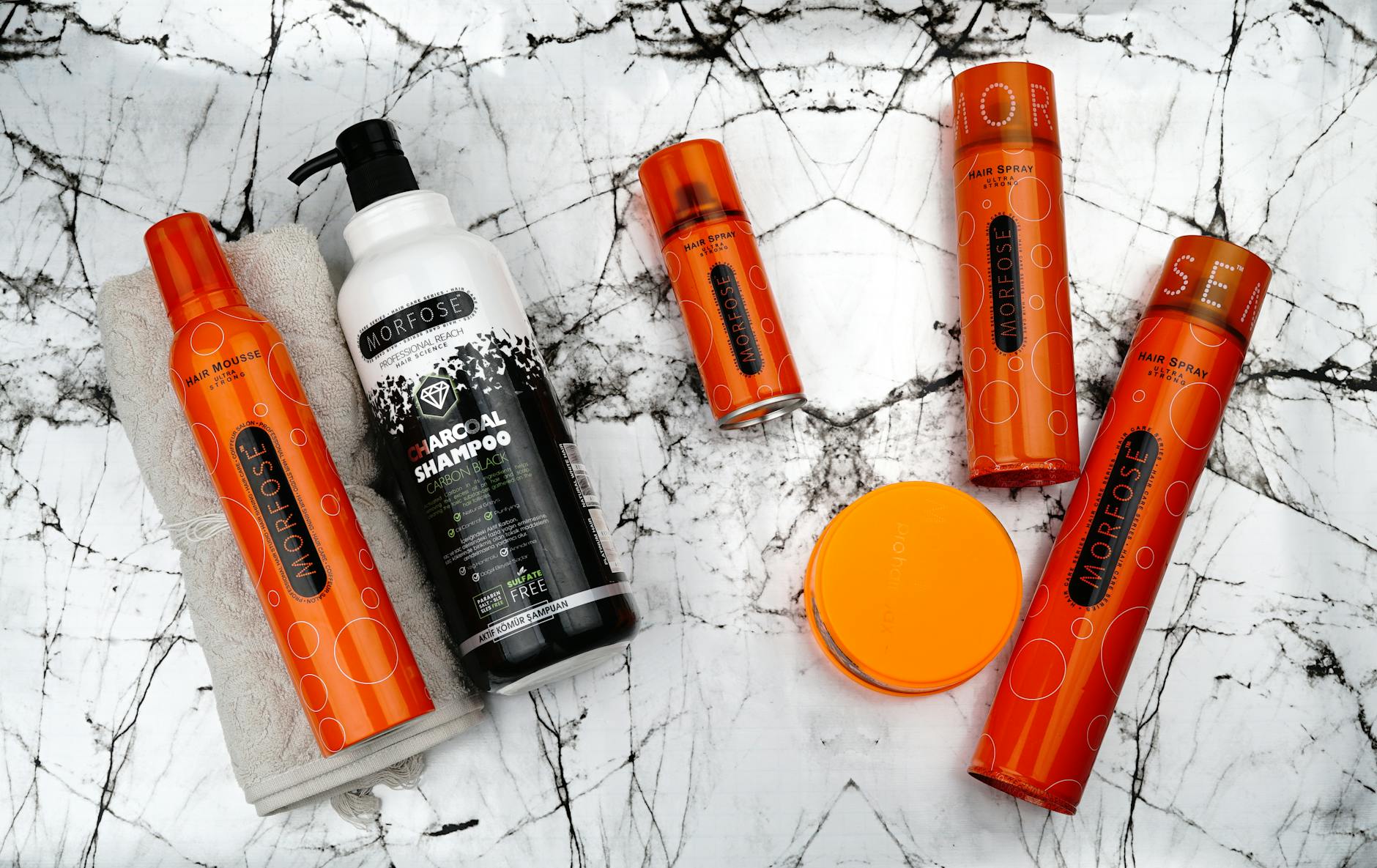
Relying heavily on aerosol dry shampoos clogs the hair follicles with starchy powders and chemical propellants. These products absorb excess oil but they do not actually remove dirt or cleanse the scalp environment. The accumulated powder can trap bacteria and yeast which leads to severe scalp irritation and inflammation. This inflamed environment weakens the hair root and causes the affected follicles to release the hair strand prematurely. Reserving dry shampoo for occasional use rather than making it a daily habit protects your follicle health.
Poor Diet

Consuming a diet lacking in essential vitamins and minerals directly impacts the strength of your hair. Hair follicles require a steady supply of protein and iron to produce thick and resilient strands. Nutritional deficiencies force the body to redirect vital nutrients to essential organs instead of hair production. Incorporating a variety of leafy greens and lean proteins provides the building blocks necessary for robust hair growth. Ensuring adequate hydration alongside a balanced diet supports the overall vitality of the scalp and hair.
High Stress Levels

Experiencing chronic psychological stress disrupts the natural growth cycle of the hair follicles. Elevated cortisol levels push a large number of growing hairs into a resting phase all at once. This sudden shift results in noticeable shedding several months after the initial stressful period occurs. Engaging in daily relaxation techniques like meditation or deep breathing helps regulate these harmful stress hormones. Managing your mental well being is a fundamental component of maintaining a full and healthy head of hair.
Brushing Wet Hair
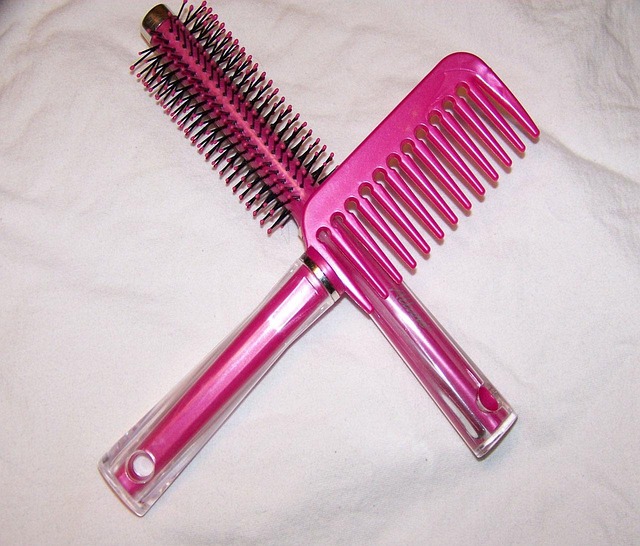
Yanking a brush through dripping wet hair stretches the strands past their natural breaking point. The structural integrity of the hair is compromised when saturated with water making it highly elastic and fragile. Using a wide tooth comb starting from the ends and working upward is the safest detangling method. Applying a leave in conditioner beforehand provides necessary slip and reduces the mechanical friction of the comb. Waiting until the hair is at least partially dry before using a traditional brush prevents unnecessary tearing and thinning.
UV Exposure
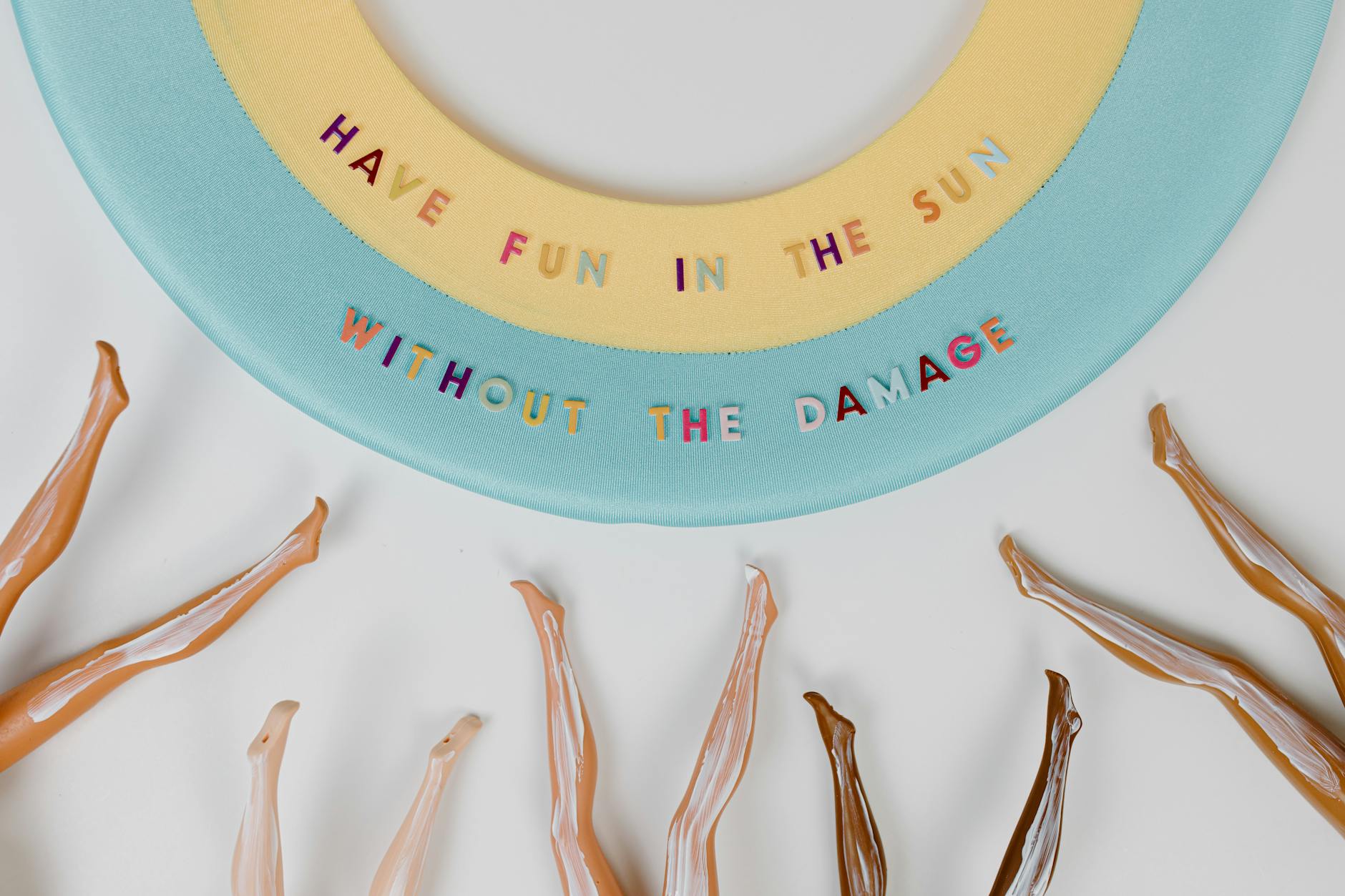
Spending long hours in direct sunlight without protection degrades the protein structure of your hair. Ultraviolet rays break down the amino acids that give hair its strength and natural elasticity. This prolonged sun exposure leaves the strands brittle and much more prone to splitting and snapping off. Wearing a wide brimmed hat provides immediate physical protection for both the hair and the sensitive scalp. Applying hair products formulated with UV filters offers an additional layer of defense during extended outdoor activities.
Heavy Hair Extensions
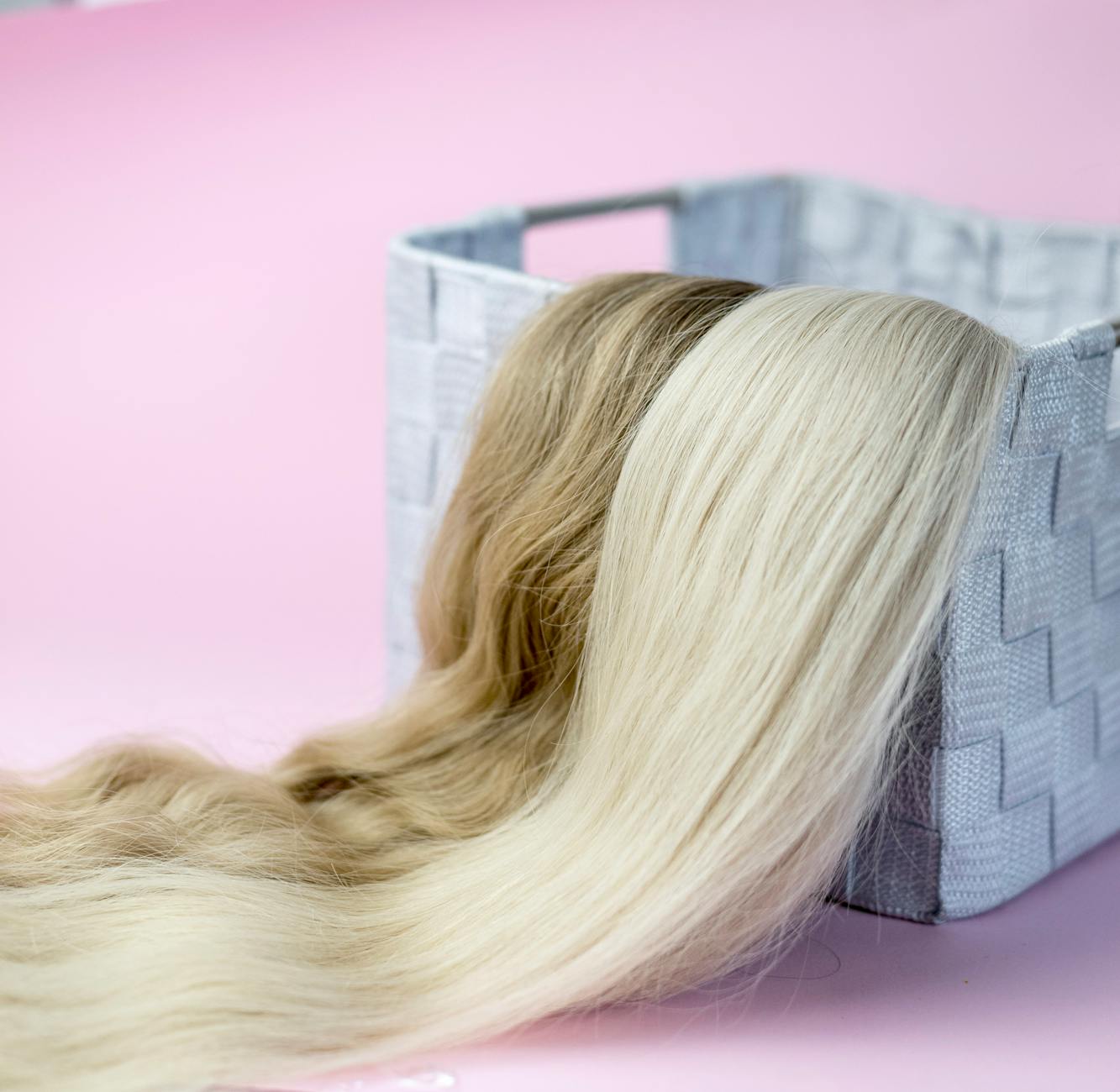
Wearing permanent or clip in extensions places continuous and heavy weight on the natural hair roots. This constant downward pull stresses the follicle and often leads to localized traction alopecia over time. The application methods involving glue or tight braiding can also cause severe mechanical damage to the surrounding hair. Taking frequent breaks from extensions allows the natural hair to recover from the unnatural tension. Consulting with a professional to ensure extensions are applied safely minimizes the risk of permanent volume loss.
Scratching The Scalp
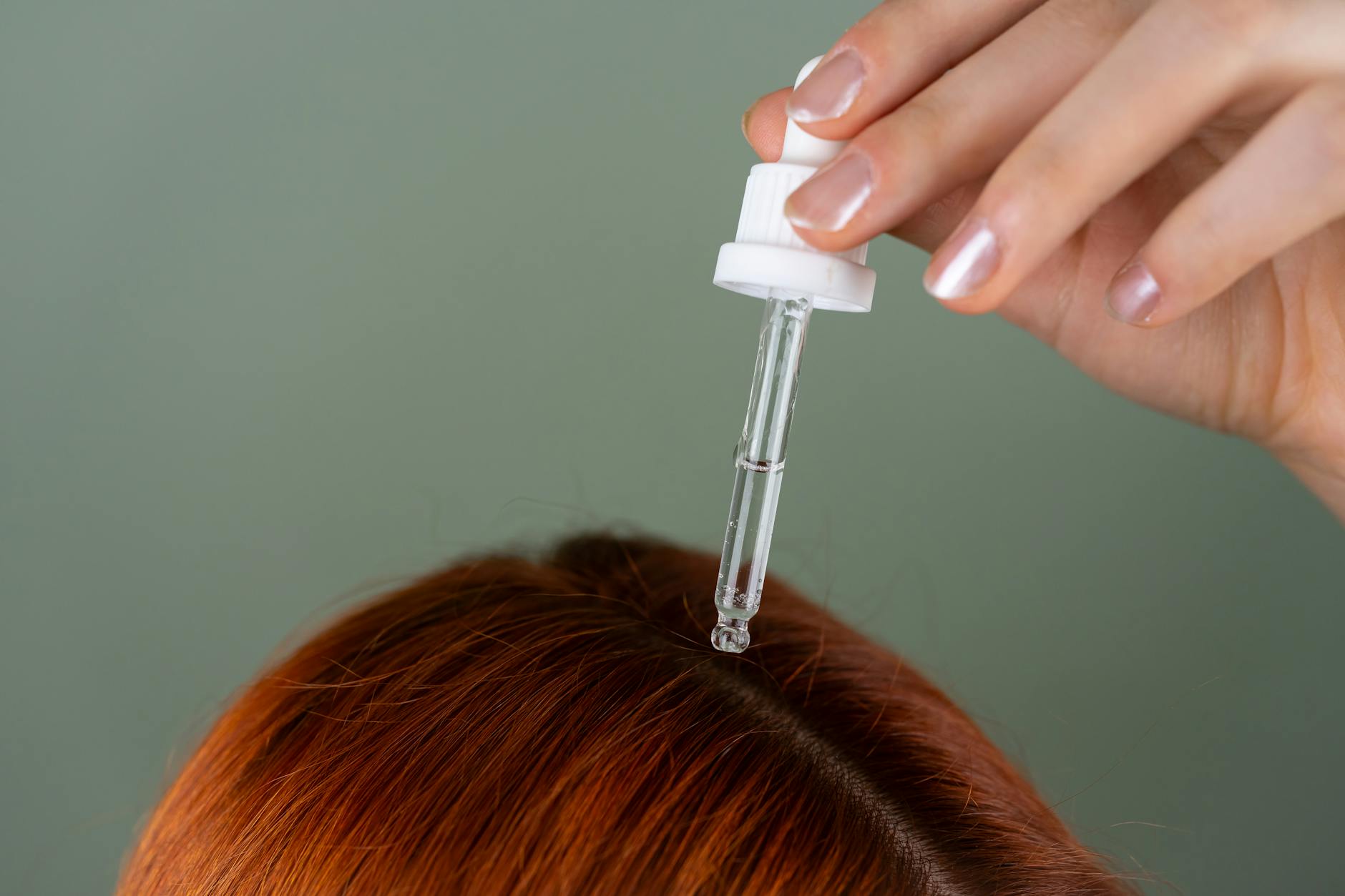
Aggressively scratching an itchy scalp damages the delicate skin and the hair follicles resting just beneath the surface. Sharp fingernails can easily create microscopic wounds that invite bacterial infections and cause localized inflammation. This trauma disrupts the growth cycle and forces the follicle to shed the hair prematurely. Identifying and treating the root cause of the itchiness prevents the need for destructive scratching. Using the soft pads of your fingertips to gently massage the scalp provides relief without causing structural harm.
Hot Water Showers

Washing your hair with scalding hot water strips away the protective lipid layer of the scalp and strands. The intense heat forces the hair cuticles to open wide which allows vital moisture to escape rapidly. This dehydration leaves the hair shaft dry and exceptionally vulnerable to friction and breakage during styling. Rinsing your hair with lukewarm or cool water seals the cuticle and locks in essential hydration. This simple temperature adjustment maintains the structural integrity of the hair and prevents long term thinning.
Chemical Processing

Frequently subjecting your hair to bleach and harsh chemical straighteners severely compromises its internal protein bonds. These aggressive treatments break down the protective outer layer to alter the natural color or texture. The resulting structural damage leaves the hair incredibly weak and prone to snapping right at the root. Spacing out chemical appointments gives the hair sufficient time to recover and rebuild its strength. Incorporating deep conditioning treatments into your routine helps mitigate the destructive effects of these chemical processes.
Neglecting Scalp Care

Focusing solely on the hair strands while ignoring the actual scalp environment hinders healthy hair growth. A neglected scalp can accumulate dead skin cells that block follicles and restrict emerging hairs. Incorporating a gentle exfoliating scrub once a week removes this buildup and stimulates healthy blood circulation. A nourished and clean scalp provides the necessary foundation for thick and resilient hair production. Treating your scalp with the same care as the skin on your face prevents unnecessary shedding and thinning.
Sleeping On Cotton
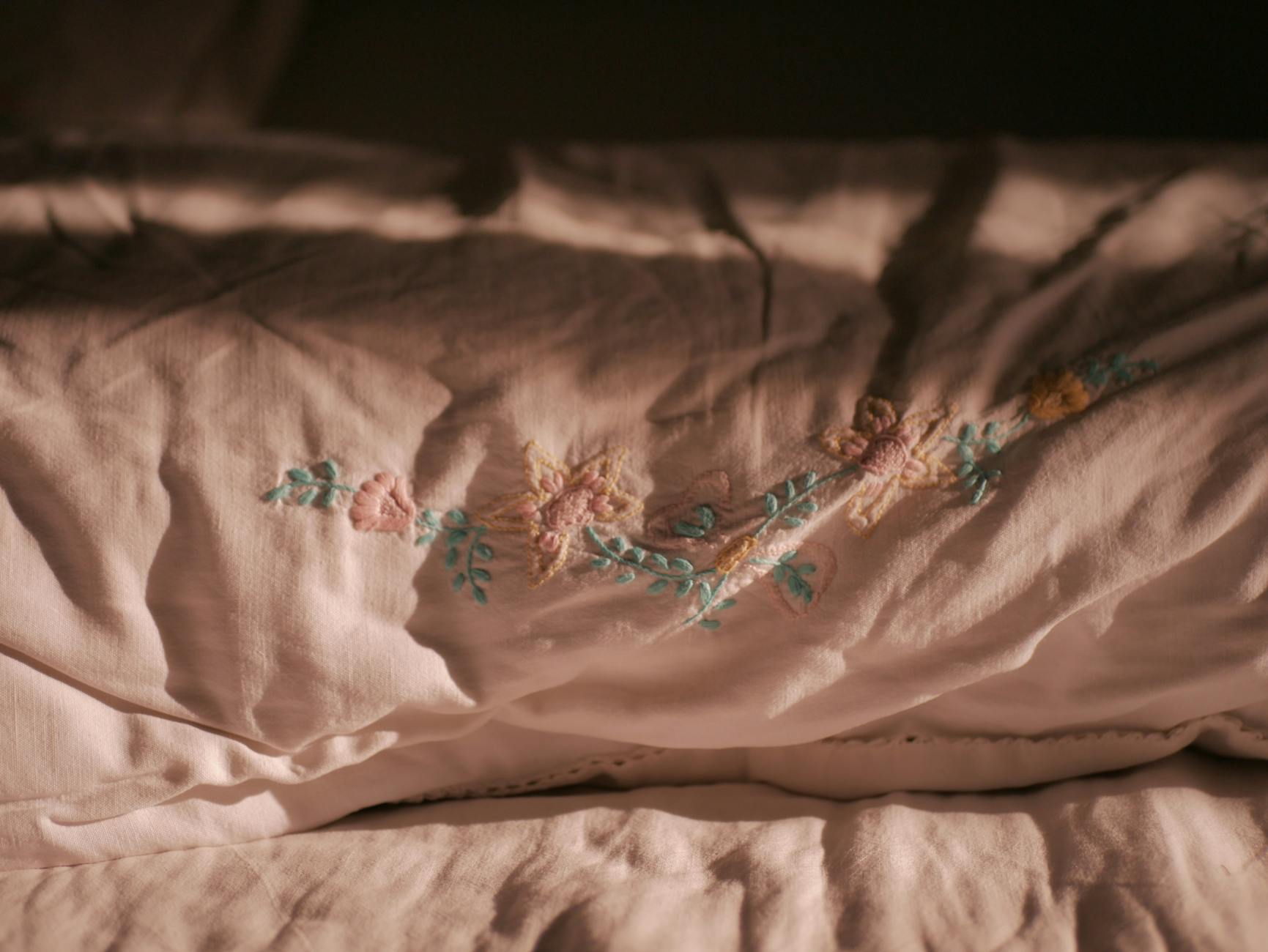
Resting your head on traditional cotton pillowcases creates immense friction as you move during the night. The rough texture of the cotton fibers catches and pulls on the hair strands causing microscopic tears. Cotton also absorbs natural oils from the hair leaving it dry and brittle by morning. Switching to a smooth silk or satin pillowcase allows the hair to glide effortlessly across the surface. This simple bedding upgrade prevents nocturnal breakage and preserves your natural hair volume over time.
Harsh Chemical Shampoos
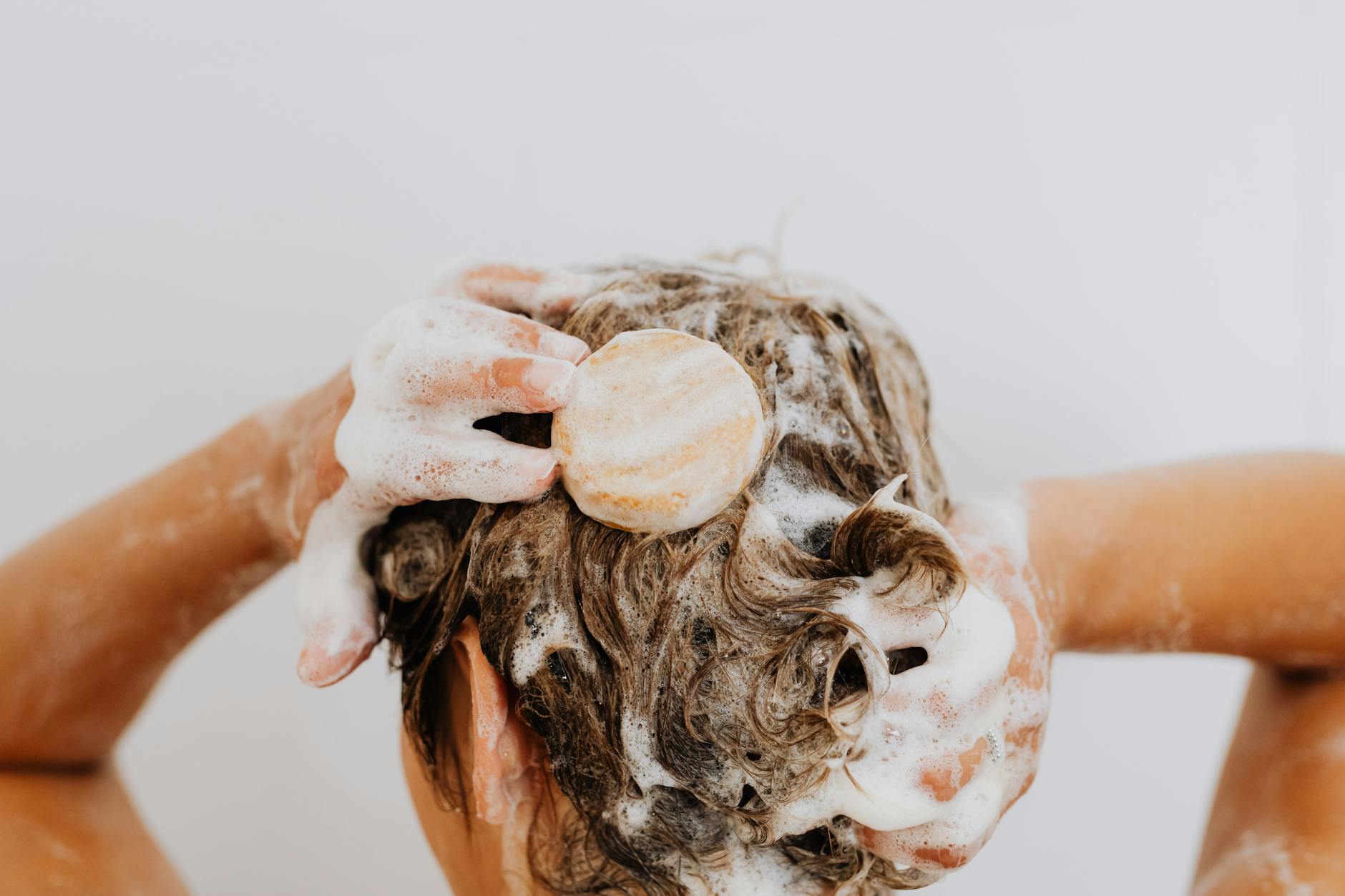
Using shampoos loaded with strong sulfates strips the hair of its necessary moisture and natural protection. These aggressive detergents are designed to remove heavy grease but they often take away too much natural sebum. The resulting dryness causes the hair cuticle to lift making the strands susceptible to tangling and breaking. Transitioning to a sulfate free alternative gently cleanses the scalp without causing severe dehydration. Reading ingredient labels carefully ensures you are not unknowingly sabotaging your hair health with harsh cleansers.
Skipping Trims
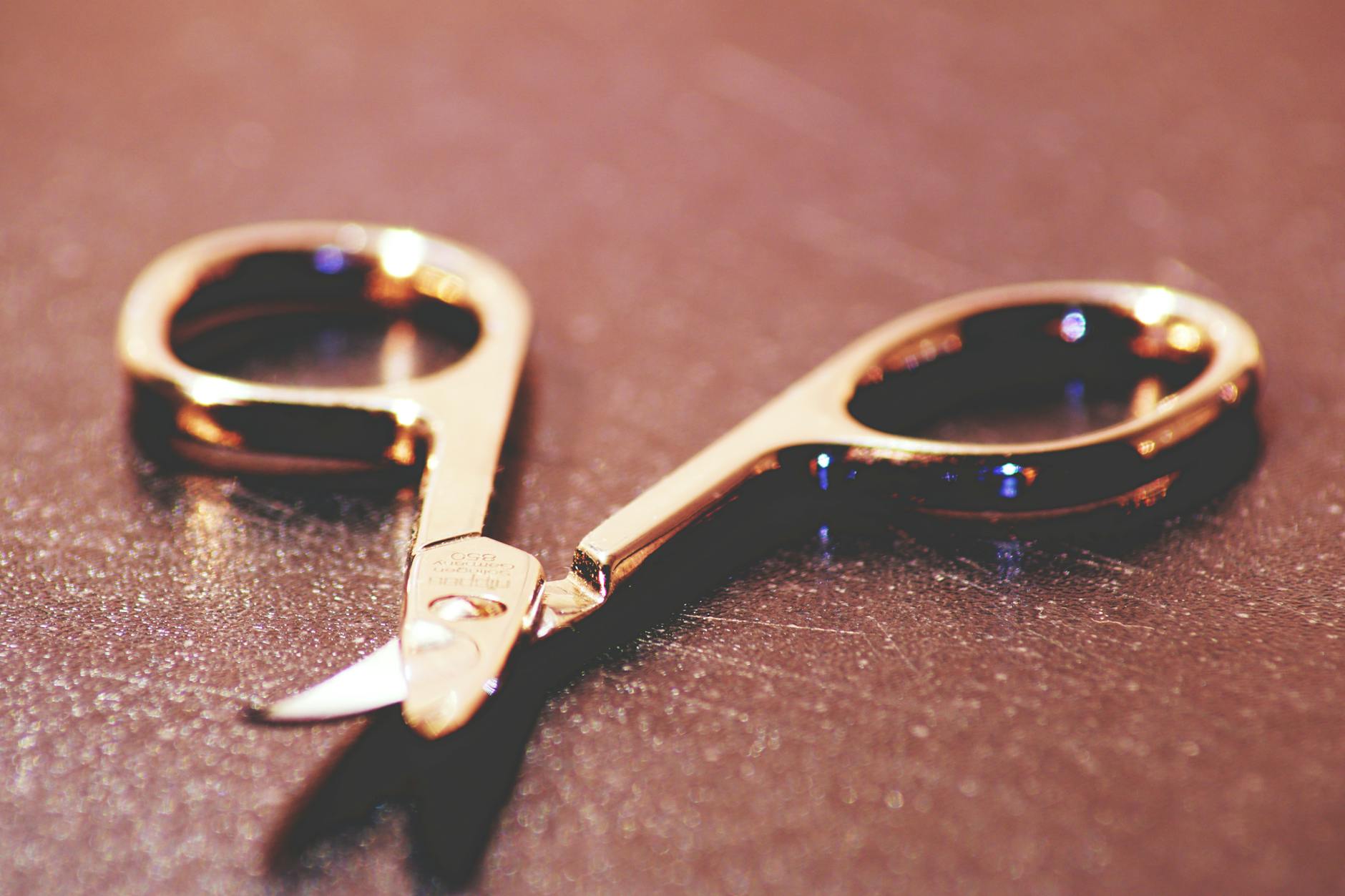
Avoiding the salon in an attempt to grow your hair longer often results in the exact opposite effect. Split ends travel quickly up the hair shaft if they are not removed in a timely manner. This splitting weakens the entire strand and eventually causes the hair to break off completely. Getting regular micro trims every few months stops the damage before it reaches the fragile mid lengths. Maintaining neat and healthy ends gives the appearance of thicker and much more voluminous hair.
Constant Touching
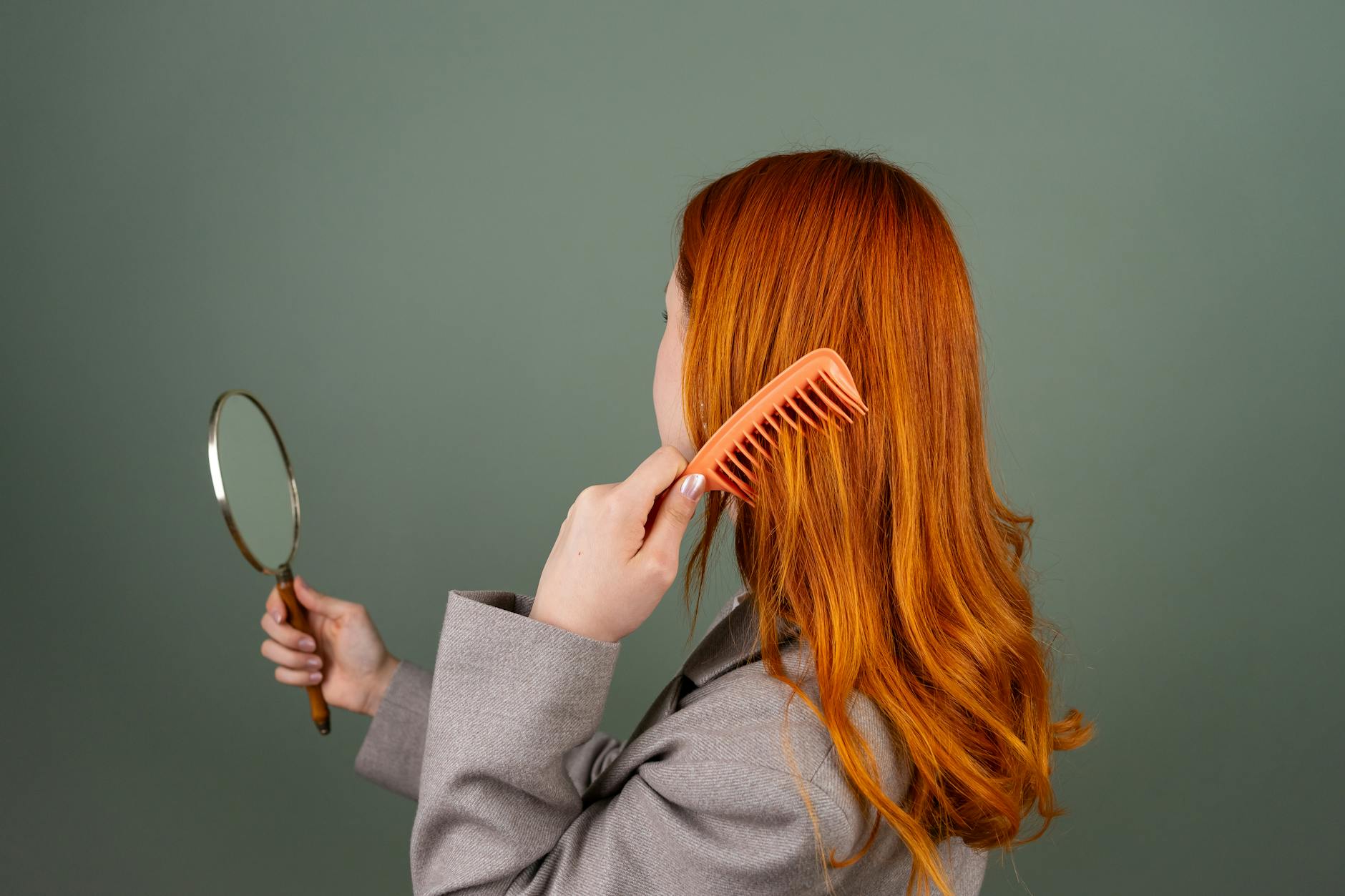
Repeatedly running your hands through your hair transfers dirt and excess oils from your fingertips to your strands. This frequent manipulation causes unnecessary physical wear and tear on the delicate hair cuticle. The added oil weighs down the hair at the root making it look flat and significantly thinner. Twirling or pulling on sections of hair out of habit can literally extract the hair from the follicle. Keeping your hands away from your head preserves your styling efforts and protects against mechanical breakage.
Please share which of these hidden hair habits surprised you the most and how you plan to update your daily routine in the comments.




