Understanding the optimal timing for plant hydration significantly impacts overall health and maximum growth potential. Different species and environments require specific watering schedules to thrive and absorb nutrients efficiently. Providing water at the correct moment prevents evaporation and fungal diseases while supporting robust root systems. Exploring various timing strategies helps gardeners establish effective habits for lush foliage and abundant blooms.
Early Morning Watering Routine
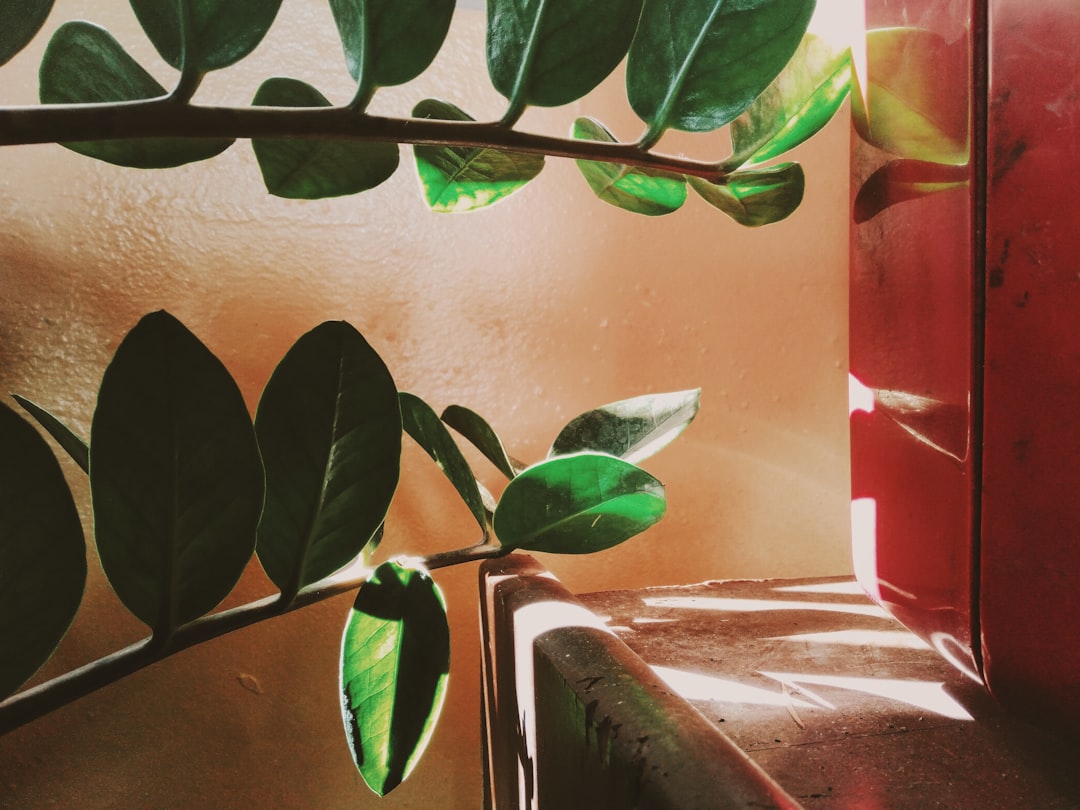
This highly recommended practice occurs just as the sun rises to allow deep root absorption before temperatures peak. Providing moisture at this hour ensures leaves dry completely throughout the day to prevent mildew formation. Plants utilize this early hydration to withstand the intense afternoon heat and maintain strong cell structure. Gardeners prefer this schedule because it aligns with the natural dew cycle and minimizes water waste through evaporation.
Late Afternoon Moisture Refresh
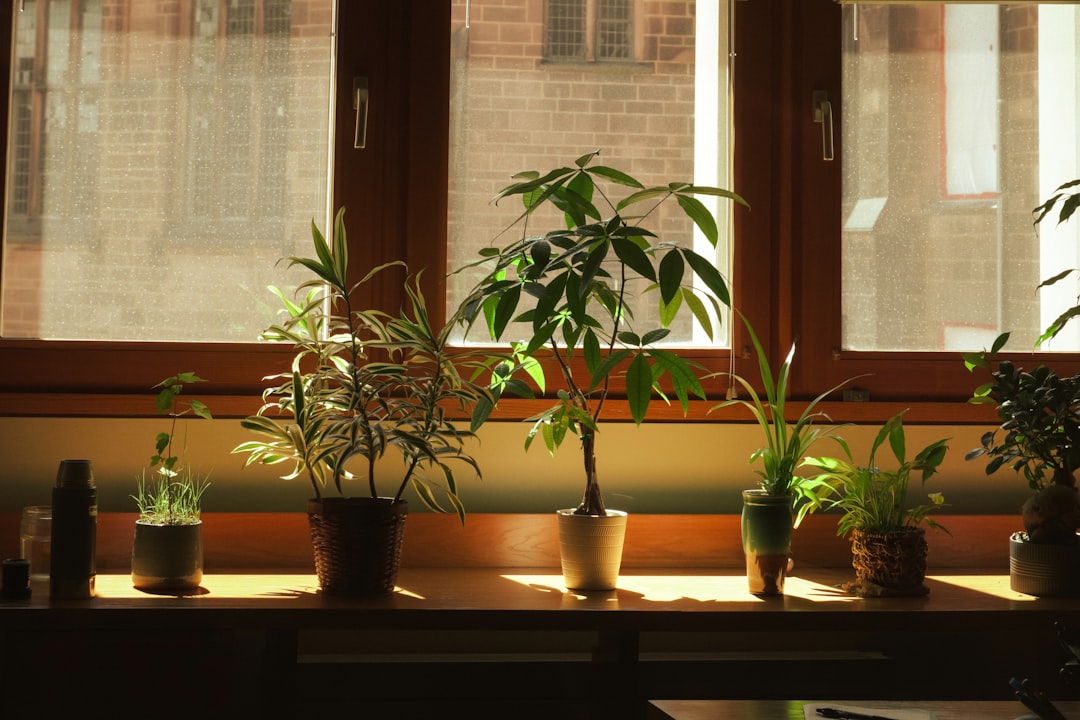
Watering during the late afternoon offers a vital recovery period for plants stressed by intense midday sun exposure. The slightly cooler temperatures allow the soil to retain moisture without immediate evaporation occurring. Foliage still has adequate time to dry before nightfall arrives to safely prevent fungal growth on leaves. This specific timing works exceptionally well for container gardens that dry out quickly in direct sunlight.
Evening Hydration Schedule
Applying water during the early evening gives root systems ample opportunity to soak up moisture overnight. This method proves beneficial during extreme summer heatwaves when morning watering evaporates too rapidly. Careful application directly to the soil surface keeps leaves dry and protects vulnerable foliage from disease. Deep overnight soaking encourages roots to grow further downward into the soil for improved drought resistance.
Midday Succulent Soak
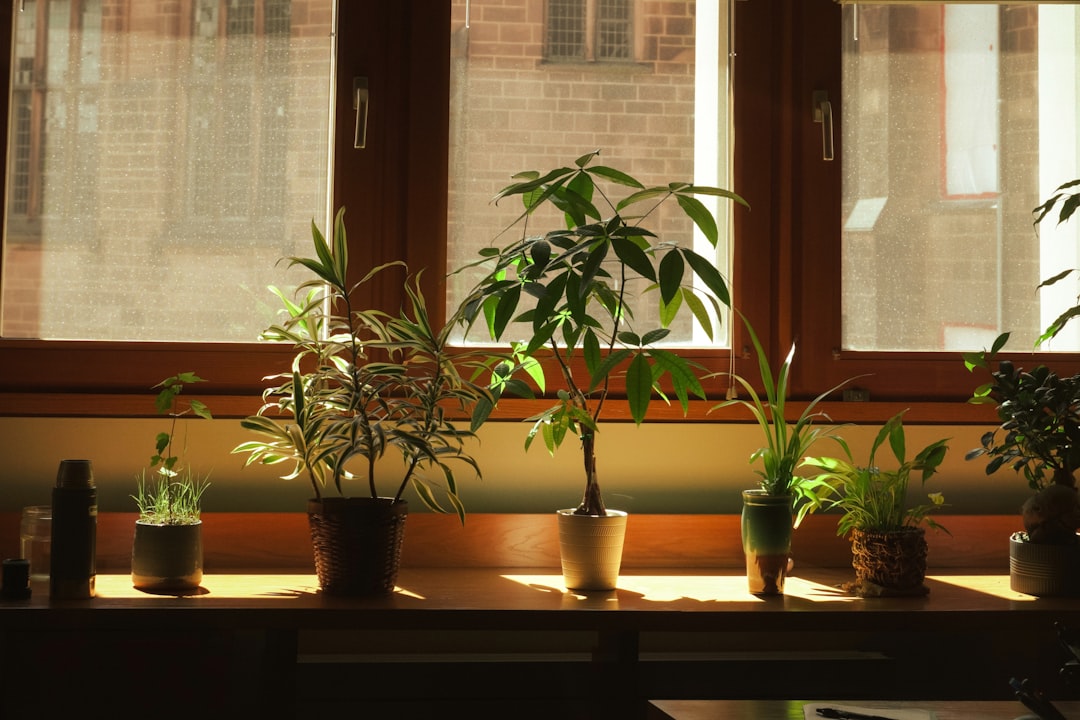
Desert species naturally adapt to extreme heat and occasionally benefit from a midday soil drenching during active growing seasons. Water applied directly to the base avoids scorching the thick fleshy leaves under direct sunlight. The warm soil helps excess moisture evaporate quickly to prevent root rot in these sensitive arid plants. This targeted approach mimics rare desert rainstorms and triggers rapid absorption for maximum plumpness.
Dawn Greenhouse Mist
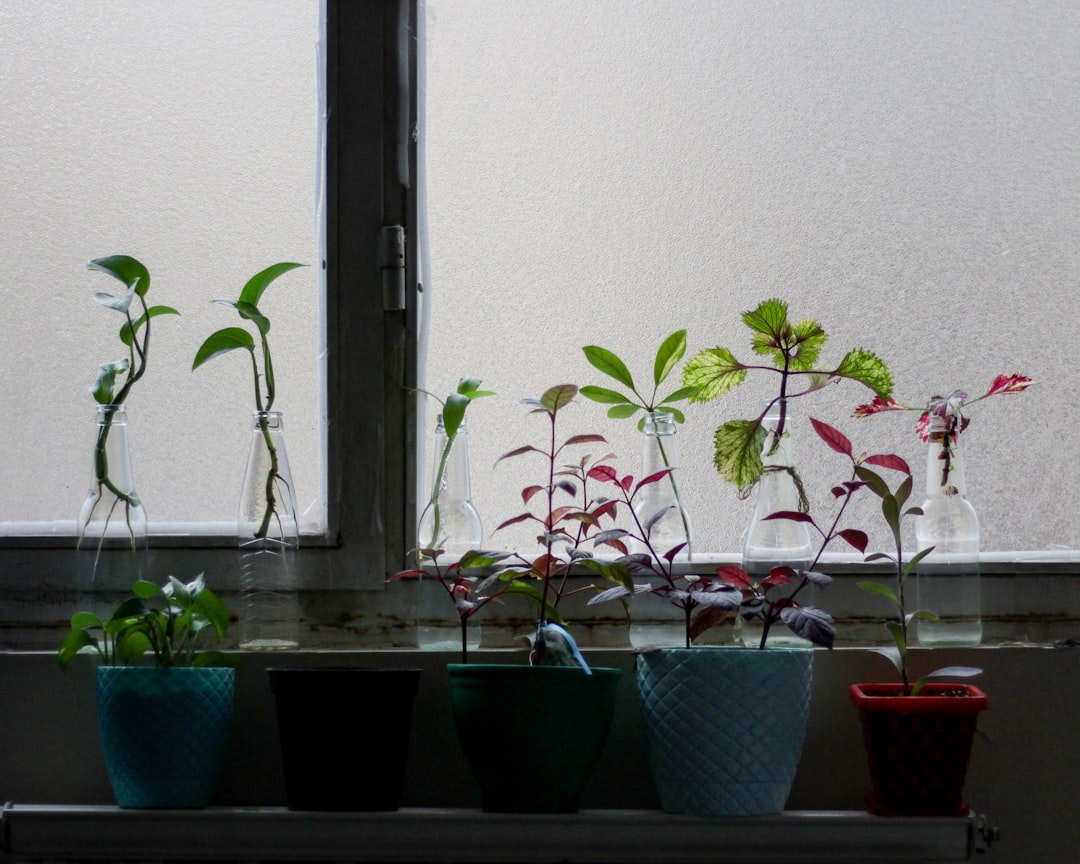
Enclosed growing spaces require careful humidity management starting at the very break of dawn. A fine misting provides essential ambient moisture for tropical varieties before the enclosure heats up significantly. The rising temperatures gradually evaporate the water droplets to create a perfectly balanced humid microclimate. This early attention stimulates vigorous morning photosynthesis and encourages bright vibrant leaf development across all specimens.
Twilight Garden Drench
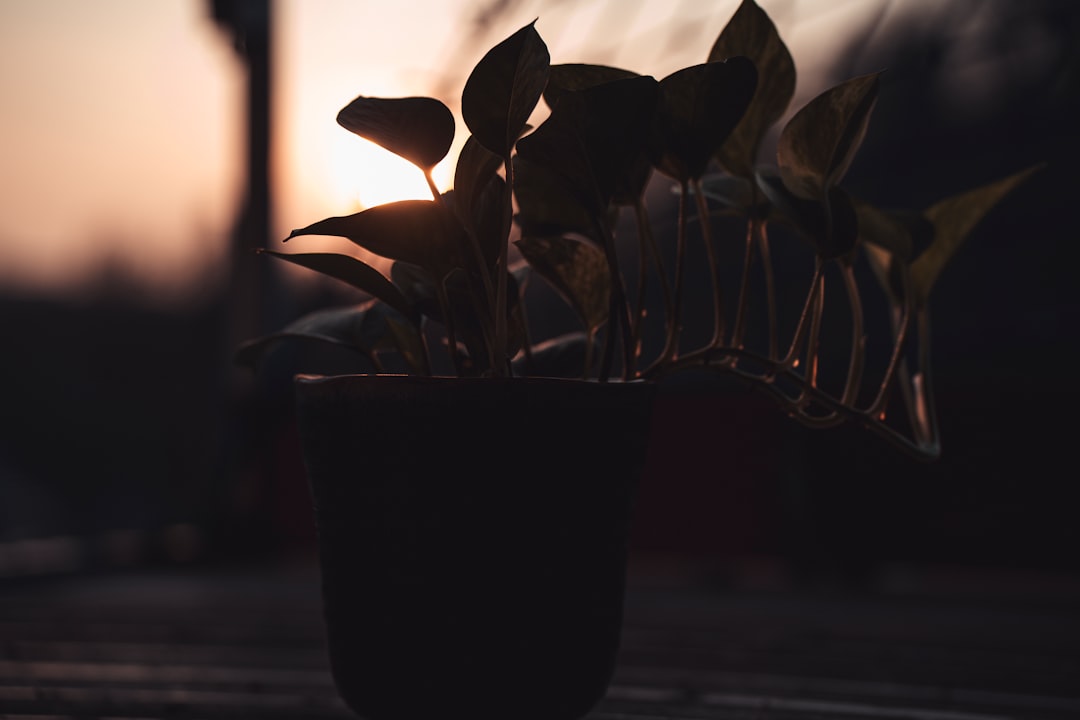
This specific routine involves deep watering just as the sun dips below the horizon line. The complete absence of direct solar radiation means the soil absorbs every single drop efficiently. Nighttime temperatures reduce plant transpiration and allow the entire vascular system to rehydrate fully. Consistent twilight watering builds exceptionally resilient root networks in expansive outdoor vegetable plots and flower beds.
Nighttime Tropical Humidification

Indoor tropical varieties thrive when humidity levels rise during the darker hours of the night. Using a humidifier or targeted watering near the base creates an environment resembling their native rainforest habitats. The lack of sunlight prevents leaf burn while the steady moisture supports continuous cellular expansion. This dedicated nighttime care results in larger leaves and significantly healthier aerial root systems over time.
Sunrise Vegetable Patch Quench

Producing vegetables requires massive amounts of water delivered efficiently at the start of each day. Hydrating the vegetable patch at sunrise ensures crops have the necessary resources to develop plump fruits and crisp leaves. The morning air flow quickly dries any stray water droplets on tomato or squash vines to protect against blight. A robust sunrise schedule directly correlates with higher yields and significantly better tasting garden produce.
Afternoon Balcony Drip
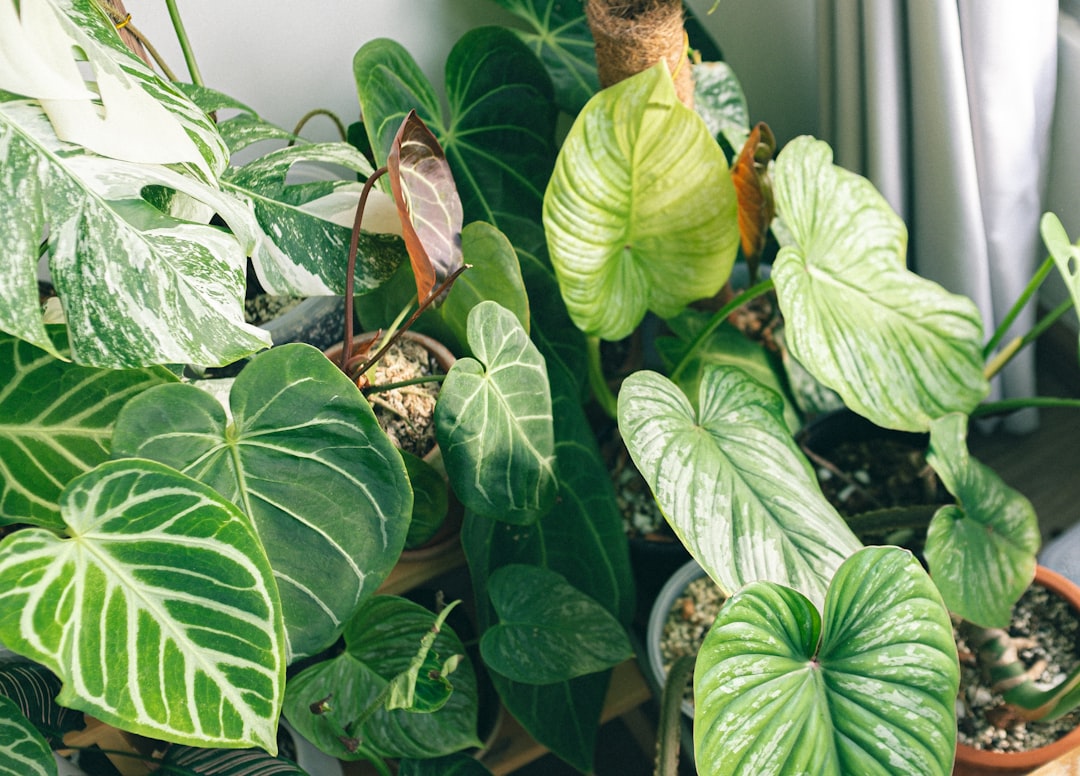
Potted plants situated on high balconies experience rapid moisture loss due to constant wind exposure and trapped heat. Implementing a slow drip system in the afternoon replenishes depleted water reserves exactly when plants need it most. The steady trickle penetrates dry potting soil thoroughly without overflowing the containers or causing messy runoff. This strategic timing saves delicate urban gardens from wilting completely during the hottest part of the day.
Morning Indoor Jungle Care
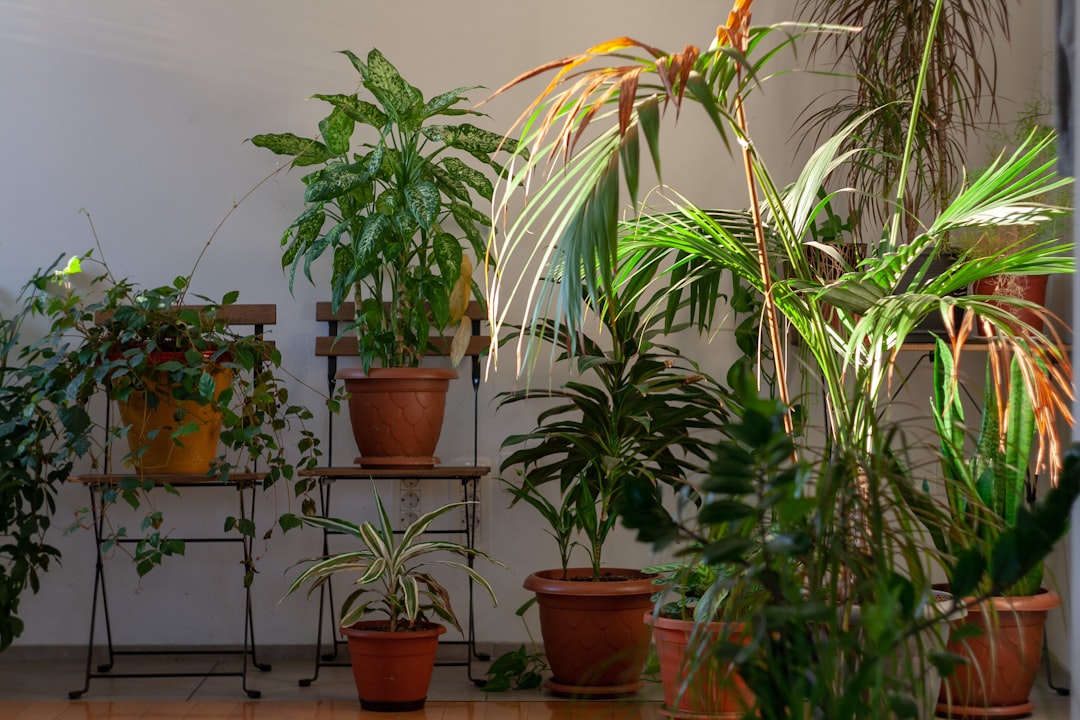
Houseplants benefit immensely from a dedicated morning schedule that aligns with opening the blinds for natural light. Supplying room temperature water at this hour wakes up dormant roots and prepares the plant for daily photosynthesis. Wiping down leaves with a damp cloth alongside soil watering removes dust and maximizes sunlight absorption. This comprehensive morning attention guarantees vibrant indoor greenery and prevents common issues related to neglect.
Please share your thoughts on these schedules and your own successful watering routines in the comments.




