This guide explores the essential practices required to maintain a vehicle for hundreds of thousands of miles. Consistency and attention to detail form the foundation of true automotive longevity. Implementing these habits transforms an average car into an incredibly reliable machine. Every action listed here contributes to preventing major mechanical failures over the lifespan of the vehicle.
Engine Oil Maintenance
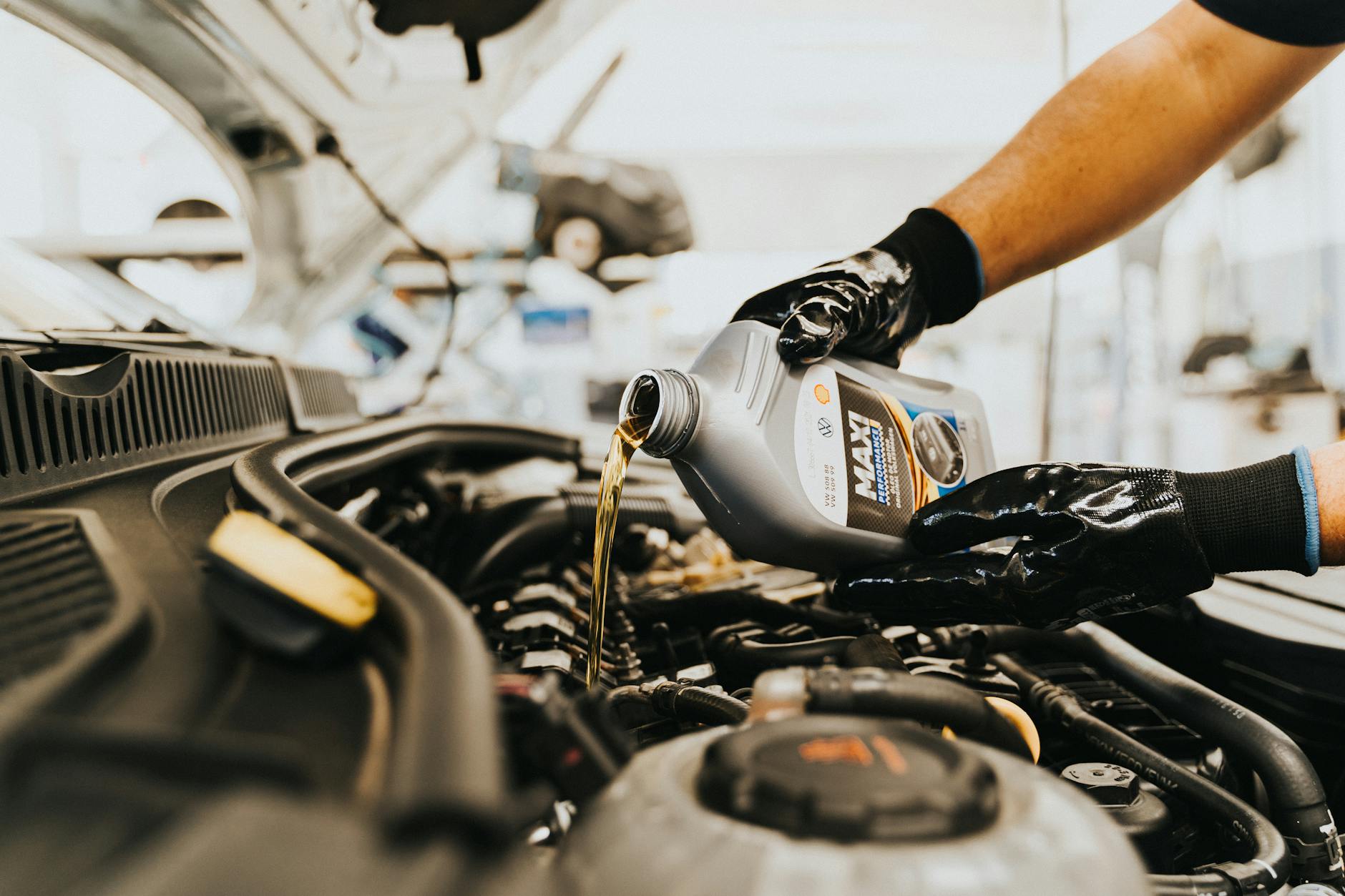
Changing your engine oil regularly prevents premature wear on internal components. Fresh oil provides necessary lubrication to reduce friction between moving parts. Old oil becomes sludgy and loses its ability to protect the engine effectively. Sticking to the manufacturer schedule ensures maximum longevity for your vehicle.
Tire Pressure Monitoring
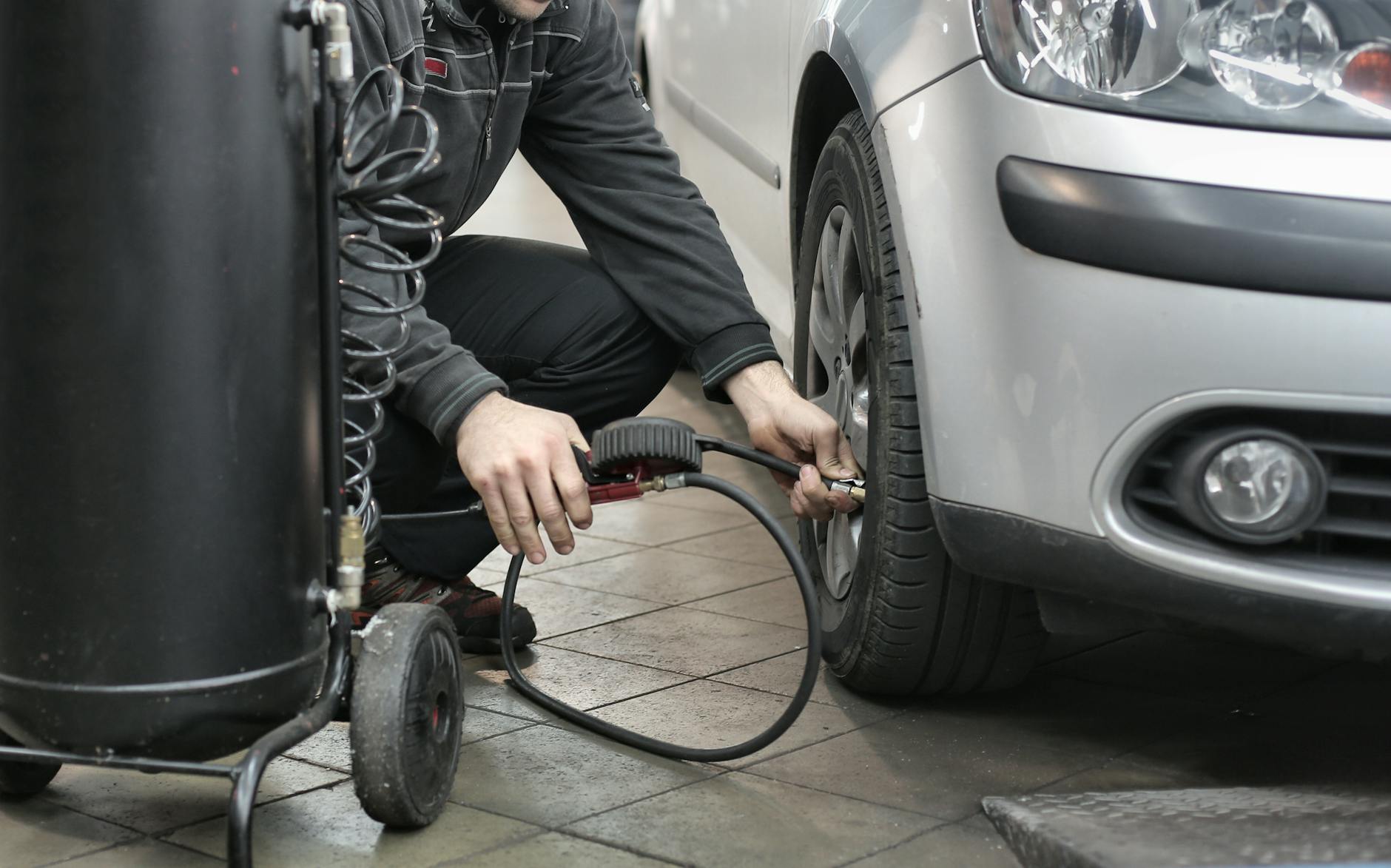
Proper tire inflation promotes even tread wear and extends the life of your rubber. Underinflated tires generate excess heat that can lead to unexpected blowouts. Correct pressure also improves fuel efficiency by reducing rolling resistance on the road. Checking the pressure weekly keeps your vehicle safe and predictable to drive.
Engine Air Filter Replacement
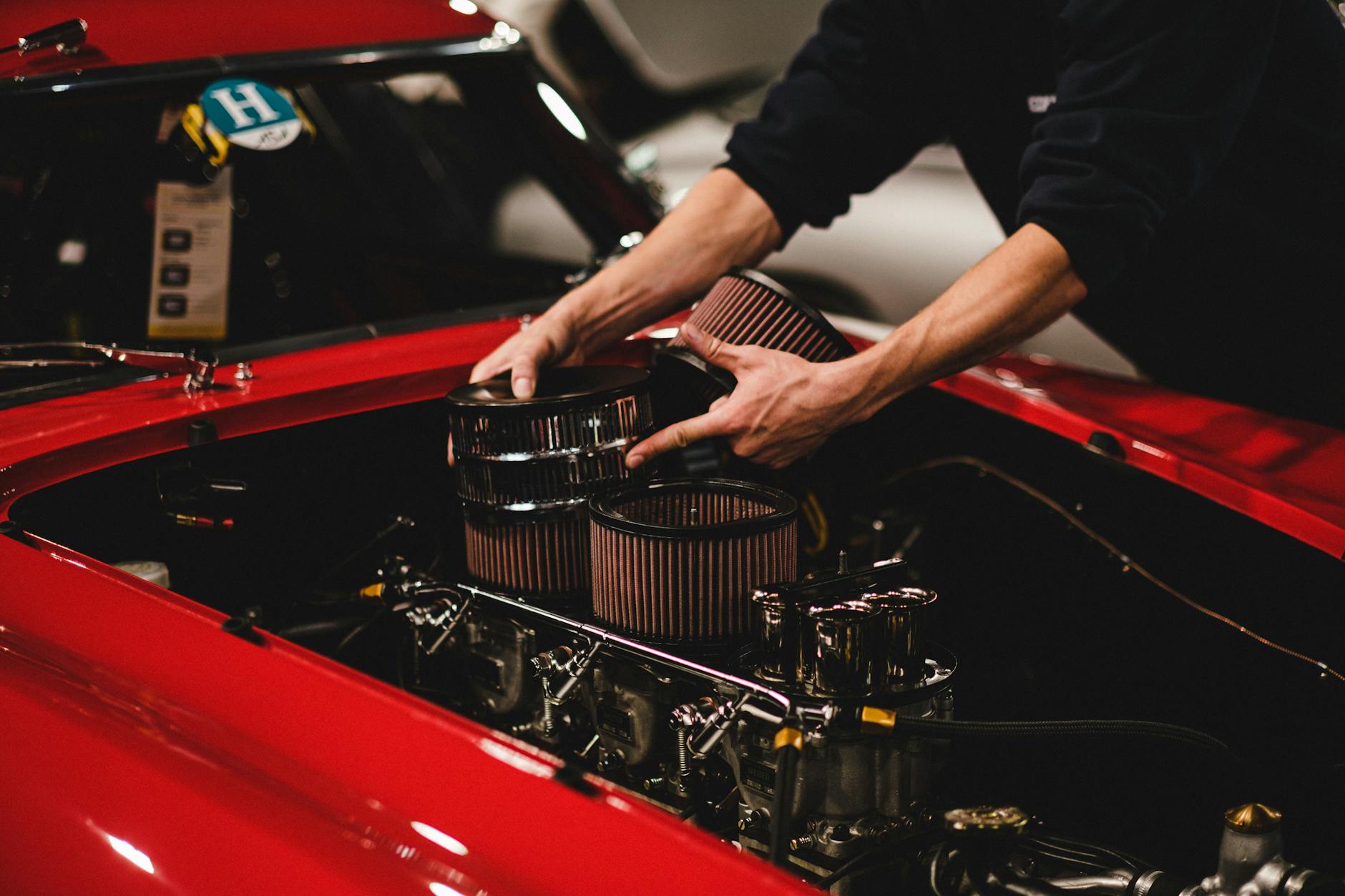
A clean air filter allows the engine to breathe properly and burn fuel efficiently. Dirt and debris can clog the intake over time and restrict necessary airflow. Replacing this filter frequently prevents airborne contaminants from damaging internal cylinders. This simple maintenance task takes only minutes but adds years to your engine.
Radiator Coolant Flushes

Engine coolant degrades over time and loses its rust prevention properties. Flushing the system removes scale deposits that can block internal passages. Fresh coolant regulates the engine temperature effectively during extreme weather conditions. Keeping this fluid clean prevents overheating and catastrophic engine block failure.
Transmission Fluid Service
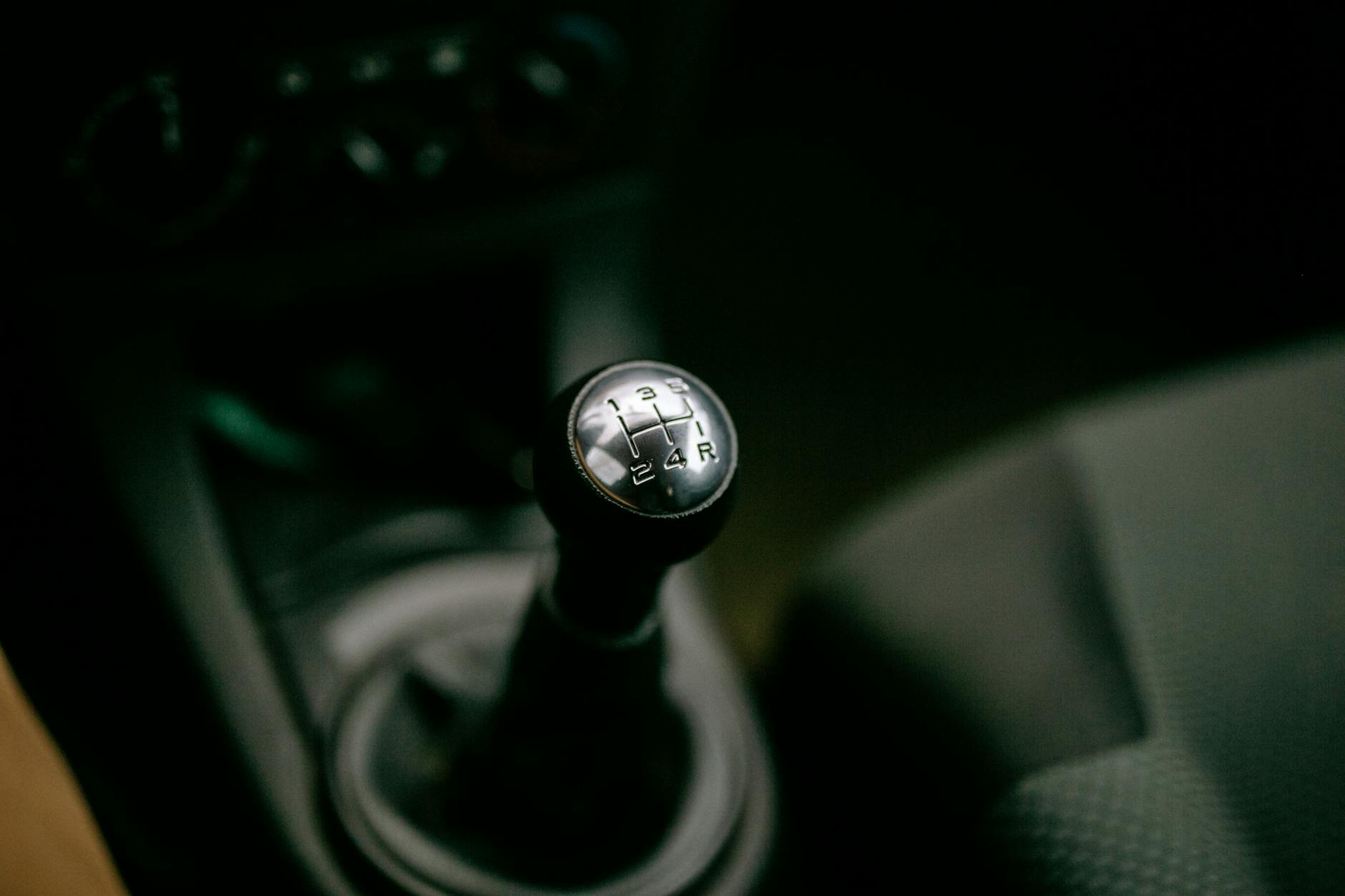
Automatic and manual transmissions rely on clean fluid to shift smoothly. Degraded fluid causes internal clutches and bands to slip and wear out prematurely. Draining and filling this fluid removes metal shavings generated during normal operation. Regular servicing avoids the astronomical costs associated with full transmission rebuilds.
Brake Pad Inspection
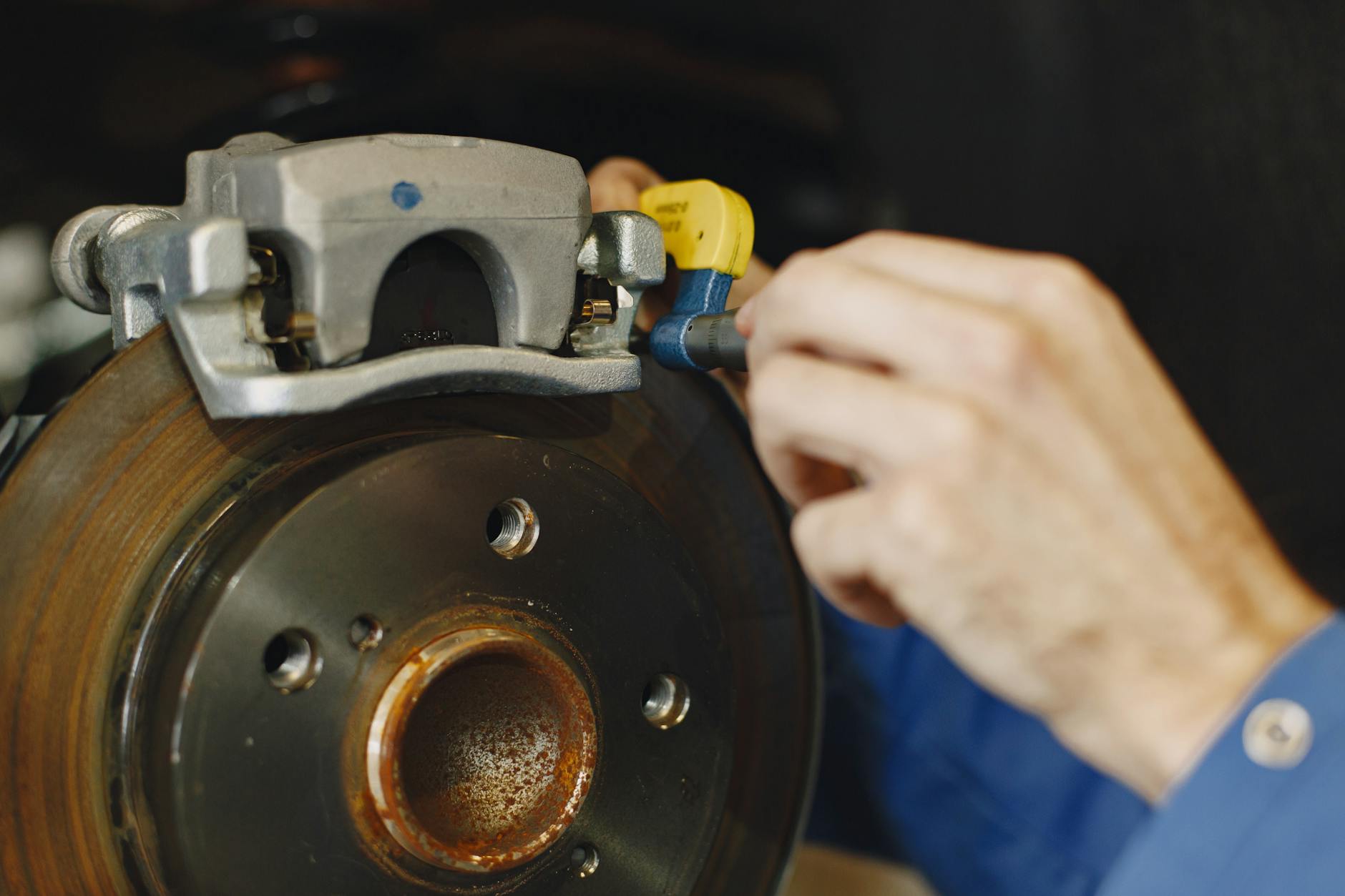
Worn brake pads compromise your stopping distance and jeopardize road safety. Ignoring thin pads eventually leads to scored rotors that require expensive replacements. Listening for squeaking noises helps identify when the friction material is running low. Timely replacements keep the entire braking system functioning flawlessly for decades.
Spark Plug Upgrades
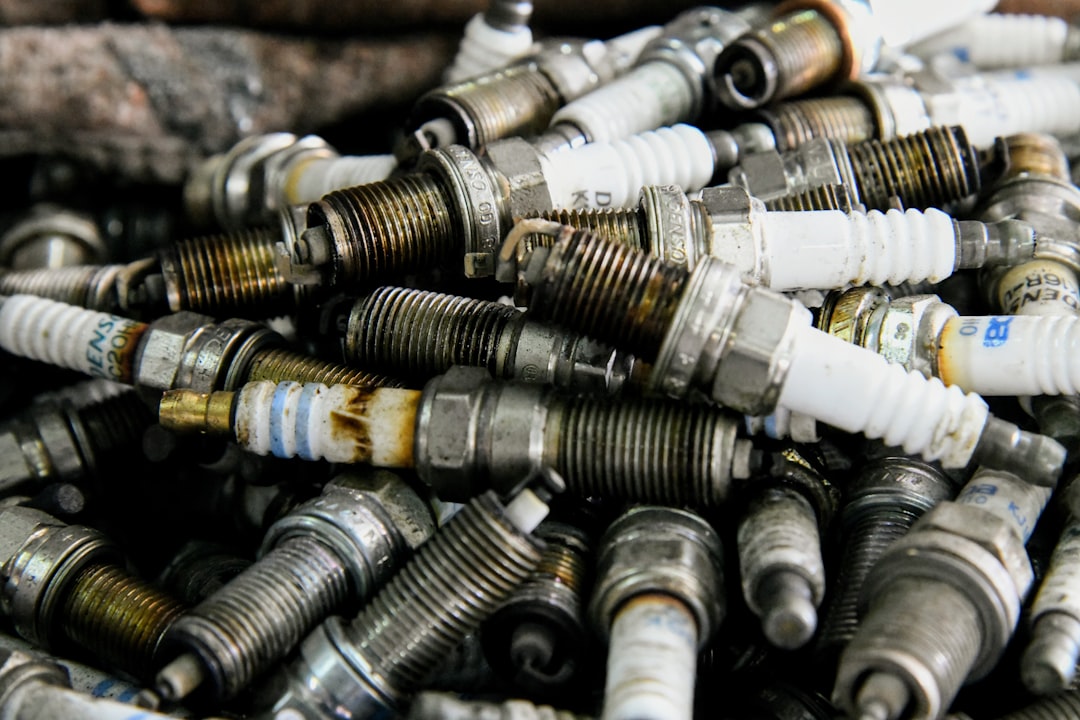
Spark plugs ignite the fuel mixture and directly impact engine performance. Old plugs develop carbon buildup that causes misfires and rough idling. Installing fresh spark plugs restores lost power and maximizes fuel economy. This crucial ignition component requires replacement according to the factory service manual.
Battery Terminal Cleaning
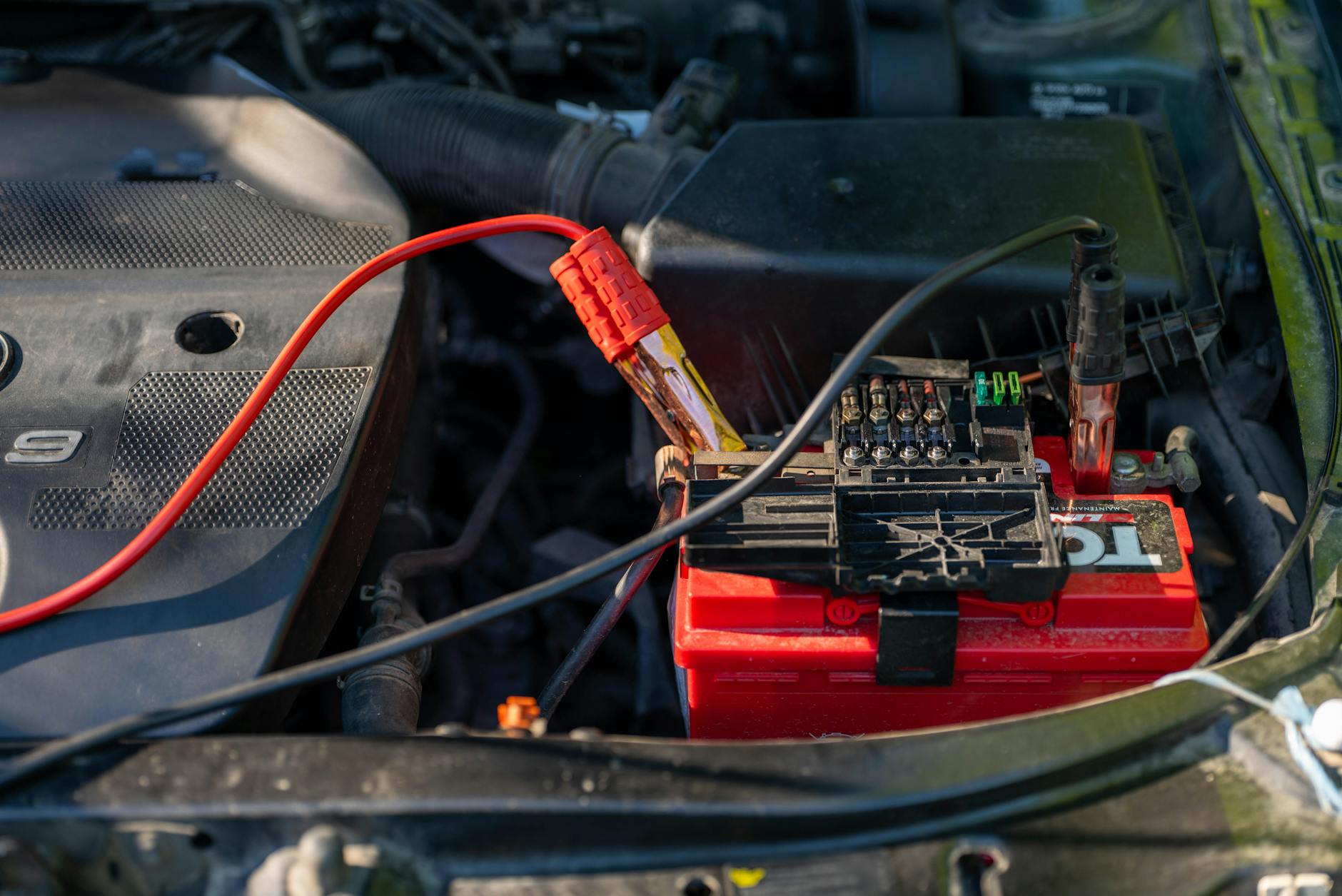
Corrosion on battery terminals restricts the flow of electricity to the starter. Cleaning these connections with baking soda and water ensures a reliable engine crank. Applying a protective grease stops the corrosive buildup from returning quickly. A healthy electrical connection extends the life of the alternator and the battery itself.
Exterior Wash Routine

Frequent washing removes corrosive salt and bird droppings from the clear coat. Leaving these contaminants on the paint leads to permanent etching and rust formation. Cleaning the undercarriage prevents structural decay in regions with harsh winter conditions. A clean exterior preserves the aesthetic value and structural integrity of the chassis.
Paint Wax Application
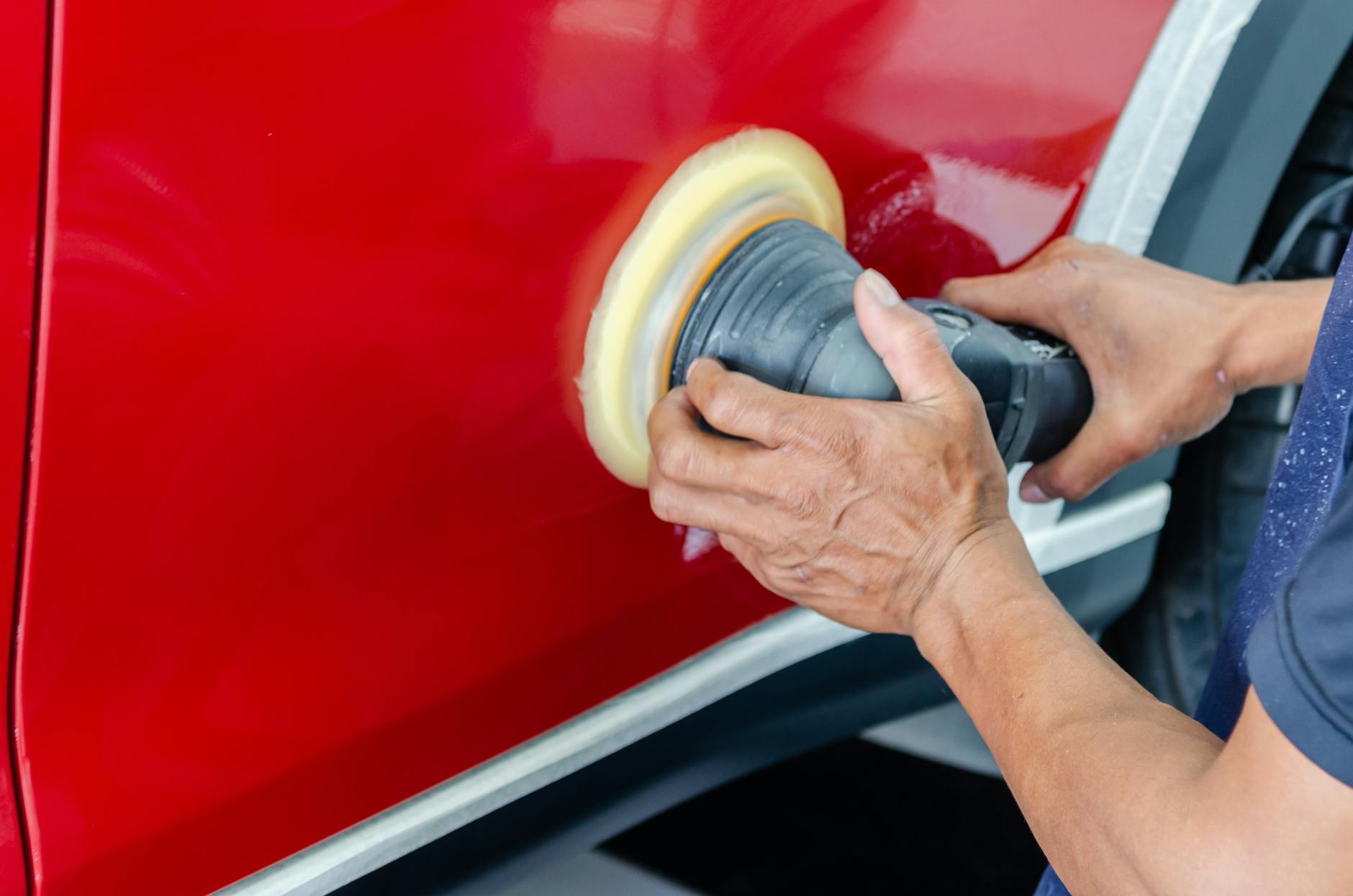
Applying a quality wax creates a sacrificial barrier against ultraviolet rays. This protective layer prevents the underlying paint from fading and oxidizing over time. Water beads up and rolls off the surface easily when the wax is fresh. Committing to a seasonal waxing schedule keeps the bodywork looking pristine indefinitely.
Wheel Alignment Checks
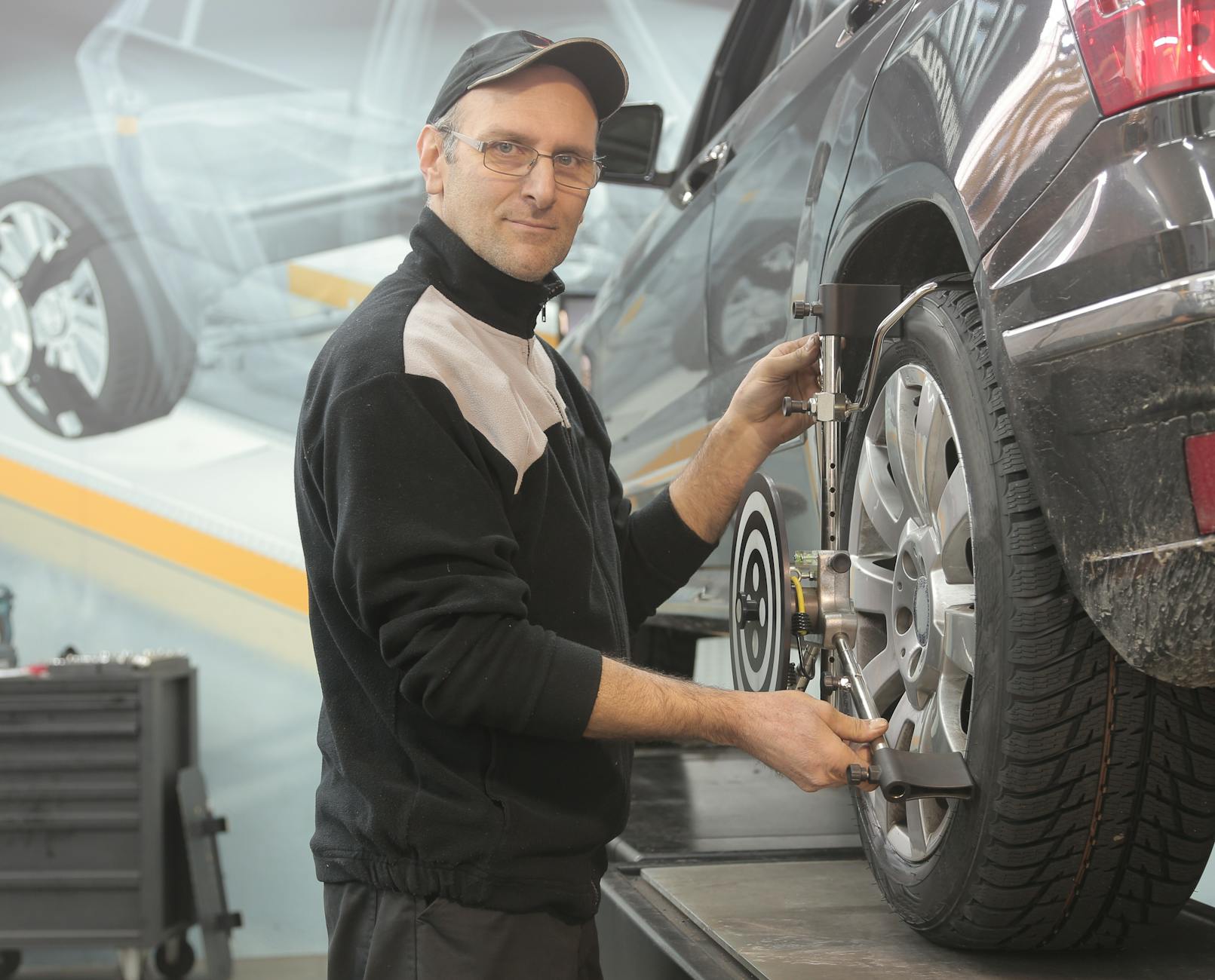
Hitting potholes throws the suspension geometry out of the manufacturer specifications. Poor alignment causes the tires to drag and wear out unevenly on the edges. Correcting the alignment ensures the vehicle tracks perfectly straight down the highway. This adjustment protects the steering components from excessive strain and premature failure.
Serpentine Belt Inspection
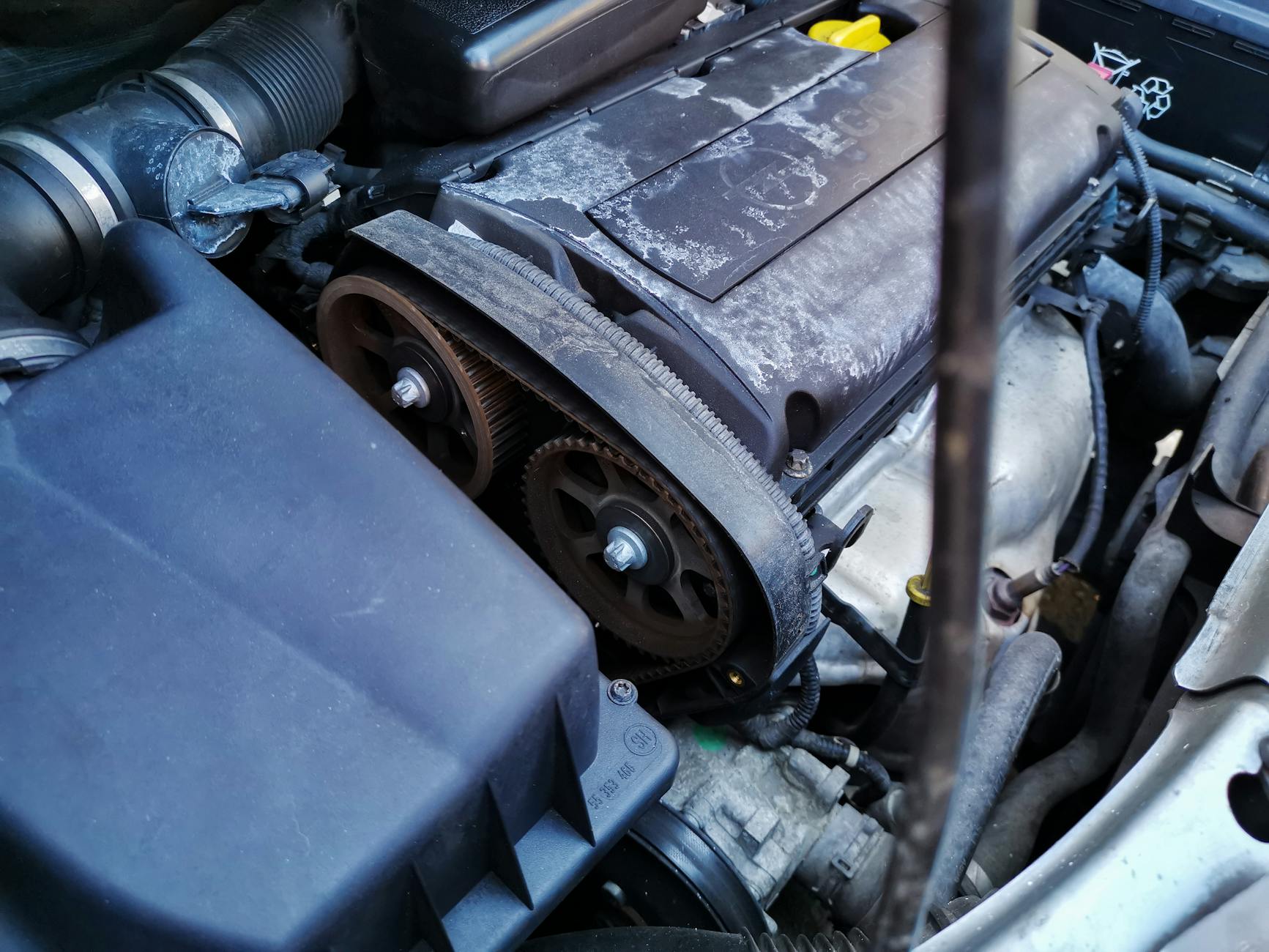
The serpentine belt drives vital accessories like the alternator and water pump. Rubber belts become brittle and develop deep cracks after years of heat exposure. A snapped belt instantly disables the vehicle and leaves you stranded on the roadside. Replacing the belt before it fails guarantees uninterrupted operation of all engine accessories.
Rubber Hose Replacement
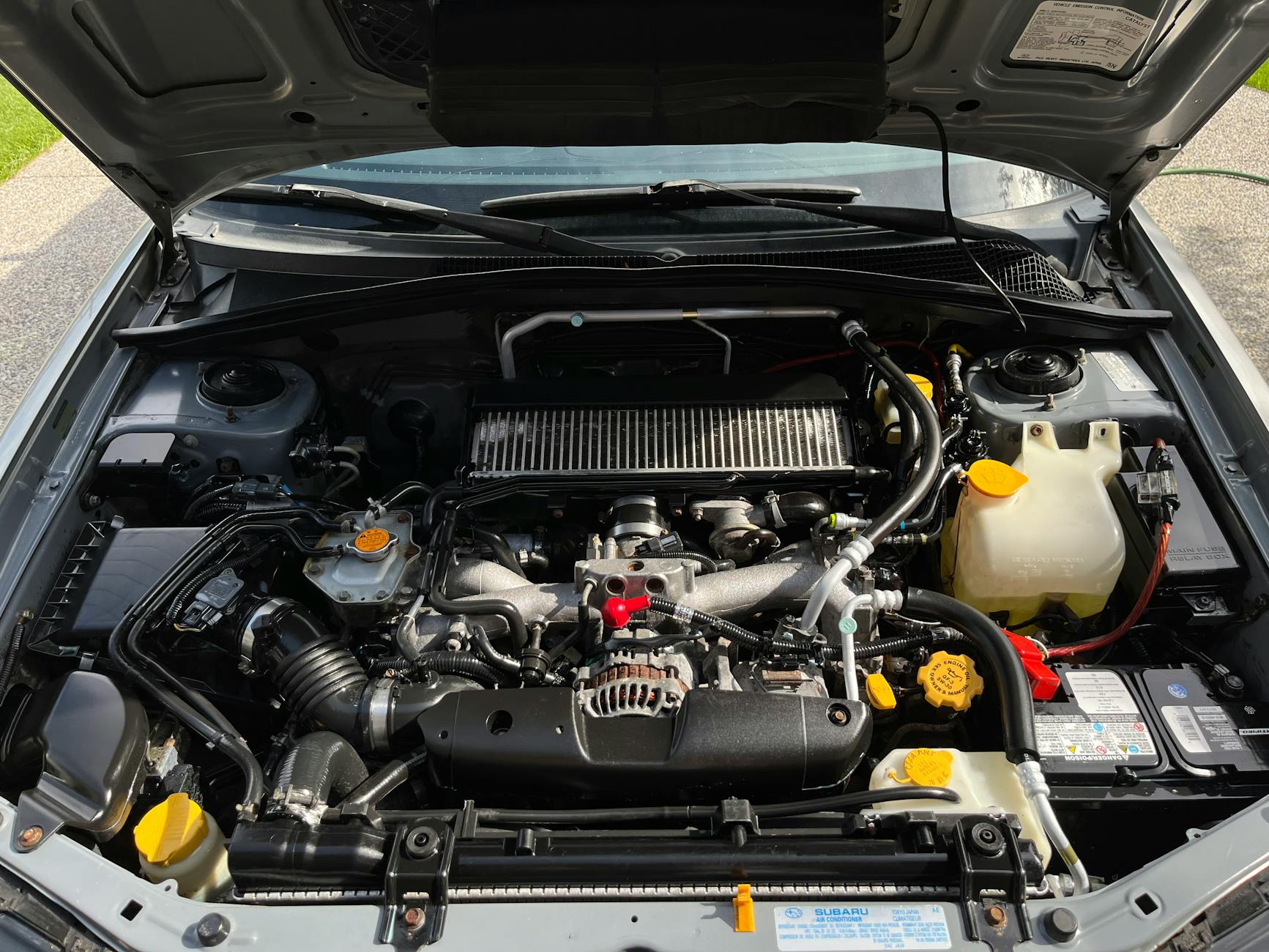
Coolant hoses expand and contract constantly under extreme heat and pressure. Aging rubber becomes soft and prone to sudden ruptures during long drives. Squeezing the hoses helps identify weak spots before they turn into major leaks. Proactive replacement of spongy hoses secures the cooling system against unexpected pressure loss.
Windshield Wiper Updates

Deteriorating wiper blades smear water across the glass and reduce driver visibility. Hardened rubber can also scratch the windshield surface and cause permanent damage. Installing new blades every six months provides a clear view during heavy rainstorms. Good visibility ensures you can avoid obstacles that might cause severe accidents.
Cabin Air Filter Changes
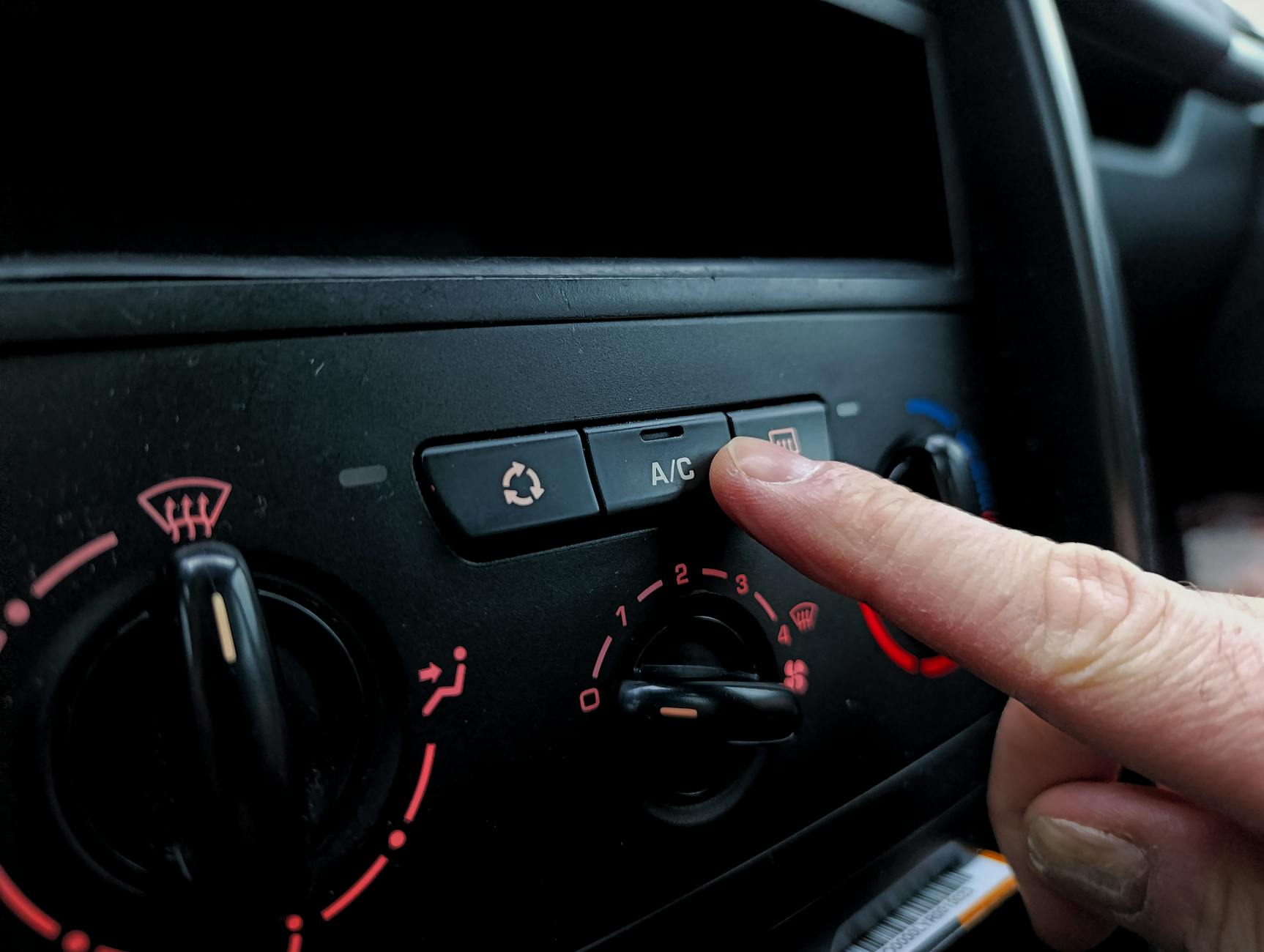
The cabin air filter traps dust and pollen before they enter the passenger area. A blocked filter forces the blower motor to work harder and wear out faster. Changing this filter improves the efficiency of the air conditioning system significantly. Fresh airflow eliminates musty odors and keeps the interior environment pleasant for occupants.
Fluid Leak Detection

Spotting puddles under the parked vehicle serves as an early warning system. Oil or coolant leaks indicate failing gaskets that require immediate professional attention. Ignoring small drips eventually causes low fluid levels and severe mechanical damage. Fixing leaks promptly seals the engine and protects it from running dry.
Brake Fluid Flushing
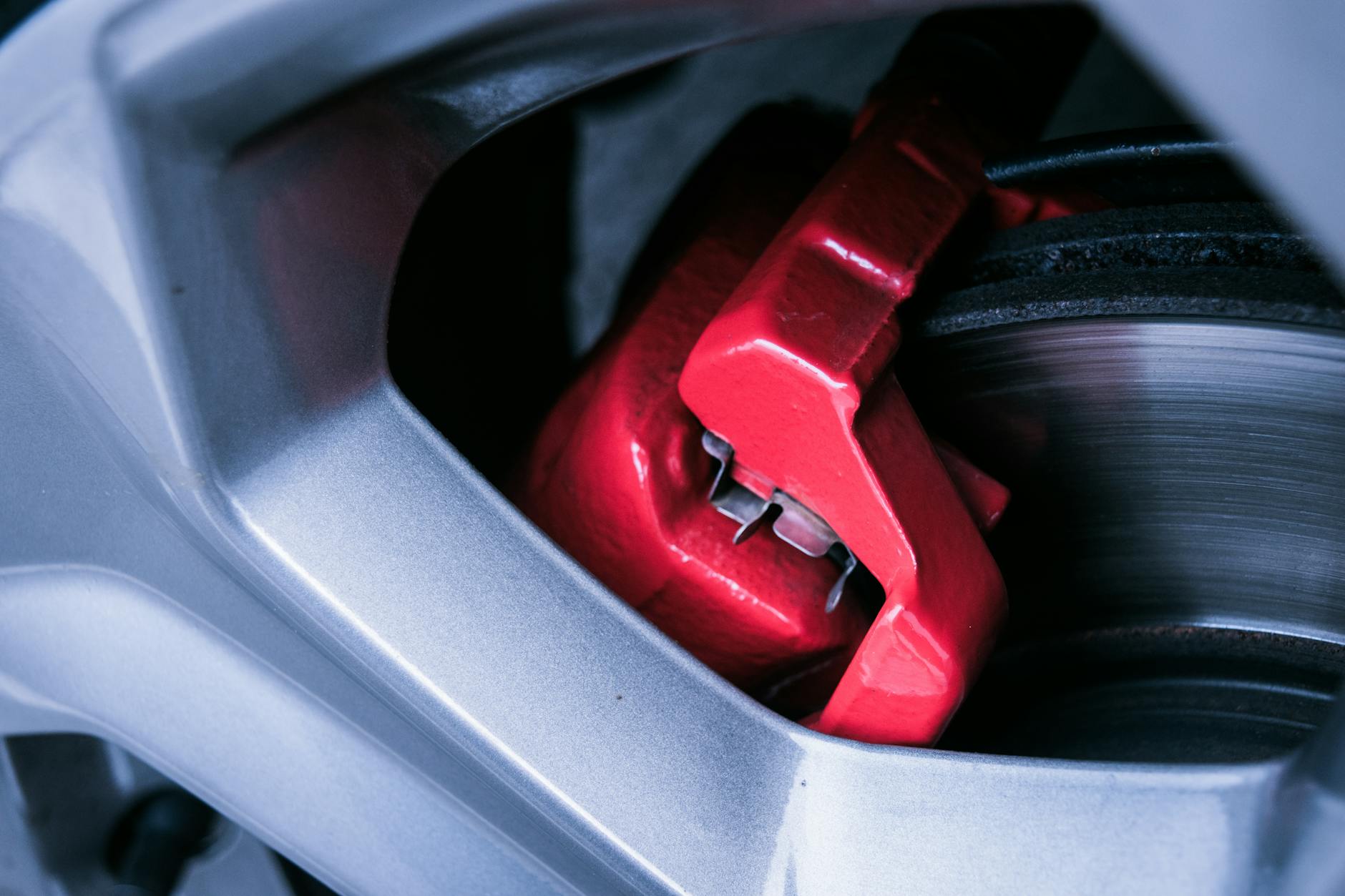
Brake fluid absorbs moisture from the atmosphere over months and years. This trapped water lowers the boiling point of the fluid and causes brake fade. Contaminated fluid also rusts the internal components of the anti lock braking system. Flushing the fluid every two years maintains a firm pedal and reliable stopping power.
Fuel Filter Maintenance
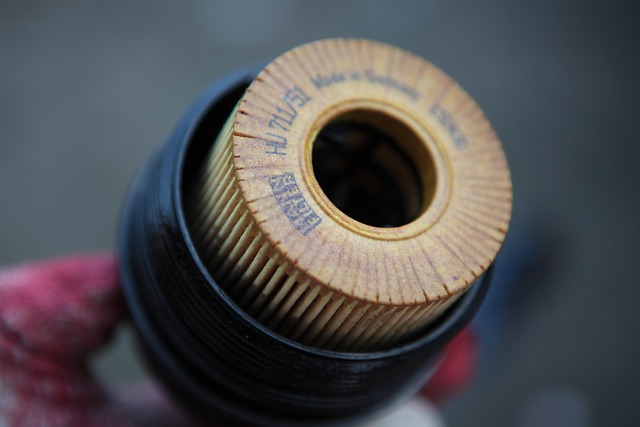
The fuel filter catches sediment and rust before they reach the delicate fuel injectors. A restricted filter strains the fuel pump and leads to poor acceleration. Replacing the filter ensures a steady flow of clean gasoline to the engine block. This inexpensive part prevents costly fuel system repairs later down the road.
Gentle Acceleration Habits

Aggressive driving places unnecessary stress on the engine and transmission mounts. Smooth acceleration allows the mechanical components to engage without violent shocks. Coasting to a stop reduces wear on the brake pads and rotors drastically. Mindful driving habits preserve the entire drivetrain and significantly improve overall fuel economy.
Short Trip Consolidation

Brief drives prevent the engine oil from reaching its optimal operating temperature. Cold engines produce moisture that mixes with the oil and creates harmful sludge. Combining errands into one longer trip allows the exhaust system to burn off condensation. This strategy protects the internal components from rust and acid accumulation.
Undercarriage Rust Prevention
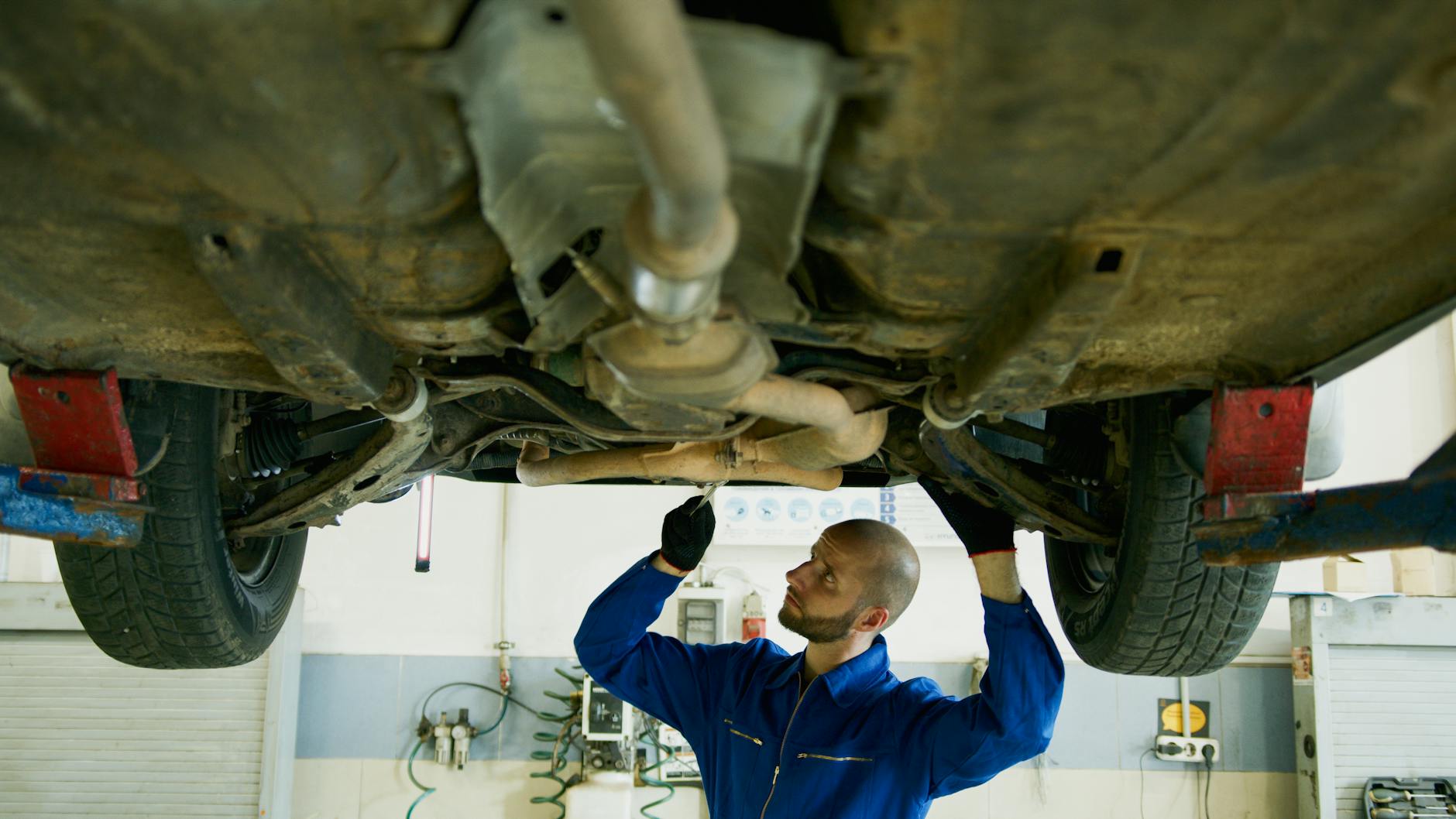
Applying an oil based rust inhibitor protects bare metal from oxidation. This treatment creates a barrier against road salt and moisture during the winter season. Spraying the suspension components stops corrosion from weakening the structural integrity. Regular rust proofing extends the lifespan of the chassis by decades in damp climates.
Covered Garage Parking
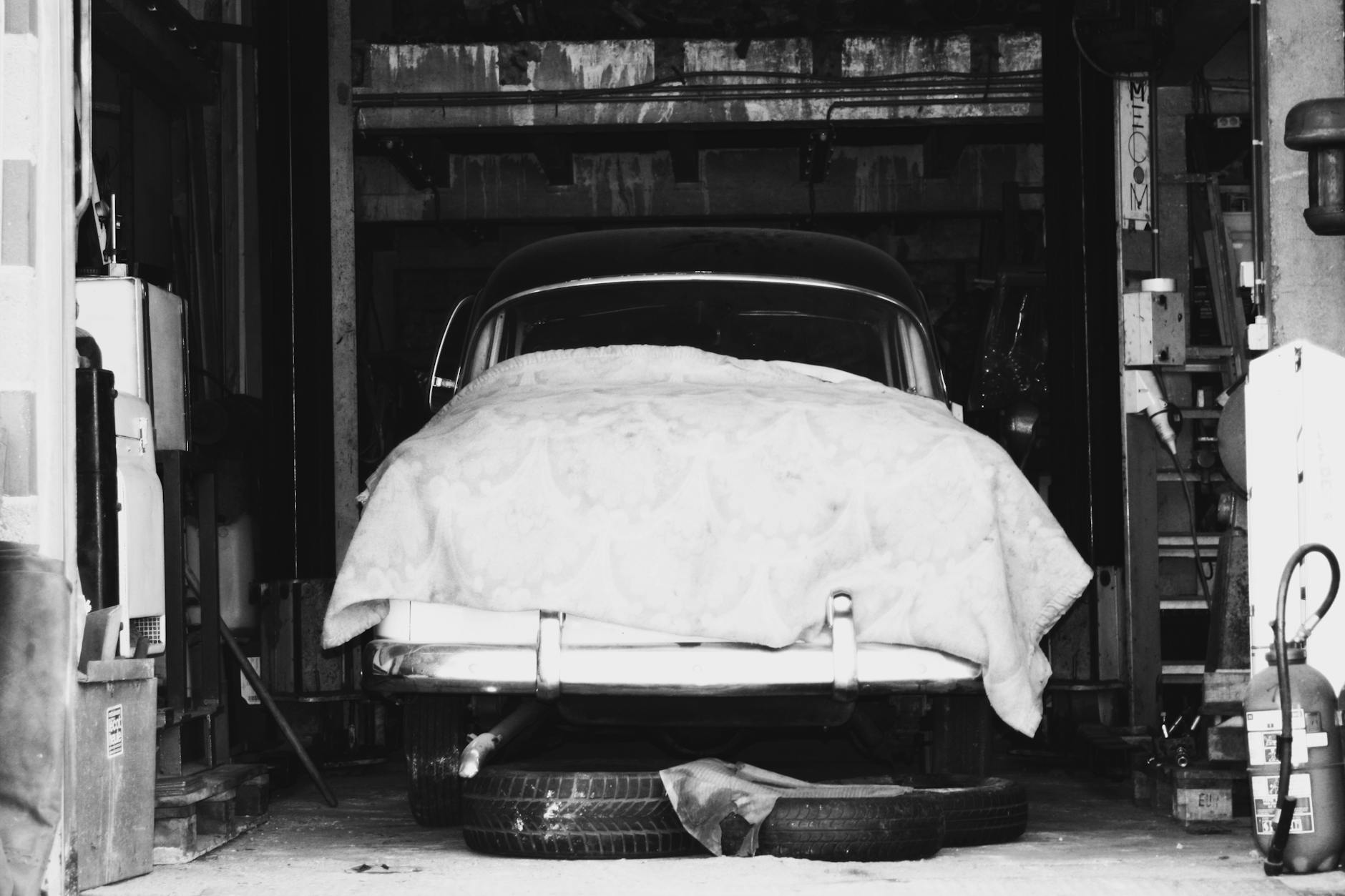
Keeping the vehicle in a garage protects the exterior from harsh weather elements. Ultraviolet radiation breaks down the clear coat and cracks interior dashboard plastics. Shielding the car from extreme cold reduces the strain on the battery during startup. Indoor parking preserves the cosmetic and mechanical condition of the automobile perfectly.
Timing Belt Replacement
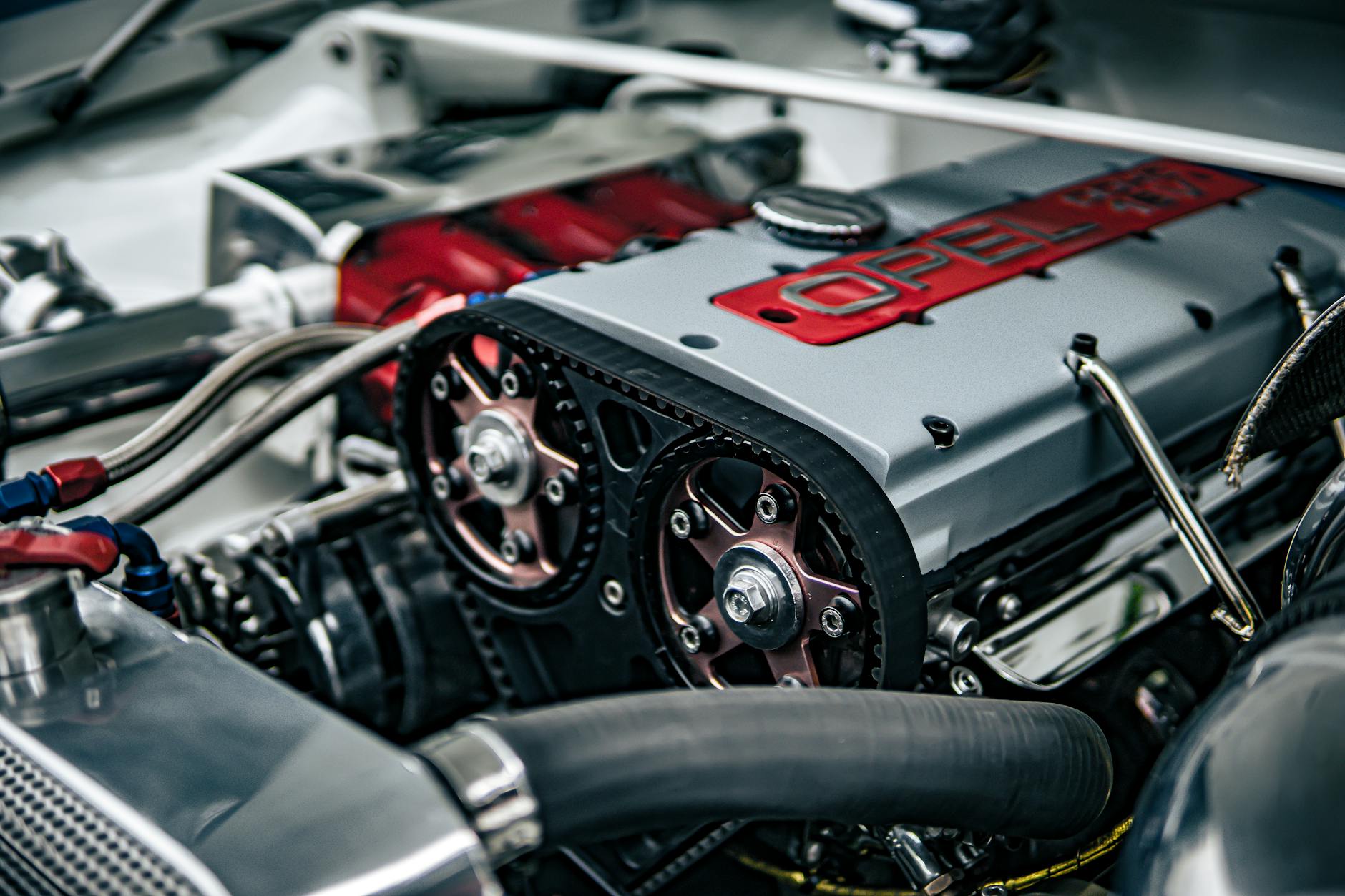
The timing belt synchronizes the rotation of the crankshaft and the camshaft. A broken timing belt causes the pistons to smash into the open valves instantly. This catastrophic event requires a complete engine rebuild or replacement to fix. Adhering to the mileage interval for this belt swap prevents total engine destruction.
Shock Absorber Inspection
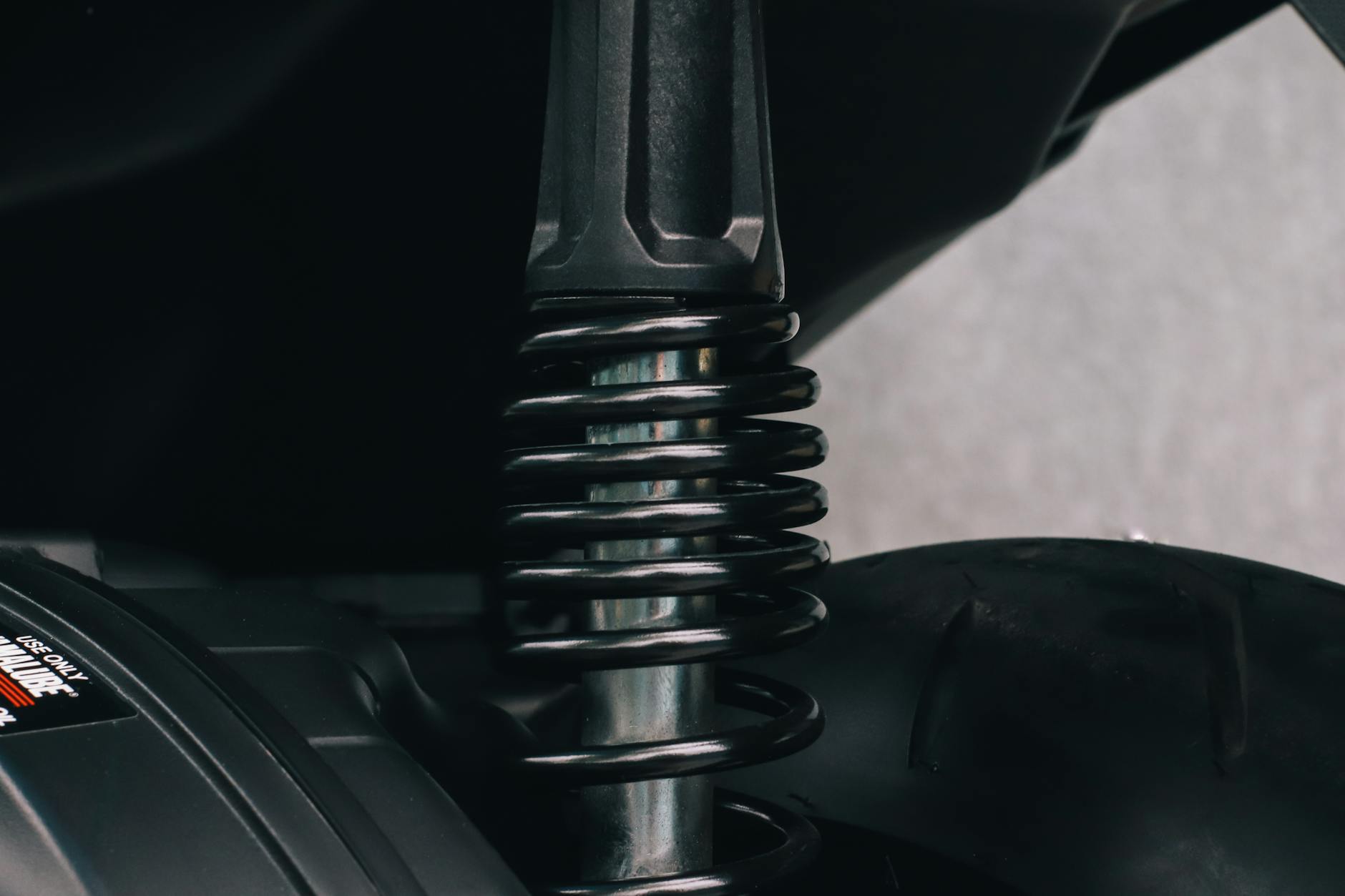
Worn shock absorbers increase your stopping distance and cause erratic handling. Leaking fluid indicates that the internal seals have failed and require replacement. New suspension components keep the tires planted firmly against the asphalt surface. A stable ride protects the chassis from harsh impacts and excessive vibration.
Warning Light Diagnosis
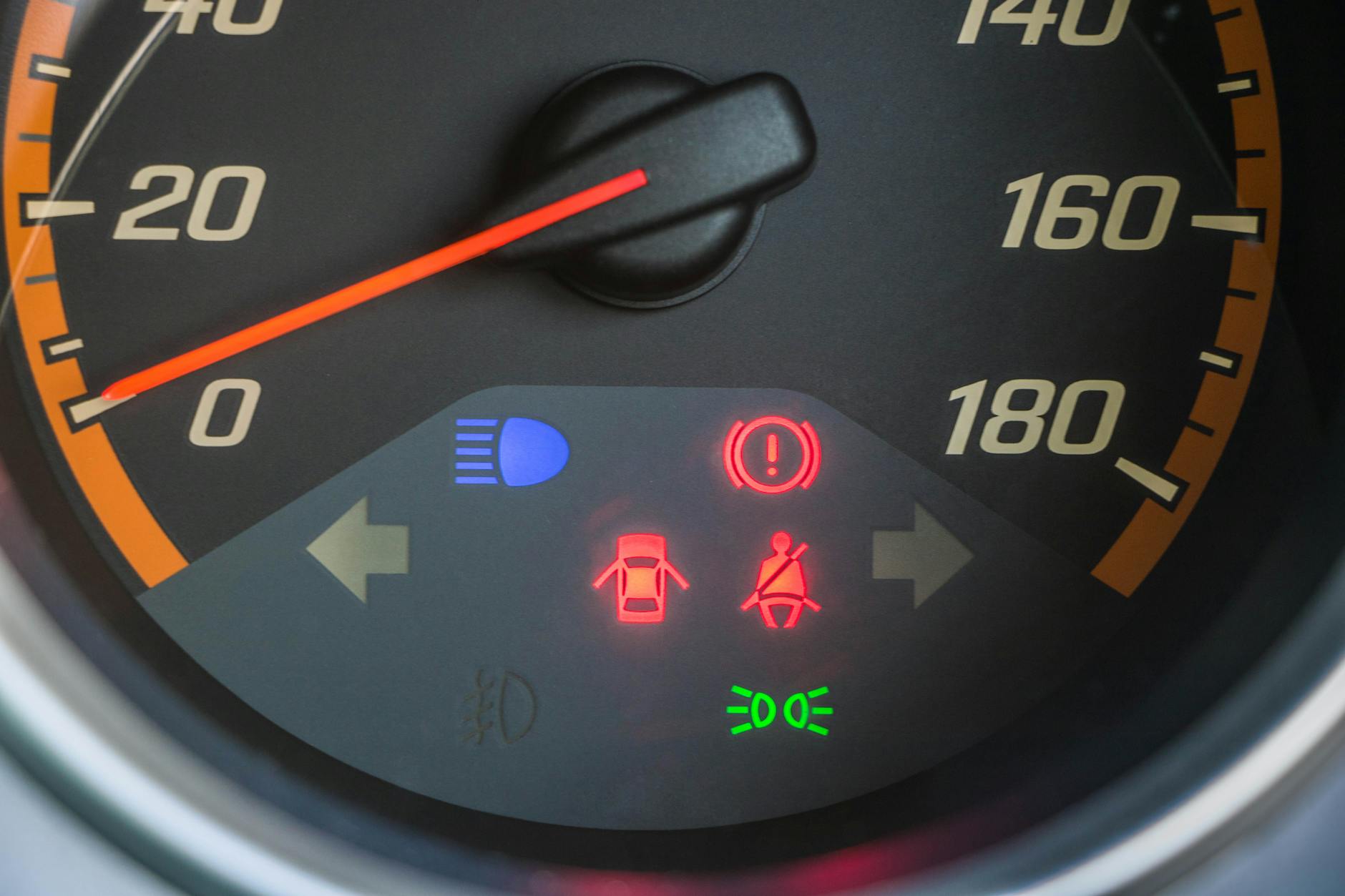
The check engine light alerts the driver to emission or sensor malfunctions immediately. Ignoring these illuminated warnings often leads to compounding mechanical failures over time. Scanning the computer codes reveals the exact nature of the detected problem. Prompt repairs keep the engine running smoothly and prevent further component degradation.
Wheel Bearing Maintenance
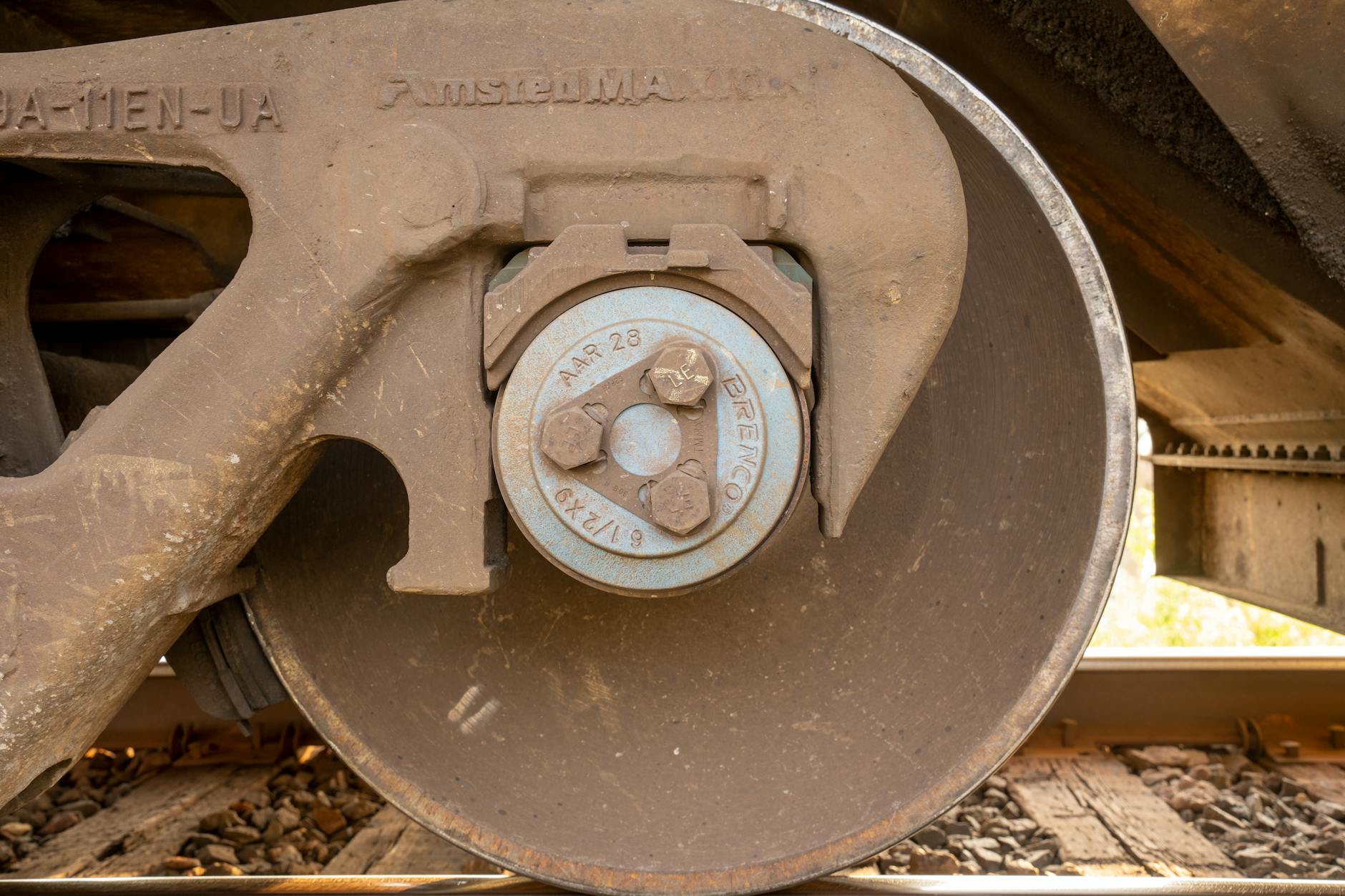
Wheel bearings allow the wheels to spin freely with minimal friction. A humming noise at highway speeds usually indicates a failing bearing assembly. Replacing damaged bearings prevents the wheel from seizing or detaching while driving. Smooth bearings reduce rolling resistance and improve the overall efficiency of the drivetrain.
Power Steering Service

Power steering fluid degrades and accumulates microscopic metal debris from the steering rack. Dirty fluid damages the internal pump seals and makes turning the steering wheel difficult. Flushing the system restores smooth operation and protects the expensive hydraulic components. Fresh fluid guarantees effortless maneuverability and extends the life of the steering gear.
Exhaust System Checks
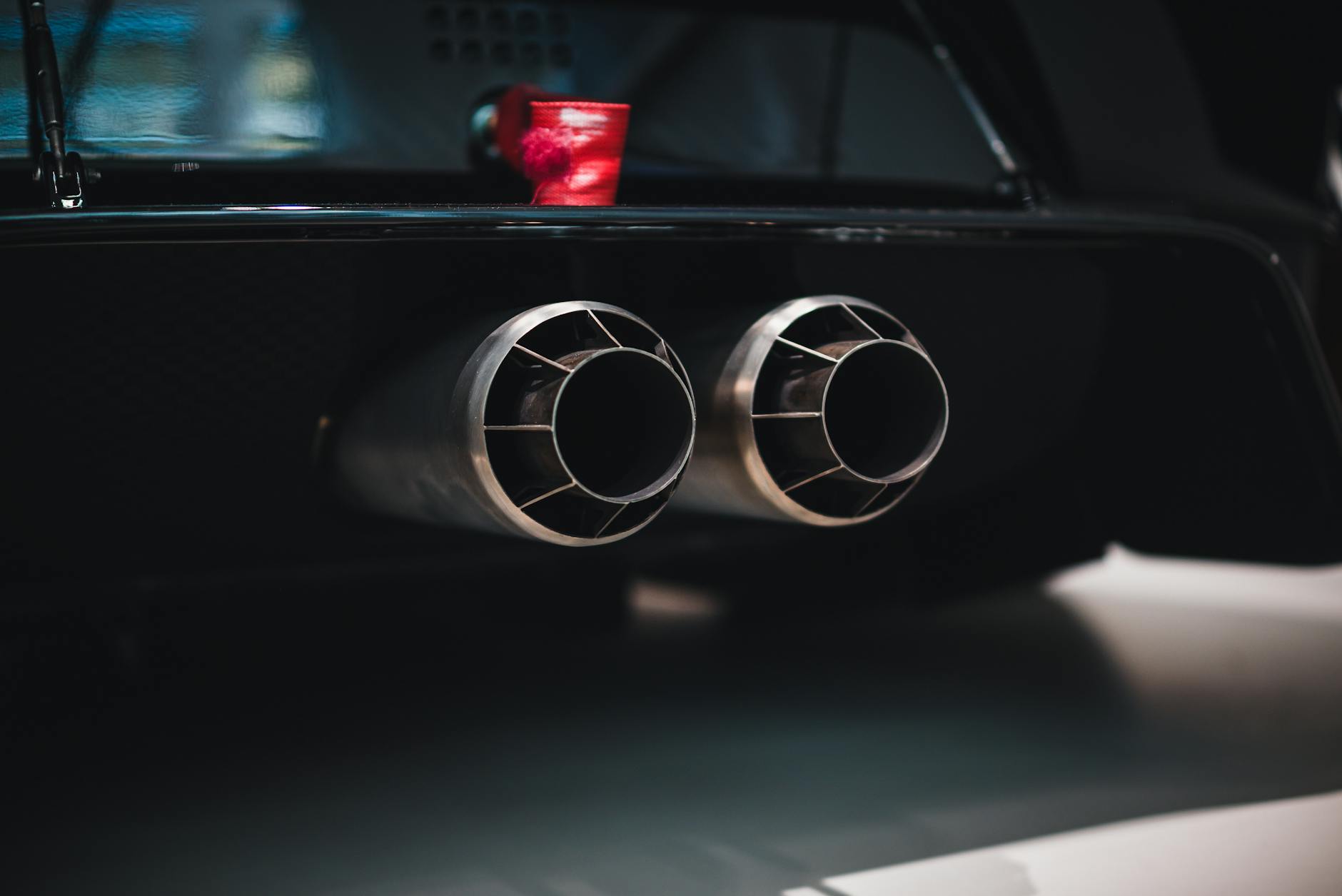
The exhaust system routes toxic gases away from the passenger cabin safely. Rust holes in the muffler or pipes create loud noises and allow dangerous fumes to escape. Inspecting the metal for corrosion ensures the system remains structurally sound and leak free. A sealed exhaust maintains proper engine backpressure and optimal fuel efficiency.
Leather and Fabric Care
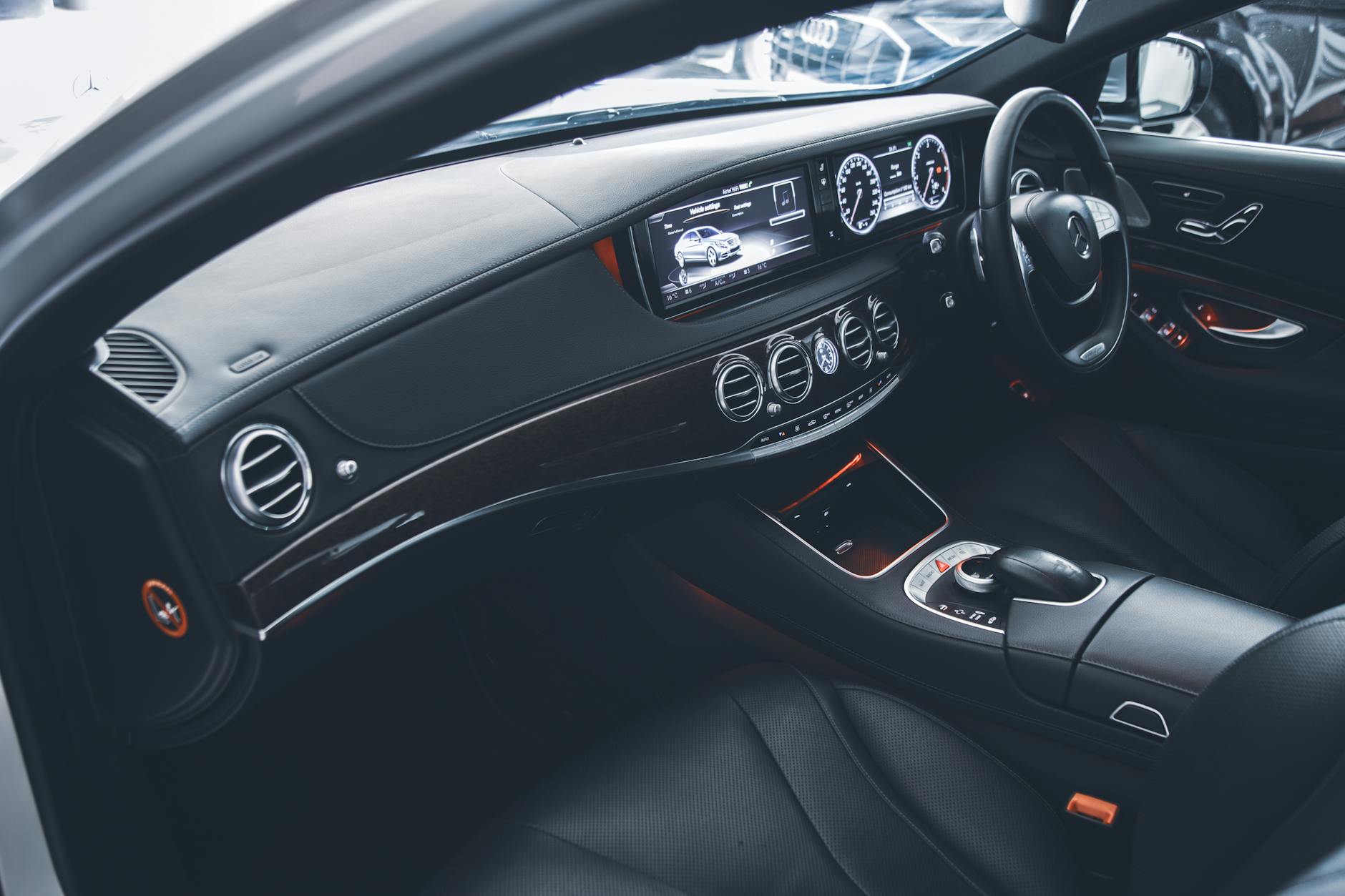
Vacuuming the carpets prevents abrasive dirt from wearing through the floor mats. Conditioning leather seats stops the material from drying out and cracking under the sun. Cleaning the upholstery maintains a comfortable and hygienic environment for all passengers. A pristine interior preserves the overall resale value and enjoyment of the vehicle.
Annual Professional Inspections
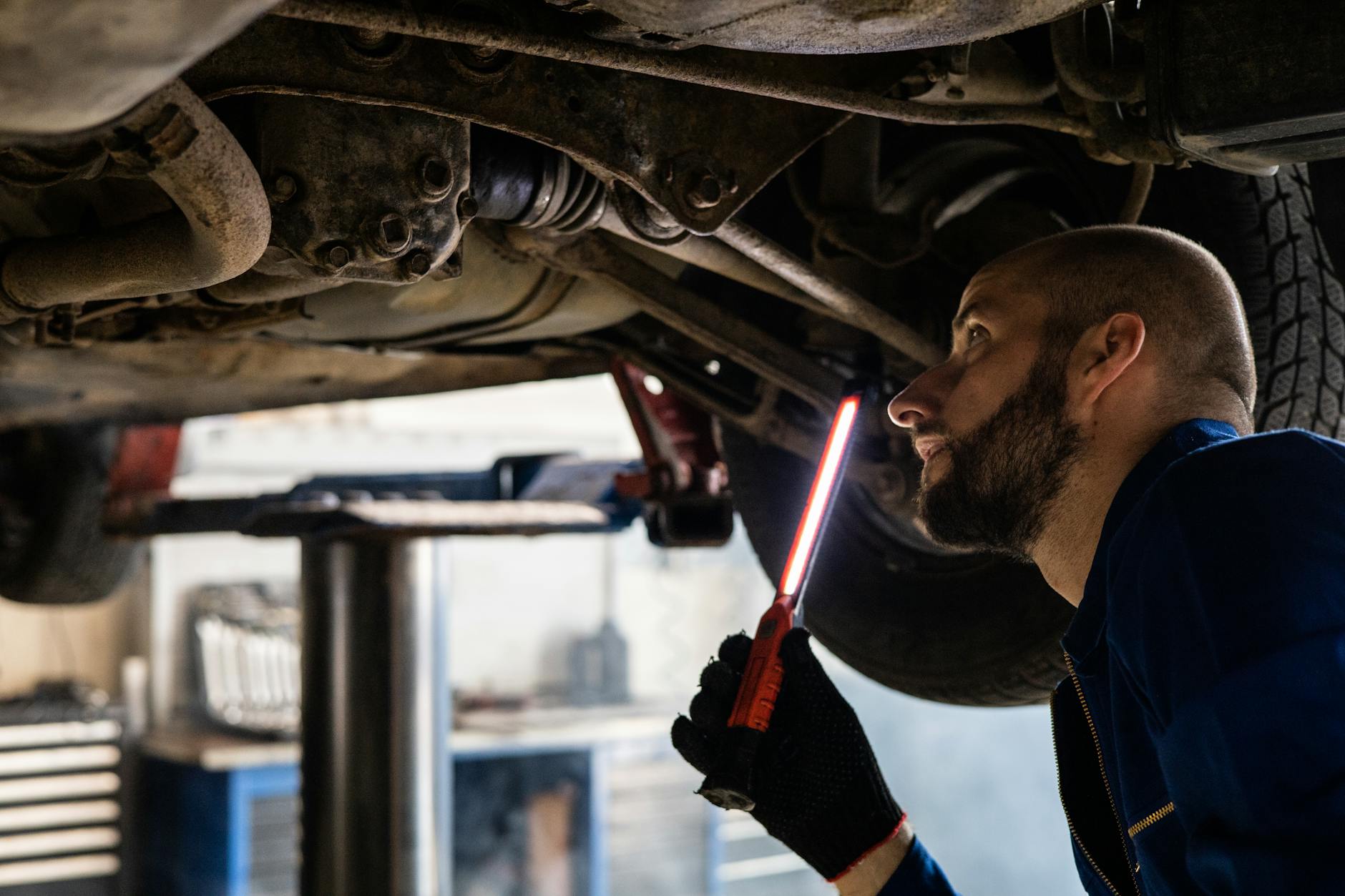
A trained mechanic can spot subtle issues that an average owner might overlook. Putting the car on a lift allows for a comprehensive assessment of the underbody. These thorough checkups catch minor wear before it develops into a major safety hazard. Establishing a relationship with a trusted shop ensures your vehicle receives expert care continuously.
Please share your favorite car maintenance tips to reach high mileage in the comments.




