Many people understand that sweet treats cause cavities and decay over time. However everyday routines and seemingly harmless actions often pose significant threats to dental health. Protecting your smile requires identifying and stopping these unexpected destructive behaviors before they cause irreversible harm. Exploring these common culprits sheds light on how non sweet items and physical actions wear down enamel and crack teeth.
Chewing Ice Cubes
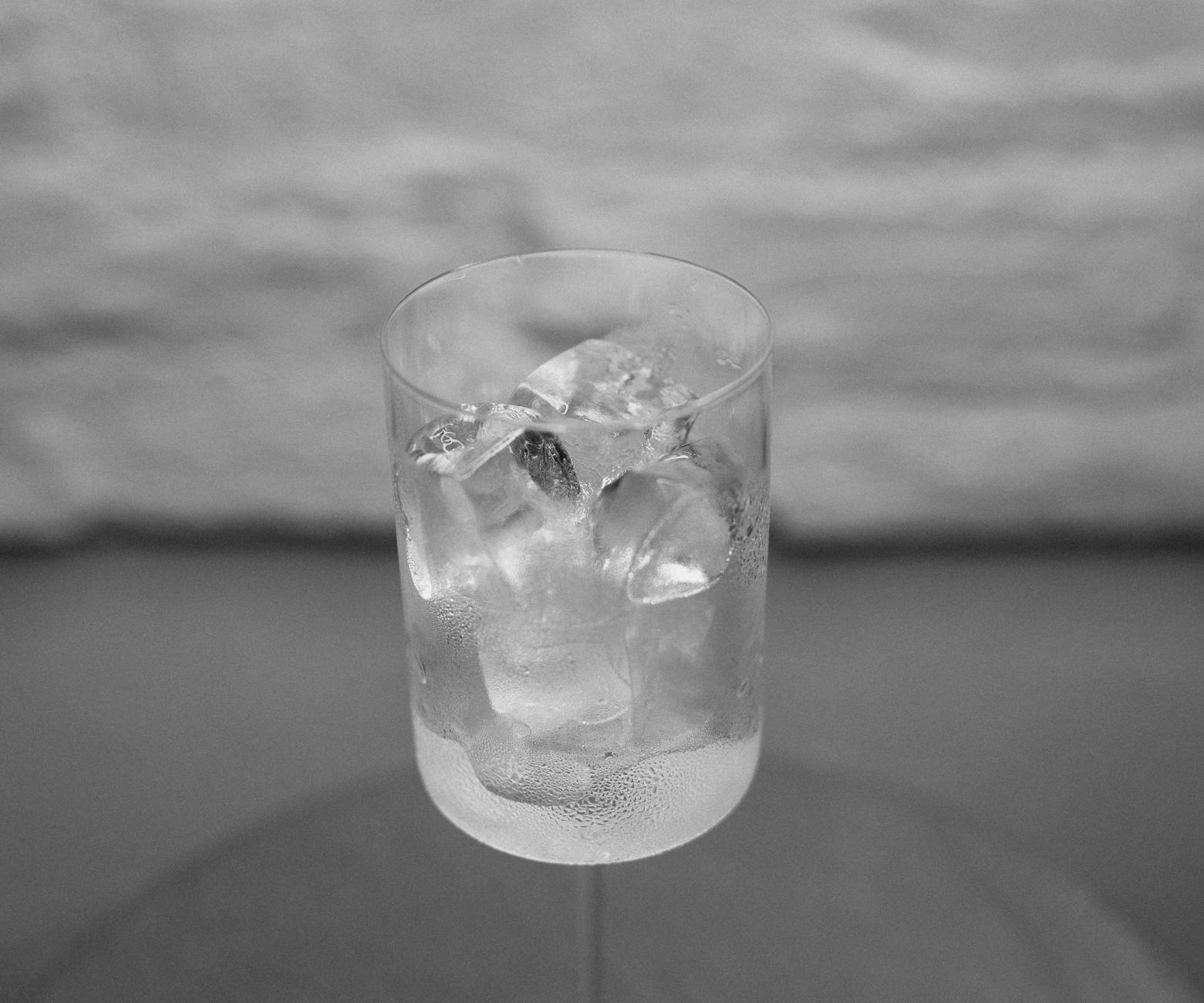
The satisfying crunch of frozen water comes with a very high risk for your smile. Cold temperatures make the enamel brittle while the intense pressure of biting down creates microscopic fractures. These tiny cracks weaken the overall tooth structure and can eventually lead to a massive break. Dental professionals frequently treat emergencies resulting directly from this incredibly common cooling habit.
Using Teeth As Tools
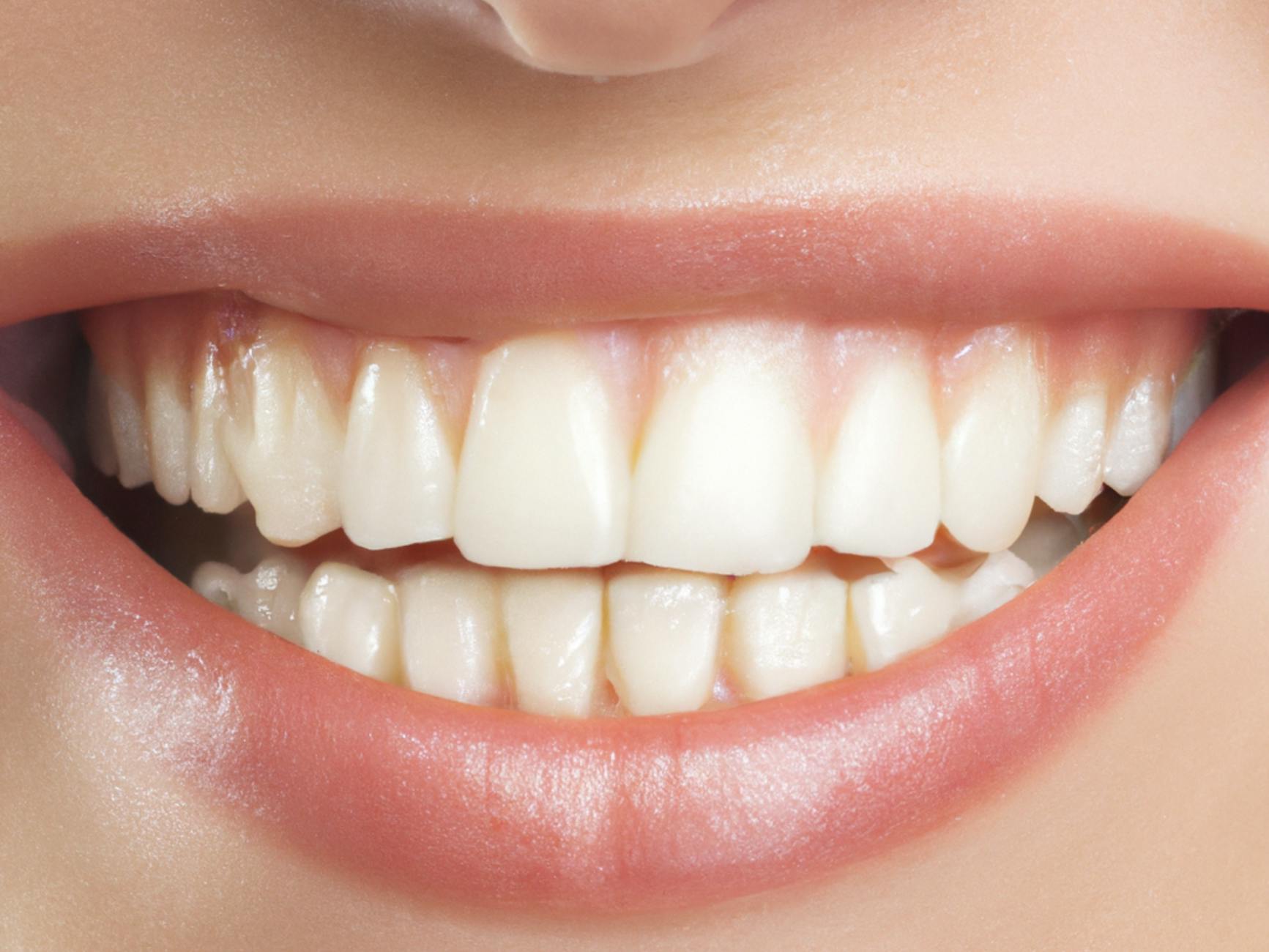
Opening plastic packaging or uncapping a bottle with your mouth often seems like a quick convenience. This sudden and unnatural force places immense stress on the delicate edges of your front teeth. The enamel easily chips or fractures under pressure that it was never designed to withstand. Scissors and bottle openers exist precisely to protect your smile from this entirely avoidable mechanical trauma.
Brushing Too Aggressively
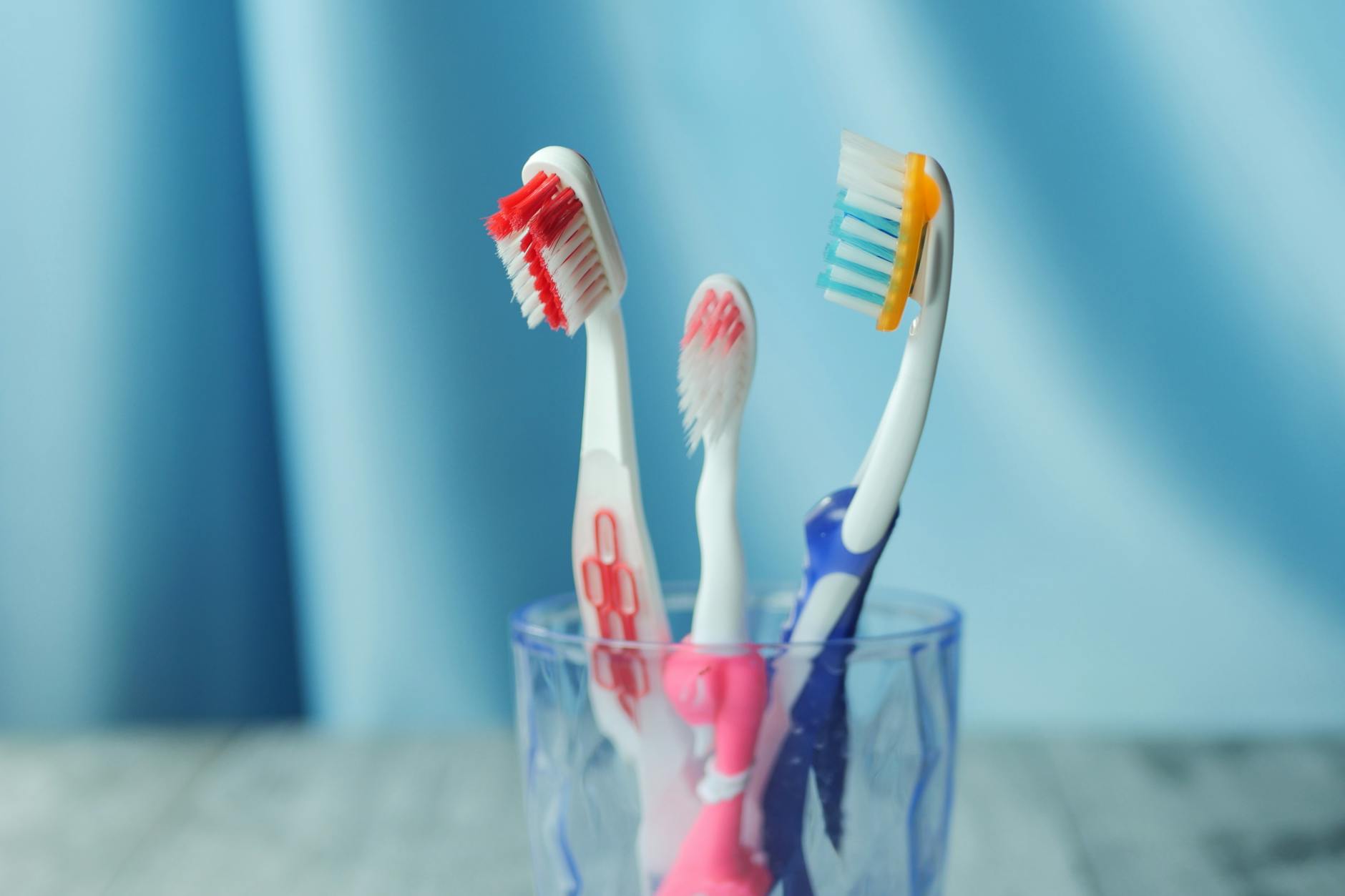
Many individuals believe that applying heavy pressure to the toothbrush leads to a cleaner mouth. Scrubbing with excessive force actually strips away the protective enamel layer and irritates the delicate gum tissue. This aggressive friction exposes the sensitive dentin underneath and increases the risk of sharp pain from hot or cold temperatures. A gentle circular motion removes plaque effectively without causing any permanent structural wear over time.
Grinding Your Jaws

Clenching the upper and lower arches together often happens unconsciously during periods of high stress or deep sleep. The constant friction flattens the natural biting surfaces and puts immense strain on the jaw joint. Over time this intense pressure causes micro fractures and significantly shortens the lifespan of healthy enamel. Wearing a custom night guard provides a necessary physical barrier to absorb the destructive force.
Sipping Lemon Water
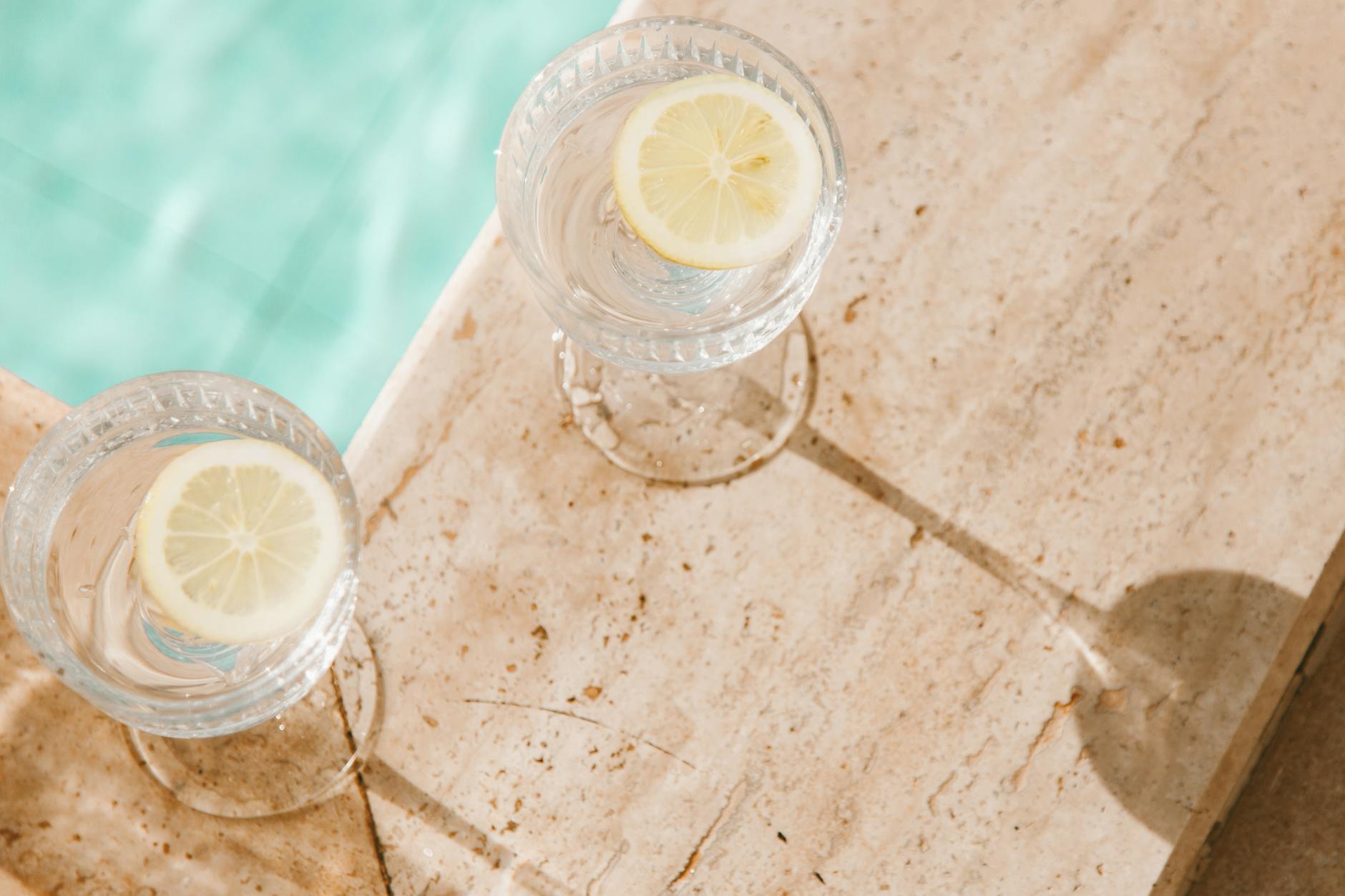
Starting the morning with a glass of warm citrus water has become a highly popular wellness trend. The high acidity of the fruit bathes the mouth in a harsh chemical environment that softens the protective enamel. Continuous sipping throughout the day prevents the natural saliva from neutralizing the mouth and remineralizing the teeth. Drinking through a straw and rinsing with plain water afterward helps minimize this erosive chemical damage.
Biting Your Fingernails

Nervous chewing on your fingers introduces countless bacteria directly into the oral cavity. The repetitive clicking of the top and bottom front teeth against each other gradually wears down the sharp biting edges. This continuous physical stress also shifts the alignment of the jaw and causes chronic joint discomfort. Keeping hands busy and managing anxiety through other methods preserves both the nails and the smile.
Constant Grazing

Eating small amounts of food continuously throughout the day alters the natural balance of the oral microbiome. Saliva needs adequate time between meals to wash away debris and restore a neutral environment. Frequent snacking provides endless fuel for naturally occurring bacteria to produce harmful acids that attack the teeth. Sticking to defined meal times gives your mouth the necessary breaks to perform its essential self cleaning functions.
Chewing On Pens

Deep concentration at a desk often leads to absentmindedly placing office supplies in the mouth. Plastic casings and metal clips present a very hard surface that easily chips or cracks the front incisors. The unnatural jaw positioning required to hold these objects also triggers muscle tension and joint fatigue. Substituting this unconscious action with a piece of sugarless gum protects the teeth from unnecessary structural damage.
Drinking Wine Slowly

Savoring a glass of red or white alcohol over several hours presents a dual threat to oral health. The inherently high acidity of the beverage immediately softens the outer crystalline layer of the teeth. Deeply pigmented compounds in darker varieties then seep into the porous enamel to create stubborn permanent stains. Alternating each sip with a drink of plain water significantly reduces the risk of erosion and discoloration.
Using Hard Bristle Brushes
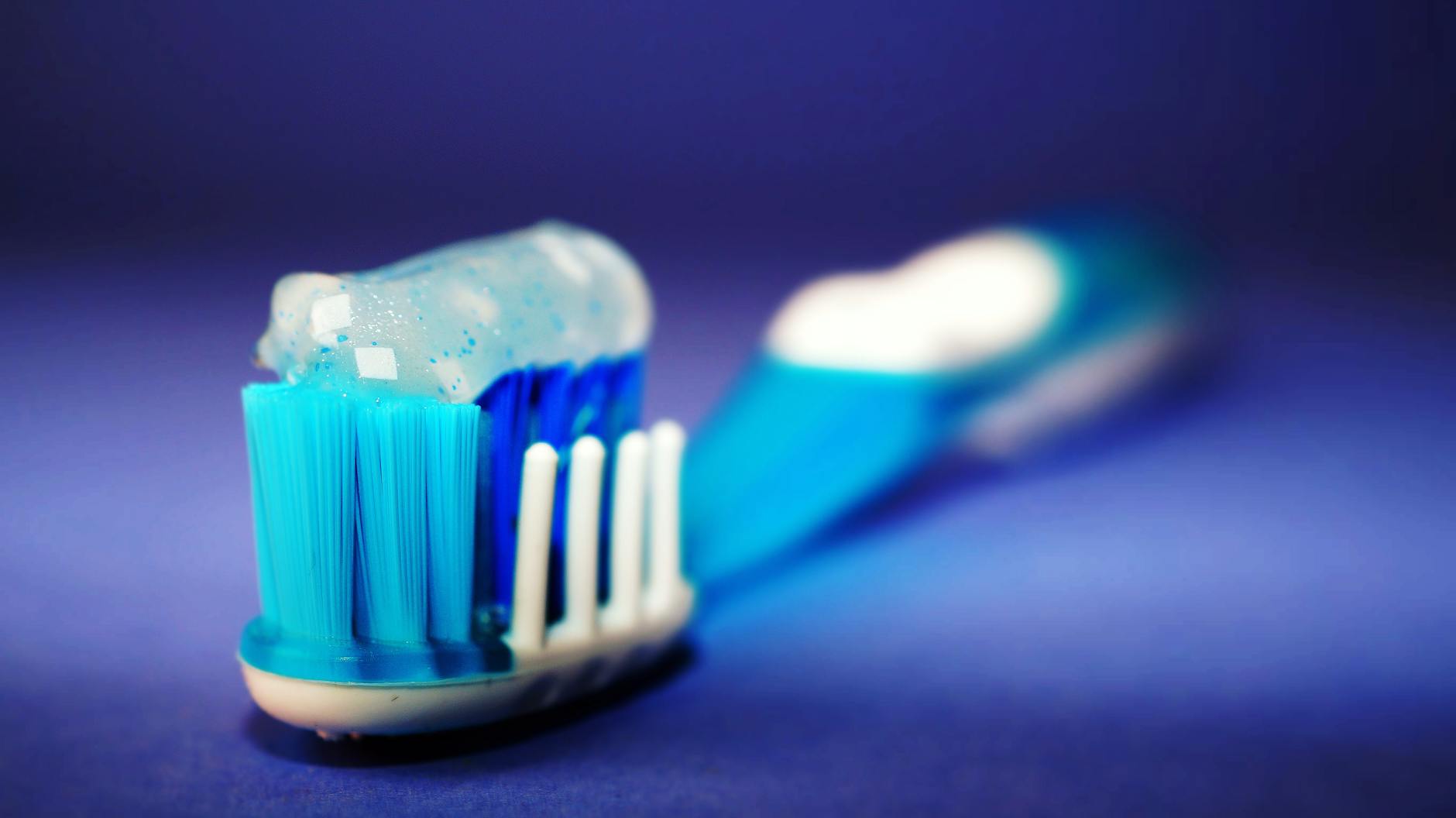
Choosing the firmest cleaning tool available in the dental aisle is a frequent mistake made by consumers. Stiff plastic fibers act like sandpaper against the gums and cause the tissue to recede over time. The abrasive action also wears away the outer tooth layer and exposes the yellow dentin underneath. Dental professionals universally recommend soft bristles to safely and effectively sweep away daily plaque accumulation.
Swimming In Chlorinated Pools

Professional athletes and dedicated hobbyists who spend hours in treated water face a unique environmental hazard. Improperly balanced pool chemicals create a highly acidic liquid that inevitably enters the mouth during heavy breathing. Prolonged exposure causes a specific type of widespread enamel erosion often referred to as swimmer calculus. Keeping the lips tightly sealed and brushing immediately after a workout helps mitigate this chemical wear.
Getting Oral Piercings
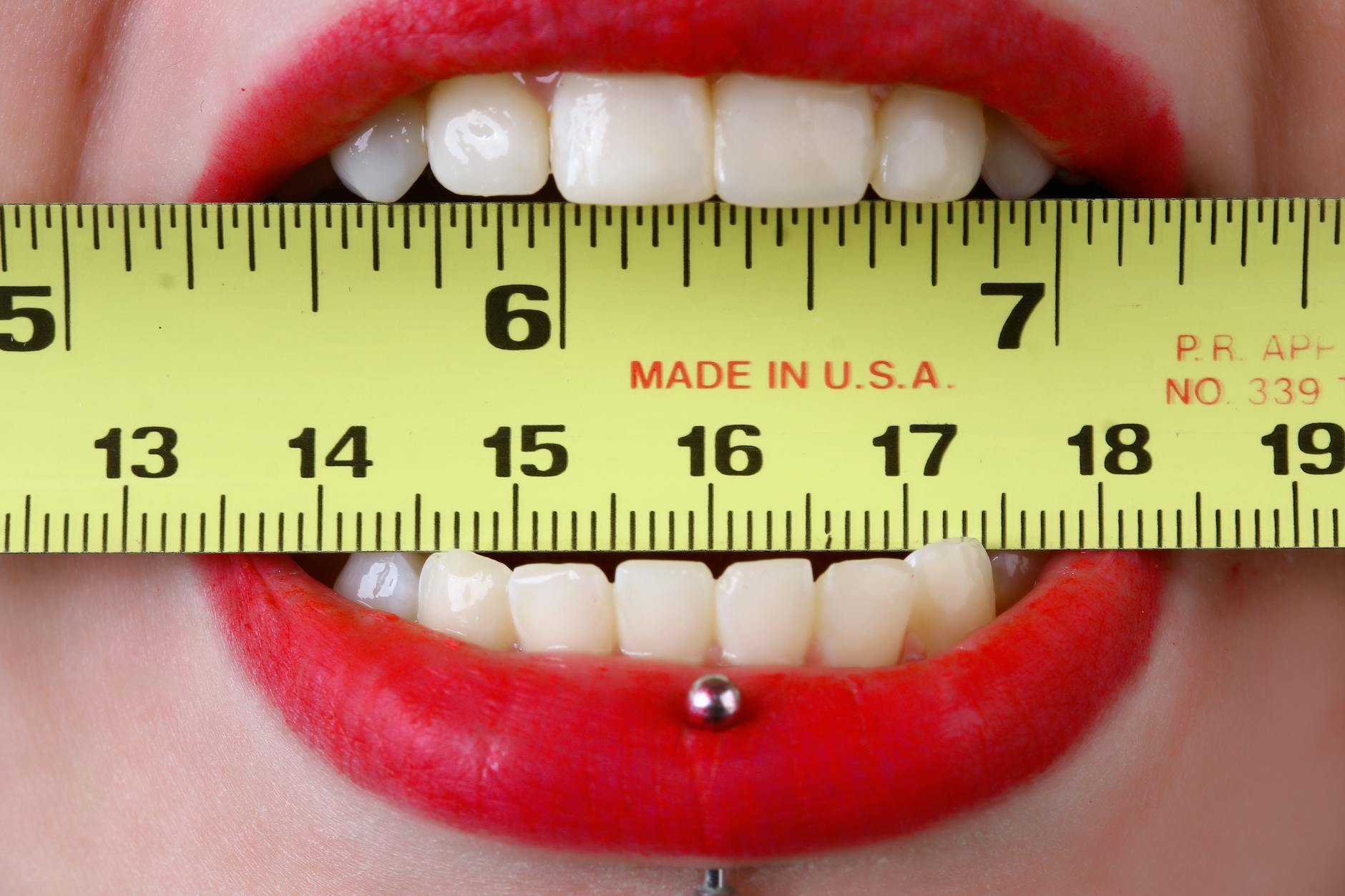
Metal jewelry placed through the tongue or the lips constantly interacts with the surrounding oral structures. Speaking and chewing cause the hard studs to repeatedly strike the teeth and create tiny irreversible fractures. The constant friction against the soft tissue also leads to severe gum recession and potential tooth loss. Removing the hardware entirely is the only guaranteed way to stop this continuous mechanical trauma.
Breathing Through The Mouth

Chronic nasal congestion often forces individuals to inhale and exhale primarily through their oral cavity. This constant flow of air dries out the natural saliva that normally washes away food particles and neutralizes acids. The resulting dry environment accelerates bacterial growth and significantly increases the overall rate of decay. Addressing the underlying respiratory issues helps restore the natural moisture balance necessary for a healthy mouth.
Skipping Daily Flossing
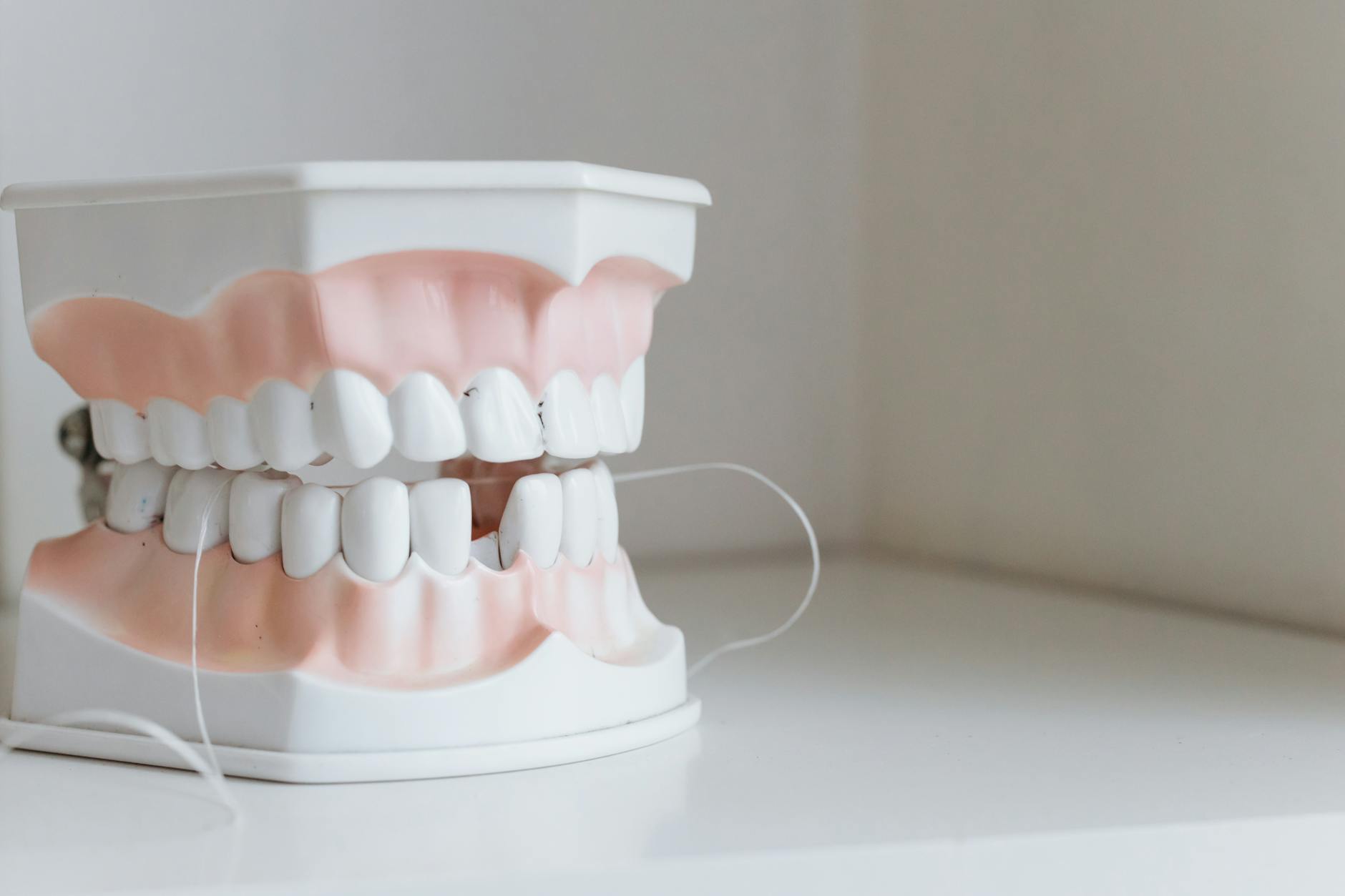
Relying solely on a toothbrush leaves nearly half of the tooth surfaces completely uncleaned and vulnerable. Plaque happily accumulates in the tight spaces between the teeth and hardens into impossible to remove tartar. These hidden bacterial colonies irritate the gums and quietly destroy the bone that anchors the smile in place. Taking the time to clean between every single tooth is entirely non negotiable for long term structural integrity.
Rinsing After Brushing
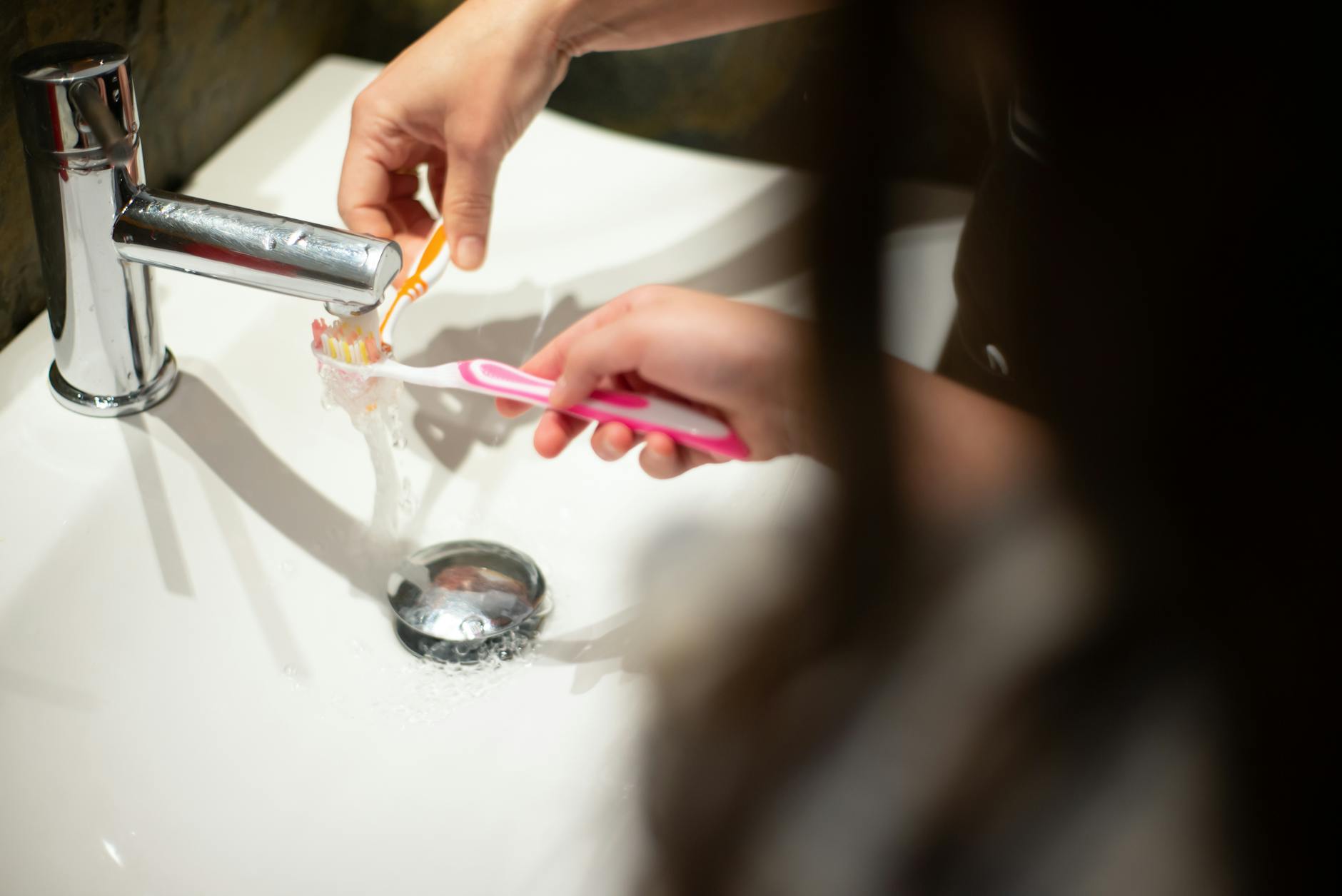
Spitting out the toothpaste and immediately gargling with tap water washes away all the beneficial ingredients. Fluoride requires several minutes of direct contact with the enamel to effectively remineralize and strengthen the surface. Flushing the mouth too quickly leaves the teeth defenseless against the acid attacks that will inevitably follow. Simply spitting out the excess foam allows the protective compounds to remain active and do their crucial job.
Ignoring Acid Reflux

Frequent heartburn brings strong digestive fluids up from the stomach and directly into the oral cavity. This exceptionally corrosive liquid dissolves enamel much faster than any typical food or beverage ever could. The worst damage often occurs during sleep when swallowing decreases and the acid pools in the back of the mouth. Seeking medical treatment for the underlying gastrointestinal issue is absolutely vital to halt this rapid dental destruction.
Consuming Sticky Foods

Dried fruits and gummy vitamins stick tenaciously to the chewing surfaces long after the meal has ended. These dense remnants wedge themselves deeply into the natural grooves and pits of the back molars. Saliva cannot easily wash away these trapped particles which allows bacteria to feast and multiply for hours. Thoroughly rinsing the mouth or brushing shortly after consuming these items prevents the formation of deep cavities.
Sipping Coffee Continuously
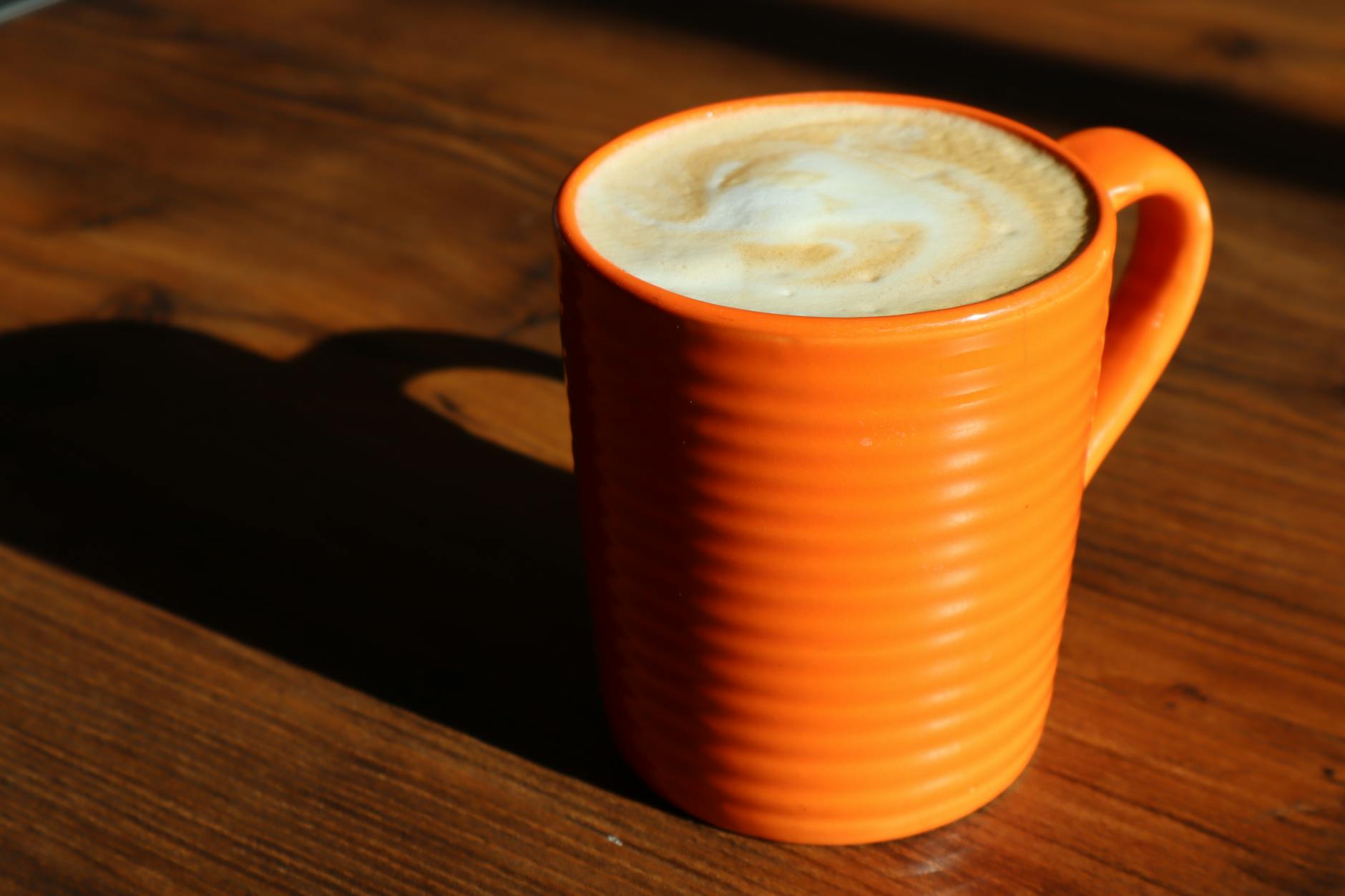
Nurses and office workers frequently keep a warm mug nearby to maintain their energy levels all day long. The roasted beverage carries a low pH that keeps the oral environment constantly acidic and hostile to enamel. Deeply colored tannins also penetrate the microscopic pores of the teeth to create a dull yellowish appearance. Finishing the cup quickly rather than dragging it out over several hours gives the mouth time to recover.
Frequent Tooth Whitening
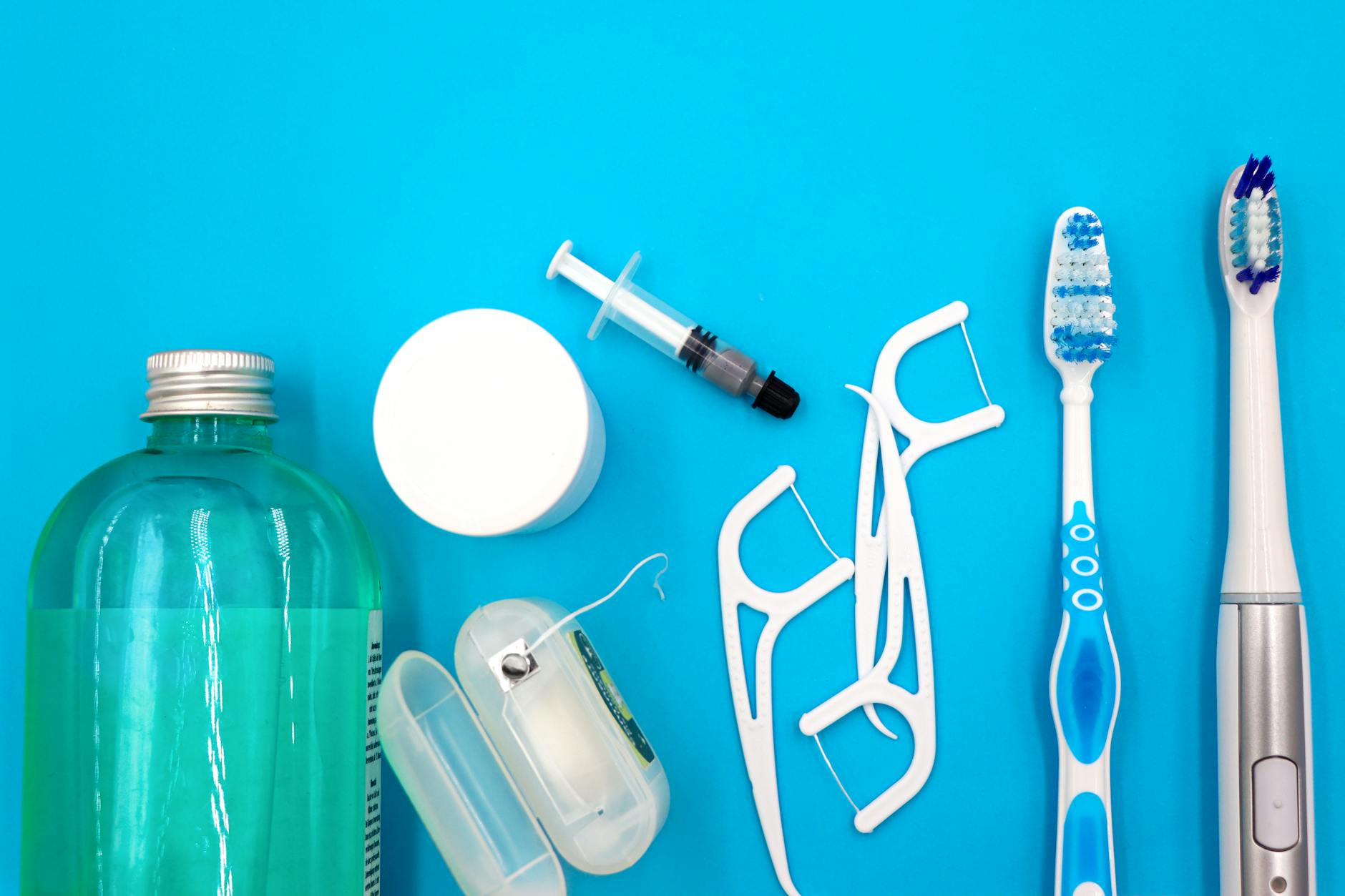
Applying strong bleaching gels to the smile too often leads to a variety of unintended negative consequences. The harsh chemical oxidation process strips away essential minerals and leaves the teeth feeling highly sensitive to temperatures. Overuse also turns the enamel translucent and ironically makes the teeth appear darker as the inner dentin shows through. Following manufacturer instructions strictly ensures that the cosmetic enhancement does not destroy the actual tooth structure.
Eating Sunflower Seeds
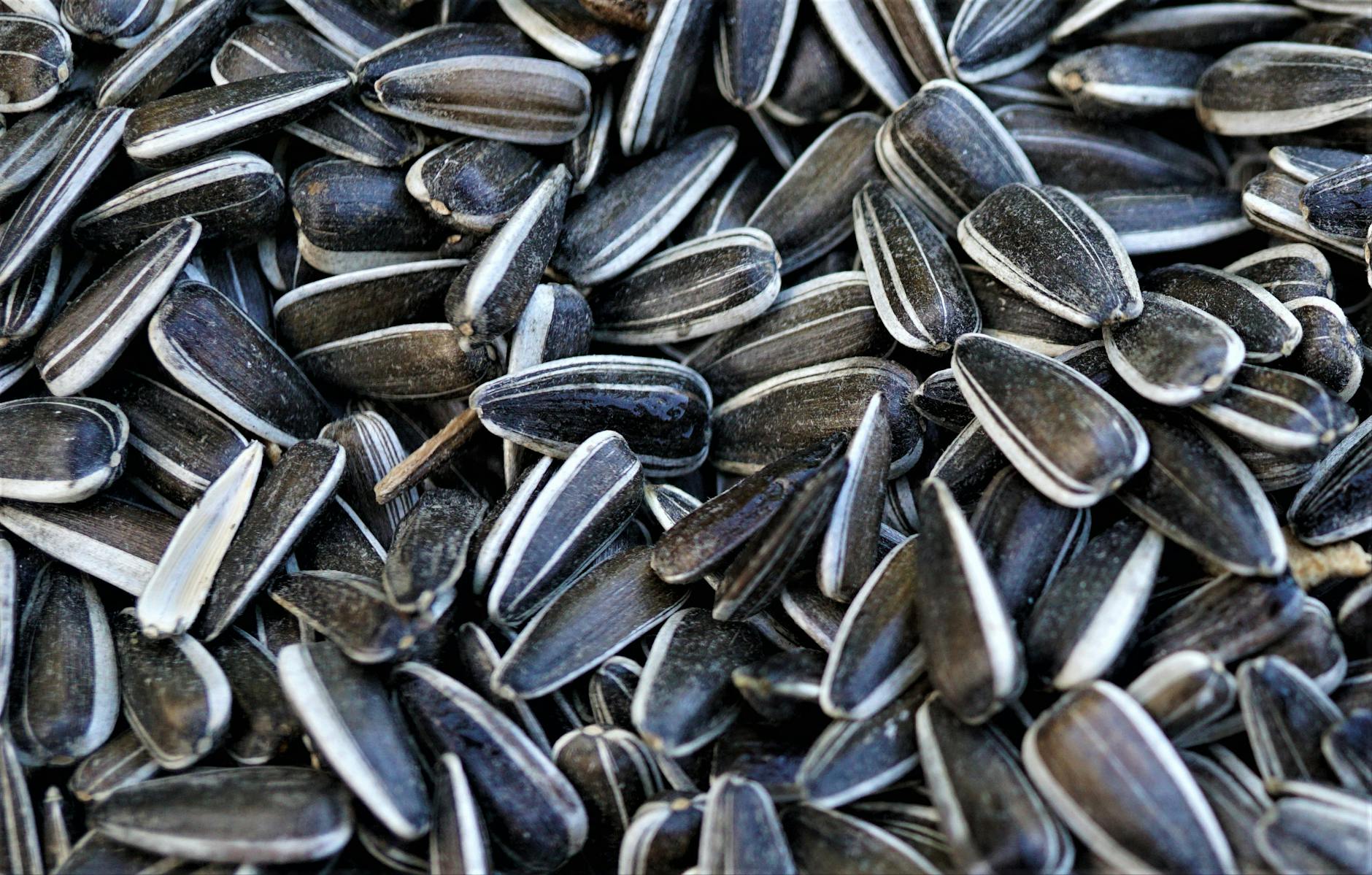
Cracking open roasted shells with the front teeth is a deeply ingrained habit for many sports fans. The sharp edges of the hulls repeatedly dig into the delicate gum tissue and cause painful localized inflammation. The constant mechanical wedging force also chips the edges of the incisors and wears down the bite over time. Shelling the snacks by hand entirely eliminates this unnecessary physical burden on your smile.
Please share which of these surprising dental habits you plan to break first by leaving your thoughts in the comments.




