The simple act of flushing a toilet can have unseen consequences for your bathroom environment. Closing the lid before you flush is a fundamental practice for maintaining hygiene and cleanliness. This small habit creates a physical barrier against microscopic particles that would otherwise disperse into the air. Understanding the mechanics of a flush reveals exactly why this simple step matters so much for a healthy home.
Aerosol Plume Prevention
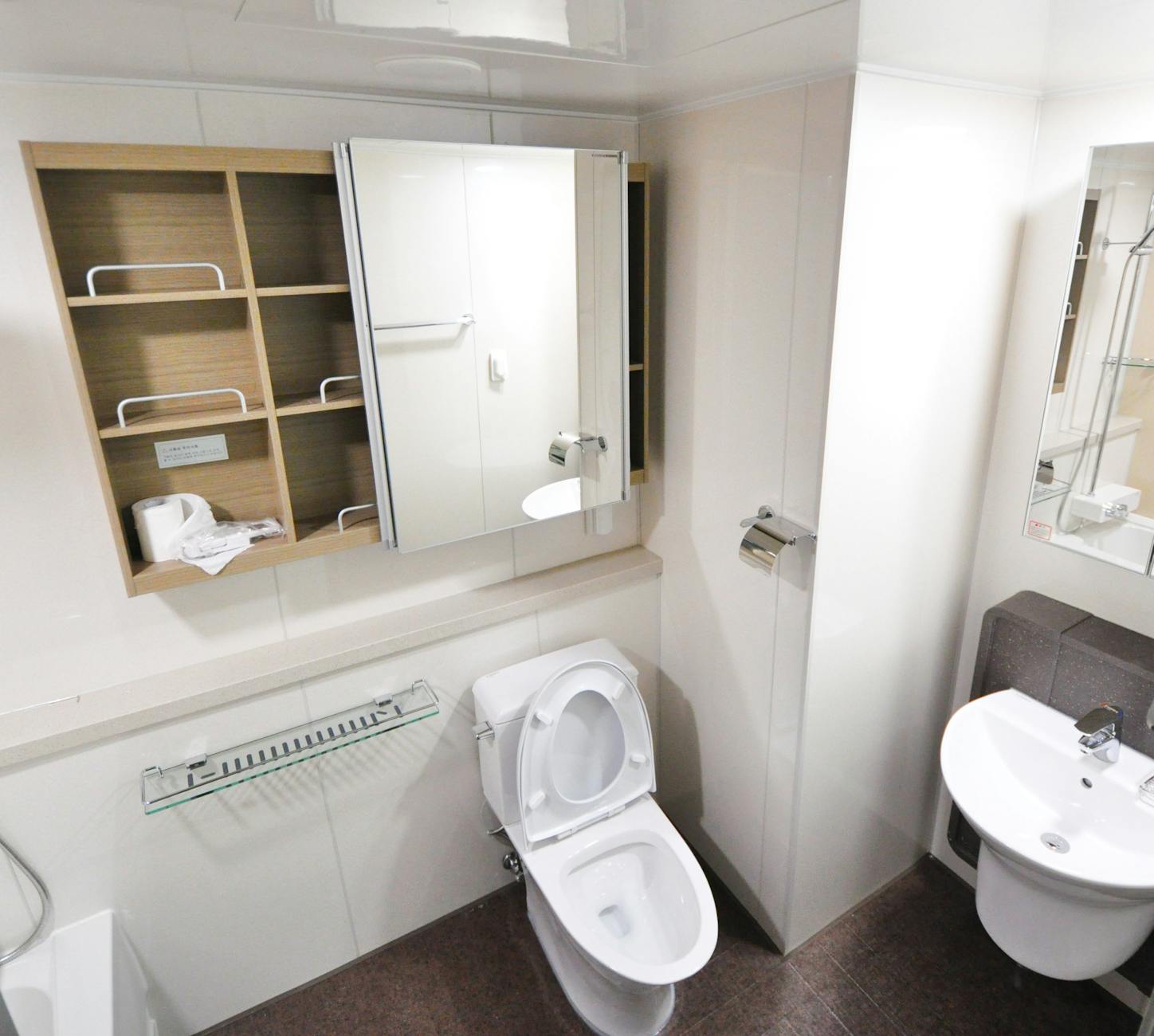
A standard toilet flush generates a powerful vortex of water that displaces air upward. This energetic movement creates an invisible cloud of microscopic water droplets known as an aerosol plume. These tiny particles can travel several feet into the air and linger for hours. Closing the lid physically blocks this upward trajectory and keeps the aerosolized moisture contained within the bowl. This containment strategy significantly improves the overall air quality inside the bathroom space.
Pathogen Containment
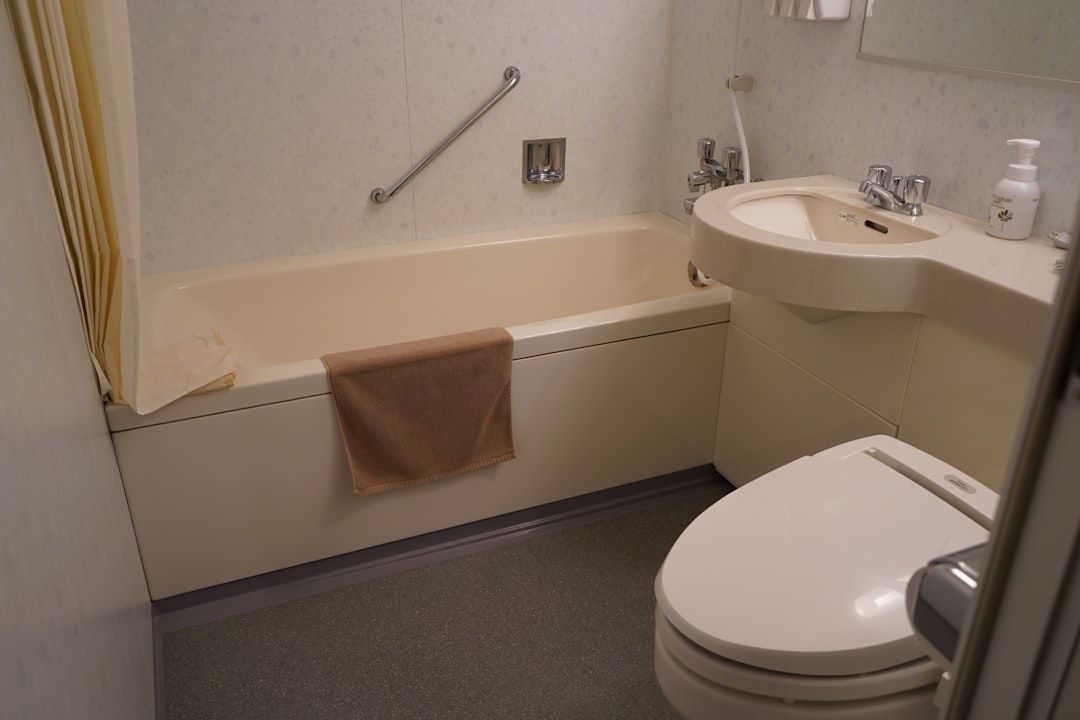
The water inside a toilet bowl harbors various forms of bacteria and viruses. When the flushing mechanism activates these microorganisms become airborne alongside the water droplets. A closed lid prevents these pathogens from escaping the immediate confines of the fixture. This restriction limits the spread of harmful agents throughout your living space. Maintaining this physical barrier protects everyone who uses the shared bathroom environment.
Surface Contamination Reduction
Airborne particles from an open flush eventually settle on various surfaces around the room. Bathroom counters and sinks can easily become coated with an invisible layer of contaminated moisture. Shutting the lid directs the forceful energy of the flush back downward into the drainage system. This action keeps your countertops and vanity areas significantly cleaner between regular scrubbing sessions. A cleaner vanity surface directly translates to a more hygienic space for your daily grooming routines.
Toothbrush Protection
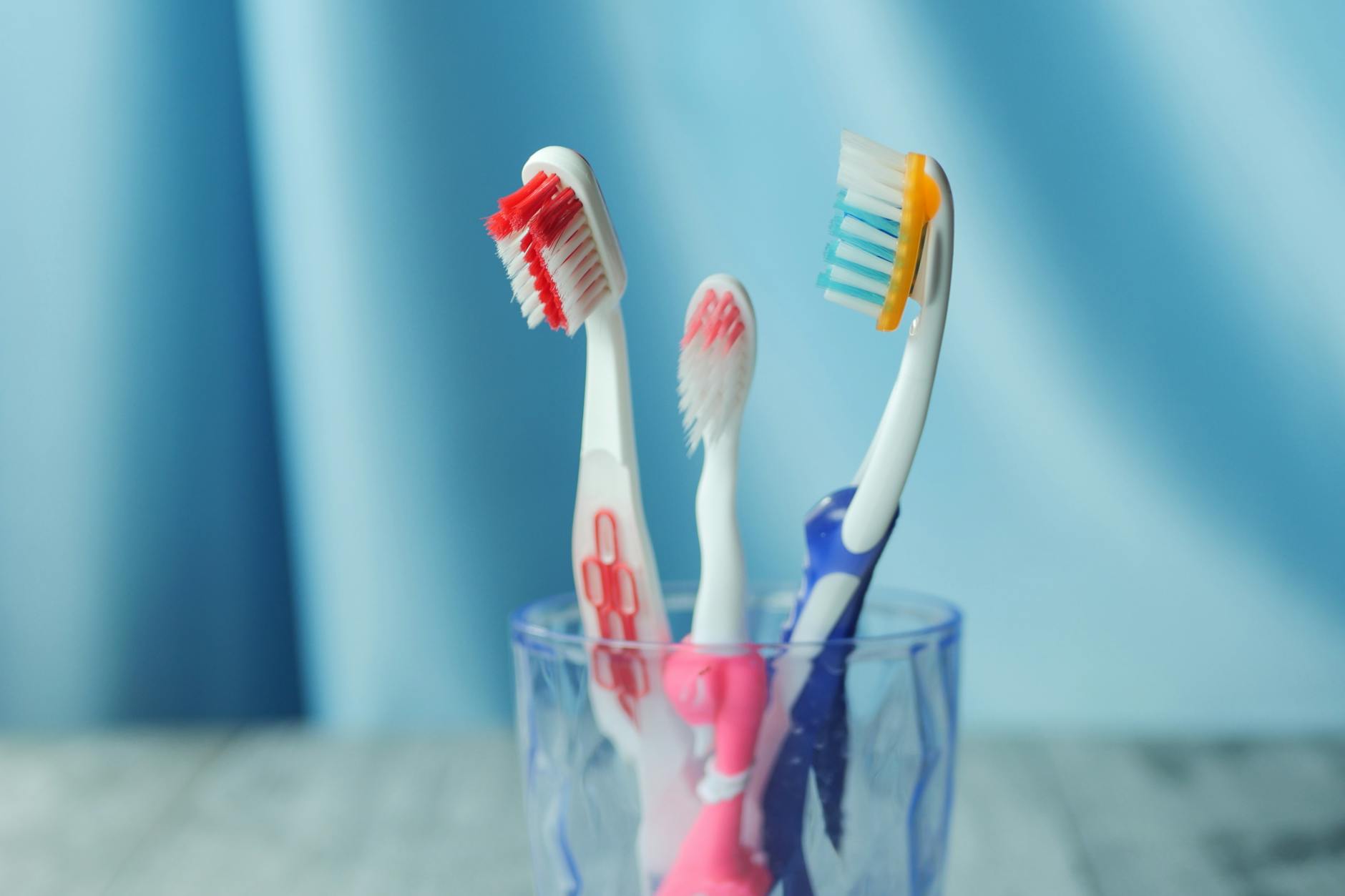
Many people store their dental hygiene tools on the bathroom vanity near the sink. An open flush can easily propel microscopic waste particles directly onto these exposed bristles. A lowered lid serves as the primary defense mechanism for your oral care instruments. This simple barrier ensures you are not introducing unwanted bacteria into your mouth during your morning routine. Protecting your toothbrush in this manner is a critical component of proper dental hygiene.
Odor Control
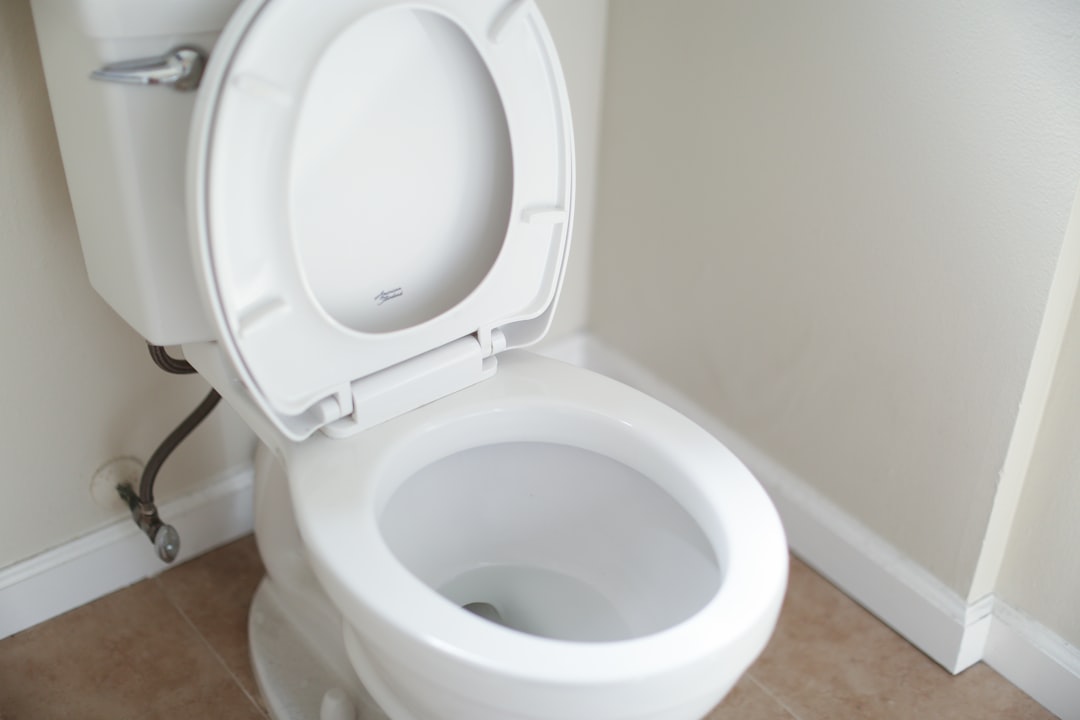
Flushing a toilet naturally disturbs the water and releases trapped gases into the surrounding air. An open bowl allows these unpleasant smells to diffuse rapidly throughout the entire bathroom space. Securing the cover before pulling the handle traps a significant portion of these gases inside the porcelain structure. The exhaust fan can then manage the residual air more effectively when the primary source is covered. This approach creates a much more pleasant atmospheric experience for the next person entering the room.
Bathroom Aesthetics
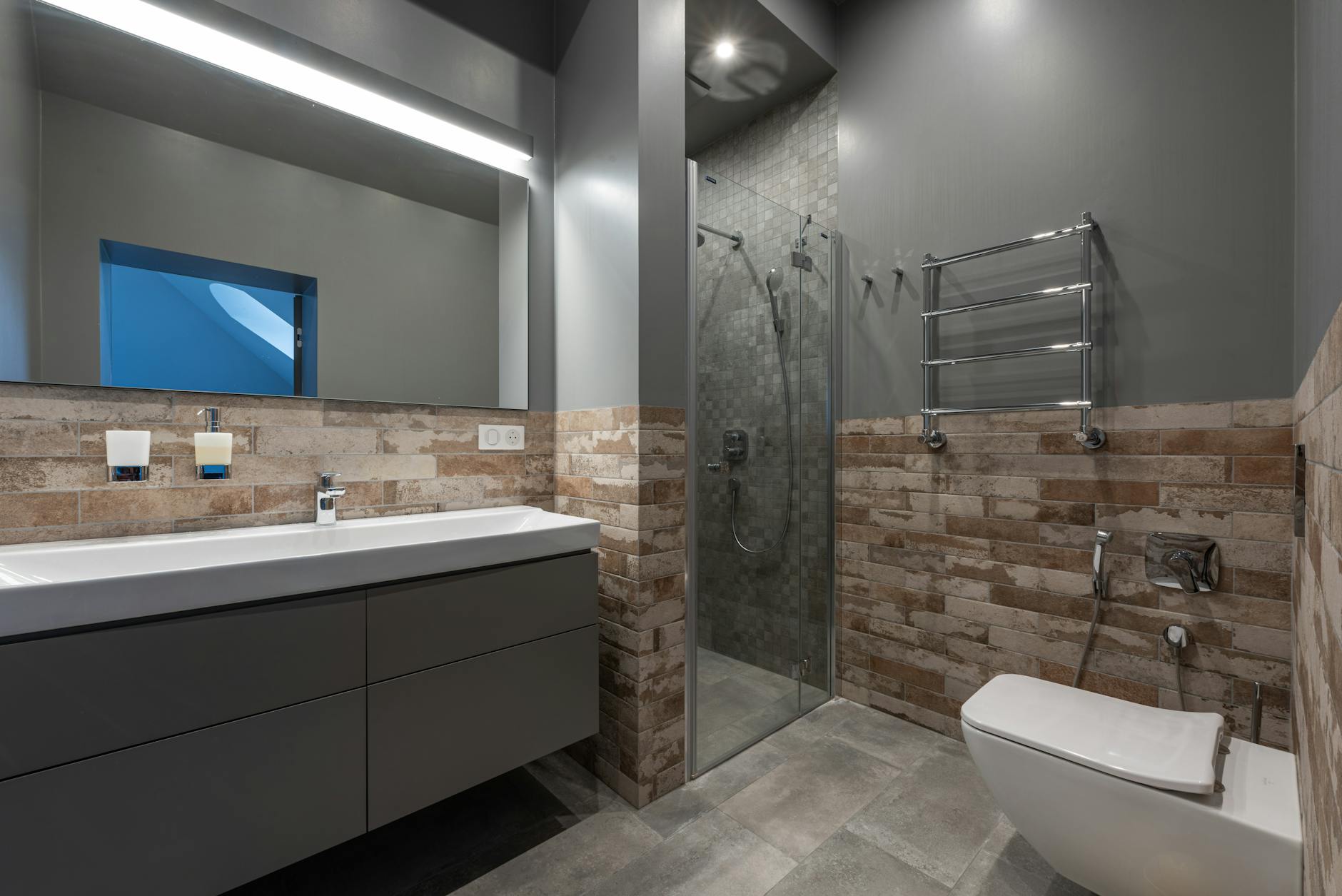
A bathroom presents a much cleaner and more organized appearance when all fixtures are properly closed. Interior designers universally recommend keeping the lid down to create a streamlined visual profile in the space. The inside of a toilet bowl rarely serves as an attractive focal point for room decor. Covering this utilitarian aspect of the plumbing allows other design elements in the room to stand out. This tidy habit instantly elevates the overall visual appeal of any residential washroom.
Pet Safety

Household animals frequently view open toilet bowls as an accessible source of drinking water. The residual cleaning chemicals and natural bacteria present in this water pose significant health risks to pets. A closed lid completely removes this hazardous temptation from their everyday environment. This physical barrier ensures your cats and dogs rely solely on their designated water bowls for hydration. Securing the fixture provides peace of mind regarding the safety and health of your animal companions.
Childproofing Measure

Curious toddlers often explore bathrooms and interact with accessible fixtures at their eye level. An open bowl presents both a drowning hazard and an unsanitary play area for young children. Securing the lid creates an immediate obstacle that deters unsupervised exploration of the plumbing. Many parents combine this habit with locking mechanisms for an added layer of residential safety. This consistent practice helps establish a secure environment for families with newly mobile infants.
Dropped Item Prevention
Bathrooms are frequent sites for handling small valuables like rings or mobile phones. An open bowl presents a constant risk of accidental submersion for these expensive personal items. Keeping the cover lowered creates a solid surface that catches anything slipping from your grasp. Retrieving a dropped wedding ring from a dry lid is vastly preferable to calling a plumbing professional. This simple preventative measure saves homeowners from costly replacements and stressful retrieval efforts.
Plumbing Hygiene
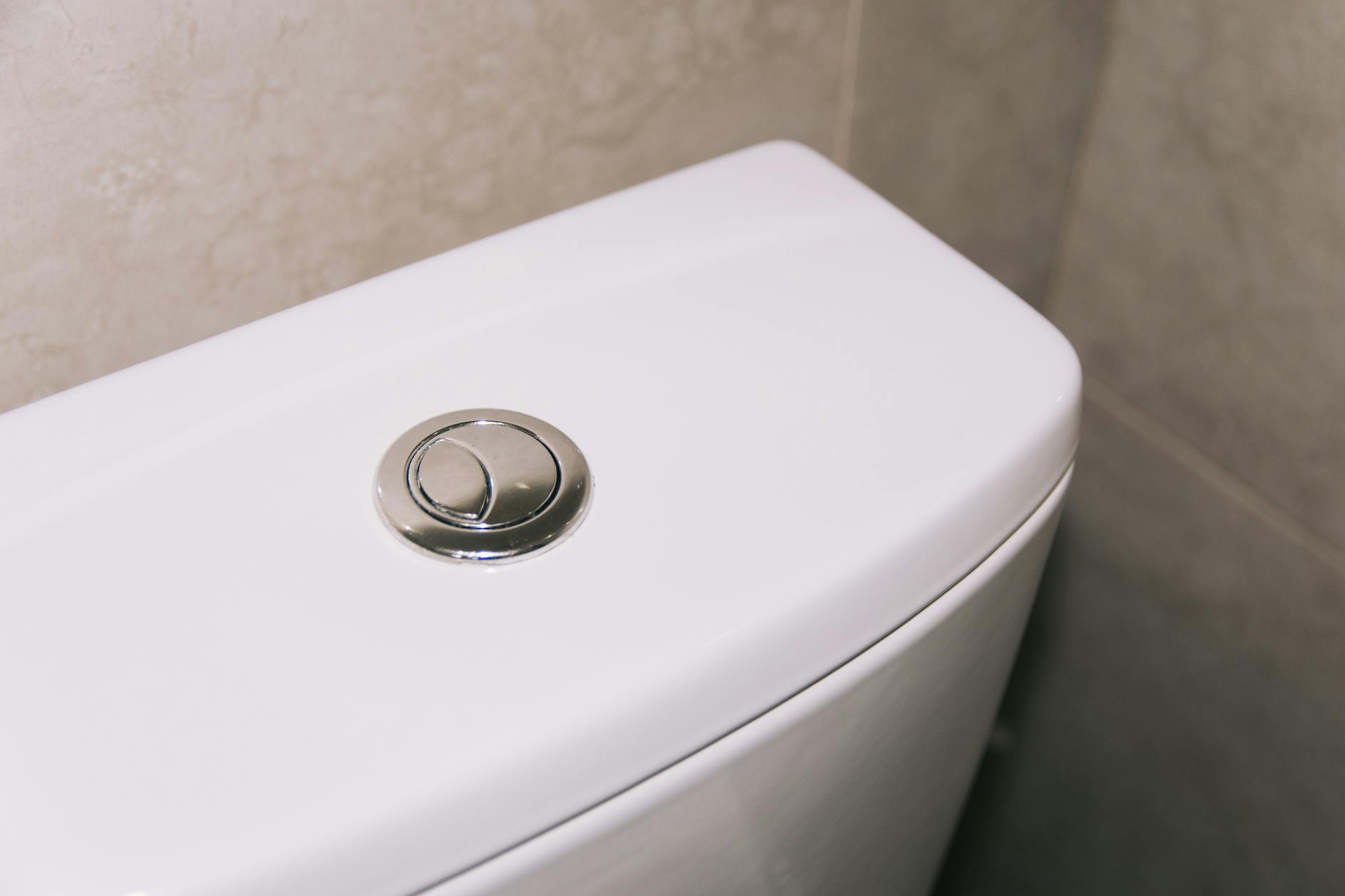
The flushing process relies on specific water pressure dynamics to clear waste efficiently. A closed system can subtly influence the acoustic properties of the flush by dampening the loud sound. The contained environment also forces all splashing water to wash back down the interior walls of the bowl. This internal rinsing action helps keep the upper rim of the porcelain cleaner over a longer period. Maximizing this automatic cleaning dynamic reduces the frequency required for intense manual scrubbing sessions.
Please share your thoughts on bathroom hygiene routines and whether you always close the lid in the comments.




