Finding fresh and exciting flavors in the produce aisle can completely transform your daily dietary habits. Many incredible fruits remain overlooked despite offering spectacular nutritional benefits and entirely unique taste profiles. Exploring these lesser known botanical treasures provides a wonderful opportunity to expand your culinary horizons while supporting optimal health.
Persimmon
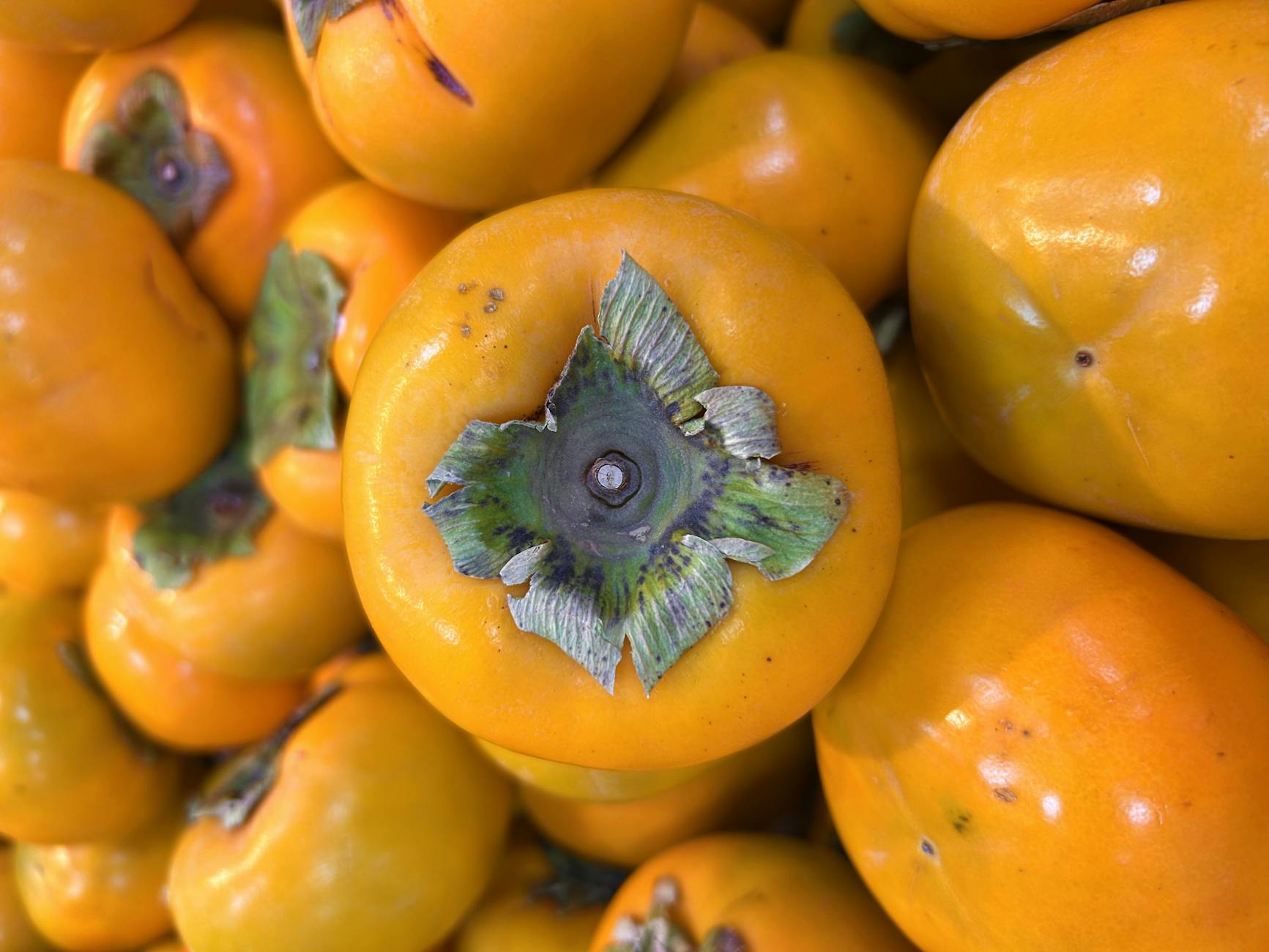
This vibrant orange fruit resembles a tomato but delivers a distinctively sweet and honeyed flavor profile. The flesh becomes incredibly soft and pudding like when fully ripe. Nutritional benefits include high amounts of vitamin A and beneficial dietary fiber. Consumers often slice them into winter salads or bake them into seasonal breads.
Guava
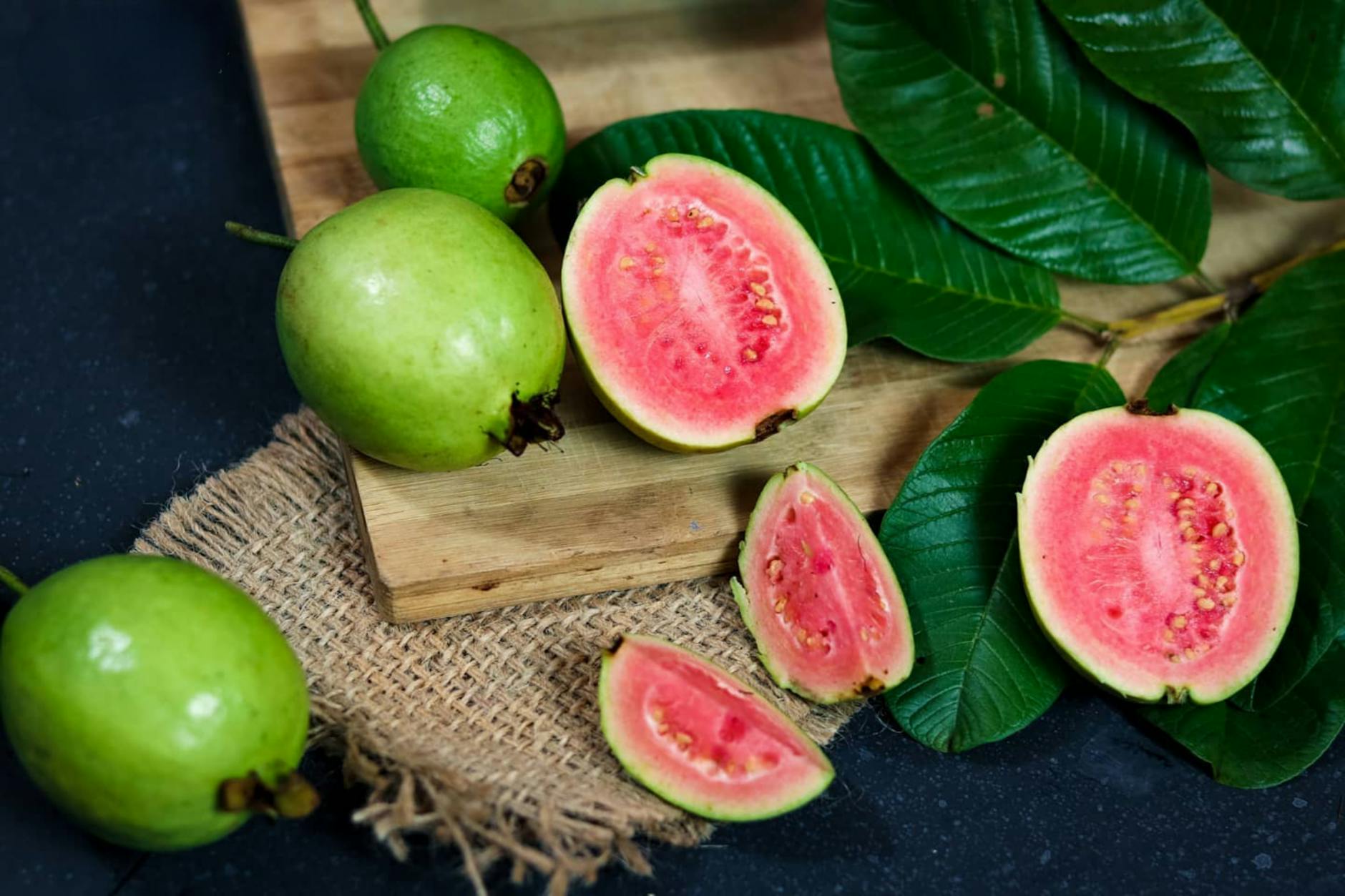
Tropical climates produce this aromatic fruit with incredibly high levels of vitamin C and powerful antioxidants. The green skin yields to a pink interior filled with tiny edible seeds. The taste combines elements of strawberry and pear with a bright tropical acidity. Culinary experts blend the fruit into refreshing beverages or cook it down into rich jams.
Passionfruit
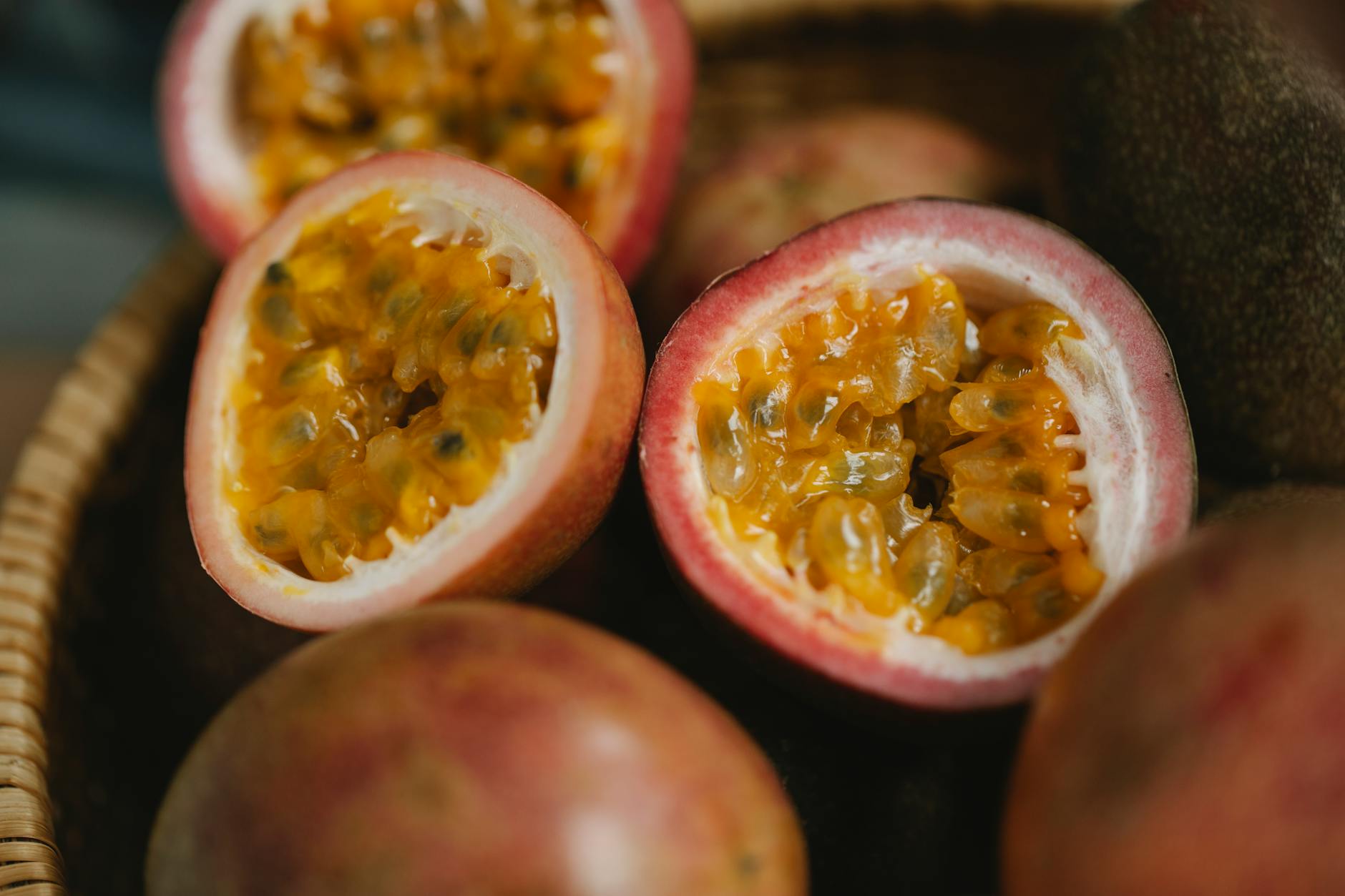
A tough purple exterior protects the aromatic yellow pulp and crunchy seeds hidden inside. The flavor bursts with a tart tropical intensity that instantly elevates any dish. This fruit provides an excellent source of dietary fiber and beneficial plant compounds. Bakers frequently spoon the raw pulp over pavlovas or mix it into creamy cheesecakes.
Starfruit
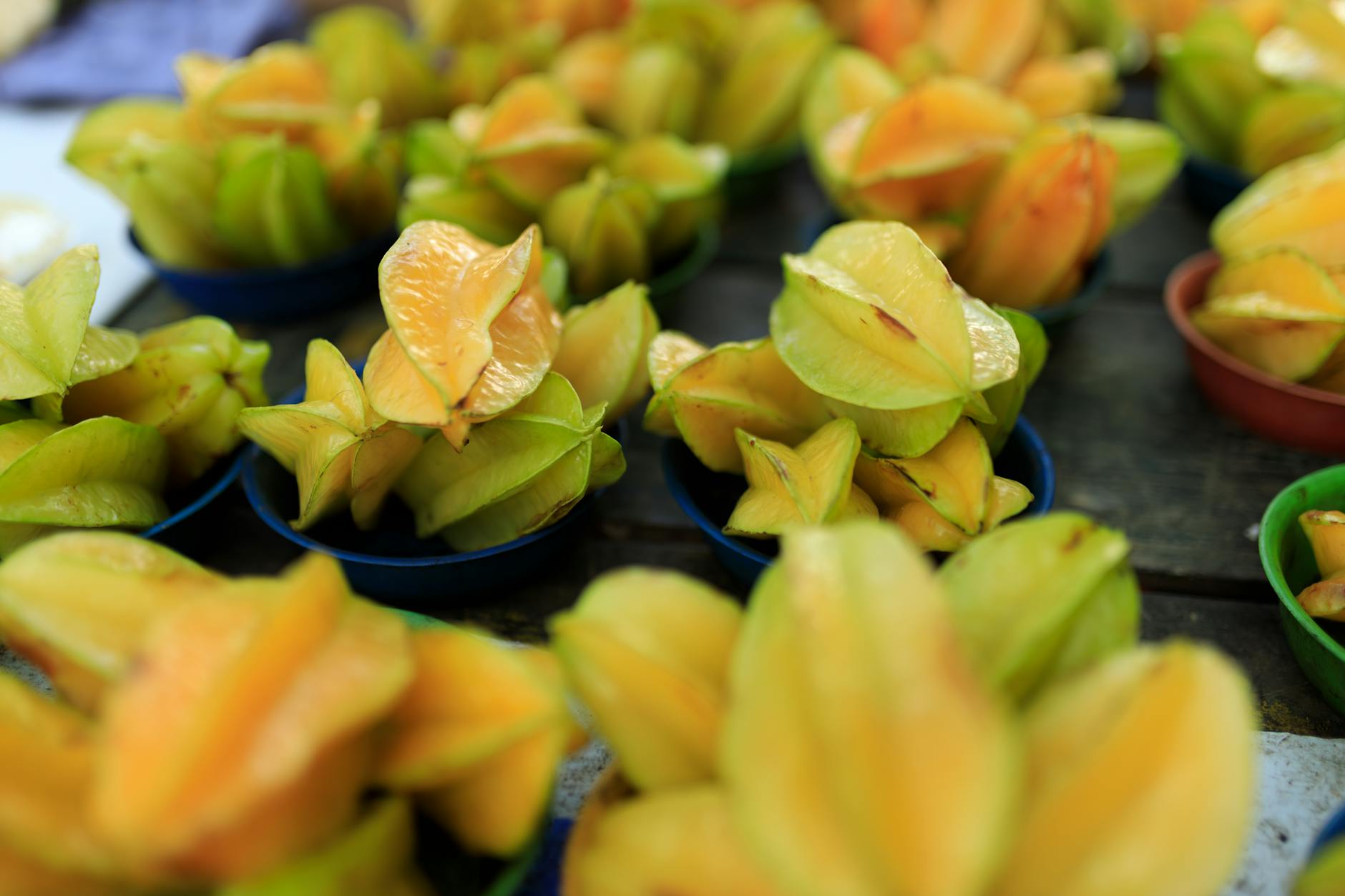
Cutting this yellow fruit crosswise reveals a beautiful star shape perfect for elegant garnishes. The crisp texture resembles an apple while the flavor mixes citrus and plum notes. It contains remarkably low calories while providing generous amounts of vitamin C. Slices often appear in fresh fruit salads or float decoratively in chilled beverages.
Loquat
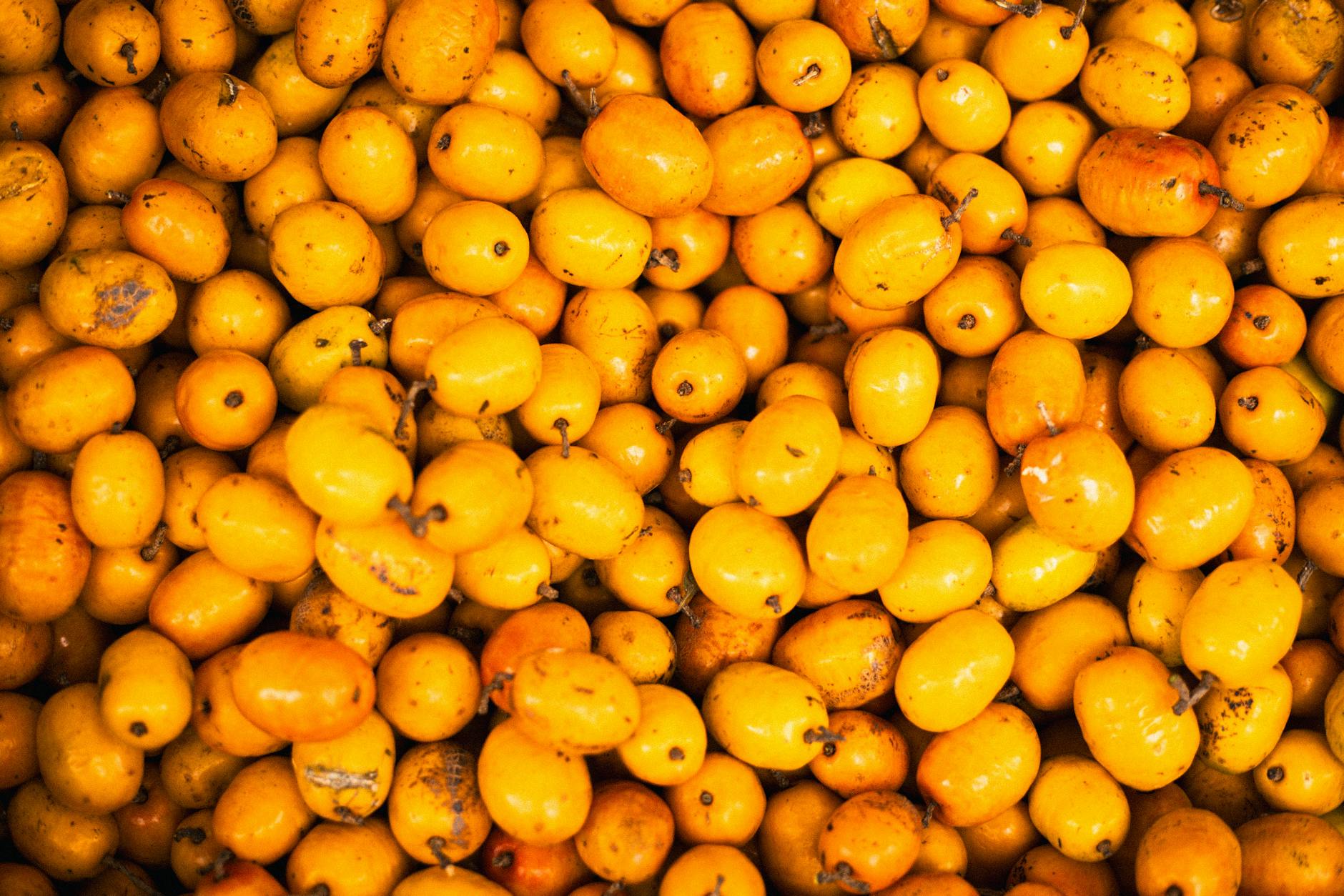
These small yellow fruits grow in clusters on ornamental trees in subtropical regions. The delicate skin surrounds a juicy flesh that tastes like a mix of peach and citrus. Each bite delivers valuable minerals and a refreshing burst of hydration. People typically eat them fresh from the tree or simmer them into sweet preserves.
Mulberry
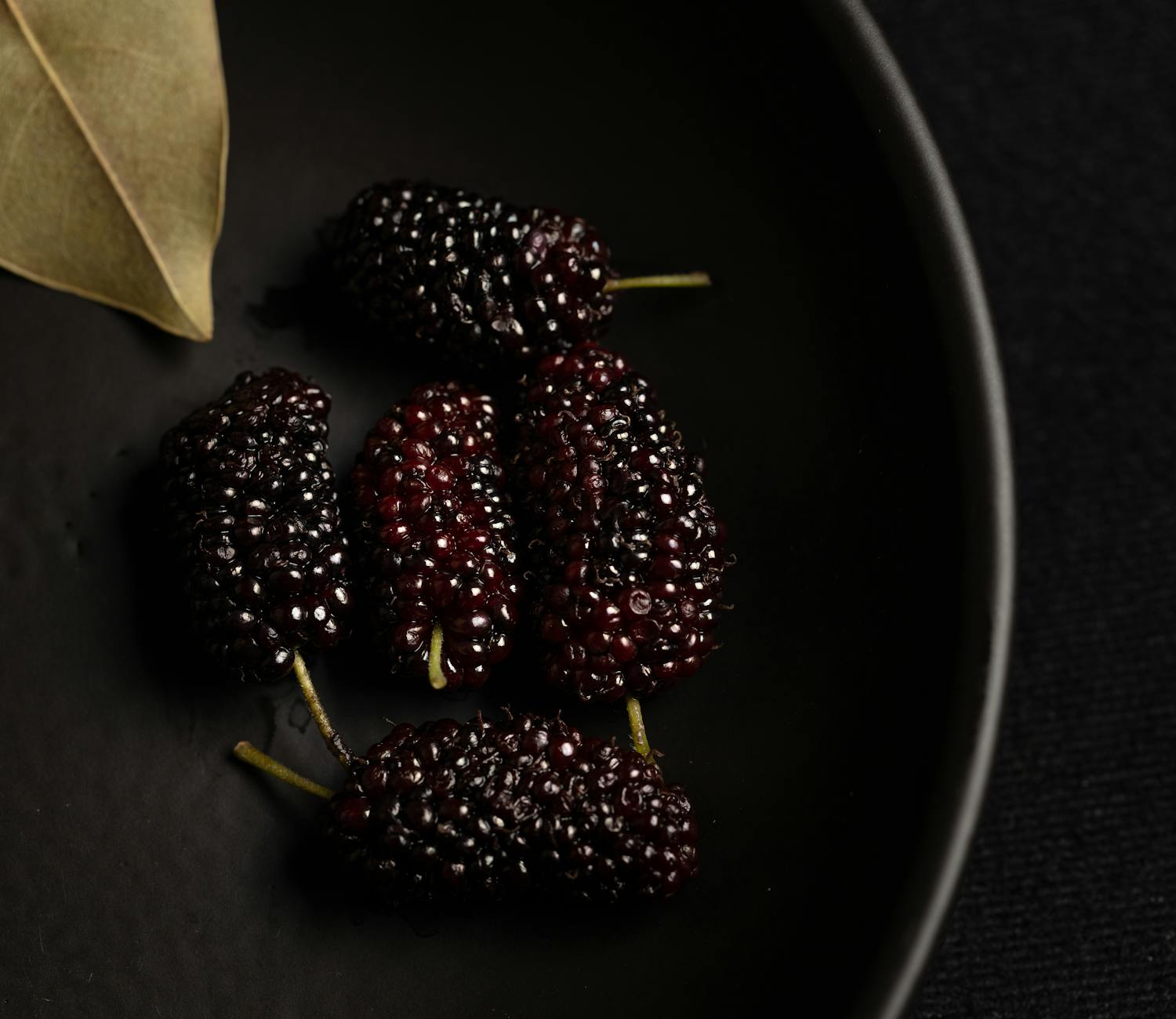
These elongated berries grow on deciduous trees and resemble blackberries in their physical structure. Their dark purple juice stains easily but offers an incredibly rich and sweet flavor profile. They pack a massive amount of iron and vitamin C into a very small package. Foragers often bake them into rustic pies or scatter them over morning oatmeal.
Quince
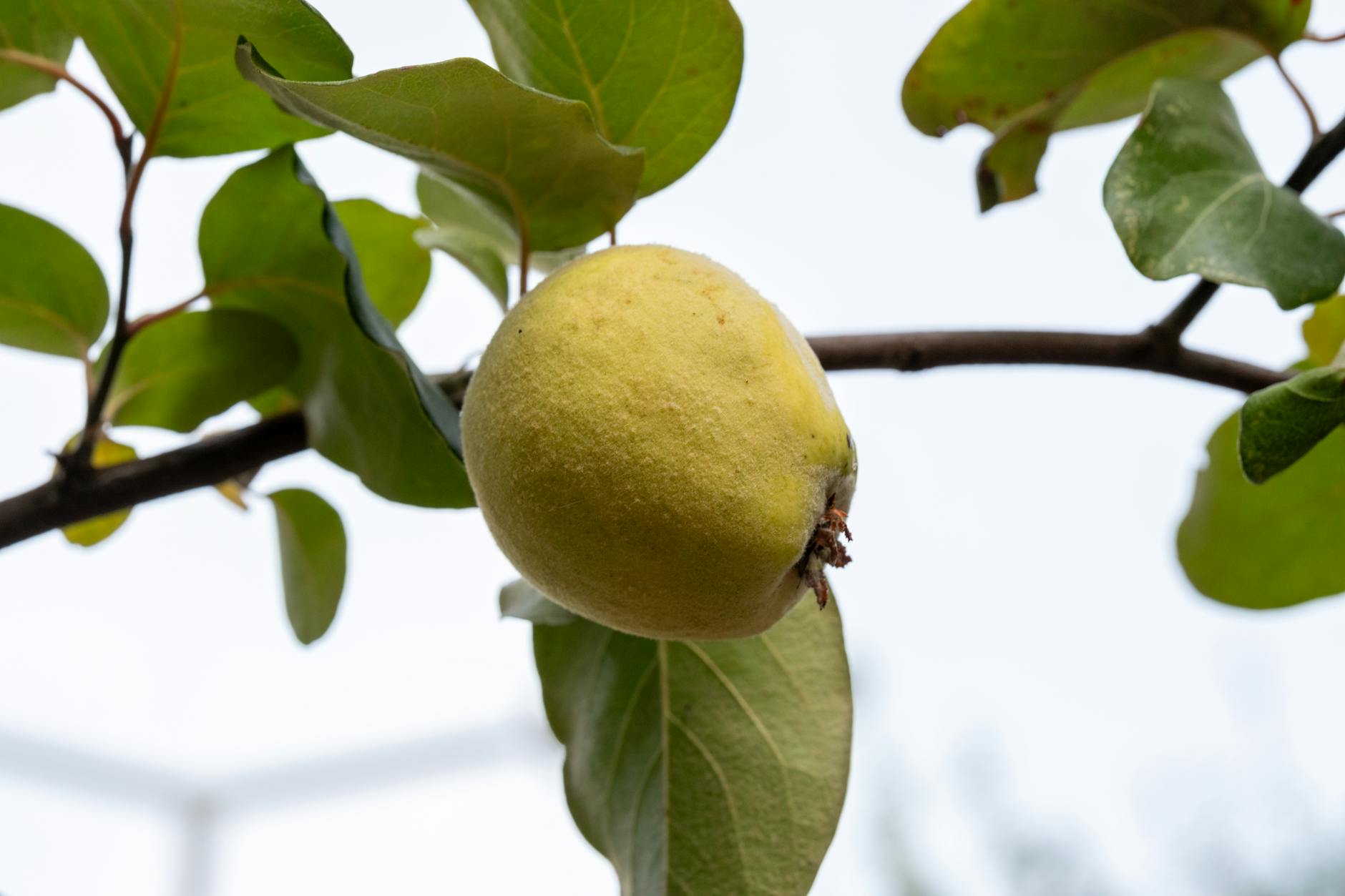
This ancient fruit looks like a lumpy pear and feels extremely hard when raw. Cooking transforms the pale flesh into a beautiful rosy pink color with a floral aroma. It contains exceptionally high pectin levels making it absolutely perfect for jelly production. Chefs slowly poach the fruit in sweet syrup to serve alongside rich cheeses.
Pomegranate
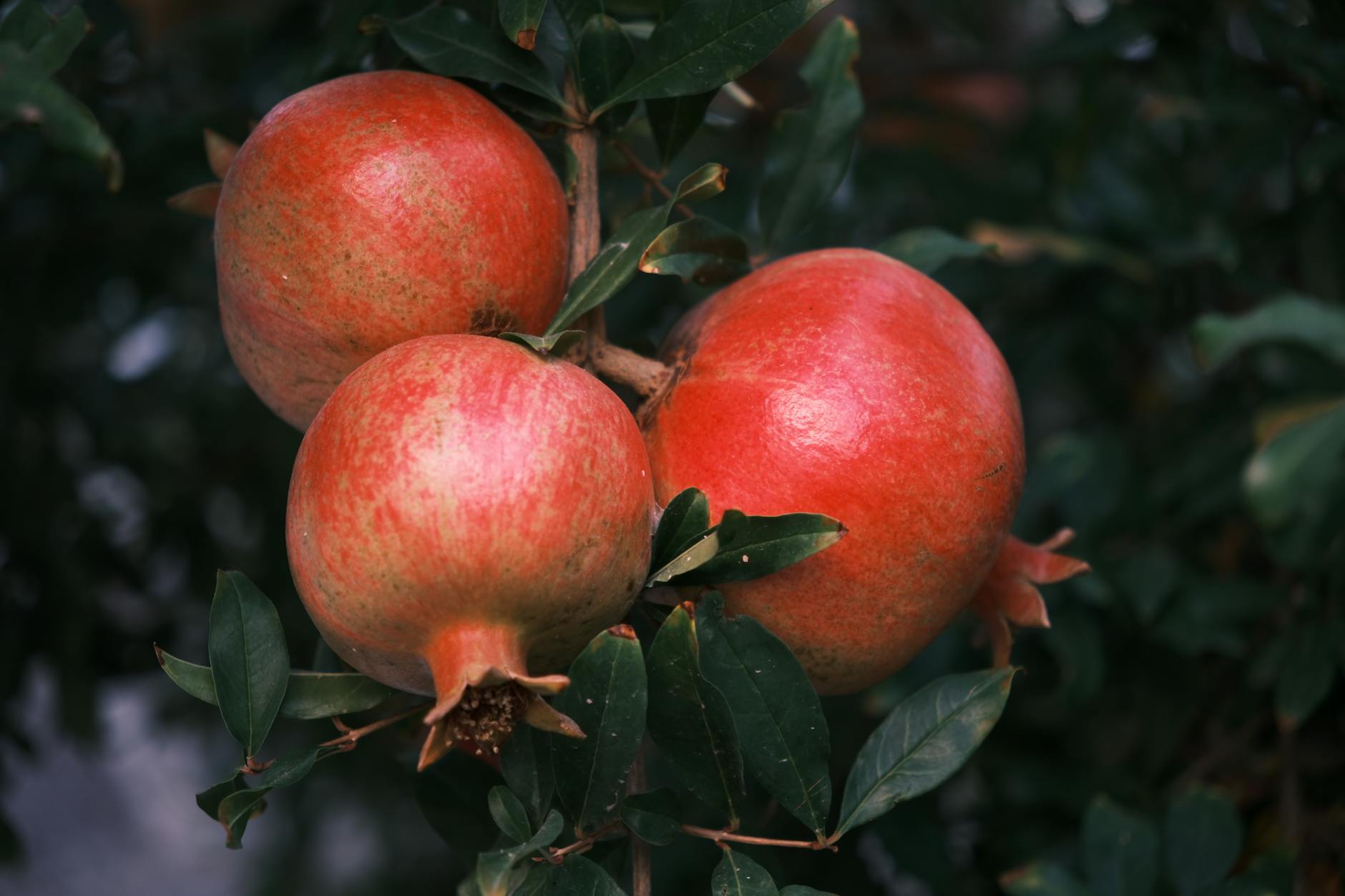
A leathery red rind encases hundreds of brilliantly colored seeds called arils. Extracting the seeds reveals a tart and refreshing flavor packed with powerful antioxidants. Scientific studies link these red jewels to improved heart health and reduced cellular inflammation. Cooks scatter the bright seeds over savory roasted meats and fresh green salads.
Fig
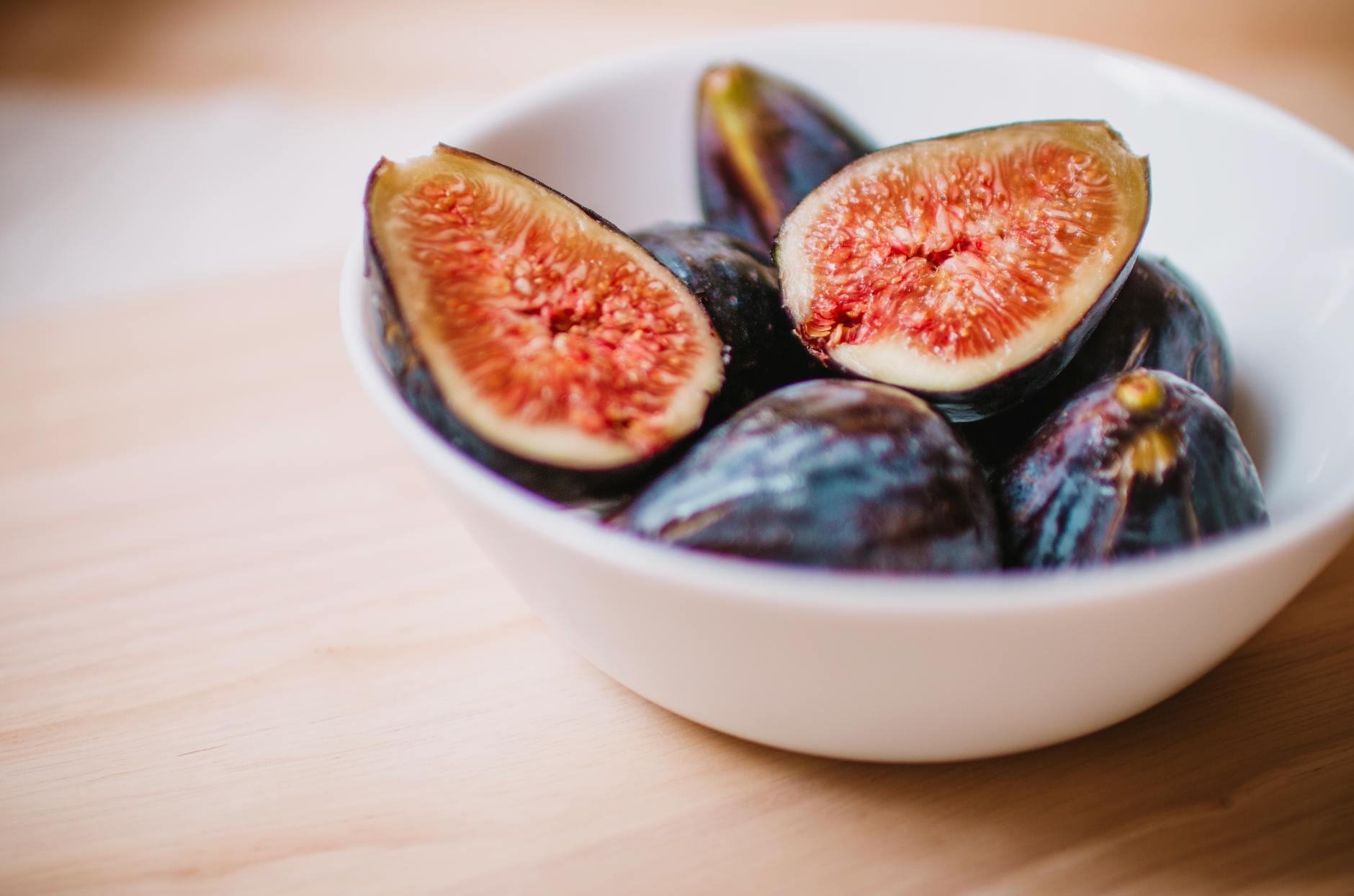
This unique botanical structure is actually an inverted flower containing hundreds of tiny seeds. The soft exterior yields to a jammy inside that tastes intensely sweet and earthy. They offer abundant calcium and potassium alongside high amounts of digestive fiber. Food enthusiasts frequently pair them with salty prosciutto or bake them into rustic tarts.
Papaya
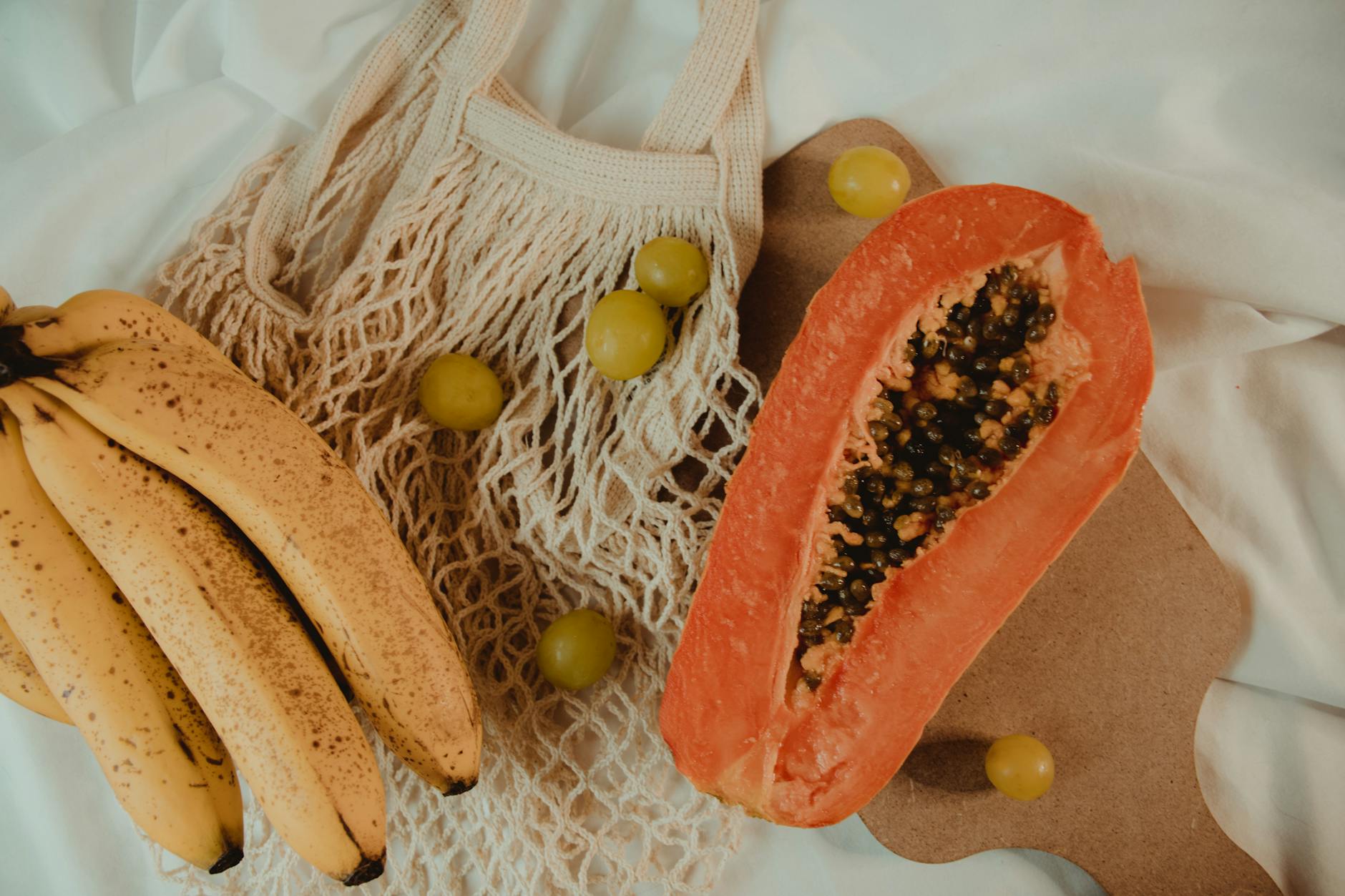
This large tropical fruit features vibrant orange flesh and a central cavity filled with black seeds. The soft texture melts in the mouth while delivering a sweet flavor reminiscent of cantaloupe. It contains a unique enzyme called papain that assists greatly with human digestion. People typically enjoy it fresh with a simple squeeze of lime juice.
Lychee
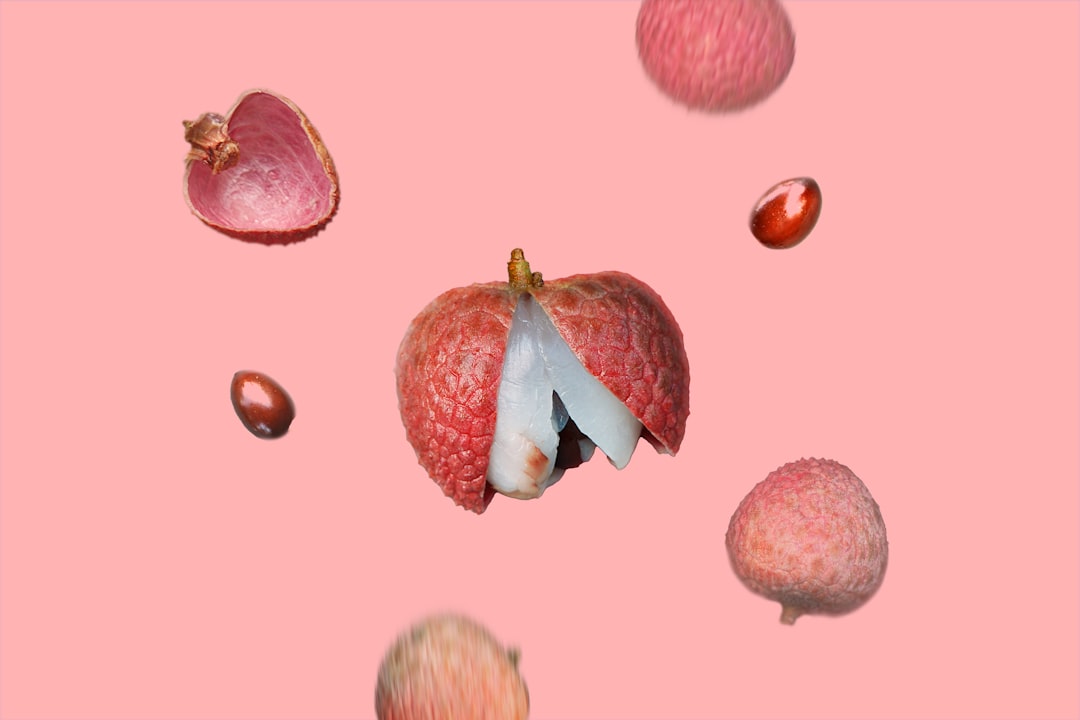
A rough pink shell protects the translucent white flesh of this delicate tropical treat. The floral aroma immediately prepares the palate for a uniquely sweet and juicy experience. It provides generous amounts of vitamin C and various beneficial antioxidant compounds. Diners usually consume them fresh or find them floating in refreshing iced teas.
Rambutan
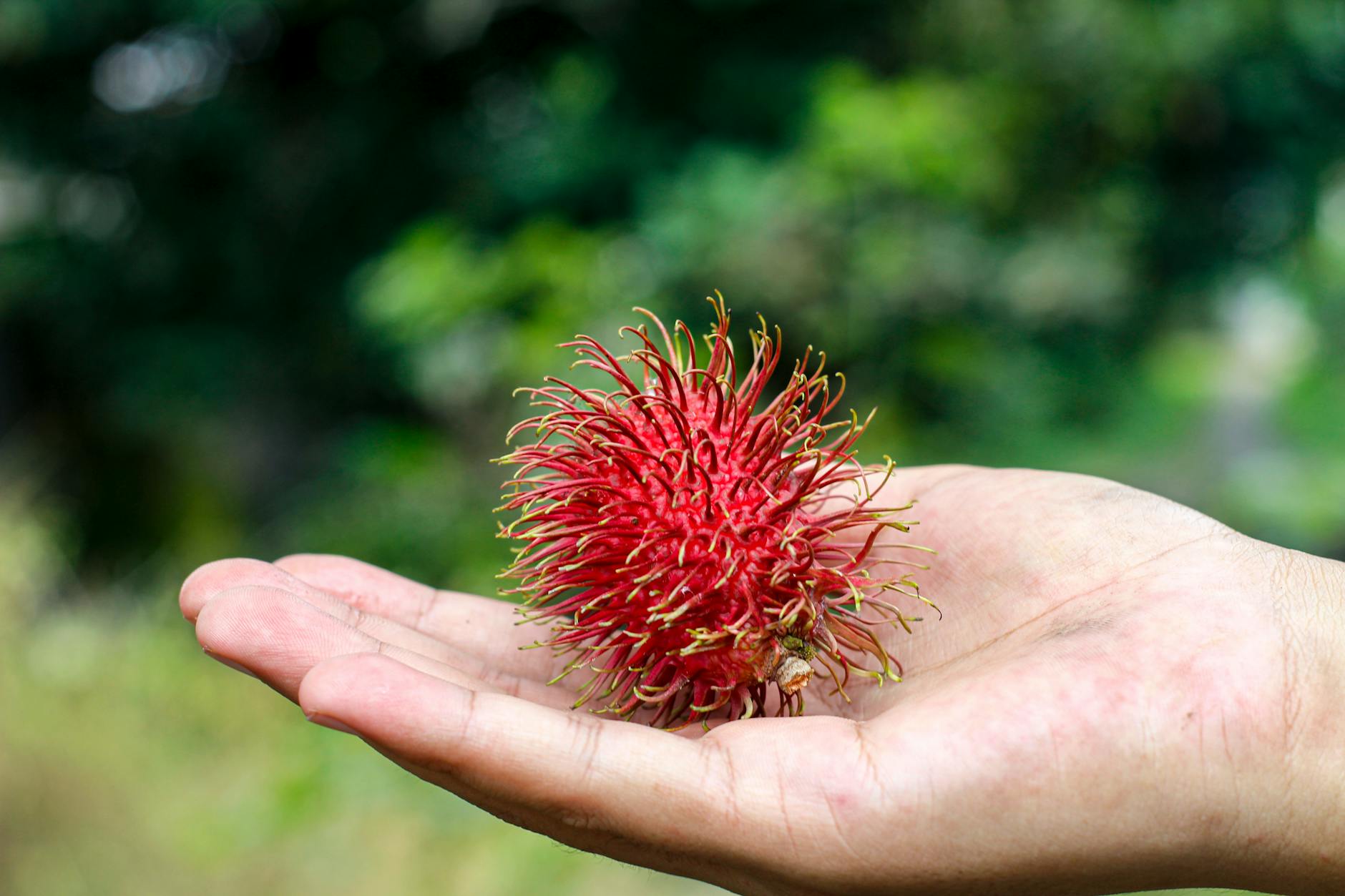
This exotic fruit features a hairy red exterior that looks remarkably like a sea creature. Peeling away the soft spines reveals a juicy interior very similar to a lychee. The flavor balances sweet and sour notes with a slightly more acidic profile than its cousins. Markets sell them fresh for snacking or canned in light sugary syrups.
Longan
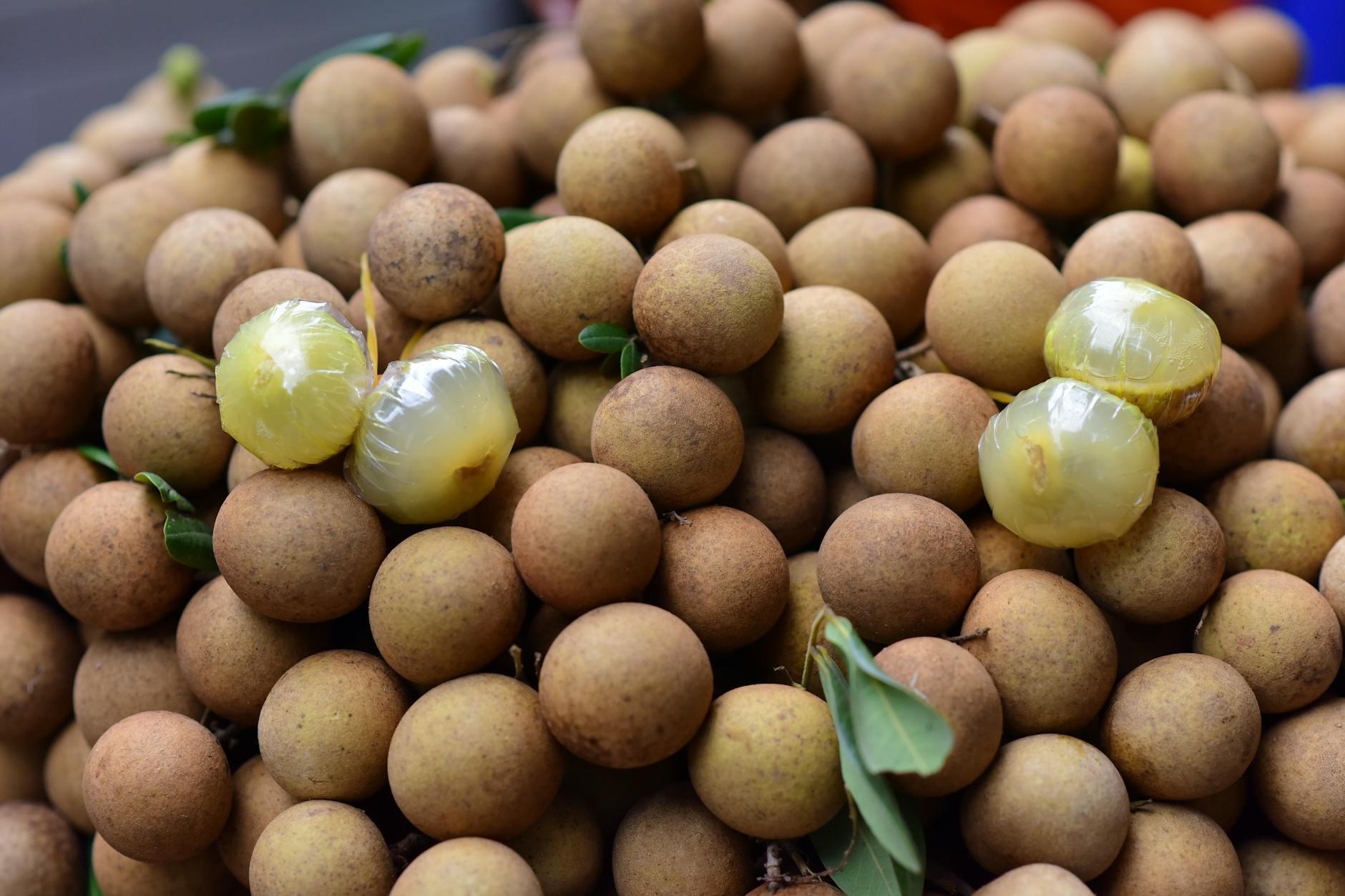
People often call this the dragon eye fruit because of its dark central seed surrounded by translucent flesh. The brownish protective shell easily snaps open to reveal the aromatic edible portion inside. It delivers an intensely sweet flavor with distinct musky undertones. Traditional Asian medicine frequently utilizes this fruit for its purported calming properties.
Mangosteen
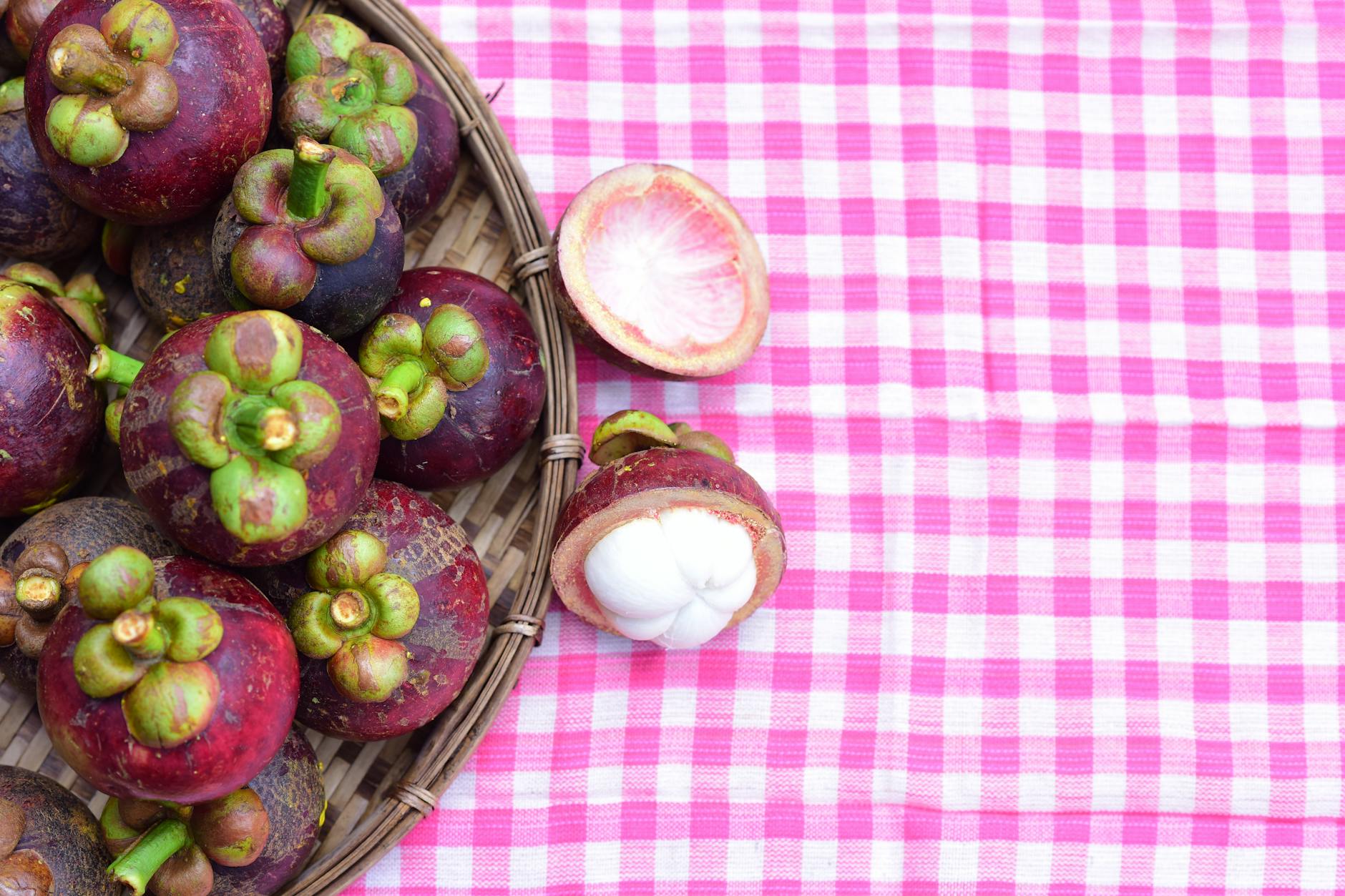
A thick purple rind encases snow white segments of incredibly delicate flesh. The texture feels like citrus but the taste resembles a perfect blend of strawberry and vanilla. Botanical texts often describe this as one of the finest tasting fruits in the world. Consumers carefully score the rind to access the sweet interior for immediate fresh eating.
Jackfruit
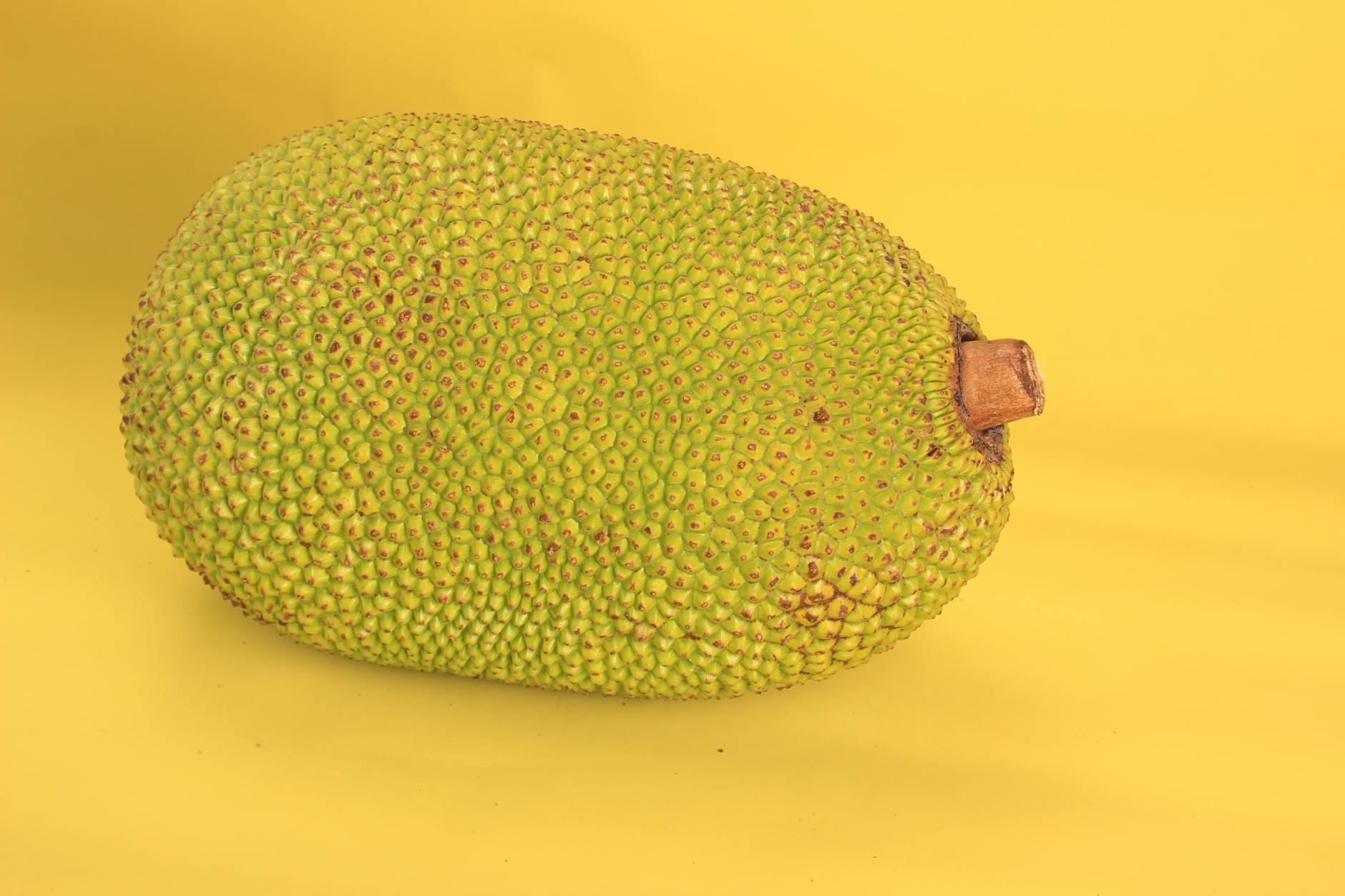
This massive green pod holds the record as the largest tree borne fruit on the planet. The ripe yellow bulbs taste exactly like a classic tropical bubblegum blend. It offers substantial amounts of vitamin B and vital minerals for daily health. Vegans frequently cook the unripe green flesh as a remarkably convincing meat substitute.
Dragonfruit

Vivid pink skin with green scales makes this cactus fruit visually stunning on any table. The interior flesh comes in white or red varieties speckled with tiny black seeds. It provides a very mild sweetness resembling a watery pear or a subtle kiwi. Health enthusiasts frequently blend the bright pink variety into vibrant morning smoothies.
Kumquat
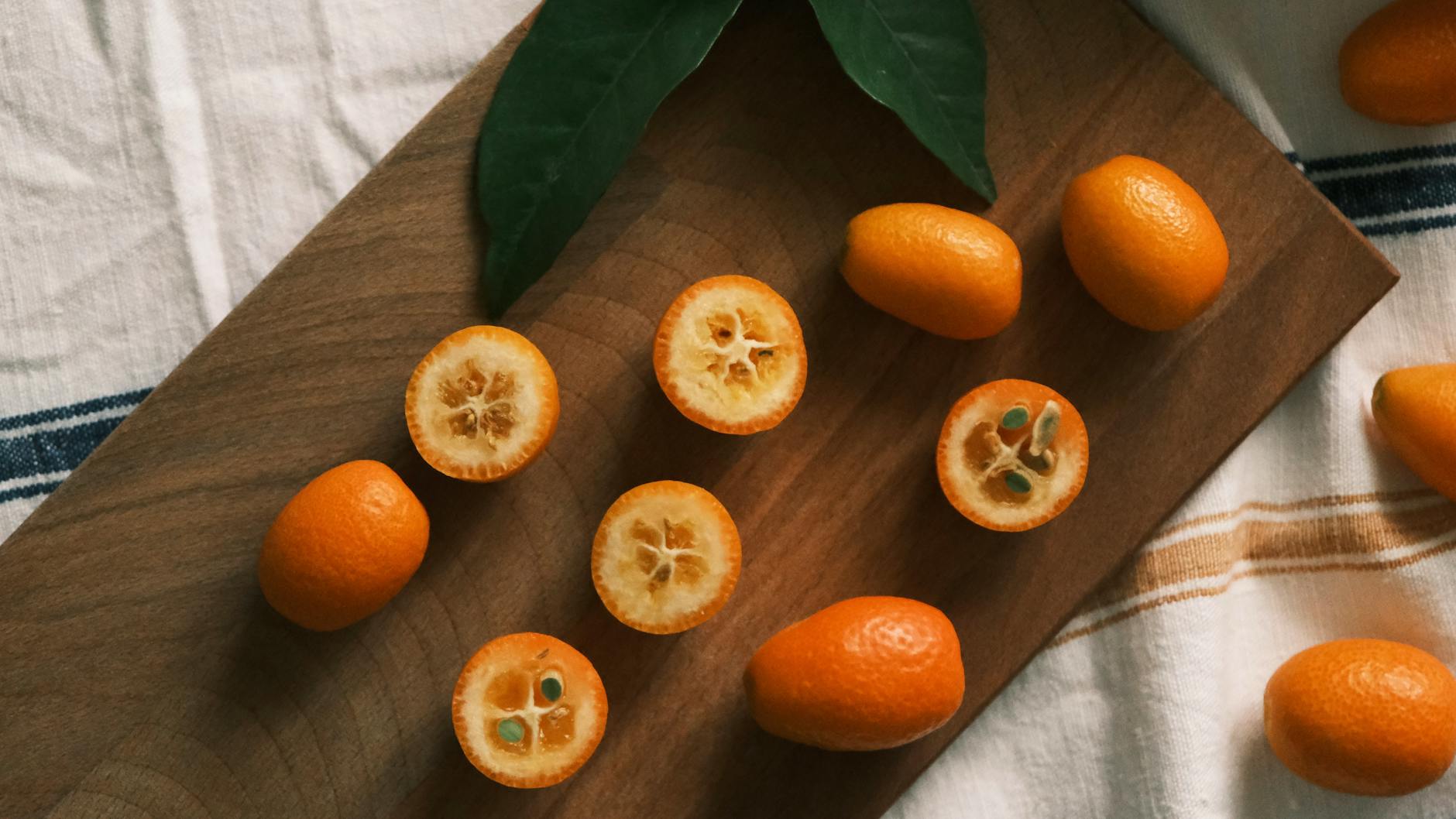
These tiny citrus fruits break all the rules because you eat the entire thing including the peel. The thin orange skin provides an intense sweetness that perfectly balances the very sour juice inside. They deliver a concentrated dose of immune boosting vitamins and essential dietary fiber. Candy makers often boil them in thick sugar syrups to preserve them whole.
Tamarind
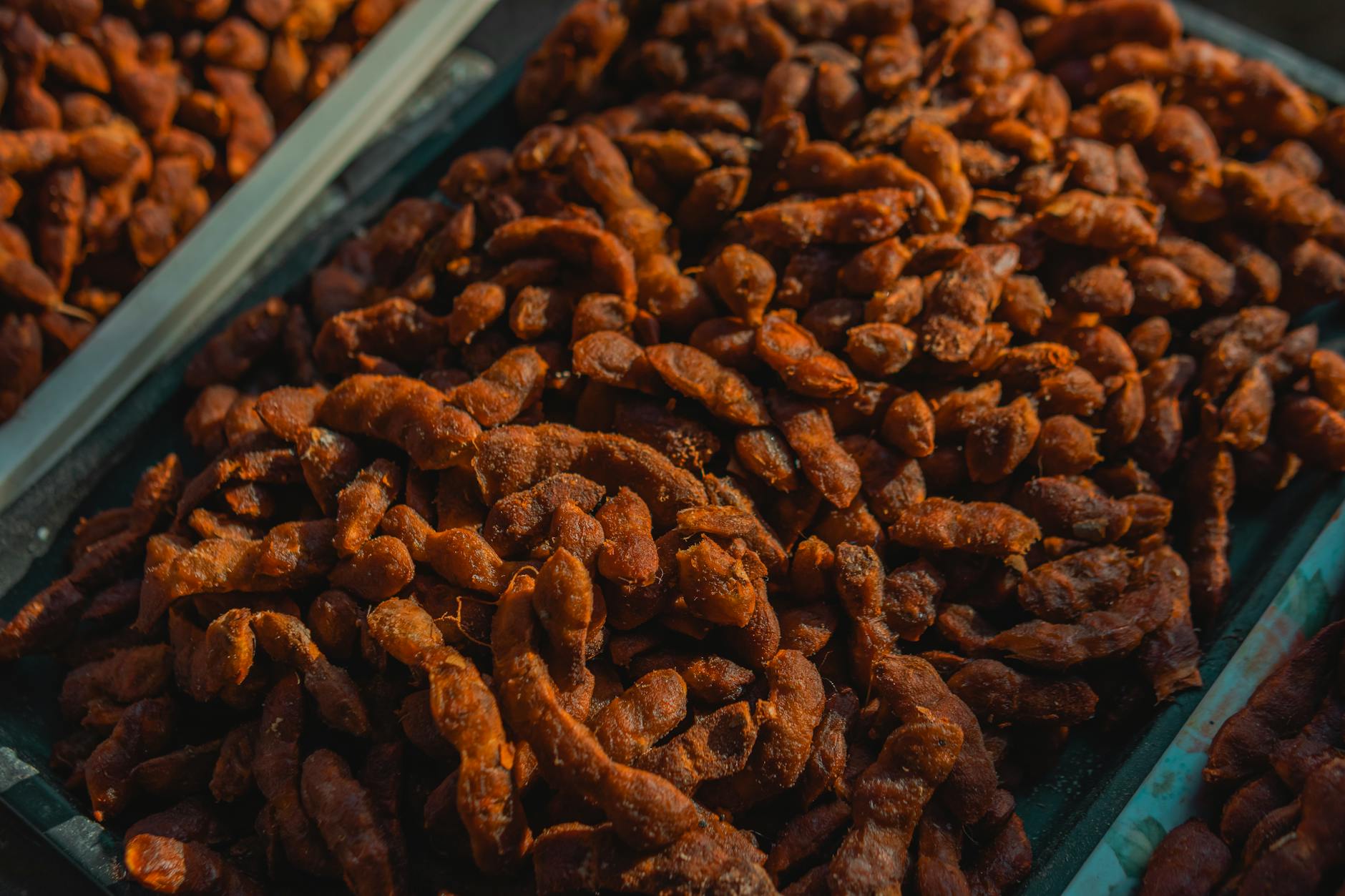
Brittle brown pods contain a sticky paste that serves as a staple ingredient in global cuisines. The flavor profile leans heavily toward tart and acidic with a rich underlying sweetness. It contains significant amounts of magnesium and beneficial antioxidant plant compounds. Cooks dissolve the paste into hot water to flavor traditional curries and savory noodle dishes.
Soursop
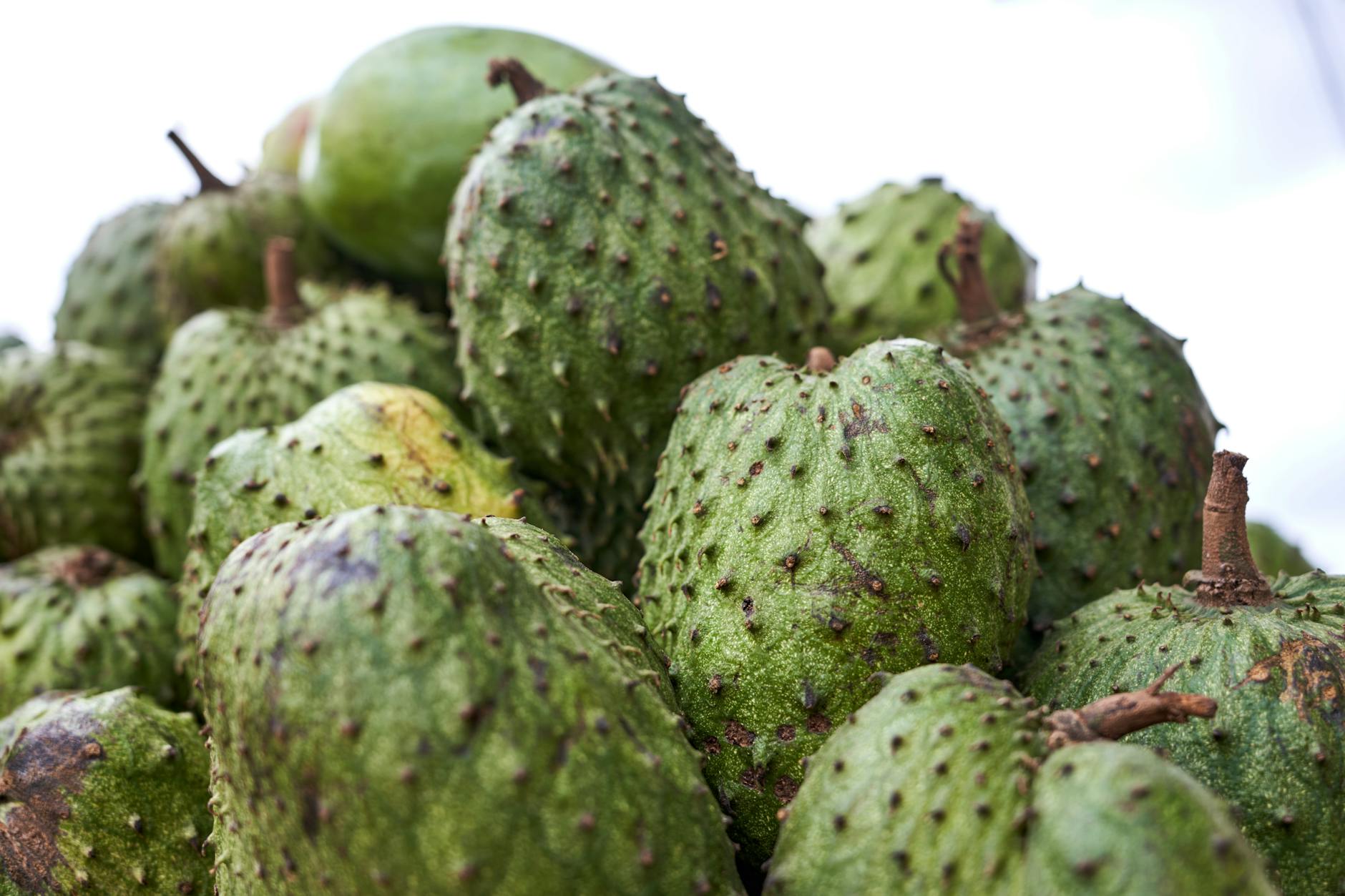
A spiky green exterior hides a creamy white pulp with a remarkably complex flavor. Tasting this fruit reveals notes of pineapple and strawberry mixed with a creamy banana texture. Alternative medicine practitioners highly value the plant for various traditional healing remedies. Beverage makers frequently strain the fibrous pulp to create thick and refreshing tropical drinks.
Cherimoya
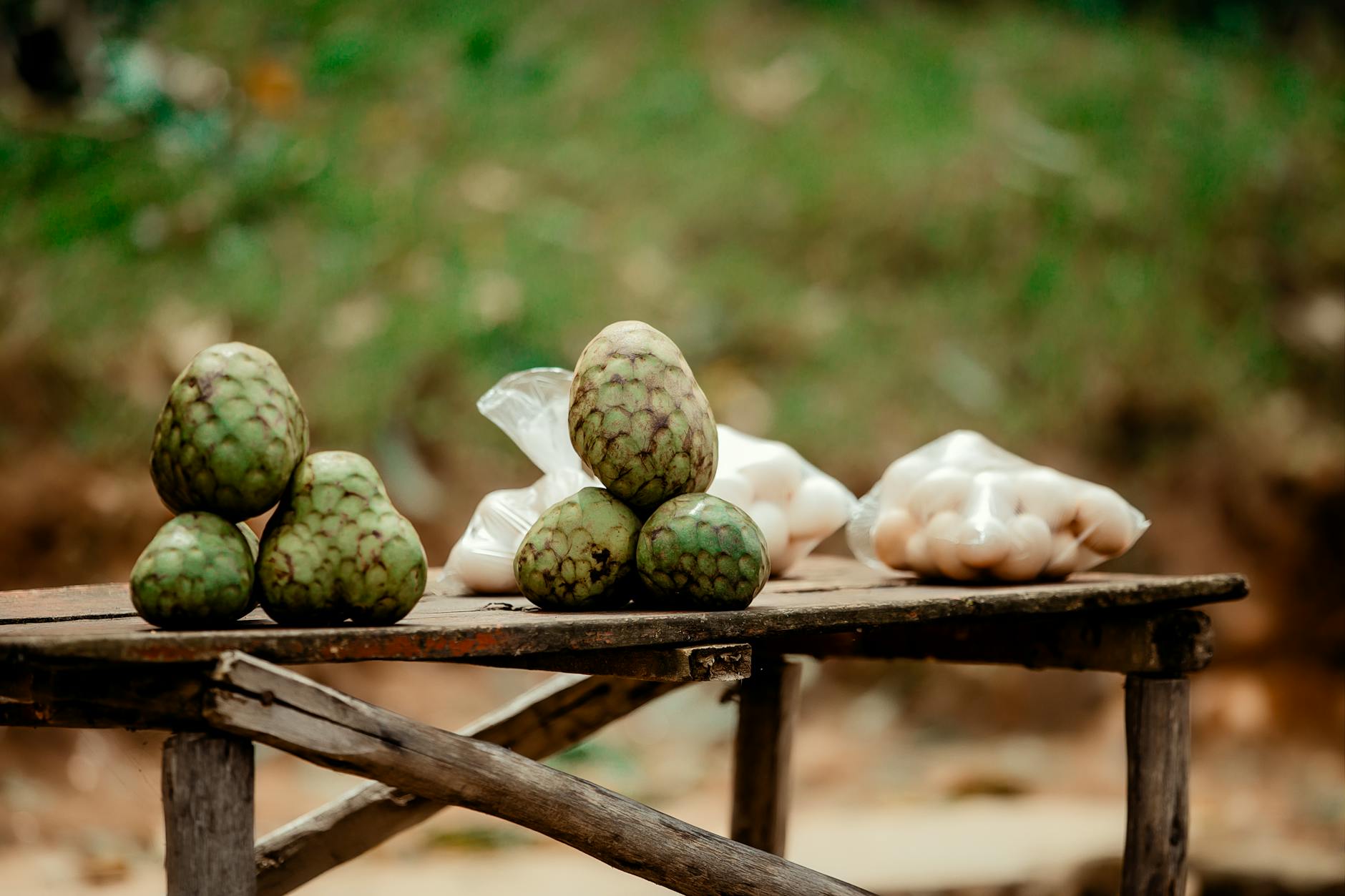
Historical accounts note that Mark Twain described this bumpy green sphere as the most delicious fruit known to men. The velvety white interior must be scooped out with a spoon while avoiding the large black seeds. It tastes like a sophisticated blend of banana and pineapple with a soft custard texture. Consumers simply chill the fruit and eat it raw as an elegant natural dessert.
Pomelo
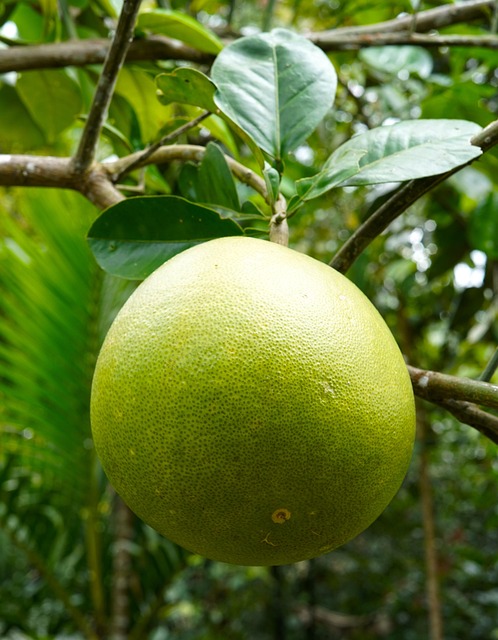
This massive ancestor of the modern grapefruit features an exceptionally thick protective rind. The large citrus segments offer a mild and sweet flavor entirely lacking the bitterness of grapefruit. It requires significant patience to peel but rewards the effort with abundant vitamin C. Asian culinary traditions frequently incorporate the sweet segments into spicy savory salads.
Feijoa
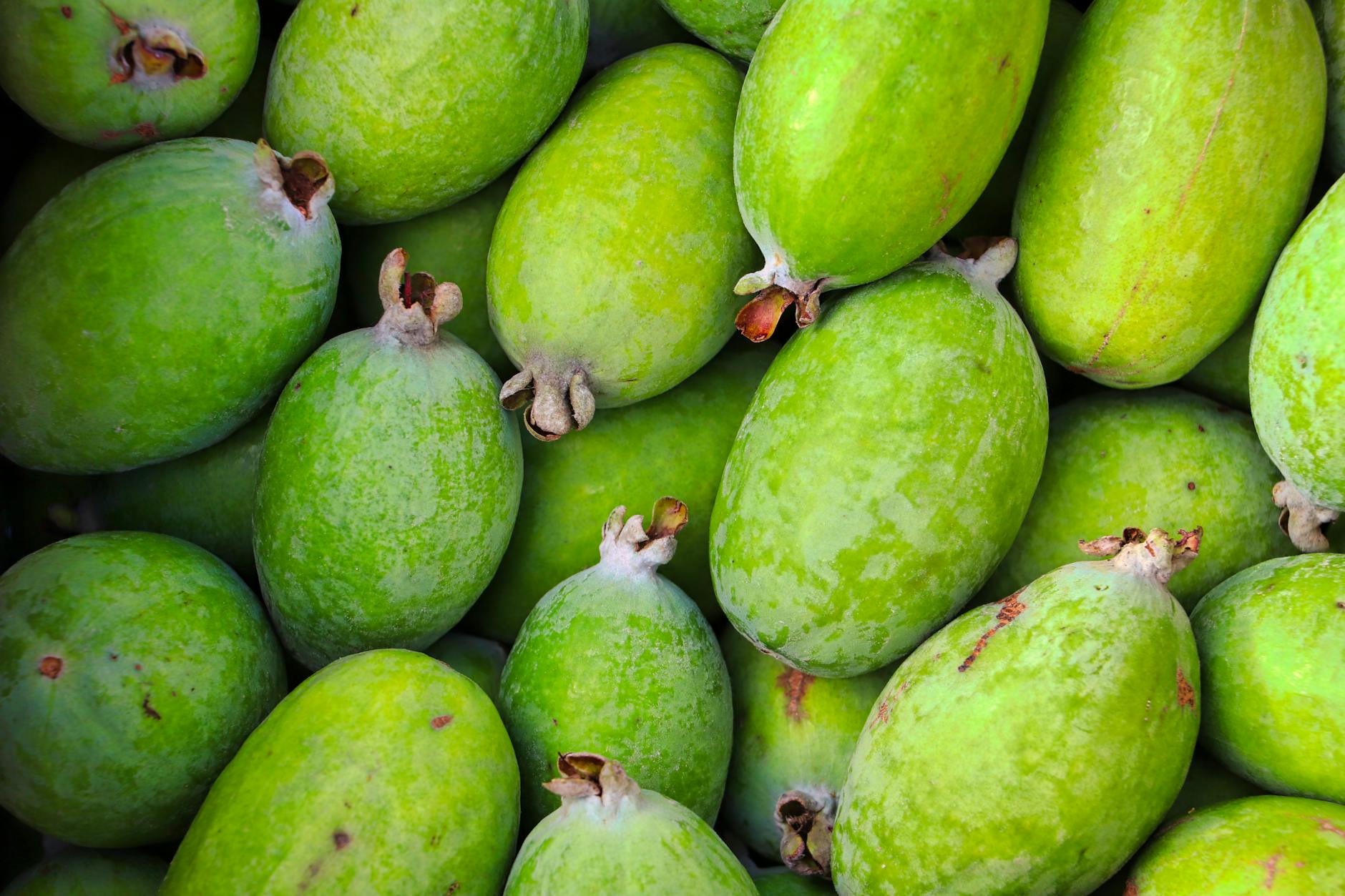
Botanists sometimes call this the pineapple guava and the green oval fruit drops to the ground when fully ripe. The gritty sweet flesh tastes like an intense mixture of mint and tropical pineapple. It provides a fantastic source of vitamin C and unique aromatic essential oils. People simply cut them in half and scoop out the fragrant jelly like center.
Boysenberry
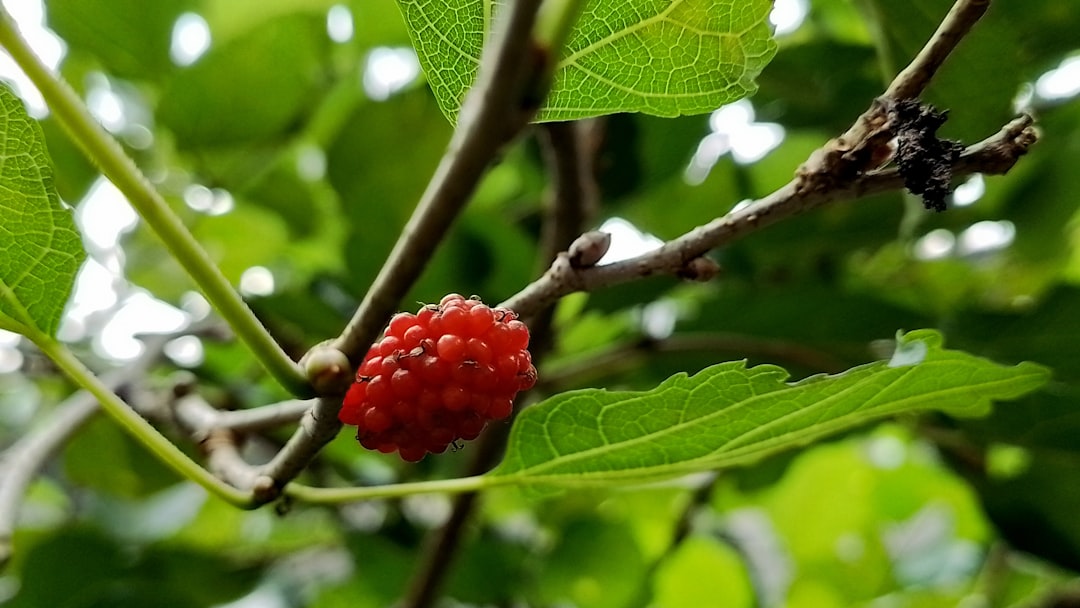
This complex hybrid berry combines the genetic traits of raspberries and blackberries into one fruit. The large dark maroon berries deliver an incredibly juicy texture and a wonderfully tart flavor. Their fragile nature makes them very difficult to ship and rare in commercial grocery stores. Farmers market shoppers eagerly buy them for baking exceptional summer pies and cobblers.
Gooseberry
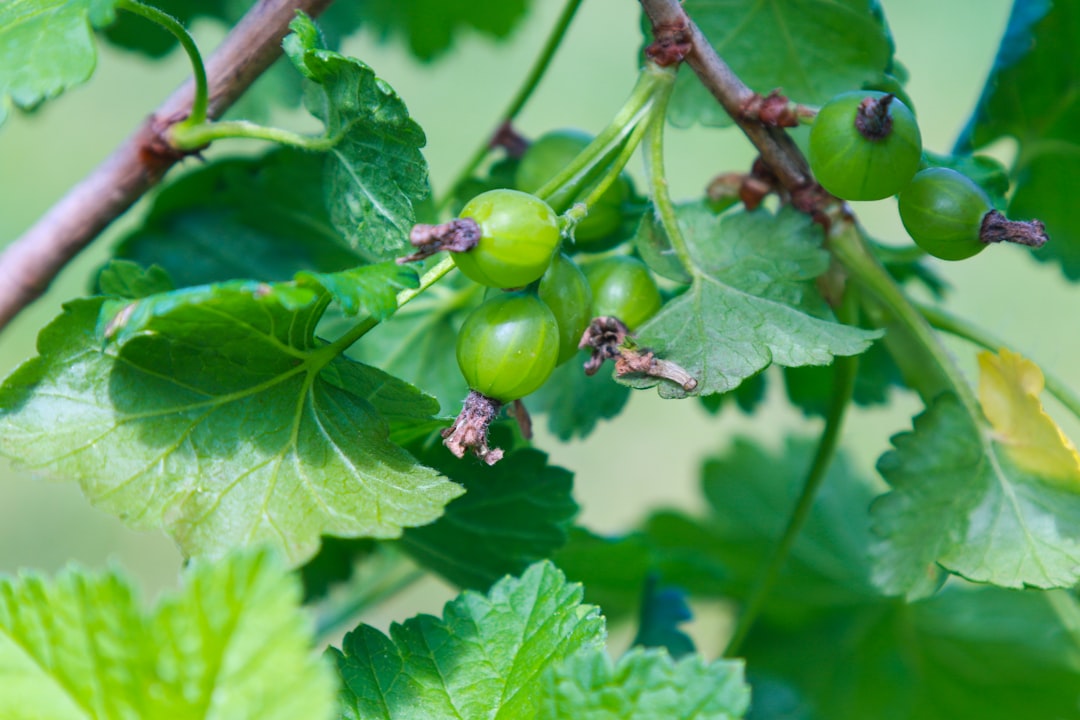
These small translucent globes grow on thorny bushes and come in green or reddish varieties. The exceptionally tart flavor makes the raw green ones quite challenging to eat directly. They contain massive amounts of vitamin C and beneficial pectin for culinary applications. British bakers traditionally stew them with sugar to create classic fools and crumbles.
Elderberry
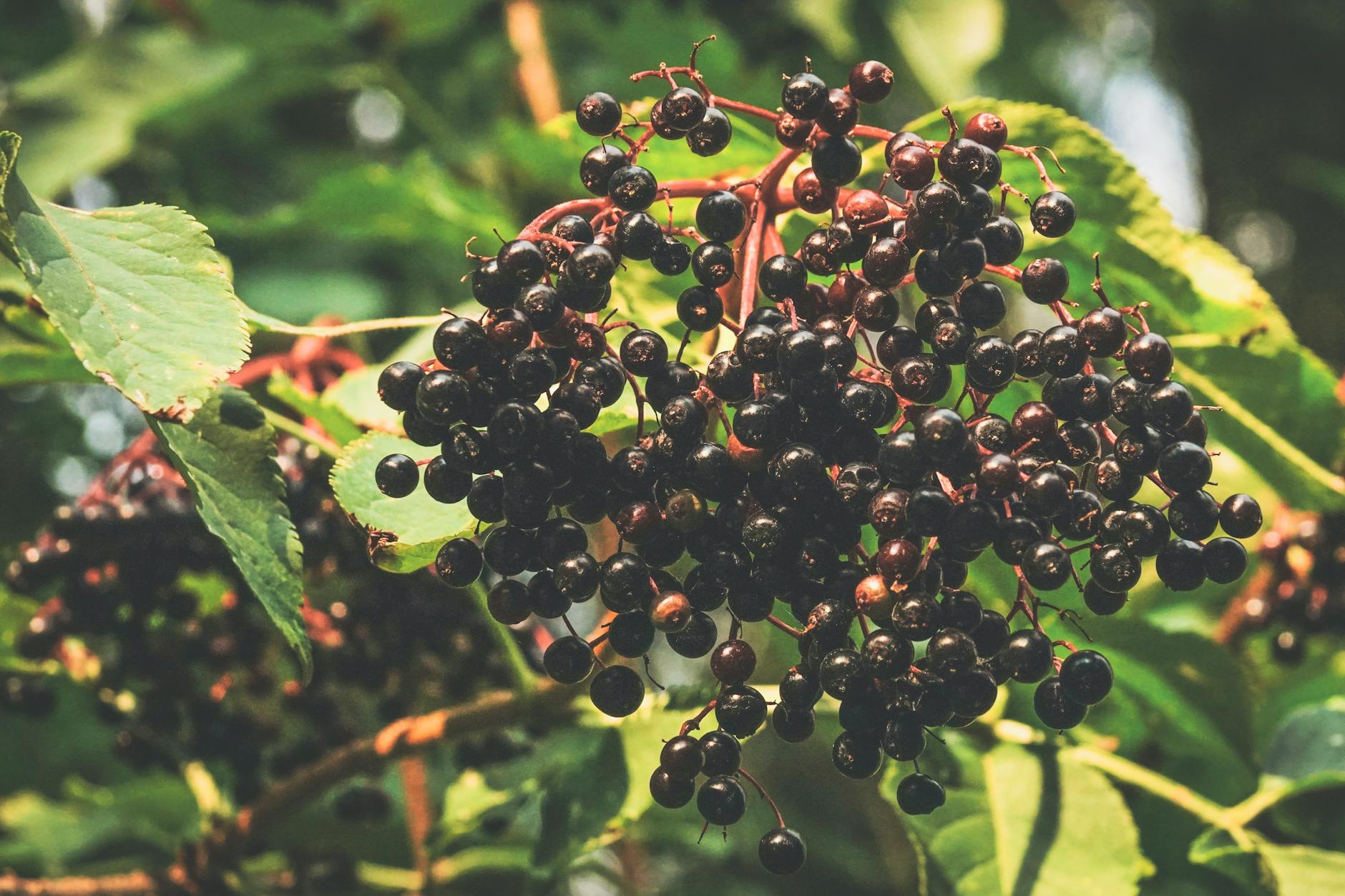
These tiny dark purple berries grow in large clusters on wild bushes across temperate regions. They possess a mildly toxic compound when raw and absolutely must be cooked before consumption. The cooking process releases a deeply earthy and slightly sweet berry flavor profile. Herbalists widely utilize the dark syrup to support healthy immune system function during winter.
Sapodilla
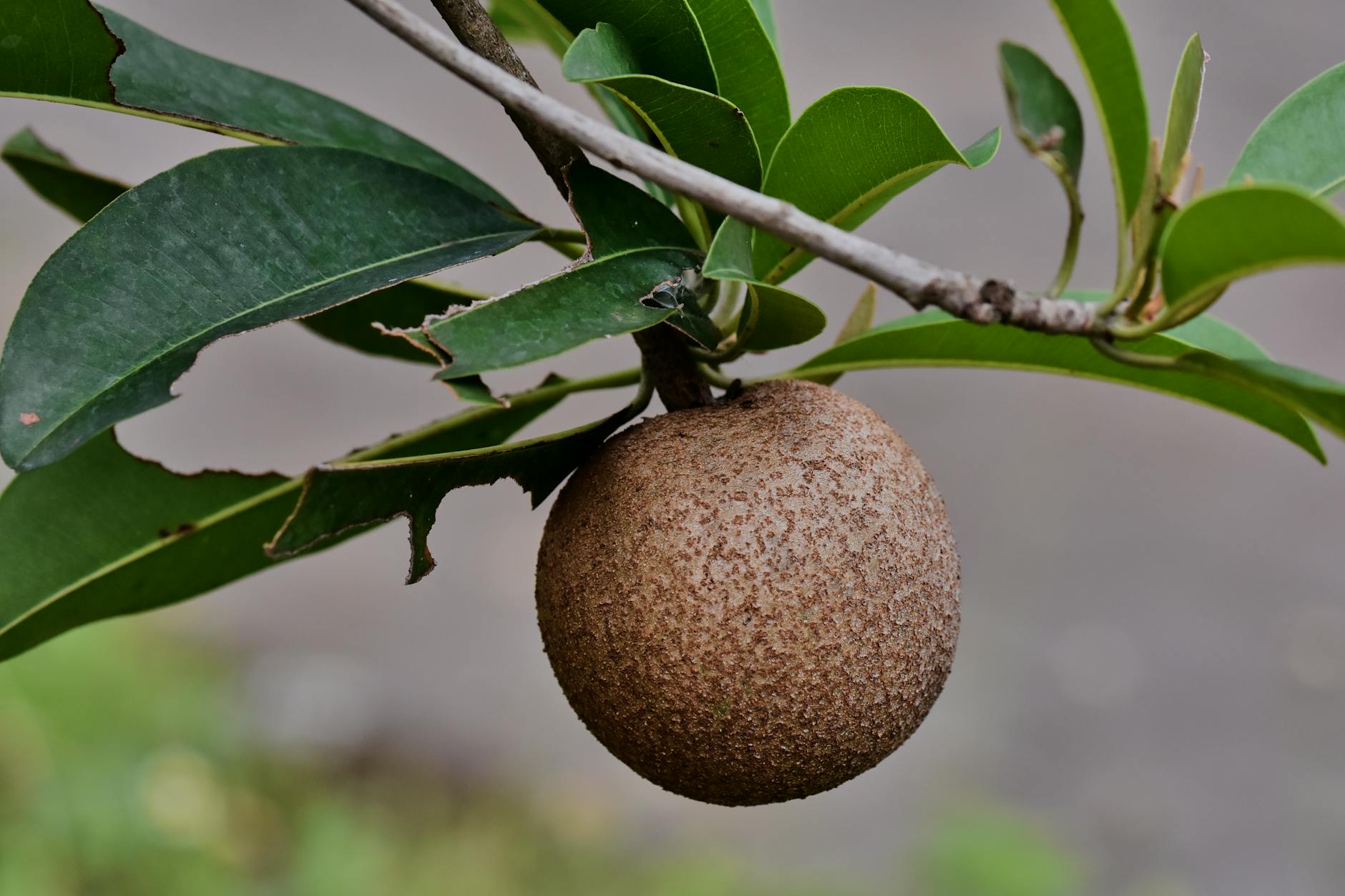
A rough brown exterior makes this fruit look remarkably like a simple potato. The soft brown interior possesses a slightly granular texture similar to a very ripe pear. It tastes exactly like brown sugar mixed with sweet vanilla and rich caramel. Diners simply chill the fruit and eat the extremely sweet flesh directly from the skin.
Cantaloupe
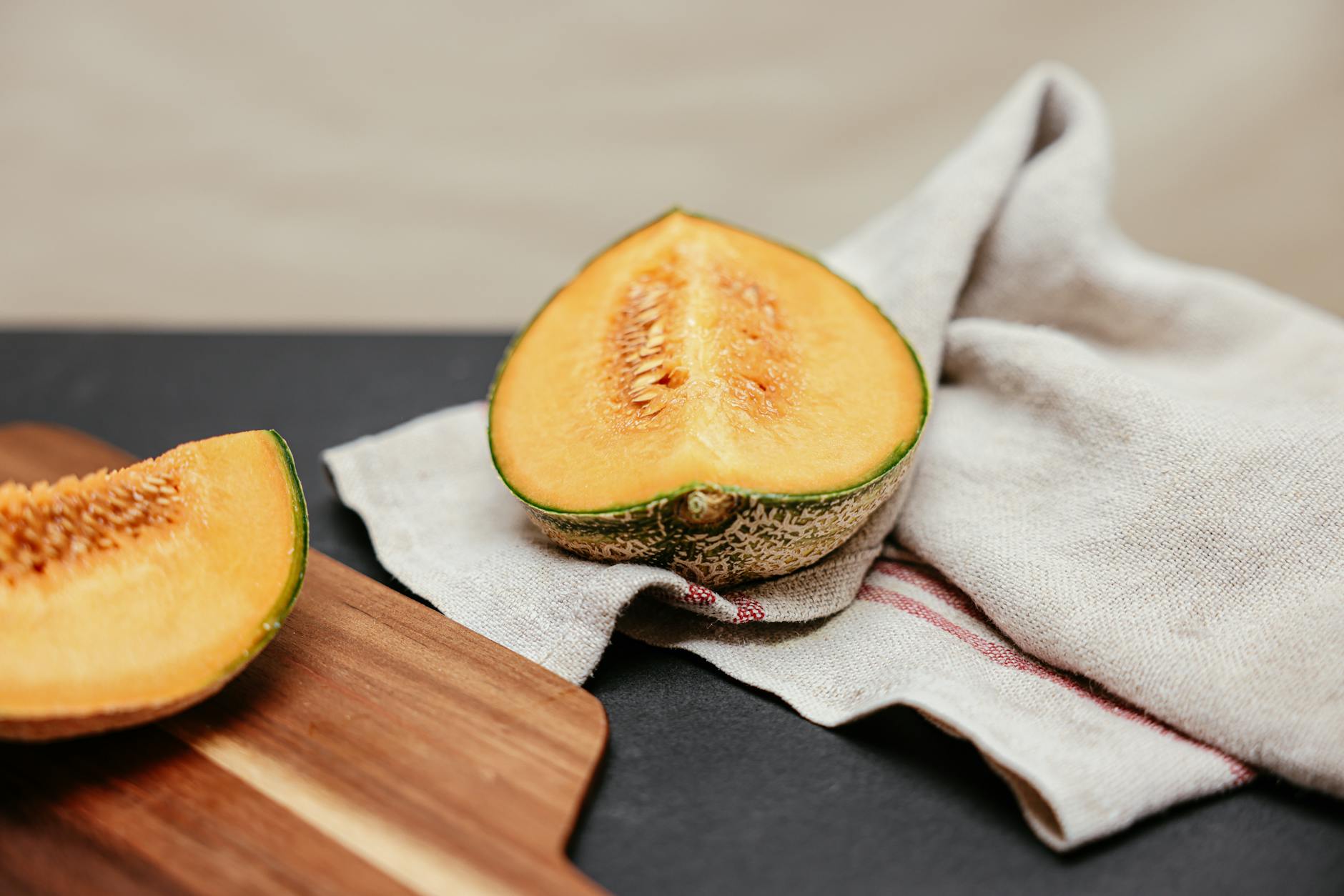
This netted melon often gets overlooked but deserves respect for its deeply sweet orange flesh. A perfectly ripe specimen fills the entire room with a heavy musky floral aroma. It boasts high water content and exceptional amounts of beta carotene for skin health. Cooks frequently wrap slices in cured meats for a classic sweet and salty appetizer.
Blackberry
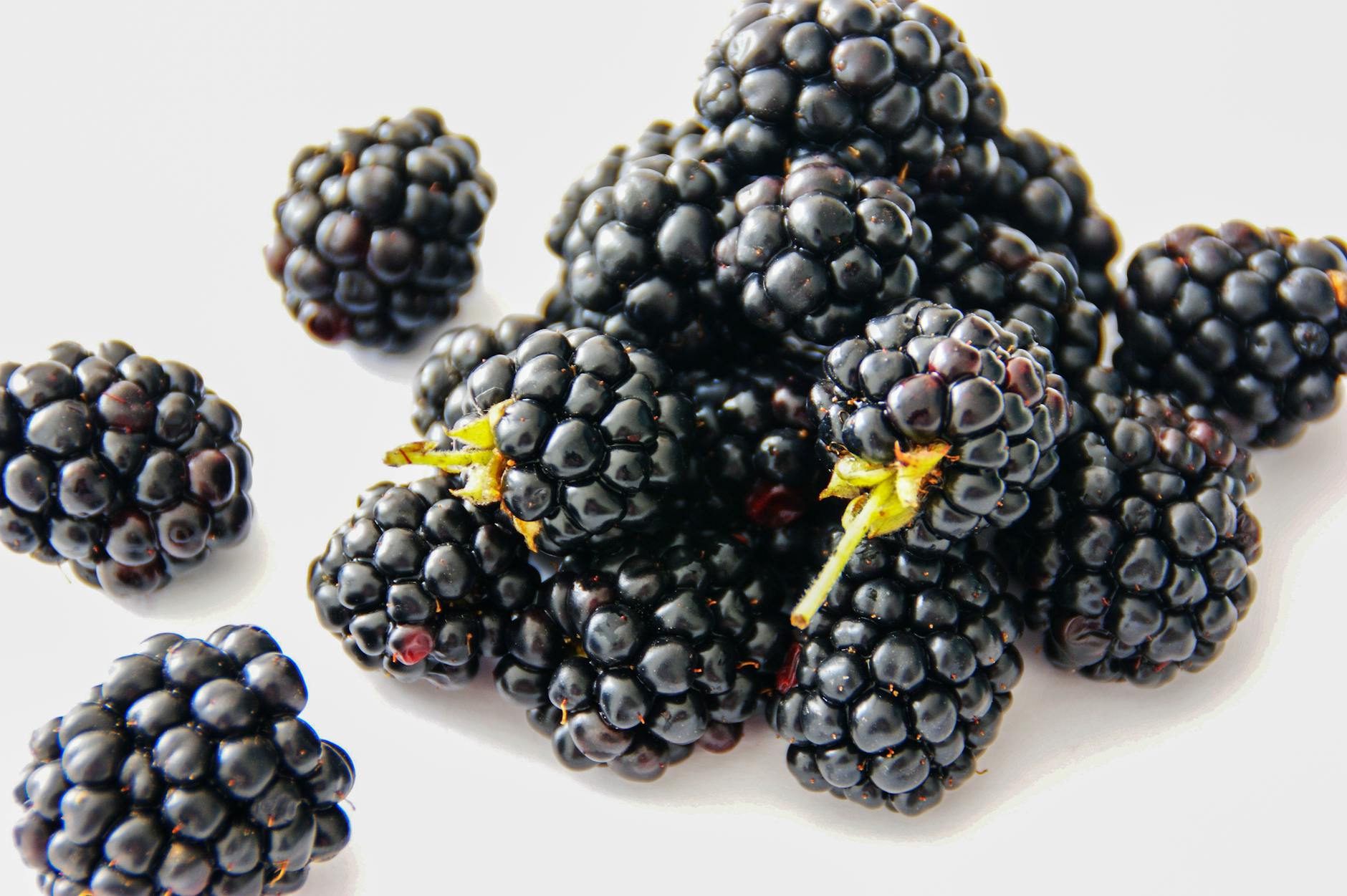
These dark aggregate fruits grow vigorously on trailing thorny brambles in wild environments. Each plump dark drupelet bursts with a complex flavor balancing deep sweetness and tart woodland notes. They provide phenomenal amounts of dietary fiber and brain protecting anthocyanin antioxidants. Bakers love folding them into rustic muffins or cooking them down into rich purple jams.
Cranberry
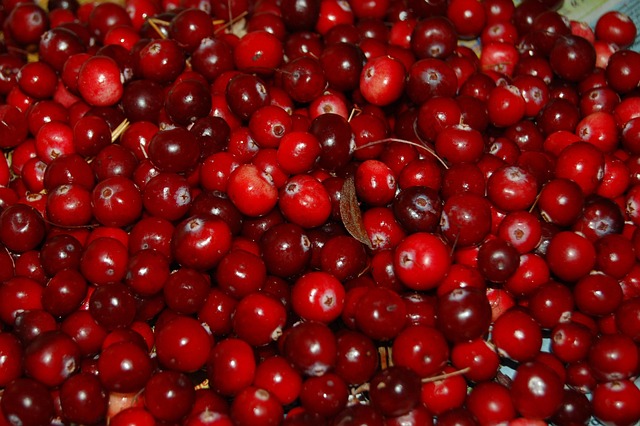
These incredibly tart red berries grow on low trailing vines in sandy wetland bogs. Their intense acidity requires substantial sweetening to become palatable for most average consumers. They are famous for containing specific compounds that promote healthy urinary tract function. Cooks traditionally simmer them into thick ruby sauces to accompany rich roasted poultry dishes.
Plantain
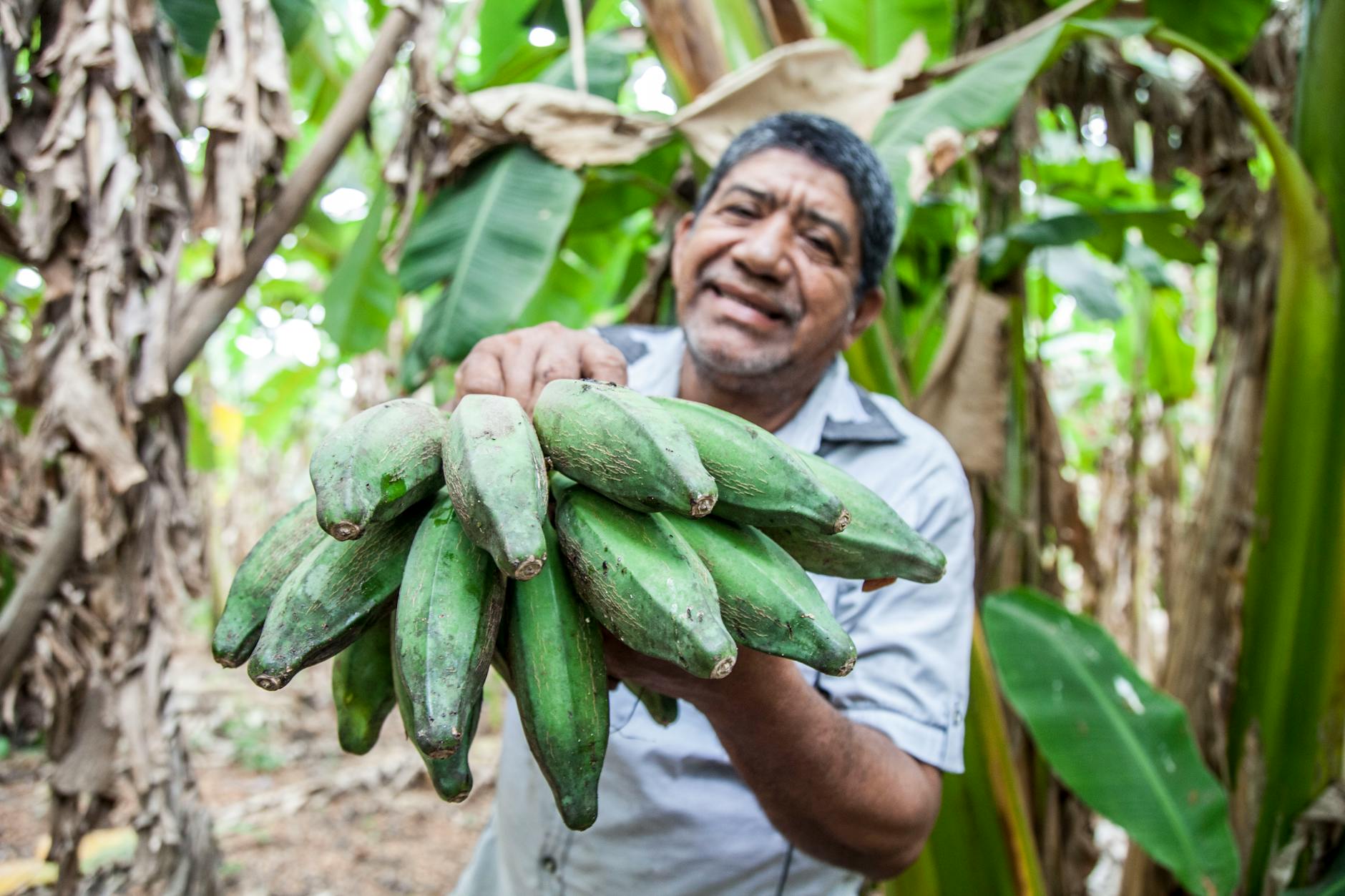
This starchy relative of the banana requires cooking before eating and serves as a vital staple crop. Green ones taste savory like a potato while black ones caramelize into a very sweet treat. They provide excellent complex carbohydrates and significant amounts of dietary potassium. Cooks all over the world fry them into crispy chips or mash them into savory mounds.
Please share your thoughts and your favorite ways to enjoy these underrated fruits in the comments.




