Feline communication relies heavily on subtle body language that can be easily misinterpreted by human companions. A cat often signals distress or irritation long before resorting to aggressive actions like scratching or biting. Understanding these quiet cues is essential for maintaining a harmonious relationship and respecting the boundaries of a pet. The following indicators suggest a cat is experiencing negative emotions that require immediate attention and space.
Tail Twitching
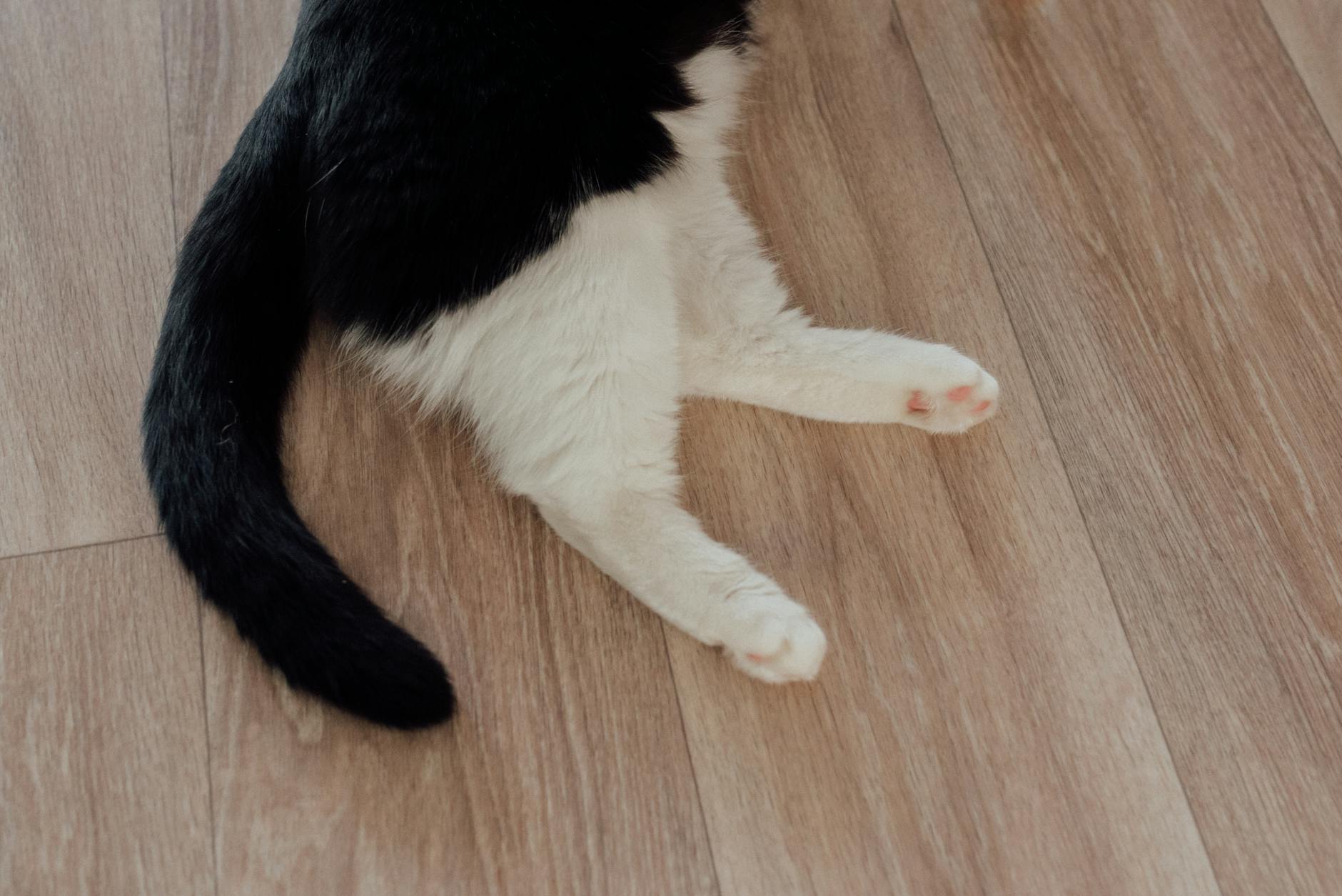
A rapidly twitching tail often indicates significant irritation or impending aggression in felines. This physical cue serves as a warning signal that the animal feels overstimulated or threatened by current interactions. Pet owners should observe the speed and intensity of the movement to gauge the level of annoyance. Ignoring this clear sign often leads to scratching or biting as the cat attempts to create distance. Giving the pet immediate space allows them to calm down safely.
Ear Flattening
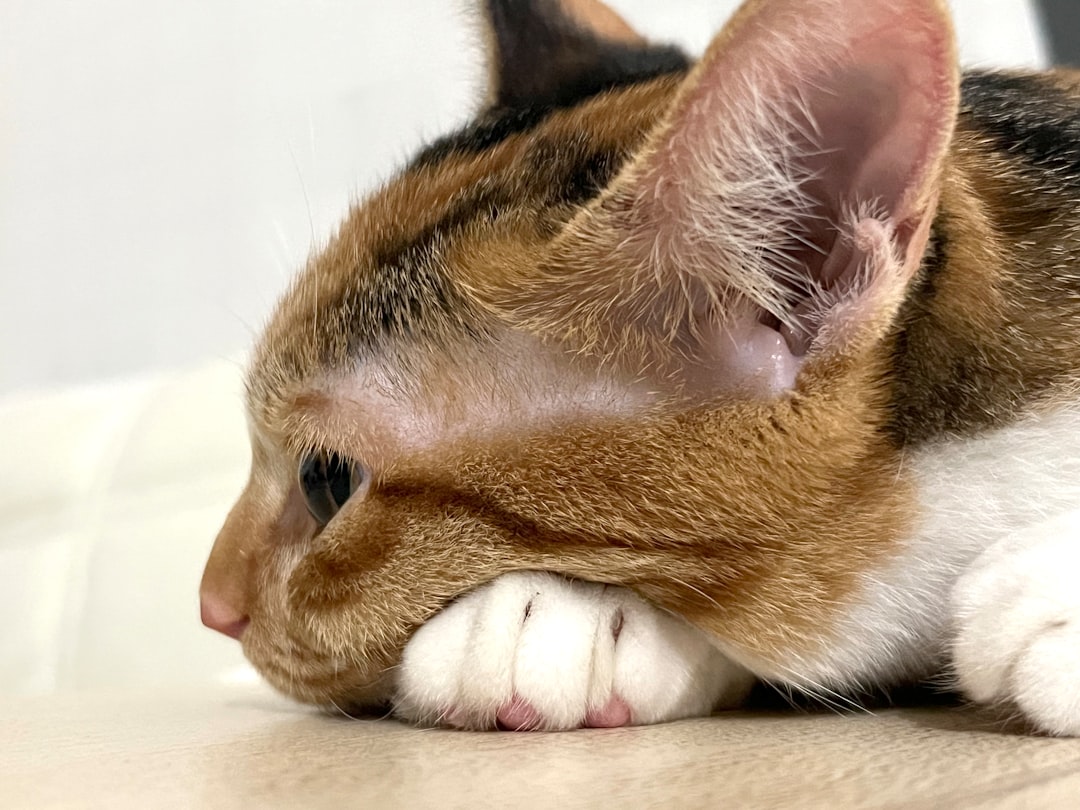
Ears pressed flat against the head demonstrate a defensive or fearful state that borders on anger. This distinct posture protects the ears from potential injury during a perceived conflict. It signals that the cat feels cornered and is prepared to lash out if provoked further. Recognizing this facial expression helps humans avoid unnecessary confrontation with their stressed companions. A relaxed ear position will only return once the perceived threat has completely dissipated.
Avoidance
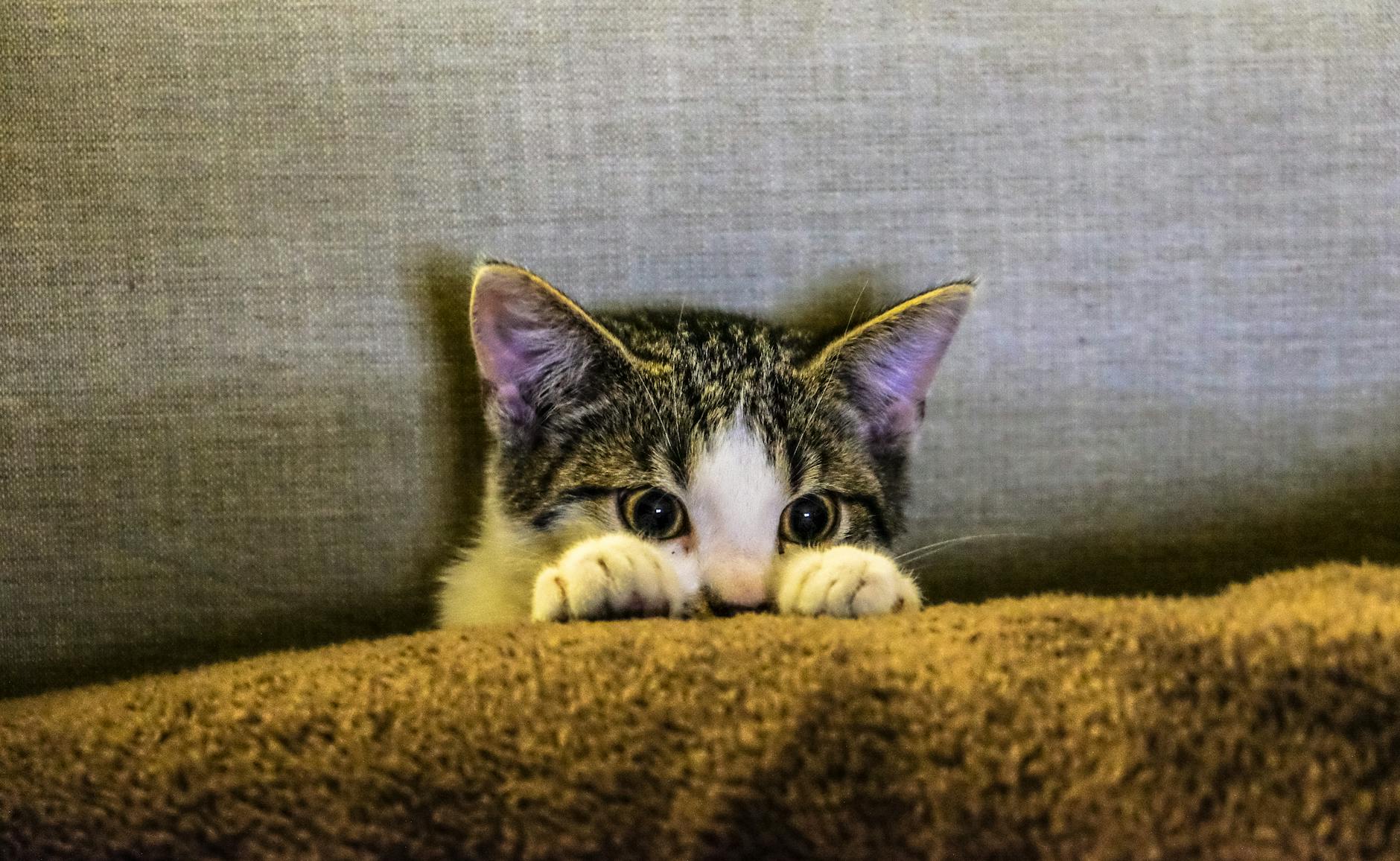
A sudden refusal to be in the same room suggests a desire to sever social connection temporarily. Cats utilize isolation as a coping mechanism to manage stress or frustration with their environment. Hiding under furniture or in high places provides them with a sense of security and control. Forcing interaction during these withdrawal periods usually exacerbates the underlying tension between pet and owner. Respecting their need for solitude remains the best approach to repairing the relationship.
Hissing or Growling
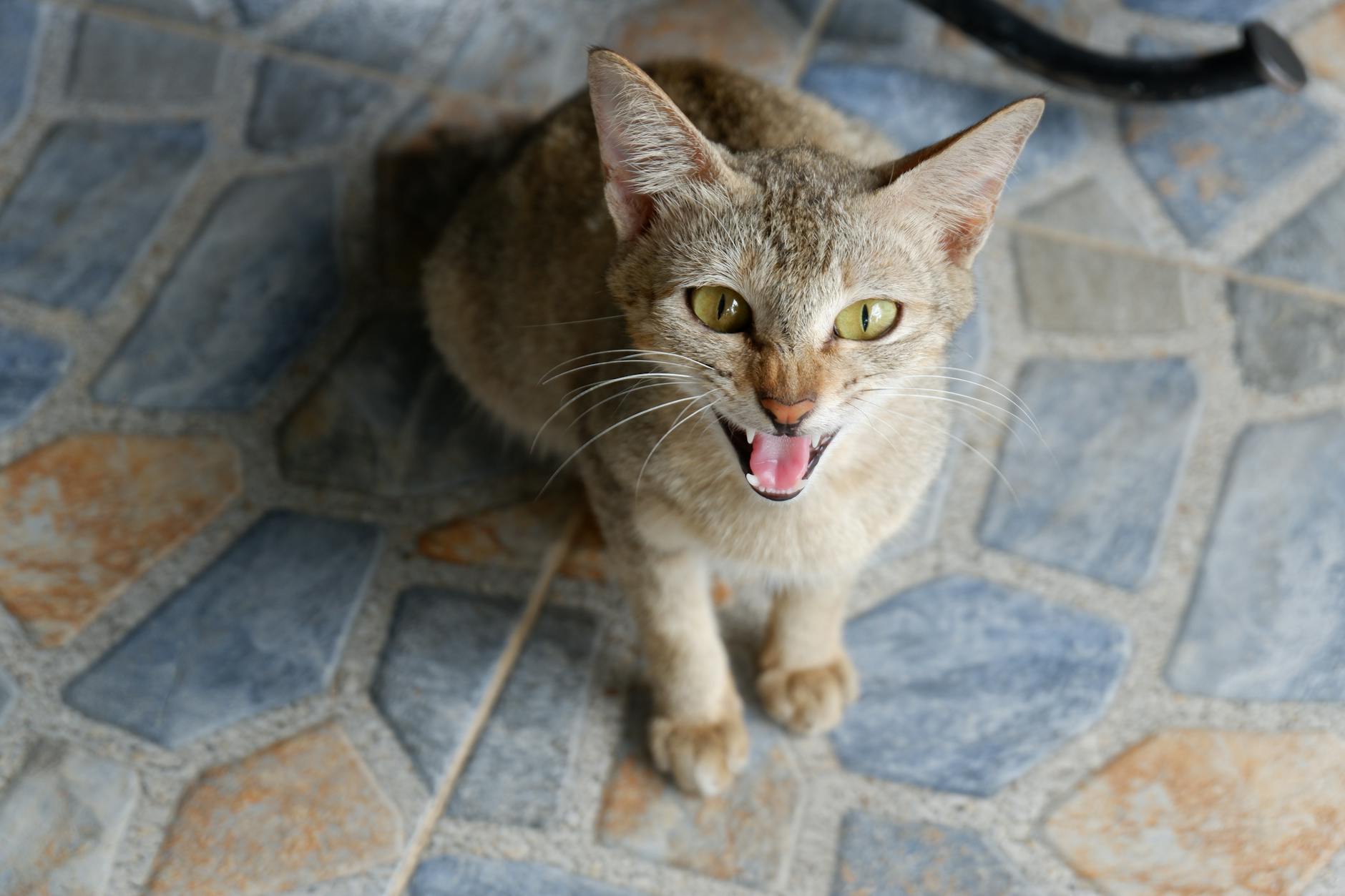
Vocalizations like hissing or low growling serve as direct auditory warnings of extreme displeasure. These sounds indicate that the cat feels its boundaries have been violated significantly. The behavior functions as a final caution before physical defensive measures are taken. Such vocal displays are rarely subtle and communicate an immediate need for the cessation of current activities. Silence and distance are the only appropriate responses to deescalate the situation.
Staring Down
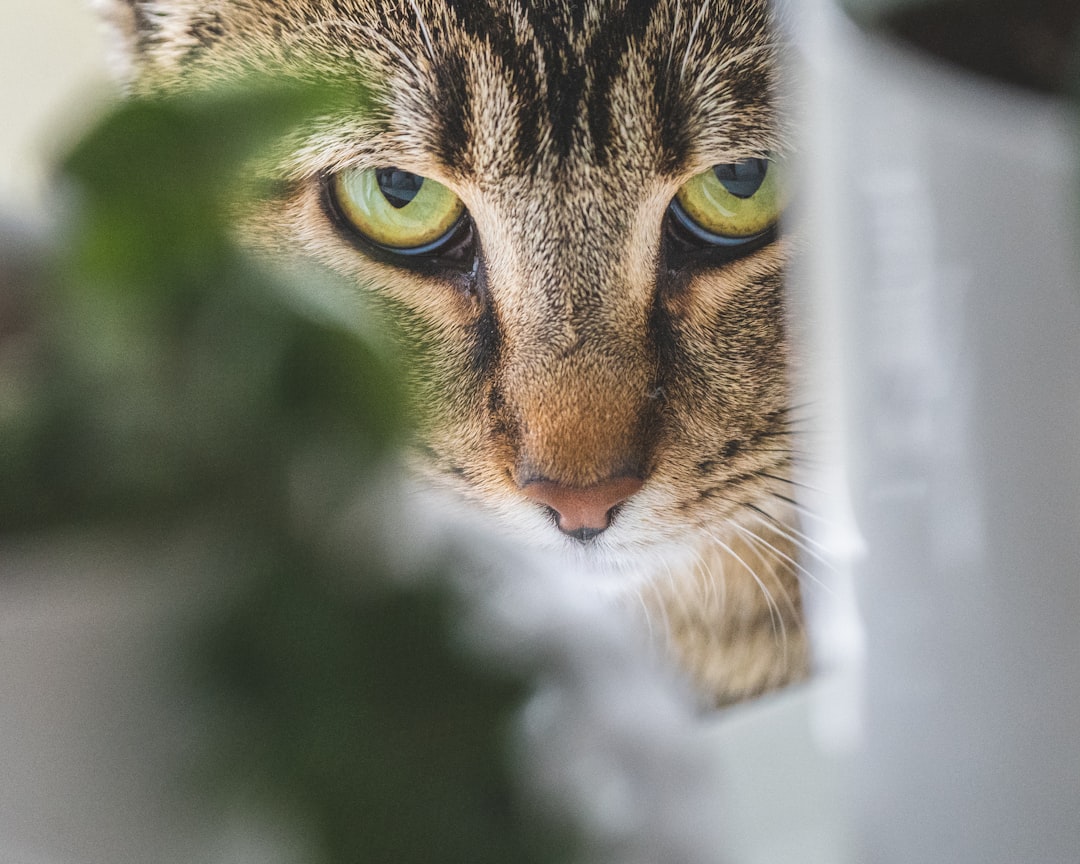
Prolonged and unblinking eye contact from a distance can signify dominance or a challenge. This intense gaze differs significantly from the slow blinks that indicate affection and trust. The cat uses this visual lock to assert control over a specific territory or resource. Breaking eye contact first can sometimes diffuse the tension without signaling submission. Approaching a staring cat often triggers a defensive reaction or a rapid retreat.
Excessive Grooming
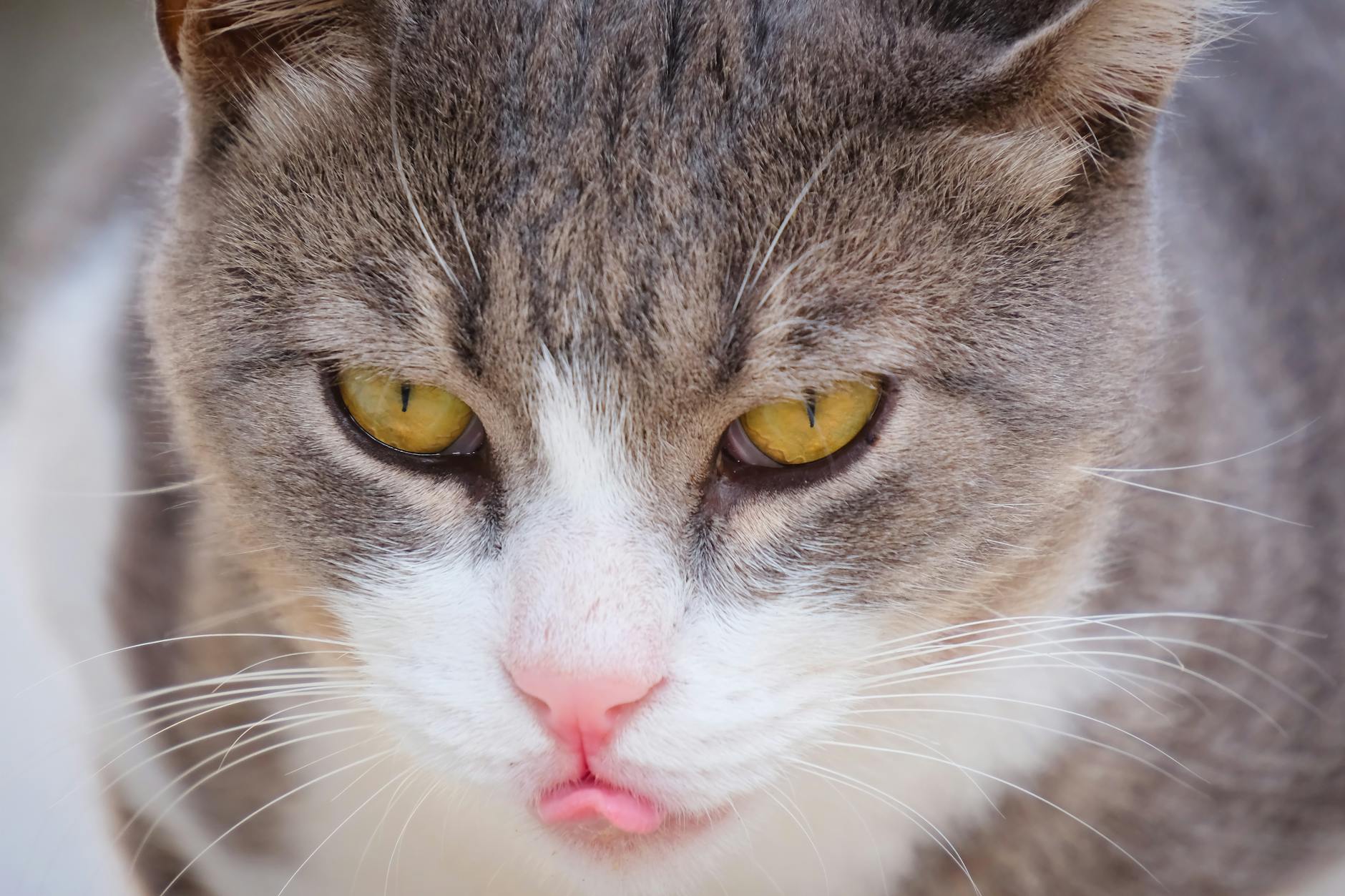
Sudden bursts of aggressive grooming may indicate displacement behavior caused by anxiety or frustration. The animal focuses intensely on a specific spot to self-soothe when they feel conflicted about a situation. This nervous habit can sometimes lead to bald patches or skin irritation if the stressor persists. It often occurs right after a negative interaction or a scolding from an owner. Monitoring this behavior helps identify environmental triggers that cause the pet distress.
The Rapid Bite
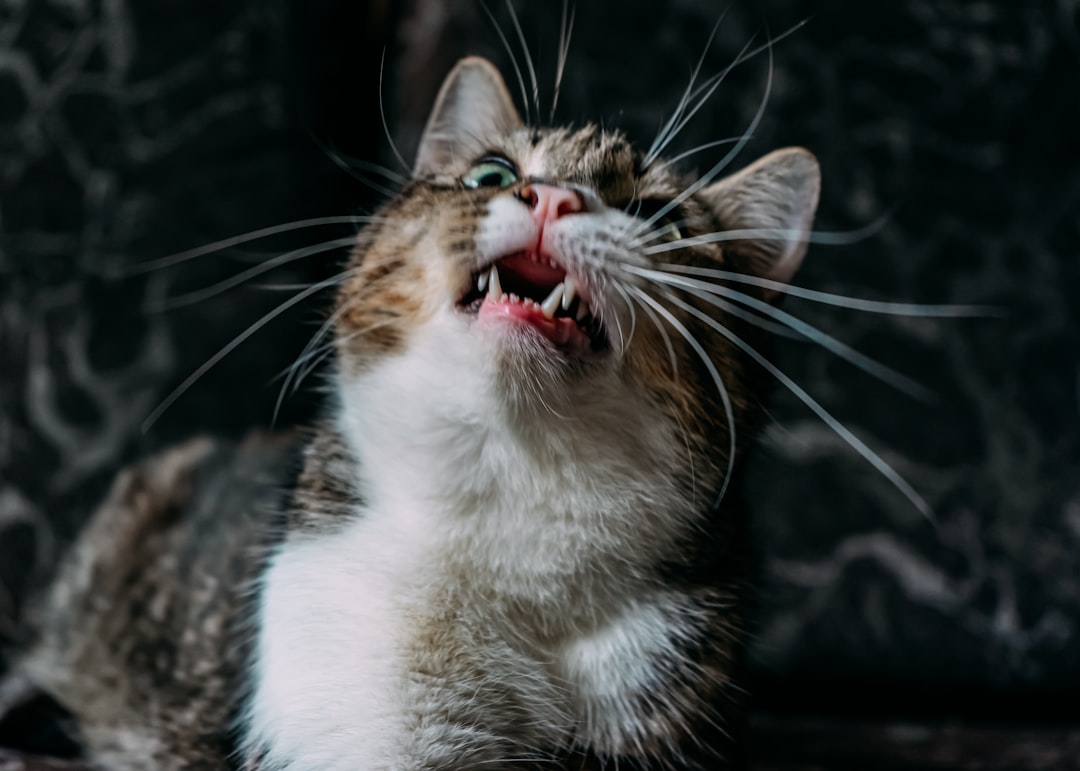
A quick nip during petting sessions signals overstimulation rather than unprovoked aggression. This reaction occurs when the repetitive sensation becomes physically uncomfortable or annoying for the animal. It serves as a sharp correction to the human to stop the interaction immediately. Many cats have a limited tolerance threshold for physical touch even when they initially seek it out. Learning these limits prevents future incidents of petting induced aggression.
Refusing Treats
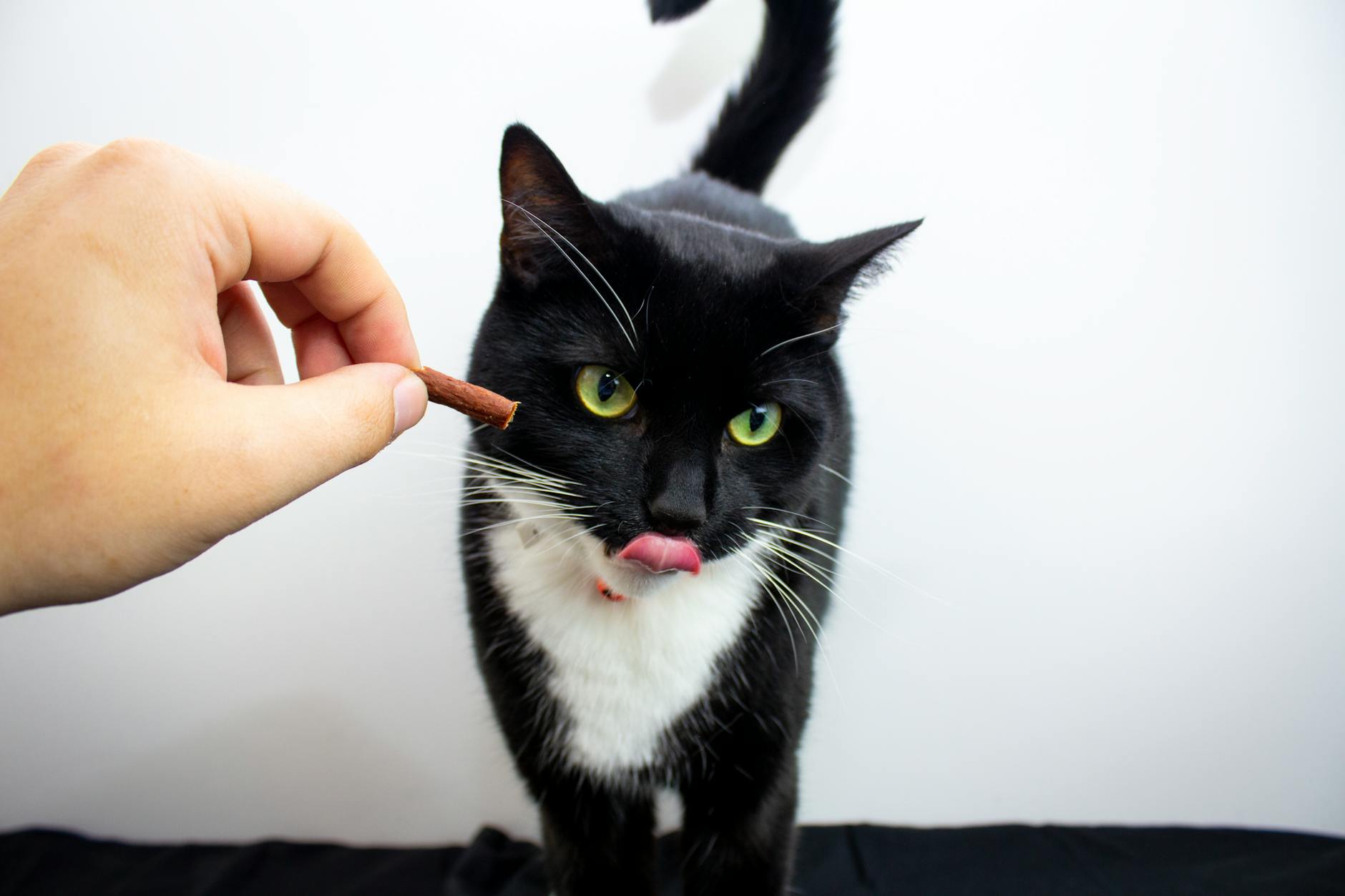
A lack of interest in high value food rewards often points to significant emotional distress or anger. Stress hormones suppress the appetite and make even favorite snacks unappealing to a focused feline. This behavior typically occurs after a loud noise or a significant disruption to their routine. The refusal acts as a barometer for the current stress levels of the animal. Normal eating habits usually resume once the cat feels safe and relaxed again.
Tail Puffing
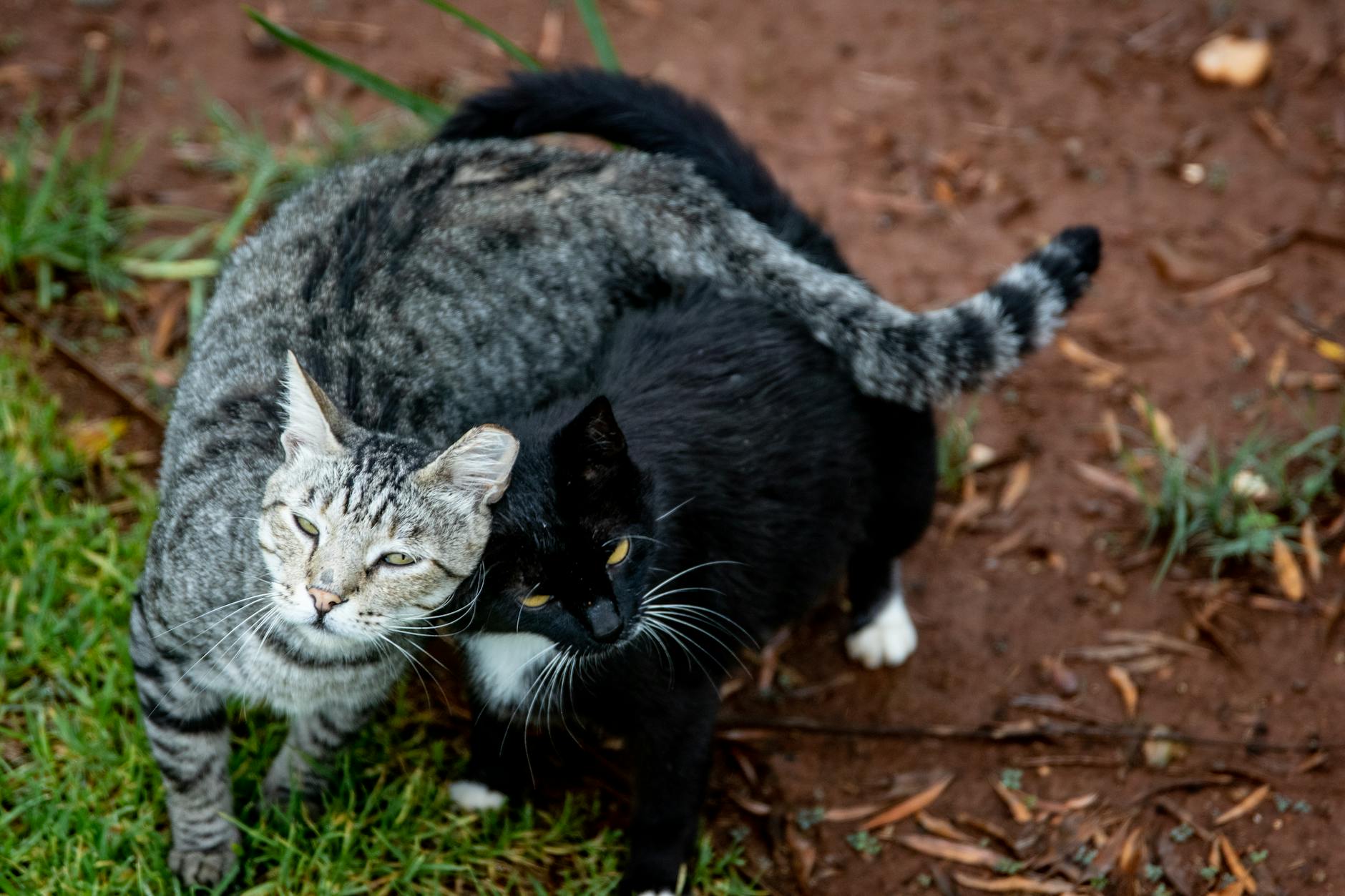
Piloerection involving the tail creates a larger silhouette to ward off potential threats or enemies. This involuntary physical response happens when the cat feels startled or extremely defensive. The puffed tail makes the animal appear more formidable to whatever has caused the offense. It is a primal reaction rooted in survival instincts rather than conscious communication. Calmness returns slowly as the adrenaline leaves the system.
Eliminating Outside the Box
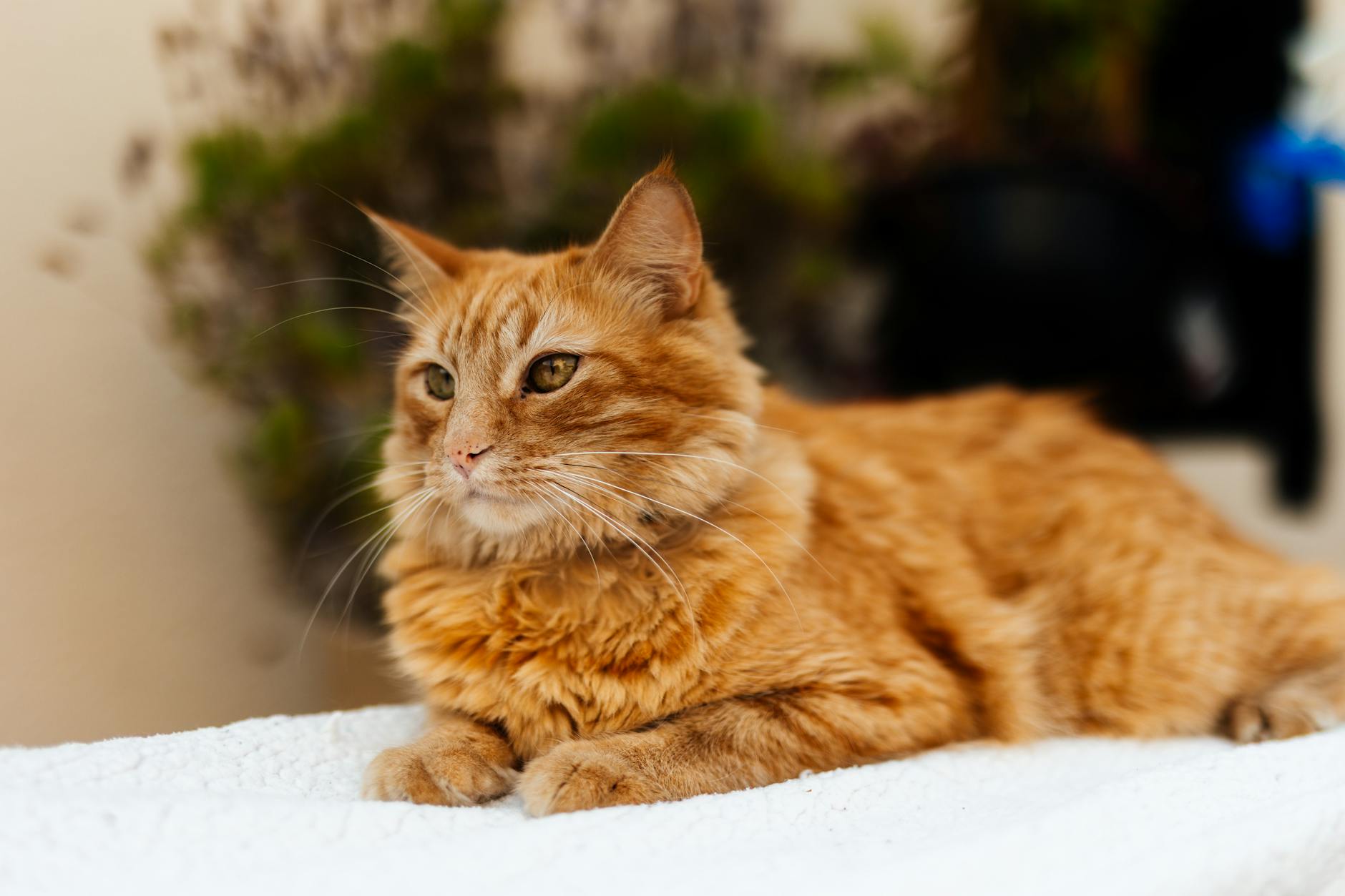
Urinating or defecating on personal items can sometimes signal stress or territorial anxiety. This behavior marks territory with a familiar scent to establish a sense of security. It is frequently misinterpreted as spite but stems from a need to comfort themselves. Major household changes or conflicts often precipitate these unfortunate accidents. Veterinary checks should always rule out medical issues before assuming behavioral causes.
Paw Swatting
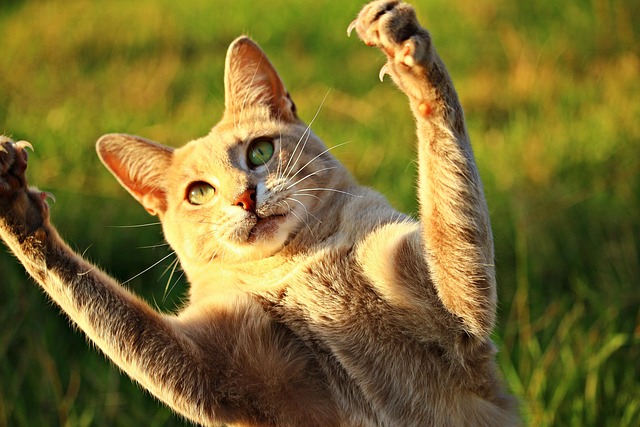
A swift strike with a paw functions as a clear physical command to back away. This action might happen with or without claws depending on the level of intent. It serves as an intermediate warning between a hiss and a full bite. The cat uses this gesture to create immediate personal space when feeling crowded. Respecting this boundary usually prevents further escalation of the conflict.
Skin Rippling
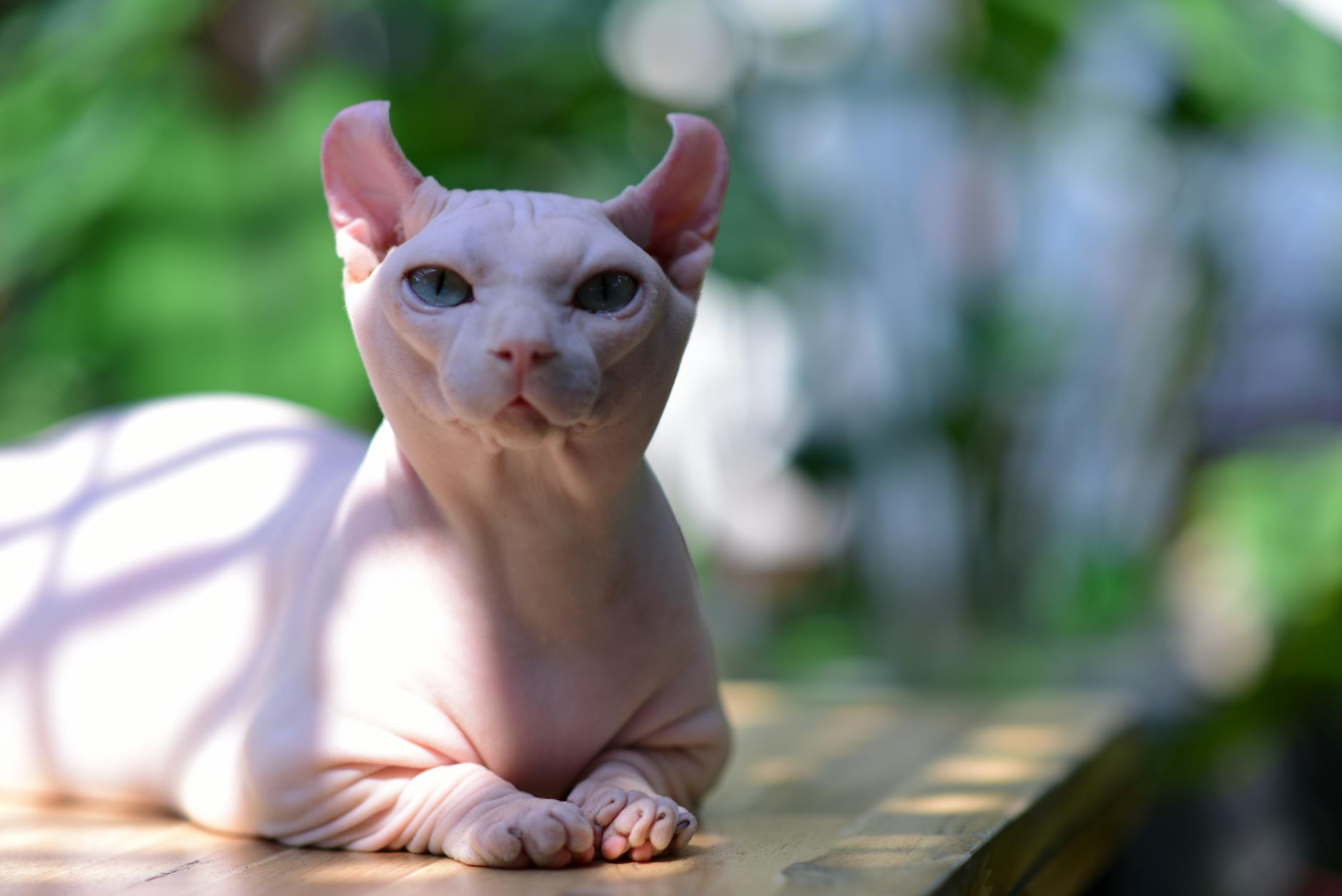
Twitching skin along the back is a condition known as feline hyperesthesia or simply a sign of irritation. This physical ripple indicates that the cat is feeling sensitive and perhaps agitated by touch. It often precedes erratic running or sudden aggressive grooming sessions. Touching the back area during this time usually results in a defensive reaction. Observation without contact is the safest way to handle these episodes.
Blocking Paths
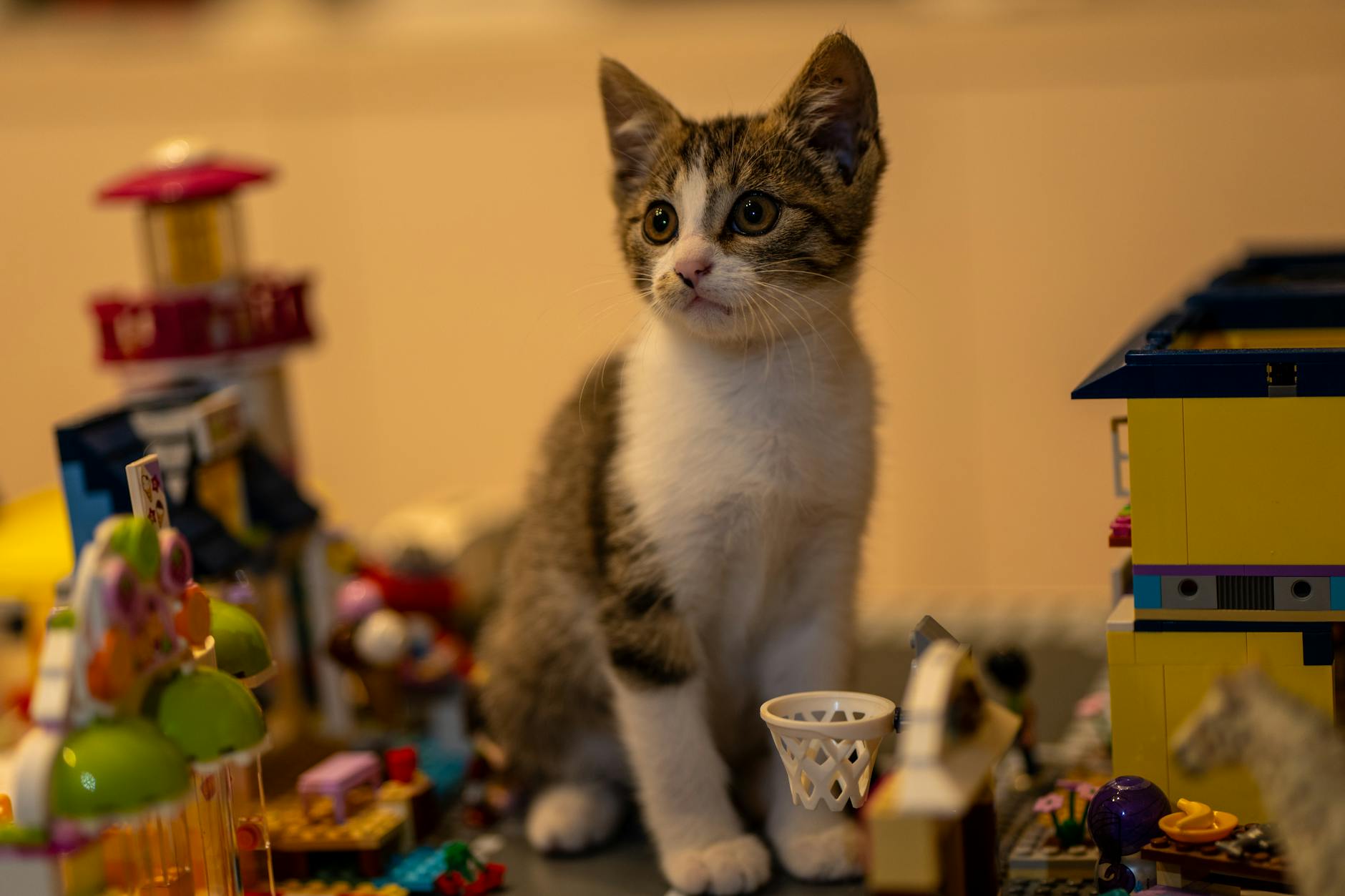
Intentionally sitting in doorways or high traffic areas can be a way to control movement. This passive aggressive behavior forces the owner to acknowledge the presence and status of the cat. It effectively impedes the human routine and demands attention or resources. Moving the cat physically often results in resistance or vocal complaints. This territorial display asserts their perceived dominance within the household hierarchy.
Dilated Pupils
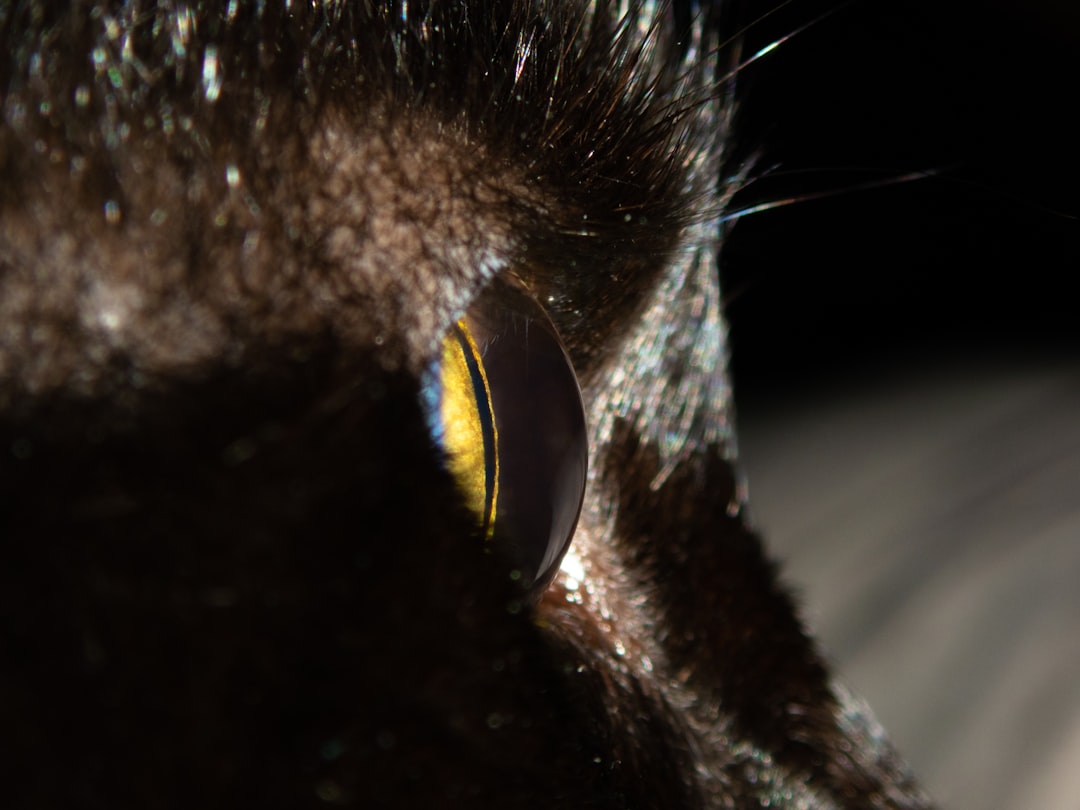
Wide and round pupils in a bright environment indicate high arousal or fear. The dilation allows more light in to better assess threats and prepare for a fight or flight response. This physiological change often happens just before a strike or a rapid dash. It signifies that the cat is on high alert and not in a playful mood. Owners should avoid sudden movements when observing this specific eye characteristic.
Low Body Posture
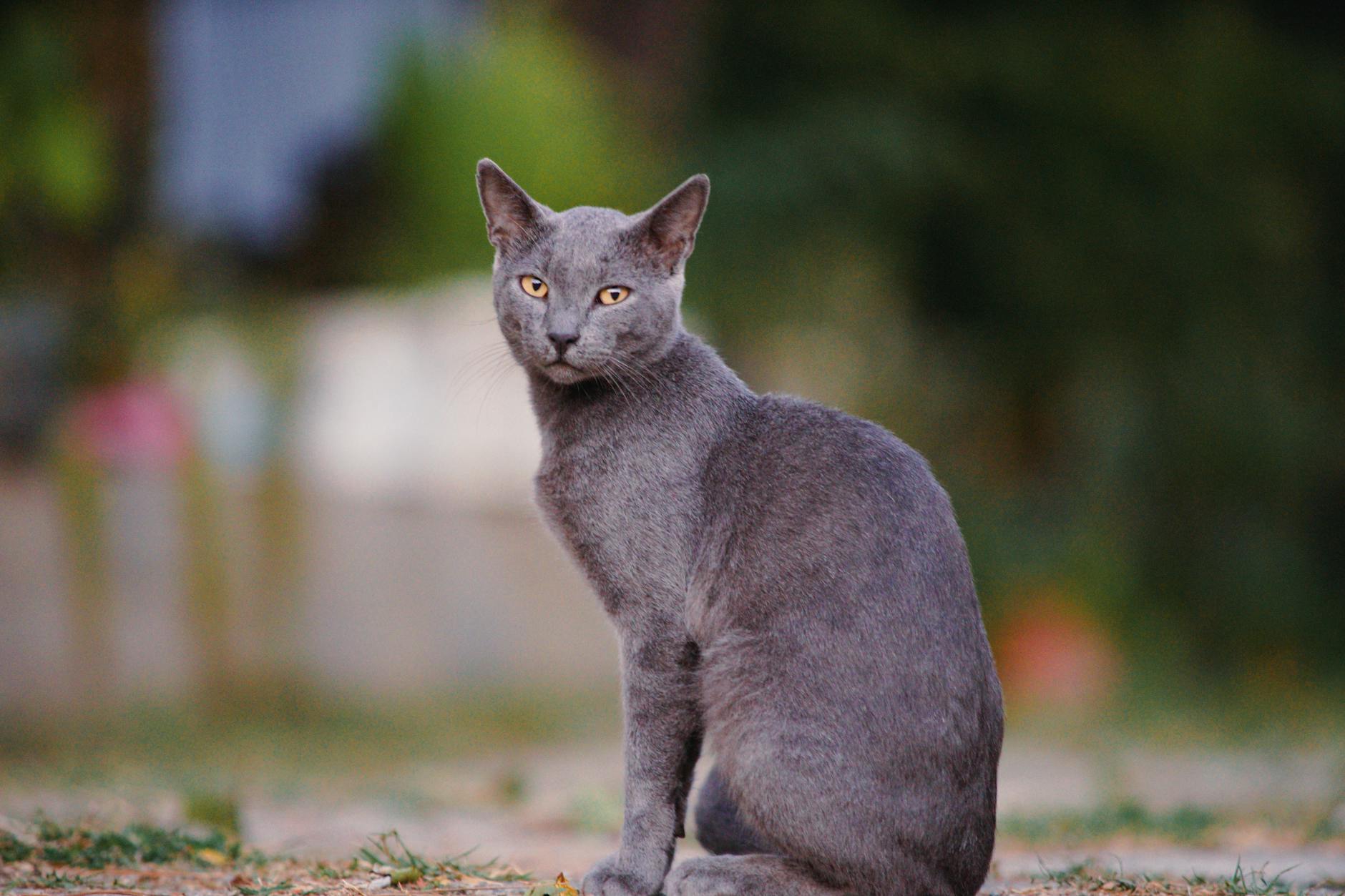
Crouching low to the ground allows the cat to protect its vulnerable underbelly. This slinking movement suggests the animal feels unsafe or threatened by its surroundings. It enables a quick escape into hiding spots if the situation deteriorates further. The posture indicates a lack of confidence and a high level of wariness. Providing a clear exit route helps reduce the anxiety associated with this stance.
Tell us about the subtle signs your cat uses to communicate their mood in the comments.




