Incorporating specific nutrient-dense foods into your daily diet can have a profound impact on heart health by naturally managing cholesterol levels. Many of these ingredients work by delivering soluble fiber to bind fats or providing healthy polyunsaturated fats that directly lower LDL. The key lies in variety and consistency to ensure your body receives the necessary nutrients to process lipids efficiently. This comprehensive guide highlights thirty powerful ingredients that easily fit into everyday meals without requiring drastic lifestyle overhauls. Small changes to your grocery list can lead to significant long-term improvements in cardiovascular well-being.
Oats
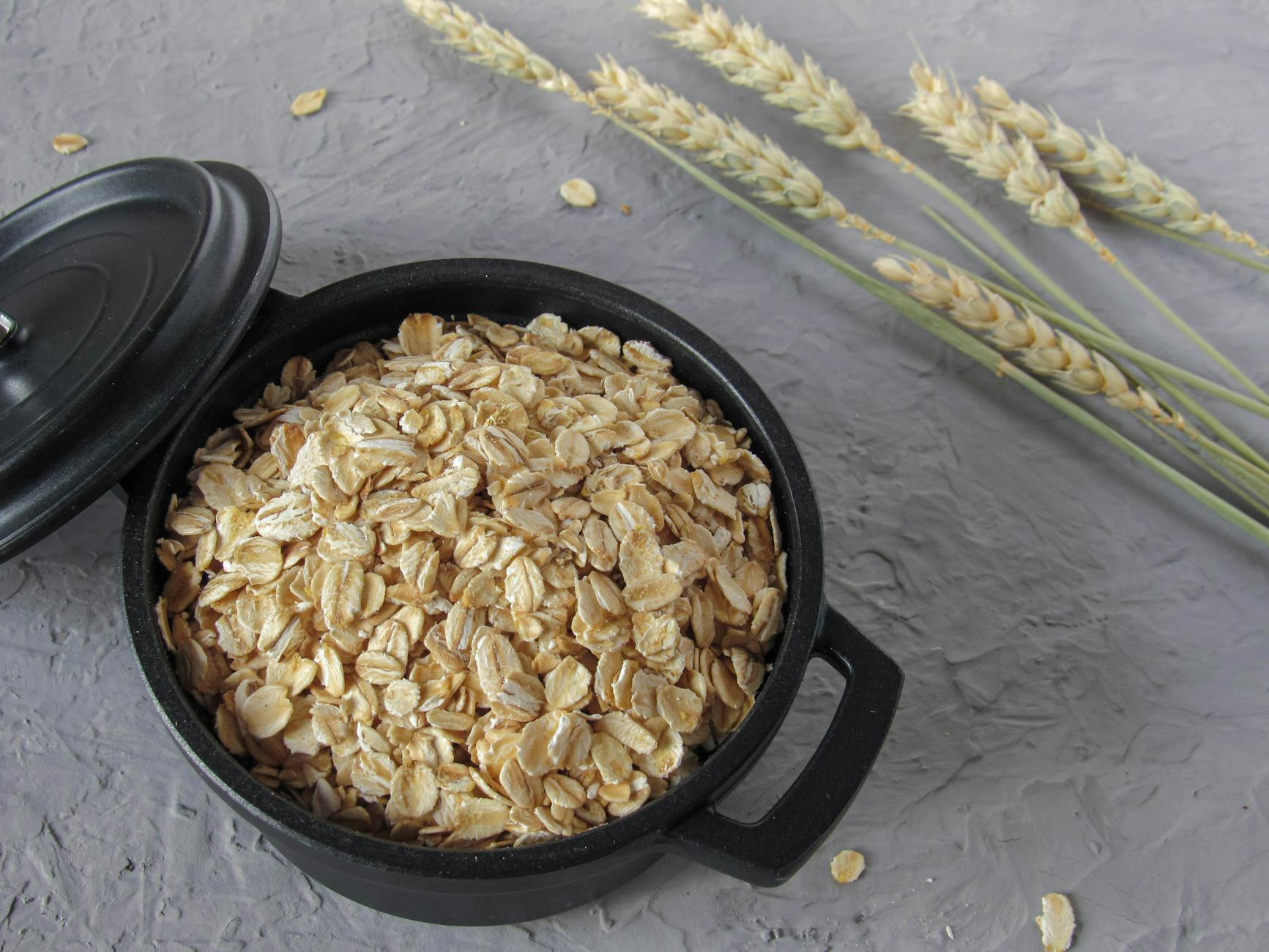
Oats act as a nutritional powerhouse primarily due to their high content of beta-glucan soluble fiber. This specific type of fiber forms a gel in the digestive tract that binds to cholesterol and prevents it from being absorbed into the bloodstream. Regular consumption of porridge or oat-based cereals can lower LDL cholesterol over several weeks. It serves as an excellent breakfast base that can be enhanced with fruit for added fiber. This grain remains one of the most accessible and effective tools for heart health.
Barley
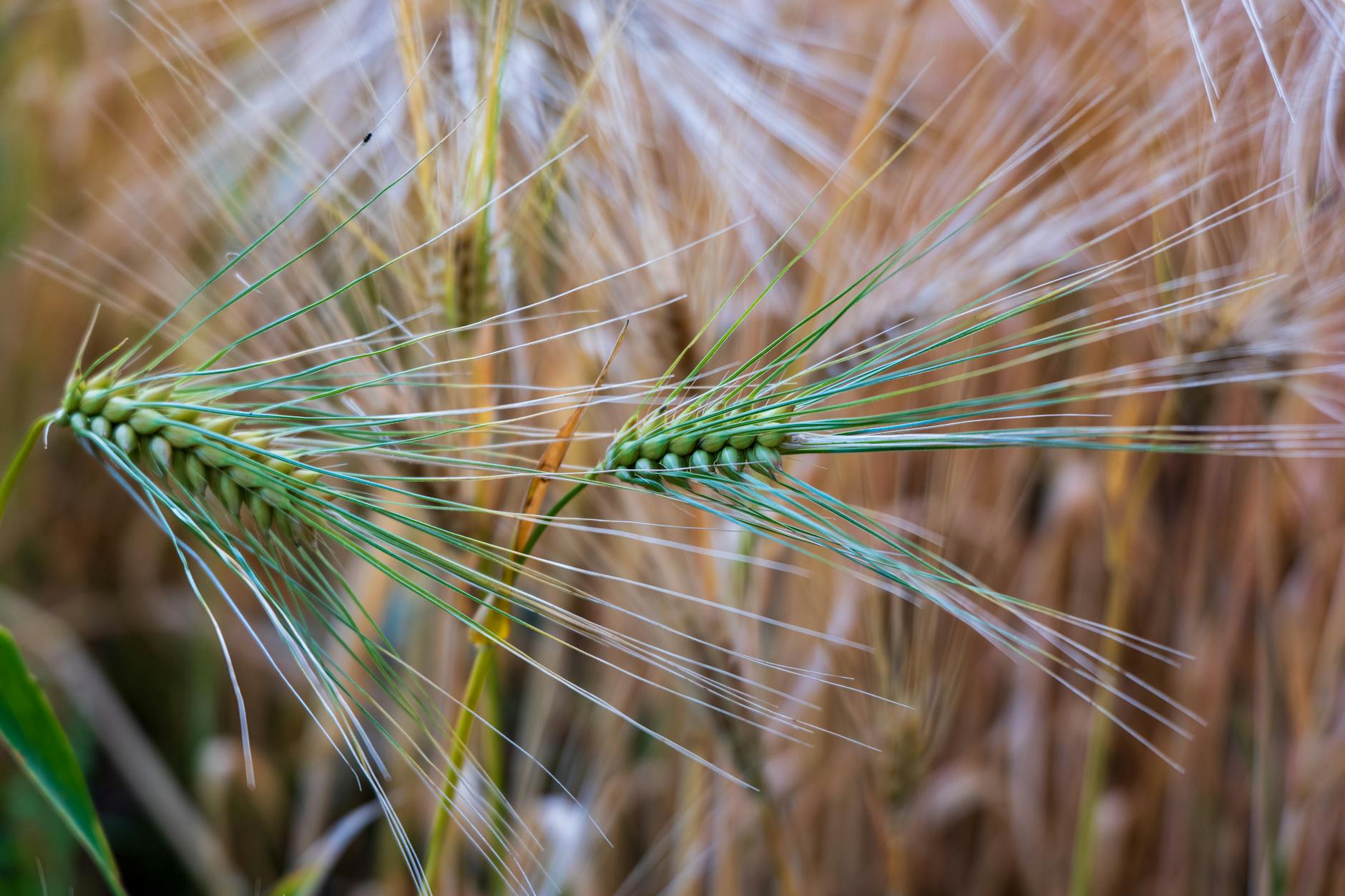
This whole grain is rich in the same beta-glucan soluble fiber found in oats and offers similar protective benefits for the heart. Replacing refined grains like white rice with pearl or hulled barley increases your daily fiber intake significantly. It has a chewy texture and nutty flavor that works exceptionally well in soups and stews. Consuming barley regularly helps trap bile acids and forces the liver to use circulating cholesterol to make more. It stands out as a versatile staple for those seeking to improve their lipid profile.
Almonds
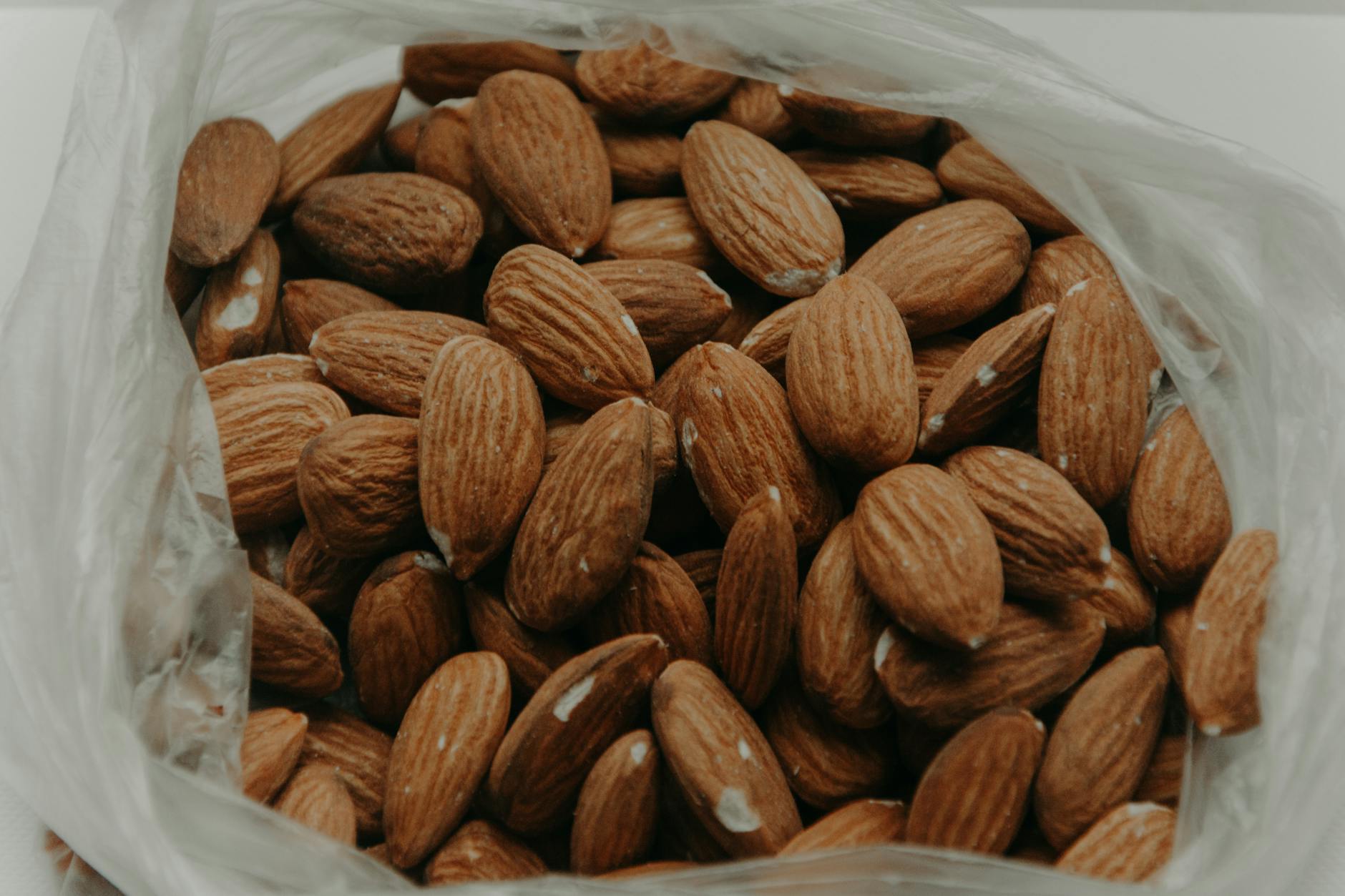
Almonds are packed with monounsaturated fats and fiber that help maintain healthy cholesterol levels. Eating a handful of these nuts daily can protect LDL cholesterol from oxidation which is a key step in the development of heart disease. The skin of the almond contains antioxidants that work synergistically with vitamin E to support arterial health. They make for a convenient snack or a crunchy topping for salads and yogurt. Their nutrient density ensures that even small portions provide substantial cardiovascular benefits.
Walnuts
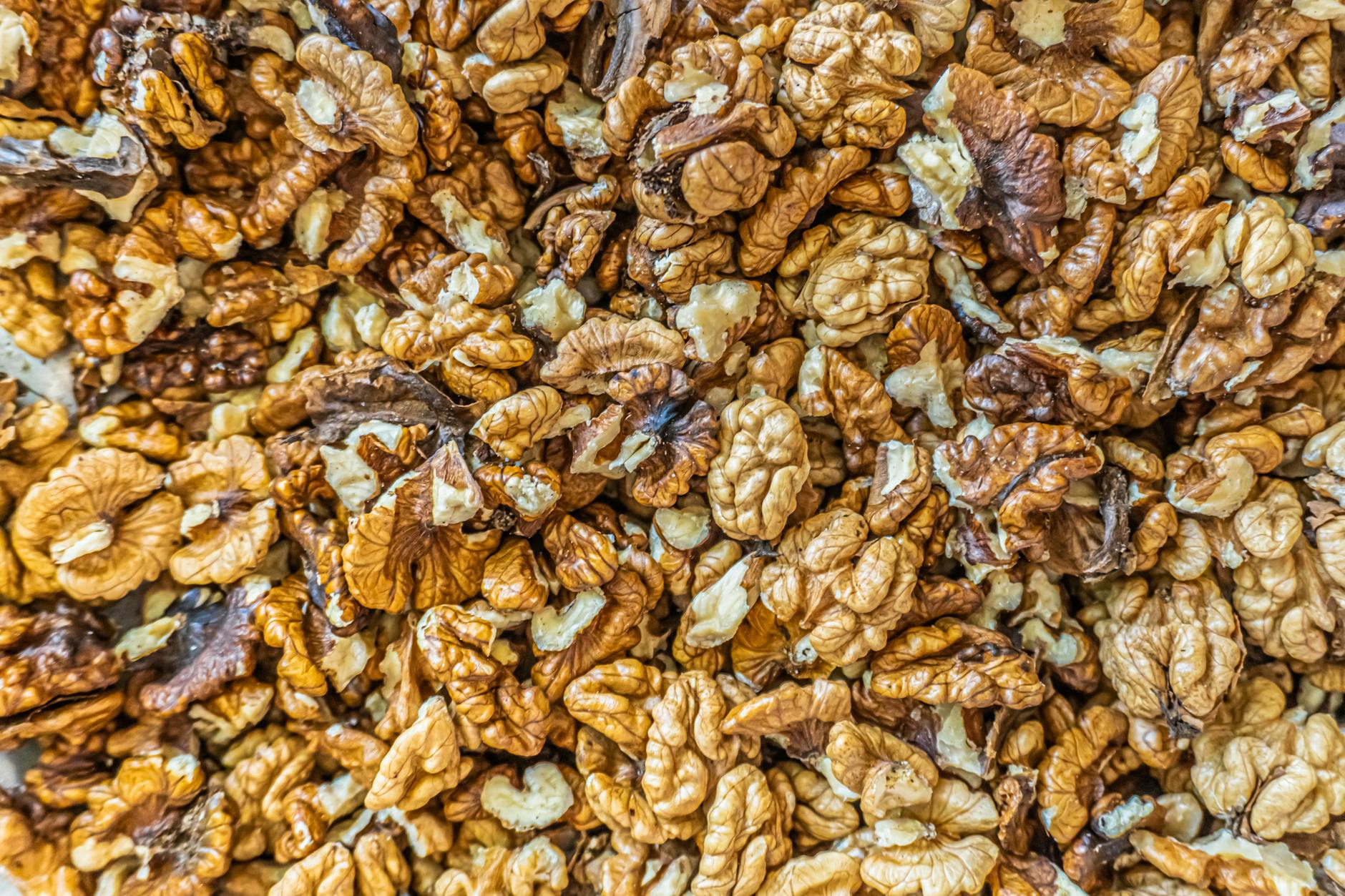
These nuts are uniquely high in alpha-linolenic acid which is a plant-based omega-3 fatty acid known for its heart-protective properties. Studies suggest that regular walnut consumption can lower total cholesterol and improve the function of blood vessels. They offer a rich and earthy flavor that complements both sweet and savory dishes. Including them in a diet low in saturated fat contributes to reduced inflammation throughout the body. Walnuts provide a comprehensive package of healthy fats and nutrients that support long-term wellness.
Avocado
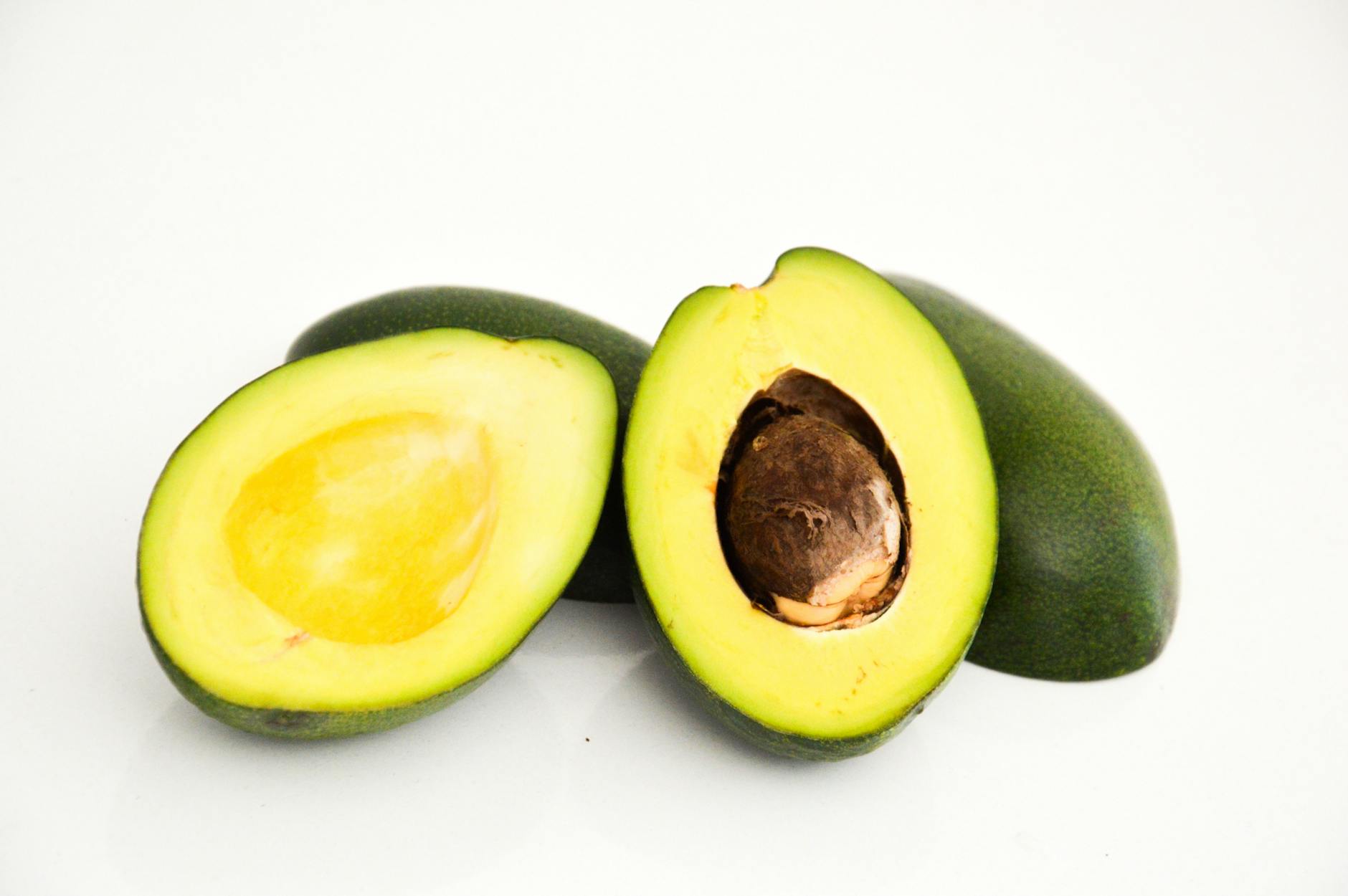
Avocados are a potent source of monounsaturated fatty acids which can help lower bad cholesterol while raising the good kind. They also contain plant sterols that structurally resemble cholesterol and compete with it for absorption in the gut. Adding slices to sandwiches or salads makes meals more satiating and nutrient-dense. The creamy texture serves as a heart-healthy substitute for butter or mayonnaise in many recipes. This fruit is essential for those looking to improve their fat quality intake.
Olive Oil
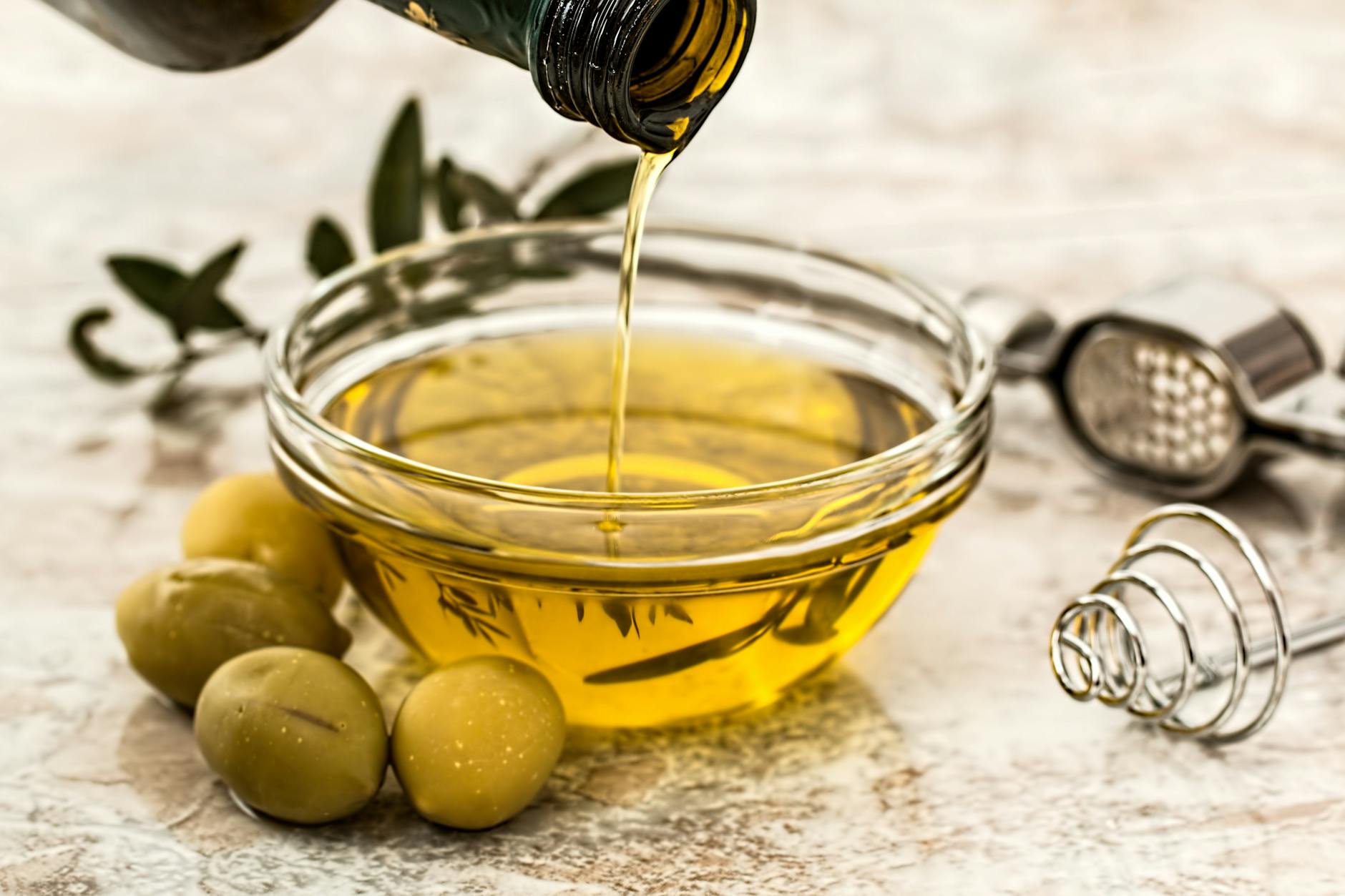
Extra virgin olive oil serves as a cornerstone of the heart-healthy Mediterranean diet due to its high concentration of monounsaturated fats. It contains antioxidants called polyphenols that prevent LDL cholesterol from oxidizing and damaging blood vessels. replacing saturated fats like butter or lard with olive oil can decrease bad cholesterol levels effectively. It is best used in salad dressings or for low-heat cooking to preserve its beneficial compounds. This liquid gold supports arterial function and reduces overall inflammation.
Salmon
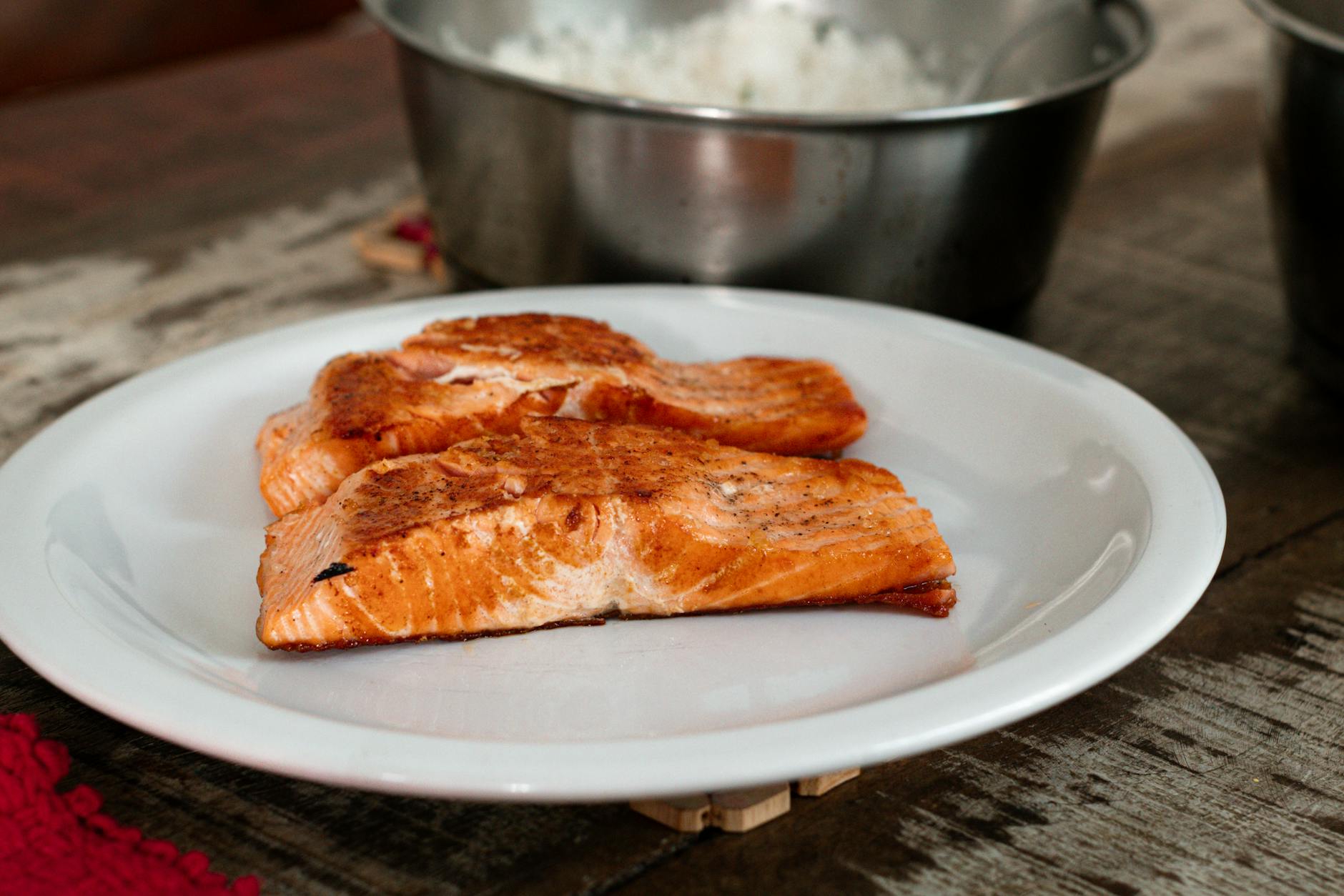
Fatty fish like salmon are loaded with omega-3 fatty acids that are crucial for reducing triglycerides in the bloodstream. While omega-3s do not lower LDL cholesterol directly they provide vital protection for the heart and arteries. Eating salmon two or three times a week replaces meat sources that have high saturated fat content. The high protein content also promotes satiety and helps maintain a healthy weight. It remains a top choice for anyone prioritizing cardiovascular longevity.
Tuna

Albacore and other types of tuna offer a lean source of protein and a significant amount of heart-healthy omega-3s. Choosing fresh tuna or canned varieties packed in water avoids the added unhealthy fats found in oil-packed versions. Regular consumption helps lower blood pressure and reduces the risk of developing blood clots. It is a versatile ingredient that fits easily into salads and sandwiches for a quick healthy meal. Tuna provides essential nutrients without the heavy saturated fat load of red meat.
Black Beans
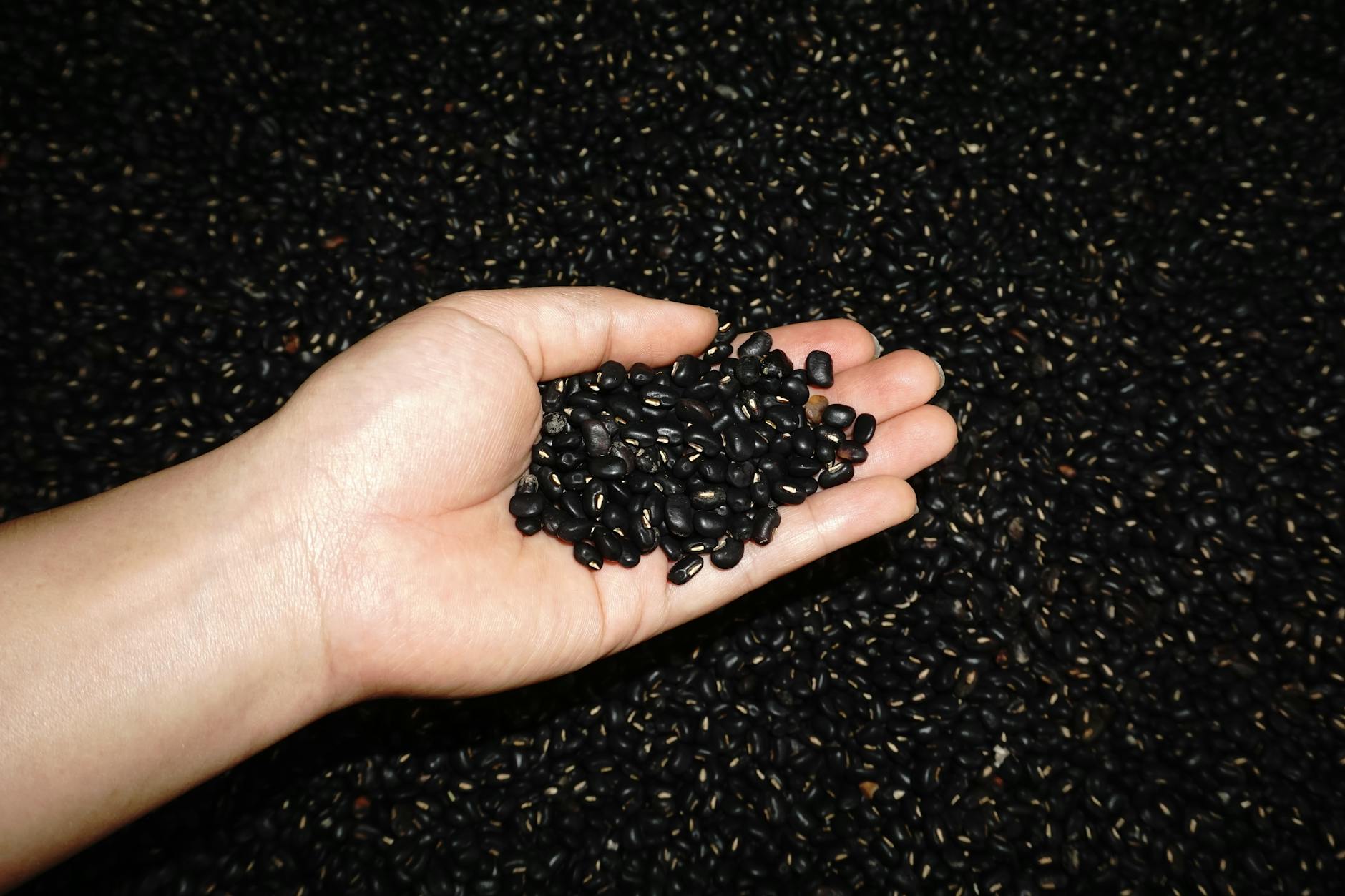
Beans are exceptionally rich in soluble fiber which takes a while for the body to digest and helps you feel full longer. This fiber binds to cholesterol in the digestive system and drags it out of the body before absorption. They are a versatile plant-based protein that can easily replace processed meats in tacos or stews. Regular intake of black beans is associated with lower blood cholesterol and regulated blood sugar levels. They are an affordable and shelf-stable staple for a heart-conscious pantry.
Kidney Beans
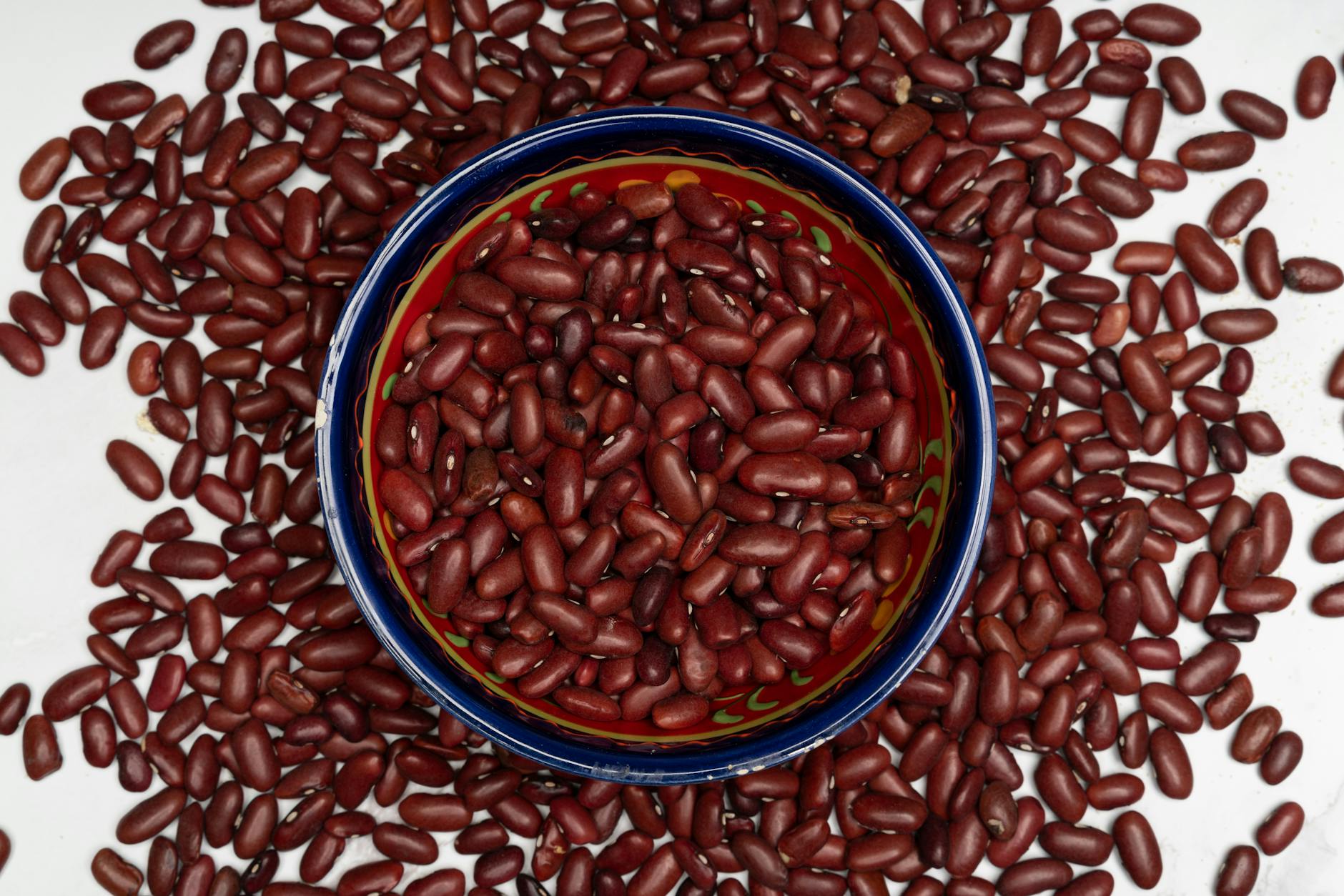
These beans provide a robust source of soluble fiber and plant-based protein that supports heart health. Integrating kidney beans into meals helps reduce the absorption of cholesterol from other foods consumed at the same time. They are excellent in chili or rice dishes and provide a satisfying texture without the need for meat. Their high fiber content aids digestion and promotes the excretion of bile acids. Kidney beans are a practical choice for lowering lipid levels naturally.
Lentils
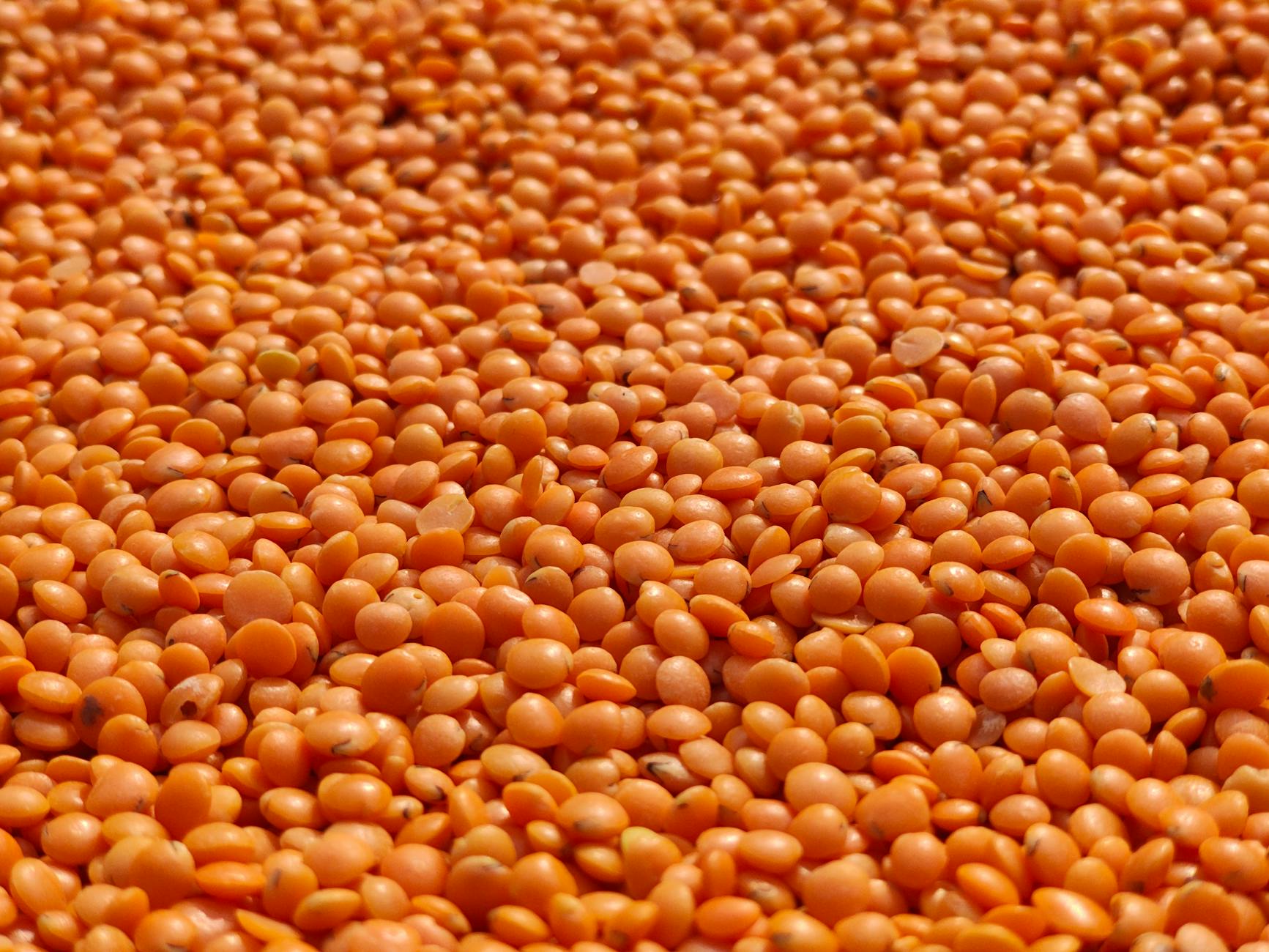
Lentils are a powerhouse of soluble fiber and create a gel-like substance in the gut that captures cholesterol. They cook faster than most other legumes and do not require soaking which makes them convenient for weeknight meals. Replacing high-fat meat dishes with lentil-based recipes can drastically cut dietary saturated fat. They also contain folate and magnesium which are minerals that support proper blood flow and heart function. This legume is a staple for anyone looking to manage cholesterol through diet.
Eggplant
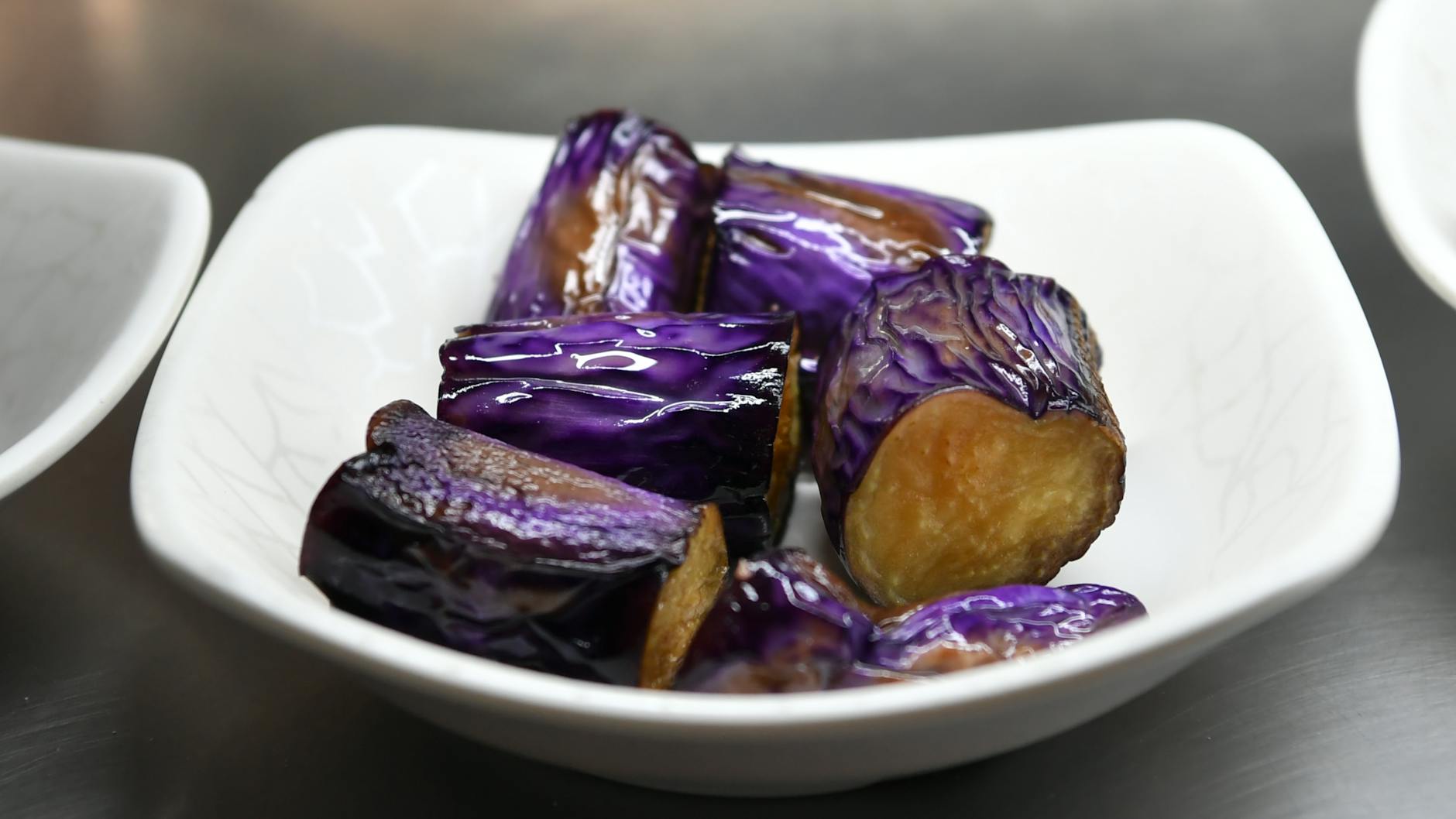
This purple vegetable is a low-calorie source of soluble fiber that acts as a sponge for cholesterol in the digestive tract. It contains potent antioxidants like nasunin which helps improve blood flow and protects brain cell membranes. Eggplant serves as a hearty meat substitute in dishes like stir-fries or lasagna. Steaming or grilling it avoids the need for excessive oil and keeps the meal light. It offers a delicious way to increase vegetable intake while managing lipid levels.
Okra

Okra is a warm-weather vegetable that contains a mucilaginous substance which is particularly rich in soluble fiber. This gel naturally binds to cholesterol during digestion and helps remove it from the body. It is often used in gumbo or stews where its texture acts as a natural thickener. Low in calories and high in vitamins makes it a smart addition to a weight-management diet. Okra provides a unique mechanism for lipid control that few other vegetables offer.
Apples
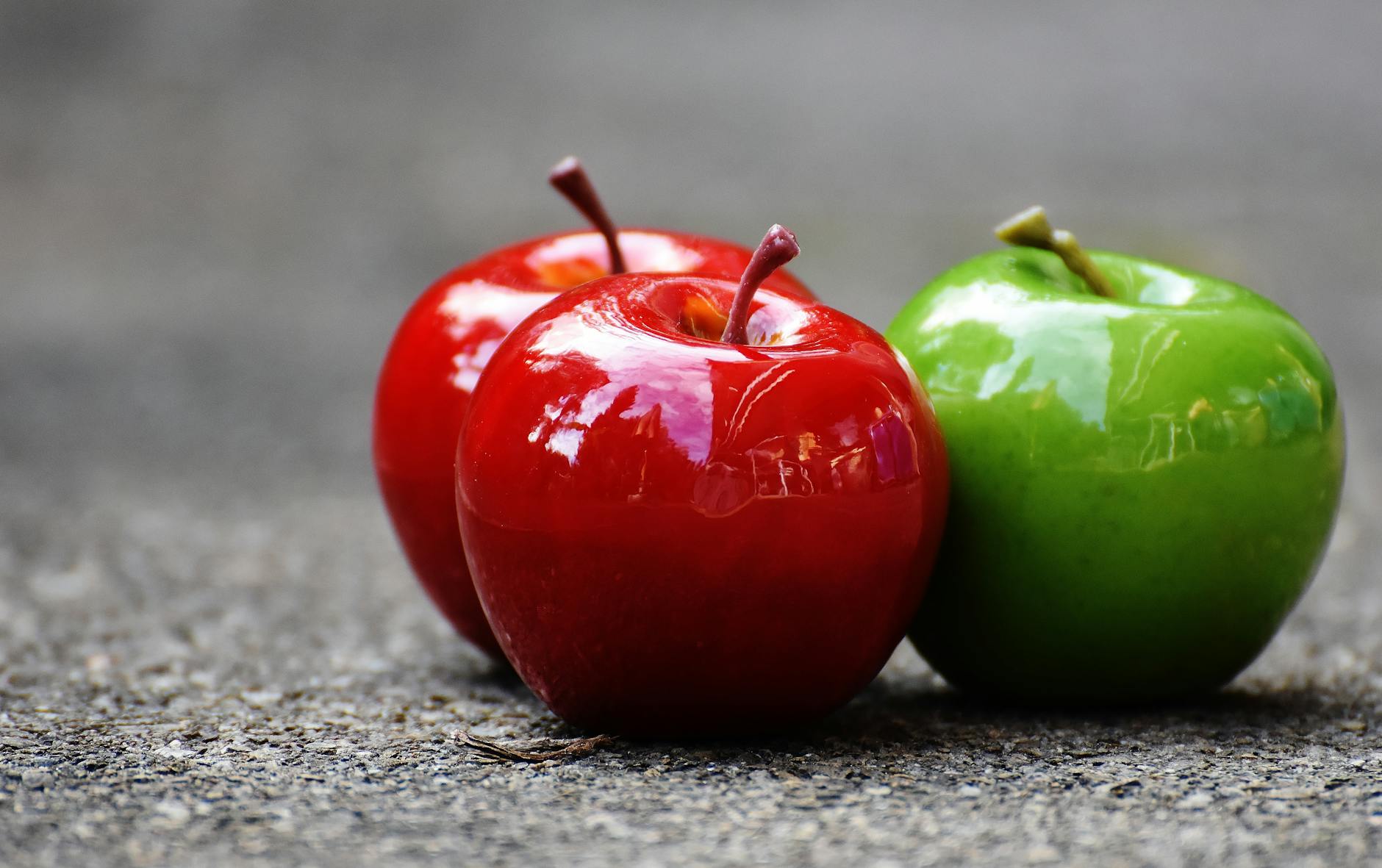
Apples are rich in pectin which is a type of soluble fiber that lowers cholesterol levels by blocking its absorption. They also contain polyphenols found in the skin that prevent LDL cholesterol from oxidizing and causing inflammation. Eating whole apples provides more benefits than juice because the fiber content remains intact. They make for a portable snack that naturally curbs hunger and stabilizes blood sugar. This common fruit is a simple daily addition for better heart health.
Grapes
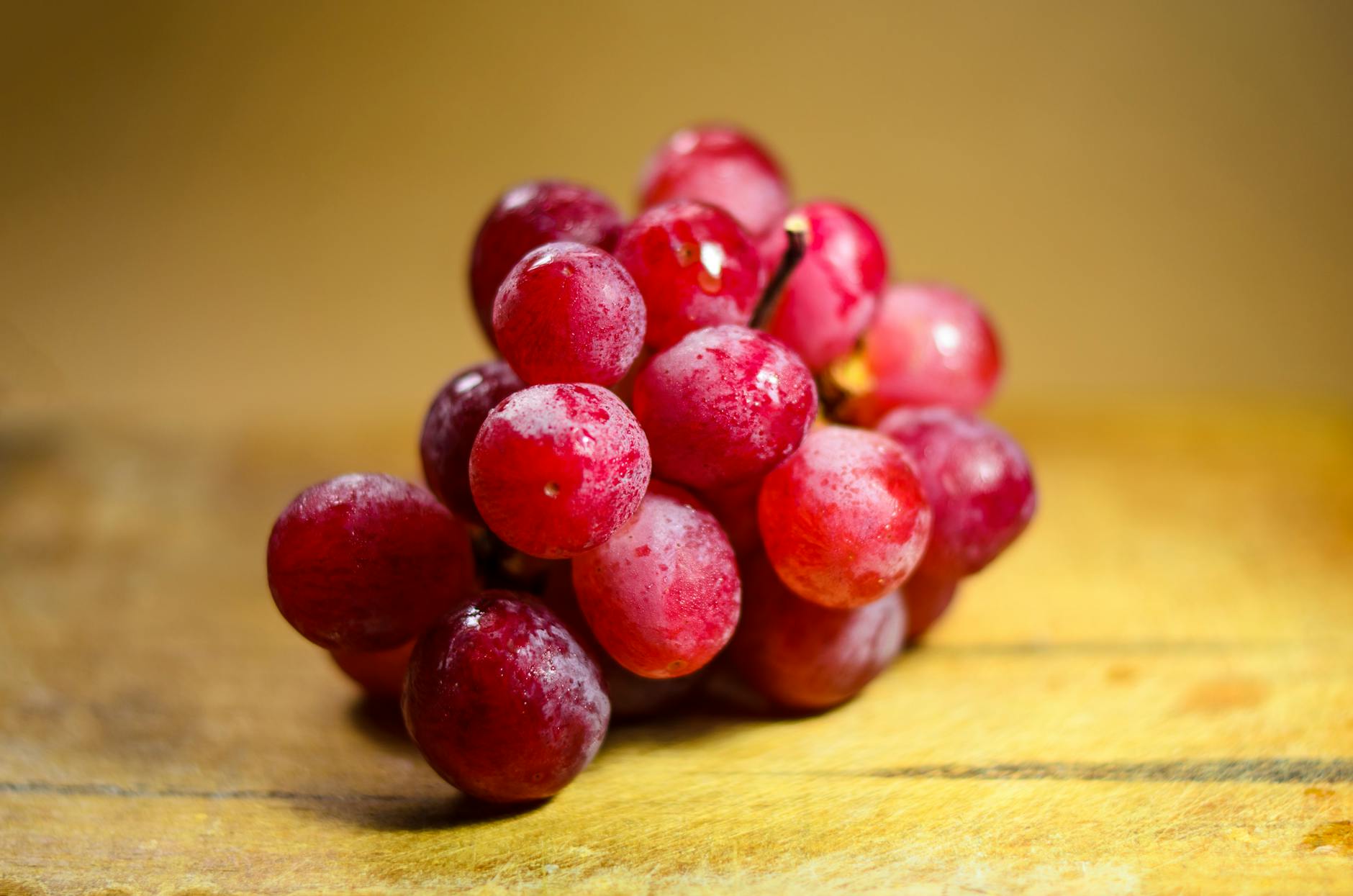
Red and purple grapes contain resveratrol and other antioxidants that prevent platelets from sticking together. The soluble fiber in the fruit works to lower cholesterol while the antioxidants protect the blood vessels. snacking on whole grapes is preferable to drinking juice to maximize fiber intake. They serve as a natural sweet treat that replaces sugary snacks which can negatively impact lipids. Grapes offer protective benefits that extend beyond just cholesterol reduction.
Strawberries

These berries are rich in pectin and antioxidants that help lower total cholesterol and LDL levels. The high vitamin C content strengthens blood vessel walls and combats oxidative stress. Adding fresh or frozen strawberries to cereal or yogurt boosts the fiber profile of the meal instantly. They have a low glycemic index which means they do not cause rapid spikes in blood sugar. Strawberries are a delicious way to add heart protection to breakfast or dessert.
Citrus Fruits

Lemons and limes as well as oranges and grapefruits are abundant in pectin which is a soluble fiber that actively lowers cholesterol. The bioactive compounds in citrus fruits like hesperidin contribute to improved blood vessel function. Eating the whole fruit ensures you get the full benefit of the fiber rather than just the sugar in the juice. They add a refreshing burst of flavor to water or salads without adding sodium or fat. Regular citrus consumption supports a comprehensive approach to lipid management.
Soy Milk
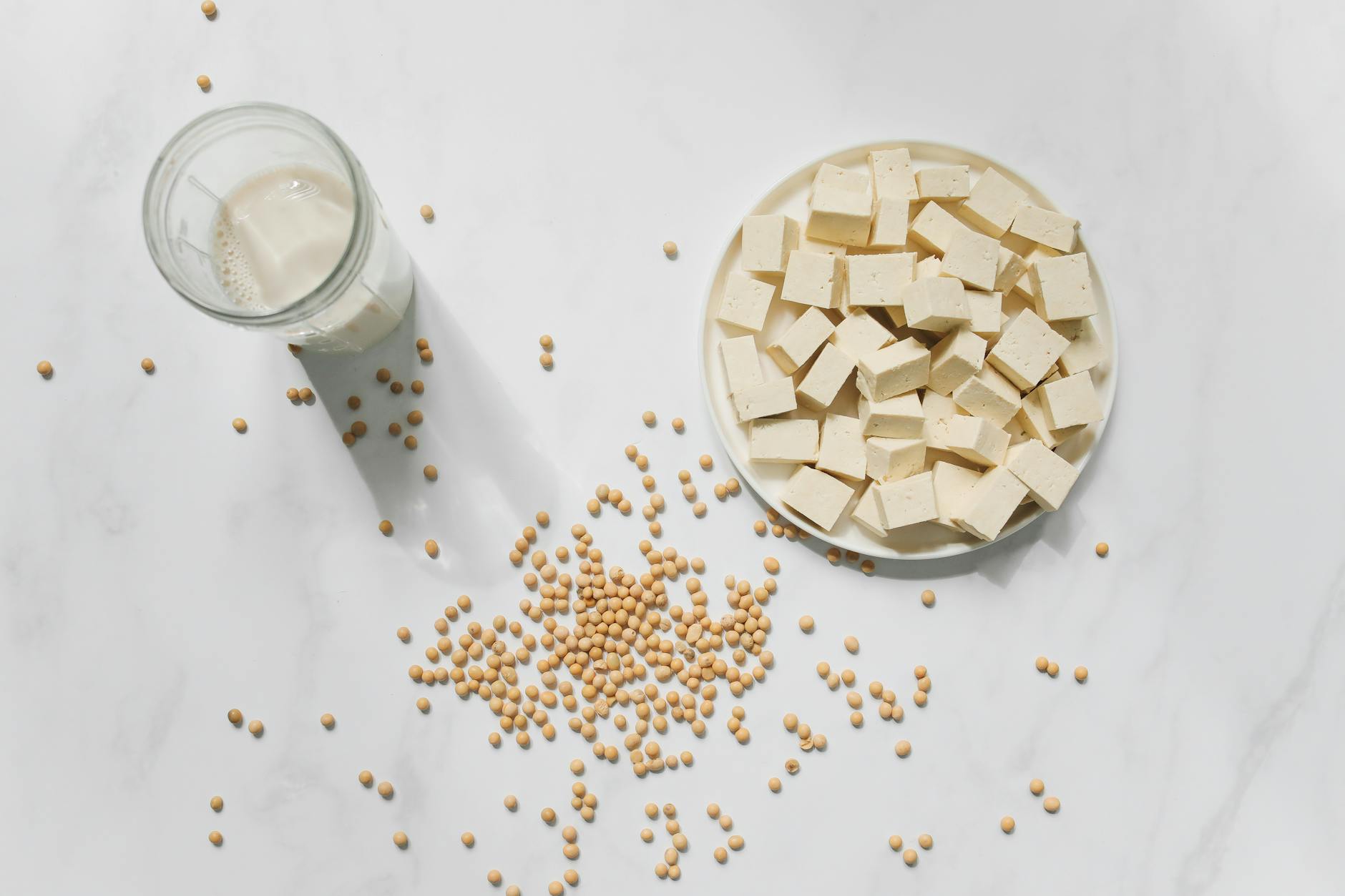
Soy milk acts as a direct substitute for high-fat dairy products and contains protein that helps lower LDL levels. It is free from the saturated fat and cholesterol found in whole cow milk and cream. Many commercial varieties are fortified with calcium and vitamins to match the nutritional profile of dairy. Using it in coffee or cereal is an easy switch that reduces overall saturated fat intake. This plant-based beverage is a cornerstone of many cholesterol-lowering dietary plans.
Tofu
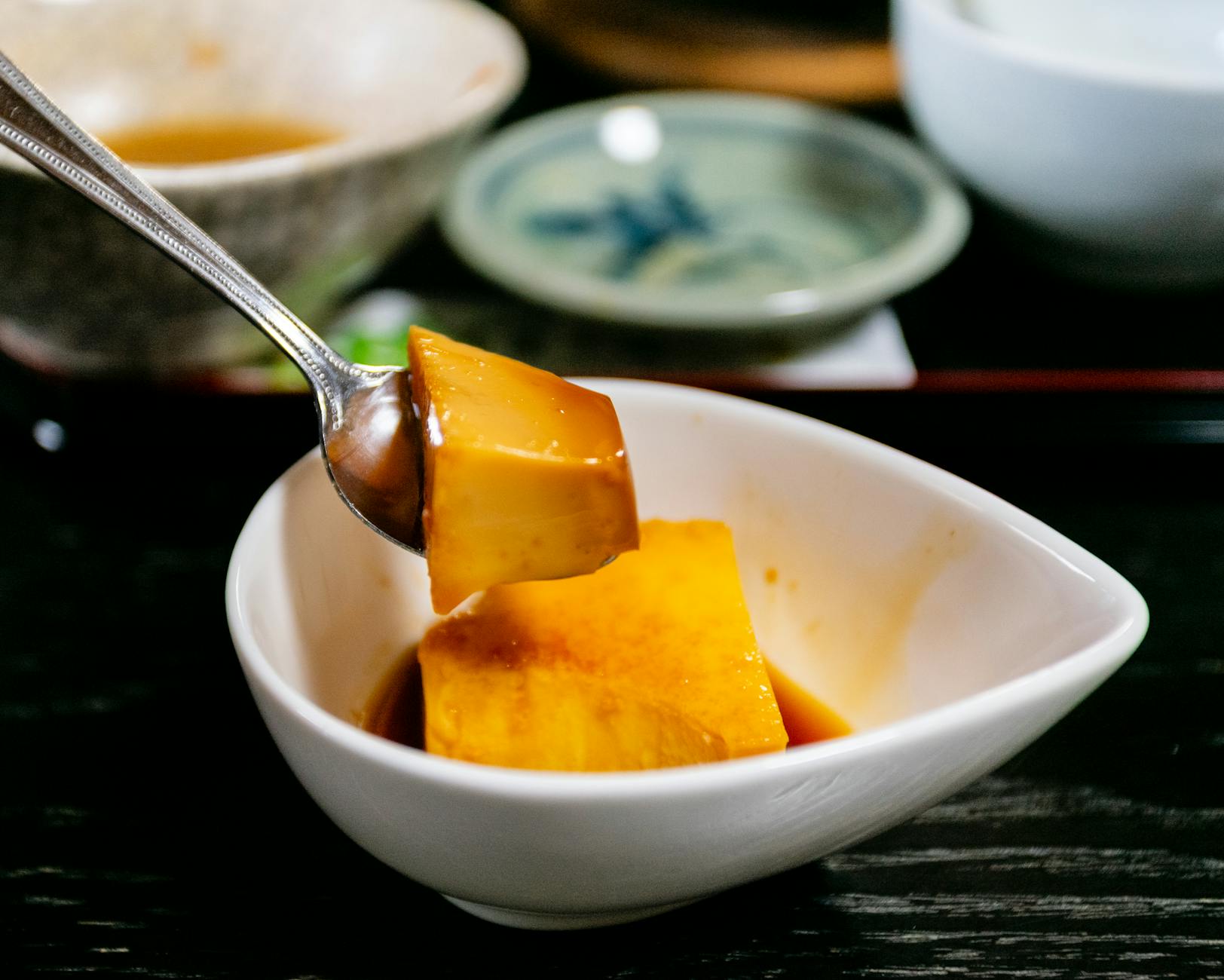
Tofu is made from soybeans and serves as a versatile protein source that is naturally free of cholesterol. Replacing meat with tofu a few times a week significantly lowers saturated fat consumption. It absorbs the flavors of marinades and spices which makes it easy to incorporate into various cuisines. The isoflavones found in soy products have been shown to have a modest effect on lowering bad cholesterol. Tofu is an essential ingredient for a heart-healthy plant-forward diet.
Spinach
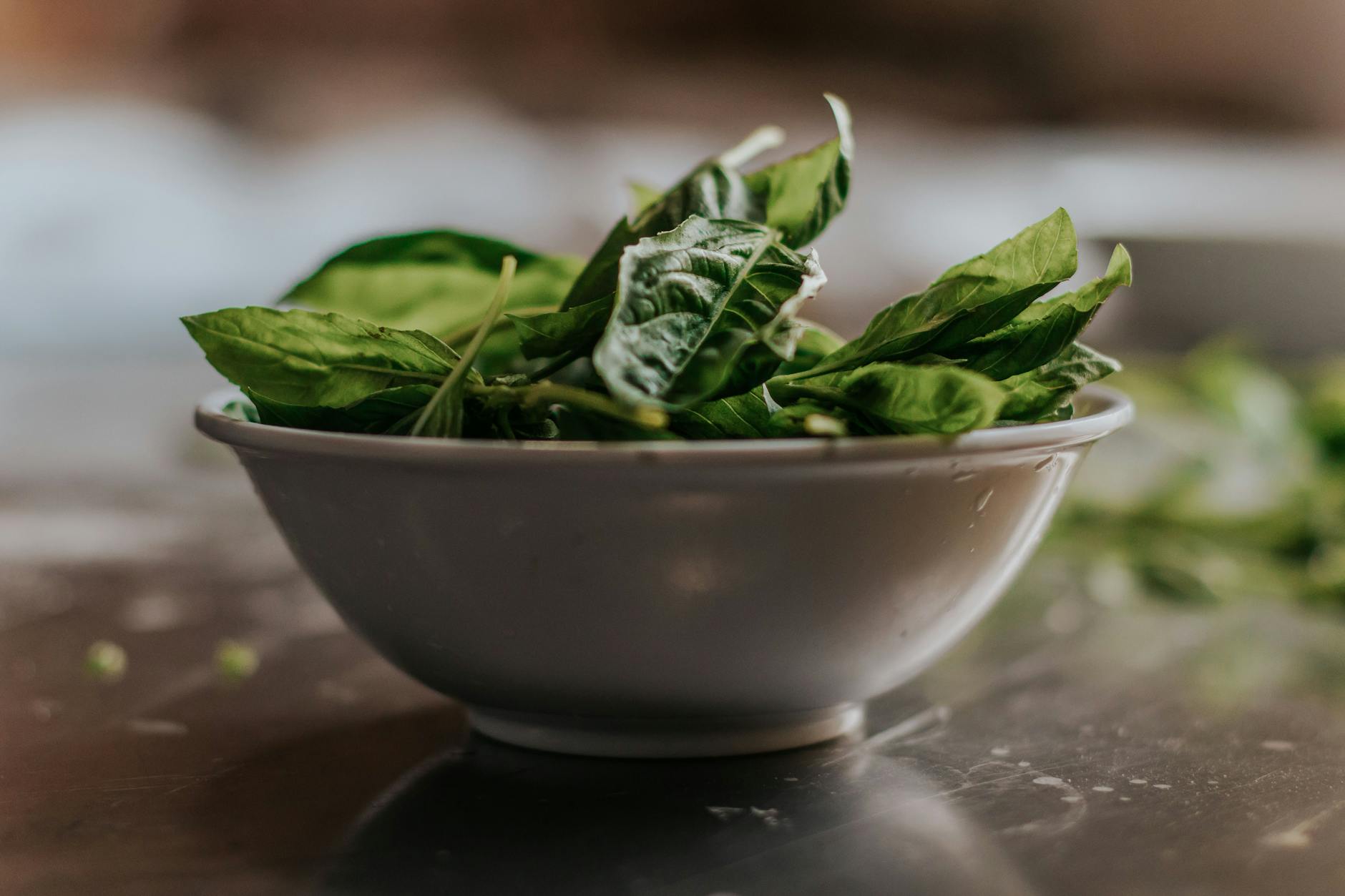
Dark leafy greens like spinach are rich in lutein which is an antioxidant that helps prevent cholesterol from binding to arterial walls. The high fiber content aids in digestion and helps regulate lipid absorption. Spinach also contains nitric oxide which helps dilate blood vessels and lower blood pressure. It can be eaten raw in salads or cooked into pasta sauces for an extra nutrient boost. This green vegetable provides essential vitamins without adding any unhealthy fats.
Kale
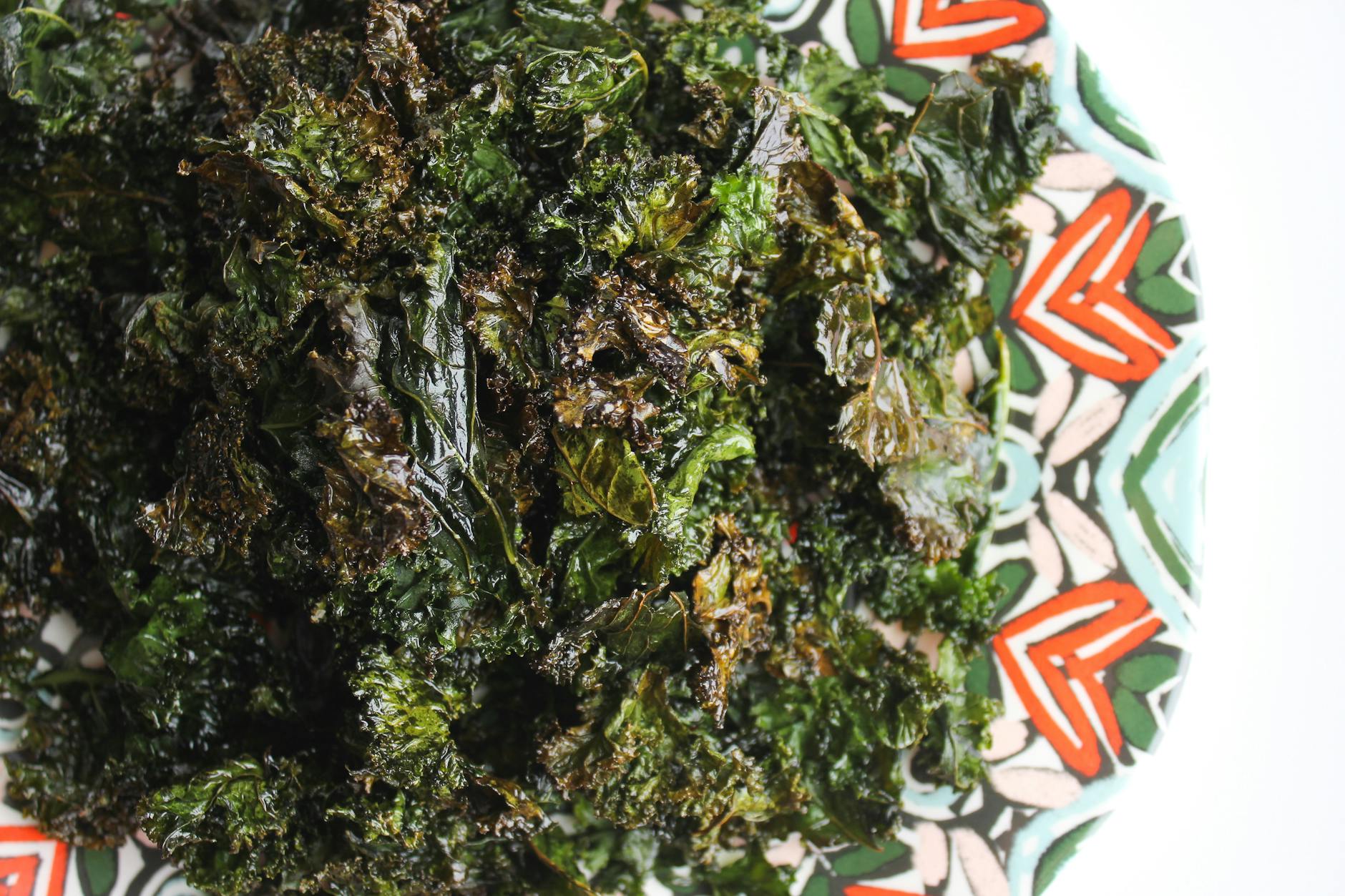
Kale is a nutrient-dense cruciferous vegetable that binds to bile acids in the digestive system. When steamed it becomes even more effective at binding these acids and forcing the body to use cholesterol to replenish them. It is packed with potassium and magnesium which counteract the effects of sodium on blood pressure. Adding kale to smoothies or soups increases the volume of the meal without adding calories. It remains a top-tier vegetable for cardiovascular defense.
Garlic
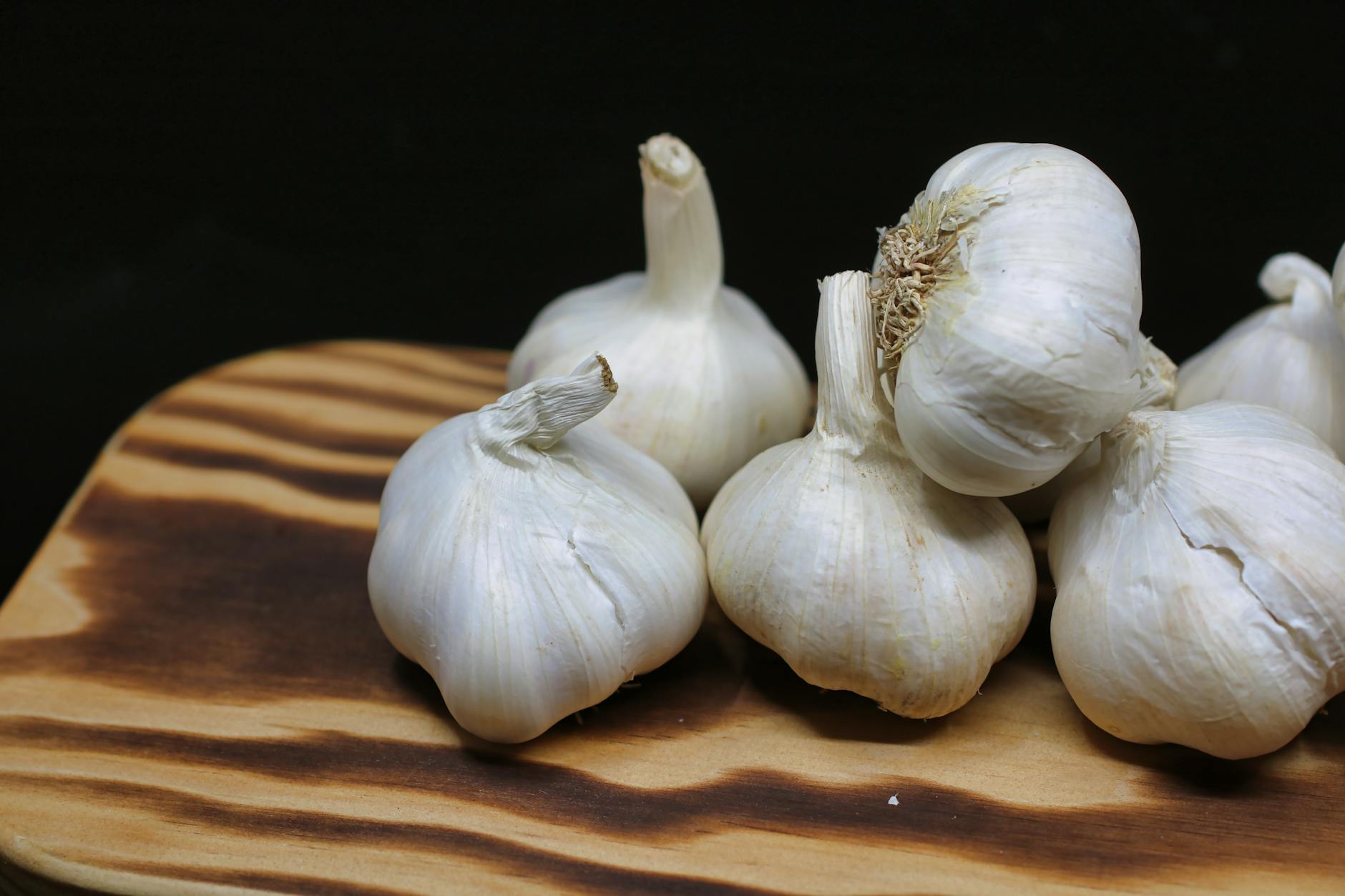
Garlic contains allicin which is a bioactive compound that aids in lowering total cholesterol and triglycerides. It also prevents cholesterol particles from sticking to artery walls and forming plaque. Fresh garlic is more potent than powdered forms and should be crushed before cooking to activate its beneficial compounds. Using garlic adds robust flavor to food which reduces the need for excess salt. It serves as a powerful ancient remedy for maintaining clear arteries.
Onions
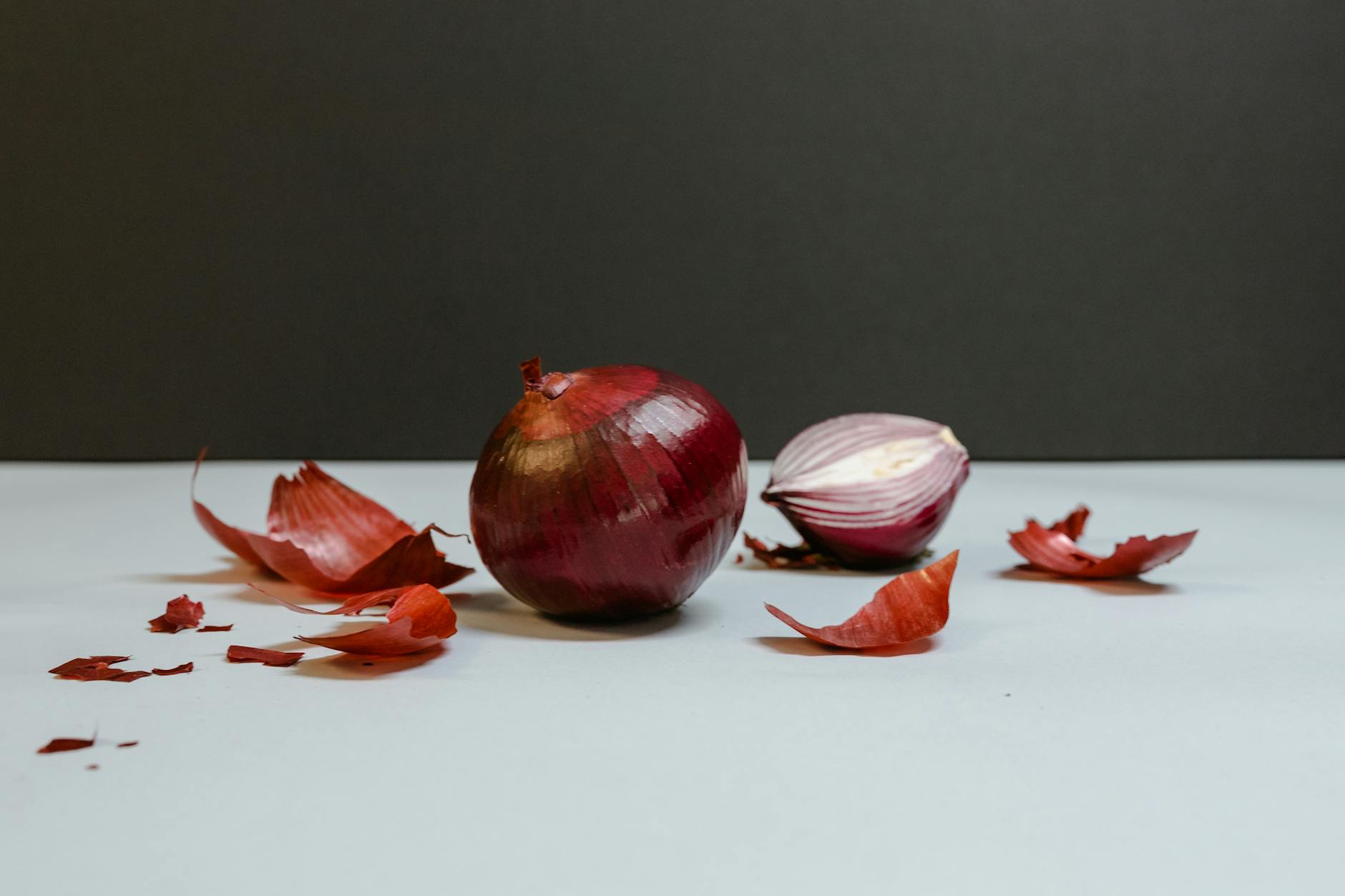
Onions are rich in quercetin which is a flavonoid that helps prevent LDL cholesterol from oxidizing. They aid in reducing inflammation in blood vessels and improving overall circulation. The sulfur compounds in onions also play a role in lowering triglyceride levels. They form the flavor base of countless recipes and add nutritional value to almost any savory dish. Consuming onions regularly supports a healthy heart and immune system.
Dark Chocolate
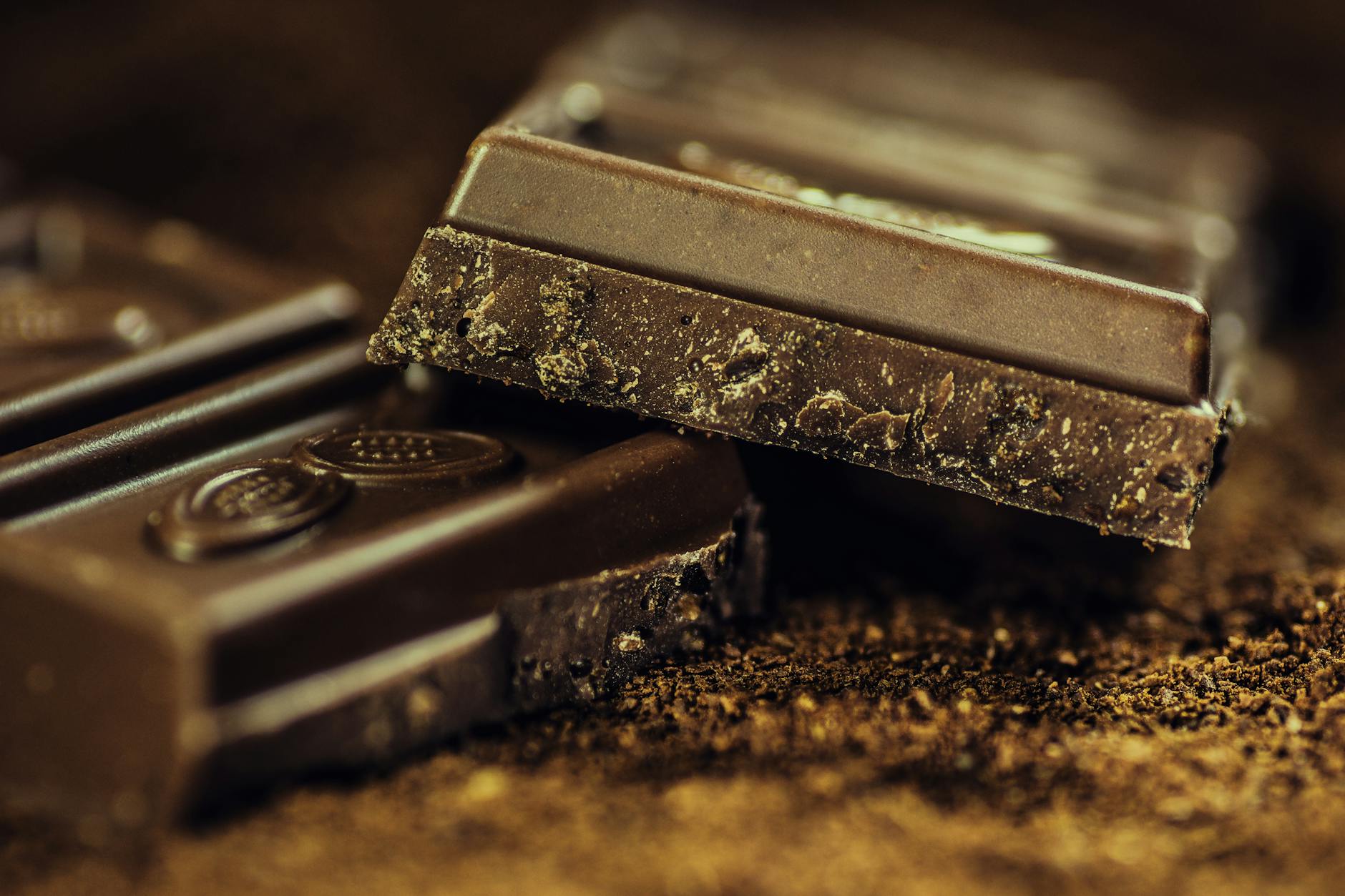
Chocolate with a high cocoa content contains flavonoids that can lower LDL levels and raise protective HDL cholesterol. The cocoa butter provides a stearic acid which has a neutral effect on cholesterol compared to other saturated fats. It is important to choose varieties with at least 70% cocoa to minimize sugar intake. A small square serves as a satisfying treat that supports vascular health. Dark chocolate proves that heart-healthy eating can still be indulgent.
Green Tea
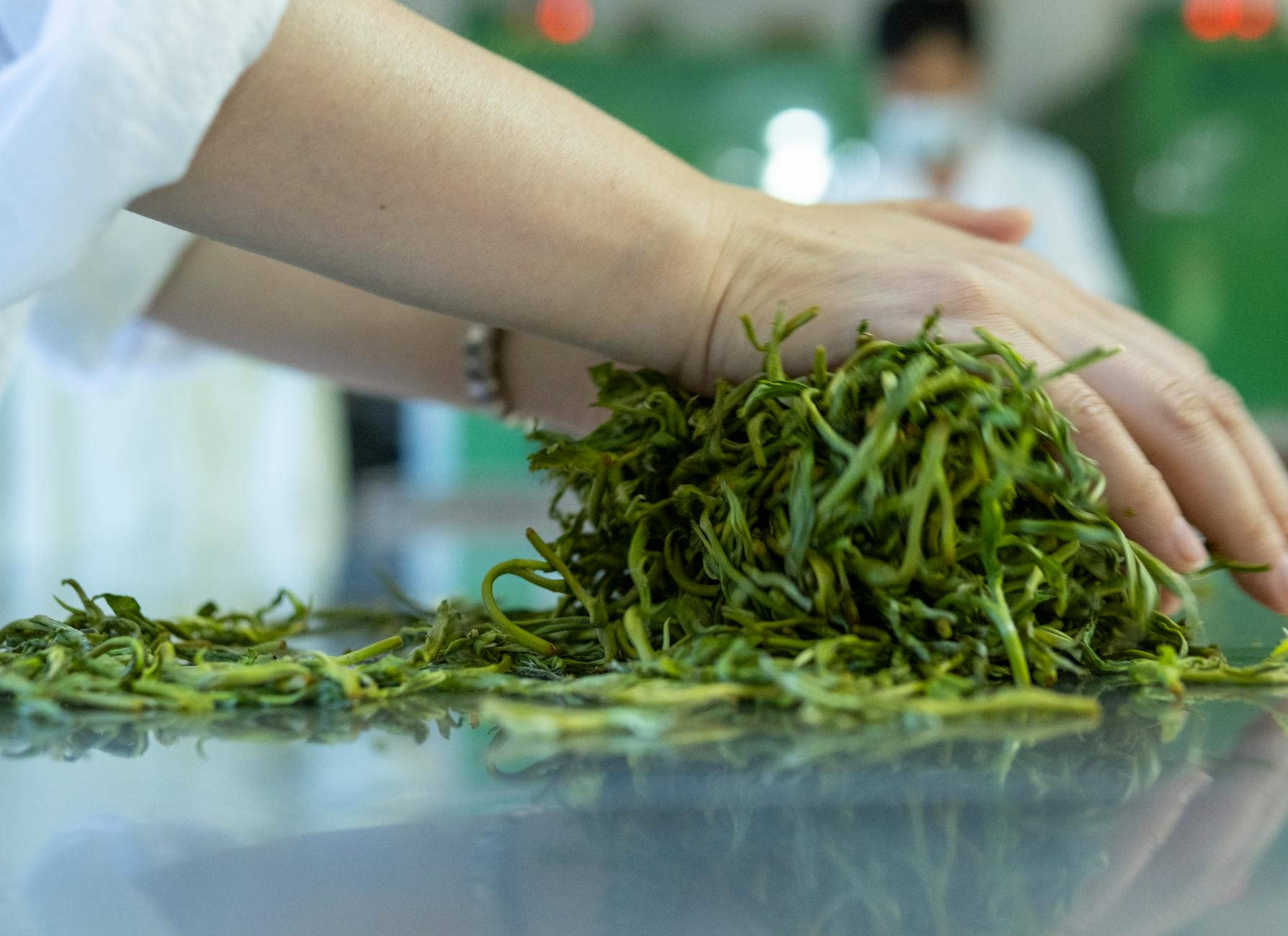
Green tea is loaded with catechins which are antioxidants that hinder the absorption of cholesterol in the intestines. Drinking it regularly has been linked to lower levels of both total and LDL cholesterol. It provides a gentle caffeine boost without the potential jitteriness associated with coffee. Replacing sugary sodas or creamy lattes with green tea removes empty calories and adds protective compounds. It is a soothing beverage that actively works to clear the bloodstream.
Chia Seeds
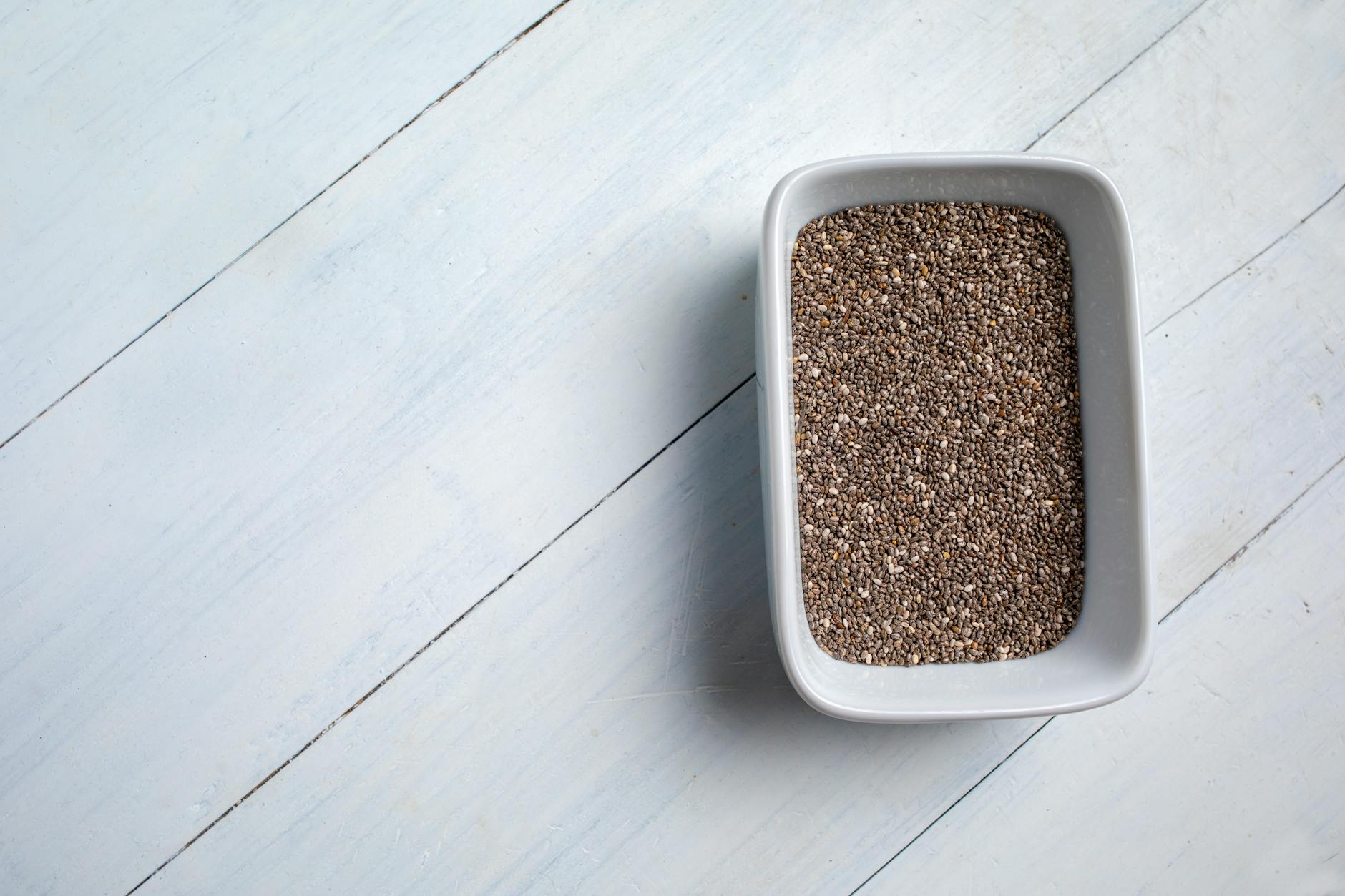
These tiny seeds are packed with omega-3 fatty acids and soluble fiber that form a gel when mixed with liquid. This gel slows digestion and helps trap cholesterol to remove it from the system. They can be sprinkled on oatmeal or blended into smoothies without altering the flavor profile. Their high fiber content aids in satiety which helps prevent overeating. Chia seeds are a convenient superfood for boosting heart health.
Flaxseeds
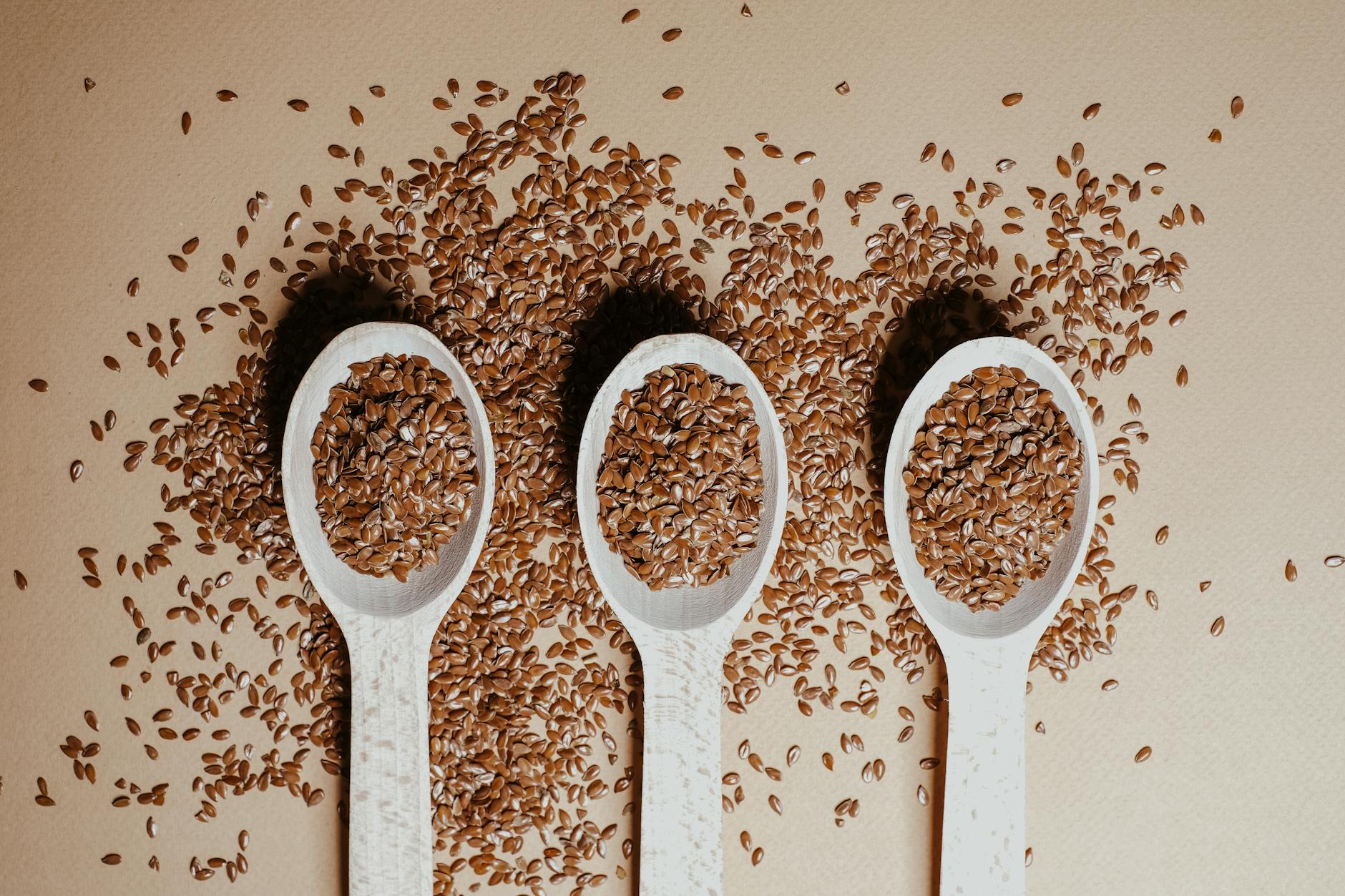
Ground flaxseeds are one of the best plant sources of omega-3 fats and contain lignans that support cardiovascular function. Because the whole seeds can pass through the body undigested it is crucial to use ground meal to access the nutrients. They have a mild nutty flavor that blends well into baked goods and yogurt bowls. Regular consumption helps lower total cholesterol and stabilizes blood pressure readings. Flaxseeds offer a simple way to fortify meals with heart-protective fats.
Psyllium Husk
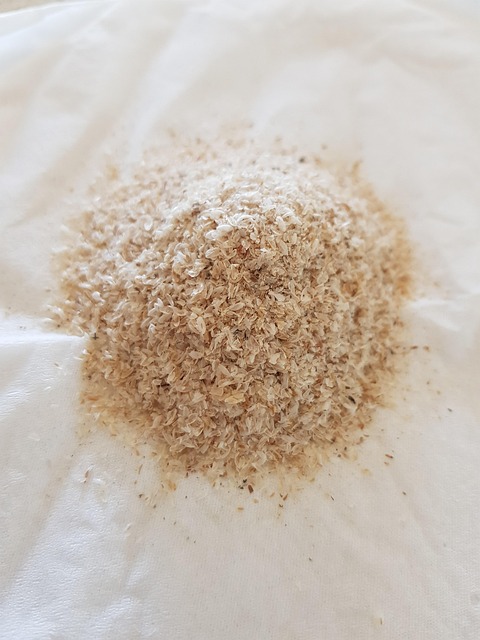
Psyllium is a form of soluble fiber often sold as a supplement but also found in some fortified cereals and baked goods. It absorbs significant amounts of water and binds to bile acids in the gut to lower cholesterol effectively. Taking it daily requires adequate water intake to ensure it moves smoothly through the digestive tract. It is one of the most well-researched fibers for lipid management. Psyllium provides a direct and concentrated dose of cholesterol-lowering power.
Sweet Potatoes

Sweet potatoes act as a nutrient-dense carbohydrate source rich in soluble fiber and antioxidants. They have a lower glycemic index than white potatoes which helps manage blood sugar and insulin levels. The fiber content helps sweep cholesterol out of the digestive tract before it enters circulation. Baking or roasting them retains their nutritional value better than frying. They serve as a colorful and heart-smart side dish.
Broccoli
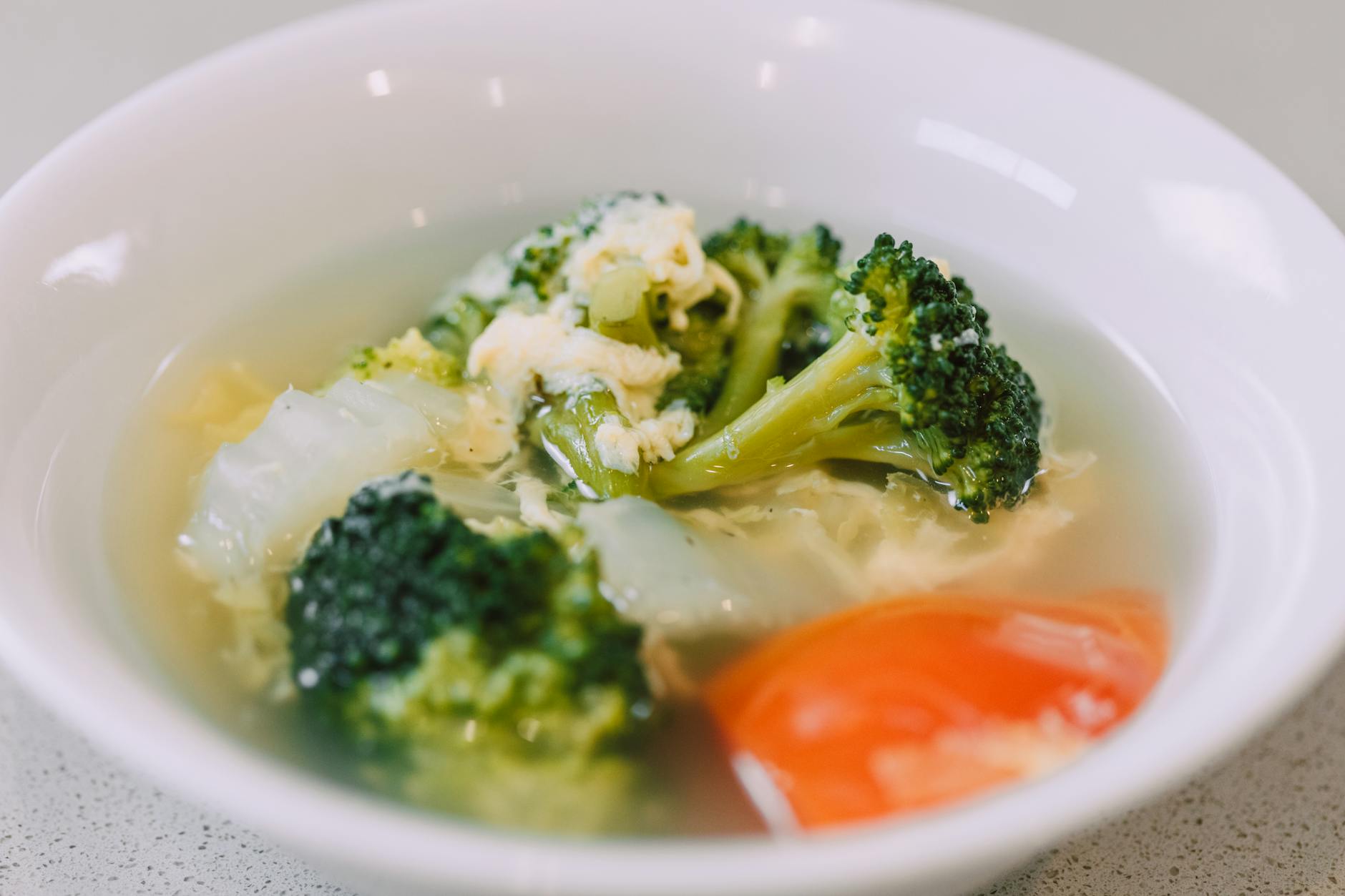
Broccoli is high in soluble fiber which makes it excellent for lowering cholesterol especially when cooked. Steaming the vegetable preserves its ability to bind bile acids better than eating it raw. It also contains sulforaphane which triggers anti-inflammatory pathways in the blood vessels. Regular servings contribute to overall heart health and improved digestion. This cruciferous vegetable is a staple defense against high lipid levels.
Please share your own experiences with these heart-healthy foods in the comments.




