Our hands serve as our primary tools for interacting with the world yet often receive significantly less care than our faces. The skin on the back of the hands is incredibly thin and contains very little fat to cushion the underlying veins and tendons. This delicate anatomy makes the hands susceptible to showing signs of aging such as wrinkles and pigmentation far earlier than other body parts. Environmental stressors and daily routines often accelerate this process without us even realizing the damage is being done. Identifying these common habits is the first step toward preserving the youthful appearance and health of your hands.
Skipping Sunscreen Application
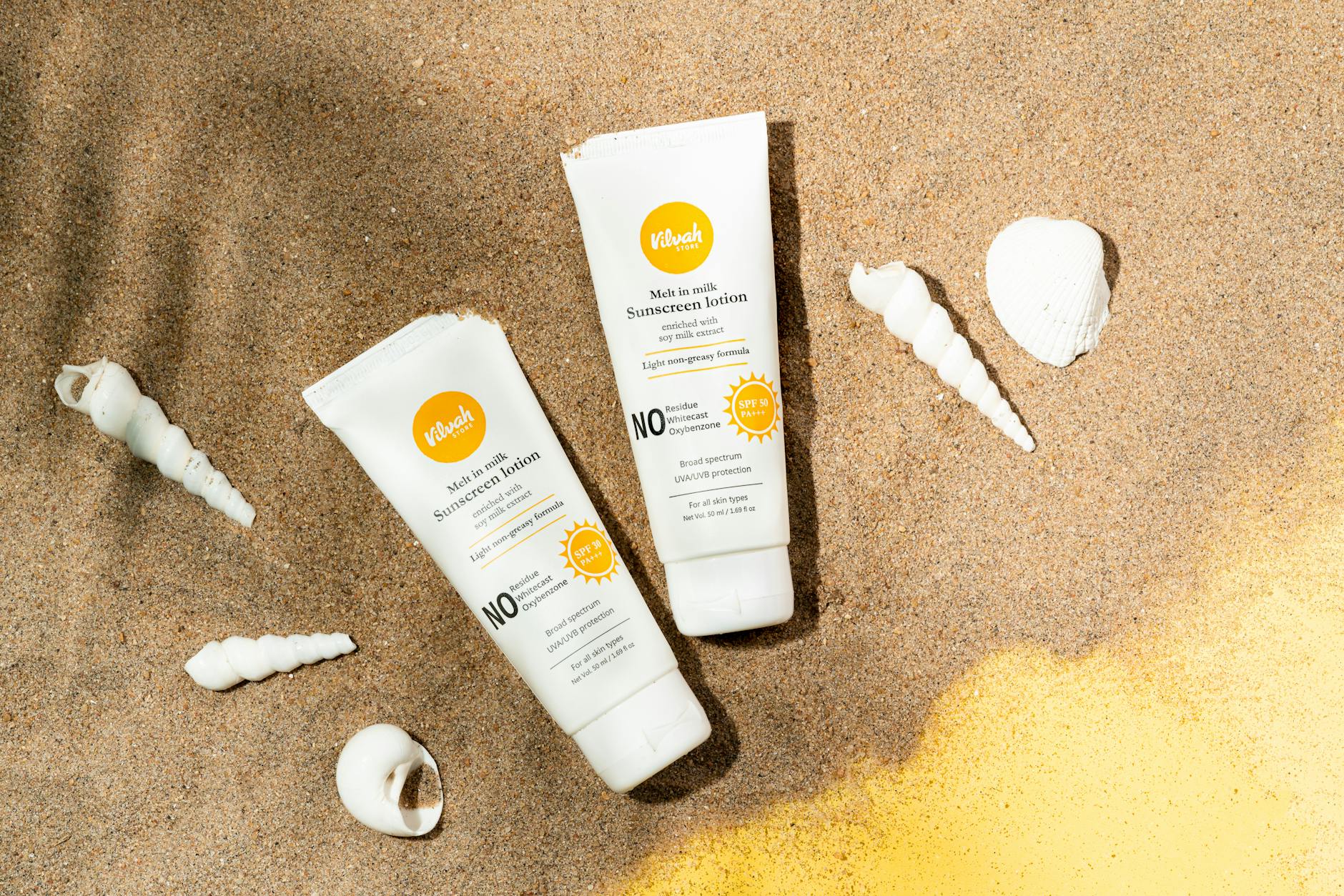
Ultraviolet rays are the single biggest contributor to visible aging and the hands are constantly exposed to direct sunlight. Most individuals diligently apply SPF to their faces every morning but frequently stop at the chin or neck. This neglect leaves the thin skin on the hands vulnerable to collagen breakdown and the formation of hyperpigmentation known as age spots. Dermatologists recommend applying a broad-spectrum sunscreen to the backs of your hands daily and reapplying after washing them.
Washing Dishes Without Gloves
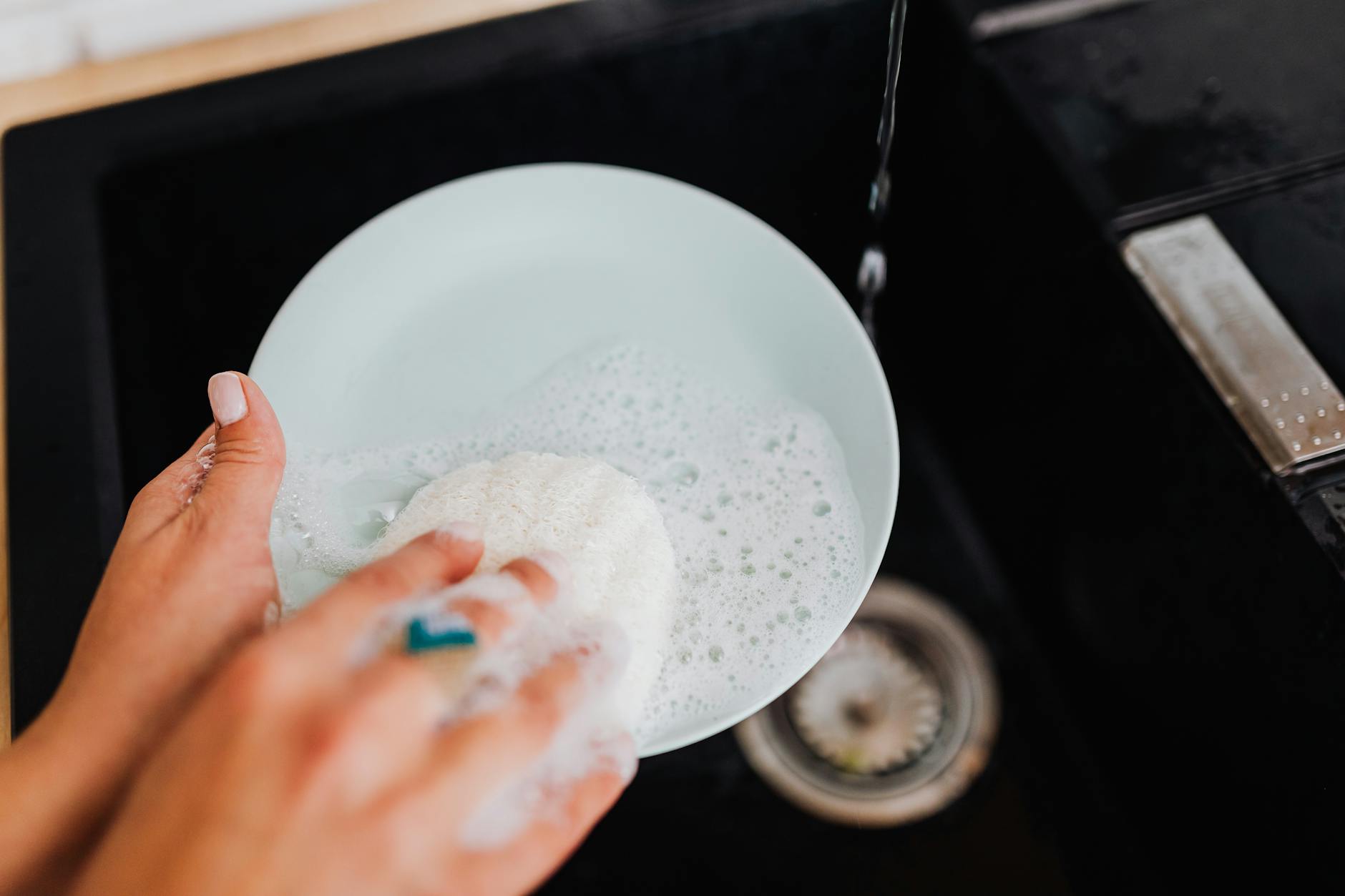
Hot water and harsh dish detergents strip the natural oils that keep the skin barrier intact and hydrated. Repeated exposure to soapy water causes the skin to become dry and cracked which accelerates the appearance of fine lines. Wearing rubber gloves creates a necessary physical barrier between your delicate skin and the stripping agents found in cleaning products. This simple habit preserves moisture levels and prevents the chronic irritation that leads to premature aging.
Overusing Alcohol Based Sanitizers

Hand sanitizers are essential for hygiene but the high alcohol content is incredibly drying to the skin. Frequent application dehydrates the epidermis and weakens the moisture barrier that keeps hands looking plump and smooth. The immediate evaporation of alcohol pulls moisture from the skin cells and leaves the surface looking withered or crepey. Following every use of sanitizer with a moisturizing hand cream helps to mitigate this drying effect and restore balance.
Utilizing Gel Manicures frequently

The ultraviolet lamps used to cure gel polish emit UVA rays which are deeply penetrating and known to cause cellular damage. Repeated exposure to these lamps during biweekly salon visits accumulates significant UV radiation over time. This concentrated exposure can lead to DNA damage and photoaging similar to that caused by tanning beds. Wearing fingerless UV-protective gloves or applying sunscreen before your manicure can significantly reduce the risk of premature aging.
Ignoring Cuticle Care
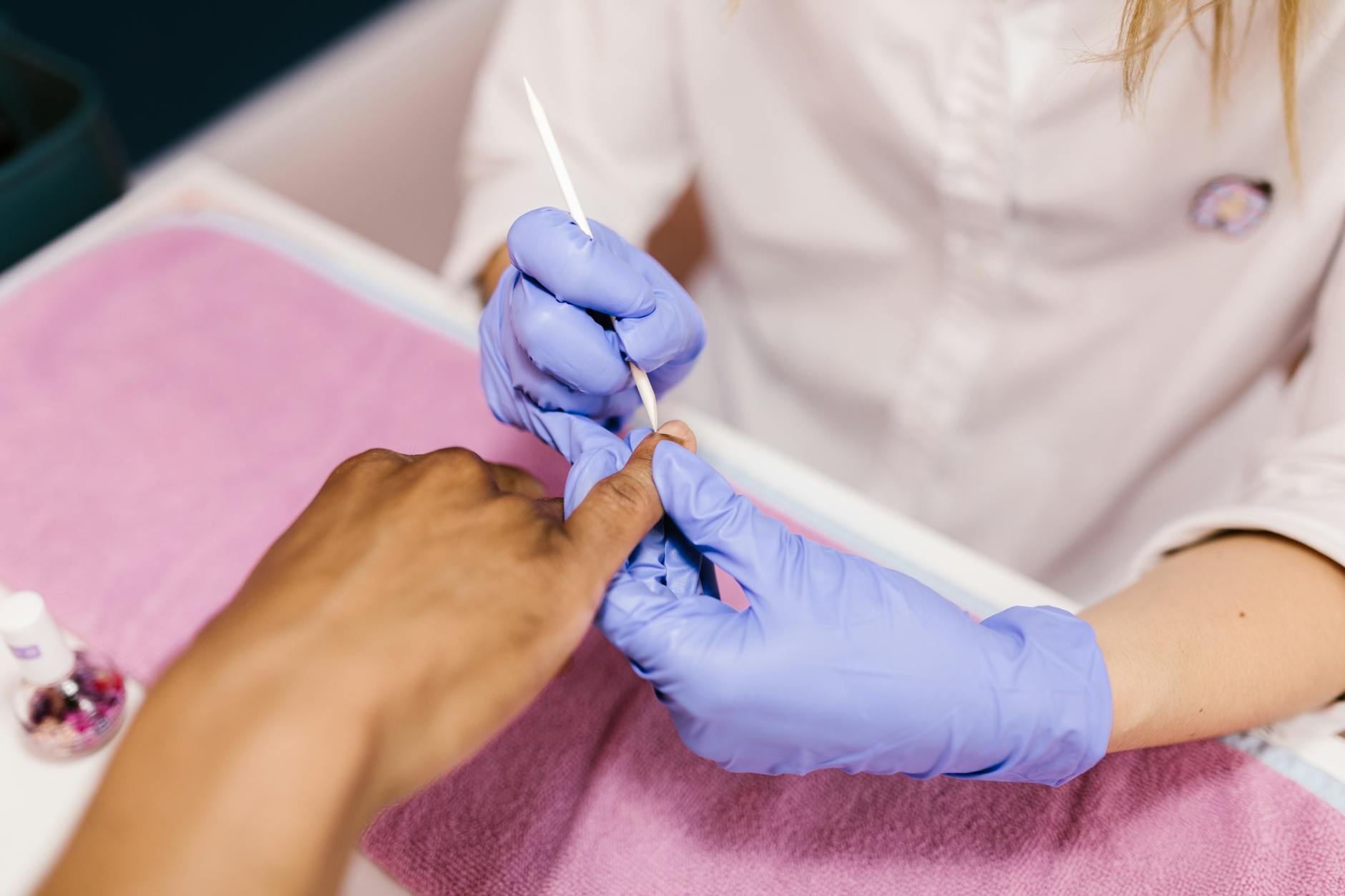
Dry and ragged cuticles detract from the overall appearance of the hands and can lead to infections or inflammation. The cuticle acts as a seal for the nail matrix and keeping it hydrated is crucial for healthy nail growth and skin texture. Ignoring this small area allows the skin to peel and creates a rough look that ages the entire hand. regular application of a nutrient-rich cuticle oil prevents hangnails and keeps the surrounding skin soft and youthful.
Exposing Hands to Cold Air
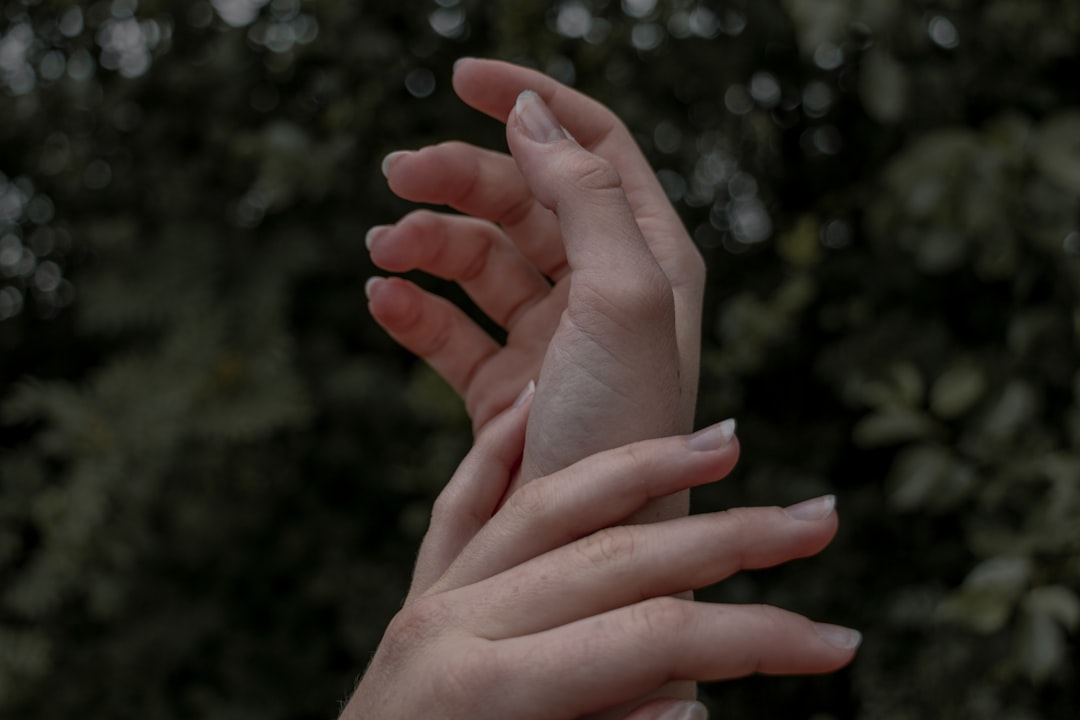
Cold weather causes blood vessels to constrict and reduces circulation to the extremities. The combination of low temperatures and low humidity draws moisture out of the skin rapidly. This environmental stress results in redness and chapping which damages the skin texture over the long term. Wearing warm gloves whenever you are outside in winter is essential to protect the moisture barrier and prevent windburn.
Using Hot Water for Washing
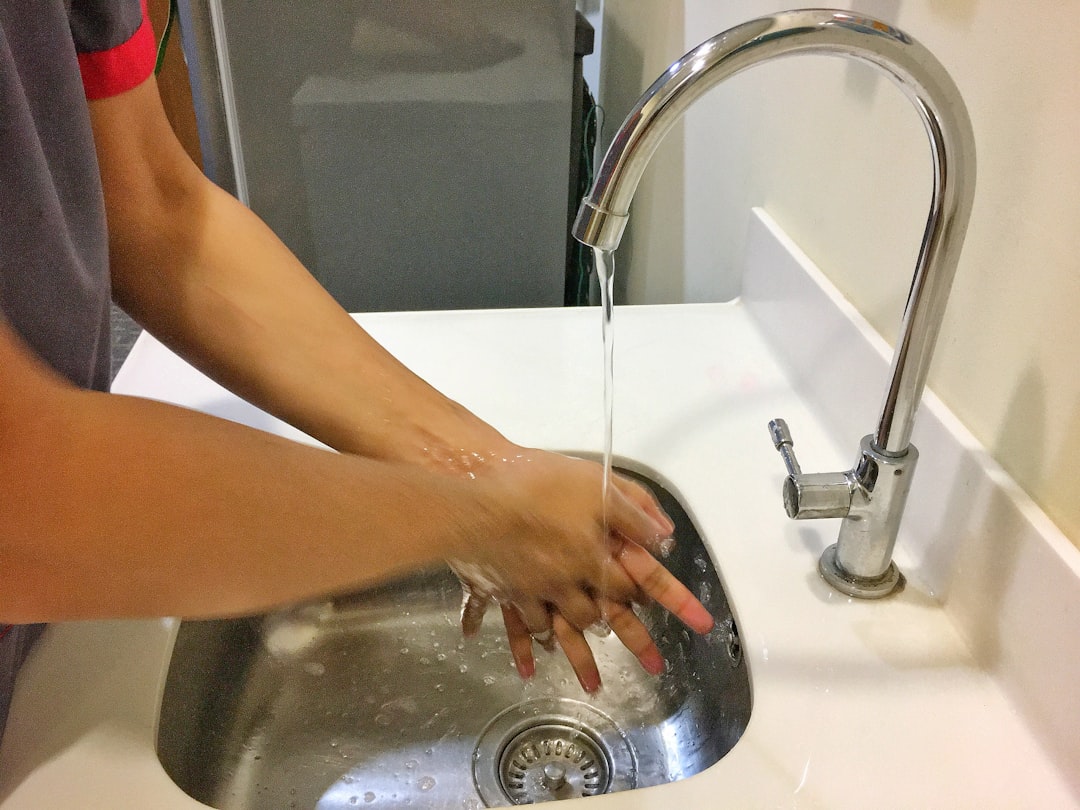
Washing hands with scalding hot water might feel like it provides a deeper clean but it actually causes significant damage. The high temperature melts away the natural sebum that protects the skin and leads to immediate dehydration. This results in inflammation and redness that stresses the skin and accelerates the aging process. Lukewarm water is equally effective for hygiene and is far gentler on the delicate skin of your hands.
Driving Without Protection

The windshield of a car blocks UVB rays but allows UVA rays to penetrate through the glass and reach your skin. Hands gripping the steering wheel are positioned in direct sunlight for extended periods during commutes and road trips. This cumulative exposure is a major cause of asymmetric aging where the driving hand looks older than the passenger hand. Keeping a pair of driving gloves in the car or applying sunscreen before driving mitigates this daily radiation exposure.
Forgetting to Exfoliate
Dead skin cells accumulate on the surface of the hands just as they do on the face and body. This buildup makes the skin look dull and prevents moisturizers from penetrating effectively into the deeper layers. A lack of exfoliation leaves hands feeling rough and highlights the appearance of wrinkles and veins. Using a gentle scrub once a week removes these dead cells and encourages cell turnover for brighter and smoother skin.
Cleaning With Bare Hands

Household cleaners often contain strong chemicals like bleach and ammonia that are extremely harsh on biological tissue. Direct contact with these substances can cause chemical burns or contact dermatitis that damages the integrity of the skin. Chronic inflammation from chemical exposure degrades collagen and elastin fibers much faster than natural aging would. Always wearing protective gloves when scrubbing surfaces or handling cleaning agents is a non-negotiable step for hand preservation.
Neglecting Night Treatments

the body goes into repair mode during sleep and this is the prime time to treat damaged skin. Many people apply heavy creams to their face before bed but leave their hands bare and dry. Skipping this opportunity allows moisture loss to continue throughout the night and results in dry hands in the morning. Applying a thick hand cream or a reparative mask before sleeping locks in hydration and aids in overnight recovery.
Smoking Tobacco Products

Nicotine causes blood vessels to narrow in the outermost layers of the skin which impairs blood flow. This reduction in circulation deprives the skin of oxygen and essential nutrients like Vitamin A. The physical act of holding a cigarette also exposes the fingers to heat and smoke which stains the skin and nails. Quitting smoking improves circulation and allows the skin to repair itself and regain a healthier color and texture.
Biting Nails and Picking Skin
The habit of biting nails or picking at the skin around them causes constant physical trauma to the tissue. This chronic irritation leads to inflammation and calluses that make the hands look worn and rugged. The saliva involved in nail biting contains enzymes meant to digest food and these can further break down the skin. Breaking this habit allows the skin to heal and return to a smooth and unblemished state.
Relying on Harsh Soaps
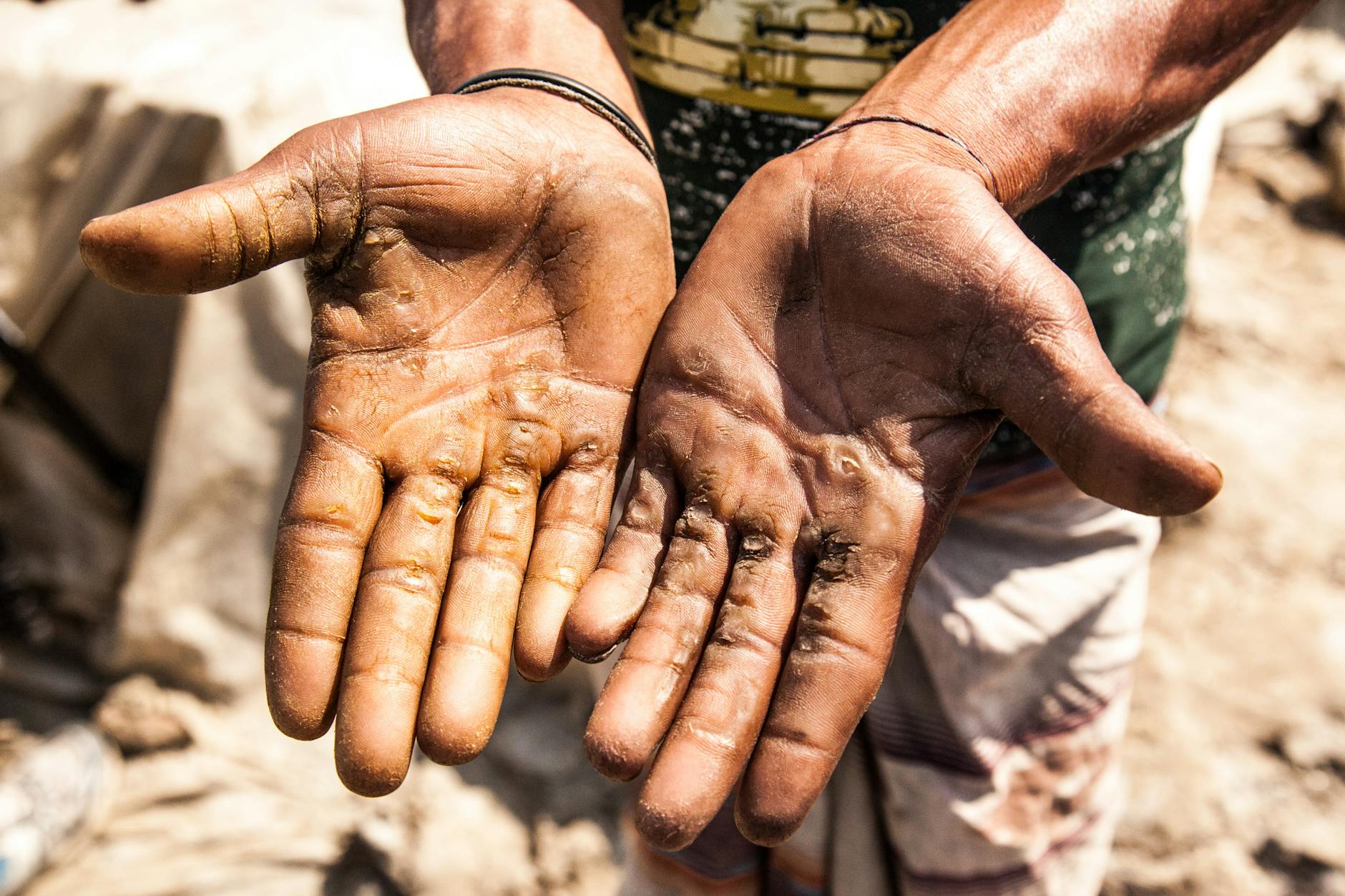
Many commercial hand soaps contain sulfates and antibacterial agents that are too aggressive for daily use. These ingredients strip away the microbiome that keeps the skin healthy and balanced. The result is a compromised barrier that is prone to irritation and dryness. Switching to a moisturizing or creamy cleanser helps maintain the natural pH of the skin and prevents unnecessary stripping.
Dehydration From Within
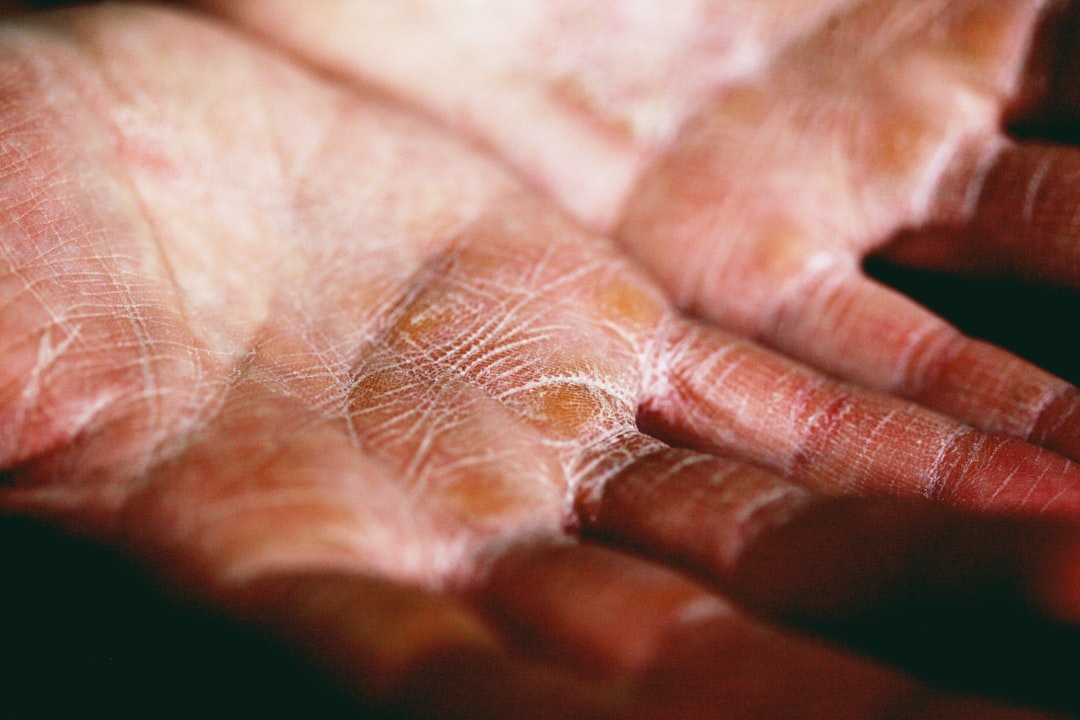
External creams can only do so much if the body is dehydrated internally. A lack of sufficient water intake reflects quickly in the skin of the hands making them appear hollow and highlighting veins. Proper hydration ensures that skin cells remain plump and elastic from the inside out. Drinking adequate water throughout the day is a fundamental habit that supports the structure and appearance of the skin on your hands.
Share your own hand care tips and experiences in the comments.




