Coffee shops rely on a smooth workflow to serve high-quality beverages to customers quickly during busy hours. Baristas appreciate efficient communication and respect for the craft involved in making espresso drinks. Certain habits can disrupt the rhythm of the café and lead to delays for everyone waiting in line. Understanding cafe etiquette ensures a better experience for both the staff and the patrons seeking their daily caffeine fix. Small adjustments in ordering behavior can significantly improve the atmosphere of your local coffee shop.
Talking on the Phone

Ordering while engaged in a phone conversation prevents clear communication about drink preferences or payment methods. This behavior forces the barista to wait for a pause in the conversation or use hand signals to complete the transaction. It creates an awkward interaction and slows down the line for other customers waiting behind. Baristas often struggle to get necessary details like milk preference or cup size when the customer is distracted.
Ordering the “Secret Menu” by Name Only
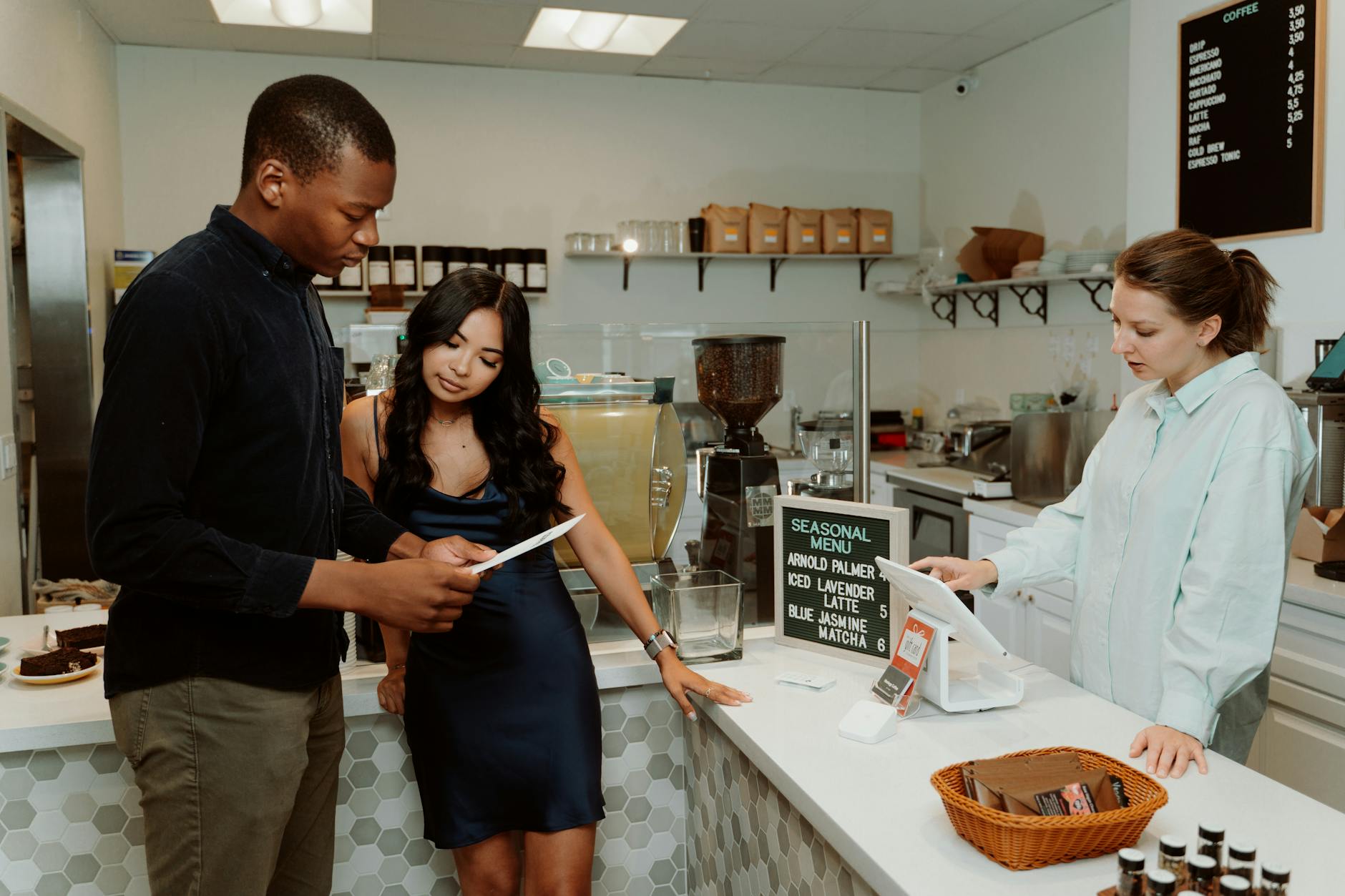
Customers often request complex viral drinks by obscure names found on social media without knowing the ingredients. Baristas are trained on the official menu and cannot memorize every internet trend or variation invented by influencers. This forces the staff to ask multiple questions to deconstruct the drink and figure out how to make it. Providing the specific recipe rather than a catchy title ensures the beverage is prepared exactly as expected.
Dumping Liquid in the Trash Can
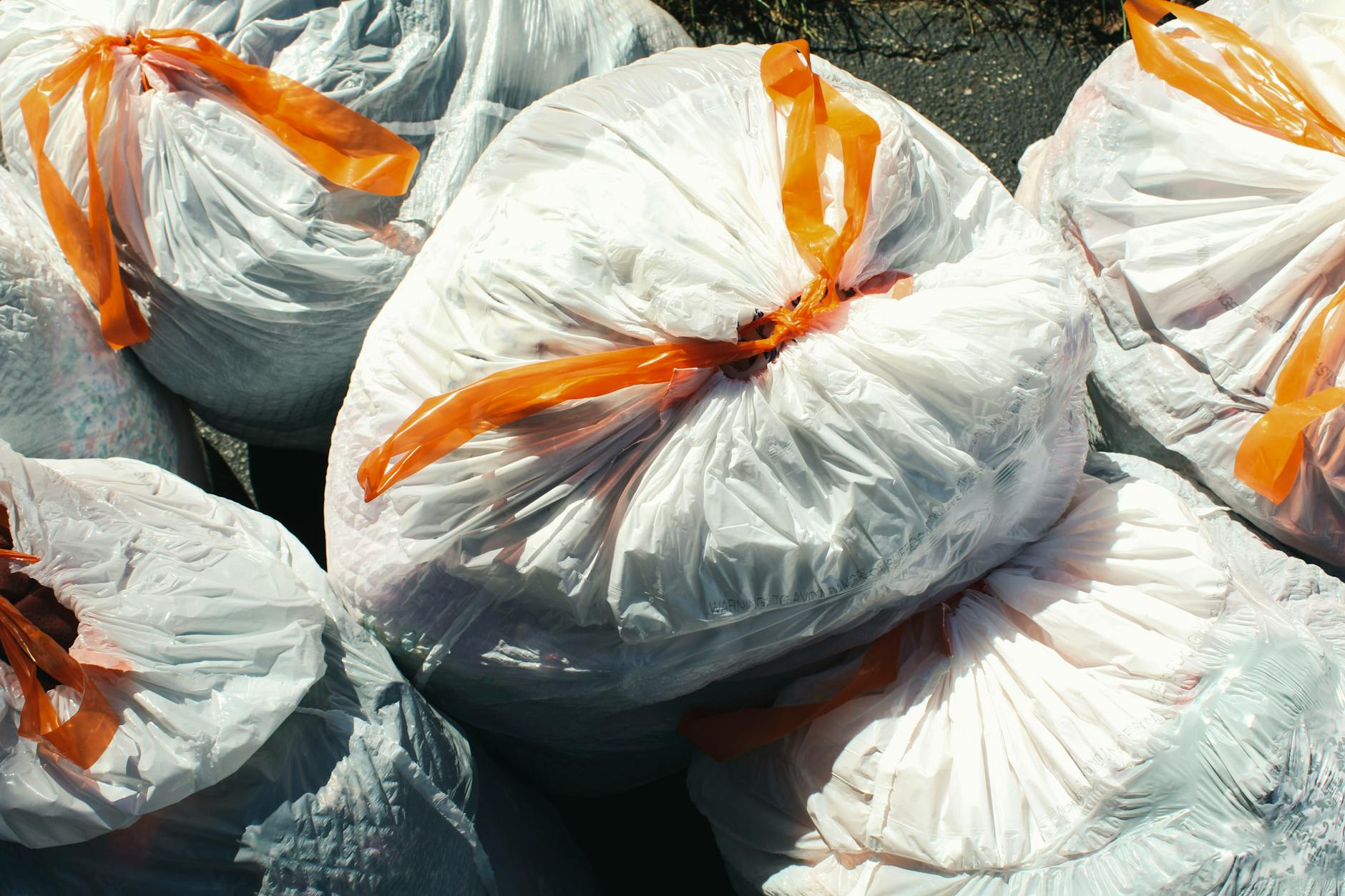
Pouring hot liquid into a trash bin causes the bag to leak and creates a messy hazard for the staff to clean up later. Most cafes provide specific vessels or sinks for disposing of unwanted liquid to keep the garbage area sanitary. Heavy trash bags filled with liquid are difficult to lift and prone to breaking during disposal. Asking a barista to dump the excess liquid is the polite and safe alternative to using the waste bin.
Asking for “No Foam” on a Cappuccino
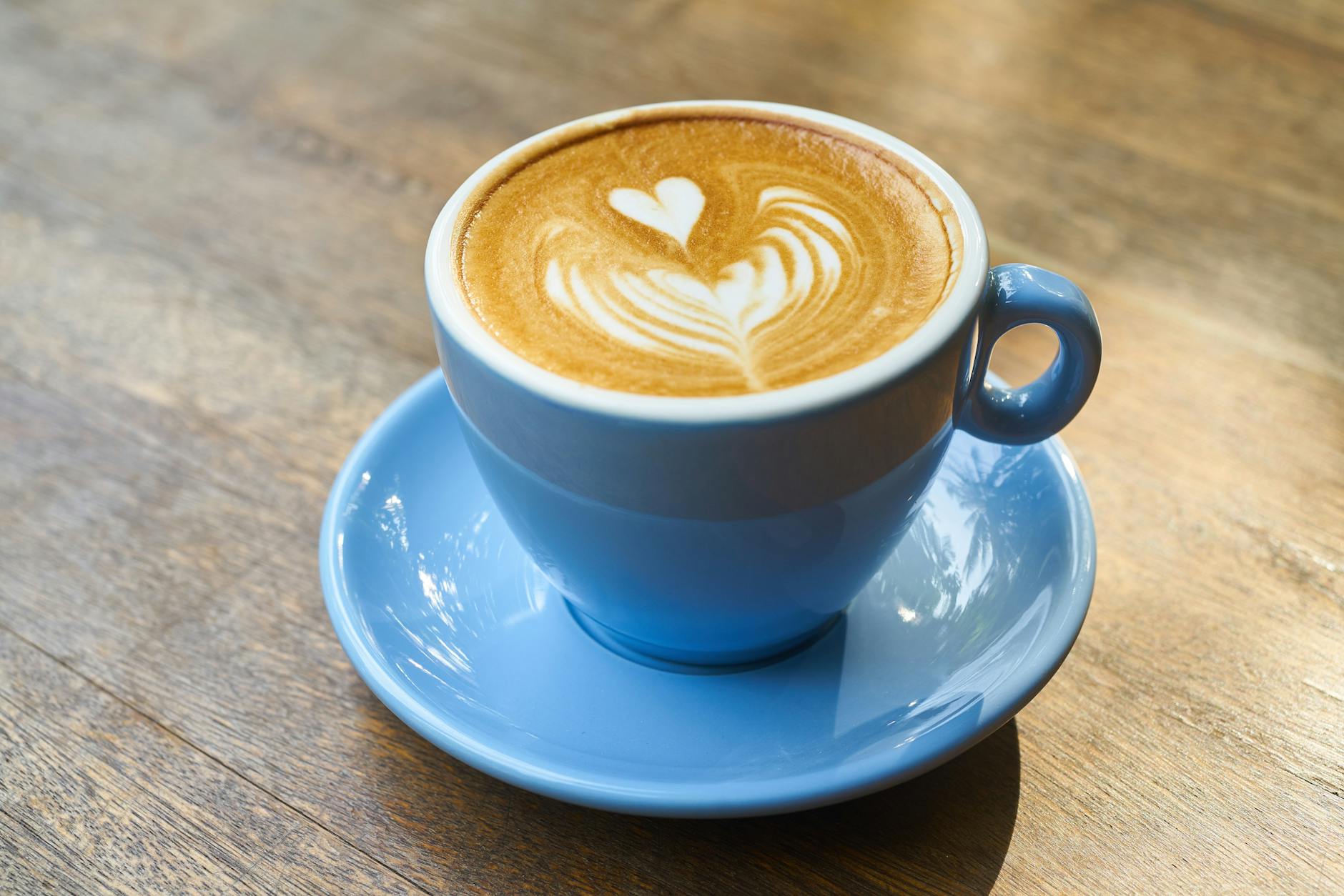
A cappuccino is defined by its thick layer of foam and specific ratio of steamed milk to espresso. Ordering this drink with no foam essentially changes the beverage into a latte or a flat white. This request confuses the terminology and requires the barista to clarify what the customer actually wants in their cup. Using the correct name for the desired drink helps streamline the process and guarantees the right texture.
Hovering Over the Espresso Machine
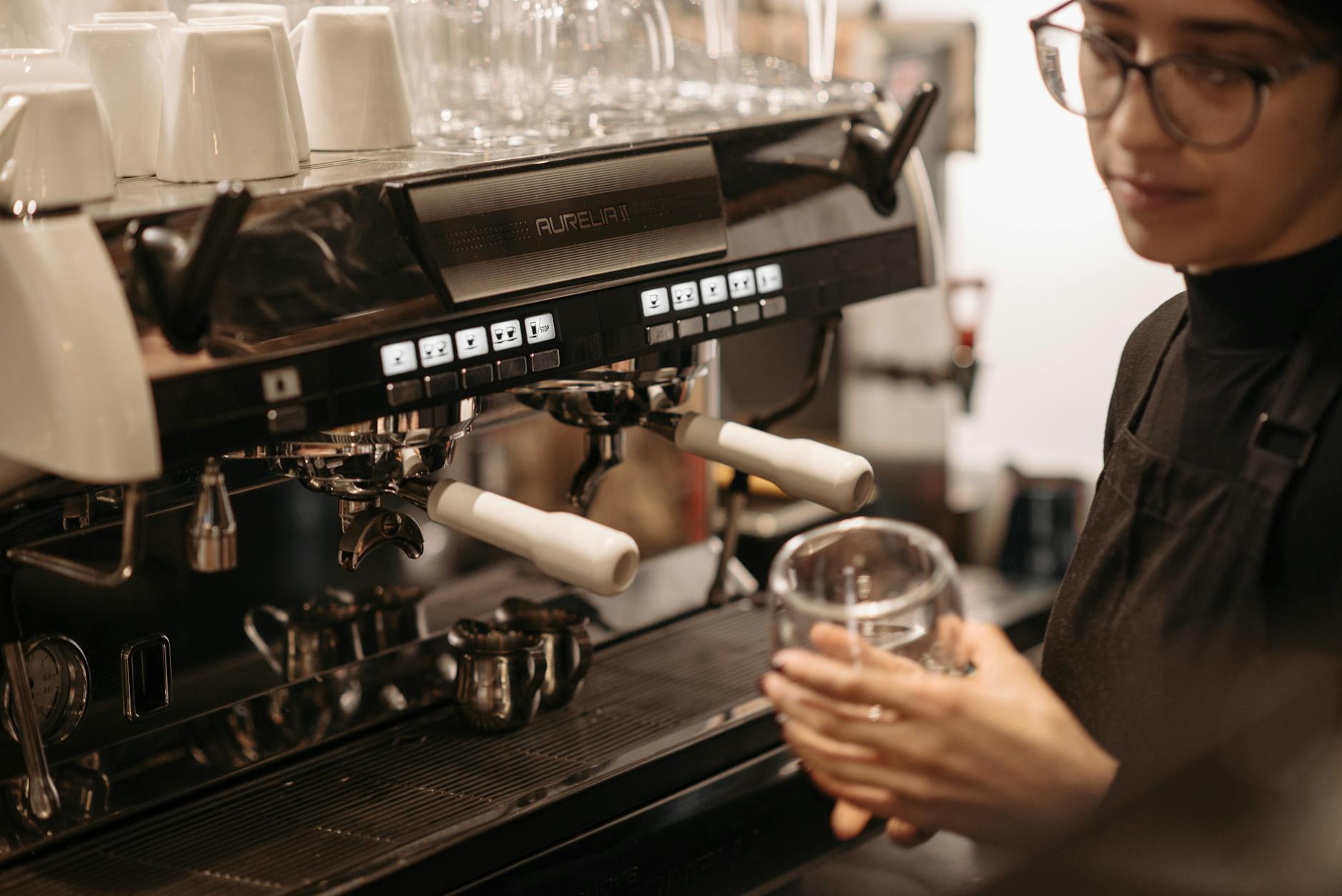
Staring intensely at the barista or leaning over the counter while they work can create uncomfortable pressure during a rush. This invasion of personal space makes it difficult for staff to focus on pulling shots and steaming milk safely. The hand-off plane is the appropriate place to wait for the finished product once the order is placed. Respecting the physical workspace allows the team to operate efficiently without unnecessary distractions.
Changing the Order at the Pickup Window
Altering drink specifications after the transaction is complete disrupts the production line and wastes ingredients. The barista on the espresso machine has likely already started the beverage based on the original ticket. This forces the team to discard the initial drink and restart the entire process from the beginning. Confirming all details at the register prevents waste and keeps the queue moving smoothly.
Being Vague About Size
Omitting the cup size forces the cashier to ask additional questions before they can ring up the total price. Beverage recipes vary significantly based on the volume of the cup and the amount of milk or espresso required. This small delay adds up quickly during a morning rush when efficiency is paramount. Stating the size first helps the barista grab the correct cup immediately and speed up service.
Leaving Tables Messy
Customers who leave used napkins and empty cups on tables create extra work for baristas who are already busy making drinks. Most coffee shops operate on a self-service model where patrons are expected to clear their own space. This habit prevents new customers from finding a clean seat and forces staff to leave the bar. Bussing your own table is a simple gesture that shows respect for the shared environment.
Pronouncing it “Expresso”
Mispronouncing the word espresso is a frequent linguistic error that creates friction with coffee professionals. The correct pronunciation reflects the Italian heritage of the pressurized brewing method used in cafes worldwide. Using the proper term demonstrates an appreciation for the coffee culture and the product being served. Correct terminology helps maintain a professional standard of communication between the customer and the specialist.
Reaching Behind the Counter
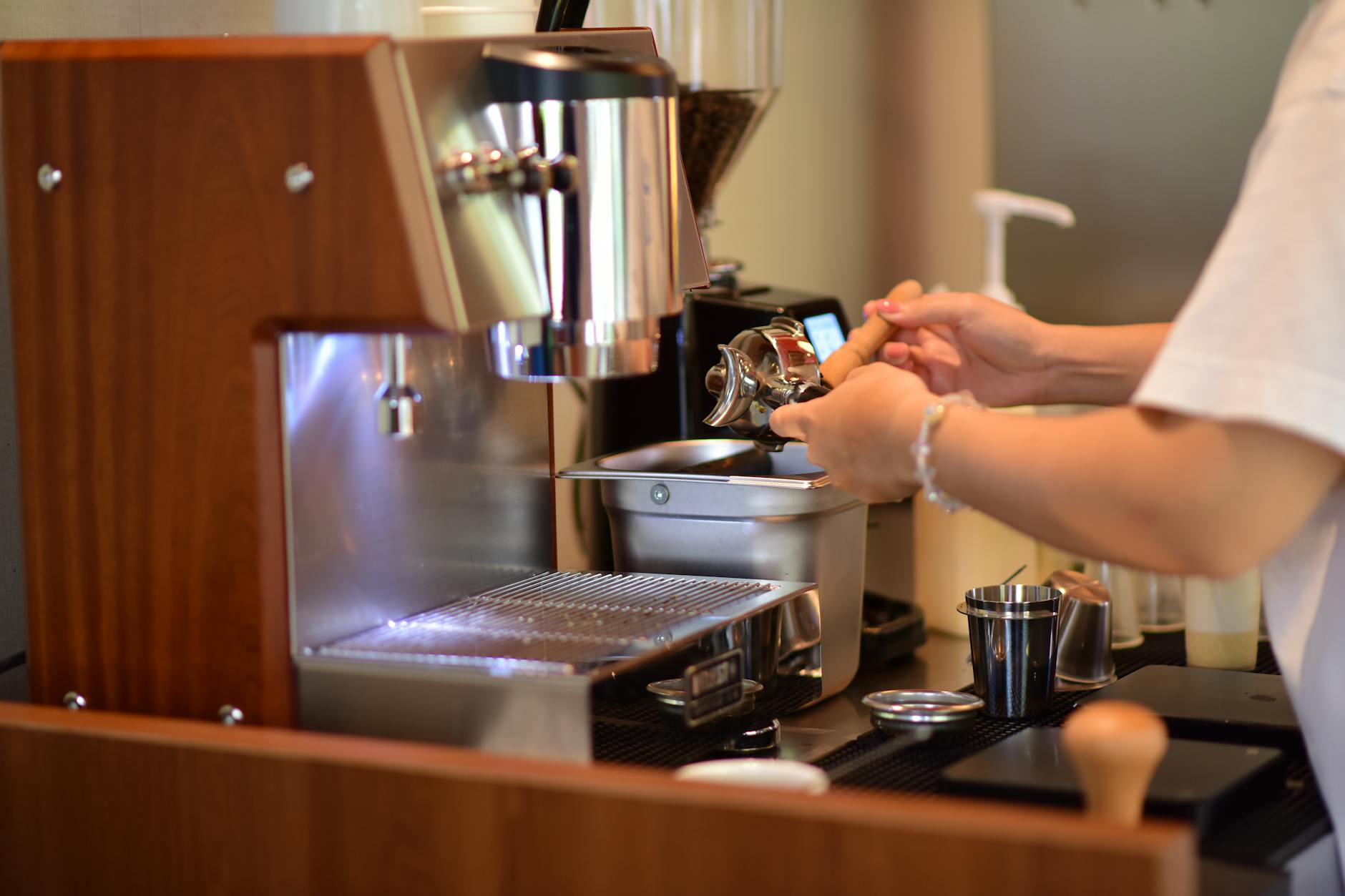
Grabbing syrups or milk pitchers from the employee workspace poses a significant health code violation and safety risk. The area behind the counter is designated for trained staff members to maintain sanitation standards. Customers should always ask a barista for extra condiments or supplies rather than helping themselves. This boundary ensures that food safety protocols remain intact for everyone visiting the shop.
Share your own experiences with coffee shop etiquette in the comments.




