Vitamin C is an essential nutrient that supports immune function and promotes glowing skin. Most people automatically reach for an orange when they feel a cold coming on or want a health boost. Nature actually offers a vast array of fruits and vegetables that pack a more powerful punch of this vital antioxidant. Including a diverse range of these colorful foods can elevate your culinary experience while enhancing your overall well-being. This comprehensive guide explores thirty-five incredible options that surpass the famous citrus fruit in vitamin C content.
Kakadu Plum
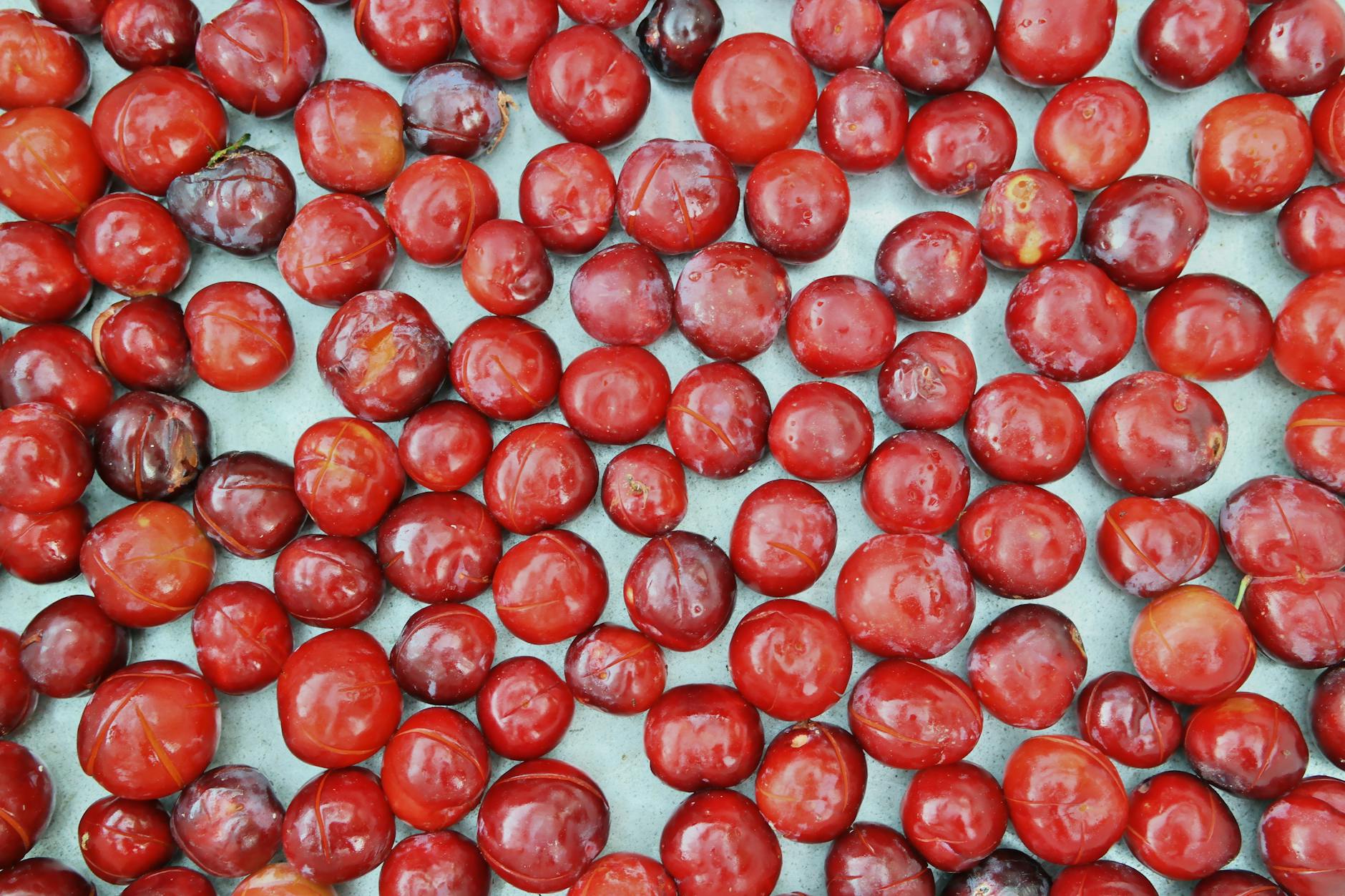
This Australian superfood holds the world record for the highest recorded level of vitamin C of any food. Indigenous communities have used this small green fruit for centuries as both a traditional medicine and a nutritious food source. The tart taste makes it a perfect addition to jams or sauces where a little goes a long way. Just one singular plum contains significantly more ascorbic acid than you would find in a whole basket of oranges. It remains a potent ingredient in modern skincare products due to its exceptional antioxidant properties.
Acerola Cherry
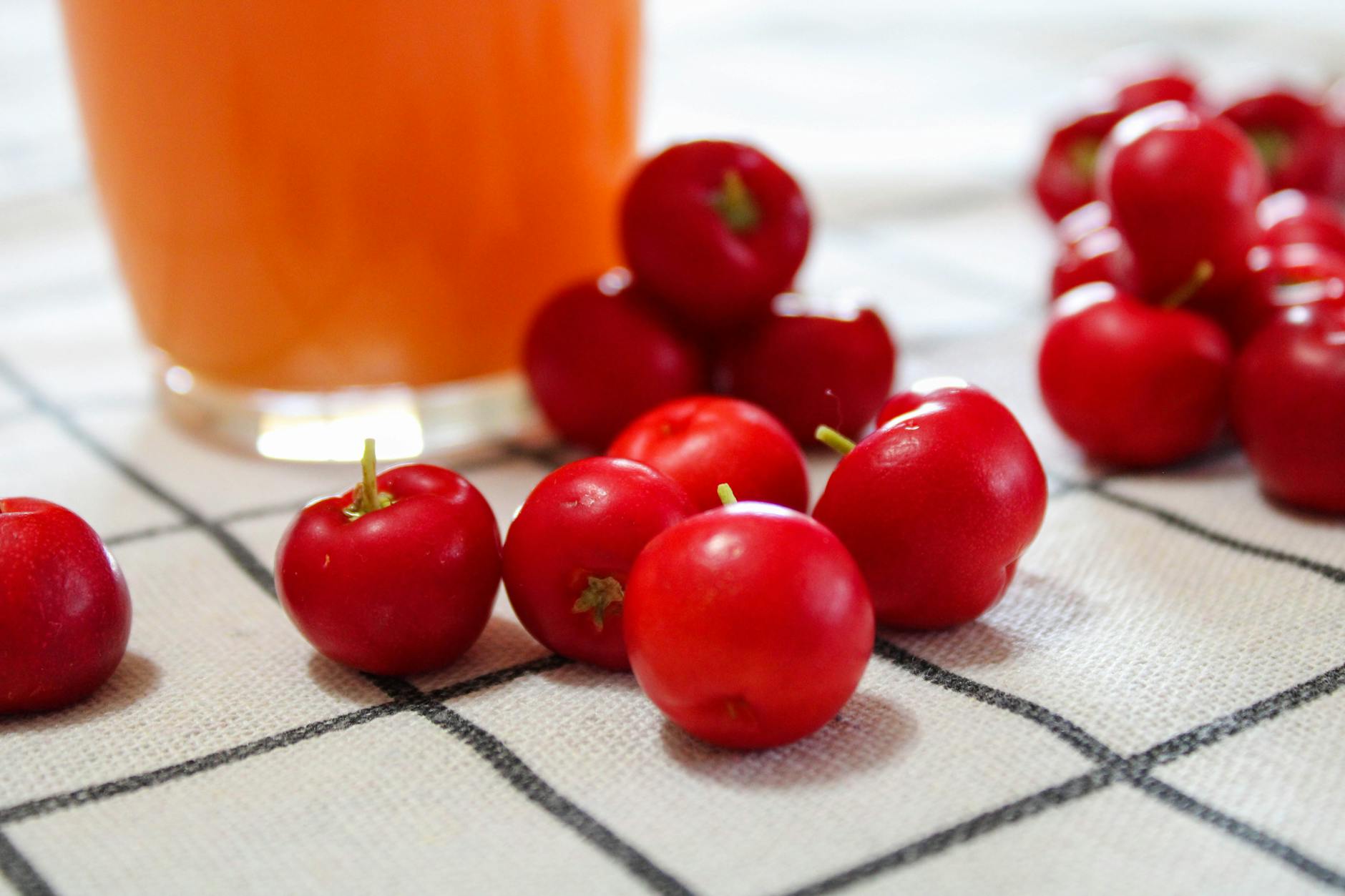
These bright red berries from Central and South America are incredibly rich in essential nutrients. They possess a sweet and tart flavor profile that works beautifully in juices or powder supplements. The fruit deteriorates rapidly after harvest so it is most commonly found frozen or in freeze-dried forms. Consuming acerola provides a massive surge of antioxidants to help fight oxidative stress in the body. It serves as a prime example of how small fruits can deliver massive nutritional benefits.
Rose Hips

These small fruits develop on wild rose plants after the flowers have bloomed and faded away. They are packed with seeds and possess a tangy flavor that lends itself well to herbal teas and syrups. Many people forage for them in the autumn to create natural remedies for winter ailments. Processing them requires care to remove the hairy seeds but the nutritional payoff is well worth the effort. Rose hip oil is also a beloved beauty secret for maintaining youthful and hydrated skin.
Green Chili Peppers

Adding some heat to your meal does more than just excite your taste buds. One green chili pepper delivers a surprisingly high amount of vitamin C to support your daily needs. The capsaicin compound that gives peppers their spice also works synergistically with antioxidants to boost metabolism. You can slice them into curries or salsas to gain both flavor and immune support simultaneously. This spicy vegetable proves that intense flavor often comes with intense nutritional value.
Red Chili Peppers

Allowing chili peppers to ripen to a vibrant red color changes their flavor and increases their nutrient density. These fiery ingredients are staples in many global cuisines for their ability to add depth and heat. A small amount of red chili provides a concentrated dose of vitamins that aids in inflammation reduction. They are easily dried or pickled to preserve their benefits for use throughout the year. Culinary enthusiasts value them as much for their health properties as for their bold taste.
Guava

This tropical fruit features a distinct fragrance and a flavor that sits somewhere between a pear and a strawberry. Pink varieties are particularly famous for their high lycopene content alongside their impressive vitamin C levels. You can eat the entire fruit including the seeds and skin to maximize fiber intake. A single guava provides over double the daily recommended value of this essential water-soluble vitamin. It makes a refreshing snack when eaten raw or a delicious base for jams and jellies.
Sweet Yellow Peppers
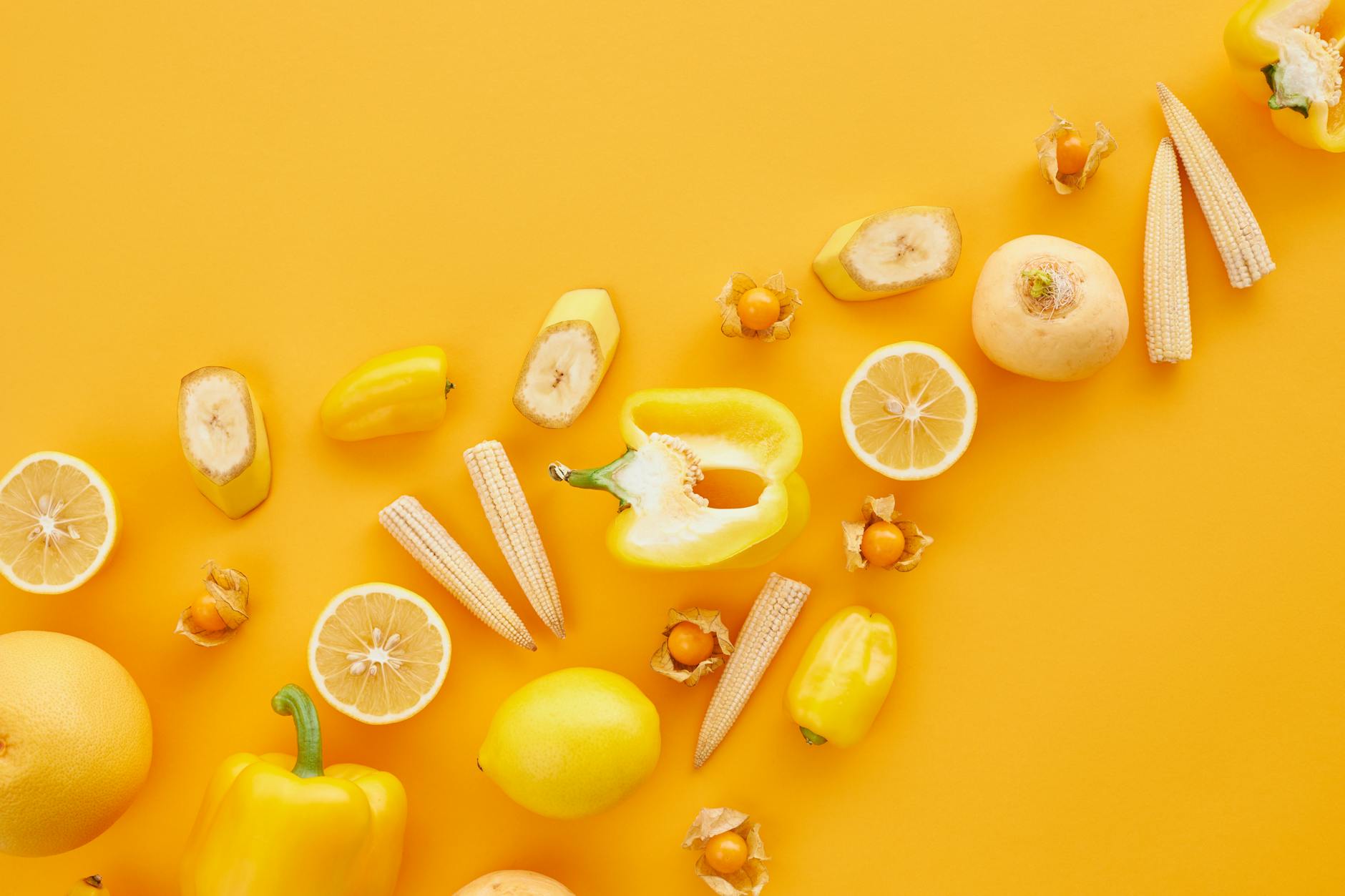
Yellow bell peppers are among the highest vegetable sources of vitamin C available in the grocery store. Their sweet and mild flavor makes them an excellent choice for raw snacking or fresh salads. As peppers mature from green to yellow they accumulate more vitamins and antioxidants. Eating just one half of a large yellow pepper provides a substantial nutritional boost for the day. They add a bright pop of color and crunch to stir-frys without overpowering other ingredients.
Blackcurrants
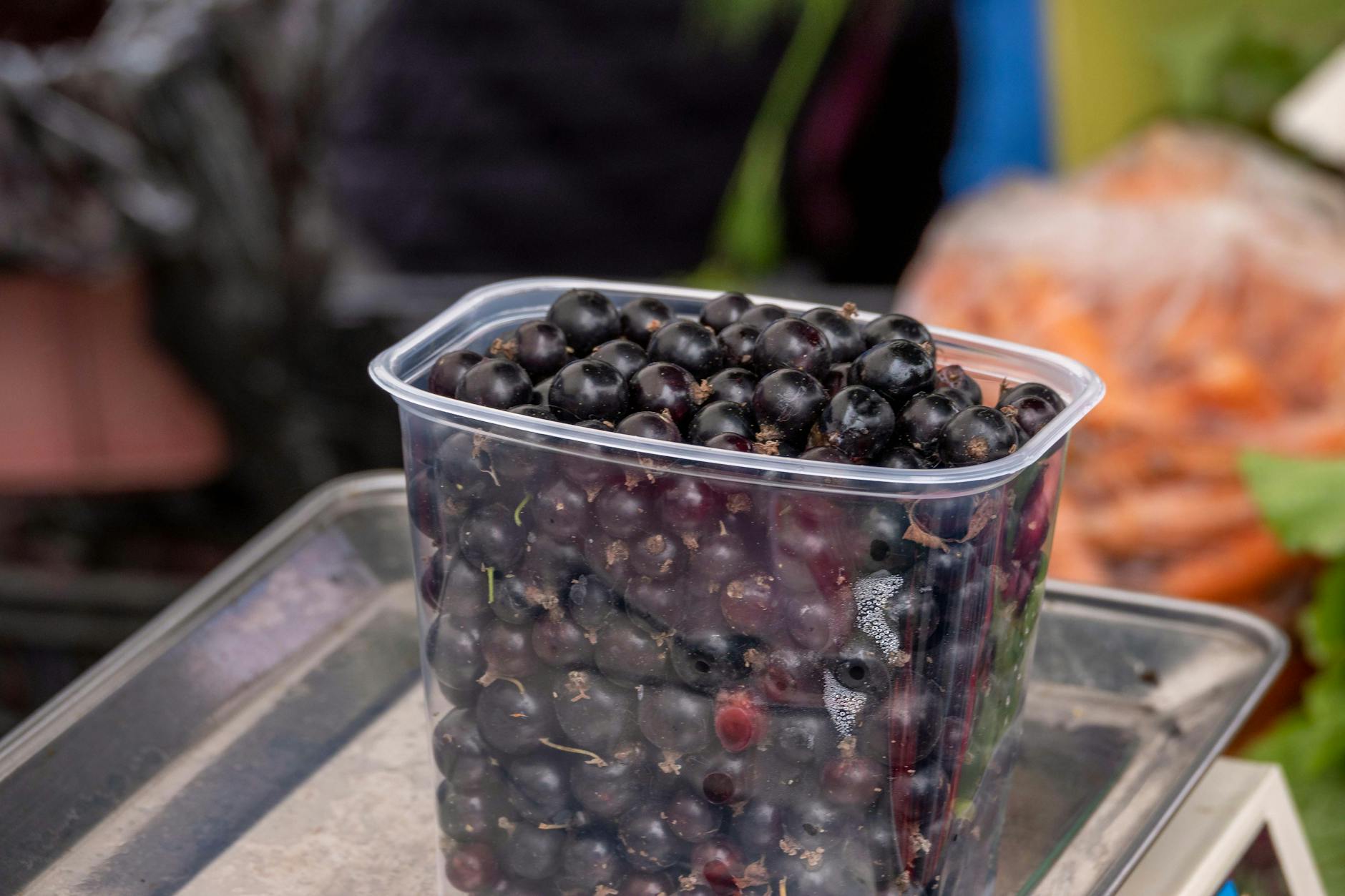
These deep purple berries are tart and typically require some sweetening to be palatable for most people. They are traditional favorites in jams and juices across Europe due to their rich flavor and high pectin content. The dark pigment indicates the presence of anthocyanins which work alongside vitamin C to protect cells. Blackcurrants support eye health and immune function through their dense nutrient profile. You can easily incorporate them into smoothies or baked goods for a tart contrast.
Thyme

Fresh thyme has the highest concentration of vitamin C among all culinary herbs. Sprinkling this aromatic herb over soups and roasted vegetables adds more than just savory flavor. It has been used historically to treat respiratory issues and support the immune system during cold season. Even small amounts contribute to your daily intake while enhancing the taste of your favorite dishes. It is a simple way to elevate the nutritional quality of a meal without changing the main ingredients.
Parsley
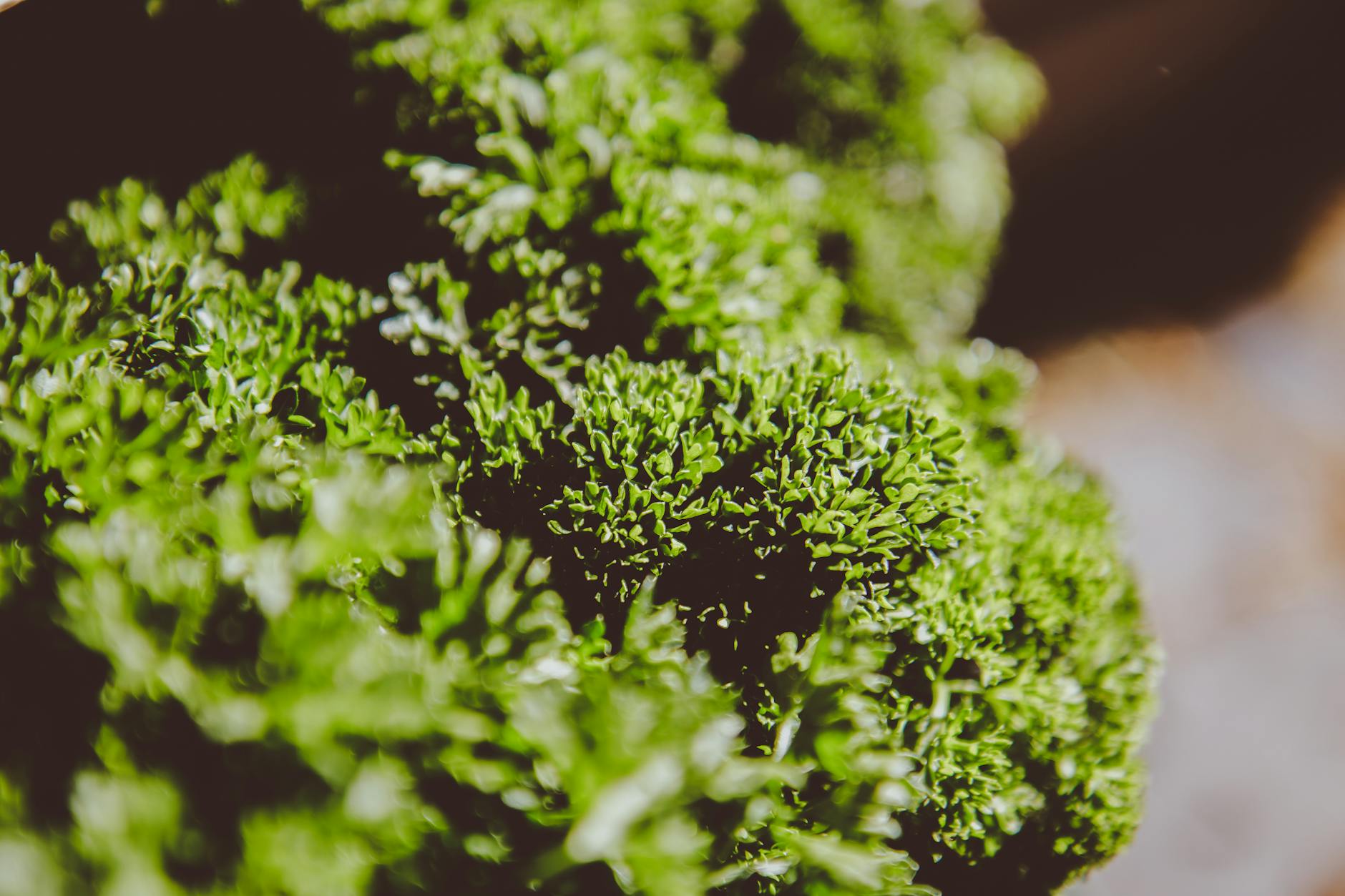
This common garnish is often overlooked but is actually a nutritional powerhouse in its own right. Fresh parsley adds a clean and peppery brightness to salads and grain dishes like tabbouleh. Two tablespoons of this fresh herb offer a respectable amount of vitamin C and vitamin K. It aids in digestion and acts as a natural breath freshener when chewed after a meal. incorporating large amounts of parsley into sauces like chimichurri is a delicious way to consume it.
Mustard Spinach
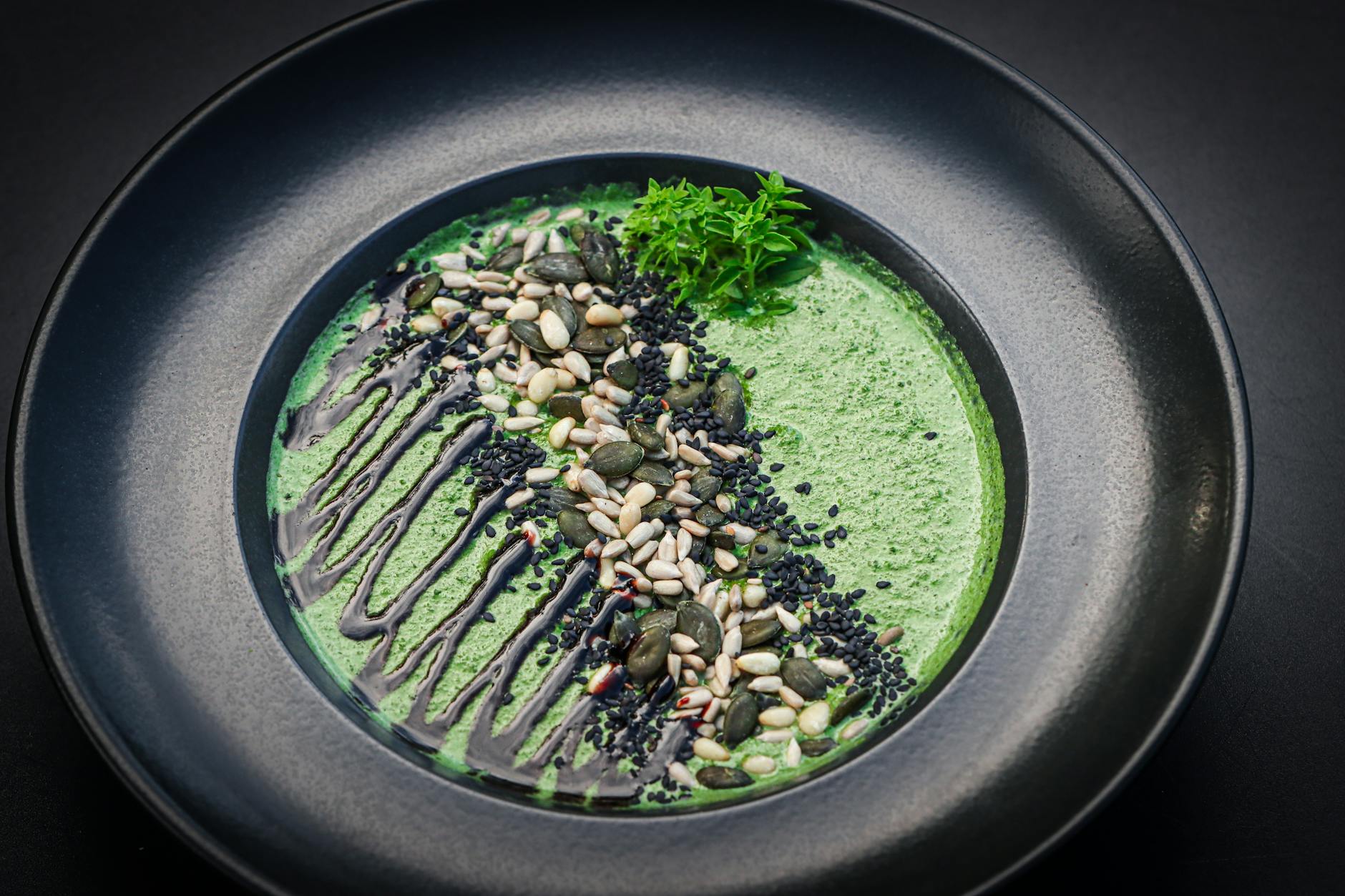
This leafy green vegetable is a staple in many Asian cuisines and offers a sharp flavor profile. It cooks down quickly in stir-frys or soups while retaining its impressive nutritional content. The leaves are tender and can be eaten raw in salads for a spicy kick similar to mustard greens. It contains significantly more vitamin C than standard spinach and provides plenty of calcium as well. Regular consumption supports bone health and boosts the body’s natural defense systems.
Kale

This cruciferous vegetable has earned its reputation as a superfood for very good reasons. A cup of chopped raw kale provides a massive dose of vitamin C along with fiber and other minerals. Massaging the leaves with olive oil helps to break down tough fibers and makes the nutrients more bioavailable. It stands up well in hearty salads or can be baked into crispy chips for a savory snack. Including kale in your diet ensures you get a broad spectrum of vitamins in every serving.
Kiwifruit
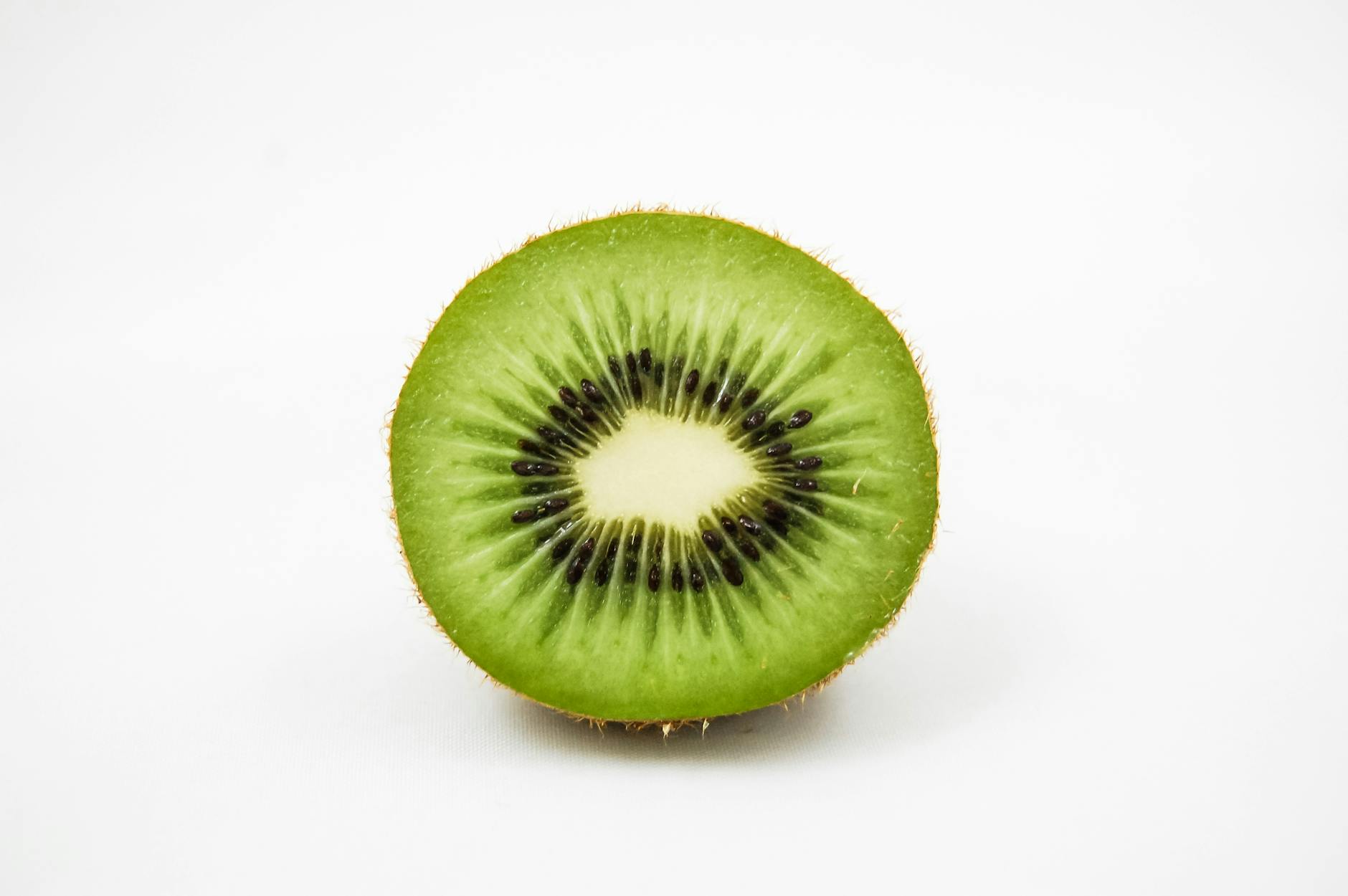
The fuzzy brown exterior of a kiwi hides a vibrant green flesh that is speckled with edible black seeds. Two medium kiwis contain more vitamin C than an orange and also provide potassium and fiber. They contain a unique enzyme called actinidin that assists in the digestion of proteins. You can scoop the flesh out with a spoon or eat the skin for extra nutrients and texture. This fruit is a perfect portable snack that requires no complex preparation.
Broccoli
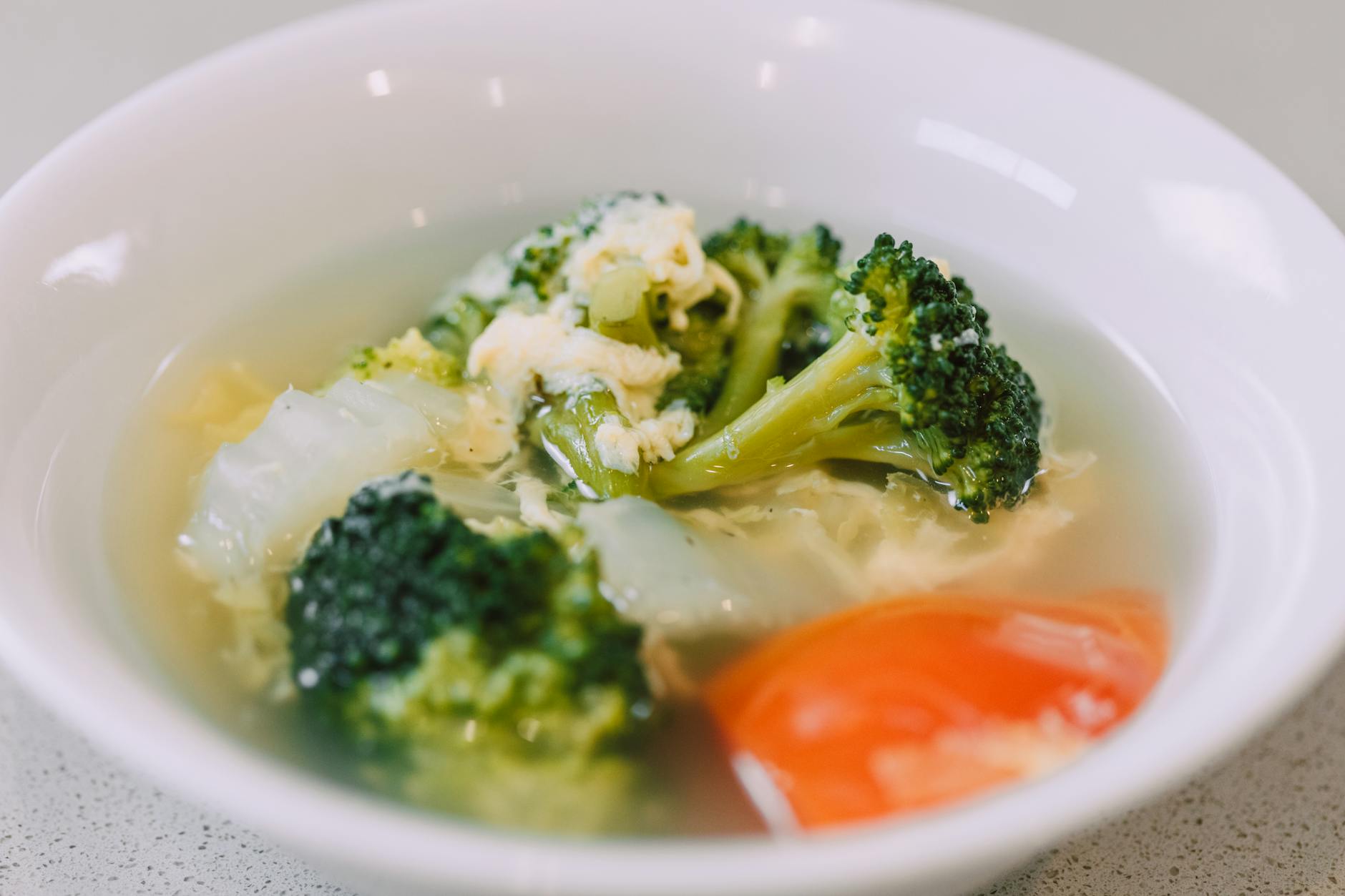
This cruciferous vegetable is a reliable source of vitamins when eaten both raw and cooked. Steaming broccoli gently is the best method to preserve its water-soluble nutrients while softening the texture. It contains potent compounds that are studied for their potential to support cellular health. The stalks are just as nutritious as the florets and can be sliced thinly for slaws. Regular consumption of broccoli contributes to a strong immune system and healthy digestion.
Brussels Sprouts

These small cabbages have made a culinary comeback thanks to modern roasting techniques. They are dense with nutrients and provide a substantial amount of vitamin C in every serving. Roasting them until crispy brings out a natural sweetness that counters their slight bitterness. They are excellent sources of fiber and help promote satiety and stable blood sugar levels. Adding them to your dinner rotation ensures a hearty dose of antioxidants during the colder months.
Lemons

While oranges get all the glory lemons actually contain a comparable or higher density of vitamin C especially in the peel. The juice is a staple acid in cooking that brightens up heavy dishes and dressings. Consuming the zest and pith provides flavonoids that enhance the absorption of the vitamin. Drinking warm lemon water is a popular morning ritual to hydrate and alkalize the body. This versatile citrus fruit is indispensable in both sweet and savory culinary applications.
Lychees
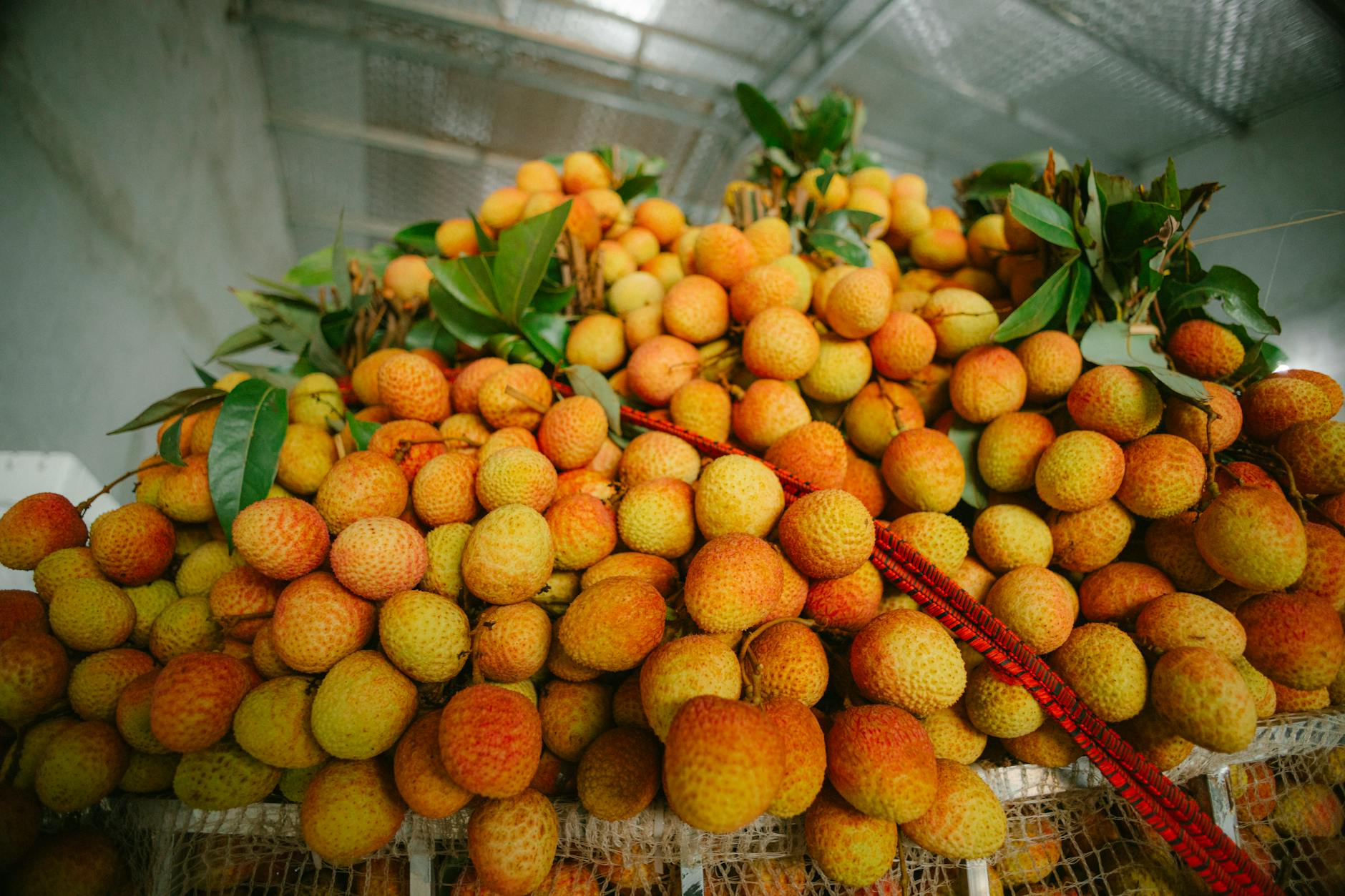
These tropical fruits feature a rough red skin that peels away to reveal translucent white flesh. The taste is floral and sweet with a texture similar to a grape. A cup of fresh lychees provides a generous amount of antioxidants to support healthy blood flow. They are best enjoyed fresh but can also be found canned or dried in specialty markets. Their unique flavor makes them a favorite dessert or refreshing end to a spicy meal.
American Persimmons
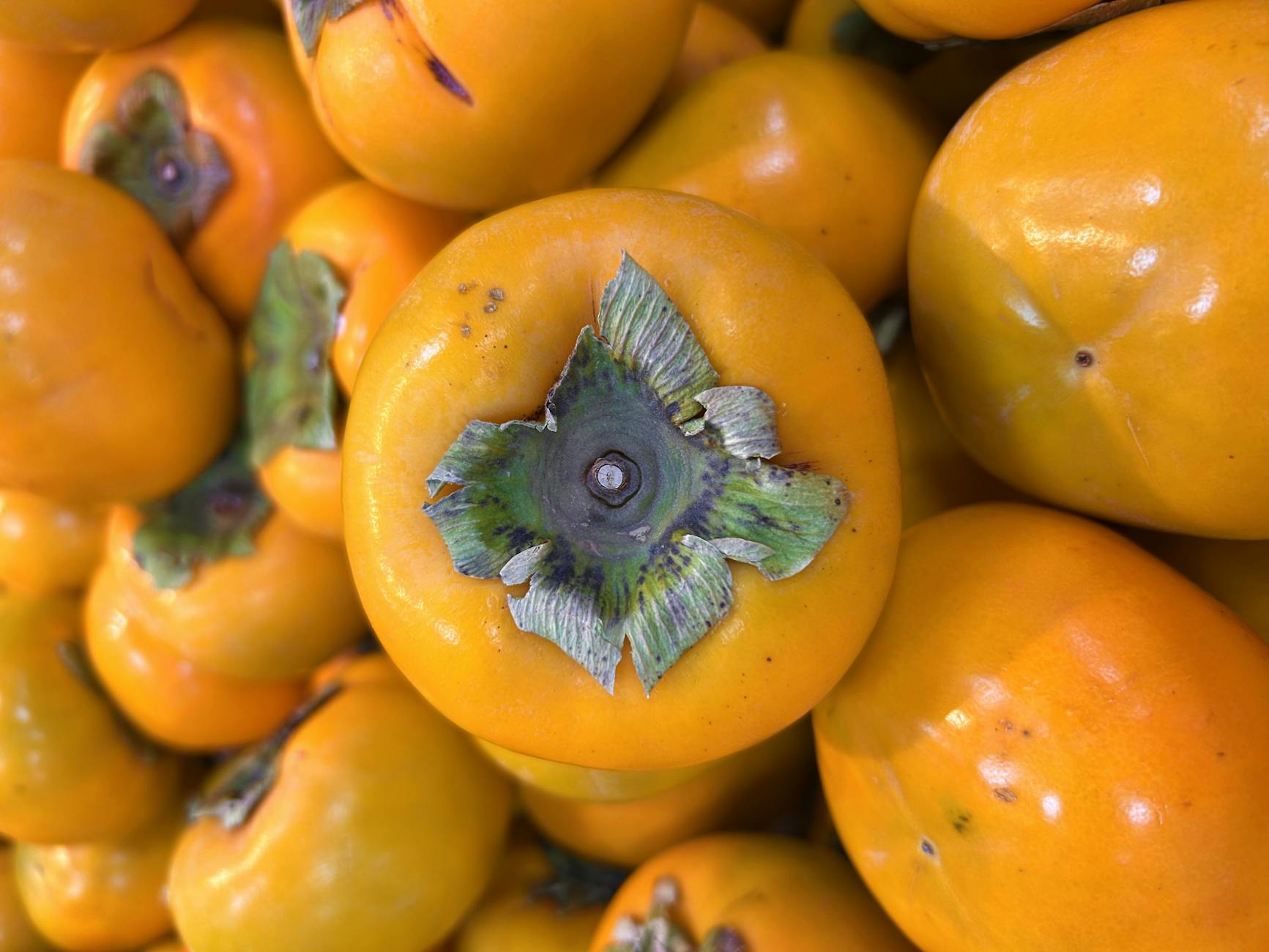
Native American persimmons are smaller and more astringent than their Asian counterparts until fully ripe. When they soften to a jelly consistency they become incredibly sweet and rich in nutrients. One fruit packs a significant amount of vitamin C and promotes heart health through its fiber content. They are traditionally used in puddings and baked goods during the autumn season. The pulp can be frozen and preserved to enjoy the benefits throughout the year.
Papaya
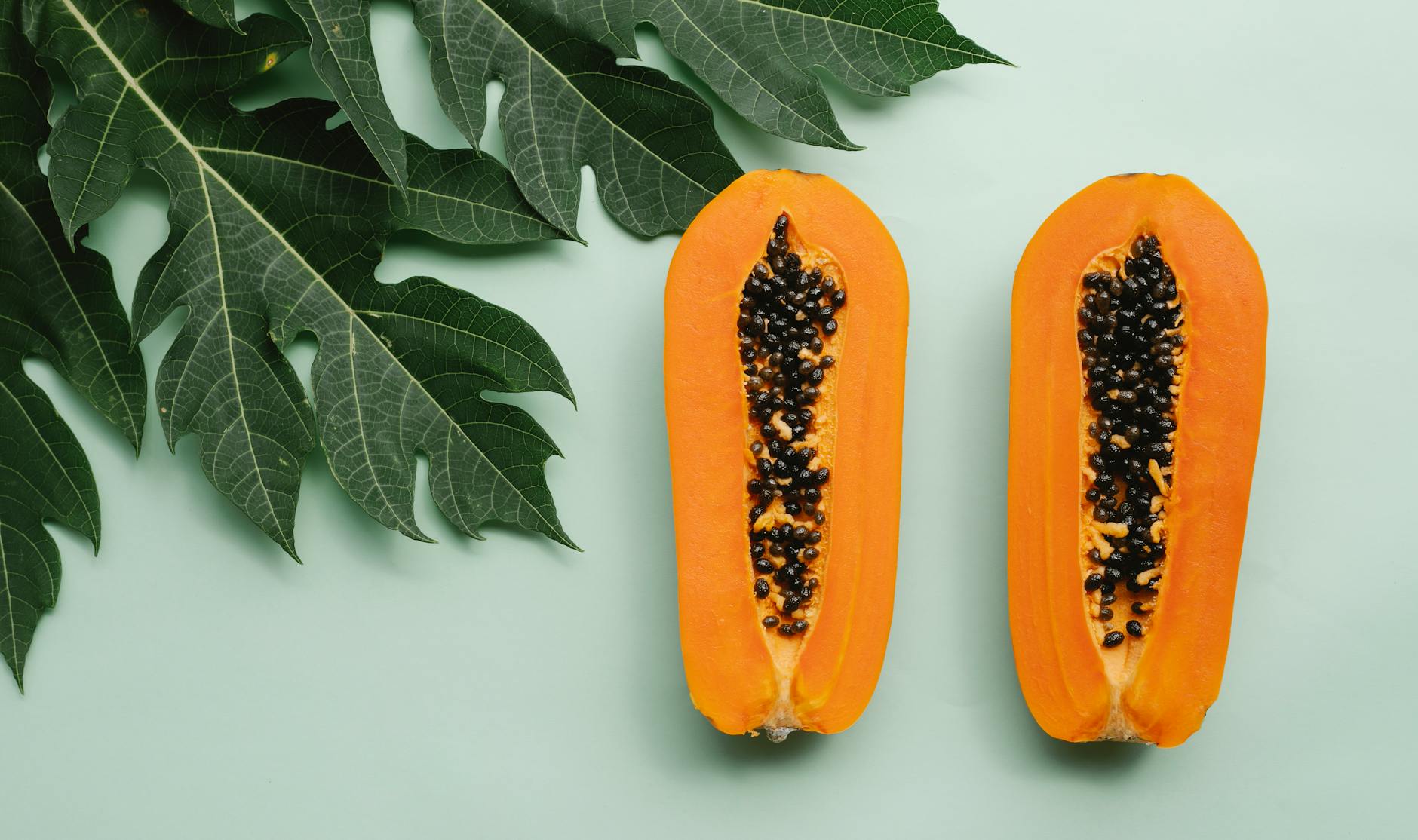
This large tropical fruit has a soft butter-like texture and a musky sweet flavor. Half a papaya provides enough vitamin C to cover your entire daily requirement. It also contains an enzyme called papain that is excellent for soothing digestion and reducing inflammation. The seeds are edible and have a peppery taste that can be used as a spice substitute. Eating papaya fresh with a squeeze of lime juice enhances the flavor and nutrient absorption.
Strawberries

These popular red berries are a favorite summertime treat that happens to be incredibly healthy. A cup of strawberry halves contains more vitamin C than a medium orange. They are rich in manganese and antioxidants that support blood sugar regulation and heart health. You can easily add them to oatmeal or yogurt for a nutrient-dense breakfast. Freezing them at the peak of ripeness preserves their vitamin content for smoothies year-round.
Kohlrabi
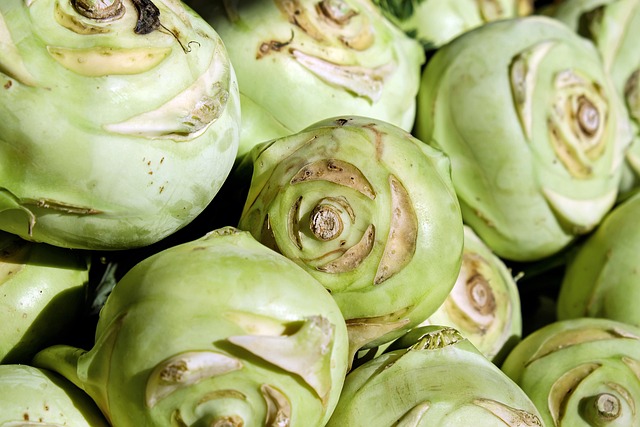
This unique vegetable looks like a root but is actually related to cabbage and grows above ground. It has a crisp texture similar to an apple but with a mild and sweet broccoli flavor. One cup of raw kohlrabi is packed with immune-boosting nutrients and dietary fiber. It can be sliced into matchsticks for salads or roasted as a potato alternative. This versatile vegetable is an underrated champion of the produce aisle.
Pineapple
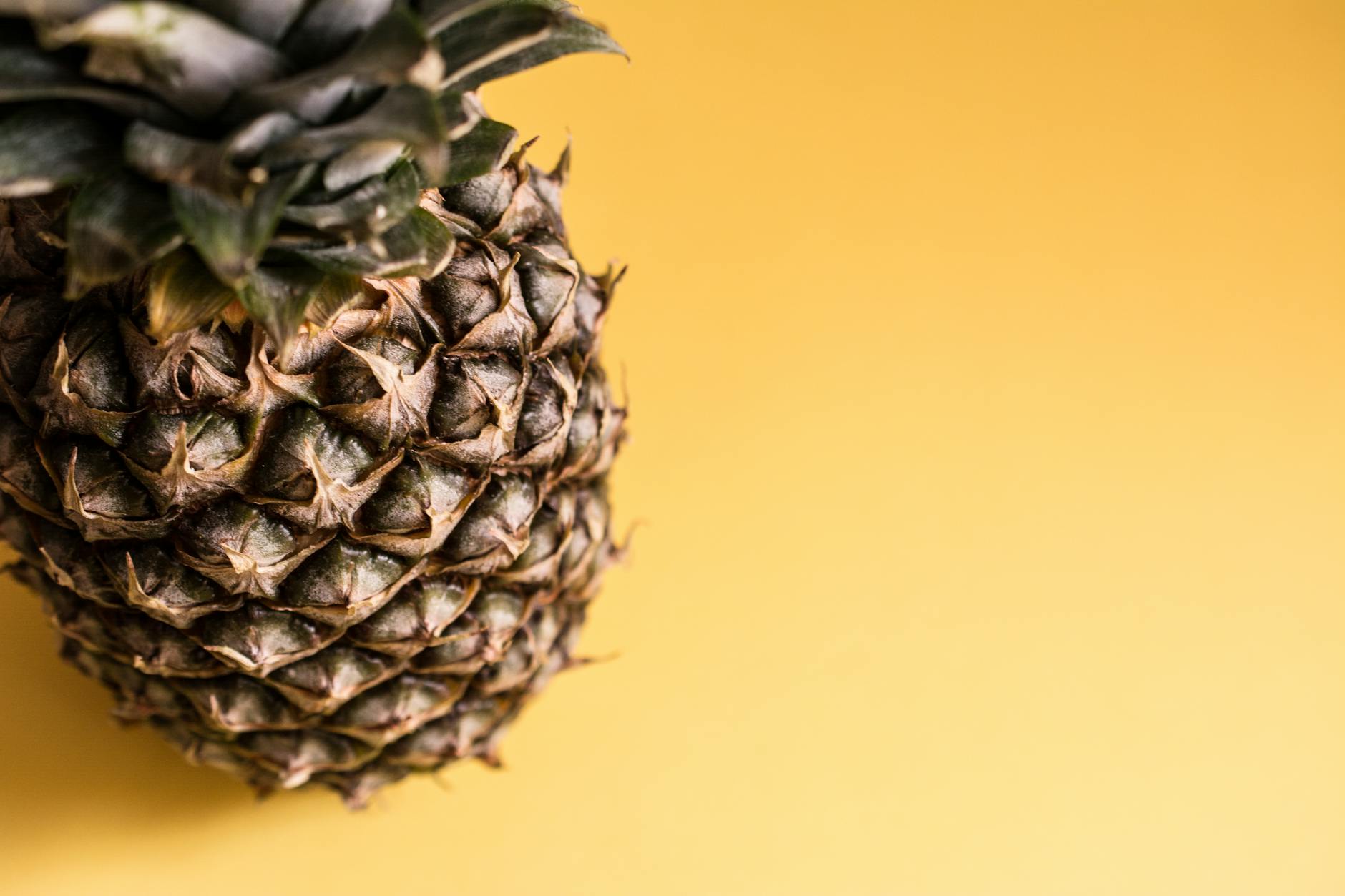
Tropical pineapple is famous for its sweet tart flavor and the presence of bromelain enzyme. One cup of fresh chunks delivers a high dose of vitamin C to support collagen production. It aids in protein digestion and can help reduce swelling in the body. The fruit is delicious grilled or eaten fresh as a hydrating snack. It brings a taste of the islands to any dish while boosting your nutrient intake.
Cauliflower

This white cruciferous vegetable is a chameleon in the kitchen and a nutritional heavyweight. A small head of cauliflower contains a surprising amount of vitamin C and other antioxidants. It can be riced or mashed as a low-carb alternative to grains and potatoes. The mild flavor absorbs sauces and spices well making it perfect for curries. Eating it raw with dip is another easy way to access its full nutritional profile.
Red Cabbage
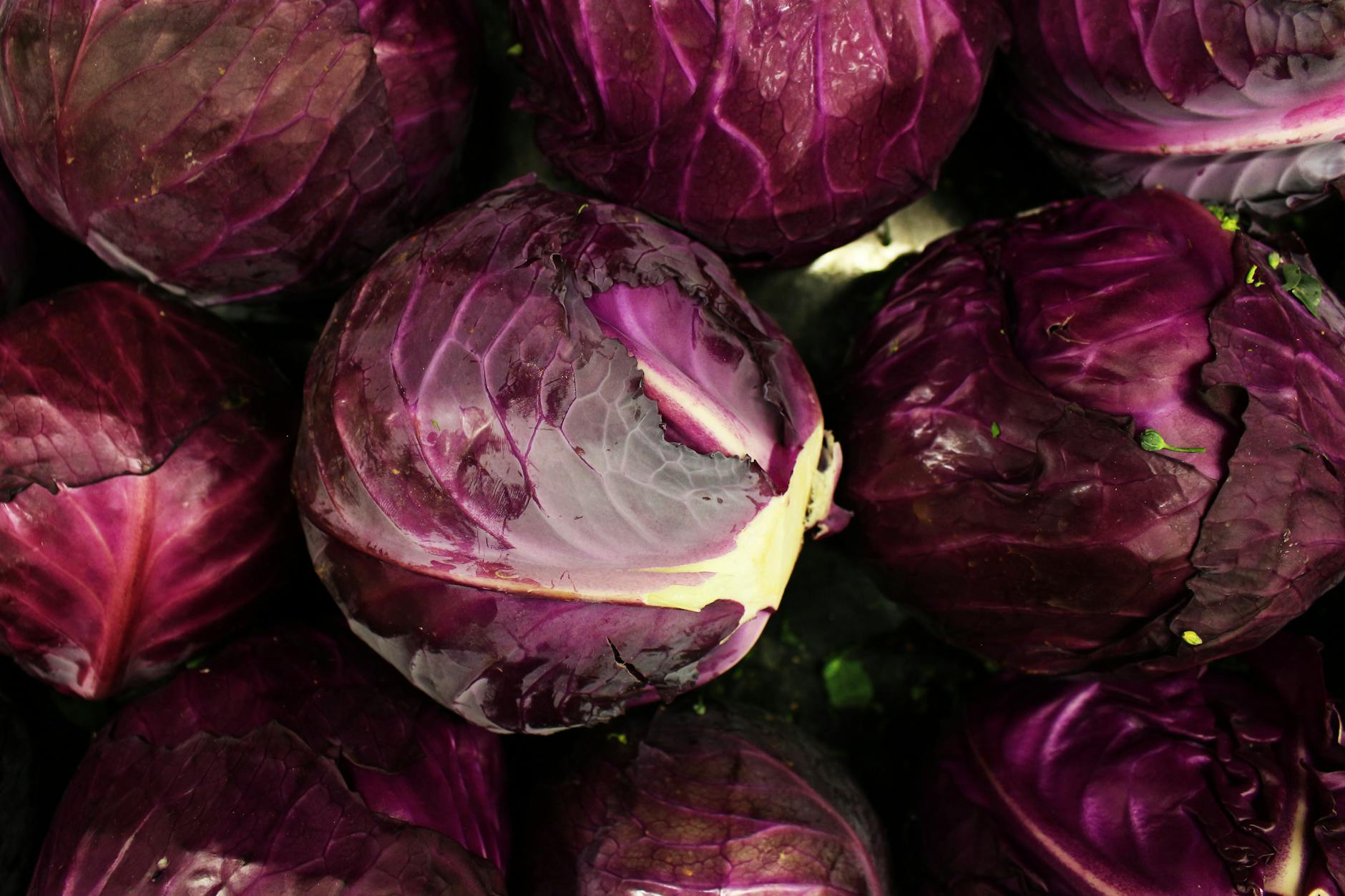
The vibrant purple hue of red cabbage indicates a high concentration of protective antioxidants. It contains more vitamin C than its green counterpart and adds a satisfying crunch to meals. Fermenting it into sauerkraut creates probiotics while preserving the vitamin content. It holds up well in salads and slaws without becoming soggy too quickly. This affordable vegetable is a long-lasting staple that offers immense health benefits.
Snow Peas
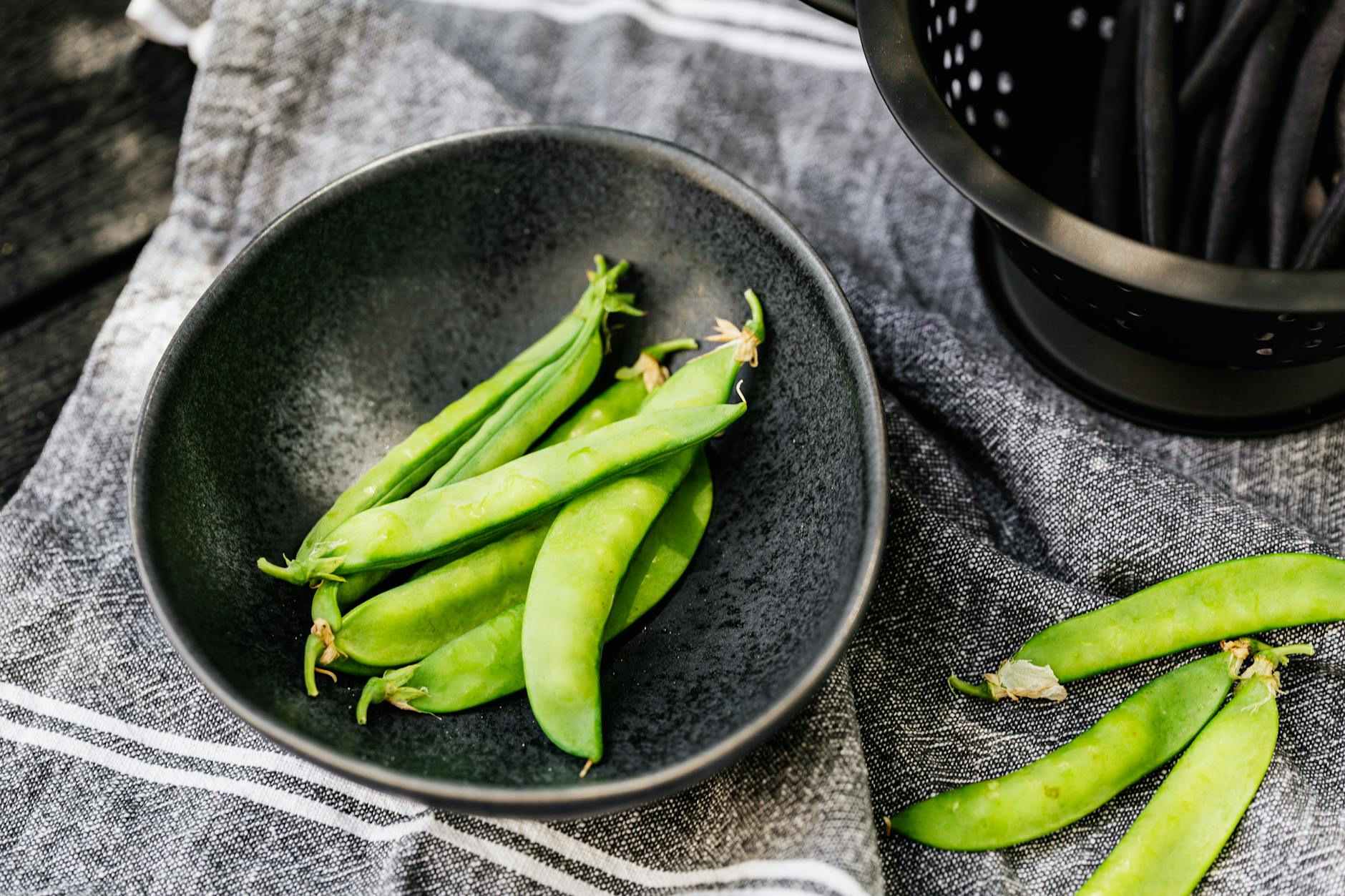
These edible-pod peas are sweet and crisp and require very little preparation. A serving of snow peas offers a healthy dose of iron and vitamin C for very few calories. They are perfect for quick stir-frys where they retain their bright green color and snap. You can also eat them raw as a convenient and healthy snack on the go. Their high fiber content aids digestion and keeps you feeling full longer.
Cantaloupe
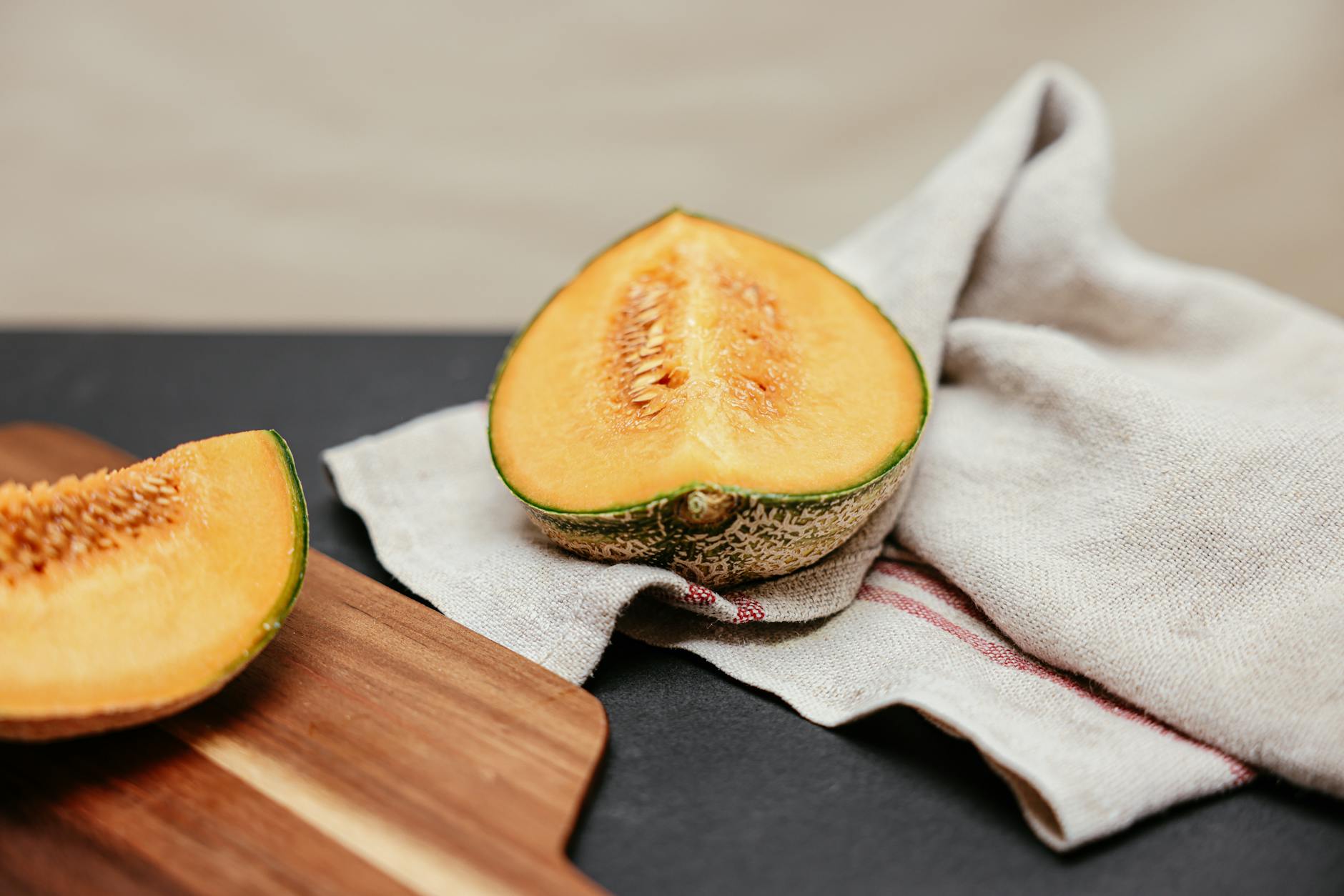
This orange-fleshed melon is a hydrating fruit that is rich in vitamin A and vitamin C. One cup of cubed cantaloupe provides a refreshing way to meet your nutritional needs. The high water content makes it an excellent choice for rehydration during hot weather. It pairs beautifully with savory ingredients like prosciutto or can be eaten plain. Choosing a ripe melon ensures the highest concentration of sweetness and vitamins.
Mango
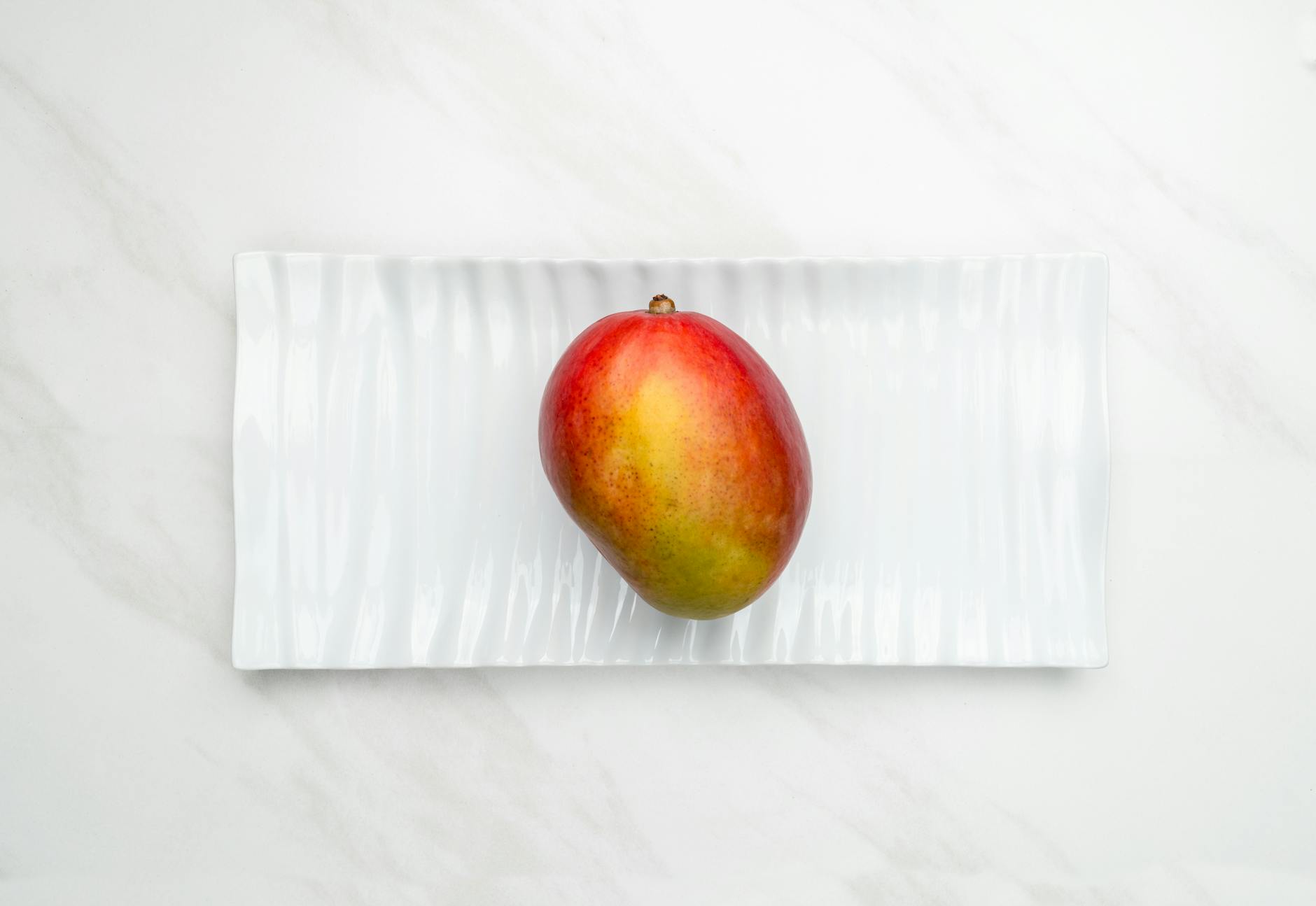
Known as the king of fruits mango is loved globally for its intense sweetness and creamy texture. A whole mango supplies a tremendous amount of vitamin C and beta-carotene. The fruit supports eye health and clears the skin through its rich nutritional profile. It can be used in smoothies or salsas or simply devoured over the sink. The fiber content aids in digestion and promotes a healthy gut microbiome.
Pumelo
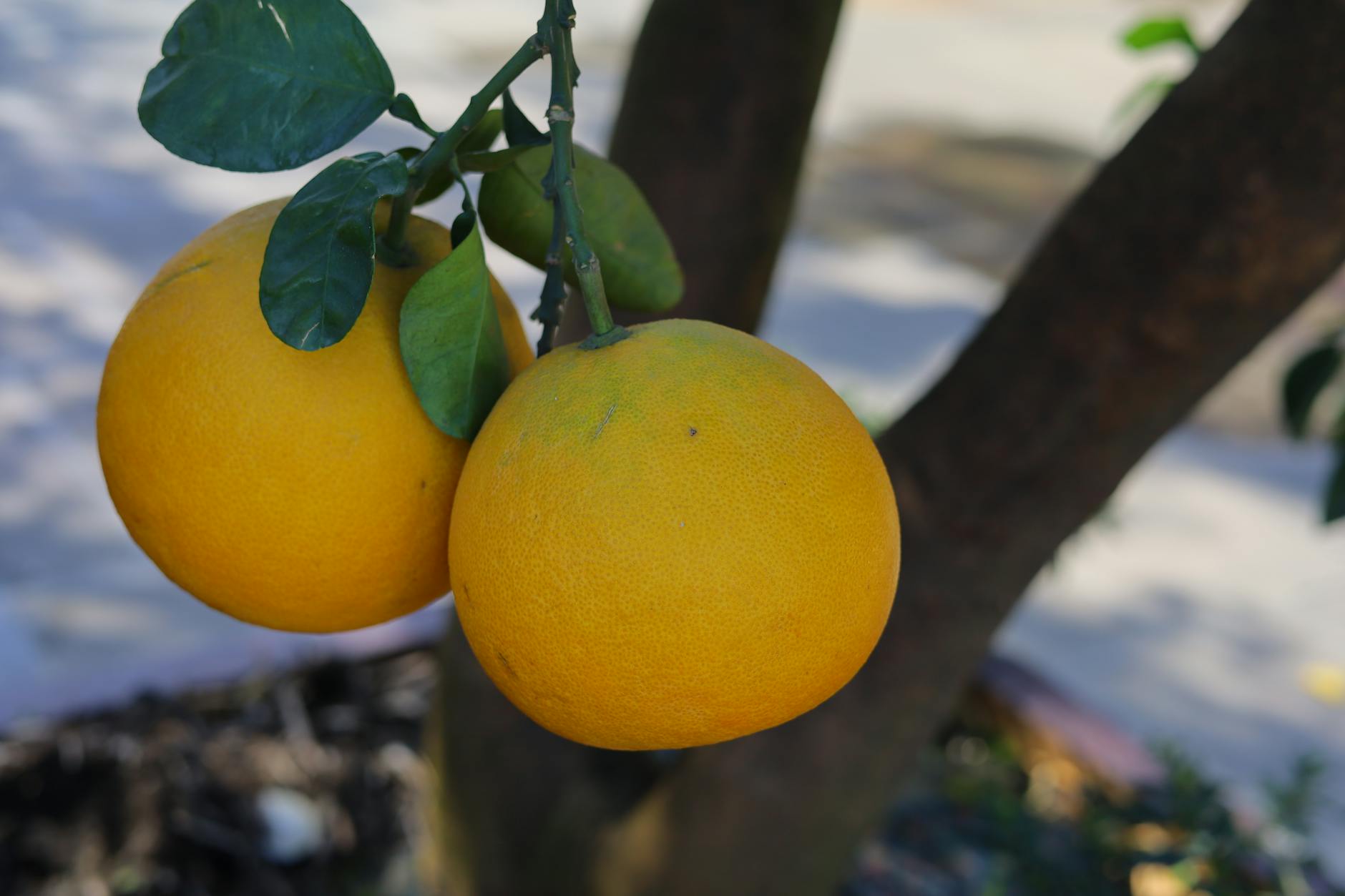
This ancestor of the grapefruit is the largest member of the citrus family. One whole pumelo contains several days worth of vitamin C in its thick-rinded package. The flesh is sweeter and less acidic than grapefruit making it palatable for more people. It takes some effort to peel but the segments are firm and refreshing. It is a popular fruit in Asian cultures specifically during festive celebrations.
Camu Camu
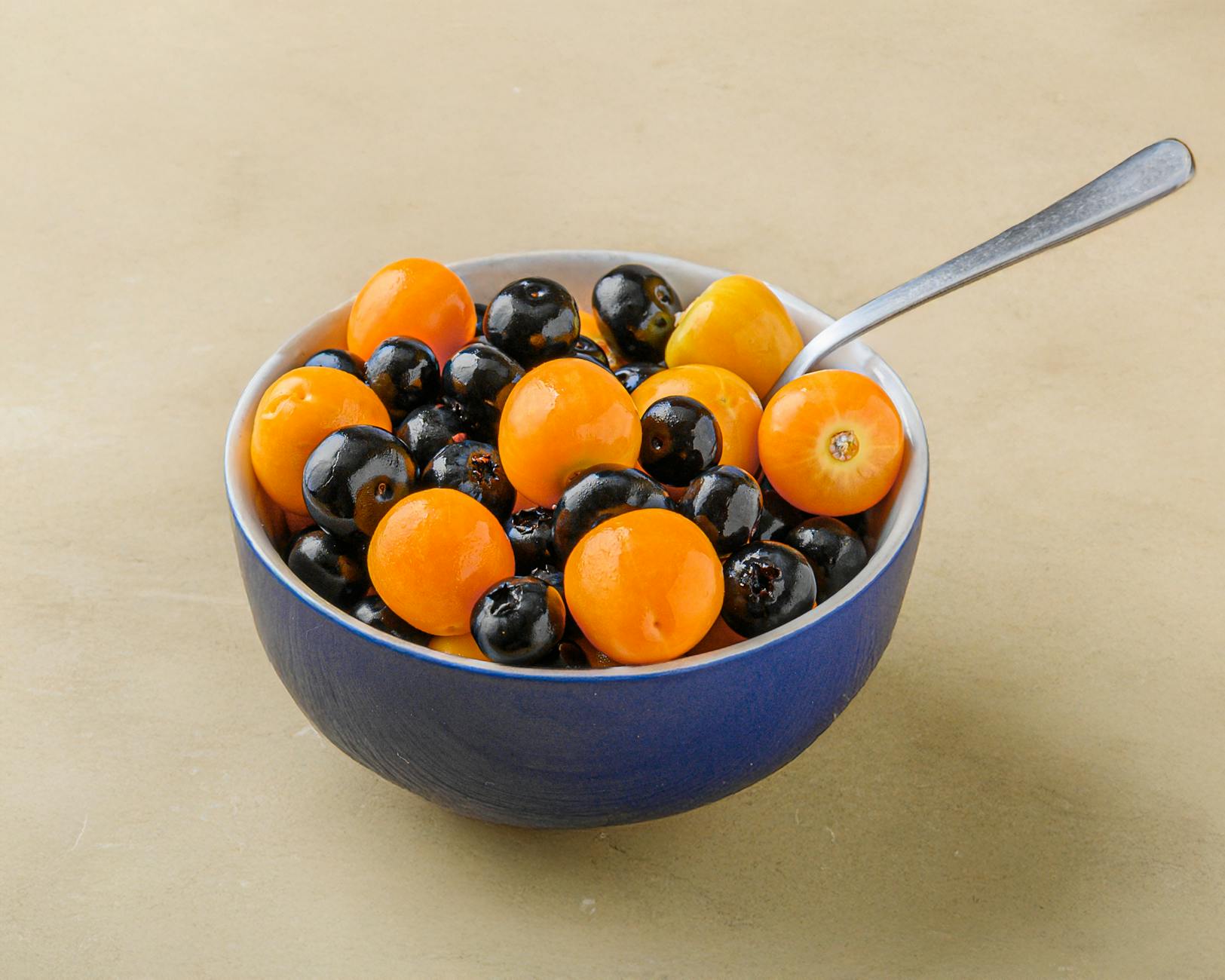
These sour berries from the Amazon rainforest are another contender for the world’s highest vitamin C source. Because the fresh fruit is so sour it is almost exclusively sold as a powder supplement. Adding a teaspoon to a smoothie or juice provides a therapeutic dose of antioxidants. It is studied for its ability to reduce inflammation and combat fatigue. This superfood is gaining popularity among health enthusiasts seeking natural energy boosters.
Gold Kiwifruit

The gold variety of kiwi has smooth hairless skin and a tropical flavor resembling mango. It contains even higher levels of vitamin C than the traditional green variety. The flesh is yellow and softer with fewer seeds and less acidity. Kids often prefer this variety due to its natural sweetness and lack of fuzz. It is a nutrient-dense powerhouse that makes healthy snacking incredibly enjoyable.
Turnip Greens
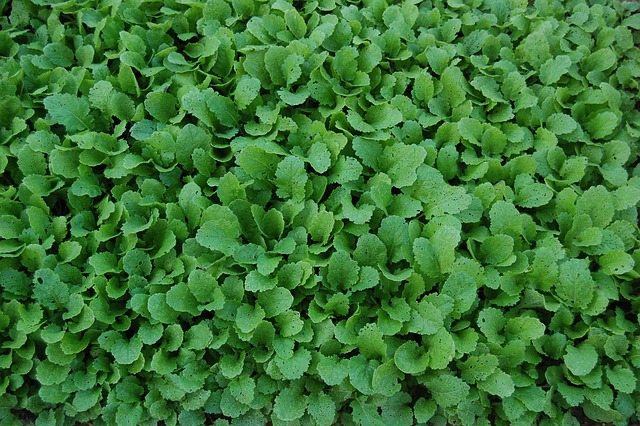
The leafy tops of turnips are often discarded but are actually more nutritious than the roots. They provide a sharp and peppery flavor along with a high concentration of calcium and vitamin C. You can sauté them with garlic or braise them slowly with smoked meats. They are a staple of Southern cooking that deserves more recognition in modern kitchens. Eating the greens ensures you are using the whole vegetable and minimizing food waste.
Garden Cress

This fast-growing peppery herb is related to watercress and mustard greens. It is incredibly nutrient-dense and packs more vitamin C per ounce than most vegetables. The tiny leaves are perfect for sprinkling onto sandwiches or folding into omelets. It is easy to grow on a windowsill and provides fresh greens year-round. Adding cress to your diet is a simple way to boost flavor and nutrition simultaneously.
Longan
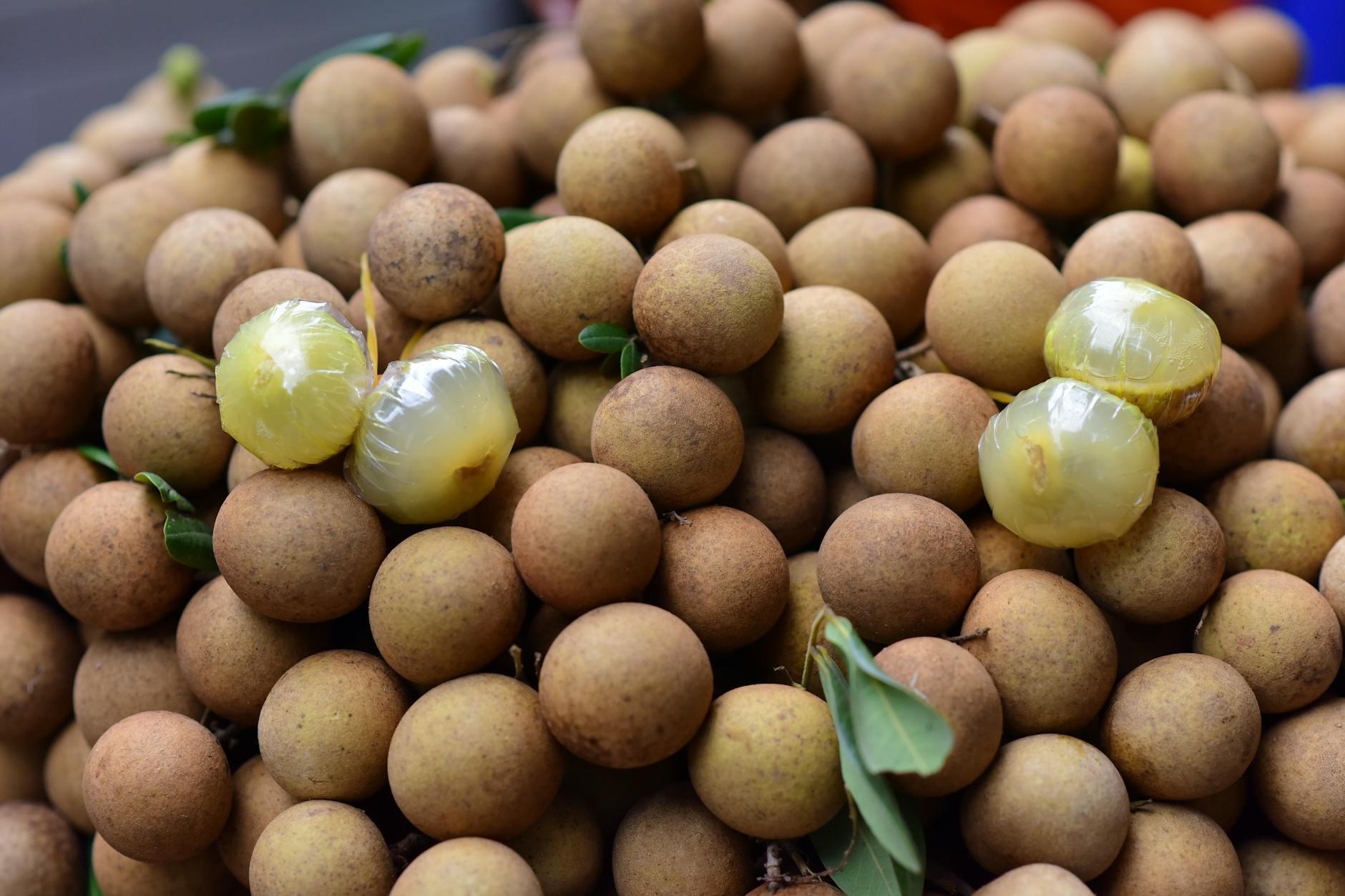
Often called the dragon eye fruit longan is similar to lychee but with a drier sweetness. The translucent flesh is rich in vitamin C and is believed in traditional medicine to have a relaxing effect. It is commonly eaten fresh or dried and used in soups and teas. The fruit grows in clusters and has a thin brown shell that is easy to crack. It offers a unique alternative to standard fruits for dessert.
Clementines
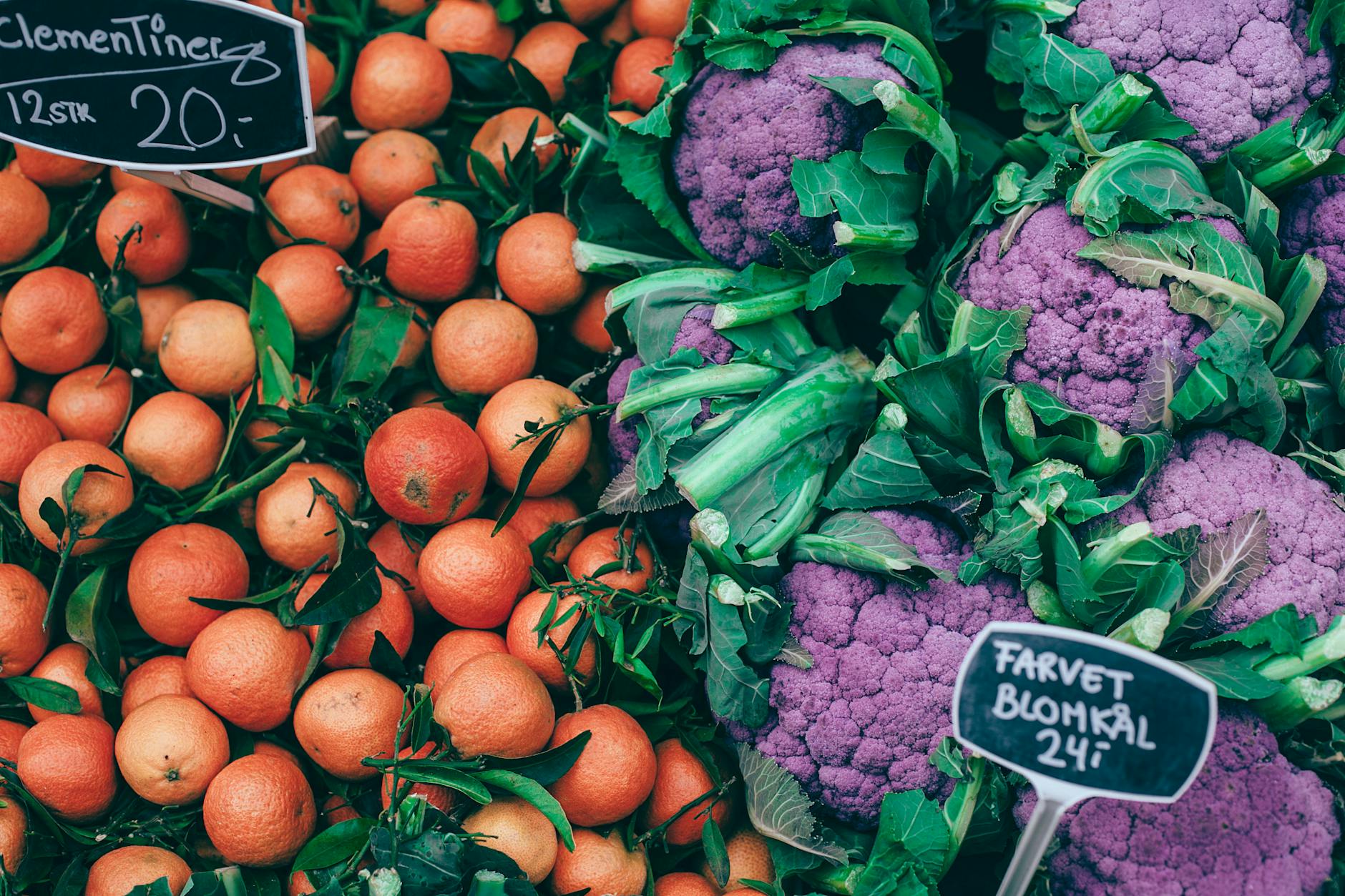
These small seedless citrus fruits are technically hybrids but stand out for their convenience and nutrition. Two clementines provide a substantial amount of vitamin C and are incredibly easy to peel. They are a favorite for school lunches and quick snacks due to their sweet taste. Their portability makes them an excellent choice for maintaining energy levels on the go. They offer all the benefits of larger citrus fruits in a mini package.
Red Currants
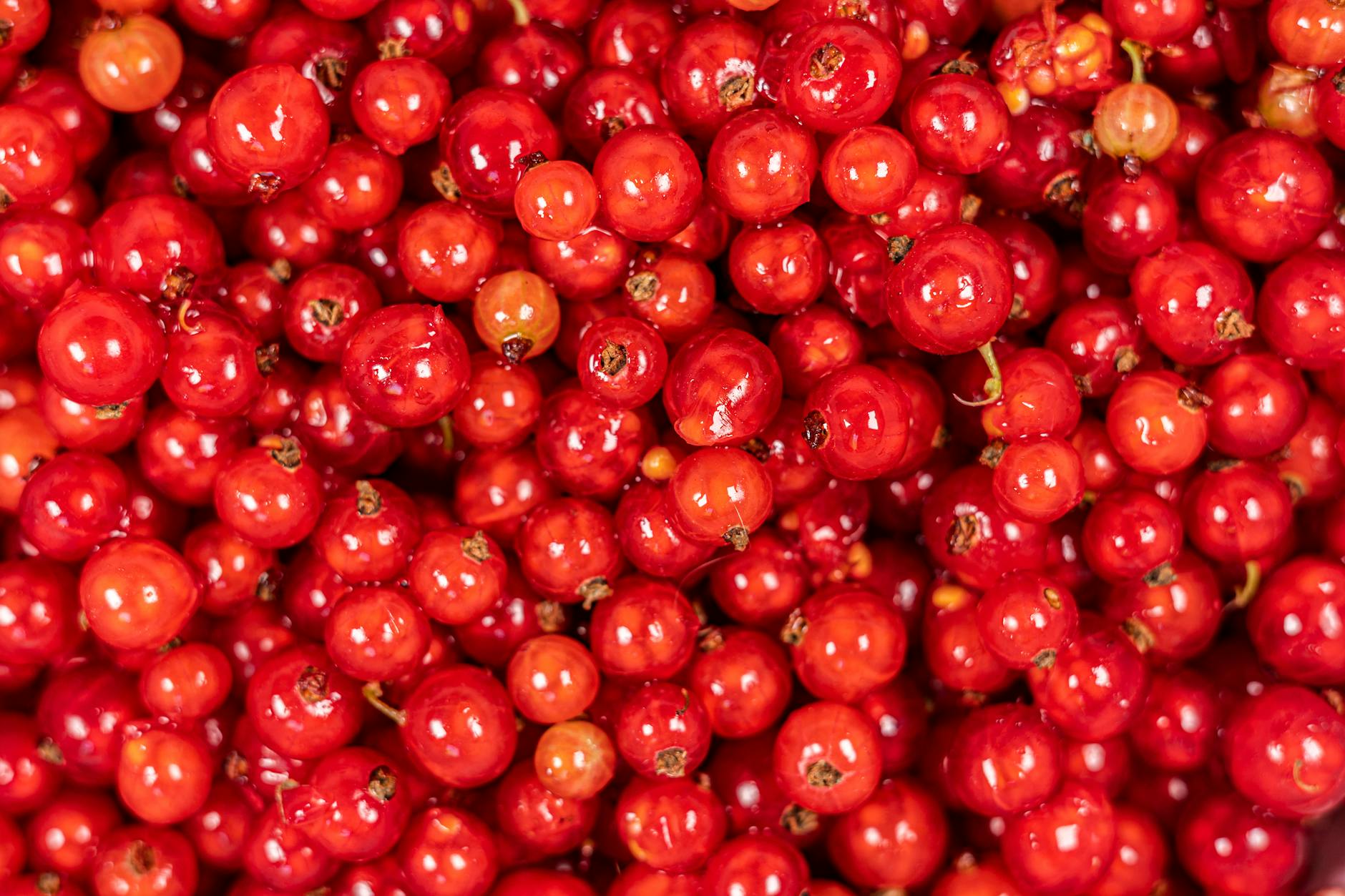
These translucent red berries grow in clusters and have a tart and bright flavor. They are often used in jellies and desserts but are packed with vitamin C when eaten fresh. The high acid content preserves the vitamins well during cooking and processing. They add a beautiful jewel-like appearance to cakes and summer puddings. Consuming them provides a burst of acidity that cleanses the palate and boosts immunity.
Please share your favorite vitamin-rich foods from this list in the comments.




