Parents often notice subtle shifts in behavior when their children are concealing information or activities. Recognizing these nonverbal cues or routine changes is crucial for maintaining open lines of communication within the family unit. The following indicators can help guardians identify when a child might be keeping secrets or struggling with undisclosed issues.
Sudden Demand for Privacy

Children naturally seek independence as they grow older but an abrupt demand for total isolation often signals a hidden issue. You might notice they close doors immediately upon entering a room or quickly switch computer screens when you walk by. This behavior goes beyond typical adolescent boundaries and suggests a specific desire to keep certain activities hidden from view. Paying attention to the intensity and timing of this need for seclusion helps parents distinguish between normal growth and potential secrecy.
Avoidance of Eye Contact

Direct eye contact usually indicates honesty and comfort during a conversation between parent and child. A child hiding something will often look down or away when answering questions to avoid revealing their true emotions. This physical withdrawal serves as a defense mechanism to prevent parents from reading facial expressions that might betray guilt or anxiety. Consistent avoidance of gaze during specific topics serves as a strong nonverbal cue that something is being withheld.
Overprotective of Digital Devices

Teenagers value their digital lives yet extreme defensiveness regarding phones or laptops often points to concealed communications. A child might carry their device everywhere including the bathroom or refuse to leave it unattended even for a moment. They may also change passwords frequently or add new locks to applications that were previously accessible to parents. This heightened security often indicates they are worried about incoming messages or content appearing on the screen unexpectedly.
Vague Responses to Questions

Conversations that used to be detailed and open may suddenly turn short and noncommittal when a child is hiding something. You might ask about their day or who they were with and receive one-word answers or generic responses that lack specific details. This strategy allows them to provide just enough information to end the questioning without having to fabricate a complex lie. A pattern of evasiveness usually suggests they are trying to navigate the conversation without revealing the truth.
Unexplained Mood Swings

The stress of keeping a secret often manifests as volatile emotional outbursts or sudden shifts in temperament. A typically calm child might become irritable or defensive when asked simple questions about their schedule or friends. These emotional spikes occur because the child feels constantly on edge while trying to maintain their deception. Recognizing these uncharacteristic emotional reactions provides insight into their internal state of guilt or fear.
Changes in Sleeping Patterns
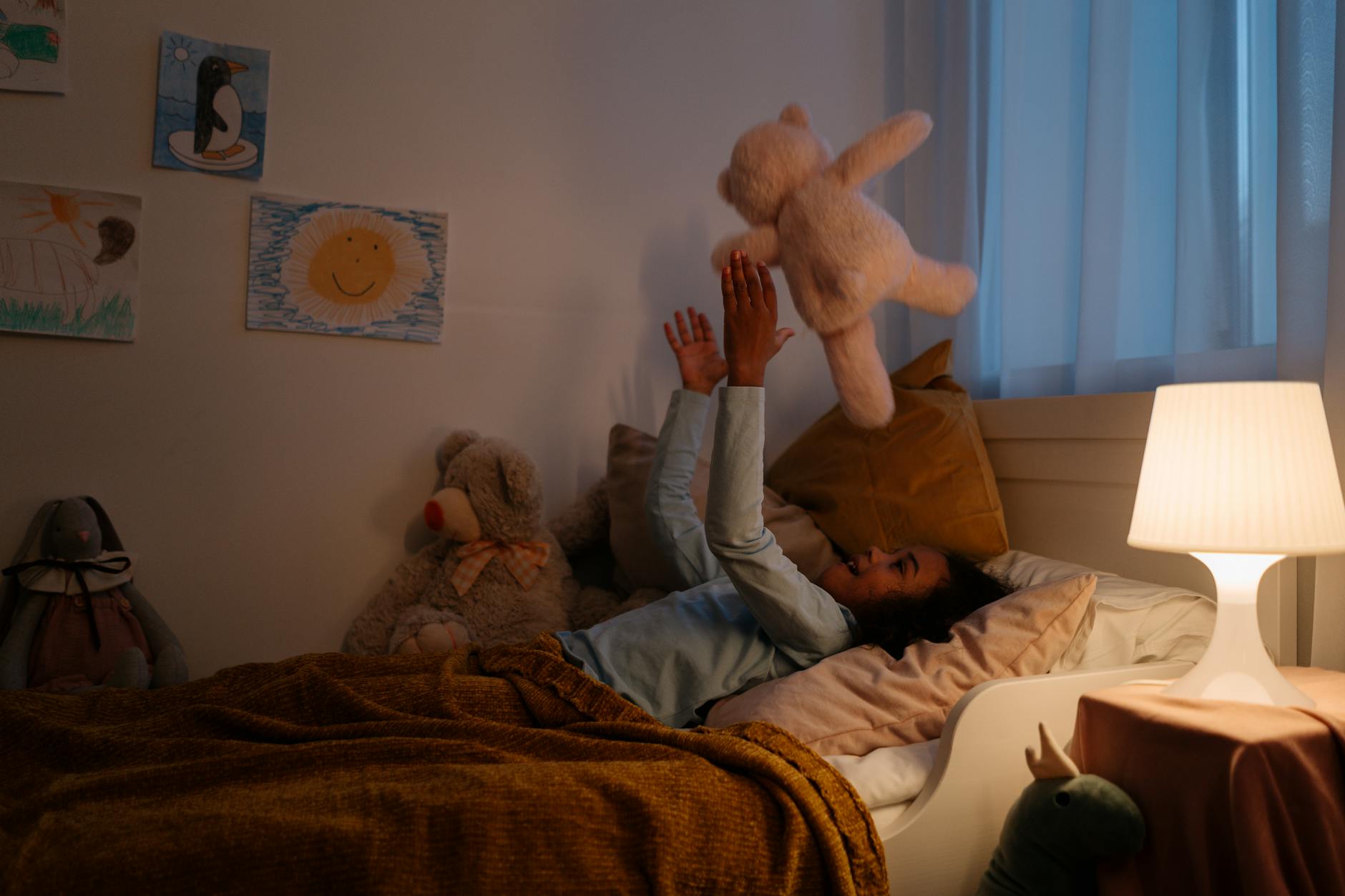
Guilt and anxiety about a hidden situation can significantly disrupt a child’s normal sleep cycle. You may observe them staying up much later than usual or struggling to wake up in the morning for school. Some children might sleep excessively as a form of avoidance while others experience insomnia due to racing thoughts. These physical symptoms often reflect the psychological burden of carrying a secret for an extended period.
Drastic Changes in Appetite

Emotional distress caused by secrecy frequently impacts eating habits in noticeable ways. A child might lose their appetite completely due to a nervous stomach or begin overeating as a comfort mechanism. Significant weight loss or gain over a short period can be a physical manifestation of the stress they are experiencing. Observing these dietary fluctuations helps parents identify underlying emotional turmoil that the child is not verbalizing.
New and Unknown Friend Groups

A sudden shift in social circles without any introduction to the new peers can indicate a change in behavior or values. The child may be reluctant to bring these new friends home or discuss what they do together during their free time. This compartmentalization often happens when the new group encourages activities the child knows their parents would disapprove of. Keeping these two worlds separate is a common tactic used to prevent parents from asking difficult questions.
Sudden Drop in Academic Performance

School grades often suffer when a child is distracted by the energy required to hide a significant issue. You might see a pattern of missed assignments or a lack of focus during study time that was not present before. Teachers may reach out regarding a lack of participation or uncharacteristic behavior in the classroom setting. This academic decline usually signals that the child’s mental priority has shifted away from schoolwork toward their secret.
Excessive Defensiveness
Innocent questions regarding plans or whereabouts may trigger an aggressive or defensive response from a child with a secret. They might accuse parents of being intrusive or untrusting to deflect attention away from the actual topic of inquiry. This reaction serves as a preemptive strike to discourage further questioning and make the parent feel guilty for asking. Such volatility often covers up the fear of being caught in a lie.
Unexplained Money Issues

Requests for extra money without a clear reason or the disappearance of cash from the home are serious red flags. A child might be vague about where their allowance is going or suddenly possess expensive items they cannot afford. This financial discrepancy can point to involvement in activities that require funding or debts they are trying to settle secretly. Monitoring financial habits provides concrete evidence when verbal explanations do not add up.
Changing the Topic Quickly

A child hiding information will often try to steer conversations away from subjects that feel dangerous or revealing. They might interrupt a parent to bring up a completely unrelated success or story to shift the focus. This diversion tactic is designed to move the dialogue into safe territory where they do not have to lie. Persistent redirection whenever specific names or places are mentioned suggests those topics are linked to their secret.
Withdrawal from Family Activities

Children who feel guilty about keeping secrets often distance themselves from family gatherings to avoid slipping up. They may spend more time in their room or find excuses to skip weekly rituals like movie nights or dinners. This physical separation helps them manage the guilt of deception by limiting interactions with the people they are lying to. A gradual retreat from the family unit is a common coping mechanism for children living a double life.
Inconsistencies in Stories

Keeping track of a fabricated reality is difficult and small details in their stories may change over time. You might notice that times or locations mentioned in a retelling do not match what was said previously. These slips occur because the child is relying on memory of a lie rather than the memory of an actual event. Paying attention to these narrative discrepancies helps parents realize when they are not being told the whole truth.
Altered Physical Appearance

Drastic changes in clothing style or grooming habits can sometimes signal an attempt to adopt a new persona associated with secret activities. A child might start wearing clothes that cover their arms or legs to hide physical marks or purely to fit in with a new crowd. They might also experiment with heavy makeup or different hairstyles to create a barrier between their old self and their current reality. These external transformations often reflect internal changes or pressures they are not sharing with their parents.
Please leave a comment to share which of these signs you have noticed or if you have other experiences to add.




