Metabolism naturally slows down as we age due to hormonal changes and muscle loss which can make weight management more challenging. Adopting specific lifestyle habits can effectively counteract this decline and improve overall energy levels throughout the day. Small adjustments to daily nutrition and physical activity often yield significant long-term results for individuals over forty. Consistency remains the key factor in maintaining metabolic health and preventing unwanted weight gain.
Resistance Training

Building lean muscle mass is essential because muscle tissue burns more calories at rest than fat tissue. You should aim to incorporate weight lifting or bodyweight exercises at least twice a week to see results. This habit directly counteracts the natural muscle loss known as sarcopenia that occurs with aging. Resistance exercises stimulate the metabolism for hours after the workout session concludes. Consistent training also strengthens bones to support a more active lifestyle overall.
High Intensity Interval Training

Short bursts of intense activity followed by rest periods create a potent metabolic demand called the afterburn effect. This method burns significant calories in a shorter amount of time compared to steady cardio. The body consumes additional oxygen to recover which keeps the metabolic rate elevated for hours. Many people over forty find this efficient style fits well into busy schedules. Start slowly to ensure joints and muscles adapt safely to the increased intensity.
Adequate Protein Intake

Eating protein causes the largest rise in the thermic effect of food compared to fats or carbohydrates. The body expends more energy digesting and processing protein which creates a temporary metabolic boost. High protein diets also promote satiety and help prevent overeating during subsequent meals. Preserving muscle mass during weight loss requires sufficient daily protein consumption. Lean sources like chicken or fish and plant options like lentils are excellent choices.
Cold Water Hydration

Drinking cold water may temporarily speed up metabolism as the body uses energy to heat the fluid to body temperature. Staying hydrated is also crucial for optimal cellular function and efficient fat metabolism. Many people mistake thirst for hunger so drinking water helps regulate appetite naturally. Substituting water for sugary drinks reduces calorie intake while supporting metabolic processes. Aim to drink a glass of water before every meal to maximize these benefits.
Quality Sleep Hygiene

Lack of sleep can negatively impact the hormones that regulate appetite and metabolic rate. Chronic sleep deprivation is linked to increased blood sugar levels and insulin resistance. Establishing a consistent sleep schedule helps reset the body’s internal clock for better energy regulation. A dark and cool room promotes the deep sleep necessary for metabolic recovery. Prioritizing seven to eight hours of rest is a foundational step for weight management.
Stress Management

Chronic stress triggers the release of cortisol which can lead to increased fat storage in the abdominal area. High cortisol levels also disrupt blood sugar regulation and can trigger cravings for unhealthy foods. engaging in daily relaxation practices helps lower stress hormones and protects metabolic health. Techniques such as deep breathing or meditation take only a few minutes but offer significant benefits. reducing stress actively supports the body’s ability to process nutrients efficiently.
Green Tea Consumption

Green tea contains catechins and caffeine which work together to enhance calorie burning. Studies suggest these compounds can help the body break down fat more effectively. Drinking two to three cups daily provides a gentle metabolic lift without the jitters of strong coffee. The antioxidants in green tea also support overall cellular health and reduce inflammation. This beverage serves as a healthy alternative to high calorie sodas or juices.
Spicy Food Inclusion

Peppers containing capsaicin can induce a slight temporary increase in metabolic rate. The heat from spicy foods raises body temperature and increases energy expenditure immediately after eating. Regularly adding chili peppers or cayenne to meals may contribute to cumulative benefits over time. While the effect is modest it adds up when combined with other healthy habits. Those with sensitive stomachs should introduce these spices gradually to avoid digestive discomfort.
Standing Desk Usage

Long periods of sitting significantly reduce the production of enzymes that help break down fat. Using a standing desk or standing up periodically keeps the metabolism more active throughout the work day. Standing burns more calories per hour than sitting and encourages better posture. Simple movements while standing can further enhance energy expenditure during office hours. Breaking up sedentary time is crucial for maintaining metabolic health in sedentary jobs.
Soluble Fiber Intake
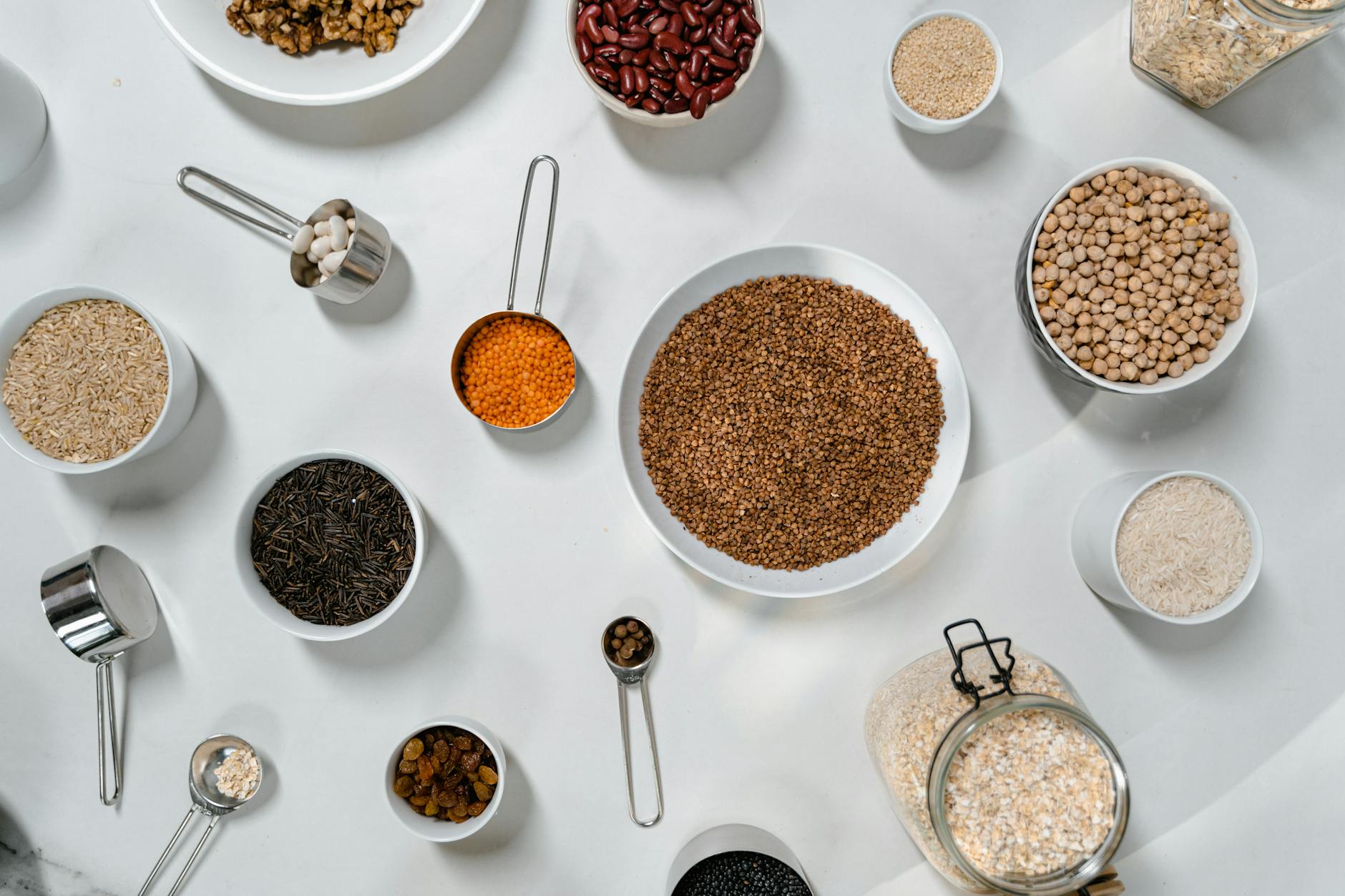
Foods rich in soluble fiber absorb water and form a gel that slows down digestion. This process helps you feel full longer and prevents rapid spikes in blood sugar levels. A steady blood sugar level is important for preventing insulin spikes that encourage fat storage. Good sources include oats and flaxseeds as well as fruits like apples and oranges. Increasing fiber intake also supports a healthy gut microbiome which influences metabolism.
Omega 3 Fatty Acids

Omega 3 fatty acids found in fish oil helps reduce inflammation and improve blood sugar metabolism. These healthy fats may increase the levels of enzymes involved in burning fat for energy. Incorporating fatty fish like salmon or sardines into the diet twice a week is highly recommended. Plant based sources include walnuts and chia seeds for those who do not eat fish. These nutrients also support heart health and cognitive function as we age.
Vitamin D Optimization

Low levels of Vitamin D have been associated with lower metabolic rates and increased fat accumulation. This vitamin plays a role in preserving muscle tissue which is vital for metabolic health. Getting adequate sunlight or taking supplements helps maintain optimal levels throughout the year. Many people over forty are deficient without realizing it so checking levels is important. Proper Vitamin D status supports immune function alongside weight management efforts.
Regular Walking Habits

Walking is a low impact activity that consistently burns calories without placing stress on the joints. Frequent short walks can be just as effective as one long session for maintaining daily energy expenditure. Walking after meals helps lower blood sugar levels and encourages digestion. This accessible form of exercise requires no equipment and can be done anywhere. Consistency with daily steps is more important than intensity for long term maintenance.
Avoiding Crash Diets

Severely restricting calories signals the body to enter starvation mode and conserve energy. This adaptive response slows down metabolism and leads to muscle loss rather than just fat loss. A slower metabolism makes it much harder to keep weight off once normal eating resumes. Sustainable weight loss comes from a moderate calorie deficit that fuels the body adequately. Focus on nutrient density rather than extreme deprivation to keep the metabolic fire burning.
Black Coffee Intake

The caffeine in coffee can significantly increase metabolic rate and enhance fat burning in the short term. Drinking coffee before exercise may improve performance and allow for more intense workouts. It is best to consume coffee black or with a splash of milk to avoid added sugars. Moderate consumption helps improve focus and energy levels throughout the morning. Relying on caffeine should not replace proper sleep or nutrition habits.
Oolong Tea Benefits

Oolong tea promotes fat burning and may speed up metabolism for up to two hours after consumption. It contains a unique mixture of polyphenols that can block the absorption of fats and carbohydrates. This traditional tea offers a middle ground between green and black tea in terms of flavor and oxidation. Regular consumption has been linked to weight loss and improved energy expenditure. It serves as a hydrating beverage that supports overall metabolic function.
Apple Cider Vinegar

Some evidence suggests apple cider vinegar may increase feelings of fullness and reduce calorie intake. It can also improve insulin sensitivity and lower blood sugar responses after meals. Mixing a small amount with water before eating is the most common way to consume it. The acetic acid component is believed to be responsible for its potential metabolic benefits. Always dilute the vinegar to protect tooth enamel and the throat lining.
Seaweed Consumption

Seaweed is a rich source of iodine which is essential for the proper function of the thyroid gland. The thyroid gland produces hormones that regulate metabolism and energy production in every cell. Including seaweed in soups or salads ensures the body has enough iodine for optimal thyroid health. While beneficial it is important not to consume excessive amounts of iodine. A healthy thyroid is absolutely critical for maintaining a robust metabolism after forty.
Dark Chocolate

Dark chocolate with a high cocoa content contains monounsaturated fats that may boost metabolism. It also helps reduce stress hormones which can otherwise lead to fat storage. A small square satisfies sweet cravings with less sugar than milk chocolate varieties. The flavonoids in cocoa improve blood flow and insulin sensitivity. Moderation is key due to the calorie density of chocolate products.
Ginger Supplementation

Ginger has thermogenic properties that can help increase body temperature and metabolic rate. Adding fresh or powdered ginger to meals aids digestion and suppresses appetite. It helps stabilize blood sugar levels which prevents energy crashes and cravings. Ginger tea is a soothing way to consume this spice while staying hydrated. Its anti-inflammatory effects also support overall recovery and physical health.
Selenium Rich Foods

Selenium is another mineral that is vital for thyroid health and the production of metabolic hormones. Brazil nuts are one of the most potent food sources of this essential nutrient. Eating just one or two Brazil nuts a day can provide the recommended daily intake. Adequate selenium levels protect the thyroid gland from oxidative stress and damage. Other sources include tuna and sardines as well as eggs and legumes.
Zinc Intake

Zinc plays a role in the production and regulation of thyroid hormones which control metabolism. It also aids in appetite control and the metabolism of carbohydrates and fats. Oysters and beef are excellent sources of zinc for those who eat animal products. Pumpkin seeds and chickpeas offer good plant based alternatives for vegetarians. Ensuring sufficient zinc intake supports immune health alongside metabolic efficiency.
Magnesium Levels

Magnesium is involved in hundreds of chemical reactions in the body including energy production. It helps regulate blood sugar and insulin levels to prevent metabolic syndrome. Leafy greens and nuts are reliable sources of this crucial mineral. Low magnesium levels can lead to fatigue and a sluggish metabolism. Supplementation may be necessary for some individuals to reach optimal levels.
B Vitamin Complex

B vitamins play an essential role in converting food into usable energy for the body. Vitamin B12 is particularly important for energy metabolism and is often lower in older adults. Eating a varied diet with lean meats and eggs usually provides sufficient B vitamins. Vegans and vegetarians may need to fortify their diet or take supplements. Deficiencies in this vitamin group can lead to chronic tiredness and slow metabolic function.
Iron Sufficiency

Iron transports oxygen to muscles and cells to support fat burning and energy production. Low iron levels can result in fatigue and a significant drop in metabolic rate. Women over forty should be particularly mindful of their iron status during perimenopause. Red meat and spinach are classic sources of dietary iron that are easily accessible. consuming Vitamin C with plant based iron helps the body absorb the mineral more efficiently.
Fermented Foods

Foods like yogurt and kimchi contain probiotics that improve gut health and digestion. A healthy balance of gut bacteria is increasingly linked to metabolic health and weight regulation. Fermented foods may also help improve insulin sensitivity and reduce inflammation. Including a serving of these foods daily supports the microbiome. A diverse gut microbiome helps the body extract and utilize nutrients effectively.
Coconut Oil Usage

Coconut oil contains medium chain triglycerides which are metabolized differently than long chain fats. These fats go directly to the liver to be used as a quick source of energy. Some studies suggest MCTs can increase calorie burning compared to other types of dietary fats. It is best used as a replacement for other cooking oils rather than an addition. Keep in mind that coconut oil is still high in calories and should be used sparingly.
Consistent Meal Times

Eating at regular intervals helps maintain a steady blood sugar level and prevents energy dips. The body learns to anticipate food and adjusts metabolic processes accordingly. Skipping meals often leads to overeating later in the day due to excessive hunger. A consistent eating schedule supports the body’s circadian rhythm and digestion. Regularity cues the body to burn energy efficiently rather than conserving it.
Organic Food Choices

Some researchers believe that pesticides found on conventional produce may interfere with metabolic processes. These chemicals are sometimes referred to as obesogens because they can disrupt hormonal balance. Choosing organic versions of fruits and vegetables with thin skins can reduce exposure. The dirty dozen list is a good guide for prioritizing which organic items to buy. Reducing the toxic load on the body supports the liver and overall metabolic health.
Whole Grain Selection

Whole grains require more energy to break down than refined grains because of their fiber content. Replacing white bread and pasta with whole wheat or quinoa boosts the thermic effect of food. They provide a sustained release of energy rather than a quick spike and crash. The fiber in whole grains also supports heart health and digestion. Complex carbohydrates are a necessary fuel source for an active metabolism.
Laughter Therapy

Laughing genuinely engages core muscles and increases heart rate for a brief period. It also reduces stress hormones that are known to slow down metabolism. While not a replacement for exercise it contributes to non exercise activity thermogenesis. Regular laughter improves mood and encourages a more active lifestyle generally. Socializing with funny friends can be a surprisingly healthy habit for metabolism.
Morning Sunlight

Exposure to natural light in the morning helps regulate the circadian rhythm and sleep wake cycles. This synchronization influences hormones that control appetite and metabolism. Early light exposure has been linked to lower body mass index in some studies. Try to get outside for ten to fifteen minutes shortly after waking up. It signals the body that the day has begun and systems should be active.
Non Exercise Activity

Fidgeting and moving around throughout the day burns a surprising number of calories. This concept known as NEAT includes activities like tapping your foot or pacing while on the phone. Consciously increasing these small movements can offset the effects of a sedentary lifestyle. It keeps the metabolic rate humming above resting levels all day long. These minor expenditures accumulate significantly over weeks and months.
Active Hobbies

Engaging in hobbies like gardening or dancing keeps the body moving without it feeling like a workout. These activities build functional strength and endurance while burning calories. Finding physical activities you enjoy ensures you will stick with them long term. Active hobbies reduce screen time and sedentary behavior naturally. They add joy to life while simultaneously supporting metabolic health.
Mindful Eating Practices

Eating slowly and paying attention to food allows the brain to register fullness signals effectively. This prevents overeating and reduces the digestive stress caused by large meals. Chewing food thoroughly aids digestion and increases the energy used during the eating process. Mindful eating reduces stress around meals and promotes a healthier relationship with food. This simple practice helps regulate calorie intake without strict counting.
Please share your own experiences with these metabolic boosters in the comments to help others on their journey.




