Many households cling to the habit of thoroughly rinsing plates before placing them in the dishwasher racks. This practice often stems from experiences with older appliance models that lacked the power to handle heavy food residue. Modern dishwashers and detergents operate using advanced technology that actually requires dirty dishes to function correctly. Skipping the pre-rinse step saves time and resources while ensuring your kitchenware comes out cleaner. Understanding the mechanics behind your appliance reveals why the sink routine is obsolete.
Sensor Functionality
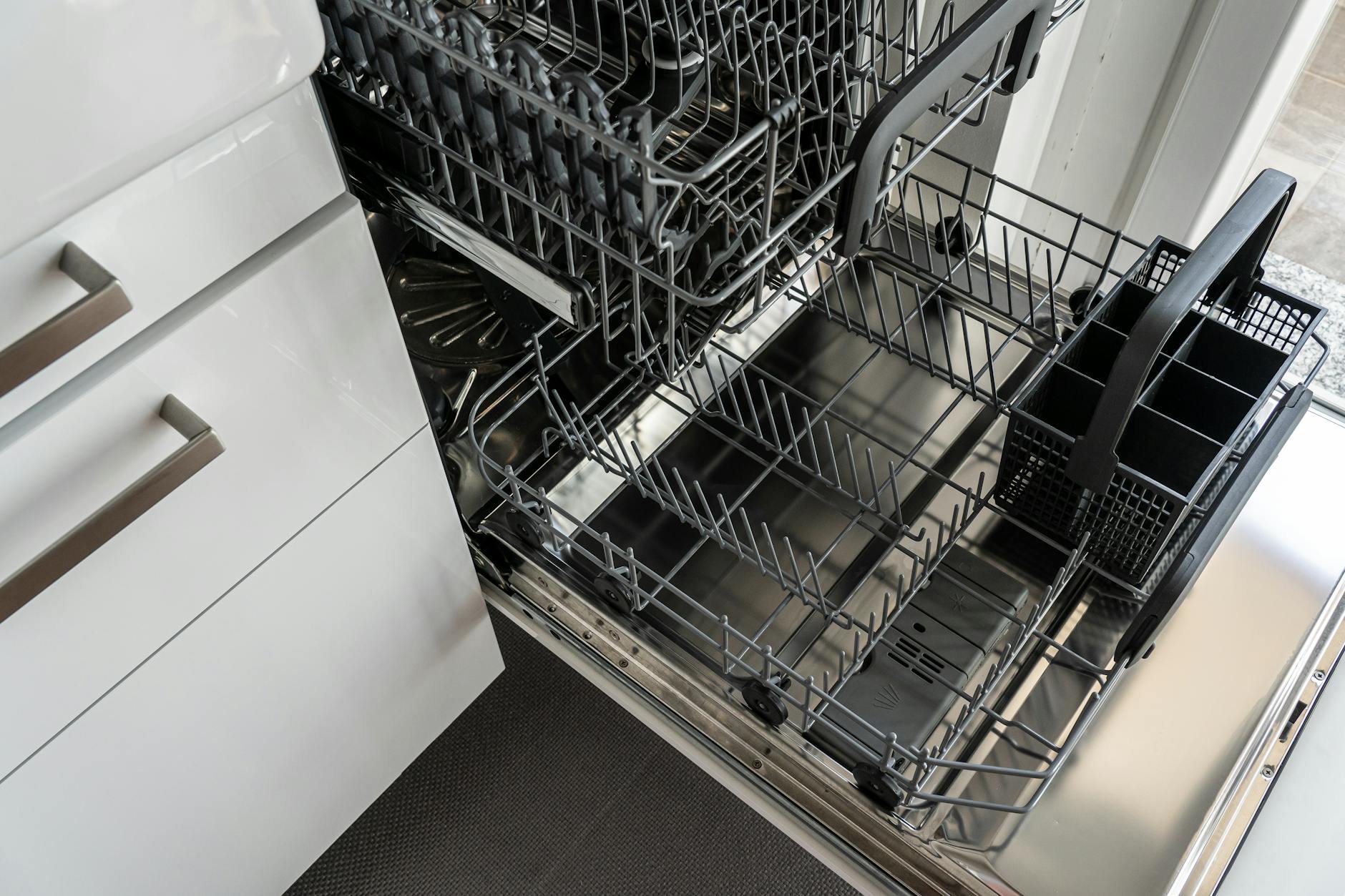
Modern dishwashers utilize advanced turbidity sensors to detect how dirty your dishes are during the first wash cycle. These smart components measure the amount of food particles floating in the water to determine the cycle length and water intensity. Rinsing your plates beforehand tricks the machine into thinking the load is already clean and causes it to run a lighter cycle than necessary. This often results in dishes that come out with stuck-on food because the machine did not wash them aggressively enough. Trusting the technology inside your appliance ensures a deeper and more effective clean for every load.
Enzyme Activation
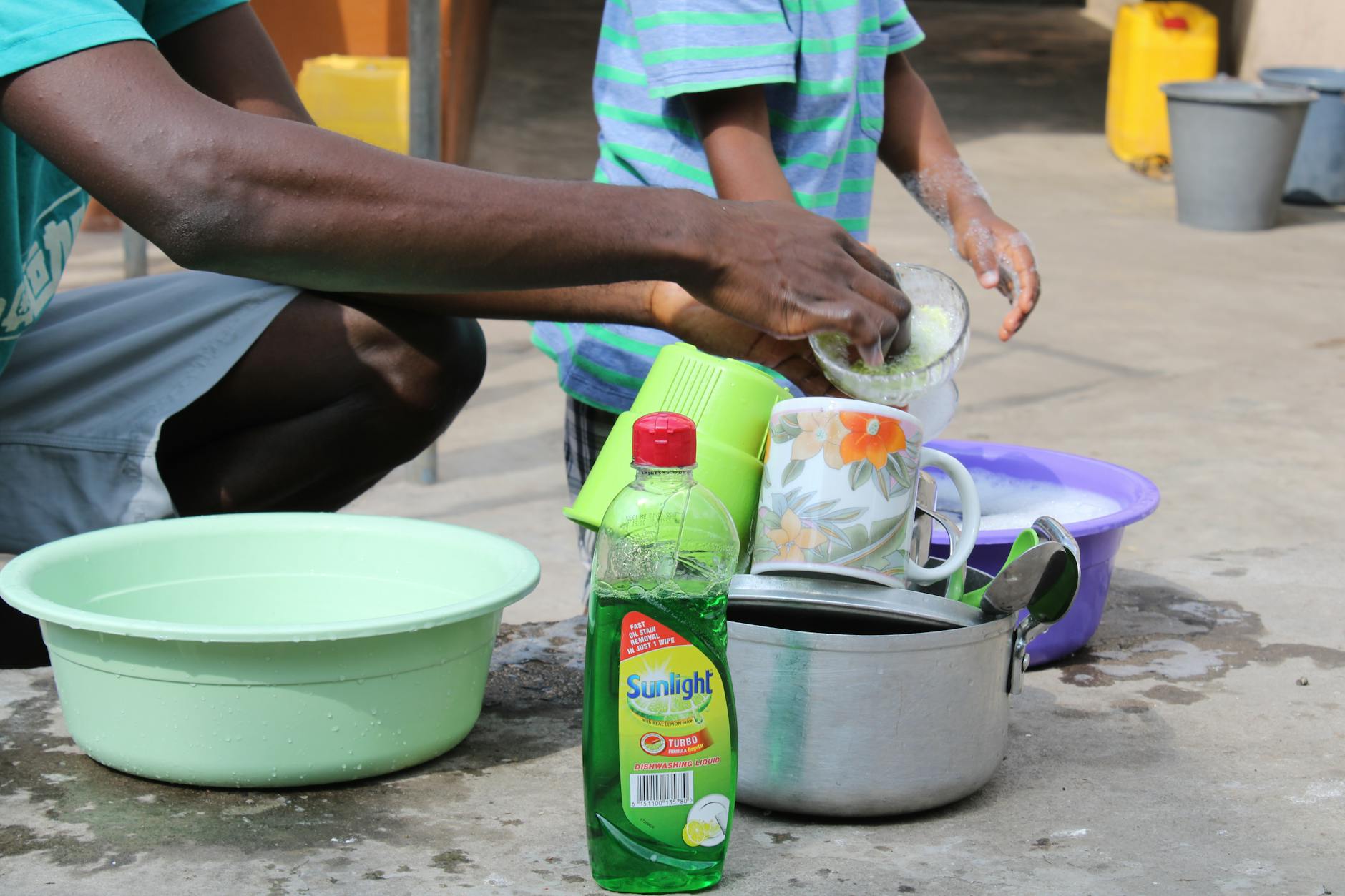
Dishwasher detergents contain powerful enzymes specifically designed to latch onto food particles like starch and protein. These chemical agents need actual food matter to activate properly and do their job of breaking down grime. Washing away all the residue before the cycle begins leaves the enzymes with nothing to target during the wash. The detergent may simply wash away down the drain without effectively cleaning your kitchenware. Allowing the soap to interact with the food residue maximizes the cleaning potential of your chosen detergent.
Water Conservation
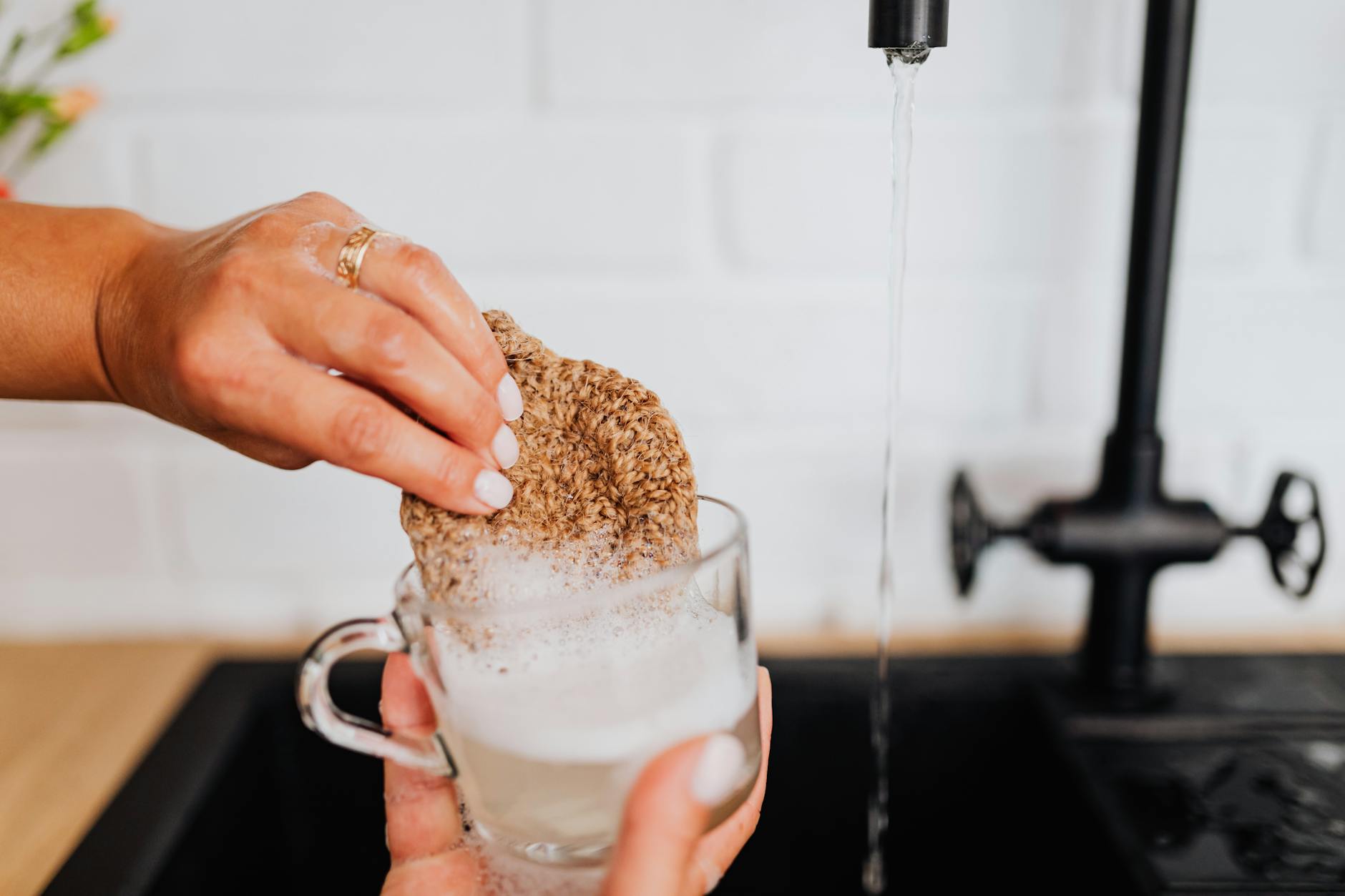
Pre-rinsing dishes at the sink can waste up to twenty gallons of water for every single load. Most modern energy-efficient dishwashers use only three to five gallons of water for the entire wash cycle. Standing at the sink to scrub plates defeats the water-saving purpose of owning an efficient appliance. This habit contributes significantly to unnecessary household water consumption over the course of a year. Skipping the rinse preserves thousands of gallons of water annually and supports broader conservation efforts.
Glassware Protection
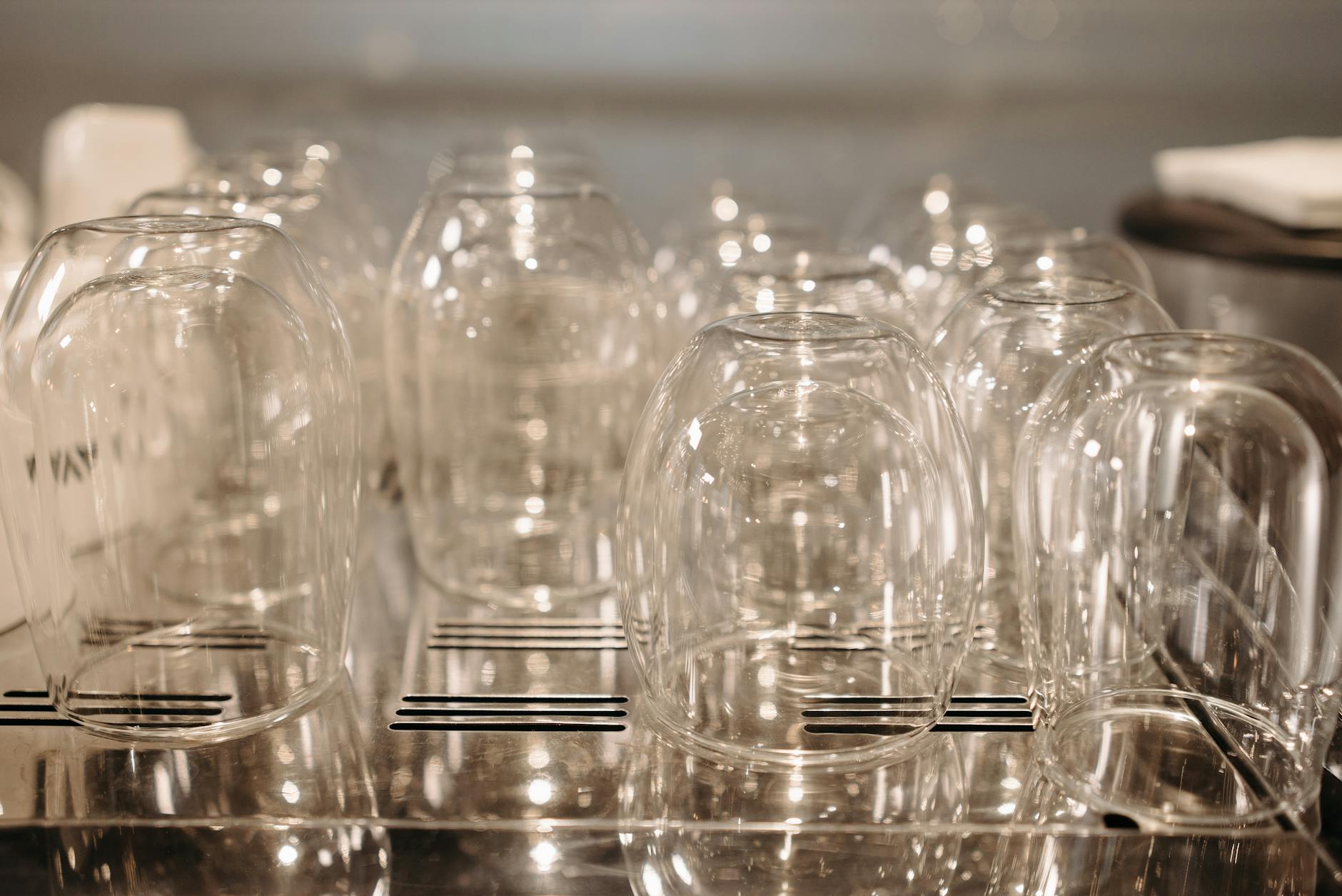
Detergents are harsh alkaline substances that can become aggressive when they have no food soil to neutralize them. Using strong soap on already clean dishes can cause the chemicals to attack the surface of your glassware instead of the grime. This process eventually leads to permanent cloudiness or etching that ruins the appearance of your glasses. Leaving some residue on the plates provides a buffer that protects delicate items from the abrasive nature of the soap. Your glassware will maintain its shine and structural integrity much longer without the pre-rinse.
Time Efficiency
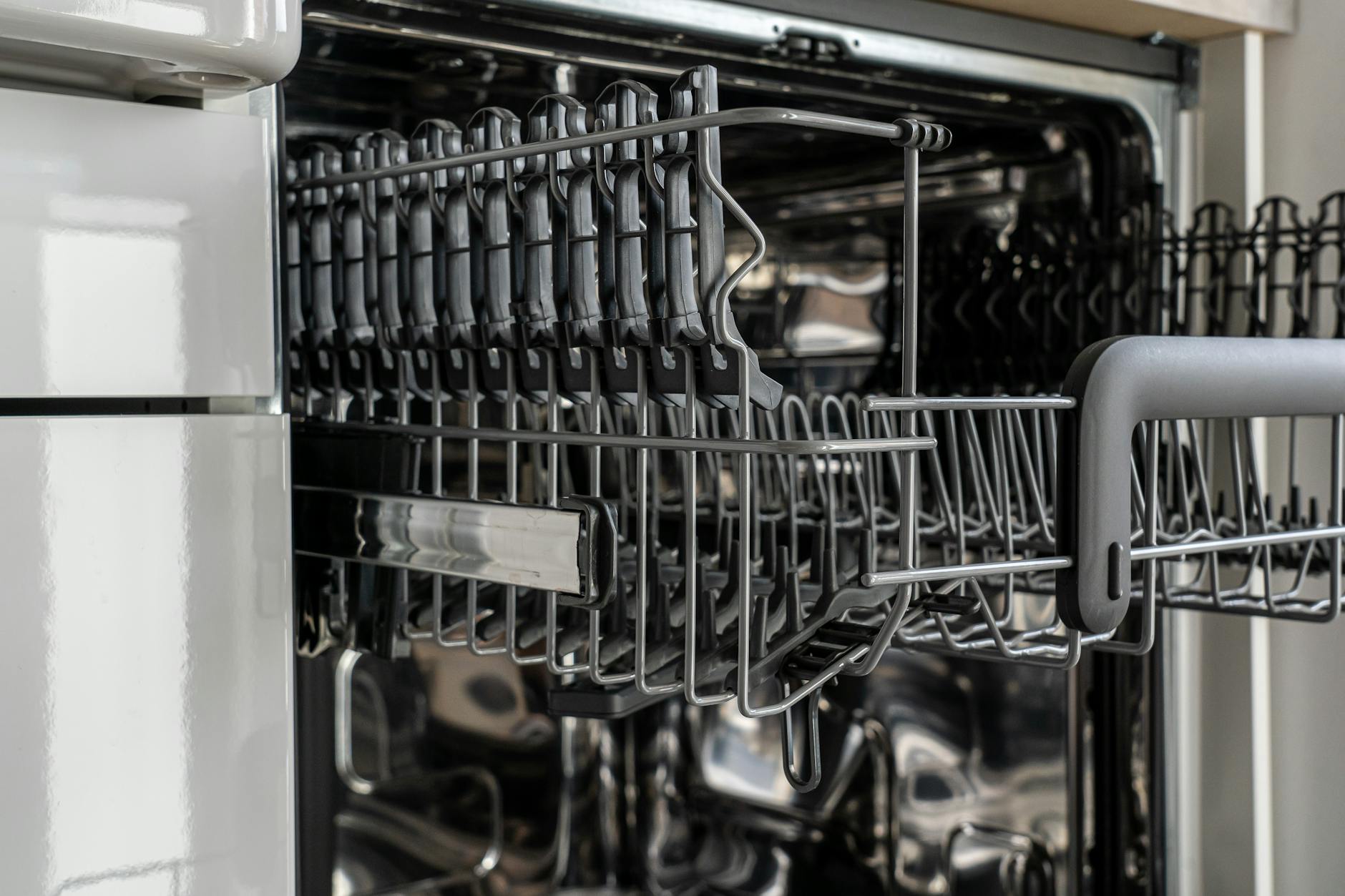
Scraping food into the bin takes only a few seconds while rinsing every item creates a significant time burden. Eliminating this step can save the average household nearly half an hour of active labor every week. The dishwasher was invented to save human effort and automating the cleaning process is its primary function. Loading items directly after scraping streamlines the kitchen cleanup routine and allows for more leisure time. Utilizing the appliance as intended removes a tedious chore from your daily list of responsibilities.
Manufacturer Guidelines
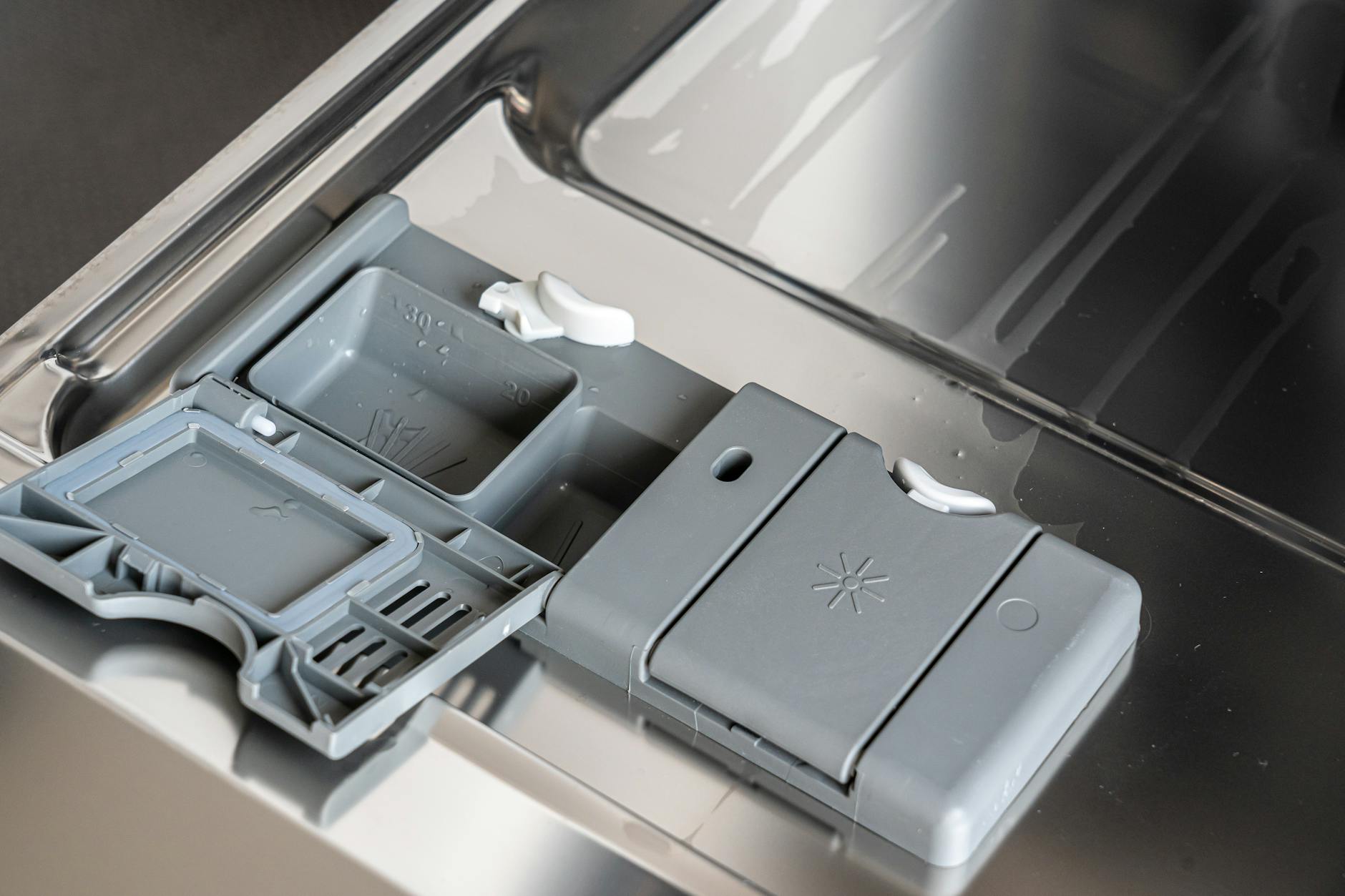
Almost every major appliance manufacturer explicitly advises against pre-rinsing in their user manuals. Engineers design these machines to handle dirty dishes and test them under conditions with significant food soil. Ignoring these instructions often leads to poor performance complaints that are actually caused by user error rather than machine failure. Reading the guide provided with your specific model will likely confirm that scraping is the only necessary preparation. Following the expert advice ensures the longevity and optimal performance of your expensive kitchen appliance.
Financial Savings

The combination of wasted water and the energy used to heat that water adds up on monthly utility bills. Running the tap for several minutes to rinse dishes costs money that yields no additional benefit to the cleaning process. An energy-efficient dishwasher saves money by heating only the small amount of water strictly needed for the cycle. Cutting out the pre-rinse step creates immediate reductions in both water and electricity costs for the household. Smart usage of the appliance puts money back in your pocket over the lifespan of the machine.
Reduced Bacteria Spread

Using a sponge or brush to pre-rinse dishes introduces unnecessary bacteria to your hands and the sink area. Kitchen sponges are notorious breeding grounds for pathogens that thrive in moist environments. Handling dirty dishes twice increases the likelihood of spreading germs across kitchen surfaces before the sanitizing wash cycle even begins. Placing items directly into the racks minimizes contact with food waste and keeps the sink area more sanitary. Letting the high heat of the dishwasher handle the bacteria is a safer choice for a hygienic home.
Energy Consumption
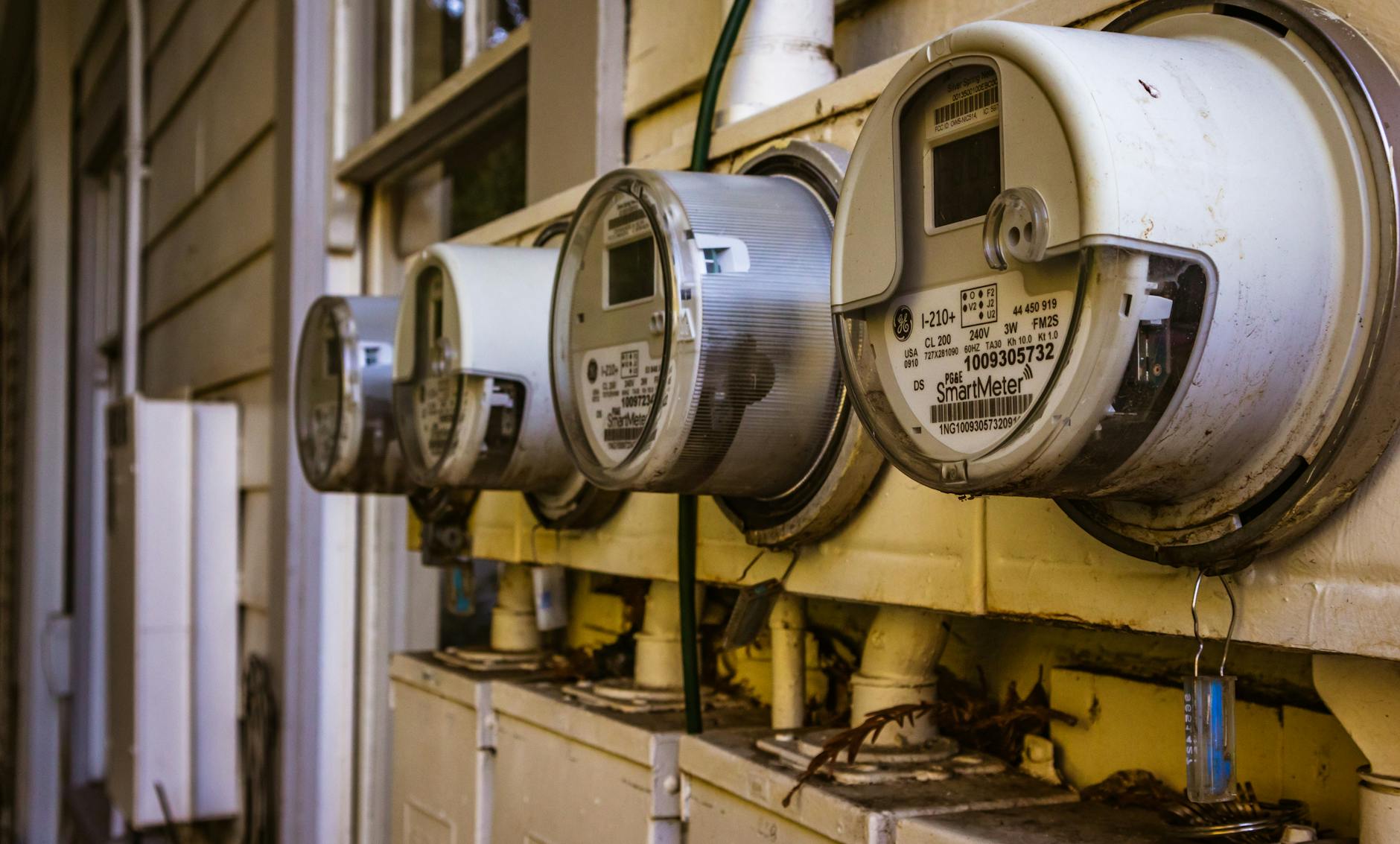
Heating water is one of the most energy-intensive activities in the average home. Rinsing dishes usually involves warm or hot water which forces your water heater to work harder than necessary. The dishwasher has an internal heater that efficiently brings water to the exact temperature required for sanitation. Relying on the appliance’s heating element is far more efficient than drawing from your home’s main hot water supply at the sink. Reducing hot water usage at the tap lowers your overall carbon footprint and energy demand.
Detergent Dissolution
Modern dishwasher tablets and gels are concentrated formulas that require friction from food particles to dissolve and foam correctly. A completely clean load prevents the detergent from creating the necessary suspension to scrub the dishes effectively. This can result in undissolved tablet residue left at the bottom of the machine or on the door. The chemistry of these cleaning agents relies on a specific environment of dirty water to function at peak capacity. Adding dirty dishes ensures the soap dissolves completely and coats every item for a spotless finish.
Please share your own dishwashing habits and experiences in the comments.




