Fevers serve as a natural defense mechanism indicating that the immune system is actively fighting off an infection. How one manages their body during this vulnerable time can significantly influence the speed and ease of recovery. Certain common habits or misconceptions may actually prolong illness or lead to more severe complications. Avoiding specific behaviors helps the body focus its energy entirely on healing and restoring balance.
Ignoring Hydration

Fevers often lead to significant fluid loss through sweating and rapid breathing as the body attempts to cool itself down. Failing to replace these fluids can quickly result in dehydration which complicates the recovery process significantly. Water helps regulate internal body temperature and assists the immune system in fighting off the underlying infection. Herbal teas or clear broths are also excellent options for maintaining adequate hydration levels throughout the illness.
Bundling Up in Heavy Blankets

Many people believe they should pile on heavy blankets to sweat out a fever but this is actually a dangerous misconception. Trapping too much heat against the body can cause the internal temperature to rise even further and lead to heat exhaustion. Wearing light and breathable clothing allows heat to escape naturally and keeps the body more comfortable. A comfortable room temperature is far safer and more effective for managing fever symptoms than excessive layers.
Starving the Fever

The old adage about starving a fever is medically inaccurate because the body requires substantial energy to fight off infections. A fever increases the metabolic rate and necessitates a higher caloric intake to fuel the immune response effectively. Eating nutrient-rich and easily digestible foods provides the necessary strength for recovery and healing. Skipping meals deprives the body of essential vitamins and minerals needed to combat the illness efficiently.
Taking Ice Cold Baths

Shocking the body with freezing water might seem like a quick way to lower temperature but it often induces shivering. Shivering is a muscle activity that actually generates more body heat and defeats the purpose of the cold bath. Rapid cooling can also constrict blood vessels and trap heat deeper inside the body rather than releasing it. Lukewarm or tepid water is a much gentler and safer method to help bring a fever down gradually.
Exercising Vigorously

Physical exertion directs energy away from the immune system and forces the body to work harder than it should during illness. Engaging in workouts raises the core body temperature and places unnecessary stress on the heart and muscles. Rest is the primary requirement for recovery as it allows the body to focus entirely on eliminating the pathogen. Resuming exercise too soon can prolong the duration of the sickness and worsen overall fatigue.
Drinking Alcohol

Alcohol acts as a diuretic and accelerates fluid loss which significantly heightens the risk of dehydration during a fever. It also suppresses the immune system and makes it harder for the body to fight off the viral or bacterial infection. Consuming alcoholic beverages can interfere with common medications and lead to adverse reactions or reduced efficacy. Staying away from spirits and wine ensures the liver can focus on processing toxins and medications safely.
Smoking

Inhaling smoke irritates the lining of the respiratory tract and exacerbates inflammation in an already compromised system. Smoking reduces the amount of oxygen in the blood and forces the heart and lungs to work much harder. This habit weakens the immune response and makes the body more susceptible to complications like bronchitis or pneumonia. Quitting or pausing during illness gives the lungs a much-needed chance to clear out mucus and heal.
Eating Sugary Foods

High sugar intake can inhibit the function of white blood cells which are crucial for destroying bacteria and viruses. Consuming sweets or soda leads to inflammation and distracts the immune system from its primary task of healing. These foods offer empty calories without providing the nutritional support the body desperately needs during a fever. Opting for whole foods and complex carbohydrates supports a steady recovery without spiking blood sugar levels.
Skipping Sleep

Sleep is the critical period when the body releases cytokines that promote sleep and fight infection. Depriving the body of rest interferes with the production of these protective proteins and antibodies. A lack of deep sleep stresses the cardiovascular system and extends the time required to overcome the fever. Prioritizing naps and a full night of rest is one of the most effective ways to support immune function.
Overusing Medication
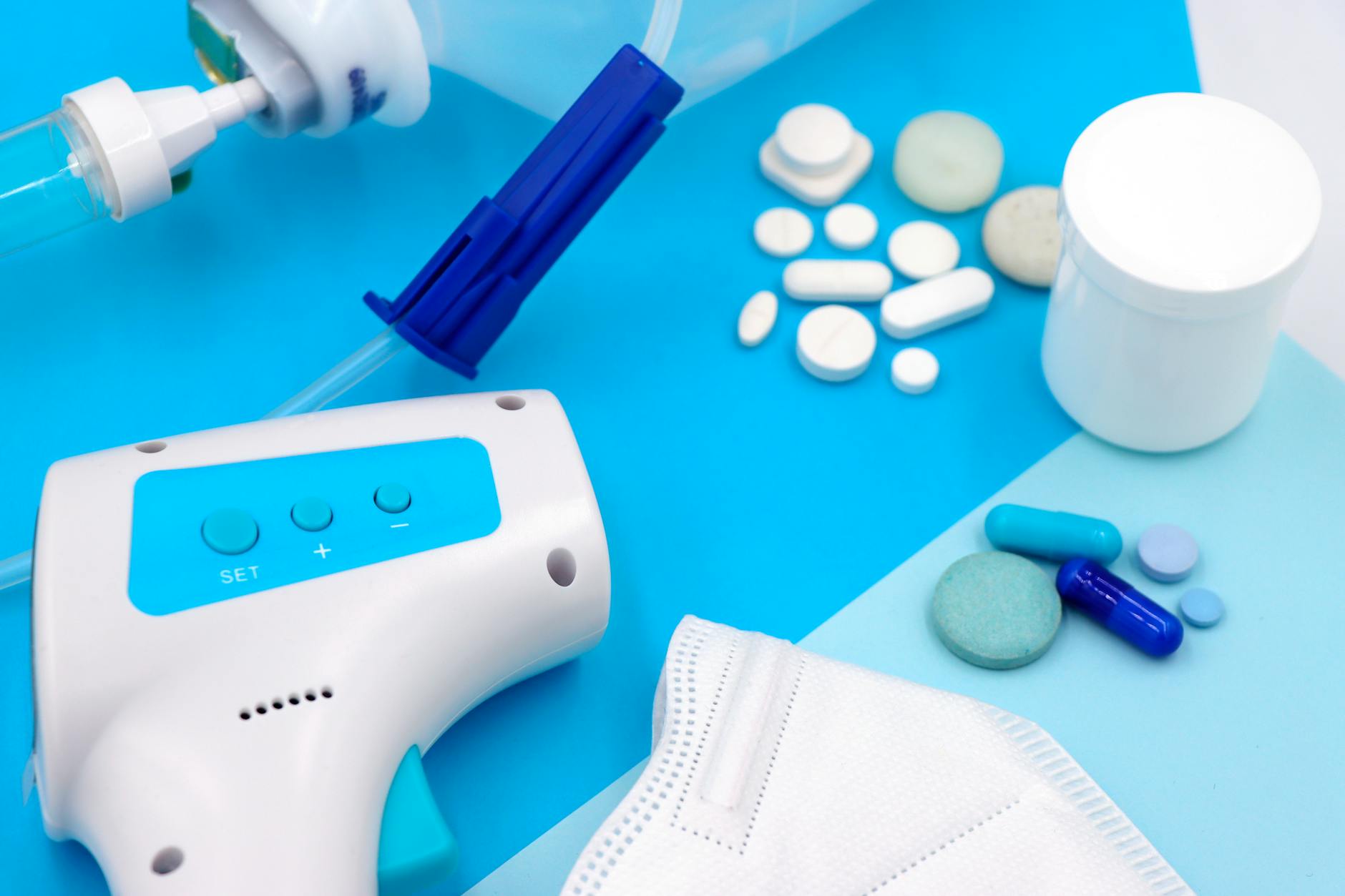
Taking more than the recommended dose of fever reducers can lead to serious liver or kidney damage. It is vital to track exactly when the last dose was taken to avoid accidental doubling up on active ingredients. Many multi-symptom cold medicines contain the same ingredients as standalone fever reducers which risks overdose. Consulting a doctor or strictly following label instructions ensures safety while managing discomfort.
Sharing Personal Items
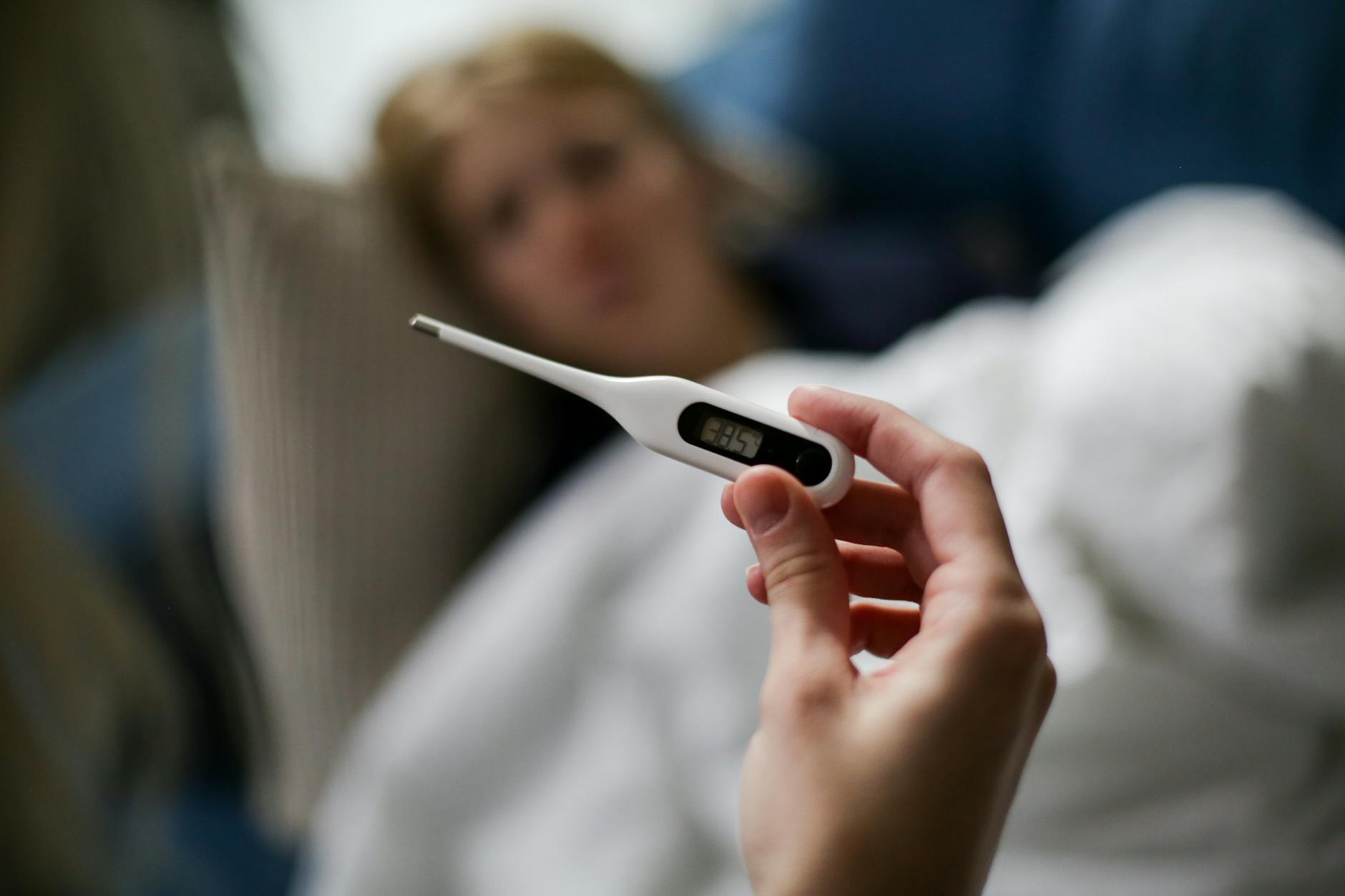
Fevers are often symptoms of contagious infections that spread easily through contact with saliva or mucus. Sharing towels or utensils or cups with family members puts them at high risk of contracting the same illness. Using separate linens and hygiene products helps contain the spread of germs within a household. Distinct boundaries regarding personal items protect healthy individuals while the sick person recovers.
Going to Work

Pushing through illness to attend work exposes colleagues to potential infection and hinders personal recovery speed. The stress of commuting and performing professional tasks drains energy reserves that should be used for healing. Presenteeism often results in lower productivity and mistakes due to brain fog or fatigue. Staying home is the responsible choice for both personal health and public safety.
Drinking Excessive Caffeine
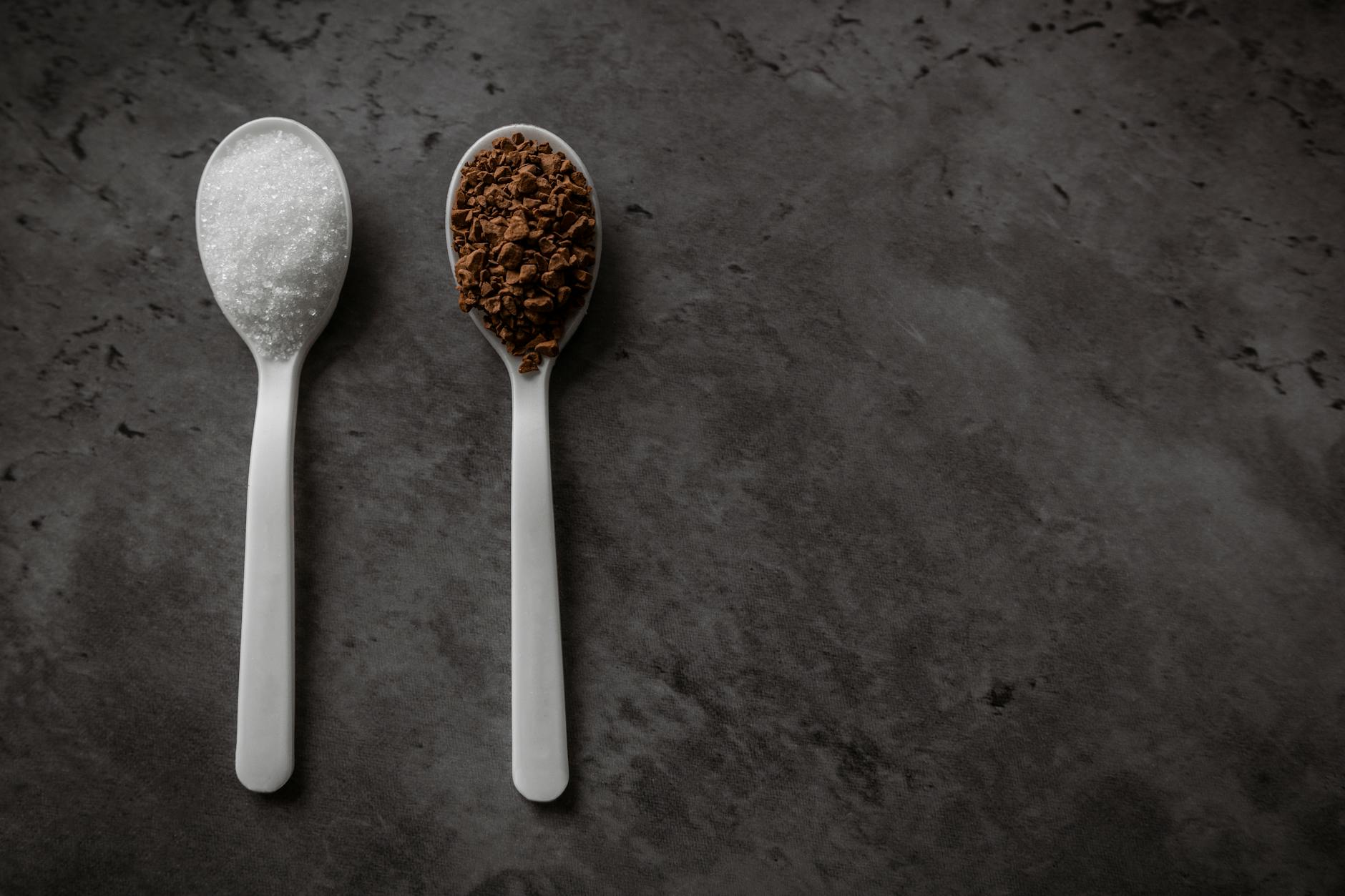
Caffeine is a mild diuretic that can contribute to dehydration if water intake is not simultaneously increased. It acts as a stimulant that can disrupt sleep patterns and prevent the deep rest needed for recovery. An elevated heart rate from caffeine consumption adds stress to a body that is already working hard to regulate temperature. Decaffeinated herbal teas are a soothing alternative that promotes hydration and relaxation.
Demanding Antibiotics Immediately

Antibiotics are only effective against bacterial infections and do absolutely nothing to treat viruses which cause most fevers. Taking antibiotics unnecessarily contributes to antibiotic resistance and kills beneficial gut bacteria needed for immunity. A healthcare provider must determine the cause of the fever before prescribing any specific course of treatment. Patience with symptom management is often required while the body fights off viral invaders naturally.
Ignoring Warning Signs
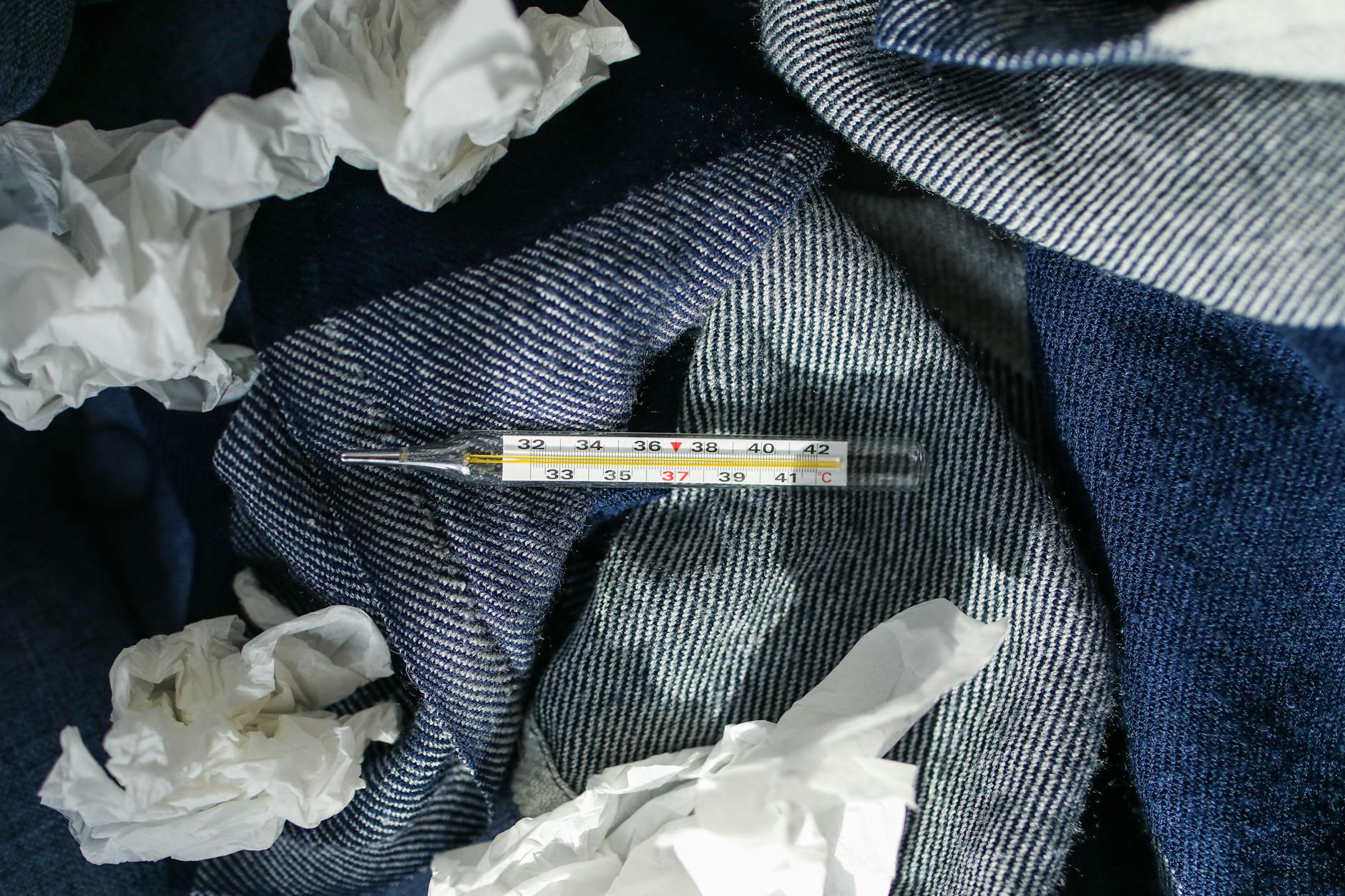
A fever that persists for several days or is accompanied by severe symptoms like a stiff neck requires medical attention. Dismissing these red flags can lead to delayed treatment for potentially serious conditions like meningitis or pneumonia. High fevers that do not respond to medication indicate that the body is struggling to cope with the infection. Seeking professional help ensures that complications are identified and treated before they become life-threatening.
Please share your own tips for managing a fever comfortably in the comments.




