Container gardening offers an accessible entry point for anyone wanting to grow their own fresh produce regardless of space limitations. You can cultivate a thriving garden on a small balcony or a sunny windowsill with just a few basic supplies. The key lies in selecting the right crops that adapt well to confined root systems and varying light conditions. Beginners will find that many popular vegetables actually thrive in pots and require less maintenance than traditional ground planting.
Cherry Tomatoes
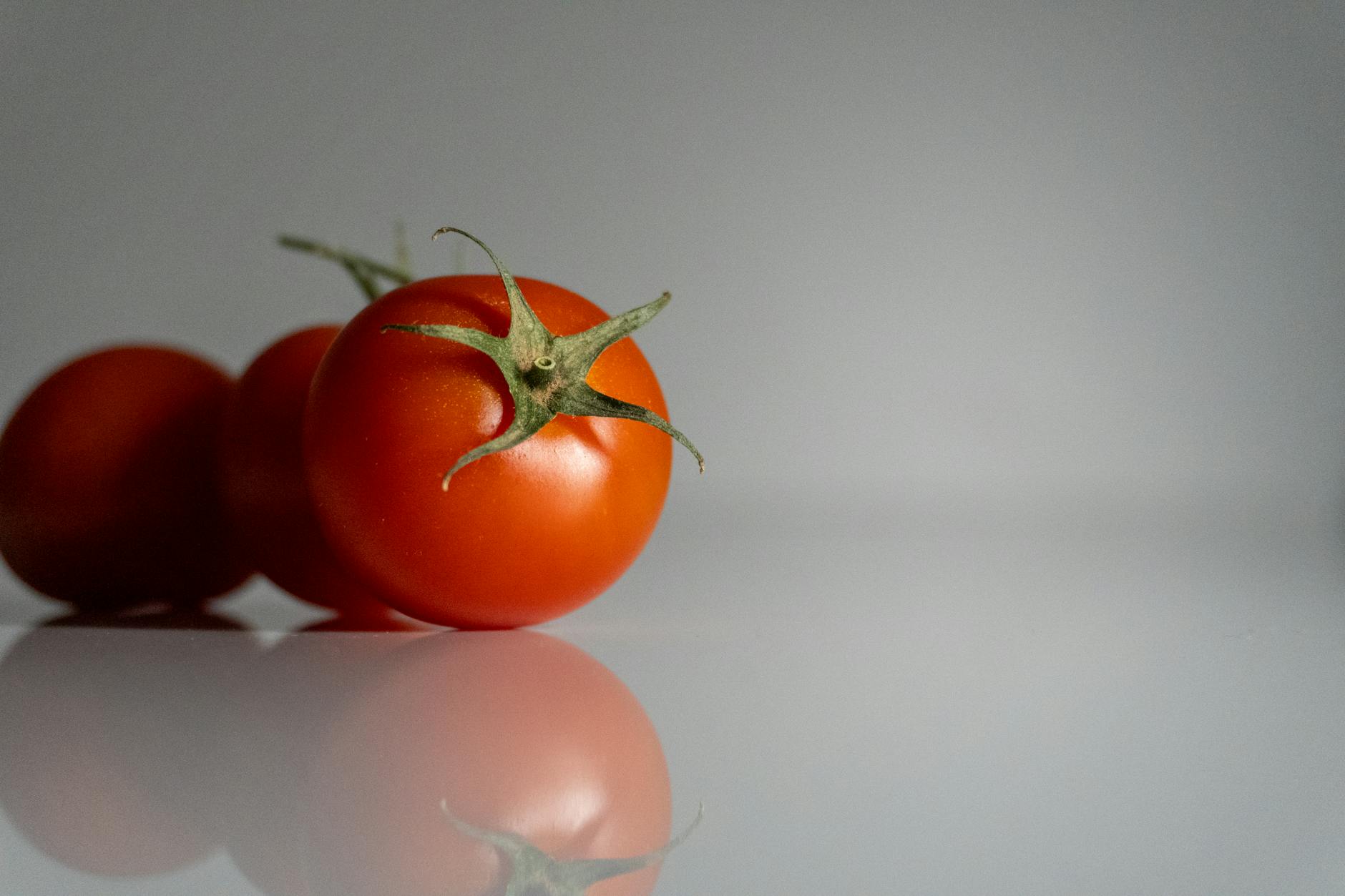
These vibrant plants are arguably the most popular choice for container gardening due to their high yield and compact growth habits. You should choose determinate varieties because they stop growing at a certain height and are manageable in smaller spaces. They require a sunny spot receiving at least six hours of direct light daily to produce sweet fruit. Consistent watering is crucial to prevent the soil from drying out completely in the heat of summer. Stake them early to support the branches as they become heavy with ripening tomatoes.
Leaf Lettuce
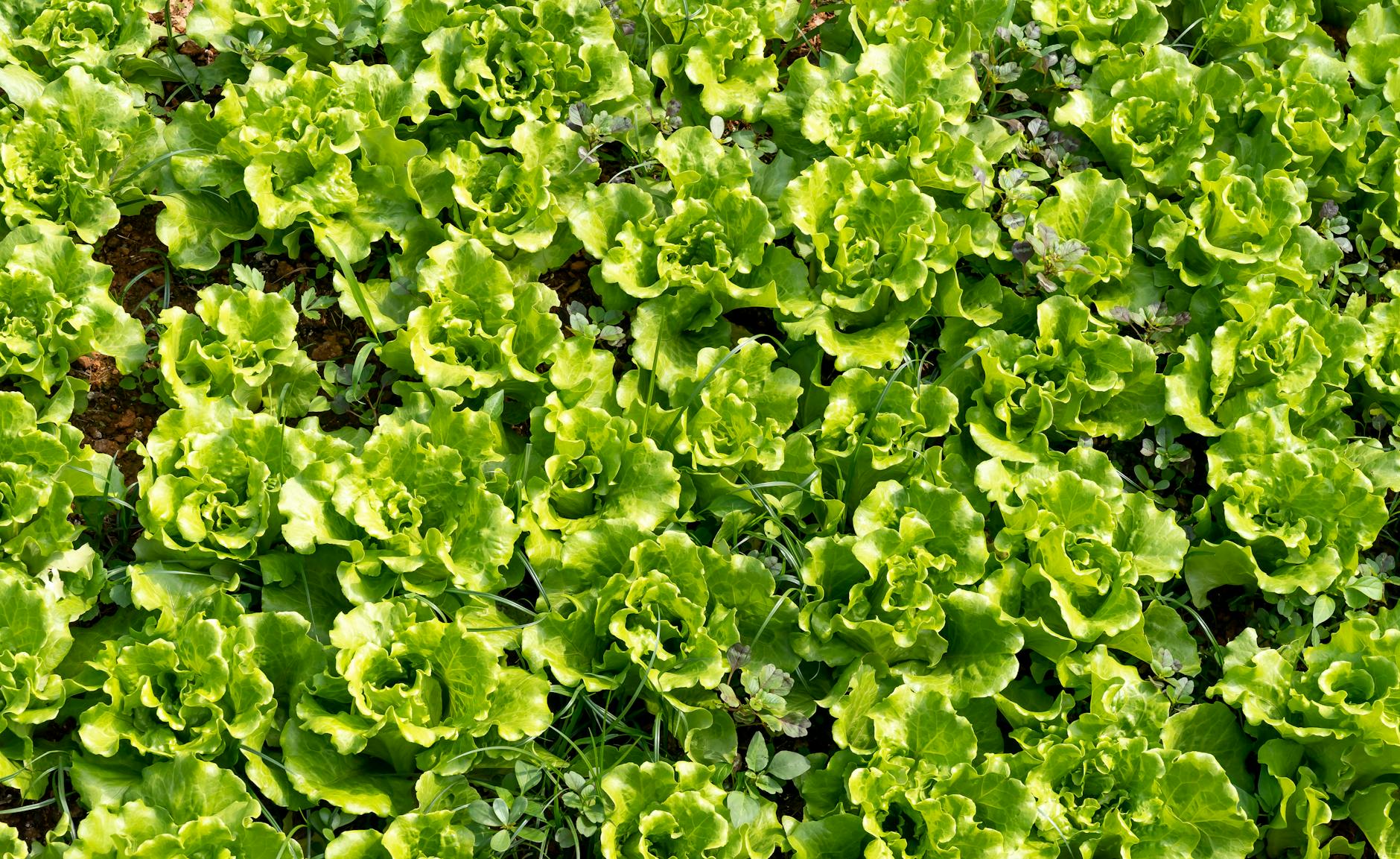
Leaf lettuce is incredibly shallow rooted and makes it an ideal candidate for wide and shallow containers. You can harvest the outer leaves while the inner plant continues to grow for a continuous supply throughout the season. This cool weather crop prefers some shade during the hottest parts of the day to prevent bolting. It grows quickly and allows beginners to see rewarding results in just a few short weeks. Regular watering ensures the leaves remain crisp and free from bitterness.
Radishes
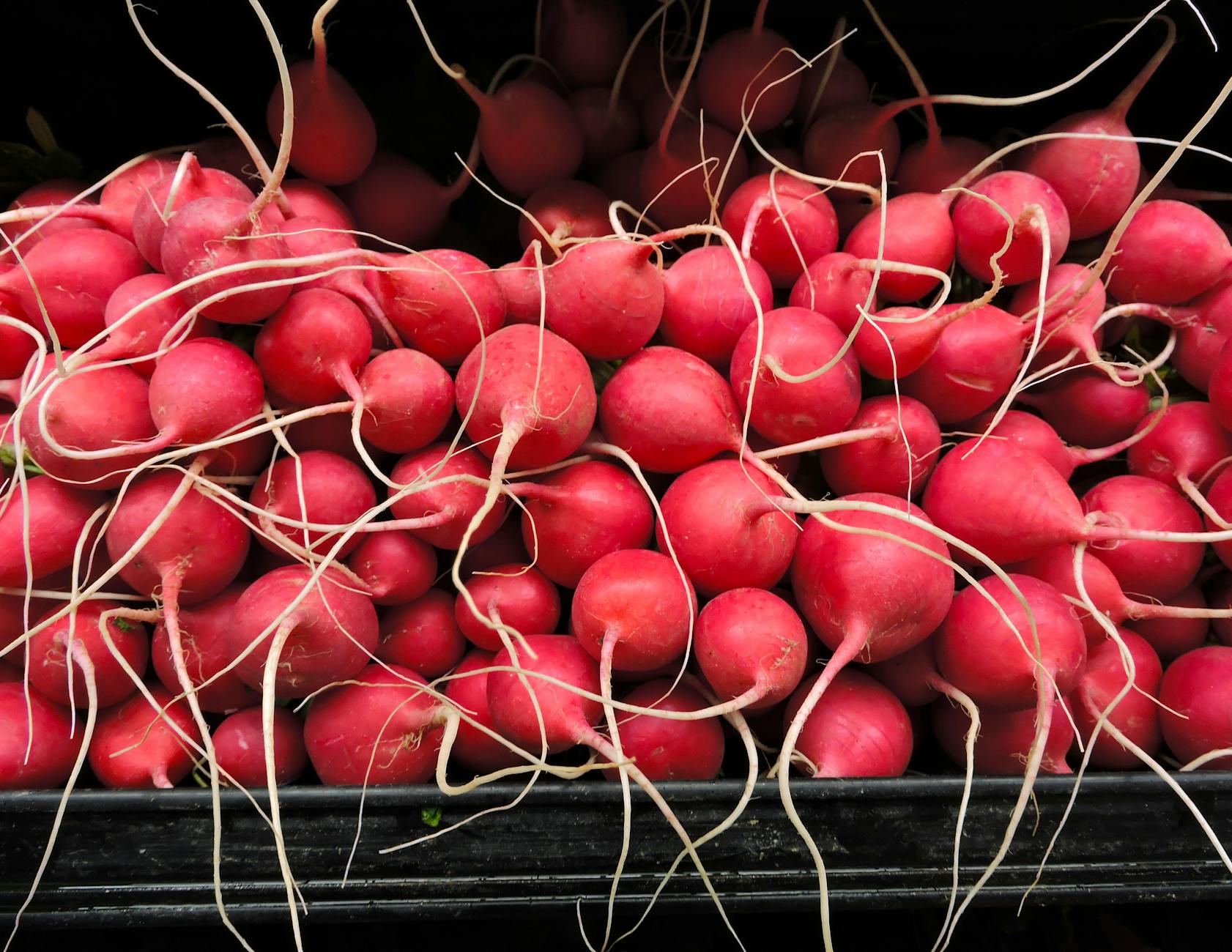
Radishes are famous for their speed as they can go from seed to harvest in as little as three to four weeks. They grow well in smaller pots or window boxes since they do not need deep soil to develop their roots. You can plant a new batch every two weeks to ensure a steady supply of crunchy vegetables for your salads. They prefer cooler temperatures and need to be harvested promptly before they become woody or overly spicy. Beginners appreciate them because they offer almost instant gratification compared to slower crops.
Spinach
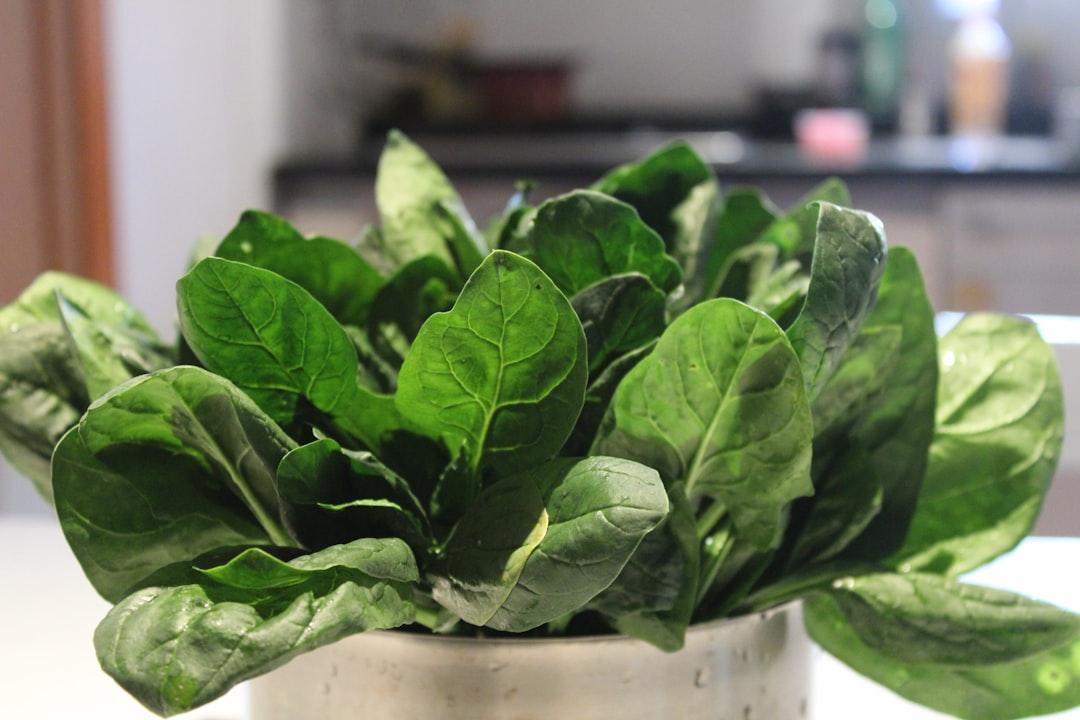
This nutrient-dense green thrives in pots and actually prefers the cooler temperatures of spring and autumn. You should place the container in a spot that gets partial shade if you are growing it during warmer months. The roots do not require deep soil so a wide planter works perfectly to maximize your harvest. Spinach grows rapidly and allows for a cut and come again harvesting method similar to lettuce. Keep the soil consistently moist to encourage lush and tender leaves.
Green Onions
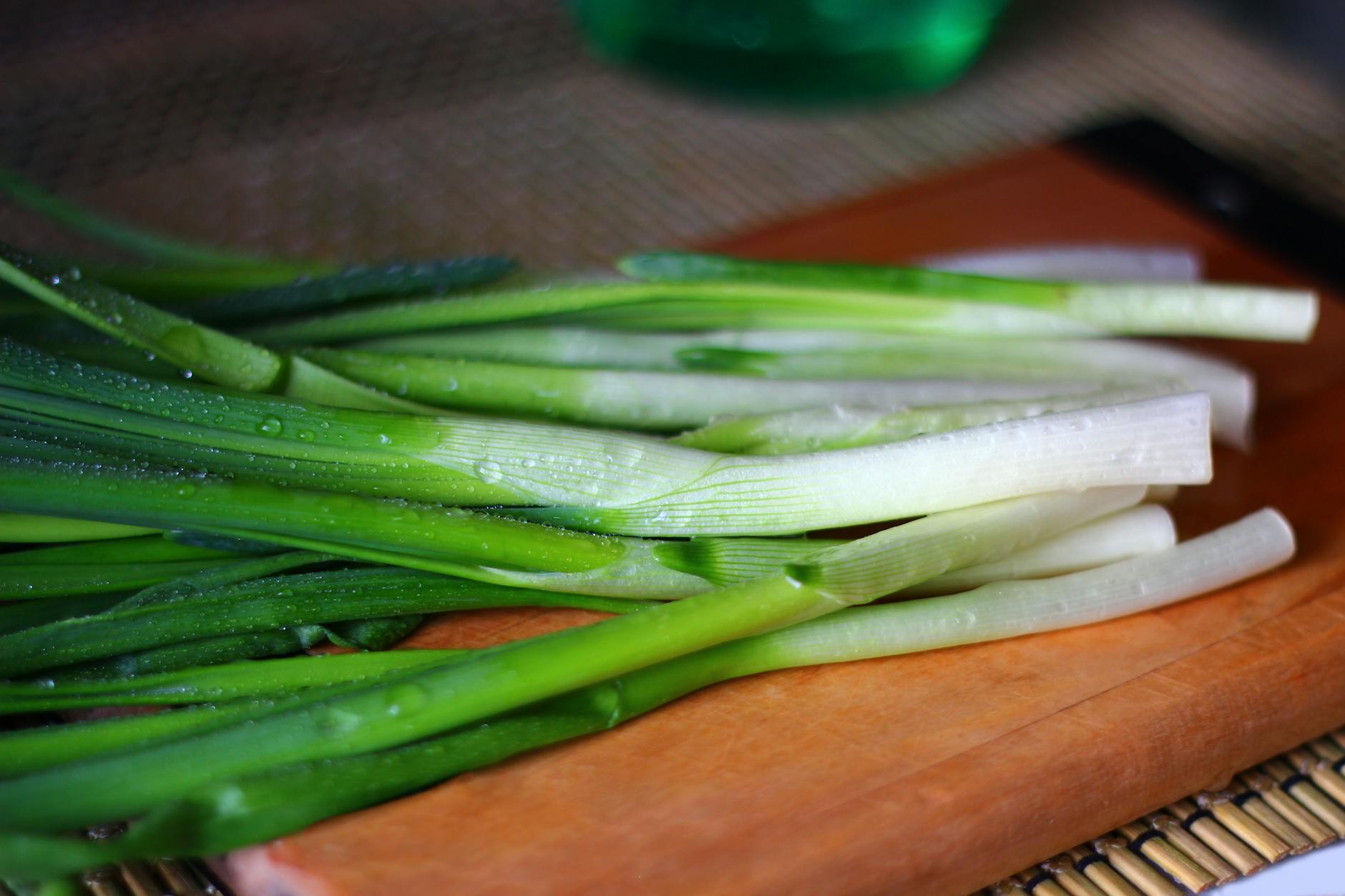
Green onions or scallions are extremely low maintenance and take up very little vertical space. Their shallow root systems allow them to grow successfully in small pots or even repurposed containers on a windowsill. You can harvest the green tops with scissors and let the white base continue growing for multiple harvests. They require minimal fertilizer and simply need regular watering to stay healthy. This is an excellent crop for beginners who want fresh garnishes readily available in the kitchen.
Bell Peppers
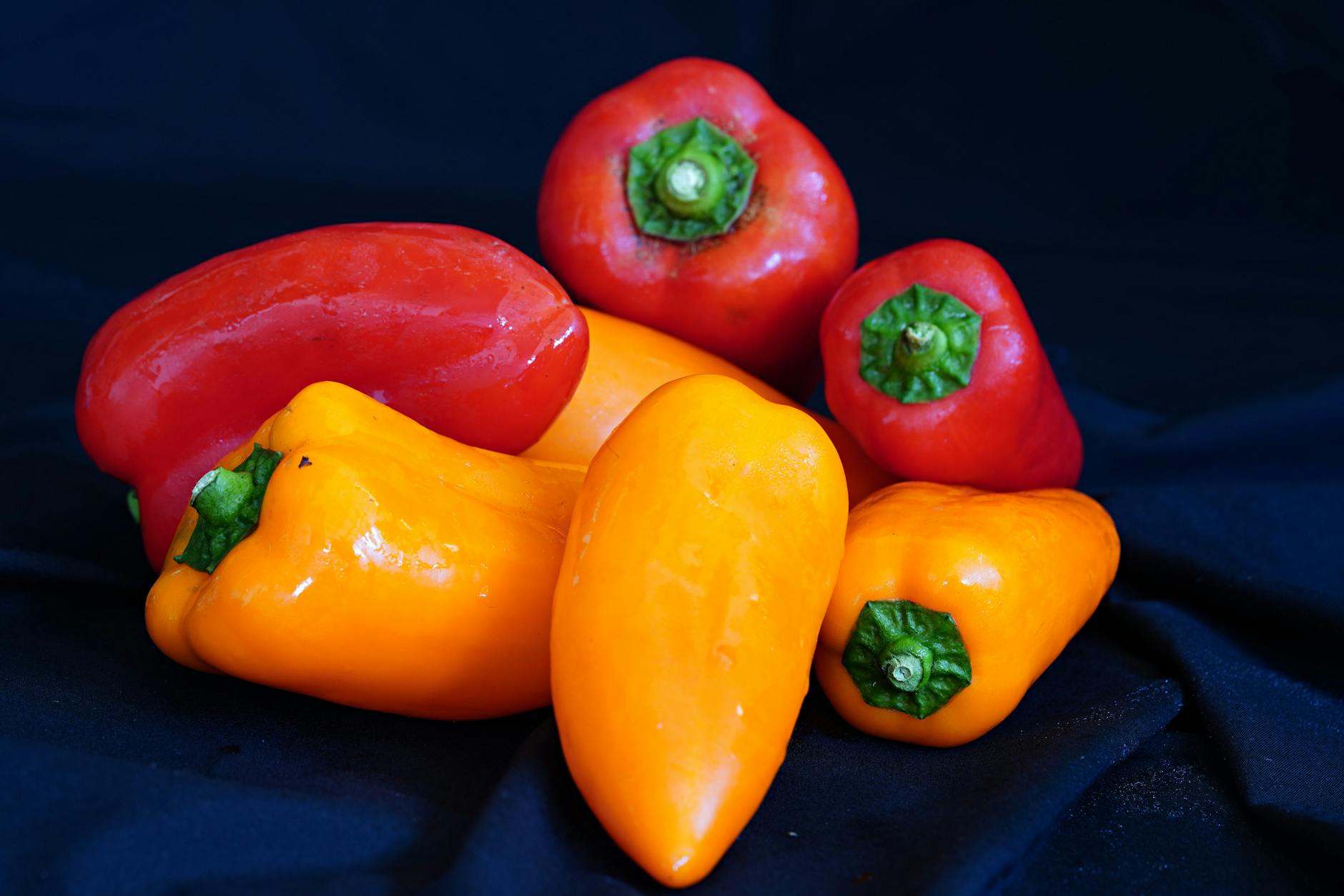
Peppers grow surprisingly well in containers provided the pot is large enough to support their root structure. They need a warm and sunny location to thrive and produce thick and fleshy fruit. You should use a high quality potting mix that drains well to prevent root rot while retaining necessary moisture. Staking is often necessary as the plants can become top heavy when fully loaded with peppers. Patience is required as peppers take a bit longer to mature than leafy greens.
Bush Beans
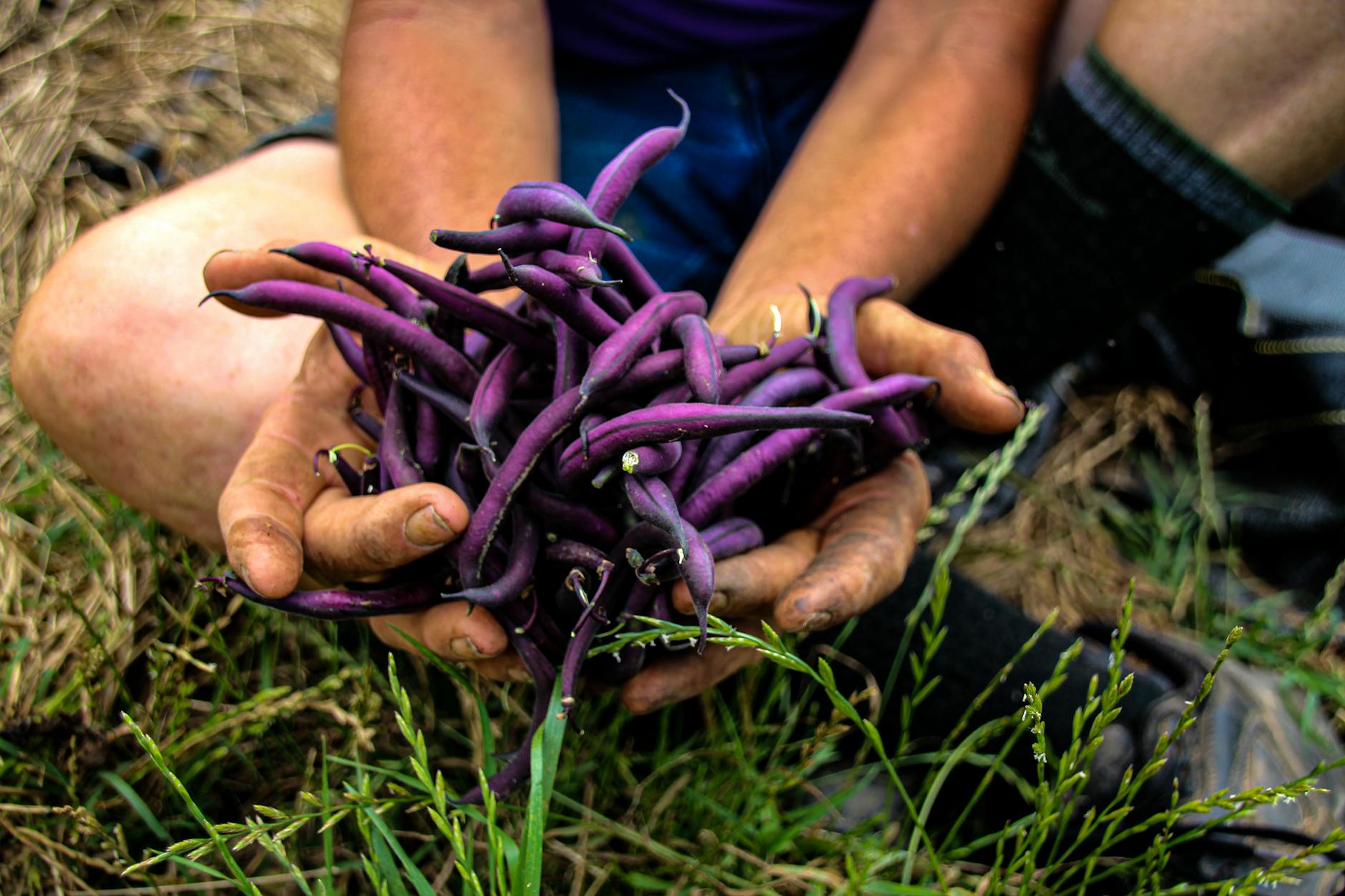
Bush beans are distinct from climbing pole beans because they grow in compact mounds that are perfect for pots. They do not require trellises or complex support structures which simplifies the setup process significantly. These plants enrich the soil with nitrogen and are generally quite productive for their size. You should plant them in a pot that is at least twelve inches deep to accommodate their roots. Succession planting every few weeks ensures a continuous harvest throughout the summer.
Swiss Chard
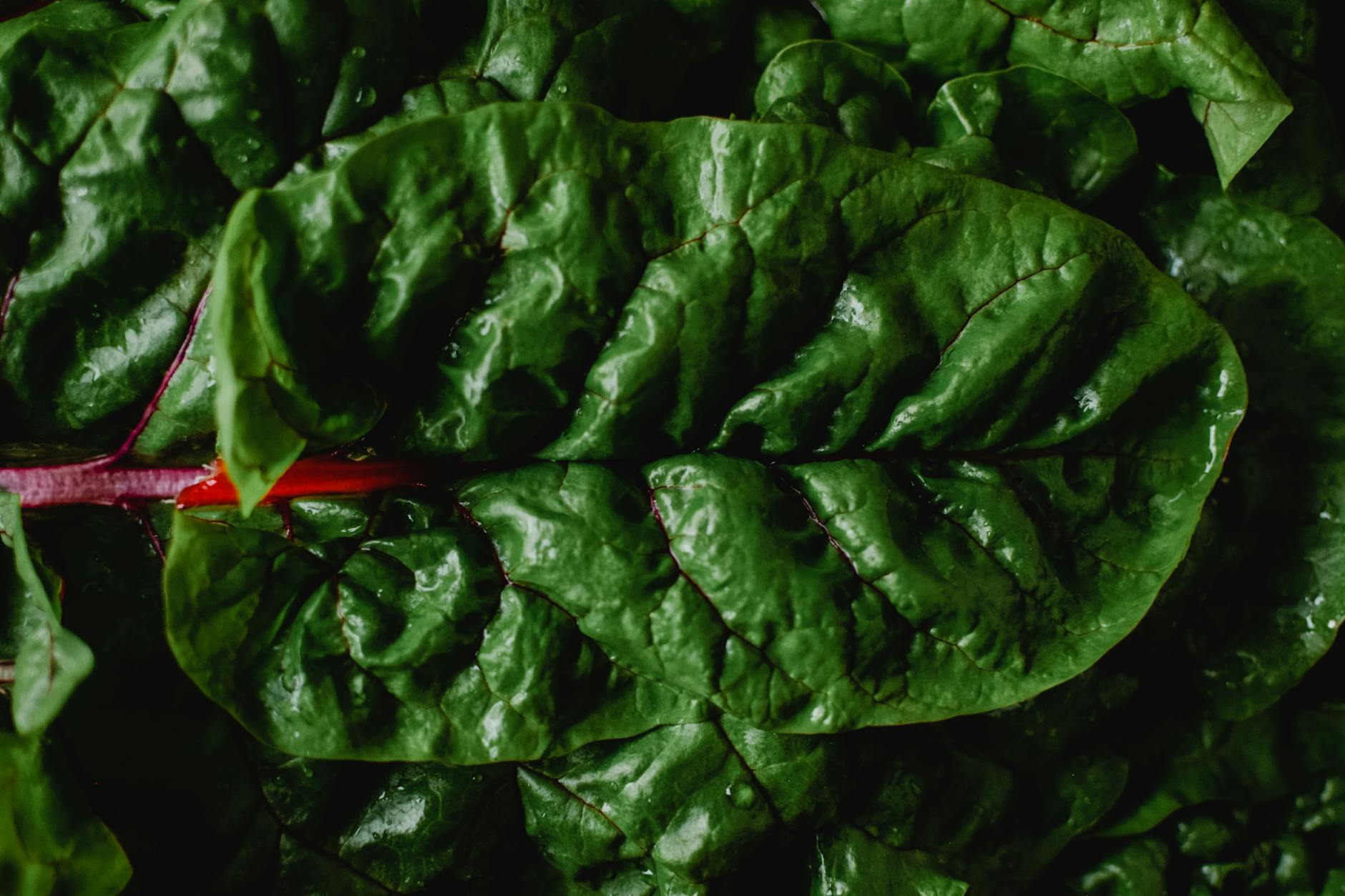
Swiss Chard is not only edible but also ornamental with its colorful stems ranging from yellow to bright red. The plant tolerates both cool and warm weather better than many other leafy greens. You can harvest individual outer stalks as needed while the center continues to produce new growth. It requires a pot that is at least one foot deep to support its substantial root system. This vegetable is resilient and forgives irregular watering better than spinach or lettuce.
Asian Greens
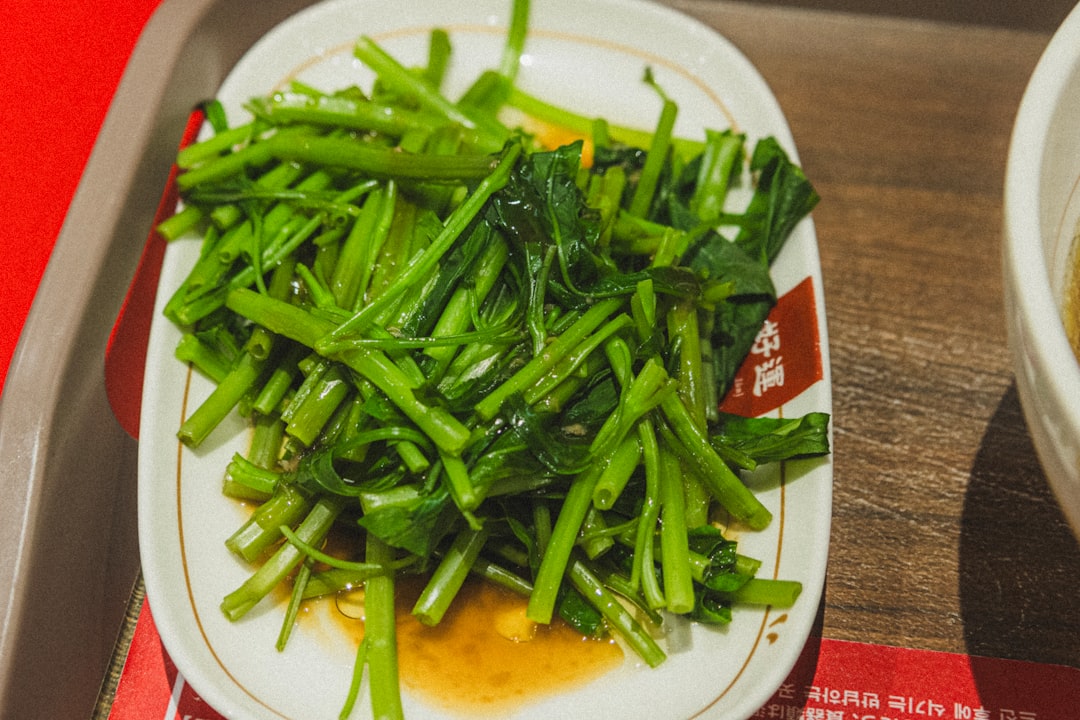
Varieties like Bok Choy or Tatsoi are excellent for container gardening due to their compact size and rapid growth rates. They thrive in cooler weather and can be harvested young for tender leaves or left to mature for stir fries. A wide and shallow planter works well since their roots do not penetrate deeply into the soil. These greens prefer consistent moisture and protection from the harsh midday sun. They offer a quick turnaround time and are rarely troubled by common garden pests.
Carrots
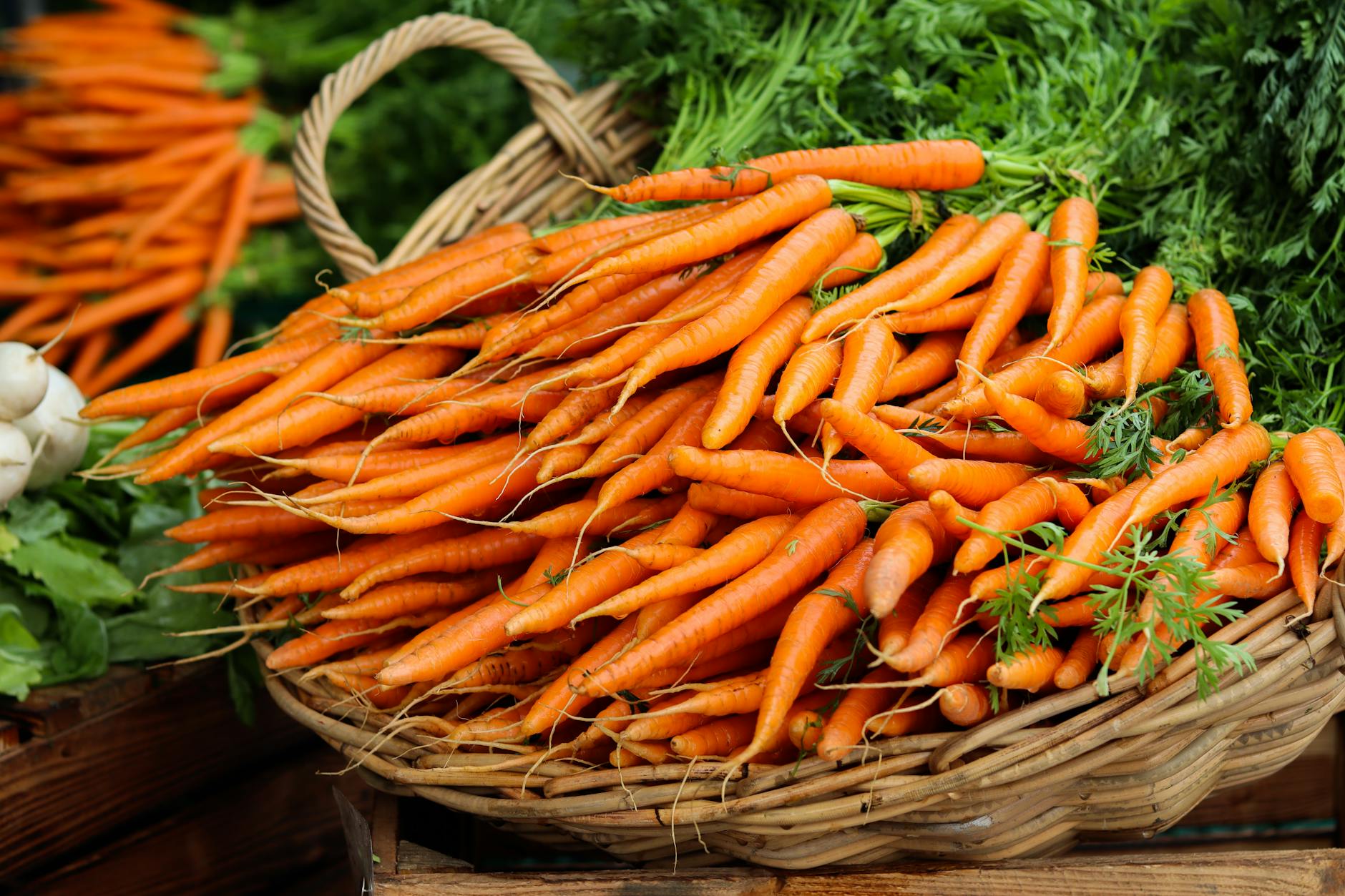
You can grow carrots successfully in containers if you select shorter or round varieties specifically bred for shallow soil. The soil must be loose and free of rocks to allow the roots to develop straight and true. Ensure your container is deep enough for the specific variety you choose to prevent stunted growth. Keep the soil evenly moist as fluctuating moisture levels can cause the roots to crack. Thinning the seedlings early is critical to give each carrot enough room to expand.
Kale
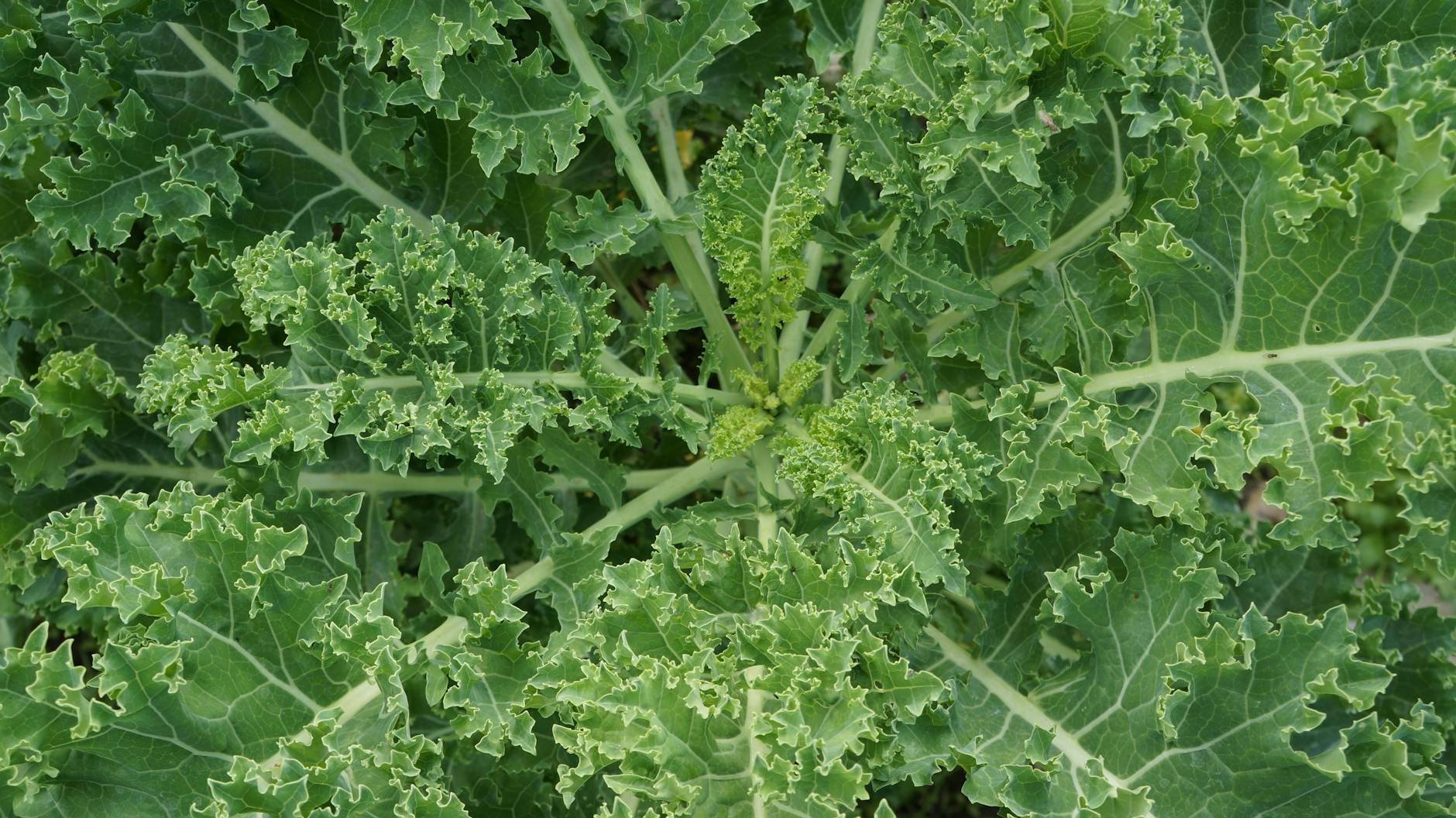
Kale is a hardy crop that can survive colder temperatures and even a light frost which sweetens its flavor. One or two plants in a large pot can provide a substantial amount of greens for a single household. You harvest the lower leaves first and allow the central growing tip to continue producing upwards. It prefers full sun but will tolerate partial shade without significant issues. Nitrogen rich fertilizer helps promote the dark leafy growth that makes kale so nutritious.
Cucumbers
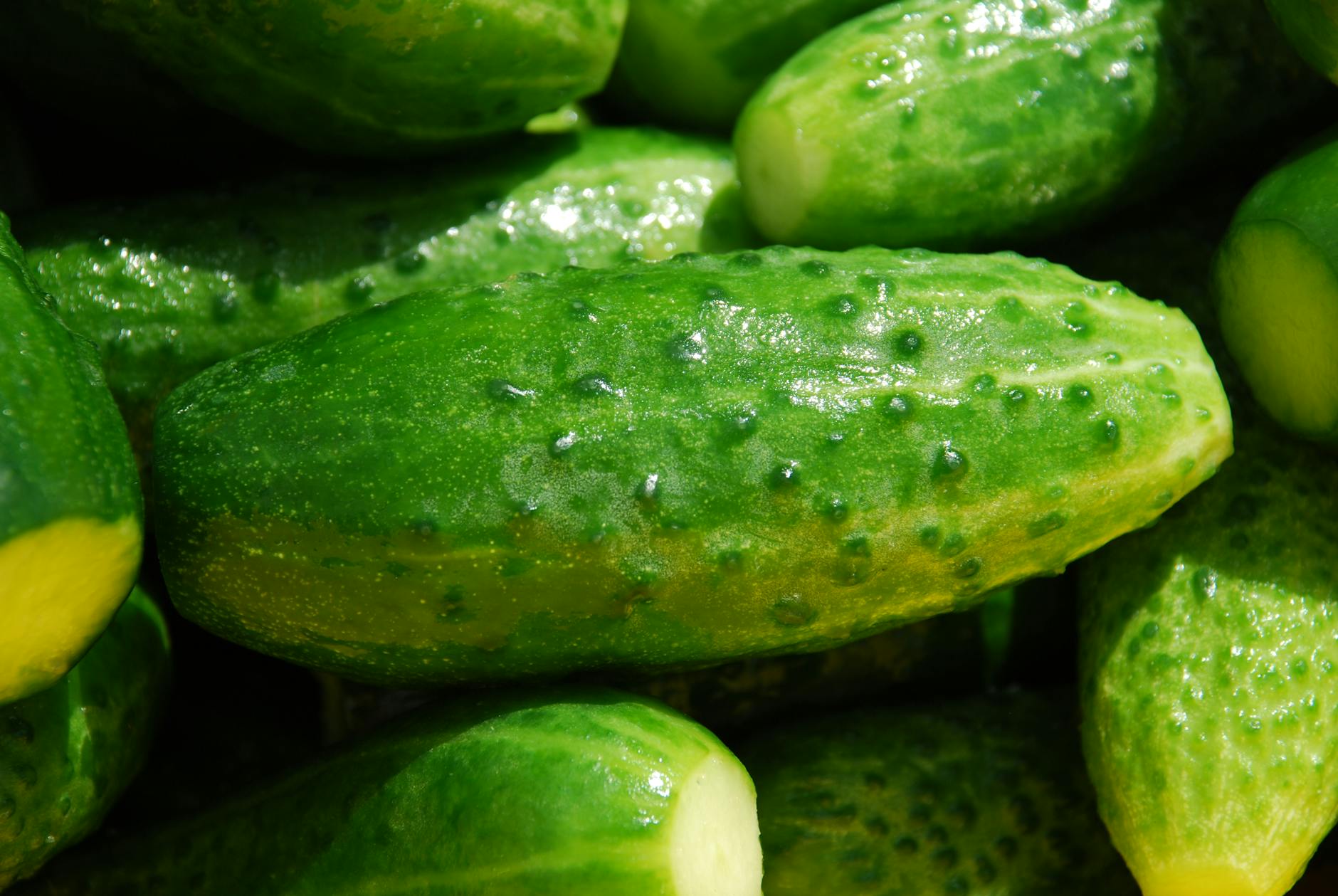
Bush varieties of cucumbers are bred specifically to grow in compact mounds rather than sprawling vines. They still require a fairly large pot to retain enough moisture for the water hungry fruit. You should place the container in full sun and water it daily during hot spells to prevent bitter cucumbers. A small trellis or tomato cage can help keep the fruit off the soil and improve air circulation. Regular harvesting encourages the plant to continue producing new blossoms and fruit.
Eggplant
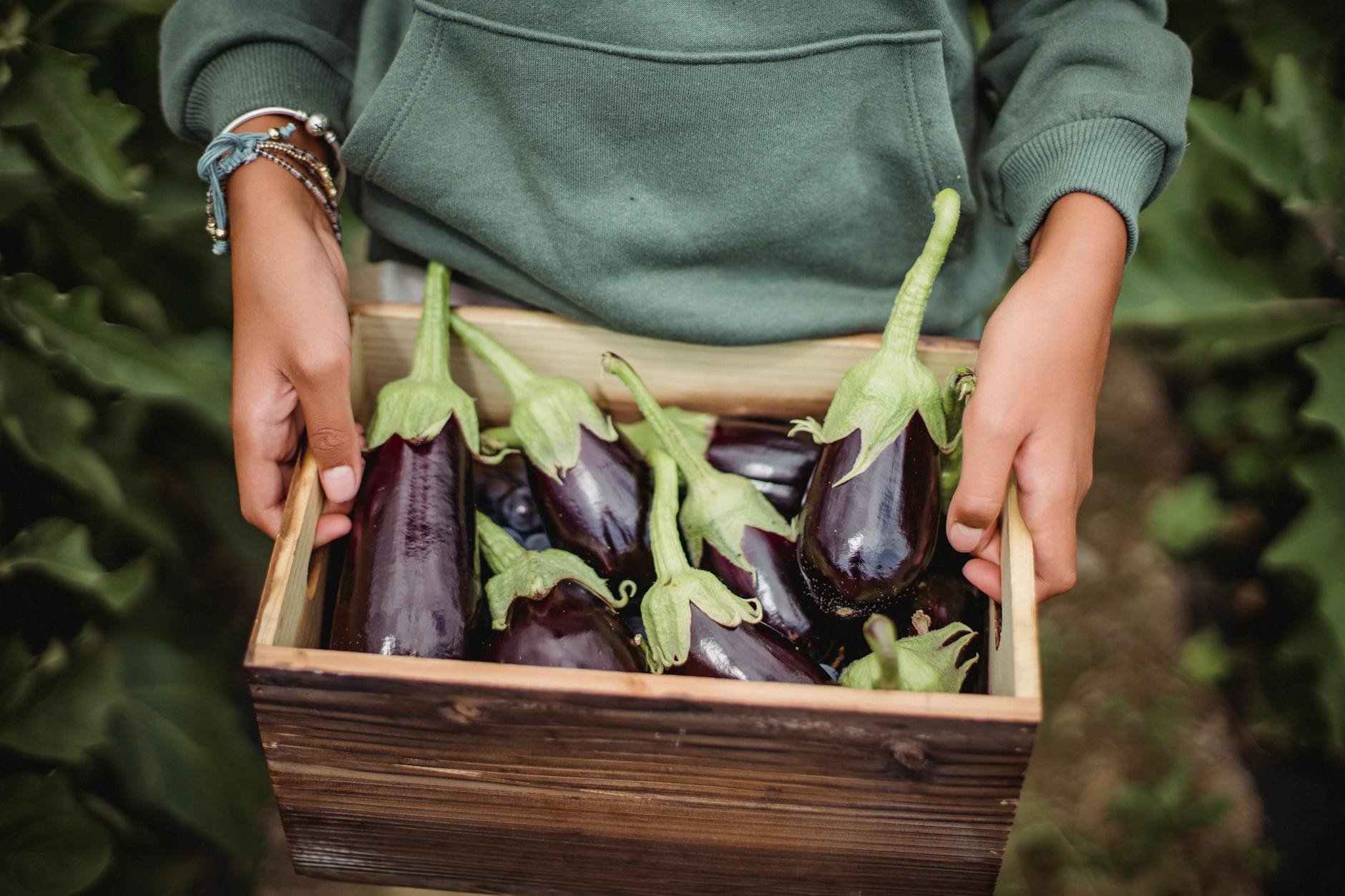
Eggplants love heat and can be grown effectively in containers that absorb and retain warmth. Compact varieties like Fairy Tale or Patio Baby are perfectly suited for pots and produce smaller fruit. They require a large container with excellent drainage and a very sunny location. The plants are quite ornamental with lovely purple flowers and glossy fruit that looks beautiful on a patio. You may need to support the heavy branches as the fruit develops and matures.
Peas
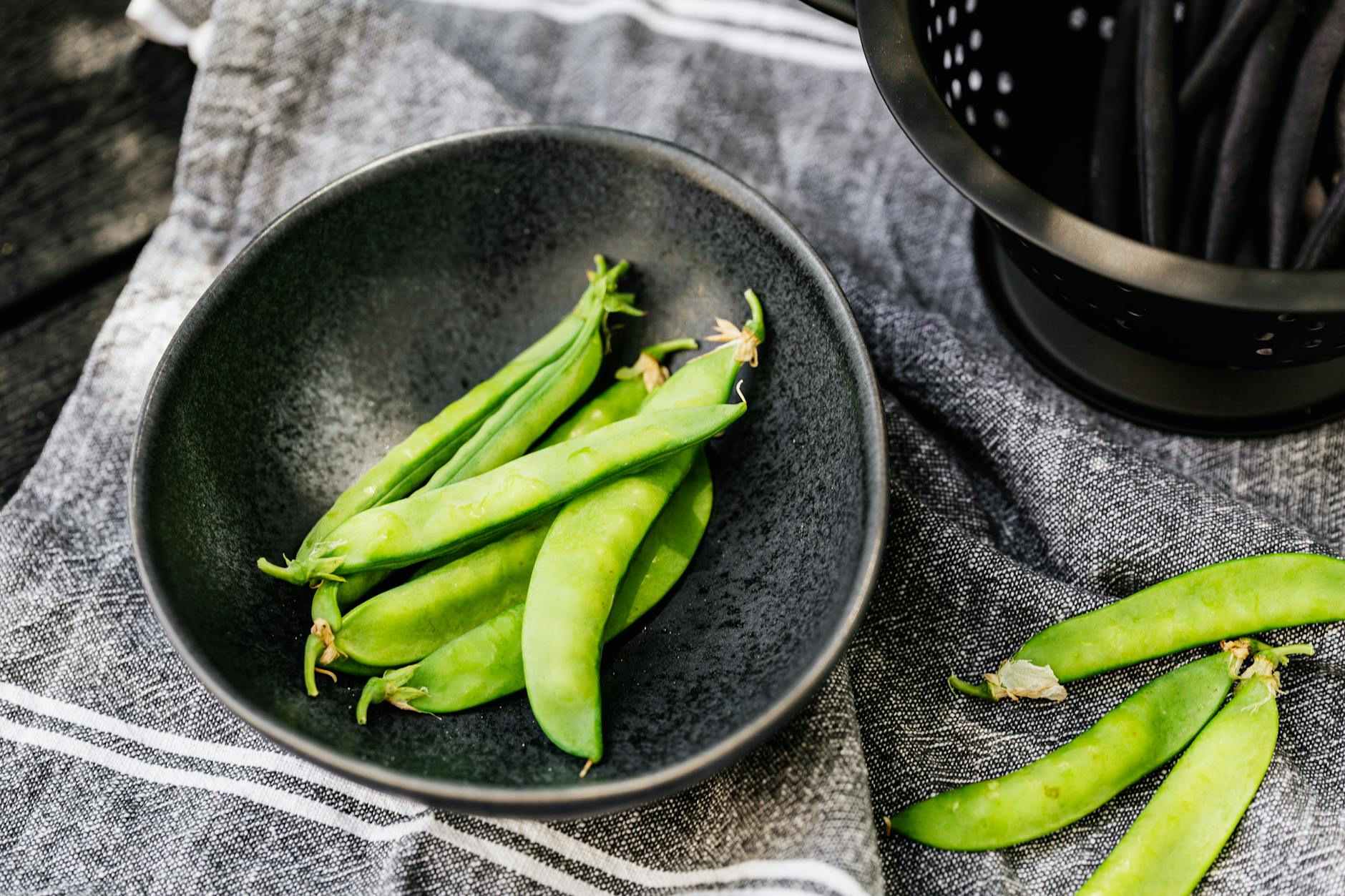
Sugar snap peas or snow peas are delightful container crops that can be grown early in the season. You will need to provide a small trellis or support structure for the vines to climb upwards. They prefer cool weather and will stop producing once the summer heat sets in fully. A container that is at least eight inches deep is sufficient for their root systems. Harvesting them frequently while the pods are small ensures they remain sweet and tender.
Potatoes
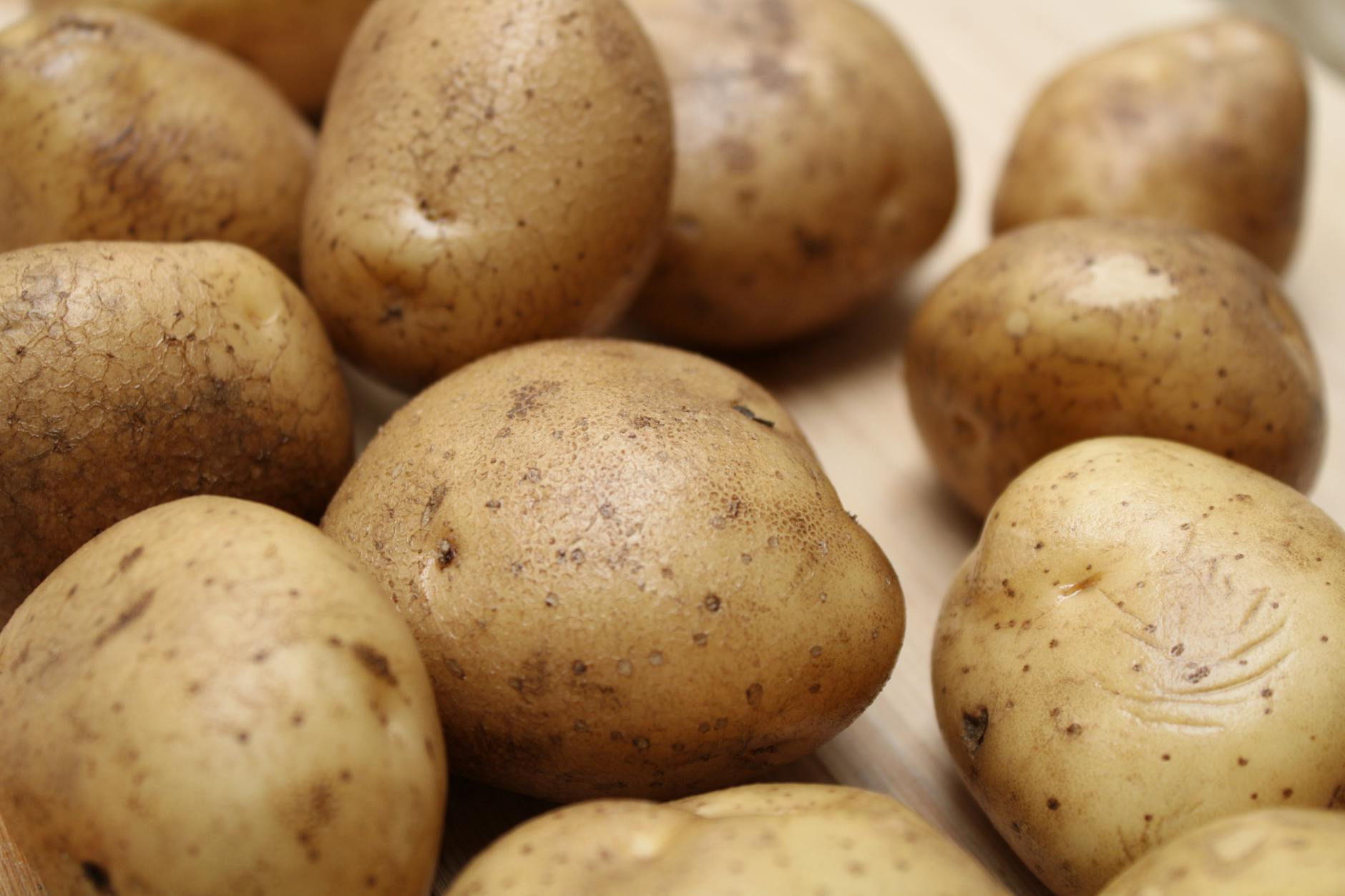
Growing potatoes in pots or grow bags is surprisingly easy and eliminates the hard work of digging up the ground. You simply add more soil to the container as the green shoots grow upward to encourage tuber development. This method protects the potatoes from many soil borne pests and diseases found in garden beds. You should look for early varieties that mature quickly and fit well in confined spaces. Harvest involves simply tipping the container over to collect your clean potatoes.
Zucchini
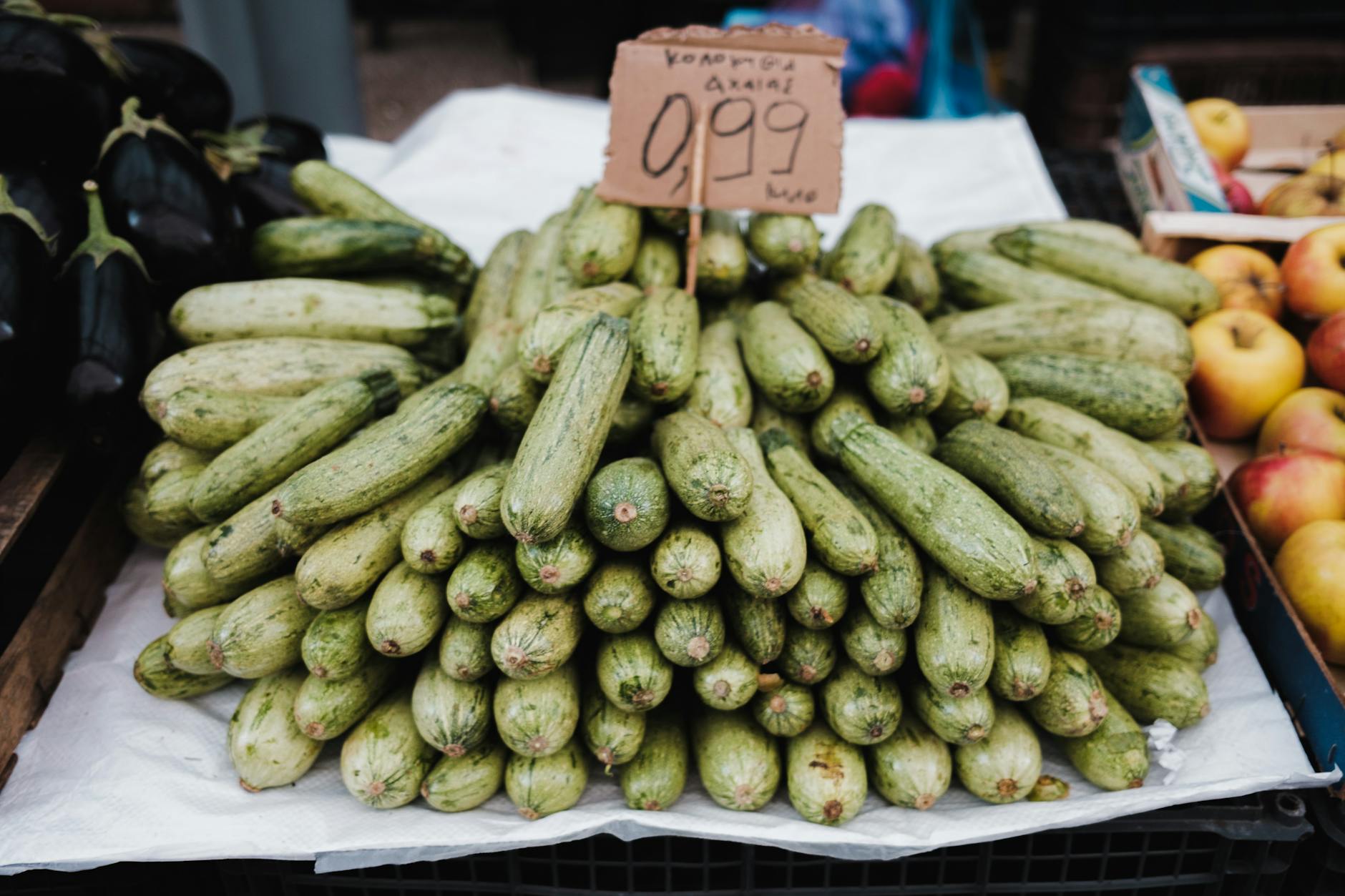
Container specific zucchini varieties grow in a bush habit rather than a vine to save space. These plants are heavy feeders and require a large pot with rich soil to produce abundantly. You must ensure they get plenty of sun and consistent water to support the large leaves and rapid fruit growth. Mildew can be an issue so it is important to water at the base of the plant rather than overhead. One healthy plant can often produce enough zucchini for an entire family.
Arugula
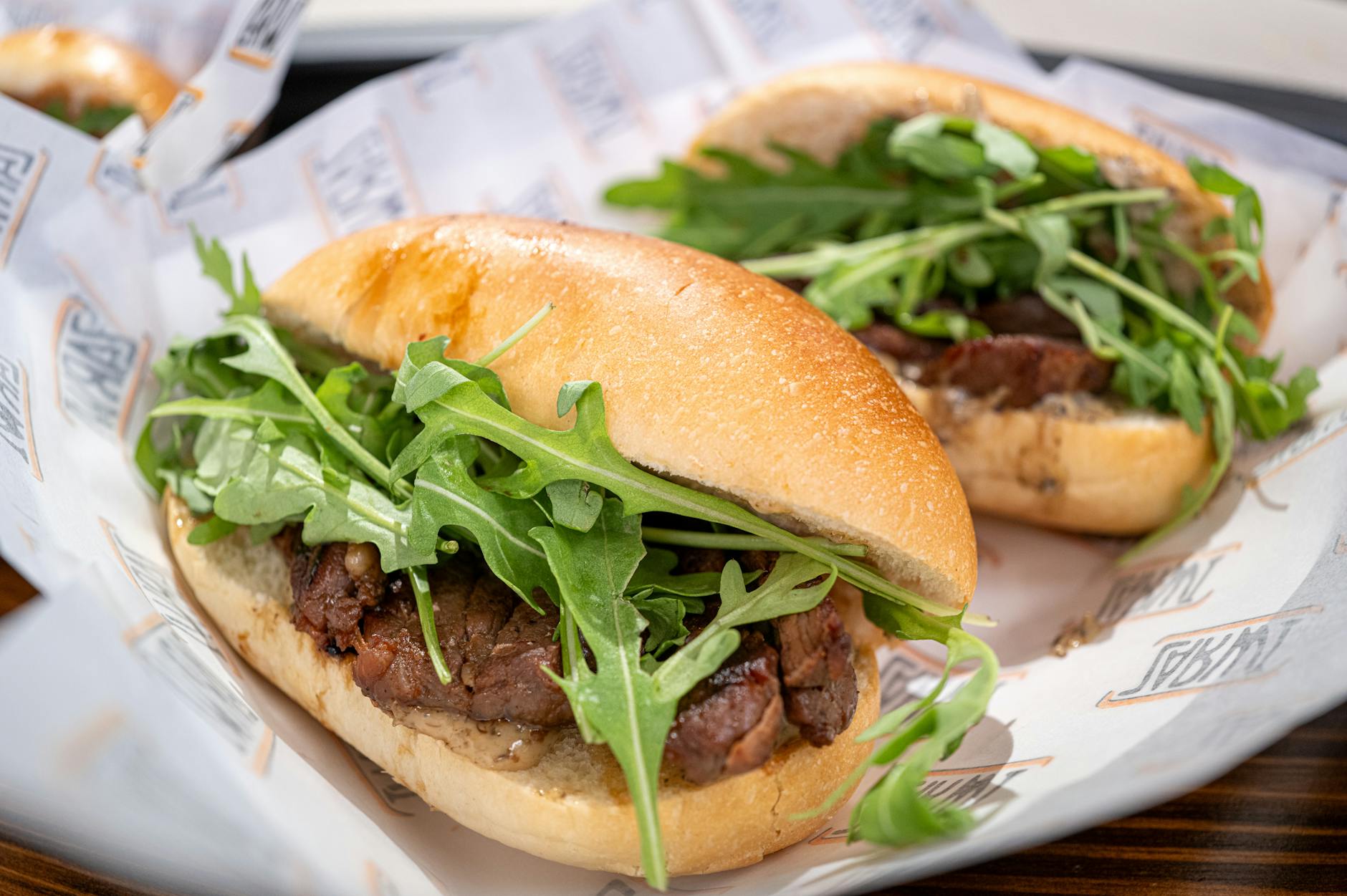
Arugula adds a peppery bite to salads and grows very easily in shallow containers or window boxes. It grows quickly from seed and prefers the cooler temperatures of spring and fall. Hot weather causes it to bolt and turn bitter so placement in partial shade is helpful in summer. You can harvest baby leaves in just a few weeks for a milder flavor. Frequent sowing ensures you have a fresh supply of tender greens all season long.
Herbs
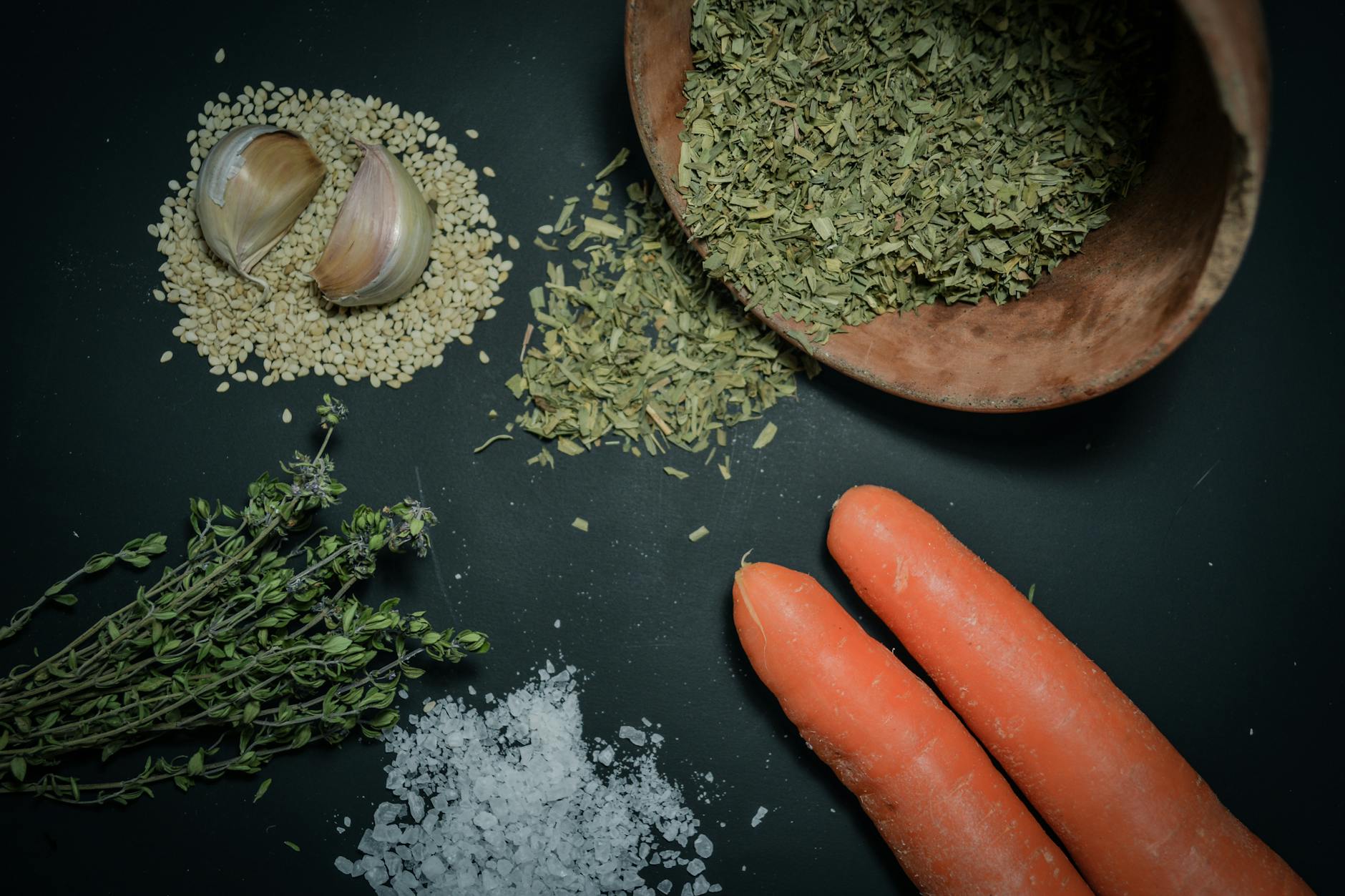
While technically a category of their own herbs like basil and parsley are essential for any kitchen garden. Most herbs thrive in smaller pots and can be grown together in a larger strawberry planter. They generally prefer full sun but some like mint and parsley can tolerate a bit of shade. pinching off the flower buds keeps the plants bushy and focuses energy on leaf production. Having fresh herbs right outside your door encourages you to cook with fresh ingredients.
Beets
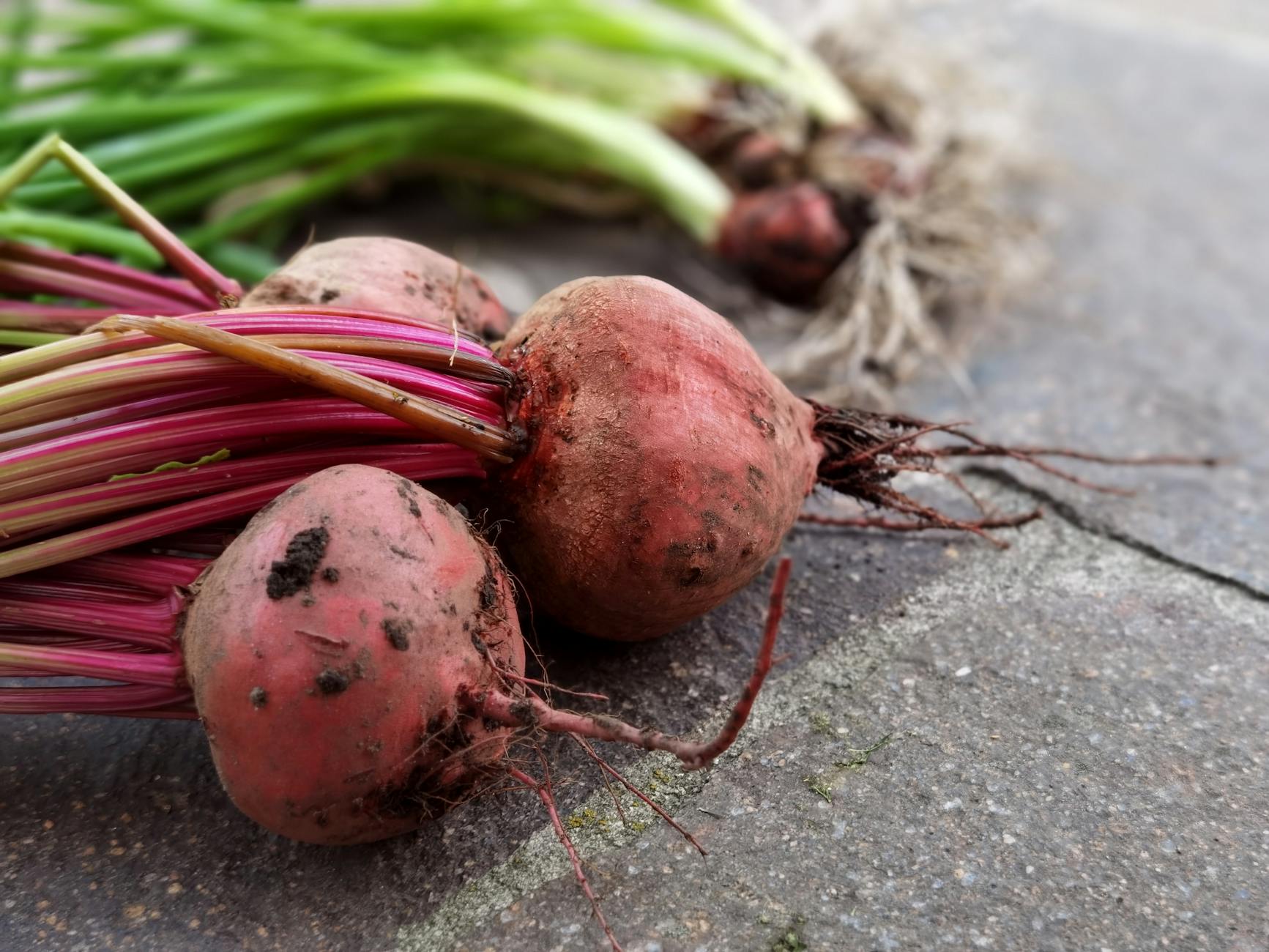
Beets are a dual purpose crop because you can eat both the leafy greens and the root vegetable. They grow well in containers that are at least ten inches deep and have loose well draining soil. You can plant them quite closely together compared to other root vegetables. Consistent watering prevents the roots from becoming woody and tough. Harvesting the greens while the root develops is a great way to get more food from a single plant.
Garlic
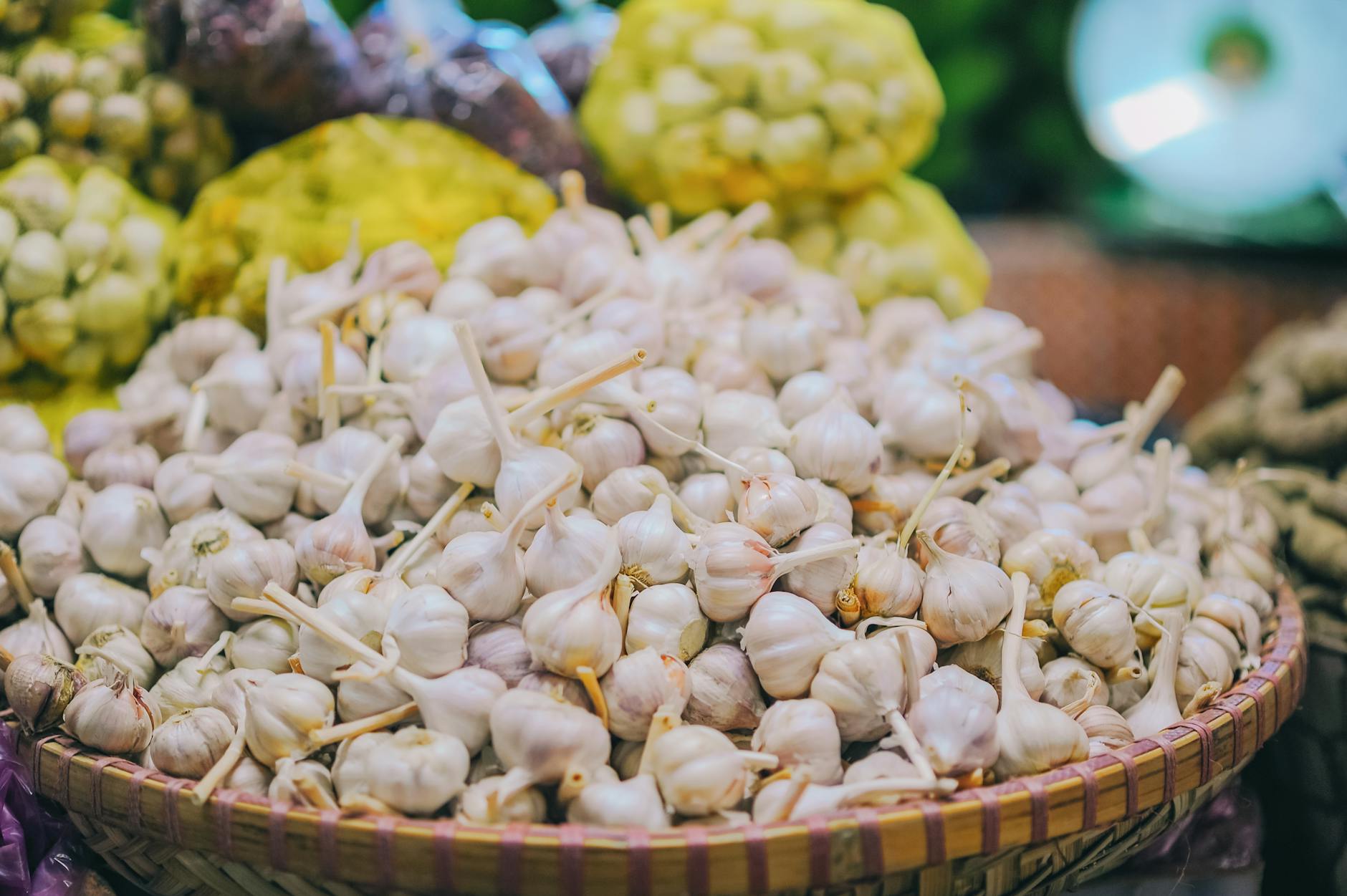
Garlic is a slow growing crop that is planted in the fall for a harvest the following summer. It takes up very little space and can be tucked into pots with other plants or grown on its own. The container must have excellent drainage to prevent the bulbs from rotting during the wet winter months. It requires very little attention once planted other than occasional watering during dry spells. Homegrown garlic often has a much stronger and more complex flavor than store bought bulbs.
Turnips
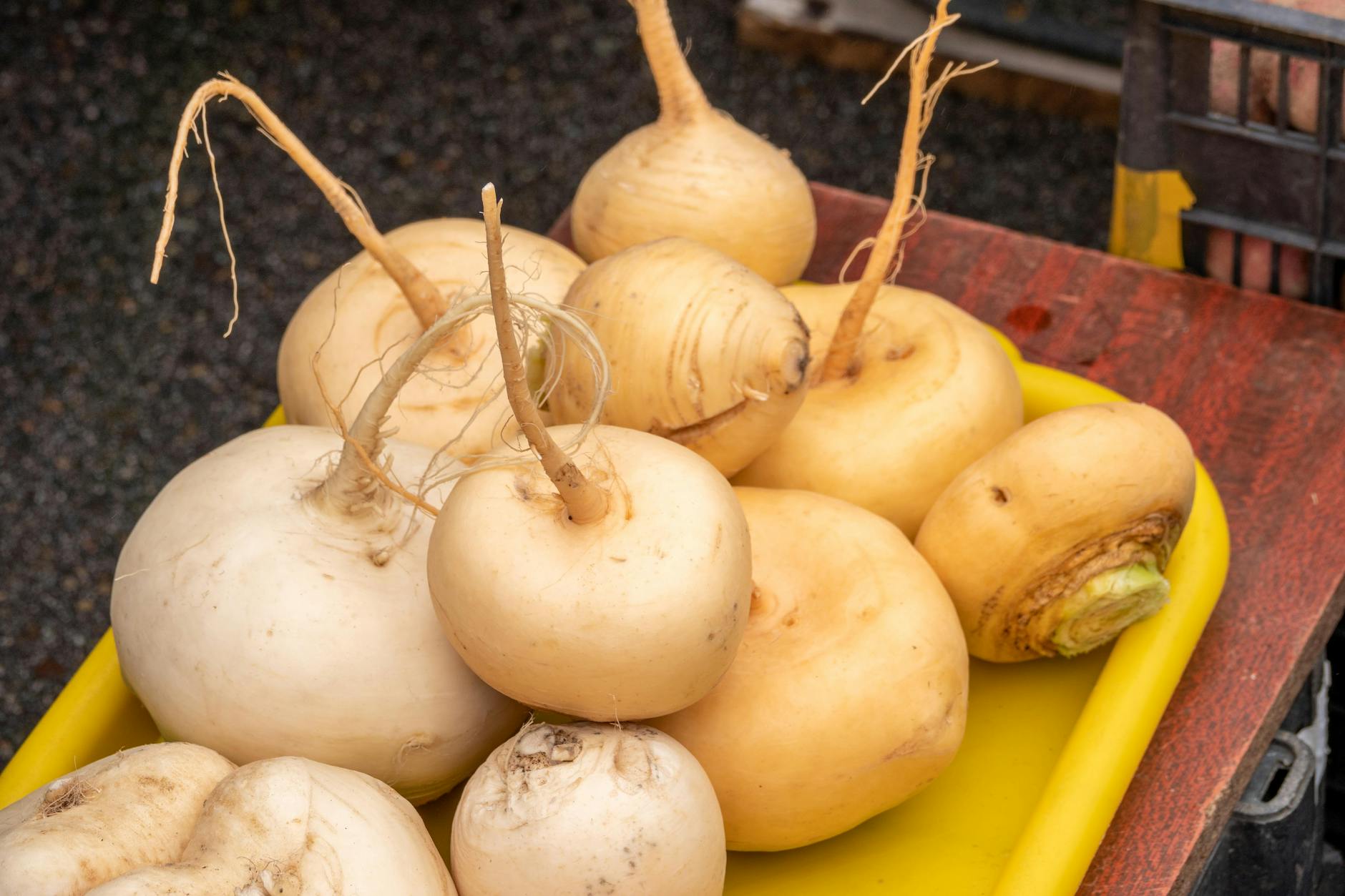
Small salad turnips are distinct from the large storage varieties and grow very quickly in pots. They are best harvested when they are small and tender enough to be eaten raw. Both the greens and the roots are edible which maximizes the utility of your container space. They prefer cool weather and consistent moisture to develop a sweet and mild flavor. You can plant them in early spring or late summer for two separate harvests.
Kohlrabi
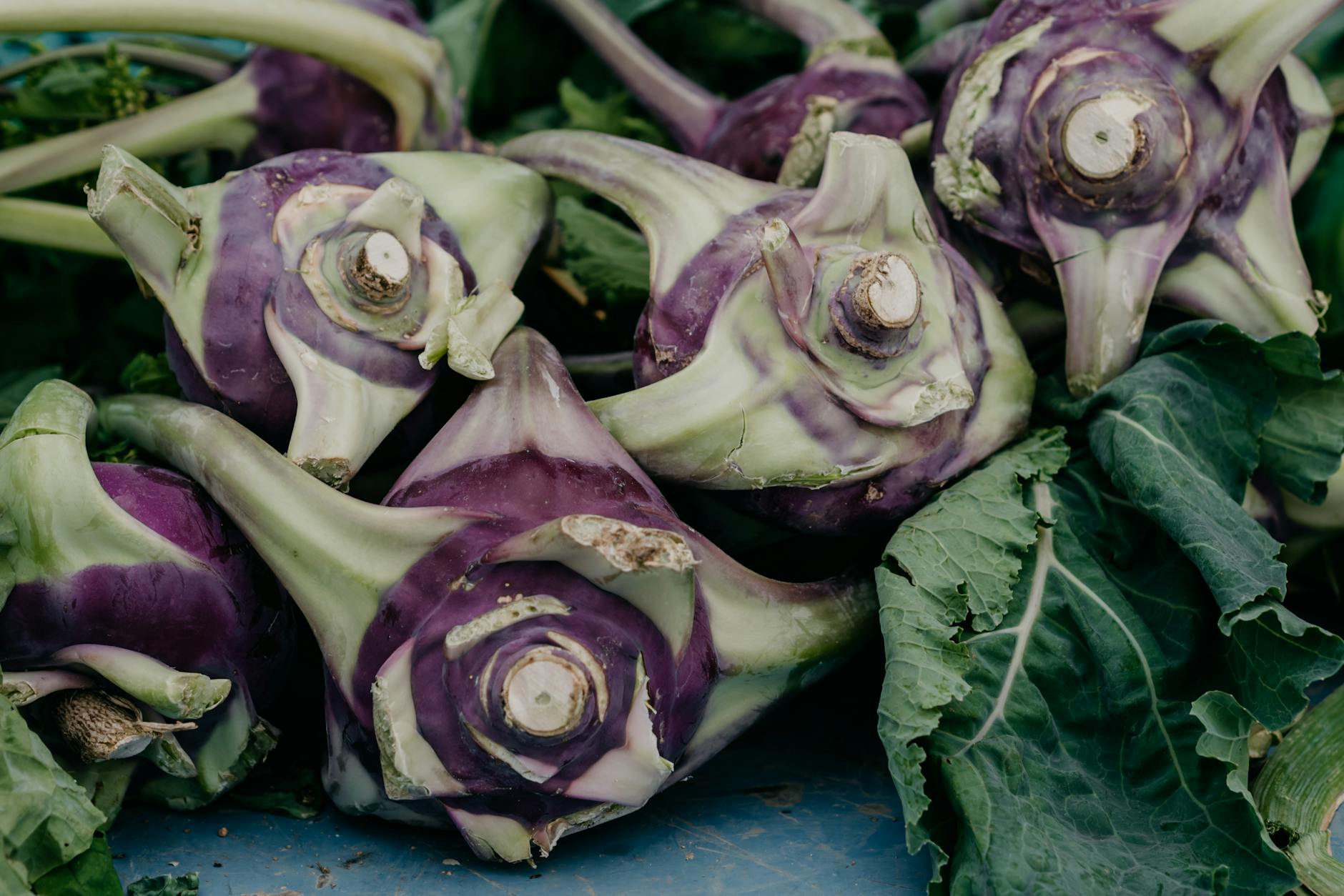
This unusual looking vegetable forms a bulb just above the soil surface and grows well in containers. It is related to cabbage but grows faster and takes up less room in the garden. You should harvest the bulb when it reaches the size of a tennis ball for the best texture. The leaves are also edible and can be cooked similarly to kale or collard greens. It prefers cooler temperatures and needs regular water to prevent the bulb from becoming tough.
Mustard Greens
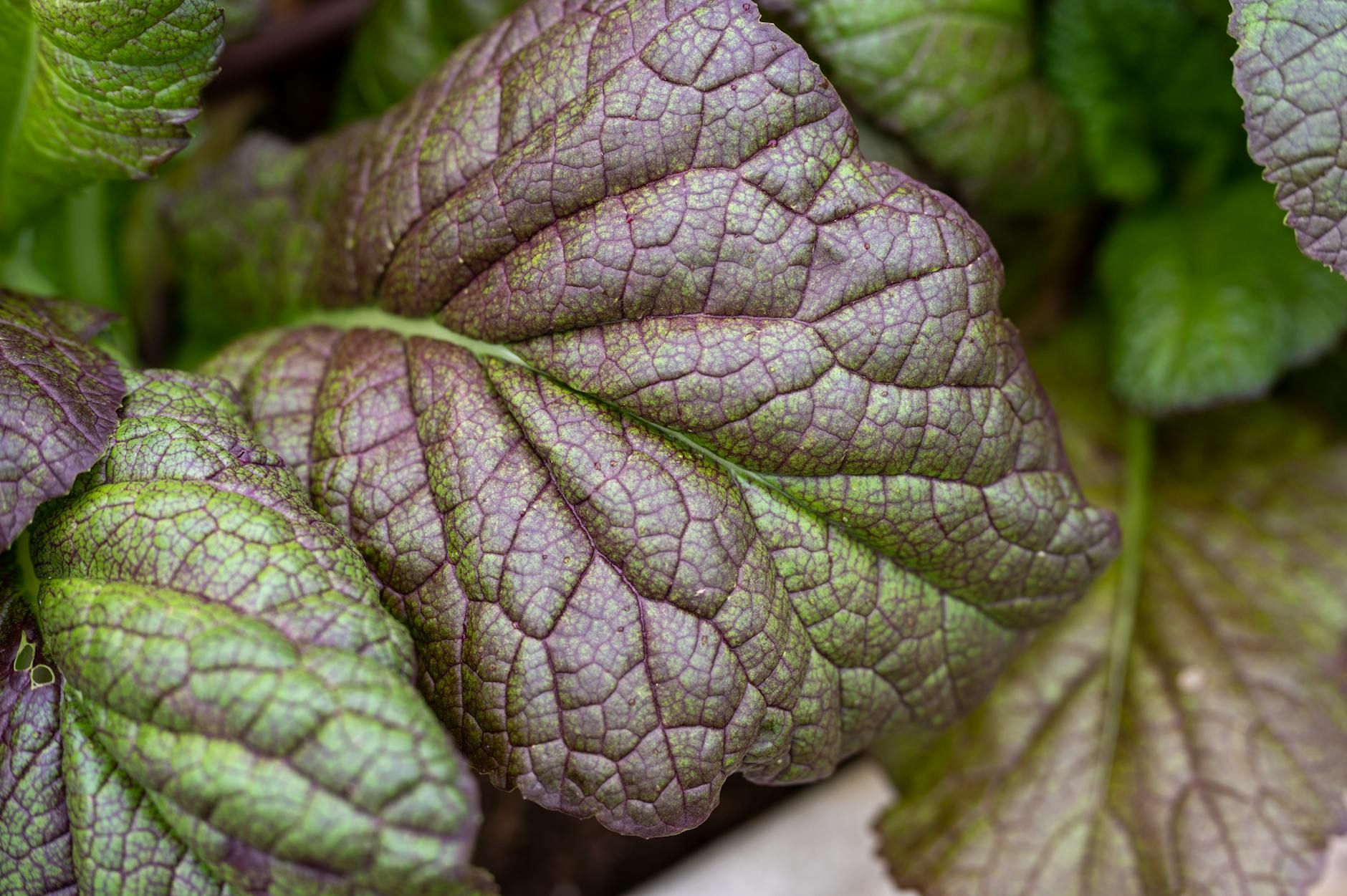
Mustard greens offer a spicy kick and are incredibly easy to grow in pots during cool weather. They come in various textures and colors including deep purples and bright greens. You can harvest baby leaves for salads or let them mature for cooking in stir fries. The plants grow rapidly and will bolt quickly if exposed to too much heat. They are relatively pest free and add a beautiful ornamental element to container arrangements.
Okra
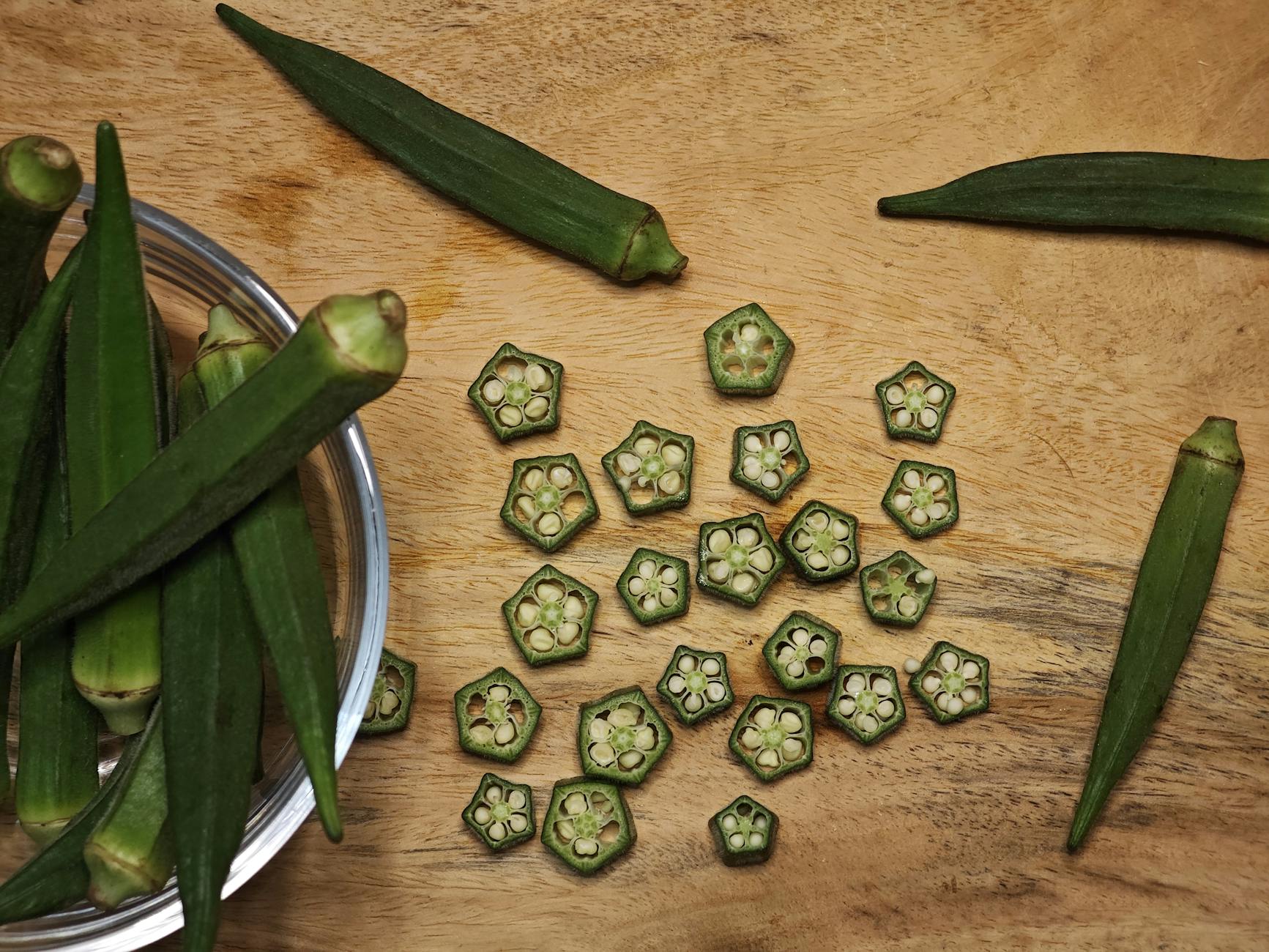
Dwarf varieties of okra are suitable for large containers placed in the hottest part of your patio. These heat loving plants produce beautiful hibiscus like flowers followed by the edible pods. You must harvest the pods when they are small and tender or they will become fibrous and inedible. They require a pot that is at least five gallons in size to accommodate the root system. Regular harvesting encourages the plant to keep producing new pods throughout the summer.
Celery
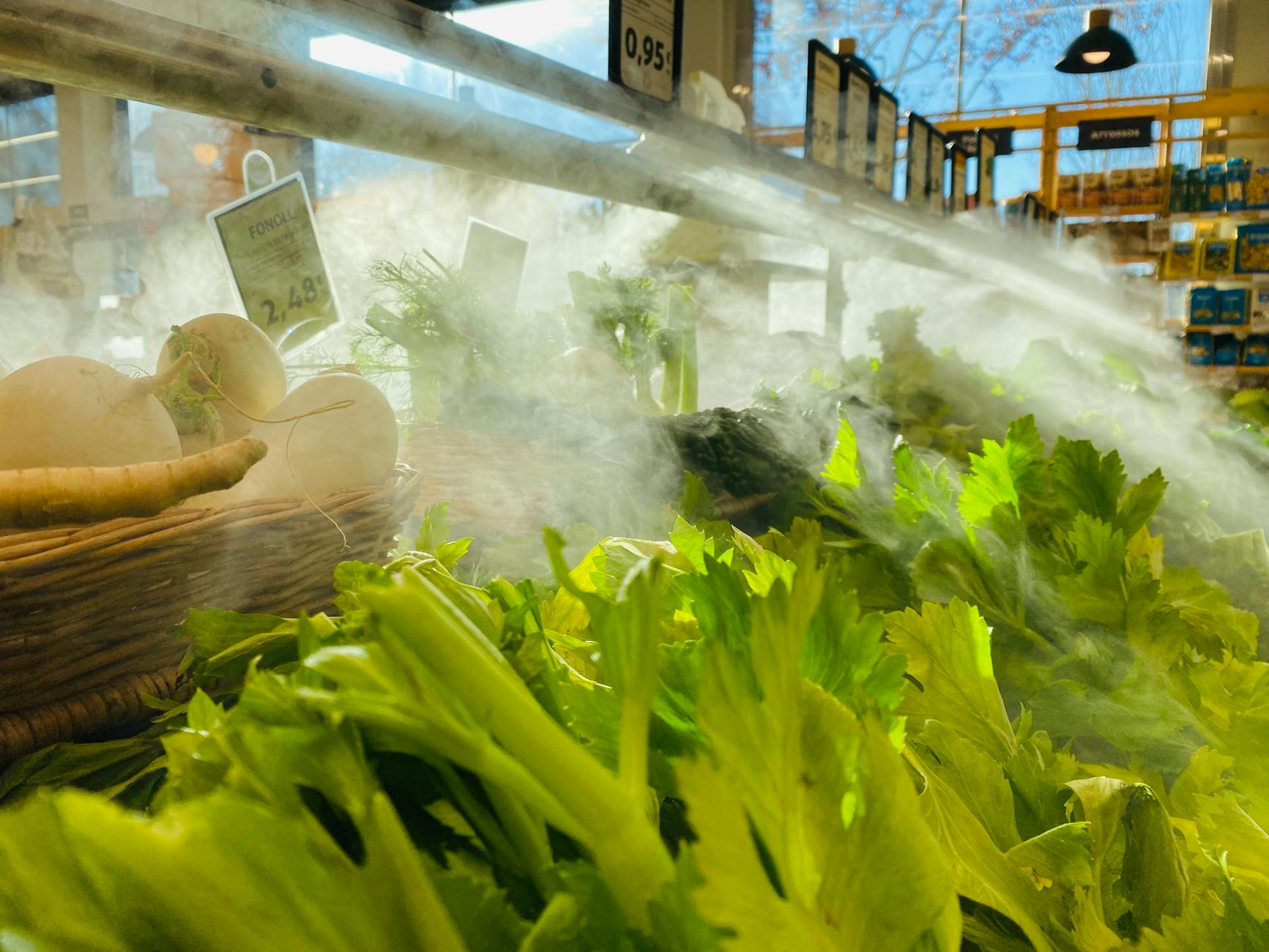
Celery has a reputation for being difficult but growing it in pots allows you to control moisture levels perfectly. It requires rich soil and constant moisture to produce juicy and crisp stalks. You can look for self blanching varieties to simplify the process for beginners. The plants have shallow roots so a wide container works better than a deep one. Homegrown celery has a much more intense flavor than the watered down versions found in supermarkets.
Tell us which vegetable you are planning to plant first in the comments.




