Professional chefs spend their lives developing a palate that can distinguish the subtlest nuances of flavor and texture in every dish. This heightened sensitivity makes them particularly averse to ingredients that sacrifice quality for convenience or profit. Many common grocery store staples rely on chemical mimics rather than natural compounds to achieve their taste. The difference between a home cook and a culinary expert often comes down to the refusal to compromise on these specific base ingredients. Understanding which foods chefs avoid can help anyone elevate their own cooking by focusing on purity and freshness.
Synthetic Truffle Oil
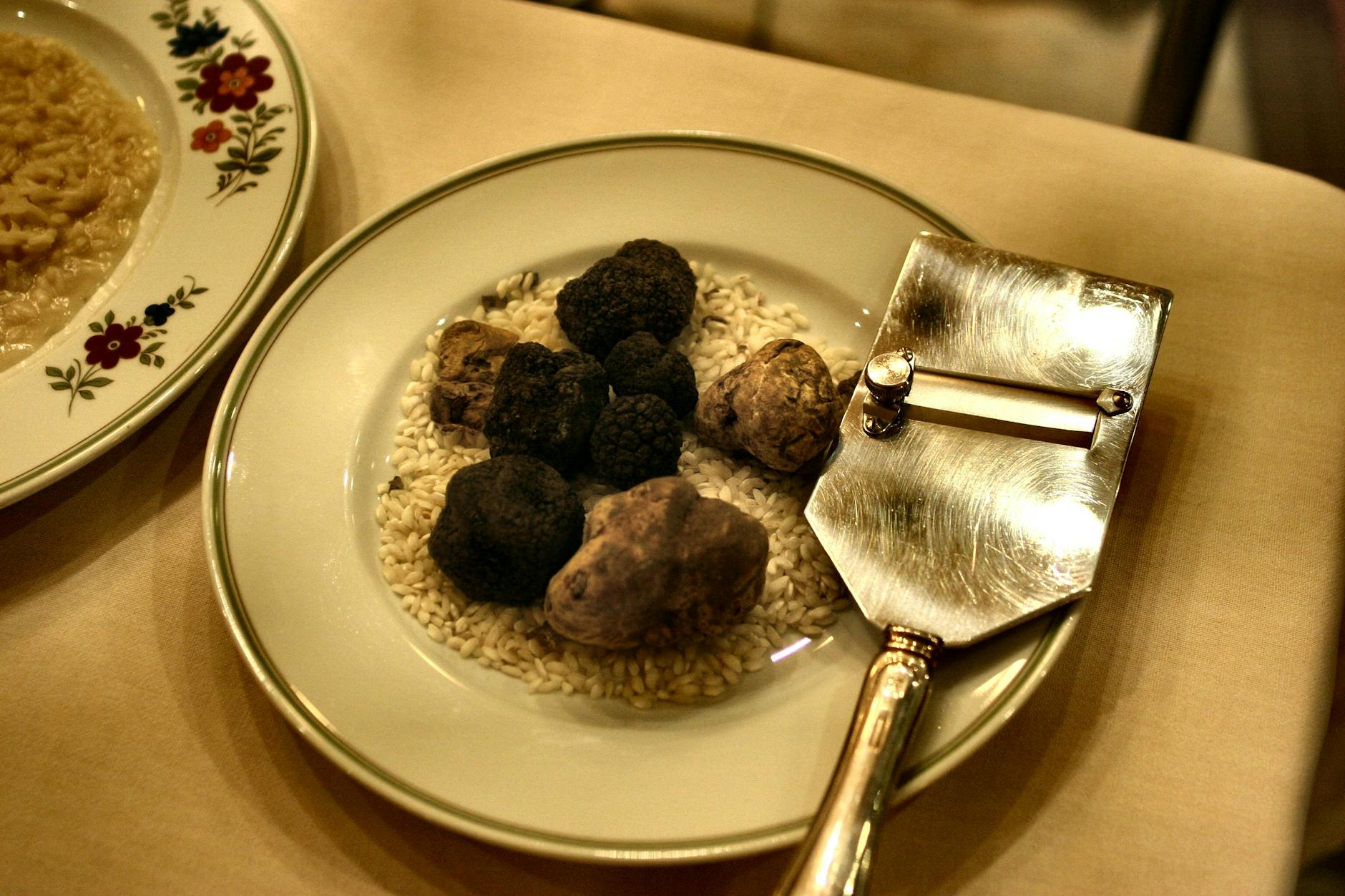
Most commercial truffle oils contain absolutely no real truffles and rely on a chemical compound called dithiapentane to mimic the aroma. Chefs dislike the overpowering and one-dimensional flavor that masks the natural taste of fresh ingredients. It coats the palate with a lingering metallic aftertaste that ruins delicate dishes. Real truffles offer a subtle earthiness that this synthetic substitute completely fails to replicate.
Pre-ground Black Pepper
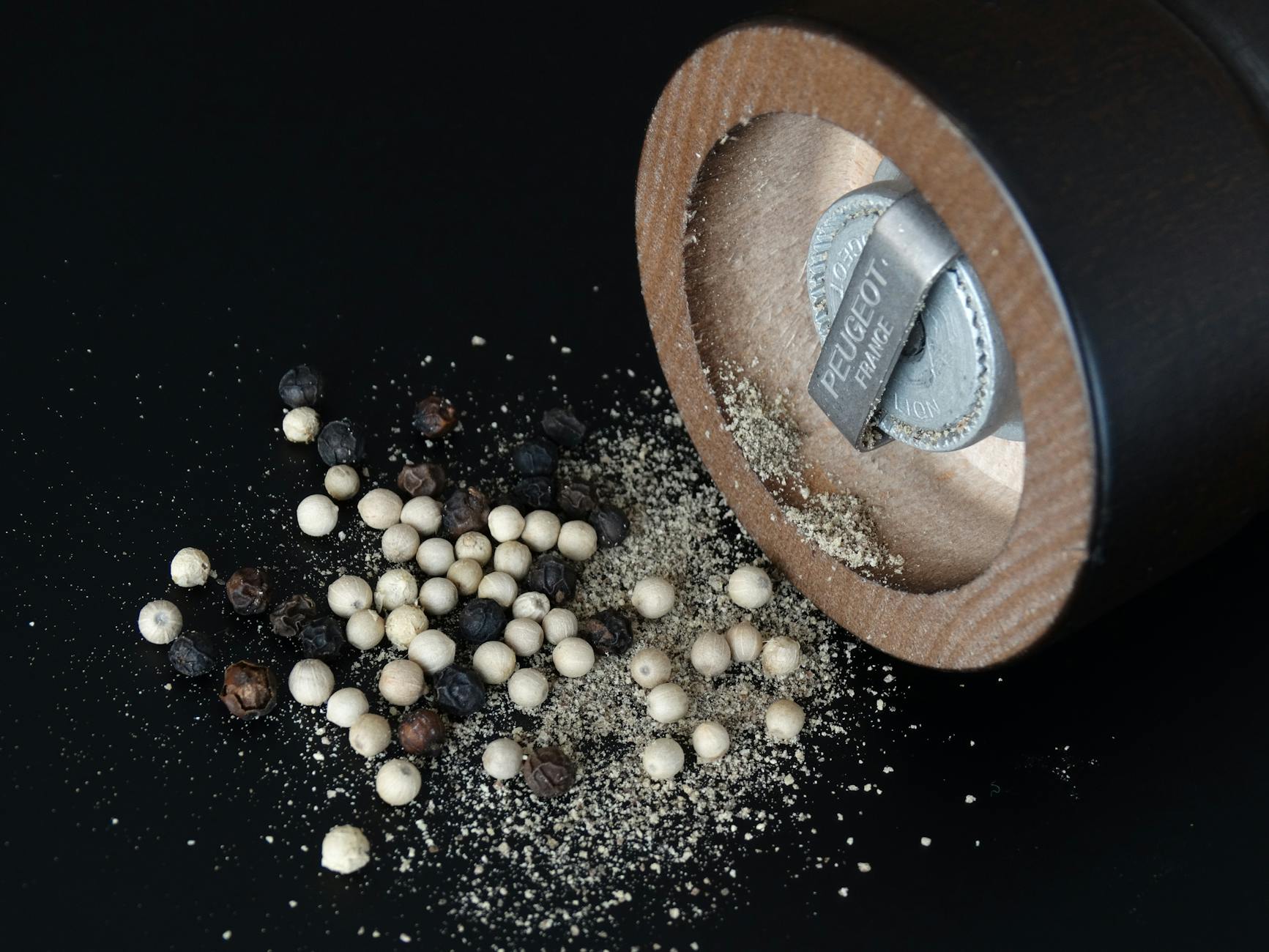
The volatile oils in peppercorns evaporate quickly once the outer shell is cracked. Pre-ground pepper tastes like flavorless dust compared to the sharp and floral heat of freshly cracked peppercorns. Using this convenience product results in a dull spice profile that adds heat without complexity. Professional kitchens always rely on pepper mills to finish a dish properly.
Bottled Lemon Juice
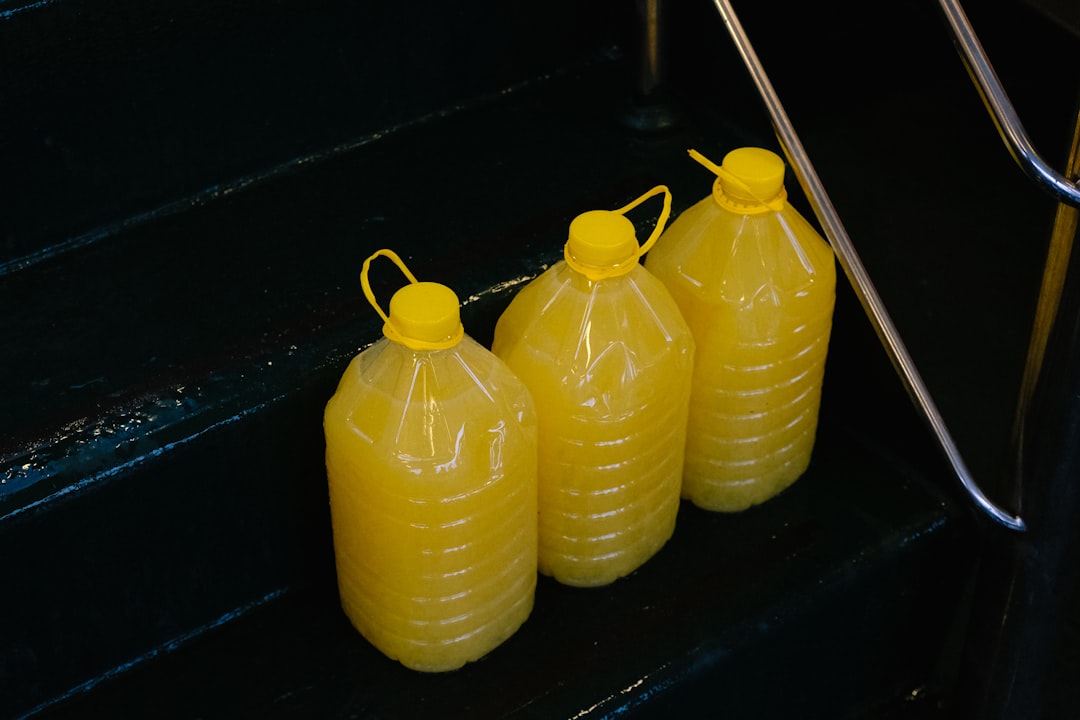
Preservatives like sodium benzoate and sulfites in bottled lemon juice alter the natural brightness of the citrus. The flavor is often metallic or overly acidic rather than fresh and zesty. Chefs require the aromatic oils found in the peel and the clean acidity of fresh juice to balance rich sauces. Using the bottled version creates a chemical aftertaste that is impossible to hide.
Pre-shredded Cheese
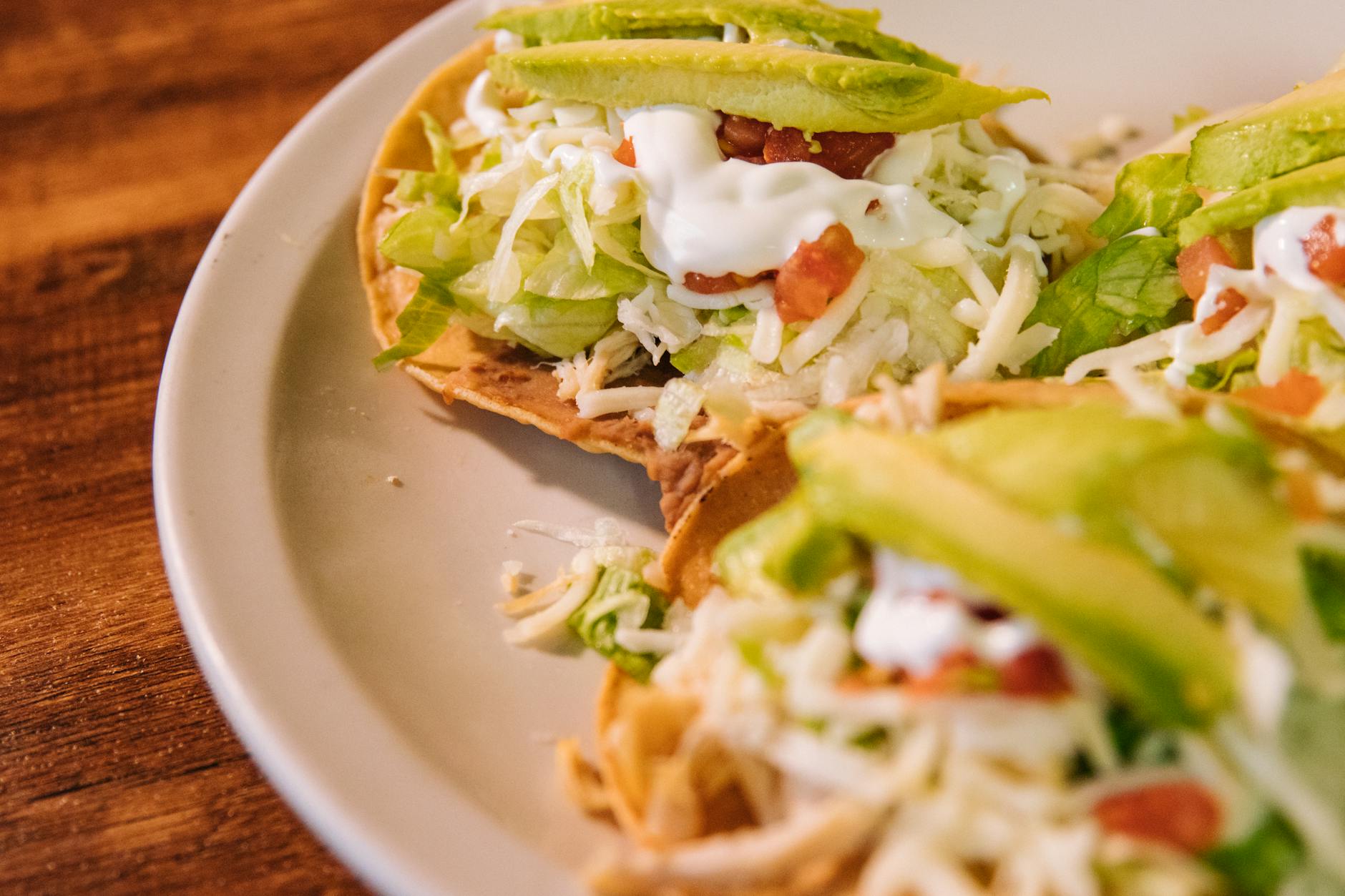
Manufacturers coat pre-shredded cheese in anti-caking agents like cellulose or potato starch to prevent clumping. This coating prevents the cheese from melting smoothly and creates a gritty texture in sauces. The extra surface area also causes the cheese to oxidize and lose flavor faster than a block. Chefs prefer grating their own cheese to ensure a silky emulsion in fondues or pasta dishes.
Imitation Vanilla Extract
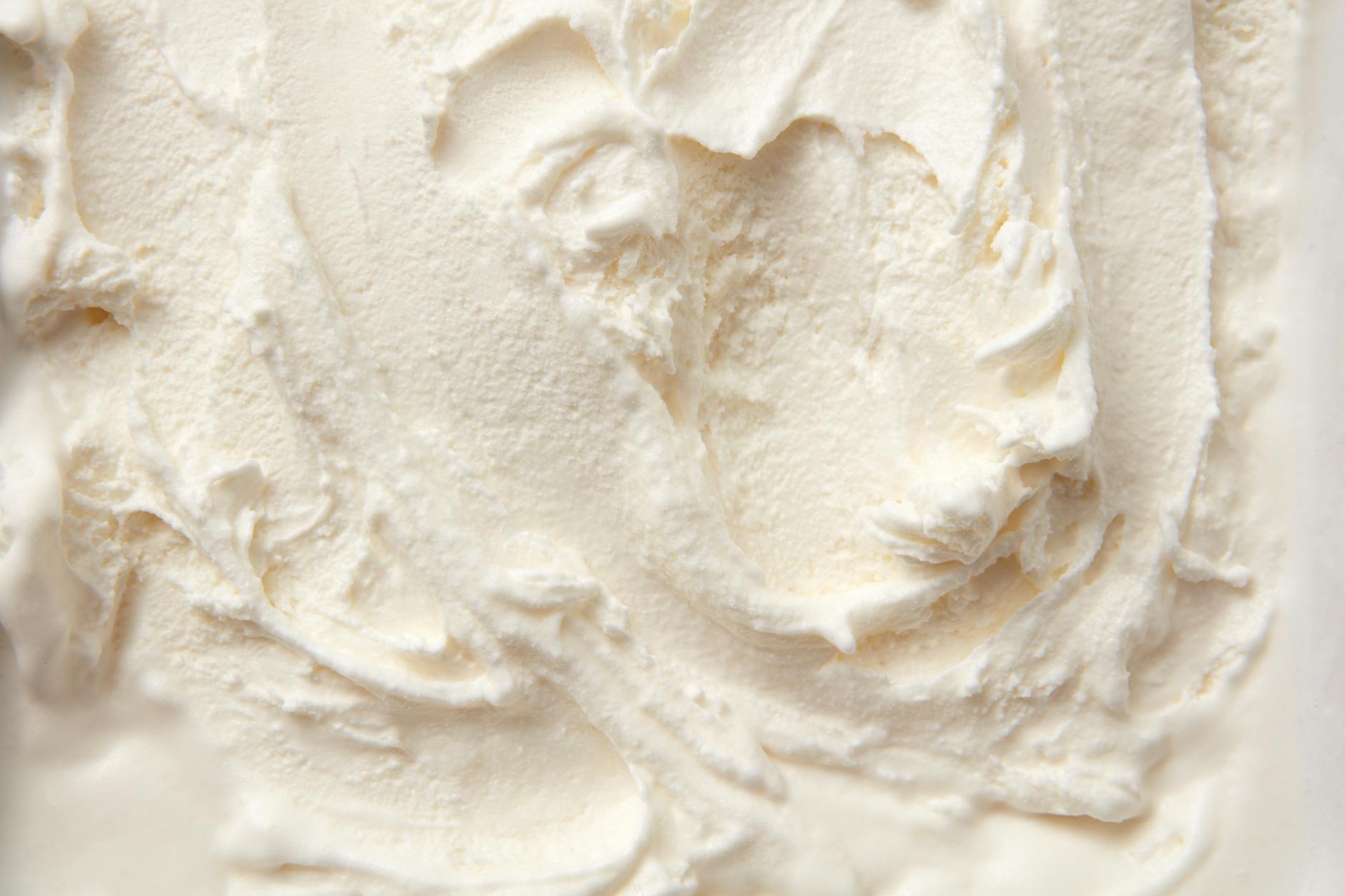
Artificial vanilla is made from synthetic vanillin derived from wood pulp or coal tar rather than real vanilla beans. It lacks the hundreds of complex floral and woody compounds found in pure extract. The flavor profile is flat and chemically harsh which becomes obvious in simple desserts like custards. Pastry chefs insist on real vanilla bean paste or high-quality extract for a true depth of flavor.
Jarred Minced Garlic
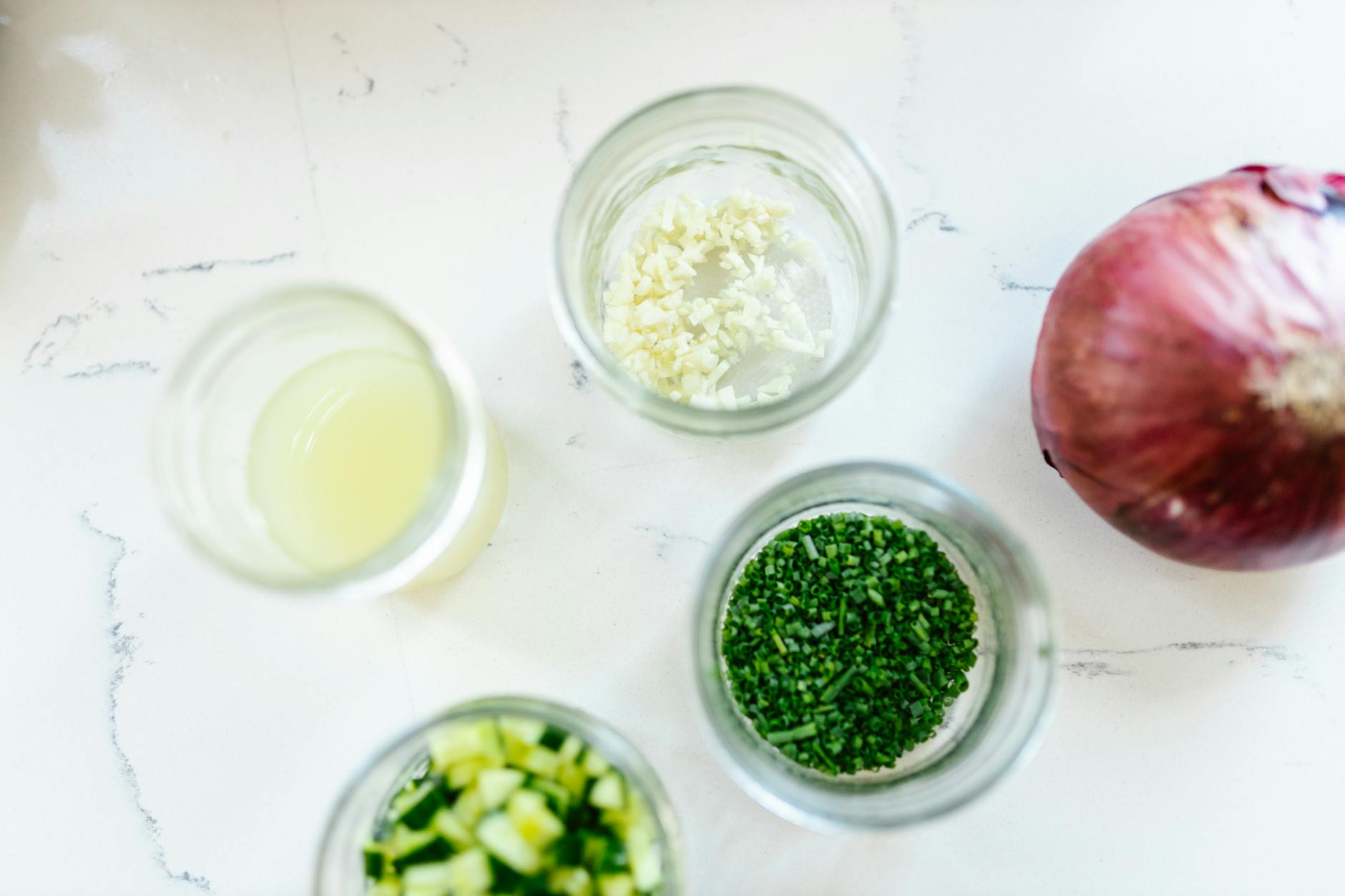
Jarred garlic is preserved in acid or water which completely changes its flavor profile from pungent to sour. The texture becomes rubbery and the essential oils that provide the signature garlic aroma degrade over time. Fresh garlic provides a spicy kick and sweetness that the preserved version cannot match. Cooking with jarred garlic often imparts a stale and acrid taste to the final dish.
Commercial Balsamic Glaze
Many commercial balsamic glazes are simply cheap wine vinegar thickened with cornstarch and colored with caramel. They lack the complex aging process of traditional balsamic vinegar which develops natural sweetness and viscosity over years. The result is a cloying syrup that tastes mostly of sugar rather than fruit and wood. Chefs prefer to reduce high-quality balsamic vinegar themselves to achieve a balanced acidity.
Margarine
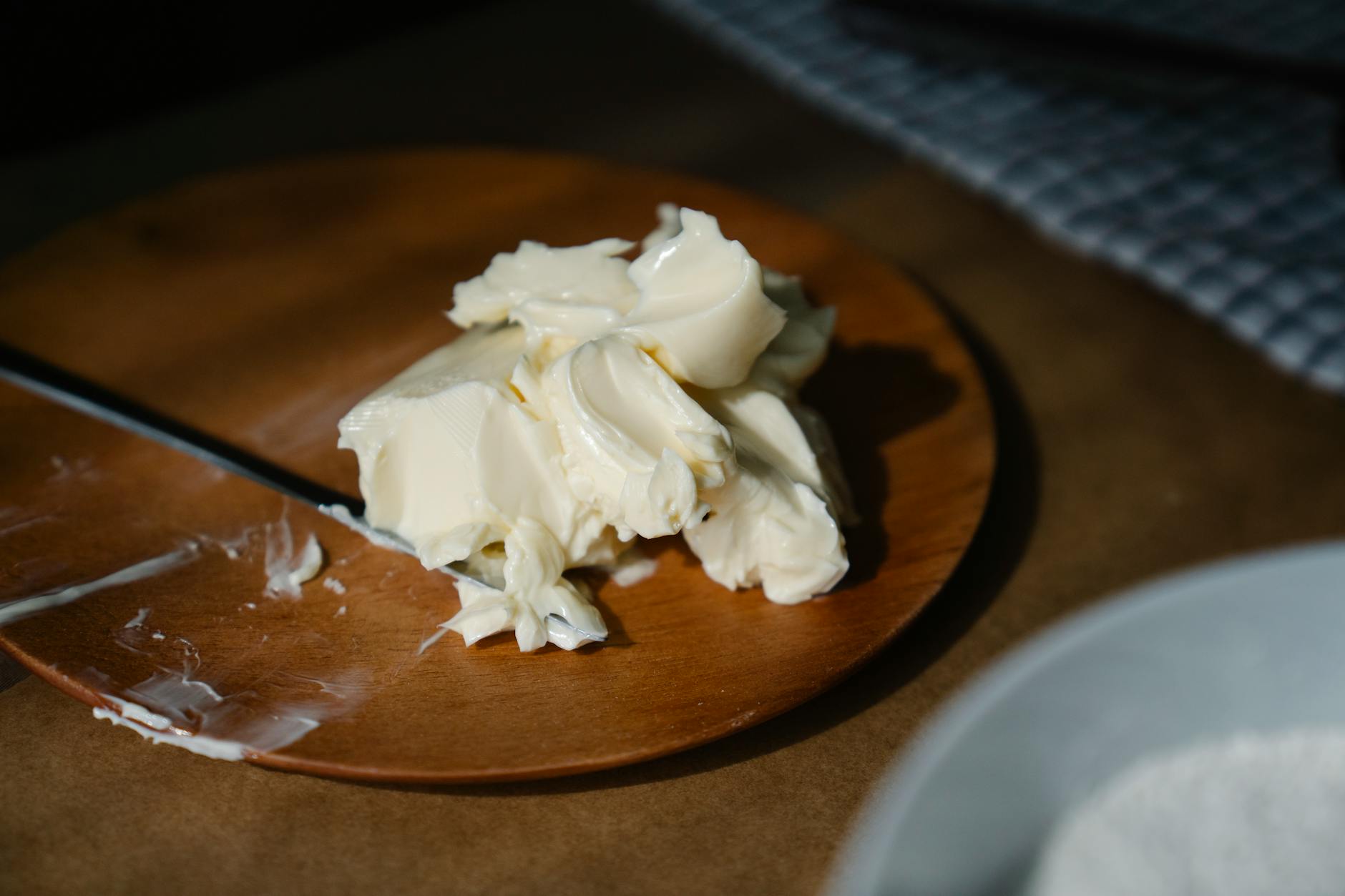
This butter substitute is created through the hydrogenation of vegetable oils which alters the melting point and mouthfeel. It lacks the distinct creamy richness and nutty solids found in real dairy butter. The high water content in many spreads can ruin the texture of baked goods and prevent proper browning. Culinary professionals almost exclusively use butter or high-quality oils for their superior flavor and performance.
Swordfish
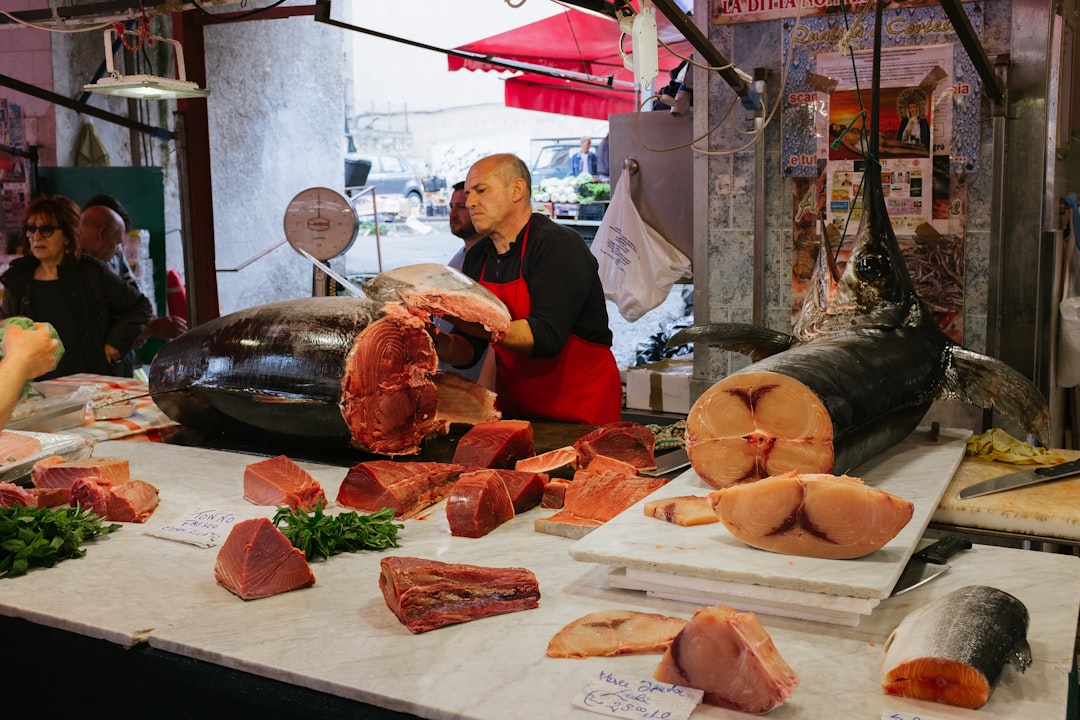
Large predatory fish like swordfish often contain high levels of mercury due to bioaccumulation in the ocean. The texture can also be dry or mealy if the fish was frozen improperly during transport. Many chefs are also concerned about the sustainability issues surrounding the bycatch associated with swordfish fisheries. They tend to choose smaller and faster-growing fish species that are cleaner and more environmentally friendly.
White Chocolate
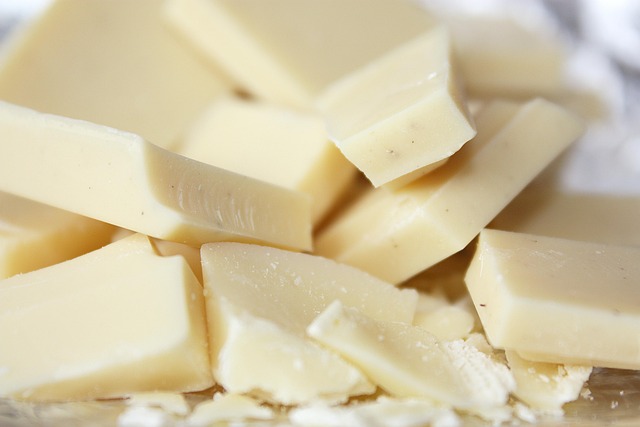
This confection consists mainly of cocoa butter and sugar without any cocoa solids. It lacks the bitterness and complexity that gives dark or milk chocolate its character. The high sugar content often makes desserts overly sweet and one-dimensional. Pastry chefs often view it as a mere structural fat or sweetener rather than a true chocolate flavoring.
Shelf Stable Pesto
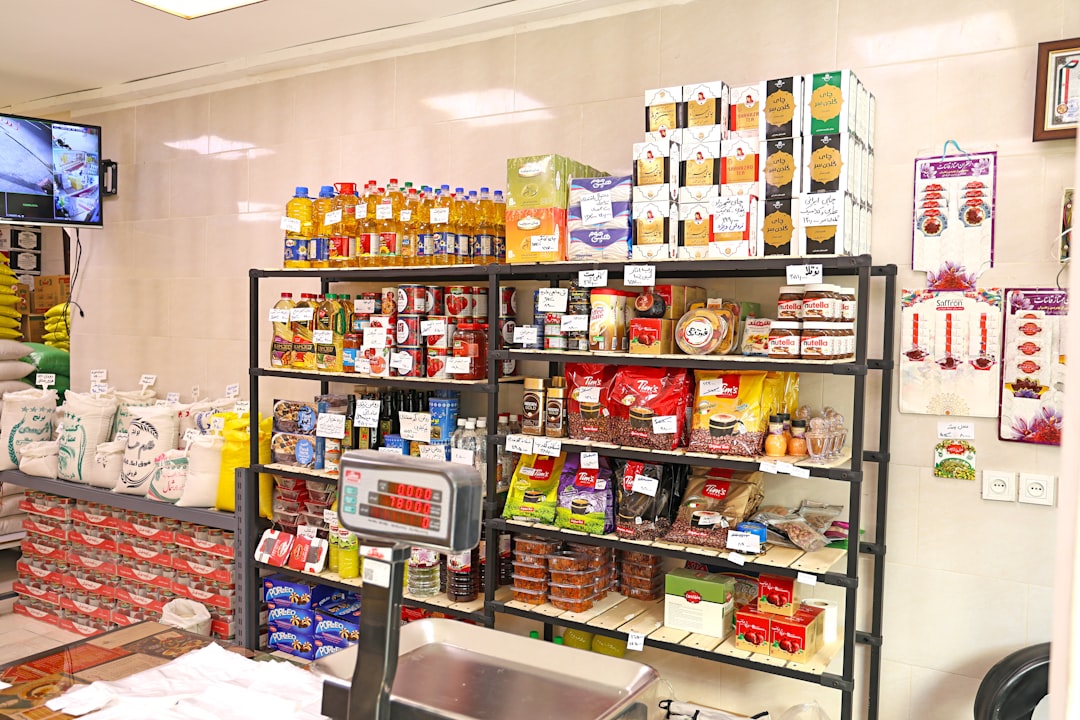
Shelf-stable pesto is usually made with vegetable oil instead of olive oil and uses cashew nuts or potato flakes to cut costs. The basil is often heat-treated for preservation which destroys the vibrant green color and fresh herbal taste. Homemade pesto relies on the raw freshness of its ingredients which is lost in the jarring process. Chefs always make this sauce fresh to maintain the bright flavor of the herbs.
Frozen Hamburger Patties
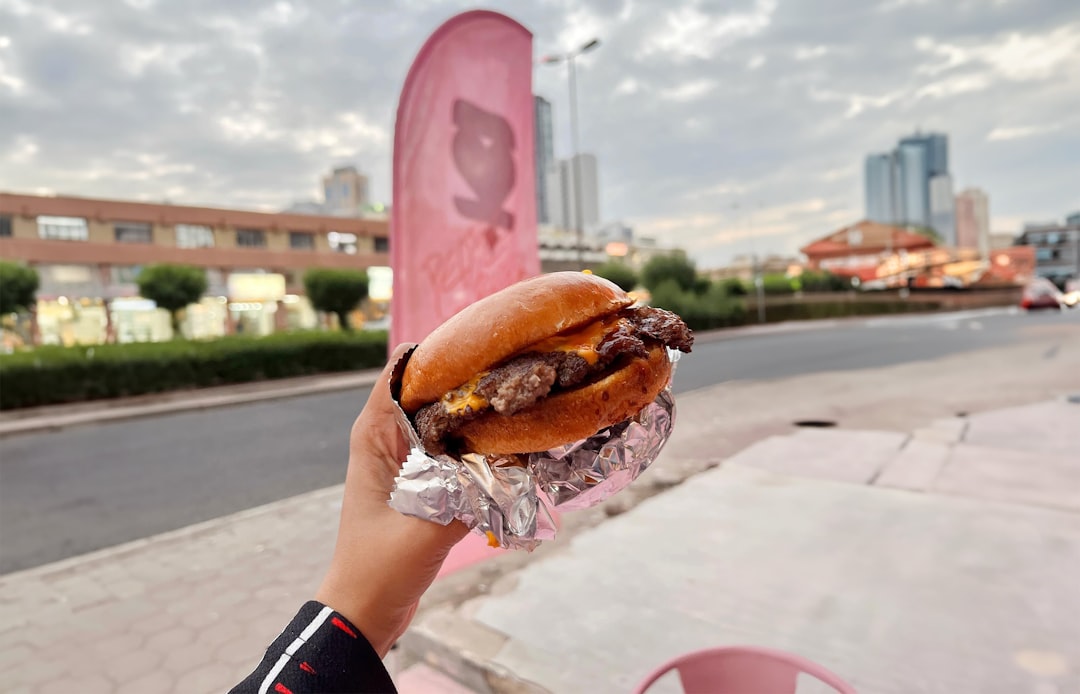
Industrial freezing creates ice crystals that rupture the cell walls of the meat and lead to moisture loss during cooking. These patties are often made from low-quality trimmings and fillers that lack the texture of freshly ground beef. The result is a dry and rubbery burger that tastes mostly of preservatives and freezer burn. A quality burger requires freshly ground meat with a specific fat ratio for juiciness.
Green Canister Parmesan
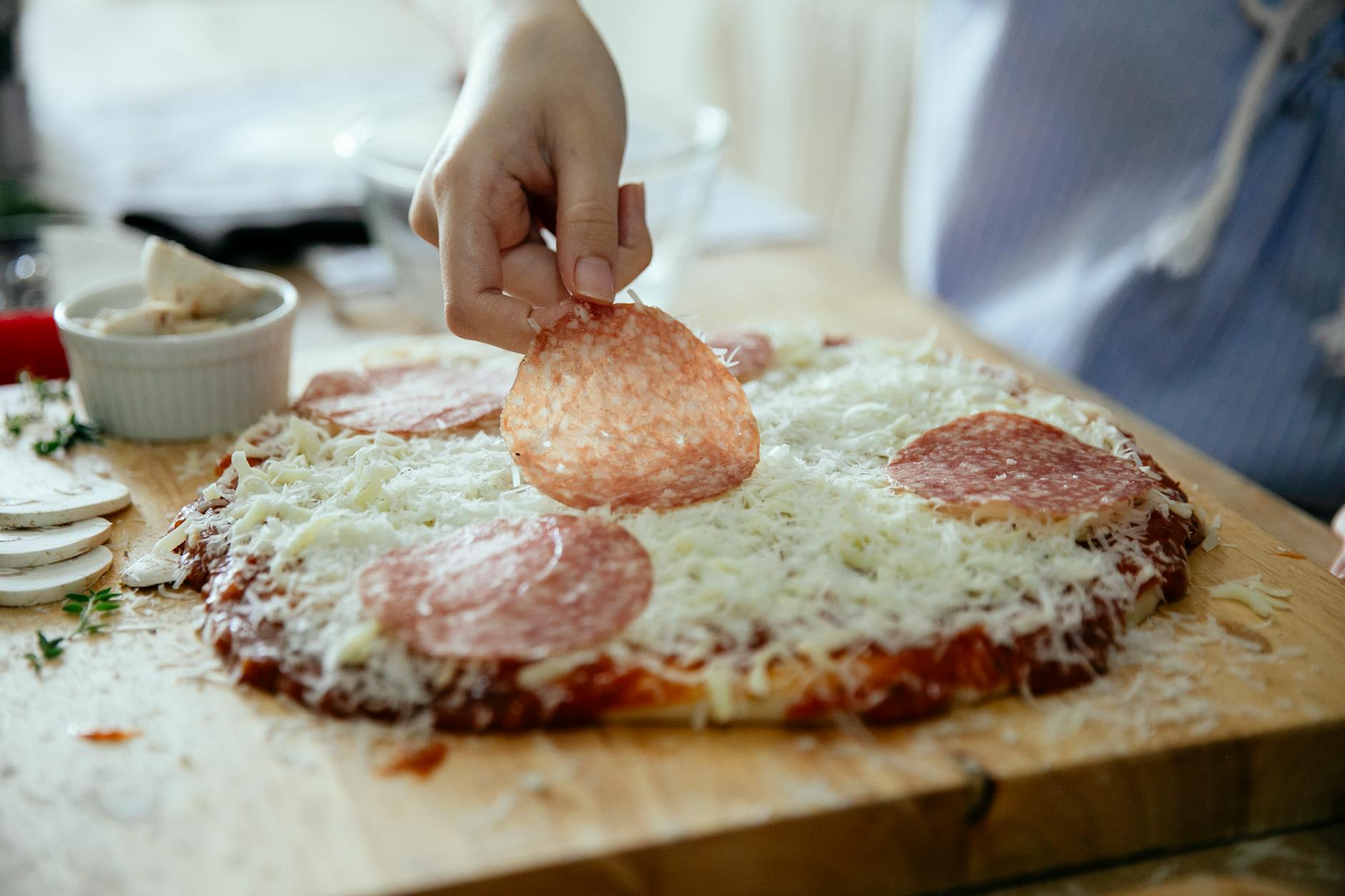
Shelf-stable grated parmesan contains wood pulp fillers and is aged for the minimum amount of time required. The flavor is salty and reminiscent of cardboard rather than the nutty and crystalline crunch of Parmigiano Reggiano. It does not melt properly and creates a grainy texture in soups or pasta sauces. Authentic parmesan is a protected product that chefs treat with respect by grating it fresh.
Imitation Wasabi Paste
The green paste served in most sushi restaurants is actually dyed horseradish mixed with mustard flour. Real wasabi root is incredibly expensive and loses its volatile flavor compounds within fifteen minutes of grating. The imitation version provides a harsh nasal burn rather than the sweet and herbal heat of the real rhizome. Chefs at high-end establishments will grate fresh wasabi root tableside to preserve its integrity.
Well Done Steak
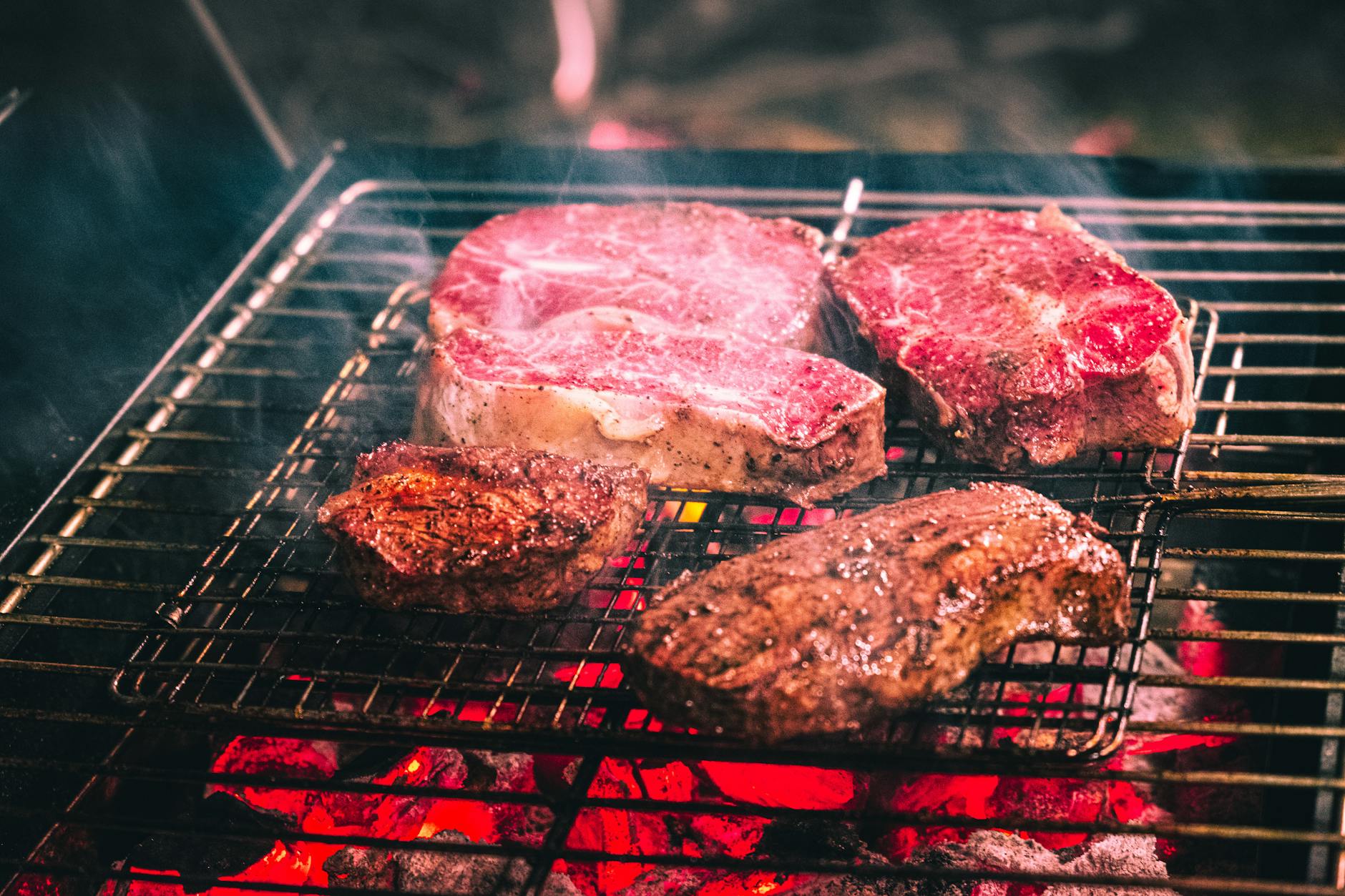
Cooking a steak to well done renders out all the intramuscular fat and juices that make the meat tender. The muscle fibers contract tightly and result in a tough and chewy texture that is difficult to eat. Chefs feel this level of cooking disrespects the animal and the effort put into raising quality beef. They recommend medium rare to preserve the flavor and moisture inherent in the cut.
Boxed Stock
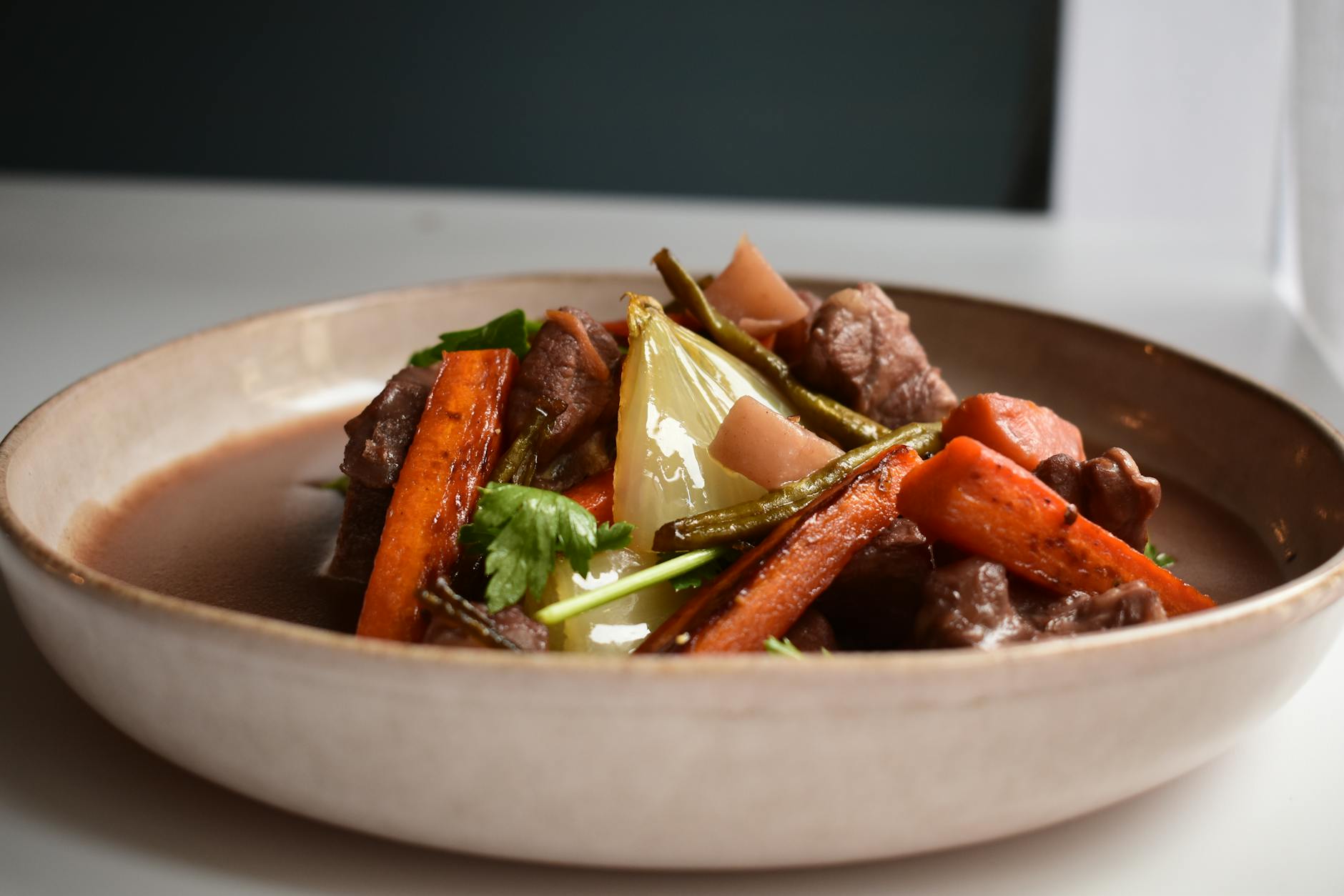
Most boxed stocks are flavored water with high sodium levels and very little actual meat or vegetable extract. They lack the natural gelatin that gives homemade stock its rich mouthfeel and body. Using these products results in thin sauces that lack depth and stickiness. Chefs simmer bones for hours to extract collagen and create a foundation for complex flavor.
Hollandaise Sauce Mix
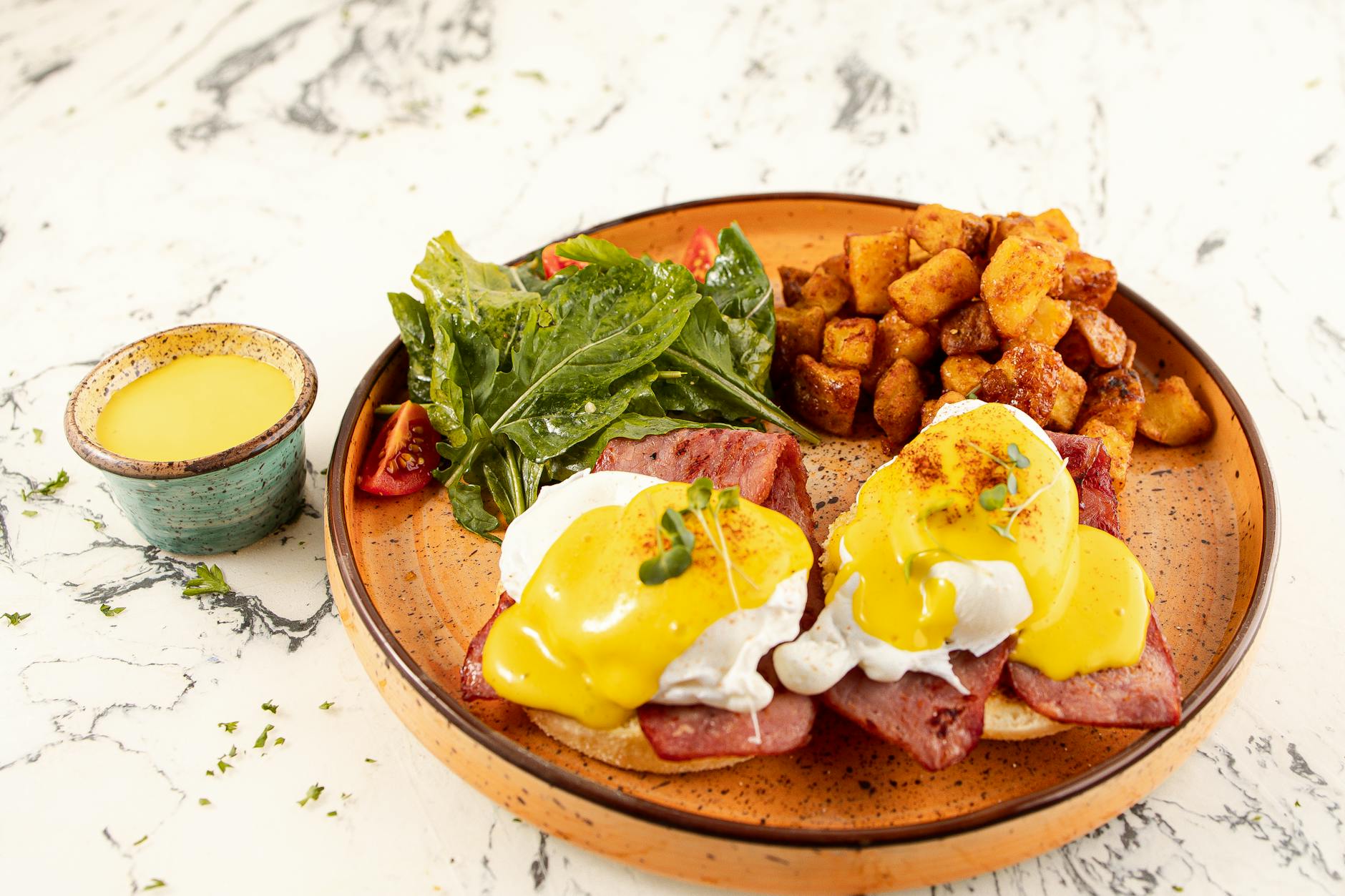
Powdered hollandaise mixes rely on thickeners and artificial flavorings to mimic an emulsion of egg yolks and butter. They lack the delicate aeration and rich buttery taste of a sauce made fresh in a double boiler. The texture is often gummy and the lemon flavor tastes purely chemical. A true hollandaise is a fragile masterpiece that requires skill and cannot be replicated by a packet.
Surimi
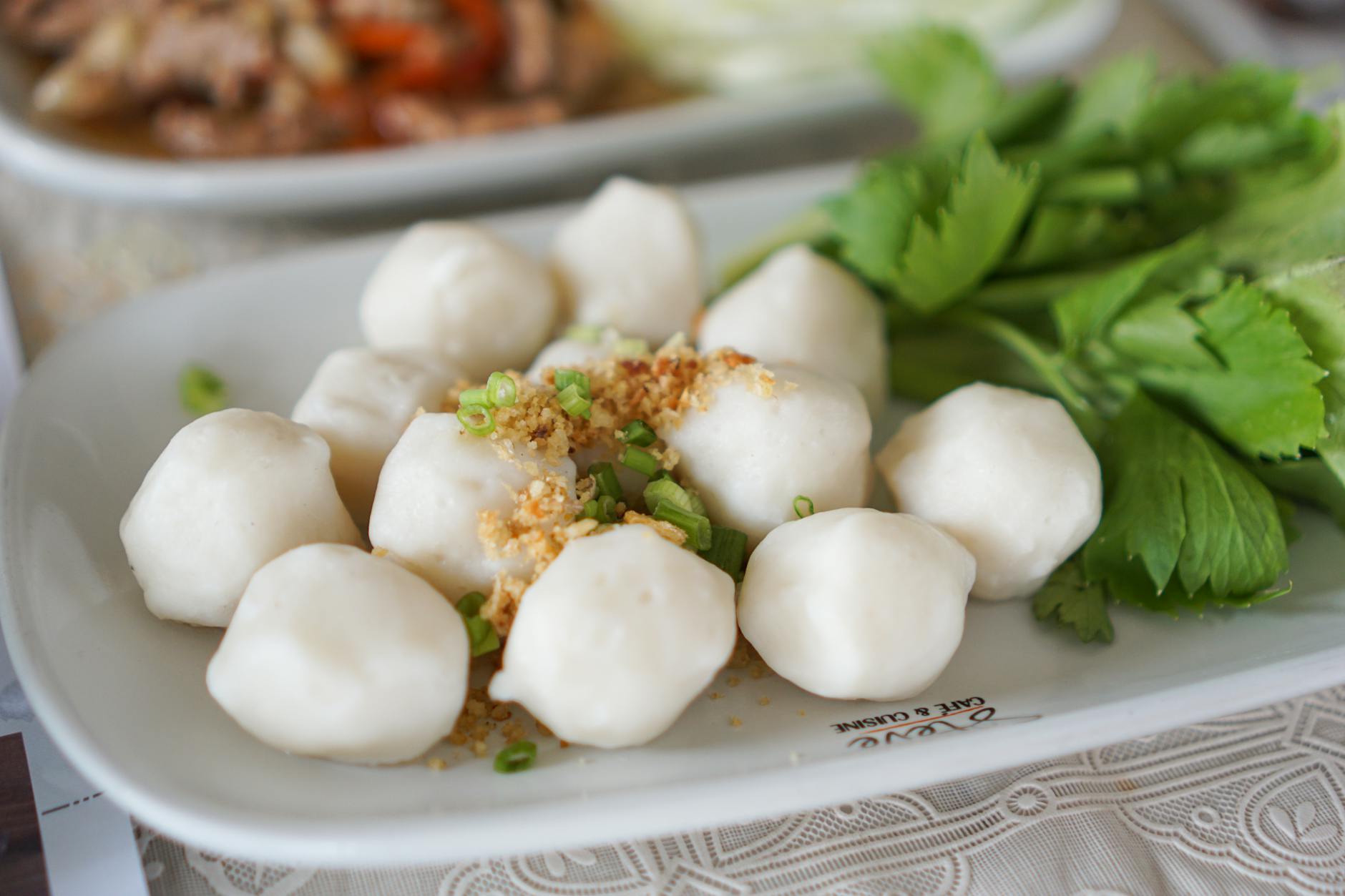
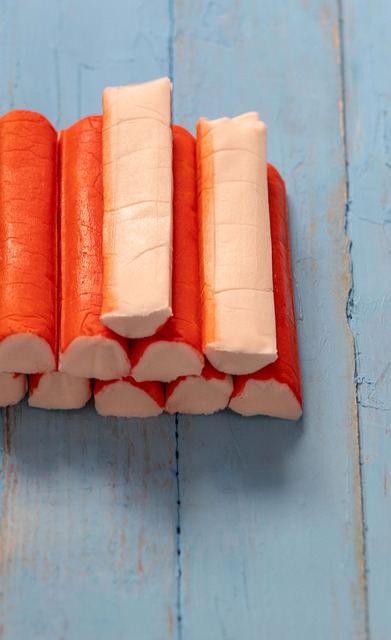
This imitation crab product is made from pulverized white fish paste mixed with starch and sugar. It has a rubbery texture and sweet flavor that bears little resemblance to the delicate flakes of real crab meat. The bright red dye used on the exterior is purely cosmetic and often bleeds into dishes. Chefs avoid it because it represents highly processed food rather than a fresh ingredient.
Canned Mushrooms
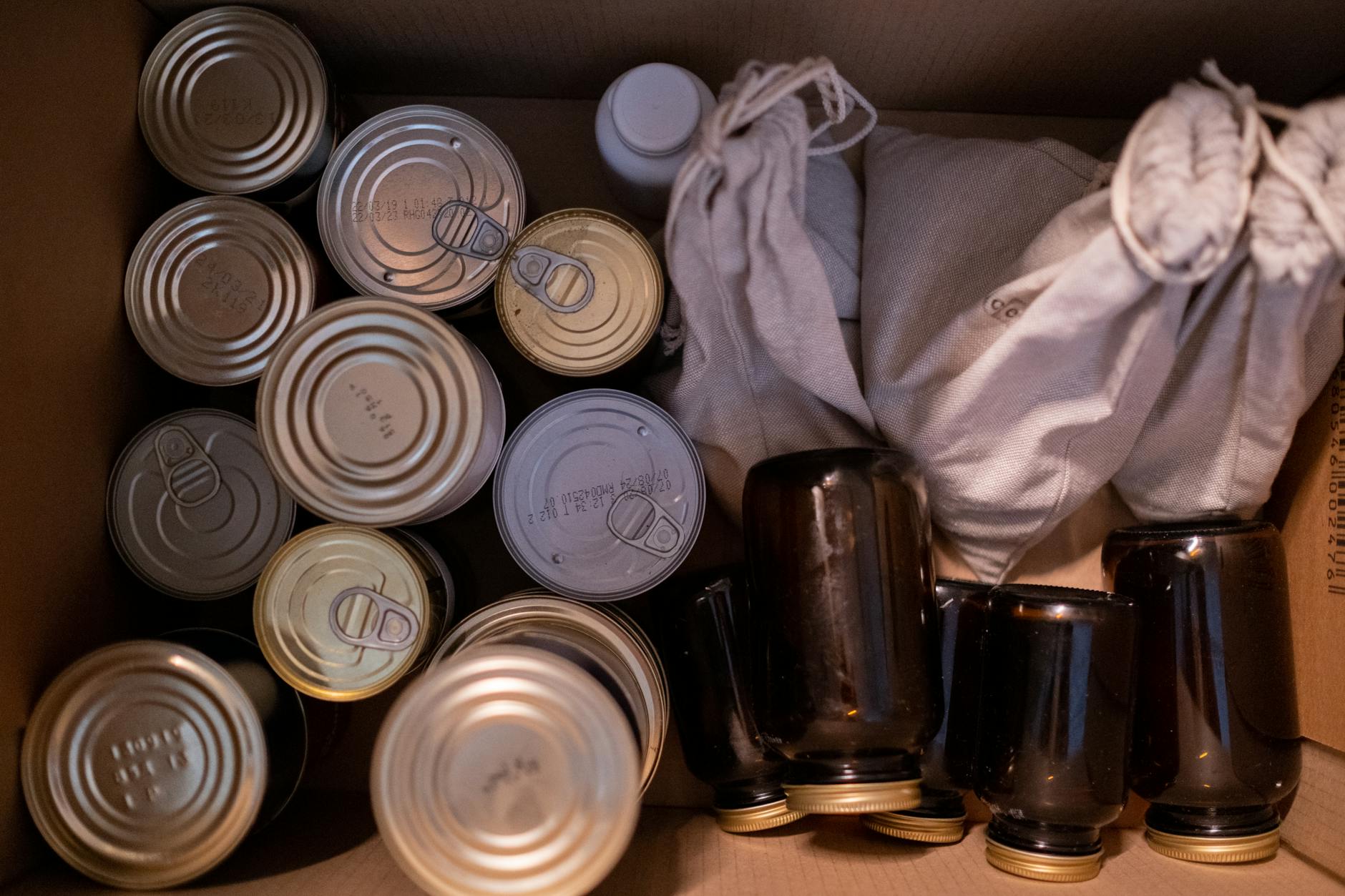
The canning process leaves mushrooms with a slimy texture and a metallic taste from the brine. They lose their natural earthiness and become waterlogged sponges that cannot be sautéed properly. Fresh mushrooms brown beautifully and develop a deep savory flavor that canned versions never achieve. Culinary experts insist on fresh fungi to provide texture and umami to their creations.
Microwave Popcorn
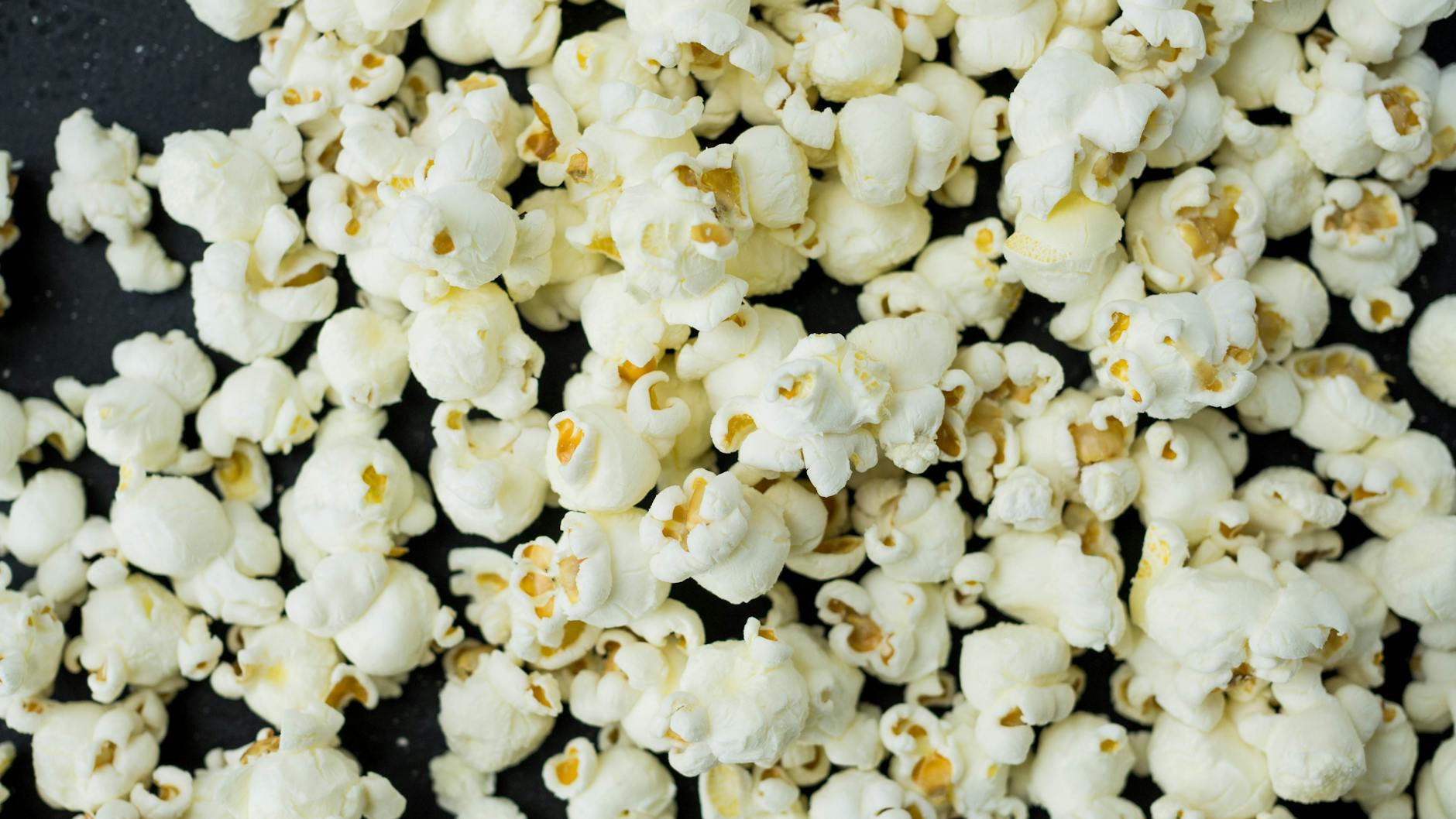
The interior of microwave popcorn bags is often lined with chemicals to prevent grease from soaking through. The butter flavoring is usually a chemical compound called diacetyl which can be harmful in large quantities. The texture of the popcorn is often chewy and the salt distribution is uneven. Chefs prefer popping corn on the stove with clarified butter for a crisp and clean snack.
Frozen Seafood Mix
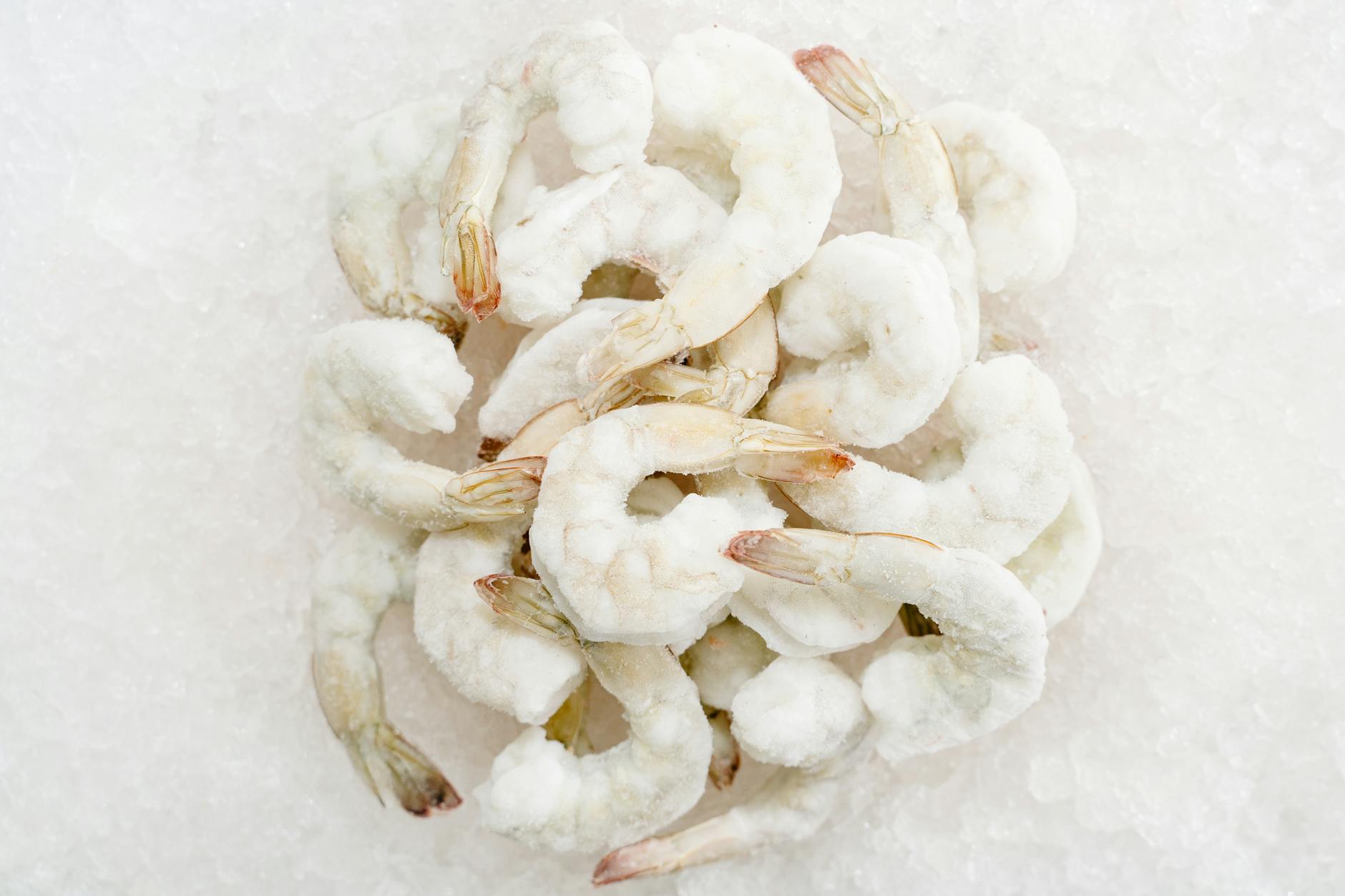
These bags often contain a random assortment of low-quality seafood scraps that cook at different rates. The shrimp might be rubbery while the calamari is still frozen or the mussels have disintegrated. The extensive glazing of ice adds water weight and dilutes the flavor of any sauce or stew. Chefs carefully select and cook each type of seafood individually to ensure perfection.
Seasoned Breadcrumbs
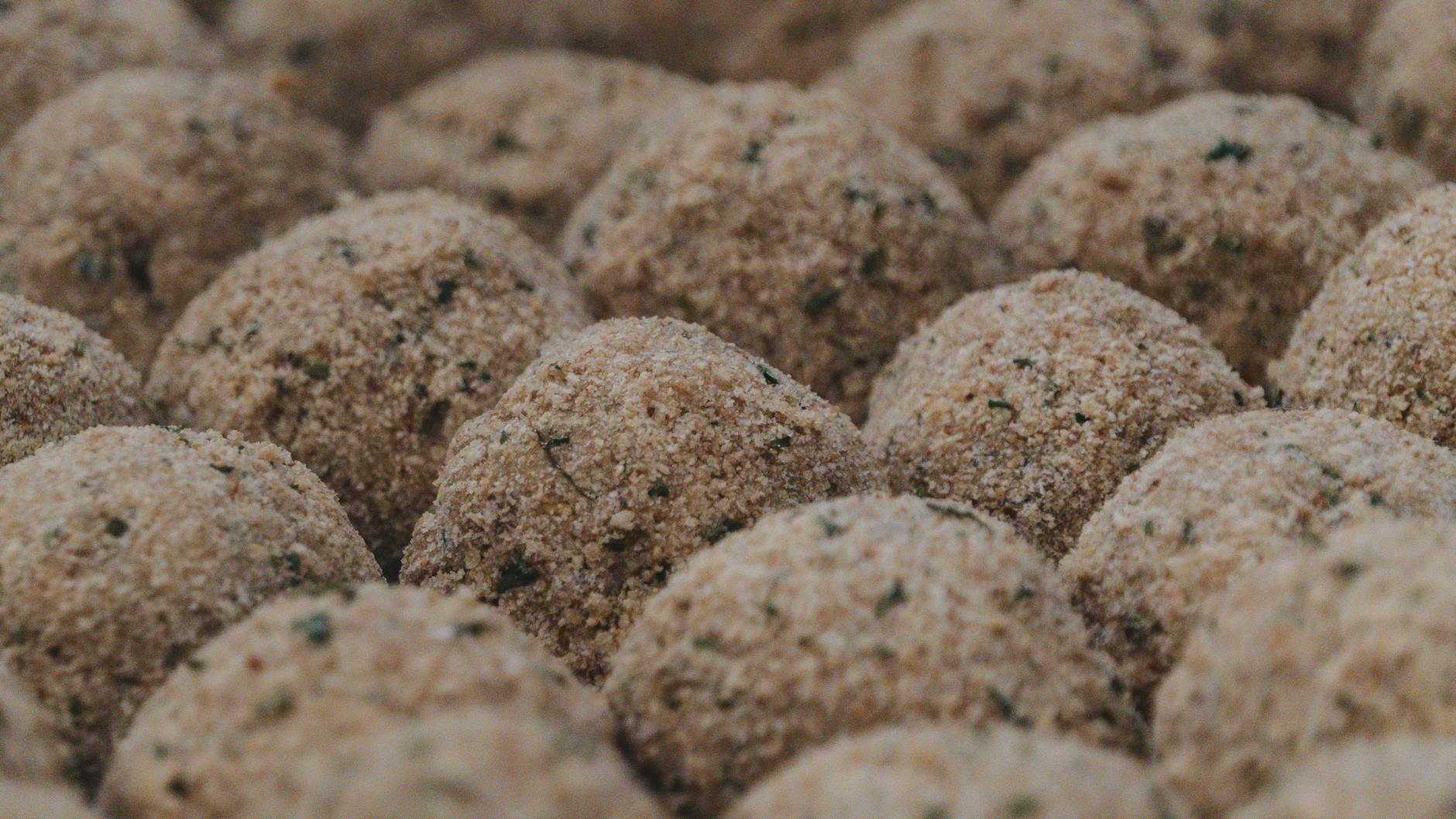
Pre-seasoned breadcrumbs are often made from stale bread and loaded with high amounts of sodium and dried herbs. The dried herbs can burn quickly in hot oil before the coating has properly crisped. The flavor is often dusty and stale compared to fresh crumbs made from quality bread. Chefs prefer to season their own breadcrumbs to control the salt level and flavor profile.
Supermarket Cooking Wine
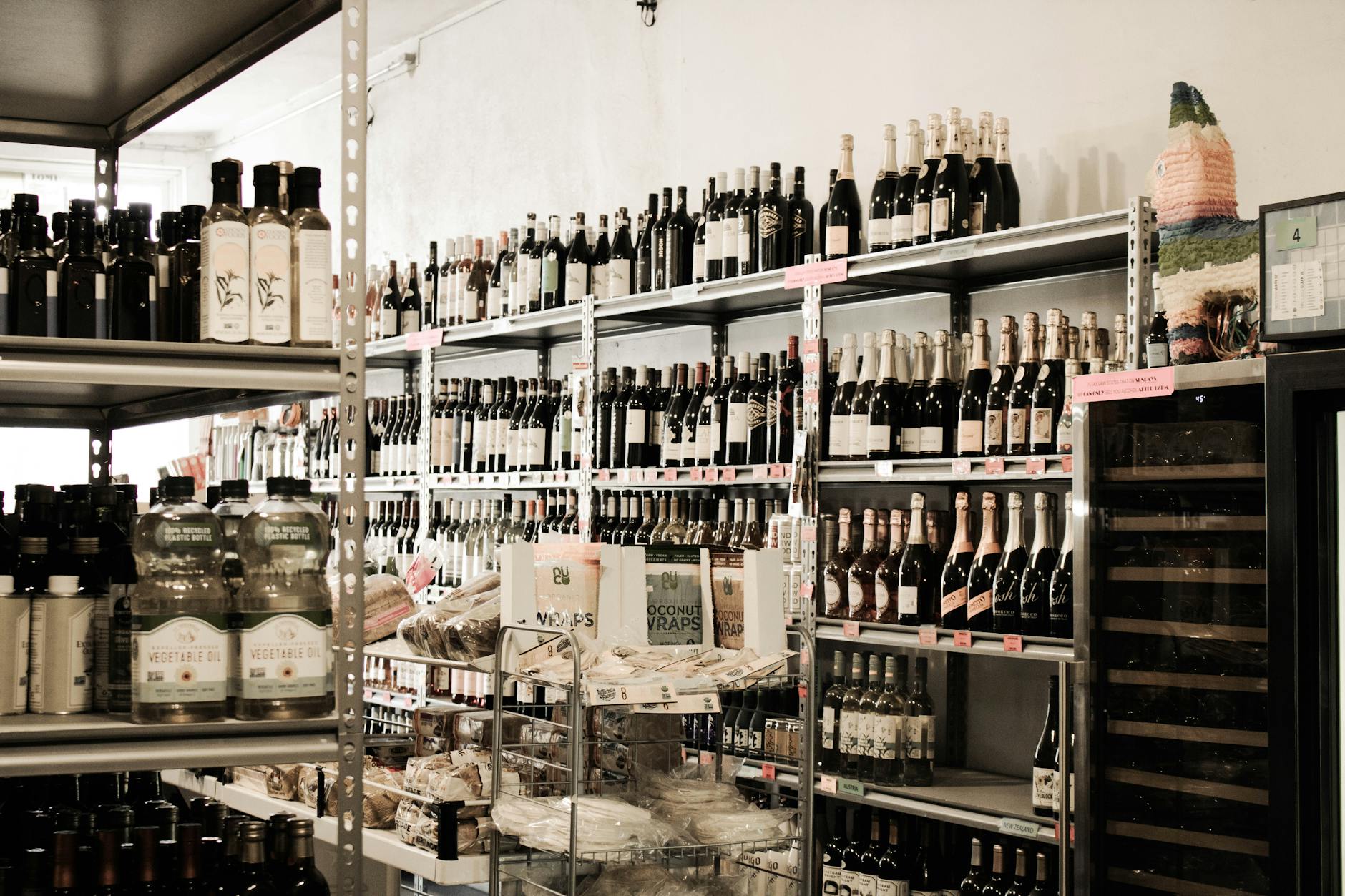
Supermarket cooking wine contains added salt and preservatives to make it shelf-stable and undrinkable. This added sodium makes it difficult to control the seasoning of a reduction or sauce. The quality of the base wine is extremely low and imparts harsh flavors to the dish. Chefs follow the rule that you should only cook with wine that is good enough to drink.
Instant Mashed Potatoes
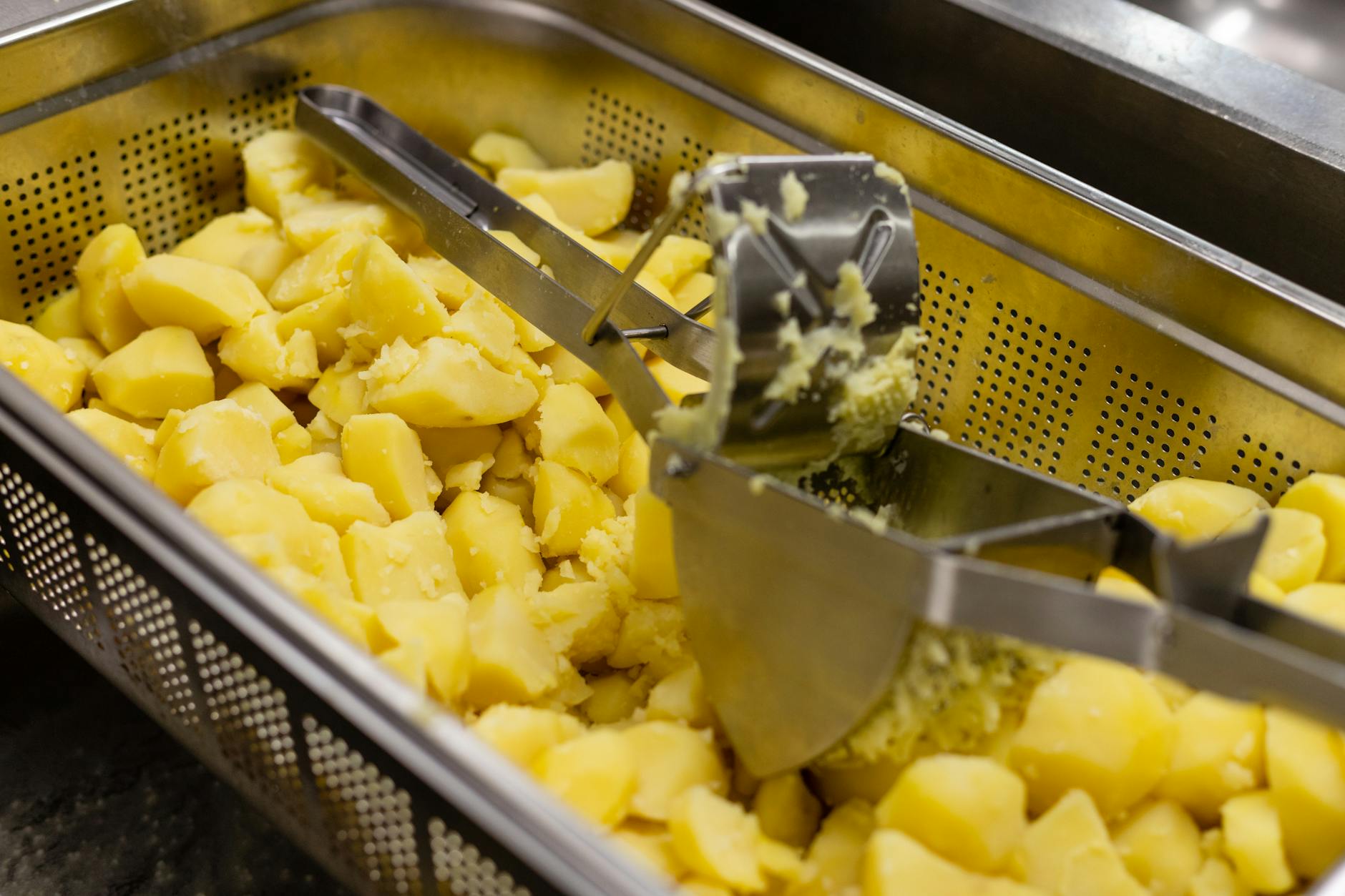
Dehydrated potato flakes result in a grainy and watery paste that lacks the fluffy texture of real potatoes. The natural starch structure is destroyed during processing which eliminates the comforting mouthfeel of the fresh dish. They often contain artificial butter flavorings that taste distinctively fake. A proper mash requires ricing cooked potatoes and folding in real butter and warm cream.
Iceberg Lettuce
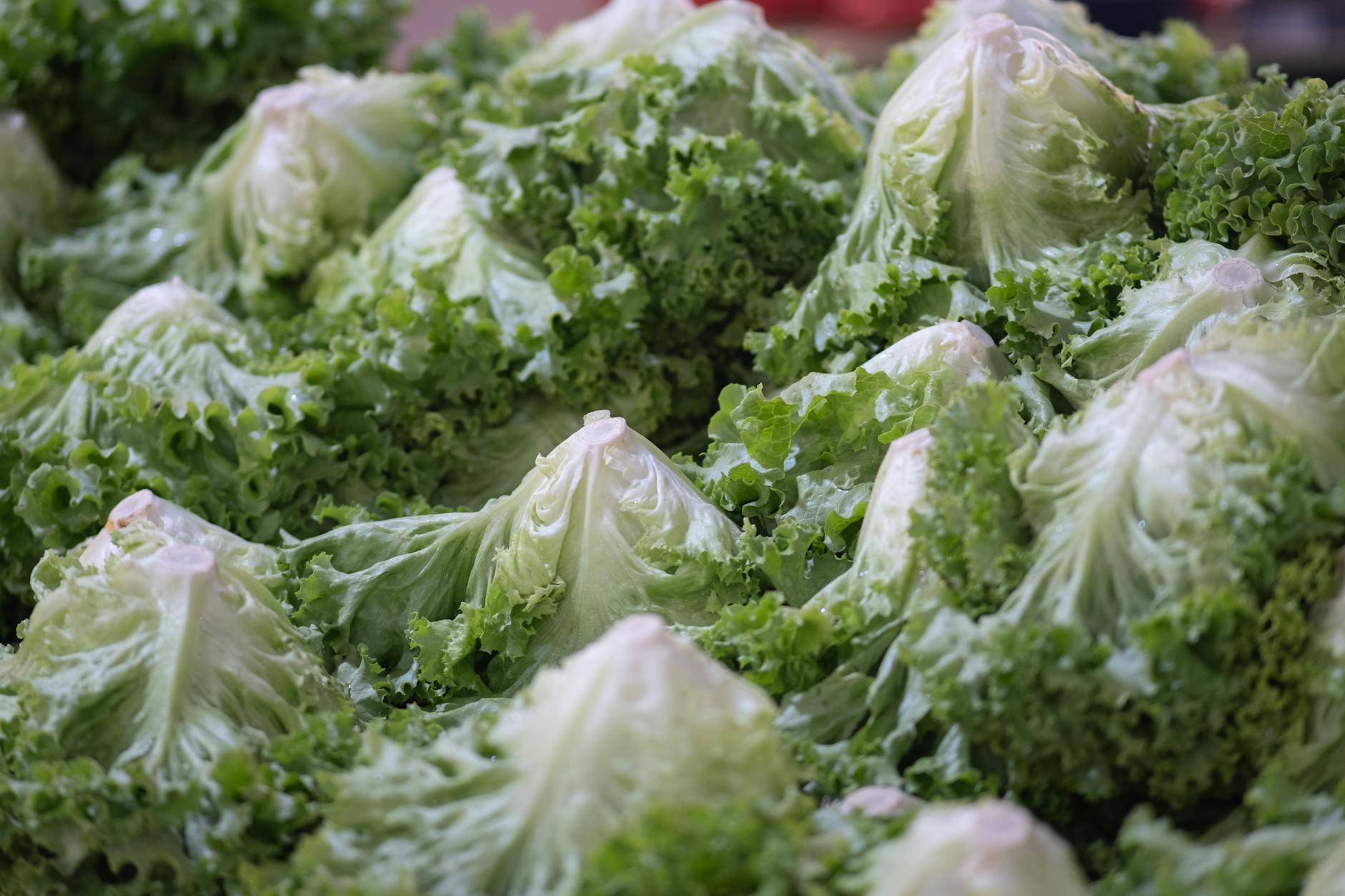
While it provides crunch, iceberg lettuce is virtually devoid of flavor and nutritional value compared to other greens. It has a high water content that can dilute dressings and make salads soggy quickly. Chefs prefer greens like romaine or arugula that offer distinct pepperiness or bitterness. Using more complex greens adds dimension and texture to a salad that iceberg cannot provide.
Processed Cheese Slices
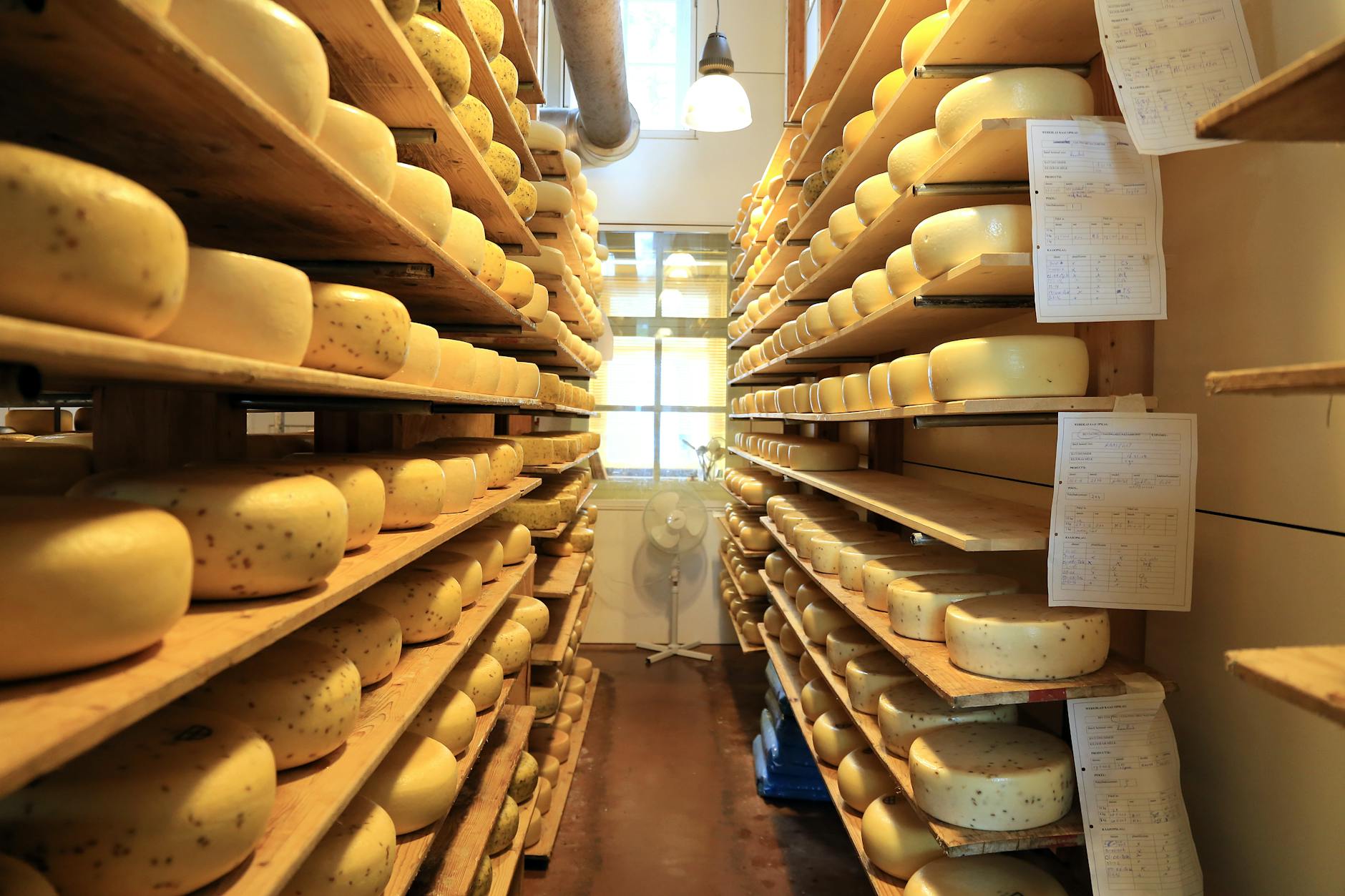
These individually wrapped slices are technically a cheese product containing milk protein concentrate and whey. They melt into a plastic consistency that does not behave like natural cheese. The flavor is uniformly salty and mild without any of the nuance of a cheddar or gruyère. Chefs choose real cheese slices for burgers to ensure a natural melt and genuine dairy flavor.
Boneless Chicken Breast
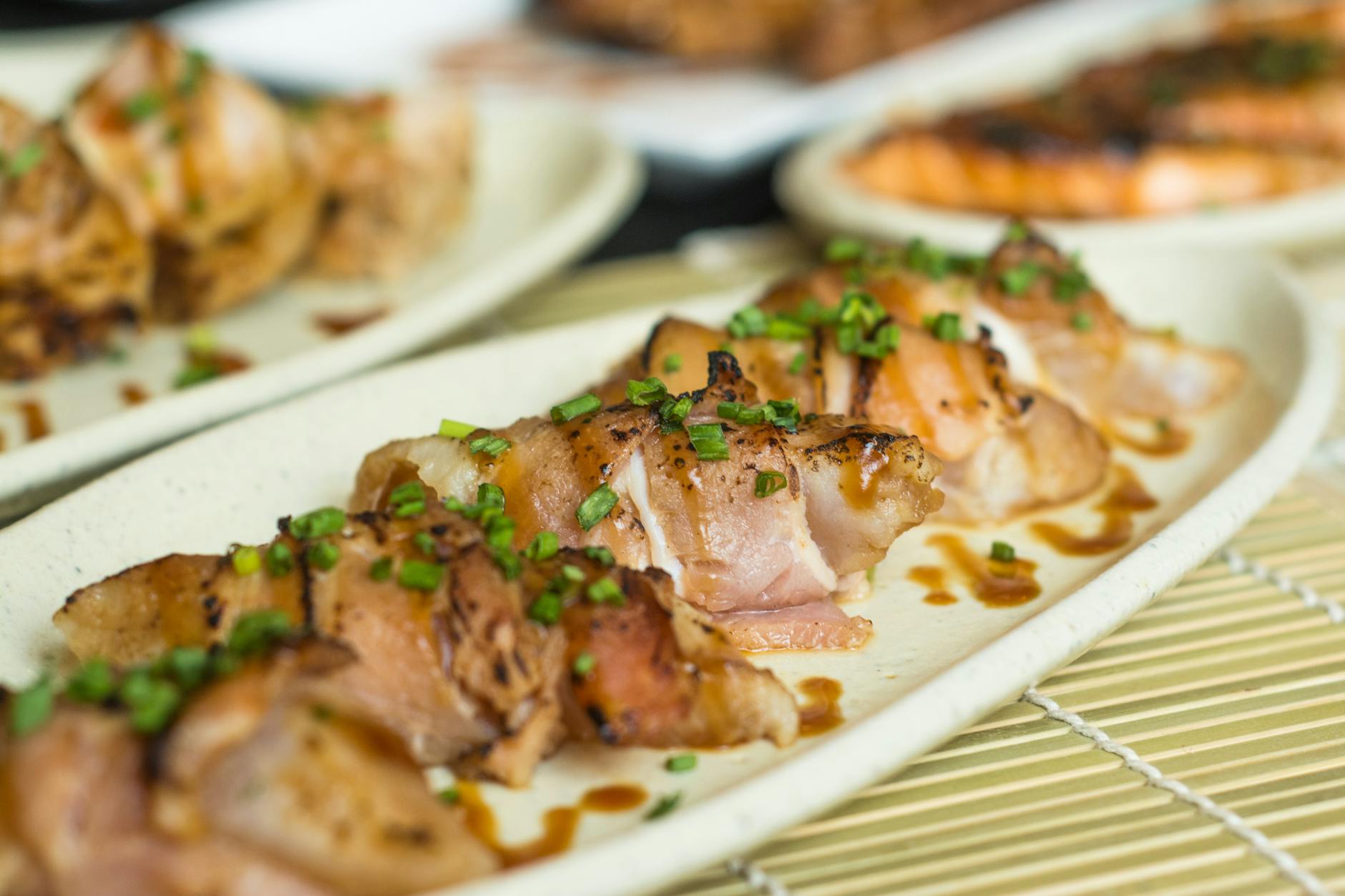
Many chefs find chicken breast to be the least interesting cut of the bird due to its low fat content. It dries out easily and has a very mild flavor that requires heavy seasoning or sauces. Dark meat cuts like thighs are more forgiving and carry much more inherent flavor. Professional menus often feature whole roasted birds or dark meat to deliver a superior dining experience.
Out of Season Tomatoes
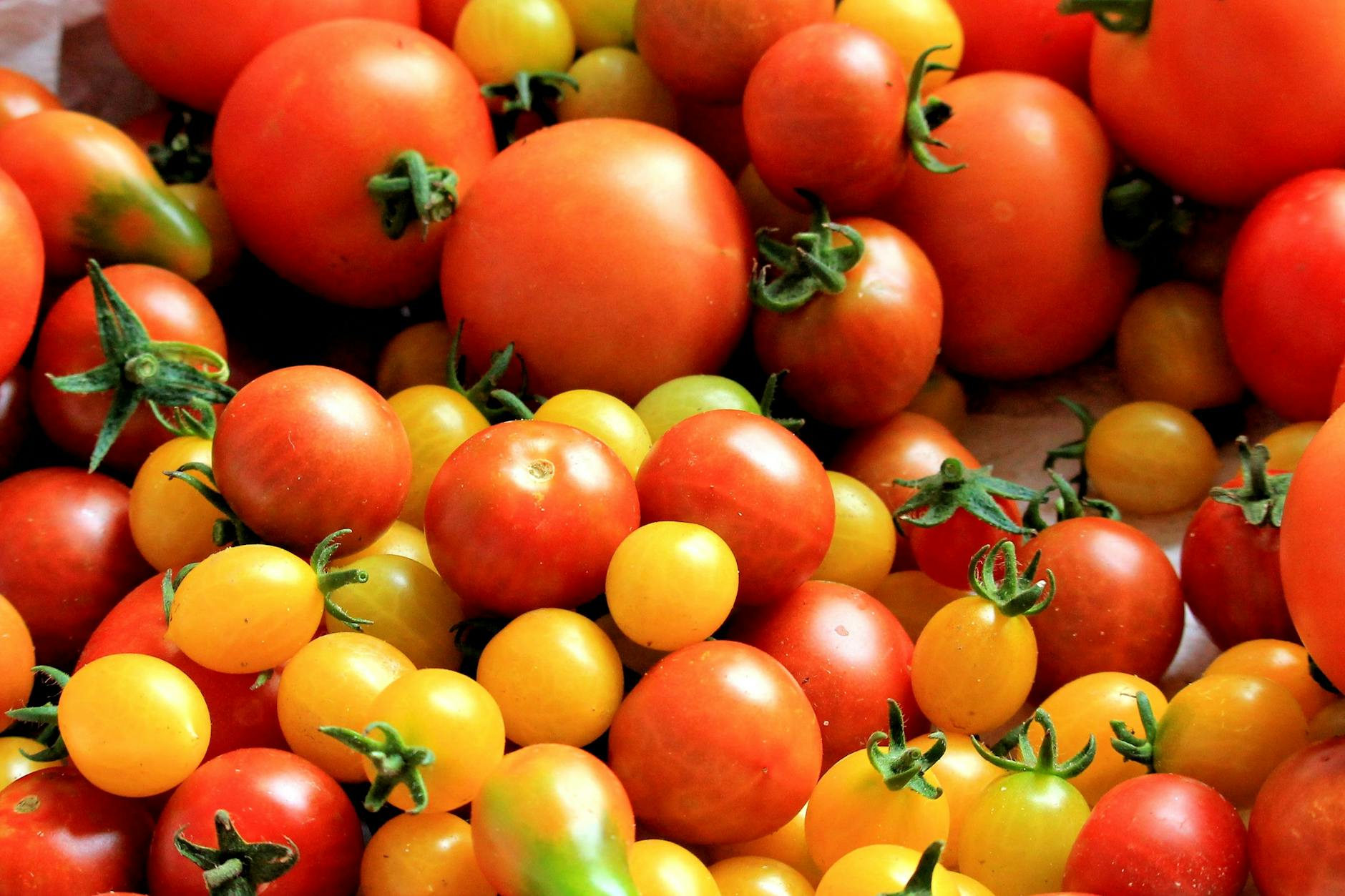
Tomatoes grown out of season or in hothouses are often picked green and gas-ripened during transport. They have a mealy texture and a watery interior with absolutely no sweetness or acidity. The core is often hard and white which is unappealing to eat raw. Chefs wait for the summer months to serve tomatoes when they are juicy and bursting with sun-ripened sugar.
Artificial Pancake Syrup
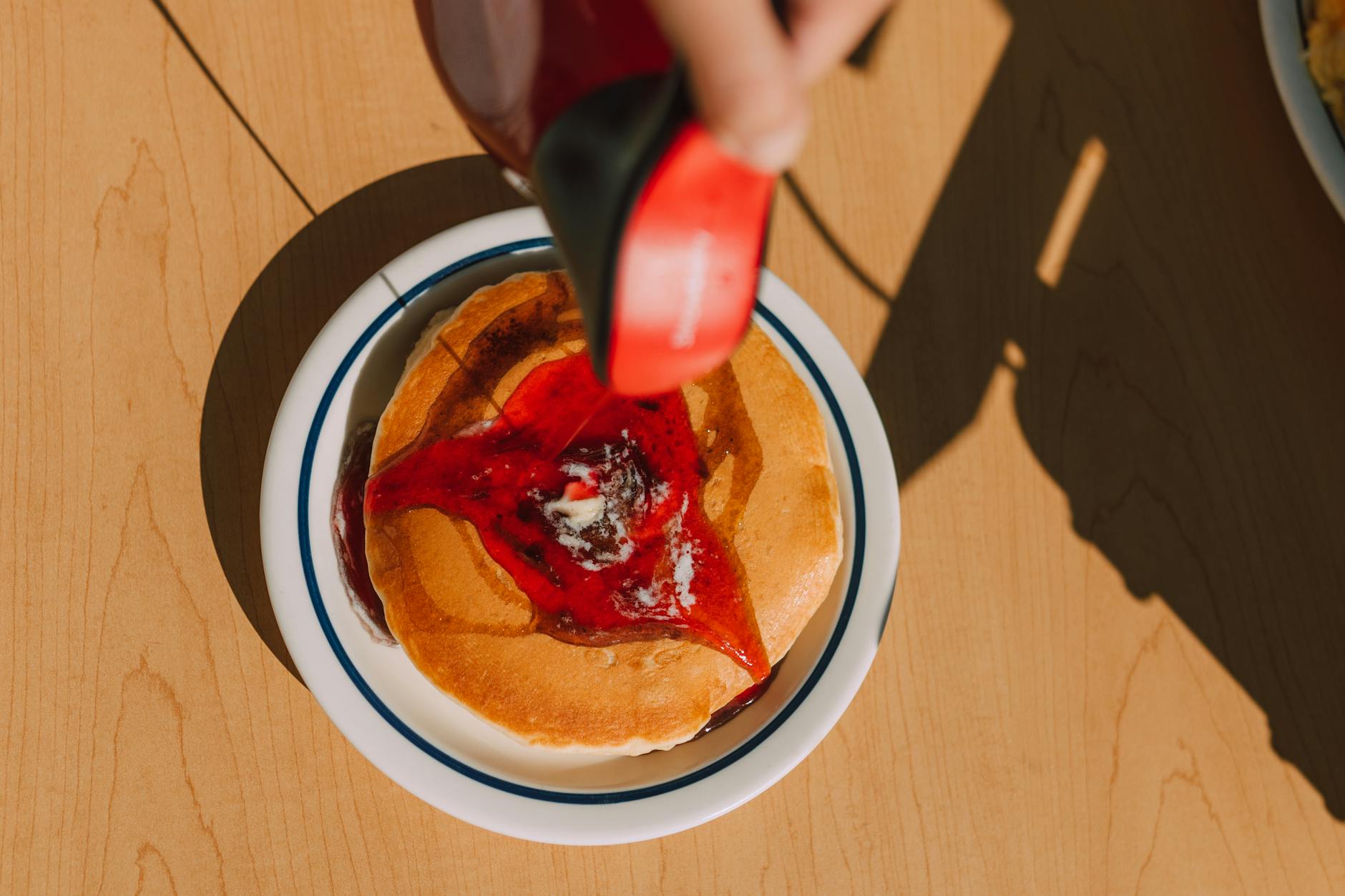
Pancake syrup is typically high fructose corn syrup flavored with sotolon to mimic the taste of maple. It lacks the complex caramel and vanilla notes found in sap tapped from maple trees. The consistency is thick and sticky rather than the thin elegance of pure syrup. Chefs use Grade A maple syrup for its clean sweetness and connection to natural sources.
Canned Fruit Cocktail
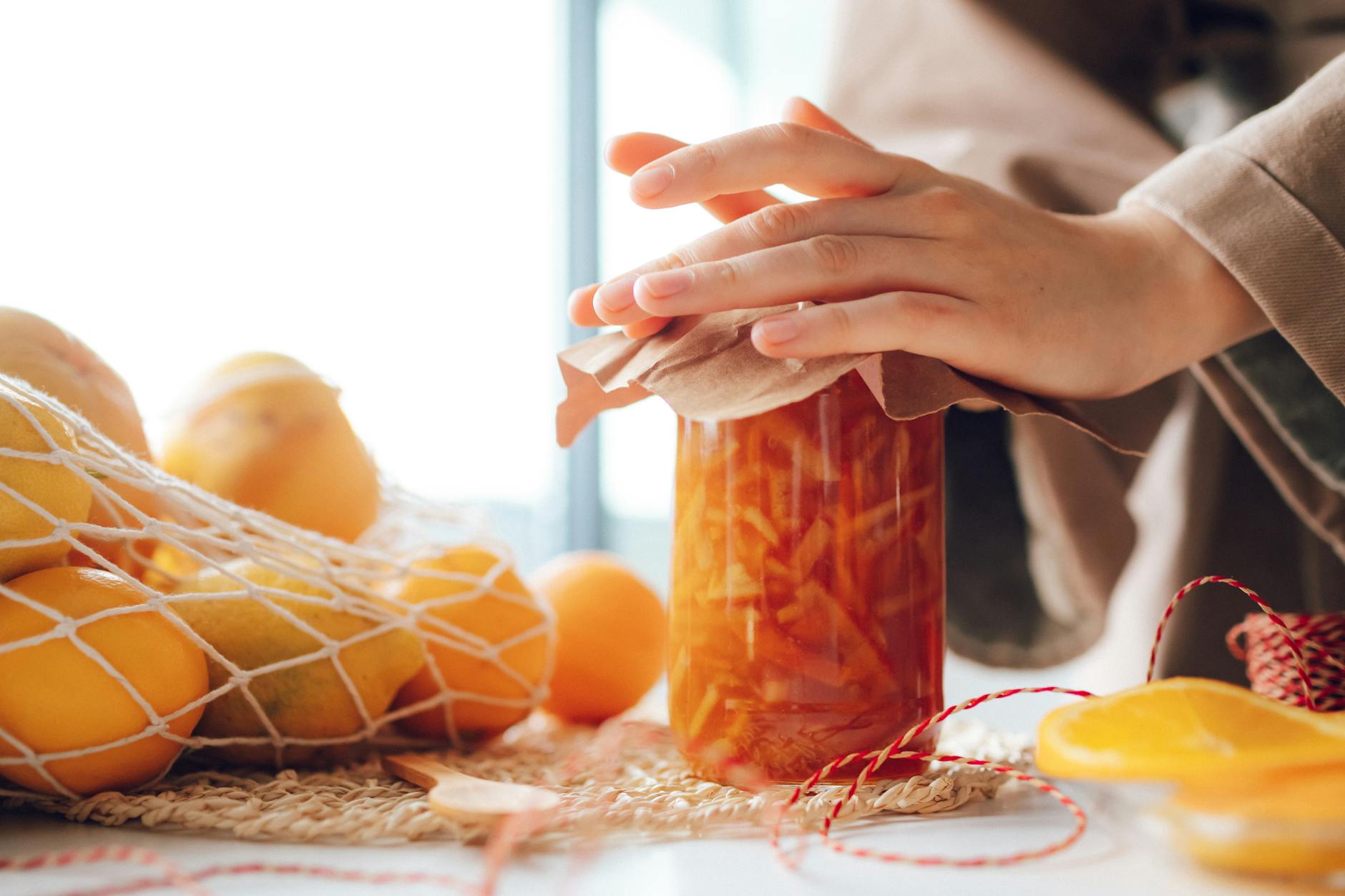
Canned fruit cocktail consists of soft diced fruit floating in heavy syrup that masks the individual flavors. The texture is uniformly mushy and the cherries are often dyed a neon red that looks artificial. The syrup makes the fruit overly sweet and removes any natural acidity. Fresh fruit salads offer a variety of textures and bright flavors that canned mixtures completely lack.
Tell us which of these ingredients you still keep in your pantry in the comments.




