Building a strong relationship with your auto mechanic is essential for the long-term health of your vehicle and your wallet. Clear communication helps technicians diagnose issues accurately while mutual respect ensures you receive the best possible service. Certain phrases can inadvertently signal mistrust or undermine the professional expertise of the person working on your car. Understanding what to avoid saying can streamline the repair process and prevent unnecessary friction at the auto shop. The following list outlines common statements that are best left unspoken when dropping off your vehicle.
I Googled the Problem and I Know What It Is
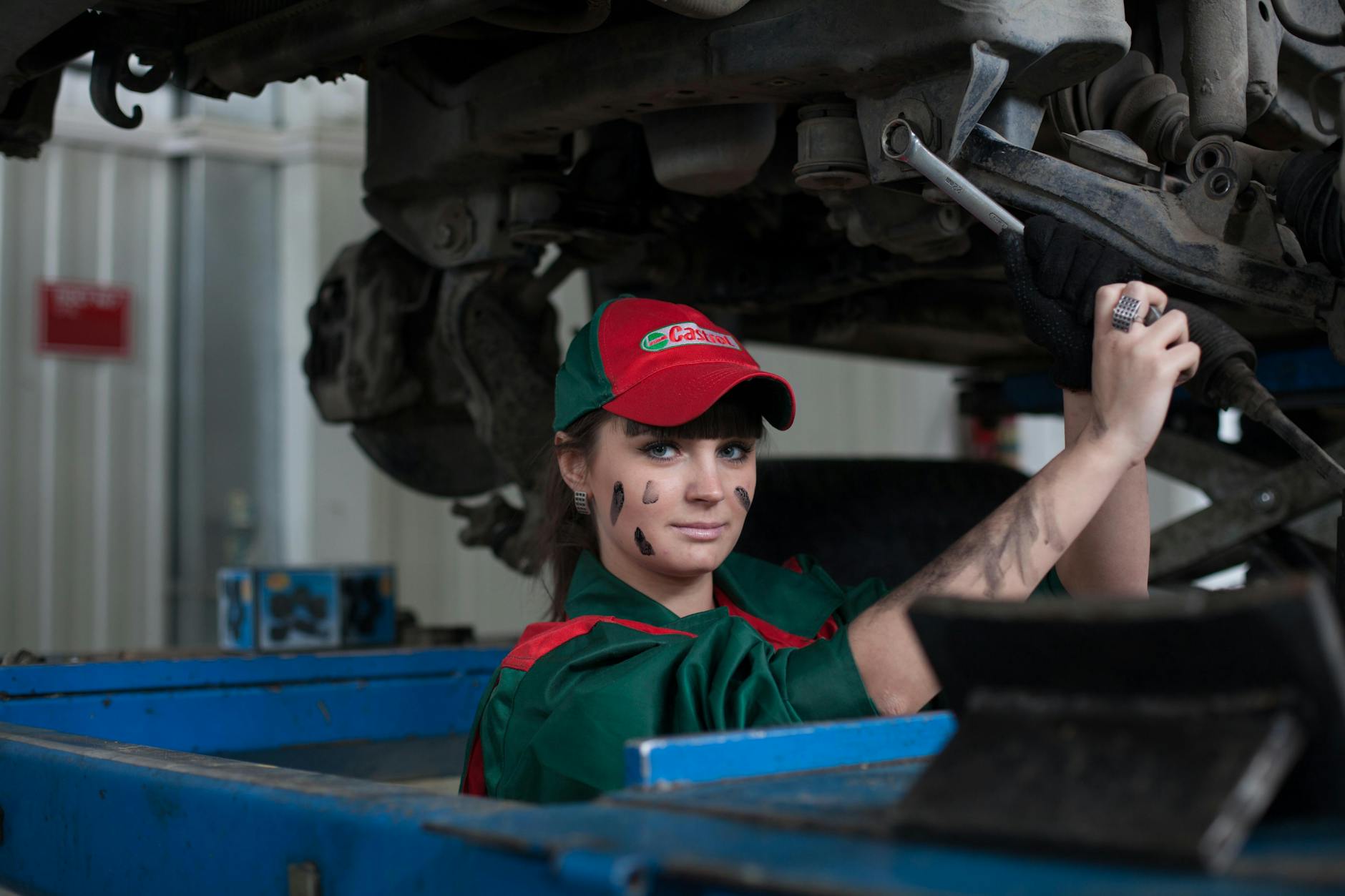
Mechanics spend years training to diagnose complex automotive issues correctly using specialized tools and experience. Arriving with a definitive internet diagnosis often complicates the process rather than helping it. This approach can lead to wasted time if the professional has to disprove your theory before finding the actual root cause. Trusting their expertise usually results in a faster and more accurate repair for your vehicle. It is better to describe the symptoms clearly and let them determine the technical fault.
I Can Buy the Parts Cheaper Online
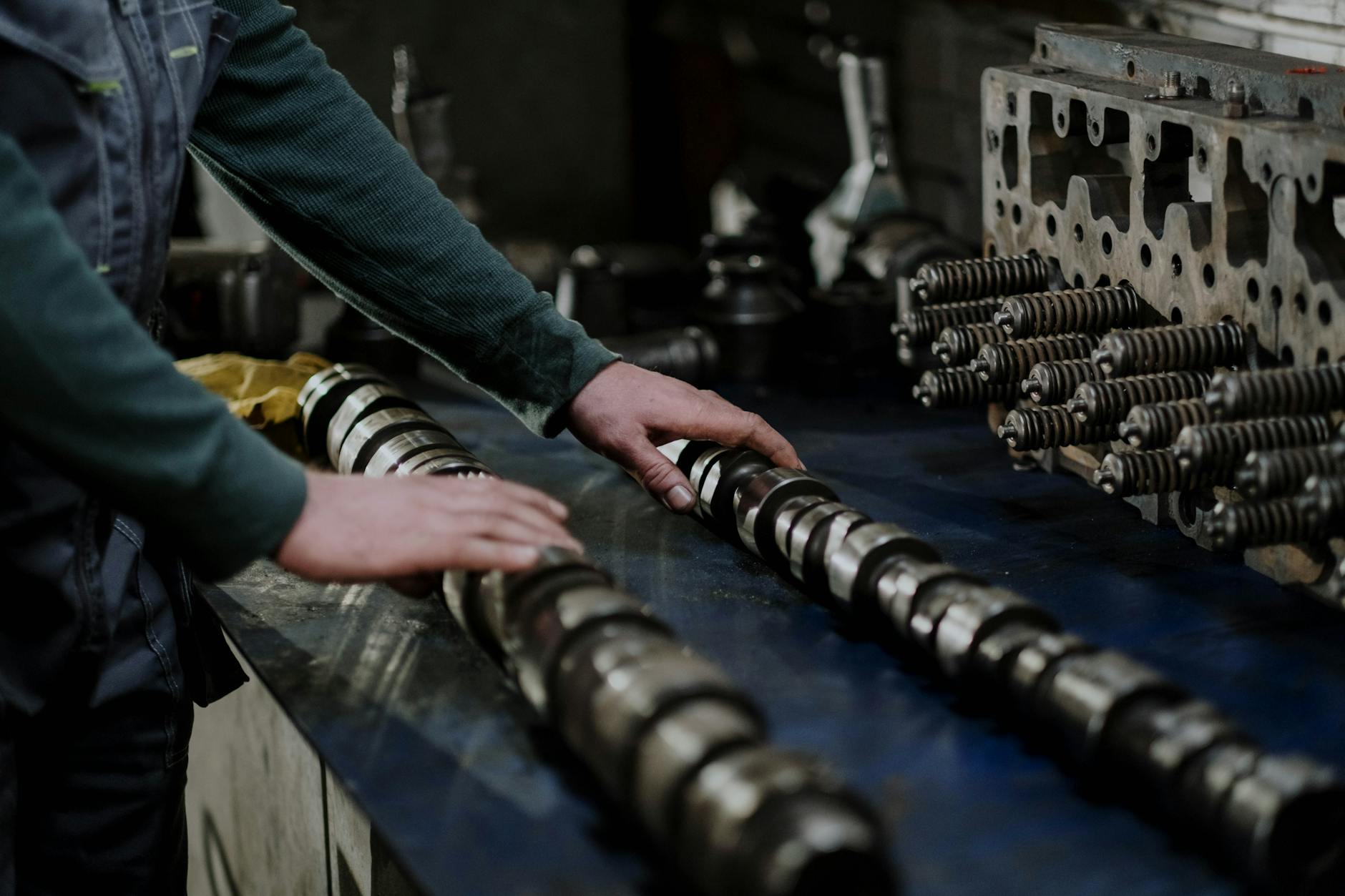
Workshops source parts from trusted suppliers to guarantee compatibility and warranty coverage for the repair. Bringing your own cheap components often means the mechanic cannot offer a warranty on the labor or the part itself. Many shops will refuse to install customer-supplied parts due to liability concerns and insurance regulations. The markup on parts helps cover the overhead costs of running a professional garage and maintaining equipment. You ultimately pay for the assurance that the job is done right with quality materials.
It Should Only Take Five Minutes

Estimating repair time without seeing the vehicle undermines the complexity of modern automotive engineering. Even seemingly simple tasks can encounter seized bolts or rusted components that extend the duration significantly. Rushing a mechanic or minimizing the job creates unnecessary pressure that can lead to mistakes. A professional needs the freedom to assess the situation thoroughly to ensure safety standards are met. Respecting their time and process fosters a better working relationship and ensures a thorough repair.
Don’t Try to Rip Me Off
Starting a transaction with an accusation sets a hostile tone immediately and erodes mutual trust. Most mechanics are hardworking professionals who aim to build a loyal customer base through honest service. If you are concerned about pricing it is wiser to ask for a detailed estimate or explanation of the costs involved. Transparency is standard in reputable shops so there is no need to be defensive upfront. A respectful attitude encourages the mechanic to go the extra mile for your vehicle.
My Friend Said It’s Just the Alternator
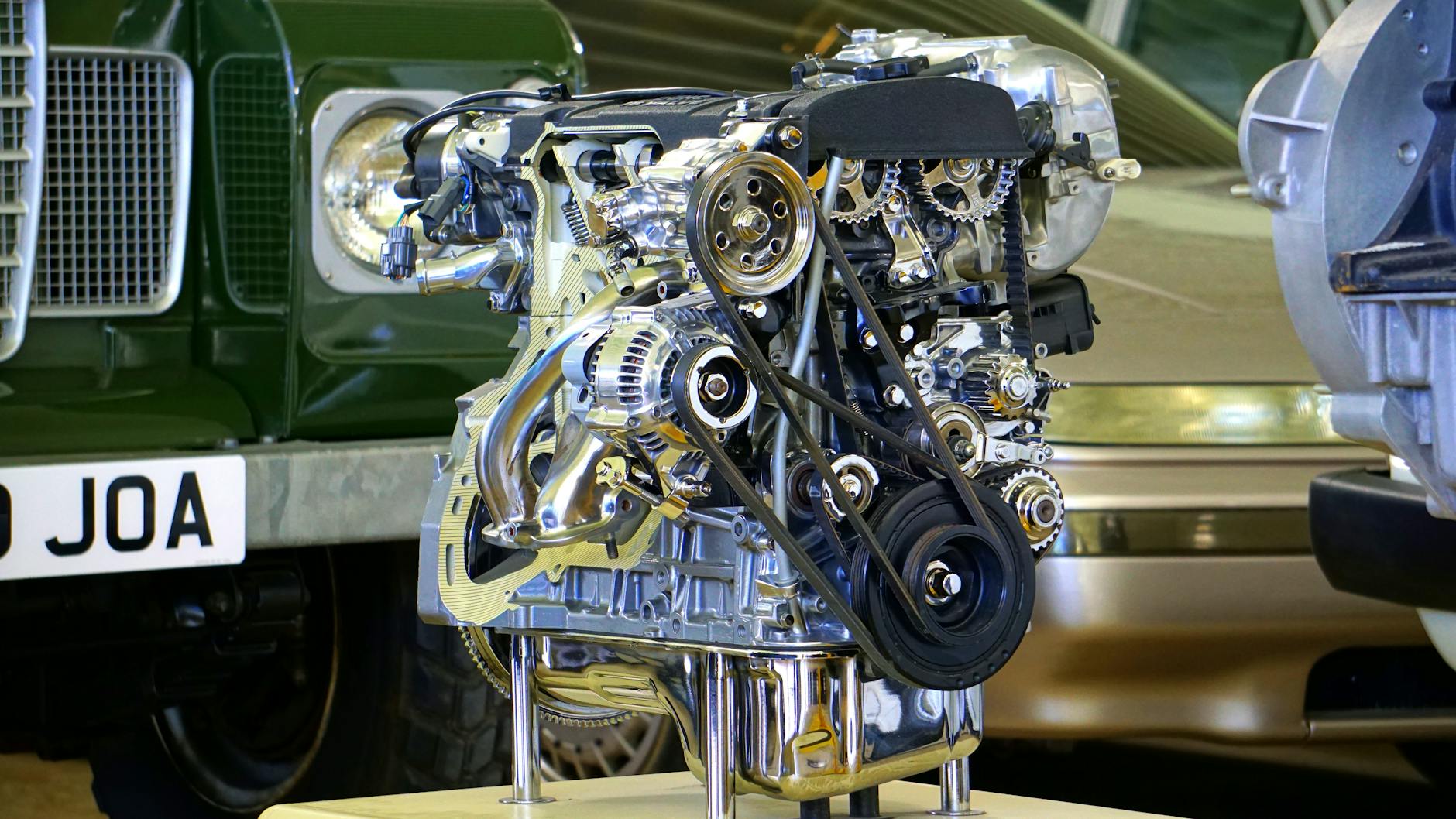
Relaying second-hand diagnoses from non-professionals creates confusion and can mislead the mechanic during the initial inspection. Your friend may know cars but they have not physically inspected the vehicle on a lift with proper diagnostic gear. Mechanics prefer to start with a fresh slate to avoid chasing red herrings based on guesses. Mentioning the symptoms you experienced personally is far more valuable than sharing a third-party theory. This allows the expert to use their own deductive reasoning to solve the problem.
Can I Watch You Work
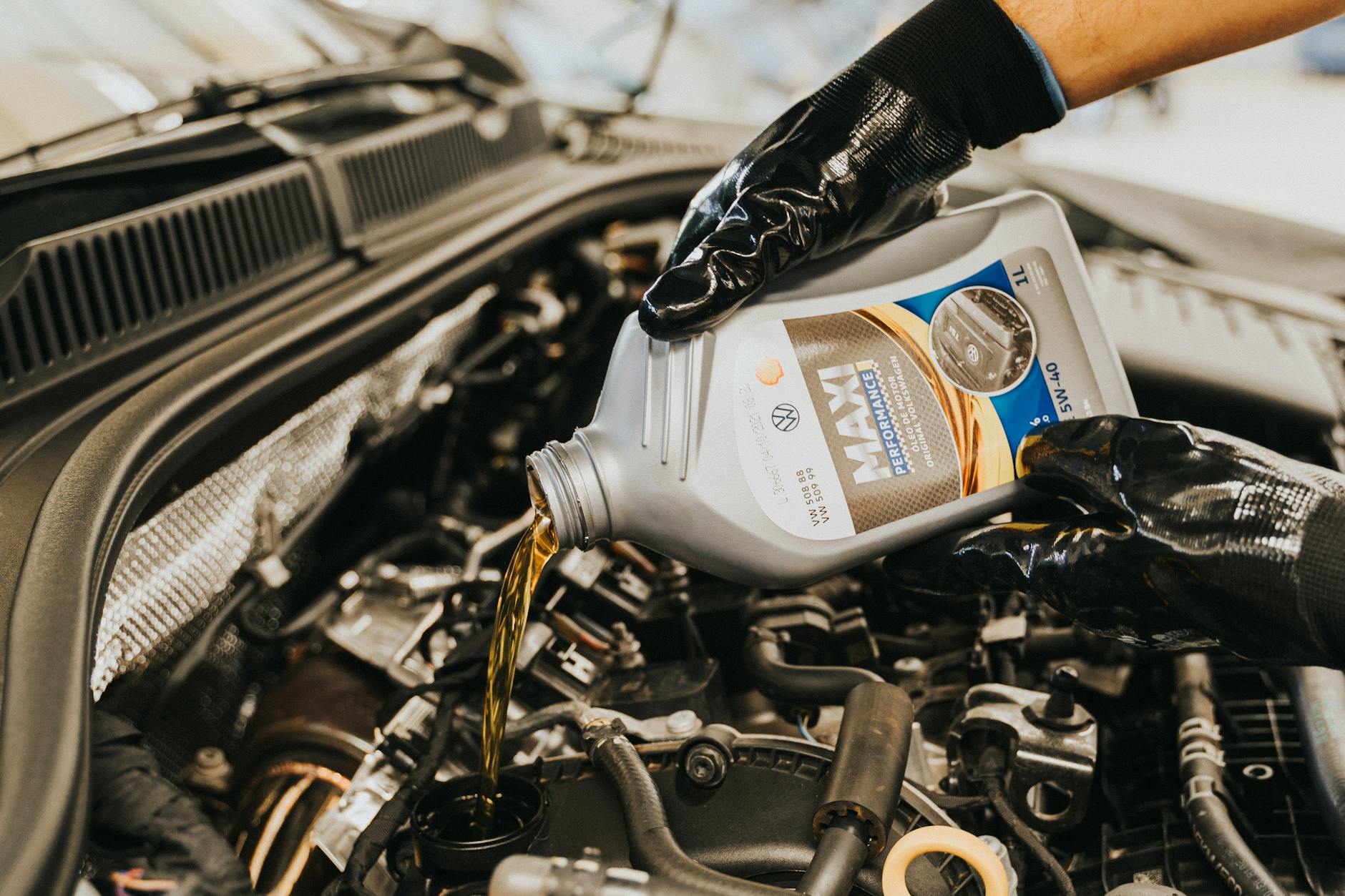
Insurance regulations and safety protocols strictly prohibit customers from entering the bay area in most professional garages. Mechanics need deep concentration to handle heavy machinery and intricate electrical systems without distractions. Hovering over a technician can make them nervous and potentially compromise the quality of the work. It is safer for everyone if you remain in the waiting area until the job is complete. You will receive a full report on the service once the vehicle is ready for collection.
The Last Guy Who Touched This Was an Idiot
Badmouthing a previous mechanic acts as a red flag that implies you might be a difficult customer to please. The current technician may wonder if you will speak negatively about them to the next shop down the road. It is more constructive to explain what work was done previously without assigning blame or insults. Focus on the current state of the vehicle and the issues requiring immediate attention. Maintaining a professional demeanor ensures the conversation stays focused on solutions rather than past grievances.
I Have Heard That Noise for Six Months
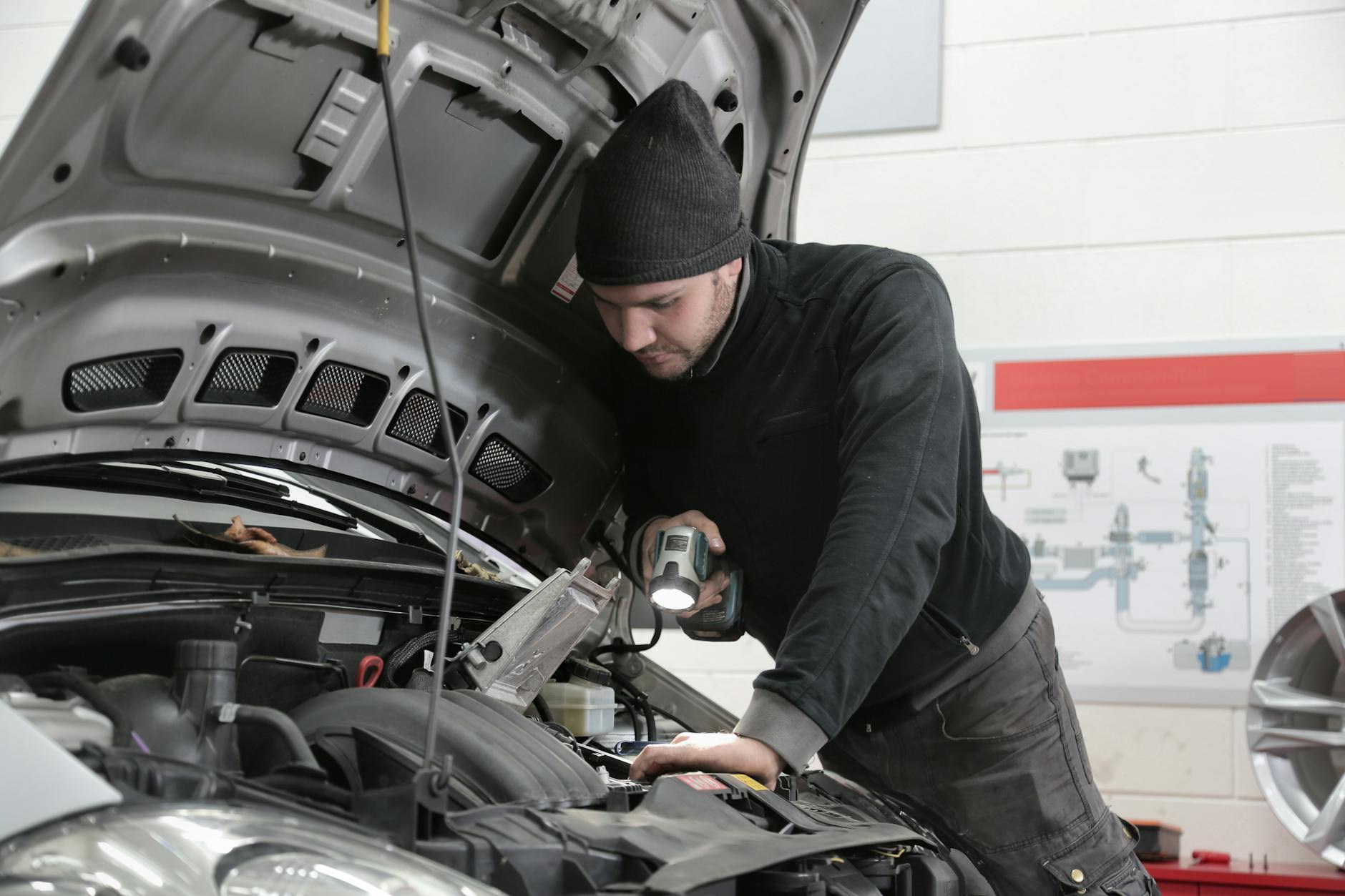
Admitting to long-term neglect suggests that you do not prioritize vehicle maintenance or safety. This information warns the mechanic that there may be extensive collateral damage caused by ignoring the initial problem. Waiting until a small issue becomes a catastrophic failure often results in a much higher repair bill. It is embarrassing but honesty is necessary to understand the full scope of the mechanical failure. Regular maintenance is always cheaper than repairing major damage from prolonged negligence.
Just Check Everything Else for Free While You Are At It
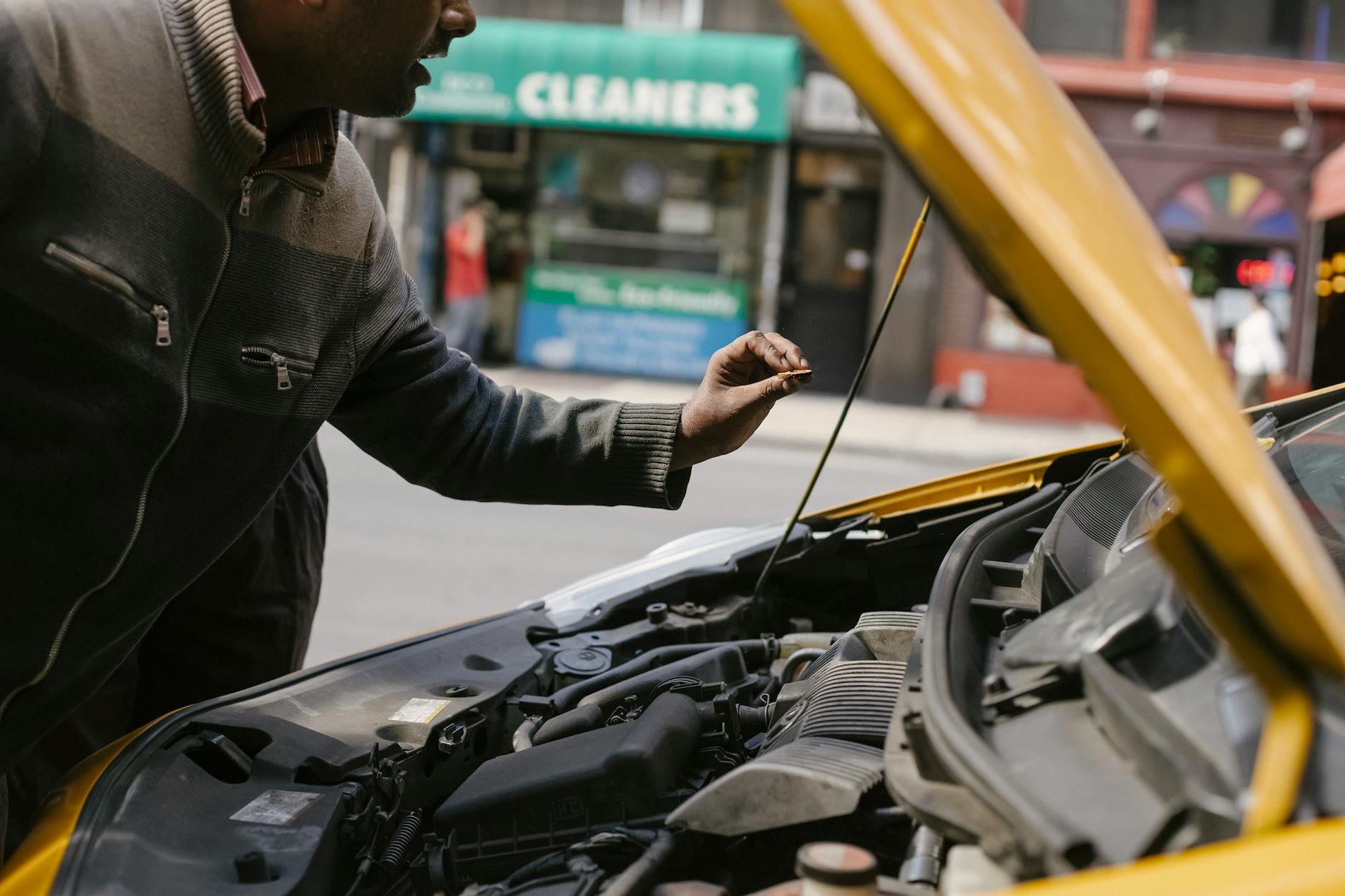
Diagnostics require time and expertise even if no parts are being replaced during the inspection. Asking for free labor devalues the mechanic’s skill and the operational costs of the business. A comprehensive inspection is a billable service that takes significant time to perform correctly. Most shops offer specific check-up packages that cover these needs for a fair price. Expecting additional work without payment strains the professional relationship and is generally considered rude.
Just Patch It Up So I Can Sell It
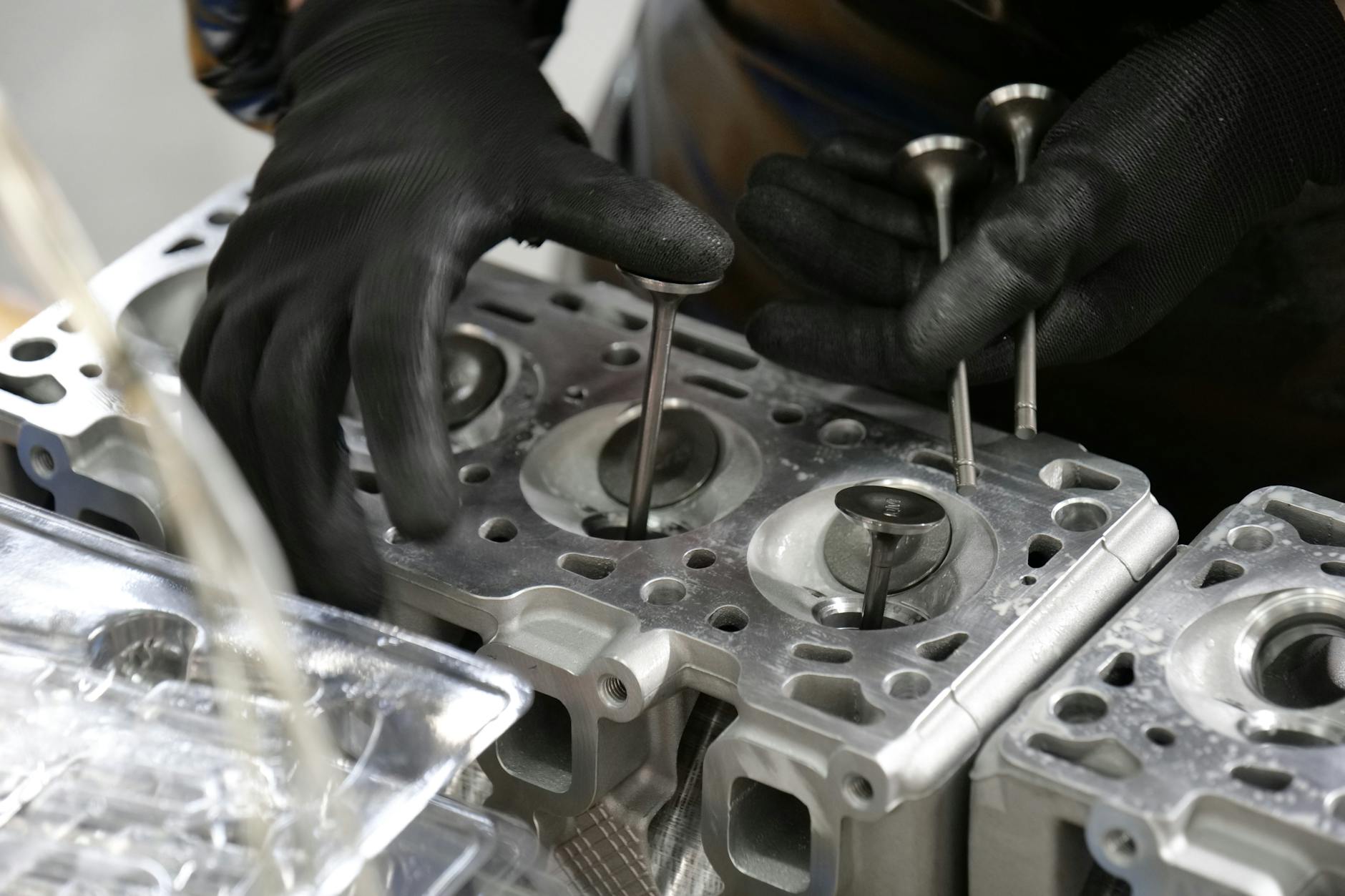
Asking a professional to perform a substandard repair puts their reputation and liability at risk. Mechanics are ethically and often legally bound to ensure a vehicle is safe for the road. Performing a temporary or unsafe fix knowing the car will be sold to an unsuspecting buyer is unethical. Reputable shops will refuse to cut corners that could endanger the next driver. It is better to fix the car properly or disclose its condition honestly when selling.
I Can Get It Done Cheaper Down the Street
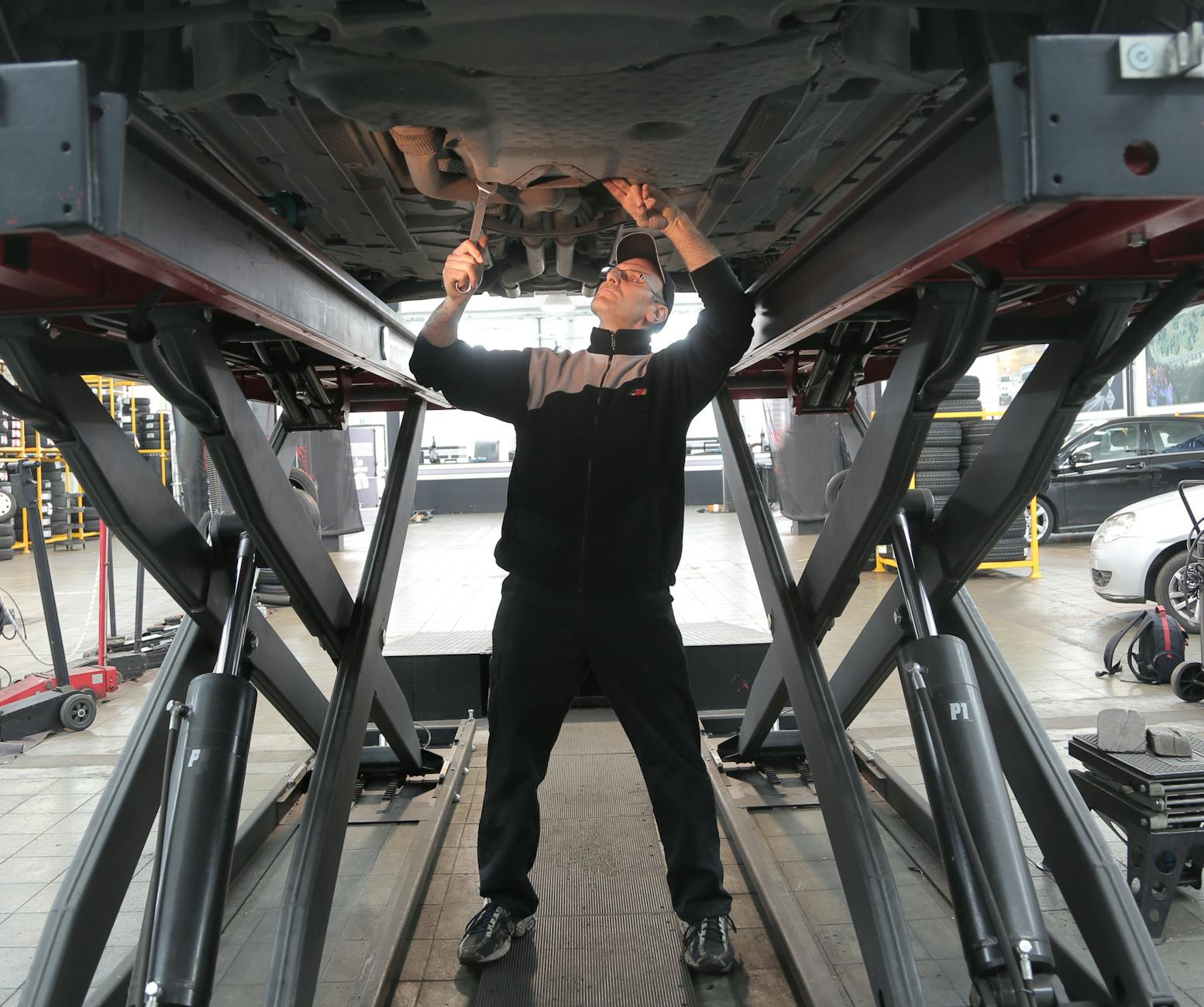
Comparing prices is natural but using a lower quote as a bargaining chip can come across as disrespectful. Cheaper quotes often reflect lower quality parts or less experienced labor which impacts longevity. Good mechanics know the value of their work and charge accordingly to maintain high standards. If you trust the shop then the price usually reflects the quality of service and warranty provided. It is perfectly acceptable to go to the cheaper shop if price is your only priority.
It Makes a Sound Like Ka-Chunk
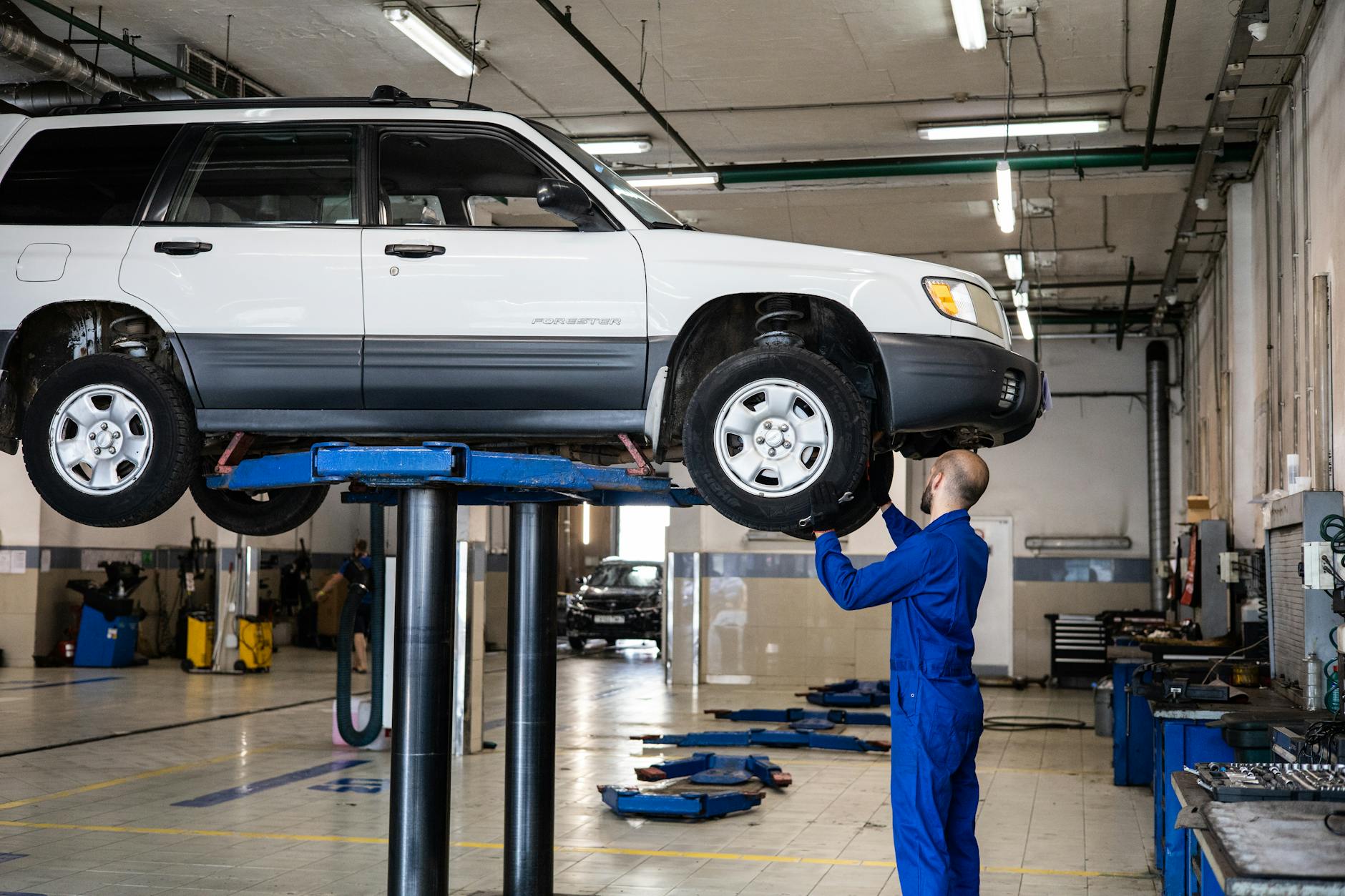
Mimicking noises is rarely accurate enough to help a mechanic identify a specific mechanical fault. It is more helpful to describe when the sound happens such as during braking or accelerating. Describing the type of sound using words like grinding or squealing provides better context for diagnosis. Offering to take the mechanic for a short test drive allows them to hear the noise firsthand. This collaborative approach leads to a much quicker and accurate identification of the issue.
I Need This Car Back by Tonight
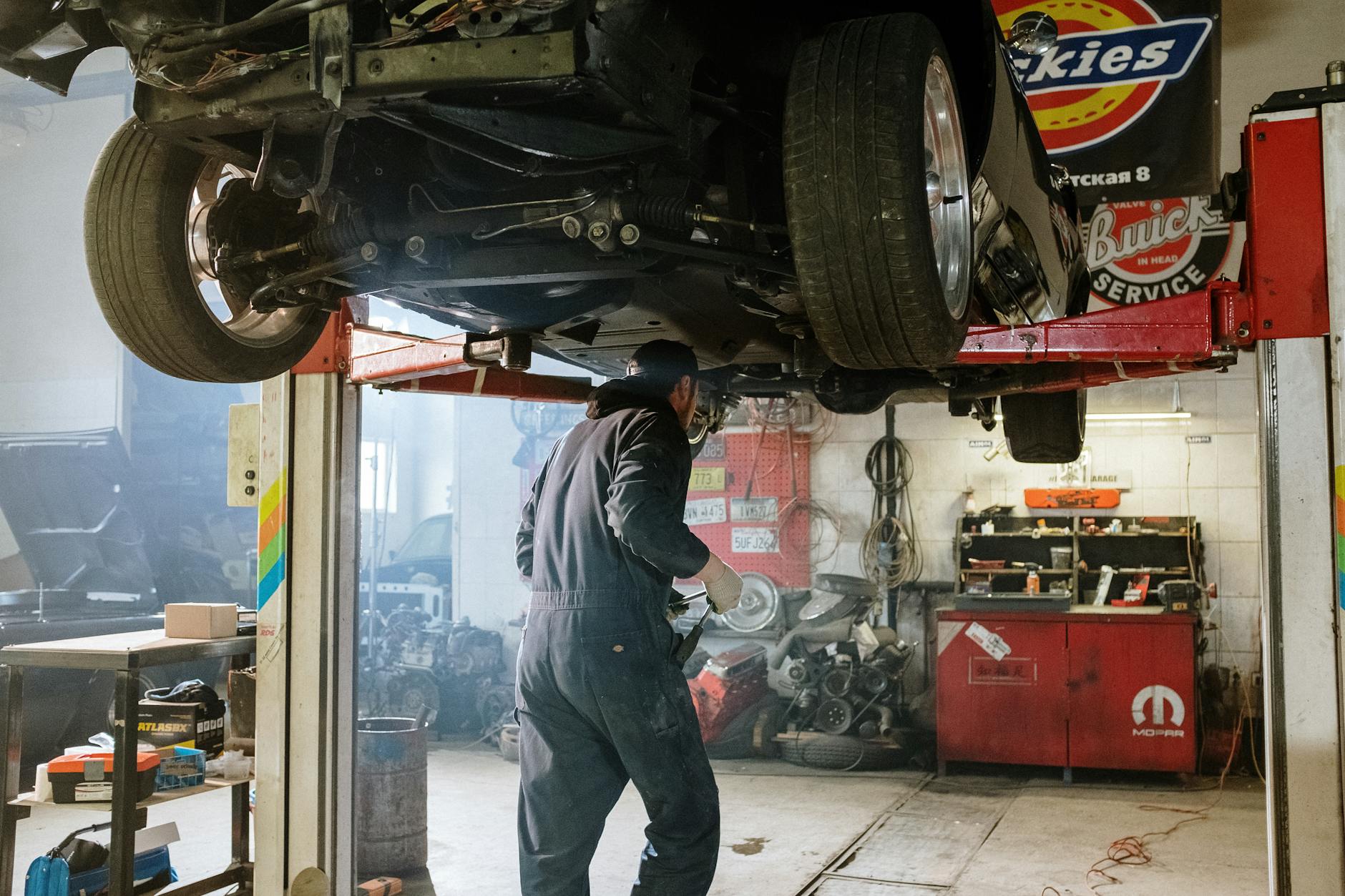
Demanding an unrealistic turnaround time ignores the existing workflow and other customers in the queue. Repairs often reveal unexpected issues that require ordering additional parts or more labor hours. Pressuring the shop to rush can lead to oversight or mistakes that compromise safety. It is better to ask for a realistic timeline and plan your transportation accordingly. Mechanics want to get your car back to you quickly but quality work cannot be rushed.
Sorry about the Mess Inside

Bringing a car filled with trash or clutter makes it difficult for the mechanic to access necessary areas. Technicians need to reach the dashboard or fuse box without navigating through personal belongings or garbage. A dirty interior can also be a safety hazard or simply unpleasant for the person working on your vehicle. Clearing out your car before the appointment shows respect for the person who will be sitting in it. A clean workspace allows them to focus entirely on the mechanical task at hand.
I Tried to Fix It Myself but Got Stuck
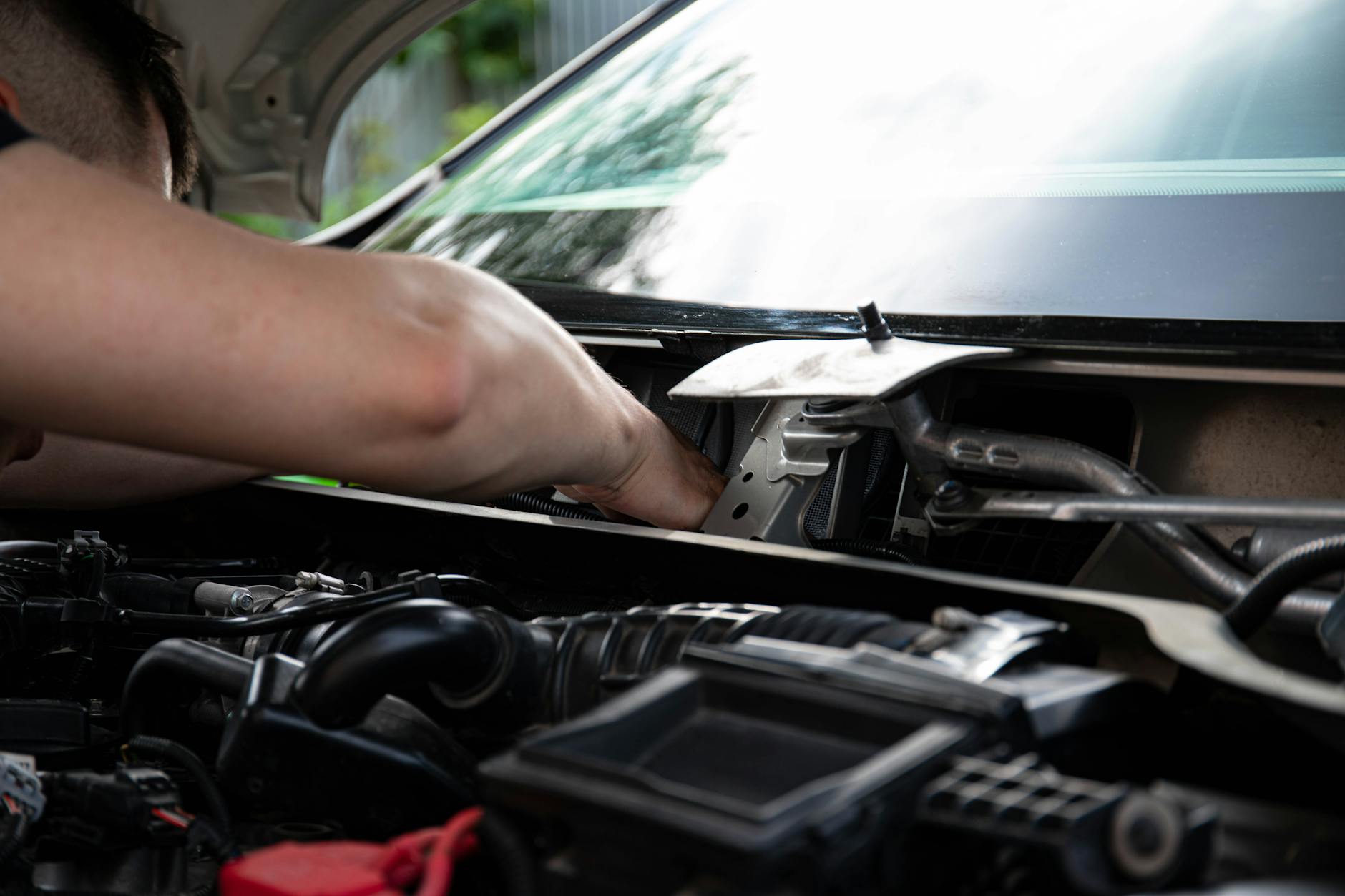
Bringing in a basket case of disassembled parts is a mechanic’s worst nightmare and increases labor costs. The technician now has to figure out what you did wrong before they can even address the original problem. This often results in missing bolts or broken clips that complicate the reassembly process significantly. It is always more cost-effective to bring the vehicle in before attempting a repair outside your skill level. Honesty about what you touched helps them retrace your steps to correct the errors.
Please let us know in the comments if you have ever accidentally said one of these things or if you have other tips for communicating with mechanics.




