Turbulence is an inevitable part of air travel that creates anxiety for passengers and significant safety challenges for the crew. Flight attendants are highly trained safety professionals who must prioritize securing the cabin over service duties during rough air. Comments that distract them or challenge their authority can hinder their ability to keep everyone safe. Understanding what not to say helps maintain a calm environment and allows the crew to perform their essential duties efficiently.
Are we going to crash
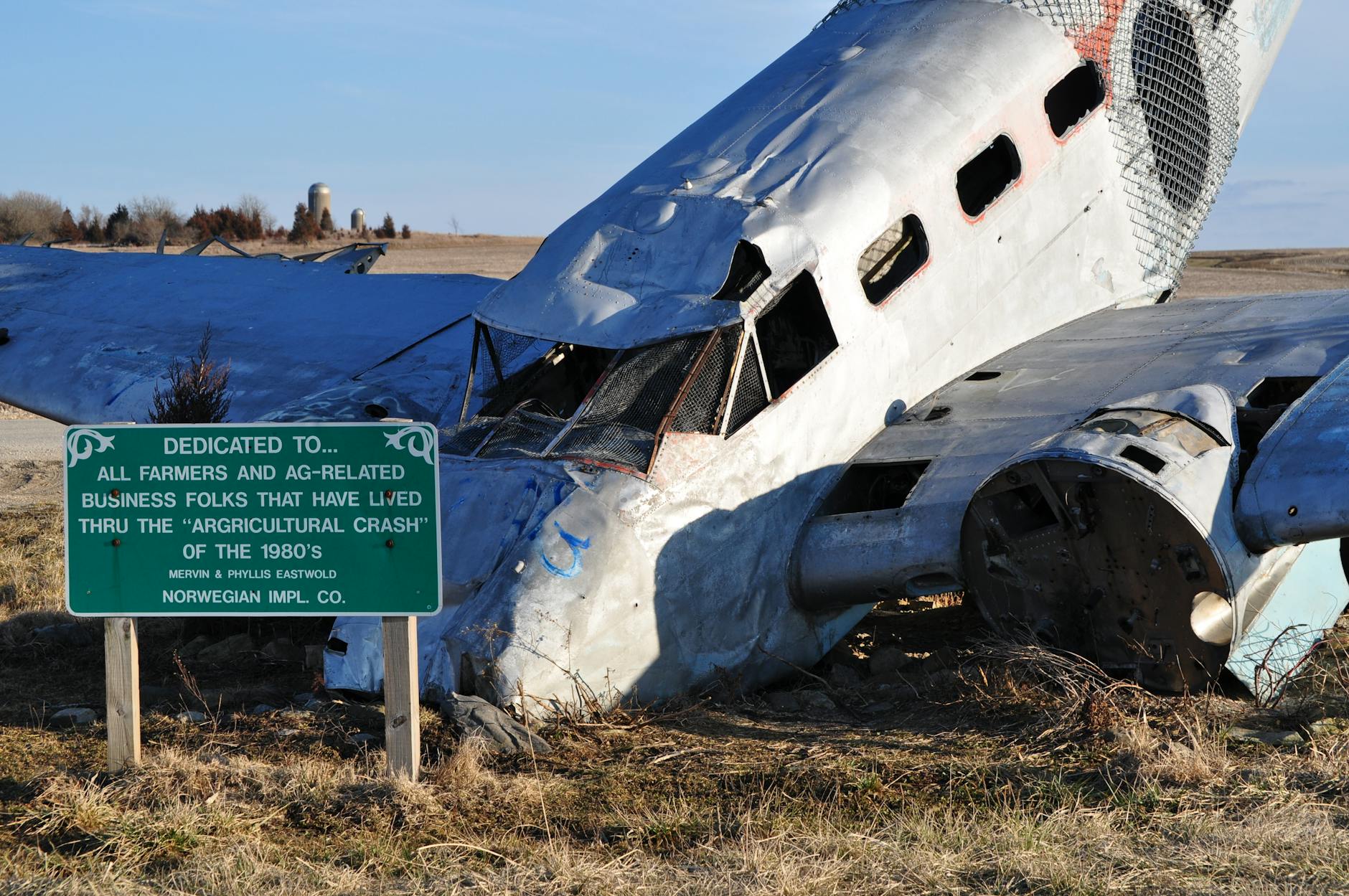
Asking about a crash creates unnecessary panic among nearby passengers who are likely already on edge. Flight attendants focus on maintaining a calm cabin environment to ensure safety protocols are followed efficiently. This question forces the crew to manage your anxiety instead of securing the cabin or preparing for instructions. It is better to observe the crew’s demeanor for reassurance rather than voicing catastrophic fears aloud. A calm exterior from passengers helps the crew maintain order during the bumps.
I need a drink right now

Demanding beverage service during turbulence disregards the safety of the crew members who must remain seated. Carts can become dangerous projectiles if sudden drops occur while they are in the aisle. Crew members are legally required to secure themselves during rough air just like passengers to avoid injury. Expecting service places the flight attendant at significant risk of harm. Service will resume only when the captain deems it safe for the crew to move about the cabin.
Can I use the bathroom
Walking to the lavatory during turbulence exposes you to the high risk of falling or hitting the ceiling. Flight attendants must enforce the seatbelt sign to prevent severe injuries that often happen when passengers roam the cabin. Ignoring this instruction compromises your safety and forces the crew to shout commands across the cabin. Remaining buckled in your seat is the only safe option until the air smooths out. You must wait until the captain turns off the fasten seatbelt sign.
Tell the pilot to fly higher
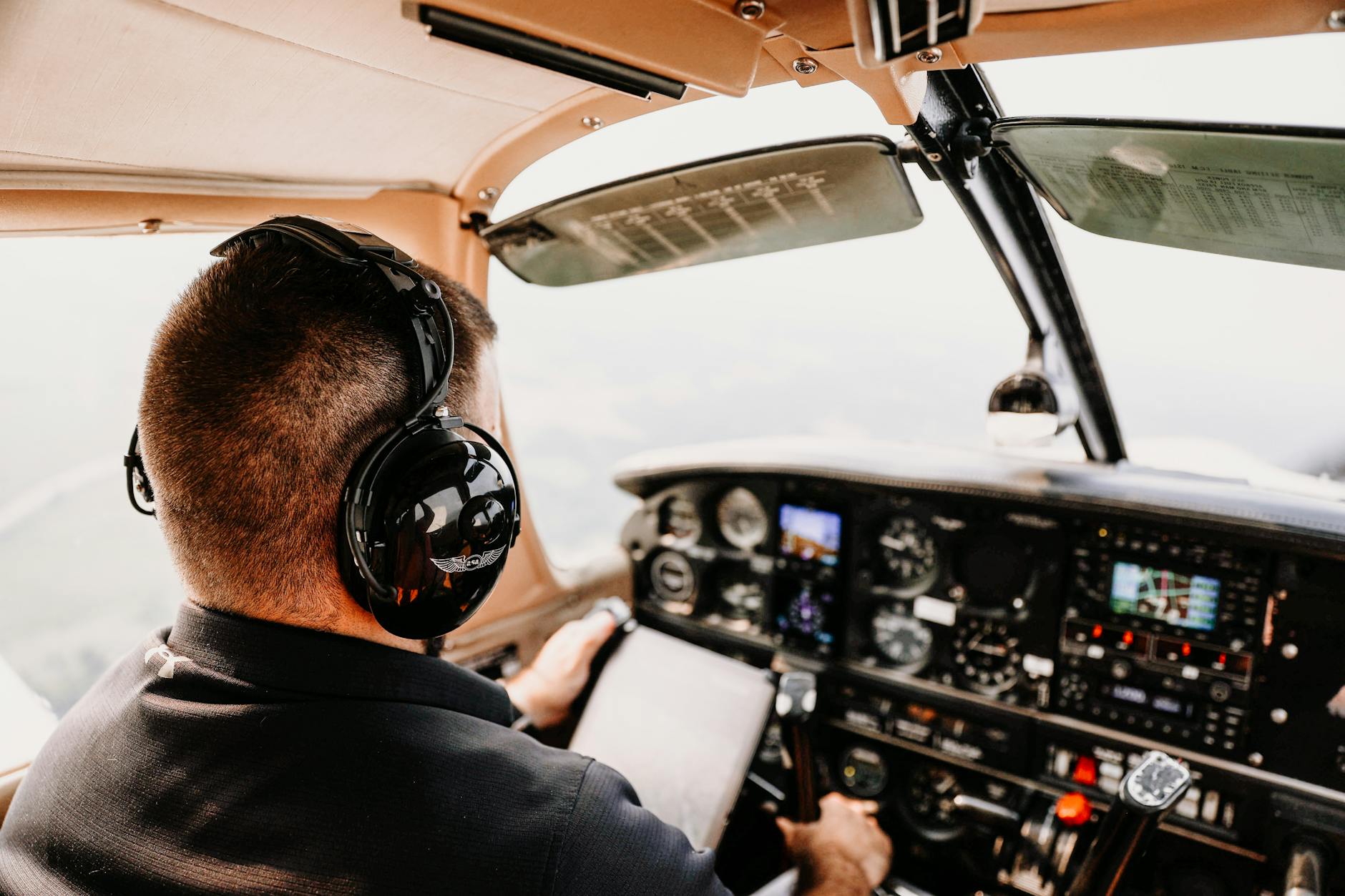
Passengers often misunderstand the complexities of flight paths and air traffic control restrictions. Pilots already constantly communicate with ground control to find the smoothest ride possible at various altitudes. Suggesting flight maneuvers implies the flight deck is unaware of the conditions or the options available. Flight attendants cannot relay navigational advice to the cockpit during critical flight phases. The pilots are already doing everything possible to find a smoother altitude.
You look terrified
Projecting fear onto a flight attendant undermines the confidence of everyone sitting nearby. Crew members are trained to remain stoic and professional even when they feel the bumps themselves. Comments about their facial expressions can cause unnecessary alarm or distract them from their safety duties. It is important to remember that they are focusing on their training rather than reacting emotionally. Their seriousness is often a sign of concentration rather than terror.
This is all your fault
Blaming the cabin crew for weather conditions or clear air turbulence is irrational and unhelpful. They have absolutely no control over the atmosphere or the flight path chosen by the pilots. Directing anger at them adds tension to an already stressful situation for everyone on board. Constructive feedback is better reserved for customer service channels after the flight has landed safely. The crew is experiencing the same discomfort as the passengers.
I am going to stand up anyway
Announcing an intention to defy safety orders forces the crew to take an authoritative and sometimes harsh stance. Standing up endangers you and potentially others if you fall onto a seated passenger. Flight attendants have the authority to report non-compliant passengers to law enforcement upon landing. Respecting their instructions is a legal requirement rather than a mere suggestion. Compliance ensures that no one gets hurt during unexpected jolts.
Why is the seatbelt sign on
Questioning the seatbelt sign implies that the safety measure is arbitrary rather than necessary. Pilots turn the sign on based on weather radar and reports from other aircraft in the vicinity. Asking this question distracts the crew from securing the galley and checking passenger compliance. The sign exists to protect passengers from unexpected jolts that can happen without warning. It will remain illuminated until the threat of rough air has passed.
Is the plane broken
Speculating about mechanical failure induces mass hysteria among travelers who may not understand aerodynamics. Turbulence is a normal atmospheric occurrence and rarely indicates a structural problem with the aircraft. Flight attendants are not mechanics and cannot diagnose engineering issues from the cabin aisle. Such comments spread misinformation and fear when calm is needed most. The aircraft is designed to withstand forces far greater than standard turbulence.
Look at how much the wing is shaking
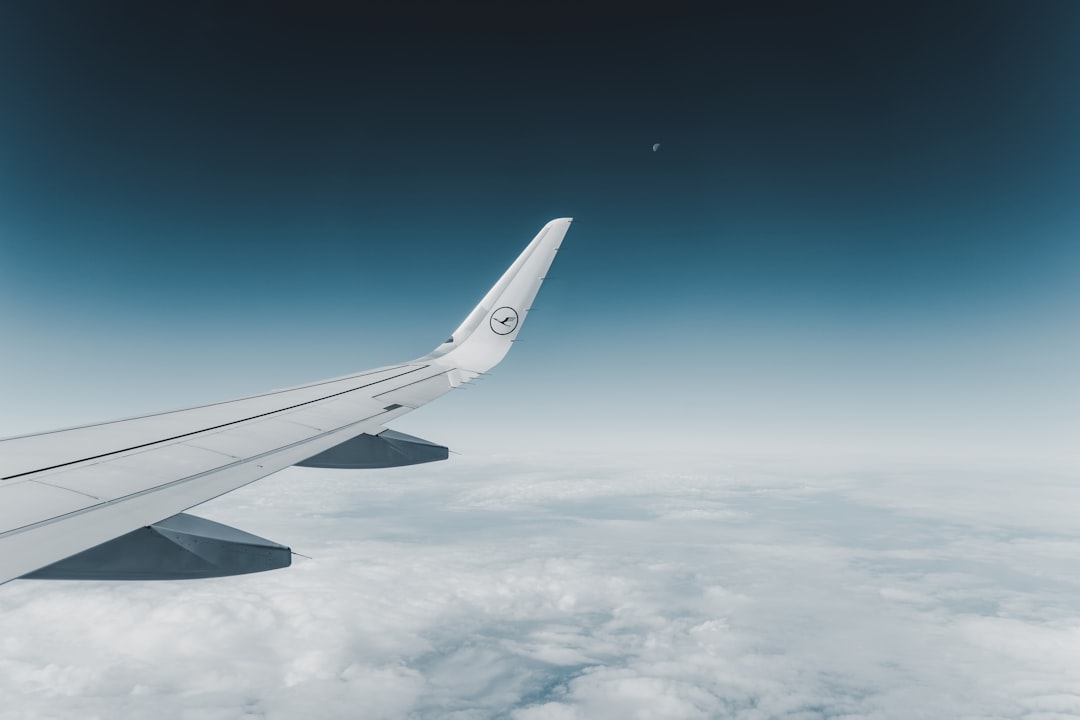
Pointing out the flexibility of the wings draws attention to a normal engineering feature designed to dampen turbulence. Aircraft wings are built to flex significantly to absorb the energy of the wind without snapping. Highlighting this movement scares nervous flyers who interpret flexibility as structural weakness. It is helpful to keep visual observations to yourself to maintain a peaceful cabin atmosphere. The wings are doing exactly what they were designed to do.
I want a refund for this flight
Discussing financial compensation during a safety event is ill-timed and inappropriate. Flight attendants cannot authorize refunds or credits while they are strapped into their jumpseats. Turbulence is considered an act of God and usually does not qualify for airline compensation. Saving customer service grievances for ground staff allows the crew to focus on immediate physical safety. Financial discussions should wait until everybody is safely on the ground.
Can you hold my hand
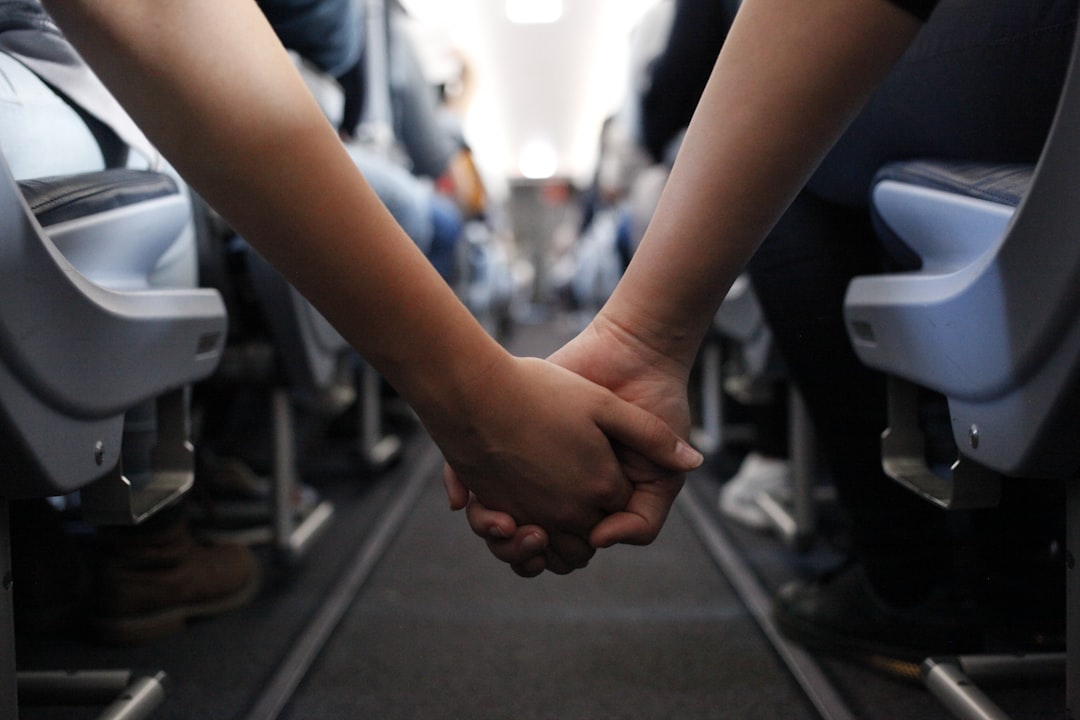
Asking a crew member to provide physical comfort prevents them from securing their own safety harness. Flight attendants must remain in their designated jumpseats to avoid injury during sudden altitude changes. While they are empathetic to fearful flyers they cannot abandon their safety stations to comfort individuals. Verbal reassurance is the most they can offer while the seatbelt sign is illuminated. Their primary responsibility is to maintain the safety of the entire cabin.
Make it stop immediately
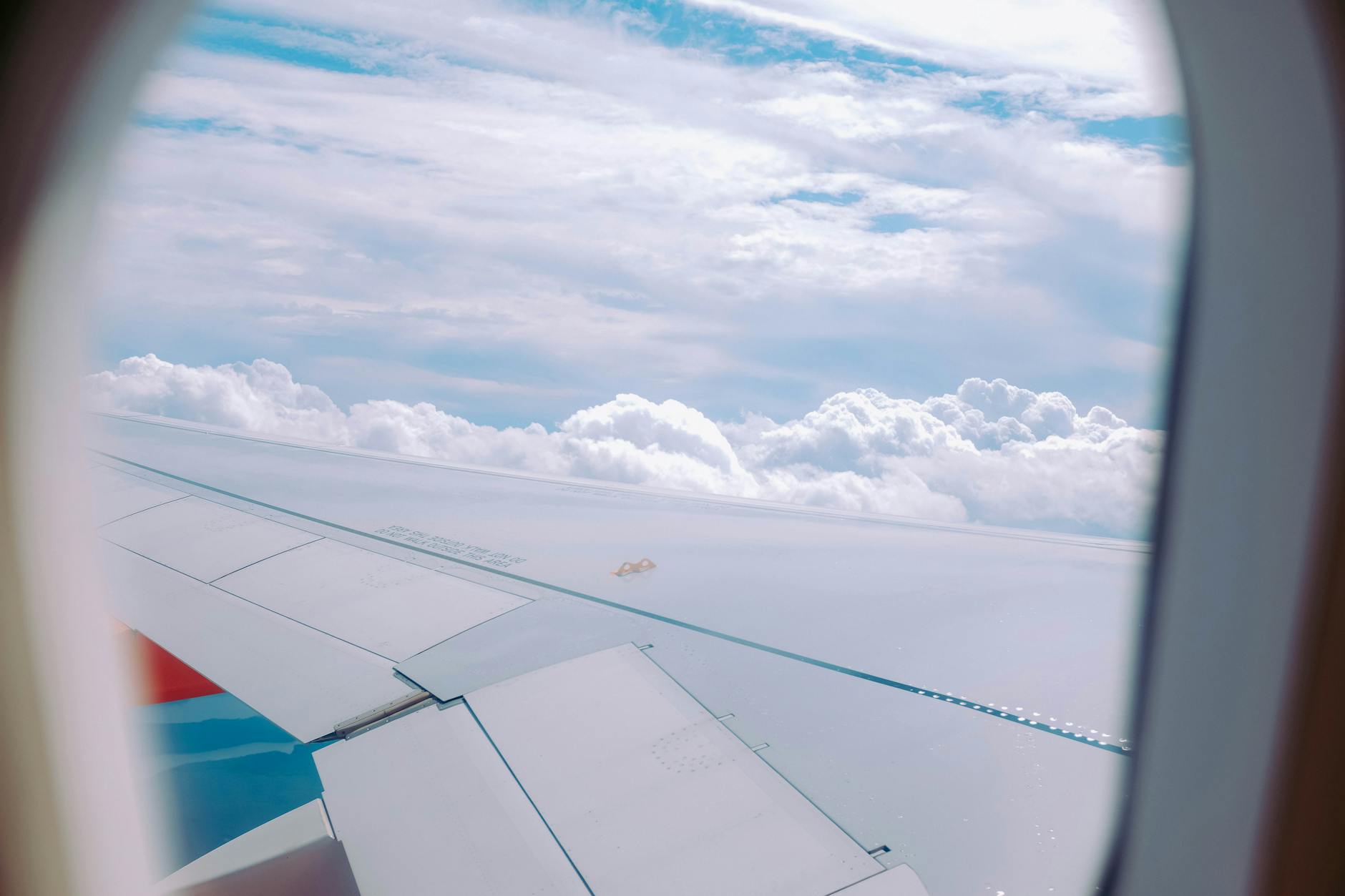
Demanding that the crew control the weather creates a contentious dynamic based on an impossible request. Flight attendants want the turbulence to end just as much as the passengers do to resume their duties. This statement reveals a significant lack of understanding regarding the limits of human control over nature. Patience is the only viable strategy until the aircraft moves into smoother air. The crew will communicate updates as soon as they receive information from the flight deck.
My coffee spilled on the tray
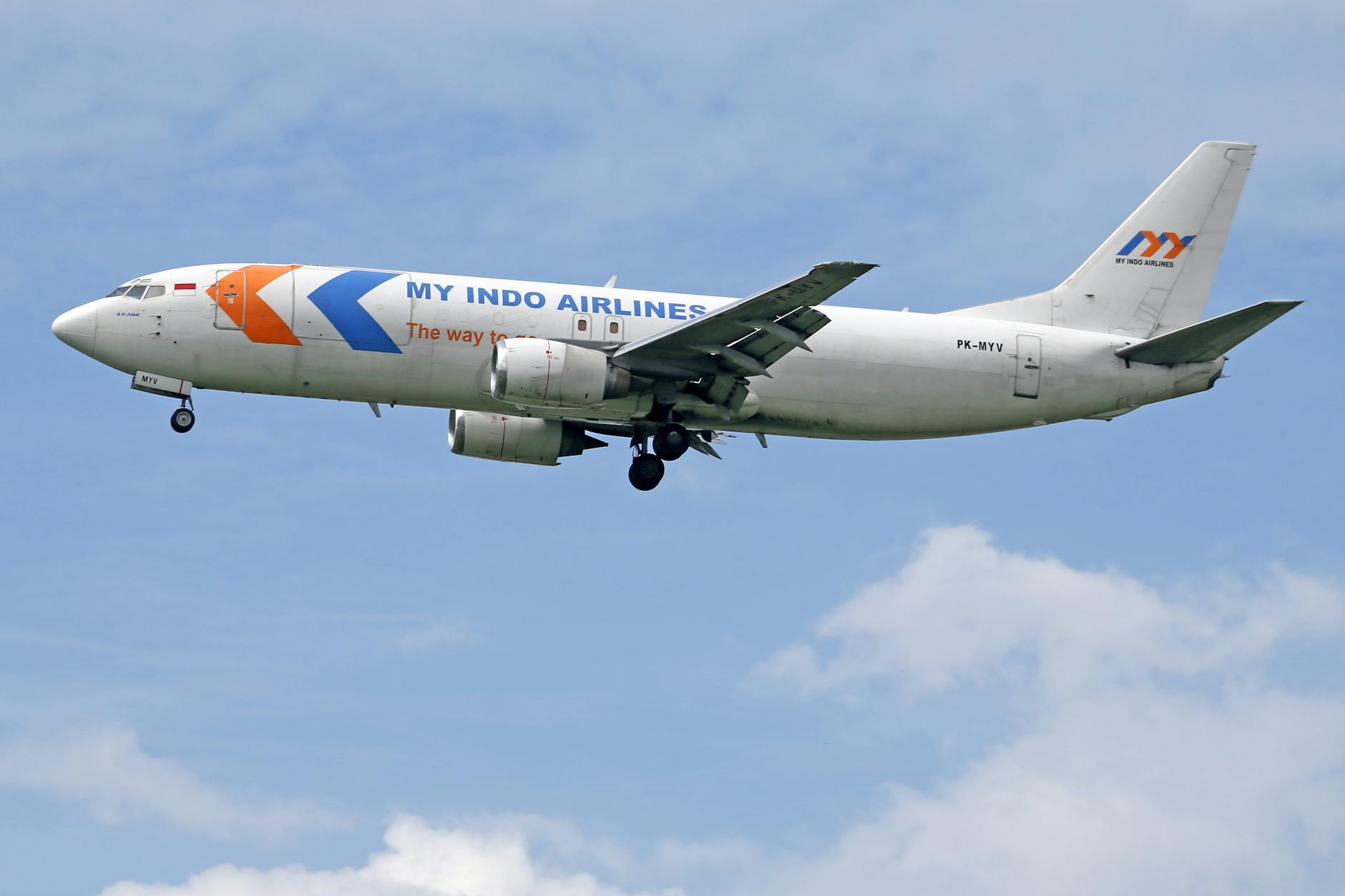
Complaining about a mess takes a backseat to preventing physical trauma during rough skies. Flight attendants cannot get up to bring paper towels or help clean spills until it is safe to move. Dealing with wet clothes or a sticky tray is a minor inconvenience compared to a potential head injury. Passengers should wait until the seatbelt sign is turned off to request cleaning assistance. Crew members will help clean the area once the danger has passed.
I know how to fly a plane
Boasting about aviation knowledge suggests you believe you know better than the professionals operating the aircraft. This can come across as arrogant and distracting to crew members monitoring the cabin. Every aircraft type handles differently and the crew follows specific protocols for that vessel. Trusting the active pilots and crew is essential for a coordinated safety response. Interference from passengers creates confusion rather than adding value.
Are we there yet
Asking for time estimates during turbulence is futile because flight paths often change to avoid bad weather. The crew might not have updated arrival information while the pilots are busy navigating. Repeatedly asking about arrival times distracts them from their primary safety checks. The captain will typically make an announcement once the situation stabilizes and a timeline is clear. Patience helps the crew focus on the immediate safety of the cabin.
Get me a blanket right now
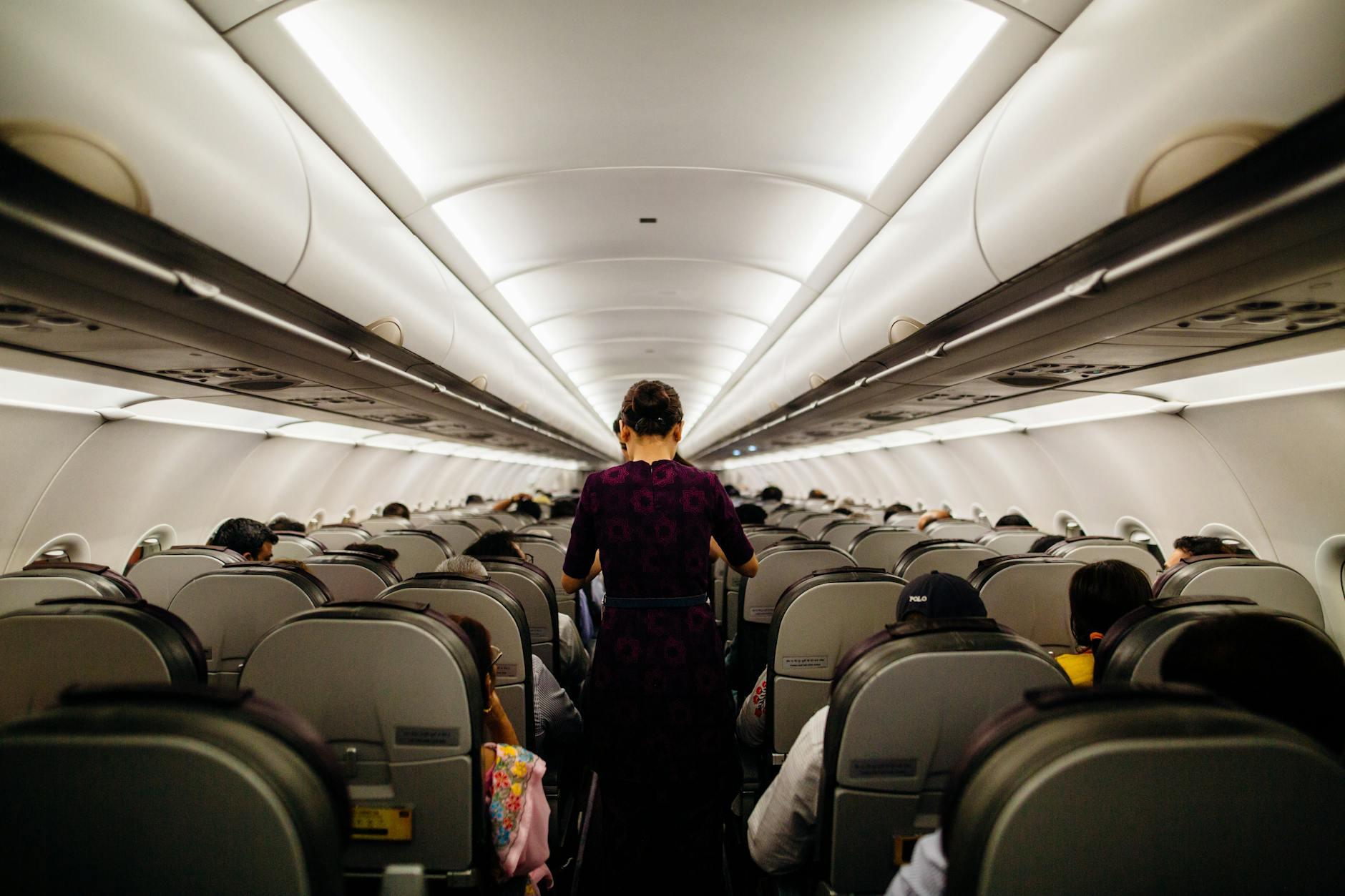
Requesting comfort items implies that your personal temperature preference overrides safety regulations. Crew members are strictly prohibited from opening overhead bins or accessing galley storage during turbulence. Loose items like blankets can create tripping hazards or clutter the aisle during an evacuation. Waiting for smooth air ensures that service items are distributed safely and efficiently. Personal comfort must wait until safety conditions allow for movement.
This airline is terrible
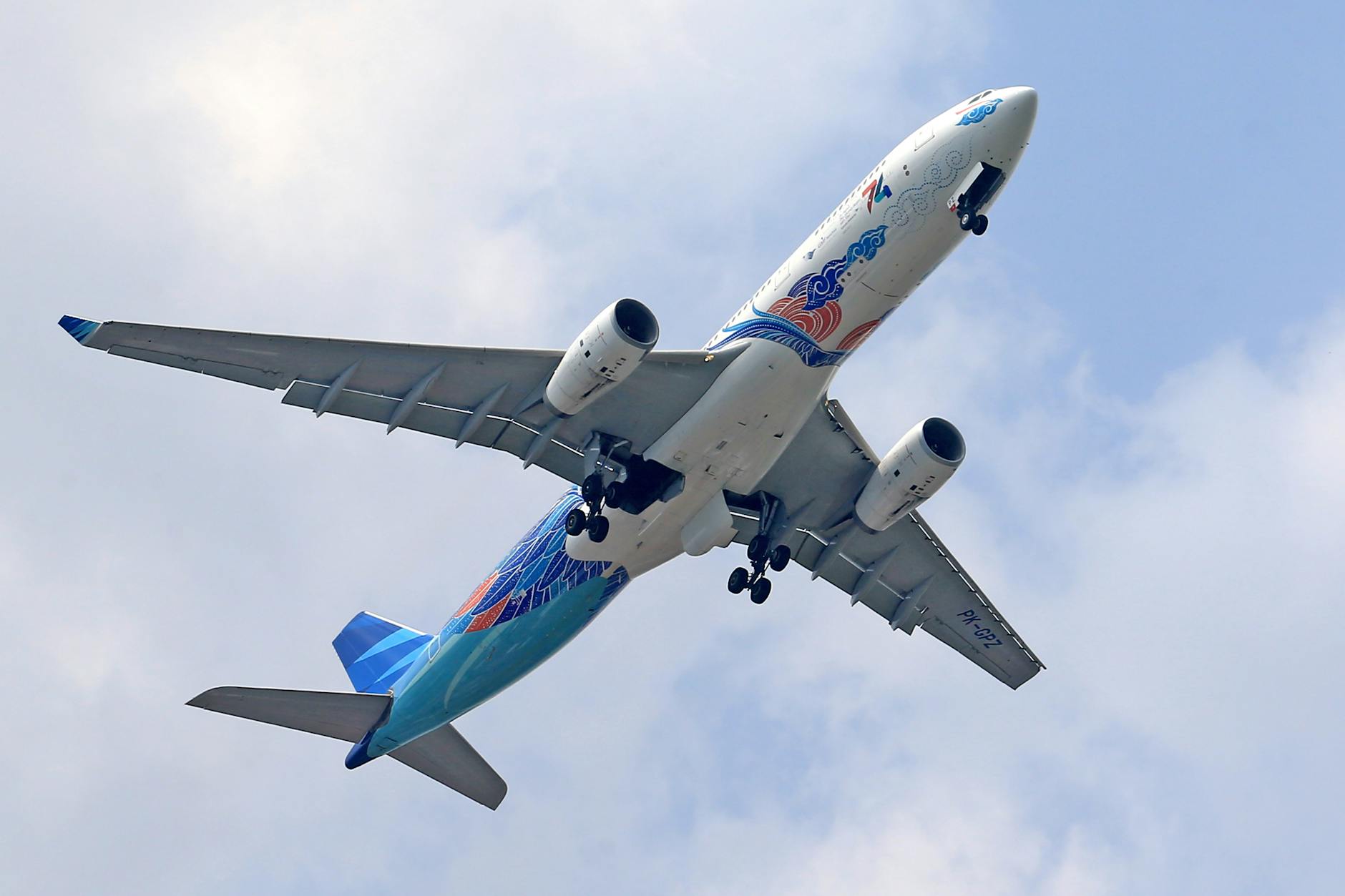
Generalizing the quality of the airline based on weather conditions is unfair to the staff working that flight. Flight attendants take pride in their work and hearing insults affects morale during a tough moment. The turbulence would occur regardless of the logo painted on the tail of the plane. Keeping negative opinions private helps maintain a respectful and cooperative environment on board. Crew members deserve respect regardless of the ride conditions.
Is this the worst you have seen
Asking crew to compare the current situation to past trauma invites unnecessary storytelling that can frighten others. Flight attendants avoid discussing their most terrifying experiences while passengers are currently anxious. They aim to normalize the situation rather than sensationalize it with horror stories. It is best to focus on the present moment rather than dwelling on extreme historical examples. Reassurance is more helpful than comparison in these moments.
I am an Elite Status member
Citing loyalty status does not grant immunity from the laws of physics or safety regulations. Flight attendants must prioritize the safety of every soul on board regardless of their frequent flyer tier. Expecting special treatment or exemptions during a safety lockdown distracts from the collective well-being. Everyone is equal when the seatbelt sign is on and safety protocols are in effect. Status privileges apply to service and booking rather than safety procedures.
If you have other tips for maintaining etiquette during rough flights please share your thoughts in the comments.




