Homeowners frequently overlook the subtle indications of termite activity until significant structural damage has already occurred. These pests are masters of concealment and often consume wood from the inside out while leaving the external surface intact. Early detection requires a keen eye for specific changes in the home environment that mimic other common household issues. Understanding the less obvious warning signs can save thousands of dollars in repair costs and preserve the integrity of the property.
Blistering Wood Flooring
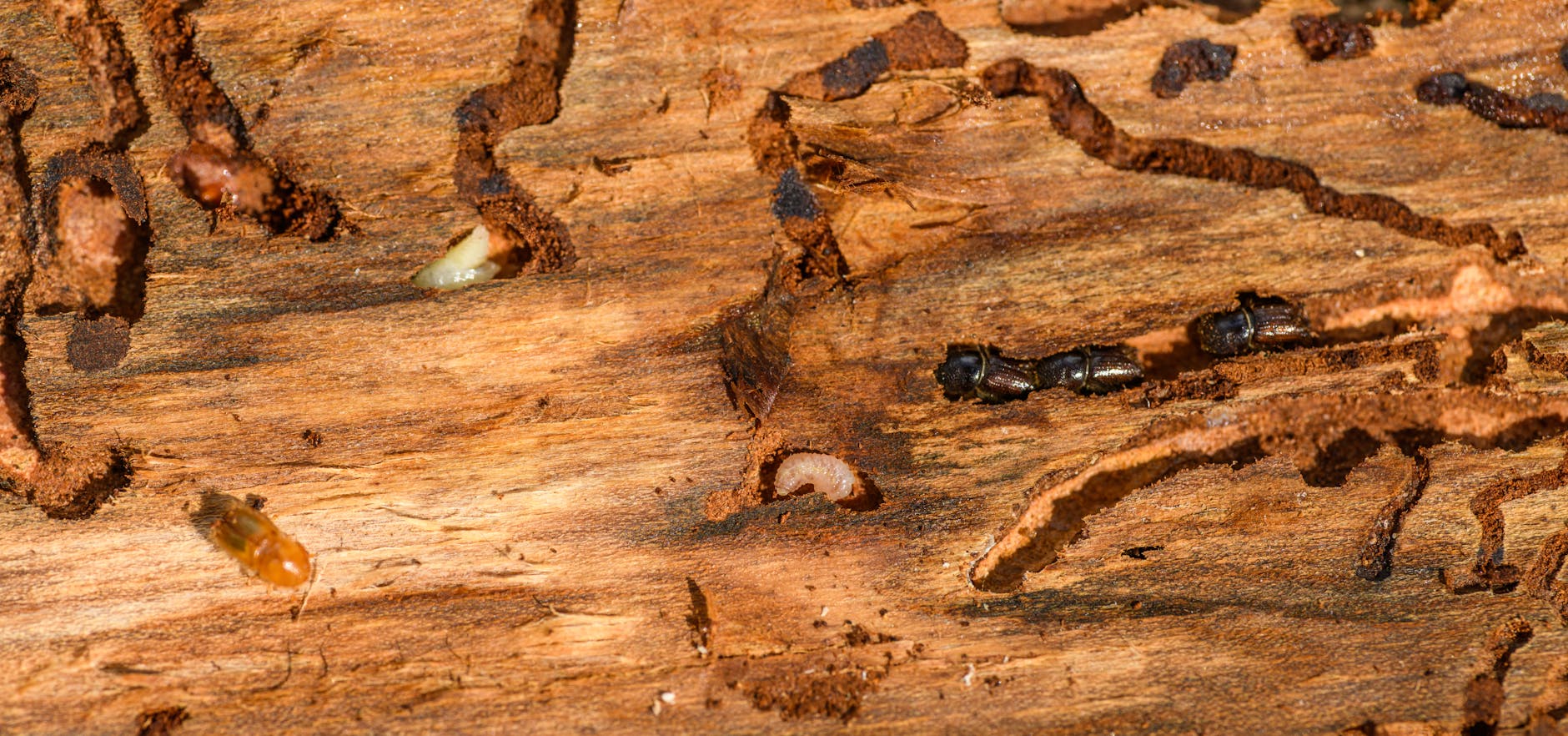
These bumps often look like slight water damage on laminate or wood surfaces. Subterranean termites feed within the subfloor and cause this uneven appearance as they tunnel closer to the top. Homeowners frequently mistake this sign for simple moisture issues or plumbing leaks. Inspecting the area underneath the flooring usually reveals the true extent of the insect activity. Ignoring these blisters allows the colony to compromise the structural integrity of the floor system.
Discarded Wings
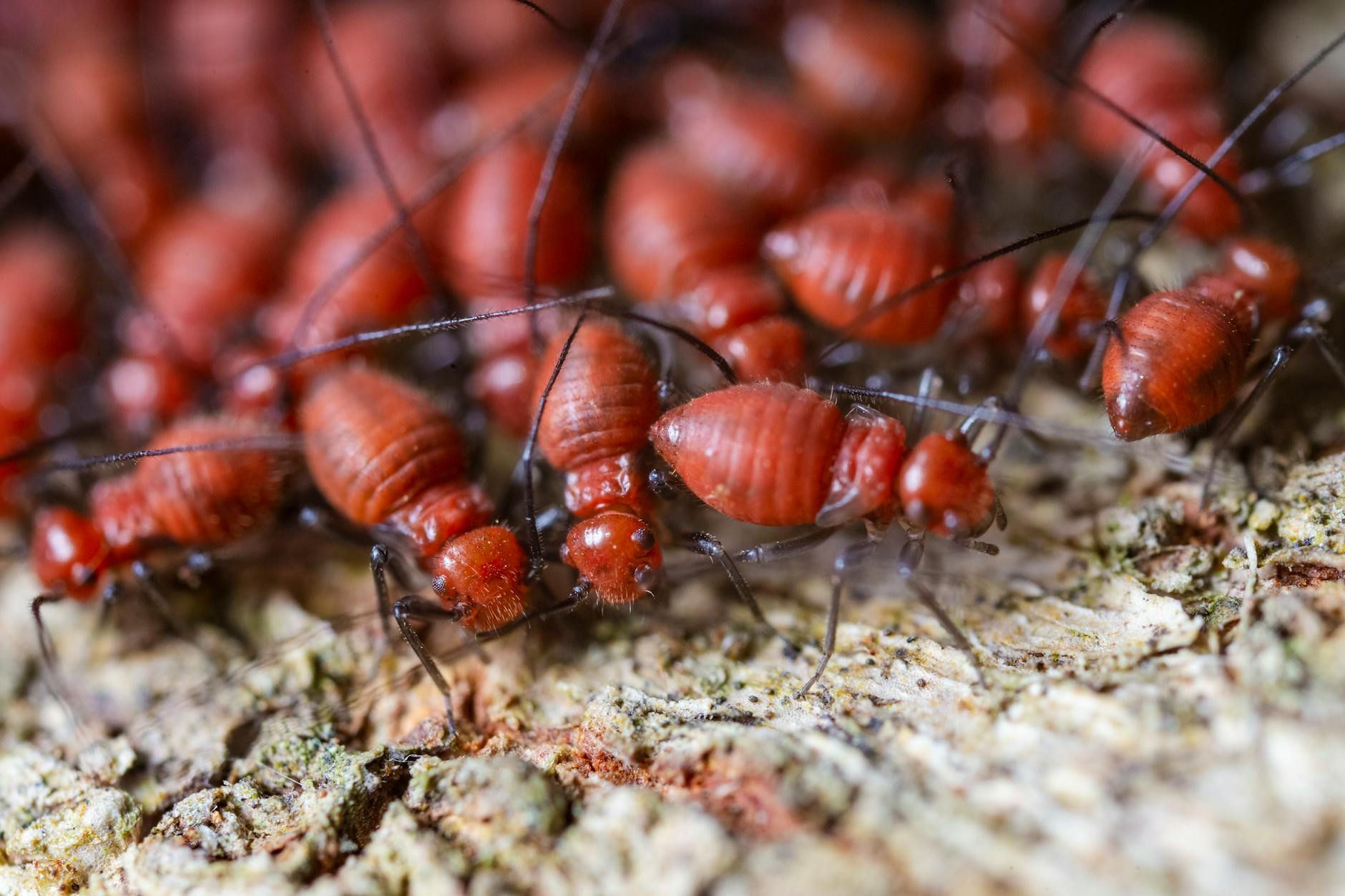
Reproductive termites shed their wings shortly after swarming to find a new mate and start a colony. You will typically find these piles of wings near window sills or doorways where the light attracts the insects. They resemble fish scales due to their translucent and slightly iridescent appearance. Finding wings inside the home indicates a mature colony is already present nearby or within the structure. Immediate professional identification helps determine if these belong to termites or flying ants.
Mud Tubes
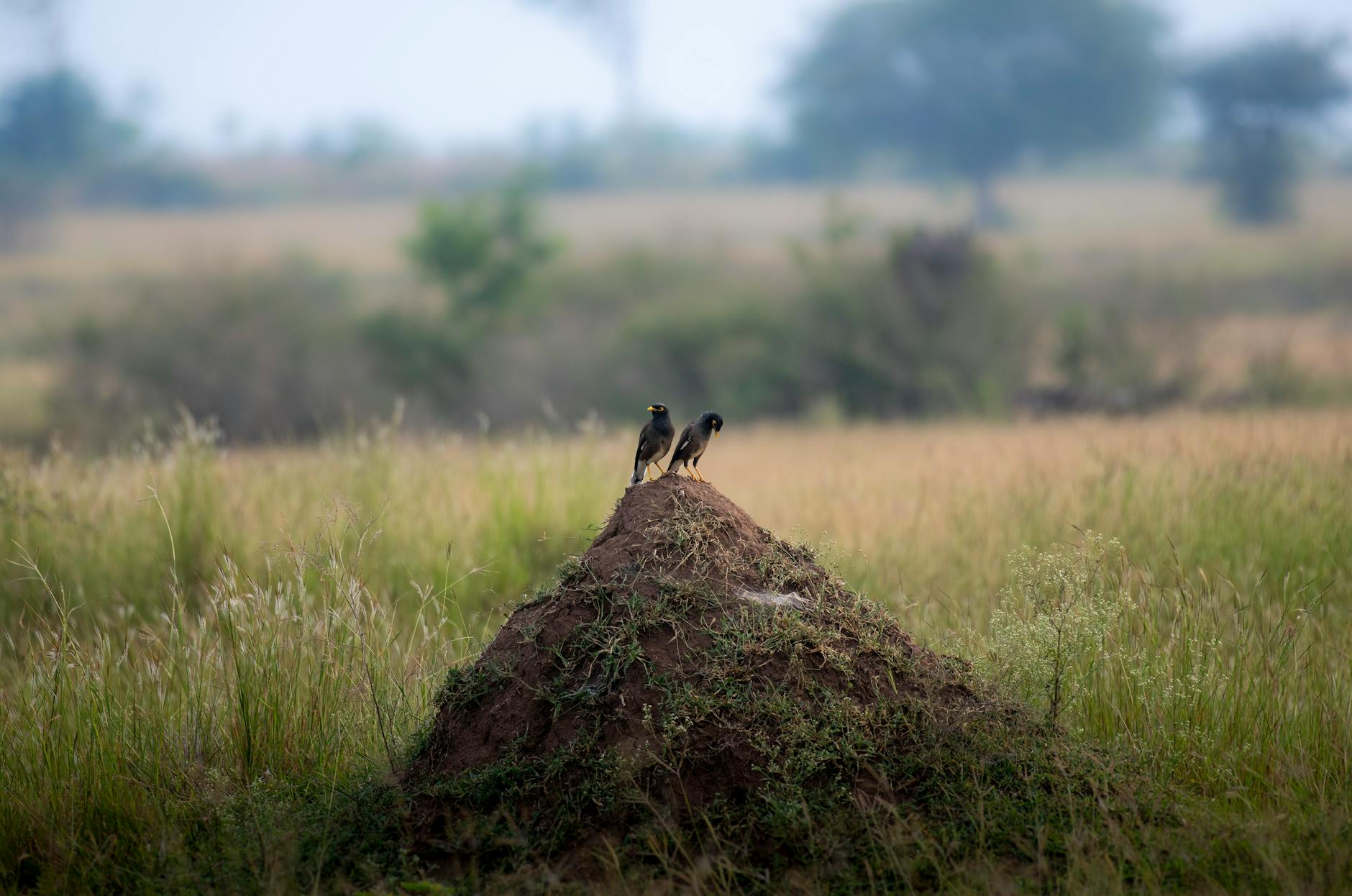
Subterranean termites build pencil-sized tunnels to travel between their nest and a food source while staying protected. These tubes are composed of soil and wood particles held together by termite saliva. You will often see them running up foundation walls or along floor joists in basements and crawl spaces. Breaking a tube open can reveal if the infestation is currently active with worker termites moving inside. Sealing cracks in the foundation helps prevent these pests from constructing their initial entry points.
Frass Mounds
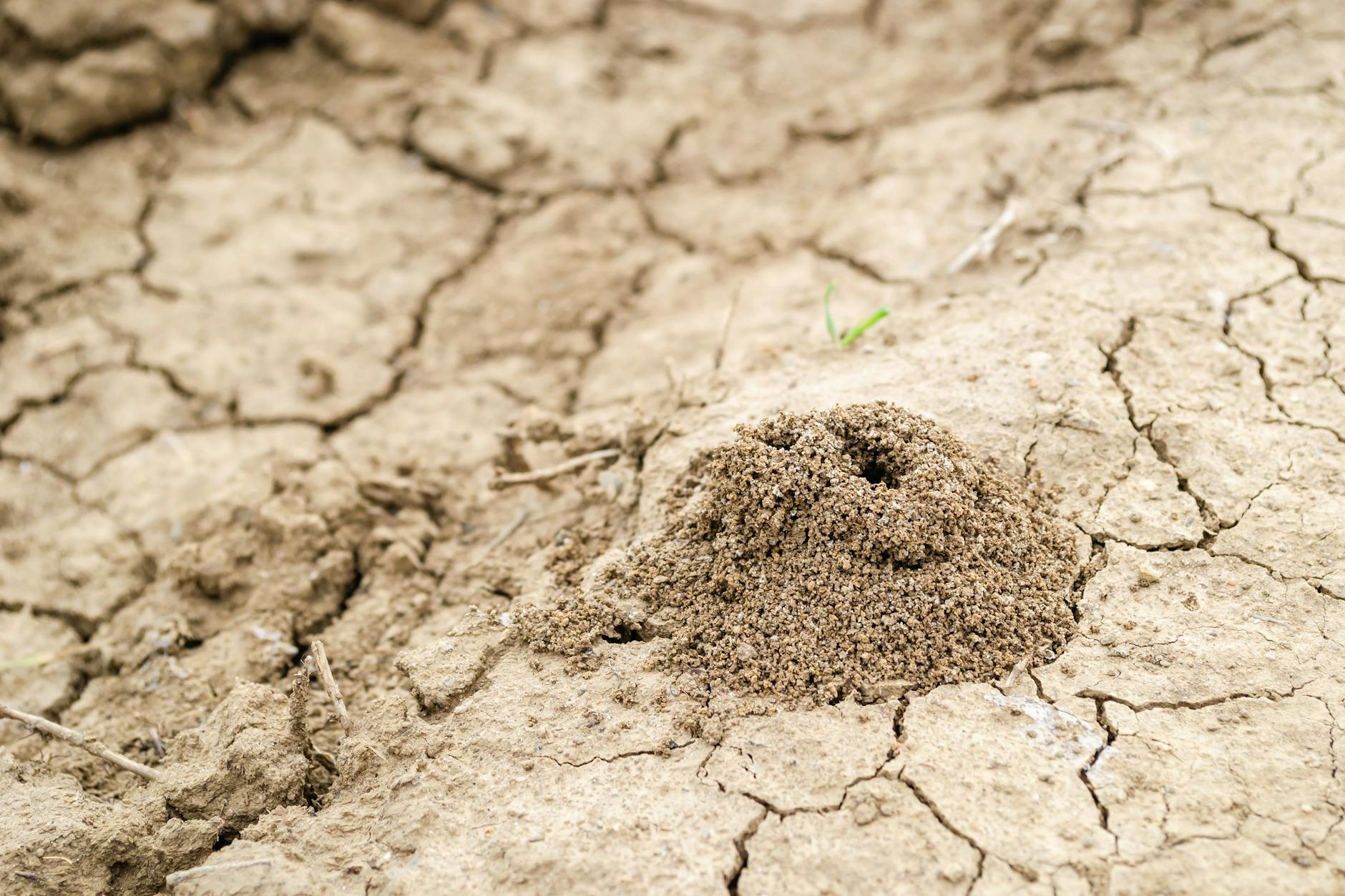
Drywood termites push their fecal pellets out of their tunnels to keep their galleries clean. These droppings look like small piles of sawdust or poppy seeds gathering below the infested wood. The pellets are hard and have six distinct concave sides when viewed under magnification. Homeowners usually spot these mounds before seeing the actual insects or damage to the wood itself. Regular cleaning might mask this sign so it is important to inspect quiet corners frequently.
Hollow Sounding Wood
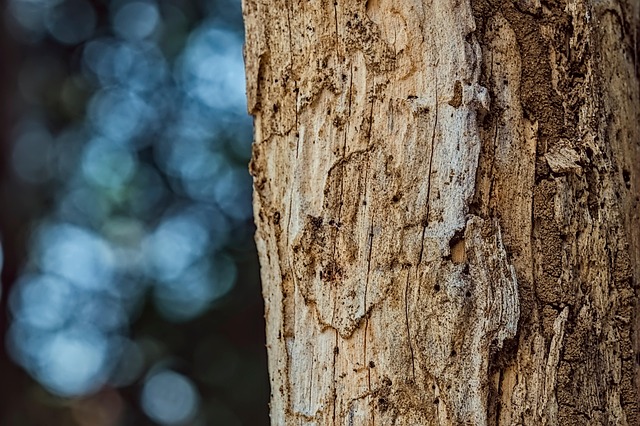
Termites consume wood from the inside out and leave a thin veneer of timber or paint on the surface. Tapping on door frames or baseboards with a screwdriver handle produces a distinct paper-like thud when damage is present. The outer layer might break easily if you press against it with moderate pressure. This type of destruction often goes unnoticed until the wood is completely compromised structurally. Checking exposed beams annually helps catch this internal hollowing early.
Stuck Doors
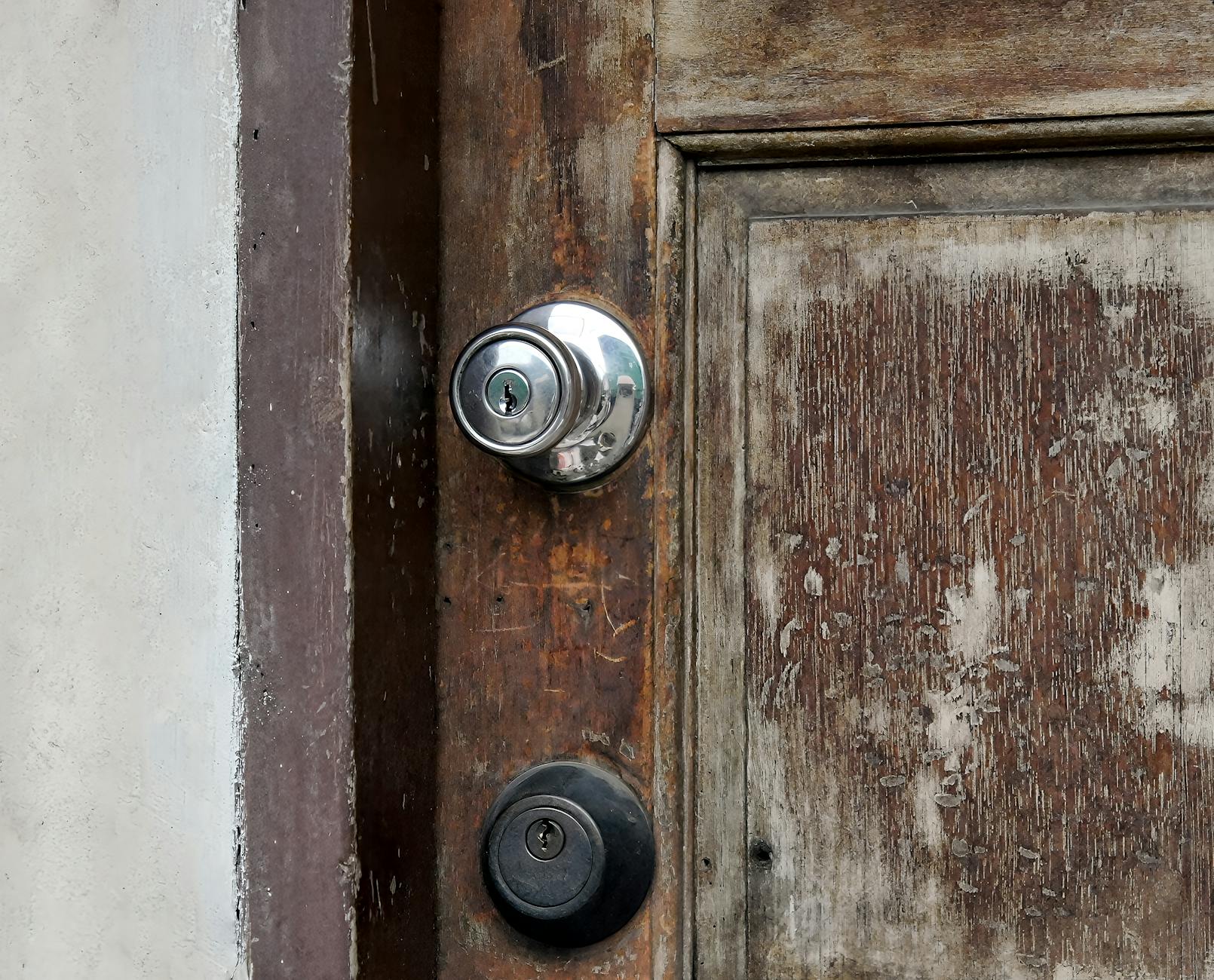
Termites produce moisture while eating and tunneling through wooden frames. This excess humidity causes the wood to warp and makes doors difficult to open or close properly. The friction might feel uneven or the door may seem to hang crookedly in the frame. Many residents assume this sticking results from seasonal humidity changes rather than pest activity. Investigating the door jambs for other signs of damage is essential when alignment issues arise unexpectedly.
Peeling Paint
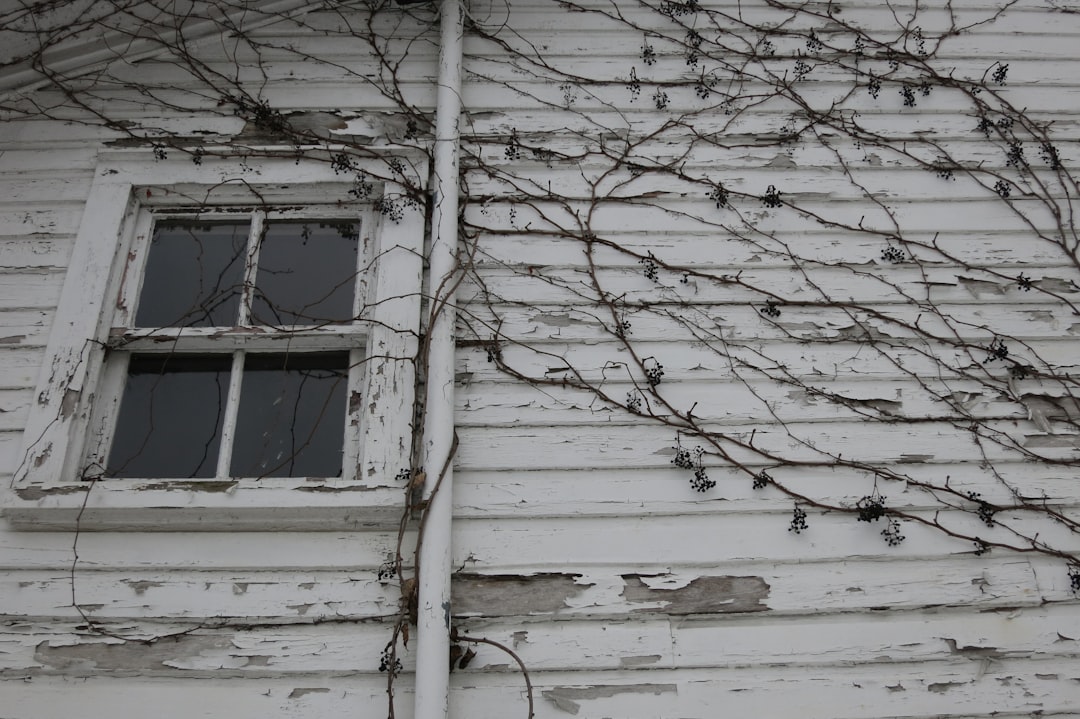
Bubbling or peeling paint on walls often indicates moisture buildup behind the surface. Termites bring moisture into the drywall as they build their colonies and tunnel through the paper backing. This damage looks remarkably similar to water leaks from pipes or roof issues. You should check for firmness by gently pressing on the affected painted area. If the wall feels soft or spongy behind the paint then termites are a likely culprit.
Clicking Sounds
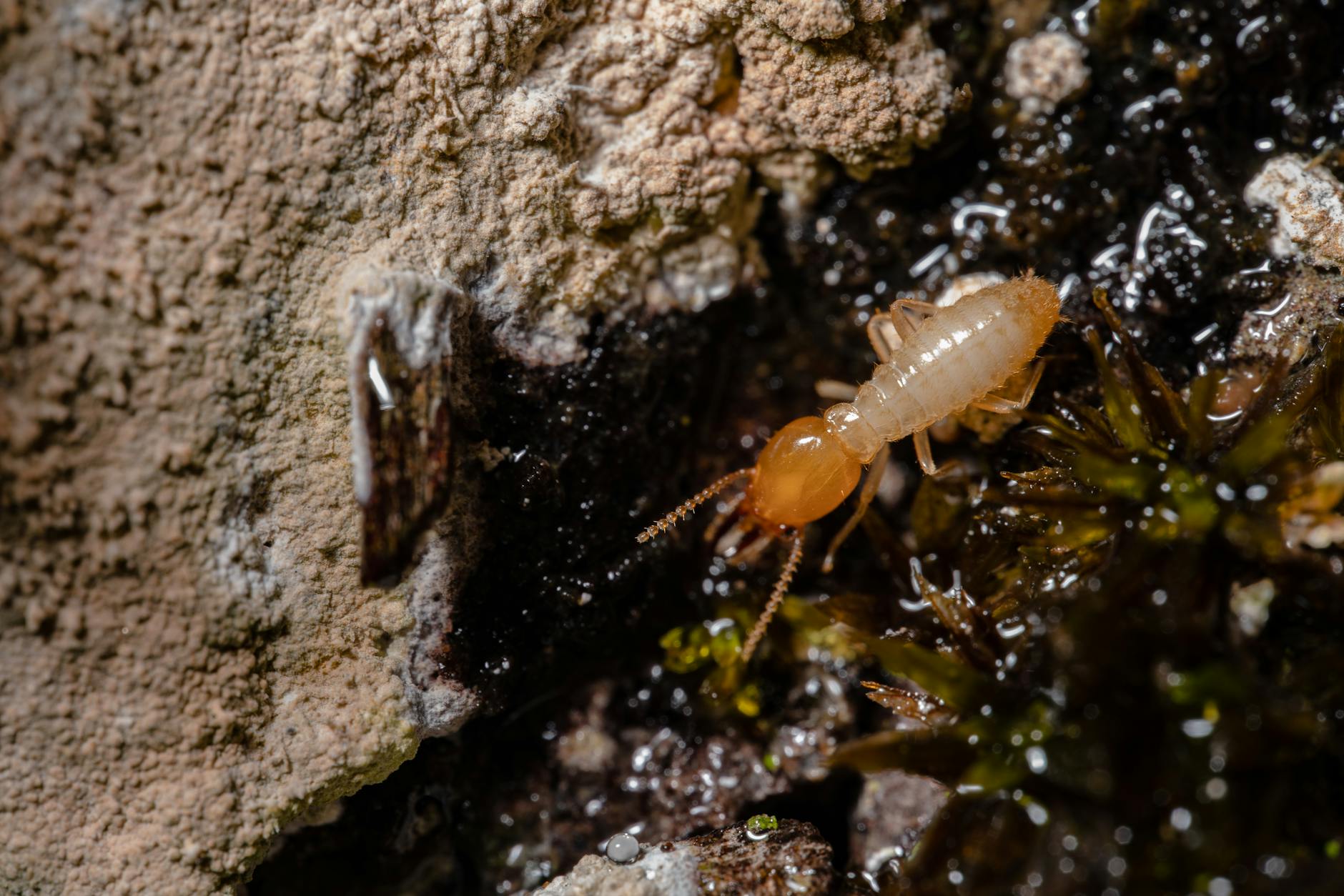
Soldier termites bang their heads against wood to signal danger to the rest of the colony. This behavior creates a quiet clicking or rattling noise coming from inside the walls. You might hear this distinct sound more clearly during quiet evening hours. Large infestations can produce a surprisingly audible volume of noise from thousands of pests eating. Listening near wall voids with a stethoscope can sometimes confirm their presence.
Pinholes in Drywall

Small exit holes in drywall allow termites to leave the wall void for their mating flights. These tiny openings are often capped with a small amount of mud or soil. They might appear as small specks of dirt on the wall surface that return after cleaning. Seeing these holes indicates the termites have eaten through the paper layer of the gypsum board. Thorough inspection of the surrounding wall area often reveals more extensive tunneling.
Crumbling Wood Trim
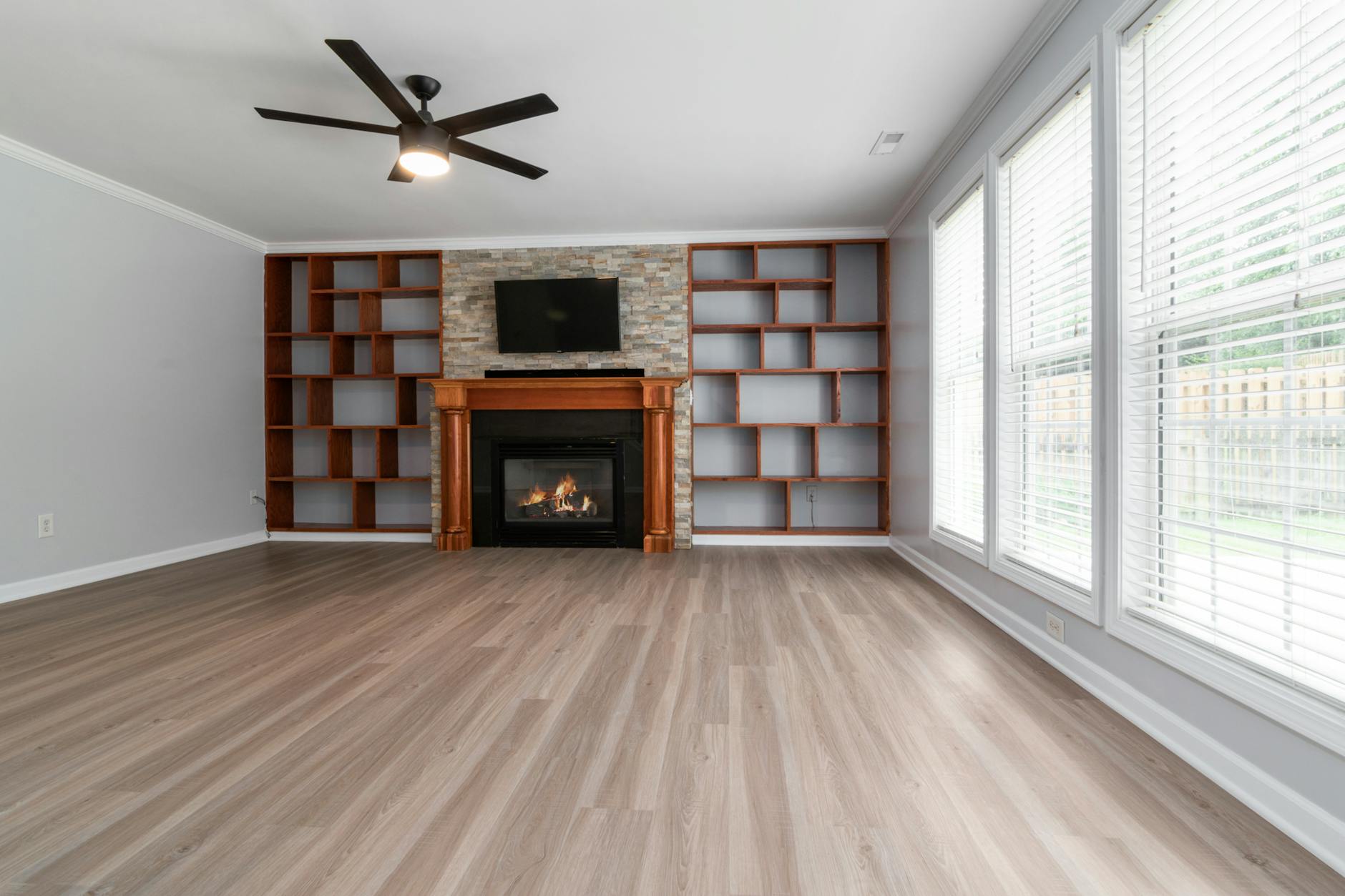
Baseboards and window casings serve as easily accessible food sources for termites. The trim may crumble or disintegrate when bumped by a vacuum cleaner or furniture. Damage often starts at the floor level where the wood meets the foundation or slab. Visual inspection might show wavy lines or sunken areas in the painted wood surface. Replacing the trim is necessary but only after the underlying infestation is treated.
Loosening Tiles
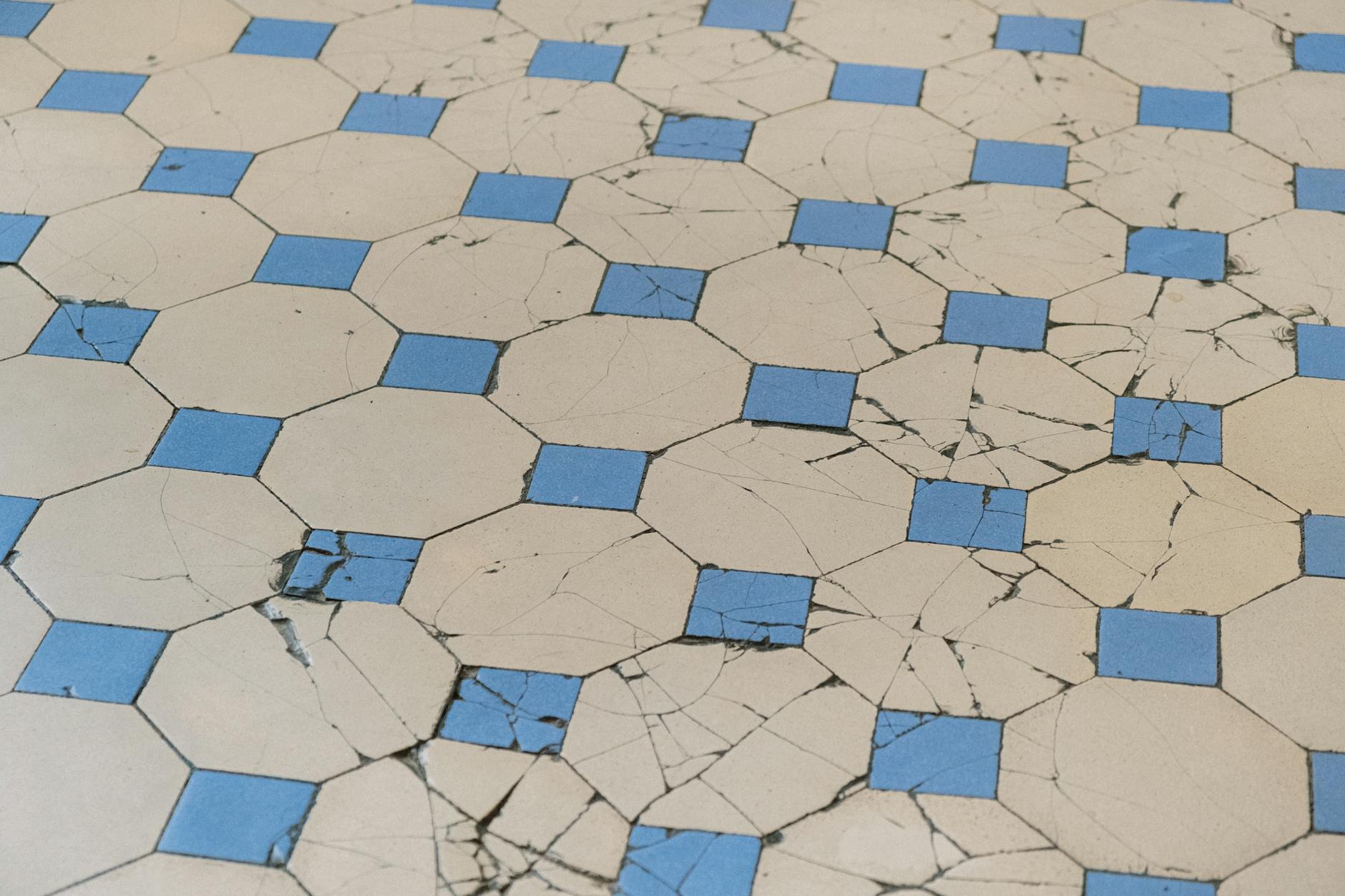
Termites introduce moisture to the subfloor which can cause the adhesive holding tiles to fail. The floor tiles may become loose or sound hollow when walked upon. Grout lines can crack as the underlying structure shifts due to termite damage. This issue is particularly common in bathrooms where plumbing penetrations offer easy access for pests. Pulling up a loose tile often exposes the worker termites active in the subfloor.
Maze Patterns in Wood
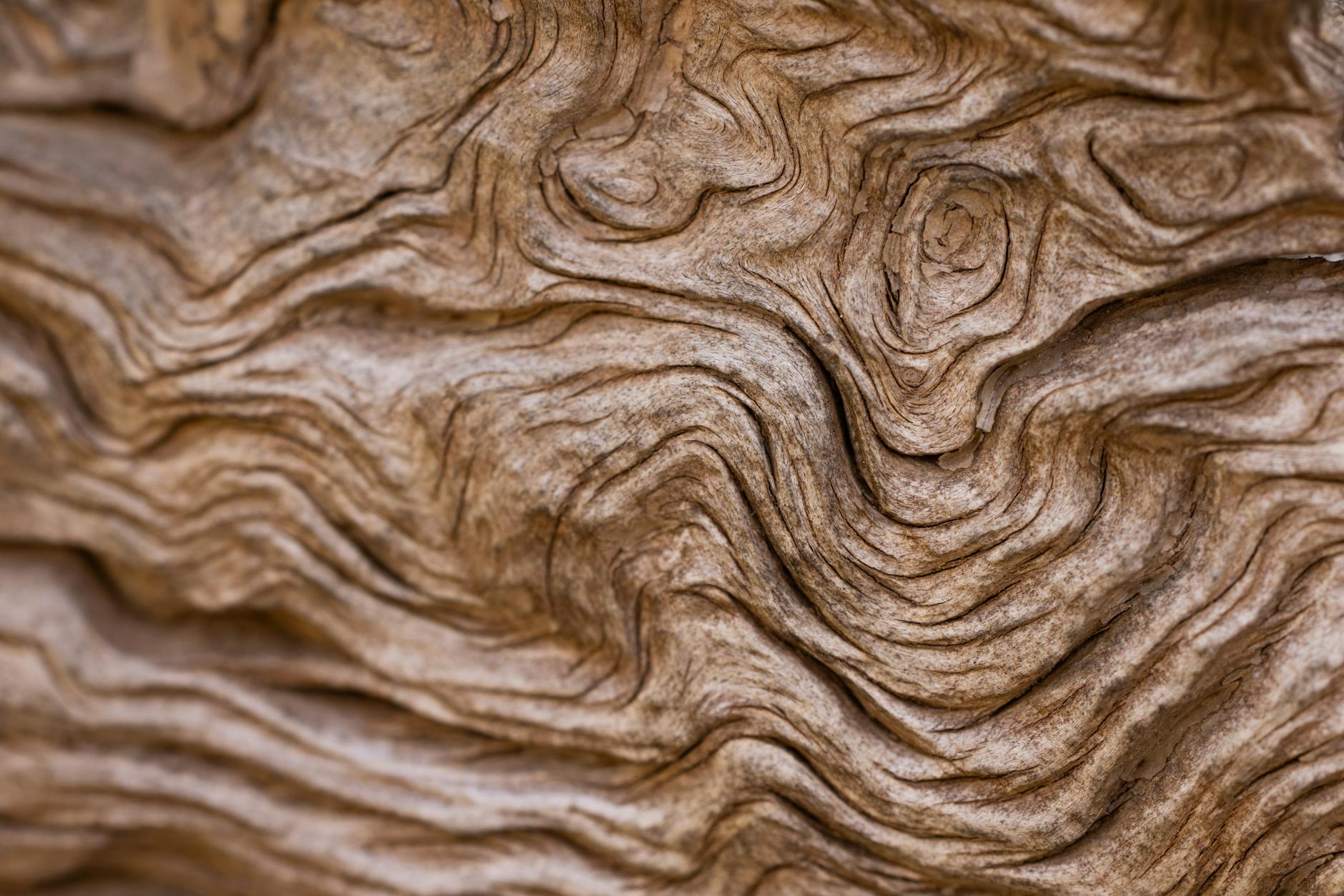
Removing floorboards or wall paneling might reveal intricate carving patterns in the wood grain. Subterranean termites generally eat the softer springwood and leave the harder summerwood behind. This feeding habit creates a distinct layered look that resembles a honeycomb or maze. This specific pattern distinguishes termite damage from other wood-destroying organisms like beetles or fungus. Identifying this damage confirms the need for immediate structural repair.
Sagging Ceilings
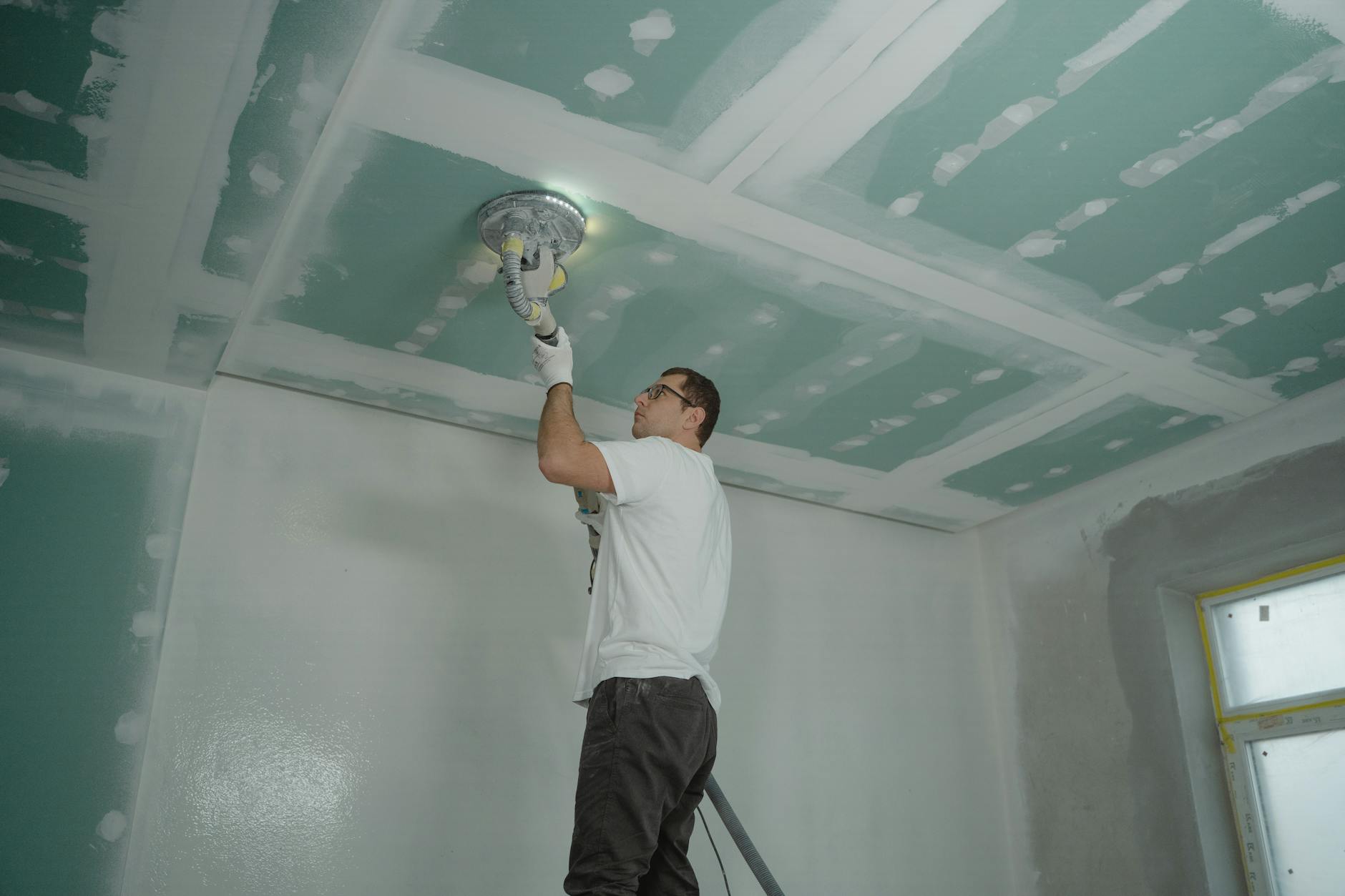
Termites can infest attic joists and consume the structural supports holding up the ceiling drywall. The weight of the ceiling eventually causes the weakened timber to bow downward. This sagging might appear gradually and look like the result of settling or water damage. Cracks in the ceiling plaster usually accompany the downward shift of the framing members. Urgent inspection is required to prevent a potential ceiling collapse.
Excessively Squeaky Floors
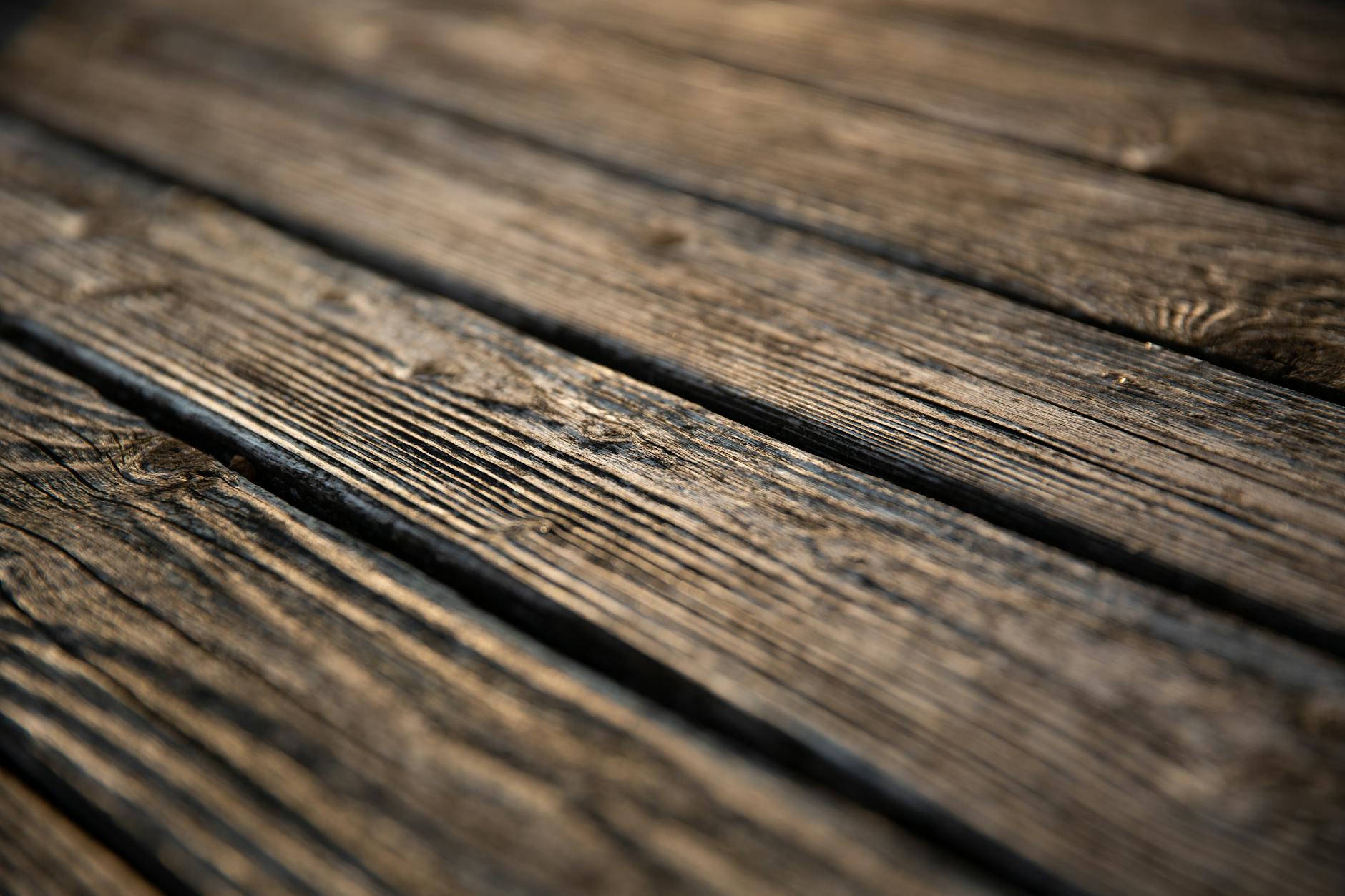
Weakened subfloors and joists move more than solid wood when weight is applied. This movement creates squeaking or creaking noises as you walk across the room. While some old floors squeak naturally the sudden onset of noise in a specific area is suspicious. Termites attacking the fasteners or the wood around nails often cause this looseness. Investigating the floor structure from below is the best way to determine the cause.
Smell of Mildew
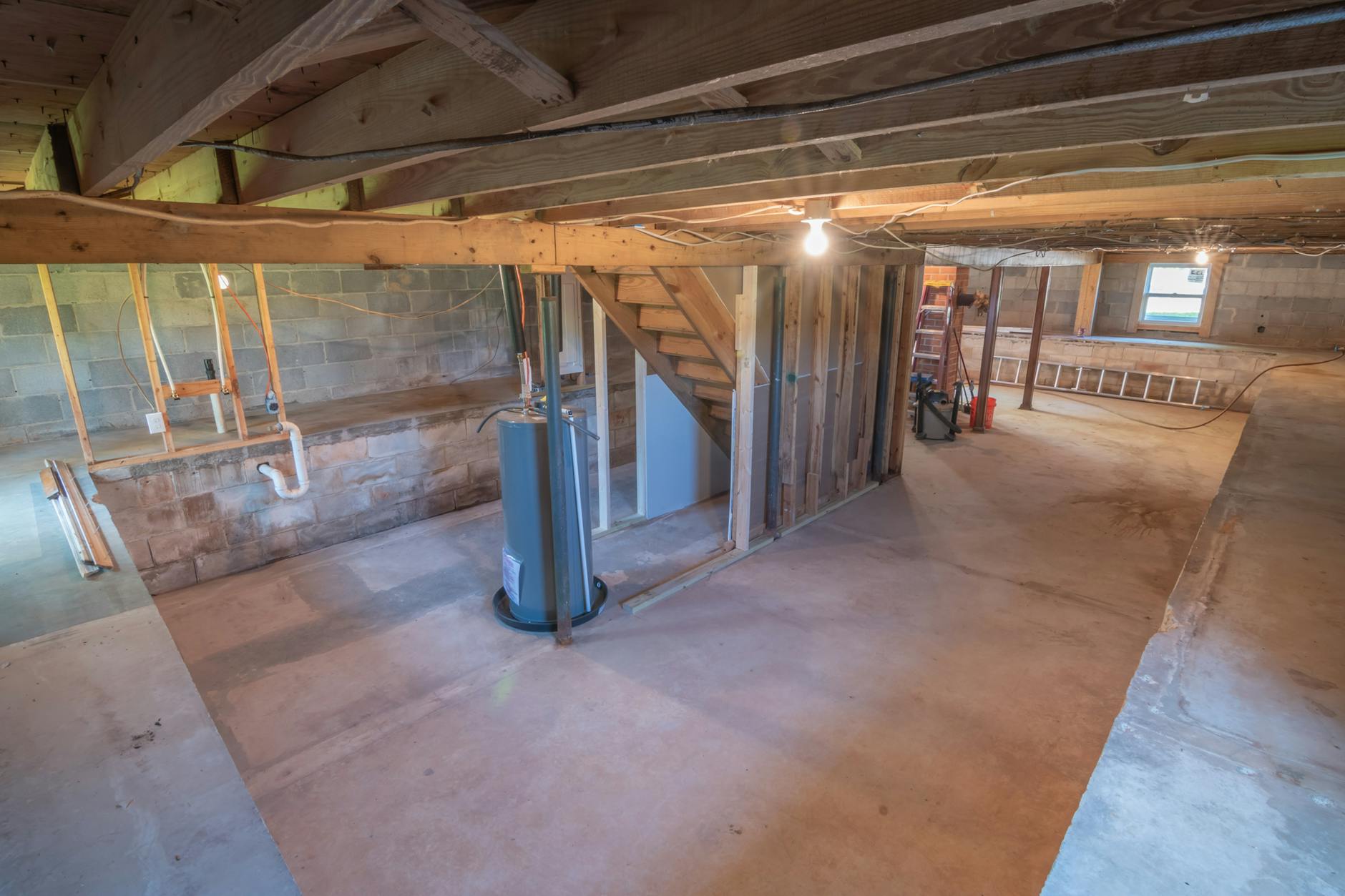
Termites require a humid environment to survive and thrive within the home structure. They produce a distinct musty odor that smells strongly of mildew or damp earth. This scent is often strongest in areas where the infestation is heavy such as basements or crawl spaces. Homeowners frequently misidentify this smell as a lack of ventilation or simple dampness. Persistent odors despite cleaning suggest a biological source hidden within the walls.
Discolored Drywall
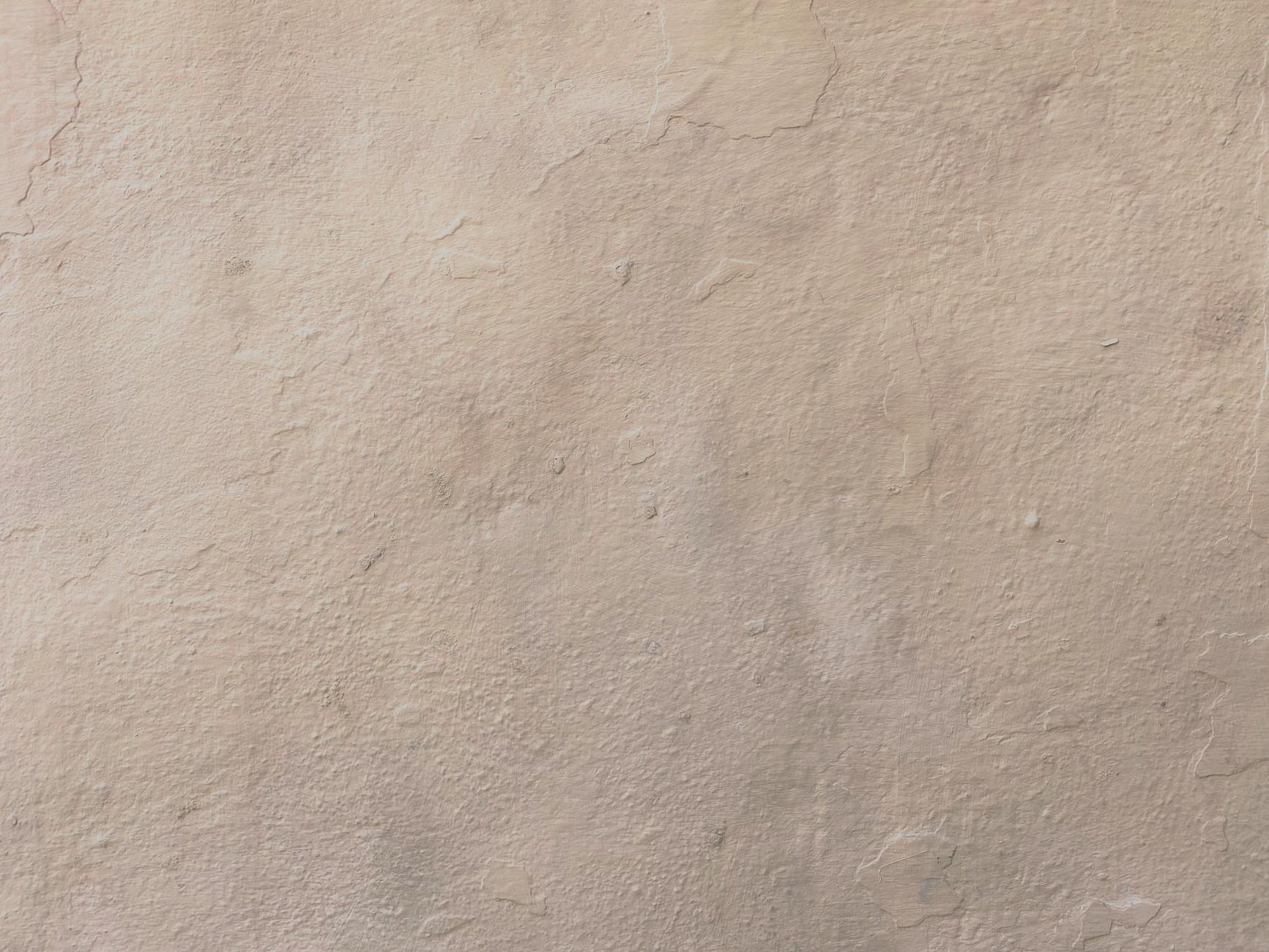
Areas of drywall may take on a brownish or yellowish tint as termite activity increases behind it. This discoloration results from the moisture and waste products produced by the colony. The stains often spread irregularly and do not follow the typical pattern of a gravity-driven water leak. You should examine the stained area for small holes or soft spots. Painting over the stain will not solve the underlying destruction of the wall materials.
Tree Nesting Signs
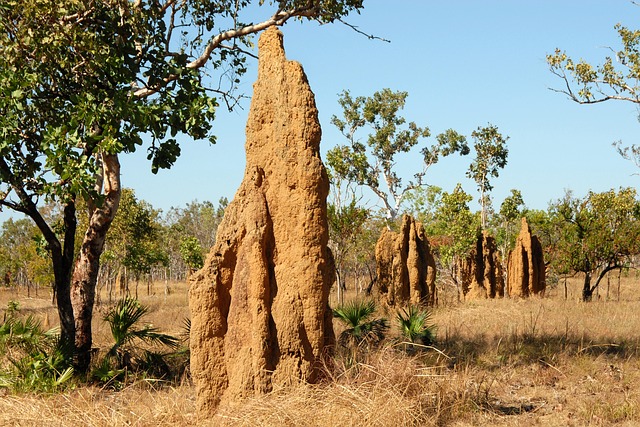
Termite activity on trees near the house often signals a threat to the main structure. Mud tubes running up the exterior bark indicate a colony is foraging in the immediate area. Dead branches or hollow trunks can harbor thousands of termites looking for their next food source. Roots growing under the foundation provide a direct highway for these pests to enter the home. Managing vegetation and inspecting nearby trees reduces the risk of home invasion.
Please share your own experiences with identifying household pests in the comments.




