Kidney health is often overlooked until significant issues arise yet these vital organs play a crucial role in filtering toxins and regulating bodily fluids. Diet plays a massive part in maintaining renal function and beverage choices are among the most impactful daily decisions for long-term health. Many popular drinks contain hidden ingredients like excessive sugar or phosphoric acid that silently strain the kidneys over time. Identifying these harmful beverages is the first step toward protecting these hardworking organs and promoting overall wellness.
Dark Colas

Dark colas are frequently cited as damaging to renal health due to their high levels of phosphoric acid used for flavor and preservation. This additive disrupts the natural balance of electrolytes and forces the kidneys to work much harder to filter the excess phosphorus from the bloodstream. High intake of these beverages has been statistically linked to a higher risk of developing chronic kidney disease compared to clear sodas. The combination of high sugar and phosphoric acid creates a dual threat that accelerates kidney decline.
Alcohol

Regular consumption of alcohol acts as a potent diuretic that dehydrates the body and forces the kidneys to struggle with fluid regulation. This dehydration impairs the ability of the kidneys to filter blood effectively and disrupts the delicate balance of ions and electrolytes. Chronic drinking can lead to high blood pressure which is a leading cause of kidney failure and other systemic health issues. Even distinct episodes of binge drinking can cause acute kidney injury by overloading the organs with toxins they cannot process quickly enough.
Energy Drinks

Energy drinks deliver a concentrated dose of caffeine and taurine that can cause a rapid spike in blood pressure and place immense stress on the kidneys. Many of these beverages also contain excessive amounts of sugar or artificial sweeteners that contribute to metabolic strain. The intense diuretic effect of the high caffeine content increases the risk of dehydration and kidney stone formation. Frequent consumption has been associated with acute kidney failure in otherwise healthy individuals due to the overwhelming toxic load.
Sweetened Iced Tea

Commercially sweetened iced tea often contains extremely high levels of sugar which contributes to obesity and diabetes risk factors that damage kidneys. Many varieties of black tea used in these drinks are also rich in oxalates which are a primary component in the formation of painful kidney stones. Drinking large quantities of this beverage floods the body with stone-forming minerals while simultaneously spiking blood sugar. Bottled versions often include preservatives that provide no nutritional value and add to the filtration burden.
Processed Fruit Juice
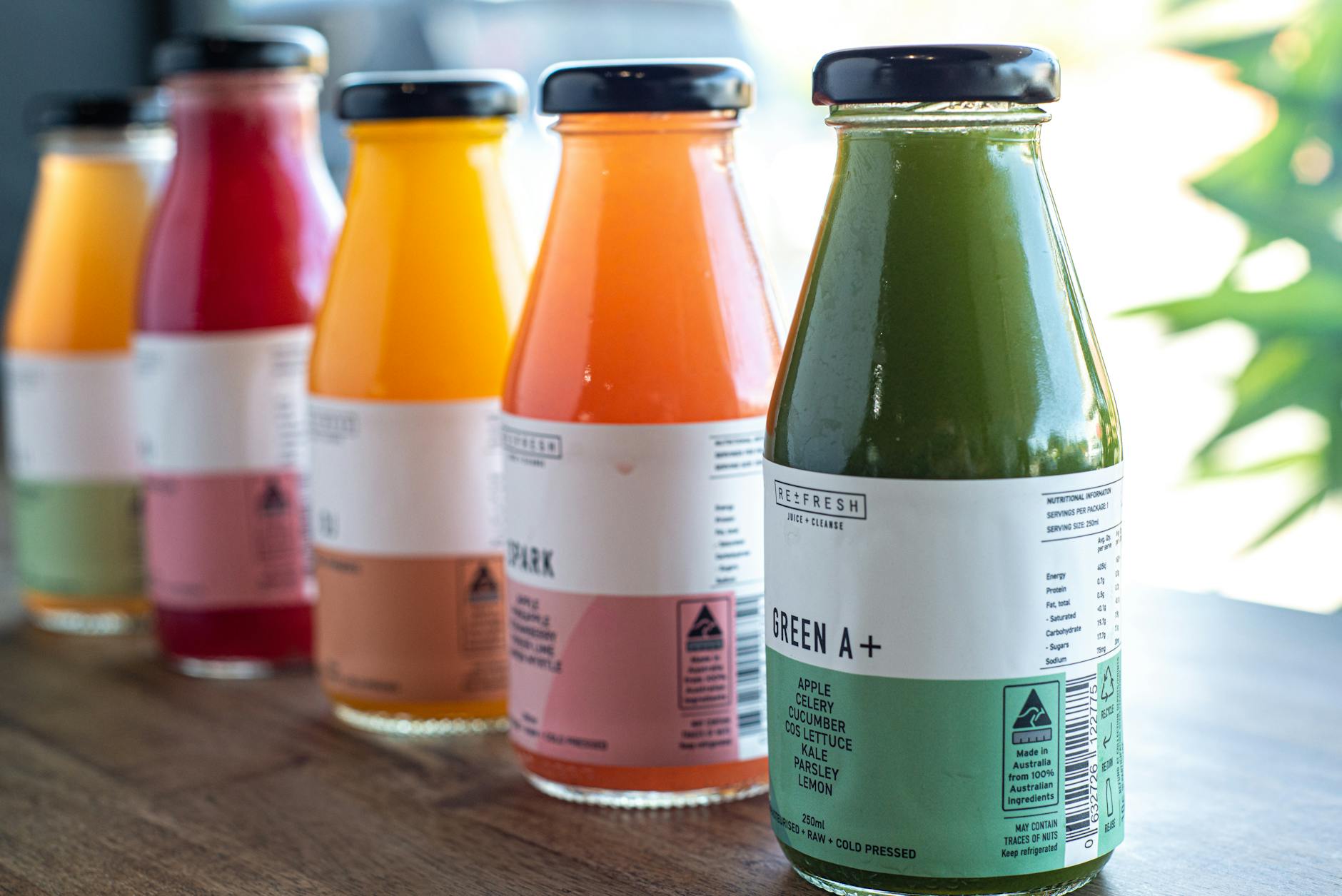
While fruit is generally healthy the processed juice varieties often strip away beneficial fiber and leave behind a concentrated sugar liquid. This rapid influx of fructose spikes blood sugar levels and can contribute to insulin resistance which directly harms kidney blood vessels. Many juices such as orange juice contain very high levels of potassium that can be dangerous for individuals who already have compromised kidney function. Relying on whole fruit instead of juice helps moderate sugar intake and provides necessary fiber for digestion.
Diet Soda

Diet sodas may lack sugar but they often contain artificial sweeteners like aspartame or saccharin which have been linked to a decline in kidney function. Studies suggest that drinking multiple diet sodas daily can lead to a significant drop in the glomerular filtration rate. The acidity in these drinks continues to leach calcium from the system and increases the likelihood of kidney stones despite the absence of calories. Consumers often mistakenly believe these are harmless alternatives while they still present a chemical load for the kidneys to process.
Bottled Smoothies

Pre-packaged smoothies frequently masquerade as health foods while containing sugar levels comparable to soda. The excessive protein powders sometimes added to these drinks can place a heavy filtration load on the kidneys if consumed in large quantities. High amounts of blended fruit result in a potassium and phosphorus load that can be difficult for struggling kidneys to manage efficiently. The lack of chewing and digestion time allows these sugars and minerals to hit the bloodstream rapidly.
Sports Drinks

Sports drinks are formulated for high-intensity athletes and contain high levels of sodium that are unnecessary for the average person. Excess sodium intake increases blood pressure and forces the kidneys to excrete more calcium which raises the risk of stone formation. The high sugar content in these hydration beverages also contributes to weight gain and metabolic issues that stress the renal system. Water remains a superior choice for hydration without the added burden of salts and sugars found in these commercial products.
Canned Coffee Beverages

Canned coffee drinks are often heavily processed and loaded with preservatives and phosphorus additives to extend shelf life. The combination of high caffeine and extreme sugar content creates a cycle of dehydration and blood sugar spikes that wears down kidney resilience. Many of these drinks use dairy creamers that are high in potassium and phosphorus which must be carefully filtered by the kidneys. The convenience of these grab-and-go coffees comes at the cost of consuming a chemical cocktail that offers little nutritional benefit.
Beer

Beer contains purines which the body breaks down into uric acid and this process can lead to the formation of kidney stones or gout. The alcohol content acts as a diuretic that leads to dehydration and forces the kidneys to work harder to maintain fluid balance. Frequent beer consumption contributes to weight gain and high blood pressure which are two significant risk factors for developing kidney disease. The strain is compounded when beer is consumed in large quantities as the kidneys must filter both the alcohol and the byproducts of fermentation.
Chocolate Milk

Chocolate milk is often praised for recovery but it is naturally high in both phosphorus and potassium due to its dairy and cocoa content. These minerals can build up in the blood of those with weakened kidneys and cause dangerous heart and bone issues. The added sugar in chocolate varieties further increases the caloric load and potential for metabolic damage over time. Individuals monitoring their kidney health must be cautious with high-dairy beverages that deliver such a concentrated dose of minerals.
Pre-Workout Supplements

Powdered pre-workout mixes are notorious for unregulated ingredients and massive doses of caffeine that can shock the renal system. Many contain creatine which produces creatinine as a waste product and can falsely elevate kidney function test results while adding filtration stress. The artificial colors and sweeteners used to flavor these powders add unnecessary chemicals for the body to process and excrete. There have been documented cases of acute kidney injury linked to the overuse of improper hydration alongside these potent supplements.
Sweetened Lemonade

Commercial lemonade is highly acidic and typically contains more sugar per serving than many carbonated sodas. While lemon citrate can be beneficial for preventing stones the massive sugar content counteracts this benefit by increasing calcium excretion. The high fructose corn syrup often used as a sweetener drives inflammation and increases the risk of developing diabetes and subsequent kidney failure. Homemade versions with minimal sugar are safer but store-bought varieties are essentially sugar water with lemon flavoring.
Dairy Milkshakes
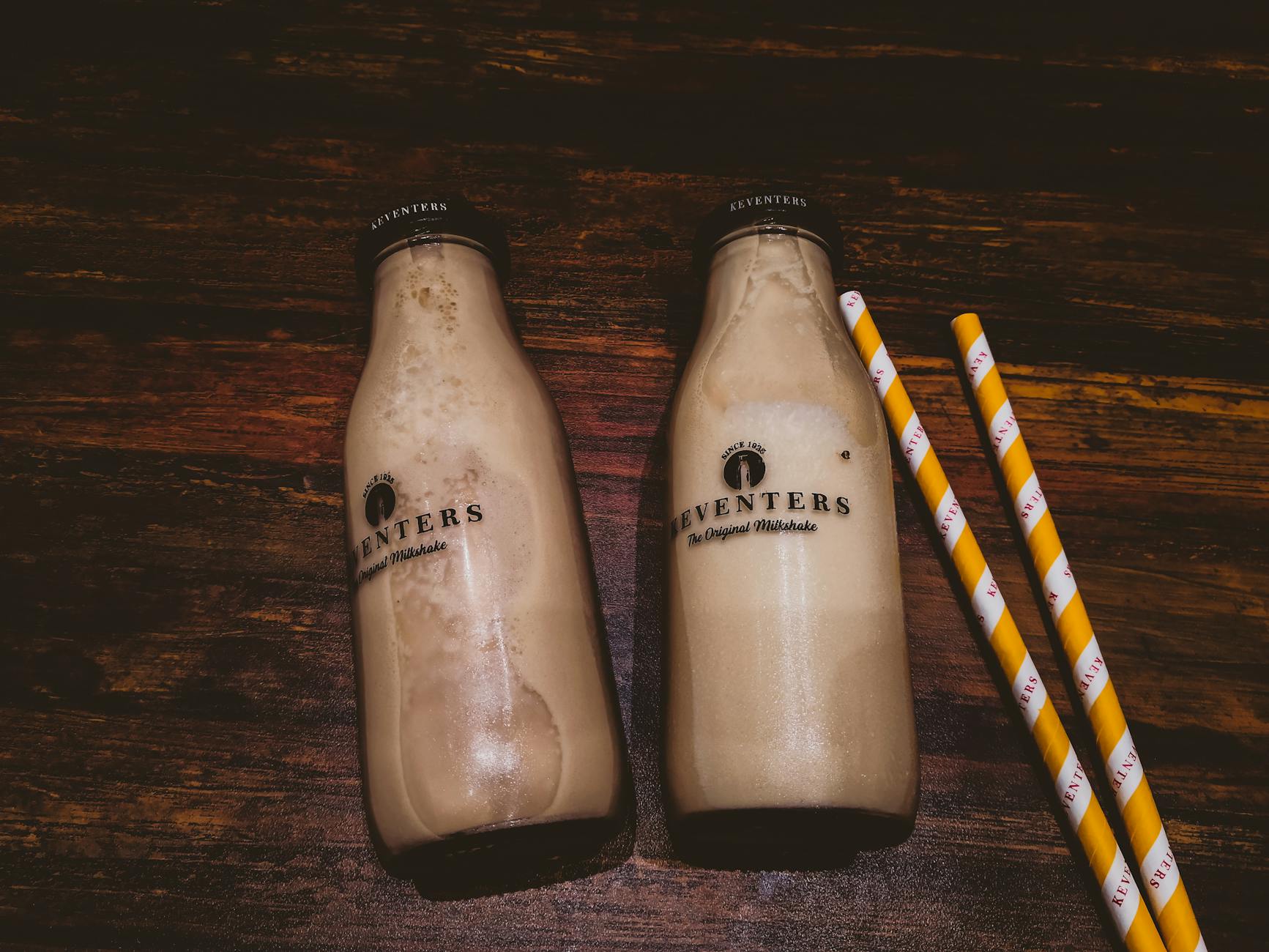
Milkshakes combine high-fat dairy with massive amounts of sugar to create a beverage that is difficult for the body to process. The high levels of calcium and protein in such a concentrated form can overburden the kidneys and contribute to stone formation in susceptible individuals. Consuming such calorie-dense drinks leads to rapid weight gain which places additional physical pressure on the kidneys. The saturated fats found in the heavy cream and ice cream components can also contribute to cardiovascular issues that indirectly harm renal health.
High-Sodium Vegetable Juice
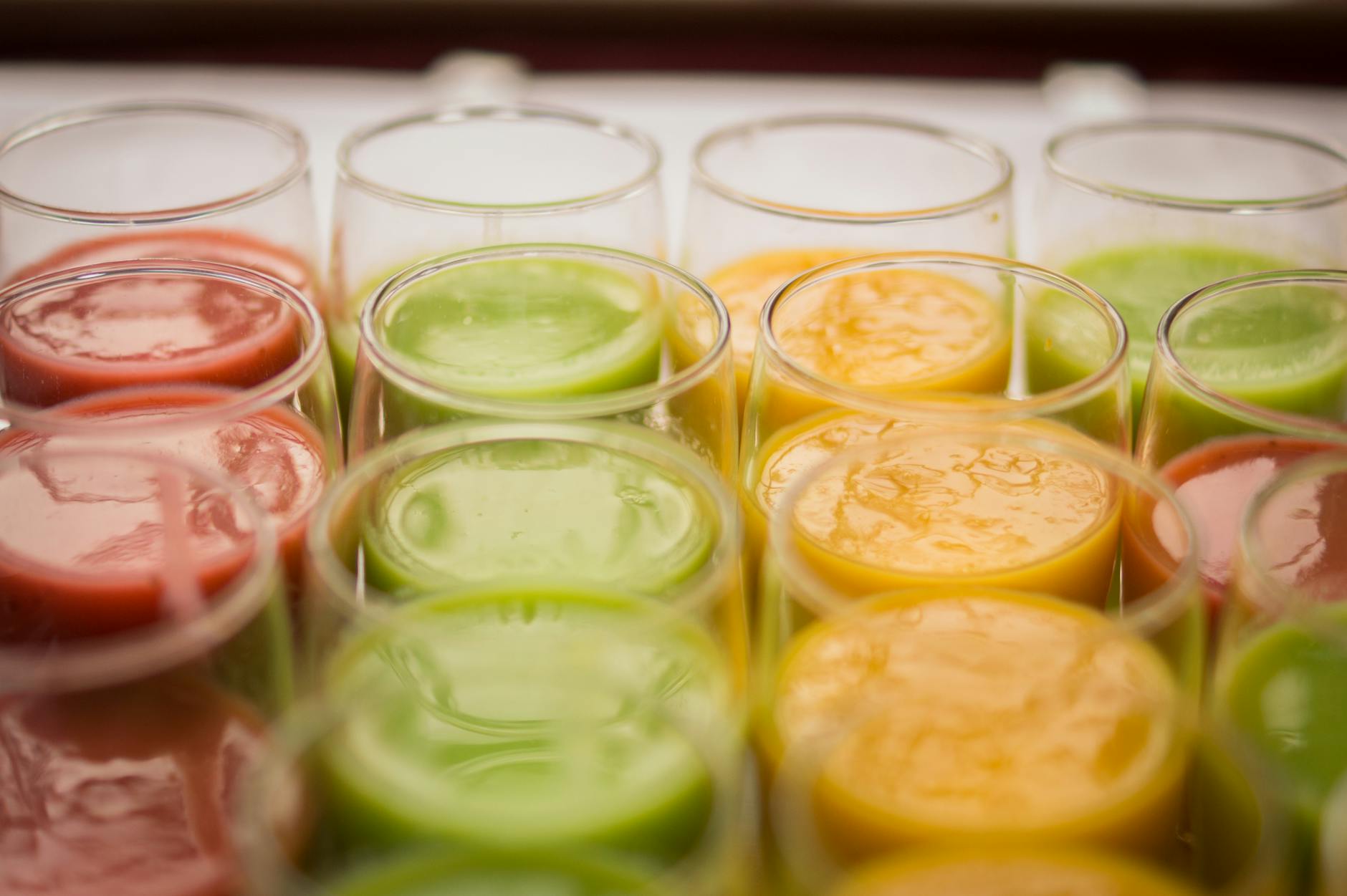
Canned vegetable juices are often marketed as a convenient way to get greens but they are typically saturated with sodium to improve flavor. A single serving can contain a significant portion of the daily recommended salt intake which raises blood pressure and stresses the kidneys’ filtration units. The removal of fiber during the juicing process allows the sodium to be absorbed rapidly into the bloodstream. Checking labels for low-sodium versions is essential as the standard varieties pose a genuine risk to maintaining healthy blood pressure levels.
Please share your own experiences with these beverages or suggest healthier alternatives in the comments.