Sun protection is a vital component of daily health yet many individuals inadvertently reduce its effectiveness through improper application techniques. Understanding the nuances of SPF usage ensures better defense against harmful UV radiation and premature aging. Experts emphasize consistency and adequate coverage as the cornerstones of a successful sun care regimen. Avoiding common pitfalls allows the product to perform as intended during outdoor activities and daily exposure.
Applying Insufficient Amounts

Most people apply significantly less product than the recommended amount for full protection. Dermatologists suggest using a shot glass worth of lotion to cover the entire body effectively. Spreading the cream too thin reduces the stated SPF level and leaves the skin vulnerable to damage. A generous layer ensures a uniform barrier against ultraviolet rays. This is arguably the most frequent error in daily sun care routines.
Waiting Until You Are Outside

Chemical sunscreens require time to absorb into the skin and become active. Applying lotion right when you step into the sun leaves you unprotected for the first fifteen to twenty minutes. The ideal method involves application before getting dressed to ensure coverage and absorption. This simple timing adjustment maximizes the effectiveness of the protective ingredients.
Forgetting Commonly Missed Areas

It is easy to focus on large areas like arms and legs while neglecting smaller sensitive spots. The ears and eyelids are frequent sites for skin cancer development due to lack of coverage. The tops of the feet and the back of the neck often suffer burns because they are overlooked. Paying attention to these detailed areas provides comprehensive safety.
Skipping Cloudy Days

UV rays penetrate through cloud cover and can cause damage even when the sun is not visible. Many individuals falsely believe they are safe during overcast weather and skip their daily SPF. Up to eighty percent of solar radiation still reaches the earth on gray days. Consistent application regardless of the weather remains crucial for long-term skin health.
Relying Solely on Makeup
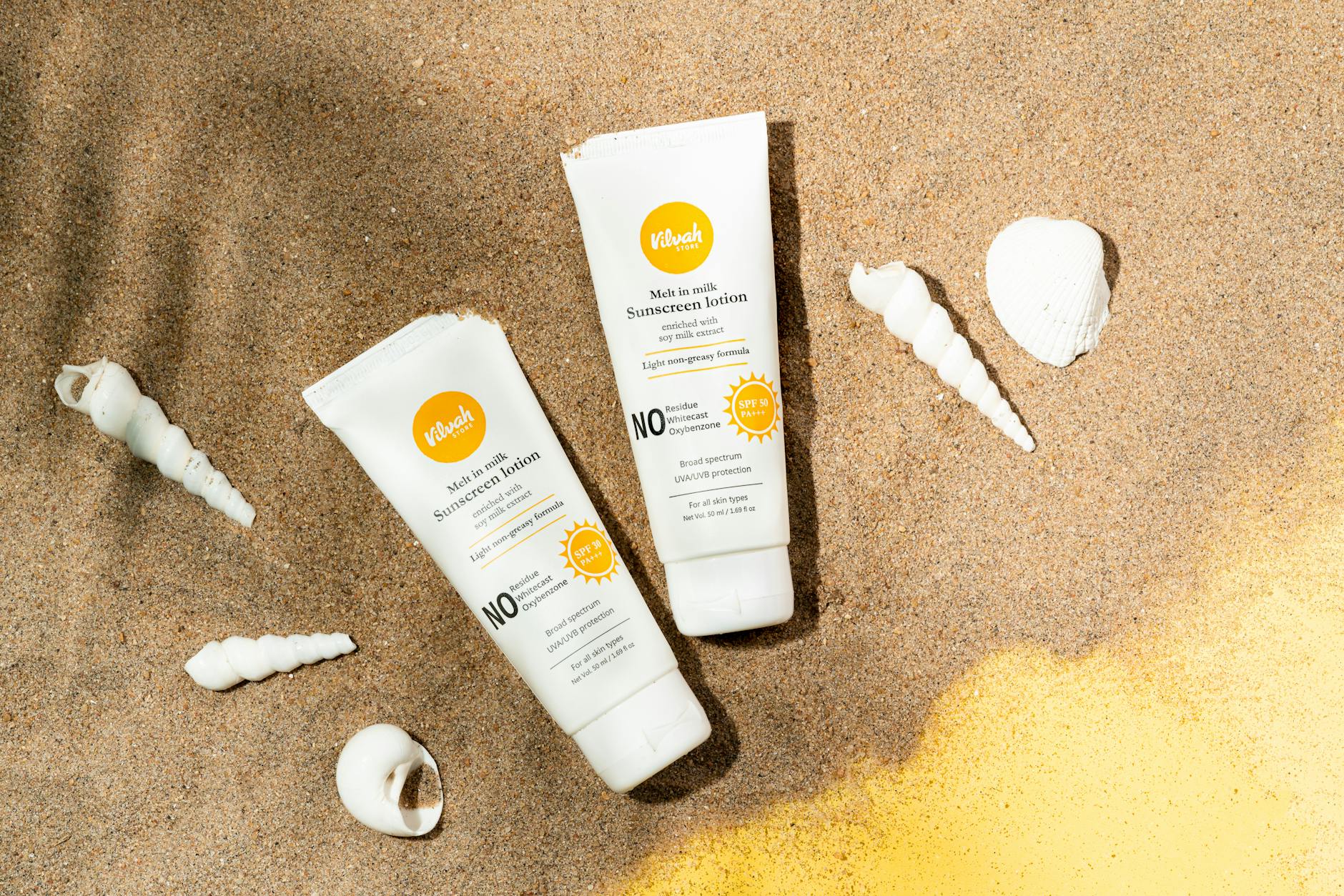
Foundation or powder with added SPF usually does not offer sufficient broad-spectrum protection. You would need to apply a very thick layer of makeup to achieve the protection factor listed on the bottle. Using a dedicated sunscreen underneath cosmetic products creates a reliable base layer. Makeup should be viewed as an added bonus rather than the primary shield.
Neglecting Reapplication
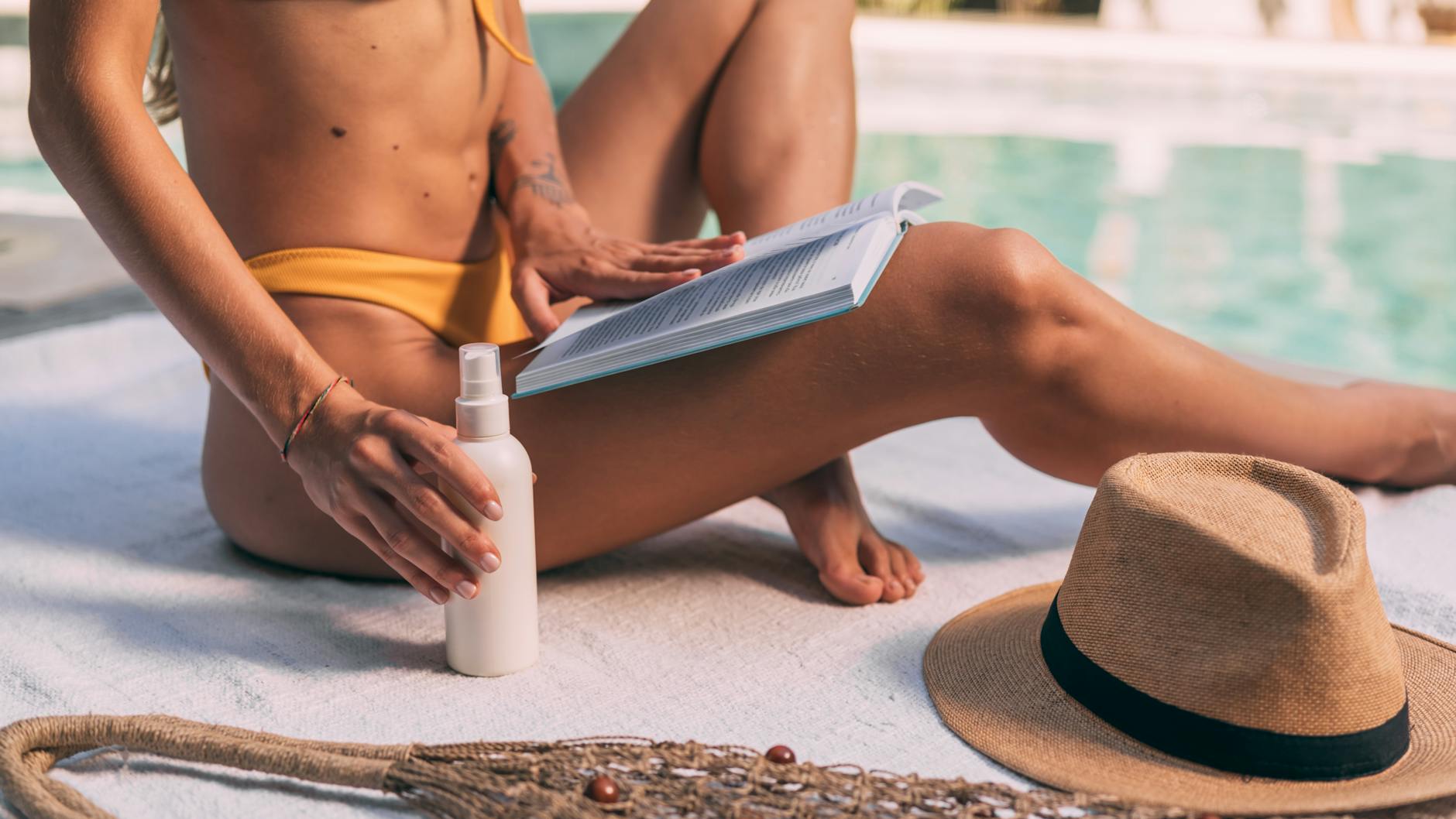
Sunscreen breaks down over time due to exposure to light and natural skin oils. A single morning application does not provide protection for an entire day outdoors. Experts recommend reapplying every two hours or immediately after swimming or sweating. This habit maintains the integrity of the barrier throughout the day.
Using Expired Products

Active ingredients in sun protection formulas degrade over time and lose their potency. An old bottle found at the back of the cabinet likely offers little to no defense against burns. Checking the expiration date ensures the chemical or mineral filters are still stable. Replacing your supply annually guarantees you get the protection promised on the label.
Ignoring the Scalp and Hairline
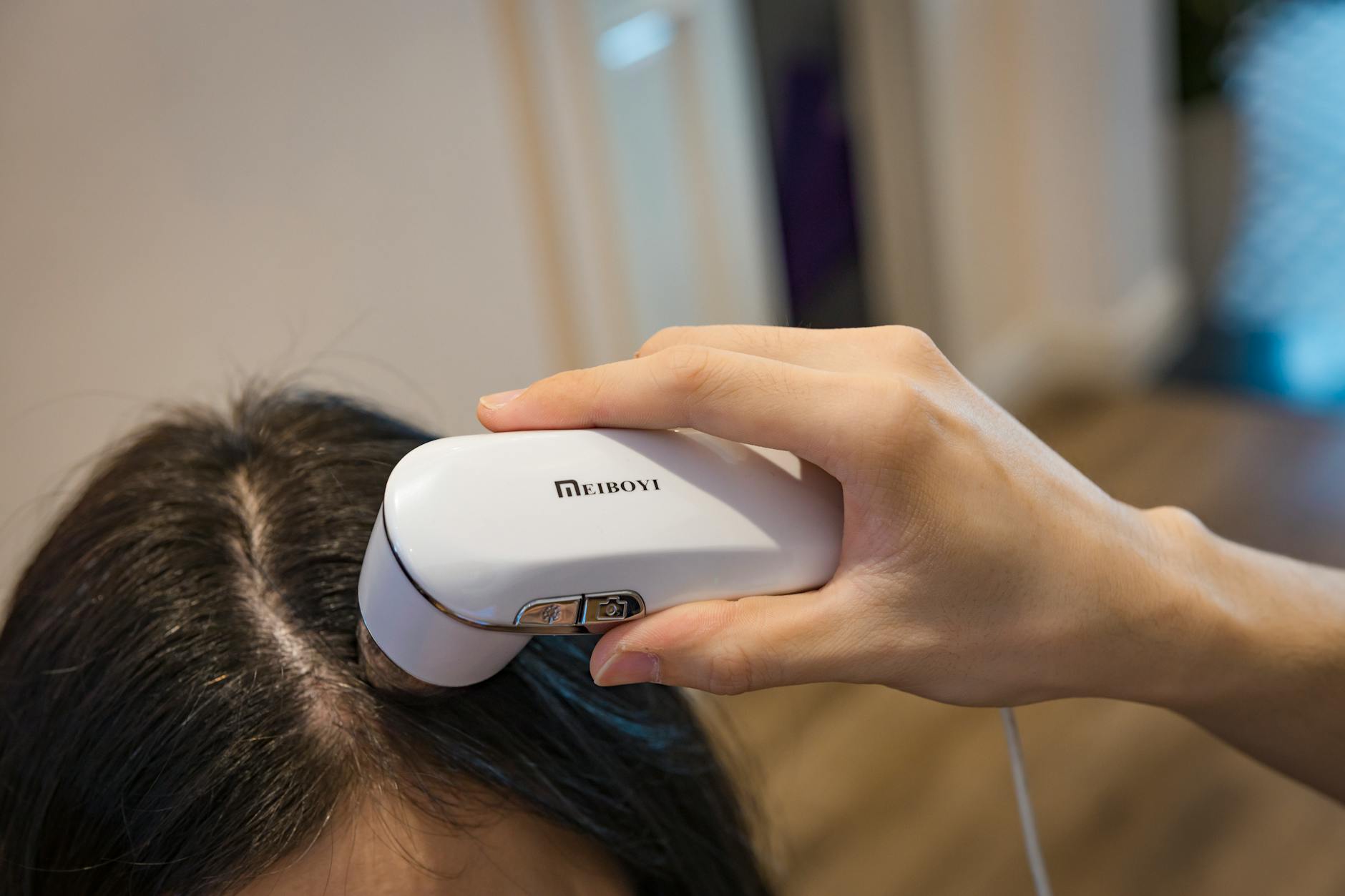
The skin on the head is extremely delicate and often directly exposed to the sun. People frequently avoid this area to prevent greasy hair but leave themselves open to painful burns. Sprays or powders designed for the scalp can protect the parting line without ruining a hairstyle. Wearing a hat offers the best physical defense for this specific zone.
Rubbing Mineral Formulas Too Vigorously

Physical sunscreens containing zinc oxide or titanium dioxide sit on top of the skin to reflect light. Rubbing these products in too aggressively can create gaps in coverage and reduce their efficacy. Gently patting or smoothing the cream allows it to form an even protective film. The white cast eventually fades without compromising the physical barrier.
Misunderstanding Water Resistance
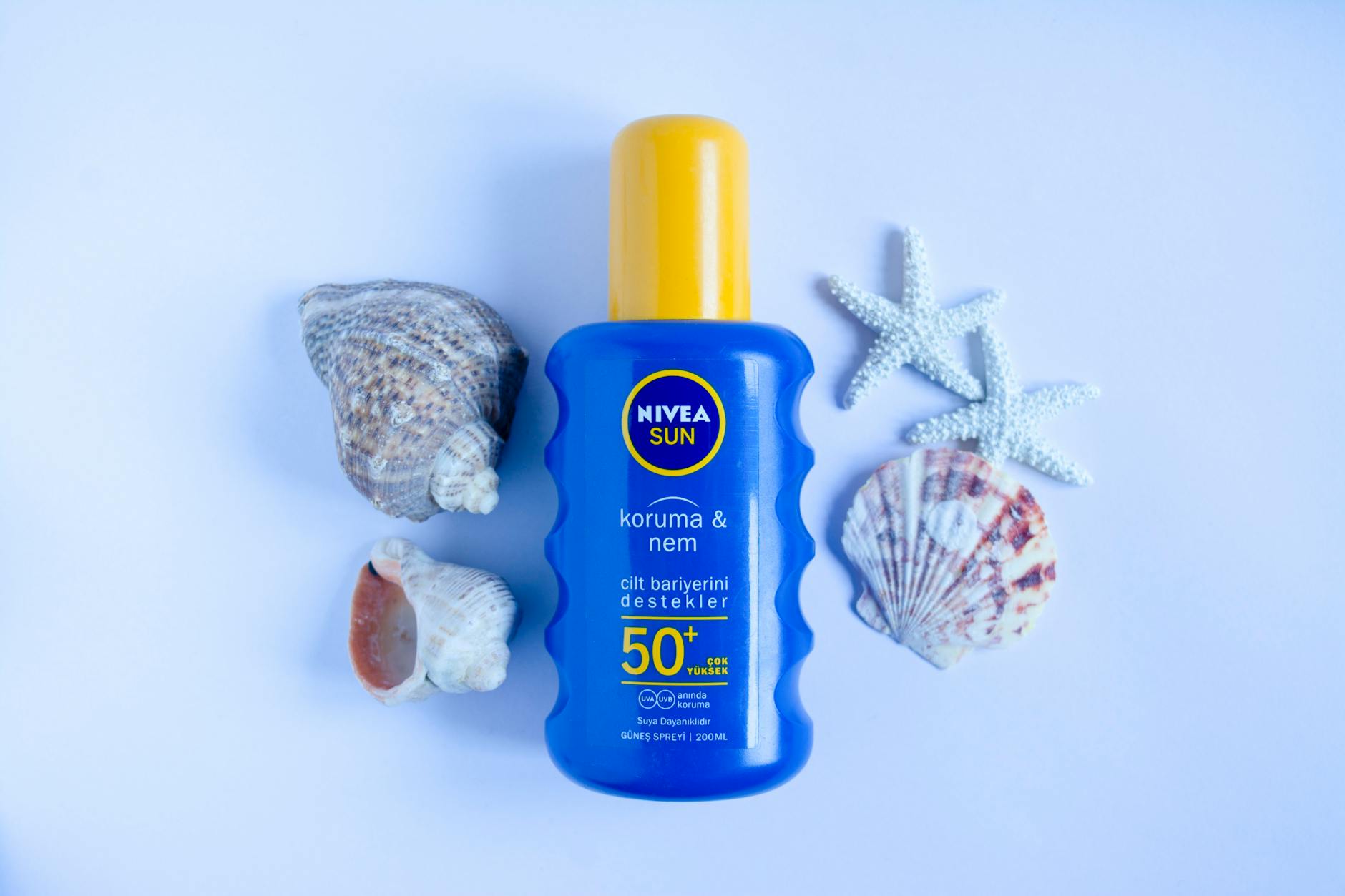
No sunscreen is truly waterproof or sweatproof indefinitely. Labels indicating water resistance usually guarantee protection for forty or eighty minutes of activity. Failing to reapply after toweling off removes the product and exposes wet skin to UV rays. Awareness of these time limits prevents unexpected burns during water sports.
Overlooking the Lips
The skin on the lips is thin and lacks melanin which makes it highly susceptible to sun damage. Regular lip balms without SPF provide moisture but act like oil to amplify UV penetration. Using a dedicated lip balm with sun protection factor prevents dryness and long-term damage. This small step is often forgotten until painful chapping occurs.
Assuming Windows Block All UV Rays
Glass windows typically block UVB rays but allow harmful UVA rays to pass through. Sitting near a window while driving or working indoors still exposes the skin to aging radiation. Daily application is necessary even for those who spend most of their time inside. This cumulative exposure contributes significantly to photoaging over the years.
Dressing Before the Product Sets

Putting clothes on immediately after application can rub the lotion off the skin. This transfer reduces coverage on the body and can stain fabrics with oil or chemical filters. Allowing the product to dry for ten minutes ensures it stays on your skin where it belongs. Proper absorption prevents the frustration of ruined clothes and patchy protection.
Treating All Skin Tones the Same
Everyone needs sun protection regardless of how easily they tan naturally. Darker skin tones still suffer from UV damage and hyperpigmentation even if burns are less visible. Believing that melanin provides total immunity is a dangerous misconception that leads to health risks. Universal application is necessary for preventing cancer and aging across all demographics.
Using Spray Sunscreens Incorrectly
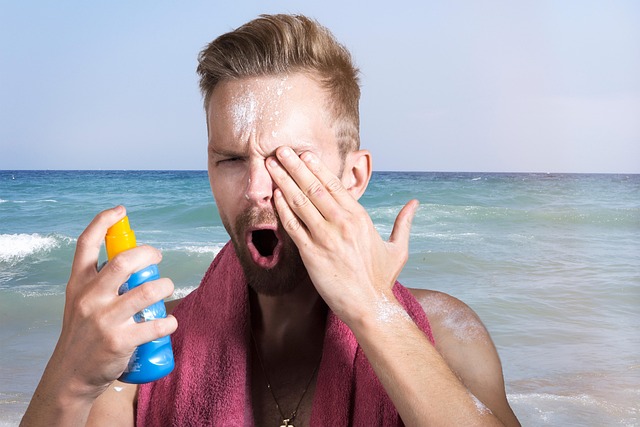
Aerosol sprays are convenient but often result in patchy and insufficient coverage. The wind can carry much of the product away before it even touches the skin. It is best to spray the product into hands first and then rub it onto the body. This technique ensures an even layer and prevents inhalation of the aerosol fumes.
Please share your own sun protection tips or experiences with these products in the comments.




